Habila Book Review and Summary
-
 Tiago Silva
 - 26 Aug, 2026 12:52
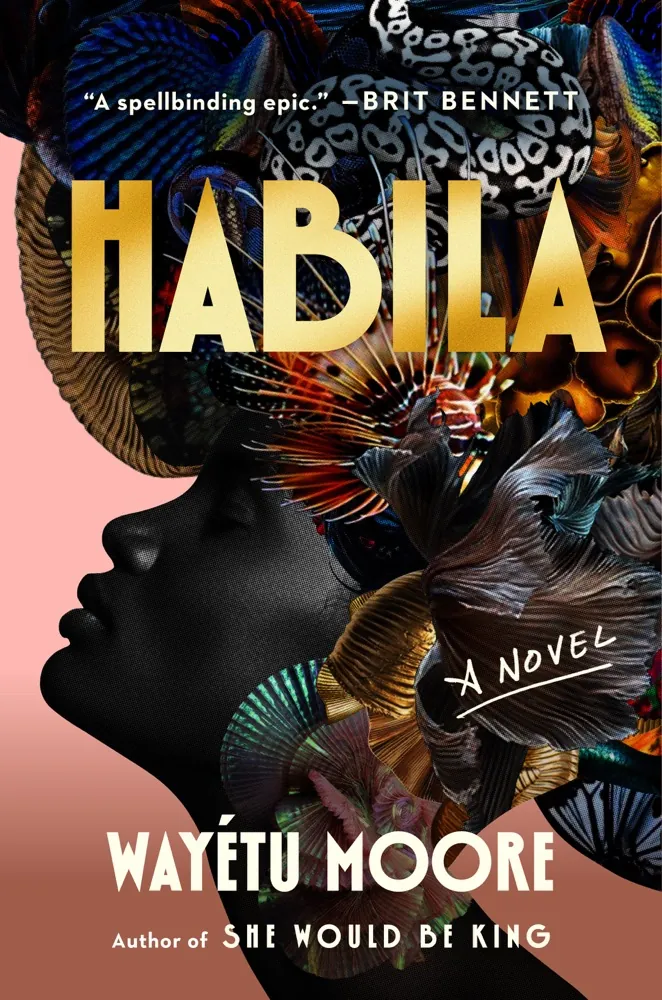
Author: Wayétu Moore
Page Count: Unknown
Publication Date: Expected publication 2026 APL
Wayétu Moore is back with Habila, and I am already exhausted by the sheer volume of think-pieces this will spawn in the Review of Books. Expect breathless comparisons to Toni Morrison’s Belon—wait, let’s be entirely original for once and name-drop Marlon James or N.K. Jemisin, though neither quite captures the hyper-specific bourgeois anxiety of relocating from Monrovia to a literal backwater in Texas.
Texas. Truly, the aesthetic downgrade of the century.
Drowning in Metaphorical Subtext
The premise rests on a grieving Liberian family, a dead patriarch named Tokpa, a hostile Lone Star backdrop, and a water goddess holding a lethal grudge against the entire male gender. Groundbreaking stuff. Mami Wata mythology meets middle-school bullying in a lake. Melanctha gets pushed in, develops an aquatic lung capacity, and receives a cursed comb. Because every mythological entity apparently moonlights as a sketchy beauty supply vendor.
Been there, read that.
And yet. The prose promises to be lush. Lyrical. Those exact marketing buzzwords that usually translate to “the editor was afraid of the author.” Moore has serious chops—She Would Be King proved she can handle historical magical realism without it reading like a high schooler’s Tumblr diary. But a siren weaponizing a hair accessory against the patriarchy? It’s giving millennial-pink feminist theory filtered through aquatic folklore. Give us grit. Give us something that doesn’t feel custom-designed for a book club led by someone who pronounces chardonnay with a silent ‘y’.
The Weaponization of Motherhood
We are promised an exhaustive interrogation of immigrant identity, generational trauma, and “the legacies wrought by men who take but never give back.” A bit heavy-handed, no? Men are trash, water demons are bitter, and teenagers just want to breathe underwater. The thematic scaffolding is so obvious I can see the blueprints from my terrace.
Still, the stylistic tension between the arid dust of Texas and the suffocating depths of Habila’s watery domain could yield some gorgeous structural imagery—if the book remembers to prioritize literary craft over cable-network allegories. I am praying for fewer didactic lectures on womanhood and more genuine, messy narrative ambiguity. Let the goddess be genuinely terrifying, not just a metaphor for a messy divorce.
I simply must go finalize the seating chart for the solstice dinner before the caterer starts drinking my personal cellar.
#WayetuMoore #Habila #BookTwitterIsExhausting