Showing Posts From
Poetry
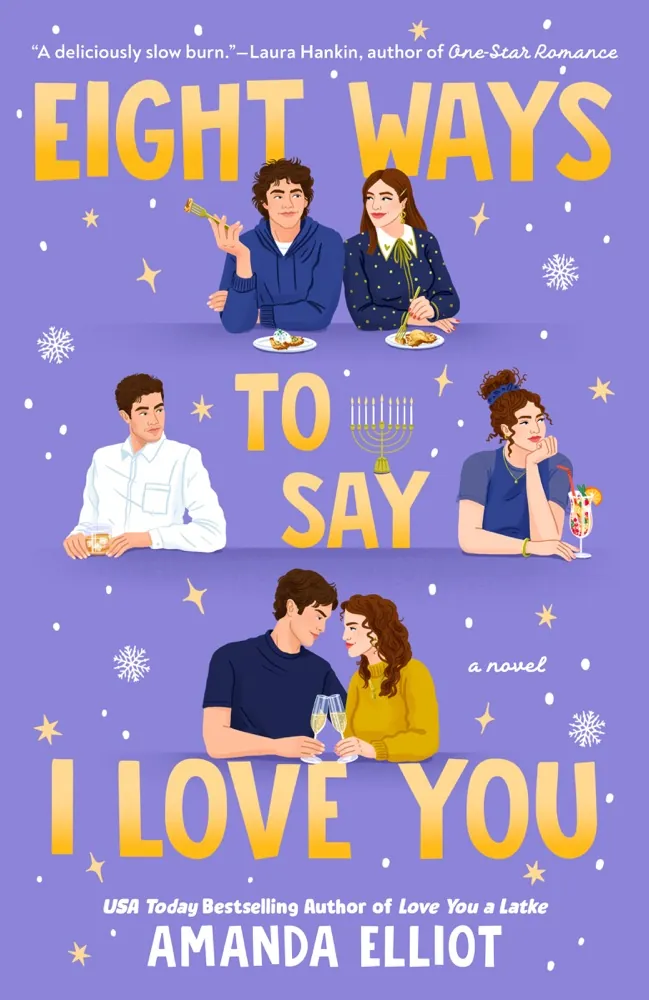
Author: Amanda ElliotPage Count: UnknownPublication Date: Expected publication 2026-10-27 APL Crisp October air carries the scent of burning leaves and aged cabernet through the study, bringing with it the kind of melancholy that usually demands a heavy pour. Amanda Elliot returns this autumn with Eight Ways to Say I Love You, a seasonal offering that arrives right on schedule for the impending chill. Naturally, the publishing machine insists on feeding us yet another iteration of the perennial favorite—friends-to-lovers, wrapped in holiday tinsel and baked goods. Groundbreaking. But let us examine the vintage before we spit it out. The Eight-Year Hangover The premise relies on a temporal gimmick stretching across eight years of Hanukkah celebrations. Shira Levinson is thriving in Los Angeles, embodying the classic millennial delusion of California success. Meanwhile, Leo David is rotting in New Jersey after a collegiate flameout, drowning in daddy issues and unrequited pining. This is exactly why I have trust issues. Why must romance novelists eternally subject us to the emotional asymmetry of the successful woman and the sad-sack brooding artist? It gives off severe Prince Andrew energy at a children's birthday party. The synopsis promises shifting trajectories where our protagonists drift apart and collide again by the menorah. How deliciously convenient. Real life rarely respects the clean eight-year narrative arc; usually, people just text each other at two in the morning on a Tuesday and regret it by dawn. Elliot attempts to elevate the standard forced-proximity trope into a sweeping generational study of missed timing. Yet the promotional text reads with the predictable cadence of a Hallmark movie directed by an algorithm that ate three Nora Ephron paperbacks. Ephemeral Sparks and Literary Merlot One must wonder if the eight-year span offers genuine character metamorphosis or merely an excuse to drag out the sexual tension until the final page. Give us some narrative friction. Let them be messy, irredeemable, and deeply obnoxious. Instead, we are handed the tired trope of the boy who loved her all along from his subterranean bedroom in his father's house. Tragic. If you enjoyed Emily Henry’s sun-drenched banter or the cozy predictability of Book Lovers, this will slide down your throat just as easily as a twenty-dollar Pinot Grigio at a Tuesday book club. It is engineered for mass consumption, designed to be devoured between sips of mulled cider while the autumn rain taps aggressively against the French panes. Does it revolutionize the genre? Absolutely the fuck not. It simply rearranges the furniture of the Jewish holiday romance subgenre and slaps a shiny 2026 release date on the spine. The valet just texted that the Bentley is out front, and I have an exclusive wine tasting event at the country club in an hour. One must go swirl some overpriced Bordeaux and pretend to care about everyone else's vintage portfolios. #BookTwitter #RomanceBooks #FallReading #HanukkahRomance
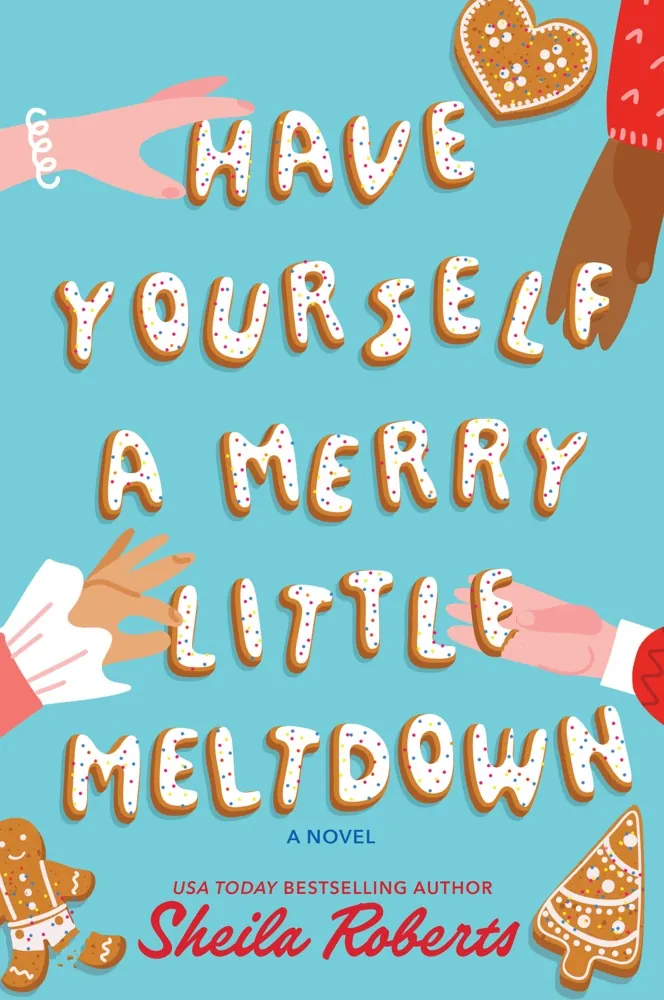
Author: Sheila RobertsPage Count: UnknownPublication Date: Expected publication 2026-10-13 APL Brace yourselves, darlings. Sheila Roberts is about to drop Have Yourself a Merry Little Meltdown upon our collective bedside tables, and honestly? The literary establishment is shaking. Or perhaps just desperately reaching for another pour of vintage Chablis before dealing with the sheer, unadulterated chaos of a fictional Pacific Northwest Christmas. The Pseudonym Paradox and Sartorial Deception Let us examine the architecture of this premise. A protagonist writing a roman à clef about her own eccentric bloodline—iconic behavior, truly—while attempting to evade detection via a disguise consisting entirely of a wig and spectacles. Clark Kent did it with less panacea. Yet, the synopsis relies on this transparent ruse with the earnestness of a Hallmark executive hopped on espresso. And yet, I live for the camp value. It is giving high-concept farce wrapped in seasonal sentimentality. We are promised a second-chance romance involving a bookstore employee named Charles. A man who allegedly views shelving her literary debut as a divine cosmic cue to slide into her affections. Charles is playing 4D chess while Jordan is merely trying not to combust under the weight of minor family emergencies. The narrative stakes are deliciously low-stakes. No sprawling dystopias here. Just small-town nosiness and the sheer horror of being perceived by someone who knew you when you had bangs and braces. The Intersection of Nostalgia and Absolute Cringe The thematic undercurrents here point toward the eternal struggle of outgrowing your hometown while simultaneously sliding right back into your childhood trauma the second you cross the county line. Roberts traffics in the same comforting literary ecosystem as Mary Kay Andrews or Jenny Colgan—frothy, digestible, and aggressively charming. But let us be real for a moment. Nobody reads this genre for avant-garde structural experimentation. They read it to watch emotionally constipated protagonists finally admit their feelings while a stray golden retriever watches uncomfortably. Actually, scratch that completely. The inclusion of a disguise-wearing author implies a biting satirical undercurrent about the commodification of familial dysfunction that Roberts might not even fully realize she is tapping into. Or maybe it is just pure literary junk food. Either way, buy the hardback. Put it on the coffee table next to the art books. Let the peasants think you have whimsy. Now, if you will excuse me, I must go select the artwork for the lobby of my new corporate headquarters. #BookTwitter #HolidayRomance #ReadingList Related InsightsWhere She Went Book Review and Summary Hamlet & Juliet (The Star Crossed #1) Book Review and Summary Death on the Nile Book Review and Summary{ "@context": "https://schema.org", "@type": "FAQPage", "mainEntity": [ { "@type": "Question", "name": "What is the main focus of Have Yourself a Merry Little Meltdown Book Review and Summary?", "acceptedAnswer": { "@type": "Answer", "text": "Everything you need to know about Have Yourself a Merry Little Meltdown with our detailed review." } }, { "@type": "Question", "name": "Who authored the comprehensive guide on Have Yourself a Merry Little Meltdown Book Review and Summary?", "acceptedAnswer": { "@type": "Answer", "text": "This detailed article and its insights were carefully researched and authored by Tiago Silva." } }, { "@type": "Question", "name": "Where can I find more related content about Books?", "acceptedAnswer": { "@type": "Answer", "text": "You can explore more articles, detailed reviews, and similar insights by browsing the Related Insights section at the bottom of this article or visiting our dedicated Books category page." } } ] }
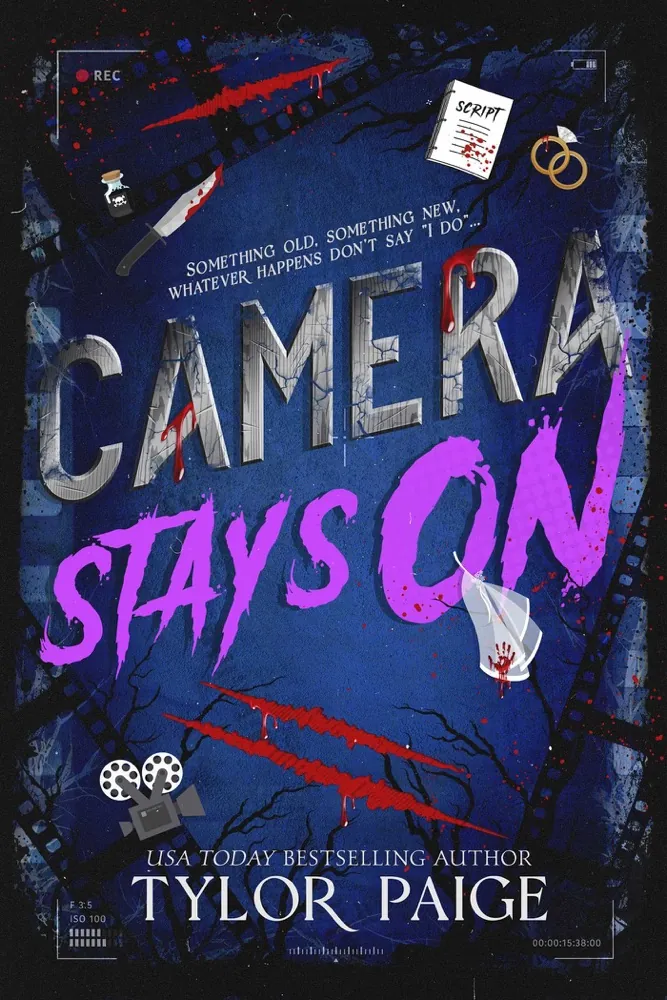
Author: Tylor PaigePage Count: UnknownPublication Date: Expected publication 2026-10-06 APL Scotch should not taste like burnt carpet fibers, yet here we are, courtesy of Uncle Richard’s baffling belief that twenty-year-old peat can bridge a generation gap. Let us discuss Camera Stays On instead. Tylor Paige clearly wants to dine out on the corpse of meta-horror, dragging us back to the cinematic execution-style dramatics of the Donner Party. Five years after an altar-bound humiliation that reads like a lesser episode of Succession, our heroine Andi gets lured into a low-budget snuff film disguised as art. Naturally, the ex-fiancé turned auteur is holding the lens. Naturally, the brooding brother is cast as the husband. It is a cinematic love triangle with the structural integrity of a collapsed soufflé. The Celluloid Abattoir The premise leans heavily into found-footage tropes that died somewhere around the third installment of V/H/S. Paige attempts a high-wire act of slasher romance—a genre pairing about as graceful as a rhino in a Valentino boutique. We are promised dangerous desires and deadly stakes on a film set. But what does the synopsis actually give us? A recycled revenge fantasy wrapped in greasepaint and cheap acrylic lighting. Everyone is directing the show, according to the jacket copy. How terribly original. Pirandello did it with six characters in search of an author, and Paige apparently thinks adding a chainsaw and some familial sexual tension makes it modern. Whatever floats your boat. The psychological interplay between the brothers Delambre and our cynical protagonist reeks of manufactured urgency. Andi was left at the altar, rebranded, and then lured back by a cash-strapped production. This is not high art. This is a Wattpad fever dream that somehow secured an ISBN and a hardback release date. Behind the Lens of Mediocrity One must wonder about the target demographic for this particular flavor of blood-soaked melodrama. Readers who prefer their prose with the subtlety of a sledgehammer will doubtless rejoice. The rest of us will sip our subpar scotch and pray for a swift execution of the plot. Or better yet, an actual blackout. The framing device relies entirely on the tired conceit that the camera never lies, a notion disproven daily by Instagram influencers and true-crime documentarians alike. Paige wants us to believe that the protagonist's journey from victim to final girl is revolutionary. Yet every single plot beat feels telegraphed from the opening line. Expect breathless pacing, predictable betrayals, and dialogue that probably sounds profound if your literary diet consists exclusively of airport thrillers. The aesthetic is pure neon-lit exploitation cinema. Think Nicolas Winding Refn, but entirely devoid of visual intelligence. Junior just backed the Cayenne directly into the fieldstone mailbox, and I need to go assess the structural damage. Related InsightsThe Divine Comedy: Inferno - Purgatorio - Paradiso Book Review and Summary Dead Before Tea Time: An Agatha Raisin Mystery (Agatha Raisin Mysteries, 37) Book Review and Summary All I Know (Silver Springs, #3) Book Review and Summary{ "@context": "https://schema.org", "@type": "FAQPage", "mainEntity": [ { "@type": "Question", "name": "What is the main focus of Camera Stays On Book Review and Summary?", "acceptedAnswer": { "@type": "Answer", "text": "Everything you need to know about Camera Stays On with our detailed review." } }, { "@type": "Question", "name": "Who authored the comprehensive guide on Camera Stays On Book Review and Summary?", "acceptedAnswer": { "@type": "Answer", "text": "This detailed article and its insights were carefully researched and authored by Tiago Silva." } }, { "@type": "Question", "name": "Where can I find more related content about Books?", "acceptedAnswer": { "@type": "Answer", "text": "You can explore more articles, detailed reviews, and similar insights by browsing the Related Insights section at the bottom of this article or visiting our dedicated Books category page." } } ] }
-
 Tiago Silva
 - 09 Sep, 2026 19:59
The Book of Magical Living: 8 Secrets to Good Fortune Book Review and Summary
Author: Poppy JamiePage Count: UnknownPublication Date: Expected publication 2026 APL September air smells excessively of expensive eucalyptus and crushed ambition, which is precisely the mood required to evaluate whatever glossy, lifestyle-adjacent curation Poppy Jamie has decided to inflict upon our nightstands for 2026. The publishing world continues its relentless march toward monetized serenity. The Book of Magical Living: 8 Secrets to Good Fortune arrives with the heavy-handed promise of a wellness retreat wrapped in a hardcover. But let us pause—actually, cancel that entire thought, because I just remembered her previous ceramic mug collection chipped if you looked at it too harshly, making any discourse on "fortune" instantly suspect. The Architecture of Unearned Joy Eight secrets. Exactly eight. Because the universe apparently operates like a corporate quarterly report. We are expected to buy into the aestheticized minimalism of manifesting prosperity, as if a well-placed linen throw can cure structural existential dread. And yet, there is a viciously clever marketing engine humming underneath these pages. Think Gwyneth Paltrow collaborating with a Victorian ghost—high-brow porcelain aesthetics meeting absolute zero-effort spiritual hustle. The prose will undoubtedly glide across the page like chilled champagne over marble countertops, utterly devoid of grit, sweat, or actual human messiness. The Commodification of Serendipity Fortune is not an actionable bullet point. But do not tell the lifestyle industrial complex that, because they will simply slap a pastel dust jacket on it and sell it at a concept store for forty-eight dollars. Jamie operates in that peculiar stratosphere where intuition is rebranded as a proprietary methodology. One expects chapters on circadian alignment and crystal-infused hydration, executed with such aggressive cheerfulness that you want to throw a heavy hardcover directly through a pane of leaded glass. Read The House in the Cerulean Sea if you want genuine whimsy, or stick to Joan Didion if you prefer your melancholy unadulterated by gratitude journals. This volume will undoubtedly sit on reclaimed wood coffee tables across Mayfair, perpetually unopened, serving as a silent testament to someone’s desperate desire to curate an effortless aura. I am going to sit in my mahogany-lined study in absolute, expensive silence. Related InsightsNotes on a Nervous Planet Book Review and Summary Until the Last Light Goes Out Book Review and Summary Non farti prendere dal panico: Odissea intergalattica tra le pagine di Douglas Adams{ "@context": "https://schema.org", "@type": "FAQPage", "mainEntity": [ { "@type": "Question", "name": "What is the main focus of The Book of Magical Living: 8 Secrets to Good Fortune Book Review and Summary?", "acceptedAnswer": { "@type": "Answer", "text": "Everything you need to know about The Book of Magical Living: 8 Secrets to Good Fortune with our detailed review." } }, { "@type": "Question", "name": "Who authored the comprehensive guide on The Book of Magical Living: 8 Secrets to Good Fortune Book Review and Summary?", "acceptedAnswer": { "@type": "Answer", "text": "This detailed article and its insights were carefully researched and authored by Tiago Silva." } }, { "@type": "Question", "name": "Where can I find more related content about Books?", "acceptedAnswer": { "@type": "Answer", "text": "You can explore more articles, detailed reviews, and similar insights by browsing the Related Insights section at the bottom of this article or visiting our dedicated Books category page." } } ] }
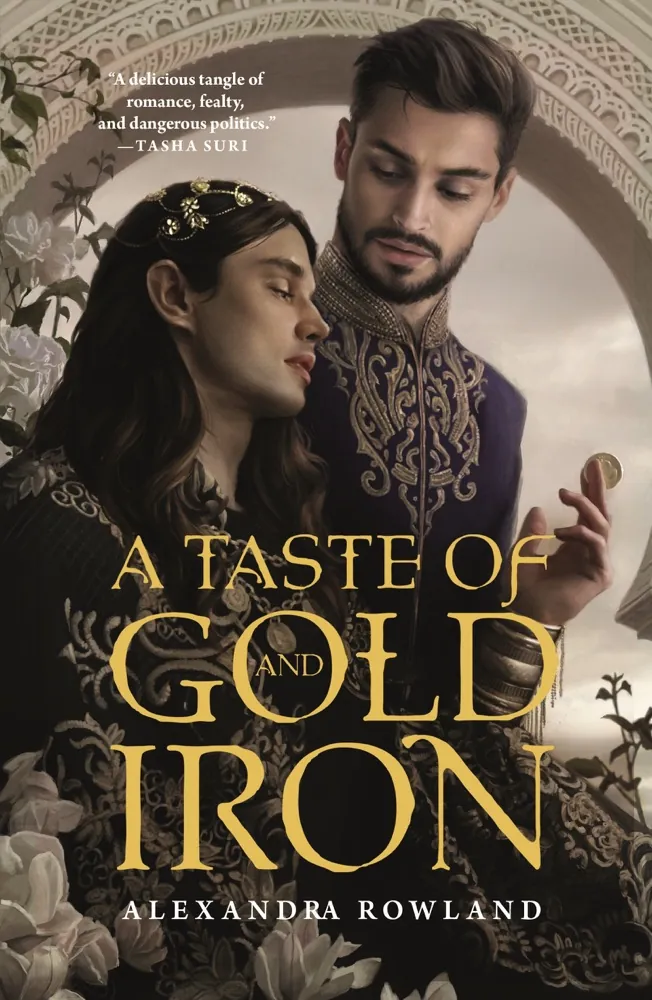
Author: Alexandra RowlandPage Count: UnknownPublication Date: Expected publication 2026 APL Someone just offered me a flute of vintage champagne that looks suspiciously like ginger ale, and honestly, the indignity of this charity gala is almost as exhausting as waiting for Alexandra Rowland to drop the next volume of our shared obsession. We have been starved for prose this decadent since The Goblin Emperor ruined standard court intrigue for everyone else. The Architecture of Slander Look at the premise for The Wisdom of Emperors. Kadou, an absolute snack of a shy prince, gets publicly humiliated by some inflated bureaucrat. A classic cringe-fail moment. But wait—actually, I take it back; calling it a cringe-fail completely undermines the exquisite, slow-burn psychological torture Rowland inflicts on her protagonists. So what does our bruised royal do? He takes on a guild break-in investigation just to prove his worth to his sister, dragging along Evemer, a bodyguard so coldly handsome he probably makes marble statues feel insecure. Touch-tasting precious metals with bare fingers? Incredible worldbuilding flex. Counterfeiting treated as heresy? Based. Financial Ruin and Emotional Damage And the synopsis acts like this is just a standard fantasy romp. Please. I lost brain cells reading that reductive little press blurb. We are looking at a masterclass in geopolitical subversion disguised as a queer romance, giving major Magnificent Century opulence meets high-stakes financial terrorism. Inflation hits different when fake currency threatens to collapse an entire empire inspired by the Ottomans. Expect absolute tonal whiplash between tender touch-tastes of gold and brutal economic collapse. Excuse me, my phone is buzzing. I need to go buy out a failing competitor before the market closes.
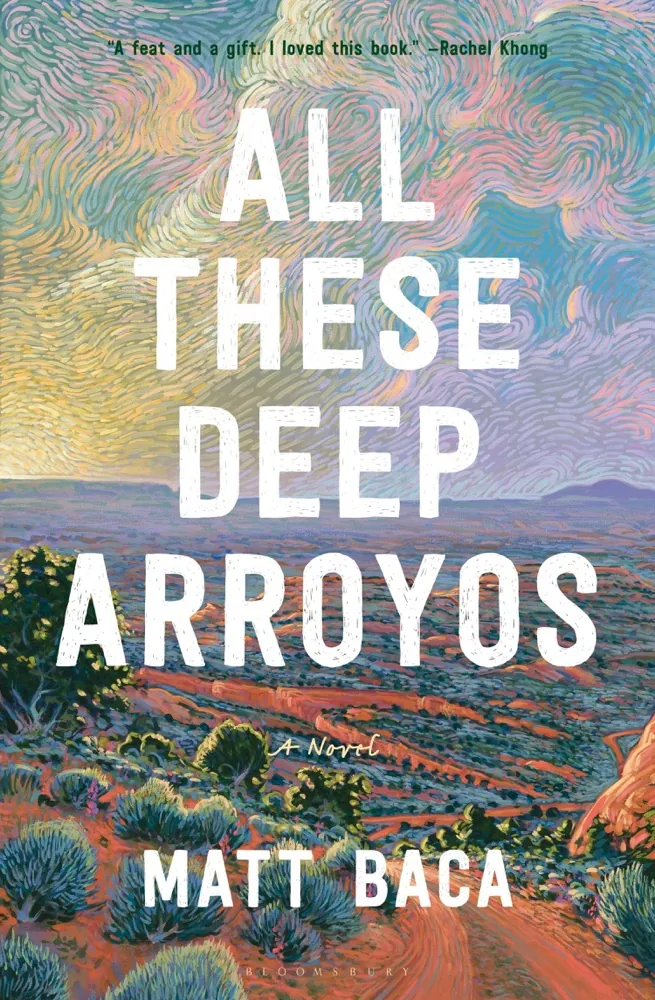
Author: Matt BacaPage Count: UnknownPublication Date: Expected publication 2026 APL September afternoons demand a certain caliber of vintage, perhaps an aged Rioja that tastes of scorched earth and old leather before the evening chill sets in. All These Deep Arroyos arrives on the horizon with precisely that sort of dry, punishing terroir. Matt Baca constructs a literary landscape out of the New Mexico high desert—sun-bleached adobe, prickly yuccas, and the inescapable weight of inheritance. Early blurbs from Rachel Khong and Karen Joy Fowler already lean heavily on the emotional sweep of the thing, but let us be entirely frank about what we actually know. We know nothing of the prose style beyond a few curated jacket quotes. We know only the skeletal framework of a tragedy involving adobe houses, twin brothers, a Laguna Pueblo aspiring scientist named Cristina, and a federal prison sentence. The Geography of Resentment Dual narratives involving wayward brothers always risk dissolving into cheap melodrama—Cain and Abel with better lighting. Yet the synopsis hints at something structurally more interesting: the geographical determinism of the desierto alto. And perhaps I was entirely wrong to doubt the twin dynamic. Actually, twin tropes are utterly exhausted and lazy. Writers lean on biological mirrors when they cannot be bothered to invent interiority. Wait. Let us reconsider the architecture of a federal penitentiary juxtaposed against the vast, indifferent emptiness of New Mexico. Baca is playing with containment versus expansion. Robin is locked in a box because of his brother’s malfeasance, while Cristina builds a life in college laboratories, miles away from the dust. The premise is painfully contrived. Yet the inclusion of a mysterious benefactor working within the judge's chambers introduces a gothic machinery that elevates the narrative above standard contemporary regionalism. It reads less like standard literary fiction and more like Cormac McCarthy filtered through a lens of legal suspense. The Cholla and the Courtroom The thematic core here rests on debt. Not financial debt, but the crushing, inescapable currency of having been saved. When Robin and Cristina rescue a mysterious third party in their youth, they set a domino effect into motion that reaches into a federal judge's chambers seven years later. Literary fiction loves a secret savior. We have seen this brand of atmospheric fatalism before in the works of Denis Johnson or Louise Erdrich, where the landscape is an active antagonist rather than a passive backdrop. September brings a sobering clarity to our reading stacks, sweeping away the frivolous beach reads of July. This novel promises zero comfort. It trades in parched earth, institutional gray, and the bitter pill of collateral damage. Whether Baca can sustain the tension across an entire novel without collapsing into western pastiche remains to be seen. But at the very least, the man understands how to frame a desert horizon. The business class lounge was far too crowded today, ruining my concentration. Related InsightsThe Stranger Book Review and Summary King Lear Book Review and Summary Fair Warning Book Review and Summary{ "@context": "https://schema.org", "@type": "FAQPage", "mainEntity": [ { "@type": "Question", "name": "What is the main focus of All These Deep Arroyos: A Novel Book Review and Summary?", "acceptedAnswer": { "@type": "Answer", "text": "Everything you need to know about All These Deep Arroyos: A Novel with our detailed review." } }, { "@type": "Question", "name": "Who authored the comprehensive guide on All These Deep Arroyos: A Novel Book Review and Summary?", "acceptedAnswer": { "@type": "Answer", "text": "This detailed article and its insights were carefully researched and authored by Tiago Silva." } }, { "@type": "Question", "name": "Where can I find more related content about Books?", "acceptedAnswer": { "@type": "Answer", "text": "You can explore more articles, detailed reviews, and similar insights by browsing the Related Insights section at the bottom of this article or visiting our dedicated Books category page." } } ] }
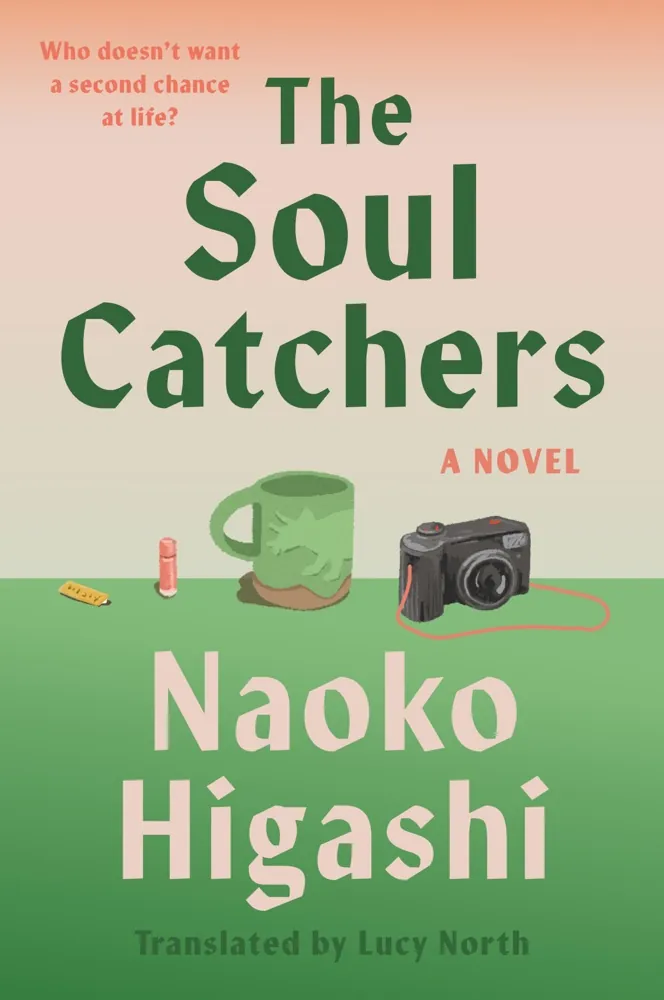
Author: Naoko HigashiPage Count: UnknownPublication Date: Expected publication 2026 APL The air in this gala’s ballroom is thick with the scent of overpriced champagne and the faint, cloying sweetness of regret—like the kind of regret you feel when you realize you’ve just spent three hundred euros on a silk scarf that will gather dust in your closet. Outside, the autumn wind rattles the windows, a reminder that even the most polished events have a shelf life. And yet, here we are, pretending to care about some Japanese author’s latest foray into the sentimental, because of course the market demands it. The Soul Catchers—oh, how delightfully vague. Eleven souls, eleven objects, eleven chances to linger like a ghost in a favorite mug or a child’s jungle gym. It’s the kind of premise that makes you wonder if the author has ever actually lived, if she’s ever had to confront the quiet, suffocating weight of loss without the crutch of a neat, folkloric solution. The synopsis leans heavily on the idea that objects can harbor spirits—because, of course, they can’t. Because, of course, the real magic isn’t in the objects, but in the people who loved them enough to miss them. But no, we get a cozy little myth instead, one that smells faintly of The Little Prince’s sugar-coated nostalgia, only with the emotional depth of a Hallmark card left unopened. And the characters—oh, the characters. A homeless man, a five-year-old boy. How quaint. It’s almost as if the author is trying to signal her own moral superiority by including them, as if their presence alone will elevate the story beyond the realm of the saccharine. But let’s be honest: the real tragedy isn’t that they’re dead; it’s that they’re being reduced to plot devices in a story that seems more concerned with its own charm than with the actual lives of its protagonists. It’s the literary equivalent of a Michelin-starred restaurant serving you a dish that’s been microwaved—you know it’s supposed to be special, but the execution is so lazy it’s almost insulting. The synopsis also drops the name of a 2021 Japanese film adaptation, as if that’s supposed to lend some gravitas. But films and novels are different beasts, and the fact that this story was first a movie—one that, I’m sure, was as sentimental as a Titanic remake—only underscores how little originality we’re being offered here. The whole thing reads like a love letter to the kind of comfort fiction that exists solely to make readers feel warm and fuzzy, not to challenge them. And in a world where even the most sentimental stories are supposed to have some bite, this feels like a step backward, like the literary equivalent of watching The Notebook for the third time and pretending it’s profound. The thematic exploration, such as it is, hinges on the idea of connection—because, of course, the real horror of death isn’t the end itself, but the idea that we’re cut off from those we love. But where’s the tension? Where’s the conflict? Where’s the humanity? Instead, we get a story that seems to exist solely to make us feel good about our own mortality, as if the act of reading it will somehow bridge the gap between us and the dead. It’s the literary equivalent of a self-help book for people who’ve never actually had to deal with loss, who’ve never had to sit in a quiet room and wonder if they’ll ever stop missing someone. And the sensuality? Oh, the sensuality. The synopsis mentions it as if it’s some kind of hidden gem, some secret spice in an otherwise bland dish. But sensuality isn’t a plot point—it’s not something you can sprinkle on top of a story like cinnamon on a latte. It’s not clear what, exactly, the author thinks she’s doing with that line, unless she’s trying to signal that she’s read some modern literature and knows that even the most sentimental stories can have a little edge. But if that’s the case, she’s failed miserably, because the edge here is as sharp as a butter knife. I can already see the reviews: "A heartwarming tale of love and loss." "A soothing, magical realism masterpiece." But none of that matters, because the real question is whether this book will do anything more than sit on a shelf, gathering dust like the silk scarf I bought at this gala. And honestly? I’d rather read about the real magic of loss—the kind that doesn’t require a neat, folkloric solution, the kind that leaves you raw and unguarded. The kind that doesn’t need to be wrapped in a bow. I have a reservation at Le Bernardin at eight. I’d better go. The chef’s tasting menu is the only thing that’s going to make me forget about this. Related InsightsOne of Us Is Back Book Review and Summary Habila Book Review and Summary Kissing Cowboys Book Review and Summary{ "@context": "https://schema.org", "@type": "FAQPage", "mainEntity": [ { "@type": "Question", "name": "What is the main focus of The Soul Catchers Book Review and Summary?", "acceptedAnswer": { "@type": "Answer", "text": "Everything you need to know about The Soul Catchers with our detailed review." } }, { "@type": "Question", "name": "Who authored the comprehensive guide on The Soul Catchers Book Review and Summary?", "acceptedAnswer": { "@type": "Answer", "text": "This detailed article and its insights were carefully researched and authored by Tiago Silva." } }, { "@type": "Question", "name": "Where can I find more related content about Books?", "acceptedAnswer": { "@type": "Answer", "text": "You can explore more articles, detailed reviews, and similar insights by browsing the Related Insights section at the bottom of this article or visiting our dedicated Books category page." } } ] }
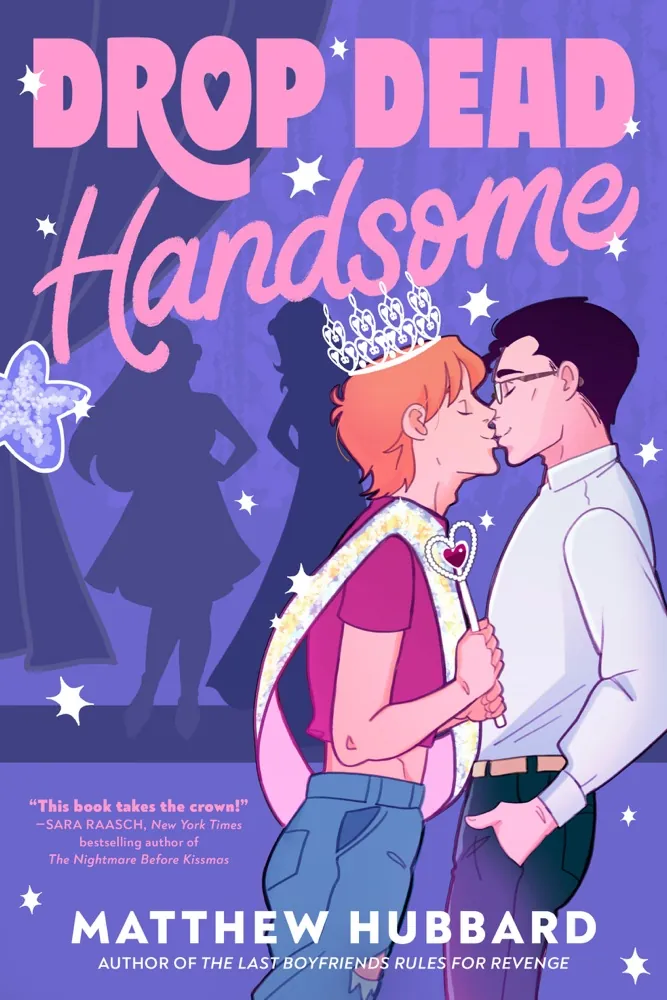
Author: Matthew HubbardPage Count: UnknownPublication Date: Expected publication 2026-12-22 APL Champagne flutes do not shatter themselves, yet Matthew Hubbard’s Drop Dead Handsome arrives with the kinetic force of a dropped Baccarat vase. We are looking at a December 2026 release date, which feels remarkably far away for a manuscript already generating the kind of breathless chatter usually reserved for a disgraced British peer's tell-all memoir. The Architecture of Sashes and Spite Southern Tennessee pageantry meets the high-octane panic of a college admissions office. Parker Ryland finds his meticulously curated dossier branded as—and this is genuinely offensive—"boring." One thinks immediately of the Fyre Festival catering tent. A tragedy of mediocrity. Naturally, the only logical antidote to an uninspired academic profile is subverting the patriarchy in an evening gown and a sash. And then there is Dean. The student body president. Nerdy, undeniably charming, armed with a clipboard and a dossier of pageant lore. Subversion Versus Sequins Let us pause for a moment. Actually, scratch that. Let us not pause at all, because the premise of a boy weaponizing the local pageant circuit against antiquated gender ideals is either going to be brilliantly satirical or as toothless as a boarding school faculty meeting. The synopsis leans heavily on the aesthetic of painted toenails and flying sparks. Yet, one suspects the actual prose might lean into the same earnest, overly processed sentimentality that plagued the later seasons of Glee. Hubbard wants us to believe in the gravity of a high school crown. But high school pageants possess the existential weight of a Gwyneth Paltrow wellness summit. Sparks fly. Paint splatters. Someone is sabotaging our protagonist. This reads less like a high-stakes thriller and more like the plot of a forgotten Disney Channel Original Movie that was hastily re-written after a focus group in Paramus threw a tantrum. Casey McQuiston comparison in the blurb? Please. Let us reserve that particular crown for writers who actually understand the mechanics of wit rather than trading exclusively in manufactured whimsy. Sigh. Or perhaps I am being too harsh on a book that has not even materialized on velvet-lined shelves yet. Maybe Hubbard will deliver a blistering social critique wrapped in taffeta and tulle. Let us pivot entirely: the setup is actually genius. The collision of small-town bigotry and teenage ambition offers a pristine canvas for sharp, biting prose—assuming the author avoids the temptation to wrap every emotional beat in cotton candy. The synopsis leaves us guessing about the mechanics of the sabotage, which is frankly lazy marketing. Who is ruining the evening gowns? The track team? The faculty advisor? We get no names, no motives, just vague threats and glitter. We wait. We watch. We pour another vintage. Except I cannot linger on this prose any longer because I desperately need to review the architectural plans for my new villa in Tuscany. Related InsightsThe Four Winds Book Review and Summary Little House on the Prairie Book Review and Summary L'Inchiostro Proibito: Il Silenzio Forzato delle Pagine nell'Impero Sovietico{ "@context": "https://schema.org", "@type": "FAQPage", "mainEntity": [ { "@type": "Question", "name": "What is the main focus of Drop Dead Handsome Book Review and Summary?", "acceptedAnswer": { "@type": "Answer", "text": "Everything you need to know about Drop Dead Handsome with our detailed review." } }, { "@type": "Question", "name": "Who authored the comprehensive guide on Drop Dead Handsome Book Review and Summary?", "acceptedAnswer": { "@type": "Answer", "text": "This detailed article and its insights were carefully researched and authored by Tiago Silva." } }, { "@type": "Question", "name": "Where can I find more related content about Books?", "acceptedAnswer": { "@type": "Answer", "text": "You can explore more articles, detailed reviews, and similar insights by browsing the Related Insights section at the bottom of this article or visiting our dedicated Books category page." } } ] }
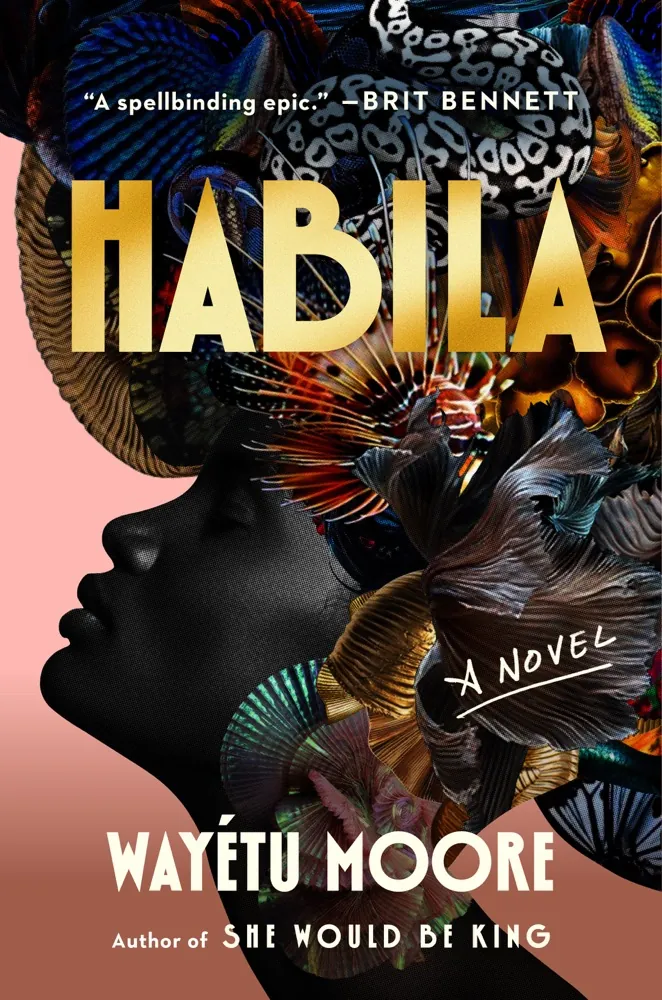
Author: Wayétu MoorePage Count: UnknownPublication Date: Expected publication 2026 APL Wayétu Moore is back with Habila, and I am already exhausted by the sheer volume of think-pieces this will spawn in the Review of Books. Expect breathless comparisons to Toni Morrison’s Belon—wait, let’s be entirely original for once and name-drop Marlon James or N.K. Jemisin, though neither quite captures the hyper-specific bourgeois anxiety of relocating from Monrovia to a literal backwater in Texas. Texas. Truly, the aesthetic downgrade of the century. Drowning in Metaphorical Subtext The premise rests on a grieving Liberian family, a dead patriarch named Tokpa, a hostile Lone Star backdrop, and a water goddess holding a lethal grudge against the entire male gender. Groundbreaking stuff. Mami Wata mythology meets middle-school bullying in a lake. Melanctha gets pushed in, develops an aquatic lung capacity, and receives a cursed comb. Because every mythological entity apparently moonlights as a sketchy beauty supply vendor. Been there, read that. And yet. The prose promises to be lush. Lyrical. Those exact marketing buzzwords that usually translate to "the editor was afraid of the author." Moore has serious chops—She Would Be King proved she can handle historical magical realism without it reading like a high schooler's Tumblr diary. But a siren weaponizing a hair accessory against the patriarchy? It’s giving millennial-pink feminist theory filtered through aquatic folklore. Give us grit. Give us something that doesn't feel custom-designed for a book club led by someone who pronounces chardonnay with a silent 'y'. The Weaponization of Motherhood We are promised an exhaustive interrogation of immigrant identity, generational trauma, and "the legacies wrought by men who take but never give back." A bit heavy-handed, no? Men are trash, water demons are bitter, and teenagers just want to breathe underwater. The thematic scaffolding is so obvious I can see the blueprints from my terrace. Still, the stylistic tension between the arid dust of Texas and the suffocating depths of Habila’s watery domain could yield some gorgeous structural imagery—if the book remembers to prioritize literary craft over cable-network allegories. I am praying for fewer didactic lectures on womanhood and more genuine, messy narrative ambiguity. Let the goddess be genuinely terrifying, not just a metaphor for a messy divorce. I simply must go finalize the seating chart for the solstice dinner before the caterer starts drinking my personal cellar. #WayetuMoore #Habila #BookTwitterIsExhausting Related InsightsCritical Role: The Mighty Nein—Children of Empire Book Review and Summary The Great Gatsby Book Review and Summary The Tarot Trials: A Novel Book Review and Summary{ "@context": "https://schema.org", "@type": "FAQPage", "mainEntity": [ { "@type": "Question", "name": "What is the main focus of Habila Book Review and Summary?", "acceptedAnswer": { "@type": "Answer", "text": "Everything you need to know about Habila with our detailed review." } }, { "@type": "Question", "name": "Who authored the comprehensive guide on Habila Book Review and Summary?", "acceptedAnswer": { "@type": "Answer", "text": "This detailed article and its insights were carefully researched and authored by Tiago Silva." } }, { "@type": "Question", "name": "Where can I find more related content about Books?", "acceptedAnswer": { "@type": "Answer", "text": "You can explore more articles, detailed reviews, and similar insights by browsing the Related Insights section at the bottom of this article or visiting our dedicated Books category page." } } ] }
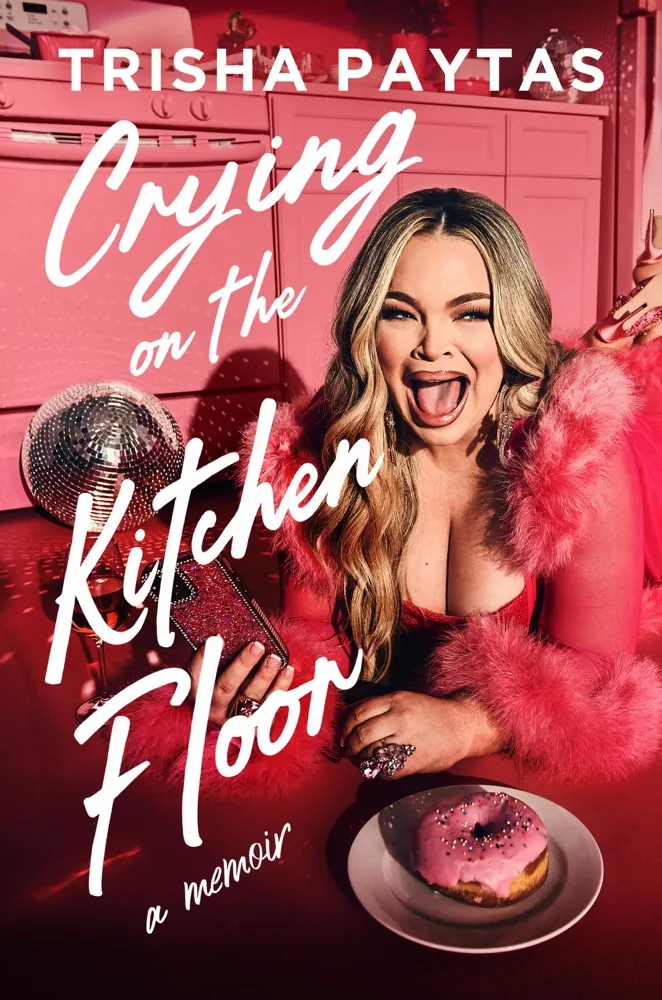
Author: Trisha PaytasPage Count: UnknownPublication Date: Expected publication 2026-11-10 APL The synopsis of Crying on the Kitchen Floor reads like a fever dream composed by a committee of exhausted tabloid editors who’ve been chain-smoking in a backroom of the Chateau Marmont since 2010. It’s the kind of memoir that arrives just in time to capitalize on the slow-motion implosion of the influencer economy—like if The Secret History had been written by a woman who once tried to sell NFTs of her own tears. The problem? It’s not a memoir at all, not really. It’s a manifest—a desperate, self-aware, but ultimately hollow attempt to turn the chaos of a life spent chasing the algorithm into something resembling art. Trisha Paytas, of course, is the perfect subject for this kind of project. She’s the anti-hero of the digital age, the kind of figure who exists in the same orbit as the Paris Is Burning crowd but with the emotional range of a reality TV host mid-meltdown. The synopsis promises a "raw and uproarious" exploration of fame’s dark underbelly, but it’s hard to imagine a narrative that could possibly outshine the sheer absurdity of Paytas’s career trajectory—from The Real Housewives of whatever suburb to the kind of internet infamy that only a handful of people in history have managed to achieve. And yet, the synopsis doesn’t so much tell a story as it does perform one, like a stand-up comedian who’s been told to write a book but can’t resist the urge to crack another joke about her own exes. The thematic promise here is intriguing, if only because it’s so vague. The book is supposed to be about "what happens when the lines between fame and infamy blur," but the synopsis doesn’t offer a single concrete example of how that might play out. It’s all broad strokes—"dangerous encounters with potential serial killers," "abusive relationships with former child stars"—the kind of material that would make a better episode of Black Mirror than a memoir. And yet, the comparison to Julia Fox’s Down the Drain is telling. Fox’s book was a masterclass in self-destruction, but it had the benefit of being specific—there were actual crimes, actual consequences, actual moments where the reader could feel the weight of the fall. Paytas’s synopsis, by contrast, reads like a TMZ recap written by someone who’s never actually read a book. The most damning thing about this project isn’t that it’s predictable—it’s that it’s too predictable. The influencer memoir is a well-worn genre now, and Crying on the Kitchen Floor feels like it’s trying to ride the coattails of Stripped Down and Down the Drain without adding anything new. Where’s the edge? Where’s the something? The synopsis doesn’t even attempt to grapple with the fact that Paytas’s career was built on the exact same kind of performative vulnerability that she’s now supposed to be critiquing. It’s like watching a fire-breather try to lecture the audience about the dangers of arson. And then there’s the title itself—Crying on the Kitchen Floor. It’s the kind of phrase that would make a better Instagram caption than a book title. It’s intimate, it’s dramatic, it’s exactly the kind of thing a woman who’s spent her life curating a public persona would choose. But it doesn’t suggest a book; it suggests a moment—a single, isolated instance of emotional collapse, not the kind of deep, sustained psychological unraveling that would make for a compelling read. It’s the literary equivalent of a TikTok trend that fades after three days. The only thing that might save this book is if Paytas actually writes it with the kind of brutal honesty that would make it feel like a revelation. But given the synopsis, I’m not holding my breath. Right now, it feels like a missed opportunity—a chance to turn the chaos of a life spent chasing the algorithm into something meaningful, something literary. Instead, it’s just another entry in the annals of influencer self-justification, the kind of book that will sell well but won’t stay with you. Which is fine, I suppose. The market for this kind of thing is voracious. But if you’re looking for something that will actually challenge you, that will make you think about the nature of fame and self-invention, you might want to skip this one. Save your time for something with a little more bite—like, say, The Art of Fielding, but with the emotional depth of a Tinder profile. I’ve just been asked to negotiate a rather delicate merger for my imprint, and I’m not sure how this book fits into the picture. Maybe it’s the kind of thing that will sell well to the right buyer—someone who’s looking to capitalize on the last gasp of the influencer era. Or maybe it’s just another footnote in the history of people who thought they could turn their lives into content. #BookTok #MemoirSeason #InfluencerEconomy #SelfHelpGoneWrong #WhatEvenIsThis Related InsightsInvisible Girl Book Review and Summary Hawk & Sparrow Book Review and Summary Happy Place Book Review and Summary{ "@context": "https://schema.org", "@type": "FAQPage", "mainEntity": [ { "@type": "Question", "name": "What is the main focus of Crying on the Kitchen Floor: A Memoir Book Review and Summary?", "acceptedAnswer": { "@type": "Answer", "text": "Everything you need to know about Crying on the Kitchen Floor: A Memoir with our detailed review." } }, { "@type": "Question", "name": "Who authored the comprehensive guide on Crying on the Kitchen Floor: A Memoir Book Review and Summary?", "acceptedAnswer": { "@type": "Answer", "text": "This detailed article and its insights were carefully researched and authored by Tiago Silva." } }, { "@type": "Question", "name": "Where can I find more related content about Books?", "acceptedAnswer": { "@type": "Answer", "text": "You can explore more articles, detailed reviews, and similar insights by browsing the Related Insights section at the bottom of this article or visiting our dedicated Books category page." } } ] }
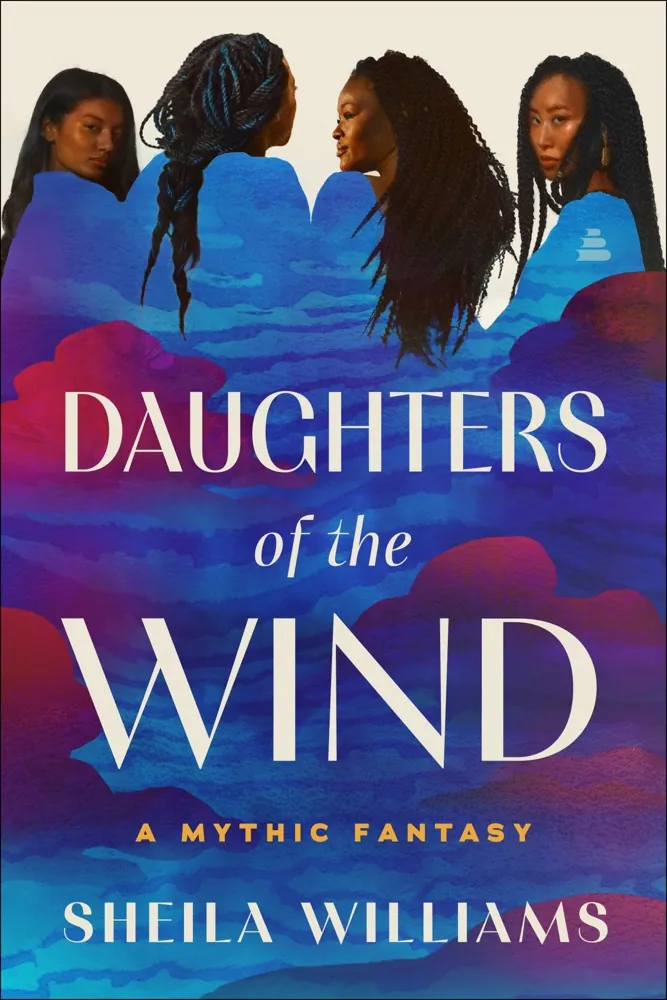
Author: Sheila WilliamsPage Count: UnknownPublication Date: Expected publication 2026-12-01 APL Someone is currently trying to explain cryptocurrency to me over a paper plate of lukewarm potato salad. My soul left my physical vessel approximately twenty minutes ago. Yet, we persist. Because literary carnage waits for no man, and Sheila Williams has decided to throw corporate boardrooms into the Mesozoic era with Daughters of the Wind. Corporate Synergy Meets Pleistocene Realness Let us examine this absolute fever-dream of a premise. Aeola St. James is a CEO who casually moonlights as a meteorological deity—because nothing screams "relatable working mother" quite like manipulating the troposphere between Zoom calls. Williams is trading the domestic turf of The Secret Women for an ecological Avengers initiative. And honestly? It’s giving me a migraine worse than listening to my brother-in-law pontificate on commercial real estate. The synopsis promises a time-traveling girl gang plucked from the fossil record and medieval witch hunts, all to save the planet from a tech bro named Wills Holloway. Because apparently, billionaires launching rockets to fix the climate is a plot point pulled straight from a LinkedIn influencer's wet dream. The sheer audacity of pitting an overworked corporate executive against an uber-introverted venture capitalist who wants to weaponize the stratosphere is peak speculative fiction nonsense. Make it make sense. It’s lowkey giving cinematic garbage, but we are seated anyway. The Aesthetic Economy of Eco-Fantasy What fascinates me here is the ideological whiplash. We are pivoting from the mundane horror of corporate equity to ancient Kushite midwives and mammoth hunters. It’s an aggressively didactic swing. A call to action wrapped in elemental magic? Please. Spare me the ecological sermon. When did high fantasy become a glorified PowerPoint presentation for the Paris Climate Agreement? Yet, I respect the hustle. Williams is taking the standard corporate thriller playbook and injecting it with historical ancestor-sorcery. The literary genealogy here is fascinatingly deranged—imagine N.K. Jemisin writing an aggressively caffeinated pitch for a Forbes cover story. We are looking at a masterclass in maximalist absurdity. Will the prose survive the weight of its own conceptual ambition? Absolutely not. Will I read it on my next first-class flight while ignoring my family's existence? Indubitably. The real enemy isn't Wills Holloway and his stratosphere-seeding missile. It’s the sheer exhaustion of reading yet another speculative narrative that feels legally obligated to lecture us about carbon footprints. Give me messy women making terrible magical choices without the Sierra Club subtext. But no. We must save the blue planet. My aunt is now asking if I want a second glass of boxed Chardonnay. I would rather expire on this linoleum floor. Also, I completely forgot to take the trash out and I can literally hear the garbage truck rumbling down the driveway right now. Related InsightsUglies Book Review and Summary Long Walk Book Review and Summary I'll Give You the Sun Book Review and Summary{ "@context": "https://schema.org", "@type": "FAQPage", "mainEntity": [ { "@type": "Question", "name": "What is the main focus of Daughters of the Wind: A Mythic Fantasy Book Review and Summary?", "acceptedAnswer": { "@type": "Answer", "text": "Everything you need to know about Daughters of the Wind: A Mythic Fantasy with our detailed review." } }, { "@type": "Question", "name": "Who authored the comprehensive guide on Daughters of the Wind: A Mythic Fantasy Book Review and Summary?", "acceptedAnswer": { "@type": "Answer", "text": "This detailed article and its insights were carefully researched and authored by Tiago Silva." } }, { "@type": "Question", "name": "Where can I find more related content about Books?", "acceptedAnswer": { "@type": "Answer", "text": "You can explore more articles, detailed reviews, and similar insights by browsing the Related Insights section at the bottom of this article or visiting our dedicated Books category page." } } ] }
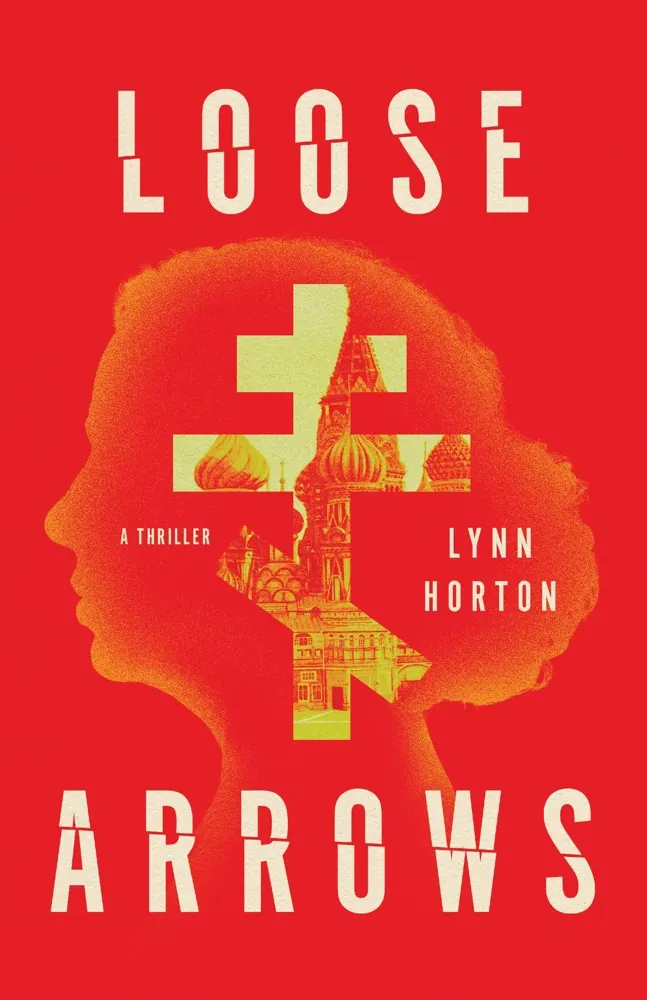
Author: Lynn HortonPage Count: UnknownPublication Date: Expected publication 2026-10-20 APL What's the point of a thriller if it's just going to recycle the same tired Cold War tropes? Loose Arrows seems to promise more of the same: a tough-as-nails CIA operative, a kidnapped child, and a world on the brink of nuclear war. Yawn. But then, there's something about the way Lynn Horton's prose weaves together the threads of Nina Abrams' complicated past - the daughter of Stalin's favorite portraitist, no less - that suggests there might be more depth here than initially meets the eye. The thing that really catches my attention is the way Nina's grief is described as "paralyzing." Not just a emotional state, but a physical one, too. That's interesting. It implies that Nina's emotional pain is so overwhelming that it's literally debilitating. And yet, when her father's last words set her on a quest for the truth, she's suddenly driven to take action. It's a compelling contradiction - is Nina a force to be reckoned with, or is she just a fragile, grieving mother? But let's not get too caught up in the character analysis just yet. The real question is: can Horton deliver on the promise of a gripping thriller? The plot sounds like a mishmash of every 80s action movie cliche - missing nukes, deadly competition, and a hero who's just one step ahead of the bad guys. It's all a bit too familiar, like a lazy rehashing of Tom Clancy's greatest hits. And don't even get me started on the "grisly reminder" left by the vandals - it's a bit too on-the-nose, don't you think? It's like Horton is trying to tell us, "Hey, this is a serious thriller, guys! Look, there's blood and stuff!" And yet...and yet...there's something about the way Horton describes Nina's world that feels almost... operatic. Like a grand, sweeping drama, with Nina as the tragic heroine at its center. It's a bit like the way Puccini's Tosca uses the backdrop of war and politics to explore the human condition. But instead of a soprano, we've got a CIA operative with a penchant for getting in over her head. But I'm not convinced. I mean, can Horton really deliver on the promise of a nuanced, thought-provoking thriller? Or is this just another shallow, action-packed romp? I'm reminded of the Chernobyl disaster - all that hype, all that drama, and in the end, it was just a bunch of bureaucrats covering their own behinds. Let's hope Loose Arrows doesn't suffer the same fate. I'll be keeping an eye on this one, if only to see if Horton can manage to surprise me. But for now, I'm skeptical. My Rolex needs servicing, which is a profound inconvenience. #thriller #nuclearwar #CIA Related InsightsDay of Ascension Book Review and Summary Never Say War: Life in Russia Today Book Review and Summary Drop Dead Handsome Book Review and Summary{ "@context": "https://schema.org", "@type": "FAQPage", "mainEntity": [ { "@type": "Question", "name": "What is the main focus of Loose Arrows: A Thriller Book Review and Summary?", "acceptedAnswer": { "@type": "Answer", "text": "Everything you need to know about Loose Arrows: A Thriller with our detailed review." } }, { "@type": "Question", "name": "Who authored the comprehensive guide on Loose Arrows: A Thriller Book Review and Summary?", "acceptedAnswer": { "@type": "Answer", "text": "This detailed article and its insights were carefully researched and authored by Tiago Silva." } }, { "@type": "Question", "name": "Where can I find more related content about Books?", "acceptedAnswer": { "@type": "Answer", "text": "You can explore more articles, detailed reviews, and similar insights by browsing the Related Insights section at the bottom of this article or visiting our dedicated Books category page." } } ] }
- Tiago Silva
- 21 Aug, 2026 12:15
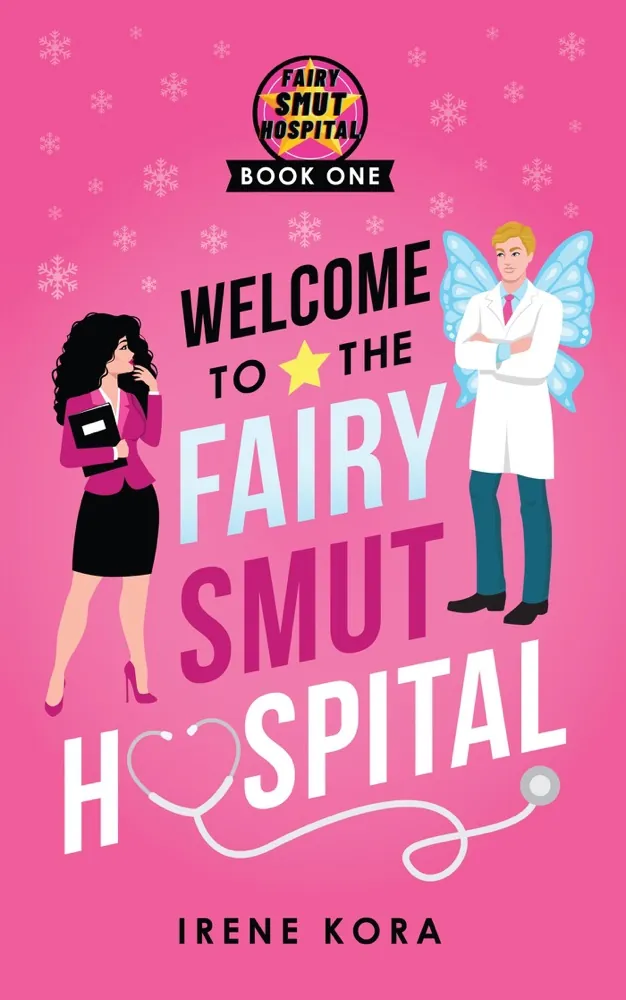
Welcome to the Fairy Smut Hospital (Fairy Smut Hospital, #1) Book Review and Summary
Author: Irene KoraPage Count: UnknownPublication Date: Expected publication 2026-12-01 APL My eyes are currently stinging with a quiet, devastating moisture, the kind that arrives when you realize another season of prestige television has been squandered on mediocre writing, and yet we keep drinking the vintage anyway. Welcome to the Fairy Smut Hospital drops us violently into a landscape so profoundly absurd it hurts my delicate little chest. Irene Kora has engineered a premise that reads like a fever dream curated by a coked-up Victorian surgeon. But what are we actually doing here? The Architecture of Geographic Absurdity Brisbane—an isolated geopolitical vacuum sitting awkwardly between Canada and Greenland with zero cell service—serves as the epicenter of this psychological theater. Because nothing screams elite professional development quite like accepting a high-paying administrative post in a terrestrial dead zone that lacks basic cartographical dignity. Lucy Gentry, the protagonist with a pristine GPA in Hospital Administration, walks blindly into a snow-blind hellscape populated exclusively by hot people who apparently treat fiscal solvency like a quaint suggestion. It is aggressively unserious. Yet the prose demands our fealty. Pathological Pathology and Other Delusions And then the inciting incident hits us like a stray brick. A man staggers through the emergency room doors carrying the biological consequences of a literal plague called FPV—fairy pulmonary vandalism, or whatever acronym the author cooked up while doomscrolling late at night. Wings are oozing green goo. Fairies are literally combusting. It is peak camp, dipped in biochemical body horror. Kora is giving us Grey’s Anatomy filtered through a Wattpad prism, and frankly, the tonal whiplash is giving me heart palpitations. How are we supposed to maintain emotional equilibrium when an existential fae health crisis is juxtaposed against a heroine desperately trying to keep supernatural entities out of her trousers? Make it make sense, bestie. The Commodification of Chaos This manuscript is destined to shatter bestseller lists because modern readers have an insatiable appetite for absolute garbage dressed up in quirky worldbuilding. It feels like what would happen if Sarah J. Maas collaborated with a bored corporate accountant on a bender. The epistemic weight of a dying fairy population colliding with institutional bean-counting is staggering—or entirely ridiculous, depending on whether you finished your Chenin Blanc. I am personally weeping into my silk duvet over the sheer audacity of it all. My editor is breathing down my neck about the quarterly metrics, but the middle school science fair project takes absolute precedence right now, and little Brayden's papier-mâché volcano needs to erupt before dusk. #fairycore #booktok #literarytragedy
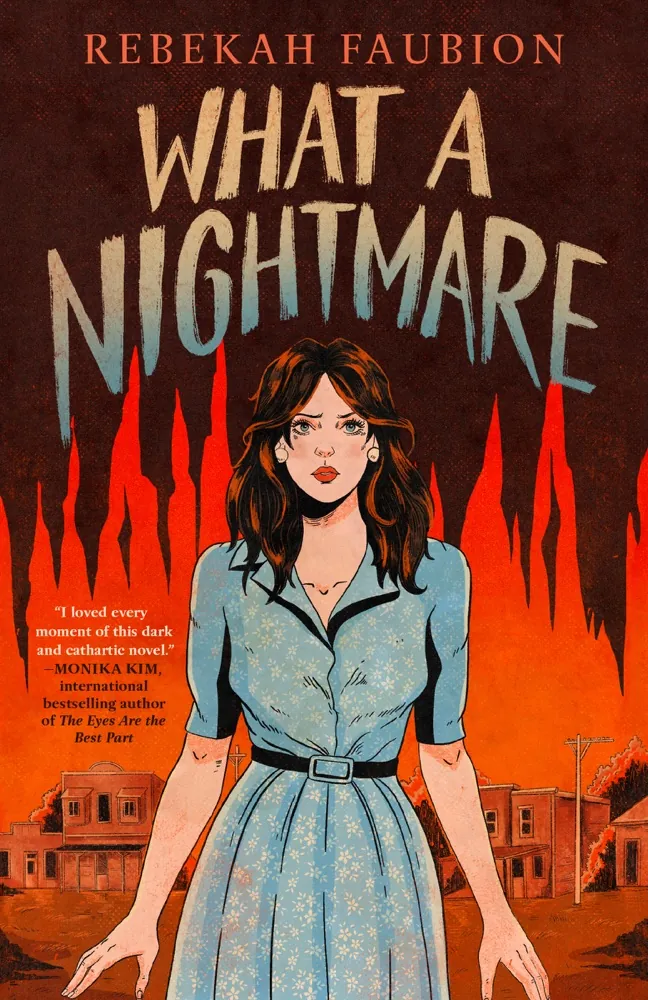
Author: Rebekah FaubionPage Count: UnknownPublication Date: Expected publication 2026-10-13 APL A book that promises to unleash a maelstrom of unbridled fury and unapologetic revenge, What a Nightmare by Rebekah Faubion, seems poised to shake the very foundations of small-town America. Haven Powers, the protagonist, has spent years perfecting the art of invisibility, only to have her tightly locked box of emotions cracked open by a predatory boss. And then, the unthinkable happens - she dreams of his demise, only to wake up and find it a gruesome reality. One can't help but wonder if this is Faubion's clever subversion of the 'damsel in distress' trope, where the female protagonist, instead of being a helpless victim, is the harbinger of death and destruction. But, I digress - the real question is, can Faubion sustain this level of tension and suspense throughout the book, or will it devolve into a clichéd revenge fantasy? The synopsis, unfortunately, doesn't offer much insight into the author's intentions, leaving me to ponder the possibilities like a literary detective trying to piece together a fragmented puzzle. And yet, the echoes of Shirley Jackson's We Have Always Lived in the Castle are unmistakable - the stifling atmosphere of a small town, the oppressive weight of family expectations, and the simmering resentment of a protagonist on the brink of explosion. But, whereas Jackson's Merricat Blackwood is a study in subtlety and restraint, Haven Powers seems to be a force of nature, unapologetic and unbridled in her fury. It's a bold move, and one that could either pay off spectacularly or crash and burn in a blaze of melodrama. But what's truly fascinating is the way Faubion seems to be probing the fault lines of patriarchal societies, where women are expected to conform to certain norms and expectations. Haven's rebellion against these constraints is a powerful metaphor for the rage and frustration that simmers just beneath the surface of many women's lives. It's a theme that's been explored by authors like Gillian Flynn and Paula Hawkins, but Faubion's unique voice and perspective could bring a fresh spin to this tired trope. Or, could she? I'm not entirely convinced that Faubion has the chops to pull off this level of complexity and nuance. The synopsis is frustratingly vague, and the writing style, while engaging, doesn't quite have the same level of sophistication as some of her contemporaries. And yet, I'm willing to give her the benefit of the doubt - after all, some of the most iconic authors of our time have been known to produce mediocre debuts, only to blossom into literary giants later on. The real test, of course, will be in the execution. Can Faubion balance the delicate tightrope between suspense and melodrama, between social commentary and exploitation? Only time will tell. For now, I'll reserve my judgment, but I'll be keeping a close eye on this one. I have a squash game with my lawyer this afternoon, and I'm already running late. #NewRelease #BookLovers #SmallTownHorror
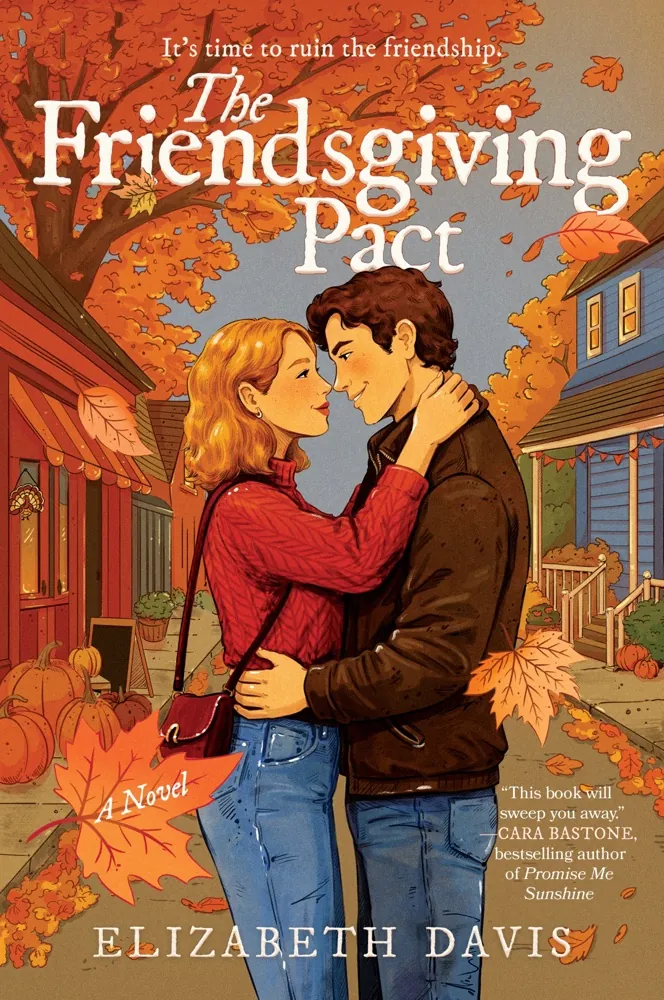
Author: Elizabeth DavisPage Count: UnknownPublication Date: Expected publication 2026-10-20 APL The Friendsgiving Pact is shaping up to be the quintessential fall romance – think warm apple cider, the glow of twinkling string lights, and the inevitable awkwardness of family gatherings. Elizabeth Davis's latest offering promises to be a masterclass in the art of slow-burning tension, expertly woven into the fabric of a friends-to-lovers narrative that will undoubtedly leave readers weak in the knees. But what truly sets The Friendsgiving Pact apart from its contemporaries is its thoughtful exploration of the blurred lines between reality and performance. Avery and Theo's decision to fake date for the sake of avoiding their respective exes raises a multitude of questions about the nature of intimacy, the ease with which we can manufacture emotions, and the consequences of allowing ourselves to become lost in the roles we create. Will Davis's handling of this delicate subject matter prove to be a nuanced and thought-provoking commentary on the human experience, or will it devolve into a shallow, predictable romance? Only time will tell. One cannot help but be reminded of the likes of The Hating Game by Sally Thorne or The Friend Zone by Kristen Callihan, both of which expertly walked the tightrope between humor, heart, and genuine emotional depth. If Davis can manage to tap into that same vein of authenticity, The Friendsgiving Pact may very well find itself on the receiving end of widespread critical acclaim. Yet, despite the tantalizing promise of its premise, one cannot shake the feeling that The Friendsgiving Pact may ultimately succumb to the pitfalls of its genre. Will the "bad boy x golden girl" trope prove to be a tired, overused cliché, or will Davis breathe new life into this familiar dynamic? Can the author resist the urge to rely on contrived plot twists and instead allow the natural chemistry between Avery and Theo to drive the narrative forward? And then, of course, there is the matter of the supporting cast – specifically, the exes who serve as the catalyst for Avery and Theo's fake relationship. Will they be fleshed out into fully realized characters, or will they remain one-dimensional caricatures, serving only to further the plot? The answer to this question will undoubtedly have a significant impact on the overall success of the novel. But I digress. The true test of The Friendsgiving Pact's mettle will lie in its ability to balance the lighthearted, comedic moments with the more serious, emotional beats. If Davis can manage to strike this delicate balance, her novel may very well become the go-to fall romance of the season. If not, it risks being lost in the sea of forgettable, cookie-cutter romances that flood the market each year. I, for one, am eager to see which path The Friendsgiving Pact will take. And now, if you'll excuse me, I have an appointment with my antique watch collection – it's time for an insurance appraisal, and I wouldn't want to keep the appraiser waiting. #FallRomance #FriendsToLovers #TheFriendsgivingPact Related InsightsDo Androids Dream of Electric Sheep? Book Review and Summary The Vampire Lestat Book Review and Summary I'll Be Waiting Book Review and Summary{ "@context": "https://schema.org", "@type": "FAQPage", "mainEntity": [ { "@type": "Question", "name": "What is the main focus of The Friendsgiving Pact Book Review and Summary?", "acceptedAnswer": { "@type": "Answer", "text": "Everything you need to know about The Friendsgiving Pact with our detailed review." } }, { "@type": "Question", "name": "Who authored the comprehensive guide on The Friendsgiving Pact Book Review and Summary?", "acceptedAnswer": { "@type": "Answer", "text": "This detailed article and its insights were carefully researched and authored by Tiago Silva." } }, { "@type": "Question", "name": "Where can I find more related content about Books?", "acceptedAnswer": { "@type": "Answer", "text": "You can explore more articles, detailed reviews, and similar insights by browsing the Related Insights section at the bottom of this article or visiting our dedicated Books category page." } } ] }
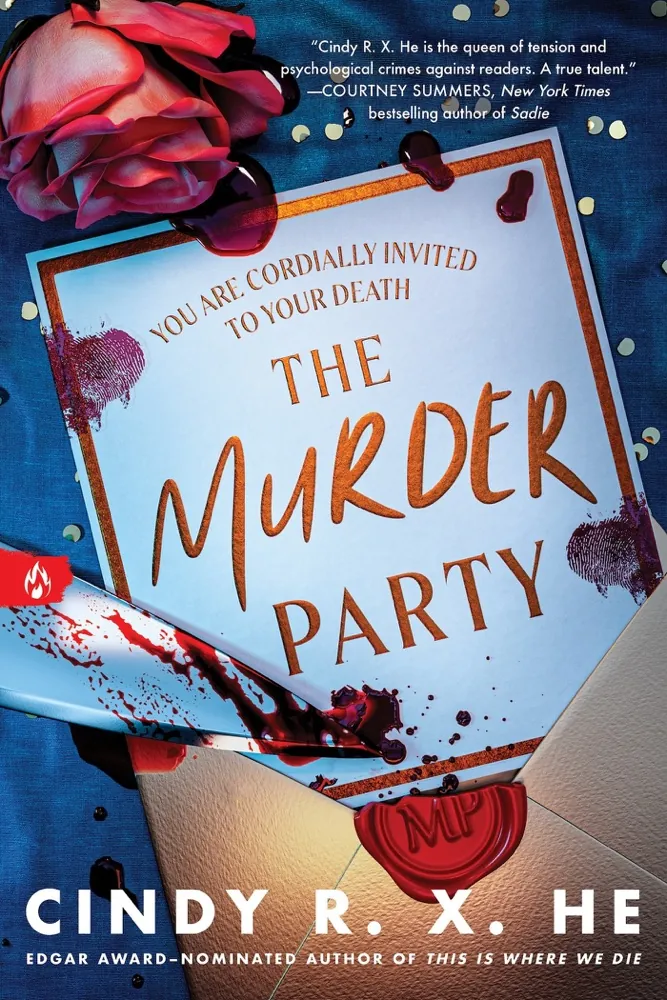
Author: Cindy R.X. HePage Count: UnknownPublication Date: Expected publication 2026-10-13 APL The eternal dance between exclusivity and deception, played out in the most refined of settings - an elite murder mystery club. It's a recipe for disaster, and one that has been done before, but perhaps that's the point. The Murder Party, the latest from Cindy R.X. He, promises to deliver a twisted thriller that will keep us guessing until the very end. Or so the synopsis claims. A Club of Secrets At its core, The Murder Party seems to be an exploration of the darker side of human nature, where the lines between reality and fantasy are blurred. The exclusive club, with its secret parties and themed games, is the perfect breeding ground for secrets and lies. And when June Chan's sister Lily is stabbed to death, the façade begins to crumble. But what's truly fascinating is the way the club's members react to the tragedy - with a collective shrug, as if life is just too unfair to bother with the truth. The police, too, seem content to sweep the whole thing under the rug, ruling Lily's death an accident caused by a malfunctioning prop knife. It's a convenient explanation, one that allows everyone to move on with their lives. But not June. She's determined to uncover the truth, to peel back the layers of deception and reveal the secrets that the club would rather keep hidden. A Game of Cat and Mouse As June delves deeper into the personal lives of the club's members, she begins to realize that Lily's death was no accident. And so, she sets a trap, reviving the Murder Club and hosting the deadliest Murder Night of all. It's a bold move, one that puts her squarely in the crosshairs of the killer. But what's truly intriguing is the way the game of cat and mouse plays out - with June as the bait, and the killer as the predator. But let's be real, we've seen this before. The exclusive club, the secret parties, the murder mystery - it's all a bit too familiar, a bit too Gosford Park. And yet, there's something about The Murder Party that feels fresh, that feels like a clever twist on a classic trope. Perhaps it's the way the synopsis hints at a deeper psychological complexity, a sense that the characters are not just pawns in a game, but fully fleshed-out human beings. A Study in Obsession June's obsession with uncovering the truth is a fascinating study in human psychology. She's driven by a desire for justice, for revenge, but also by a deeper need to understand the world around her. It's a need that's both admirable and terrifying, one that propels her down a rabbit hole of secrets and lies. And yet, as I read the synopsis, I couldn't help but think of the Titanic - a grand, luxurious ship that sank beneath the waves, taking its secrets with it. The Murder Party feels like a similar vessel, one that's doomed to crash and burn. But what a glorious crash it will be. My latest real estate investment in Manhattan is not doing well, the returns are troubling, and I'm starting to think that I've made a grave mistake. But that's a story for another time. #TheMurderParty #CindyRXHe #Thriller #Mystery #BookLovers Related InsightsSchindler’s List Book Review and Summary We Are Still Here Book Review and Summary Daemonica (Wicked Games, #3) Book Review and Summary{ "@context": "https://schema.org", "@type": "FAQPage", "mainEntity": [ { "@type": "Question", "name": "What is the main focus of The Murder Party Book Review and Summary?", "acceptedAnswer": { "@type": "Answer", "text": "Everything you need to know about The Murder Party with our detailed review." } }, { "@type": "Question", "name": "Who authored the comprehensive guide on The Murder Party Book Review and Summary?", "acceptedAnswer": { "@type": "Answer", "text": "This detailed article and its insights were carefully researched and authored by Tiago Silva." } }, { "@type": "Question", "name": "Where can I find more related content about Books?", "acceptedAnswer": { "@type": "Answer", "text": "You can explore more articles, detailed reviews, and similar insights by browsing the Related Insights section at the bottom of this article or visiting our dedicated Books category page." } } ] }
- Tiago Silva
- 17 Aug, 2026 01:04
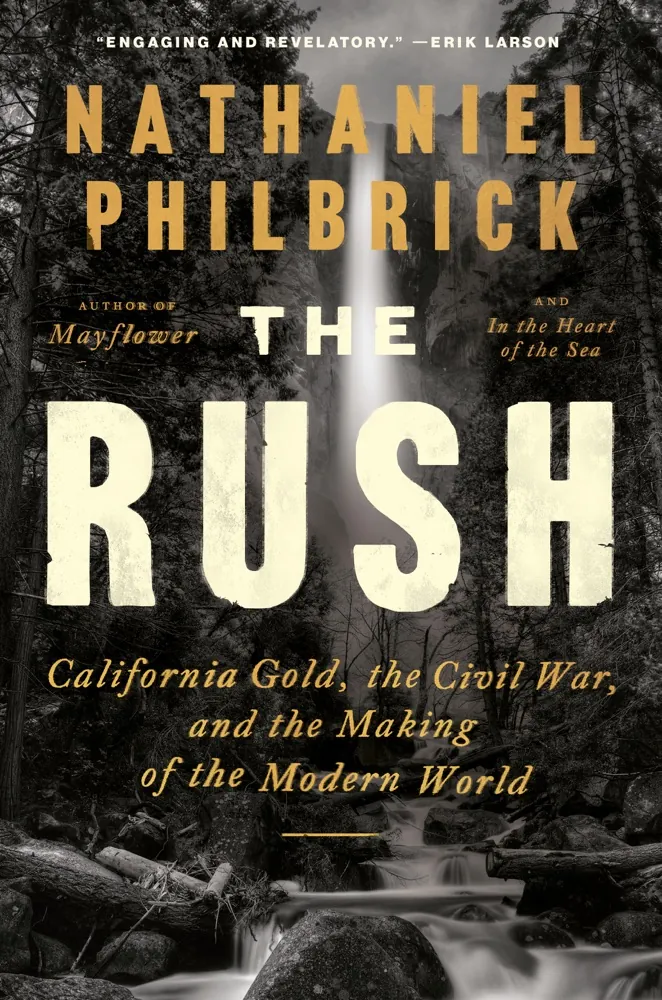
The Rush: California Gold, the Civil War, and the Making of the Modern World Book Review and Summary
Author: Nathaniel PhilbrickPage Count: UnknownPublication Date: Expected publication 2026-10-06 APL Nathaniel Philbrick's forthcoming The Rush: California Gold, the Civil War, and the Making of the Modern World reads like a promise, a siren's call to the historians who have long been enthralled by the California Gold Rush's mythos. But what lies within the covers of this National Book Award winner's latest magnum opus? A story of American exceptionalism, perhaps, or a cautionary tale of the perils of unchecked capitalism? I suspect, however, that The Rush will instead be another instance of the author's fondness for romanticizing the American past, that old trope of the rugged individualist triumphing over adversity. Philbrick's prose often veers towards the grand, a sweeping panorama of American history that threatens to engulf the reader in its sheer velocity. But what about the nuances, the messy contradictions that make for compelling historical fiction? Does Philbrick's vision of California gold, with its promises of instant wealth and boundless possibility, also acknowledge the systemic inequalities that fueled this very rush—Native American dispossession, Chinese immigrant labor, the racial tensions that simmered just beneath the surface of the mining camps? I, for one, wouldn't be surprised if Philbrick chose to sidestep these complexities, opting instead for a more crowd-pleasing narrative that revels in the romance of America's Wild West. But what about the character of Samuel Brannan, the merchant-showman who finds himself at the center of vigilantism in San Francisco? Is he more than just a cipher, a straw man to be pitted against the Southern power broker William Gwin? Philbrick mentions Brannan's "drawn into the center of early vigilantism," but what does this mean, exactly? That he's a passive observer, swept up in the tumultuous politics of California? Or is he perhaps more integral to the story, a symbol of the rough-and-tumble capitalism that defined this era? —In a move that should give even the most hardened literary critics pause, Philbrick is rumored to be collaborating with a prominent film director to adapt The Rush into a feature-length drama. This would be a cinematic version of The Exorcist's infamous 'head-spinning' scene, a mess of conflicting ideas and competing interests that threatens to blow the very lid off the American narrative. The Rush's supposed focus on the intersection of California and the Civil War feels like a bold, innovative move—especially given the relative dearth of literature on this period of American history. Yet, I remain skeptical, my mind wandering instead to the more sensationalized accounts of this era, the pulp fiction versions that reduced complex historical events to simple tales of good vs. evil. A Question of Timing Is it merely a coincidence that The Rush is set to release in the midst of a national reckoning with our country's history of racism and inequality? Or is this a deliberate attempt by Philbrick to tap into the zeitgeist, to offer a timely reminder of the American experience's more unsavory aspects? Either way, I imagine The Rush will be a commercial success, its grand narrative and larger-than-life characters resonating with readers eager to revisit a more storied, more heroic past. —And don't even get me started on the problematic implications of Philbrick's historical narrative, a thinly veiled defense of Manifest Destiny that threatens to whitewash the brutal realities of American expansionism. Can anyone say 'Wendy Doniger's 'The Hindus'*? Philbrick's writing does possess a certain gravitas, a sense of authority that commands attention. But can we trust that authority, given the author's propensity for mythologizing historical events? Is he merely offering a fresh spin on familiar tales, or is there genuine insight to be gleaned from The Rush? Only time (and a thorough reading of the book itself) will tell. I, for one, expect The Rush to leave me feeling unsatisfied, like a dinner guest whose appetites have been cruelly tantalized but never quite satiated. But what about the reader who craves a panoramic epic, a sweeping narrative that redefines the contours of American history? Will they find The Rush to be a revelation, or simply another disappointment in a long line of grand, but ultimately hollow, historical narratives? For now, I'll continue to await the release of The Rush, my skepticism tempered by the knowledge that even the most questionable historians can sometimes produce something unexpected, something truly remarkable. And now, I need to appraise my antique watch collection for insurance purposes. #GoldRushEra #CivilWarEra #AmericanHistory #HistoricalFiction #NathanielPhilbrick #TheRush #booktoread Related InsightsRabbit Rabbit Book Review and Summary Defy Me (Shatter Me) Book Review and Summary Find Me Book Review and Summary{ "@context": "https://schema.org", "@type": "FAQPage", "mainEntity": [ { "@type": "Question", "name": "What is the main focus of The Rush: California Gold, the Civil War, and the Making of the Modern World Book Review and Summary?", "acceptedAnswer": { "@type": "Answer", "text": "Everything you need to know about The Rush: California Gold, the Civil War, and the Making of the Modern World with our detailed review." } }, { "@type": "Question", "name": "Who authored the comprehensive guide on The Rush: California Gold, the Civil War, and the Making of the Modern World Book Review and Summary?", "acceptedAnswer": { "@type": "Answer", "text": "This detailed article and its insights were carefully researched and authored by Tiago Silva." } }, { "@type": "Question", "name": "Where can I find more related content about Books?", "acceptedAnswer": { "@type": "Answer", "text": "You can explore more articles, detailed reviews, and similar insights by browsing the Related Insights section at the bottom of this article or visiting our dedicated Books category page." } } ] }
- Tiago Silva
- 16 Aug, 2026 12:59
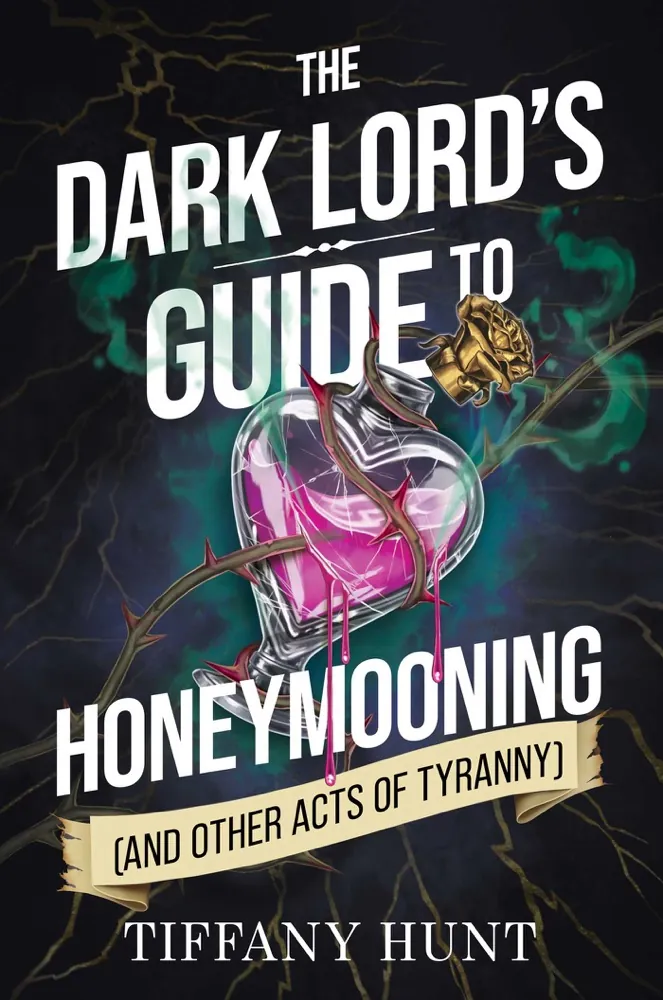
The Dark Lord's Guide to Honeymooning (and Other Acts of Tyranny) Book Review and Summary
Author: Tiffany HuntPage Count: UnknownPublication Date: Expected publication 2026-09-08 APL Another afternoon bleeding away into the champagne bucket while my portfolio takes a nosedive off a metaphorical cliff, and what am I doing? Staring at promotional copy for The Dark Lord's Guide to Honeymooning (and Other Acts of Tyranny) by Tiffany Hunt. God forbid I drink my vintage in peace without contemporary publishing dragging me back into the gutter of trope-heavy romantasy. Look. We are expected to swallow the premise that domestic bliss can coexist with mass kidnappings and demonic possession. Groundbreaking. Truly, the avant-garde literature of our generation. The Aesthetics of Domestic Terrorism Hunt is apparently leaning hard into the Assistant to the Villain meets Dreadful vibe, which tells me absolutely nothing original while simultaneously promising a very specific brand of chaotic domesticity. Kazimir Blackrose and Arabella are bound by marriage and some magical artifact called an Heirloom—how delightfully pedestrian. Every modern indie darling needs a glowing rock or a cursed piece of IKEA furniture to anchor their relationship arc. Yet. The sheer audacity of framing a world-conquest timeline around a honeymoon itinerary deserves a slow clap. We are promised villains who stay deliciously wicked while being catastrophically in love. A masterclass in cognitive dissonance. You cannot dismantle the socio-political structures of Solandris while simultaneously worrying about artisanal scones baked by a pastry chef with heroic blood. Make it make sense. Or don't. At this point, my existential dread is too heavy to care about artisanal pastry mechanics. Actually, scrap that entirely. The pastry chef detail is genius. It is unhinged, carb-loaded chaos, and I will tolerate zero slander against weaponized baked goods. Sizzling Spice and Structural Collapse The core tension of this entire text relies on three dangerous little words. Three. We all know what they are. It is the literary equivalent of a jump scare in a slasher flick. One second you are plotting global domination, and the next you are having an emotional breakdown over a missing memory and a demonic ex-roommate. The psychological whiplash is palpable. Hunt is riding the coattails of the current romantasy zeitgeist where characters can commit war crimes on Tuesday and hold hands by Thursday. It is trashy. It is glossy. It is probably going to spend six months on the bestseller list while my stocks burn to ash. Let us be entirely honest with ourselves for a fraction of a second. The synopsis reads like a fanfiction prompt generator designed by an algorithm hopped on cold brew. And yet? I am pre-ordering the sprayed-edge hardcover edition. Shame is a social construct anyway. Excuse me. I need to authorize a multi-million dollar wire transfer for a philanthropic endeavor involving endangered sphinx cats, or the tax attorneys will scream. #romantasy #darkacademia #booktok #scones Related InsightsThe Twilight Collection Book Review and Summary Daughter of Smoke & Bone Book Review and Summary Doctor Zhivago Book Review and Summary{ "@context": "https://schema.org", "@type": "FAQPage", "mainEntity": [ { "@type": "Question", "name": "What is the main focus of The Dark Lord's Guide to Honeymooning (and Other Acts of Tyranny) Book Review and Summary?", "acceptedAnswer": { "@type": "Answer", "text": "Everything you need to know about The Dark Lord's Guide to Honeymooning (and Other Acts of Tyranny) with our detailed review." } }, { "@type": "Question", "name": "Who authored the comprehensive guide on The Dark Lord's Guide to Honeymooning (and Other Acts of Tyranny) Book Review and Summary?", "acceptedAnswer": { "@type": "Answer", "text": "This detailed article and its insights were carefully researched and authored by Tiago Silva." } }, { "@type": "Question", "name": "Where can I find more related content about Books?", "acceptedAnswer": { "@type": "Answer", "text": "You can explore more articles, detailed reviews, and similar insights by browsing the Related Insights section at the bottom of this article or visiting our dedicated Books category page." } } ] }
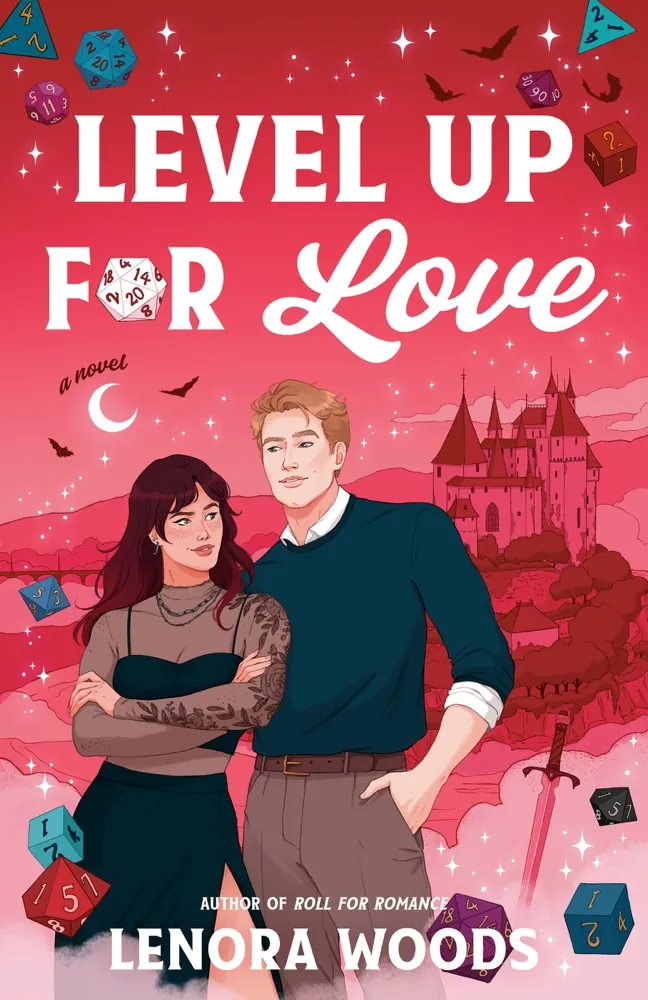
Author: Lenora WoodsPage Count: UnknownPublication Date: Expected publication 2026-09-08 APL As I savor the last crumbs of a mediocre croissant on this overpriced, underwhelming train ride, my mind whisks me away to Level Up for Love, the sophomore effort from Lenora Woods. The synopsis boasts a winning combination: contemporary second-chance romance and fantasy, set against the backdrop of Dungeons & Dragons. It's a match made in heaven, or at least in the annals of geeky literary fiction. Reagan Riley and Wesley Locke, two former college rivals, find themselves forced together in a new campaign – and, of course, their real-world baggage comes crashing to the surface. I'm reminded of the excellent The Hating Game by Sally Thorne, where the banter is as witty as the chemistry between the leads. Will Level Up for Love deliver a similar dose of tension and romance? I'm inclined to say yes, and I'm not alone in my enthusiasm – the book's endorsement from M. Stevenson, author of Behooved, is a testament to its potential. But what really gets me excited is the way Woods interweaves the D&D campaign with the main love story. It's a bold move, one that demands deft handling to avoid feeling like a gimmick. One can almost imagine the author meticulously crafting an intricate narrative, à la The City & The City by China Miéville, where the fantastical elements are woven so seamlessly into the fabric of reality that it's hard to discern where one ends and the other begins. Yet, upon closer inspection, the synopsis raises more questions than answers. What, exactly, is the nature of Reagan and Wesley's game design opportunity in the real world? Is it a challenge they must complete together, or is it a chance for them to finally outdo each other? The vagueness here is a bit of a nonstarter, and I fear it may be a misstep – after all, one of the most compelling aspects of Roll for Romance, the author's previous work, was its clear and concise storytelling. But let's not get ahead of ourselves. Woods has managed to pique my interest, and I'm willing to give her the benefit of the doubt. I predict that Level Up for Love will emerge as a strong contender in the romance-fantasy genre, one that will appeal to fans of Uprooted by Naomi Novik, with its deft blend of fantasy and character-driven drama. Narrative Pivotal Points One way to interpret this romance-fantasy hybrid is as a nuanced exploration of what it means to be a "winner" in life. Reagan and Wesley's game design rivalry has long since cooled, but the embers still burn, refusing to be extinguished by their newfound affection for each other. Is it possible to overcome past hurts and find a way to compete with someone you love? Woods might be onto something profound here. D&D as a Metaphor Or maybe I'm reading too much into it. Perhaps the D&D campaign is simply a convenient plot device, a way for Woods to explore themes of control and agency in a fantastical setting. In that case, Reagan's struggles with Vadrien, the merciless vampire lord, take on a whole new significance – no longer just a battle of wits, but a metaphor for the existential crises we face in our own lives. Artistic Ambition Whatever the case, Lenora Woods has demonstrated a keen understanding of the power of genre-bending. She's not afraid to take risks, to challenge her readers and push the boundaries of what's expected in a romance-fantasy novel. And that, my friends, is something to get excited about. I'm already mentally rewriting this review for the umpteenth time, questioning everything from my initial enthusiasm to my more recent reservations. One thing's for sure – I'm going to brew a dangerously strong espresso and stare at a blank page, trying to make sense of it all. #RomanceFantasy #DnD #Swoon #FantasyOfThePast #RomComWithFangs Related InsightsKnockout Book Review and Summary Lina & June Book Review and Summary Heart Bones Book Review and Summary{ "@context": "https://schema.org", "@type": "FAQPage", "mainEntity": [ { "@type": "Question", "name": "What is the main focus of Level Up for Love: A Novel Book Review and Summary?", "acceptedAnswer": { "@type": "Answer", "text": "Everything you need to know about Level Up for Love: A Novel with our detailed review." } }, { "@type": "Question", "name": "Who authored the comprehensive guide on Level Up for Love: A Novel Book Review and Summary?", "acceptedAnswer": { "@type": "Answer", "text": "This detailed article and its insights were carefully researched and authored by Tiago Silva." } }, { "@type": "Question", "name": "Where can I find more related content about Books?", "acceptedAnswer": { "@type": "Answer", "text": "You can explore more articles, detailed reviews, and similar insights by browsing the Related Insights section at the bottom of this article or visiting our dedicated Books category page." } } ] }
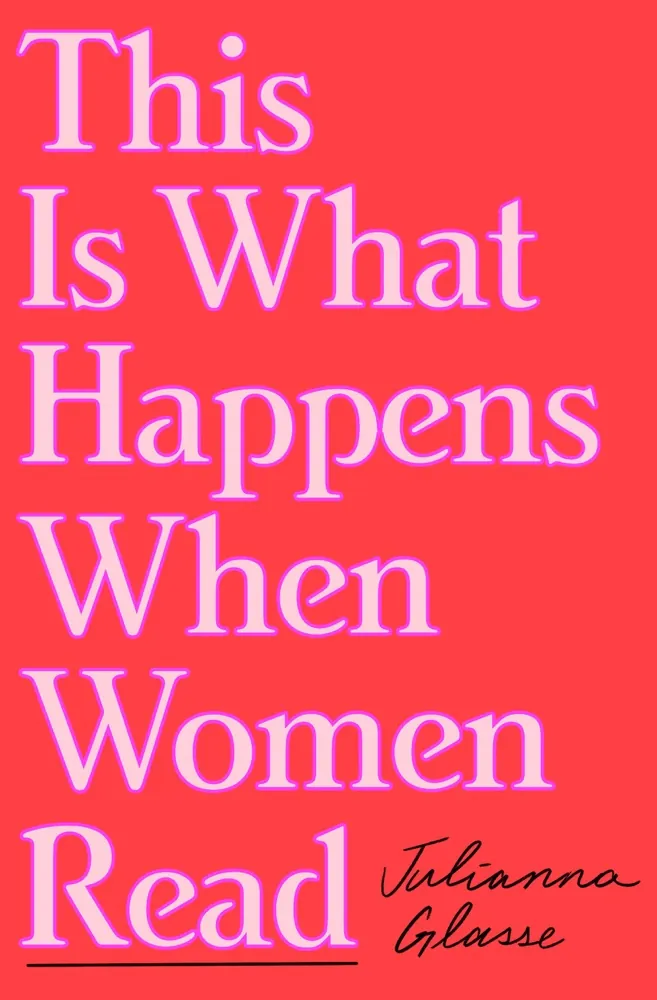
Author: Julianna GlassePage Count: UnknownPublication Date: Expected publication 2026-10-13 APL The synopsis for This Is What Happens When Women Read is so deliberately sparse it reads like a confession scribbled in the margins of a library book—deliberately unpolished, as if the author knows the real story is in the gaps. There’s a certain Brené Brown vulnerability here, but with the kind of evangelical precision that suggests Glasse isn’t just writing a memoir; she’s crafting a testimony—the kind that gets passed around in small, smoky rooms where people nod and say, “I’ve been there.” Yet the absence of specifics is maddening. Where’s the Rebecca Solnit razor edge? The Eula Biss clinical detachment? Instead, we get the Oprah Winfrey Book Club version of a crisis—cleaned up, sanitized, and sold as a self-help manual for the spiritually exhausted. The most interesting line isn’t the one about Oxford or the divorce—it’s the one about “the books she started to read opened doors she could not shut.” That’s the kind of metaphor that makes you wonder if Glasse is channeling Virginia Woolf’s ghost, or if she’s just really into Goodreads discussion boards. The phrasing is too cinematic, like a Hallmark movie where the heroine finally picks up The Bell Jar and suddenly sees the world in color. But here’s the thing: if this is a memoir about intellectual liberation, why does it feel like a Christianity Today article with a side of existential dread? Where’s the bell curve of the breakdown? The messy middle where the protagonist isn’t just “transformed” but unraveled? The synopsis reads like a TED Talk outline, not a novel or even a particularly gripping essay. And yet—there’s a dangerous potential here. Glasse’s background as a Christian pop star is the kind of backstory that could make this into the Megan Fox of memoirs—equal parts celebrity scandal and intellectual awakening. Imagine if she’d leaned into the Ann Patchett style of self-deprecating brilliance, where the reader gets the juicy details of the evangelical machine’s inner workings, the way faith is sold like a timeshare. But no. Instead, we get the safe version: the divorce, the depression, the a-ha! moment at Oxford. It’s the Netflix Original of spiritual autobiography—polished, marketable, and just slightly too neat. The real question is whether Glasse can resist the temptation to turn this into a self-help book disguised as a memoir. Because if she does, she’ll end up like Jen Hatmaker—loved for her story, but forgotten once the next woke influencer comes along with a sharper critique. The synopsis hints at something more subversive, something that could riff on Susan Sontag’s idea of “the imagination as resistance.” But right now, it reads like a book club pick rather than a cultural reset. And then there’s the Oxford bit—because let’s be real, no one goes to Oxford for the tea. They go for the intellectual arms race, the elite gaslighting of the uninitiated. If Glasse actually lived there, she probably got roasted by undergrads who saw her as the evangelical tourist. That’s the kind of gritty detail that could make this book unforgettable. Instead, we’re stuck with the safe version: the happy ending where the protagonist becomes autonomous and independent. Where’s the dark twist? The irony? The moment where she realizes the books didn’t save her—the people did, or the system did, or she just outgrew the need for salvation entirely? But perhaps that’s the point. Maybe this is exactly what we need—a gentle unraveling, a soft rebellion. A book that doesn’t shatter the system but slips through the cracks. If so, then fine. But don’t expect blood and thunder. Don’t expect the raw edge of Cheryl Strayed or the scathing wit of Rebecca Traister. This is the lifestyle memoir of the quiet revolution—polished, elegant, and just slightly too clean. I’m logging off now to enjoy a cigar on my private terrace, wondering if this book will be the next Big Little Lies of spiritual memoirs—or just another Netflix Original that gets canceled after one season. #BookTok #MemoirSeason #OxfordVibes #ChristianPopCrisis #WhyIsEverythingSoPolished
Author: Alexis PattonPage Count: UnknownPublication Date: Expected publication 2026-09-01 APL The afternoon heat through these floor-to-ceiling glass windows is currently doing absolute violence to my vintage Bordeaux, and quite frankly, I am in no condition to be parsing promotional copy. Yet here we are. Staring down the barrel of Us Defiant Few, the final installment of a trilogy that has thoroughly drained my adrenal glands since late August began sweating down the neck of the city. The Amnesia Industrial Complex Every single dystopian manuscript hitting desks this season reads like the opera Tosca staged inside a CrossFit box. The synopsis for Alexis Patton's upcoming finale leans entirely on the most exhausting trope known to modern publishing: the selective memory wipe. Oh, the man she loves doesn't remember her? How original. One expects nothing less than a full structural collapse of logic when an author relies on the Fëdorov case method of romantic amnesia. Khalani Kanes is apparently running for her life through subterranean corridors—because apparently, nobody is allowed to see grass anymore in contemporary fiction—while dodging a lover holding a blade. Give me strength. Or at least give me a functioning vintage corkscrew that doesn't require manual torque in this humidity. Architectural Pathology of Apollo The promise of returning to "Apollo" feels less like a narrative homecoming and more like a structural threat. We are promised brutal alliances and ruthless training, which is industry shorthand for three hundred pages of characters doing push-ups in the dark while exchanging stilted dialogue about trauma. The synopsis hints at impossible truths and a crisis of perception regarding Khalani's own mind. How terribly chic. We are diving headfirst into the unreliable narrator pool wearing lead boots. Rebecca F Kuang walked so these grimdark heroines could sprint blindly into concrete walls. The prose insists that "only those ablaze will remain," which sounds suspiciously like a marketing team frantically throwing matches at a damp pile of genre tropes. The Price of Admission Deluxe editions with printed edges are arriving in mailboxes like glossy designer invitations to events nobody actually wants to attend. They look gorgeous on the mahogany shelving, matching the spine of every other blood-soaked paperback currently flooding the market. But I am fundamentally exhausted by the aestheticization of suffering. Patton is undoubtedly delivering the exact brand of high-octane misery that readers devour between sips of iced espresso, but my nerves simply cannot sustain another protagonist questioning her own sanity beneath the earth. Let the sun burn the whole underground city down for all I care. Just keep the air conditioning running and spare me another chapter of existential dread before the autumn vintage arrives. The new taxes on luxury imports are seriously impacting my wine collection. #BookHangover #DystopianFiction #ReadingCommunity #AlexisPatton