Harry Potter and the Goblet of Fire Book Review and Summary
- 18 Jun, 2025 12:35
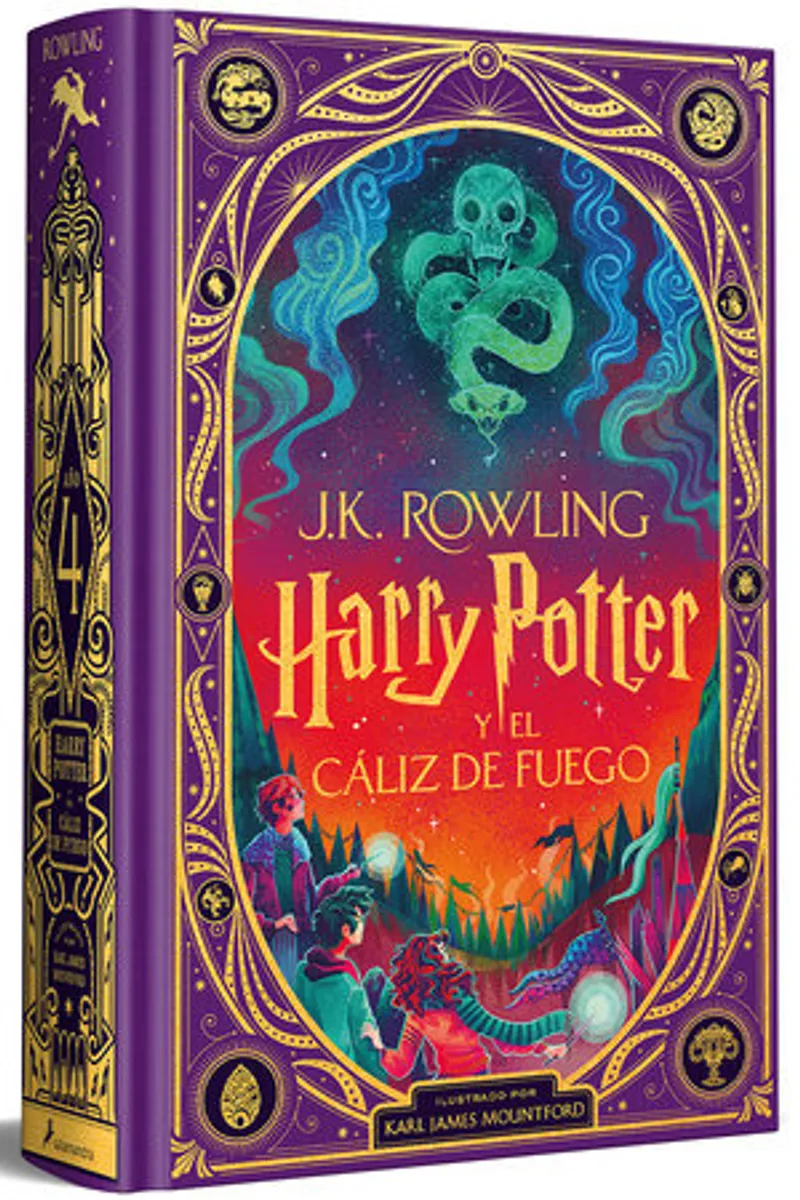
Harry Potter y el cáliz de fuego (Harry Potter ediciones ilustradas interactivas 4) / Harry Potter and the Goblet of Fire
Author: J.K. Rowling
Page Count: Unknown
Publication Date: 2026-PRH
Harry Potter and the Goblet of Fire: A Dark Turn in the Magical Saga
J.K. Rowling’s Harry Potter and the Goblet of Fire marks a pivotal shift in the beloved series, plunging readers into a darker, more mature world where childhood innocence collides with the harsh realities of adulthood. As the fourth installment in the illustrated interactive editions, this book not only deepens the lore but also tests the resilience of its characters—and its audience. With its intricate plotting, rich thematic layers, and a tone that balances wonder with foreboding, The Goblet of Fire stands as a masterclass in storytelling, where magic is no longer just a spectacle but a metaphor for the trials of growing up.
At its core, the novel explores the theme of sacrifice and the cost of heroism. The Triwizard Tournament, a seemingly whimsical competition, becomes a crucible where Harry is forced to confront danger, deception, and the weight of his own choices. Unlike the earlier books, where battles were often metaphorical or resolved with relative ease, The Goblet of Fire introduces stakes that are visceral and unrelenting. The return of Voldemort is not merely a plot twist but a slow-burning dread that seeps into every chapter, culminating in a climax that is as shocking as it is tragic. Rowling’s genius lies in making the supernatural feel terrifyingly real—Voldemort’s resurrection is not just a villain’s triumph but a symbol of the inescapable darkness that lurks in the world, even in the most protected corners of it.
Rowling’s writing style in this installment is more polished and ambitious than ever. The prose is lush, with vivid descriptions that immerse the reader in the grandeur of Hogwarts’ Yule Ball or the eerie isolation of the maze. Yet, she never loses sight of her characters’ emotional arcs. Harry’s frustration, Ron’s jealousy, and Hermione’s quiet determination are all rendered with nuance, making their growth feel organic rather than forced. The dialogue crackles with wit and tension, whether it’s the banter between Harry and his friends or the ominous exchanges between Dumbledore and the other adults, who are increasingly aware of the coming storm.
One of the book’s most striking elements is its exploration of institutional failure and moral ambiguity. The Ministry of Magic’s denial of Voldemort’s return, the incompetence of Hogwarts’ staff in protecting its students, and even Dumbledore’s occasional missteps force readers to question authority and the reliability of those in power. This layer of complexity elevates the series beyond a simple good-vs-evil narrative, making it resonate with older readers who understand that the world is rarely black and white. The death of Cedric Diggory—a character beloved for his kindness and fairness—is a gut-punch moment that underscores the book’s refusal to shy away from harsh truths. It’s a reminder that in Rowling’s world, even the brightest magic cannot shield the innocent from pain.
The interactive and illustrated elements of this edition further enhance the reading experience. The illustrations, while not as iconic as the films, capture the gothic grandeur of Hogwarts and the unsettling presence of the Death Eaters. The interactive features—whether it’s maps of the maze, character profiles, or hidden clues—encourage a deeper engagement with the text, rewarding readers who pay attention to details. This edition isn’t just a book; it’s an experience, one that makes the story feel alive in a way that the original printings couldn’t.
The Goblet of Fire also serves as a bridge between the lighter, adventure-driven early books and the darker, more political tone of the later installments. It’s here that the series truly matures, both in its themes and its storytelling. The humor is still present—Ron’s rivalry with Hermione, Fred and George’s antics, and Harry’s dry one-liners—but it’s tempered by a sense of urgency. The stakes are higher, the consequences more severe, and the emotional payoff more profound.
For longtime fans, this book is a turning point; for newcomers, it’s a revelation of what the series can achieve. Rowling’s ability to weave personal drama with epic fantasy is on full display, making The Goblet of Fire not just a great children’s book, but a great book, period. It’s a story about facing darkness, not just with a wand, but with courage, loyalty, and the willingness to make painful sacrifices.
In an era where so much of children’s literature is sanitized or overly cautious, Rowling’s willingness to embrace the uncomfortable is what makes her work timeless. The Goblet of Fire doesn’t just entertain—it challenges, it haunts, and it ultimately inspires.
#HarryPotter #GobletOfFire #JKRowling #DarkHarryPotter #MagicalWorld #BookReview