Harvest Season Book Review and Summary
-
 Irina Ivanova
 - 21 Apr, 2026 11:52
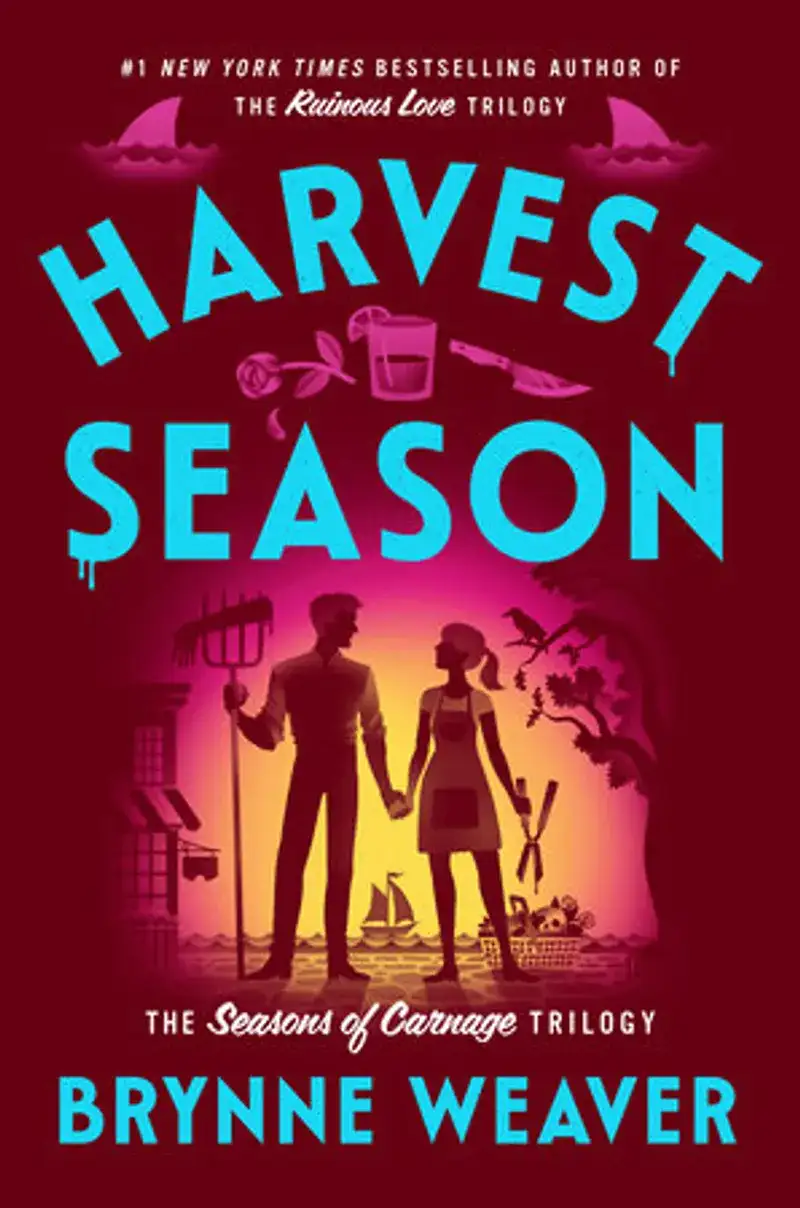
Harvest Season
Author: Brynne Weaver
Page Count: Unknown
Publication Date: 2026-PRH
Brynne Weaver’s Harvest Season (2026) arrives like a gnarled oak branch knocking at the window—unexpected, a little eerie, and impossible to ignore. Set in a sun-baked rural town where the seasons blur into one another like fermented peaches left too long in the sun, the novel explores the quiet rot beneath the myth of abundance. Weaver, whose earlier work carved out a reputation for dissecting small-town decay with lyrical precision, turns her scalpel this time toward the illusion of harvest: what we gather, what we discard, and who gets to decide which is which.
At its heart, Harvest Season is a meditation on inheritance—not just of land or legacy, but of silence. The story follows a reclusive orchardist, Mara Voss, who returns to her family’s failing farm after years away, only to find the land—and the town—haunted by a different kind of hunger. The orchards, once lush with peaches and plums, now yield fruit that rots from the inside out, a metaphor Weaver handles with unsettling tenderness. The blight isn’t just botanical; it’s familial, economic, spiritual. Mara’s father, a man who treated the soil like a ledger, has left behind debts both monetary and moral, and Mara must decide whether to uproot the past or let it choke what little remains.
Weaver’s prose is as tactile as the fruit she describes—ripe with the scent of overripe plums, the stickiness of sap on fingers, the ache of joints in the early morning cold. She writes with a farmer’s eye for detail and a poet’s ear for rhythm, her sentences often short and staccato when the tension rises, slow and meandering when the land itself seems to sigh. There’s a physicality to her storytelling that grounds the supernatural undertones; when the town’s collective memory begins to unravel—strangers arriving with knowledge of lives they shouldn’t know—it’s not delivered as gothic melodrama but as the slow dawning of a truth too heavy to name. The supernatural here is organic, a natural consequence of what the earth and the people who tend it have absorbed over generations.
What elevates Harvest Season beyond a mere gothic fable is Weaver’s refusal to romanticize suffering. Mara isn’t a heroine; she’s a woman who’s learned to survive by numbing herself, and her journey isn’t about redemption so much as it is about facing the cost of survival. The other townsfolk are equally flawed, their kindnesses laced with calculation, their silences more damning than their words. Weaver’s dialogue crackles with the kind of stilted, half-truth exchanges that define rural communities, where what isn’t said often carries more weight than what is.
The novel’s structure mirrors its themes of cyclical time and inevitable decay. Chapters unfold like the slow turning of seasons, each one marked not by dates but by the ripening or rotting of fruit, the arrival of pests, the way the light slants through the trees at dusk. There’s a quiet dread in this pacing, the sense that the reader, like Mara, is being pulled deeper into a system that was broken long before she arrived.
Weaver’s greatest achievement here is making the personal political without ever resorting to didacticism. The blight isn’t just a plot device; it’s a reflection of how capitalism, climate change, and generational trauma intersect in the bodies of the land and its people. When Mara discovers that her father’s orchards were part of a larger land grab decades ago—sold to developers under the guise of “progress”—the revelation doesn’t arrive with fanfare but with the quiet devastation of a tree falling in the woods. The sound, Weaver implies, is all that’s left.
Harvest Season is a book that lingers, like the residue of fruit left to ferment in a jar. It’s not an easy read, but ease was never the point. Weaver has written a story that demands to be felt in the bones, a reminder that harvests aren’t just about what we reap but about what we choose to bury—and who gets to decide when it’s time to dig.
#HarvestSeason2026 #RuralGothic #GenerationalTrauma #FarmHorror #SmallTownSecrets #LiteraryHorror