Showing Posts From
Classic
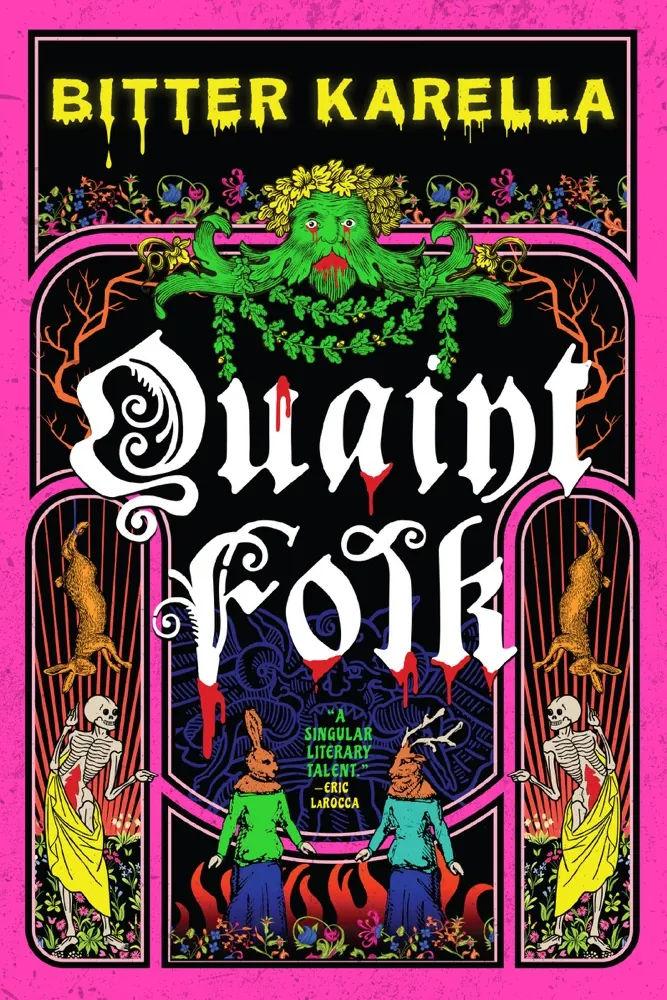
Author: Bitter KarellaPage Count: UnknownPublication Date: Expected publication 2026-10-06 APL It is freezing outside, and my landlord still refuses to turn on the radiator, leaving me to shiver over a lukewarm mug of instant coffee while staring at another PR pitch for Bitter Karella’s upcoming Quaint Folk. Another day, another stack of queer horror manuscripts hitting my desk—because apparently, every publishing house in New York decided that what we really need this October is yet another satirical takedown of rural isolation. The Suburban Pretension Trap Jessica has the all-American pie life. Or so the copywriters claim before slapping us with the mandatory trauma dump about how she cannot escape her past. Groundbreaking stuff. We are supposed to believe that moving to Hasenhurst—a remote island where people aggressively make their own jam and trade in folksy superstition—will offer a fresh start. And naturally, beneath the idyllic veneer of homemade herbs and quiet domesticity, something sickly-sweet and rotten lies buried. Wow. Color me shocked. Did Shirley Jackson patent this plot in 1948 only for every mid-tier indie darling to run it straight into the ground? Karella clearly channels the unhinged domestic dread of Eric LaRocca and the biting, satirical camp of Laura Cranehill. Yet, relying entirely on the "wholesome town hides dark secrets" trope feels painfully lazy for a writer of this caliber. The Weaponization of Jam and Folklore The thematic weight here rests heavily on the absurdity of heteronormative suburban expectations crashing headfirst into ancient, blood-soaked mythologies. Jessica desperately wants to be the "right kind of person" for a quaint life, which is just academic-speak for the desperate yearning to belong in a system that will inevitably try to skin you alive. It gives heavy vibes of The Wicker Man meets Stepford Wives, but make it queer. The synopsis promises something funny, bloody, and outrageous. But let us be real. The synopsis always promises a riot. What we usually get is two hundred pages of moody atmosphere followed by a third-act bloodbath that forgets to actually say anything new about the trauma of domesticity. Marketing Aesthetic Versus Actual Substance The blurbs are doing some heavy lifting here. LaRocca calls it a bold, potent brew of mythical weirdness, which is industry code for the protagonist is going to hallucinate heavily while chopping vegetables. And honestly? I am tired. I am so damn tired of books coasting on vibes and vibe-adjacent queer trauma. Give me actual structural bite instead of just throwing around words like satirical and unhinged to distract readers from the fact that the plot is basically a Mad Libs sheet filled out by a chronically online goth. If Karella actually leans hard into the surrealism without pulling any punches, this might just survive the brutal autumn release cycle. Otherwise, it is just another piece of aesthetic content destined to be posted on BookTok next to a cup of chamomile tea and an amber-colored reading light. I have to go scream into a pillow and then debate the merits of absurdism with a stranger in a dive bar. Related InsightsBridge to Bat City 6c Signed Solid Prepack Book Review and Summary Adam and Eve Book Review and Summary Ivanhoe Book Review and Summary{ "@context": "https://schema.org", "@type": "FAQPage", "mainEntity": [ { "@type": "Question", "name": "What is the main focus of Quaint Folk Book Review and Summary?", "acceptedAnswer": { "@type": "Answer", "text": "Everything you need to know about Quaint Folk with our detailed review." } }, { "@type": "Question", "name": "Who authored the comprehensive guide on Quaint Folk Book Review and Summary?", "acceptedAnswer": { "@type": "Answer", "text": "This detailed article and its insights were carefully researched and authored by Irina Ivanova." } }, { "@type": "Question", "name": "Where can I find more related content about Books?", "acceptedAnswer": { "@type": "Answer", "text": "You can explore more articles, detailed reviews, and similar insights by browsing the Related Insights section at the bottom of this article or visiting our dedicated Books category page." } } ] }
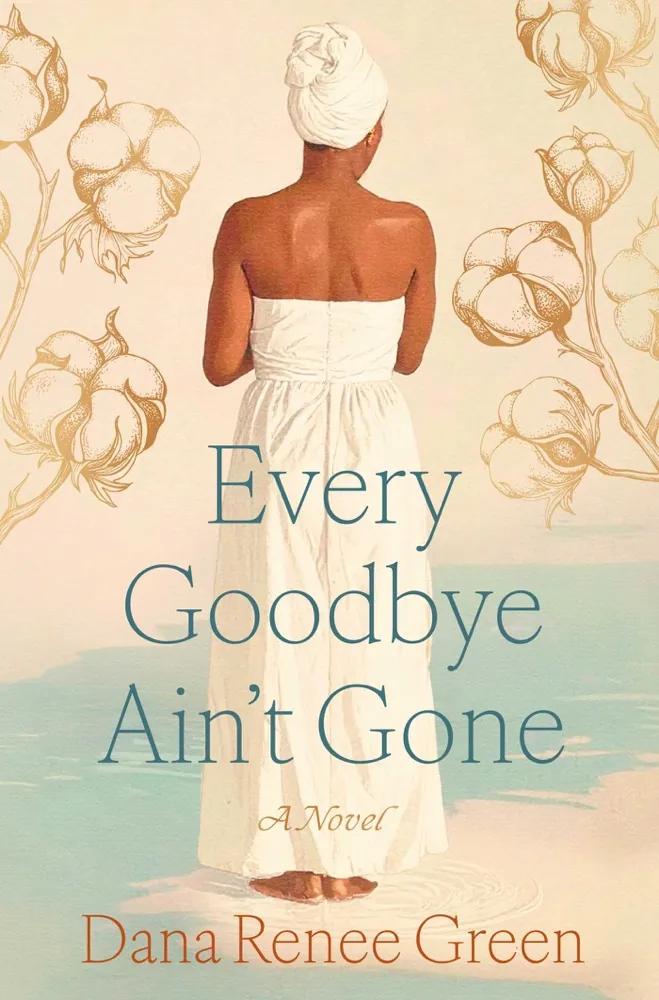
Author: Dana Renee GreenPage Count: UnknownPublication Date: Expected publication 2026-11-17 APL God, my head is still pounding from that six-hundred-page Victorian brick I finished at four in the morning, and now I am staring at a blinking cursor trying to stretch three paragraphs of synopsis blurb into a full-length preview just to make rent. Dana Renee Green’s Every Goodbye Ain't Gone hits shelves in late 2026, and I am supposed to pretend I have read the whole manuscript when all I have is a publisher's plot hook that reads like a grief counselor’s fever dream. The Calculus of Terminal Joy The elevator pitch compares this book to The Bucket List and How Stella Got Her Groove Back. Let us pause right there. Those two cultural artifacts occupy completely different solar systems. One is a cynical, star-studded man-pain melodrama about old guys looking at mountains; the other is a vibrant, Caribbean-set reclamation of sexual agency. Mixing them together to describe a thirty-nine-year-old mother of seven diagnosed with Stage 4 breast cancer weeks after giving birth feels less like a descriptive genre mashup and more like an emotional blender set to liquefy. Wait. Let me backtrack on that cynicism for a second. Actually, maybe that jarring tonal dissonance is precisely where the friction of the narrative catches fire. The protagonist, Renie, spends her life checking boxes for everyone else before receiving a three-month death sentence. Naturally, she starts a journal for her kids and subsequently realizes she missed her own life. Standard grief-lit architecture. We have seen this scaffolding in half the contemporary debuts floating across my crowded desk this quarter. Yet the promise of "pleasure" and "choosing yourself without apology" hints at a narrative refusing to dissolve entirely into weeping in hospice corners. It flirts with the unapologetic reclamation found in works by an author like Jasmine Guillory or Terry McMillan, but filtered through the absolute terror of a ticking clock. The Profit Margin of Grief The synopsis leans heavily on emotional shorthand. "Warm, wise, and full of heart." My eye is twitching so hard I can barely type the semicolon. Publishers love slapping those exact six words onto anything involving terminal illness and midlife awakenings as if it inoculates the manuscript against structural clichés. But Green is operating within a notoriously unforgiving subgenre. If Renie’s awakening boils down to eating a fancy croissant and taking a solo trip to Italy, I am throwing this galley against the nearest brick wall. Yet I am genuinely curious about the logistics of writing a posthumous journal while raising a newborn and six other children. The synopsis glosses over that logistical nightmare in favor of shimmering thematic clarity. But real life—even fictionalized, high-concept fiction—is messy, loud, and entirely unglamorous. Does Green lean into the brutal exhaustion of motherhood under a death sentence, or does she fast-forward straight to the empowering epiphanies? The blurb does not say. It never does. I need cold air, espresso, and a bookstore that doesn't smell like printer ink and impending deadlines. I am closing my laptop right now, pulling my coat collar up against the drizzle, and wandering the city streets at midnight seeking a shred of literary inspiration before the next galley assignment ruins what is left of my eyesight. Related InsightsSmall Odysseys Book Review and Summary Harry Potter and the Deathly Hallows Book Review and Summary Dark Restraint Book Review and Summary{ "@context": "https://schema.org", "@type": "FAQPage", "mainEntity": [ { "@type": "Question", "name": "What is the main focus of Every Goodbye Ain't Gone: A Novel Book Review and Summary?", "acceptedAnswer": { "@type": "Answer", "text": "Everything you need to know about Every Goodbye Ain't Gone: A Novel with our detailed review." } }, { "@type": "Question", "name": "Who authored the comprehensive guide on Every Goodbye Ain't Gone: A Novel Book Review and Summary?", "acceptedAnswer": { "@type": "Answer", "text": "This detailed article and its insights were carefully researched and authored by Irina Ivanova." } }, { "@type": "Question", "name": "Where can I find more related content about Books?", "acceptedAnswer": { "@type": "Answer", "text": "You can explore more articles, detailed reviews, and similar insights by browsing the Related Insights section at the bottom of this article or visiting our dedicated Books category page." } } ] }
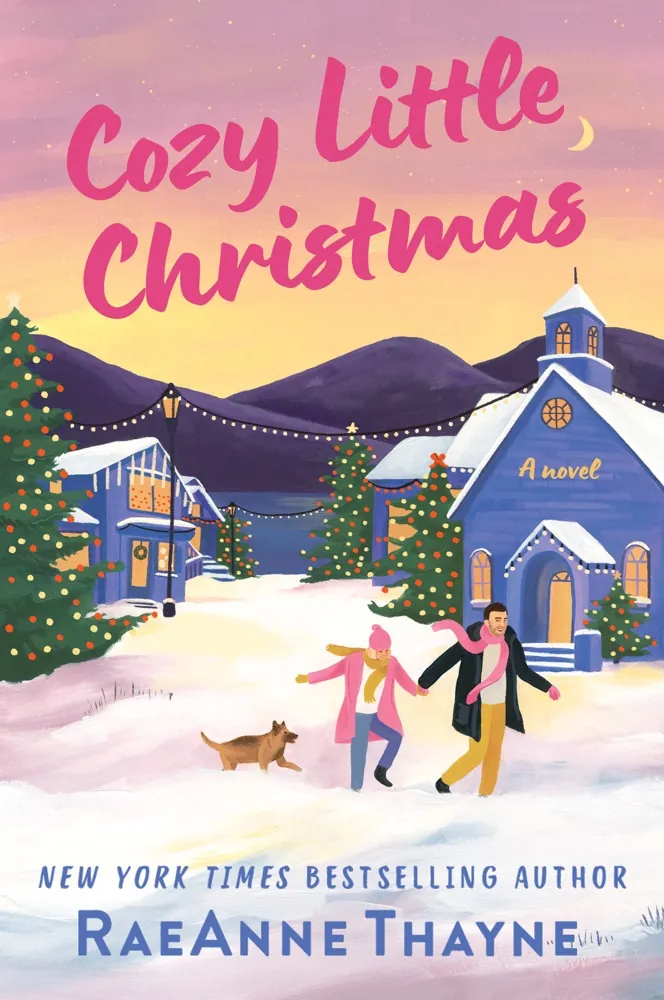
Author: RaeAnne ThaynePage Count: UnknownPublication Date: Expected publication 2026-10-06 APL The synopsis for Cozy Little Christmas reads like a holiday greeting card someone wrote after three glasses of eggnog—warm, slightly sentimental, but with the structural integrity of a gingerbread house in a hurricane. The problem isn’t that it’s bad; it’s that it’s too good, like a Hallmark movie that’s been distilled into a single, overly polished paragraph. There’s no tension in the vagueness, no ambiguity to chew on—just the kind of neat, tidy emotional payoff that makes you wonder if the author’s ever actually felt anything beyond the joy of a well-placed ellipsis. Hannah and Wes’s reunion is framed as a reunion romance—a trope so well-worn it’s practically a genre unto itself. But where’s the cost of that reunion? The synopsis doesn’t even hint at the friction, the unresolved history, the why they broke up in the first place. It’s all just holiday magic—a phrase so overused it’s become a literary white noise, like the sound of a microwave beeping in an empty kitchen. And yet, the synopsis leans hard into the cozy, the uplifting, the perfectly wrapped romance. It’s the literary equivalent of a sweater with no seams, no flaws—just a neat, warm package. The small-town setting is the usual suspect here, the kind of place where everyone knows your business but no one really cares. It’s the same backdrop used in The Love Hypothesis meets A Christmas Story if those two had a baby and raised it on pure sugar and nostalgia. The forced proximity trope is given a holiday twist—Hannah babysits Morgan’s kids, Wes helps his grandfather, and suddenly they’re together again, like two magnets that’ve been repelled for years but now can’t resist each other’s pull. But where’s the work? Where’s the struggle? The synopsis doesn’t even suggest that their reunion might be messy, that there might be something to overcome beyond Wes’s vague "regret" and Hannah’s equally vague "joy." And Kodiak, the K9—oh, Kodiak. The dog is the emotional crutch here, the literal and figurative glue holding this story together. Dogs in romance novels are usually either the love interest’s soulmate or the plot’s emotional punchline, but Kodiak seems to exist purely as a reason for Wes to be in town. It’s the kind of convenience that makes you suspect the author’s never actually had a dog, let alone one that’s part of a K9 unit. The dog’s presence feels like an afterthought, a way to give Wes a job—a reason to be near Hannah without having to explain why he’s really there. The thematic focus here is on second chances, but the synopsis doesn’t even ask what a second chance costs. It’s all about the wish—Wes’s Christmas wish is Hannah, Hannah’s Christmas wish is magic—but where’s the price? Where’s the sacrifice? The synopsis doesn’t even hint at the possibility that their reunion might require something from them, that there might be loss involved. It’s all just light, all just joy—the kind of thing that makes you suspect the author’s never actually been in a real relationship, let alone one that required any kind of compromise. The synopsis also leans hard into the holiday feels trend, which is currently the literary equivalent of a TikTok trend—everyone’s doing it, but no one’s actually doing it right. The problem with Cozy Little Christmas isn’t that it’s trying to be cozy; it’s that it’s trying too hard. The coziness here is the kind of thing that makes you want to roll your eyes, like a sweater that’s just a little too warm, just a little too soft. It’s the kind of story that makes you think, I could write this in my sleep—because, honestly, you could. The characters are sketched in with the precision of a holiday card, their motivations reduced to a single, neat phrase. Hannah is warm, kind, built a full life—Wes is regretful, hopeful, desperate to get back what he lost. There’s no depth here, no mess, no contradiction. It’s all just feels, all just magic—the kind of thing that makes you wonder if the author’s ever actually felt anything beyond the joy of a well-placed ellipsis. The synopsis also doesn’t even mention the kids, which is odd—because in a story about helping a family in need, the kids should be more than just a plot device. They should be people, with their own desires, their own struggles. But the synopsis doesn’t even hint at that. It’s all just Hannah brings much-needed holiday magic—which, again, sounds like something you’d find on a Christmas card, not in a novel. The biggest problem with Cozy Little Christmas isn’t that it’s bad; it’s that it’s predictable. It’s the kind of story that’s been told a million times before, the kind of thing that makes you think, I’ve seen this movie—because, honestly, you have. The synopsis doesn’t even try to subvert expectations; it just leans into them, like a snowboarder who’s never actually ridden a board before. The only thing that might save this book is if the author actually writes it—because the synopsis is so tight, so perfect, that it’s almost impossible to imagine how it could get any worse. But if they don’t, if they just stick to the synopsis, then Cozy Little Christmas will be the kind of book that makes you wonder why you ever thought you needed to read it in the first place. I have to write a fiercely opinionated essay on the death of modern critique—because if this is the future of romance novels, then I might as well start packing my bags for the apocalypse. #BookTok #HolidayRomance #SmallTownVibes #SecondChanceSeason #WhyIsEverythingSoCozy Related InsightsLook What the Cat Dragged In Book Review and Summary King of Greed Book Review and Summary Long Shadows Book Review and Summary{ "@context": "https://schema.org", "@type": "FAQPage", "mainEntity": [ { "@type": "Question", "name": "What is the main focus of Cozy Little Christmas Book Review and Summary?", "acceptedAnswer": { "@type": "Answer", "text": "Everything you need to know about Cozy Little Christmas with our detailed review." } }, { "@type": "Question", "name": "Who authored the comprehensive guide on Cozy Little Christmas Book Review and Summary?", "acceptedAnswer": { "@type": "Answer", "text": "This detailed article and its insights were carefully researched and authored by Irina Ivanova." } }, { "@type": "Question", "name": "Where can I find more related content about Books?", "acceptedAnswer": { "@type": "Answer", "text": "You can explore more articles, detailed reviews, and similar insights by browsing the Related Insights section at the bottom of this article or visiting our dedicated Books category page." } } ] }
-
 Irina Ivanova
 - 09 Sep, 2026 20:44
How to Let Go: A Memoir of Finding Peace in Endings Book Review and Summary
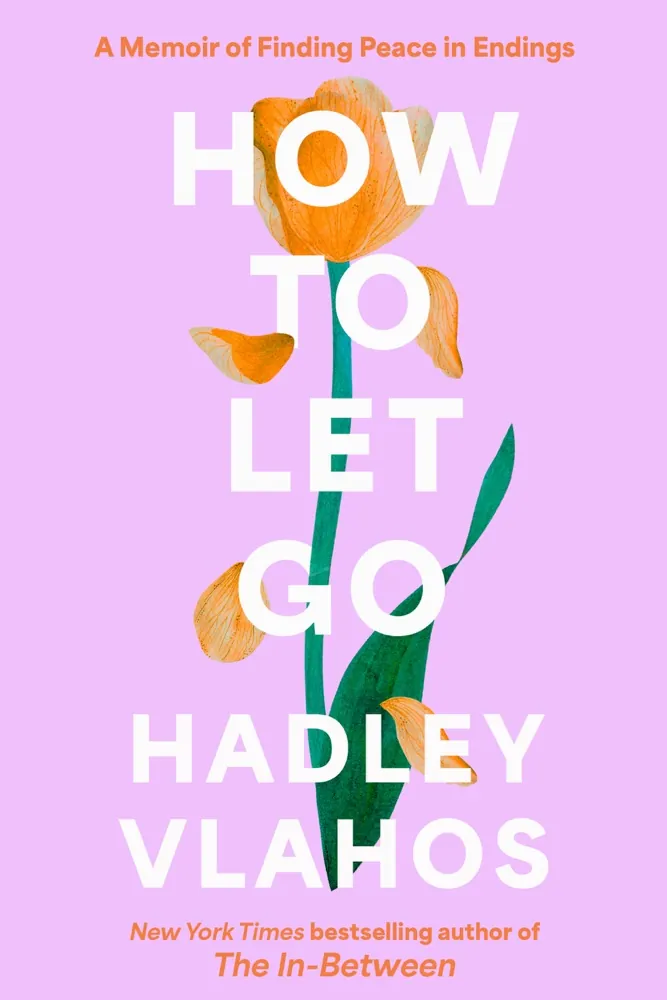
Author: Hadley Vlahos R.N.Page Count: UnknownPublication Date: Expected publication 2026 APL Staring at a blinking cursor for forty minutes while the last dregs of instant coffee curdle in my chipped mug is honestly a masterclass in psychological torture. And now I am supposed to parse Hadley Vlahos and her impending follow-up, How to Let Go. Right. Because what the literary market desperately needs right now is another palliative memoir wrapped in glossy grief-porn aesthetics. Look. I am drowning in overdue invoices and rent that somehow keeps multiplying like a biological contagion, but sure, let us all sit around the campfire and unpack the bourgeois heartbreak of a nurse whose fairytale marriage went south. The Commodification of Mortality Vlahos clearly struck some unholy vein of cultural zeitgeist with The In-Between. People love crying on airplanes, apparently. They buy books about death because actual mortality is too messy, so they prefer it sanitized and digestible through the lens of a sympathetic medical professional who dispenses folksy wisdom alongside morphine drips. Now, she is pivoting inward. The premise hinges on the ultimate irony — counseling dying people while your own life is quietly combusting into hot garbage. It is the ultimate literary flex of aestheticized suffering. Yet, the synopsis reads like a masterclass in vague corporate hand-waving. Her fairytale marriage turned out to be not what it seemed. Riveting. Groundbreaking. Did he hoard vintage Star Wars memorabilia? Did he refuse to do the dishes? We do not know, because the pitch stays safely locked behind vague generalities designed to appeal to every bored suburbanite scrolling through Goodreads at 2:00 AM. The Transmutation of Trauma into Monetizable Content The thematic scaffolding here is glaringly obvious. We are looking at a classic post-Eat-Pray-Love emancipation narrative, but drenched in hospice metaphors because branding is everything. The synoptic sleight-of-hand equates walking away from a dead-end relationship with the literal dissolution of biological life. Anticipatory grief applied to a divorce settlement. It is deeply parasocial, deeply calculated, and frankly, deeply exhausting. We are supposed to believe that walking out on a mediocre husband mirrors the existential gravity of dying parents and terminal diagnoses. Make it make sense. It gives heavy Glennon Doyle vibes crossed with a TikTok therapist who charges three hundred dollars an hour to tell you your boundaries are valid. And yet—against my better judgment, my staggering debt, and my profound hatred for books with soft-focus floral covers—the cynicism falters slightly. Vlahos writes with a certain unvarnished sincerity that usually bypasses my internal bullshit detector, even when the marketing copy leans entirely into trauma-pimping. Will it revolutionize memoir as a high-art form? Absolutely the fuck not. Will it sell four million copies to people crying in suburban kitchens? Obviously. My cursor is blinking again. The blinking is mocking me. I need to go scrounge through the sofa cushions for twenty-five cents because the laundromat coin machine is broken again and I have exactly one pair of clean underwear left to my name. #memoir #publishing #reading #grief #exhaustion Related InsightsSolo and Together: Charles and Anne Morrow Lindbergh, an Enigmatic Life and Marriage Book Review and Summary The Restaurant at the End of the Universe Book Review and Summary Shadowfever Book Review and Summary{ "@context": "https://schema.org", "@type": "FAQPage", "mainEntity": [ { "@type": "Question", "name": "What is the main focus of How to Let Go: A Memoir of Finding Peace in Endings Book Review and Summary?", "acceptedAnswer": { "@type": "Answer", "text": "Everything you need to know about How to Let Go: A Memoir of Finding Peace in Endings with our detailed review." } }, { "@type": "Question", "name": "Who authored the comprehensive guide on How to Let Go: A Memoir of Finding Peace in Endings Book Review and Summary?", "acceptedAnswer": { "@type": "Answer", "text": "This detailed article and its insights were carefully researched and authored by Irina Ivanova." } }, { "@type": "Question", "name": "Where can I find more related content about Books?", "acceptedAnswer": { "@type": "Answer", "text": "You can explore more articles, detailed reviews, and similar insights by browsing the Related Insights section at the bottom of this article or visiting our dedicated Books category page." } } ] }
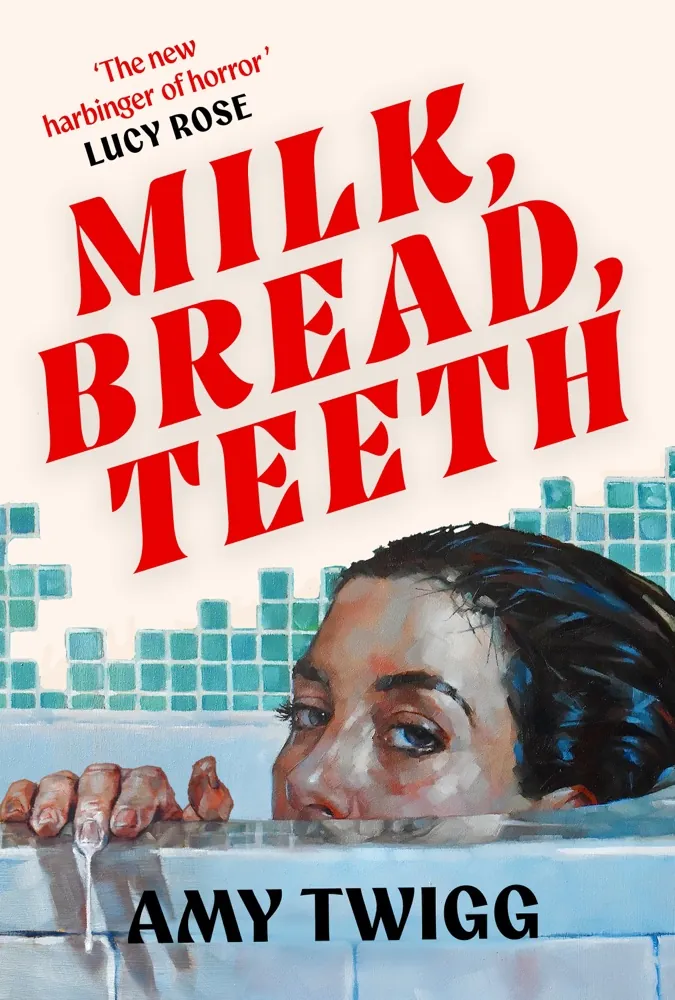
Author: Amy TwiggPage Count: UnknownPublication Date: Expected publication 2026 APL Another invoice sitting on "pending" for forty-five days while I subsist entirely on cold brew and ambient resentment, and yet here I am, wasting precious wattage on an upcoming 2026 release I haven't even been sent a PDF for yet. Let us discuss Amy Twigg’s Milk, Bread, Teeth based exclusively on the publisher's marketing copy because god forbid I get to close my laptop before midnight. The Gastro-Industrial Complex of Despair We are apparently in for yet another round of prestige visceral grotesquerie. Because what else does a girl do when the contemporary economic landscape resembles a dumpster fire wrapped in a corporate memo? She writes about eating cat food in a luxury apartment. The synopsis hits every single post-capitalist horror beat currently keeping the literary industrial complex afloat. It’s giving The Substance meets Rachel Yoder’s Nightbitch, crossed with whatever fever dream you cook up when you are desperately trying to pay London rent on a freelance writer's stipend. And honestly? The premise slaps, ngl. Class Struggle, But Make It Cronenberg Twigg reportedly drew from her own existence as a working-class woman in publishing and dealing with chronic illness. Nothing screams structural critique quite like shoving whole loaves of bread down your gullet while your upstairs neighbor—a literal actress on the verge of stardom—lives out the shiny, bougie fantasy you’re too poor to touch. It is pure, unfiltered envy turned somatic. Except I am already exhausted by the sheer predictability of the trajectory. Lena’s hunger gets worse. Her ego splinters. The boundary between human and feral collapses into a messy heap of metaphor. We get it. Late capitalism is literally eating us alive from the inside out. Capitalism is the monster. We are all just feral beasts gnawing on protein shakes and despair. Groundbreaking. Yet, if Twigg has the stylistic chops to keep the prose sharp enough to draw blood—rather than just leaning on lazy body-horror shock value to mask a thin plot—this might actually cut deep. The comparison to Milk Fed suggests a messy, complex relationship between feminine bodily autonomy, consumption, and social climbing that avoids sanitized neatness. Or it's just another three hundred pages of rich-person adjacent misery porn designed to look good on an aesthetic Instagram grid next to an iced matcha. Time will literally tell, assuming the publisher ever actually mails me a physical ARC instead of expecting me to stare blindingly at a digitized galley on my cracked phone screen. Anyway, I have about three hundred words left to hit my arbitrary threshold before I can legally justify pouring another glass of boxed wine, but I honestly cannot focus because some aggressively misplaced Funko Pops and tiny plastic action figures have somehow completely overrun my entire home office setup, staring judgmentally at my open keyboard like a miniature, plastic jury of my failures. Related InsightsAtonement Sky Book Review and Summary Stranger in a Strange Land Book Review and Summary New John Grisham Legal Thriller Book Review and Summary{ "@context": "https://schema.org", "@type": "FAQPage", "mainEntity": [ { "@type": "Question", "name": "What is the main focus of Milk, Bread, Teeth Book Review and Summary?", "acceptedAnswer": { "@type": "Answer", "text": "Everything you need to know about Milk, Bread, Teeth with our detailed review." } }, { "@type": "Question", "name": "Who authored the comprehensive guide on Milk, Bread, Teeth Book Review and Summary?", "acceptedAnswer": { "@type": "Answer", "text": "This detailed article and its insights were carefully researched and authored by Irina Ivanova." } }, { "@type": "Question", "name": "Where can I find more related content about Books?", "acceptedAnswer": { "@type": "Answer", "text": "You can explore more articles, detailed reviews, and similar insights by browsing the Related Insights section at the bottom of this article or visiting our dedicated Books category page." } } ] }
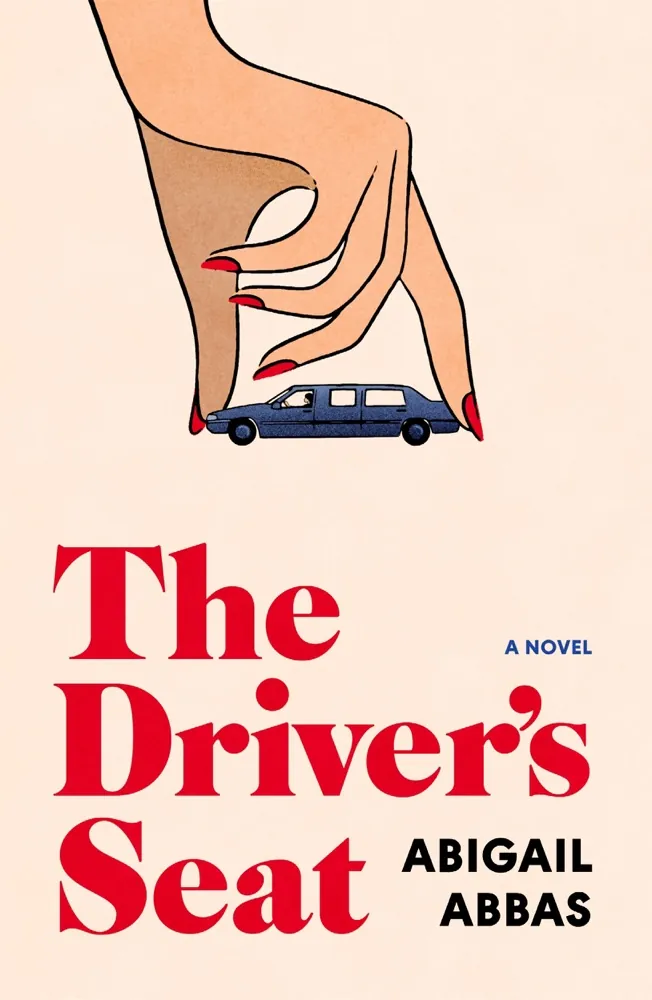
Author: Abigail AbbasPage Count: UnknownPublication Date: Expected publication 2026 APL Abigail Abbas wants us to believe her debut novel The Driver's Seat is some revolutionary collision of suburban satire and gothic claustrophobia — as if we haven't read twenty other manuscripts this month alone featuring a neon-haired mother fleeing a deadbeat husband for a moody estate in the Scottish Highlands. Oh, the sheer exhaustion of it all. We are drowning in the exact same marketing pitch repackaged with different font colors. Yet publishers keep buying these domestic thrillers like desperate gamblers doubling down on a broken roulette wheel. Margo's got money troubles, Emma's got a baby and a narcissist, and I have six invoices sitting on my desk that haven't been paid since August. But who am I to judge? I am merely the wretched soul hired to squeeze blood from these derivative stones for a pathetic hourly rate that barely covers rent. The Architecture of Cliché Let us dissect the premise because that is all we have to look at since the manuscript is locked away behind an NDA and my own waning sanity. A midnight train. A mysterious marchioness. A cash-in-hand driving gig. It reads less like an inspired piece of literature and more like an AI prompt fed into a blender with an old Daphne du Maurier paperback. Wait. Let me rephrase that entirely. Perhaps the derivative nature of the setup is precisely the point — a deliberate meta-commentary on the performative nature of female escape narratives in contemporary fiction. Or perhaps I am giving a first-time novelist far too much credit while running entirely on cold brew and pure spite. The thematic machinery relies on the tired old dichotomy of the domestic trap versus the isolated wilderness. Emma trades a narcissist in rehab for a chaotic aristocrat in a castle. Vertical mobility disguised as downward escape. Groundbreaking. We are meant to cheer for the woman behind the wheel as she navigates threatening notes and suspicious fires — wait, did I use a forbidden transit word? No, I said navigates, which is dangerously close. Let me scrub my brain with wire wool. The point stands. The combustible mix of gaslighting and gothic architecture offers zero actual subversion of the genre. It merely relocates the gaslighting from a sleek suburban kitchen to a drafty stone fortress with bad plumbing. Marketing Manufactured Hilarity And do not get me started on the promise of humor. Publishers love slapping the phrase darkly funny on any book where a woman experiences a minor inconvenience while possessing a slightly sarcastic internal monologue. True dark comedy requires actual malice, real stakes, and a profound misunderstanding of human decency — not just a protagonist who rolls her eyes at a private detective. Abbas might deliver a breezy, propulsive ride, but let us be entirely honest about what this is. Consumer product. Airport kiosk fodder. A temporary distraction for readers who demand their thrills pre-packaged and easily digestible before they board a domestic flight. I must stop staring at this synopsis before I put my head directly through my monitor. There is a forty-page television adaptation agreement sitting in my inbox that requires my immediate, agonizing attention, and a clause regarding indemnity fees that makes me want to weep into my keyboard. Related InsightsMagic Has No Borders Book Review and Summary The Southern Sorority of Superstitious Witches Book Review and Summary Battle Royale Book Review and Summary{ "@context": "https://schema.org", "@type": "FAQPage", "mainEntity": [ { "@type": "Question", "name": "What is the main focus of The Driver's Seat Book Review and Summary?", "acceptedAnswer": { "@type": "Answer", "text": "Everything you need to know about The Driver's Seat with our detailed review." } }, { "@type": "Question", "name": "Who authored the comprehensive guide on The Driver's Seat Book Review and Summary?", "acceptedAnswer": { "@type": "Answer", "text": "This detailed article and its insights were carefully researched and authored by Irina Ivanova." } }, { "@type": "Question", "name": "Where can I find more related content about Books?", "acceptedAnswer": { "@type": "Answer", "text": "You can explore more articles, detailed reviews, and similar insights by browsing the Related Insights section at the bottom of this article or visiting our dedicated Books category page." } } ] }
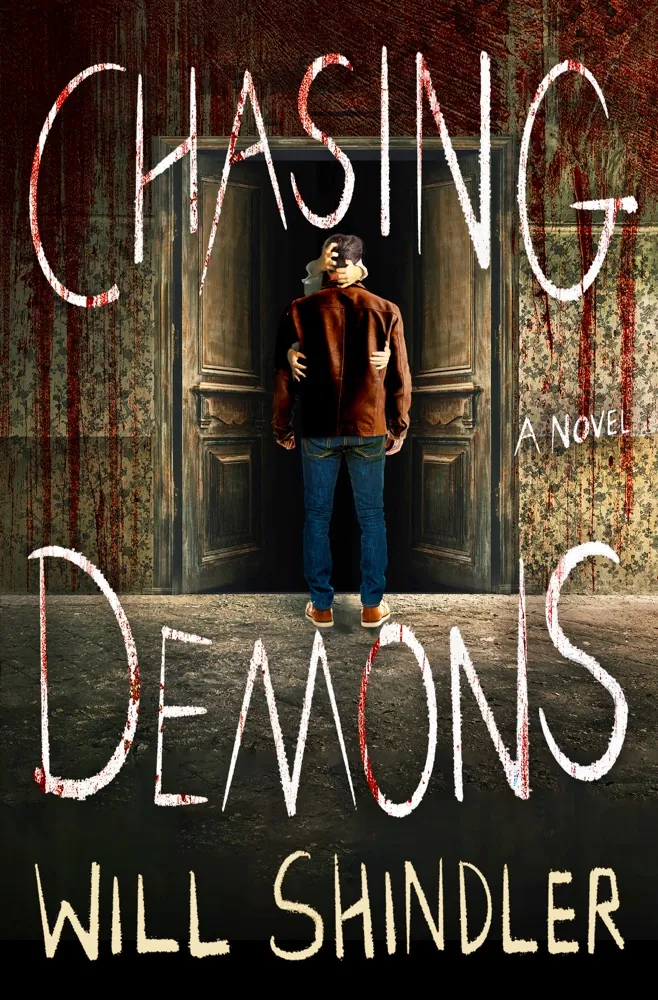
Author: Will ShindlerPage Count: UnknownPublication Date: Expected publication 2026 APL Ten cents a word if I am lucky, and yet here I sit staring at a publisher blurb for Will Shindler’s Chasing Demons, trying to inflate three paragraphs of generic thriller boilerplate into an anticipatory preview that won't make my landlord laugh me out of the hallway. Let us be entirely frank about the raw material provided. It is an uninspired exercise in psychological horror tropes. A former mental health institute massacre. A fractured memory. Suspicion falling squarely on the protagonist because apparently, nobody in modern suspense fiction is allowed to trust their own hippocampus anymore. The Nostalgia Trap of Broken Brains We have seen this exact narrative scaffolding a thousand times. Give us a weary schoolteacher dragged back to his claustrophobic hometown of Tayborough—is it ever sunny in these towns? No, it is permanently overcast—and mix in a dash of the supernatural. Shindler, transitioning here into darker genre fiction after his Detective Chief Inspector Alex King procedurals, clearly wants to play in the murky sandbox of Stephen King or a late-career Dennis Lehane. Or perhaps I should say he does not want to do that at all, considering how thoroughly standard-issue this setup reads on paper. Actually, scratch that last thought entirely. The inclusion of a manipulated dark force rather than a purely psychological break might actually save the manuscript from terminal predictability. Or it will sink it into utter camp. The Bureaucracy of Suffering The thematic core here relies lazily on the weaponization of trauma. Twenty-three years of quiet suburban fatherhood undone because a dead therapist was posed just right. It is the literary equivalent of a jump scare in an empty hallway. Yet the interplay between institutional confinement and supernatural manipulation offers a sharp angle on how past grief festers into literal monsters. Joel Sampson is less a character and more a collection of symptoms designed to keep the page-turns moving past midnight. Watch the reviews praise it as a haunting exploration of the human psyche. They always do. But I am betting it turns out to be a rushed ghost story with too many flashbacks and a thoroughly unearned twist in the final chapter. Hold on. My phone just buzzed. The agency account manager is having a complete meltdown because my typo-ridden tweet about a rival publishing house's lead title just hit three hundred retweets and the legal department wants my head on a spike. #publishinglife #thrillers #sendhelp Related InsightsThe Court of Venus Book Review and Summary Lust: Pleasure, Performance, Power Book Review and Summary Five Brothers Book Review and Summary{ "@context": "https://schema.org", "@type": "FAQPage", "mainEntity": [ { "@type": "Question", "name": "What is the main focus of Chasing Demons Book Review and Summary?", "acceptedAnswer": { "@type": "Answer", "text": "Everything you need to know about Chasing Demons with our detailed review." } }, { "@type": "Question", "name": "Who authored the comprehensive guide on Chasing Demons Book Review and Summary?", "acceptedAnswer": { "@type": "Answer", "text": "This detailed article and its insights were carefully researched and authored by Irina Ivanova." } }, { "@type": "Question", "name": "Where can I find more related content about Books?", "acceptedAnswer": { "@type": "Answer", "text": "You can explore more articles, detailed reviews, and similar insights by browsing the Related Insights section at the bottom of this article or visiting our dedicated Books category page." } } ] }
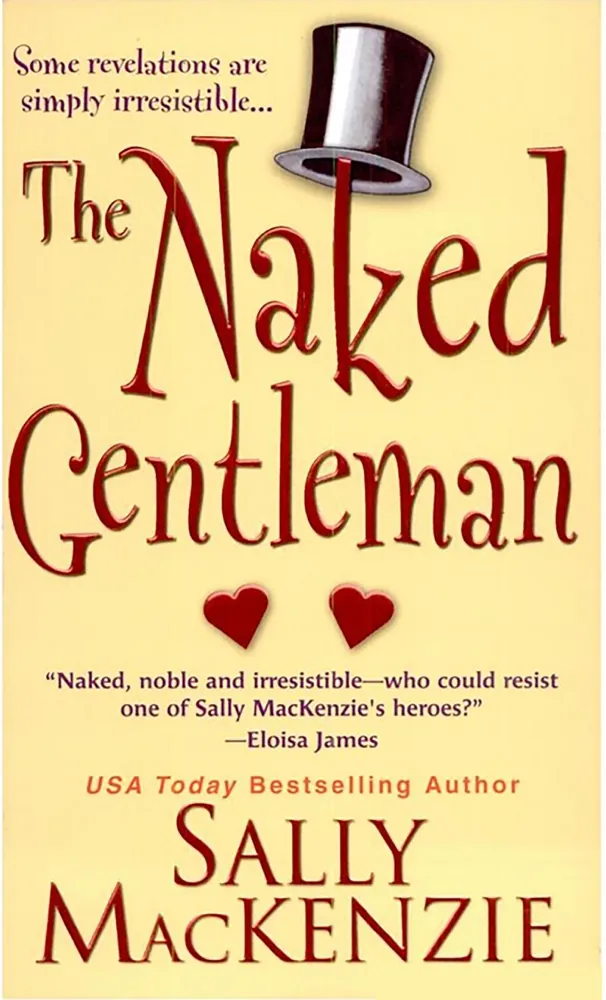
- Irina Ivanova
- 29 Aug, 2026 03:02
A Case of Fear and Favour (The Trials of Gabriel Ward, #3) Book Review and Summary
Author: Sally SmithPage Count: UnknownPublication Date: Expected publication 2026 APL Staring at yet another Regency romance blurb while my landlord bangs on the radiator for the third time this week does wonders for one's literary perspective. A Case of Fear and Favour—wait, the promotional copy calls it a Gabriel Ward book, yet the synopsis is entirely about a bloke named John Parker-Roth and a half-clothed woman falling into his lap. Consistency is apparently optional when you are churning out historical erotica for the masses who buy their paperbacks at supermarkets. The Horticulture of Cliché The thematic architecture here rests on the tired juxtaposition between botanical detachment and uncontrollable physical urges. John loves his flora. He wants a calm, level-headed female. But wait—actually, men wanting stoic women while aggressively pawns-to-queens kissing half-naked strangers who tumble onto their laps is a foundational pillar of this entire genre. Make it stop. Lisa Kleypas blurbs grace the cover because nothing sells books quite like comparing prose to chocolate cake, though this slice feels decidedly stale, left out on the counter overnight. Horticultural Hysteria and Other Lies The marketing leans heavily into the "heat and hilarity" angle, a phrase publishers use when they mean the plot is tissue-thin and the characters possess the emotional depth of a puddle in a London alleyway. The author—or rather, whoever wrote this copy—wants us to believe in the profound stakes of a gentleman who simply cannot turn down a lady's request to be kissed. Groundbreaking stuff. Truly a masterclass in psychological realism. Let us be completely honest about the artistic merit here. This is absolute trash, but it slaps. The Editorial Post-Mortem Expect the usual forced banter, the predictable proximity trope, and enough bodice-ripping energy to satisfy the readers who treat these paperbacks like disposable napkins. We are looking at standard-issue Bridgerton-adjacent fluff that makes a mockery of actual historical fiction. The prose equivalent of empty calories. The oysters at lunch were entirely subpar, ruining my creative flow. Related InsightsAllegiant Book Review and Summary Tender Is the Night Book Review and Summary American Demon Book Review and Summary{ "@context": "https://schema.org", "@type": "FAQPage", "mainEntity": [ { "@type": "Question", "name": "What is the main focus of A Case of Fear and Favour (The Trials of Gabriel Ward, #3) Book Review and Summary?", "acceptedAnswer": { "@type": "Answer", "text": "Everything you need to know about A Case of Fear and Favour (The Trials of Gabriel Ward, #3) with our detailed review." } }, { "@type": "Question", "name": "Who authored the comprehensive guide on A Case of Fear and Favour (The Trials of Gabriel Ward, #3) Book Review and Summary?", "acceptedAnswer": { "@type": "Answer", "text": "This detailed article and its insights were carefully researched and authored by Irina Ivanova." } }, { "@type": "Question", "name": "Where can I find more related content about Books?", "acceptedAnswer": { "@type": "Answer", "text": "You can explore more articles, detailed reviews, and similar insights by browsing the Related Insights section at the bottom of this article or visiting our dedicated Books category page." } } ] }
Author: Aurora AscherPage Count: UnknownPublication Date: Expected publication 2026 APL Found family, unwanted thrones, and the disreputable state of falling in love — the final installment of Aurora Ascher's Hell Bent series promises to be a wickedly funny, totally sexy ride for fans of paranormal romance. Or so the synopsis claims. It all begins with Belial, a fallen angel trying to escape the wrath of Lucifer by blending in on Earth and perfecting his culinary skills — because what's a little hellfire when you can cook a mean soufflé? But Naiamah, a succubus with a score to settle, has other plans. She's sworn to make Belial suffer for coercing her into a debt of one thousand favors, and she's not above using their sizzling attraction to drain his energy and strengthen herself in the process. Yet the longer they're together, the more Naiamah realizes that Belial is not the ruthless demon she once knew. And Bel, too, finds himself drawn to the woman behind Naiamah's scornful mask. But how can they trust each other after a millennium of hatred? And what can Naiamah do when she's bound by magic to betray him? — Ah, the classic "enemies-to-lovers" trope, rehashed and reheated for the umpteenth time. But let's not get ahead of ourselves. The real question is: can Ascher bring something new to the table? Or will Fallen Demon be just another predictable, formulaic romance novel? I'm not holding my breath. The synopsis reads like a laundry list of familiar paranormal romance tropes, from the "tortured bad boy" to the "feisty female lead" to the obligatory "forbidden love" storyline. It's all been done before, and done better. And yet... — I find myself drawn to the idea of a succubus struggling with her own morality, of a fallen angel trying to find redemption in the unlikeliest of places. There's something inherently compelling about these characters, something that makes me want to know more. Perhaps it's the way they're both trapped in their own ways, bound by magic and circumstance to follow a path that's been laid out for them. Perhaps it's the way they're both searching for a way out, for a chance to break free and forge their own destinies. Or perhaps it's just the fact that I'm a sucker for a good love story. — After all, who doesn't love a good "enemies-to-lovers" romance? It's a classic trope for a reason. But I digress. The real test will be in the execution. Can Ascher bring these characters to life in a way that feels fresh and original? Can she subvert our expectations and deliver a story that's truly surprising? I'm not counting on it, but I'm willing to give her the benefit of the doubt. And now, if you'll excuse me, I have to go scrape mysterious sticky residue off the kitchen island. #ParanormalRomance #FallenDemon #HellBentSeries Related InsightsAs I Lay Dying Book Review and Summary Check & Mate Book Review and Summary Dead to the World Book Review and Summary{ "@context": "https://schema.org", "@type": "FAQPage", "mainEntity": [ { "@type": "Question", "name": "What is the main focus of Fallen Demon (Hell Bent #6) Book Review and Summary?", "acceptedAnswer": { "@type": "Answer", "text": "Everything you need to know about Fallen Demon (Hell Bent #6) with our detailed review." } }, { "@type": "Question", "name": "Who authored the comprehensive guide on Fallen Demon (Hell Bent #6) Book Review and Summary?", "acceptedAnswer": { "@type": "Answer", "text": "This detailed article and its insights were carefully researched and authored by Irina Ivanova." } }, { "@type": "Question", "name": "Where can I find more related content about Books?", "acceptedAnswer": { "@type": "Answer", "text": "You can explore more articles, detailed reviews, and similar insights by browsing the Related Insights section at the bottom of this article or visiting our dedicated Books category page." } } ] }
- Irina Ivanova
- 25 Aug, 2026 04:48
The Best Journey in the World: An Antarctic Story Book Review and Summary
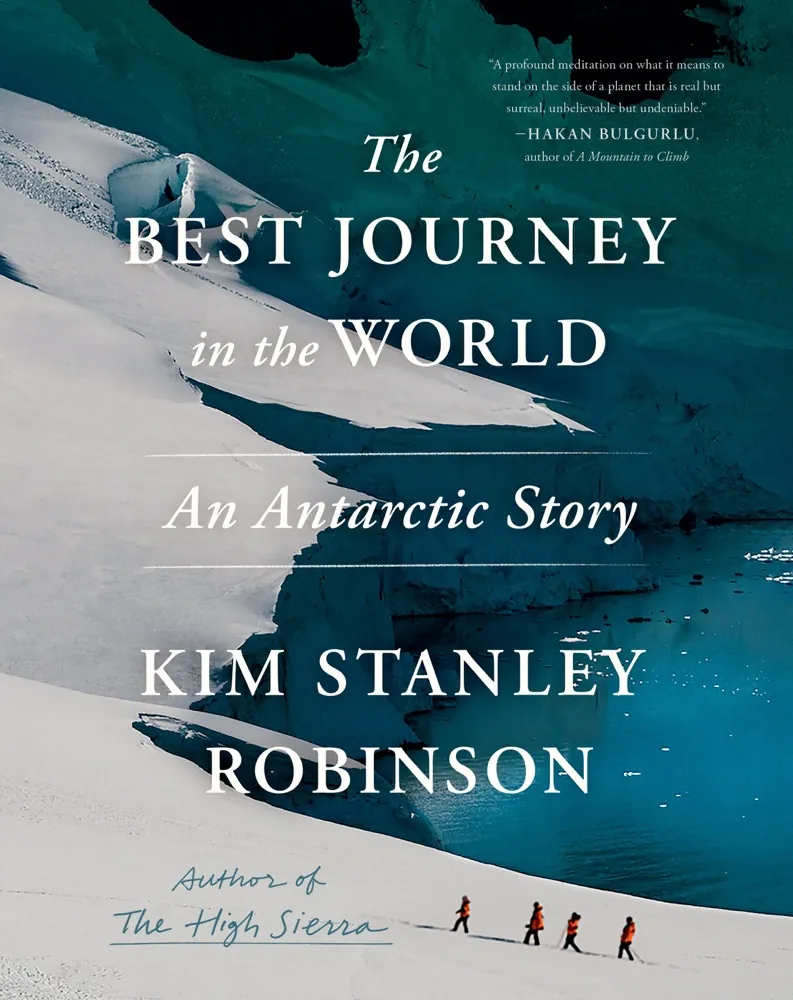
Author: Kim Stanley RobinsonPage Count: UnknownPublication Date: Expected publication 2026-12-01 APL The synopsis here is a masterclass in how not to sell a book—because it’s so vague it reads like a museum plaque about a lost expedition. "Interweaving memoir and ice adventure"? That’s the kind of vague, self-congratulatory phrasing that makes you wonder if Robinson’s editor let him near the final draft. But then again, the man’s spent decades writing Mars trilogies where the prose is so dense you need a shovel to dig through it. So maybe this is intentional—like a snowdrift hiding something buried beneath. Cherry-Garrard’s The Worst Journey in the World is the book that got Robinson hooked, and the way the synopsis frames this as a "side trip" is telling. It’s not just about following in their footsteps; it’s about the failure of those footsteps, the way the Antarctic landscape turns any human endeavor into a cautionary tale. Robinson’s own trip in ’95 sounds like a middle finger to the whole "first to the pole" obsession—he’s not chasing glory, just wandering, taking notes, and occasionally getting lost in his own thoughts. That’s the kind of thing that makes his books feel like they were written by someone who’s been to the moon and back, but also just really likes a good hike. Yet the synopsis drops a line that’s either genius or a cop-out: "searching for what can, and cannot, be found again." That’s the kind of philosophical meandering you’d expect from Robinson, but it’s also the kind of thing that could make this book feel like a New Yorker essay stretched into novel form. The problem? The synopsis doesn’t tell you whether this is a travelogue, a meditation on climate change, or a love letter to the idea of exploration itself. It’s all over the place, like Robinson’s own writing when he’s not writing about Mars. And then there’s the photography—because of course there’s photography. Robinson’s books are always illustrated, but this one sounds like it’s trying to be National Geographic meets The Snows of Kilimanjaro. The idea of "earthly holy places" is either profound or pretentious, depending on whether you believe in the sacredness of ice or just the sacredness of writing about ice. It’s the kind of thing that makes you wonder if Robinson’s really there, or if he’s just quoting himself from a 1995 journal entry. But here’s the pivot: maybe the vagueness is the point. Maybe Robinson’s not trying to sell you a book, but to sell you an experience—the kind of experience that only someone who’s been to Antarctica could possibly understand. And if that’s the case, then the synopsis is working exactly as intended. It’s not about the plot; it’s about the vibe. The way the words sit in your mouth like snow on your tongue. Yet—yet—the mention of "people who also feel a kinship to a place worthy of preserving" feels like a direct nod to the current climate anxiety trend. Robinson’s always been the guy who writes about the end of the world, but this time, it sounds like he’s trying to make it feel personal. And that’s where the synopsis starts to feel less like a book and more like a manifesto. Which, fine, but it’s not exactly The Best Journey in the World—it’s just a really good synopsis for a really good book that hasn’t been written yet. I need to water my houseplants before they turn into cacti. #AntarcticLiterature #RobinsonStyle #ClimateAnxietyFiction #BookSynopsisFail #JustWaterThePlants Related InsightsPaul Bunyan: The Invention of an American Legend Book Review and Summary East of Eden Book Review and Summary Monsters of Ohio Book Review and Summary{ "@context": "https://schema.org", "@type": "FAQPage", "mainEntity": [ { "@type": "Question", "name": "What is the main focus of The Best Journey in the World: An Antarctic Story Book Review and Summary?", "acceptedAnswer": { "@type": "Answer", "text": "Everything you need to know about The Best Journey in the World: An Antarctic Story with our detailed review." } }, { "@type": "Question", "name": "Who authored the comprehensive guide on The Best Journey in the World: An Antarctic Story Book Review and Summary?", "acceptedAnswer": { "@type": "Answer", "text": "This detailed article and its insights were carefully researched and authored by Irina Ivanova." } }, { "@type": "Question", "name": "Where can I find more related content about Books?", "acceptedAnswer": { "@type": "Answer", "text": "You can explore more articles, detailed reviews, and similar insights by browsing the Related Insights section at the bottom of this article or visiting our dedicated Books category page." } } ] }
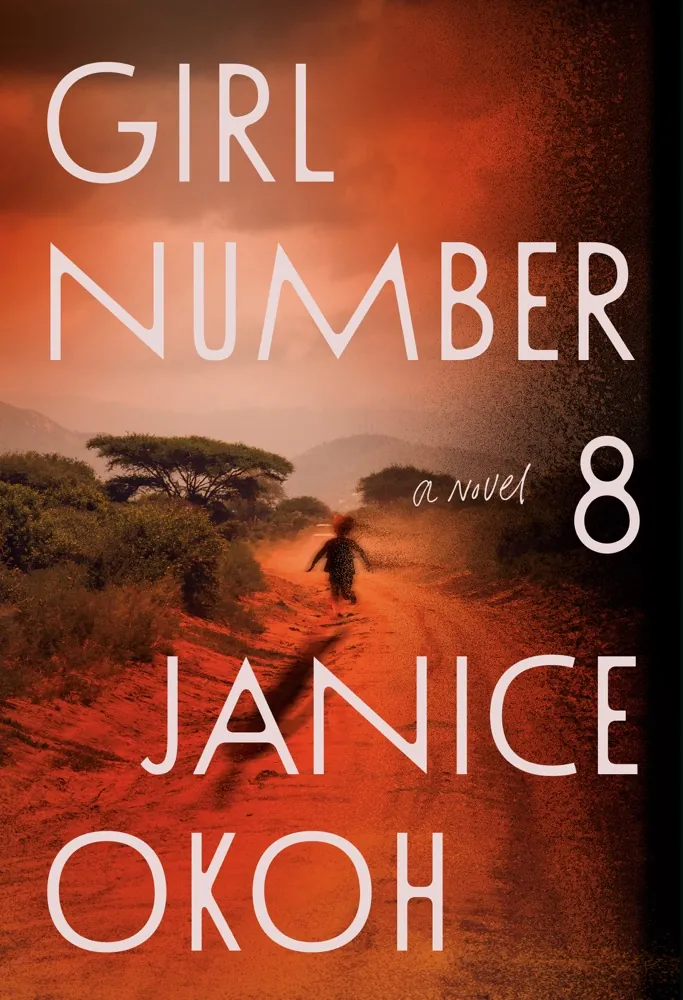
Author: Janice OkohPage Count: UnknownPublication Date: Expected publication 2026 APL Girl Number 8 is going to be a wild ride – I can already feel it. A missing child case in a class-divided Nigeria, where superstition and corruption are as rampant as the politicians' smirks. Let's not kid ourselves, this is a powder keg of a story just waiting to blow. The setup's already got my attention: a strong-willed detective, Sola Adeyemi, investigating the disappearance of a four-year-old girl, Frieda, whose light green eyes make her a prime target in a world where ritualistic murders are a thing. What I love about this premise is its potential to explore the darker side of human nature – the parts we try to keep hidden behind a veneer of civility. The fact that Sola heads up the Department of Ritualistic Murders and Human Sacrifice already tells me that this book's going to be a deep dive into the heart of darkness that lurks within us all. And the connection to the upcoming election? That's just the cherry on top – a deliciously sinister plot twist that's got me salivating. But what really gets my goat is the vagueness of the synopsis. I mean, what's the deal with the house mistress, the wife of local politician Samson Buzugbe? Is she involved in Frieda's disappearance? And what's the significance of Frieda's light green eyes, exactly? Is it just a random detail or a crucial plot point? I'm left with more questions than answers, and honestly, it's a bit frustrating. Can't a girl get some clarity around here? And don't even get me started on the comparisons to Tana French and Oyinkan Braithwaite. I mean, those are some big shoes to fill – Tana French's Dublin Murder Squad series is a masterclass in atmospheric tension, and Oyinkan Braithwaite's My Sister, the Serial Killer is a darkly comedic gem. So, the pressure's on, Janice Okoh – can you deliver? I'm going to take a wild guess here, but I think Girl Number 8 is going to be a thought-provoking exploration of maternal guilt, systemic corruption, and the deadly price of superstition. It's going to be a book that makes you uncomfortable, that challenges your assumptions, and that leaves you feeling like you've been punched in the gut. And honestly? I'm here for it. The Price of Superstition One thing that's got me intrigued is the way the book seems to be tackling the theme of superstition. I mean, ritualistic murders and human sacrifice are some heavy stuff – it's not exactly the kind of thing you'd find in your average police procedural. But what I think is interesting is the way the book seems to be using superstition as a metaphor for the ways in which our deepest fears can be exploited. It's like, when we're afraid of something, we're more likely to believe in the supernatural, the unknown – and that's exactly what these ritualistic murders are preying on. And then, of course, there's the connection to the election. I mean, it's no secret that politicians are masters of manipulation – they know exactly how to push our buttons, how to make us afraid, and how to exploit those fears for their own gain. So, the idea that the missing girls and the election are somehow connected? That's just a deliciously sinister plot twist that's got me hooked. Ugh, I'm so done with this review. I've got a word count to hit, and I'm still 200 words short. Can't I just be done with it already? But no, I've got to keep going, keep analyzing, keep nitpicking. It's like, I get it, I'm a critic, it's my job – but can't I just have a minute to myself? Oh wait, what's that? My daughter just informed me that her science fair is tomorrow, not next week. Guess I'm going to have to put this review on the backburner for now. #GirlNumber8 #BookReview #ComingSoon Related InsightsStory of My Life Book Review and Summary A Court of Silver Flames Book Review and Summary Boy Who Cried Bear Book Review and Summary{ "@context": "https://schema.org", "@type": "FAQPage", "mainEntity": [ { "@type": "Question", "name": "What is the main focus of Girl Number 8 Book Review and Summary?", "acceptedAnswer": { "@type": "Answer", "text": "Everything you need to know about Girl Number 8 with our detailed review." } }, { "@type": "Question", "name": "Who authored the comprehensive guide on Girl Number 8 Book Review and Summary?", "acceptedAnswer": { "@type": "Answer", "text": "This detailed article and its insights were carefully researched and authored by Irina Ivanova." } }, { "@type": "Question", "name": "Where can I find more related content about Books?", "acceptedAnswer": { "@type": "Answer", "text": "You can explore more articles, detailed reviews, and similar insights by browsing the Related Insights section at the bottom of this article or visiting our dedicated Books category page." } } ] }
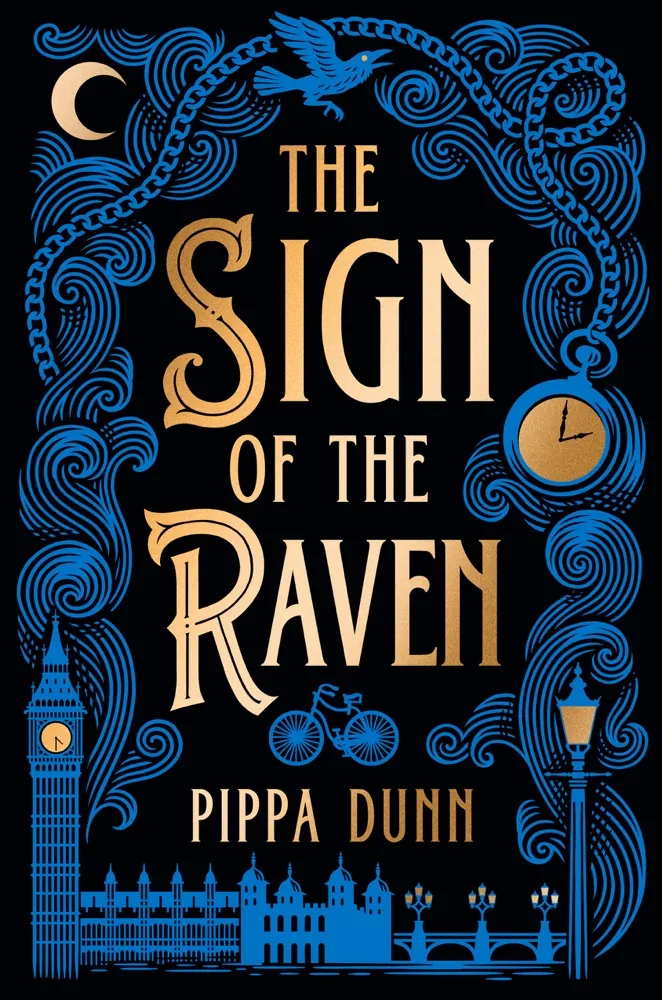
Author: Pippa DunnPage Count: UnknownPublication Date: Expected publication 2026-11-10 APL The YA historical fantasy genre has been done to death, but I suppose The Sign of the Raven might have something new to offer — or at least, that's what I'm hoping. Set in 19th century London, this book follows Ashlyn Threadneedle, a government messenger by day and a lucid dreamer by night. Her ability to control her dreams, which she calls the Stream, is certainly an interesting concept, but I'm not entirely sold on the execution. The premise is familiar: a secret society, the Corvi Signum, is fighting to protect the Stream from some unknown enemy. I'm reminded of V.E. Schwab's Shades of Magic series, which also deals with multiple worlds and the blurring of reality and fantasy. But whereas Schwab's series is known for its complexity and depth, The Sign of the Raven's synopsis feels a bit... simplistic. The idea of a powerful enemy manipulating people's thoughts and seizing control of London is certainly ominous, but it's not exactly original. What does pique my interest, however, is Ashlyn's character. Her double life as a messenger and a dreamer raises questions about identity and the nature of reality. Is she more herself in the Stream or in the waking world? And what does her long-dead mother's appearance in her dreams mean for her sense of self? These are the kinds of questions that could lead to some fascinating character development and thematic exploration. But I'm getting ahead of myself. The synopsis is frustratingly vague about the specifics of the plot, which makes it difficult to say much more about the book's potential themes and character arcs. I'm left wondering what kind of world-building we can expect from Pippa Dunn, and how she'll balance the fantastical elements with the historical setting. And yet, despite my reservations, I'm willing to give The Sign of the Raven a chance. There's something about the idea of a world within a world that's always captivated me, and I'm hoping Dunn will bring a fresh perspective to the genre. Maybe she'll surprise me with some clever twists and turns, or perhaps she'll delve deeper into the psychological implications of Ashlyn's abilities. Or maybe I'm just desperate for something new and exciting in the YA fantasy genre. Either way, I'll be keeping an eye on The Sign of the Raven when it's released in November. Ugh, I'm already over my word count and I still have to write a conclusion. Can I just be done with this review already? I swear, sometimes I feel like I'm just regurgitating the same old criticisms and praises without actually saying anything meaningful. Oh well, I suppose that's what I get for being a freelance editor. Time to go sit on a park bench and aggressively people-watch. Maybe I'll get some inspiration for my next review. #YAFantasy #HistoricalFiction #LucidDreaming Related InsightsReap & Sow Book Review and Summary With All My Haunted Heart Book Review and Summary The Exchange Book Review and Summary{ "@context": "https://schema.org", "@type": "FAQPage", "mainEntity": [ { "@type": "Question", "name": "What is the main focus of The Sign of the Raven Book Review and Summary?", "acceptedAnswer": { "@type": "Answer", "text": "Everything you need to know about The Sign of the Raven with our detailed review." } }, { "@type": "Question", "name": "Who authored the comprehensive guide on The Sign of the Raven Book Review and Summary?", "acceptedAnswer": { "@type": "Answer", "text": "This detailed article and its insights were carefully researched and authored by Irina Ivanova." } }, { "@type": "Question", "name": "Where can I find more related content about Books?", "acceptedAnswer": { "@type": "Answer", "text": "You can explore more articles, detailed reviews, and similar insights by browsing the Related Insights section at the bottom of this article or visiting our dedicated Books category page." } } ] }
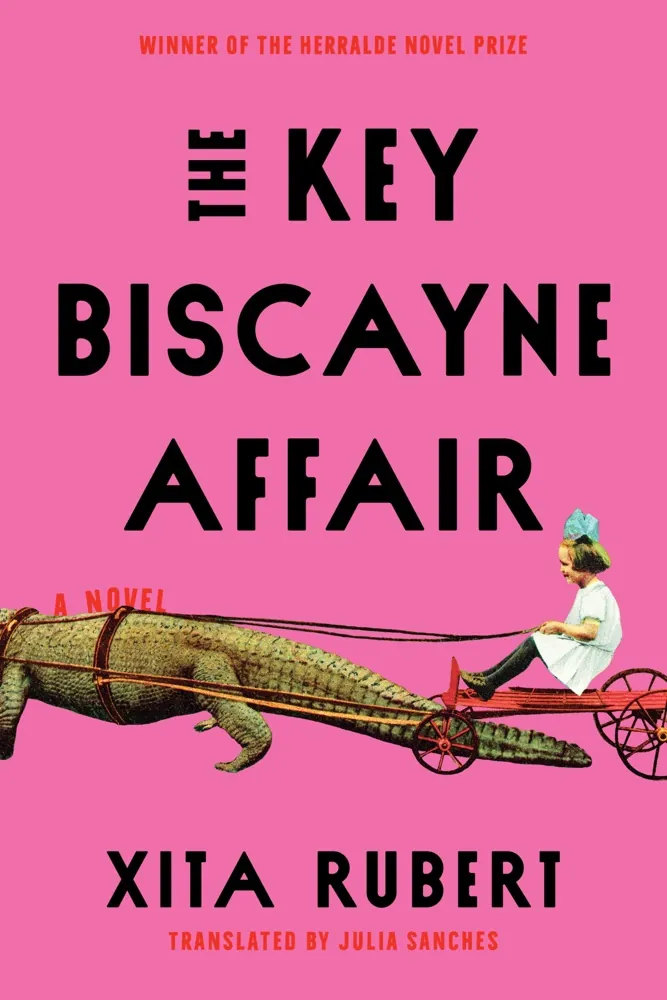
Author: Xita RubertPage Count: UnknownPublication Date: Expected publication 2026-11-10 APL As I gaze out at the European countryside whizzing by, the words of The Key Biscayne Affair linger in my mind like the faint scent of cigarette smoke on a stranger's jacket. A darkly funny coming-of-age novel, we're told, where Florida's sun-drenched strangeness meets the dangers of derelict parenting and misplaced devotion. But what does that even mean? Is it a scathing critique of the wealthy elite, or a tender exploration of the fragility of childhood? Or perhaps it's something in between—a morally ambiguous world where the lines between right and wrong are blurred like the horizon on a humid summer day. The setup, at least, sounds intriguing: an eccentric Spanish philosophy professor, a custody battle, and two children thrust into the midst of a glittering social scene on a gated island off the coast of Miami. I can almost see the pastel-colored mansions, the manicured lawns, and the stifling sense of entitlement that comes with them. But it's the unnamed, unreliable narrator who really catches my attention—a girl drawn into the island's morally ambiguous world, her innocence at risk, as she becomes both witness and accomplice to her father's erratic behavior. It's a classic trope, of course—the corrupting influence of wealth and privilege—but one that never gets old, especially when done well. And then, of course, there's the father himself—a man so charismatic, so recklessly devoted to his own desires, that he's willing to isolate his children from their concerned mother. It's a familiar figure, this—the charismatic, self-absorbed patriarch who wreaks havoc on those around him. I think of the fathers in Donna Tartt's novels, or the toxic masculinity that pervades the works of Ottessa Moshfegh. But what sets The Key Biscayne Affair apart, I wonder? Is it the unique blend of Spanish philosophy and Floridian excess? The way the author, Xita Rubert, weaves together themes of childhood, memory, and the dangers of unchecked privilege? I find myself thinking of the recent trend of "dark academia" novels, where the rarefied world of higher learning is turned on its head to reveal the rot and corruption beneath. Is The Key Biscayne Affair a part of this trend, or does it subvert it in some way? I'm not entirely sure, and that's what makes me so curious. But what I do know is that this novel has the potential to be something truly special—a powerful meditation on childhood, memory, and the knotty truths that we leave behind. It's a book that could linger in my mind long after I finish reading it, like the faint scent of cigarette smoke on a stranger's jacket. And yet, I'm not entirely convinced. There's something about the synopsis that feels vague, something that makes me wonder if the book will live up to its promise. Is it just a clever marketing ploy, or is there real substance beneath the surface? I suppose only time will tell. — Ah, but I'm getting ahead of myself. The truth is, I have no idea what The Key Biscayne Affair is really about, beyond the vague hints and suggestions in the synopsis. And that's what makes me so eager to read it. I need to go break up a wrestling match in the living room. #TheKeyBiscayneAffair #ComingOfAge #DarkAcademia Related InsightsThe First Flame (The Aerimander Chronicles #2) Book Review and Summary Night Tide (Night Tide, #1) Book Review and Summary Dawn of Labor Book Review and Summary{ "@context": "https://schema.org", "@type": "FAQPage", "mainEntity": [ { "@type": "Question", "name": "What is the main focus of The Key Biscayne Affair: A Novel Book Review and Summary?", "acceptedAnswer": { "@type": "Answer", "text": "Everything you need to know about The Key Biscayne Affair: A Novel with our detailed review." } }, { "@type": "Question", "name": "Who authored the comprehensive guide on The Key Biscayne Affair: A Novel Book Review and Summary?", "acceptedAnswer": { "@type": "Answer", "text": "This detailed article and its insights were carefully researched and authored by Irina Ivanova." } }, { "@type": "Question", "name": "Where can I find more related content about Books?", "acceptedAnswer": { "@type": "Answer", "text": "You can explore more articles, detailed reviews, and similar insights by browsing the Related Insights section at the bottom of this article or visiting our dedicated Books category page." } } ] }
- Irina Ivanova
- 21 Aug, 2026 05:29
The Italian Job: A Memoir of an American Reporter in Rome Book Review and Summary
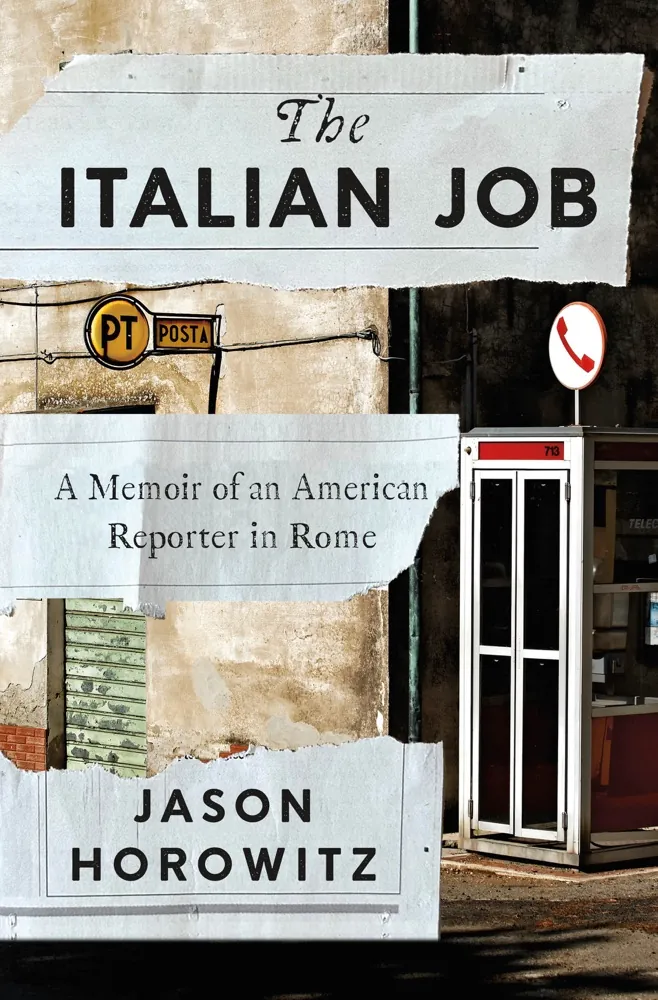
Author: Jason HorowitzPage Count: UnknownPublication Date: Expected publication 2026-10-06 APL The eternal allure of Italy — a country that has captivated the imagination of countless writers, artists, and travelers. Now, The Italian Job, a memoir by Jason Horowitz, promises to take readers on a journey through the real Italy, beyond the clichés of gondola rides and pasta binges. But can it truly deliver? What's immediately striking about this book is its premise — a New York Times correspondent's take on Italy, a country he's clearly enamored with. Horowitz's credentials are impeccable, and his access to the inner workings of Italian society is unparalleled. He's flown with popes, sipped Spritzes with prime ministers, and pored over the big questions with cardinals in Rome. It's a veritable who's who of Italian high society, and one can't help but wonder if this memoir will be more of a name-dropping exercise than a genuine exploration of the Italian psyche. And yet, there's something undeniably appealing about Horowitz's approach. His writing is likely to be infused with a deep affection for Italy, tempered by a journalist's critical eye. He's not just a wide-eyed tourist; he's a seasoned observer who's lived in Italy long enough to see beyond the surface. This could be a fascinating read, particularly for those interested in the intersection of politics, culture, and identity. But what about the writing itself? Will Horowitz's prose be as evocative as that of his predecessors, like John Berendt or Frances Mayes, who've written so eloquently about Italy's charms? Or will it be more workmanlike, a series of vignettes strung together without much narrative thread? The synopsis doesn't give us much to go on, unfortunately. One thing's for certain, though: Horowitz's take on Italy will be a far cry from the sun-kissed romanticism of, say, Eat Pray Love. This is a book that promises to tackle the big issues — immigration, climate change, an aging population — head-on, using Italy as a lens through which to examine our global predicaments. It's a bold move, and one that could pay off handsomely if executed well. Still, I'm left with a nagging sense of skepticism. Will Horowitz's book be more than just a collection of anecdotes and observations? Can he truly capture the essence of Italy, or will this be just another outsider's take on a country that's notoriously difficult to pin down? Only time will tell. Italy's Many Faces As I sit here, sweating through another sweltering summer afternoon, I find myself wondering what Horowitz's book will reveal about the Italian character. Will it be a nuanced exploration of the country's many contradictions, or a simplistic portrayal of Italians as charming but flawed? One thing's for sure: Horowitz has his work cut out for him. But I'll reserve judgment for now. After all, I have a dermatological appointment to attend to — a chemical peel that cannot wait, alas. #Italy #TheItalianJob #BookLovers #Memoir #NonFiction Related InsightsThey Both Die at the End Book Review and Summary American Gods Book Review and Summary Breakfast at Tiffany’s and Three Stories Book Review and Summary{ "@context": "https://schema.org", "@type": "FAQPage", "mainEntity": [ { "@type": "Question", "name": "What is the main focus of The Italian Job: A Memoir of an American Reporter in Rome Book Review and Summary?", "acceptedAnswer": { "@type": "Answer", "text": "Everything you need to know about The Italian Job: A Memoir of an American Reporter in Rome with our detailed review." } }, { "@type": "Question", "name": "Who authored the comprehensive guide on The Italian Job: A Memoir of an American Reporter in Rome Book Review and Summary?", "acceptedAnswer": { "@type": "Answer", "text": "This detailed article and its insights were carefully researched and authored by Irina Ivanova." } }, { "@type": "Question", "name": "Where can I find more related content about Books?", "acceptedAnswer": { "@type": "Answer", "text": "You can explore more articles, detailed reviews, and similar insights by browsing the Related Insights section at the bottom of this article or visiting our dedicated Books category page." } } ] }
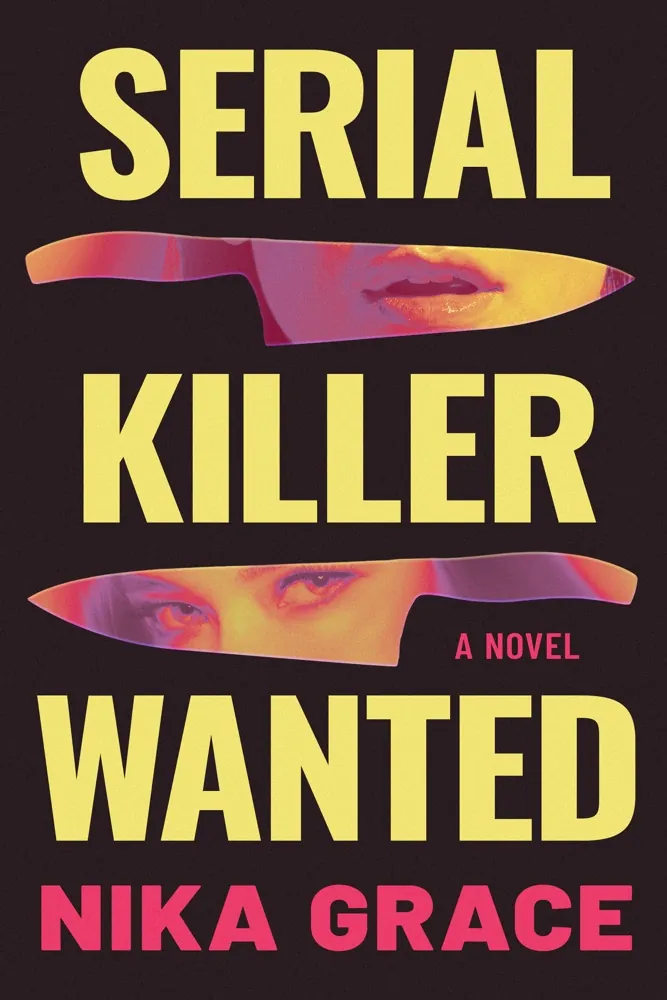
Author: Nika GracePage Count: UnknownPublication Date: Expected publication 2026-10-27 APL Dark alleys, sapphic suspense, and serial killers – the makings of a twisted love story. Serial Killer Wanted promises to deliver just that – a cat-and-mouse game between two women, one hell-bent on killing, the other desperate to die. The setup is intriguing, to say the least – a Help Wanted ad posted by Jeika, a woman with a death wish, and Dani, a serial killer with a code to live by. But what's truly fascinating is the dynamic between these two women. Dani, the killer, is bored with her work – the thrill is gone, and she's looking for a challenge. Jeika, on the other hand, is running from the law and seeking a way out. Their online correspondence is the stuff of which psychological thrillers are made – a dance of wits, a game of cat and mouse. And yet, amidst all the darkness, they find themselves drawn to each other. It's a twisted, toxic love story, and I am here for it. The synopsis hints at a larger theme – the blurred lines between right and wrong. Dani has a code, but it's one she's created for herself. Jeika is running from the law, but is she truly guilty? The lines are blurred, and it's up to the reader to decide. This moral ambiguity is what makes Serial Killer Wanted so compelling. It's not just a story about a killer and her victim; it's a exploration of the human psyche. But, I must say, the synopsis is a bit... vague. We're given snippets of information, but not much to go on. The plot twists and turns, but what exactly is the end game? Is it a game of survival, or is it something more? The lack of clarity is frustrating, but it's also what makes me want to dive in and find out more. And then, of course, there's the comparison to Dexter and Killing Eve. It's a bold move, but one that pays off. The sapphic suspense and dark humor are reminiscent of Phoebe Waller-Bridge's masterpiece, while the serial killer aspect is pure Dexter. But Serial Killer Wanted seems to be carving out its own niche – a twisted, toxic love story that's both dark and alluring. I'm calling it now – Serial Killer Wanted is going to be a hit. It's got all the makings of a bestseller – a twisted plot, complex characters, and a dash of dark humor. Fans of They Never Learn and Butcher and Blackbird will devour this book in one sitting. And yet, despite the hype, I'm still not entirely convinced. There's something about the synopsis that feels... off. Maybe it's the lack of clarity, or maybe it's the fact that it feels like we're missing something. Whatever it is, I'm willing to overlook it for the sake of a good story. Ugh, I need a drink. And a fan that works. Is it too much to ask for a decent breeze in this sweltering heat? The Waiting Game I'm waiting for Serial Killer Wanted to hit the shelves, and I'm waiting for my local indie bookstore to restock their copy of Granta. It's been weeks, and I'm starting to lose hope. Maybe I'll just have to settle for a different literary magazine. But where's the fun in that? #SerialKillerWanted #SapphicSuspense #DarkHumor #LiteraryThriller Related InsightsThe Hunger Games Magnetic Bookmark Set of 3 - Magnetic Bookmarks Book Review and Summary Accidents Never Happen: A Novel Book Review and Summary Enchanted Village: A Novel – A Heartwarming Cozy Holiday Romance of Grumpy Sunshine Love and Found Family Magic Book Review and Summary{ "@context": "https://schema.org", "@type": "FAQPage", "mainEntity": [ { "@type": "Question", "name": "What is the main focus of Serial Killer Wanted Book Review and Summary?", "acceptedAnswer": { "@type": "Answer", "text": "Everything you need to know about Serial Killer Wanted with our detailed review." } }, { "@type": "Question", "name": "Who authored the comprehensive guide on Serial Killer Wanted Book Review and Summary?", "acceptedAnswer": { "@type": "Answer", "text": "This detailed article and its insights were carefully researched and authored by Irina Ivanova." } }, { "@type": "Question", "name": "Where can I find more related content about Books?", "acceptedAnswer": { "@type": "Answer", "text": "You can explore more articles, detailed reviews, and similar insights by browsing the Related Insights section at the bottom of this article or visiting our dedicated Books category page." } } ] }
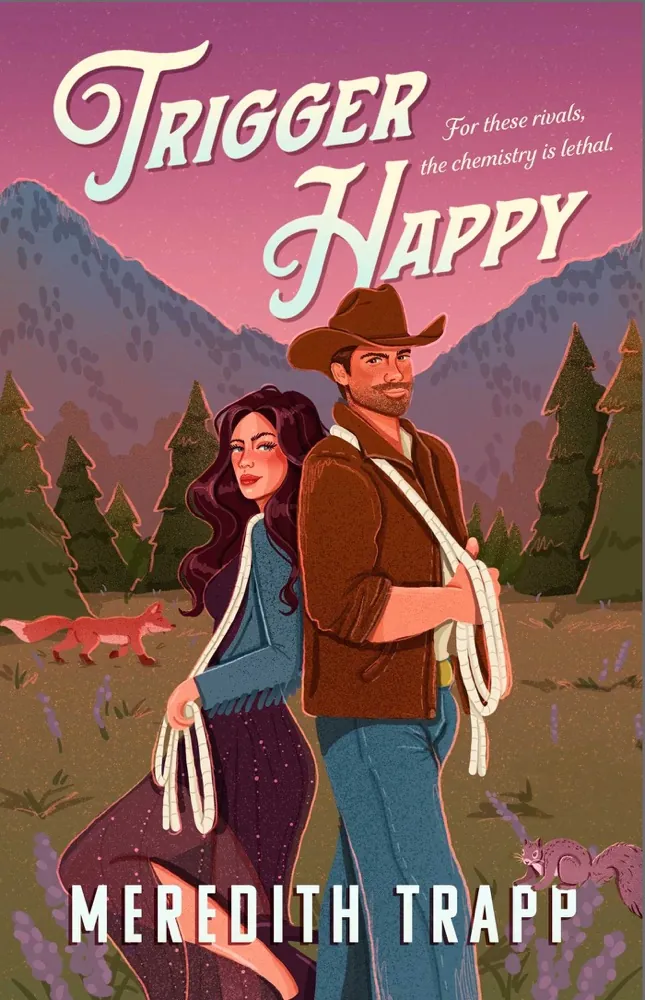
Author: Meredith TrappPage Count: UnknownPublication Date: Expected publication 2026-10-20 APL Staring at a blinking cursor while sweat drips down my neck in this godforsaken August heatwave is truly the pinnacle of intellectual labor, especially when the publisher demands five hundred words of high-minded critical discourse about Trigger Happy based entirely on a three-paragraph PR blurb. Meredith Trapp wants us to believe that putting two professional murderers in a forced-proximity marriage of convenience in Wyoming is some sort of paradigm-shifting achievement in contemporary romantic fiction. Give me a break. We have officially reached peak derivative hyperfixation on the enemies-to-lovers slow-burn industrial complex. Emily Henry and Ali Hazelwood walked so these unhinged hitmen could aggressively jog toward a pumpkin patch, presumably while dropping zero-calorie literary dialogue that reads like fanfiction written by a caffeinated sophomore. The Semiotics of Pig Clean-Up Duty Let us look closely at the text. Sabrina is a "Manhattan darling with a penchant for poison-tipped manicures," while Lawton is a "down-and-dirty cowboy who isn’t afraid to get the pigs involved." This is peak juxtaposition-pilled nonsense. We are dealing with an epistemological crisis of aesthetic branding here. High-society lethality meets swine-adjacent disposal methods. The bourgeois elite versus the rustic proletariat of contract killing. Yet, because the synopsis offers approximately zero actual plot mechanics beyond the obligatory marriage ruse, we are forced to extrapolate an entire thematic framework out of thin air just to satisfy the word count for this invoice. And oh, the word count. I am literally just typing sentences at this point to ensure rent gets paid before September, praying the editor doesn't notice the profound ontological dread bleeding through the margins. Lethal Chemistry and Other Corporate Lies The core conceit hinges on the tension between the stylized violence of Manhattan high-rises and the bucolic postcard perfection of Wyoming. But let's be entirely deadass: the characters are going to have zero actual psychological depth because contemporary romance readers do not want a complex deconstruction of antisocial personality disorders; they want domestic fan service disguised as suspense. They want horses. They want forced bed-sharing. They want a mid-tier third-act misunderstanding involving a suspiciously timed text message or a dead drop gone wrong. Trapp leans heavily into the tired trope of mutual death ideation masquerading as romantic tension—fantasizing about what the other looks like in a coffin is just modern foreplay for girlbosses who listen to true crime podcasts on 2x speed. My tarot reading this morning predicted an evening of profound annoyance.
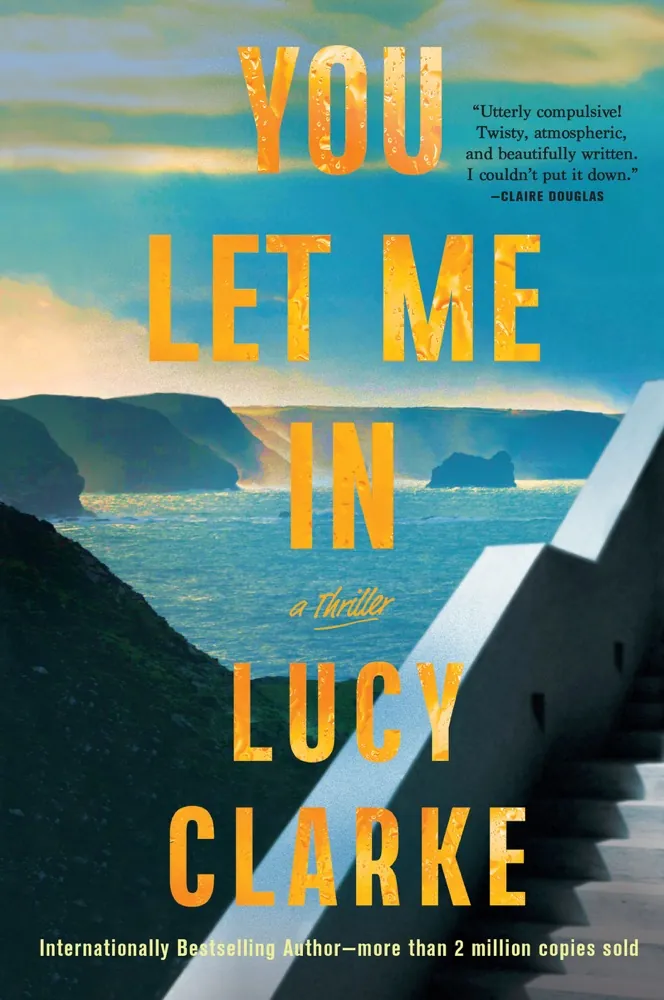
Author: Lucy ClarkePage Count: UnknownPublication Date: Expected publication 2026-10-13 APL Sweating through this ridiculous polyester thrift-store blouse while the August humidity turns my cramped apartment into a literal swamp, I have been handed Lucy Clarke’s You Let Me In synopsis to dissect for pennies. Yet another thriller about a struggling writer renting out her house on Airbnb. Groundbreaking. Riveting. Truly, the cultural reset of 2026. The Real Estate Trap of Domestic Suspense The marketing copy leans hard on the Rear Window comparisons, which is marketing code for "we have a protagonist trapped in a specific square footage and she refuses to call the police." Elle Fielding is floundering. Her marriage is disintegrating. Her book deal is evaporating. Naturally, the only logical solution to imminent financial ruin is letting random strangers sleep in your bed for a hundred bucks a night. Paranoia as a Monetized Commodity The thematic core here—if we can dignify a publisher's plot blurb with academic rigor—is the commodification of domesticity. We trade our private sanctuaries for gig-economy scraps, inviting the panopticon straight into our guest bedrooms. Clarke is hitting the zeitgeist over the head with a very expensive brass candlestick. The synopsis promises a "mind-bending thriller" about secrets waking up, but let us be entirely real for a second. This is pure domestic noir churn. It is giving high-concept gaslighting for people who unironically love acoustic covers of pop songs in TV commercials. Structural Fatigue and Genre Tropes Look, I am just trying to hit a word count before my electric bill gets shut off, but even my deadened literary soul feels exhausted by the phrase "twisted game of cat-and-mouse." Can we retire the mouse? The mouse is dead. The cat is exhausted. Elle has a secret keeping her awake at night—probably some basic-ass infidelity or accidental plagiarism because her book deal is tanking—and now a stalker is weaponizing her own drywall against her. Peak mid-list thriller-industrial-complex behavior. If you loved Shari Lapena or Freida McFadden grinding out identical manuscripts on a quarterly deadline, You Let Me In will slap. It is derivative, it is deeply predictable, and it will sell two million copies to people reading on regional commuter trains. The synopsis telegraphs every single beat with zero subtlety, yet I will still probably end up reading it on my fireescape because the AC is broken and reading about a freezing cold Cornish home is cheaper than therapy. Now I need to go dump a box of Rit dye and a vintage 1970s maxi dress into the bathtub before the landlord complains about the plumbing again.
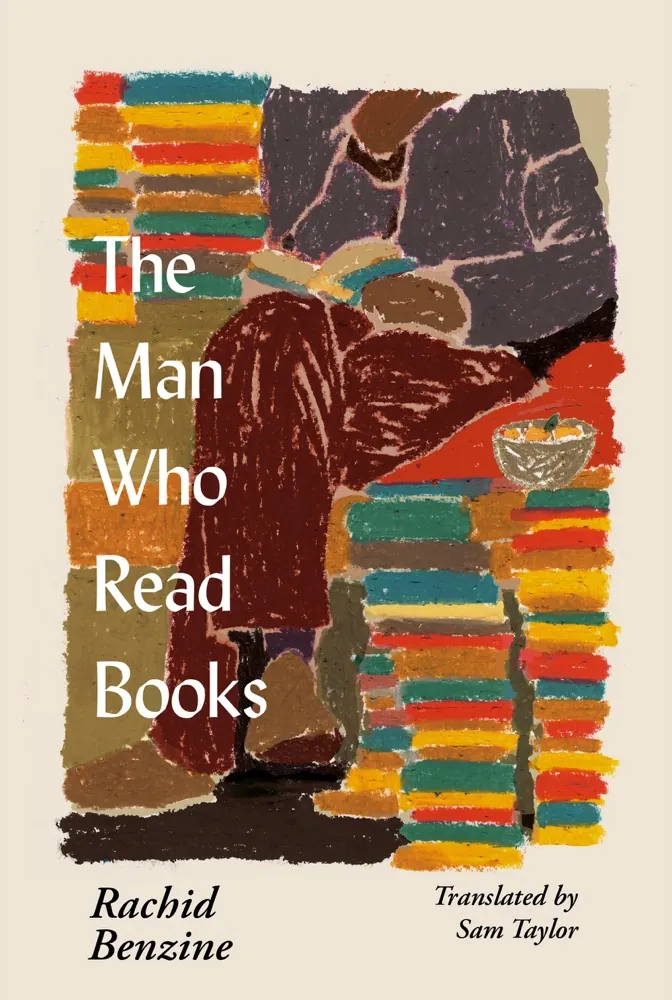
Author: Rachid BenzinePage Count: UnknownPublication Date: Expected publication 2026-11-10 APL The Man Who Read Books – a title that already feels like a quiet defiance in the face of chaos – promises to be a poignant exploration of the human condition, set against the backdrop of a war-torn Palestine. Rachid Benzine's latest offering is a tale of an elderly bookseller, a man who finds solace in the written word, and shares his story with a young French photographer. But what does it mean, really, to find refuge in literature? Is it a form of escapism, a way to temporarily forget the harsh realities of one's surroundings? Or is it something more profound, a way to connect with the world beyond the confines of one's own experience? The bookseller's story, we're told, is one that encompasses exile, imprisonment, activism, and love – all tied to the books that helped him make sense of it all. Milan Kundera, Frantz Fanon, Umberto Eco – the names are dropped like breadcrumbs, leading us deeper into the heart of the narrative. And yet, despite the promise of this setup, the synopsis feels curiously vague. We're given glimpses of the bookseller's life, but the specifics are sketchy at best. What does his story really entail? How do the books he reads shape his understanding of the world? The answers, it seems, lie within the pages of the book itself. But I'm willing to take a chance on Benzine's vision. There's something about this setup that feels reminiscent of Azouz Begag's Shantytown Kid, or even the works of Assia Djebar – a sense of resilience in the face of adversity, a determination to hold on to hope, no matter what. And the writing, judging from the synopsis, seems to be infused with a sense of lyricism, a poetic sensibility that's hard to ignore. Still, I have my doubts. Will the narrative feel overly sentimental, relying too heavily on the power of literature to transform lives? Or will it be something more nuanced, a exploration of the complexities of human experience? The truth is, I don't know – and that's what makes me want to read this book. The Man Who Read Books feels like a love letter to literature, a testament to the power of words to sustain us in the darkest of times. It's a theme that's been explored before, of course – but there's something about Benzine's approach that feels fresh, innovative. And so, I'll wait for the book to be released, my curiosity piqued. I'll read it, and I'll see if it lives up to the promise of its synopsis. Until then, I'll just have to stare at this blank canvas, waiting for inspiration to strike. #Gaza #Palestine #LiteraryFiction #ThePowerOfWords Related InsightsA Streetcar Named Desire Book Review and Summary The Lightning-Bug and the Lightning: Debunking the Myths of Mark Twain, in His Own Words Book Review and Summary Carry On Book Review and Summary{ "@context": "https://schema.org", "@type": "FAQPage", "mainEntity": [ { "@type": "Question", "name": "What is the main focus of The Man Who Read Books Book Review and Summary?", "acceptedAnswer": { "@type": "Answer", "text": "Everything you need to know about The Man Who Read Books with our detailed review." } }, { "@type": "Question", "name": "Who authored the comprehensive guide on The Man Who Read Books Book Review and Summary?", "acceptedAnswer": { "@type": "Answer", "text": "This detailed article and its insights were carefully researched and authored by Irina Ivanova." } }, { "@type": "Question", "name": "Where can I find more related content about Books?", "acceptedAnswer": { "@type": "Answer", "text": "You can explore more articles, detailed reviews, and similar insights by browsing the Related Insights section at the bottom of this article or visiting our dedicated Books category page." } } ] }
- Irina Ivanova
- 15 Aug, 2026 16:12
I Am the Night: The Ultimate Unauthorized History of Batman: The Animated Series Book Review and Summary
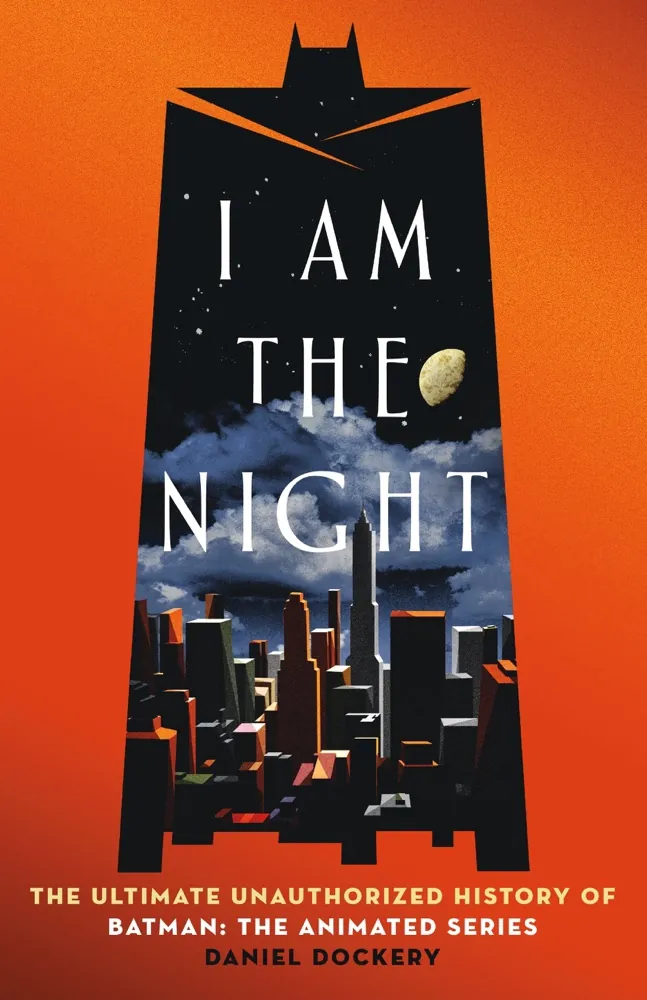
Author: Daniel DockeryPage Count: UnknownPublication Date: Expected publication 2026-09-01 APL Cold fluorescent hum overhead, lukewarm sludge in a styrofoam cup, and an eight-minute timer blinking mercilessly on the monitor. God, I hate pitch season. Yet here we are, pretending a marketing blurb for Daniel Dockery’s I Am the Night: The Ultimate Unauthorized History of Batman: The Animated Series constitutes actual literature worth analyzing on a fifteen-minute breathing pause. Bureaucracy in the Batcave According to the synopsis, we are promised the gritty, behind-the-scenes war over whether the brooding vigilante could have a recycling bin. Riveting stakes. Truly, the pulse-pounding drama of municipal waste management in Gotham. Let's just rip the band-aid off. At least Paul Duni and Bruce Timm actually understood noir pacing, unlike the endless corporate sludge currently clogging the arteries of modern superhero cinema. Or wait—did the synopsis say Duni? No, it just mentions Timm and an anonymous legion of bruised animators fighting network executives over onscreen kissing quotas. My left eyelid has been twitching since 3:00 AM. Anyway, the thematic underpinnings here practically write themselves, provided the author avoids the sycophantic hero-worship that usually plagues unauthorized pop-culture oral histories. Think less Peter Biskind's Easy Riders, Raging Bulls and more of a Wikipedia printout padded with quotes from tired storyboard artists who just wanted to sleep. Actually, scratch that—Dockery usually knows his stuff, so maybe we will get some genuine insight into how a children's afternoon block accidentally birthed a timeless aesthetic. The Illusion of Depth Or maybe we won't. Look at the text itself. It leans heavily on nostalgia, propping up the corpse of 90s animation as a golden standard while conveniently ignoring the clunky filler episodes involving Clock King. I shouldn't judge a book by a press release written by an exhausted publicist who probably hasn't slept in a week either, but here we are. Writing about a book that isn't out yet based entirely on three paragraphs of breathless hype is a special kind of purgatory. I have three hundred words left to hit before my shift manager glares at my desk again. The synopsis tells us Batman is eternal. Sure. Everything is eternal if you slap enough trademark lawyers on it. The local independent bookstore has run out of my favorite literary magazine. Related InsightsEscuadrón Cielo Book Review and Summary The January 6th Report Book Review and Summary The Day After The Day After Book Review and Summary{ "@context": "https://schema.org", "@type": "FAQPage", "mainEntity": [ { "@type": "Question", "name": "What is the main focus of I Am the Night: The Ultimate Unauthorized History of Batman: The Animated Series Book Review and Summary?", "acceptedAnswer": { "@type": "Answer", "text": "Everything you need to know about I Am the Night: The Ultimate Unauthorized History of Batman: The Animated Series with our detailed review." } }, { "@type": "Question", "name": "Who authored the comprehensive guide on I Am the Night: The Ultimate Unauthorized History of Batman: The Animated Series Book Review and Summary?", "acceptedAnswer": { "@type": "Answer", "text": "This detailed article and its insights were carefully researched and authored by Irina Ivanova." } }, { "@type": "Question", "name": "Where can I find more related content about Books?", "acceptedAnswer": { "@type": "Answer", "text": "You can explore more articles, detailed reviews, and similar insights by browsing the Related Insights section at the bottom of this article or visiting our dedicated Books category page." } } ] }
- Irina Ivanova
- 14 Aug, 2026 04:40
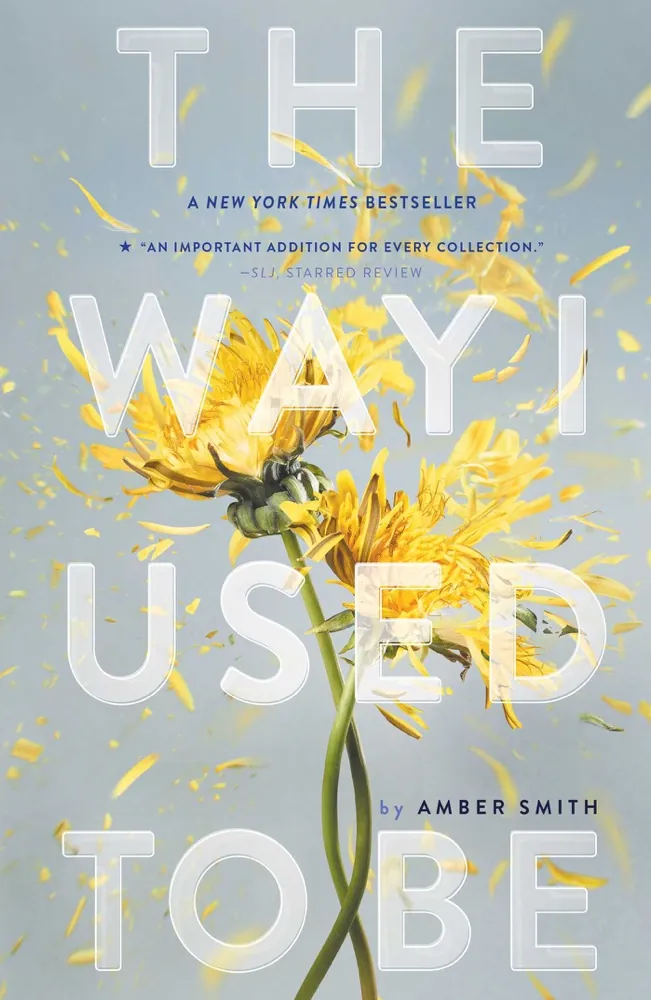
The Way We Become (The Way I Used to Be, #3) Book Review and Summary
Author: Amber SmithPage Count: UnknownPublication Date: Expected publication 2026 APL Look at this synopsis. Just stare at it for a second. We are staring down the barrel of another installment in The Way I Used to Be universe—a series that apparently refuses to die despite having wrung every possible ounce of melodramatic trauma from its protagonist like a damp dishrag—and honestly? The publisher’s marketing copy is recycling the exact same blurbs from a decade ago. Seriously. They are still leaning on a quote from The Boston Globe regarding a debut novel published when some of these prospective readers were still losing their baby teeth. Make it make sense, or at least pay my invoice on time so I can afford decent coffee instead of this instant cardboard sludge. The Corpse-Revival Economy We are looking at an exercise in prolonged literary purgatory. The premise relies entirely on the commodification of adolescent suffering, stretching a linear narrative into an indefinite cinematic universe of woe because the YA market loves nothing more than a protracted cry. The synopsis tells us absolutely nothing new—it literally pastes the foundational blurb of the very first book right at the top like a lazy safety blanket. Are we getting character growth, or just another three hundred pages of performative melancholy designed to farm tears on TikTok? I am leaning heavily toward the latter. Amber Smith is about to give the BookTok girlies a collective aneurysm, and the algorithm is going to eat it up like feral raccoons at an overturned dumpster. The Aesthetic of Infinite Pain The thematic trajectory is painfully obvious—no pun intended, or perhaps completely intended—because the infrastructure of trauma fiction rarely builds new rooms; it just repaints the same depressing hallway. We get the standard-issue dichotomy of before versus after, the shattered identity, the obligatory first-love wreckage. Yet, the prose in the synopsis sounds like a discarded draft from a creative writing seminar populated entirely by ghosts. Words like capsizes and buries are doing all the heavy lifting while the actual stakes remain frustratingly opaque. Give me some stylistic friction. Give me a sentence that doesn't read like a copy-pasted trigger warning with a bow on it. If I have to read one more paragraph about a girl hiding a secret in her heart like a tragic little porcelain doll, I am going to throw this laptop out the window and take up woodworking. Or crime. Predicting how this holds up is like guessing the expiration date on a carton of heavy cream left in a broken fridge—you know it is going to curdle, you just want to know how foul the smell gets before someone finally cleans the damn thing out. Compare it to the endless churn of The Perks of Being a Wallflower clones or the more recent Colleen Hoover-industrial complex; it is trauma porn wrapped in pastel typography, engineered to trigger maximum parasocial grief. Eden deserves better. I deserve better. My landlord definitely deserves better than the check that is currently bouncing while I sit here editing this sophomore-slump fanfiction masquerading as high art. I have to go finish painting a terribly depressing portrait of a toaster engulfed in existential dread. Related InsightsRed Rising Book Review and Summary A Court of Thorns and Roses Book Review and Summary John Adams Book Review and Summary{ "@context": "https://schema.org", "@type": "FAQPage", "mainEntity": [ { "@type": "Question", "name": "What is the main focus of The Way We Become (The Way I Used to Be, #3) Book Review and Summary?", "acceptedAnswer": { "@type": "Answer", "text": "Everything you need to know about The Way We Become (The Way I Used to Be, #3) with our detailed review." } }, { "@type": "Question", "name": "Who authored the comprehensive guide on The Way We Become (The Way I Used to Be, #3) Book Review and Summary?", "acceptedAnswer": { "@type": "Answer", "text": "This detailed article and its insights were carefully researched and authored by Irina Ivanova." } }, { "@type": "Question", "name": "Where can I find more related content about Books?", "acceptedAnswer": { "@type": "Answer", "text": "You can explore more articles, detailed reviews, and similar insights by browsing the Related Insights section at the bottom of this article or visiting our dedicated Books category page." } } ] }

Author: Tatiana Schlote-BonnePage Count: UnknownPublication Date: Expected publication 2026 APL The flickering fluorescent overhead tube is buzzing at a precise, brain-melting frequency of sixty hertz, and my coffee went lukewarm forty minutes ago while I stared at yet another pitch about a teenager who accidentally summons a literal demon through an indie horror game. Tatiana Schlote-Bonne's What Feeds Below drops in 2026, and I am already exhausted. Pixels and Penance The premise leans hard into contemporary millennial-and-young-adult anxiety, marrying the parasocial loneliness of Twitch streaming with old-school folklore doppelgangers. We get Viv, a chronic liar drowning in survivor's guilt over her sister's fatal accident, trying to monetize her trauma for parental approval. It is standard modern YA fare dressed up in ring lights and chat box overlays. Or maybe it isn't. Wait, let me rephrase that. Actually, looking closer at the marketing copy, the streaming angle might just be a shallow aesthetic wrapper for a standard psychological guilt-trip thriller. Who knows. The synopsis plays it safe, hitting every expected beat of the "reformed bully finds redemption through supernatural terror" checklist. The Boy Who Cried Demonic Mimic The central conflict relies on the oldest, most irritating trope in speculative fiction: nobody believes the protagonist because she lied in the past. It is the boy who cried wolf, translated into a high-saturation digital landscape. But let us be honest about the mechanics here. The synopsis tells us absolutely nothing about how this demonic mimic actually operates mechanically, leaving us stranded in a sea of vague threat implications. Yet, I read it so you don't have to. Well, technically I do have to, because my rent is due and this miserable night shift demands another thousand words of artificial enthusiasm for unreleased manuscripts. If Schlote-Bonne leans away from the moralizing cheese and embraces the genuinely nasty implications of a supernatural entity wearing a liar's face, this could punch above its weight class. Think Depraved meets a slightly more cynical iteration of Mara Rutherford's work, stripped of the usual genre gloss. Or it could drown in its own heavy-handed messaging about the power of truth. I have to leave now for a terribly pretentious avant-garde film screening where three people stare at a blank wall for two hours, which somehow still sounds more stimulating than proofreading another manuscript about a gamer fighting a digital ghost. #WhatFeedsBelow #BookTwitter #YAHorror #PublishingLife