Heartstopper, Volume 3 Book Review and Summary
-
 Carmen Martinez
 - 19 Dec, 2025 04:21
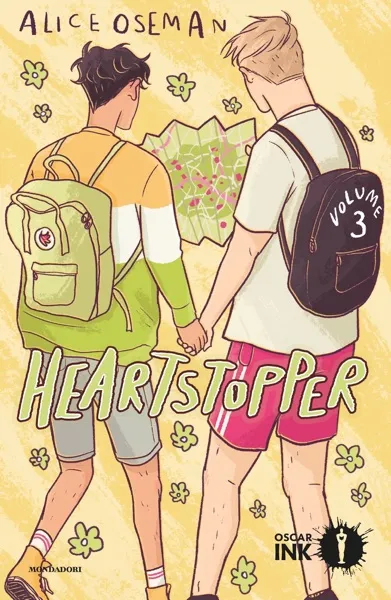
Heartstopper, Volume 3
Author: Alice Oseman
Page Count: Unknown
Publication Year: 2020-GB
Heartstopper, Volume 3 continues Alice Oseman’s tender, heartfelt exploration of love, friendship, and self-discovery, this time diving deeper into the emotional lives of Nick and Charlie as they navigate the complexities of their relationship. Published in 2020, this installment of the beloved graphic novel series has cemented its place as a modern classic in LGBTQ+ storytelling, praised for its authenticity, warmth, and gentle yet powerful portrayal of young queer love.
Oseman’s style remains one of the most distinctive and effective aspects of Heartstopper. Her clean, expressive linework and soft, pastel-heavy palette create an inviting, almost dreamlike atmosphere that perfectly complements the story’s themes of hope and tenderness. Unlike many graphic novels that rely on exaggerated expressions or dramatic visuals, Oseman’s art feels intimate and personal. The characters’ faces—often drawn with simple, rounded features—are incredibly expressive, conveying an entire spectrum of emotions from quiet joy to deep anxiety in just a few lines. This minimalist approach makes the rare moments of intensity—like a tense argument or a heartfelt confession—feel all the more impactful.
The central theme of Volume 3 revolves around communication, honesty, and the fear of vulnerability. Nick and Charlie, now a couple, face their first major challenge when Nick struggles to come out to his rugby teammates. The moment is fraught with tension, not because of external homophobia—though that lurks in the background—but because of Nick’s own internalized fear of disappointing those he loves. Oseman handles this with remarkable nuance, avoiding simplistic resolutions and instead showing how growth often comes with discomfort. Nick’s journey isn’t about grand gestures but small, hesitant steps toward self-acceptance, and Charlie’s unwavering support serves as a quiet but powerful foundation for that growth.
What makes Heartstopper so special is its refusal to shy away from the messiness of real relationships. Oseman doesn’t sugarcoat conflict; instead, she presents it as a natural part of love. A miscommunication between Nick and Charlie, rooted in Nick’s avoidance of a difficult conversation, leads to a raw and painful fight. The way Oseman depicts this—through fragmented panels and sparse dialogue—mirrors the disorientation of emotional turmoil. It’s uncomfortable to read, but that discomfort is what makes the eventual reconciliation so satisfying. When Nick finally opens up, not with a grand speech but with a simple, “I’m sorry,” the relief is palpable. It’s a reminder that love isn’t about perfection but about showing up, even when it’s hard.
Oseman also excels in her portrayal of friendship, particularly through the characters of Tao, Elle, and Tara. Their dynamic feels lived-in, with rivalries, inside jokes, and shared moments of vulnerability. The group’s support for Nick and Charlie isn’t performative; it’s woven into the fabric of their daily lives, making the story feel like a snapshot of real, evolving relationships. Volume 3 introduces new layers to their friendships, particularly as Elle navigates her own identity and relationships, adding depth to a cast that already feels like family.
Another standout element is Oseman’s use of silence. In a medium often driven by dialogue, Heartstopper thrives in the quiet moments—Nick and Charlie sitting together in a park, a shared glance across a crowded room, the weight of a hand on a shoulder. These scenes are where the story’s emotional core shines brightest. Oseman understands that some feelings can’t be articulated, and her art conveys that beautifully, whether through a lingering gaze or the softness of a character’s posture.
The pacing of Volume 3 is deliberate, allowing the story to breathe without feeling slow. Oseman balances introspective moments with lighter, humorous beats, ensuring the tone never feels overly heavy. The rugby subplot, for instance, injects a sense of normalcy and camaraderie, grounding the story in the everyday while still exploring deeper themes.
Ultimately, Heartstopper, Volume 3 is a celebration of love in all its forms—romantic, platonic, and self-love. It’s a story that trusts its readers to sit with discomfort, to embrace imperfection, and to believe in the possibility of happiness. Oseman’s ability to capture the small, seemingly insignificant moments that define relationships is what makes Heartstopper so universally beloved. It’s not just a story about being queer; it’s a story about being human.
For anyone who has ever felt the flutter of a first crush, the ache of miscommunication, or the relief of being truly seen, Heartstopper is a balm. It’s a reminder that love isn’t about grand declarations but about the quiet, steady choices we make to show up for one another.
#Heartstopper #AliceOseman #LGBTQYA #GraphicNovels #NickAndCharlie #QueerLoveStories