I Put a Spell on You (Fableview #2) Book Review and Summary
-
 Olya Shevchenko
 - 09 Sep, 2026 09:03
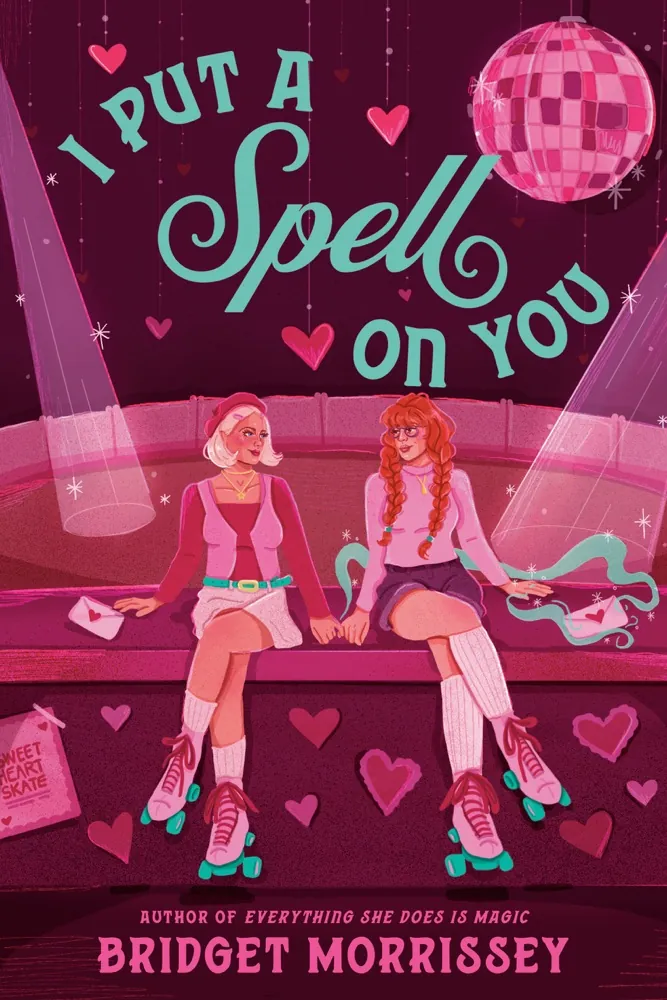
Author: Bridget Morrissey
Page Count: Unknown
Publication Date: Expected publication 2026 APL
The radiators in this hallway have been clanking since three this morning, emitting a rhythm that feels less like heating and more like a warning. Yet we persist. We drink chicory-laced coffee from mugs with chipped handles and we look at coming attractions like I Put a Spell on You by Bridget Morrissey and wonder if anyone actually believes in magic anymore—or if we just want a good excuse to send spiteful mail to strangers.
Sugar, Spite, and Shared Heat
Fableview sounds like the kind of town where the air smells perpetually of artificial strawberry and cheap candle wax. A holiday-obsessed micro-climate designed to crush anyone who finds February fourteenth to be an exercise in manufactured panic. Piper Blake refuses to wear the family badge. She is an impostor among true believers. Actually, scratch that—she isn’t an impostor at all. She is simply smart enough to realize that charging people for counterfeit romantic forecasts is the only ethical way to survive a childhood built on parental divorce settlements.
Ivy Collins arrives carrying the heavy, bitter luggage of a grudge. Someone ruined her mother’s equilibrium with a fake reading, and she has tracked the culprit to this candy-coated nightmare. The premise leans heavily into the epistolary tradition—anonymous hate-to-love letters passing back and forth across town lines. It reminds me of the sharper edges of Casey McQuiston or Alexandria Bellefleur, but with a cynical bite that might save it from becoming too saccharine. Or maybe it will drown in its own pink frosting. Who can tell from a blurb alone?
The Mechanics of Cynicism
Let us interrogate the machinery of the plot for a second. The synopsis relies on a neat little paradox: a girl who sells fake magic gets cornered by a girl seeking real vengeance, only for them to accidentally fall into literary discourse through angry correspondence. It is a classic setup. But the real question is whether Morrissey can sustain the tension without collapsing into the usual YA tropes where every broken family is fixed by a timely kiss under plastic mistletoe.
The aesthetic here is aggressively pastel. Pink candy hearts. Small-town pageantry. The suffocating weight of inherited destinies. Yet beneath the sugar lies the darker, far more interesting architecture of resentment. Piper thinks love is a con because she watched her father serial-date his way through a midlife crisis. Ivy thinks love is a weapon because a stranger stole her mother’s peace of mind. They are two sides of the same coin, flipping endlessly in the dark.
Whether the prose will match this structural ambition remains a complete mystery—the synopsis is frustratingly vague on the actual voice. Will it snap with caustic wit, or will it lean into the exhausted tropes of modern romantic comedy where every insult is just a prelude to a breathless confession? I lean toward the latter on bad days. On better days, I hope for something that bites back.
The subway rumble is vibrating right through my noise-canceling headphones today.