Jude the Obscure Book Review and Summary
- 26 Oct, 2025 05:39
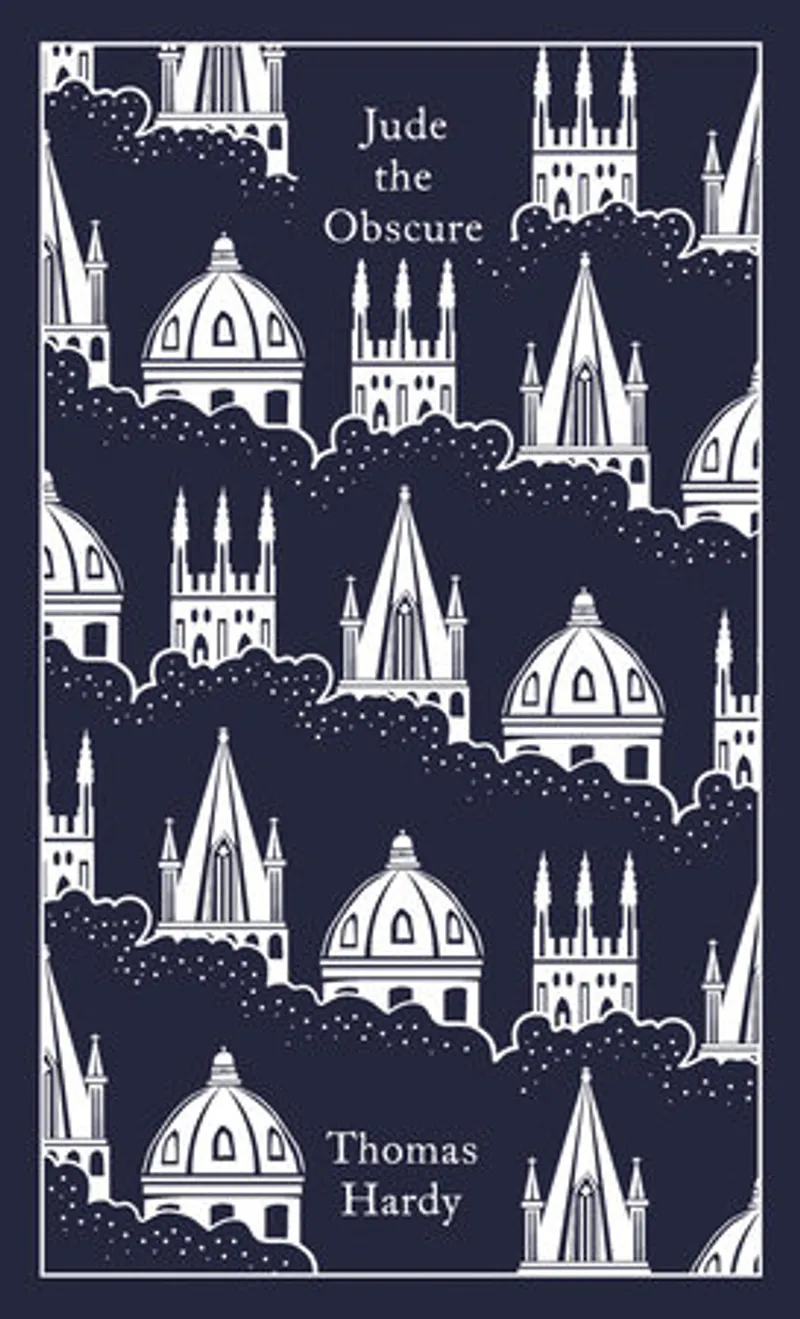
Jude the Obscure
Author: Thomas Hardy
Page Count: Unknown
Publication Date: 2019-PRH
In the hauntingly poignant novel “Jude the Obscure,” Thomas Hardy crafts a scathing critique of societal norms, delving into the darker aspects of human experience with unflinching candor. Written in 1895, this masterpiece of English literature has lost none of its relevance, its unvarnished portrayal of class struggle, sexual relationships, and the constraints of traditional morality continuing to resonate with readers to this day.
At its core, “Jude the Obscure” is a tale of unfulfilled aspirations and the inexorable crush of circumstance. Jude Fawley, the protagonist, is a young man of unyielding idealism, driven by a passion for knowledge and a desire to transcend the limitations of his rural upbringing. His dreams of attending university are brutally extinguished, however, when he is ensnared into a loveless marriage with the earthy Arabella, a union that ultimately proves disastrous.
It is in the town of Christminster, where Jude finds work as a stonemason, that he encounters his cousin Sue Bridehead, a free-thinking and enigmatic young woman who embodies the spirit of the “New Woman.” Theirs is a love match that defies convention, a union built on mutual respect and a shared disdain for the societal strictures that seek to constrain them. Refusing to be bound by the traditional norms of marriage, they choose instead to live together, a decision that earns them the scorn and ostracism of their community.
Through the tragic narrative of Jude and Sue, Hardy launches a searing indictment of the social and moral hypocrisies of his time. With unflinching candor, he exposes the cruel realities of a system that seeks to crush individuality and stifle dissent. His prose is marked by a characteristic pessimism, a sense of hopelessness that pervades the lives of his characters and underscores the futility of their struggles.
And yet, despite the unrelenting bleakness of the narrative, “Jude the Obscure” remains a work of profound beauty and lyricism. Hardy’s writing is distinguished by a mastery of language, a keen sense of observation, and a deep empathy for the human condition. His characters are drawn with a precision that borders on the brutal, their flaws and vulnerabilities laid bare with unflinching honesty.
In the introduction to this edition, Dennis Taylor provides a nuanced exploration of the biblical allusions that permeate the text, as well as the critique of religion that lies at the novel’s heart. His analysis serves as a powerful reminder of the intellectual and artistic audacity that underpins Hardy’s work, a fearless willingness to challenge the pieties of his time.
In conclusion, “Jude the Obscure” is a masterpiece of English literature, a novel that continues to exert a profound influence on our understanding of the human condition. Its themes of social justice, personal freedom, and the struggle for individuality remain as relevant today as they were when the novel was first published. This edition, with its unbowdlerized text and comprehensive critical apparatus, serves as a powerful testament to the enduring power of Hardy’s vision.
#JudeTheObscure #ThomasHardy #ClassicLiterature #SocialJustice #VictorianEra #LiteraryMasterpiece