Just a Shot Away: Martin Scorsese's Life in Film Book Review and Summary
-
 Emma Thompson
 - 21 Aug, 2026 02:38
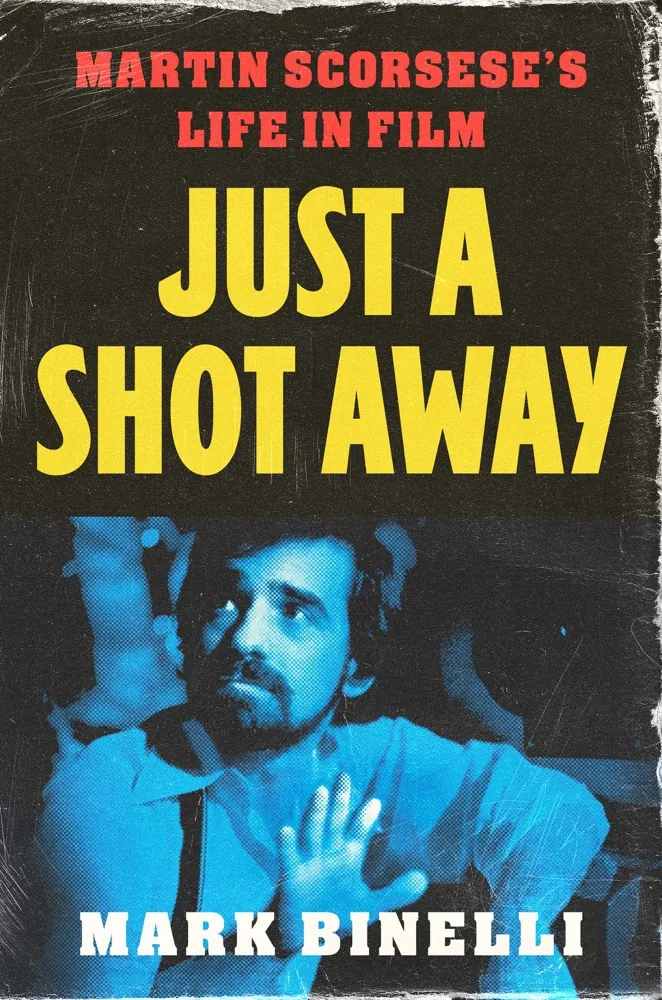
Author: Mark Binelli
Page Count: Unknown
Publication Date: Expected publication 2026-11-03 APL
The air in this high-ceilinged gallery is thick and punishing, August doing its usual heavy-handed work on the city outside while I stare at the preliminary pages for Mark Binelli’s forthcoming Just a Shot Away. Everyone is clamoring for a definitive literary portrait of Martin Scorsese. But do we actually need another exhaustive chronicle of the man who gave us Taxi Driver and Raging Bull?
Actually, strike that. I take it all back. A proper, uncompromising look at the cocaine-fueled Mulholland Drive bachelor years shared with Robbie Robertson sounds entirely riveting.
Consider the architectural framing here. Binelli traces the trajectory from the violent asthma-ridden asphalt of mid-century Little Italy straight into the intoxicating glare of New Hollywood. This is not just a standard biography. It is a calculated exercise in cultural preservation. The synopsis promises unprecedented access to newly unearthed archives and intimate voices—Robert De Niro, Isabella Rossellini, the late Robertson.
The Aesthetics of Excess
There is a distinct visual cadence to Scorsese’s filmography that demands an equally bold prose style. Binelli appears to understand this unspoken rule. He matches the director’s frenetic pacing with his own archival excavations.
We are promised a front-row seat to the chaos. The wild international film festival jet-setting. The paranoid seclusion behind blacked-out windows. Yet the real triumph of this forthcoming volume—assuming the execution holds up against the publisher’s breathless hype—will lie in its treatment of the overlooked gems. Give me chapters on After Hours and Alice Doesn’t Live Here Anymore over another worn-out deconstruction of Goodfellas any day of the week.
The Danger of Hagiography
Pop biographies of living auteurs often devolve into embarrassing exercises in hero worship. Peter Biskind understood the grit of this era in Easy Riders, Raging Bulls, tearing down the mythos rather than polishing the halo. Will Binelli possess that same clinical detachment? The inclusion of firsthand parental accounts and ex-wife testimonies suggests he might just pull it off. Or perhaps it will simply drown in authorized sentimentality. One worries the proximity to the subject will dilute the critical bite.
Still, the stylistic ambition alone sets this apart from the usual sea of disposable paperback film histories clogging the shelves this season. It demands shelf space right alongside Manny Farber’s best film criticism.
My vintage champagne collection needs to be moved to the new cellar.