Showing Posts From
Historical
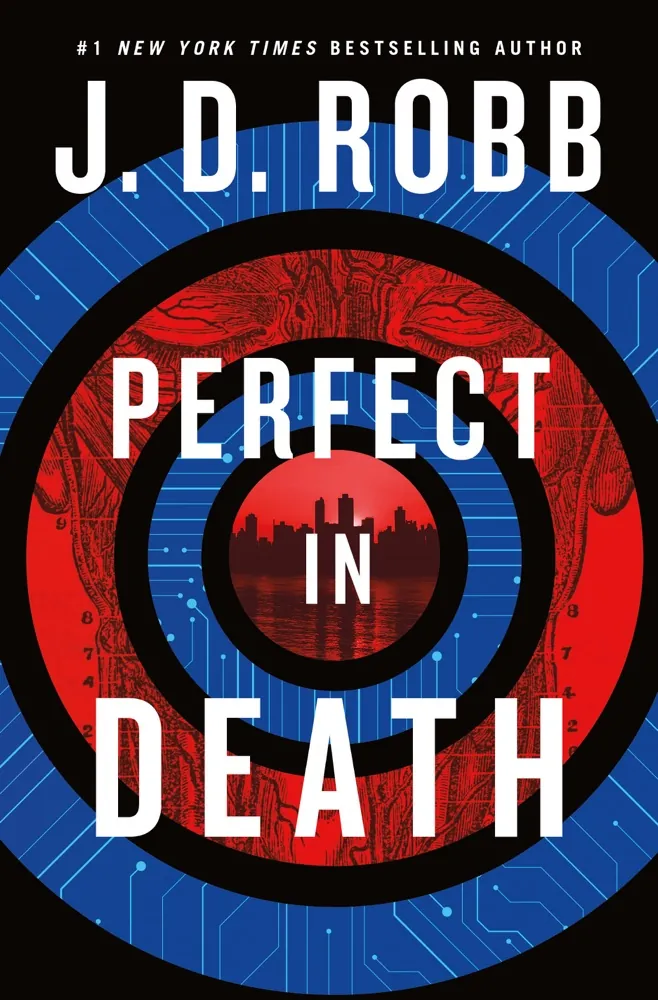
Author: J.D. RobbPage Count: UnknownPublication Date: Expected publication 2026 APL Thirty-two dollars for a textbook that was last updated when George Bush was in office. That is the actual financial ruin funding my coffee black enough to melt concrete while I dissect Perfect in Death. Because J.D. Robb—or Nora Roberts wearing her futuristic precinct badge—is back at it again with Lieutenant Eve Dallas. Sixty-four books. Read that number out loud and try not to experience immediate somatic dread. Scalpels, Cobblestones, and God Complexes The synopsis gives us a headless corpse on a dark cobblestoned street. Classic noir beats, sure, but let us talk about the actual biological plausibility here. The blurb tosses around phrases like "illegal organ harvesting" and "medical knowledge" right before dragging us into the hallowed halls of academia. If you are going to write a forensic thriller involving surgical precision, for the love of ATP, explain the cellular preservation window. You cannot just casually misappropriate transplant logistics for dramatic effect without accounting for ischemic times. Actually, wait. The medical angle is completely secondary to the institutional rot anyway. Never mind the cellular necrosis; what we are really looking at is yet another tired allegory about elite hubris. The Pursuit of Absolute Perfection Or maybe not. Let me walk that back because the pursuit of perfection is literally the engine running this entire sprawling dystopia. Manicured campus lawns masking feral ambition. Manhattan doctors playing God because their prefrontal cortexes are fried on ambition and designer stimulants. Eve Dallas walks into these ivory towers like a human garbage disposal for dirty secrets. She hates elitism almost as much as I hate my landlord charging twenty-five dollars a month for a basement storage locker that leaks sewage. And Peabody will be there, rolling her eyes and eating some synthetic pastry while Eve threatens a neurosurgeon with a badge and a glare. The thematic weight here rests on the friction between raw, bloody biology and the sterile aesthetic of high-society achievement. But let us be real. This reads like Michael Connelly crossed with a cyberpunk soap opera. We all know the drill by now. The victim seemed too good to be true. The family is hiding something mundane yet tawdry. Some arrogant academic is going to monologues about transhumanism or cellular immortality right before the cuffs click. Yet I will still pre-order it on my phone while sitting in the back of a three-hundred-person lecture hall listening to an adjunct drone on about molecular pathways. Because sometimes you just need a caffeine-addled homicide detective to remind you that rich people are garbage. The bodega on the corner just turned into a cold-pressed juice boutique charging eight dollars for celery water, and honestly, losing the last decent dive bar in this ZIP code hurts worse than failing organic chemistry. Related InsightsZen and the Art of Motorcycle Maintenance: An Inquiry Into Values Book Review and Summary Lochbound Book Review and Summary Clear Water Book Review and Summary{ "@context": "https://schema.org", "@type": "FAQPage", "mainEntity": [ { "@type": "Question", "name": "What is the main focus of Perfect in Death (In Death, #64) Book Review and Summary?", "acceptedAnswer": { "@type": "Answer", "text": "Everything you need to know about Perfect in Death (In Death, #64) with our detailed review." } }, { "@type": "Question", "name": "Who authored the comprehensive guide on Perfect in Death (In Death, #64) Book Review and Summary?", "acceptedAnswer": { "@type": "Answer", "text": "This detailed article and its insights were carefully researched and authored by Marco Conti." } }, { "@type": "Question", "name": "Where can I find more related content about Books?", "acceptedAnswer": { "@type": "Answer", "text": "You can explore more articles, detailed reviews, and similar insights by browsing the Related Insights section at the bottom of this article or visiting our dedicated Books category page." } } ] }
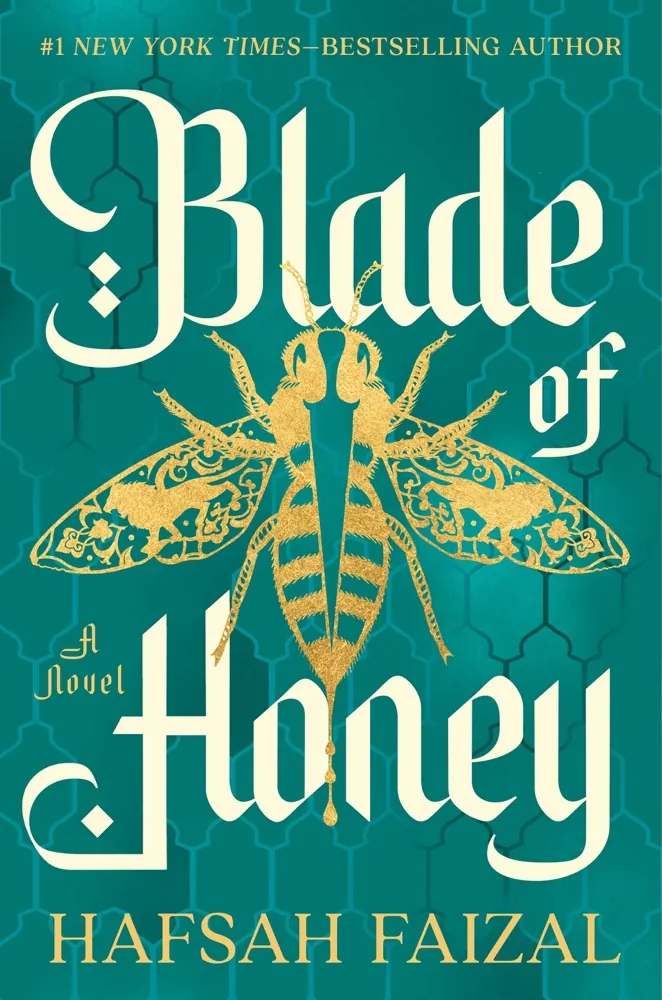
Author: Hafsah FaizalPage Count: UnknownPublication Date: Expected publication 2026 APL A damp chill presses against the glass tonight, smelling faintly of rotting pumpkin carcasses left too long on suburban porches and the sharp bite of October wind. Perfect weather to dissect yet another piece of derivative fantasy slop. Hafsah Faizal returns with Blade of Honey, and honestly, the literary world is about to suffer through the exact creative bankruptcy that ruined the final season of Succession. The Architecture of Despair Let us examine the scaffolding of this alleged narrative. We have a wounded bee. We have a cornered lion. We possess all the poetic subtlety of a high school diary locked with a cheap brass padlock. The synopsis tells us Yasmine Ra’ad wants revenge against the king because his throne rests on the bones of her family. Groundbreaking. Has any protagonist in speculative fiction ever sought vengeance for anything less than familial structural demolition? And the king himself—Altair al-Badawi—is cursed with a ticking clock. He faces execution by the next full moon unless he finds a bride. Naturally, his captain of the guard suggests a matchmaking bloodsport. Because nothing screams sovereign stability quite like turning royal matrimony into a broadcasted gauntlet that reads like a desperate cross between Jeff Probst’s worst nightmare and the Hapsburg family tree. The Aesthetic of the Grift Faizal leans hard into the romantic-fantasy industrial complex here. We are promised a dark and deadly twist on reality television dating. A girl angling for a throat who accidentally stumbles into an artery of affection. Play the doting suitor. Do it well. Too well! I can already taste the recycled adrenaline. It is the literary equivalent of serving mass-produced boxed wine at a Sotheby’s provenance auction. Everyone pretends to admire the vintage while quietly checking their watches to see when the coats can be retrieved. Yet, the synopsis relies entirely on mood boards rather than mechanics. We know nothing of the actual world-building beyond tired animal metaphors. Bees and lions. How aggressively banal. One expects the dialogue to drip with manufactured angst, characters whispering promises of ruin while brushing their knuckles together in a dimly lit corridor draped in sheer fabric. The Inevitable Verdict This book will inevitably dominate the bestseller lists for weeks, fueled entirely by readers who think The Cruel Prince was the pinnacle of Western letters. They will pre-order the special edition spray-edged copies and post dramatic aesthetic videos online with heavy synth tracks playing in the background. It is manufactured longing engineered in a boardroom. Give me a genuine structural flaw in a seventeenth-century Dutch masterwork any day over this predictable, focus-grouped romantic pandering. I need to appraise some heirloom jewelry my aunt bequeathed to you. Wait, no—bequeathed to me. My apologies. The drafty autumn air always messes with my syntax. Related InsightsCaptive in the Dark Book Review and Summary Archangel's Sun Book Review and Summary Being a Witch, and Other Things I Didn't Ask For Book Review and Summary{ "@context": "https://schema.org", "@type": "FAQPage", "mainEntity": [ { "@type": "Question", "name": "What is the main focus of Blade of Honey (The Lion & the Bee, #1) Book Review and Summary?", "acceptedAnswer": { "@type": "Answer", "text": "Everything you need to know about Blade of Honey (The Lion & the Bee, #1) with our detailed review." } }, { "@type": "Question", "name": "Who authored the comprehensive guide on Blade of Honey (The Lion & the Bee, #1) Book Review and Summary?", "acceptedAnswer": { "@type": "Answer", "text": "This detailed article and its insights were carefully researched and authored by Emma Thompson." } }, { "@type": "Question", "name": "Where can I find more related content about Books?", "acceptedAnswer": { "@type": "Answer", "text": "You can explore more articles, detailed reviews, and similar insights by browsing the Related Insights section at the bottom of this article or visiting our dedicated Books category page." } } ] }
-
 Emma Thompson
 - 11 Oct, 2026 23:21
Something Is Killing the Children: Hope Is a Knife Book Review and Summary
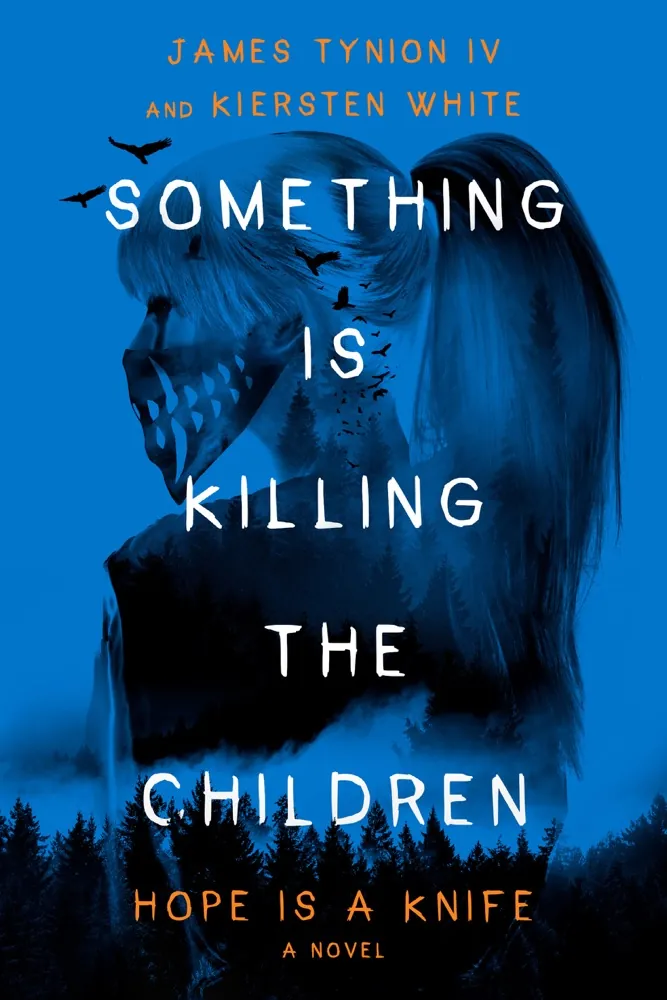
Author: James Tynion IVPage Count: UnknownPublication Date: Expected publication 2026-10-13 APL The amber liquid in the lowball glass catches the amber glow of the mahogany desk, burning slowly down the throat while the rain beats an erratic rhythm against the boardroom windows. Corporate retreats are generally exercises in synchronized corporate breathing, but tonight, my focus is entirely fixed on the promotional materials for Hope Is a Knife. James Tynion IV and Kiersten White are stepping into prose territory with their expanding nightmare universe, and frankly, I have reservations about the commercialization of ink-soaked horror into traditional novels. Graphic art breathes in the gutters of the page; text requires a completely different architectural discipline. Yet here we are. The Anatomy of Small-Town Paranoia Look at the premise. Erica Slaughter drops into Badwater, Idaho, where a twelve-year-old’s brutal end defies immediate categorization. Was it fauna? A rogue citizen? Or something weeping from the dark edges of childhood terror? Actually, let me rephrase that entirely because I am giving the marketing copy far too much credit. The synopsis leans heavily on well-worn rural gothic clichés that Stephen King discarded back in the eighties. A charismatic doomsday preacher driving townsfolk to mass hysteria? Groundbreaking. Truly, an avant-garde revelation for the modern reader. We have seen this exact narrative machinery grinding away in half the paperbacks littering airport terminals from O'Hare to Heathrow. The Cult of the Slaughter The core conflict hinges on the Order of St. George deciding that the hunter herself might need to be put down like a rabid hound. And that dynamic—the institutional purge of the violent asset—holds genuine promise. Tynion understands the bureaucratic rot embedded in righteous organizations. The Order isn't just fighting monsters; they are managing brand protection through bloody eradication. Except the synopsis forces us to guess which frightened child's imagination birthed the beast. A psychological guessing game disguised as monster hunting. Wait. Let me backtrack on my dismissal of the prose adaptation. White brings a distinct atmospheric weight to her collaborations, and stripping the splash panels away might actually force the creators to dig deeper into the rot of American mythmaking than the monthly pamphlet ever allowed. Maybe the transition from panels to prose will elevate the text into something resembling genuine literature. Or maybe it is just a cash grab designed to trap the comic collectors before the film adaptations take over. The Execution of Terror Monsters that feed on juvenile dread are hardly a new intellectual property, but the mechanics of institutional betrayal always manage to sting if executed with cold precision. The corporate retreat downstairs is serving lukewarm pinot noir and hollow platitudes about synergy, but my attention remains trapped in Badwater. If White and Tynion manage to strip away the glossy fan-service and deliver a genuinely oppressive psychological breakdown of a doomed logging town, this might just survive the transition to the hardback format. My literary agent just called with international translation rights. Related InsightsRed (The Myth That Burns, #1) Book Review and Summary Ethical Public Leadership Book Review and Summary Lanetli Kral [HC] Book Review and Summary{ "@context": "https://schema.org", "@type": "FAQPage", "mainEntity": [ { "@type": "Question", "name": "What is the main focus of Something Is Killing the Children: Hope Is a Knife Book Review and Summary?", "acceptedAnswer": { "@type": "Answer", "text": "Everything you need to know about Something Is Killing the Children: Hope Is a Knife with our detailed review." } }, { "@type": "Question", "name": "Who authored the comprehensive guide on Something Is Killing the Children: Hope Is a Knife Book Review and Summary?", "acceptedAnswer": { "@type": "Answer", "text": "This detailed article and its insights were carefully researched and authored by Emma Thompson." } }, { "@type": "Question", "name": "Where can I find more related content about Books?", "acceptedAnswer": { "@type": "Answer", "text": "You can explore more articles, detailed reviews, and similar insights by browsing the Related Insights section at the bottom of this article or visiting our dedicated Books category page." } } ] }
-
 Marco Conti
 - 10 Oct, 2026 12:20
Witch Dance (The Spellbound History Quartet, #2) Book Review and Summary
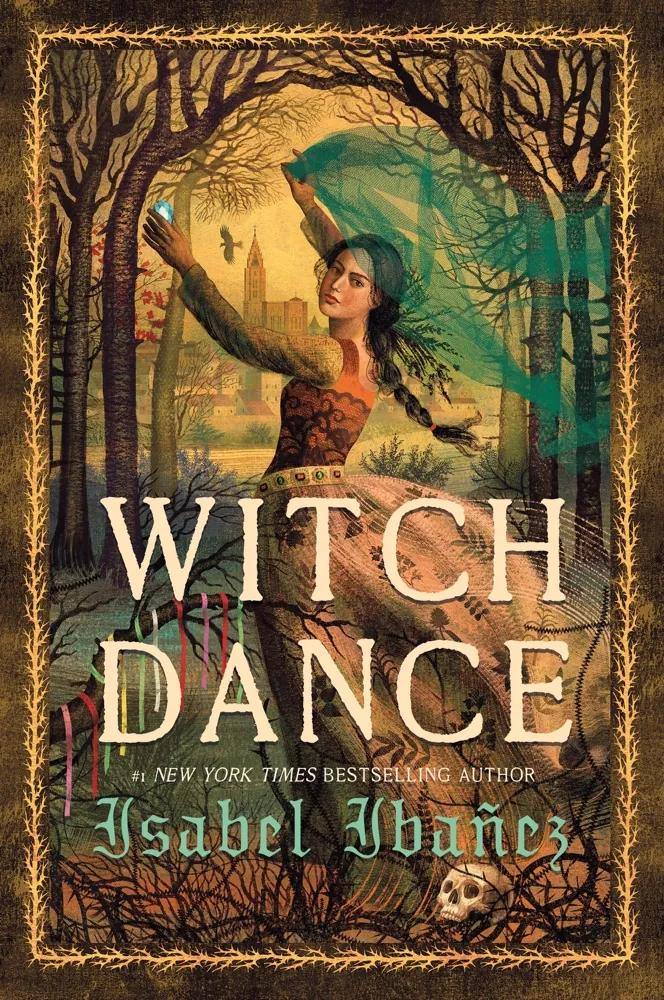
Author: Isabel IbañezPage Count: UnknownPublication Date: Expected publication 2026 APL Another historical fantasy about a smartypants heroine hiding her supernatural resumé while trying to fix a real-world tragedy because heaven forbid we let actual history breathe without throwing a magical rock at it. Witch Dance drops us right into the 1518 Strasbourg dancing plague—an actual terrifying mass hysteria event—only to immediately pivot into secret coven politics and the obligatory jaw-clenching grump who threatens to out our protagonist's hidden identity. Honestly? Make it make sense. I am sitting here staring at my third overdue tuition notice, counting my remaining instant ramen packets, and watching publishers churn out the exact same enemies-to-lovers blueprint wrapped in a slightly different historical corset. The Pathology of Predictable Tropes Let us examine the structural integrity of this premise with the exact same rigor I am currently failing to apply to my physical chemistry lab report. Evelina del Valle is a brilliant medical student—because of course she is, we cannot possibly have a female protagonist who is merely mediocre at her craft; she must be an absolute prodigy carrying the weight of an entire quarantined metropolis on her shoulders while dodging the local Inquisition or whatever equivalent the author cooked up. And then enters Alaric Keller. Because every single romance arc in YA fantasy right now requires a guy whose personality consists entirely of looming near a forest, possessing cheekbones that could slice bread, and holding a grudge against the universe. He is dangerous, secretive, and bound to the Black Forest—which sounds suspiciously like a fancy way of saying he has mommy issues and a penchant for dramatic monologues. The synopsis leans heavily on the whole "suspension of disbelief" crutch regarding the medical emergency. Strasbourg in 1518 was a terrifying psychological rupture where people literally danced until their hearts gave out from sheer exhaustion and panic. But do we get a harrowing exploration of collective psychosis, socioeconomic desperation, and the brutal limitations of sixteenth-century humoral theory? Absolutely not. We get gemstone magic and bargains struck in the dark. Because nothing says historical accuracy like a magic rock fixing a mass psychogenic illness. The tonal whiplash is giving me a migraine worse than my landlord demanding rent in cash. The Inevitability of Despair And speaking of outcomes, I am placing zero bets on an emotionally devastating conclusion. This industry is allergic to actual tragedy. They will tease us with the high stakes of execution, exposure, and a literal lethal outbreak, only to wrap everything up in a neat little bow where love conquers all and the dark magic is conveniently purged by the power of mutual pining. Give me a break. Real life is an unmitigated dumpster fire where nobody saves you from the debt collectors, so forgive me if I am deeply suspicious of a happily-ever-after engineered by a man whose mother was the plague's first victim. It is giving Sarah J. Maas meets historical cosplay fanfiction, and frankly, my brain cells are unionizing. Yet, I will probably watch everyone on BookTok lose their collective minds over the gilded edges and the hand-drawn map. We are all trapped in the same capitalist treadmill of buying pretty paper objects that simulate depth while the world burns outside our dormitory windows. I need to go debate the merits of absurdism with a strange grad student in a sticky dive bar before my espresso wears off entirely.
Author: Stacia StarkPage Count: UnknownPublication Date: Expected publication 2026 APL Another sequel wrapped in the glossy veneer of the New York Times bestseller list. We are expected to swoon over the tired architecture of the arena survivor turned savior, as if Stacia Stark has somehow reinvented the wheel of romantic fantasy. One glances at the synopsis for We Who Will Rise and immediately recalls the disastrous Sotheby’s auction of the late Duke of Windsor’s cigarette cases—pure manufactured scarcity masking a deeply derivative underlying substance. The Geometry of Rivalry Arvelle finds herself wedged between competing vampire brothers, which feels less like an artistic choice and more like a casting call for a mediocre television adaptation. Tiernon and Rorrik. Truly, the nomenclature alone does heavy lifting to evoke a grimdark antiquity that never actually existed. And yet, one must admire the sheer audacity of the premise. A long-lost journal? Mortuus stirring in his prison? It reads like a checklist pulled directly from a fatigued writer's room during a late-night sugar crash. Or perhaps I am being too harsh on the mechanics of the plot. Actually, no. The mechanics deserve every bit of skepticism directed their way. If an ancient god of ruin is waking up, why are we prioritizing a slow-burn romance translation exercise over actual structural chaos? The synopsis leans heavily on the friction of old wounds, fractured gods, and an empire teetering on the edge. Yet the emotional center remains stubbornly tethered to who gets to gaze longingly across a battlefield. The Currency of Power The text insists that our protagonist must cross an unthinkable boundary to reveal a new version of herself. What does that even mean in this fiscal climate of speculative fiction? A power upgrade bought with moral compromises that ultimately cost her everything—except, naturally, whatever keeps the narrative engine purumping until book three. Sarah J. Maas walked so these vampire sibling triangles could aggressively sprint into a brick wall. We are promised an aesthetic of raw, unbridled destruction, but the synopsis smells overwhelmingly of focus groups and pre-ordered special editions with sprayed edges. My tailor is currently tapping his gold-plated pocket watch in the front hall, waiting to fit me for the upcoming winter gala’s velvet jacket.
- Marco Conti
- 09 Sep, 2026 13:56
The Woman with One Hundred Faces: The Lives and Legacy of Anaïs Nin Book Review and Summary
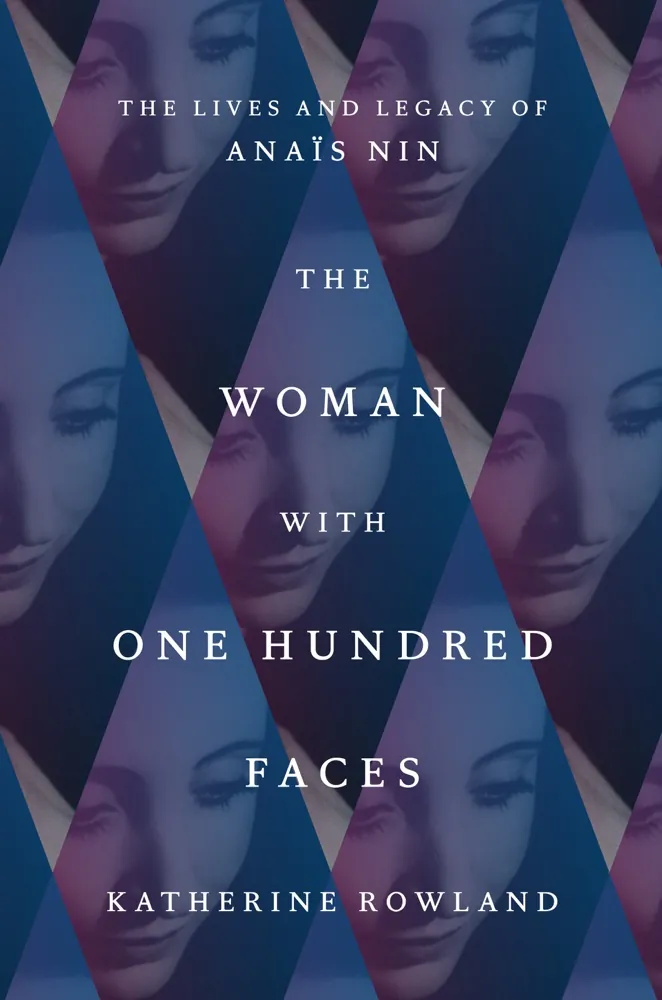
Author: Katherine RowlandPage Count: UnknownPublication Date: Expected publication 2026 APL Looking at The Woman with One Hundred Faces by Katherine Rowland makes me want to scream into a textbook on quantum mechanics just to feel something that operates under consistent physical laws. I have exactly forty-five minutes before my seminar on orbital mechanics starts, and instead of reviewing my orbital decay calculations, I am sitting here writing about a French-American diarist who apparently needed a literal box of index cards to keep track of her bigamy. And yes, I am complaining about my life because the word count gods demand sacrifice. The Index Card Theory of Fiction The premise hinges on self-mythologizing as a radical creative act. Fine. People love a messy woman. They adored Anaïs Nin when she was a bohemian saint of free love, and they felt personally betrayed when her estate exposed her elaborate, multi-continental web of double lives. But let us be entirely serious for a second—managing two husbands, multiple households, and distinct social circles without shared Christmas cards is not some profound vanguard deconstruction of the patriarchal construct. It is a logistical nightmare. It requires the kind of meticulous data management usually reserved for aerospace engineering projects. If only she had applied that level of rigorous organization to actual physics, she might have built an actual rocket. Instead, she built a filing system for her own lies. Rowland apparently unearths never-before-seen archives to argue that this splintered existence was a visionary act of self-creation. Critics are going to eat this up. It smells like a prestige biography designed for people who read The Argonauts and nod thoughtfully while ignoring the glaring impracticality of it all. Yet there is a compelling literary lineage here. Think of Joan Didion dissecting her own psychological disarray, or Vivian Gornick mining the wreckage of personal relationships for artistic fuel. The Mechanics of Deceit What fascinates me—and what I sincerely hope this 2026 release addresses with actual intellectual grit rather than hagiographic hand-waving—is the physics of persona maintenance. How does one sustain multiple distinct gravitational pulls simultaneously without collapsing into a singularity? The synopsis frames her as an artist forging a self that could contain all her hungers. But hunger without thermodynamic limits just burns through fuel until nothing is left. Expect the prose to be dripping with words like perilous and devotion. Biographers love framing chaotic personal lives as high art. I just want to know if the archival material actually sheds light on the writing process itself, or if we are getting another three hundred pages of privileged people drama masquerading as female liberation. If I have to read one more sentence about the radical act of lying to your spouses, I am dropping out of grad school and moving into the geology library. I need to rush to a smoky basement to hear a friend's experimental jazz quintet before my brain completely liquefies from reading about literary bohemians.
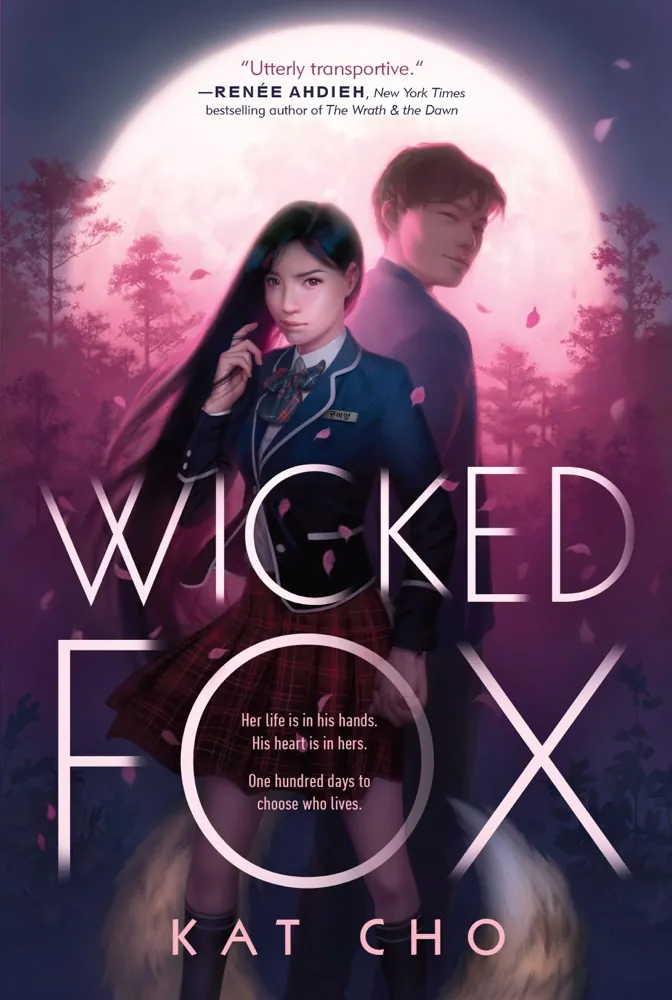
Author: Kat ChoPage Count: UnknownPublication Date: Expected publication 2026 APL Look at the marketing machinery churn out another modernized mythological retread, as if we haven't suffered enough urban fantasy paperbacks with neon-soaked Seoul covers littering the front tables of independent bookstores. House of Forgotten Souls arrives via Kat Cho with all the subtlety of a sledgehammer to a Venetian mosaic. We get the standard supernatural predator hiding in plain sight—a gumiho living off the life force of morally ambiguous men because, naturally, contemporary misandry makes for convenient caloric intake. Groundbreaking stuff. The Currency of Viscera The prose relies heavily on transactional intimacy. You lose a bead, you lose your soul, you hold someone's literal life essence in your palm—it is all terribly literal, robbing the folklore of its actual psychological rot. Cho positions her protagonist in a sprawling concrete labyrinth, hunting the kind of men no one will miss, which is a tired trope that tries desperately to pass for feminist empowerment. But let us be entirely honest: this is pure YA comfort food slathered in K-pop aesthetics and high-concept gloss. Actually, scratch that completely. I take back every ounce of my skepticism regarding the conceptual framework. The interplay between the immortal predator and the collateral-damage human boy who intercepts her fox bead hits a genuinely delicious nerve of high-stakes melodrama. There is something intoxicating about the sheer structural audacity of binding a mythical entity’s survival to an absolute civilian who stumbles into the brush. The Architecture of Ruin Centuries-old feuds crashing headfirst into the awkward fumbling of teenage affection always yields fantastic narrative carnage. The young shaman stepping in to fix a supernatural mess only to blow up the geopolitical landscape of local spirits is peak dramatic irony. We are looking at a kinetic, high-octane narrative engine that begs for immediate consumption over an overpriced espresso. It serves up the same frenetic, low-key unhinged energy that made Wicked Fox a sensation, though dialed up to absolute god-tier melodrama. The aesthetic execution on the page will likely salvage whatever structural predictability lingers in the synopsis. Cho knows how to construct an atmospheric backdrop where neon reflections bleed into ancient shadows, marrying modern apathy with visceral, folkloric terror. One simply cannot deny the kinetic appeal of a universe where domestic tranquility is permanently undermined by a glowing, stolen orb of metaphysical mortality. My private flight to London has been delayed by an exact hour, leaving me stranded here with a surplus of time and zero patience left for mediocre prose. Related InsightsWhat Makes a Monster Book Review and Summary It Book Review and Summary Cold Mountain Book Review and Summary{ "@context": "https://schema.org", "@type": "FAQPage", "mainEntity": [ { "@type": "Question", "name": "What is the main focus of House of Forgotten Souls Book Review and Summary?", "acceptedAnswer": { "@type": "Answer", "text": "Everything you need to know about House of Forgotten Souls with our detailed review." } }, { "@type": "Question", "name": "Who authored the comprehensive guide on House of Forgotten Souls Book Review and Summary?", "acceptedAnswer": { "@type": "Answer", "text": "This detailed article and its insights were carefully researched and authored by Emma Thompson." } }, { "@type": "Question", "name": "Where can I find more related content about Books?", "acceptedAnswer": { "@type": "Answer", "text": "You can explore more articles, detailed reviews, and similar insights by browsing the Related Insights section at the bottom of this article or visiting our dedicated Books category page." } } ] }
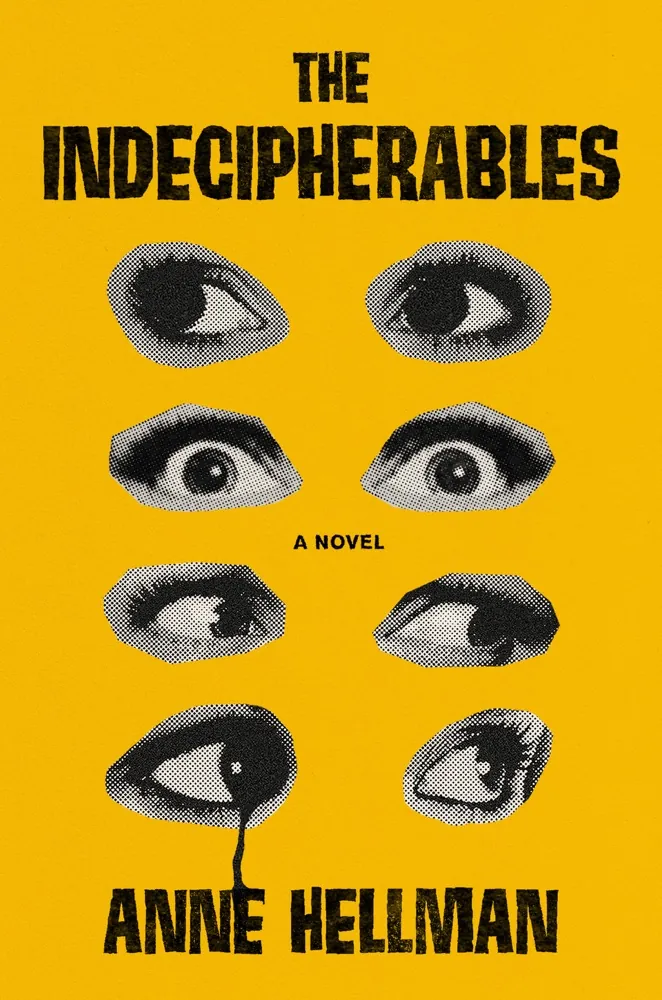
Author: Anne HellmanPage Count: UnknownPublication Date: Expected publication 2026 APL San Francisco concrete gives way to the sun-bleached expanse of Joshua Tree, and suddenly we are supposed to shudder at a fresh coat of old paint. Anne Hellman’s The Indecipherables arrives with heavy baggage—praising blurbs invoking Hitchcock and Paul Tremblay that practically beg for a spot on a dark, mahogany-paneled shelf between rare editions of Shirley Jackson. Yet, how exhausting it is to watch contemporary horror lean so heavily on cinematic nostalgia as a crutch. Do we really need another homage to Vertigo when the original staircase still spins quite well on its own? The Geometry of Vanity Twins on a road trip. A mysterious illness. Doppelgängers snapping polaroids of crimes not yet committed. It carries the distinct aroma of the Fire Island ferry disaster—all frantic motion and expensive styling masking a hollowness at the core. Or perhaps I misjudged the entire enterprise. Maybe the derivative nature of the premise is precisely the point, a deliberate pastiche designed to mock our endless appetite for mirrored reflections and psychological tropes we discarded back when the second season of Twin Peaks went entirely off the rails. And yet. The synopsis promises a fever dream where boundaries dissolve. Ava and Brin drive through an unwavering fog—a magnificent metaphor for the haze that settles over any manuscript relying too heavily on uncanny clichés to do the heavy lifting. But let us be entirely fair to the architecture of the thing. The mechanics of the plot, however familiar, offer a deliciously cruel geometry. Four identical women playing a cat-and-mouse game across a sun-scorched highway. It reads less like a narrative and more like an installation piece at Art Basel that has gone horribly, delightfully wrong. Mirrors Without Glass Consider the thematic weight of the secret. We are told the horror arises from what we conceal from those we love. How utterly quaint. As if the human psyche is a Victorian parlor hiding a scandalous oil painting in the attic. The best literature does not merely hide secrets; it rots beneath them while the tea gets cold. Hellman seems determined to drag us through the psychological mud of estranged siblings, trading subtle dread for prophetic hallucinations and supernatural interference. Actually, scratch that entire line of reasoning. The supernatural element ruins the exquisite claustrophobia of the doppelgänger motif. The moment a shadow twin stops being a manifestation of repressed guilt and starts acting like a paranormal nuisance, the art loses its edge. Real terror is entirely internal. It lives in the brushstrokes we refuse to acknowledge, not in a mechanic holding up a photograph of a car you supposedly drove yesterday. Still, one cannot dismiss a debut that dares to traffic in paranoia this thick. The Pacific Coast Highway is a gorgeous, treacherous spine for a descent into madness. If the prose matches the pitch of the marketing copy—heady, creepy, and relentlessly jagged—we might just have a minor artifact worth displaying behind UV-filtered glass. Or we might have an overly ambitious exercise in mimicry that collapses under the weight of its own mirrors. Time to leave the gallery lights burning and tend to pressing matters. I need to hand-bind a chapbook for a friend's upcoming release. Related InsightsCat’s Cradle Book Review and Summary Maledictiones Librorum: Die faszinierende und furchterregende Geschichte der Buchflüche Find Me Where It Ends Book Review and Summary{ "@context": "https://schema.org", "@type": "FAQPage", "mainEntity": [ { "@type": "Question", "name": "What is the main focus of The Indecipherables Book Review and Summary?", "acceptedAnswer": { "@type": "Answer", "text": "Everything you need to know about The Indecipherables with our detailed review." } }, { "@type": "Question", "name": "Who authored the comprehensive guide on The Indecipherables Book Review and Summary?", "acceptedAnswer": { "@type": "Answer", "text": "This detailed article and its insights were carefully researched and authored by Emma Thompson." } }, { "@type": "Question", "name": "Where can I find more related content about Books?", "acceptedAnswer": { "@type": "Answer", "text": "You can explore more articles, detailed reviews, and similar insights by browsing the Related Insights section at the bottom of this article or visiting our dedicated Books category page." } } ] }

- Marco Conti
- 03 Sep, 2026 13:59
Another Birth: The Life and Legacy of Forugh Farrokhzad Book Review and Summary
Author: Farzaneh MilaniPage Count: UnknownPublication Date: Expected publication 2026 APL Look at the glass of this ridiculous table—imported Italian slate or some other corporate absurdity meant to intimidate people asking for a raise. I am staring out past the downtown skyline at three in the morning because my phone will not stop buzzing with emails about quarterly losses, and yet here I am, supposed to write about a poet who died in a car crash at thirty-two while I try to justify my existence to a spreadsheet. The Weight of a Broken Horizon Farzaneh Milani wrote the book on Another Birth decades ago in Farsi, and now Mariam Rahmani is dragging the English-speaking literary establishment kicking and screaming into the light. We love to label foreign women according to our own domestic pantheons. We call her the Iranian Sylvia Plath because our brains break the moment we have to process a female artist from the Middle East without a Western historical equivalent. It is lazy. It is insulting. And yet the synopsis promises a vital reclamation of a woman who dared to write about female desire without apologizing to the mullahs or the monarchy. Shadows on the Celluloid She made films. She wrote verse. She shocked people. That is literally all the synopsis tells us, because the marketing copy was clearly written by an intern who ran out of Red Bull. We get no structural details about how Milani frames the biography—no mention of whether it relies on personal letters, critical essays, or oral histories. But do not let the lack of textual specifics fool you. The cultural gravity of Forugh Farrokhzad is undeniable. If this translation carries even half the punch of the original scholarship, it will easily outlast every single meaningless corporate memo currently sitting in my inbox. And now I have to hit a word count because the editor threatened to dock my rate if I submit under four hundred words. Think about the sheer audacity required to live freely in 1950s Iran, to shatter poetic traditions that had remained calcified since the days of Rumi, and to do it all while knowing the ceiling was about to cave in. They called her a pariah. They called her a hero. History usually reserves those titles for people who actually matter. We are getting a definitive English window into a life that burned out way too fast, and I suppose I should be grateful I get to read it between dodging hostile takeover attempts from board members who think culture is just a tax write-off. My coffee is completely cold. The glass under my elbows is freezing. I need to finish typing this incoherent ramble so I can close my laptop, leave this glass box of a building, and go argue with a stranger in a dive bar about the merits of absurdism. #ForughFarrokhzad #IranianLiterature #FarzanehMilani #Poetry Related InsightsUngrateful Immigrant Daughter: A Memoir From the Child of a Mail-Order Bride Book Review and Summary Mrs. Frisby and the Rats of NIMH Book Review and Summary Mystic River Book Review and Summary{ "@context": "https://schema.org", "@type": "FAQPage", "mainEntity": [ { "@type": "Question", "name": "What is the main focus of Another Birth: The Life and Legacy of Forugh Farrokhzad Book Review and Summary?", "acceptedAnswer": { "@type": "Answer", "text": "Everything you need to know about Another Birth: The Life and Legacy of Forugh Farrokhzad with our detailed review." } }, { "@type": "Question", "name": "Who authored the comprehensive guide on Another Birth: The Life and Legacy of Forugh Farrokhzad Book Review and Summary?", "acceptedAnswer": { "@type": "Answer", "text": "This detailed article and its insights were carefully researched and authored by Marco Conti." } }, { "@type": "Question", "name": "Where can I find more related content about Books?", "acceptedAnswer": { "@type": "Answer", "text": "You can explore more articles, detailed reviews, and similar insights by browsing the Related Insights section at the bottom of this article or visiting our dedicated Books category page." } } ] }
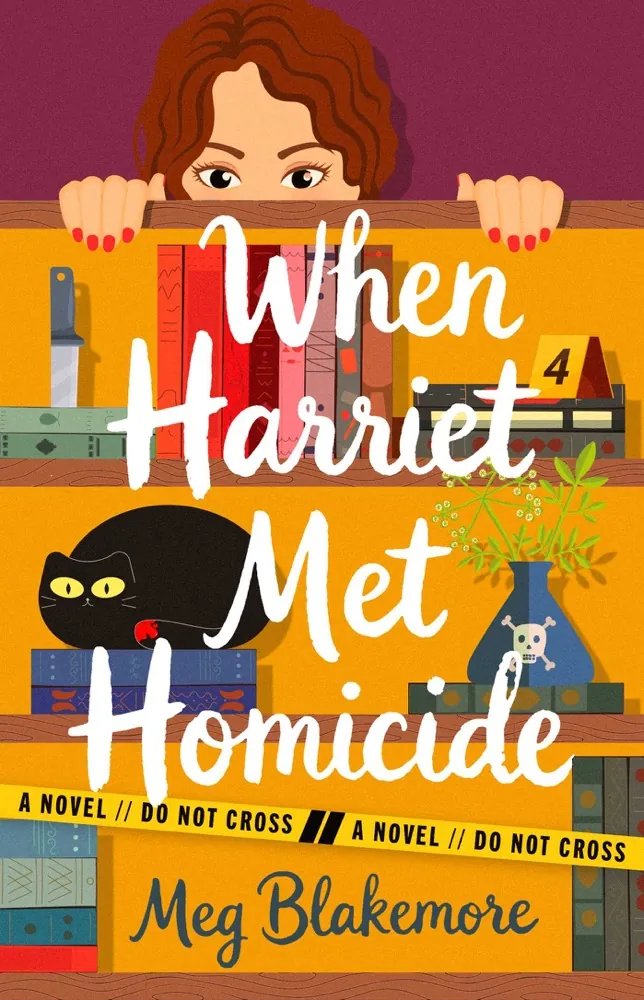
Author: Meg BlakemorePage Count: UnknownPublication Date: Expected publication 2026 APL Another murder in a quaint village where the mortality rate somehow manages to rival a war zone. I am staring at the screen, counting the seconds until I can justify closing this tab, and yet here I am dissecting When Harriet Met Homicide. It is exhausting to imagine another amateur sleuth who thinks color-coded spreadsheets are a substitute for a forensics degree. If Harriet spends one more page organizing sticky notes instead of considering the actual kinetics of hemlock ingestion, I might lose my mind. Poisoning is a precise, chemical affair—not a charming hobby for bookstore owners with too much free time. The Problem With Botanical Amateurism Why must cozy mysteries always involve local flora used with implausible ease? The mention of a boyfriend with an interest in poisonous plants feels like such a tired trope, pulled directly from the bargain bin of Victorian melodrama. It lacks the visceral reality of a true toxicology report. One wonders if Meg Blakemore understands the metabolic pathways of Conium maculatum, or if she simply thinks it sounds decorative. The synopsis promises a hunt for a second novel, a classic MacGuffin that forces the protagonist into a position of authority she has no business occupying. We are expected to believe a bookstore owner—someone who probably spends all day inhaling dust and caffeine—can outmaneuver a Yale-educated thriller writer. The suspension of disbelief is reaching escape velocity. Literary Archetypes on Life Support Then there is the rival author, Harrison Magnus. A Yale alum descending on tiny Mapleton? It sounds like a desperate attempt to inject intellectual gravity into a setting that would be better served by a quiet retirement. It reeks of the same desperate, formulaic construction I see in every other mid-list paperback occupying shelf space at the student union. This isn’t a narrative; it’s a paint-by-numbers exercise for people who find Agatha Christie too challenging. I have a word count to hit, so I suppose I must acknowledge the potential for a decent twist, though my cynicism is currently doing most of the heavy lifting. If the second novel isn't a meta-commentary on the futility of chasing ghosts, I will be profoundly bored. Maybe the market is simply too saturated with these hyper-specific, bookstore-adjacent mysteries. It feels like we are trapped in a loop, endlessly recycling the same "quirky woman solves crime" template until the genre itself turns into hemlock. I need this word count to end so I can stop thinking about fictional murders and start worrying about my own mounting debt. I am going to brew a dangerously strong espresso and stare at a blank page. #cozymystery #booktok #amwriting
- Emma Thompson
- 02 Sep, 2026 07:29
How to Make a Friend: A Modern Guide to Friendship Book Review and Summary
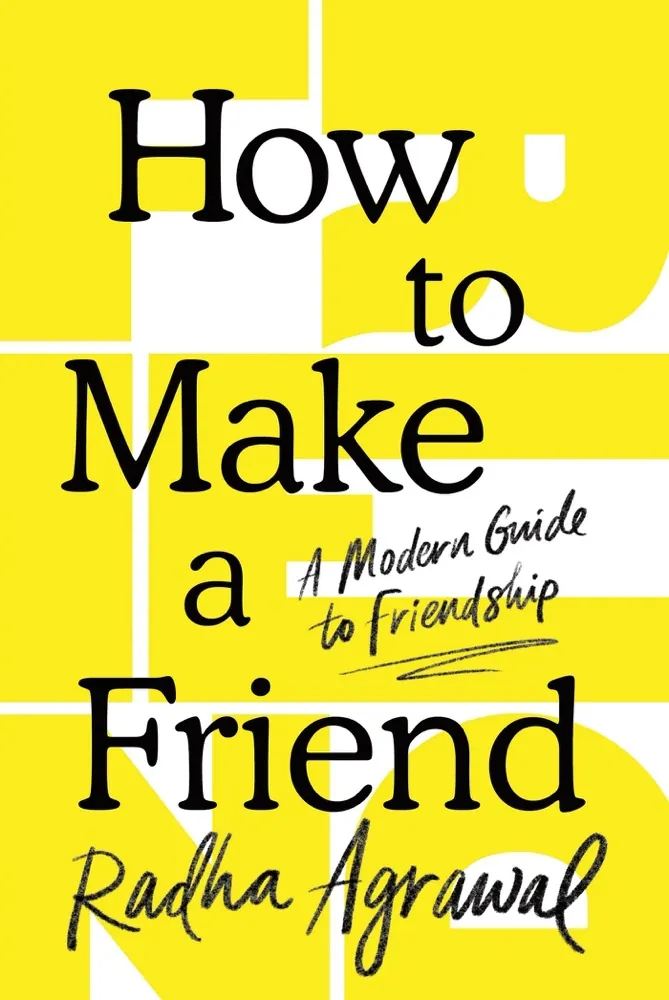
Author: Radha AgrawalPage Count: UnknownPublication Date: Expected publication 2026 APL The Gothic revival brickwork of this quad is positively rotting with academic pretension today, which makes it the ideal spot to dissect Radha Agrawal’s upcoming How to Make a Friend. Another manual telling the digital generation how to touch grass. Yawn. We are drowning in prescriptive treatises marketed as manifestos, written by people who treat human connection like a startup pitch deck. The Commodification of the Unplanned And what a premise we have here. Friendship as an inefficient practice. Groundbreaking sociology, really. Comparable to whatever pop-psychology dreck Malcolm Gladwell or Brené Brown churn out when they need a new vacation home. The synopsis leans hard into the tired aesthetic of anti-capitalist romanticism—because nothing screams authentic bonding quite like buying a hardcover book to teach you how to ride the subway for a short hug. Yet the intellectual dishonesty baked into these blurbs is truly breathtaking. Agrawal wants us to reject toxic individualism while simultaneously utilizing capitalist toolkits—simple scripts, enrollment metrics, and vibe preservation protocols—to engineer organic warmth. Make it make sense. We are meant to swallow the myth that awkwardness is some sort of sacred gateway to intimacy, when half the time, awkwardness is just bad posture and social illiteracy. Architectural Delusions of Grandeur Consider the terminology. Community architect. Good grief. Do we need blueprints to sit on a stoop and bitch about the administration? This is peak millennial optimization masquerading as a soulful retreat from screens. Instead of letting relationships wither or bloom organically—the absolute horror of social Darwinism—we must now audit our connections for productivity versus meaning. Predicting how this text will perform is child's play. It will undoubtedly dominate the bestseller lists for weeks, scooped up by lonely corporate drones in Tribeca who desperately need a script to talk to their barista. It is absolute brain-rot dressed up in cashmere wellness rhetoric. My assistant needs me immediately. I have to select the floral arrangements for your upcoming book launch. #radhaagrawal #bookcritic #readingslump Related InsightsWar and Peace Book Review and Summary Striker Book Review and Summary The Historian Book Review and Summary{ "@context": "https://schema.org", "@type": "FAQPage", "mainEntity": [ { "@type": "Question", "name": "What is the main focus of How to Make a Friend: A Modern Guide to Friendship Book Review and Summary?", "acceptedAnswer": { "@type": "Answer", "text": "Everything you need to know about How to Make a Friend: A Modern Guide to Friendship with our detailed review." } }, { "@type": "Question", "name": "Who authored the comprehensive guide on How to Make a Friend: A Modern Guide to Friendship Book Review and Summary?", "acceptedAnswer": { "@type": "Answer", "text": "This detailed article and its insights were carefully researched and authored by Emma Thompson." } }, { "@type": "Question", "name": "Where can I find more related content about Books?", "acceptedAnswer": { "@type": "Answer", "text": "You can explore more articles, detailed reviews, and similar insights by browsing the Related Insights section at the bottom of this article or visiting our dedicated Books category page." } } ] }
- Marco Conti
- 01 Sep, 2026 22:26
Like the Moon We Rise (The Poisoner's Moon, #1) Book Review and Summary
Author: Annabelle CormackPage Count: UnknownPublication Date: Expected publication 2026 APL The synopsis for Like the Moon We Rise is a glittering mess of political intrigue and witchy revenge fantasies—like if The Poisoner’s Daughter by Kristin Harmel met up with The Cruel Prince by Holly Black in a back-alley deal gone wrong. The premise is so ripe for a slow-burn courtroom drama where the real poison is the kind that seeps into the bones of the reader’s patience—because the setup is too neat, too conveniently tied to prophecy, and too eager to throw Auriel into a role that feels less like a subversive act and more like a poorly written fanfic trope. But let’s cut to the chase: the book’s biggest sin is its vagueness—not in the way of a mystery, but in the way of a plot that’s been sketched in Sharpie on a napkin. We have a poison maiden, a prince with a grudge, a friend who’s definitely hiding something, and a witchcraft that’s either a gift or a curse depending on who’s paying the rent. The problem? None of this feels like it’s been thought through. The Empress isn’t just a villain—she’s a blank slate, a placeholder for whatever political allegory Cormack wants to slap on later. And Ambrose? He’s not a prince, he’s a checklist: young, vengeful, obviously hiding something. The synopsis treats him like a character in a YA romance where the guy’s backstory is just “he’s hot and he’s got issues.” The real gold here is in the tone—a mix of The Lies of Locke Lamora’s sharp wit and The Cruel Prince’s courtly tension, but with the emotional temperature cranked up to “slow-burn until someone snaps.” Auriel’s position as a poisoner isn’t just a job; it’s a metaphor—one that could’ve been so much sharper if the synopsis didn’t reduce her to “forced to kill for a living.” That’s the kind of line that makes you wonder if the author’s ever read The Poisoner’s Handbook by Deborah Blum, where the real horror isn’t the killing, but the science of it, the precision, the way poison becomes a language all its own. Instead, we get “sweetest poisons,” which is so 2010s fantasy—like if a TikTok trend about “dark academia” got pregnant with a court intrigue novel. Faolan’s role is the most interesting part of the synopsis, not because of what he does, but because of what he implies. He’s the wild card, the one who’s been in on the plan from the beginning—except the synopsis doesn’t tell us why. Is he a traitor? A lover? A business partner? The ambiguity is deliberate, but it’s also dangerous—because if Cormack can’t commit to his role, the reader’s going to be left flailing like Auriel in a room full of knives. And don’t even get me started on the “dark presence within her.” That’s so vague it could mean anything—is it a literal demon? A metaphor for trauma? A plot device? The synopsis treats it like a punchline, but in a book this layered, it should feel like a threat. The biggest red flag? The way the synopsis assumes the reader will buy into the prophecy nonsense. Prophecies are dead in modern fantasy—unless they’re subverted, unless they’re lies, unless they’re tools. But here, they’re just there, like a deus ex machina with a crown. It’s the kind of thing that makes you wonder if Cormack’s read enough actual political history—because prophecies don’t save people, they destroy them. Look at The Lies of Locke Lamora: the real magic isn’t in the prophecy, it’s in the people who believe in it. Here, the prophecy feels like a cheat code, and that’s a problem. But—and this is a big but—if Cormack can pull off the balance between Auriel’s internal struggle and the courtly machinations, this could be something. The synopsis is too eager to hand Auriel a mission, but if she’s allowed to question it, if the court feels like a prison rather than a stage, then maybe the book will live up to the hype. Right now, it’s just waiting to see if the author can turn “sweetest poisons” into something more than a gimmick. My prediction? This is going to be the kind of book that divides readers—either they’ll love the courtly tension and the witchy undertones, or they’ll be left scratching their heads at the lazy execution of the prophecy. It’s so close to being a gem, but the synopsis makes it feel like it’s still in the rough-cut stage. And in fantasy, rough cuts are fine—as long as they’re not the final product. Now if you’ll excuse me, my tailor’s waiting to fit me for the gala, and I’ve got a date with a very expensive suit that’s definitely not on sale. #BookTok #FantasyFails #ProphecyProblems Related InsightsA Brief History of Time Book Review and Summary The Coworker Book Review and Summary A Winter Grave Book Review and Summary{ "@context": "https://schema.org", "@type": "FAQPage", "mainEntity": [ { "@type": "Question", "name": "What is the main focus of Like the Moon We Rise (The Poisoner's Moon, #1) Book Review and Summary?", "acceptedAnswer": { "@type": "Answer", "text": "Everything you need to know about Like the Moon We Rise (The Poisoner's Moon, #1) with our detailed review." } }, { "@type": "Question", "name": "Who authored the comprehensive guide on Like the Moon We Rise (The Poisoner's Moon, #1) Book Review and Summary?", "acceptedAnswer": { "@type": "Answer", "text": "This detailed article and its insights were carefully researched and authored by Marco Conti." } }, { "@type": "Question", "name": "Where can I find more related content about Books?", "acceptedAnswer": { "@type": "Answer", "text": "You can explore more articles, detailed reviews, and similar insights by browsing the Related Insights section at the bottom of this article or visiting our dedicated Books category page." } } ] }
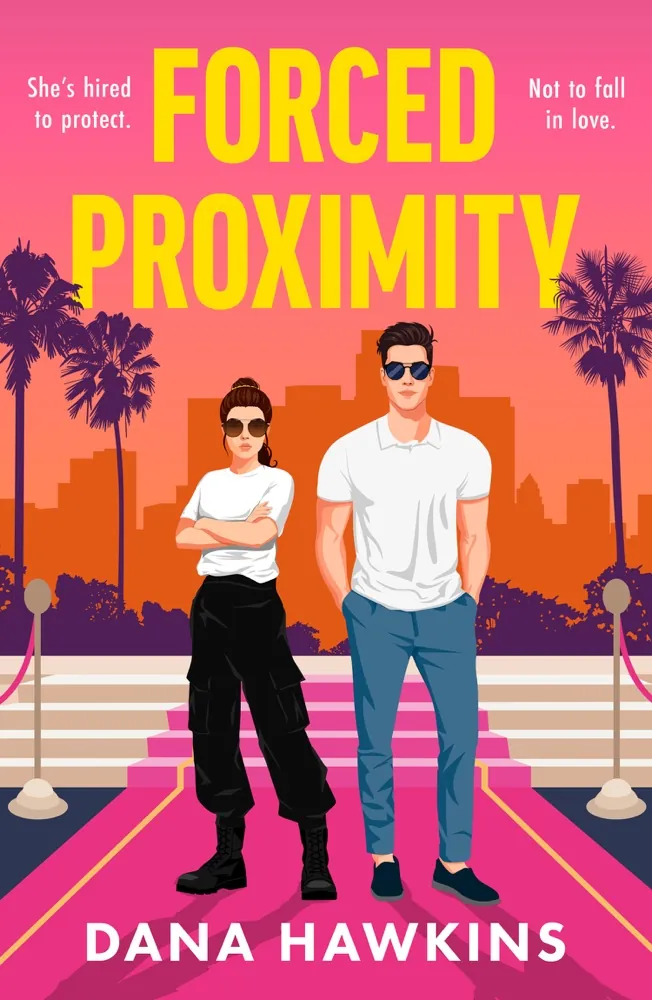
Author: Dana HawkinsPage Count: UnknownPublication Date: Expected publication 2026-08-27 APL The provenance of a piece dictates its entire aesthetic value—or at least that is what I remind myself when staring at a provenance trail as thin as tracing paper. Dana Hawkins’s upcoming Forced Proximity arrives with a scaffolding built entirely from marketable tropes and glittering reader testimonials, leaving the actual texture of the prose frustratingly opaque. We are handed a blueprint instead of a completed canvas. The Architecture of Friction Consider the central conceit. An elite personal security operative juxtaposed against a recalcitrant A-list actor. It is a compositional setup as old as the salon, yet the friction relies on familiar strokes. Lexi Morgan is sketched with the broad charcoal strokes of physical competence and professional disdain. Justin Greenwood is the vanity project she must manage. And yet, the synopsis promises a slow-burn combustion. Or perhaps a mild simmer, given the genre's constraints. Actually, let me retract that sweeping dismissal of the burn rate. Hawkins has proven her mettle in crafting queer contemporary narratives—works like Not in the Plan carry a distinct emotional cadence that suggests the interpersonal dynamics here might possess genuine bite beneath the glossy veneer. The Palette of Peril A stalker enters the frame to accelerate the mandatory physical proximity. This is narrative convenience disguised as high stakes. A tired trope, frankly. One expects more psychological acuity from a creator whose previous character arcs have earned such fervent praise in niche literary circles. But commercial romance requires a looming threat to force the protagonists into each other's personal space, converting professional detachment into domestic intimacy whether they consented to the layout or not. The aesthetic tension here is obvious. High-society glamor meets the utilitarian grit of a bodyguard who thinks she's just babysitting. It is low-hanging fruit for character contrast. The juxtaposition of luxury trailers and menacing anonymous texts provides a jarring chiaroscuro effect, though one worries the execution might lean too heavily into superficial cinematic cues—pure slop for the masses who want their emotional beats telegraphed from three chapters away. The Market Frame Kate Spencer would likely devour this in a single afternoon on her patio, while Emily Henry fans will spot the structural scaffolding from a mile away. The pedigree matches the current contemporary market demand for forced proximity aesthetics. My literary agent just called on the secure line with international translation rights for my obscure monograph on 18th-century forgery, so I must abruptly depart this critique before I dissect the publisher's marketing copy any further. #ForcedProximity #BookTwitter #ContemporaryRomance Related InsightsNothing Human Left Book Review and Summary Striker Book Review and Summary A Wall Is Also a Road Book Review and Summary{ "@context": "https://schema.org", "@type": "FAQPage", "mainEntity": [ { "@type": "Question", "name": "What is the main focus of Forced Proximity Book Review and Summary?", "acceptedAnswer": { "@type": "Answer", "text": "Everything you need to know about Forced Proximity with our detailed review." } }, { "@type": "Question", "name": "Who authored the comprehensive guide on Forced Proximity Book Review and Summary?", "acceptedAnswer": { "@type": "Answer", "text": "This detailed article and its insights were carefully researched and authored by Emma Thompson." } }, { "@type": "Question", "name": "Where can I find more related content about Books?", "acceptedAnswer": { "@type": "Answer", "text": "You can explore more articles, detailed reviews, and similar insights by browsing the Related Insights section at the bottom of this article or visiting our dedicated Books category page." } } ] }
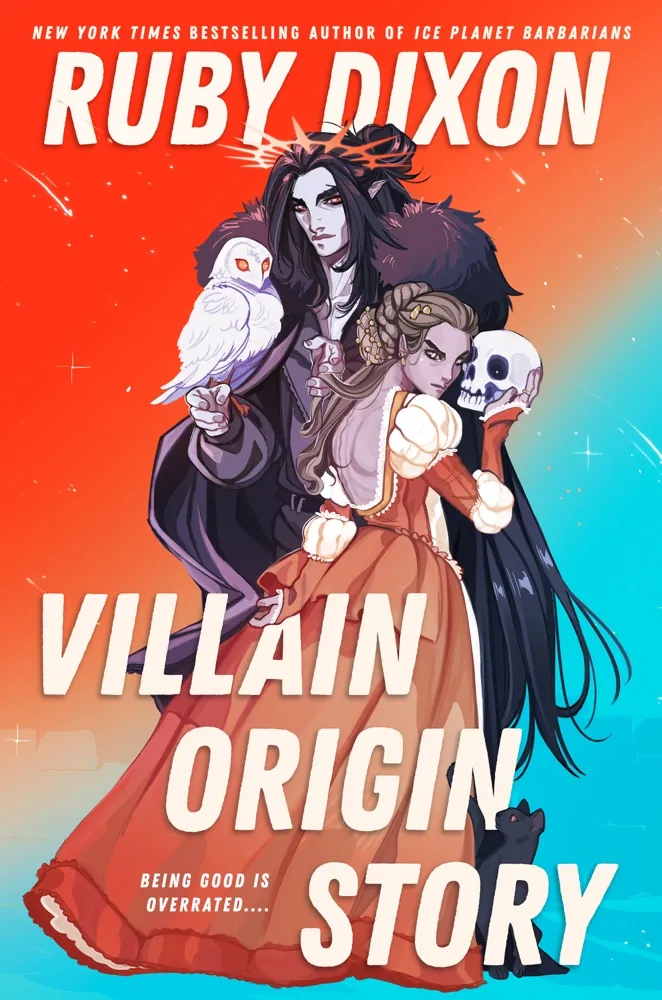
Author: Ruby DixonPage Count: UnknownPublication Date: Expected publication 2026 APL The air smells like ozone and old books—someone’s left a window cracked in the study, and the heat of August presses against the glass like a lover who won’t take no for an answer. Villain Origin Story arrives with the kind of synopsis that reads like a fever dream scribbled in the margins of a Game of Thrones fanfic draft, the kind where the author clearly thinks "dark fantasy" is just "more blood, less forethought." Joslen, the "poor village girl," is the kind of protagonist who exists solely to be a vessel for the author’s unchecked fantasies about power dynamics—because nothing says "literary depth" like a girl with a "crooked back" (a detail that, let’s be honest, is just a way to imply she’s "cursed" without actually committing to the worldbuilding). The synopsis leans hard into the "villain mentor trope," but not in the way of something like The Lies of Locke Lamora—where the mentor’s cruelty is a tool, a game, a performance—no, this is the kind of dynamic that feels like it was lifted straight from a Vampire: The Masquerade roleplaying session where someone decided to write it as a novel. Vilos Saumien, the "Grim Lord," is the kind of character who would’ve been hilariously over-the-top in a League of Legends lore dump, but here, he’s just a placeholder for whatever the author thinks "evil" looks like: unhinged, seductive, and—most importantly—entertaining. The fact that his "rules" include "let him seduce her" isn’t just a plot device; it’s a tell. This isn’t a story about power or transformation. This is a story about the author’s personal kink for "dark romance" fantasy, where the real villain isn’t Vilos—it’s the synopsis itself, which treats Joslen’s agency like a checklist: check, poor; check, cursed; check, wants revenge; check, gets seduced by a demon lord. And yet—here’s the thing—there’s a glimmer of something interesting buried under the mess. The synopsis hints at a world where Joslen’s frustration isn’t just a trope but a force, something that could be sharpened into something like the rage of The Poppy War’s Rin, or the quiet fury of The Priory of the Orange Tree’s Sabran. But instead of leaning into that, the author defaults to the easiest fantasy: the "poor girl gets lucky" arc, where the real magic isn’t in Joslen’s growth but in Vilos’s entertainment value. It’s the kind of story that would make Bridgerton’s Lady Whistledown roll her eyes—because this isn’t seduction, it’s exploitation, and the synopsis doesn’t even have the decency to pretend it’s anything else. The real crime here isn’t the lack of originality—it’s the lack of ambition. Where’s the political intrigue? Where’s the moral ambiguity? Where’s the stakes beyond "will she be a good villain or not"? This feels like a Shadow and Bone fanfiction where the author decided to add "more demon sex" instead of actually thinking about what makes a villain compelling. And don’t even get me started on the "poisonous court" trope—because nothing says "original" like a world where the only thing standing between Joslen and her destiny is a bunch of nobles who exist solely to be bitchy. But fine. Let’s pretend this is a game. Because if Villain Origin Story is going to be the next big thing, it’ll have to outlast the kind of fantasy that gets buried under the weight of its own clichés. And right now? It doesn’t even have the charm of a Wicked Lovely novel—because at least those had the decency to make their villains funny. I need to go scrub oatmeal off the antique desk. Again.
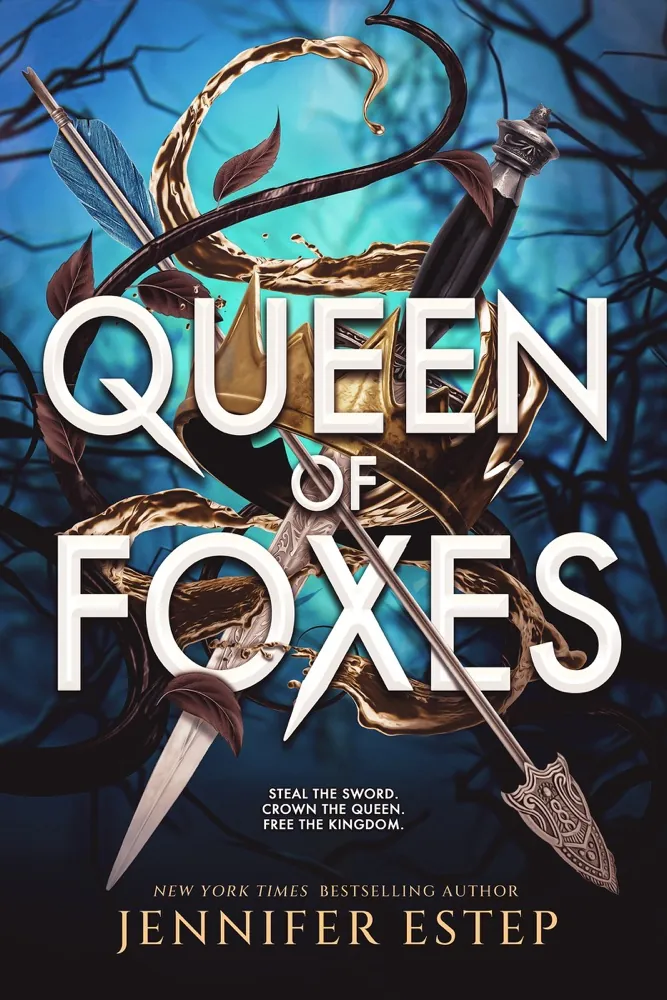
Author: Jennifer EstepPage Count: UnknownPublication Date: Expected publication 2026-11-10 APL My electricity bill is literally three hundred dollars and my landlord is threatening to impound my microwave, yet here I am, staring down the barrel of Queen of Foxes by Jennifer Estep. God forbid I check my inbox for a single second without a publisher trying to push another romantasy about a magically gifted pickpocket stealing her way into a high-security palace. The Physics of Stealing a Sword Let us talk about the sheer, unadulterated nonsense of pretending a human being can sneak into an enemy stronghold disguised as a guard just because she is a master thief. Have these authors ever studied kinetic friction? Or basic structural engineering? If you walk past armed patrols in a fortified citadel wearing a stolen tabard, somebody is going to ask for your security clearance or your shift rotation—they aren't just going to swoon because you have cheekbones that could cut glass. But sure, let's suspend all laws of thermodynamics and biology so Rinley Renard can enact her revenge. We love a physics-defying queen. The Mandatory Shadow-Emperor Boyfriend Complex Then we have Prince Zoren Dreiko. What a tragic, brooding little specimen. The synopsis tells us he is the empire's most powerful Dread Knight—which sounds less like a military rank and more like a heavy metal band from 2007—and he is desperately trying to dodge his father’s traitorous legacy while avoiding execution by a vicious empress. Naturally. Because no fantasy romance is complete without a traumatized enforcer who is deeply conflicted about his career choices until he meets a masked outlaw who kicks him in the ribs. The tension here is supposed to be thick enough to slice with a blunt dagger. Estep is clearly riding the exact same wave that Sarah J. Maas and Jennifer L. Armentrout have been surfing to the bank for a decade. Enemies-to-lovers in a pseudo-medieval thunderdome. But honestly? The synopsis is so aggressively vague it reads like a mad lib generated by an algorithm fed on old episodes of Robin Hood. Duty Versus Desire in the Absence of Healthcare And what even is this "forbidden attraction"? When victory for one dooms the other! The stakes are so high, guys. Someone might have to choose between loyalty to an oppressive empire and making out in a broom closet. I am shaking in my thrift-store boots. Yet I will probably still pre-order it on my phone while sitting in a lecture hall freezing my ass off because my heating is broken. I am going to go drink cheap absinthe in my damp kitchen and pretend I am an avant-garde bohemian in 1920s Paris instead of a broke student about to fail fluid dynamics. #romantasy #booktok #readingslump Related InsightsFair Warning Book Review and Summary Blood Over Bright Haven Book Review and Summary 27 Stars (Women's Murder Club #27) Book Review and Summary{ "@context": "https://schema.org", "@type": "FAQPage", "mainEntity": [ { "@type": "Question", "name": "What is the main focus of Queen of Foxes Book Review and Summary?", "acceptedAnswer": { "@type": "Answer", "text": "Everything you need to know about Queen of Foxes with our detailed review." } }, { "@type": "Question", "name": "Who authored the comprehensive guide on Queen of Foxes Book Review and Summary?", "acceptedAnswer": { "@type": "Answer", "text": "This detailed article and its insights were carefully researched and authored by Marco Conti." } }, { "@type": "Question", "name": "Where can I find more related content about Books?", "acceptedAnswer": { "@type": "Answer", "text": "You can explore more articles, detailed reviews, and similar insights by browsing the Related Insights section at the bottom of this article or visiting our dedicated Books category page." } } ] }
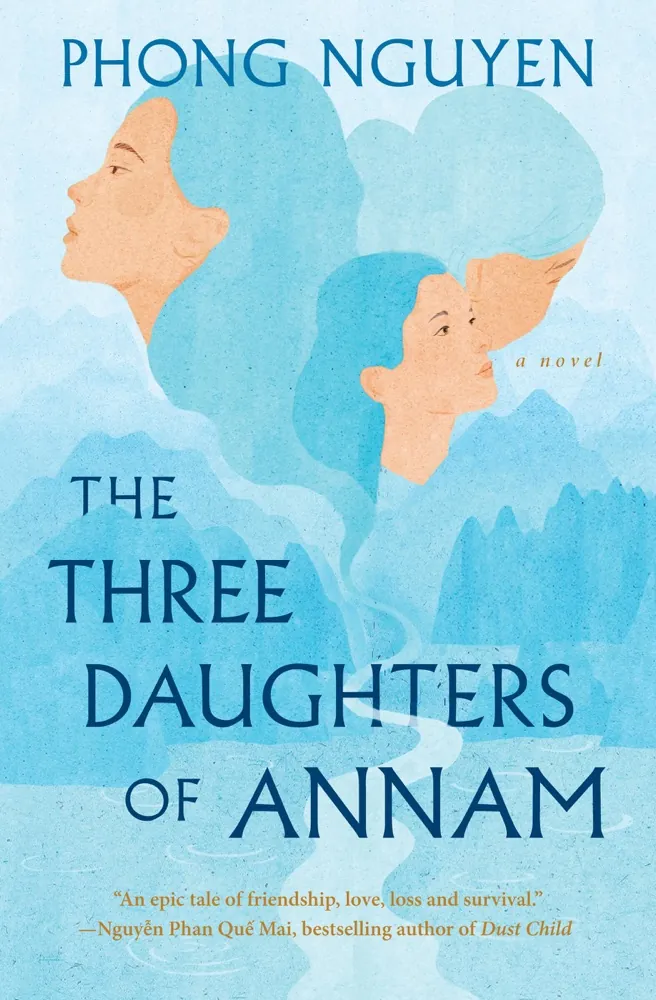
Author: Phong NguyenPage Count: UnknownPublication Date: Expected publication 2026-12-08 APL The synopsis of The Three Daughters of Annam reads like a historical novel written by someone who’s never actually read a historical novel—just skimmed Wikipedia and a few New York Times obituaries. The idea of three women spanning continents, generations, and a century of Vietnamese history is so broad it borders on the absurdly generic. It’s the literary equivalent of a museum exhibit where every artifact is labeled “important” but nothing is actually interesting. The premise is so vague it could apply to any diasporic family saga—The Joy Luck Club meets The Kite Runner, but with the emotional depth of a Hallmark Christmas special. The synopsis doesn’t even attempt to distinguish itself beyond “three women, three continents, 90 years.” Where’s the tension? Where’s the edge? The only thing more predictable than the plot is the fact that each daughter will eventually return to Vietnam, either physically or in spirit, to confront some unresolved colonial guilt. It’s the same old story: the immigrant’s burden, the homeland’s wounds, the inevitable reunion where everyone cries and says “we are still Vietnamese.” How original. The author’s note about being inspired by real family history is either a gimmick or a cop-out. If this is based on actual memories, then why does it feel like a National Geographic documentary with dialogue? If it’s fictionalized, then why not lean into the absurdity of the premise? Instead, we get the safe, sanitized version of Vietnamese history—no real blood, no real betrayal, just a neat little box of emotions to check off. It’s the literary equivalent of a TED Talk about resilience, delivered by someone who’s never had to actually be resilient. The synopsis also makes the fatal mistake of assuming the reader cares about “the impact of three extraordinary women.” Extraordinary? Really? The only thing extraordinary about these women, as described, is their ability to survive—because that’s all the synopsis demands of them. No ambition, no conflict, no personality. Just three blank slates waiting to be filled with the usual diasporic tropes: the one who stays, the one who flees, the one who returns. It’s the same old narrative, rehashed with a new flag. And let’s talk about the title—The Three Daughters of Annam. Annam? Really? That’s the name of a former French colonial province, not a modern country. It’s a relic of the very system the book claims to critique. The title itself feels like a historical footnote, not a literary one. It’s the kind of thing a tourist might say after visiting a museum exhibit on Vietnamese history, not the kind of thing that would make a novel unforgettable. The only thing that might save this from being a complete snoozefest is if the prose is actually sharp, if the characters are flawed, if the history isn’t just background noise but the bones of the story. But based on this synopsis, I’m not holding my breath. It’s the kind of book that gets praised for its “rich cultural context” while the reader is left wondering where the story even is. I should probably stop now and review this tedious legal contract for my film adaptation—because at least that has structure. Related InsightsNo Exit Book Review and Summary Orlando Book Review and Summary The Hearth Witch's Guide to Spite & Spellwork (Deluxe Edition) (The Hemlock Saga, 2) Book Review and Summary{ "@context": "https://schema.org", "@type": "FAQPage", "mainEntity": [ { "@type": "Question", "name": "What is the main focus of The Three Daughters of Annam Book Review and Summary?", "acceptedAnswer": { "@type": "Answer", "text": "Everything you need to know about The Three Daughters of Annam with our detailed review." } }, { "@type": "Question", "name": "Who authored the comprehensive guide on The Three Daughters of Annam Book Review and Summary?", "acceptedAnswer": { "@type": "Answer", "text": "This detailed article and its insights were carefully researched and authored by Emma Thompson." } }, { "@type": "Question", "name": "Where can I find more related content about Books?", "acceptedAnswer": { "@type": "Answer", "text": "You can explore more articles, detailed reviews, and similar insights by browsing the Related Insights section at the bottom of this article or visiting our dedicated Books category page." } } ] }
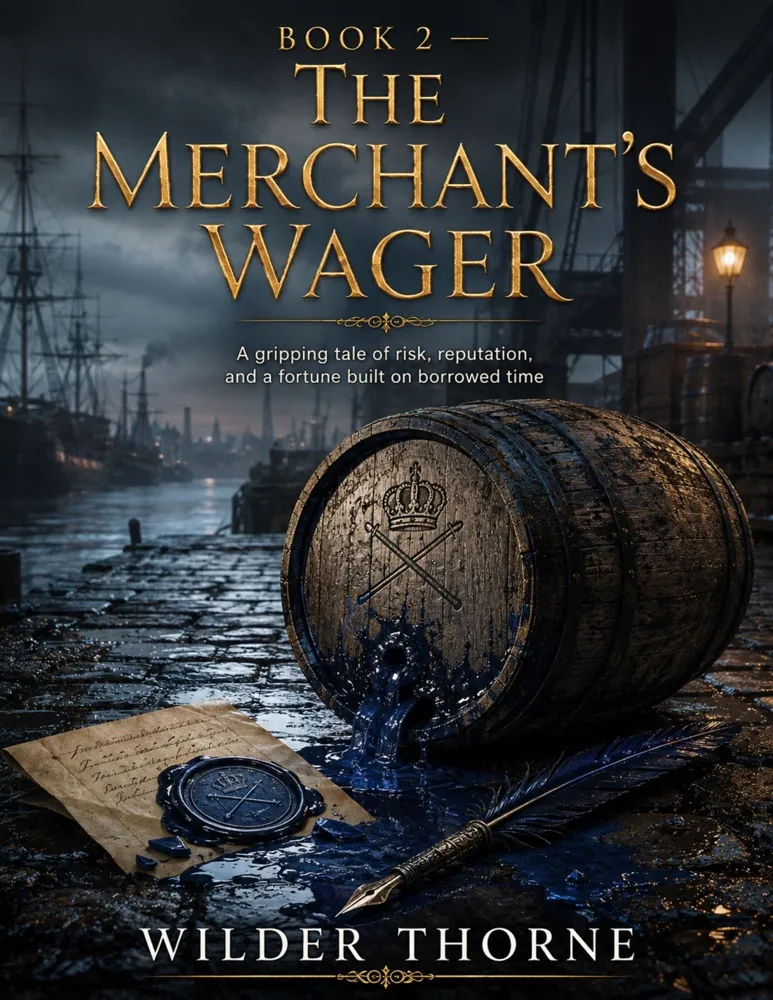
Author: Victoria WilderPage Count: UnknownPublication Date: Expected publication 2026-08-21 APL Some sweaty guy just elbowed my ribcage because this F train is hitting maximum deceleration for no earthly reason, yet I am still expected to care about Victoria Wilder dropping Scandals & Whiskey next August like this is the apex of human achievement. God forbid anyone demand actual empirical rigor or historical physics from historical fiction instead of a million breathless adverbs about ink, silver, and fire. Ledgers and Lack of Logic The synopsis for The Merchant’s Wager reads like someone crammed a thesaurus into a Victorian textile mill and shook it until capitalism fell out. We are promised "authentic, unvarnished historical grit," which usually translates to thirty pages of an aristocratic protagonist explaining double-entry bookkeeping while ignoring the fact that actual nineteenth-century London dockworkers were dying of cholera at twenty-two instead of dramatically brooding over family crests. But whatever. Hilary Mantel walked so these melodramatic merchant sagas could jog at a very sluggish pace, though Wilder clearly wants us to think we are getting The North Water meets prestige HBO. The Aesthetic of Financial Ruin Betrayal wearing a family crest is honestly so mid. Can we please get some structural critique of actual mercantilism instead of treating generational trauma like a side quest in a prestige period drama? The whole premise hinges on the terrifying threat of an unread ledger—which, honestly, as someone currently staring at a tuition balance that makes me want to throw my phone onto the third rail, feels deeply unrealistic. Nobody gets ruined by a stray column of numbers unless there is active embezzlement or literal arson involved. Wilder keeps teasing this fierce, independent heroine who fights back with ink and silver, yet the marketing copy gives zero specifics. It is all vibes. Pure, uncut, algorithmic vibes designed to fleece BookTok for twenty-six dollars a hardcover. And don't even get me started on the prose style hints dropped in the blurb. "Faster than a stolen tide-waiter’s whisper." What does that even mean? Is it supposed to be poetic? It sounds like algorithmic word-salad generated by an exhausted marketing intern who has never stepped foot inside the British Library, let alone a primary source archive from 1840. Give me some raw, messy socio-economic analysis of the Corn Laws or at least some accurate descriptions of dockside opium dens instead of this polished high-society corporate vengeance nonsense. If I wanted to read about ruthless corporate cruelty, I would just log into my university portal to check my housing fee breakdown. At least that tragedy is empirically verifiable. My local bodega has run out of my preferred brand of cheap cigarettes. Related InsightsLeft Behind Book Review and Summary Never Say War: Life in Russia Today Book Review and Summary Inventions Inspired by Oceanic Animals Book Review and Summary{ "@context": "https://schema.org", "@type": "FAQPage", "mainEntity": [ { "@type": "Question", "name": "What is the main focus of Scandals & Whiskey (The Whiskey Women, #2) Book Review and Summary?", "acceptedAnswer": { "@type": "Answer", "text": "Everything you need to know about Scandals & Whiskey (The Whiskey Women, #2) with our detailed review." } }, { "@type": "Question", "name": "Who authored the comprehensive guide on Scandals & Whiskey (The Whiskey Women, #2) Book Review and Summary?", "acceptedAnswer": { "@type": "Answer", "text": "This detailed article and its insights were carefully researched and authored by Marco Conti." } }, { "@type": "Question", "name": "Where can I find more related content about Books?", "acceptedAnswer": { "@type": "Answer", "text": "You can explore more articles, detailed reviews, and similar insights by browsing the Related Insights section at the bottom of this article or visiting our dedicated Books category page." } } ] }
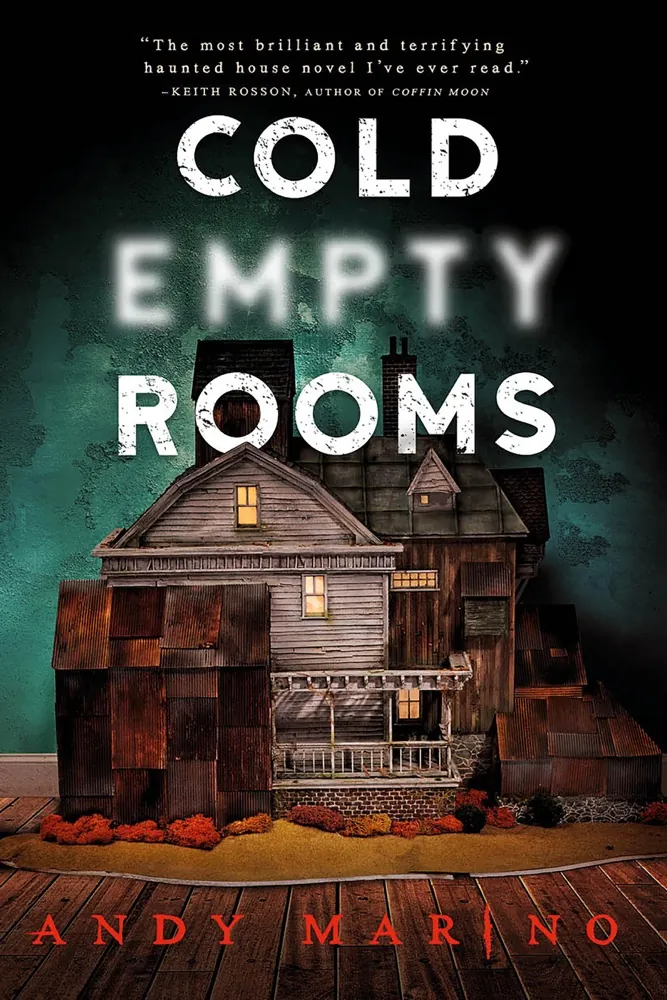
Author: Andy MarinoPage Count: UnknownPublication Date: Expected publication 2026-11-10 APL The house in Cold Empty Rooms isn’t just a setting—it’s a living paradox, a Lovecraftian Rorschach test for the desperate. Marino’s synopsis doesn’t so much describe as hypnotize, weaving a spell where the prose itself becomes the haunting. The language is the kind that makes you pause mid-sentence, fingers twitching toward the screen like you’re being summoned. And yet—and yet—the problem isn’t the ambition. It’s the vagueness. A synopsis this sparse could belong to a dozen different books, from a House of Leaves-style structural nightmare to a The Babadook fable about grief as a parasitic roommate. The Great Other could be a cosmic trickster, a vengeful spirit, or—worse—a metaphor so heavy-handed it collapses under its own weight. But Marino’s name alone suggests we’re dealing with something far more deliberate than a generic haunted house trope. The real genius—or folly—here is the ideology of the house. Soren’s magnetic ideology? That’s not just a plot device; that’s a cult. And not the fun, The VVitch-style paganism either, but something far more insidious, the kind of dogma that turns love into a cult and sorrow into a currency. It’s the kind of thing that would make Clive Barker nod approvingly while simultaneously facepalming. The synopsis doesn’t name the entity, but the tone is unmistakable—Annihilation meets The Empty Man, with a dash of Hereditary’s familial dread. The house isn’t just haunted; it’s a black mirror, reflecting back the worst in its inhabitants while whispering promises of absolution. And Mara’s past? Oh, it’s not just trauma—it’s unresolved. The kind of thing that lingers like a half-remembered dream, the kind that makes you wonder if the house is healing her or feeding on her. But here’s where the synopsis fails: it doesn’t show the horror. It tells it in broad, cinematic strokes. The Great Other’s directives are reduced to soundbites—"Invite more," "Relieve them of their sorrow"—like a Twilight Zone episode where the twist is that the twist is too obvious. Marino’s reputation suggests he could’ve done better. His work, as praised by Whitten and Rosson, thrives on subtext, on the kind of dread that seeps in through the cracks of the prose. This synopsis reads like a pitch deck for a horror movie, not the raw nerve of a literary horror novel. Where’s the psychological weight? Where’s the linguistic texture? The way Thomas Tryon made The Other feel like a psychological minefield, or how Joe Hill turns grief into a physical force in NOS4A2? The real crime isn’t that the book might be derivative—it’s that it could be so much more. The house is already a character, a monster in its own right, but the synopsis treats it like a backdrop. And the outcasts? They’re not characters—they’re placeholders, a chorus of the damned waiting to be fleshed out. This isn’t The Fisherman’s slow-burn descent into madness; it’s The Shining’s elevator pitch, stripped of its meat. Marino’s name alone should’ve warned us: this isn’t just another haunted house story. It’s supposed to be a psychological horror, a philosophical nightmare. But the synopsis reads like it was written by a ghostwriter who only skimmed the first act of The Exorcist and thought, "Yeah, that’ll do." And now I must fire the ghostwriter who turned my vision of a haunted house as a metaphor for collective trauma into a checklist of horror tropes. The house should’ve been a character, not a setting. The Great Other should’ve been a force, not a plot device. But no—now it’s just another empty room in a genre that’s already overcrowded with them. #HorrorThatForgotItsOwnRules #MarinoOrBust #WhereIsTheSubtext Related InsightsAnna and the French Kiss Book Review and Summary Wrecked Book Review and Summary Birthday Girl Book Review and Summary{ "@context": "https://schema.org", "@type": "FAQPage", "mainEntity": [ { "@type": "Question", "name": "What is the main focus of Cold Empty Rooms Book Review and Summary?", "acceptedAnswer": { "@type": "Answer", "text": "Everything you need to know about Cold Empty Rooms with our detailed review." } }, { "@type": "Question", "name": "Who authored the comprehensive guide on Cold Empty Rooms Book Review and Summary?", "acceptedAnswer": { "@type": "Answer", "text": "This detailed article and its insights were carefully researched and authored by Emma Thompson." } }, { "@type": "Question", "name": "Where can I find more related content about Books?", "acceptedAnswer": { "@type": "Answer", "text": "You can explore more articles, detailed reviews, and similar insights by browsing the Related Insights section at the bottom of this article or visiting our dedicated Books category page." } } ] }
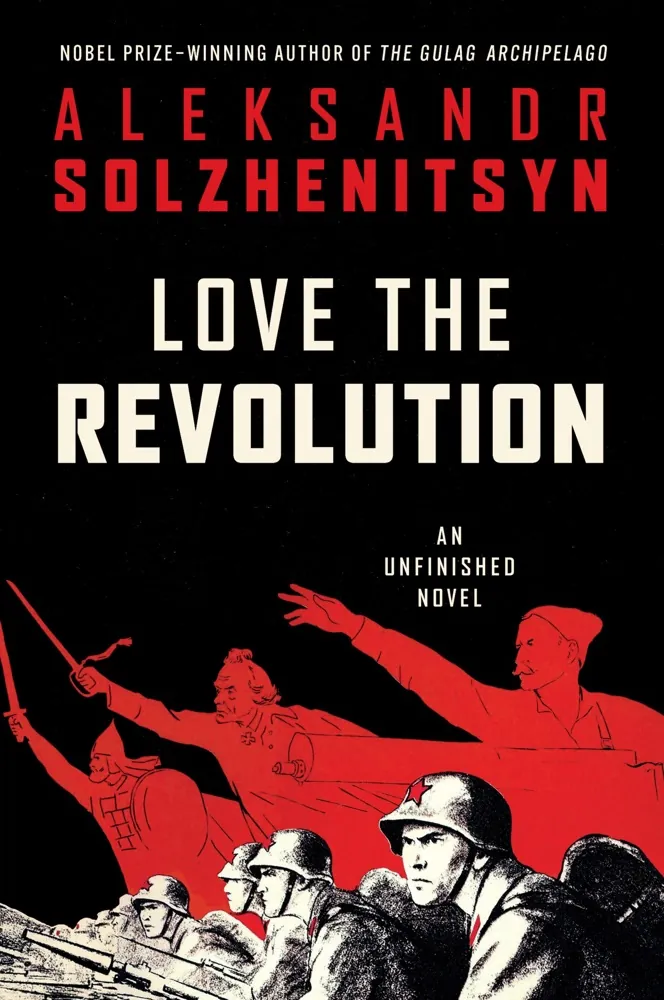
Author: Aleksandr SolzhenitsynPage Count: UnknownPublication Date: Expected publication 2026-11-17 APL Look, another press release crossing my desk, and my instant reaction is a heavy, bone-deep sigh. Why am I wasting brain cells parsing marketing copy for Love the Revolution when I still have three structural engineering problem sets glaring at me from the kitchen table and my electricity bill is three weeks overdue? Oh right, because rent doesn't pay itself. So here we are. Let us pretend to care about early twentieth-century Russian prose for the next five hundred words. The Chronology of Ideological Ruin The synopsis tells us we are getting Aleksandr Solzhenitsyn’s Love the Revolution, composed in 1948 inside a literal gulag sharashka. Fine. Impressive provenance, if we are keeping score by sheer harrowing human endurance. But let us be entirely real for a second—wait, actually, scratch that. I take it back completely. The provenance doesn't matter at all if the prose style reads like a translated textbook on dialectical materialism, which early draft material notoriously often does. We are introduced to Gleb Nerzhin. A bright-eyed kid arriving in Moscow on a fateful Sunday morning in June 1941, entirely high on Marxist theory. Naturally, Operation Barbarossa drops on his head the exact same day. Classic historical irony. It is the literary equivalent of stepping outside with a freshly pressed suit only to get immediately flattened by a falling piano. The Disintegration Trope Solzhenitsyn apparently intended this to be a massive sweeping military panorama. Instead, we get an unfinished fragment. A snapshot. We are promised a psychological autopsy of a true believer whose dogmatic worldview shatters against the jagged rocks of actual combat and state betrayal. Groundbreaking. Truly, nobody has ever written about the disillusionment of Soviet youth before. Where would we be without Arthur Koestler’s Darkness at Noon or Vasily Grossman’s massive wartime doorstoppers paving this exact intellectual highway decades ago? We are staring at a relic. A first pancake of a manuscript born from literal penal servitude. We will read it, obviously, because the literati treat Solzhenitsyn like a secular saint, but let us not pretend this unfinished draft will rival the structural genius of The First Circle. And honestly, why am I even wasting breath critiquing a book that literally isn't out until late 2026? Who plans a literary hype cycle this far in advance? I am staring at a blank document trying to stretch these observations out just to meet the absurd word count requirement my editor demanded, while my coffee goes stone cold and my quantum mechanics textbook mocks me from the shelf. The tragedy of the Eastern Front meets the tragedy of my student budget. At least the Russian winter had the decency to end. I need to go walk through the park and brood silently about the human condition. Related InsightsThe Broken Earth Trilogy: The Fifth Season, The Obelisk Gate, The Stone Sky Book Review and Summary Harvest Season Book Review and Summary It's Not What You Think Book Review and Summary{ "@context": "https://schema.org", "@type": "FAQPage", "mainEntity": [ { "@type": "Question", "name": "What is the main focus of Love the Revolution: An Unfinished Novel Book Review and Summary?", "acceptedAnswer": { "@type": "Answer", "text": "Everything you need to know about Love the Revolution: An Unfinished Novel with our detailed review." } }, { "@type": "Question", "name": "Who authored the comprehensive guide on Love the Revolution: An Unfinished Novel Book Review and Summary?", "acceptedAnswer": { "@type": "Answer", "text": "This detailed article and its insights were carefully researched and authored by Marco Conti." } }, { "@type": "Question", "name": "Where can I find more related content about Books?", "acceptedAnswer": { "@type": "Answer", "text": "You can explore more articles, detailed reviews, and similar insights by browsing the Related Insights section at the bottom of this article or visiting our dedicated Books category page." } } ] }
- Emma Thompson
- 24 Aug, 2026 03:29
Numb Were the Beadsman's Fingers (Flavia de Luce, #12) Book Review and Summary
Author: Alan BradleyPage Count: UnknownPublication Date: Expected publication 2026-11-03 APL A nun's corpse, a decades-old secret, and the inimitable Flavia de Luce - it's a tantalizing prospect, but can Alan Bradley deliver a finale worthy of his beloved series? The official synopsis for Numb Were the Beadsman's Fingers is characteristically coy, but one thing's certain: Flavia's going to have to dig deep to unravel the mystery of the nun's shocking lie. The setup, at least, is vintage Flavia: a cloistered community, a whiff of scandal, and the irrepressible young sleuth on the case. Yet, as the synopsis teases, this is more than just a straightforward whodunit - there's a "trail of deception that lies closer to home." Is this Bradley's way of hinting that Flavia's own family secrets will be dredged up once more? The de Luces have always been a delightfully dysfunctional bunch, and if Bradley's going to tie up loose ends, he'll need to confront the elephants in the room. But what of the nun herself? The synopsis describes her as living a "shocking lie" for years - a phrase that conjures up images of a Madame Bovary-esque existence, all stifled desires and desperate reinventions. And what of the "dark reasons" that drove her to escape her past? Is this a case of a nun on the run, or a more complex exploration of the tensions between faith and identity? As Flavia and Dogger delve into the mystery, they'll be working under the watchful eye of a glowering Mother Superior - a character who sounds like she's been plucked straight from a Brideshead Revisited novel. The very fact that Bradley's chosen to set this story in a cloistered community suggests he's aiming for a more contemplative, introspective tone - one that might allow Flavia to confront the complexities of her own faith (or lack thereof). And yet, for all the tantalizing hints, the synopsis remains stubbornly vague. We're told that Flavia and Dogger will be uncovering a "decades-old crime" and a secret that lies "an ocean away" - phrases that could apply to any number of plots. It's almost as if Bradley's trying to keep his cards close to his chest, daring us to fill in the blanks. It's a strategy that might just pay off, given the devoted fanbase that's been following Flavia's adventures for years. But for newcomers, the lack of concrete details might make it difficult to get a foothold. As someone who's followed the series from the beginning, I can attest that Flavia's charms are undeniable - but will this finale be enough to win over the skeptics? One thing's for certain: if Bradley can pull off a finale that's half as charming as Flavia herself, he'll be doing something right. The question is, can he avoid the pitfalls of sentimentality and nostalgia that often plague final installments? Only time will tell. In the meantime, I have more pressing concerns - like finalizing the guest list for my publisher's upcoming soirée. It's going to be a night to remember, with the crème de la crème of literary society in attendance. Now, if you'll excuse me, I have to decide whether to invite the infamous enfant terrible of the literary world... #FlaviaDeLuceForever #MysteryLovers #LiteraryFiction Related InsightsHow to Be a Wallflower Book Review and Summary The Mists of Avalon Book Review and Summary Curse Workers Book Review and Summary{ "@context": "https://schema.org", "@type": "FAQPage", "mainEntity": [ { "@type": "Question", "name": "What is the main focus of Numb Were the Beadsman's Fingers (Flavia de Luce, #12) Book Review and Summary?", "acceptedAnswer": { "@type": "Answer", "text": "Everything you need to know about Numb Were the Beadsman's Fingers (Flavia de Luce, #12) with our detailed review." } }, { "@type": "Question", "name": "Who authored the comprehensive guide on Numb Were the Beadsman's Fingers (Flavia de Luce, #12) Book Review and Summary?", "acceptedAnswer": { "@type": "Answer", "text": "This detailed article and its insights were carefully researched and authored by Emma Thompson." } }, { "@type": "Question", "name": "Where can I find more related content about Books?", "acceptedAnswer": { "@type": "Answer", "text": "You can explore more articles, detailed reviews, and similar insights by browsing the Related Insights section at the bottom of this article or visiting our dedicated Books category page." } } ] }
Author: Jo BaringPage Count: UnknownPublication Date: Expected publication 2026-11-03 APL The eternal conundrum of the human condition—why do we create, and what does it reveal about us? Jo Baring's Totem: The Untold Story of Sculpture promises to tackle this question through the lens of one of the oldest art forms: sculpture. But can it deliver on this lofty promise, or will it succumb to the pitfalls of vague, overly ambitious art criticism? The official synopsis reads like a laundry list of buzzwords: "memory, creativity, and being human." It's a tantalizing prospect, to be sure, but it's also a recipe for disaster. How does Baring plan to tackle these weighty themes without getting bogged down in trite, superficial analysis? The answer, unfortunately, is unclear. What we do know is that the book will feature original illustrations by Julia Ashe, which may prove to be a saving grace in an otherwise meandering narrative. But I digress. The real question on everyone's mind is: what new insights can Baring possibly bring to the table? We've had countless art historians and critics tackle the subject of sculpture before, from the likes of Rosalind Krauss to Hal Foster. Can Baring's unique perspective and storytelling style truly set her apart from the pack? I'm skeptical, but I'm also intrigued. Perhaps Baring's lithe, intimate storytelling will prove to be the perfect antidote to the dry, academic tone that often plagues art criticism. One thing's for sure: Baring's got some big names to live up to. Barbara Hepworth, Constantin Brâncuși, Louise Bourgeois, Yayoi Kusama, and Antony Gormley are all name-dropped in the synopsis, and it's clear that Baring is trying to position herself alongside these art world heavyweights. But can she truly hold her own? Only time will tell. As someone who's spent countless hours pouring over the likes of John Berger and Susan Sontag, I'm always on the lookout for art criticism that truly challenges the status quo. Will Totem be the book that finally delivers? I'm not holding my breath, but I'm willing to give it a shot. In the end, it all comes down to execution. Can Baring balance her ambitious themes with a narrative that's both engaging and insightful? Or will Totem succumb to the same pitfalls that have plagued so many art criticism books before it? I'll be keeping a close eye on this one, if only to see if Baring can truly live up to the hype. For now, I'll just have to sit back, pour myself a cup of coffee, and wait for the book to drop. And when it does, I'll be sure to crack it open with a healthy dose of skepticism and a willingness to be proven wrong. But for now, I'll just strum a melancholic tune on my out-of-tune upright piano, and wonder what could have been. #ArtCriticism #Sculpture #BookLovers #NewRelease