Last Mission to Paris Book Review and Summary
-
 Carmen Martinez
 - 01 Sep, 2026 03:19
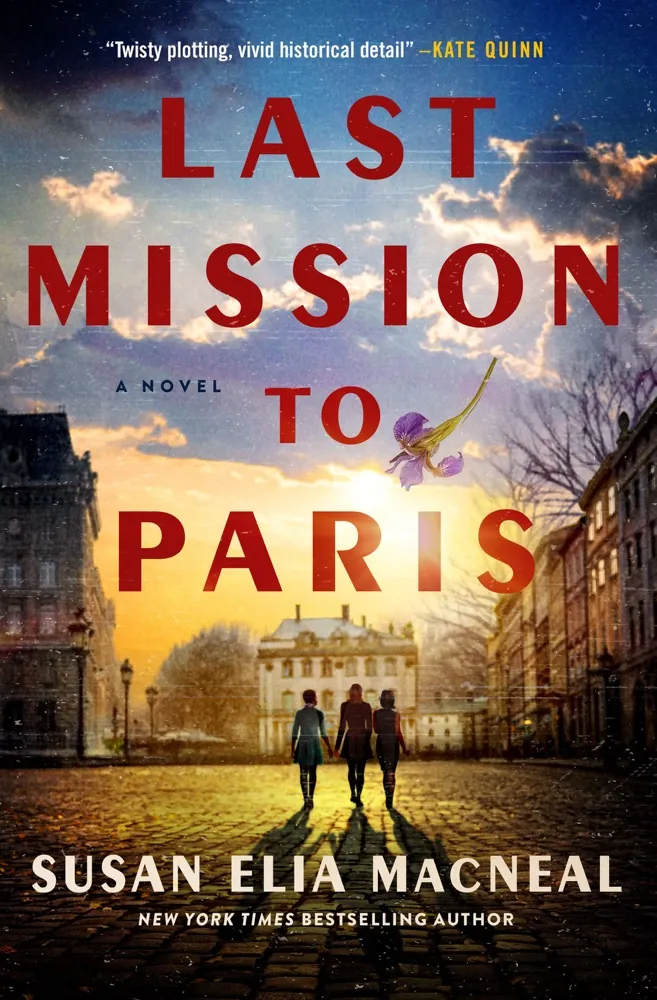
Author: Susan Elia MacNeal
Page Count: Unknown
Publication Date: Expected publication 2026 APL
Sweat is currently dripping off my nose and pooling right on the keyboard while a distant siren wails a flatulent three-note harmony against the brick facade across the alley. God, the concrete radiates heat like a pizza oven left on broil until midnight. Yet here I am, staring at a screen, evaluating Susan Elia MacNeal’s forthcoming Last Mission to Paris—a title that sounds less like a WWII espionage thriller and more like a tax-deductible vacation for a mid-list historical fiction author who got tired of writing about bookshops.
The Nostalgia Industrial Complex
Look at this lineup. Flip the Southern Belle. Zaina the dreamy Indian princess. Bella the stage star. Gabrielle the London shopgirl. It reads less like an espionage unit and more like a painfully diverse casting call for a prestige streaming limited series designed to win Emmys through sheer demographic arithmetic. We are supposed to buy that these four disparate archetypes parachuted into Nazi-occupied France and became inseparable before a tragic betrayal. Because nothing says covert operational efficacy like a stage actress yelling lines in a Parisian bistro.
Or maybe I am being too harsh on the character dynamics—wait, no, let me walk that back entirely. The premise actually hits that sweet spot of high-concept middlebrow escapism that feels like Kate Quinn and Ken Follett had a baby in a gift shop at the Imperial War Museum.
Swinging Sixties Meet Historical Trauma
Twenty years later, we leap to the vibrantly commercialized London of the Swinging Sixties where a statue goes up, a historian drops dead, and Chloe the daughter steps in. The thematic machinery here relies entirely on structural irony. The public gets bronze monuments on the Thames, but the actual truth rots in a damp archive. MacNeal leans hard into the legacy of generational trauma, though she wraps it in the kind of genre tropes that scream airport bookstore display.
The prose promises a trajectory from London to Paris to Berlin. But let us be honest with ourselves. This book is going to coast entirely on middle-aged female empowerment vibes disguised as a gritty spy hunt. It is historical gaslighting with a feminist gloss. The betrayal wasn’t just a failure; it was deliberately sabotaged. Groundbreaking stuff. Truly a paradigm shift in how we conceptualize the Third Reich.
Lexical whiplash aside, this narrative trajectory is basically the literary equivalent of a nostalgia-bait reboot nobody asked for, yet suburban book clubs are going to stan this absolute nonsense until the paperbacks disintegrate.
Drop the mic. I have to go scream at a developer who is trying to turn the 1920s vaudeville house down the block into an artisanal matcha dispensary.