Letters in Ink: Unraveling the Secret Life of the Epistolary Novel
-
 Emily Page
 - 15 Oct, 2026 20:42
Whispered Pages: The Birth of a Letter‑Bound Narrative
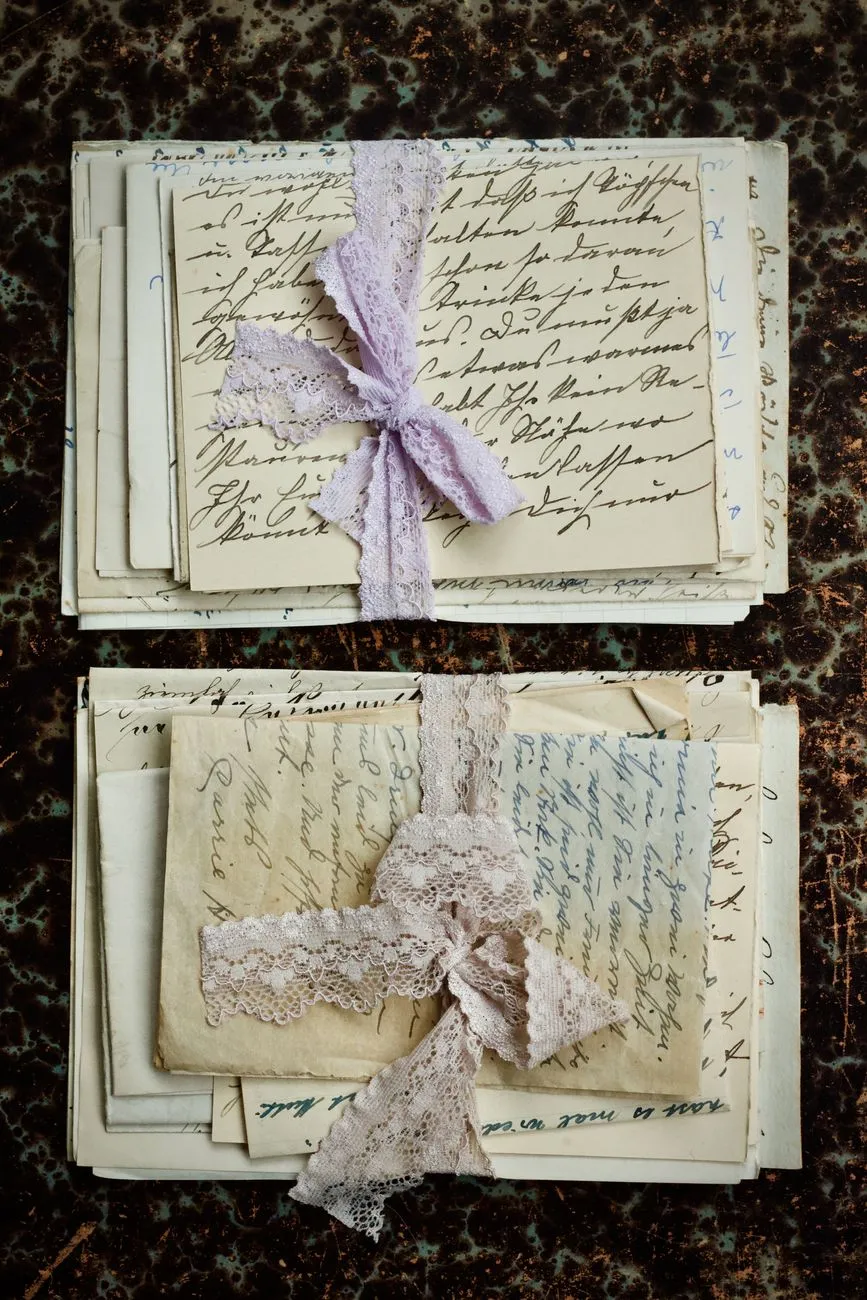
The first flicker of the epistolary form sparked in the twilight of the medieval manuscript, when authors began stitching together real‑world missives into a single, unfolding drama. The Spanish Cárcel de amor (c. 1485) by Diego de San Pedro is widely recognized as the earliest true epistolary novel, a daring experiment that let letters dominate the narrative canvas. Scholars debate whether the genre grew out of novels that simply inserted letters, or from miscellanies of correspondence and poetry that were later welded into a plot. Both pathways left a shared legacy: a story that lives inside the private ink of its characters.
From Courtly Missives to Public Satire
The 17th century saw the epistolary novel mature into a literary staple. Edmé Boursault’s Letters of Respect, Gratitude and Love (1669) gave rise to a miniature novel, Letters to Babet, when a string of letters to a girl named Babet grew distinct from the surrounding collection. The same year, Letters of a Portuguese Nun—attributed to Gabriel‑Joseph de La Vergne—captivated readers with its passionate, supposedly authentic voice. Across the Channel, James Howell’s Familiar Letters (1645‑50) is credited as the English pioneer, offering vivid snapshots of prison life, foreign adventure, and romantic longing.
A landmark moment arrived with the anonymously published Love‑Letters Between a Nobleman and His Sister (1684‑87). Though authorship is still contested, many point to Aphra Behn. The three‑volume work stripped away the omniscient narrator, allowing each character’s perspective to pulse directly from the page. It also introduced intrigue: misplaced letters, forged notes, and withheld messages—all tools that would become hallmarks of the genre.
The 18th‑Century Golden Age
The epistolary novel burst into mainstream popularity during the Enlightenment. Samuel Richardson’s Pamela (1740) and Clarissa (1749) turned the format into a vehicle for moral exploration and social critique, selling thousands of copies across Europe. John Cleland’s Fanny Hill (1748) pushed boundaries further, presenting erotic confession through a series of letters addressed to an anonymous reader.
In France, Montesquieu’s Lettres persanes (1721) used the format to satirize Western customs through the eyes of Persian travelers. Rousseau’s Julie, ou la nouvelle Héloïse (1761) wove love and philosophy into an intimate exchange of letters, while Choderlos de Laclos’ Les Liaisons dangereuses (1782) wielded epistolary manipulation as a weapon of social destruction. Germany contributed Goethe’s The Sorrows of Young Werther (1774), a tragic love story that sparked a wave of “Werther fever” across the continent.
North America was not left untouched. Frances Brooke’s The History of Emily Montague (1769) holds the distinction of being Canada’s first novel, and William Hill Brown’s The Power of Sympathy (1789) earned the title of the United States’ first novel—both written entirely in letters.
Satire, Parody, and the Rise of the Mock Epistolary
The very popularity of the form invited ridicule. Henry Fielding’s Shamela (1741) lampooned Richardson’s moral earnestness, presenting a heroine who pens a diary under absurd circumstances. Oliver Goldsmith’s The Citizen of the World (1760‑61) adopted a Chinese philosopher’s voice to critique English society, and Fanny Burney’s Evelina (1788) turned the epistolary into a comic debutante’s adventure.
Even Jane Austen flirted with the style in her early writings and the novella Lady Susan (1794). Though she abandoned the format for her later masterpieces, literary scholars suspect that her lost manuscript First Impressions—the seed of Pride and Prejudice—may have been epistolary, given the novel’s unusually high number of fully quoted letters.
19th‑Century Persistence: From Gothic Chills to Scientific Dreams
While the 19th century saw the epistolary form wane in popularity, it persisted in strategic bursts. Honoré de Balzac’s Letters of Two Brides traced a 17‑year friendship through exchanged missives, and Mary Shelley’s Frankenstein (1818) layered letters within letters, framing the monster’s tragic confession inside a sea captain’s log. Anne Brontë’s The Tenant of Wildfell Hall (1848) framed its narrative as a retrospective letter, embedding the titular tenant’s diary within.
Bram Stoker’s Dracula (1897) remains the most iconic example of the modern epistolary novel. Constructed from letters, diary entries, newspaper clippings, telegrams, and ship logs, the novel creates a mosaic of perspectives that heightens suspense and realism. Stoker’s technique demonstrates the genre’s capacity to fuse disparate documents into a cohesive, chilling whole.
The Digital Age: Emails, Blogs, and Virtual Correspondence
The epistolary tradition did not halt at the turn of the century. Contemporary writers now harness emails, text messages, blog posts, and social‑media feeds to recreate the immediacy of personal correspondence. The term “epistolary” has broadened to encompass any fictional document that mimics authentic communication, whether it arrives as a recorded podcast, a video chat transcript, or a series of Instagram DMs. This evolution honors the genre’s original promise: to embed the story within the lived, diegetic experiences of its characters.
Why the Letter Still Matters
- Authentic Voice – Letters bypass the omniscient narrator, allowing readers direct access to a character’s thoughts, biases, and emotions.
- Multiple Perspectives – A chorus of correspondents can present conflicting truths, inviting readers to piece together the “real” story.
- Historical Texture – The physicality of ink, paper, or digital timestamps adds a tactile realism that immersive prose alone struggles to achieve.
- Narrative Suspense – Misplaced or withheld letters create natural tension, as seen in Les Liaisons dangereuses and Dracula.
These strengths explain why the epistolary form continues to inspire novelists, screenwriters, and even game designers seeking fresh ways to tell stories.
Crafting an Epistolary Novel Today
If you’re tempted to write your own letter‑bound saga, consider these practical steps:
- Define the Correspondents – Choose distinct voices with clear motivations.
- Map the Chronology – Plot each letter’s date to maintain logical progression.
- Insert Non‑Letter Documents – Diary excerpts, newspaper clippings, or text messages can enrich texture.
- Use a Fictional Editor – A framing device (e.g., “found letters compiled by…”) lends credibility.
- Balance Exposition and Action – Letters should reveal plot, not merely recount it.
A Gallery of Epistolary Milestones
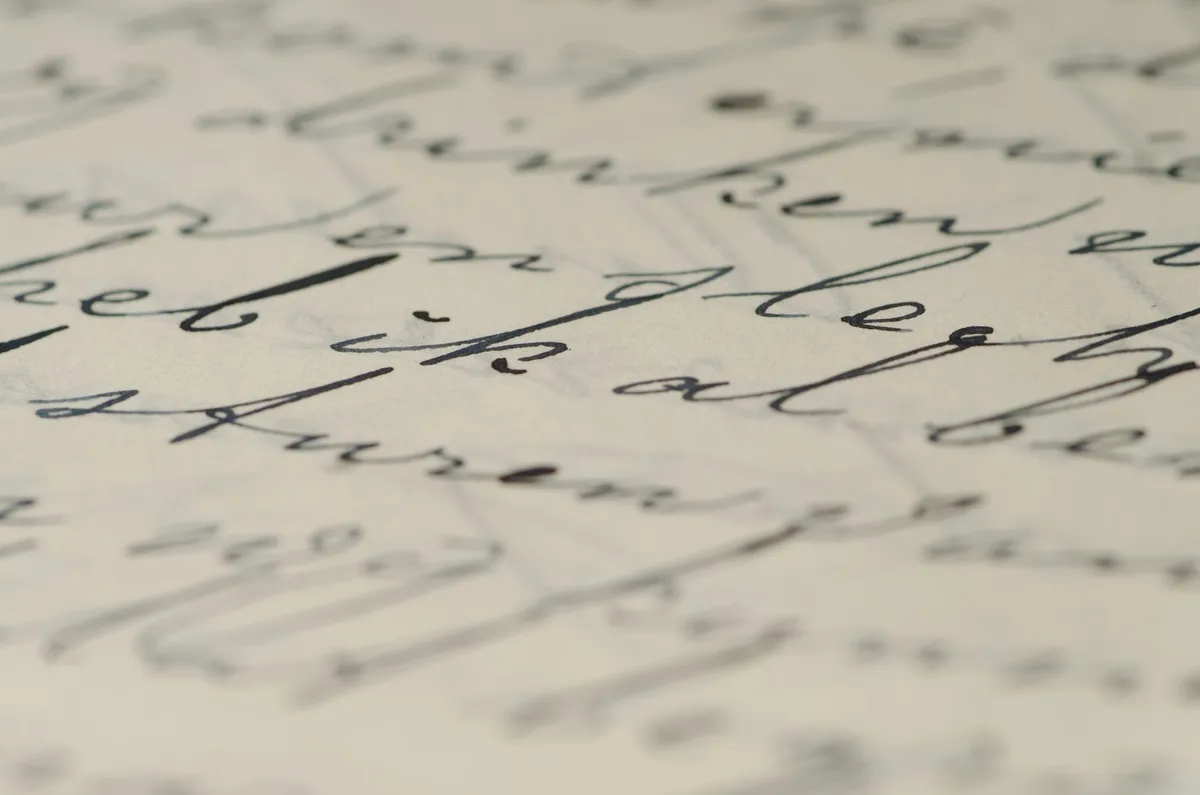
The tactile allure of 18th‑century correspondence that inspired Richardson and Rousseau.
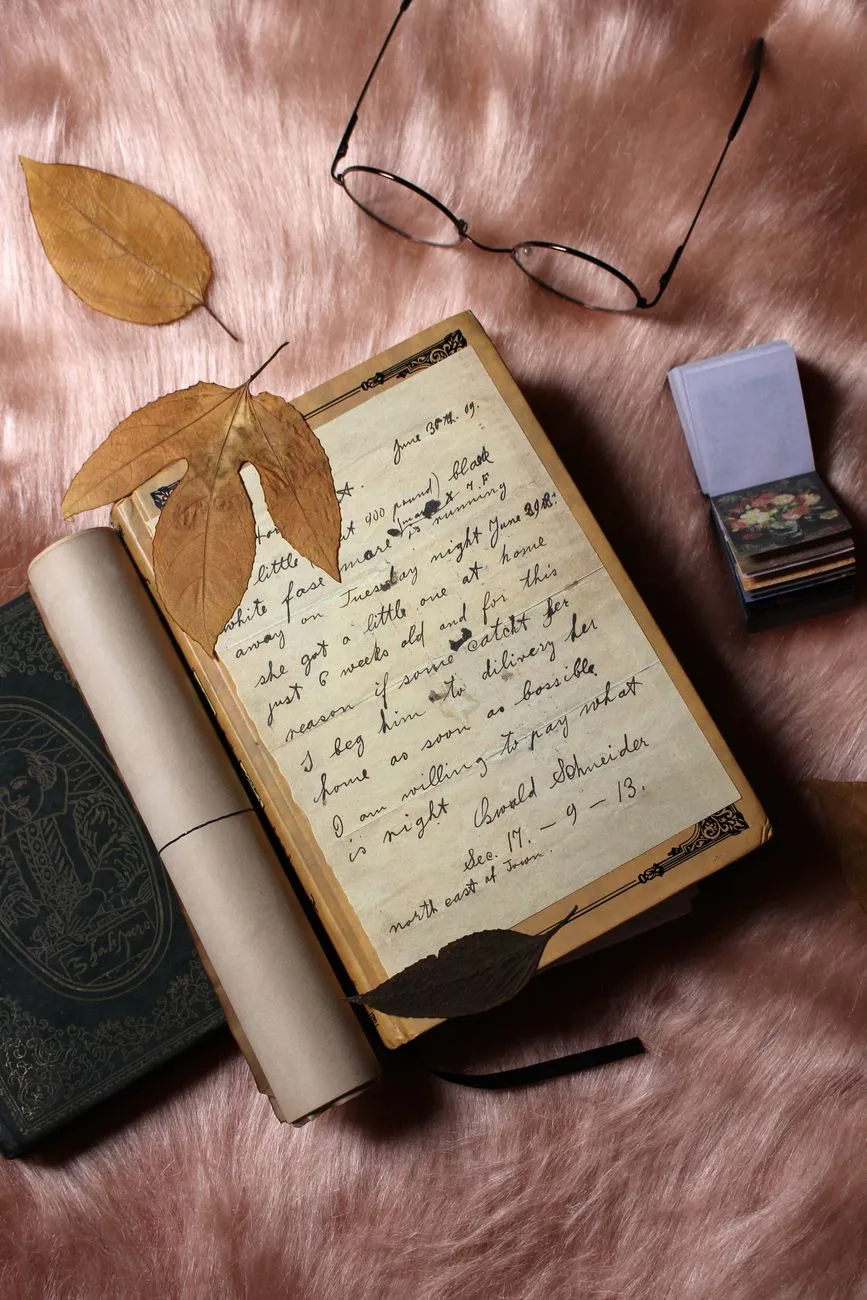
Stoker’s Dracula assembled from fragmented documents, each piece adding to the horror.

Today’s epistolary novels often begin with an email notification.
The Enduring Echo
From the cramped chambers of a Spanish court to the flickering glow of a smartphone screen, the epistolary novel has proved remarkably adaptable. Its core promise—letting characters speak directly to one another—remains a potent tool for intimacy, intrigue, and authenticity. As readers continue to crave stories that feel both personal and expansive, the humble letter will undoubtedly keep finding new homes in the ever‑shifting landscape of literature.
#EpistolaryNovel #LiteraryHistory #LetterWriting #HistoricalFiction #ReadingCommunity