Me quiero, te quiero. El cuaderno / Love Me Love You. The Notebook Book Review and Summary
-
 Chloé Laurent
 - 05 Apr, 2026 17:07
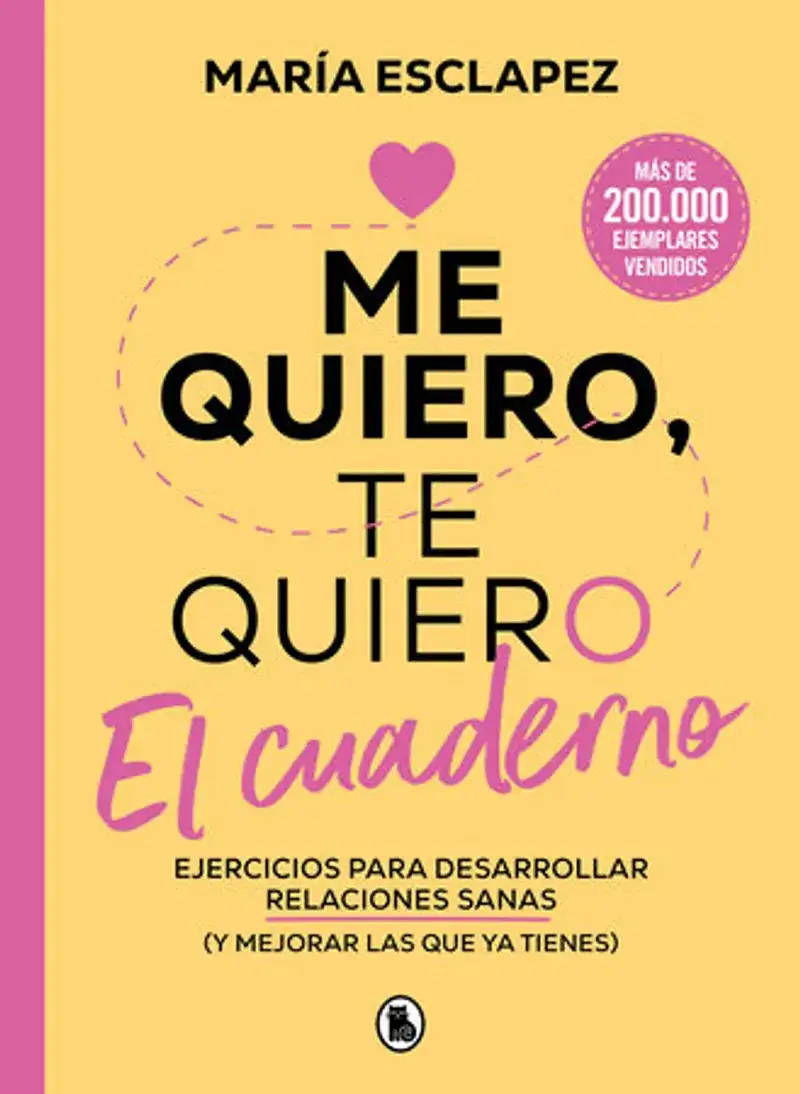
Me quiero, te quiero. El cuaderno / Love Me Love You. The Notebook
Author: María Esclapez
Page Count: Unknown
Publication Date: 2024-PRH
A Practical Guide to Love—Starting with Yourself
María Esclapez’s Me quiero, te quiero. El cuaderno / Love Me Love You. The Notebook is more than just a workbook—it’s a transformative toolkit for anyone seeking to cultivate healthier relationships, starting with the most important one: the one with themselves. Building on the success of her acclaimed Me quiero, te quiero, Esclapez delivers a hands-on, interactive experience designed to turn self-love and compassionate connection into actionable habits. With her signature blend of warmth, psychological insight, and relatable wit, she invites readers to move beyond passive inspiration and into real personal growth.
At its core, this notebook embraces the simple yet radical idea: Real love isn’t found—it’s built. Whether we’re talking about self-acceptance or relationships with others, Esclapez dismantles the myth that love is something we passively receive or stumble upon. Instead, she presents it as something we actively create through awareness, effort, and practice. This theme runs deep throughout the book, creating a cohesive, reassuring message: emotional well-being is not a destination, but a daily practice.
The structure of The Notebook is both intuitive and effective. Divided into two parts—“Me quiero” (I love myself) and “Te quiero” (I love you)—it guides the reader from internal work to external connection. The first section focuses on self-esteem, self-awareness, and emotional resilience, offering tools like the Rosenberg Self-Esteem Scale and personalized reflection exercises. What sets Esclapez apart is her ability to translate complex psychological concepts into accessible, engaging activities. She doesn’t just tell you to be kinder to yourself—she provides a journaling prompt to help you rewrite your inner dialogue, or a visual exercise to map your emotional triggers. Her tone is never preachy; it’s conversational, almost like a trusted therapist guiding you through a session.
The second part shifts toward building and maintaining healthy relationships. Here, Esclapez tackles common challenges: communication breakdowns, conflict resolution, jealousy, and emotional dependency. Each exercise is rooted in real-life scenarios—like navigating a partner’s bad day or setting boundaries with a demanding friend. The notebook encourages not just understanding, but doing. For example, one exercise invites you to rewrite a past argument using non-violent communication techniques, helping you see how small shifts in language can change outcomes.
Esclapez’s writing style is one of her greatest strengths. She writes with the clarity of a psychologist and the empathy of a friend. Her sentences are clean and direct, avoiding jargon or unnecessary abstraction. She balances depth with lightness, sprinkling in humor and pop culture references that make heavy topics feel approachable. This balance is particularly important in a workbook, where overwhelm can derail progress—yet Esclapez keeps the tone uplifting and motivational.
What truly makes The Notebook stand out is its interactivity. Unlike a traditional self-help book, this is meant to be used. Readers are encouraged to fill in the blanks, tear out pages, or revisit exercises over time. The design is clean and modern, with space for notes and doodles, making it feel personal and alive. It’s not just a book you read once—it’s a companion you return to during different life stages.
For those familiar with Esclapez’s earlier works, this notebook serves as a practical extension. For newcomers, it acts as a gentle introduction to her philosophy: that love—whether self-love or love for others—is a skill to be developed, not a feeling to be discovered. It’s especially valuable in a world where emotional literacy is often undervalued, and where many people struggle with self-worth or toxic relationship patterns.
One potential limitation is that the effectiveness of the notebook depends on the reader’s willingness to engage deeply. While the exercises are well-crafted, they require honesty and consistency. But that’s also where its power lies—it doesn’t offer quick fixes, but a path toward lasting change.
Ultimately, Me quiero, te quiero. El cuaderno is a rare gem: a workbook that feels as intimate as it is empowering. It doesn’t just tell you to love yourself—it shows you how, step by step, with kindness and clarity. In a culture that often confuses self-improvement with self-criticism, Esclapez offers a refreshing alternative: a guide to building love, from the inside out.
#SelfLoveJourney #HealthyRelationships #MentalHealthMatters #PersonalGrowth #MariaEsclapez #LoveYourselfFirst