Red Queen / Glass Sword / King’s Cage / War Storm Book Review and Summary
-
 Marta Wisniewska
 - 02 Feb, 2026 06:57
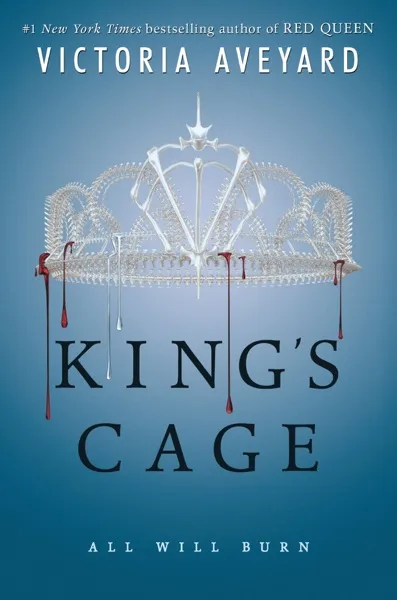
Red Queen / Glass Sword / King’s Cage / War Storm
Author: Victoria Aveyard
Page Count: Unknown
Publication Year: 2018-GB
Victoria Aveyard’s Red Queen quartet—Red Queen, Glass Sword, King’s Cage, and War Storm—is a masterclass in dystopian storytelling, where bloodline dictates destiny and revolution simmers beneath the gilded surface of a society built on lies. At its core, the series explores the brutal dichotomy between power and powerlessness, not just through the lens of class struggle but through the visceral, often brutal, clash of identity and privilege. Aveyard crafts a world where the color of one’s blood determines their fate—silver-blooded elites rule with ruthless efficiency, while the downtrodden Reds toil in obscurity, their lives as disposable as the blood they spill. But this isn’t just another dystopian tale; it’s a scathing indictment of systemic oppression, where the oppressed are as flawed and dangerous as their oppressors, and where the line between hero and villain is as thin as the silver thread that binds the ruling class.
Aveyard’s greatest strength lies in her ability to weave a narrative that is as intellectually compelling as it is emotionally gripping. She doesn’t just tell a story; she immerses the reader in a world where every action has consequences, where loyalty is a currency as volatile as the magic that fuels the silver elite. The Red Queen series is, at its heart, a story about revolution—not just the grand, cinematic upheavals of war, but the quiet, insidious revolutions that happen in the hearts and minds of those who dare to defy the status quo. Mare Barrow, the protagonist, is a perfect embodiment of this tension. A Red girl with a silver power thrust upon her by fate, she is neither wholly hero nor villain, but a living contradiction—a weapon of the revolution she didn’t ask to wield.
Aveyard’s prose is sharp, punchy, and relentless, mirroring the world she describes. There’s no room for flowery descriptions or meandering introspection here; every sentence serves a purpose, whether it’s advancing the plot, deepening character relationships, or ratcheting up the tension. The dialogue crackles with tension, often laced with sarcasm and wit, which provides a stark contrast to the brutality unfolding around it. This balance between humor and horror is one of the series’ most compelling aspects, making the darker moments hit even harder. When Mare spits out a sarcastic remark in the midst of a life-or-death situation, it’s not just comic relief—it’s a defiant act of humanity in a world that seeks to strip her of it.
The world-building in the Red Queen series is equally impressive. Aveyard doesn’t just create a backdrop for her story; she constructs a fully realized society with its own history, culture, and rules. The silver elite aren’t one-dimensional villains; they’re a complex web of aristocrats, warriors, and schemers, each with their own motivations and flaws. The Reds, too, are far from monolithic—some are passive, others rebellious, and many are simply trying to survive. This nuance prevents the story from descending into a simplistic good-versus-evil narrative, instead offering a more realistic portrayal of how power structures crumble and reform.
One of the series’ most intriguing themes is the corrupting nature of power. Almost every character, no matter their allegiance, is corrupted in some way by the system they’re a part of. Mare’s journey is a testament to this, as she grapples with the weight of her newfound power and the responsibilities it entails. Her struggle isn’t just against the silver elite but against her own demons—the anger, the fear, and the guilt that come with wielding power over others. Aveyard doesn’t shy away from showing the darker sides of revolution: the betrayals, the sacrifices, and the moral compromises that come with fighting for change. In this way, the Red Queen series feels eerily prescient, reflecting the messy, often brutal reality of real-world uprisings.
Aveyard’s style is also notable for its pacing and structure. The series moves at a breakneck speed, with each book building upon the last in a way that feels organic and inevitable. There’s no filler here; every twist and turn serves a purpose, whether it’s deepening character arcs or escalating the political intrigue. The romance subplots, while present, never overshadow the larger themes of the story. Instead, they serve as a lens through which we see the characters’ vulnerabilities and motivations. The relationships in the Red Queen series are as fraught with tension as the political conflicts, adding another layer of complexity to an already rich narrative.
Ultimately, the Red Queen quartet is more than just a gripping dystopian saga—it’s a meditation on power, identity, and the cost of revolution. Aveyard doesn’t offer easy answers or neat resolutions; instead, she challenges her readers to question their own beliefs about justice, morality, and the systems that govern their lives. The series is a reminder that revolutions aren’t won in a single battle but through the cumulative actions of countless individuals, each with their own struggles and flaws.
For readers who love dystopian fiction with depth, heart, and relentless pacing, the Red Queen series is a must-read. It’s a story that lingers long after the final page, leaving you to grapple with the same questions that haunt its characters: What would you sacrifice for freedom? And when power is within your grasp, how do you wield it without becoming the very thing you sought to destroy?
#RedQueenSeries #DystopianFiction #YARevolution #VictoriaAveyard #PowerAndOppression #MustReadBooks