Showing Posts From
Psychological
Author: K-Ming ChangPage Count: UnknownPublication Date: Expected publication 2026-10-20 APL K-Ming Chang is back to eviscerate whatever neat little boundaries we built around girlhood after Bestiary dropped. Expected in late 2026, Needlemouth already smells like ozone, rotting berries, and the sharp, metallic tang of generational fury. And honestly? Thank god. We are so profoundly exhausted by sanitized narratives where young women simply learn to cope with their cages. The Aesthetics of Domestic Rot The setup is a masterclass in claustrophobia—three cousins melting away in a grandmother's suffocating house while foreign objects manifest uninvited in a sleeping girl's mouth. Buttons, berries, coins. The detritus of an old domesticity choking the young. Chang understands that family histories are not gently passed down like heirloom porcelain; they are swallowed whole, gagged on, and festering in the dark. Yangyang retreats inward. Mandy seeks validation in the dead-eyed void of the internet. Cindy wakes up choking. It is a brilliant, vicious metaphor for the sheer indignity of growing up female in spaces designed to erase you. Becoming the Apex Predator Enter Needlemouth—part vampire, part hungry ghost, completely lacking descendants to feed her. A starved parasite demanding blood and a man's life. What a gorgeous, feral subversion of the maternal lineage trope. We spend centuries telling girls to be gentle, to nurture, to consume themselves quietly so others might eat. But Chang’s demon forces these teenagers to cross a violent threshold—to stop sleepwalking through their apathy and break the cycle by becoming the absolute menace. Fans of Carmen Maria Machado and Akwaeke Emezi will recognize this blood-soaked lineage immediately. This is horror that refuses to apologize for its teeth. It is an indictment of the numb, air-conditioned apathy we demand of women, dragging us kicking and screaming into a demon realm where rage is the only currency that matters. The plot details in the synopsis are agonizingly sparse—we know next to nothing about how they actually execute this grim task or what the fallout looks like. But let us be entirely real here. The exact mechanics do not matter. The ideological thrust is razor-sharp. Chang is not interested in redemption arcs or tidy moral lessons. She is asking the only question that actually makes my blood run hot: what happens when you stop trying to slay the monster and realize the only way out is to grow fangs yourself? I am betting right now that this book is going to utterly polarize the coastal book clubs who prefer their trauma neatly gift-wrapped with a bow of resilience. Good. Let them choke on it. I need to go reorganize my towering, violently chaotic stacks of reference books before they slide across the floor and crush my ankles. #Needlemouth #KMingChang #FeministHorror #ContemporaryLiterature Related InsightsNineteen Minutes Book Review and Summary The Dating Game Book Review and Summary Night of the Mallrats: A Novel Book Review and Summary{ "@context": "https://schema.org", "@type": "FAQPage", "mainEntity": [ { "@type": "Question", "name": "What is the main focus of Needlemouth Book Review and Summary?", "acceptedAnswer": { "@type": "Answer", "text": "Everything you need to know about Needlemouth with our detailed review." } }, { "@type": "Question", "name": "Who authored the comprehensive guide on Needlemouth Book Review and Summary?", "acceptedAnswer": { "@type": "Answer", "text": "This detailed article and its insights were carefully researched and authored by Marta Wisniewska." } }, { "@type": "Question", "name": "Where can I find more related content about Books?", "acceptedAnswer": { "@type": "Answer", "text": "You can explore more articles, detailed reviews, and similar insights by browsing the Related Insights section at the bottom of this article or visiting our dedicated Books category page." } } ] }

Author: Carola LoveringPage Count: UnknownPublication Date: Expected publication 2026 APL Another cup of lukewarm sludge from the counter. God, this place smells like ozone and fried regret. Whiteout drops in 2026, and I am already exhausted. Carola Lovering is back to dissect the rotting carcass of the American nuclear family—specifically, the kind where the husband gets a Wikipedia page and the wife gets a graveyard shift of existential self-erasure in Aspen. Let us be entirely clear about the premise. June Lyons has her ambitions shoved down the garbage disposal so her husband Shep can write bestselling trash, until a ski accident ends her pregnancy and wipes her short-term memory clean. Groundbreaking. Truly a staggering leap for contemporary psychological thrillers. The Gaslighting Industrial Complex We are expected to salivate over the ensuing amnesiac scavenger hunt. Why was June on skis at nine months pregnant? Where was the golden-boy spouse? Did she walk into a snowbank, or did someone give her a gentle, premeditated shove? Because God forbid a woman in modern fiction have autonomy without a husband lurking in the shadows with a gaslight and a match. Or maybe I am projecting. Wait. Let me back up. Actually, scratch that—maybe the amnesia is actually a brilliant metaphor for how women are structurally lobotomized by domesticity, and I am just being a cynical bitch because the diner's neon sign keeps buzzing against my retina. Lovering carved out a niche with Tell Me Lies by weaponizing toxic codependency, and this looks like the snowy, upscale spiritual successor to that exact brand of emotional terrorism. We are looking at a masterclass in unreliable narration. The past timeline featuring June, her sister Penny, and the genesis of June and Shep's relationship is obviously going to drop breadcrumbs that completely undermine the present-day grief narrative. It is Liane Moriarty meets Gillian Flynn on a black diamond trail. The Aesthetics of Erasure The thematic machinery here relies entirely on the slippery slope between fact and fiction. The synopsis explicitly tells us it "excavates the thin line between fact and fiction, memory and reality." Oh, really? You don't say. Thanks for spelling out the thesis statement in neon ink. But beneath the eye-rolling genre tropes of the dead-eyed rich couple in a mountain town, there is a genuinely sharp knife slicing through the mythology of sisterhood and motherhood. June’s sister Penny is stationed right across town as the eternal confidante. But how much you wanna bet Penny is hiding a massive, plot-twisting secret about that day on the mountain? It is giving major girlboss betrayal energy, and honestly? I am seated. Even if the prose occasionally dips into Lifetime movie territory, Lovering knows how to construct a puzzle box that makes you ignore the glaring structural plot holes until the very last page. Except I shouldn't care. I should care about literary fiction with actual teeth, not suburban suspense novels engineered for beach reads and Hulu adaptations. Yet here I am, parsing the synopsis like an FBI profiler. The draft leaking through this poorly insulated window is freezing my fingers and making it nearly impossible to type.
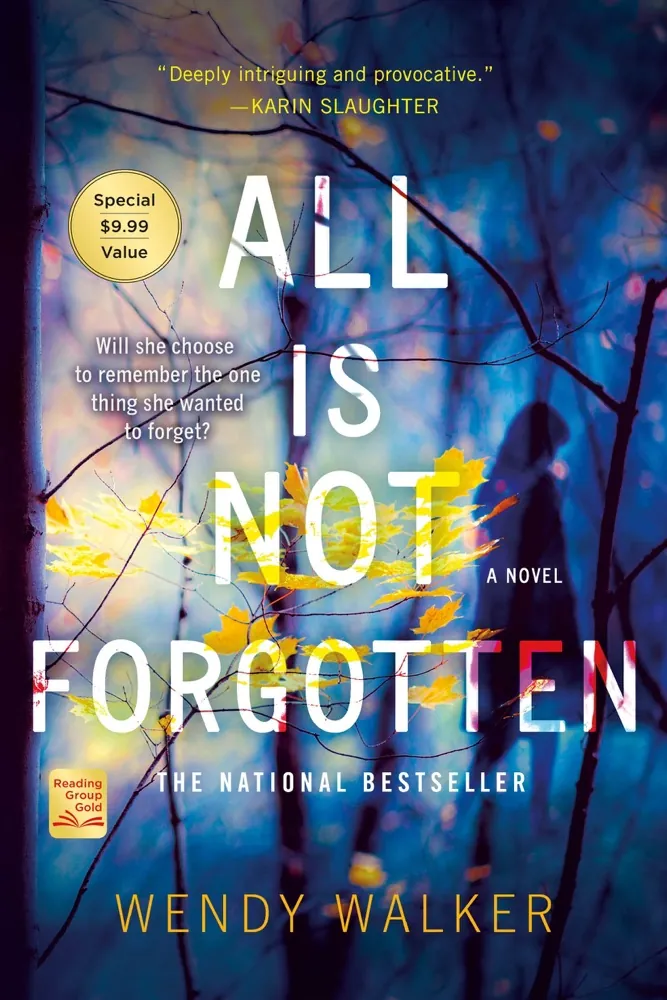
Author: Wendy WalkerPage Count: UnknownPublication Date: Expected publication 2026 APL Fairview, Connecticut. A picturesque cage where the lawns are manicured to a sociopathic degree and the local girl's autonomy is treated like a public utility. Wendy Walker’s All is Not Forgotten drops us squarely into the kind of suburban rot that Gillian Flynn and Paula Hawkins mapped out with such gleeful malice. But wait—actually, let me walk that back entirely, because Walker sidesteps psychological noir cliché by introducing a terrifying bio-ethical question: what happens when science itself conspires to rob a young woman of her own narrative? The Pharmacological Erasure of Female Agency Let us examine the sheer audacity of the premise. Jenny Kramer is brutally assaulted, and the immediate medical response is a controversial pharmacological intervention designed to wipe the slate clean. They call it healing. I call it state-sanctioned gaslighting in a Petri dish. Walker manages to weaponize bodily autonomy, or rather, the systematic dismantling of it. Yet, the emotional memory refuses to stay in its lane. It leaks out like toxic waste through the floorboards of a McMansion. The girl cannot remember her attacker, yet her body keeps the score in a way that makes you want to throw your coffee mug at the wall. Bitch, please. The audacity of assuming a traumatized teenager can just pop a pill and forget a violent violation is peak patriarchal nonsense. Fractured Households and Performative Perfection Tom Kramer is obsessed with justice, which is just a socially acceptable mask for male vengeance and bruised paternal ego. Charlotte, on the other hand, is too busy maintaining the aesthetic integrity of her curated domestic hellscape to notice the structural collapse happening underneath her feet. This is where the book actually transcends cheap procedural thrills. Walker exposes the fault lines of a community built on keeping up appearances—a theme we have seen explored by Liane Moriarty, but executed here with a scalpel rather than a sledgehammer. The narrative thrives on the friction between what is publicly performed and what is privately festering. The synopsis leaves us hanging on whether the prose can sustain the psychological weight of its own premise. Plot-wise, we get the standard thriller beats—the attacker is still lurking in the shadows, the town is harboring secrets—which feels slightly pedestrian for such an otherwise fascinating bio-political setup. I am surprisingly generous today, so I will forgive the trope-heavy trappings because Walker usually knows how to twist the knife in the final act. We are looking at a masterclass in suspense, provided she does not cop out with a neat, tidy resolution that wraps up the patriarchal violence with a neat little bow. I am going to put on a Coltrane vinyl and forget about this book. #WendyWalker #PsychologicalThriller #FeministCritique #BookTwitter Related InsightsThey Both Die at the End Book Review and Summary The Natural Order: A Novel Book Review and Summary 1984 (edición definitiva avalada por The Orwell Estate) (edición especial limitada con cantos pintados) / 1984 (Edition Endorsed by The Orwell Estate) Book Review and Summary{ "@context": "https://schema.org", "@type": "FAQPage", "mainEntity": [ { "@type": "Question", "name": "What is the main focus of Ten Years Gone Book Review and Summary?", "acceptedAnswer": { "@type": "Answer", "text": "Everything you need to know about Ten Years Gone with our detailed review." } }, { "@type": "Question", "name": "Who authored the comprehensive guide on Ten Years Gone Book Review and Summary?", "acceptedAnswer": { "@type": "Answer", "text": "This detailed article and its insights were carefully researched and authored by Marta Wisniewska." } }, { "@type": "Question", "name": "Where can I find more related content about Books?", "acceptedAnswer": { "@type": "Answer", "text": "You can explore more articles, detailed reviews, and similar insights by browsing the Related Insights section at the bottom of this article or visiting our dedicated Books category page." } } ] }

Author: Mindy McGinnisPage Count: UnknownPublication Date: Expected publication 2026 APL Gretchen McMurphy is finally getting her bread up, and honestly? Good for her. Capitalism demands sacrifices, but usually, those sacrifices don't involve an unhinged pop star wielding lethal implements behind a glittering veneer of rhinestone corsets and auto-tune. Mindy McGinnis is dropping The First Cut Is the Deepest into our laps, and we are expected to gasp at the revelation that the music industry chews women up and spits them out. Groundbreaking. Truly, an epistemic shift for the ages. Yet, the synopsis leans hard into the "girlfriends who murder together stay together" trope that we have consumed ad nauseam ever since My Year of Rest and Relaxation spawned a thousand pale, misanthropic imitators. But perhaps—no, actually, let me walk that back entirely. The cynical corporate machinery of pop stardom deserves a much bloodier satirical autopsy than what standard thriller tropes usually allow. The Pathology of the Bridge-and-Chorus Women in the public eye are perpetually expected to perform a grotesque alchemy—turning their private trauma into marketable, radio-friendly hooks. Fae Deeds—what a magnificent, cartoonish moniker for a psychopath—understands this transaction intimately. She isn't just coping; she is weaponizing the systemic misogyny that built her platinum-selling discography. And Gretchen? Sweet, bingo-hall-playing Gretchen who accidentally soundtracked a fitness influencer's glute-gains—she is walking right into the meat grinder. We are looking at a classic bifurcation of female rage. On one side, the commercialized, sanitized pop-anthem grievance designed for TikTok consumption. On the other, the much sharper, feral reality of a woman who has simply had enough. McGinnis is clearly aiming for a neon-drenched pop-noir aesthetic here, drenched in bottled water preferences and glittering delusion. But let us be entirely serious. Will this book actually deconstruct the commodification of female pain, or will it just give us a fun, gory romp where the girlboss gets to commit light homicide between arena tour stops? I am manifesting the former, while realistically preparing for the latter. Think Ottessa Moshfegh writing for a stadium crowd, but messier. The Price of a Stream The commodification of heartbreak is hardly a new literary landscape. But adding a literal bloodbath to the mix? That is just good business. Fame demands a pound of flesh, and Fae Deeds is simply collecting interest. Gretchen has to decide what she is willing to sacrifice—her morals, her safety, or perhaps just her burgeoning streaming revenue. And honestly, looking at the current state of the Billboard charts, murder might actually be the better career move. Actually, I have to run right now. I am late for a fierce philosophical debate about existentialist dramaturgy at a notoriously smoky underground jazz club where no one wears watches. #MindyMcGinnis #PopNoir #BookTwitter #GirlbossHomicide Related InsightsMagic Unicorn Coloring Book Book Review and Summary Amanecer de la Cosecha Book Review and Summary Archangel's Lineage Book Review and Summary{ "@context": "https://schema.org", "@type": "FAQPage", "mainEntity": [ { "@type": "Question", "name": "What is the main focus of The First Cut Is the Deepest Book Review and Summary?", "acceptedAnswer": { "@type": "Answer", "text": "Everything you need to know about The First Cut Is the Deepest with our detailed review." } }, { "@type": "Question", "name": "Who authored the comprehensive guide on The First Cut Is the Deepest Book Review and Summary?", "acceptedAnswer": { "@type": "Answer", "text": "This detailed article and its insights were carefully researched and authored by Marta Wisniewska." } }, { "@type": "Question", "name": "Where can I find more related content about Books?", "acceptedAnswer": { "@type": "Answer", "text": "You can explore more articles, detailed reviews, and similar insights by browsing the Related Insights section at the bottom of this article or visiting our dedicated Books category page." } } ] }
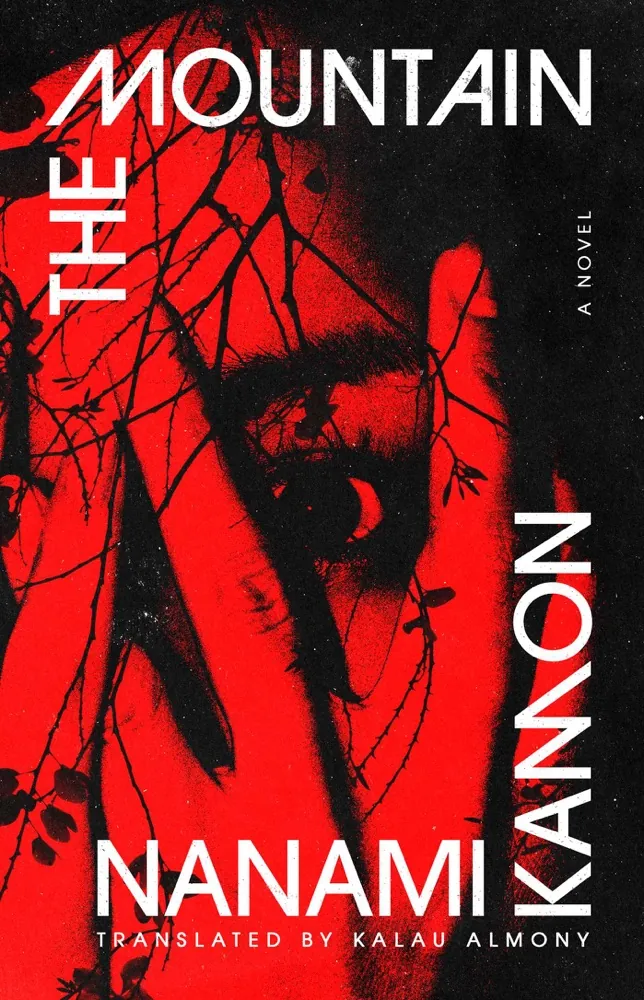
Author: Nanami KamonPage Count: UnknownPublication Date: Expected publication 2026 APL Staring at the flickering fluorescent tube above this sticky library carrel while a fluorescent-vested city worker aggressively leaf-blows the pathetic September drizzle outside, my mind drifts to Nanami Kamon’s upcoming The Mountain. God, the autumn air smells like damp wool and municipal defeat. But let us discuss the literary meat here. The Haunting of the Professional Woman Minami is a horror writer suffering from the most profoundly gendered curse known to modern capitalism: she has a blank document and a deadline. And what does she do? She answers a middle-of-the-night distress call from an old female friend, Asako—because patriarchy taught us that women must perform unpaid emotional labor even when dodging specters from a cursed sawmill. Classic. Kampon’s premise relies heavily on the tired trope of the haunted female collective—think Shirley Jackson meets Ring-era hyper-fixations, except translated for an English-speaking audience finally ready to look past Murakami's manic pixie dream ghosts. Yet, I am side-eyeing the marketing copy. The synopsis gives us zero actual narrative teeth, relying entirely on the generic promise that "the mountain is calling them back." Wow. Groundbreaking. Tell me more about the rocks, corporate publishing. Folk Horror and the Male Gaze on Nature Japan’s rich lineage of yama-uba folklore—mountain hags, wild women living at the fringes of civilized patriarchal safety—deserves a radical feminist deconstruction. Will Kamon deliver this? Or will we just get generic wet-haired phantoms crawling out of corporate water coolers? The juxtaposition of a professional horror writer hunting for inspiration by exploiting her female peer's trauma is delicious. It exposes the grift of the trauma economy. We monetize our collective suffering, wrap it in a pretty paperback cover, and sell it to suburban ghouls looking for a thrill before bedtime. Minami thinks she is too smart to get dragged in. She sits in her ivory tower of supernatural expertise until the phantoms come for her, too. Slay, queen, get terrorized by indigenous mountain curses. The epistolary trigger—an email out of the blue—is aggressively mundane. It grounds the supernatural dread in the absolute worst part of contemporary existence: digital correspondence that requires a emotional response. Expect The Mountain to either completely redefine J-horror translation standards or completely lean into the exhausted tropes of cursed real estate. I am betting five crisp dollars it does the latter, wrapped in some gorgeous minimalist cover art that looks great on an Instagram grid. Anyway, I need to close this laptop immediately and aggressively march down to the municipal park before dusk so I can forage for edible chanterelles before the city sprays them with pesticides. Related InsightsFirst Love Last Love: A Novel Book Review and Summary Mooncursed (The Drowned King, #1) Book Review and Summary The Hero of Ages Book Review and Summary{ "@context": "https://schema.org", "@type": "FAQPage", "mainEntity": [ { "@type": "Question", "name": "What is the main focus of The Mountain Book Review and Summary?", "acceptedAnswer": { "@type": "Answer", "text": "Everything you need to know about The Mountain with our detailed review." } }, { "@type": "Question", "name": "Who authored the comprehensive guide on The Mountain Book Review and Summary?", "acceptedAnswer": { "@type": "Answer", "text": "This detailed article and its insights were carefully researched and authored by Marta Wisniewska." } }, { "@type": "Question", "name": "Where can I find more related content about Books?", "acceptedAnswer": { "@type": "Answer", "text": "You can explore more articles, detailed reviews, and similar insights by browsing the Related Insights section at the bottom of this article or visiting our dedicated Books category page." } } ] }
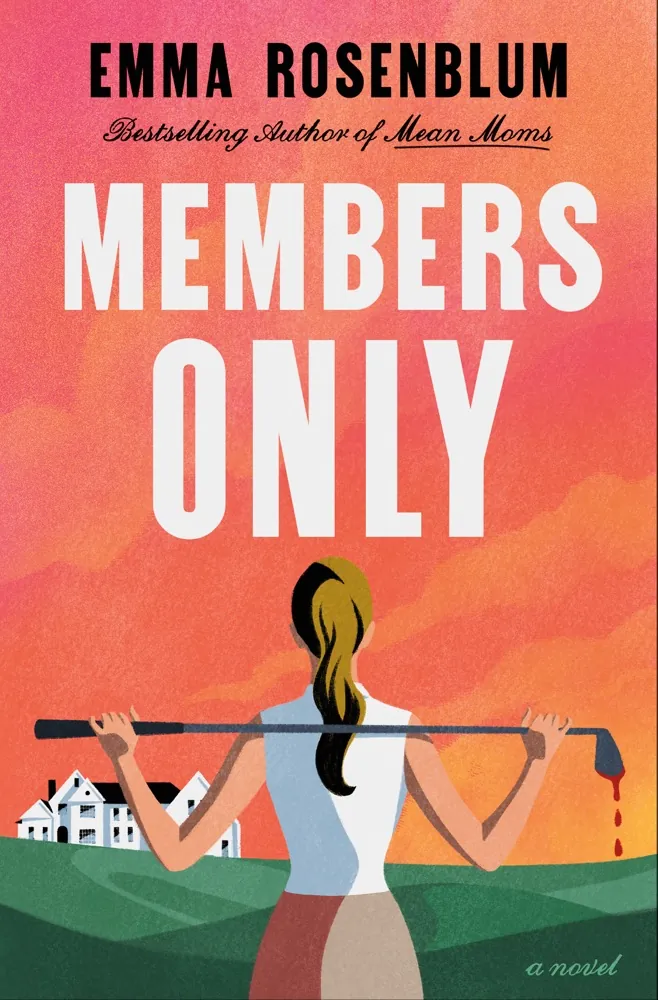
Author: Emma RosenblumPage Count: UnknownPublication Date: Expected publication 2026 APL Every bump along this asphalt artery sends a fresh vibration straight up my spine, yet my spirit remains annoyingly buoyant. Perhaps it is the sheer absurdity of typing literary notes on a cracked phone screen while an engine wheezes two feet behind my head. Or perhaps it is simply the delicious schadenfreude promised by Members Only. Emma Rosenblum knows how to skewer the privileged class without breaking a sweat. Her upcoming satire drops us straight into the manicured hellscape of Greenwich country clubs, where ice-blonde hair is uniform and bank accounts are hemorrhaging behind closed doors. The Cult of the Country Club and Other Extinct Species Pickleball courts and Olympic pools. The synopsis reads like a greatest hits album of modern upper-class ennui. And honestly, I cannot wait to tear into it. Rosenblum follows in the sharp, merciless footsteps of Candace Bushnell or Maria Semple, dissecting the grotesque lengths people will endure just to keep up appearances. We have Ted Flynn, a club president drowning in debt while pretending everything is pristine. We have Jessie Summit, a bride sprinting toward an altar she secretly despises just to satisfy maternal expectations. And of course, a dead body arrives right on cue to ruin the hors d'oeuvres. Wait. Let me rephrase that entirely. Perhaps calling this a merciless skewering gives the premise too much credit. Honestly, satirical thrillers about wealthy people dying at weddings have officially become the pumpkin spice lattes of contemporary fiction—overdone, aggressively predictable, and desperately clinging to relevance. Why am I even breaking down a synopsis for a book that relies on the exact same tired "rich people have dark secrets" trope we have ingested a thousand times? I need to stretch this commentary to hit a very specific, highly annoying word count just to satisfy an invoice, so let us pretend I am fascinated by the psychological nuance of a Ken doll named Patrick Flynn. Privilege Bleeding on the Tennis Court The real meat of this narrative—if the synopsis bothers to offer any—lies in Mike Lightbody, the Brooklyn chef transplanted to Connecticut. Class friction always tastes better when it is soaked in sweat and expensive gin. Yet the synopsis plays it remarkably safe. A body hits the ground. Everyone is a suspect. Groundbreaking. Agatha Christie did it with a silver candlestick, and suburbanites have been doing it with golf clubs ever since. Still, Rosenblum's prose is propulsive enough to forgive a recycled plot engine. She writes with a breezy cruelty that makes bad behavior look terribly fun. Let us be completely real. I am trapped in a metal box rolling through the dark, surviving on stale crackers, and I still have to figure out the damn floral arrangements for my own upcoming book launch by tomorrow morning. #bookstagram #satire #readinglife #greenwich Related InsightsThe Collector Book Review and Summary After Midnight Book Review and Summary Empire (Heir Duology, #2) Book Review and Summary{ "@context": "https://schema.org", "@type": "FAQPage", "mainEntity": [ { "@type": "Question", "name": "What is the main focus of Members Only Book Review and Summary?", "acceptedAnswer": { "@type": "Answer", "text": "Everything you need to know about Members Only with our detailed review." } }, { "@type": "Question", "name": "Who authored the comprehensive guide on Members Only Book Review and Summary?", "acceptedAnswer": { "@type": "Answer", "text": "This detailed article and its insights were carefully researched and authored by Marta Wisniewska." } }, { "@type": "Question", "name": "Where can I find more related content about Books?", "acceptedAnswer": { "@type": "Answer", "text": "You can explore more articles, detailed reviews, and similar insights by browsing the Related Insights section at the bottom of this article or visiting our dedicated Books category page." } } ] }
-
 Marta Wisniewska
 - 29 Aug, 2026 23:01
Murder Under the Mistletoe (Cleopatra Fox Mysteries Book 13) Book Review and Summary
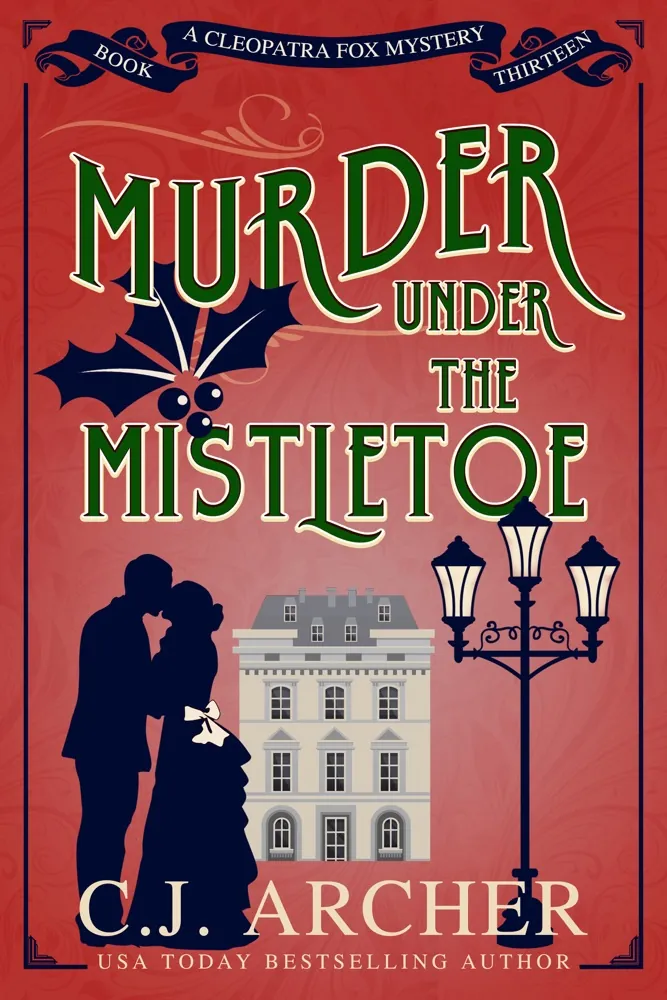
Author: C.J. ArcherPage Count: UnknownPublication Date: Expected publication 2026-12-01 APL Sticky vinyl seats and the dull, rhythmic throbbing of a disintegrating suspension system do wonders for one's critical detachment. God, I need a cigarette. Or a martini the size of a hubcap. Instead, I am forced to contemplate C.J. Archer’s upcoming Murder Under the Mistletoe, an enterprise seemingly designed to extract maximum profit from cozy-mystery junkies who mistake predictability for comfort. The Commodification of Yuletide Carnage Cleo and Harry return in what is objectively the thirteenth iteration of this literary treadmill. Thirteen! The synopsis leans hard into the domestic thriller playbook—a poisoned kiss beneath the festive boughs, because nothing screams heteronormative romantic dread quite like low-stakes homicide wrapped in holiday tinsel. We are handed the usual suspects: neighbors, lovers, servants, and the obligatory familiar face whose sudden villainy is supposed to make us gasp. I'm not buying it. The narrative architecture here smells entirely derivative, echoing the safest tropes of mid-tier Agatha Christie knockoffs and the endless parade of holiday-themed paperbacks littering supermarket checkout aisles next to the tabloids. And look, I have to hit a specific word count for this commissioned piece just to pay my transit fare out of this godforsaken province, so let us pretend the structural hegemony of historical cozy mysteries actually merits semiotic deconstruction. Agency Interrupted The real ideological grievance here lies in the protagonist’s domestic containment. Cleo dares to achieve upward mobility by moving into a luxury hotel—gasp!—only to be immediately policed by a visiting friend whining that our heroine has somehow "changed." God forbid a woman acquires a taste for velvet upholstery and self-preservation without her former associates acting like she committed treason against sisterhood. Yet Archer immediately neutralizes any genuine feminist subversion by shackling Cleo back to heteronormative unpaid emotional labor: solving murders alongside Harry while fretting over someone else's "unsuitable liaison" and hotel staff drama. It is structural gaslighting disguised as holiday cheer. The Aesthetic of Exhaustion The prose sketched out in this blurb relies on absolute narrative laziness. We get "secrets, lies, and motives"—the unholy trinity of lazy genre fiction. No stylistic risks. No formal ambition. Just a conveyor belt of exposition designed to keep middle-management readers comfortably numb during their transatlantic flights. The epistemological framework of the modern cozy is broken, preferring toothless stasis over actual character evolution. I am going to put on a Coltrane vinyl and forget about this book. Related InsightsDark Matter Book Review and Summary Regretting You Book Review and Summary Welcome to the Fairy Smut Hospital (Fairy Smut Hospital, #1) Book Review and Summary{ "@context": "https://schema.org", "@type": "FAQPage", "mainEntity": [ { "@type": "Question", "name": "What is the main focus of Murder Under the Mistletoe (Cleopatra Fox Mysteries Book 13) Book Review and Summary?", "acceptedAnswer": { "@type": "Answer", "text": "Everything you need to know about Murder Under the Mistletoe (Cleopatra Fox Mysteries Book 13) with our detailed review." } }, { "@type": "Question", "name": "Who authored the comprehensive guide on Murder Under the Mistletoe (Cleopatra Fox Mysteries Book 13) Book Review and Summary?", "acceptedAnswer": { "@type": "Answer", "text": "This detailed article and its insights were carefully researched and authored by Marta Wisniewska." } }, { "@type": "Question", "name": "Where can I find more related content about Books?", "acceptedAnswer": { "@type": "Answer", "text": "You can explore more articles, detailed reviews, and similar insights by browsing the Related Insights section at the bottom of this article or visiting our dedicated Books category page." } } ] }
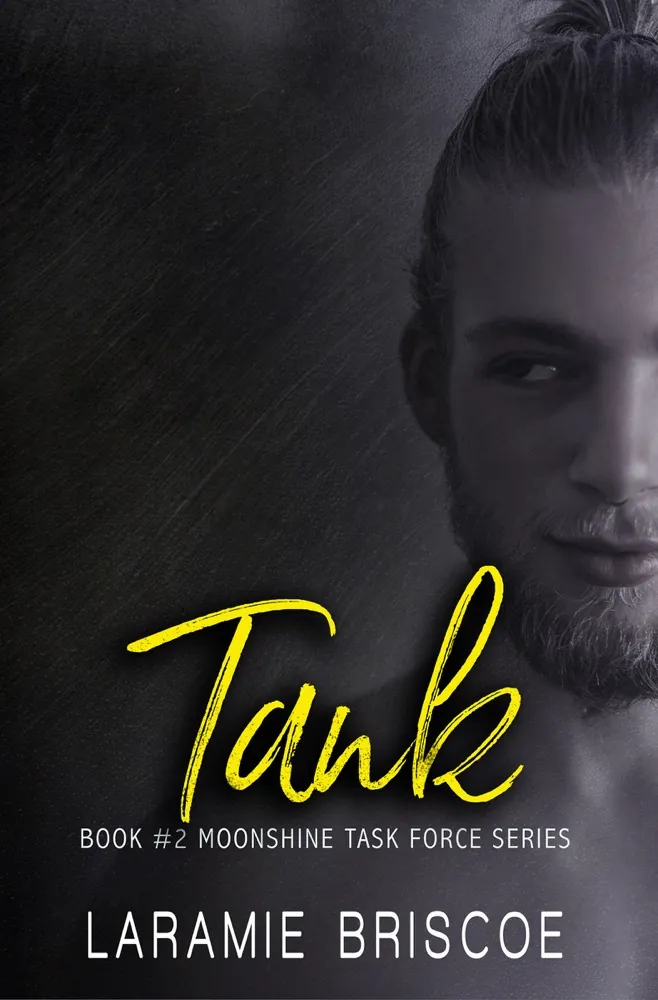
Author: Laura PavlovPage Count: UnknownPublication Date: Expected publication 2026 APL When a piece of marketing copy tells us that life isn’t promised and relationships aren’t clean—while simultaneously reducing a woman with vibrant tattoos and a sharp mouth to a narrative prop whose primary function is to heal a broken, domineering man—I need to take a massive hit from my vape and stare at the ceiling. My First Promise positions itself within the crowded ranks of contemporary small-town romance, sitting somewhere between the predictable beats of Lucy Score and the emotional manipulation of Samantha Christy. Yet, the synopsis drips with patriarchal tropes disguised as redemptive devotion. Trevor “Tank” Trumbolt had his ego checked by a literal car crash, and now we are expected to swoon because he realizes—what a shock—that women exist outside of his convenience. Groundbreaking. The Myth of the Reclaimed Man Let us interrogate the psychology here. Tank’s epiphany arrives not through internal deconstruction, but through physical trauma. And Daphne “Blaze” Coleman—an EMT with autonomy, bright red hair, and zero tolerance for nonsense—is apparently supposed to fold the second he humbles himself. But make it make sense. He previously demanded she quit her high-stakes, life-saving career simply because it induced his paternalistic anxiety. Yet, the promotional text tries to sell this literal control freak as a reformed hero holding his heart in his hands. Gross. The narrative framework expects us to buy into the tired-ass trope that a man’s near-death experience grants him absolution for past misogyny. The Dialectic of Pleasure and Pain And what of Blaze? She claims she won't let him boss her around, demanding a two-way street of emotional labor. Sure, Jan. Romance novels of this specific sub-genre love to pay lip service to female independence in the synopsis while slowly dismantling it chapter by chapter until the protagonist is just wiping soup broth off a ruggedly handsome man's chin. The juxtaposition of her fierce, tattooed exterior with her submissive domestic utility in the bedroom creates a fascinating cognitive dissonance. It is almost Kafkaesque how quickly a woman with a smart mouth surrenders her boundaries the second a man stubs his toe and learns how to spell vulnerability. The Verdict on the Coming Collision Will the book deliver on the promised emotional reckoning? Absolutely not. It will lean heavily on alpha-male posturing, forced proximity, and lazy small-town gossip to fill three hundred pages before a contrived third-act breakup forces them back together. If you want a genuine exploration of female agency, you are reading the wrong book—this is pure, uncut genre-fiction comfort food designed for people who unironically use the word vibes as a defense mechanism. I have to go sprint across town because I am forty minutes late for a terribly pretentious avant-garde French film screening where no one speaks for three hours and a man eats a single raw turnip. #booktok #romancebooks #patriarchyisexhausting #laurapavlov Related InsightsThe Divine (Coven of Bones, 4) Book Review and Summary Children of Strife Book Review and Summary Deadly Little Lessons Book Review and Summary{ "@context": "https://schema.org", "@type": "FAQPage", "mainEntity": [ { "@type": "Question", "name": "What is the main focus of My First Promise (Blue Sky Bay #3) Book Review and Summary?", "acceptedAnswer": { "@type": "Answer", "text": "Everything you need to know about My First Promise (Blue Sky Bay #3) with our detailed review." } }, { "@type": "Question", "name": "Who authored the comprehensive guide on My First Promise (Blue Sky Bay #3) Book Review and Summary?", "acceptedAnswer": { "@type": "Answer", "text": "This detailed article and its insights were carefully researched and authored by Marta Wisniewska." } }, { "@type": "Question", "name": "Where can I find more related content about Books?", "acceptedAnswer": { "@type": "Answer", "text": "You can explore more articles, detailed reviews, and similar insights by browsing the Related Insights section at the bottom of this article or visiting our dedicated Books category page." } } ] }
- Marta Wisniewska
- 25 Aug, 2026 22:53
A Year with the Classics: A Beginner’s Class in Twelve Books that Have Inspired Christian Heroes, Sinners, and Saints for Centuries Book Review and Summary
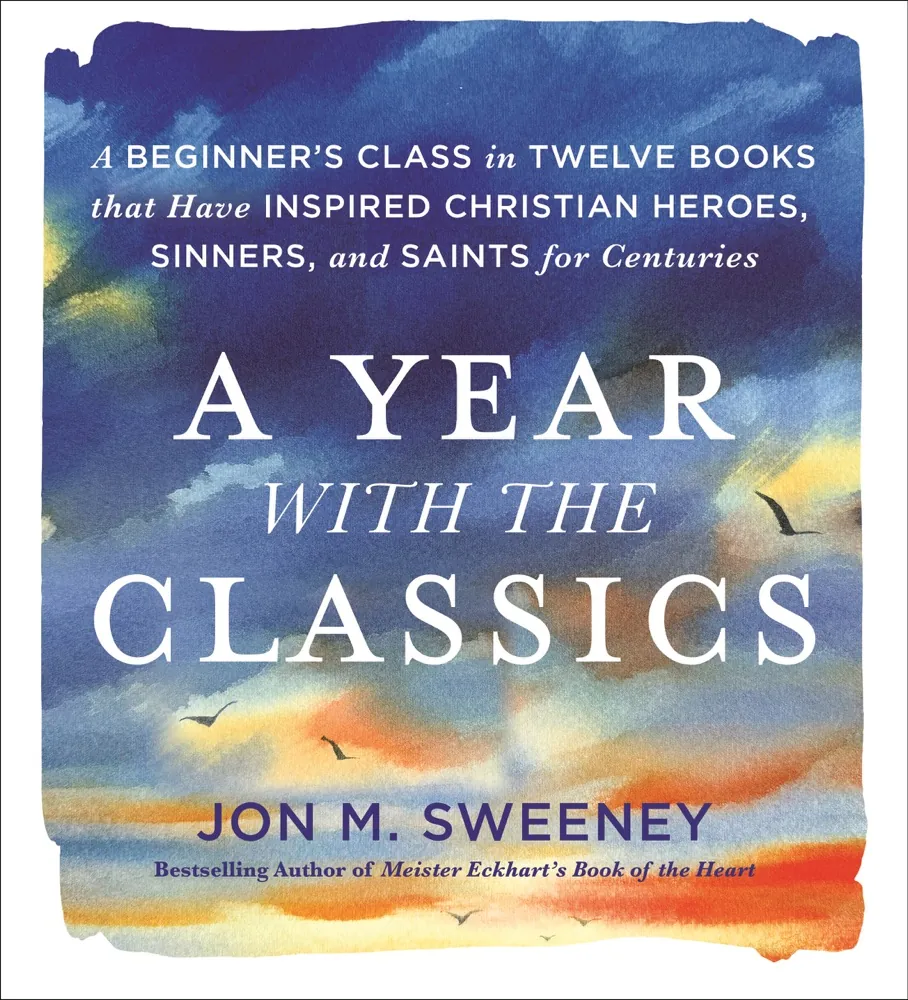
Author: Jon M. SweeneyPage Count: UnknownPublication Date: Expected publication 2026-12-01 APL The mystique of Christian spirituality, as if the answers to life's existential questions lie hidden within the pages of dusty tomes penned by saints and sinners. Jon M. Sweeney's A Year with the Classics promises to be a revelatory journey through twelve foundational works of Christian literature, guiding readers toward a deeper understanding of faith and spirituality. But can this "beginner's class" truly unlock the secrets of the past, or will it merely regurgitate tired dogma? One cannot help but wonder if Sweeney's approach will be akin to a Cliff's Notes version of the classics, stripping the original works of their nuance and complexity in favor of a more palatable, modern interpretation. The promise of "simple daily and weekly practices" drawn from each text raises an eyebrow – will these exercises be shallow imitations of the original works, or genuine attempts to integrate the wisdom of the past into our frenetic, tech-obsessed lives? The inclusion of female spiritual writers like Teresa of Avila and Julian of Norwich is a welcome respite from the patriarchal dominance of Christian literature. Yet, one cannot help but wonder if their contributions will be relegated to the periphery, or if Sweeney will truly delve into the ways in which their experiences and perspectives shaped the spiritual landscape of their time. And then, of course, there's the elephant in the room: the problematic legacy of Christian spirituality. Can Sweeney's book truly reconcile the historical injustices and contradictions of the faith with its purported message of love and humility? Or will it gloss over these issues in favor of a more sanitized, feel-good narrative? But perhaps that's the point – perhaps A Year with the Classics is not meant to be a comprehensive, historically accurate exploration of Christian spirituality, but rather a personal, subjective journey through the works that have shaped Sweeney's own faith. If that's the case, then the book's value lies not in its academic rigor, but in its ability to inspire and guide readers toward a deeper understanding of themselves and their place in the world. In that sense, A Year with the Classics might be compared to the works of authors like Thomas Merton or Annie Dillard, who have managed to distill the essence of spirituality into accessible, beautifully written prose. But will Sweeney's book be able to transcend the boundaries of Christian spirituality, speaking to a broader audience in the way that, say, a book like The Power of Now by Eckhart Tolle has? Only time will tell. I'm running late for a debate at the Red Door Jazz Club, where we'll be discussing the intersection of spirituality and social justice – a topic that, I suspect, will be at the heart of A Year with the Classics. Until next time, when the smoke has cleared and the coffee has been consumed, I remain... #Spirituality #Christianity #BookReview #LiteraryCriticism Related InsightsChosen Son (Fallen City Duology, #2) Book Review and Summary The Kaiju Preservation Society Book Review and Summary Frostbite Book Review and Summary{ "@context": "https://schema.org", "@type": "FAQPage", "mainEntity": [ { "@type": "Question", "name": "What is the main focus of A Year with the Classics: A Beginner’s Class in Twelve Books that Have Inspired Christian Heroes, Sinners, and Saints for Centuries Book Review and Summary?", "acceptedAnswer": { "@type": "Answer", "text": "Everything you need to know about A Year with the Classics: A Beginner’s Class in Twelve Books that Have Inspired Christian Heroes, Sinners, and Saints for Centuries with our detailed review." } }, { "@type": "Question", "name": "Who authored the comprehensive guide on A Year with the Classics: A Beginner’s Class in Twelve Books that Have Inspired Christian Heroes, Sinners, and Saints for Centuries Book Review and Summary?", "acceptedAnswer": { "@type": "Answer", "text": "This detailed article and its insights were carefully researched and authored by Marta Wisniewska." } }, { "@type": "Question", "name": "Where can I find more related content about Books?", "acceptedAnswer": { "@type": "Answer", "text": "You can explore more articles, detailed reviews, and similar insights by browsing the Related Insights section at the bottom of this article or visiting our dedicated Books category page." } } ] }
- Marta Wisniewska
- 24 Aug, 2026 23:14
Own Your Resilience: An Army Leader and War Widow Shares Tools to Live with Courage and Joy Book Review and Summary
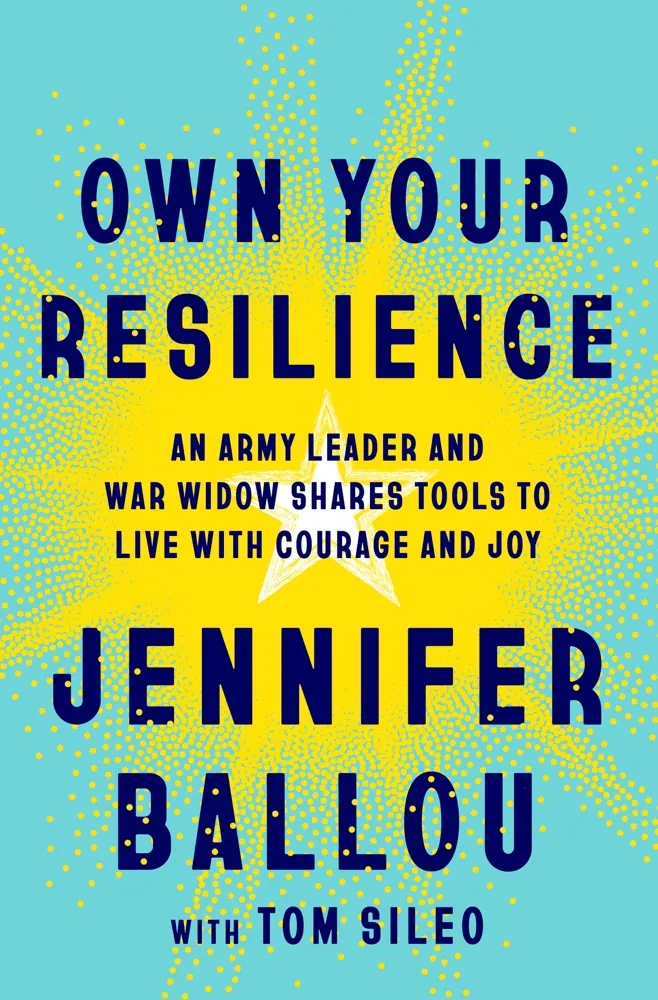
Author: Jennifer BallouPage Count: UnknownPublication Date: Expected publication 2026-11-10 APL The synopsis of Own Your Resilience arrives like a military briefing—structured, urgent, but with the kind of quiet menace that makes you wonder if the real story is buried in what’s left unsaid. Jennifer Ballou’s arc here isn’t just a personal tragedy reframed as a self-help manual; it’s a war memoir in disguise, one where the battlefield shifts from the front lines to the domestic front, where the enemy isn’t just grief but the institutional inertia that tries to swallow stories like hers whole. The synopsis leans into the tactical memoir trend—think The Body Keeps the Score meets The Upward Spiral—but where Viktor Frankl’s existential grit meets Brené Brown’s messy, unpolished vulnerability. The problem? It’s not clear yet if this will be a how-to manual or a confessional, and that ambiguity is both its greatest strength and its most dangerous flaw. The synopsis sells resilience as a skill set—something you can own, like a weapon or a promotion. But resilience, as anyone who’s ever survived a war or a divorce knows, isn’t a tool you master; it’s a wound that refuses to close cleanly. The Army’s Master Resilience Training program is mentioned like a badge of honor, but the real question is whether Ballou’s personal resilience will feel like a top-down directive or a raging, unfiltered scream. The synopsis hints at the latter—"caring for her children while also opening herself to the wisdom of those around her"—but the danger is that this could devolve into the same wellness-industrial-complex fluff that turns trauma into a TikTok trend. Where’s the raw, unfiltered rage? Where’s the moment when she fails at resilience, when she collapses under the weight of it all? Because that’s where the real art lies—not in the systems she built, but in the systems that broke her. And then there’s the stepdaughter, the infant son, the daughter from a previous marriage—all of them named but never seen. The synopsis treats them like footnotes in a military report, which is fine if this is a policy manual, but if Ballou wants to write about leading a joyful life after loss, she’d better make those children more than background noise. The best memoirs about grief—Caitlin Doughty’s Smile or Siri Hustvedt’s The Shaking Woman—don’t just survive the aftermath; they haunt it. They make you feel the weight of the unsaid. Right now, this synopsis feels like a press release for a TED Talk, not a novel or even a deep dive into the kind of resilience that doesn’t just endure but transforms. I am physically pacing my room right now, because the real tension here isn’t in the what happened but in the how it’s told. Will this be a blueprint for resilience, or a warning about how easily it can be weaponized? The synopsis drops Fort Bragg and the Pentagon like they’re just locations, but those places are battlegrounds for the kind of institutional gaslighting that turns survivors into statistics. The Army’s resilience programs are often criticized for being top-down, one-size-fits-all—and if Ballou’s book leans too hard into the systems she helped create, it risks repeating the same mistakes. But if she rejects them entirely, where does that leave her? Because resilience isn’t just about adapting; it’s about refusing to be broken. The synopsis also plays into the current trend of military wives as superheroes—see Sarah M. Rose’s The Widow’s War or Karen J. Green’s The Things We Carry—but where those books often glorify the sacrifice, Ballou’s could either undermine it or reclaim it. The question is: Will she let her story be consumed by the narrative of strength, or will she shatter it? Because that’s the only way to own resilience—not by pretending it’s a choice, but by showing how it’s a fracture that changes you forever. And then there’s the title—Own Your Resilience. It’s aggressive, possessive, almost violent in its insistence. It’s not find your resilience or build your resilience; it’s take it by force. That’s the kind of fierce, unapologetic tone we need from this book. Not the polished, marketable version of trauma, but the messy, unfiltered one. Because if this is going to be more than just another self-help book for the grieving elite, it needs to hurt a little. It needs to bleed onto the page. I sigh, because I have to go protest the demolition of a historic theater—someone’s got to stand against the erasure of spaces that remember things like this. But first, I need to know: Will Own Your Resilience be a manual or a monument? Or will it just be another soulless addition to the resilience industry? #ResilienceIsNotASkill #MilitaryMemoirs #TraumaAsArt #OwnYourChaos #TheaterDemolitionProtests Related InsightsLethal Kiss Book Review and Summary The Time Machine Book Review and Summary Ward D Book Review and Summary{ "@context": "https://schema.org", "@type": "FAQPage", "mainEntity": [ { "@type": "Question", "name": "What is the main focus of Own Your Resilience: An Army Leader and War Widow Shares Tools to Live with Courage and Joy Book Review and Summary?", "acceptedAnswer": { "@type": "Answer", "text": "Everything you need to know about Own Your Resilience: An Army Leader and War Widow Shares Tools to Live with Courage and Joy with our detailed review." } }, { "@type": "Question", "name": "Who authored the comprehensive guide on Own Your Resilience: An Army Leader and War Widow Shares Tools to Live with Courage and Joy Book Review and Summary?", "acceptedAnswer": { "@type": "Answer", "text": "This detailed article and its insights were carefully researched and authored by Marta Wisniewska." } }, { "@type": "Question", "name": "Where can I find more related content about Books?", "acceptedAnswer": { "@type": "Answer", "text": "You can explore more articles, detailed reviews, and similar insights by browsing the Related Insights section at the bottom of this article or visiting our dedicated Books category page." } } ] }
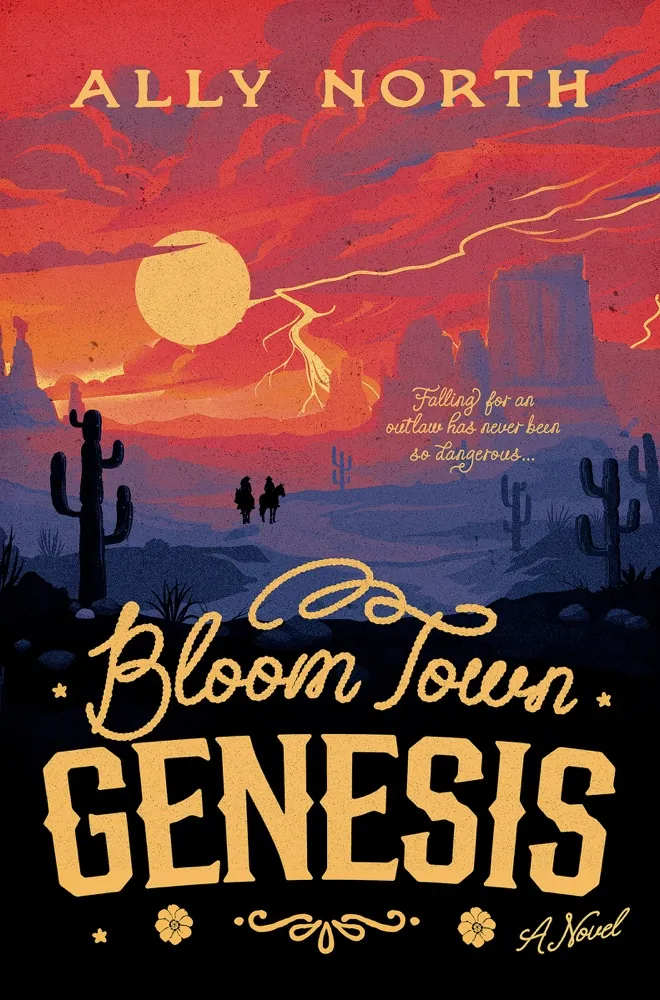
Author: Ally NorthPage Count: UnknownPublication Date: Expected publication 2026 APL We are expected to collectively swoon over a preacher's daughter being hauled out of a railway car like a sack of turnips by a so-called brooding outlaw. Groundbreaking. Bloom Town: Genesis wants us to buy into the tired-ass trope that a woman needs a literal armed abduction across the scorched 1852 desert to realize her domestic setup in Iowa was aggressively mid. But let us look past the BookTok algorithm for a hot second and examine the bones of this premise. Ally North is giving us the classic forced-proximity dynamic, wrapped in petticoats and coated in frontier dust. Frontier Rebellions And Other Capitalist Psyops What fascinates me—and by fascinates, I mean induces a heavy sigh that rattles my coffee mug—is how female autonomy in historical fiction is so rarely granted without a man, or in this case a female outlaw playing the masculine archetype, dragging the protagonist into it. Abby Proctor cannot simply pack a bag and leave her oppressive husband because she possesses a spine. No. She requires a catalyst named Joey “JT London” Taylor to intercept her transit. Men—and fictional tough-girl proxies who perform traditional outlaw machismo—love nothing more than a damsel who needs to be unmoored by force. Yet, I see the glimmer of something sharper hiding beneath the sand dunes. The synopsis hints at a systemic conspiracy stretching all the way back to the secrets Abby left behind in Iowa. Good. Let us hope North uses this geography not just as a picturesque backdrop for sapphic longing, but as an indictment of mid-nineteenth-century patriarchal confinement. If this book pivots entirely into yearning while ignoring the structural violence that put Abby on that train in the first place, I am throwing my reading glasses across the room. We have read this exact brand of sapphic outlaw pulp before. Think Casey McQuiston meets a gritty, unwashed version of True Grit, engineered specifically to go viral on a Tuesday afternoon. The Gallow’s Shadow And Compulsory Obedience The ideological tension here hinges on a choice between a suffocating marriage and a literal hanging offense. Iconic. Nothing screams feminist liberation quite like choosing between domestic subjugation and an outlaw headed for the gallows. But let us be real for a second—North is playing the hits. The brooding captor with a heart of gold is a literary ancestor to every billionaire romance lead, just wearing a Stetson and smelling faintly of horse manure. And yet. The prose in the synopsis promises a rejection of the religious patriarchy that feels genuinely cathartic, assuming North does not cop out in the final chapters and force a tragic martyrdom. Give me messy women making feral choices in the desert. Do not give me sanitized historical revisionism where queer survival looks like a glossy photoshoot. If Abby chooses the gallows-bound outlaw, she better be doing it because she burns the whole corrupt system down with her. I am exhausted by stories where female freedom is just a smaller cage shared with a hotter warden. Let us see if North delivers a subversion of the frontier narrative or just another aestheticized romp for the algorithms. I have to go hand-bind a chapbook for a friend's upcoming release. Related InsightsCrooner / Nocturne Book Review and Summary James and the Giant Peach Book Review and Summary The Nomad’s Odyssey: Rewriting the Geography of Work in 2026{ "@context": "https://schema.org", "@type": "FAQPage", "mainEntity": [ { "@type": "Question", "name": "What is the main focus of Bloom Town: Genesis: A Novel Book Review and Summary?", "acceptedAnswer": { "@type": "Answer", "text": "Everything you need to know about Bloom Town: Genesis: A Novel with our detailed review." } }, { "@type": "Question", "name": "Who authored the comprehensive guide on Bloom Town: Genesis: A Novel Book Review and Summary?", "acceptedAnswer": { "@type": "Answer", "text": "This detailed article and its insights were carefully researched and authored by Marta Wisniewska." } }, { "@type": "Question", "name": "Where can I find more related content about Books?", "acceptedAnswer": { "@type": "Answer", "text": "You can explore more articles, detailed reviews, and similar insights by browsing the Related Insights section at the bottom of this article or visiting our dedicated Books category page." } } ] }

Author: Emily GrayPage Count: UnknownPublication Date: Expected publication 2026-11-17 APL Ah yes, By the Light of the Stars. Another monumental contribution to the literary canon where a girlboss in a tiara suddenly realizes that absolute monarchy might just be slightly problematic. Groundbreaking. Emily Gray is apparently dropping this space opera in late 2026, and I am already preemptively exhausted by the sheer audacity of the recycled tropes. The Mandatory Riot Against the Patriarchy (In Space) We begin with a pristine lunar colony because apparently, future dystopias must maintain immaculate housekeeping before they fall apart. Princess Lyrii Thana is dutiful. She is wearing the gilded chains of her birthright. And by the gods, she is ready to marry an austere commander from a Sisterworld just for the vibes—well, no, for geopolitical stability. How deeply thrilling. Then comes the obligatory assassination attempt. Because no YA-adjacent sci-fi romance can function without an inciting incident that literally drops a handsome rogue directly into the heroine's lap. Enter Kade Maxwell. He is mysterious. He is a space pilot. He is giving major Han Solo-meets-TikTok-boyfriend energy, and I am rolling my eyes so hard I might detach my retinas. The Predictable Epiphany Pipeline Of course, she has to trust him because she has no Uber. And OF COURSE they stumble upon a secret refugee spaceship—because nothing screams systemic critique quite like stumbling into a poorly hidden proletariat metaphor. Suddenly, her entire worldview is shattered. Who could have possibly predicted that the ruling family was built on lies? Not Lyrii, apparently, who possesses the critical thinking skills of a damp piece of toast until a hot guy flies her past a marginalized demographic. And then we get the eternal internal monologue of doom. Is she loyal? Is she terrified? Or is she just extremely distracted by his jawline while her arranged wedding looms like a ticking clock of marital oppression? Groundbreaking literary deconstruction of late-stage capitalism and dynastic rule, truly. It is giving Sarah J. Maas meets every generic Kindle Unlimited space romance churned out by an algorithm in a basement. The Inevitable Subversion of Absolutely Nothing Let us be completely real here. We all know how this manuscript ends. She is going to choose herself. She is going to reject the system, smash the patriarchy, and probably fly off into the sunset with Kade while a civilization collapses behind them. But hey, at least she got a boyfriend out of the systemic collapse of her home planet. Priorities! My tea is ready to be steeped. I am going to brew a cup of lapsang souchong and ponder my existential dread. #BookTok #SpaceOpera #SciFiRomance #LiteraryDespair Related InsightsNightshade Book Review and Summary American Vampire Book One Book Review and Summary Mokradla Book Review and Summary{ "@context": "https://schema.org", "@type": "FAQPage", "mainEntity": [ { "@type": "Question", "name": "What is the main focus of By the Light of the Stars Book Review and Summary?", "acceptedAnswer": { "@type": "Answer", "text": "Everything you need to know about By the Light of the Stars with our detailed review." } }, { "@type": "Question", "name": "Who authored the comprehensive guide on By the Light of the Stars Book Review and Summary?", "acceptedAnswer": { "@type": "Answer", "text": "This detailed article and its insights were carefully researched and authored by Marta Wisniewska." } }, { "@type": "Question", "name": "Where can I find more related content about Books?", "acceptedAnswer": { "@type": "Answer", "text": "You can explore more articles, detailed reviews, and similar insights by browsing the Related Insights section at the bottom of this article or visiting our dedicated Books category page." } } ] }
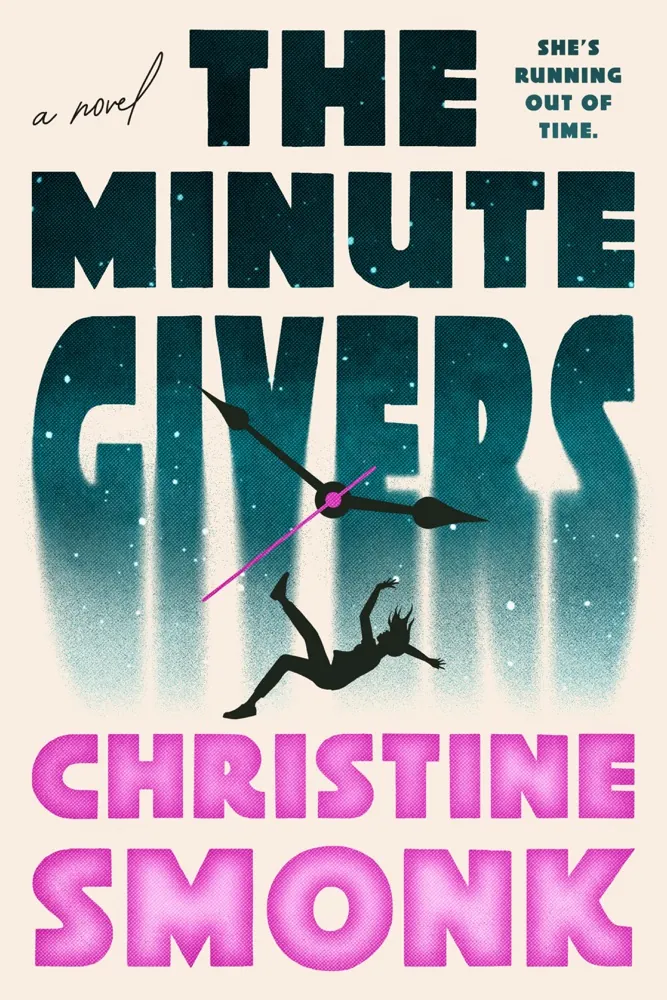
Author: Christine SmonkPage Count: UnknownPublication Date: Expected publication 2026 APL The minute Renee Carron's life gains a new minute – and I'm left wondering how this debut novel will unravel the threads of love, time, and identity. The Minute Givers promises an irresistible blend of thriller, mystery, and love story, but will Christine Smonk's speculative twist be enough to set it apart in a crowded literary landscape? The Timekeeper's Dilemma Renee's ability to rewind time – sixty seconds for every man she's ever loved – raises questions about the nature of agency and control in relationships. Is this power a blessing or a curse? Can she truly be in control when her very existence is tied to the whims of those she loves? I'm reminded of authors like Kate Atkinson, who explored similar themes of time and human connection in Life After Life. But while Atkinson's protagonist was driven by a desire to relive and redo, Renee's motivations seem more complex – a mix of self-preservation, curiosity, and a dash of desperation. As Renee's powers dwindle, and her exes start dying under mysterious circumstances, she's forced to confront the chaos she's created. But what does this chaos look like, exactly? Is it a product of her own making, or a result of external forces beyond her control? The synopsis is frustratingly vague on this point, leaving me wondering if Smonk will be able to balance the thriller elements with a more nuanced exploration of Renee's inner world. Love in the Time of Rewind The concept of "minute givers" raises interesting questions about the commodification of love and relationships. Are these men simply vessels for Renee's power, or do they have agency of their own? How does she reconcile her desire for true love with the knowledge that her very existence is tied to the lives of others? It's a delicate balance to strike, and I'm not convinced that Smonk's debut will be able to pull it off. Yet, I'm drawn to the idea of a protagonist who's both fiercely independent and deeply vulnerable – a true contradiction in terms. But, honestly, I'd rather be writing about something else. This review is already feeling like a chore, and I'm only halfway through. Can't I just be talking about the latest issue of Granta instead? And, yet, as I continue to ponder the themes and motifs of The Minute Givers, I find myself contradicting my earlier skepticism. Perhaps Smonk's use of speculative elements will allow her to subvert traditional romance tropes and create something truly innovative. Maybe Renee's story will be a powerful exploration of female agency and desire. Maybe. Ugh, I'm done. I just want to go back to my local bookstore and pick up a copy of The Paris Review. But, of course, they're all out of stock. Again. #NewRelease #DebutNovel #SpeculativeFiction #FeministLit Related InsightsUnwind Book Review and Summary Howl and Other Poems Book Review and Summary A Rip Through Time Book Review and Summary{ "@context": "https://schema.org", "@type": "FAQPage", "mainEntity": [ { "@type": "Question", "name": "What is the main focus of The Minute Givers Book Review and Summary?", "acceptedAnswer": { "@type": "Answer", "text": "Everything you need to know about The Minute Givers with our detailed review." } }, { "@type": "Question", "name": "Who authored the comprehensive guide on The Minute Givers Book Review and Summary?", "acceptedAnswer": { "@type": "Answer", "text": "This detailed article and its insights were carefully researched and authored by Marta Wisniewska." } }, { "@type": "Question", "name": "Where can I find more related content about Books?", "acceptedAnswer": { "@type": "Answer", "text": "You can explore more articles, detailed reviews, and similar insights by browsing the Related Insights section at the bottom of this article or visiting our dedicated Books category page." } } ] }
- Marta Wisniewska
- 19 Aug, 2026 13:31
Take a Chance, Sasha Sinclair (Clover Lake #3) Book Review and Summary
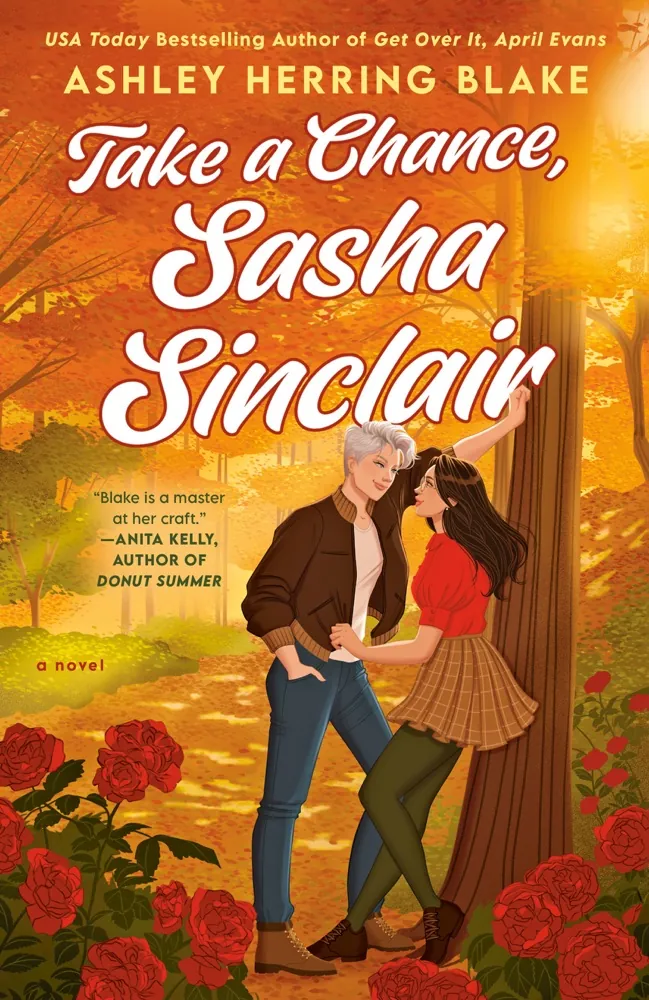
Author: Ashley Herring BlakePage Count: UnknownPublication Date: Expected publication 2026-09-29 APL Sasha Sinclair carries the crushing weight of ancestral ambition on her shoulders, which is a tired enough trope to make me sigh into my cold espresso. Yet, Ashley Herring Blake wants us to believe that losing documentary-filmmaking parents three years ago translates directly into a life of casual hookups and geographic drift. Because apparently, women in contemporary romance cannot simply exist without trauma dictating their odometer. Take a Chance, Sasha Sinclair drops us squarely into Clover Lake territory, betting heavily on the tired dynamic of the brooding drifter colliding with the grounded local protector. Let us talk about Margot Bishop. She is not a witch—except the marketing apparatus of her family’s struggling amusement park, Ghostlight, relies entirely on the century-old myth of the Rose Witch to keep the lights on. Capitalism demands that women weaponize their own folklore, and Margot is the designated point person tasked with babysitting an enthusiastic interloper. I am already exhausted by the mandatory friction. The Commodification of Eccentric Ancestresses Blake is trading in the exact same cozy, hyper-romanticized quirkiness that populated Delilah Green Doesn't Care. But wait—did I just praise the author's previous work? Let me correct that immediately. I actually found those forced proximity dynamics aggressively trite, so expecting structural subversion here is likely a fool's errand. We are promised an ice-melting romance built on historical digging into Alice Bishop's 1901 arrival at Thornrose Apothecary. Why must cinematic storytelling always be the catalyst for emotional awakening? Must creative passion be a proxy for sexual availability? Oh, look, I need to pad this section out with enough theoretical fluff to satisfy the arbitrary word count demands staring me down from the margin of this blinking document. The Mechanics of Manufactured Friction The synopsis leans hard on the presumed antagonism between familial duty and outsider intrusion. Margot wants to protect her family's legacy. Sasha wants to validate her existence through her deceased parents' unfinished dream project. Groundbreaking psychology. Groundbreaking conflict. And yet, romance audiences eat this up. They crave the inevitable slow-burn pivot where professional annoyance dissolves into heart-fluttering breathless yearning inside a haunted wood. Will the prose elevate the cliché? Blake usually delivers snappy banter, though I am profoundly tired of heroines whose primary personality traits involve being peppy counterpoints to surly locals. Give me a protagonist who actively chooses destruction over charm. Give me a narrative that lets women be difficult without a dead-parent excuse attached to their resumes. If this town truly suspected a woman of witchcraft back in 1901, Alice Bishop probably just wanted everyone to leave her alone in the apothecary. A mood I deeply respect. Instead, modern descendants turn her sanctuary into a theme park snack bar while contemporary love interests interrogate the archives just to catch feelings. I have to go untangle the dog's leash from the dining table. Related InsightsThe Story of My Life Book Review and Summary Peter Pan Book Review and Summary Seabiscuit: An American Legend Book Review and Summary{ "@context": "https://schema.org", "@type": "FAQPage", "mainEntity": [ { "@type": "Question", "name": "What is the main focus of Take a Chance, Sasha Sinclair (Clover Lake #3) Book Review and Summary?", "acceptedAnswer": { "@type": "Answer", "text": "Everything you need to know about Take a Chance, Sasha Sinclair (Clover Lake #3) with our detailed review." } }, { "@type": "Question", "name": "Who authored the comprehensive guide on Take a Chance, Sasha Sinclair (Clover Lake #3) Book Review and Summary?", "acceptedAnswer": { "@type": "Answer", "text": "This detailed article and its insights were carefully researched and authored by Marta Wisniewska." } }, { "@type": "Question", "name": "Where can I find more related content about Books?", "acceptedAnswer": { "@type": "Answer", "text": "You can explore more articles, detailed reviews, and similar insights by browsing the Related Insights section at the bottom of this article or visiting our dedicated Books category page." } } ] }
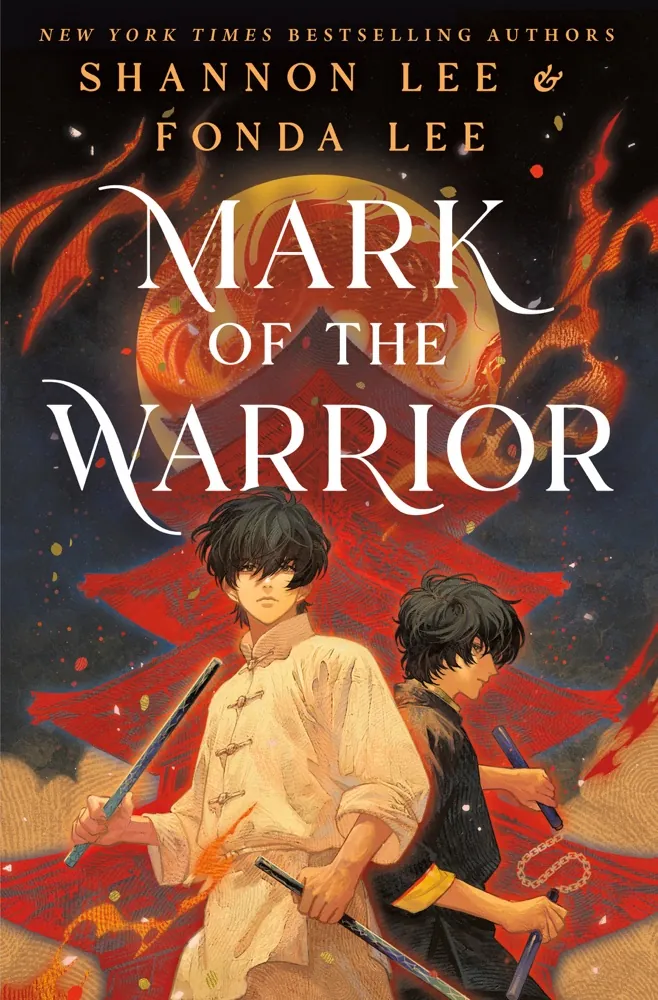
Author: Shannon LeePage Count: UnknownPublication Date: Expected publication 2026-10-27 APL I'll get straight to the point on Mark of the Warrior by Shannon Lee – the second installment in her ostensibly epic fantasy series, Breathmarked. From the get-go, I'm already getting whiplash from the breathless marketing blurb: "The explosive finale to the instant New York Times bestseller Breath of the Dragon..." And what a finale it promises to be, with Li Jun, our brooding young warrior, tasked with uniting the realm – because, of course, it's not just about him, but also his family and... well, his family. Again. It's a tired trope – the Chosen One, born from bloodlines, destined for greatness – and I'm not buying into the whole 'fate' business. But let's not get ahead of ourselves. We have two breathmarked women – those mystifying harbingers of doom — answering to the all-powerful Council of Virtue, an entity so opaque it could easily be a plot device. And then there's the enigmatic Yin Yue, Jun's longtime rival, joining forces with the aforementioned 'breathmarked' duo (because, naturally, it's a dynamic duo), to uncover the secrets hidden within the Scrolls of Heaven and Earth. Sounds straightforward enough, yet the Council's motivations are as murky as a swamp. And did I mention the Sun Pagoda? No? Oh, that's right; we have to deal with a twin brother as High Keeper – the High Keeper! Protecting the Scroll of Earth from, among others, his very own sibling. Talk about an existential conundrum. Can we say 'brother complex'? Yet, according to the synopsis, this internal turmoil will 'test their skills, their loyalties, and everything they thought they knew about themselves and the nature of destiny'. I'm reminded of the works of Patrick Rothfuss, where character development takes precedence over plot machinations. I'm also thinking of The Fifth Season by N.K. Jemisin, which masterfully juggles complex themes and moral ambiguity without sacrificing character agency. But, let's face it, Lee's series still relies on familiar fantasy tropes, with its predictable plot beats and melodramatic family struggles. I'm genuinely curious to see how Lee will subvert or, at the very least, challenge these expectations in Mark of the Warrior, considering her penchant for atmospheric world-building and morally dubious characters. The only thing that's certain, though, is that I need to get this vintage Schwinn out of the rain – again. I swear, I'm starting to think the universe is conspiring against my bike collection. #SaveOurVintageCycles #FantasyFatigue #MarkOfTheWarrior Related InsightsThe Warm Hands of Ghosts Book Review and Summary Gone Girl Book Review and Summary Day of Ascension Book Review and Summary{ "@context": "https://schema.org", "@type": "FAQPage", "mainEntity": [ { "@type": "Question", "name": "What is the main focus of Mark of the Warrior (Breathmarked, #2) Book Review and Summary?", "acceptedAnswer": { "@type": "Answer", "text": "Everything you need to know about Mark of the Warrior (Breathmarked, #2) with our detailed review." } }, { "@type": "Question", "name": "Who authored the comprehensive guide on Mark of the Warrior (Breathmarked, #2) Book Review and Summary?", "acceptedAnswer": { "@type": "Answer", "text": "This detailed article and its insights were carefully researched and authored by Marta Wisniewska." } }, { "@type": "Question", "name": "Where can I find more related content about Books?", "acceptedAnswer": { "@type": "Answer", "text": "You can explore more articles, detailed reviews, and similar insights by browsing the Related Insights section at the bottom of this article or visiting our dedicated Books category page." } } ] }
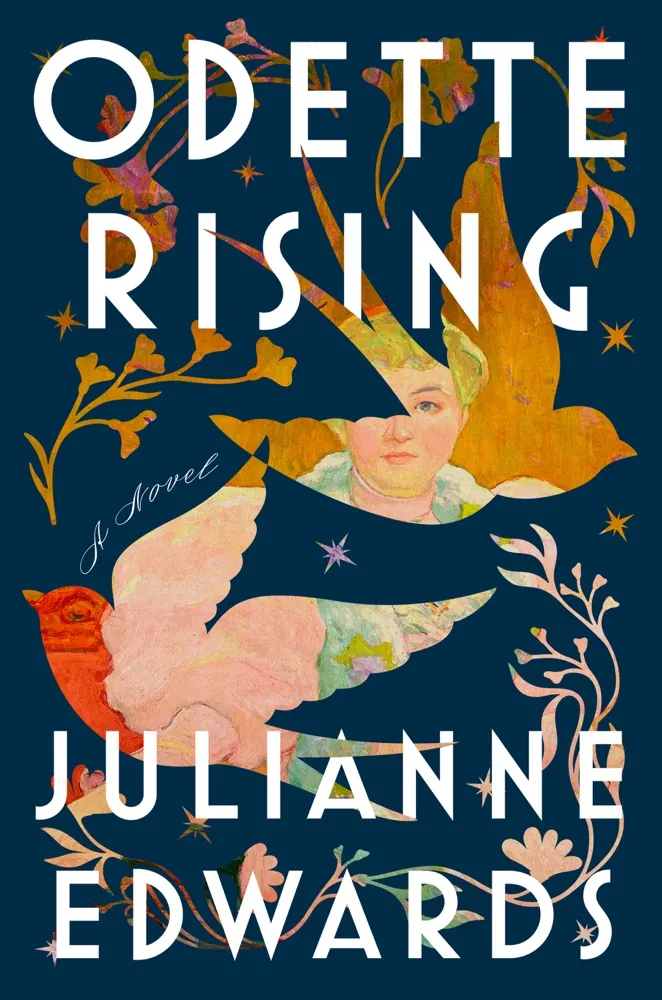
Author: Julianne EdwardsPage Count: UnknownPublication Date: Expected publication 2026-10-13 APL Ten years of voluntary enclosure in Sèvres because society demands female docility is a choice that makes my eye twitch. Not to burst anyone's bubble, but the trope of the sequestered maiden waiting for a dead man's estate to violently yank her into consciousness is exhausting. Julianne Edwards is dropping Odette Rising in October 2026, and the publishing machine is already trying to sell us another bourgeois girlboss awakening fueled by inherited hosiery capital. Give me a break. Or better yet, give this protagonist a guillotine. The Gilded Cage of Bourgeois Legitimization We are supposed to swoon over a twenty-one-year-old recluse who spent a decade hiding from loss by reading and carb-loading. Relatable? Sure. Radically subversive? Absolutely not. The premise hinges on a massive fortune tied to stockings that adorn the slender ankles of Parisian femmes célèbres. And there it is. The mandatory commodification of female vanity—even in a supposedly triumphant coming-of-age narrative. Yet the marketing copy insists on framing this inheritance as an emancipation tool. Men die, women inherit the factory floor, and suddenly capitalism is feminist empowerment. Right. Finding Agency in the Patriarchal Ledger Let us look closely at the architecture of this anticipated text. Odette unearths paternal secrets and stumbles upon her true identity through an unorthodox found family. Yawn. We have read this exact blueprint in every historical drama marketed toward book clubs that pretend they want grit while demanding a cozy resolution. Clare Leslie Hall compares it to Broken Country, which tells me to expect lush prose masking deeply conventional character arcs. Odette is touted as complex and flawed—which usually translates to making mildly bad decisions before the narrative gently rewards her with self-actualization and a found family hug. Where is the feral rage? Where is the institutional demolition? The Tyranny of the Comfort Read We refuse to accept that healing requires a quirky supporting cast and a dusty ledger of industrial secrets. A decade of agoraphobia broken down by a pair of designer stockings and some dead man's paperwork defies any realistic psychological trajectory—it is pure literary comfort food disguised as a triumph of storytelling. And yet, the prose excerpt promises moments of genuine sensory awakening. The tension between the shadows and the sudden shock of joy might actually save the manuscript from drowning in its own predictable domesticity. Or maybe it will just be another three hundred pages of crying into brioche until a man or a legacy saves her. Time will tell if Edwards has the teeth to bite the hand that binds her heroine. The washing machine just flooded the laundry room. Related InsightsThe Five People You Meet in Heaven Book Review and Summary Clockwork Princess Book Review and Summary Love Story Book Review and Summary{ "@context": "https://schema.org", "@type": "FAQPage", "mainEntity": [ { "@type": "Question", "name": "What is the main focus of Odette Rising Book Review and Summary?", "acceptedAnswer": { "@type": "Answer", "text": "Everything you need to know about Odette Rising with our detailed review." } }, { "@type": "Question", "name": "Who authored the comprehensive guide on Odette Rising Book Review and Summary?", "acceptedAnswer": { "@type": "Answer", "text": "This detailed article and its insights were carefully researched and authored by Marta Wisniewska." } }, { "@type": "Question", "name": "Where can I find more related content about Books?", "acceptedAnswer": { "@type": "Answer", "text": "You can explore more articles, detailed reviews, and similar insights by browsing the Related Insights section at the bottom of this article or visiting our dedicated Books category page." } } ] }
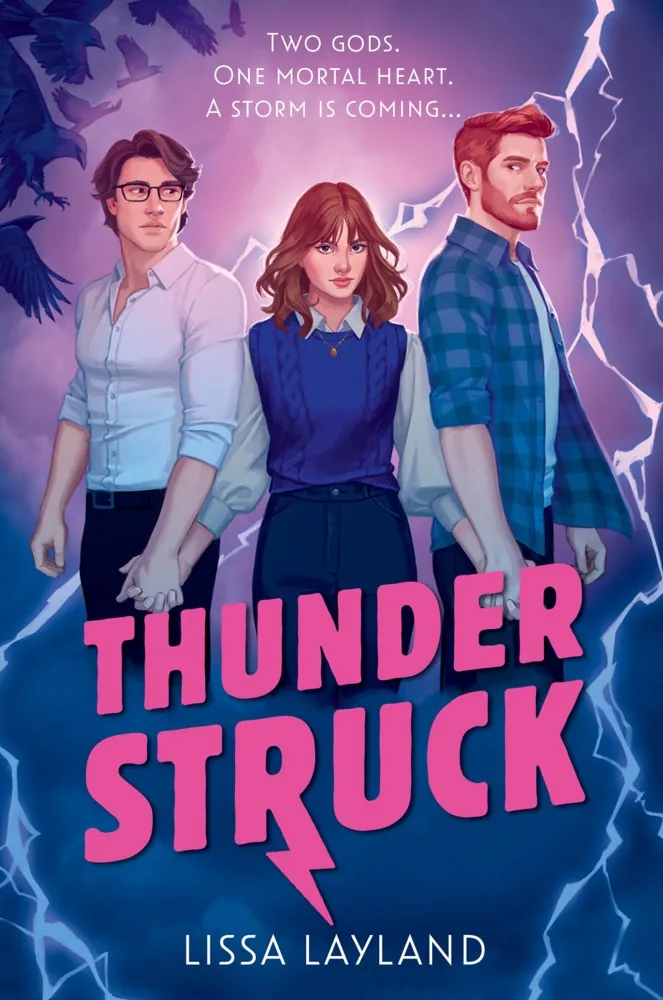
Author: Lissa LaylandPage Count: UnknownPublication Date: Expected publication 2026-11-17 APL Thunderstruck, the latest release by Lissa Layland, promises to deliver a smart, sexy debut romantasy infused with Norse mythology. The premise—American exchange student Althea Leos gets caught up in a love triangle with Norse gods Thor and Loki—is tantalizing enough to pique the interest of even the most jaded reader. —But what exactly are we getting with this book? It seems like a predictable academic romance with a dash of fantasy. Accordingly, the synopsis lists love triangle, academic romance, slow-burn romance, and Norse mythology as tropes. One can't help but think of The City of Brass by S.A. Chakraborty as this book's distant cousin. Both novels deal with academic romances and fantastical elements, albeit with vastly different settings and tones. The inclusion of Norse mythology seems like a bold move, but one that risks feeling superficial. We're told Althea stumbles upon a bridge to Asgard, but what exactly happens in this immortal realm remains a mystery. It's unclear whether Layland will delve into the mythology with any depth or if it'll be reduced to superficial references. I must admit, I'm growing increasingly restless under the weight of this review. My editor is, as usual, breathing down my neck, demanding word count and relevance. The school run, however, takes precedence over my duties at the moment. Meanwhile, let's examine the character of Althea Leos, described as Type A. What might this mean in the context of her interactions with Thor and Loki? We're told she's "love-drunk" and "angrily follows the elusive Professor Dahl home." This juxtaposition of passion and anger could potentially create a compelling narrative, but only if Layland chooses to explore these complexities. The dynamic between Althea, Thor, and Loki promises to be the real focus of this novel. Will we see a genuine exploration of their relationships or a tired rehashing of typical slow-burn romance tropes? As a feminist critic, I have to ask: what does this love triangle between a mortal and two Norse gods say about female agency? Does Althea truly have control over her own narrative or is she trapped in a predetermined fate? It's worth noting that the author's background and writing experience aren't mentioned in the synopsis, leaving us to speculate about her influences. Perhaps Layland is drawing from a long line of writers who've successfully woven mythological elements into their work? But for now, the only thing that's certain is that I have to wrap this review up. My editor is threatening to send a team of highly trained literary assassins to extract the necessary words from my brain. The school run awaits, my duties a mere distraction from the crushing weight of my responsibilities. I'll end here, with the following: Thunderstruck promises to be a sexy, slow-burn romp through Norse mythology, but only time will tell if it lives up to its tantalizing premise. #RomantasyTropes
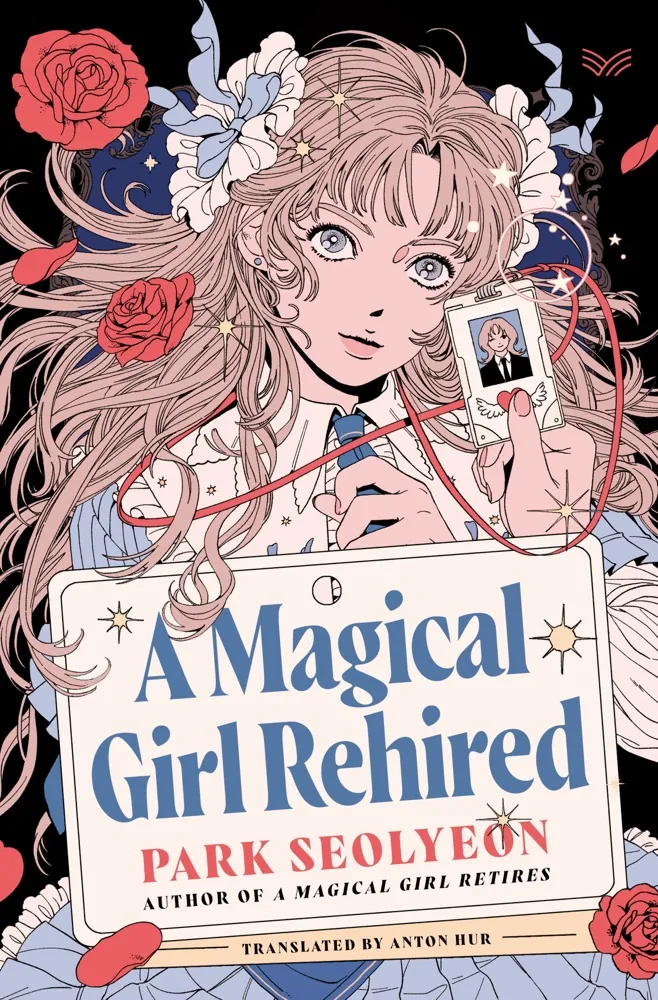
Author: Park SeolyeonPage Count: UnknownPublication Date: Expected publication 2026-12-08 APL The air conditioner hums like a dying insect against the August heat, but the condensation dripping from the ceiling fan blades is the only thing keeping me from sweating through my blouse. There’s a half-empty bottle of cheap wine on the desk—someone left it here last night, probably after a particularly bad date where the conversation derailed into existential dread and the other person kept calling them "a magical girl" in a way that suggested they’d read one too many Sailor Moon fanfictions. The synopsis for A Magical Girl Rehired arrived in my inbox this morning, and now I’m here, staring at it like it’s a particularly stubborn stain on a white shirt. The premise is so delightfully vague it’s almost a crime. A magical girl, presumably the same one from A Magical Girl Retires—though the synopsis doesn’t bother to confirm—gets dragged back into the workforce after a union rejects her retirement request. The stakes are low, the tone is breezy, and the setup feels like a middle finger to the kind of magical girl narratives that insist on grand, apocalyptic battles. Instead, we get a toxic leak, a business trip to some Far Eastern headquarters, and a "mysterious Magical Girl of Everything" who sounds like she’s either a cult leader or the protagonist’s long-lost aunt. It’s the kind of plot that thrives on ambiguity, the kind that makes you wonder if the author is playing with you or just too busy to flesh things out. But then—here’s the pivot—what if the vagueness is intentional? What if the charm lies in the gaps, the way The Magicians thrived on its own self-aware messiness? The synopsis doesn’t even bother to name the protagonist, which is either a sign of lazy writing or a deliberate nod to the way magical girl protagonists are often reduced to their outfits and catchphrases. Either way, it’s a risk. The book could collapse under its own weight, or it could become the kind of story that feels like a love letter to the chaos of modern work culture—where the real villain isn’t some cosmic entity but the slow, grinding exhaustion of being forced back into a job you swore you’d never do again. The thematic potential here is undeniable. Unemployment, housing crises, snake oil pseudo-religions—these aren’t just plot devices; they’re the scaffolding of a story that could feel urgently relevant. But the synopsis doesn’t do much to explore how these themes might manifest beyond a surface-level "oh, look, a magical girl has to work now." There’s no tension, no conflict beyond "bad things happen and she fights them," which is the kind of trope that makes magical girl stories feel like they’re stuck in a time loop. Where’s the subversion? Where’s the moment where the protagonist realizes the system is rigged, or that their powers are just another tool of capitalism? The synopsis doesn’t even hint at it. And yet—here’s the thing—I’m already imagining the dialogue. The way the protagonist would roll their eyes at the absurdity of it all, the way their friend Ah Roa would keep trying to cheer them up with bad puns, the way the "Magical Girl of Everything" would probably be some kind of corporate overlord with a smile that doesn’t reach her eyes. It’s the kind of setup that could either be hilarious or exhausting, depending on how it’s executed. The synopsis doesn’t give us enough to tell, but it gives us just enough to hope. But then again, maybe that’s the point. Maybe A Magical Girl Rehired is supposed to be a lighthearted, low-stakes romp through a world where magical girls are just another kind of gig worker, where the real battle isn’t against monsters but against the soul-crushing bureaucracy of the union. It’s the kind of story that could appeal to fans of The Unbeatable Squirrel Girl—where the heroine’s powers are a joke, but her heart isn’t. Or it could be the kind of story that feels like a parody of itself, the way The Legend of Korra tried and failed to balance its own idealism with its cynicism. I don’t know. The synopsis is too thin to tell. But I do know this: if Park Seolyeon can make the mundane feel magical, and the magical feel mundane, then this could be something special. The question is whether they’ll have the patience—or the ambition—to make it more than just another forgettable entry in the magical girl genre. Ugh, I have to finish this review before the school run. My daughter is already texting me from the bus stop, and I can’t leave her waiting. The editor will have to deal with the fact that I’ve only scratched the surface of this thing. Maybe next time, I’ll demand a full manuscript. Or maybe I’ll just wait until it’s actually out and see if it’s worth the hype. #magicalgirl #booktok #workplacecomedy #feministlit #chaoticenergy Related InsightsRussian Cage Book Review and Summary How the Grinch Stole Christmas! Book Review and Summary Deal Breaker (Aristocrats of London, #2) Book Review and Summary{ "@context": "https://schema.org", "@type": "FAQPage", "mainEntity": [ { "@type": "Question", "name": "What is the main focus of A Magical Girl Rehired Book Review and Summary?", "acceptedAnswer": { "@type": "Answer", "text": "Everything you need to know about A Magical Girl Rehired with our detailed review." } }, { "@type": "Question", "name": "Who authored the comprehensive guide on A Magical Girl Rehired Book Review and Summary?", "acceptedAnswer": { "@type": "Answer", "text": "This detailed article and its insights were carefully researched and authored by Marta Wisniewska." } }, { "@type": "Question", "name": "Where can I find more related content about Books?", "acceptedAnswer": { "@type": "Answer", "text": "You can explore more articles, detailed reviews, and similar insights by browsing the Related Insights section at the bottom of this article or visiting our dedicated Books category page." } } ] }
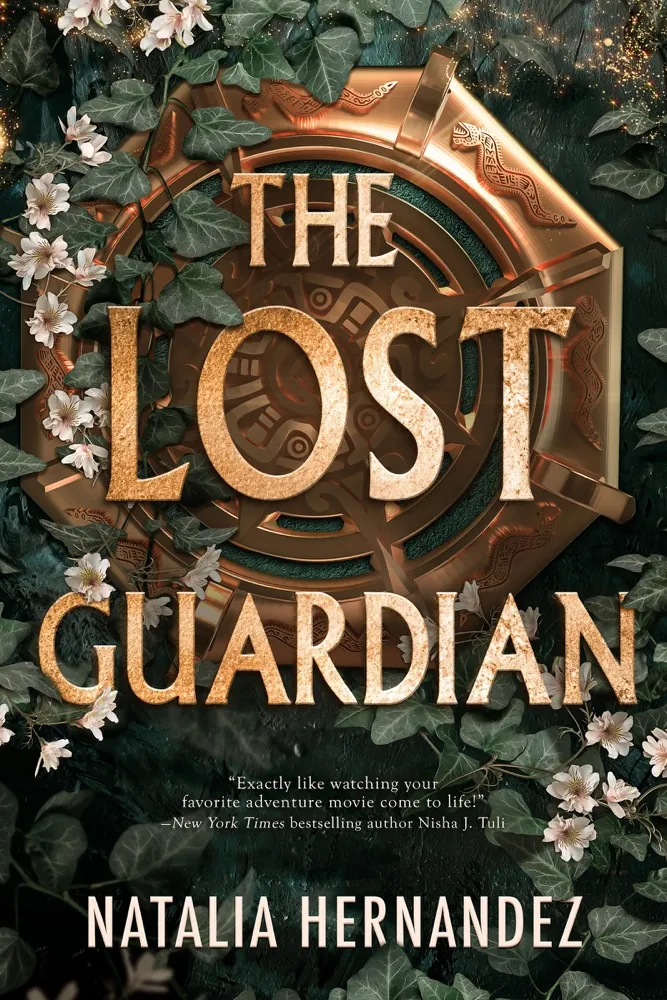
Author: Natalia HernandezPage Count: UnknownPublication Date: Expected publication 2026-10-06 APL Another cold, half-empty Styrofoam cup forms a sticky ring on my desk right over a manuscript that is currently draining my will to live. I have exactly four hundred words left to hit before my editor stops yelling at me, which means I am subjected to breaking down Natalia Hernandez’s upcoming October 2026 release, The Lost Guardian. The Archaeology of Male Fantasies We get a male protagonist named Santiago Rios, plucked from a quiet life in Los Angeles because his grandfather mailed him a map. Naturally. Because normal people just ignore cartographic artifacts, but archaeologists require an inciting incident that smells heavily of Dan Brown crossed with a painfully mediocre TikTok aesthetic. And he is hunted by ruthless tomb raiders. Of course he is. Wait. Let me rephrase that entirely. Actually, the tomb raiders are probably the most culturally grounded part of this enterprise, given that the synopsis leans hard into the history of Atahualpa. The Mandatory Female Appendage Then enters Ali—because no modern adventure can exist without a fierce, secret-harboring local woman whose sole narrative purpose is to unlock white-adjacent male potential. Or Peruvian woman, excuse me. The synopsis explicitly calls her a "fierce Peruvian woman whose secrets could unlock Santiago’s map." Ah, yes. The magical native guide trope wrapped in a contemporary romantasy bow, guaranteed to feature heavy breathing against ancient Incan stone walls. The plot promises ancient riddles, deadly enemies, and a spirit that refuses to stay buried. Standard boilerplate thriller scaffolding. Yet we are expected to swoon because "the closer they grow, the more certain Santiago becomes. Ali is trouble…just the kind of trouble he likes." God save us all from smirking male leads who view complex women as minor inconveniences with good cheekbones. This whole endeavor reeks of the current publishing craze where editors take The Da Vinci Code, strip away the actual historical research, and inject a heavy dose of explicit tension just to appease the BookTok algorithm. It is Jennifer L. Armentrout meets a Wikipedia article on the conquest of Peru, and I am already exhausted. Except maybe I am being too harsh on the romance angle. Romance is entirely capable of carrying a structural narrative if the power dynamics aren't utterly skewed in favor of the guy from L.A. who owns a map. Maybe Ali actually uses him as a pawn to save her own ancestral heritage. One can dream. Anyway, the synopsis warns us that the stories we are told aren't myths, they're warnings. Well, this synopsis is certainly a warning. A warning that I need to stop staring at this glowing screen before my retinas detach completely. My stomach is aggressively rumbling and I need to go forage for edible mushrooms in the local park before dusk. Related InsightsThe Paris Files: A Novel Book Review and Summary The Corrections Book Review and Summary The Ruined Book Review and Summary{ "@context": "https://schema.org", "@type": "FAQPage", "mainEntity": [ { "@type": "Question", "name": "What is the main focus of The Lost Guardian Book Review and Summary?", "acceptedAnswer": { "@type": "Answer", "text": "Everything you need to know about The Lost Guardian with our detailed review." } }, { "@type": "Question", "name": "Who authored the comprehensive guide on The Lost Guardian Book Review and Summary?", "acceptedAnswer": { "@type": "Answer", "text": "This detailed article and its insights were carefully researched and authored by Marta Wisniewska." } }, { "@type": "Question", "name": "Where can I find more related content about Books?", "acceptedAnswer": { "@type": "Answer", "text": "You can explore more articles, detailed reviews, and similar insights by browsing the Related Insights section at the bottom of this article or visiting our dedicated Books category page." } } ] }
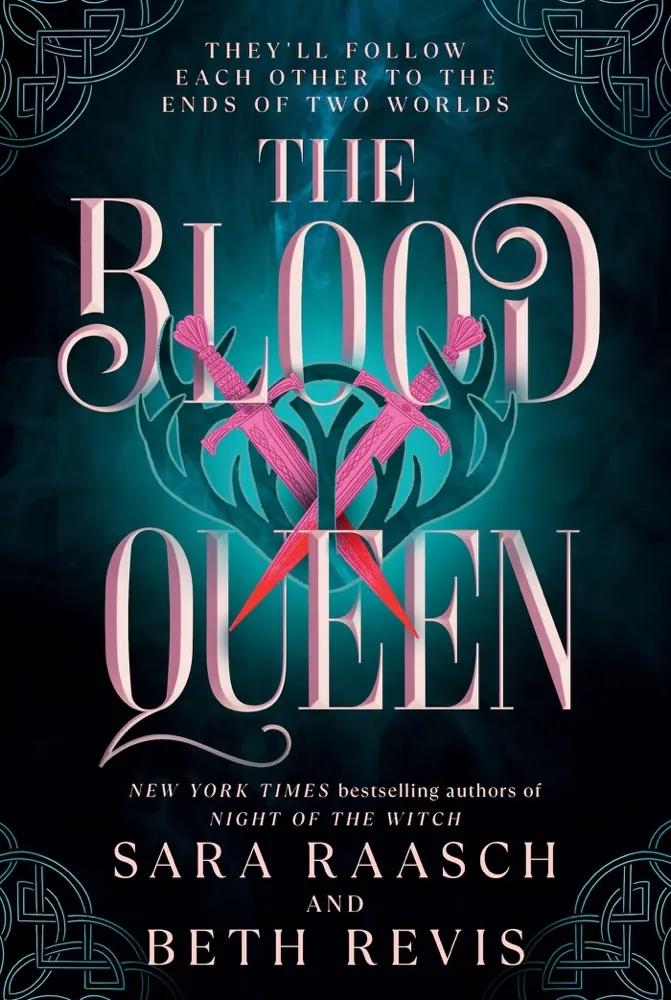
Author: Sara RaaschPage Count: UnknownPublication Date: Expected publication 2026-10-06 APL Cold brew stains another legal pad while I stare down yet another fantasy duology conclusion promising the earth and likely delivering recycled cardboard. The Blood Queen by Sara Raasch and Beth Revis drops this coming October, bringing an end to the The Crimson Throne sequence — because apparently, nobody is allowed to write a standalone story anymore when they can milk a dual-perspective cash cow. The Burden of Infiltration The synopsis drops us straight into the exhausting tropes of underground espionage. Alyth and Samson are infiltrating the fae court. Groundbreaking stuff. We get the classic hidden identity panic — Samson has a secret identity that will get him executed on sight, which is the absolute baseline requirement for modern romantasy protagonists. If your male lead does not possess a lethal heritage that makes him public enemy number one, are you even trying to capture the BookTok demographic? Yet, the premise hints at a delicious structural conflict regarding female power. The Faerie Queen has been missing for years, yanked out of existence by the mysterious High Blade, leaving a collection of useless fae princes sitting around doing absolutely nothing. Useless men in high-fantasy courts? Honestly, that might be the most realistic world-building detail Raasch and Revis have ever conceptualized. Romance as the Last Standing Pillar We are told that Alyth and Samson can only depend on each other and their love. Slop. Absolute romantic essentialism designed to feed the readers who think codependency is a viable survival strategy. But let us look past the marketing gloss. The inclusion of a betrayed-from-within dynamic — discovering the High Blade is someone they never suspected — saves this from being a total structural snooze-fest. It requires actual psychological betrayal rather than standard external punching. If the co-authors lean into the paranoia of courtly politics instead of drowning the narrative in purple prose about cheekbones and leather corsets, this might actually survive the genre's current downward spiral. Think Sarah J. Maas meets a caffeine-addicted editor who just wants the characters to make smart tactical choices for once in their miserable fictional lives. The Spectacle of the Red Cap Army A bloodthirsty Red Cap army threatening both mortal and fae worlds sounds like an excuse for high-impact cinematic carnage. But I am inherently skeptical of villains who are supposedly intent on world-destruction without a coherent socio-political ethos. Violence for the sake of aesthetic grit bores me. I want structural critique disguised as high fantasy. Give me institutional rot. Give me an antagonist who actually challenges the systemic apathy of these pathetic fae princes rather than just swinging a bloody weapon around like an overgrown toddler. Expect this to debut on every bestseller list regardless of its actual literary merit. The machinery is too oiled, the target audience too ravenous for emotionally high-stakes escapism. Whether it justifies its own page count remains to be seen through the haze of cheap espresso and impending deadlines. The subway rumble is vibrating right through my noise-canceling headphones again. Related InsightsAudition Book Review and Summary Day of Ascension Book Review and Summary Beartown (Spanish Edition) Book Review and Summary{ "@context": "https://schema.org", "@type": "FAQPage", "mainEntity": [ { "@type": "Question", "name": "What is the main focus of The Blood Queen Book Review and Summary?", "acceptedAnswer": { "@type": "Answer", "text": "Everything you need to know about The Blood Queen with our detailed review." } }, { "@type": "Question", "name": "Who authored the comprehensive guide on The Blood Queen Book Review and Summary?", "acceptedAnswer": { "@type": "Answer", "text": "This detailed article and its insights were carefully researched and authored by Marta Wisniewska." } }, { "@type": "Question", "name": "Where can I find more related content about Books?", "acceptedAnswer": { "@type": "Answer", "text": "You can explore more articles, detailed reviews, and similar insights by browsing the Related Insights section at the bottom of this article or visiting our dedicated Books category page." } } ] }
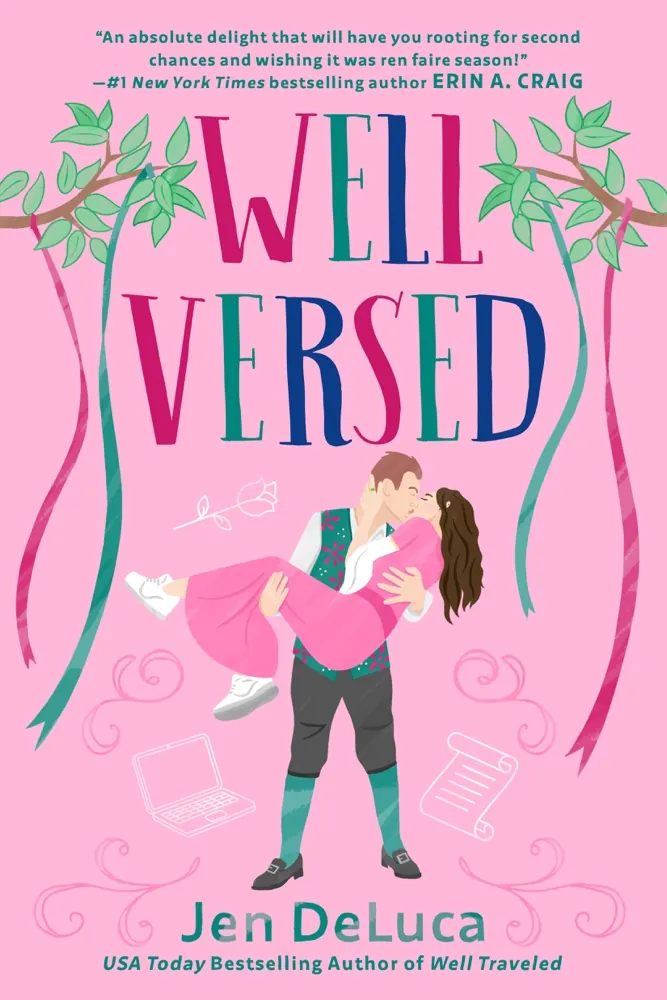
Author: Jen DeLucaPage Count: UnknownPublication Date: Expected publication 2026-09-22 APL As I gaze out at the sweltering summer air, the smell of sweat and sunscreen wafting through the air, I find myself drawn to the synopsis of Well Versed, the latest offering from USA Today bestselling author Jen DeLuca. It's a Romeo and Juliet-esque tale of second chances, set against the whimsical backdrop of the Renaissance Faire. But, as we all know, there's more to a story than meets the eye — especially when it comes to female agency and the constraints placed upon it. The protagonist, Caitlin Parker, finds herself back at the Faire after a heartbreak-fueled hiatus. We're told she's twenty-four, unemployed, and stuck in a dead-end position as a substitute queen, yet her passion for the Faire remains unwavering. This is where things get interesting: Caitlin's not just a damsel in distress, waiting to be rescued by a dashing hero. No, she's a complex, multifaceted character, with a past that's informed her present. Her relationship with Alex Wright, the sword-fighting, Shakespeare-spouting young man who broke her heart, will no doubt be a focal point of the story. But, let's be real, we've seen this trope before. We've seen the "second chance at love" narrative, the "rediscovery of oneself" arc. It's a familiar narrative thread, one that's been woven into the fabric of women's fiction for decades. Think Sally Field in Steel Magnolias, or Jennifer Weiner's Who Do You Love — these stories often feature women navigating love, loss, and identity in a world that's stacked against them. Will DeLuca subvert these expectations, or play it safe with a familiar narrative? DeLuca's use of the Renaissance Faire as a setting raises questions about the power dynamics at play in the story. Is the Faire a space of liberation, where Caitlin can be herself and escape the constraints of the real world? Or is it a space of performative identity, where she's forced to embody a predetermined role? These are the kinds of questions that'll keep me up at night, long after I've finished reading Well Versed. But, what I'm most curious about is how DeLuca will handle the theme of responsibility. Caitlin's unemployed and stuck in a dead-end job, while Alex is living a life full of passion and purpose. Which one of them will be forced to grow and change, to take on the "adult" responsibilities that come with adulthood? The Renaissance Faire, with its emphasis on pageantry and spectacle, raises questions about what it means to be an adult in a world that's increasingly complex and chaotic. I'm going to take a wild guess here and say that Well Versed will be a romance that explores the tensions between passion and responsibility, identity and societal expectations. It'll be a flawed, messy, and wonderful book, one that'll leave me breathless and wanting more. After all, as the great author Dorothy Sayers once said, "The art of fiction is not only divine, it is also infernal." And so, with this thought lingering in my mind, I'll take one last look out at the summer air and head out for a walk. The sky is a deep shade of blue, the sun beating down upon my skin. I'll just grab a coffee, walk in the rain, and let the world wash over me.