Sophie, Standing There Book Review and Summary
-
 Elena Volkova
 - 05 Aug, 2026 01:16
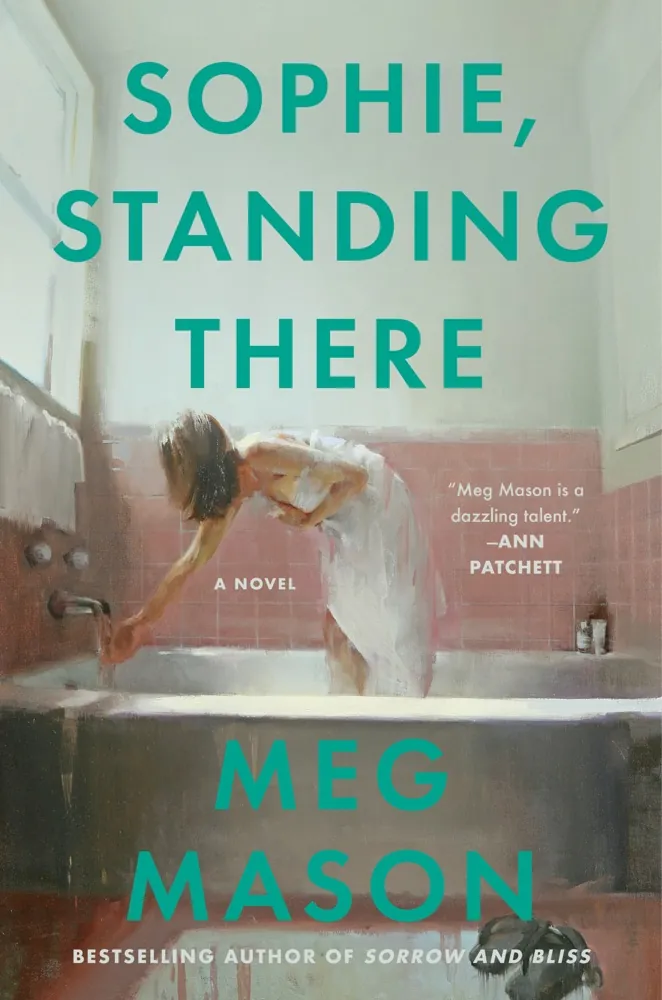
Author: Meg Mason
Page Count: Unknown
Publication Date: Expected publication 2026-09-29 APL
Espresso lingering on the back of my tongue, Italian wool pressing sharply against my shoulders, and yet—against all statistical probability—my cold, cynical, nine-figure heart has decided to flutter today. August heat is suffocating the city streets below this gallery window, a blistering reminder of mortal discomfort, but my mind is entirely preoccupied with Meg Mason’s next literary maneuver. Sorrow and Bliss carved me open with a surgical blade, and the publishing world is holding its collective breath for her return. Yet, look at the scaffolding of this new premise. Sophie Pattison has the dream job, the devoted husband, the requisite supporting cast of lifelong confidantes. And then, abruptly, the house of cards collapses.
Fascinating in theory. But let us dissect the machinery.
Anticipatory Preview and Thematic Analysis
The synopsis leans heavily on the quiet catastrophe of middle-class isolation—a theme I usually dismiss as self-indulgent whining for people who cannot afford a private island to sulk on. And yet, Mason possesses a rare, venomous wit that cuts straight through pedestrian melodrama. Sophie is losing her grip, sliding from a comfortable domestic ecosystem into total alienation, clutching books like a drowning sailor to a spar. One specific detail catches my jaded eye: a forgotten author from her twenties re-emerging as the sole anchor of her existence. Parasocial literary obsession disguised as salvation. How deliciously pathetic. How horribly human.
Critics will undoubtedly invoke Sally Rooney or Ottessa Moshfegh because lazy journalism requires easy comparisons. I refuse. Mason operates in a sharper, far more acidic register. She understands that heartbreak is rarely a grand, cinematic tragedy—it is usually an accumulation of petty miscommunications, silent resentments, and the agonizing realization that you have become entirely uninhabitable to the people who once loved you.
The thematic architecture here hinges on delusion versus survival. If Sophie is projecting an entire emotional rescue fantasy onto a reclusive novelist, the narrative better avoid sappy redemption arcs. I demand wreckage. Give me the jagged edges of human loneliness without offering a tidy, therapeutic bow at chapter thirty. After all, what is art for if not to remind us that we are utterly, irremediably alone in our customized suffering?
Time will tell if Mason maintains her ruthless pacing or softens into commercial sentimentality. For my sake, I hope she chooses the blade.
Would you rather read about a billionaire who feels nothing, or a woman who feels so much she loses her job, her marriage, and her mind over a paperback?