Showing Posts From
Nonfiction
Author: Tempest BlackPage Count: UnknownPublication Date: Expected publication 2026 APL The synopsis for Bitter Fruit arrives like a half-remembered dream—dense with the kind of atmospheric dread that makes you wonder if the author’s subconscious is a haunted house. There’s a headless body in a ruined church, which is chef’s kiss for a certain kind of noir, but the real hook isn’t the crime itself—it’s the way it’s framed as a collision between a detective’s cynicism and a woman’s prophetic grief. That’s the kind of duality that could either feel like a gimmick or a masterstroke, depending on whether Black can make the reader believe in both voices without them canceling each other out. The comparison to Tana French is inevitable, of course—because when was the last time an Irish mystery didn’t feel like a love letter to Dublin’s labyrinthine psychology? But the True Detective nod is the one that makes me pause. That show thrives on the slow burn of existential dread, the way a killer’s motives become a mirror for the characters’ own rot. If Black leans too hard into the "eldritch Ireland" vibe, she risks turning the setting into a gimmick—like if The Windup Girl had a séance instead of a war. Yet if she pulls it off, the result could be something like The Fisherman meets House of Leaves, where the supernatural isn’t just a plot device but a character in its own right. The synopsis plays it safe with its vagueness. "Dark and clever" is the kind of praise that could apply to anything from a John le Carré novel to a Zodiac podcast episode. The real question is whether the "prophetic woman" trope will feel like a fresh twist or a tired cliché. Ella’s visions could be the book’s emotional core—if Black makes them feel like a burden, not a spectacle. Because nothing kills a mystery faster than a character who exists solely to deliver exposition in dreams. (Cue The Sixth Sense but with more bogs.) And then there’s the detective, Lewan Kane—50 years old, worn thin, feeling lonely. That’s the kind of setup that could either be a setup for a No Country for Old Men-style fatalism or a The Girl with the Dragon Tattoo power dynamic if Black lets Kane’s cynicism clash with Ella’s vulnerability. The synopsis hints at a slow-burn tension between them, but it’s the kind of tension that either sizzles or fizzles depending on how much emotional weight Black puts behind it. The most interesting line here is the one about "the roots of this murder run dark and deep." That’s the kind of line that makes you wonder if Black is going for something like The Secret History—where the crime is just the surface of something far more sinister. But it’s also the kind of line that could be a red flag if it’s just empty atmosphere. The best mysteries make you feel like you’re peeling back layers of an onion, not just getting a slow-motion reveal of a killer’s backstory. But here’s where I pivot—because the synopsis is so deliberately vague that it’s almost too clever. It doesn’t tell you enough to hate it, but it doesn’t tell you enough to love it either. That’s the problem with a book that’s still two years away. It’s like being handed a menu where every dish is described as "delicious" and "unforgettable." You can’t decide if you’re hungry or just tired. Still, the praise from Crum and Swanson suggests this could be the kind of debut that feels like it was written by someone who’s been reading the same grimdark authors you have—Denis Johnson meets Gillian Flynn, but with the Irish rain as a character. If Black can make the supernatural feel like a psychological extension of the characters’ trauma rather than a cheap scare tactic, then Bitter Fruit could be the kind of book that lingers like a bad dream you can’t quite shake. My private flight to London’s been delayed by an hour, which means I’ll have to settle for a whiskey instead of a first read. #BookTok #MysteryLovers #IrishCrime #GrimdarkVibes
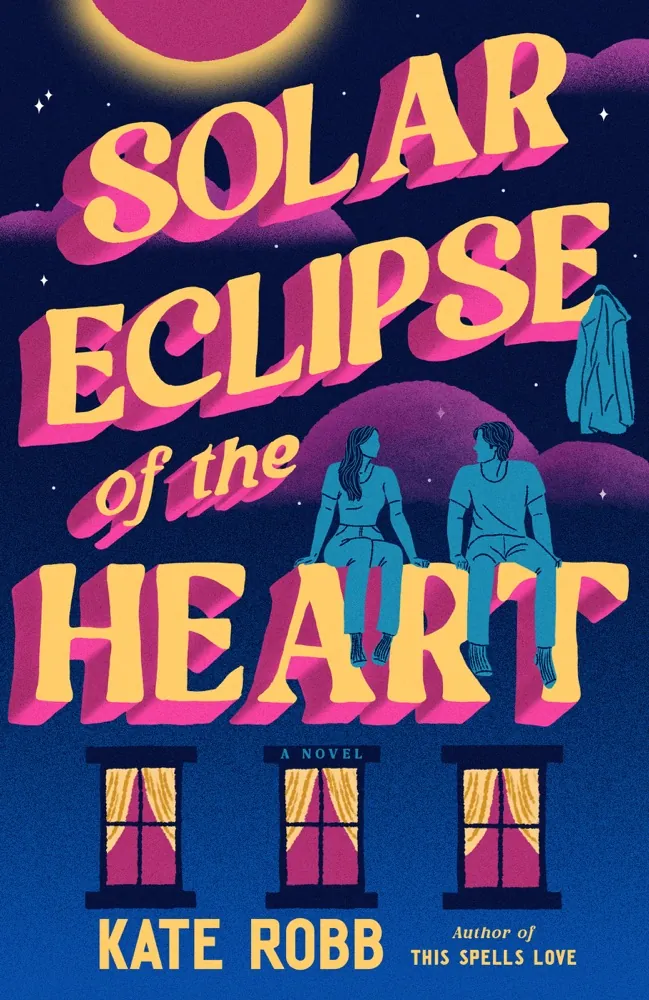
Author: Kate RobbPage Count: UnknownPublication Date: Expected publication 2026-10-06 APL The fire in the hearth is crackling with a dry, aggressive fury, casting long shadows across the mahogany floorboards while the October gale batters the reinforced glass of the conservatory. Another pastel-hued, emotionally sanitized contemporary romance has landed on my mahogany desk, courtesy of an industry that refuses to let me feel anything resembling genuine dread. Look at Solar Eclipse of the Heart. Kate Robb is attempting to weaponize grief via outerwear. A PhD candidate retreating into cold, hard logic inherits a dead relative's estate, escapes to an international program, and promptly draws the short straw on roommate assignments. Enter Mackenzie Smith. Wannabe rock star. Extremely attractive. Adorned in a magical leather jacket that defies the very fabric of spacetime to show her cryptic visions. Or maybe the jacket is just a metaphor for emotional vulnerability. Vomit. The Absurdity of Fabric-Based Epiphanies Let us dissect the sheer operational failure of this premise. We are expected to swallow the notion that an academic mind—someone presumably trained in peer-reviewed methodology and empirical data—slips on some distressed cowhide and immediately accepts clairvoyance. Yet, I take it all back. Perhaps the jacket is an inspired piece of magical realism designed to mock our collective cultural obsession with quantifiable metrics. We spend millions on therapy, self-help seminars, and mindfulness apps when all we really need is a vintage coat from a brooding musician. Truly, brilliant satire. No, wait. It is completely earnest, isn't it? That is the tragedy. Robb is channeling the commercial whimsy of Emily Henry crossed with the low-stakes domesticity of Book Lovers, minus any actual stakes or teeth. The Tyranny of Emotional Growth Annalise needs to learn how to feel. We get it. The synopsis reads like a checklist engineered by a focus group of algorithms designed to maximize pre-orders on BookTok. Logic versus passion. Grief versus happiness. The impending departure date ticking down like a cheap kitchen timer. It is predictable, sterile, and entirely devoid of the glorious, crushing nihilism I require from my leisure reading. Give me a sprawling epic where the protagonist gets flayed alive in a damp dungeon. Give me psychological ruin. Instead, I am subjected to a grieving academic finding her smile because a man wears outerwear with a bad attitude. Actually, the leather jacket detail is utterly laughable. Does it have pockets that store unresolved emotional baggage? Does the zipper get stuck on paternal abandonment issues? Let us be entirely honest with ourselves. This book will sell a quarter of a million copies before the leaves finish rotting on the front lawn. Readers will swoon. They will highlight trite sentences about learning how to love again. I will sit here in the silence of my estate, staring at the gray sky, wondering why contemporary fiction refuses to let people simply stay miserable. My assistant needs to understand that when I ask for dark, brooding literature that mirrors the rotting decay of late autumn, handing me a manuscript about a magical rock-star jacket is a terminable offense. I must fire the ghostwriter who severely misunderstood my creative vision yet again. Related InsightsSheever's Journal, Diary of a Poison Master Book Review and Summary A Clockwork Orange Book Review and Summary Falling Into Us Book Review and Summary{ "@context": "https://schema.org", "@type": "FAQPage", "mainEntity": [ { "@type": "Question", "name": "What is the main focus of Solar Eclipse of the Heart Book Review and Summary?", "acceptedAnswer": { "@type": "Answer", "text": "Everything you need to know about Solar Eclipse of the Heart with our detailed review." } }, { "@type": "Question", "name": "Who authored the comprehensive guide on Solar Eclipse of the Heart Book Review and Summary?", "acceptedAnswer": { "@type": "Answer", "text": "This detailed article and its insights were carefully researched and authored by Elena Volkova." } }, { "@type": "Question", "name": "Where can I find more related content about Books?", "acceptedAnswer": { "@type": "Answer", "text": "You can explore more articles, detailed reviews, and similar insights by browsing the Related Insights section at the bottom of this article or visiting our dedicated Books category page." } } ] }
-
 Elena Volkova
 - 10 Oct, 2026 10:47
Claimed by the Orc King (Fated and Bound #1) Book Review and Summary
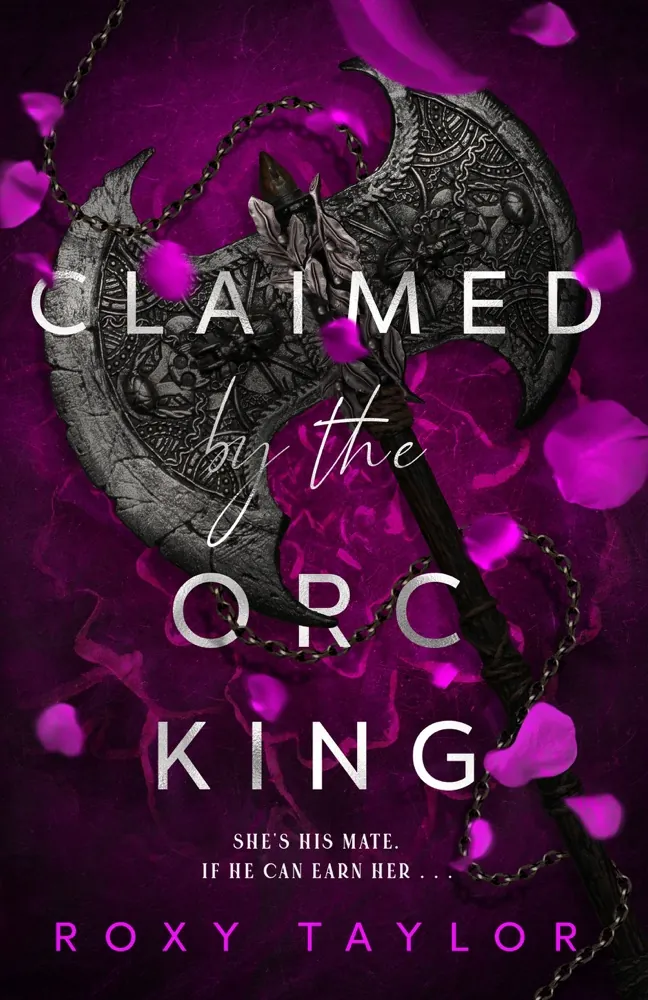
Author: Roxy TaylorPage Count: UnknownPublication Date: Expected publication 2026-11-03 APL Another convention-floor meet-cute involving a seven-foot green cadaver with commitment issues. Groundbreaking stuff. My portfolio bleeds red this quarter, yet I find myself dissecting the marketing copy for Claimed by the Orc King because the sheer audacious absurdity of the premise offers a brief, transactional respite from the monotony of corporate restructuring. We are looking at a masterclass in industrialized wish-fulfillment. The Economics of Absolute Possession The synopsis leans heavily into the tired machinery of portal fantasy, dragging our sarcastic heroine—because why write a protagonist without a shield of defensive snark—into a landscape defined by hyper-masculine territorialism. Korule. A fractured geopolitical ecosystem where power is carved in blood and the local demographic crisis demands violent resource acquisition. Or, to put it in terms my wealth manager understands: aggressive hostile takeovers with tusks. Viggo Klausson possesses the requisite "touch her and die" energy that currently pays for my third-home renovations. He is steady. Patient. Until he is not. The duality of the stoic warlord who suddenly turns feral is a literary trope traded on the speculative market like high-yield junk bonds. Yet, Roxy Taylor attempts to subvert this structural monotony by injecting an awakening of ancient, lethal interiority within the heroine. Thena refuses to kneel. Groundbreaking. She is dangerous. Naturally. The Fallacy of Subversion Wait. Let me rephrase that. I called her brand of defiance a subversion, which is entirely inaccurate given that contemporary romantasy demands its female leads possess both zero survival skills in the wild and immediate, universe-shattering kinetic magic. It is formulaic trash-tier world-building masquerading as empowerment. The narrative tension relies on the friction between sovereign autonomy and primordial compulsion—a juxtaposition of high-concept sociological isolation and absolute simp-behavior from a military dictator. One moment we are examining the socio-political ramifications of a rare-female demographic collapse in a fractured fantasy monarchy, and the next we are vibing with a green himbo who smells like pine and possesses zero emotional intelligence outside of the mating bond. Lexical whiplash at its finest, really. Readers diving into this will find stylistic echoes of Ruby Dixon crossed with a poorly optimized tabletop roleplaying campaign. But do not mistake my critique for disdain. The genre prints money because the underlying psychological architecture hits the exact same dopamine receptors as a hostile buyout of a failing tech startup. We want control wrapped in velvet and violence. The toddler has hidden my favorite fountain pen again. Related InsightsA Light in the Attic Book Review and Summary Mockingjay Book Review and Summary Free Falling (Sweetwater Peak #2) Book Review and Summary{ "@context": "https://schema.org", "@type": "FAQPage", "mainEntity": [ { "@type": "Question", "name": "What is the main focus of Claimed by the Orc King (Fated and Bound #1) Book Review and Summary?", "acceptedAnswer": { "@type": "Answer", "text": "Everything you need to know about Claimed by the Orc King (Fated and Bound #1) with our detailed review." } }, { "@type": "Question", "name": "Who authored the comprehensive guide on Claimed by the Orc King (Fated and Bound #1) Book Review and Summary?", "acceptedAnswer": { "@type": "Answer", "text": "This detailed article and its insights were carefully researched and authored by Elena Volkova." } }, { "@type": "Question", "name": "Where can I find more related content about Books?", "acceptedAnswer": { "@type": "Answer", "text": "You can explore more articles, detailed reviews, and similar insights by browsing the Related Insights section at the bottom of this article or visiting our dedicated Books category page." } } ] }
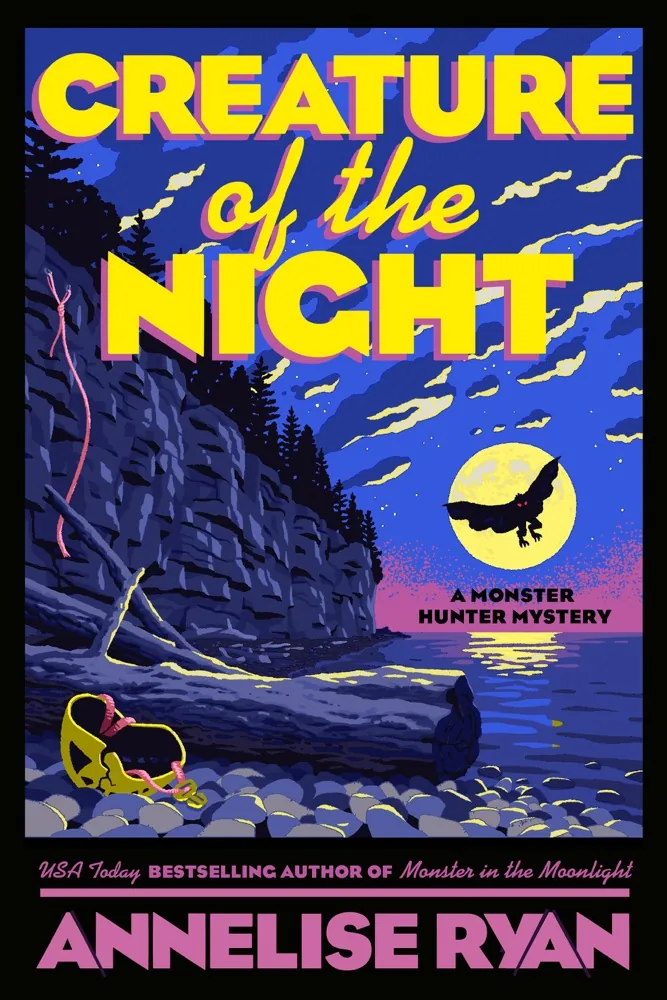
Author: Annelise RyanPage Count: UnknownPublication Date: Expected publication 2026 APL Another Wisconsin cliff, another tragic drop, another fictional universe where professionals willingly chase urban legends instead of admitting that people simply fall when gravity does its job. Creature of the Night arrives soon to pad out an already bloated genre, dragging its cryptozoologist protagonist into the dreary expanse of Door County because some dead guy allegedly heard a screeching oversized chicken with glowing red eyes. Groundbreaking literature. Absolutely bussin, no cap. The Aesthetics of Boredom Annelise Ryan relies on the oldest crutch in the publishing book—dropping a charismatic pseudo-scientist into an isolated geographical pocket with a local myth to decode. We get the usual atmospheric window-dressing. Water. Cliffs. Cold winds. It reads like Joe Abercrombie stripped of all genuine nihilism and replaced with cozy suburban sleuthing. The thematic underpinnings here seem desperately obsessed with the friction between rational empirical data and human folklore. Or perhaps the author just wanted an excuse to write the word Mothman while coking up another generic mystery arc. And yet, watching protagonists pretend to face mortal peril while trapped in a cozy matchmaking dynamic with their new business-partner-slash-boyfriend screams absolute predictability. The stakes are nonexistent. Nobody important ever dies in these mid-list paperbacks because the algorithm demands sequels until the copyright holder keels over. Actually, wait. I take that back completely. Maybe the genre is shifting toward actual tragedy. No, who am I kidding? This will end with a mildly spooky campfire revelation and a lukewarm cup of coffee at a local diner. The Cryptid Industrial Complex We are living through a cultural exhaustion loop where every regional ghost story must be dragged into a multi-book franchise. Give me a protagonist who breaks down from existential dread in a sterile boardroom instead of traipsing through the woods looking for red-eyed mutants. Real monsters wear custom Italian suits and bankrupt pension funds with a single signature. But no, let us pretend a man-sized insectoid is the greatest threat facing modern jurisprudence. My assistant is violently signaling from the mahogany doorway that the quarterly philanthropic foundation statement is due on the wire before the European markets open. #mothman #bookelixir #doorcounty #readingslump Related InsightsThe Raven Boys Book Review and Summary The Exchange Book Review and Summary Roundabout (Detour, #2) Book Review and Summary{ "@context": "https://schema.org", "@type": "FAQPage", "mainEntity": [ { "@type": "Question", "name": "What is the main focus of Creature of the Night (Monster Hunter, #5) Book Review and Summary?", "acceptedAnswer": { "@type": "Answer", "text": "Everything you need to know about Creature of the Night (Monster Hunter, #5) with our detailed review." } }, { "@type": "Question", "name": "Who authored the comprehensive guide on Creature of the Night (Monster Hunter, #5) Book Review and Summary?", "acceptedAnswer": { "@type": "Answer", "text": "This detailed article and its insights were carefully researched and authored by Elena Volkova." } }, { "@type": "Question", "name": "Where can I find more related content about Books?", "acceptedAnswer": { "@type": "Answer", "text": "You can explore more articles, detailed reviews, and similar insights by browsing the Related Insights section at the bottom of this article or visiting our dedicated Books category page." } } ] }
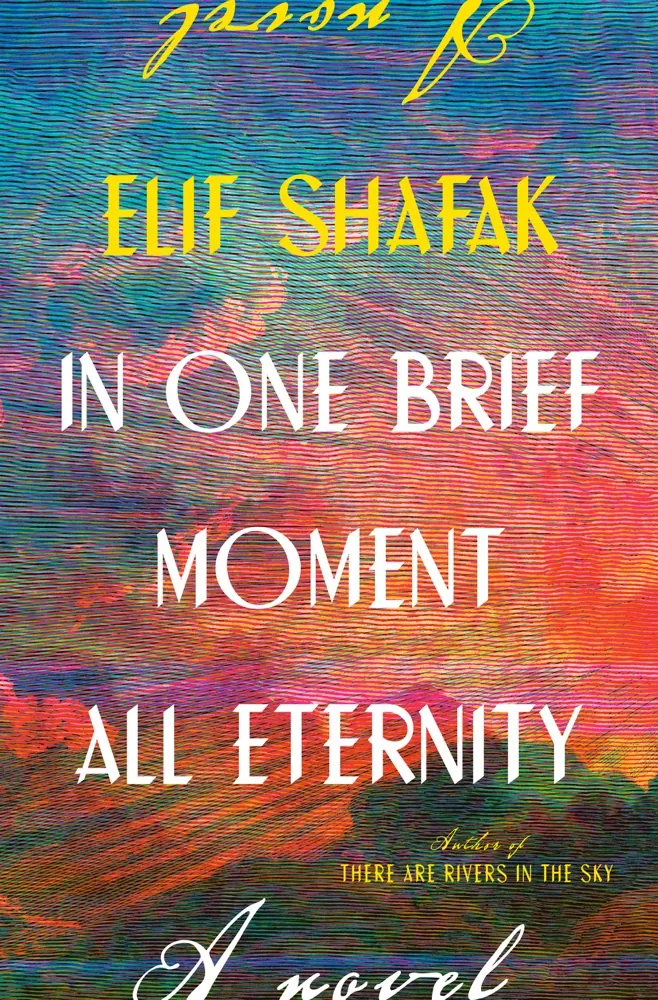
Author: Elif ShafakPage Count: UnknownPublication Date: Expected publication 2026 APL Another literary darling is coming to subject us to 19th-century French misery while the global economy teeters on the edge of a third-world war. Elif Shafak is back, and the marketing machine wants us to bow down to In One Brief Moment All Eternity. Oh, joy. Another historical fiction exercise designed to win prizes from committees who haven't touched grass since the fall of the Berlin Wall. Colm Tóibín and Maggie O'Farrell are allegedly shaking in their boots. Or perhaps they are just laughing at the sheer audacity of packaging Gustave Flaubert's nervous ticks as high art. I can't even with this. The Cult of Suffering The premise relies on the stale, exhausting trope that suffering equals authenticity. Flaubert writing Madame Bovary amidst war, famine, and censorship. How utterly derivative. It reads like the plot outline for a prestige drama that gets cancelled after three episodes on a streaming platform nobody pays for. We are expected to swoon over the "drive and need to create." Please. Give me a break. Real creation happens when you have capital, quiet, and zero distractions. Flaubert sitting in his study whining about censorship feels like a billionaire complaining about the estate tax while on a superyacht. Shafak apparently decides to let the female ghosts speak. The nanny, the mistress, the corpse. How delightfully predictable. It is the literary equivalent of the Fyre Festival—all grand architectural promises with nothing substantive delivered on the ground. Everyone wants to subvert the male gaze until the advance check clears. We get the standard post-modern parlor trick of rescuing the silenced. Who gets to speak? Whoever has a publicist with a massive budget, that's who. A Spectrum of Pretension And then we have the color theory. Chapters tinged with hues evoking epileptic episodes. Because nothing says profound insight quite like medicalizing neurological trauma for aesthetic flavor. It is giving me major Theranos board meeting energy—all visionary hype and zero actual utility. The synopses try to blind us with adjectives. Ethereal. Twilight-tinged. Sensuality. Transcendent lightness. It's a word salad designed to distract from the fact that nobody has actually read a cohesive plot here. We are just tumbling through space and time, mostly because the author couldn't be bothered to anchor the narrative in anything resembling a structured reality. The Cross-Cultural Crossover We Never Demanded We are promised a bridge between East and West. Because every contemporary novel must now solve geopolitics through magical realism and oral storytelling traditions. Why just write a book about a neurotic French novelist when you can appropriate the entire history of human narrative exchange to do it? It is literary gentrification at its finest. They take a French corpse, sprinkle some Middle Eastern oral tradition over it, and expect us to call it a masterpiece. I need to review a tedious legal contract for your film adaptation before the market closes in Tokyo. #ElifShafak #LiteraryFiction #BookTwitter #Flaubert #PrestigeTrash Related InsightsBared to You Book Review and Summary Chasing the Devil: The Search for Africa's Fighting Spirit Book Review and Summary Because of Winn-Dixie Book Review and Summary{ "@context": "https://schema.org", "@type": "FAQPage", "mainEntity": [ { "@type": "Question", "name": "What is the main focus of In One Brief Moment All Eternity Book Review and Summary?", "acceptedAnswer": { "@type": "Answer", "text": "Everything you need to know about In One Brief Moment All Eternity with our detailed review." } }, { "@type": "Question", "name": "Who authored the comprehensive guide on In One Brief Moment All Eternity Book Review and Summary?", "acceptedAnswer": { "@type": "Answer", "text": "This detailed article and its insights were carefully researched and authored by Elena Volkova." } }, { "@type": "Question", "name": "Where can I find more related content about Books?", "acceptedAnswer": { "@type": "Answer", "text": "You can explore more articles, detailed reviews, and similar insights by browsing the Related Insights section at the bottom of this article or visiting our dedicated Books category page." } } ] }
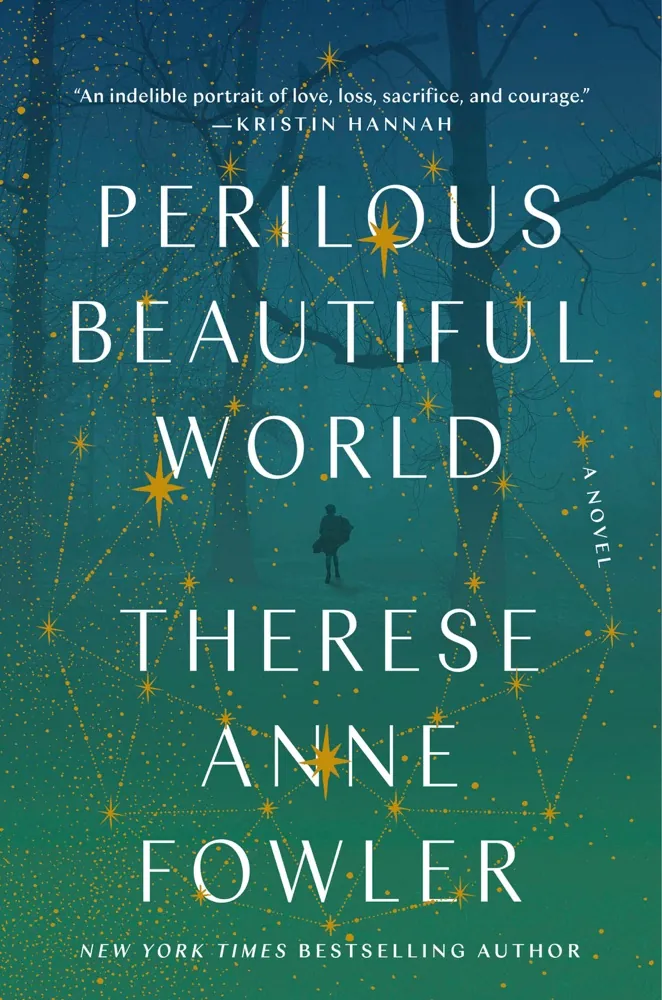
Author: Therese Anne FowlerPage Count: UnknownPublication Date: Expected publication 2026 APL The board is arguing over the quarterly margins again while I stare down Therese Anne Fowler’s upcoming Perilous Beautiful World. Kristin Hannah has already slapped her seal of approval on the cover, which tells me precisely zero about the prose and entirely too much about the marketing budget. Another sweeping historical tragedy about the aftermath of World War I. Because what the market desperately craves right now is the literary equivalent of the Costa Concordia sinking in slow motion. The Calculus of Misery Three strangers. Three distinct geographical zones of human suffering. Mathilde running for her life from a Ukrainian shtetl. Michael freezing his ideals off as an American translator caught in the Russian Civil War. Sunny, a parentless street urchin in Lvov, pretending he is a royal prince. Naturally, their paths will converge. They must. Fiction of this weight class abhors a vacuum. Fowler wants us to believe in the intrinsic nobility of survival. But spare me the platitudes about courage and perseverance. I read grimdark because I prefer my violence without the sentimental chaser of hope. Give me Joe Abercrombie or give me nothing. This sounds like an Oprah’s Book Club selection engineered in a lab to extract tears from suburban dentists on Southwest flights. The synopsis reads like a 1990s epic miniseries starring a pre-controversy Kevin Costner. The Aesthetics of Atrocity We are told this is based on true events and family history. Fine. Authenticity is the ultimate luxury product. Yet historical fiction about this specific window—the messy, unglamorous collision of the Russian Revolution and the redrawing of European borders—tends to suffer from a severe lack of narrative bite. It relies on the inherent horror of the backdrop to do the heavy lifting for characters who are mostly just functional avatars of victimhood. Will Michael learn a sobering lesson about American isolationism? Will Mathilde find her husband or a profound inner strength that defies the cold statistics of catastrophe? Does Sunny discover he is just a starving orphan instead of a Hapsburg heir? The predictability is staggering. I would rather liquidate my entire portfolio in crypto than endure three hundred pages of characters learning to hope against the odds while the world burns. Sign off on the acquisition or walk away. That is the only choice that matters today. My assistant just slid the final guest list for the publisher's soirée across the mahogany table, and I need to cut the dead weight before my three o'clock. Related InsightsThe Restaurant at the End of the Universe Book Review and Summary The Prisoner's Throne Book Review and Summary The Secret Book Review and Summary{ "@context": "https://schema.org", "@type": "FAQPage", "mainEntity": [ { "@type": "Question", "name": "What is the main focus of Perilous Beautiful World Book Review and Summary?", "acceptedAnswer": { "@type": "Answer", "text": "Everything you need to know about Perilous Beautiful World with our detailed review." } }, { "@type": "Question", "name": "Who authored the comprehensive guide on Perilous Beautiful World Book Review and Summary?", "acceptedAnswer": { "@type": "Answer", "text": "This detailed article and its insights were carefully researched and authored by Elena Volkova." } }, { "@type": "Question", "name": "Where can I find more related content about Books?", "acceptedAnswer": { "@type": "Answer", "text": "You can explore more articles, detailed reviews, and similar insights by browsing the Related Insights section at the bottom of this article or visiting our dedicated Books category page." } } ] }

Author: Yan LiankePage Count: UnknownPublication Date: Expected publication 2026 APL The synopsis of The Family Plot reads like a script for a Chinese House of Leaves—if House of Leaves had been written by a man who’d just finished a particularly bitter round of Cutthroat Kitchen and decided to channel his rage into prose. The premise is so broad, so deliberately vague, that it feels less like a novel and more like a placeholder for whatever existential dread Yan Lianke’s subconscious vomited onto the page this time. The idea of a family unraveling over the "desire for success" is so clichéd it borders on the insulting—unless, of course, you’re expecting a novel that treats ambition like a contagion, a slow-motion plague that spreads through the veins of Gaotian Town like the H5N1 strain in Contagion, but with more backroom deals and less actual epidemiology. The synopsis doesn’t even bother to specify how the family descends into chaos—just that each member is "thinking about killing one of the others." That’s the kind of lazy, cinematic hand-waving that would make a Sopranos writer blush. Where’s the tension? Where’s the nuance? The synopsis could apply to any number of Yan Lianke’s earlier works—The Four Books, Dream of Ding Village—and still feel like a generic blurb for a Dallas knockoff. The only thing that makes this synopsis remotely interesting is the implication that Yan’s "darkly comic voice" will somehow salvage the mess. But if this is his attempt at a Breaking Bad for the Chinese countryside, he’s already lost me. The Breaking Bad of rural China would require at least a modicum of moral ambiguity, a character arc that doesn’t devolve into "poor people are just desperate," and a plot that doesn’t feel like it was cobbled together during a 3 a.m. binge of The Godfather Part II. The mention of "class tensions" is the real giveaway here—because if this is going to be another Yan Lianke novel about the crushing weight of modernity on the Chinese working class, then fine, but where’s the originality? Where’s the Twilight of the Gods? Where’s the The Book of Chameleons? The synopsis doesn’t even hint at the kind of surreal, grotesque humor that made The Four Books feel like a cross between American Psycho and a Maoist propaganda film. Instead, it sounds like a Desperate Housewives set in a village where the only thing more toxic than the gossip is the air quality. And yet—here’s the thing—if Yan Lianke can somehow make this family’s desperation feel as inescapable as the Chernobyl exclusion zone, then maybe, just maybe, he’ll pull it off. But right now, the synopsis reads like a bad pitch for a Big Little Lies spin-off in which the wives of Gaotian Town decide to murder each other over who gets to host the next MasterChef China finale. The real crime here is the vagueness. The synopsis doesn’t even attempt to define what "success" means in this context—is it money? Is it escape? Is it just the quiet, suffocating dread of being trapped in a town where the only way up is through someone else’s body? The lack of specificity is maddening. It’s like reading a New Yorker profile of a cult leader where the only detail provided is that "the followers were unhappy." Where’s the Tangerine Dream score? Where’s the Blade Runner neon? Where’s the Paranoid Park energy of a town where everyone’s a suspect? The synopsis could be describing a Jerry Springer episode from 1998, and no one would bat an eye. And yet—here’s the thing I can’t ignore—if Yan Lianke can make this family’s unraveling feel as inevitable as the Titanic’s collision with the iceberg, then perhaps this will be his most devastating work yet. But right now, it feels like a novel waiting for a premise, a character waiting for a voice, a town waiting for a disaster that hasn’t happened yet. The only thing that saves it from being a complete dumpster fire is the implication that Yan’s prose will be as sharp as a guillotine blade. If he can make this family’s desperation feel as poetic as The Waste Land, then maybe, just maybe, I’ll reconsider my life choices. But for now? I need to go select floral arrangements for my book launch. The roses are overrated. Related InsightsJane Eyre Book Review and Summary Lords of Uncreation Book Review and Summary Nunca Book Review and Summary{ "@context": "https://schema.org", "@type": "FAQPage", "mainEntity": [ { "@type": "Question", "name": "What is the main focus of The Family Plot: A Novel Book Review and Summary?", "acceptedAnswer": { "@type": "Answer", "text": "Everything you need to know about The Family Plot: A Novel with our detailed review." } }, { "@type": "Question", "name": "Who authored the comprehensive guide on The Family Plot: A Novel Book Review and Summary?", "acceptedAnswer": { "@type": "Answer", "text": "This detailed article and its insights were carefully researched and authored by Elena Volkova." } }, { "@type": "Question", "name": "Where can I find more related content about Books?", "acceptedAnswer": { "@type": "Answer", "text": "You can explore more articles, detailed reviews, and similar insights by browsing the Related Insights section at the bottom of this article or visiting our dedicated Books category page." } } ] }
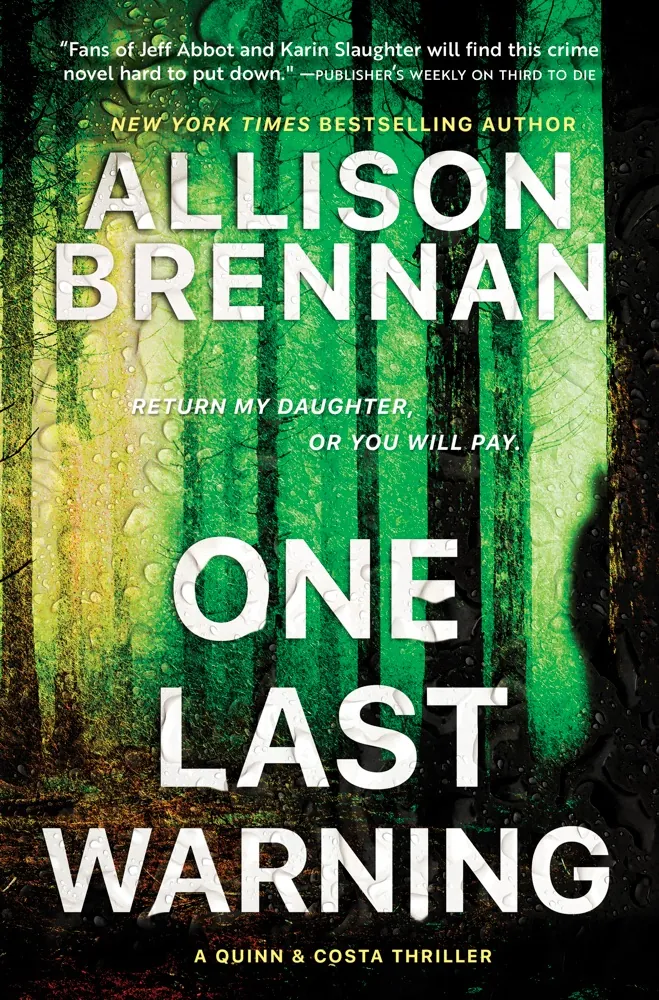
Author: Allison BrennanPage Count: UnknownPublication Date: Expected publication 2026 APL My third espresso of the afternoon has gone lukewarm on the mahogany slab of my desk, much like my enthusiasm for modern procedural thrillers. One Last Warning promises another relentless plunge into Allison Brennan’s Mobile Response Team. Yet, reading the promotional text makes one wonder if we are simply recycling the same narrative cardboard boxes. A missing thirteen-year-old. A typewritten threat. A contract killer named Conrad James who apparently lacks the imagination to find his own daughter without resorting to hostage theater. Groundbreaking stuff. The Aesthetics of Bureaucratic Terror Let us examine the core machinery here. Matt Costa’s teenage neighbor vanishes for twenty-four hours—which, in thriller logic, is barely enough time to brew a bad cup of chicory—only to reappear as a walking postal service. She is drugged and unharmed. How terribly polite of the criminal syndicate. Instead of a severed limb or a USB drive containing encrypted threats, Conrad relies on old-fashioned stationery. Typewritten notes. One almost expects him to finish the demand with a calligraphic signature and a scented wax seal. And then we have Kara Quinn returning from an unexpected reunion with her con artist father. Because every investigator must possess a bruised paternal backstory to justify their career choices. It is the mandatory tax we pay in genre fiction. John Sandford handles this sort of domestic baggage with a cold, jagged precision that leaves you bleeding. Here? It reads like a mandatory stop at a rest area on the turnpike of cliché. The Pathology of Predictable Violence The escalation is utterly mechanical. Conrad takes another girl. Conrad kills a random stranger just to establish dominance over the local municipal infrastructure. The children are safe, but the adults are fair game. What a terribly sporting set of rules for a ruthless killer to establish. How considerate of his schedule. Actually, scratch that critique entirely. The sheer audacity of a villain murdering arbitrary bystanders just to send a registered letter to a law enforcement officer possesses a certain baroque charm. Perhaps Brennan is leaning into the grand Guignol absurdity of it all. Who am I to complain about excessive body counts when I spend my evenings reading Scandinavian doorstoppers where characters suffer through existential despair for six hundred pages before anyone even fires a pistol? The Domesticating of Evil We are meant to tremble at the specter of a vengeful father wanting his child back. But let us be entirely honest. When a contract killer is reduced to playing bureaucratic hostage chess over a teenager's current residential address, the grim, terrifying weight of true malice evaporates. It becomes Tuesday afternoon television disguised as a hardboiled paperback. Quinn and Costa will undoubtedly crack the puzzle through sheer stubbornness and endless cups of lukewarm coffee. The prose will be functional. The dialogue will punch the clock. No one will bleed in a way that stains the expensive upholstery. I have to log off and mentally prepare for my interview with Vogue. Related InsightsIn a Holidaze Book Review and Summary One Hundred Years of Solitude Book Review and Summary The Italian Job: A Memoir of an American Reporter in Rome Book Review and Summary{ "@context": "https://schema.org", "@type": "FAQPage", "mainEntity": [ { "@type": "Question", "name": "What is the main focus of One Last Warning (Quinn & Costa, #8) Book Review and Summary?", "acceptedAnswer": { "@type": "Answer", "text": "Everything you need to know about One Last Warning (Quinn & Costa, #8) with our detailed review." } }, { "@type": "Question", "name": "Who authored the comprehensive guide on One Last Warning (Quinn & Costa, #8) Book Review and Summary?", "acceptedAnswer": { "@type": "Answer", "text": "This detailed article and its insights were carefully researched and authored by Elena Volkova." } }, { "@type": "Question", "name": "Where can I find more related content about Books?", "acceptedAnswer": { "@type": "Answer", "text": "You can explore more articles, detailed reviews, and similar insights by browsing the Related Insights section at the bottom of this article or visiting our dedicated Books category page." } } ] }
- Elena Volkova
- 26 Aug, 2026 09:33
The Manifesting Fix: Why the Law of Attraction Isn’t Working for You Book Review and Summary
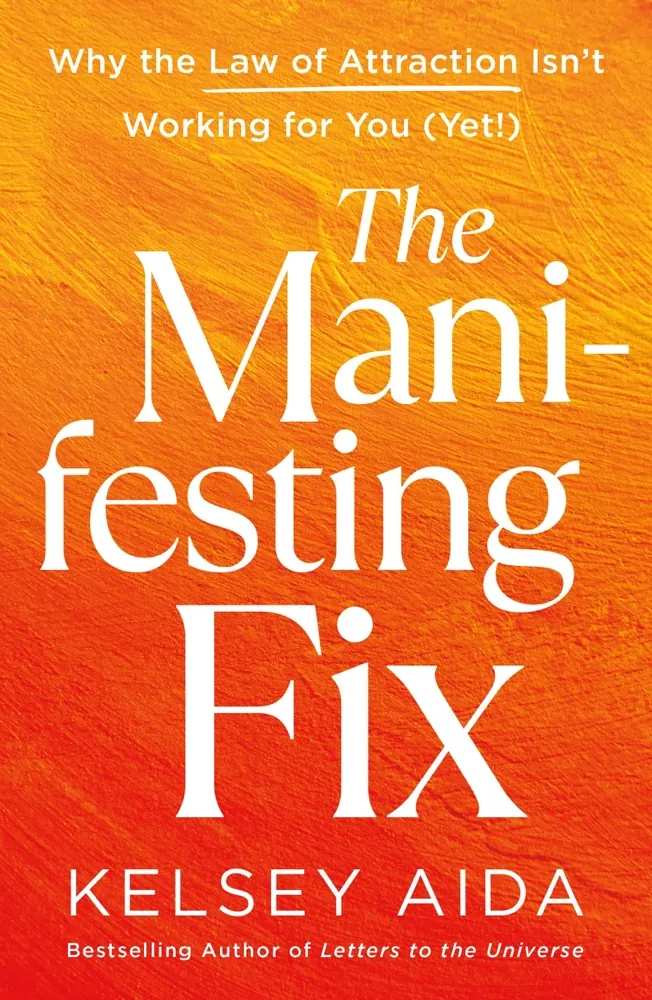
Author: Kelsey AidaPage Count: UnknownPublication Date: Expected publication 2026-12-01 APL The perpetual optimism of self-help books – a genre that's as insufferable as it is lucrative. The Manifesting Fix, the latest offering from Kelsey Aida, promises to "unlock the missing piece" to manifesting one's dream life. But what, pray tell, is this elusive piece that's been hiding in plain sight all along? One can't help but feel that Aida's book is simply a rehashing of the same tired Law of Attraction principles that have been peddled by every New Age guru and Instagram influencer. The synopsis reads like a laundry list of familiar complaints: "Why doesn't the Law of Attraction work for me?" "How do I fix my negative thoughts and limiting beliefs?" It's all so...predictable. And yet, one can't shake the feeling that Aida is onto something – that there's a deeper, more insidious force at play that's preventing people from manifesting their desires. Resistance, Aida claims, is the culprit. But what does this even mean? Is it a psychological blockage? A spiritual impediment? The synopsis is woefully vague on this point, leaving one to wonder if Aida has simply conjured up a buzzword to sell books. And what of the "sneaky blockages" that are supposedly holding people back? Are these some kind of manifestation-kryptonite that can be vanquished with the right mindset? It all sounds suspiciously like a variation of the old "just think positive" mantra – a mantra that's been thoroughly debunked by anyone with even a cursory understanding of psychology. And yet, despite the vagueness of the synopsis, one can't help but feel that Aida is tapping into something deeper – a sense of disillusionment and frustration that's pervasive in our culture. We're living in a time when the old rules no longer apply, when the notion of a "dream life" has become a distant memory for many. It's a time when people are desperate for answers, for a sense of control and agency in a world that seems increasingly hostile and unforgiving. In this sense, The Manifesting Fix can be seen as a manifestation of our collective anxiety – a desperate attempt to impose order on a chaotic world. But is it a genuine attempt to offer solutions, or simply a cynical cash-grab? Only time will tell. As I sit here, sipping my coffee and pondering the existential implications of manifestation, I'm reminded of the great philosopher, Friedrich Nietzsche, who once said, "You must have chaos within you to give birth to a dancing star." Perhaps, then, the key to manifestation lies not in some formulaic approach, but in embracing the chaos and uncertainty that lies at the heart of human existence. But I digress. I have more pressing concerns – like selecting the floral arrangements for my upcoming book launch. It's a decision that requires careful consideration, lest I end up with a bouquet that's as vapid and uninspired as the average self-help book. #TheManifestingFix #LawOfAttraction #SelfHelp #Manifestation #Spirituality #NewAge #GuruCulture #InstagramInfluencers #BookLaunch #FloralArrangements Related InsightsVampire Academy Book Review and Summary Local Woman Missing Book Review and Summary Millennium Vol. 1: The Girl With The Dragon Tattoo Book Review and Summary{ "@context": "https://schema.org", "@type": "FAQPage", "mainEntity": [ { "@type": "Question", "name": "What is the main focus of The Manifesting Fix: Why the Law of Attraction Isn’t Working for You Book Review and Summary?", "acceptedAnswer": { "@type": "Answer", "text": "Everything you need to know about The Manifesting Fix: Why the Law of Attraction Isn’t Working for You with our detailed review." } }, { "@type": "Question", "name": "Who authored the comprehensive guide on The Manifesting Fix: Why the Law of Attraction Isn’t Working for You Book Review and Summary?", "acceptedAnswer": { "@type": "Answer", "text": "This detailed article and its insights were carefully researched and authored by Elena Volkova." } }, { "@type": "Question", "name": "Where can I find more related content about Books?", "acceptedAnswer": { "@type": "Answer", "text": "You can explore more articles, detailed reviews, and similar insights by browsing the Related Insights section at the bottom of this article or visiting our dedicated Books category page." } } ] }
- Elena Volkova
- 24 Aug, 2026 13:42
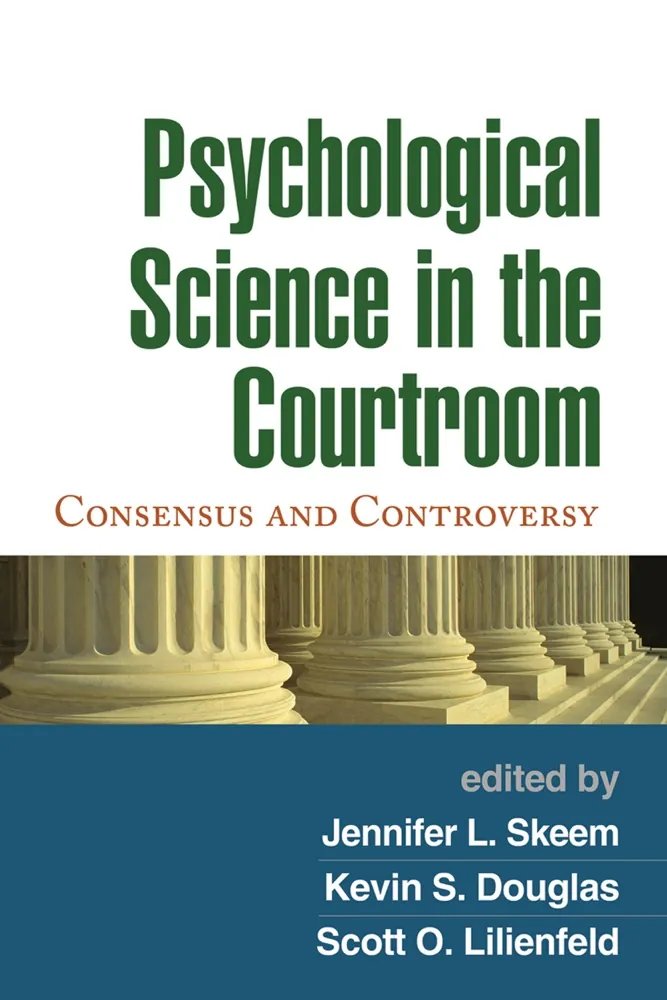
An Expert Witness: The Story of Forensic Science in the Courtroom Book Review and Summary
Author: Sue BlackPage Count: UnknownPublication Date: Expected publication 2026 APL A vague, reader-friendly book about forensic science is about to hit the shelves, and I'm still trying to figure out why I should care. An Expert Witness: The Story of Forensic Science in the Courtroom, the latest from Sue Black, promises to review the state of the science on a broad range of psychological issues commonly encountered in the forensic context. But what does that even mean? Are we talking about the latest in DNA analysis or the psychology of expert testimony? I'm not exactly holding my breath. The synopsis is a laundry list of buzzwords – recovered memories, projective techniques, lie detection, child witnesses – with no clear thread to tie them together. It's like Black took a look at the latest season of True Detective and thought, "You know what would be a great book? A dry, academic rundown of all the science-y stuff they glossed over." And don't even get me started on the promise to "steer clear of those that may be misleading or legally inadmissible." Who's the target audience here? Lawyers looking to brush up on their expert testimony skills? Students of forensic science? Or just the average true-crime junkie? I'm reminded of The Devil in the White City, Erik Larson's masterful take on the intersection of science and justice. Now that was a book that knew how to balance the technical with the thrilling. Black's book, on the other hand, sounds like a slog. And yet... I can almost see the appeal. In an era where Making a Murderer and Serial have become cultural touchstones, it's clear that the public is hungry for a deeper understanding of the forensic science behind the headlines. But will An Expert Witness deliver? I have my doubts. The book's focus on "real-world legal situations" and "guidelines for presenting scientific evidence accurately and effectively in courtroom testimony and written reports" sounds like a recipe for tedium. And what's with the lack of a clear narrative thread? Are we supposed to care about the individual cases, or is this just a dry academic exercise? I'm not holding my breath. In fact, I'm willing to bet that An Expert Witness will be a dry, plodding affair, more suited to the shelves of a law library than the nightstands of true-crime enthusiasts. But hey, I've been wrong before. Maybe Sue Black will surprise me with a page-turner that will make me rethink the entire genre. The Verdict: Guilty of Boredom I need to review the exhausting itinerary for my European book tour, but I'll be keeping an eye on An Expert Witness when it drops. Maybe I'll be surprised. But until then, I'm sticking with the likes of Gillian Flynn and Laura Lippman for my true-crime fix. #truecrime #forensicscience #skepticalreader Related InsightsThis Wretched Alchemy (Ruinous Fate Saga, #1) Book Review and Summary Colleen Hoover Ebook Boxed Set Hopeless Series Book Review and Summary One of Us Is Back Book Review and Summary{ "@context": "https://schema.org", "@type": "FAQPage", "mainEntity": [ { "@type": "Question", "name": "What is the main focus of An Expert Witness: The Story of Forensic Science in the Courtroom Book Review and Summary?", "acceptedAnswer": { "@type": "Answer", "text": "Everything you need to know about An Expert Witness: The Story of Forensic Science in the Courtroom with our detailed review." } }, { "@type": "Question", "name": "Who authored the comprehensive guide on An Expert Witness: The Story of Forensic Science in the Courtroom Book Review and Summary?", "acceptedAnswer": { "@type": "Answer", "text": "This detailed article and its insights were carefully researched and authored by Elena Volkova." } }, { "@type": "Question", "name": "Where can I find more related content about Books?", "acceptedAnswer": { "@type": "Answer", "text": "You can explore more articles, detailed reviews, and similar insights by browsing the Related Insights section at the bottom of this article or visiting our dedicated Books category page." } } ] }
- Elena Volkova
- 23 Aug, 2026 12:12
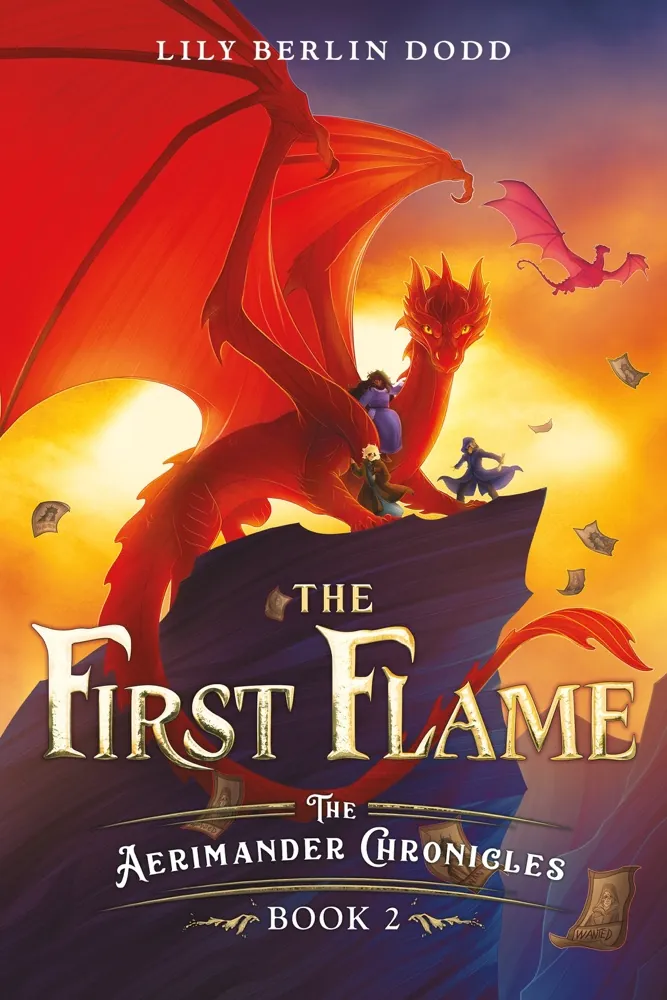
The First Flame (The Aerimander Chronicles #2) Book Review and Summary
Author: Lily Berlin DoddPage Count: UnknownPublication Date: Expected publication 2026-11-17 APL The cacophony of an absolute zero-consequence Sunday morning brunch surrounds me—fine china clinking against marble while my domestic staff argues quietly over the precise artisanal temperature of a grapefruit brûlée. I am staring at a plot summary for The First Flame that reads like someone fed a young adult fantasy generator a double-shot espresso and a fistful of valium. The Logistics of Absurdity We are supposed to take seriously a fugitive named Dusty St. Ichabod. One immediately pictures a Victorian chimney sweep who moonlights as an indie-pop bass guitarist, dodging an "evil clown" while smuggling a creature called an aerimander. Grimdark this is certainly not. This is the literary equivalent of the Theranos boardroom meeting—all flashing lights, aggressive branding, and a distinct lack of foundational physics. Lily Berlin Dodd gives us the classic band-of-misfits trope—isolated kids, a missing magical beast, and a shadowy corporate bureaucrat named Eoin Parnassus who sounds suspiciously like a mid-tier tax attorney with an empire-building complex. The Aesthetic of Desperation Yet, there is something depressingly comforting about this level of utter nonsense when the sun is blazing down on the patio at eighty-five degrees and my portfolio managers are blowing up my encrypted phone about some hostile acquisition in Zurich. We have a prison break, a secret mountain society called the Unruled—because of course they are—and the inevitable betrayal arc that telegraphs itself from three counties away. It's giving major Fyre Festival logistics, mixed with an after-school special penned by someone who unironically reads Brandon Sanderson for the prose style. The synopsis leans heavily on "flame and friendship," which is marketing speak for a midlist cash grab designed to keep the paper mills running until Christmas. Structural Pathology Character psychology here is strictly decorative. Eva, Myrnie, and Dusty are archetypes shoved into a blender of high-stakes mediocrity. They possess the emotional depth of a puddle in a drought. But will the target demographic care? Absolutely not. They want the dopamine hit of the chase, the cozy camaraderie of revolutionaries dodging strict nuns—a detail that genuinely feels like a fever dream pitched during a late-night writers' room bender. Dodd is playing the hits, though the hits were slightly out of tune back in two thousand twelve. My assistant is glaring at me from the doorway, waving the red folder that means the heritage foundation board is waiting on a Zoom link to discuss our philanthropic tax shelters for the third quarter. I have to go pretend I care about endowment yields while the kids upstairs smear avocado across the imported wool rugs. Related InsightsTaming Flame Book Review and Summary Exotic Amphibians and Reptiles of the United States Book Review and Summary Grim Tidings (Ghosted, #2) Book Review and Summary{ "@context": "https://schema.org", "@type": "FAQPage", "mainEntity": [ { "@type": "Question", "name": "What is the main focus of The First Flame (The Aerimander Chronicles #2) Book Review and Summary?", "acceptedAnswer": { "@type": "Answer", "text": "Everything you need to know about The First Flame (The Aerimander Chronicles #2) with our detailed review." } }, { "@type": "Question", "name": "Who authored the comprehensive guide on The First Flame (The Aerimander Chronicles #2) Book Review and Summary?", "acceptedAnswer": { "@type": "Answer", "text": "This detailed article and its insights were carefully researched and authored by Elena Volkova." } }, { "@type": "Question", "name": "Where can I find more related content about Books?", "acceptedAnswer": { "@type": "Answer", "text": "You can explore more articles, detailed reviews, and similar insights by browsing the Related Insights section at the bottom of this article or visiting our dedicated Books category page." } } ] }

- Elena Volkova
- 22 Aug, 2026 05:12
Solo and Together: Charles and Anne Morrow Lindbergh, an Enigmatic Life and Marriage Book Review and Summary
Author: James R. HansenPage Count: UnknownPublication Date: Expected publication 2026-11-10 APL Solo and Together promises to be an explosive exposé of one of the 20th century's most enigmatic power couples – Charles and Anne Morrow Lindbergh. But, as I scan the synopsis, I'm left wondering: will this be another tawdry tell-all or a genuinely incisive character study? The Lindberghs' lives are a veritable goldmine of drama – the historic transatlantic flight, the kidnapping and murder of their first child, Charles's secret life, and Anne's own private struggles – yet Hansen's approach seems curiously... vague. What exactly does Hansen mean by "groundbreaking archival research"? Are we talking about some long-buried cache of Lindbergh family documents or simply a rehashing of existing biographies? And those "intimate interviews with family members"? How intimate, exactly? The Lindberghs were notorious for their reserve; I highly doubt they'd open up to just anyone. Still, I suppose it's possible Hansen has managed to coax some juicy revelations out of the family – after all, the man did write First Man, that gripping Neil Armstrong biography. As for the Lindberghs themselves, I'm intrigued by the promise of a "deeply human portrait." It's about time someone shed some light on Anne Morrow Lindbergh's own struggles and desires – her literary achievements are often overshadowed by her husband's derring-do. And Charles, of course, remains an enigma – a brilliant aviator with a disturbingly isolationist streak. His secret life, with its three European women and seven children, sounds like the stuff of a particularly salacious novel. But will Hansen manage to balance the Lindberghs' personal dramas with their larger historical significance? Or will this be another biography that prioritizes sensationalism over substance? I'm reminded of Erik Larson's The Devil in the White City, which similarly explored the intersection of personal and historical drama. If Hansen can pull off something similar, Solo and Together might just be a compelling read. Still, I'm not holding my breath. The synopsis reeks of that familiar, overhyped "must-read" quality – you know, the kind of book that's touted as a "definitive account" before it's even hit the shelves. I've seen it before, and I'll see it again. If Hansen can deliver something genuinely insightful, something that challenges our assumptions about the Lindberghs and their place in history, then maybe – just maybe – Solo and Together will be worth reading. For now, I'll reserve judgment. I have more pressing concerns – like piecing together this shattered vase before anyone notices. #Lindbergh #Biography #HistoricalDrama Related InsightsThe Misfit Caravan (The Tarot Sequence, #4) Book Review and Summary The Poppy War / The Dragon Republic / The Burning God Book Review and Summary The Twelve Loves of Christmas: An Advent Romance Collection Book Review and Summary{ "@context": "https://schema.org", "@type": "FAQPage", "mainEntity": [ { "@type": "Question", "name": "What is the main focus of Solo and Together: Charles and Anne Morrow Lindbergh, an Enigmatic Life and Marriage Book Review and Summary?", "acceptedAnswer": { "@type": "Answer", "text": "Everything you need to know about Solo and Together: Charles and Anne Morrow Lindbergh, an Enigmatic Life and Marriage with our detailed review." } }, { "@type": "Question", "name": "Who authored the comprehensive guide on Solo and Together: Charles and Anne Morrow Lindbergh, an Enigmatic Life and Marriage Book Review and Summary?", "acceptedAnswer": { "@type": "Answer", "text": "This detailed article and its insights were carefully researched and authored by Elena Volkova." } }, { "@type": "Question", "name": "Where can I find more related content about Books?", "acceptedAnswer": { "@type": "Answer", "text": "You can explore more articles, detailed reviews, and similar insights by browsing the Related Insights section at the bottom of this article or visiting our dedicated Books category page." } } ] }
- Elena Volkova
- 21 Aug, 2026 19:18
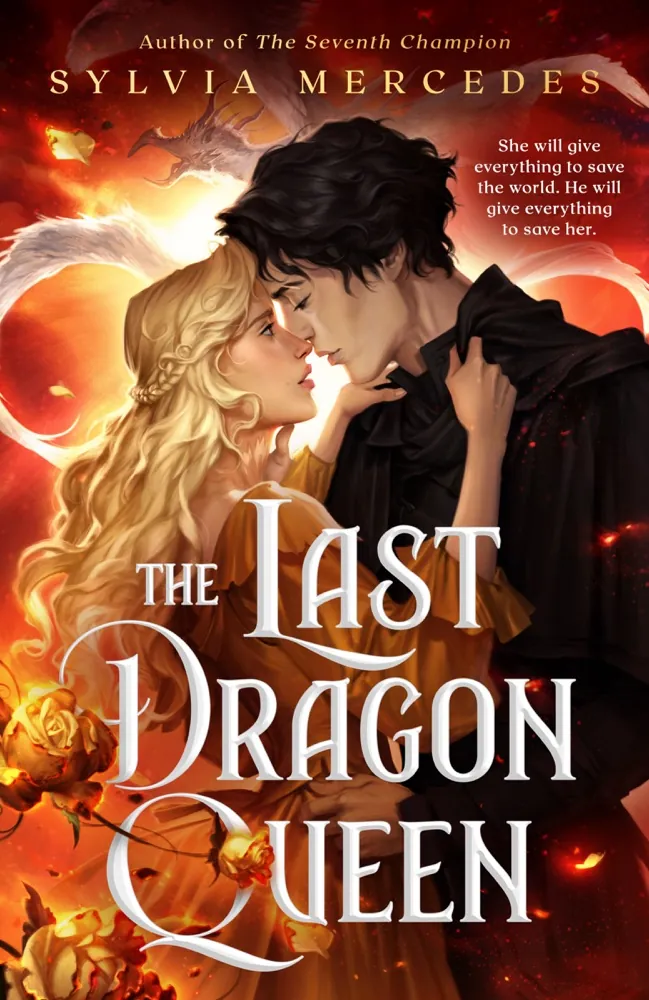
The Last Dragon Queen (The Dragon Queen, #2) Book Review and Summary
Author: Sylvia MercedesPage Count: UnknownPublication Date: Expected publication 2026-11-10 APL The synopsis for The Last Dragon Queen reads like a fever dream someone scribbled down after three espressos and a particularly bad breakup—all the emotional whiplash of The Song of Achilles meets the plot armor of The Lies of Locke Lamora, but with the narrative discipline of a drunkard trying to recite The Art of War. And yet—yet—there’s something here that might actually work, if Mercedes can resist the urge to turn this into another A Court of Thorns and Roses fanfic where the only thing more predictable than the romance is the villain’s backstory. Rosie Harpwood’s arc, as outlined, is the kind of tragic heroine setup that makes you wonder if Mercedes is channeling her inner The Priory of the Orange Tree but with half the ambition. The idea of a reluctant queen forced into destiny by external forces is so tired it should be a cliché by now—yet here we are, in 2026, still waiting for someone to make it feel fresh. The synopsis leans hard into the "love and loyalty" schtick, which is fine if you’re writing a YA romance where the real conflict is whether the love interest will finally kiss the protagonist in the third act. But when you’re dealing with dragons, phoenix shrines, and a sister who sounds like she was cobbled together from the leftovers of The Poppy War’s most unlikable characters, you’d better have more than "passions entwine with flame" to keep things interesting. Nyxia is the real wild card here—or at least, she’s the character who might actually have some depth if Mercedes isn’t too busy treating her like a plot device with feelings. The synopsis hints at a power struggle between Nyxia and her creator, which is a fascinating dynamic if it’s handled right. But given how often these kinds of stories devolve into "oh no, the villain is secretly the protagonist’s long-lost sibling!" tropes, I’m bracing for the moment when Nyxia’s arc becomes less about her agency and more about whether she’ll "choose the light" at the last second. That is certainly a choice. The real question is whether Mercedes can avoid the trap of making this feel like a rushed, afterthought to The Dragon Queen—because right now, it reads like a book that was written in a hurry to capitalize on whatever trendy "queenly power fantasy" is currently dominating the market. The synopsis doesn’t even bother to sell the stakes beyond "war ignites," which is about as compelling as a Game of Thrones episode where the only thing that happens is someone dies dramatically. Where’s the political maneuvering? Where’s the moral ambiguity? Where’s the sense that this isn’t just another story about a girl who becomes a queen because she’s special? And then there’s the romance—because of course there’s the romance. Valtar, the former enemy turned reluctant love interest, is the kind of character who exists solely to make Rosie’s journey feel more dramatic. But if Mercedes can’t do better than the "enemies-to-lovers" trope that’s been mined to death since Twilight, then she’s already lost. The synopsis doesn’t even attempt to make this feel like anything more than a checklist: love, loyalty, fire, destiny. It’s the literary equivalent of a Shark Tank pitch that only mentions the product’s features and not its market. The most damning thing about this synopsis is how little it actually says. Where’s the tension? Where’s the conflict that isn’t just "Nyxia is mad"? Where’s the sense that this isn’t just another book where the magic system is a gimmick and the characters are either love interests or red herrings? The only thing that makes this remotely interesting is the implication that Mercedes might actually pull something off—but given how often these kinds of stories fall flat, I’m not holding my breath. I need to go scrape mysterious sticky residue off the kitchen island. Probably something from last night’s takeout. Related InsightsThe Emperor's Enemy (Unsurvivable Love Duet, #1) Book Review and Summary Estuche especial de 'Los habitantes del aire' Book Review and Summary Best American Science Fiction and Fantasy 2023 Book Review and Summary{ "@context": "https://schema.org", "@type": "FAQPage", "mainEntity": [ { "@type": "Question", "name": "What is the main focus of The Last Dragon Queen (The Dragon Queen, #2) Book Review and Summary?", "acceptedAnswer": { "@type": "Answer", "text": "Everything you need to know about The Last Dragon Queen (The Dragon Queen, #2) with our detailed review." } }, { "@type": "Question", "name": "Who authored the comprehensive guide on The Last Dragon Queen (The Dragon Queen, #2) Book Review and Summary?", "acceptedAnswer": { "@type": "Answer", "text": "This detailed article and its insights were carefully researched and authored by Elena Volkova." } }, { "@type": "Question", "name": "Where can I find more related content about Books?", "acceptedAnswer": { "@type": "Answer", "text": "You can explore more articles, detailed reviews, and similar insights by browsing the Related Insights section at the bottom of this article or visiting our dedicated Books category page." } } ] }
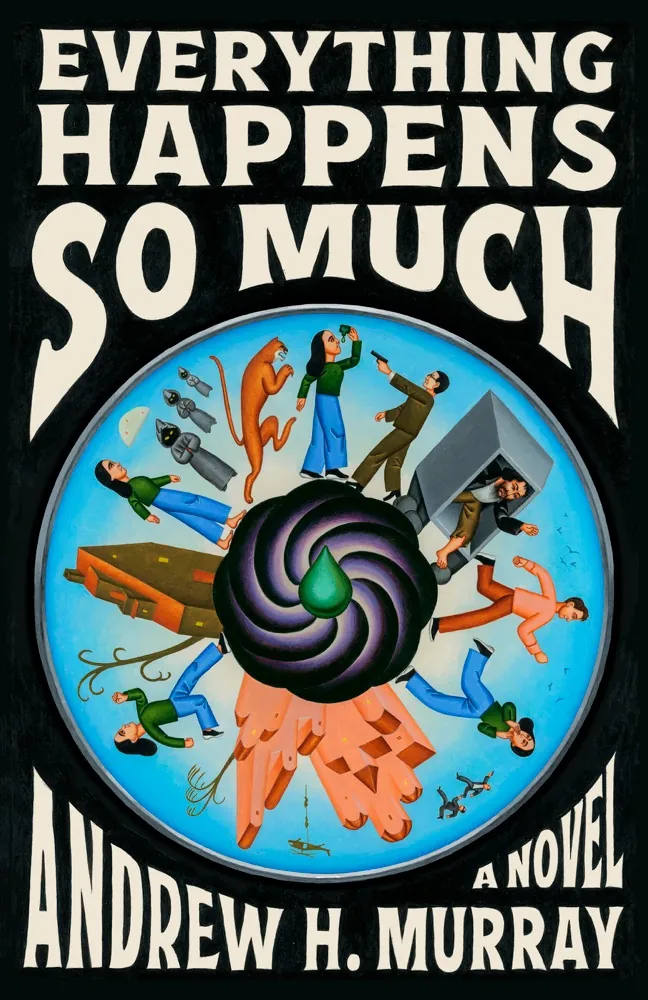
Author: Andrew H. MurrayPage Count: UnknownPublication Date: Expected publication 2026-11-10 APL The synopsis for Everything Happens So Much reads like a fever dream someone scribbled down after three espressos and a particularly bad breakup—equal parts The Midnight Library’s existential dread and Everything Everywhere All at Once’s chaotic multiversal sprawl, but with the narrative discipline of a drunkard trying to remember where they parked. Esme Good, the protagonist, is the kind of woman who would’ve been a Bridgerton side character if she’d had the decency to be born into a scandalous family instead of a soul-crushing corporate cubicle. Her "escape" into The Elsewheres—tiny potions that let her briefly inhabit alternate versions of herself—is the literary equivalent of a Tinder profile that only ever gets swiped left. Because of course, the universe’s cruelest joke is that her alternate lives are even worse than the one she’s stuck in. The real kicker? She becomes the most important person in any universe after a workplace incident that could’ve been plucked straight from a Seinfeld episode—someone tripping over a cable, maybe, or misplacing a stapler in a way that sends the multiverse into a tailspin. The synopsis doesn’t bother explaining why, which is either a sign of genius or a cop-out. Either way, it’s the kind of vague cosmic handwave that makes you wonder if the author’s been reading too much Lovecraft and not enough The Office. The prophecy bit is just icing on the existential cake, a last-ditch effort to make this feel like more than a Black Mirror episode where the twist is "your life is boring." The thematic potential here is ridiculous—a woman forced into heroism by circumstance, the absurdity of fate, the way mundanity can curdle into something mythic if you’re unlucky enough. But the execution? It’s the literary equivalent of a TikTok trend that fizzles after three days. The synopsis leans way too hard into the "chosen one" trope without the payoff of, say, The Dark Tower’s slow-burn gravitas or Annihilation’s eerie ambiguity. Instead, it feels like a Netflix original that’s been greenlit on the strength of its title alone, with all the depth of a McDonald’s Happy Meal toy. And let’s talk about the prophecy—because nothing says "timeless" like a plot device that’s been on hold since the dawn of time. It’s the literary equivalent of a Nintendo game that’s been in development hell for a decade, waiting for the right moment to drop. The synopsis doesn’t even try to sell it; it just throws out the bones like a Game of Thrones episode that forgot to write the actual story. Another one bites the dust. The real question is whether Murray can turn this into something more than a Twilight Zone rerun with a pretentious title. The synopsis reads like it was written by someone who’s read too many Goodreads reviews and not enough Borges—all flash and no substance. But then again, maybe that’s the point. Maybe Everything Happens So Much is supposed to be the kind of book that makes you question whether you’re reading a novel or just a really elaborate Reddit thread about existential dread. I need to go bake three dozen cupcakes by tomorrow morning. The oven’s already preheating. Related InsightsVengefully Matched: A Novel Book Review and Summary Tempest (The Lyrian Sea, #1) Book Review and Summary Peck & Peck Book Review and Summary{ "@context": "https://schema.org", "@type": "FAQPage", "mainEntity": [ { "@type": "Question", "name": "What is the main focus of Everything Happens So Much Book Review and Summary?", "acceptedAnswer": { "@type": "Answer", "text": "Everything you need to know about Everything Happens So Much with our detailed review." } }, { "@type": "Question", "name": "Who authored the comprehensive guide on Everything Happens So Much Book Review and Summary?", "acceptedAnswer": { "@type": "Answer", "text": "This detailed article and its insights were carefully researched and authored by Elena Volkova." } }, { "@type": "Question", "name": "Where can I find more related content about Books?", "acceptedAnswer": { "@type": "Answer", "text": "You can explore more articles, detailed reviews, and similar insights by browsing the Related Insights section at the bottom of this article or visiting our dedicated Books category page." } } ] }
- Elena Volkova
- 19 Aug, 2026 18:39
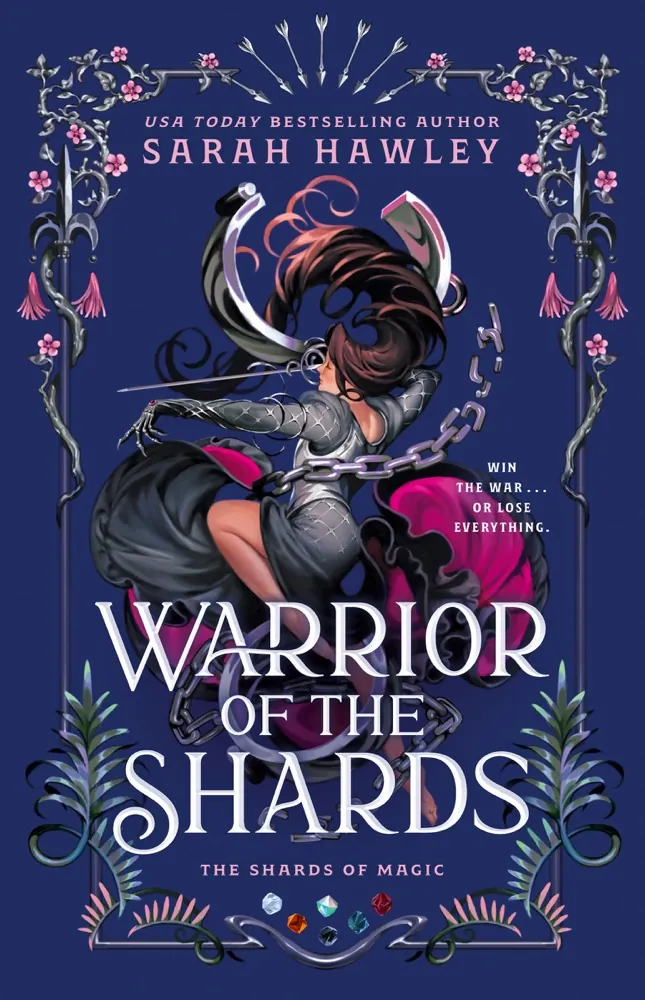
Warrior of the Shards (The Shards of Magic, #3) Book Review and Summary
Author: Sarah HawleyPage Count: UnknownPublication Date: Expected publication 2026-12-08 APL Another late-stage YA fantasy trilogy promises to grind whatever is left of our collective sanity into cheap glitter. Sarah Hawley’s Warrior of the Shards arrives at the end of 2026, dragging the carcass of the Shards of Magic series across the finish line. Because nothing says high-stakes political maneuvering like a protagonist whose primary obstacle is her own hyper-ventilating remorse. Princess Kenna of Blood House has made a choice. And like every mediocre monarch in a sub-par grimdark clone, that choice immediately detonates the peace, gets her captured, and hands the keys to the kingdom to two faeries "crueler and more ambitious than even the late tyrant king." Truly, the Fyre Festival of governance. What an absolute shock. The Currency of Guilt The synopsis leans heavily on the tired trope of the angsty royal who worries her "humanity" is slipping away because she has to make hard choices in a civil war. Oh, spare me. Hundreds of faeries are dead, the Accord is shattered, and Kenna is sitting in a dungeon crying about whether she still has a soul. This isn't dark fantasy. It is an extended wellness retreat for people who find Abercrombie too abrasive. Real power requires cold, calculated ruthlessness—not a multi-chapter internal monologue about the loss of one's precious internal moral compass. If your kingdom is collapsing because of a single strategic misstep, you deserve the guillotine, not a redemption arc. Yet we are expected to buy into this manufactured anguish. Hawley wants us to believe that Kenna’s "guilt" is a weapon, a heavy burden that proves she cares. But angst is not an aesthetic. It is an endurance test for the reader. The Romance Crutch And then, naturally, we have the anchor. The synopsis makes sure to mention that Kenna has found "someone who loves her just as fiercely as she loves him." Because a bloody peasant rebellion and a fractured throne simply cannot function without a mid-war soulmate subplot to lower the intellectual bar. Nothing dilutes a high-stakes political collapse quite like whispered sweet nothings between torture sessions. It is the literary equivalent of a corporate merger brokered over artisanal sourdough. The Inevitable Horizon I predict three hundred pages of padded imprisonment, predictable betrayals, and an ending where the power of mutual affection saves the realm from the terrifyingly generic super-villain faeries. No actual structural critique of power. Just safe, sanitized suffering designed for readers who think reading Sarah J. Maas counts as studying Machiavelli. My driver is waiting outside idling a V12 engine that burns more cash per minute than these authors make in royalties, and I am entirely too late for a painfully dull charity gala where I have to force down artisanal sea salt canapés and pretend to care about corporate philanthropy.
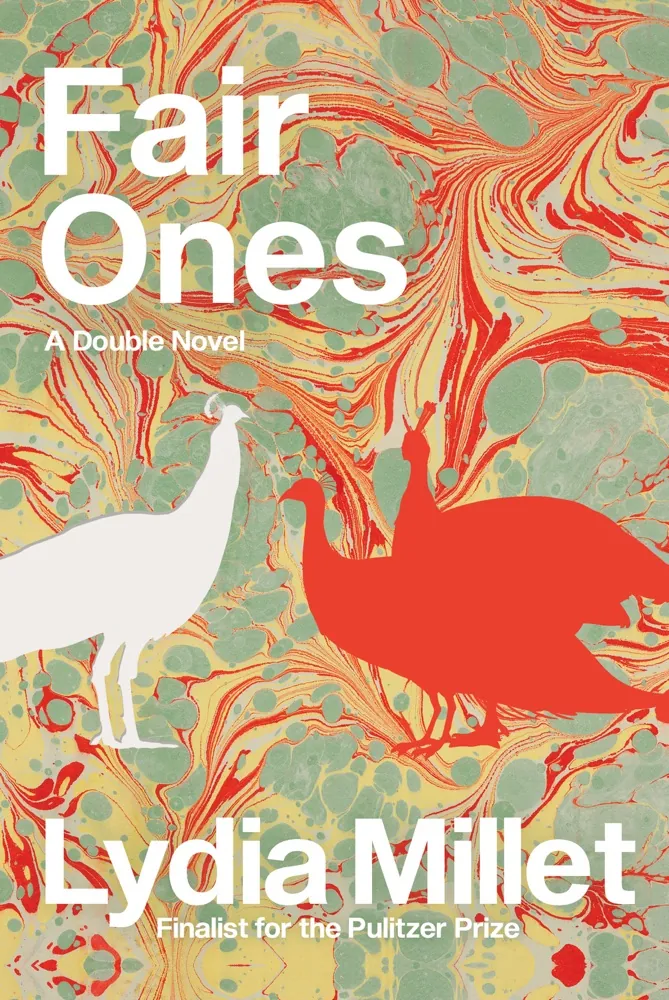
Author: Lydia MilletPage Count: UnknownPublication Date: Expected publication 2026-10-06 APL The forthcoming Fair Ones by Lydia Millet – a double novel, no less, about two Brooklyn women grappling with the enigmatic death of their friend Claire. The synopsis promises a "vibrant, funny-sad fiction of companionship and solitude" with a dash of dry wit and sharp prose. I'll believe it when I see it. Millet's previous work, A Children's Bible, was a decent enough effort, but this new book sounds suspiciously like a rehashing of the same tired midlife crises that have been done to death in contemporary literature. Can we really expect anything new from a story about fortysomething women reeling from a friend's death? The setup reeks of the same pseudo-profound navel-gazing that's been plaguing the literary world for years. But, I suppose, the real question is: what does Millet plan to do with this tired setup? Will she manage to elevate it into something more than just a shallow exploration of middle-aged angst? Or will it be just another Eat Pray Love for the Brooklyn set? I'm not holding my breath. The fact that the synopsis barely mentions the actual plot, instead focusing on the "banality, bombast, and humble beauties of midlife friendships," suggests that Millet might be relying too heavily on atmosphere and not enough on actual storytelling. And don't even get me started on the whole "dialogue-driven, fast-moving" business. That just sounds like a euphemism for "we couldn't be bothered to come up with a real plot, so we'll just make the characters talk a lot." It's a trick that's been used to great effect by authors like Jennifer Egan, but I'm not convinced Millet has the same level of skill. The result might be something akin to a literary version of the Real Housewives franchise – all surface, no substance. But what really gets my goat is the way the synopsis name-checks "midlife friendships" as if that's some kind of profound theme. Newsflash: it's not. It's a cliché, and one that's been done to death by authors like Jonathan Franzen and Meg Wolitzer. I mean, what's next? A novel about the trials and tribulations of being a suburban mom? Please. Give me something with a little more depth, a little more complexity. Something that doesn't feel like it was ripped straight from the pages of The New Yorker. And then there's the whole "love song to the intricate annoyances of families both chosen and unchosen" business. That sounds like something a Hallmark card would say, not a literary novel. It's a sentiment that's been expressed far more eloquently by authors like Elena Ferrante, who actually knows how to write about complex relationships without resorting to trite platitudes. I suppose, in the end, Fair Ones might be a decent enough read for fans of the whole Brooklyn-lit scene. But for those of us who crave something a little more substantial, a little more challenging, it's probably safe to say that this one can be skipped. Now, if you'll excuse me, my driver is currently navigating the parking lot that is the Long Island Expressway, and I have a dinner party to get to in the Hamptons. #literaryfiction #brooklynlit #meh Related InsightsMisery of Love Book Review and Summary Until the Last Light Goes Out Book Review and Summary Other Worlds Than These (The Talisman #3) Book Review and Summary{ "@context": "https://schema.org", "@type": "FAQPage", "mainEntity": [ { "@type": "Question", "name": "What is the main focus of Fair Ones Book Review and Summary?", "acceptedAnswer": { "@type": "Answer", "text": "Everything you need to know about Fair Ones with our detailed review." } }, { "@type": "Question", "name": "Who authored the comprehensive guide on Fair Ones Book Review and Summary?", "acceptedAnswer": { "@type": "Answer", "text": "This detailed article and its insights were carefully researched and authored by Elena Volkova." } }, { "@type": "Question", "name": "Where can I find more related content about Books?", "acceptedAnswer": { "@type": "Answer", "text": "You can explore more articles, detailed reviews, and similar insights by browsing the Related Insights section at the bottom of this article or visiting our dedicated Books category page." } } ] }
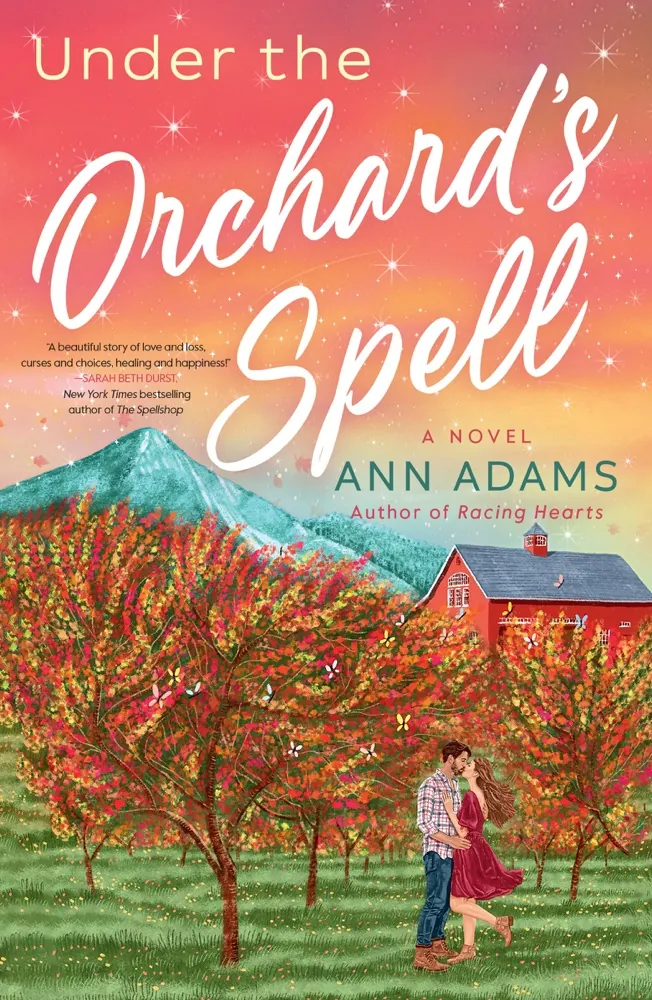
Author: Ann AdamsPage Count: UnknownPublication Date: Expected publication 2026-10-06 APL Ann Adams wants us to believe that a failing piece of agricultural real estate can be saved by emotional resurrection and some aggressively plaid carpentry. Under the Orchard's Spell is coming for our TBR piles this October, and honestly? The literary pretensions here are giving me a migraine. We are looking at a masterclass in cozy escapism wrapped in horticultural financial ruin. The Economics of Magical Pears Ali Reid inherits an orchard that is apparently sinking faster than my fourth-quarter portfolio on a bad crypto day—bankrupt, abandoned by human decency in the form of a rogue fiancé, and plagued by existential fruit rot. Peak suffering. But instead of liquidating the acreage, cutting her losses, and investing in municipal bonds like any rational sentient being, she opts for supernatural domesticity. Because nothing screams "second chance at life" quite like mystical weather anomalies and literal jewel-toned rabbits squatting in the barn. Logan Wright enters stage left. He is the stoic carpenter archetype. You know the type. He wears flannel, stares at floorboards with unearned intensity, and carries the emotional availability of a brick wall. They have fourteen years of unresolved history hanging over them like a bad tax audit. The Domestic Trauma Aesthetic Let us talk about the stakes here. Pears are crystallizing on branches like some sort of bourgeois Grimm fairy tale gone wrong. Unnatural storms are brewing. And what does our protagonist do? She leans into the vibe. This is trauma-bonding over stone fruits. We are expected to buy into the premise that fourteen years of absence can be cured by manual labor and shared glances across a decrepit farmhouse kitchen island. Actually, scratch that. The romantic pragmatism here is almost impressive. Who needs a diversified investment portfolio when you have a brooding woodworker fixing your rotting fence posts while the local ecosystem literally rebels against the laws of physics? I predict this book will sell a metric ton of copies to people who think a weekend cabin trip constitutes roughing it. It borrows heavily from the whimsical agricultural charm of Sarah Beth Durst’s The Spellshop, minus the self-awareness. Adams is leaning hard into the cottagecore fantasy industrial complex, serving up domesticity as a panacea for systemic economic collapse. And yet—wait, no. The pacing described in the synopsis actually suggests a relentless narrative momentum that might just save the manuscript from drowning in its own saccharine mulch. The supernatural intrusion of cursed fruit prevents it from being a total snooze-fest of mid-tier emotional processing. The Ledger of Heartbreak The underlying motif here is painfully transparent. Land holds memory. People break promises. Pears turn into gemstones because capitalism hates romance. It is a psychological defense mechanism writ large across a dysfunctional farm. If you ignore the glaring lack of basic agricultural zoning laws and the total absence of a viable business plan, the metaphorical weight of a cursed orchard doing the heavy lifting for a stale romance trope is peak contemporary fiction. My publicist is currently screaming in my ear and demanding an immediate, sanitized statement for the press before the markets open. #BookTwitter #CozyFantasy #CursedPears
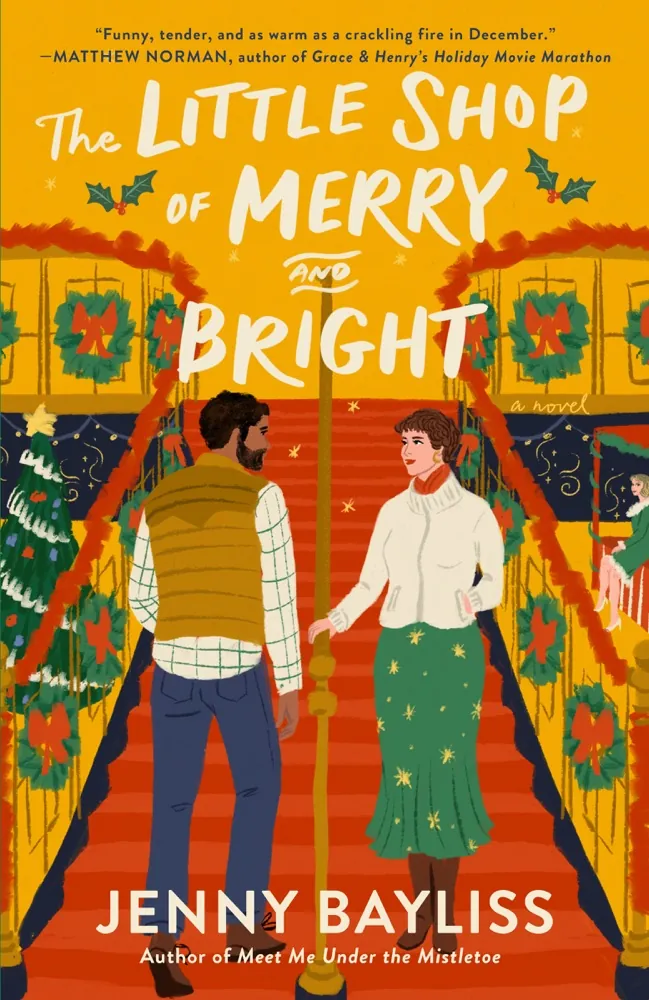
Author: Jenny BaylissPage Count: UnknownPublication Date: Expected publication 2026-09-22 APL The synopsis of The Little Shop of Merry and Bright is a masterclass in anti-escapism—which, ironically, is exactly what it promises. The premise is a glittering bait-and-switch: a woman who fled public life after a viral humiliation is offered a deal by a Christmas spirit, one that sounds like a Dark Souls boss fight wrapped in tinsel. But here’s the thing—this isn’t a fantasy novel about magic or redemption. It’s a quietist’s revenge fantasy, the kind where the real horror isn’t the alternate realities but the idea that Casey might like any of them. The bargain itself is a perfect setup for the kind of psychological tension you’d find in The Love Hypothesis meets The Secret History—if the latter had been written by a disgruntled Amazon reviewer. Margo, the Spirit of Christmas Present, isn’t some benevolent Santa. She’s a transactional entity, the kind of NPC you’d find in a Stardew Valley mod where the farmer’s daughter just wants to erase the past. The catch—five alternate realities—feels less like a test and more like a choose-your-own-adventure where the real question isn’t which life Casey prefers, but why she’d ever want to leave the one she’s in. Because let’s be honest, the life she’s in now is the one where she’s not being roasted on Twitter. That’s a luxury. Yet—and here’s where the synopsis starts to unravel—there’s a subtle undercurrent of something far more dangerous than escapism. The idea that Casey might not want the video erased isn’t just a plot device; it’s a psychological landmine. It’s the same tension you’d find in The Perks of Being a Wallflower, but with the emotional stakes of a Netflix breakup drama where the villain is her own self-loathing. The question isn’t whether she’ll choose the erased life—it’s whether she’ll even recognize the one she’s in as worth keeping. And that’s where the synopsis fails. It doesn’t tell us what those alternate realities look like. Are they worse? Better? Or just different enough to make her question whether she’s been running from something or just from everything? Let me grab my reading glasses for this mess. Because here’s the thing: the synopsis is too neat. It’s the kind of setup that would make a Twilight fanboy weep with joy—magic! spirits! alternate lives!—but it’s missing the grit. Where’s the real cost? Where’s the moment where Casey realizes that the life she’s trying to escape isn’t the one that made her a viral joke, but the one where she chose to stay quiet? The synopsis reads like a Hallmark Christmas movie synopsis, not a novel. And that’s a problem, because The Little Shop of Merry and Bright isn’t just about Christmas magic—it’s about the weight of silence. The kind of silence that makes you wonder if you’re the one who’s been haunted all along. But then again, maybe that’s the point. Maybe the real magic isn’t in the alternate realities, but in the decision to stay. And if that’s the case, then the synopsis is deliberately vague—because the best stories aren’t about the places you go, but the ones you choose not to leave. And yet—lexical whiplash—I can already see the booktok reactions: "This sounds like a cozy fantasy with a twist!" "I need this in my life!" "Why does this make me cry?!" It’s the same energy as The Song of Achilles, but with the emotional range of a McDonald’s Happy Meal. The synopsis sells the idea of magic, but it doesn’t sell the cost. And that’s where the real tension should be. I must select the floral arrangements for my upcoming book launch. Related Insightsالقرآن الكريم Book Review and Summary The Moon Is a Harsh Mistress Book Review and Summary Mokradla Book Review and Summary{ "@context": "https://schema.org", "@type": "FAQPage", "mainEntity": [ { "@type": "Question", "name": "What is the main focus of The Little Shop of Merry and Bright Book Review and Summary?", "acceptedAnswer": { "@type": "Answer", "text": "Everything you need to know about The Little Shop of Merry and Bright with our detailed review." } }, { "@type": "Question", "name": "Who authored the comprehensive guide on The Little Shop of Merry and Bright Book Review and Summary?", "acceptedAnswer": { "@type": "Answer", "text": "This detailed article and its insights were carefully researched and authored by Elena Volkova." } }, { "@type": "Question", "name": "Where can I find more related content about Books?", "acceptedAnswer": { "@type": "Answer", "text": "You can explore more articles, detailed reviews, and similar insights by browsing the Related Insights section at the bottom of this article or visiting our dedicated Books category page." } } ] }
- Elena Volkova
- 15 Aug, 2026 05:12
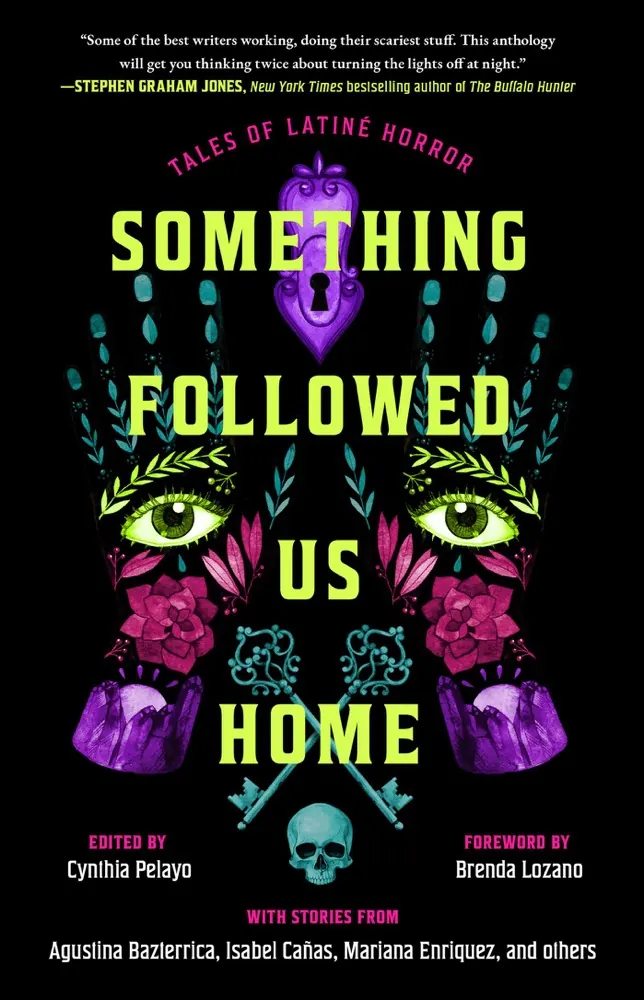
Something Followed Us Home: Tales of Latiné Horror Book Review and Summary
Author: Cynthia PelayoPage Count: UnknownPublication Date: Expected publication 2026-09-29 APL Another anthology cobbled together from a marketing meeting where executives decided trauma has good margins. Cynthia Pelayo has corralled a massive lineup—Bazterrica, Cañas, Mariana Enriquez, a veritable Avengers of dread—to produce Something Followed Us Home. The synopsis leans heavily on the tired trope of the displaced specter, the inherited rot clinging to the underside of luggage crossing borders. Yawn. We get it. Geopolitics is a meat grinder and history is a poltergeist. Tell me something I didn't learn while reading Mexican Gothic on my third-row flight to Zurich. Wait. Let me walk that back entirely. The lineup actually slaps. Pelayo is curating a butcher’s block of contemporary dark fiction, framing immigration and faith not as noble struggles, but as literal, toothy parasites. The premise promises that prayers crawl in and mirrors watch. Fine. I am deceased. Literally expiring from boredom at these genre conventions, yet simultaneously vibrating with morbid curiosity to see how Mónica Ojeda or Gerardo Sámano Córdova weaponize domestic claustrophobia against colonial ghosts. The Currency of Inherited Rot The thematic engine here relies on generational baggage as an active predator. Blood, devotion, and memory intertwine. But let’s be real about the marketing copy. It’s peak literary-horror vagueness. "The dead murmur behind locked doors." Groundbreaking. What else is new, a wet Tuesday in London? Yet, the sheer horsepower of this contributor list—Alex Segura, Daniel José Older, Zoraida Córdova—makes this a must-buy for my nightstand, if only to fill the crushing, yawning void where my capacity to experience joy used to be before the third yacht acquisition lost its flavor. Expectations are weirdly high, despite my innate cynicism toward themed collections that read like academic reading lists trying to scare middle-schoolers. If these authors lean into the visceral promise of the pitch—if they actually let the folklore bite instead of serving up polite metaphors for diaspora melancholia—it might just scratch the itch. Or it will be another overpriced paperweight for the library shelf. Either way, I need to go appraise some heirloom jewelry my aunt bequeathed to you—no, bequeathed to me, the diamond tiara with the blood curse, obviously. #LatinéHorror #BookTwitter #DarkFiction Related InsightsWild Aster Book Review and Summary The Murder Trial Book Review and Summary Sapiens: A Brief History of Humankind Book Review and Summary{ "@context": "https://schema.org", "@type": "FAQPage", "mainEntity": [ { "@type": "Question", "name": "What is the main focus of Something Followed Us Home: Tales of Latiné Horror Book Review and Summary?", "acceptedAnswer": { "@type": "Answer", "text": "Everything you need to know about Something Followed Us Home: Tales of Latiné Horror with our detailed review." } }, { "@type": "Question", "name": "Who authored the comprehensive guide on Something Followed Us Home: Tales of Latiné Horror Book Review and Summary?", "acceptedAnswer": { "@type": "Answer", "text": "This detailed article and its insights were carefully researched and authored by Elena Volkova." } }, { "@type": "Question", "name": "Where can I find more related content about Books?", "acceptedAnswer": { "@type": "Answer", "text": "You can explore more articles, detailed reviews, and similar insights by browsing the Related Insights section at the bottom of this article or visiting our dedicated Books category page." } } ] }
Author: Carsten HennPage Count: UnknownPublication Date: Expected publication 2026-10-13 APL Another day, another manuscript about a bruised ego finding salvation in the smell of yeast and suburban mediocrity. Carsten Henn wants us to swallow The Story Baker whole, expecting my black heart to suddenly flutter because a ballerina traded her pointe shoes for a wooden paddle. Give me a break. I read about flayed emperors and post-apocalyptic cannibals just to feel my pulse spike above forty beats per minute, yet the publishing houses keep shoveling this saccharine wellness-porn down our throats like industrial-grade Valium. The Choreography of Carbs The premise reeks of the exact brand of cozy escapism currently clogging the bestseller lists. Fredrik Backman walked so these aggressively whimsical European imports could jog at a sluggish, emotionally manipulative pace. Sofie breaks her body, loses her identity, and instantly finds her metaphysical redemption baked into a sourdough boule. And honestly? The conceptual bridge between ballet and bread-kneading is actually rather brilliant. I appreciate the kinetic metaphor of dough rising on beat. But let us not kid ourselves—this is pure bourgeois comfort food disguised as art. Wait. Scratch that. The kinetic metaphor is actually completely trite, recycled garbage that insults anyone who has ever spent a decade at the barre. The Commodification of Solace What truly fascinates me is the relentless societal demand for broken people to monetize their healing through manual labor. God forbid a ruined ballerina just sits in a dark room and drinks scotch like a rational adult. No, she must learn the "wisdom of a simple man"—because naturally, the old Italian baker is practically a Zen master hiding behind a flour sack—and discover the "joy of small things." Touch grass? Please. The protagonist is literally just coping through carbs while the author manufactures an artificial sanctuary to shield delicate readers from the bleak, indifferent void of late capitalism. It is peak aestheticized coping. Yet I will probably buy the hardcover just to throw it against the limestone wall of my east wing when the third act inevitably delivers its predictable, life-affirming epiphany. Literature should gut you, leave you bleeding on the cold stone, and demand an existential audit. This book will merely give you a warm hug and a croissant. Whatever. The market demands dopamine, and Henn is manufacturing it by the metric ton. I need to dye a vintage dress in the bathtub. Related InsightsClockwork Angel Book Review and Summary Taming Flame Book Review and Summary If I Stay Book Review and Summary{ "@context": "https://schema.org", "@type": "FAQPage", "mainEntity": [ { "@type": "Question", "name": "What is the main focus of The Story Baker: A Novel Book Review and Summary?", "acceptedAnswer": { "@type": "Answer", "text": "Everything you need to know about The Story Baker: A Novel with our detailed review." } }, { "@type": "Question", "name": "Who authored the comprehensive guide on The Story Baker: A Novel Book Review and Summary?", "acceptedAnswer": { "@type": "Answer", "text": "This detailed article and its insights were carefully researched and authored by Elena Volkova." } }, { "@type": "Question", "name": "Where can I find more related content about Books?", "acceptedAnswer": { "@type": "Answer", "text": "You can explore more articles, detailed reviews, and similar insights by browsing the Related Insights section at the bottom of this article or visiting our dedicated Books category page." } } ] }
Author: Tanaz BhathenaPage Count: UnknownPublication Date: Expected publication 2026-09-22 APL My portfolio manager thinks I should buy more municipal bonds to soothe my insomnia. Instead, I am staring down Tanaz Bhathena’s Witch Daughter, a literary excavation of ancient Persia that promises a heavy dose of court intrigue and inevitable doom. Because when my hundred-million-dollar acquisition targets are currently rotting in international customs, nothing cures an existential void quite like a doomed royal dynasty tearing itself apart over prophecies. We are promised Tahmineh: temptress, witch, victim, or misunderstood girlboss. Pick your poison. The marketing copy leans hard on the misunderstood angle, but honestly, give me the witch. Give me a woman who actually embraces the storm cloud instead of weeping into her silk pillows about a lack of suitors. The synopsis smells faintly of the kind of sanitized historical revisionism that dominated the early two-thousand-thousands book club circuits—think Khaled Hosseini meets a YA fantasy crossover engineered by committee. Yet, I am strangely intrigued. The Architecture of Inevitable Ruin Let us look at the mechanics of this tragedy. Princess Tahmineh hears a prophecy, ignores the fine print, marries the warrior Rostam, breeds a son, and then discovers the Universe has a dark sense of humor regarding father-son combat. It has the exact energy of the House of Saud boardroom drama mixed with a Greek tragedy written by an exhausted ghostwriter. Wait. Scratch that. The prophecy angle is entirely overplayed. We do not need mystical warnings to make bad marital choices; humans manage that daily without divine intervention. Bhathena is stepping out of her contemporary lane for her adult debut here, and I expect teeth. If this turns into a meandering historical romance with soft-focus tent scenes and mild political posturing, I will demand a refund from my literary agent. We need blood on the carpet. We need the kind of visceral, psychological desolation that makes Joe Abercrombie look like a children’s television executive. The Mythology of Martyrdom Ancient Persia offers a bottomless pit of structural violence, dynastic paranoia, and absolute cruelty. If Bhathena leans into that darkness—if she strips away the poetic gloss advertised by the blurbs—this could salvage my Tuesday evening. The blurbs are entirely unhelpful, naturally. Jodi Picoult comparing a Persian legend to suburban legal drama is roughly equivalent to pairing a 1982 Château Lafite-Rothschild with a gas-station Slim Jim. Unhinged. And yet, the core premise of a mother attempting to rewrite cosmic code to save her child carries a grim, inevitable weight. It reminds me of the Titanic deckchair rearrangement at Davos. Futile, expensive, and deeply tragic. The heated seats in my SUV are malfunctioning on the lumbar support, which is an absolute tragedy.