Svalbard: Arctic Adventures Beyond the Northern Lights – A Remote Paradise for Explorers and Digital Nomads
-
 Zola Ndlovu
 - 03 Aug, 2026 20:18
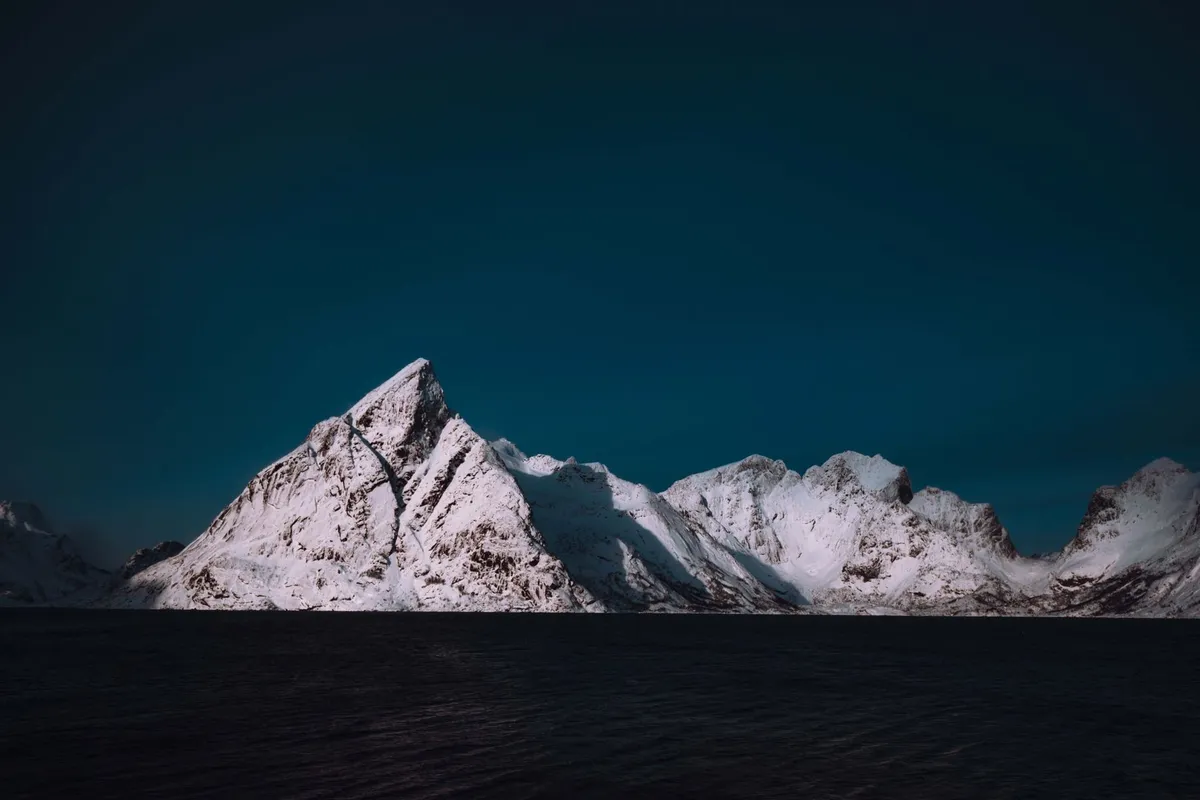
Few places on Earth evoke the raw, untamed spirit of adventure like Svalbard—a remote archipelago in the Arctic Ocean, halfway between Norway and the North Pole. Governed by the Svalbard Treaty, this Norwegian territory is a land of extremes: polar bears outnumber people, the sun never sets in summer, and the aurora borealis paints the winter skies in emerald and violet. Yet beyond its reputation as a bucket-list destination for chasing the Northern Lights, Svalbard offers something far deeper: a chance to live on the edge of the known world, where every day feels like an expedition.
For digital nomads, Svalbard is a paradox—a place where cutting-edge remote work meets Stone Age isolation. In 2025, it ranked 13th in VisaGuide.World’s Digital Nomad Index, scoring 2.91 for its unique blend of infrastructure, safety, and unparalleled natural beauty. Unlike other Arctic destinations, Svalbard has no visa restrictions for remote workers, allowing indefinite stays. But this freedom comes with a price: life here is expensive, the climate is brutal, and the nearest mainland is a 3-hour flight to Oslo. Yet for those willing to embrace the challenge, Svalbard is more than a destination—it’s a way of life.
In this guide, we’ll dive into the realities of living and traveling in Svalbard, from navigating its polar wilderness to thriving as a digital nomad in one of the world’s most isolated communities. Whether you’re drawn by the allure of polar bears, the silence of untouched tundra, or the thrill of working from the edge of the Arctic, Svalbard promises an adventure unlike any other.
Why Svalbard? The Ultimate Arctic Escape
Svalbard isn’t just another Arctic destination—it’s a world apart. Located at 74–81°N latitude, this archipelago is one of the northernmost permanently inhabited places on Earth. Its isolation is both its greatest allure and its defining challenge. Unlike tourist-heavy destinations like Iceland or Norway’s mainland, Svalbard remains a frontier, where the rules of modern life bend to the whims of nature.
The Land of Contrasts
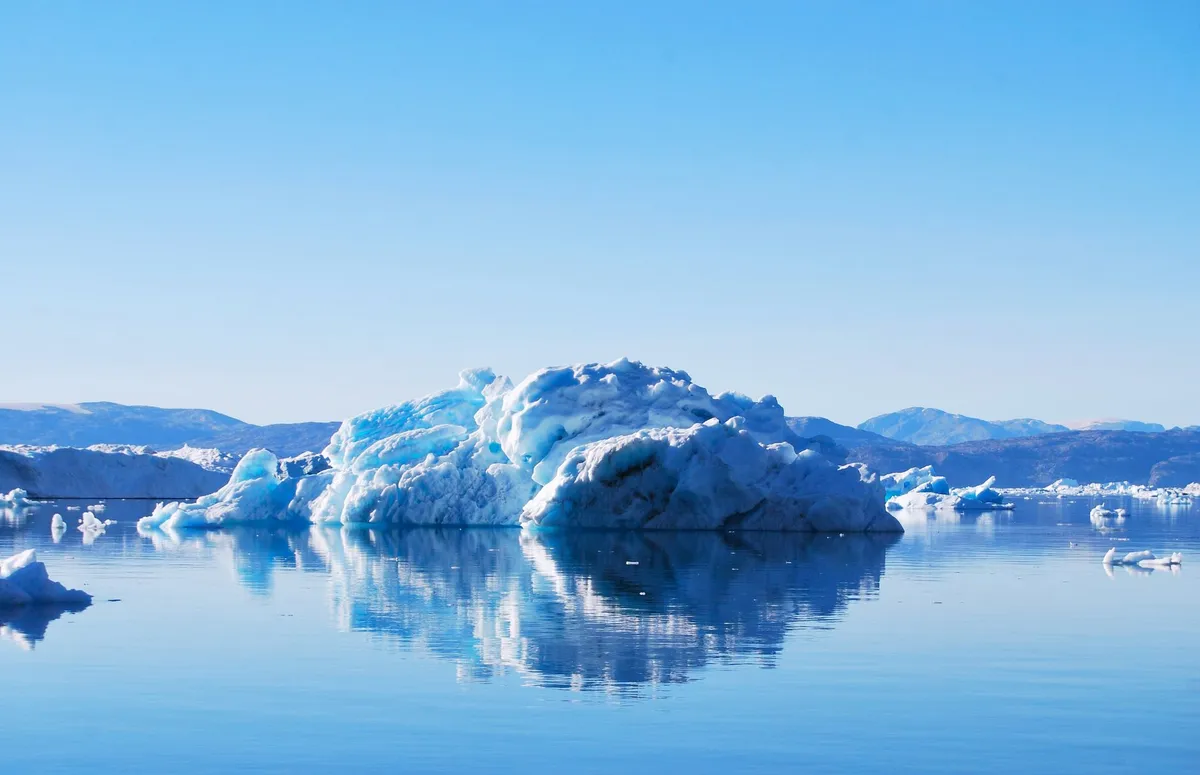
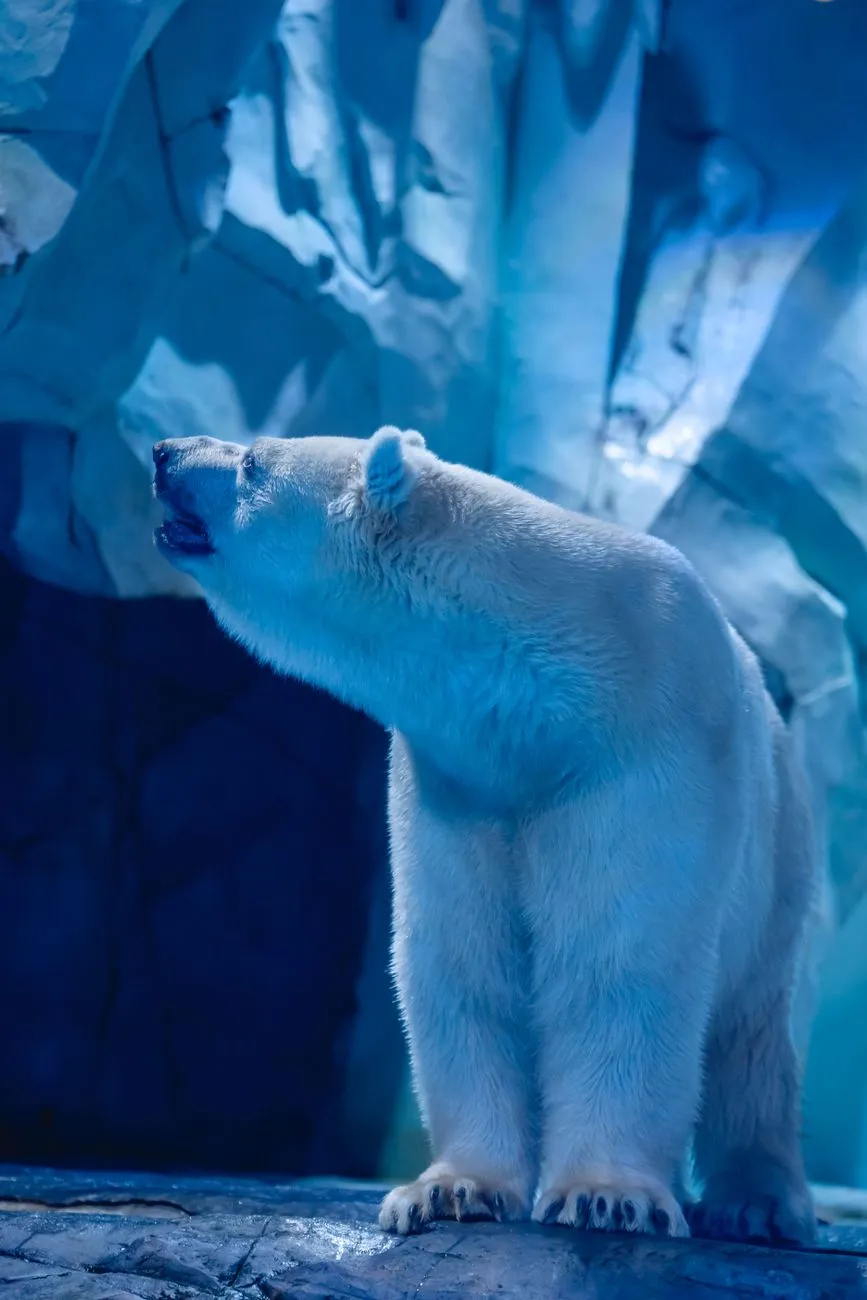
Svalbard’s geography is a study in extremes. Towering glaciers, such as the 30-kilometer-long Austfonna, carve through the landscape, while deep fjords like Isfjorden cut into the coastline. The terrain is a mix of barren rock, permafrost, and unexpected pockets of greenery—mosses, lichens, and Arctic flowers that bloom briefly in the summer. Despite its harsh climate, Svalbard supports a surprising diversity of wildlife, including reindeer, Arctic foxes, walruses, and over 30 species of birds. The real star, however, is the polar bear. With a population of around 3,000, these apex predators roam freely, making Svalbard one of the few places where humans are not at the top of the food chain.
A Unique Legal and Cultural Landscape
Svalbard’s governance is as unusual as its geography. The Svalbard Treaty of 1920 granted Norway sovereignty over the archipelago, but it also allowed citizens of signatory countries (including the U.S., UK, and Russia) to live and work here under Norwegian law. This means no visa is required for stays up to 90 days, and digital nomads can stay indefinitely as long as they meet local registration requirements. The population of around 2,900 is a melting pot of Norwegians, Russians, Poles, and Thais, with Longyearbyen—the largest settlement—serving as the cultural and administrative heart.
The Digital Nomad Paradox
Svalbard’s inclusion in the Digital Nomad Index is a testament to its growing appeal among remote workers. The archipelago offers high-speed internet (thanks to a fiber-optic cable from mainland Norway), co-working spaces like the Svalbard Science Centre, and a surprisingly vibrant café culture. Yet, the cost of living is astronomical. According to 2026 data, a monthly rent for a one-bedroom apartment in Longyearbyen averages 15,000 NOK ($1,400 USD), while a meal at a mid-range restaurant costs around 250 NOK ($24 USD). Groceries are 50–100% more expensive than in Oslo, and imported goods can double in price due to shipping costs.
Despite this, Svalbard’s digital nomad scene is thriving. The Svalbard Digital Nomad Association organizes meetups, and the UNIS (University Centre in Svalbard) offers courses in Arctic studies, attracting academics and remote workers alike. The key to thriving here? Budgeting meticulously and embracing the local lifestyle—shopping at the Sysselbutikken (the state-run supermarket) for staples like milk and bread, and taking advantage of the Svalbard Samfunnsdrift (community services) for shared resources.
For those seeking a challenge, Svalbard offers unparalleled rewards: the chance to live in a place where the Northern Lights dance above your doorstep, where you can ski to work in the dark of winter, and where every day feels like an expedition. It’s not for the faint-hearted, but for the adventurous, it’s a dream come true.
Planning Your Arctic Expedition: Logistics and Essentials
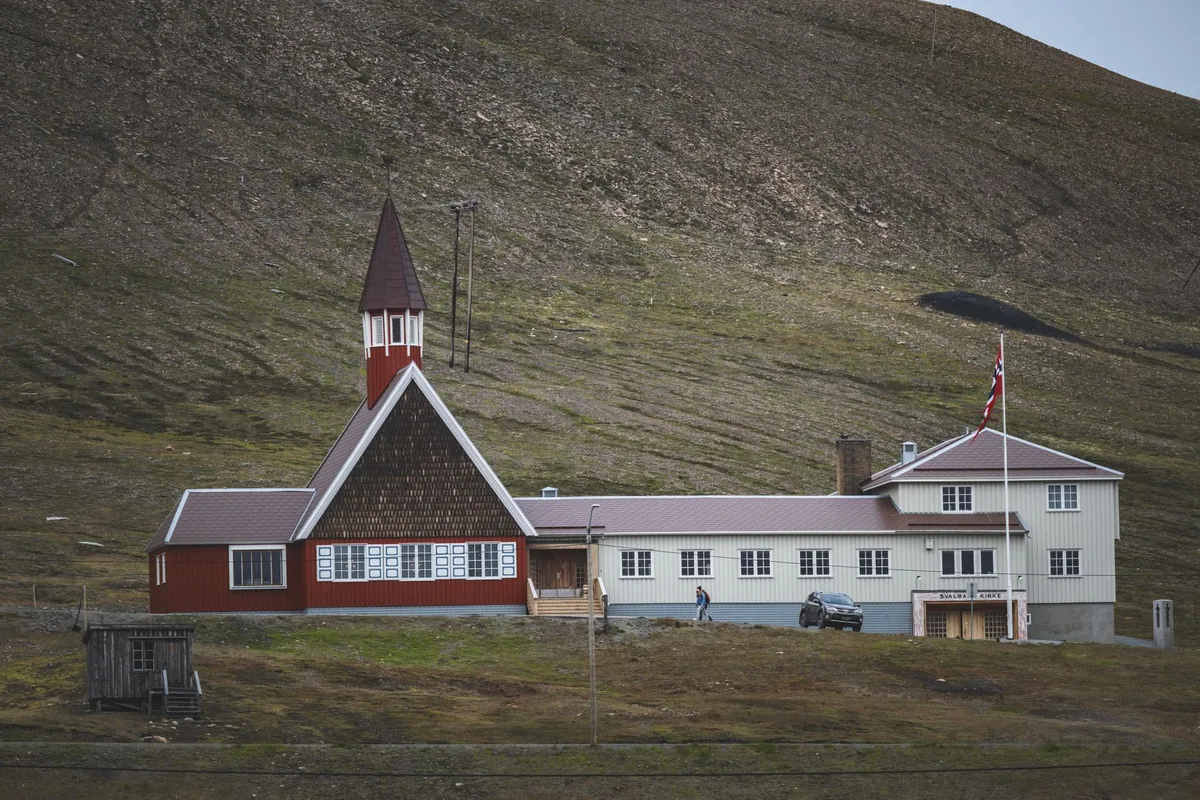
Svalbard is not a spontaneous destination. Planning a trip—or a move—here requires meticulous preparation, from securing flights to packing the right gear. The archipelago’s remoteness means that once you arrive, you’re committed. Here’s everything you need to know to make your Arctic adventure a success.
Getting There: Flights and Entry Requirements
The only way to reach Svalbard is by air, with flights operated by Norwegian Air Shuttle and Arctic Aviation. All flights connect via Oslo, with the journey taking approximately 3 hours to Longyearbyen. As of 2026, there are no direct flights from outside Norway, and flights are often fully booked months in advance, especially during peak seasons (June–August for summer activities, December–February for the Northern Lights).
Entry Requirements:
- Visa: No visa is required for stays up to 90 days for citizens of Schengen countries, the U.S., UK, Canada, Australia, and many others. For longer stays, you’ll need to register with the Sysselmesteren (Governor of Svalbard) and may require a work permit if employed locally.
- Passport: A valid passport is mandatory, with at least 6 months’ validity remaining.
- Insurance: Travel insurance covering medical evacuation is strongly recommended. Healthcare in Svalbard is excellent but limited—serious cases are evacuated to Oslo.
Best Time to Visit: Seasons of Light and Dark
Svalbard’s seasons are extreme, each offering a unique experience:
-
Polar Night (Late October–Mid-February):
- The sun doesn’t rise above the horizon, and the archipelago is shrouded in 24-hour darkness. This is prime time for Northern Lights viewing, with displays visible on clear nights. Temperatures plummet to -20°C (-4°F), but the lack of daylight makes for easier polar bear tracking (a necessity when venturing outside settlements).
- Pro Tip: Book a Northern Lights tour with Green Trail or Svalbard Wildlife Expeditions for guided excursions with expert guides.
-
Spring (March–May):
- Daylight returns gradually, and temperatures rise to a balmy -10°C (14°F). This is ideal for snowmobile safaris, dog sledding, and skiing. The ice on the fjords begins to break up, making boat tours possible.
- Must-Do: A snowmobile trip to Pyramiden, the abandoned Soviet mining town, is a surreal experience.
-
Midnight Sun (Late April–August):
- The sun never sets, casting a golden glow over the landscape 24/7. This is the best time for hiking, wildlife spotting (puffin colonies, walruses), and exploring glaciers. Temperatures range from 0°C to 10°C (32°F to 50°F), but the weather is unpredictable—pack layers.
- Essential Activity: A boat tour to Hornøya, one of the largest seabird colonies in the Arctic.
-
Autumn (September–October):
- The landscape transforms with fiery hues as the tundra prepares for winter. This is a quieter season, perfect for photographers and those seeking solitude. Temperatures drop rapidly, and the first snowfalls begin.
- Hidden Gem: The Svalbard Museum in Longyearbyen offers insights into the archipelago’s history, from whaling to polar exploration.
Packing for the Arctic: Gear That Could Save Your Life
Svalbard’s weather is unpredictable, and conditions can change from sunny to blizzard in hours. Your packing list should prioritize warmth, functionality, and safety:
- Clothing:
- Base Layers: Merino wool or synthetic thermal underwear (top and bottom).
- Mid Layers: Fleece or down jackets for insulation.
- Outer Layer: A high-quality, windproof, and waterproof shell (Gore-Tex recommended).
- Accessories: Thermal gloves, balaclava, neck gaiter, and wool socks. A pair of insulated, waterproof boots (like Sorel or Baffin) is non-negotiable.
- Gear:
- Headlamp: Essential during the polar night. Bring extra batteries.
- Sunglasses: With UV protection for the midnight sun.
- Trekking Poles: For glacier hikes and uneven terrain.
- Power Bank: Cold drains batteries quickly. A solar charger can be a lifesaver.
- Safety:
- Polar Bear Deterrent: A rifle is mandatory when venturing outside settlements (rentals available). Alternatively, hire a guide with a firearm.
- First Aid Kit: Include blister plasters, painkillers, and any personal medication.
- Emergency Communication: A satellite phone or GPS device (local SIM cards don’t work outside Longyearbyen).
Accommodation: From Hostels to Luxury Lodges
Longyearbyen is the only town with a range of accommodation options, from budget hostels to high-end lodges. Here’s a breakdown of what to expect:
| Type | Price Range (NOK) | Pros | Cons |
|---|---|---|---|
| Hostels (e.g., Basecamp Hostel) | 500–800/night | Affordable, social atmosphere | Basic amenities, shared bathrooms |
| Guesthouses (e.g., Guesthouse 102) | 1,200–1,800/night | Cozy, homey feel | Limited space, no kitchen access |
| Hotels (e.g., Radisson Blu Polar Hotel) | 2,000–3,500/night | Comfortable, central location | Expensive, can book up quickly |
| Rentals (e.g., Airbnb) | 1,500–2,500/night | Privacy, kitchen access | Limited availability, high demand |
| Research Stations (e.g., UNIS Guesthouse) | 1,000–1,500/night | Unique experience, near nature | Strict rules, shared spaces |
For longer stays, consider renting an apartment through the Svalbard Housing Office, though options are scarce. Many digital nomads opt for a mix of short-term rentals and house-sitting (check TrustedHousesitters for opportunities).
#ArcticAdventure #DigitalNomadLife #PolarExploration #RemoteLiving #SvalbardTravel