Showing Posts From
Svalbard norway
-
 Zola Ndlovu
 - 03 Aug, 2026 20:18
Svalbard: Arctic Adventures Beyond the Northern Lights – A Remote Paradise for Explorers and Digital Nomads
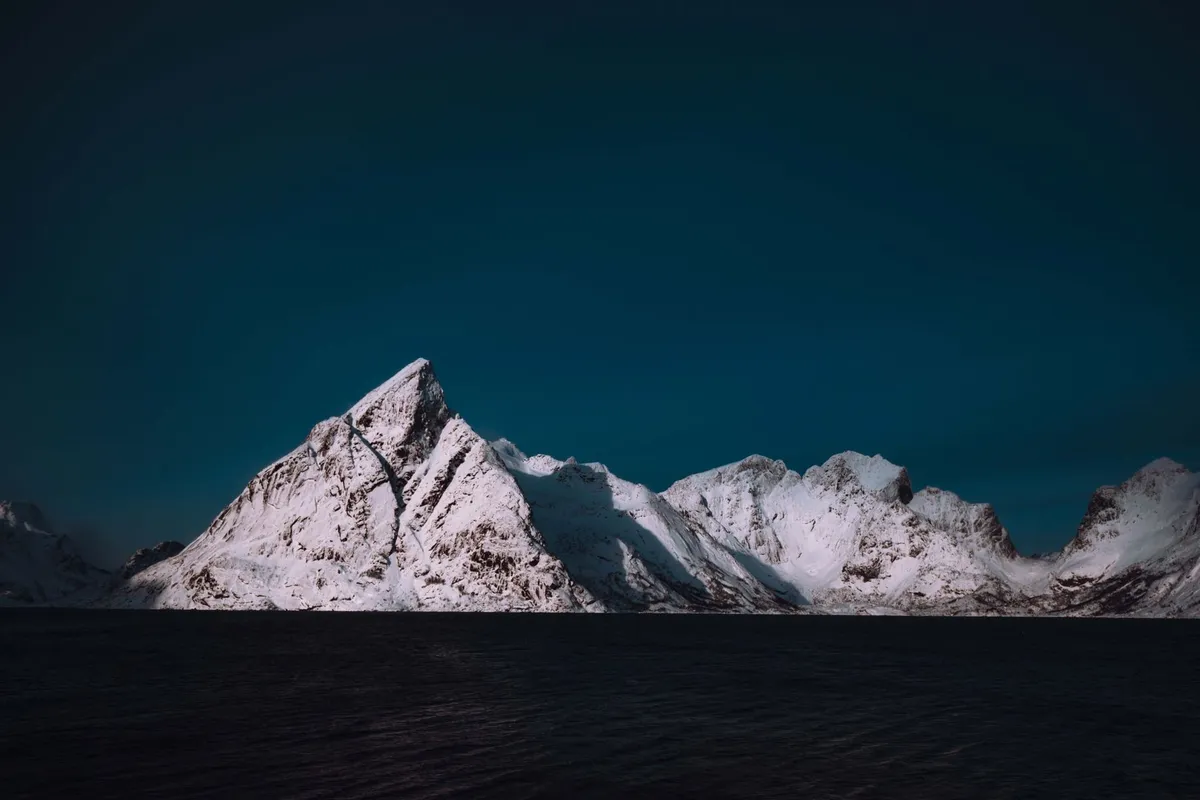
Few places on Earth evoke the raw, untamed spirit of adventure like Svalbard—a remote archipelago in the Arctic Ocean, halfway between Norway and the North Pole. Governed by the Svalbard Treaty, this Norwegian territory is a land of extremes: polar bears outnumber people, the sun never sets in summer, and the aurora borealis paints the winter skies in emerald and violet. Yet beyond its reputation as a bucket-list destination for chasing the Northern Lights, Svalbard offers something far deeper: a chance to live on the edge of the known world, where every day feels like an expedition. For digital nomads, Svalbard is a paradox—a place where cutting-edge remote work meets Stone Age isolation. In 2025, it ranked 13th in VisaGuide.World’s Digital Nomad Index, scoring 2.91 for its unique blend of infrastructure, safety, and unparalleled natural beauty. Unlike other Arctic destinations, Svalbard has no visa restrictions for remote workers, allowing indefinite stays. But this freedom comes with a price: life here is expensive, the climate is brutal, and the nearest mainland is a 3-hour flight to Oslo. Yet for those willing to embrace the challenge, Svalbard is more than a destination—it’s a way of life. In this guide, we’ll dive into the realities of living and traveling in Svalbard, from navigating its polar wilderness to thriving as a digital nomad in one of the world’s most isolated communities. Whether you’re drawn by the allure of polar bears, the silence of untouched tundra, or the thrill of working from the edge of the Arctic, Svalbard promises an adventure unlike any other.Why Svalbard? The Ultimate Arctic EscapeSvalbard isn’t just another Arctic destination—it’s a world apart. Located at 74–81°N latitude, this archipelago is one of the northernmost permanently inhabited places on Earth. Its isolation is both its greatest allure and its defining challenge. Unlike tourist-heavy destinations like Iceland or Norway’s mainland, Svalbard remains a frontier, where the rules of modern life bend to the whims of nature. The Land of Contrasts Svalbard’s geography is a study in extremes. Towering glaciers, such as the 30-kilometer-long Austfonna, carve through the landscape, while deep fjords like Isfjorden cut into the coastline. The terrain is a mix of barren rock, permafrost, and unexpected pockets of greenery—mosses, lichens, and Arctic flowers that bloom briefly in the summer. Despite its harsh climate, Svalbard supports a surprising diversity of wildlife, including reindeer, Arctic foxes, walruses, and over 30 species of birds. The real star, however, is the polar bear. With a population of around 3,000, these apex predators roam freely, making Svalbard one of the few places where humans are not at the top of the food chain. A Unique Legal and Cultural Landscape Svalbard’s governance is as unusual as its geography. The Svalbard Treaty of 1920 granted Norway sovereignty over the archipelago, but it also allowed citizens of signatory countries (including the U.S., UK, and Russia) to live and work here under Norwegian law. This means no visa is required for stays up to 90 days, and digital nomads can stay indefinitely as long as they meet local registration requirements. The population of around 2,900 is a melting pot of Norwegians, Russians, Poles, and Thais, with Longyearbyen—the largest settlement—serving as the cultural and administrative heart. The Digital Nomad Paradox Svalbard’s inclusion in the Digital Nomad Index is a testament to its growing appeal among remote workers. The archipelago offers high-speed internet (thanks to a fiber-optic cable from mainland Norway), co-working spaces like the Svalbard Science Centre, and a surprisingly vibrant café culture. Yet, the cost of living is astronomical. According to 2026 data, a monthly rent for a one-bedroom apartment in Longyearbyen averages 15,000 NOK ($1,400 USD), while a meal at a mid-range restaurant costs around 250 NOK ($24 USD). Groceries are 50–100% more expensive than in Oslo, and imported goods can double in price due to shipping costs. Despite this, Svalbard’s digital nomad scene is thriving. The Svalbard Digital Nomad Association organizes meetups, and the UNIS (University Centre in Svalbard) offers courses in Arctic studies, attracting academics and remote workers alike. The key to thriving here? Budgeting meticulously and embracing the local lifestyle—shopping at the Sysselbutikken (the state-run supermarket) for staples like milk and bread, and taking advantage of the Svalbard Samfunnsdrift (community services) for shared resources. For those seeking a challenge, Svalbard offers unparalleled rewards: the chance to live in a place where the Northern Lights dance above your doorstep, where you can ski to work in the dark of winter, and where every day feels like an expedition. It’s not for the faint-hearted, but for the adventurous, it’s a dream come true.Planning Your Arctic Expedition: Logistics and EssentialsSvalbard is not a spontaneous destination. Planning a trip—or a move—here requires meticulous preparation, from securing flights to packing the right gear. The archipelago’s remoteness means that once you arrive, you’re committed. Here’s everything you need to know to make your Arctic adventure a success. Getting There: Flights and Entry Requirements The only way to reach Svalbard is by air, with flights operated by Norwegian Air Shuttle and Arctic Aviation. All flights connect via Oslo, with the journey taking approximately 3 hours to Longyearbyen. As of 2026, there are no direct flights from outside Norway, and flights are often fully booked months in advance, especially during peak seasons (June–August for summer activities, December–February for the Northern Lights). Entry Requirements:Visa: No visa is required for stays up to 90 days for citizens of Schengen countries, the U.S., UK, Canada, Australia, and many others. For longer stays, you’ll need to register with the Sysselmesteren (Governor of Svalbard) and may require a work permit if employed locally. Passport: A valid passport is mandatory, with at least 6 months’ validity remaining. Insurance: Travel insurance covering medical evacuation is strongly recommended. Healthcare in Svalbard is excellent but limited—serious cases are evacuated to Oslo.Best Time to Visit: Seasons of Light and Dark Svalbard’s seasons are extreme, each offering a unique experience:Polar Night (Late October–Mid-February):The sun doesn’t rise above the horizon, and the archipelago is shrouded in 24-hour darkness. This is prime time for Northern Lights viewing, with displays visible on clear nights. Temperatures plummet to -20°C (-4°F), but the lack of daylight makes for easier polar bear tracking (a necessity when venturing outside settlements). Pro Tip: Book a Northern Lights tour with Green Trail or Svalbard Wildlife Expeditions for guided excursions with expert guides.Spring (March–May):Daylight returns gradually, and temperatures rise to a balmy -10°C (14°F). This is ideal for snowmobile safaris, dog sledding, and skiing. The ice on the fjords begins to break up, making boat tours possible. Must-Do: A snowmobile trip to Pyramiden, the abandoned Soviet mining town, is a surreal experience.Midnight Sun (Late April–August):The sun never sets, casting a golden glow over the landscape 24/7. This is the best time for hiking, wildlife spotting (puffin colonies, walruses), and exploring glaciers. Temperatures range from 0°C to 10°C (32°F to 50°F), but the weather is unpredictable—pack layers. Essential Activity: A boat tour to Hornøya, one of the largest seabird colonies in the Arctic.Autumn (September–October):The landscape transforms with fiery hues as the tundra prepares for winter. This is a quieter season, perfect for photographers and those seeking solitude. Temperatures drop rapidly, and the first snowfalls begin. Hidden Gem: The Svalbard Museum in Longyearbyen offers insights into the archipelago’s history, from whaling to polar exploration.Packing for the Arctic: Gear That Could Save Your Life Svalbard’s weather is unpredictable, and conditions can change from sunny to blizzard in hours. Your packing list should prioritize warmth, functionality, and safety:Clothing: Base Layers: Merino wool or synthetic thermal underwear (top and bottom). Mid Layers: Fleece or down jackets for insulation. Outer Layer: A high-quality, windproof, and waterproof shell (Gore-Tex recommended). Accessories: Thermal gloves, balaclava, neck gaiter, and wool socks. A pair of insulated, waterproof boots (like Sorel or Baffin) is non-negotiable.Gear: Headlamp: Essential during the polar night. Bring extra batteries. Sunglasses: With UV protection for the midnight sun. Trekking Poles: For glacier hikes and uneven terrain. Power Bank: Cold drains batteries quickly. A solar charger can be a lifesaver.Safety: Polar Bear Deterrent: A rifle is mandatory when venturing outside settlements (rentals available). Alternatively, hire a guide with a firearm. First Aid Kit: Include blister plasters, painkillers, and any personal medication. Emergency Communication: A satellite phone or GPS device (local SIM cards don’t work outside Longyearbyen).Accommodation: From Hostels to Luxury Lodges Longyearbyen is the only town with a range of accommodation options, from budget hostels to high-end lodges. Here’s a breakdown of what to expect:Type Price Range (NOK) Pros ConsHostels (e.g., Basecamp Hostel) 500–800/night Affordable, social atmosphere Basic amenities, shared bathroomsGuesthouses (e.g., Guesthouse 102) 1,200–1,800/night Cozy, homey feel Limited space, no kitchen accessHotels (e.g., Radisson Blu Polar Hotel) 2,000–3,500/night Comfortable, central location Expensive, can book up quicklyRentals (e.g., Airbnb) 1,500–2,500/night Privacy, kitchen access Limited availability, high demandResearch Stations (e.g., UNIS Guesthouse) 1,000–1,500/night Unique experience, near nature Strict rules, shared spacesFor longer stays, consider renting an apartment through the Svalbard Housing Office, though options are scarce. Many digital nomads opt for a mix of short-term rentals and house-sitting (check TrustedHousesitters for opportunities).👉 Continue Reading: Svalbard: Arctic Adventures Beyond the Northern Lights – A Remote Paradise for Explorers and Digital Nomads (Part 2)#ArcticAdventure #DigitalNomadLife #PolarExploration #RemoteLiving #SvalbardTravel Related InsightsSustainable Archipelagos: Crafting an Eco‑Conscious Island‑Hopping Blueprint for the Azores La Cathédrale de Reims : Le Sanctuaire des Rois de France Where Earth Breathes Ages: A Deep Dive into Grand Canyon National Park{ "@context": "https://schema.org", "@type": "FAQPage", "mainEntity": [ { "@type": "Question", "name": "What is the main focus of Svalbard: Arctic Adventures Beyond the Northern Lights – A Remote Paradise for Explorers and Digital Nomads?", "acceptedAnswer": { "@type": "Answer", "text": "Discover Svalbard’s rugged Arctic beauty, from glaciers and polar bears to digital nomad life in one of the world’s most remote yet welcoming destinations." } }, { "@type": "Question", "name": "Who authored the comprehensive guide on Svalbard: Arctic Adventures Beyond the Northern Lights – A Remote Paradise for Explorers and Digital Nomads?", "acceptedAnswer": { "@type": "Answer", "text": "This detailed article and its insights were carefully researched and authored by Zola Ndlovu." } }, { "@type": "Question", "name": "Where can I find more related content about Travel?", "acceptedAnswer": { "@type": "Answer", "text": "You can explore more articles, detailed reviews, and similar insights by browsing the Related Insights section at the bottom of this article or visiting our dedicated Travel category page." } } ] }

- Zola Ndlovu
- 03 Aug, 2026 20:18
Svalbard: Arctic Adventures Beyond the Northern Lights – A Remote Paradise for Explorers and Digital Nomads (Part 2)
This is Part 2 of the series. Read Part 1 here.Living in Svalbard: A Digital Nomad’s Guide to the Arctic Frontier Svalbard is one of the few places in the world where you can work remotely from the edge of the Arctic Circle. But living here as a digital nomad is not for the unprepared. The cost of living is high, the internet is reliable but expensive, and the isolation can be both exhilarating and overwhelming. Here’s how to make it work. The Cost of Living: A Breakdown of Arctic Expenses As of 2026, Svalbard’s cost of living is among the highest in the world. Below is a snapshot of average prices for essentials:Item/Service Price (NOK) Price (USD) NotesRent (1-bedroom) 15,000/month $1,400 Longyearbyen onlyUtilities 2,000/month $190 Includes heating, electricityInternet 800/month $75 High-speed fiber from TelenorGroceries (monthly) 8,000 $750 Sysselbutikken for basicsDining Out 250/meal $24 Mid-range restaurantPublic Transport 500/month $47 Bus passes availableCoworking Space 2,500/month $235 Svalbard Science CentreGym Membership 600/month $56 SvalbardhallenAlcohol 100/beer $9.50 State-run VinmonopoletBudgeting Tips:Shop Smart: The Sysselbutikken (state-run supermarket) is the cheapest for staples. Imported goods (like cheese or coffee) are pricey—stock up in Oslo before flying. Cook at Home: Eating out is a luxury. A home-cooked meal costs 50–100 NOK ($5–10 USD). Use Community Resources: The Svalbard Samfunnsdrift offers shared tools, bikes, and even free sauna sessions. Transport: Walking is the primary mode of transport in Longyearbyen, but a secondhand bike or electric scooter can save money.Internet and Workspaces: Staying Connected in the Wilderness Svalbard’s internet is surprisingly robust, thanks to a fiber-optic cable from mainland Norway. Speeds average 100–300 Mbps, with reliable connections even in remote areas. However, data caps and latency can be issues for video calls. Best Workspaces:Svalbard Science Centre: The hub for remote workers, with desks, meeting rooms, and a café. Membership costs 2,500 NOK/month. Radisson Blu Polar Hotel: Offers day passes for 300 NOK, including coffee and Wi-Fi. Home Offices: Many digital nomads work from their apartments, but power outages can occur during storms.Pro Tip: Invest in a local SIM card (Telenor or Ice) for backup connectivity, though coverage is limited outside Longyearbyen. Social Life and Community: Finding Your Tribe in the Arctic Svalbard’s small population means everyone knows each other—or at least knows of each other. The social scene revolves around shared experiences: polar bear guards, Northern Lights chases, and impromptu gatherings at Huset (the cultural hub). Where to Meet People:Huset: Hosts events like film screenings, concerts, and language exchanges. UNIS: The University Centre attracts students and researchers from around the world. Their café is a great place to network. Adventure Groups: Join a dog sledding or snowmobiling tour to meet fellow explorers. Volunteer: The Svalbard Museum and Sysselmesteren’s office often need help with events.Challenges of Isolation:Seasonal Affective Disorder (SAD): The polar night can be tough. Invest in a light therapy lamp and prioritize outdoor activities. Limited Healthcare: The Longyearbyen Hospital handles minor issues, but serious cases require evacuation. Ensure your insurance covers this. Boredom: With no cinemas or shopping malls, entertainment is DIY. Learn to ski, take a photography course, or join a book club.Safety and Survival: Rules for Living in Polar Bear Country Svalbard is one of the few places where polar bears outnumber humans. Safety is paramount, and ignorance of the rules can be deadly. Golden Rules:Carry a Rifle: When venturing outside settlements, you must have a firearm (or hire a guide with one). Rentals are available at Svalbard Sports. Stay in Groups: Never go alone. Polar bears are unpredictable and can cover ground quickly. Make Noise: Sing, talk, or clap while hiking to avoid surprising a bear. Know the Signs: Fresh tracks, scat, or a bear’s presence means you should leave the area immediately. Emergency Numbers: Dial 112 for police, fire, or medical emergencies.Wildlife Encounters:Reindeer: Harmless but curious. Don’t feed them. Arctic Foxes: Cute but may carry rabies. Avoid contact. Walruses: Found on beaches—keep a safe distance.Adventures Await: Top Activities in SvalbardSvalbard is an adventure playground, where the landscape dictates the activities. From glacier hikes to ice cave explorations, there’s no shortage of ways to immerse yourself in the Arctic wilderness. 1. Northern Lights and Polar Night Expeditions The Northern Lights are Svalbard’s most famous attraction, visible from late September to early April. The best viewing spots are outside Longyearbyen, where light pollution is minimal. How to Chase the Aurora:Guided Tours: Companies like Green Trail and Svalbard Wildlife Expeditions offer overnight trips with hot drinks and photography tips. DIY: Head to Platåberget or Mine 7 for unguided viewing. Use apps like Aurora Forecast to track activity. Photography Tips: Bring a tripod, wide-angle lens, and extra batteries (cold drains them fast).2. Dog Sledding: Racing Across the Tundra Dog sledding is a rite of passage in Svalbard. The tradition dates back to the early 20th century, when explorers like Roald Amundsen used sled dogs to traverse the Arctic. Where to Go:Basecamp Explorer: Offers multi-day expeditions to Pyramiden or Barentsburg. Local Guides: Many operators use Greenland huskies, known for their endurance. Beginner-Friendly: Short trips (2–3 hours) are available for first-timers.What to Wear: Dress in layers, with windproof outerwear. Your guide will provide insulated boots and gloves. 3. Snowmobiling: Exploring the Arctic Wilderness With over 500 kilometers of marked trails, snowmobiling is one of the best ways to explore Svalbard’s vast landscapes. Rentals start at 1,200 NOK/day, but guided tours (including safety briefings) are recommended. Top Routes:Longyearbyen to Pyramiden: A 100-kilometer trip through stunning valleys and abandoned Soviet towns. Adventdalen Valley: A scenic route with views of glaciers and reindeer herds. Barentsburg: A longer trip to the Russian mining town, with stops at Gruve 3 (a historic coal mine).Safety Tips:Always carry a GPS and spare fuel. Check the weather forecast—blizzards can disorient even experienced riders. Never ride alone.4. Glacier Hikes and Ice Cave Explorations Svalbard is home to some of the most accessible glaciers in the Arctic. Guided hikes take you across icy rivers, through crevasses, and into surreal blue ice caves. Popular Glaciers:Nordenskiöldbreen: A 20-kilometer-long glacier accessible from Longyearbyen. Paierlbreen: Known for its striking blue ice caves. Austre Lovénbreen: A shorter hike with stunning views of Isfjorden.What to Expect:Gear: Crampons, helmets, and ice axes are provided by guides. Difficulty: Ranges from easy (2–3 hours) to challenging (full-day expeditions). Best Time: June–September, when the ice is stable.5. Wildlife Safaris: Spotting Arctic Giants Svalbard’s wildlife is as diverse as it is elusive. The best way to see it? Join a guided safari. Top Wildlife Encounters:Puffins: Visit Hornøya in summer for colonies of these colorful birds. Walruses: Boat tours to Sørkapp Land offer close-up views. Polar Bears: While sightings aren’t guaranteed, guided expeditions increase your chances. Whales: Orcas and belugas are spotted in the fjords during summer.Ethical Considerations: Always choose operators that prioritize animal welfare and follow distance guidelines.Conclusion & Sign-off Svalbard is not a destination for the casual traveler. It’s a place where the elements dictate the rhythm of life, where the silence of the Arctic can be deafening, and where the Northern Lights shimmer like a promise. For those who venture here, Svalbard becomes more than a trip—it becomes a story to tell for a lifetime. Whether you’re drawn by the allure of polar bears, the thrill of dog sledding, or the challenge of living in one of the world’s most remote communities, Svalbard delivers. It’s a place where you can work from a café with a view of glaciers, ski to the grocery store in the dark of winter, and fall asleep to the sound of the wind howling across the tundra. But it’s also a place that demands respect—for its wildlife, its weather, and its isolation. If you’re considering Svalbard as your next home or adventure, start planning now. Flights book up months in advance, gear needs to be sourced carefully, and budgets must be meticulously planned. But if you’re willing to put in the effort, Svalbard will reward you with an experience that few places on Earth can match. So pack your thermal layers, book your flight, and prepare to step into a world where the rules of the Arctic reign supreme. Svalbard is waiting—and it’s unlike anywhere else. Safe travels, and may your Northern Lights be bright.#ArcticAdventure #DigitalNomadLife #PolarExploration #RemoteLiving #SvalbardTravel Related InsightsDive Into a Hidden World: The Most Breathtaking Underwater Museums and Sculpture Parks (Part 2) The Whispers of the White Gold: Tracing the Carpathian Salt Scribes of Maramureș Arctic Circle Digital Nomadism: Building Connectivity in Greenland's Remote Towns{ "@context": "https://schema.org", "@type": "FAQPage", "mainEntity": [ { "@type": "Question", "name": "What is the main focus of Svalbard: Arctic Adventures Beyond the Northern Lights – A Remote Paradise for Explorers and Digital Nomads (Part 2)?", "acceptedAnswer": { "@type": "Answer", "text": "Discover Svalbard’s rugged Arctic beauty, from glaciers and polar bears to digital nomad life in one of the world’s most remote yet welcoming destinations." } }, { "@type": "Question", "name": "Who authored the comprehensive guide on Svalbard: Arctic Adventures Beyond the Northern Lights – A Remote Paradise for Explorers and Digital Nomads (Part 2)?", "acceptedAnswer": { "@type": "Answer", "text": "This detailed article and its insights were carefully researched and authored by Zola Ndlovu." } }, { "@type": "Question", "name": "Where can I find more related content about Travel?", "acceptedAnswer": { "@type": "Answer", "text": "You can explore more articles, detailed reviews, and similar insights by browsing the Related Insights section at the bottom of this article or visiting our dedicated Travel category page." } } ] }