The Azores: Europe’s Hidden Paradise Where Wild Volcanoes Meet Turquoise Oceans
-
 Chloe Tremblay
 - 29 Aug, 2026 12:49
Where Europe’s Dramatic Past Meets Nature’s Wildest Masterpiece
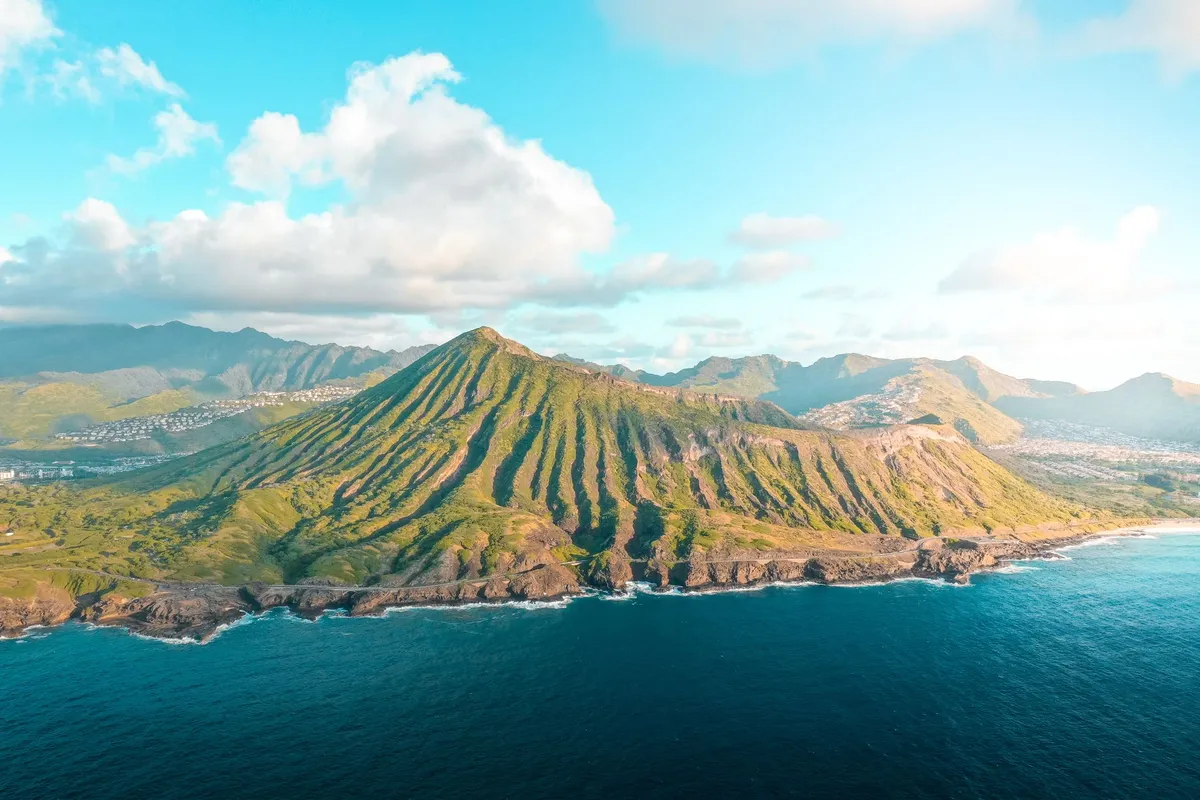
The Azores, a remote archipelago in the North Atlantic, are a place where the earth still breathes fire and the ocean whispers ancient secrets. This Portuguese territory, scattered across nine volcanic islands, is a land of contrasts—lush green pastures meet jagged cliffs, thermal hot springs bubble beside black sand beaches, and whales breach in waters so clear they look like liquid sapphire. Unlike the crowded tourist trails of mainland Europe, the Azores remain a well-kept secret, where time moves slower, hospitality is genuine, and every horizon hides a new adventure.
Here, you won’t find overpriced resorts or theme parks. Instead, you’ll find hiking trails that lead to crater lakes, whale-watching excursions where pilots guide you to within meters of humpback whales, and local festivals where the entire village dances to the rhythm of traditional fado music. The Azores are for those who crave authenticity, for travelers who want to immerse themselves in a world where nature dictates the pace.
But what makes the Azores truly special? It’s the perfect blend of raw, untamed beauty and the warmth of Portuguese culture. Whether you’re sipping bolo lêvedo (a sweet muffin) in a café overlooking the ocean or hiking through the primordial landscapes of Pico Island, every moment feels like stepping into a postcard—one that’s alive, breathing, and waiting to be explored.
The Azores Unveiled: A Land Forged by Fire and Water
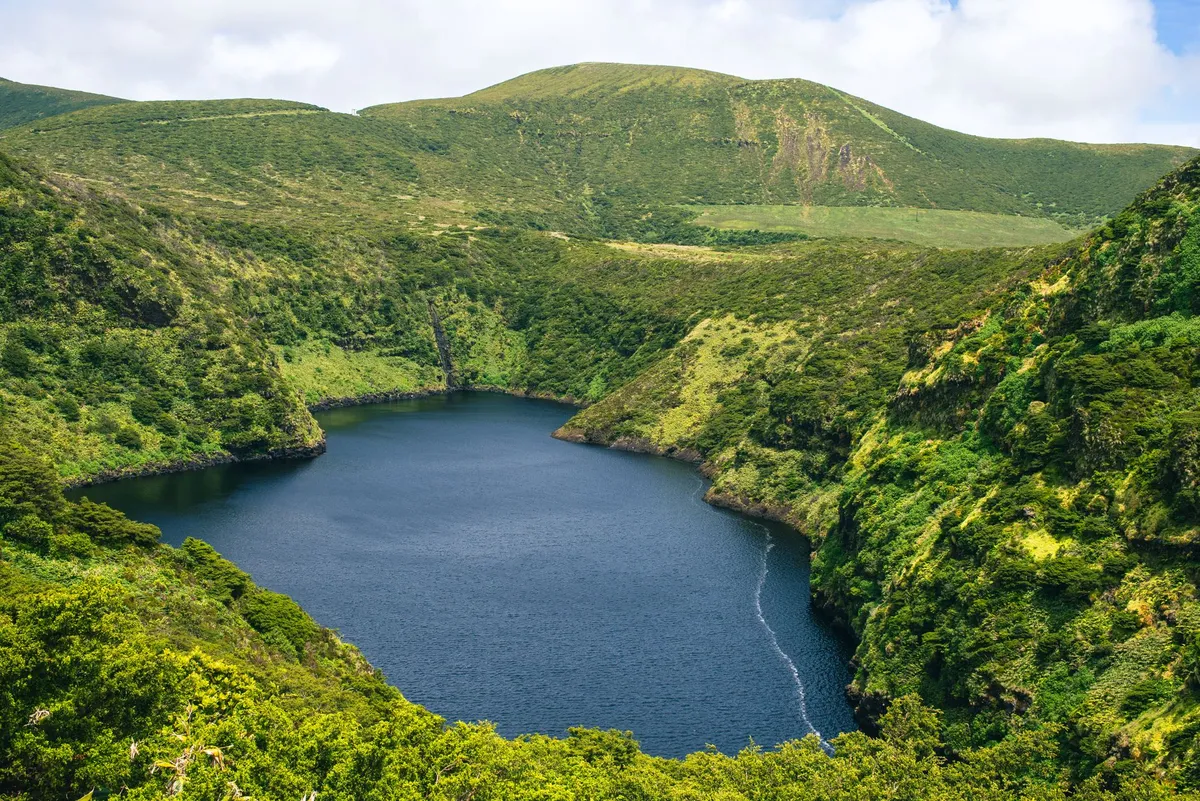
The Azores are not just another set of islands—they are a geological wonder, born from the depths of the Atlantic Ocean over millions of years. This archipelago sits atop the Mid-Atlantic Ridge, where tectonic plates pull apart, allowing magma to rise and create new land. The result? A dramatic landscape of towering volcanoes, steaming fumaroles, and deep blue crater lakes that shimmer like gemstones.
The islands are divided into three groups: the Eastern Group (São Miguel and Santa Maria), the Central Group (Terceira, Graciosa, São Jorge, Pico, and Faial), and the Western Group (Flores and Corvo). Each island has its own personality, shaped by its volcanic history and the ocean’s influence.
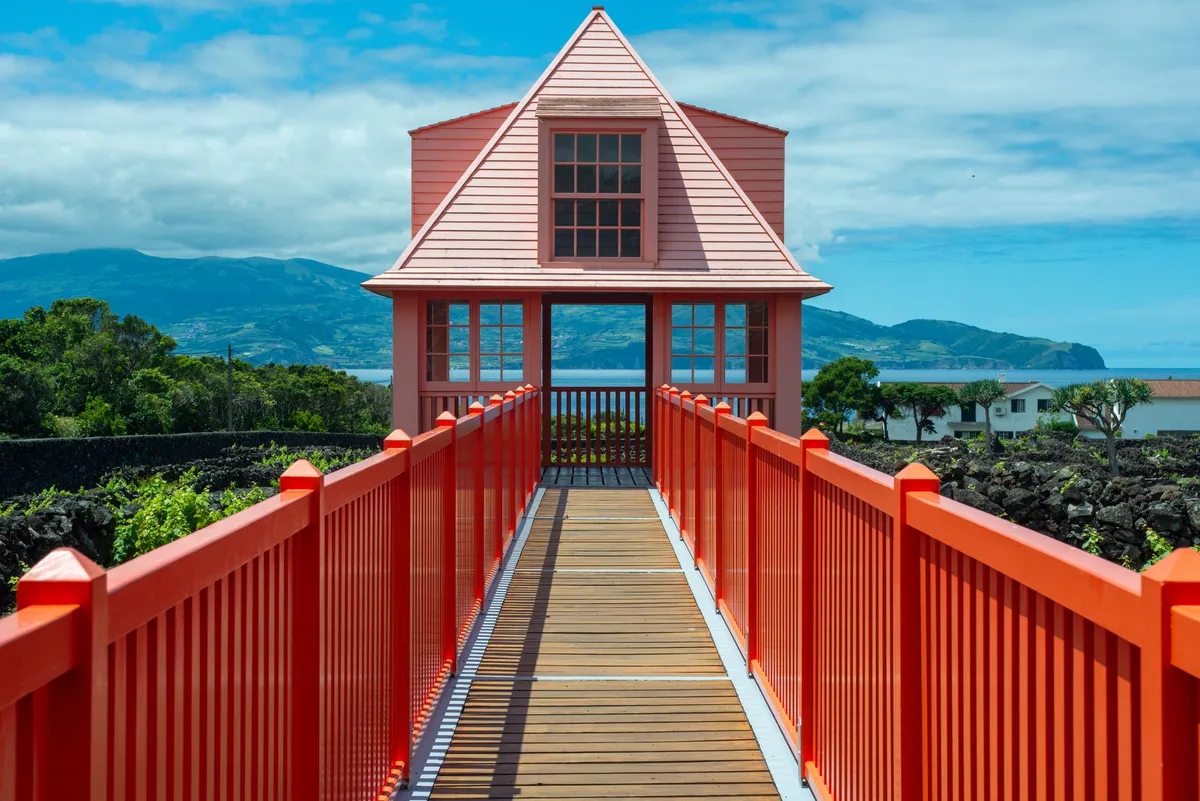
Take Pico Island, for example, home to Portugal’s highest peak, Mount Pico, a dormant volcano that last erupted in 1718. The island’s landscape is a stark contrast of black lava fields and lush vineyards, where the UNESCO-listed Landscape of the Pico Island Vineyard Culture tells the story of human resilience in a harsh environment. Meanwhile, São Miguel, the largest island, is a paradise of thermal springs, waterfalls, and the iconic Sete Cidades twin lakes, where legend says a princess’s tears filled the craters.
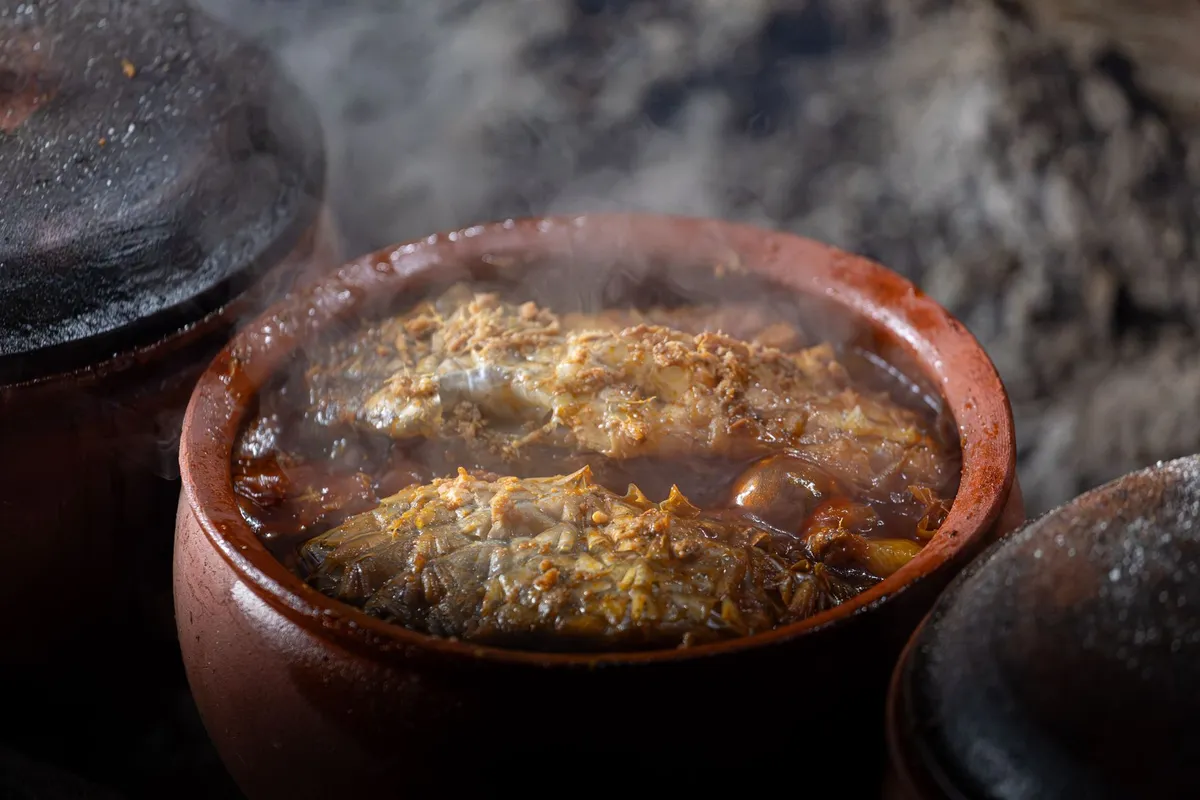
The Azores are also a hotspot for geothermal activity. The Furnas Valley on São Miguel is a surreal world of boiling mud pots, steaming vents, and the famous Cozido das Furnas, a traditional stew slow-cooked underground by volcanic heat. On Terceira, the Algar do Carvão cave offers a glimpse into the island’s volcanic past, while Faial’s Caldeira is a massive volcanic crater that feels like stepping onto another planet.
But the Azores aren’t just about fire—they’re equally defined by water. The islands are surrounded by some of the richest marine ecosystems in the world, where sperm whales, dolphins, and even blue whales migrate seasonally. The Azores Whale Watching industry is one of the most sustainable in the world, with operators like Picos de Aventura and Terra Azul offering ethical encounters that prioritize the well-being of marine life.
For those who love the ocean, the Azores offer everything from coasteering (cliff jumping and swimming in hidden coves) to stand-up paddleboarding in the calm waters of Lagoa das Sete Cidades. The Island of Flores, the westernmost point of Europe, is a UNESCO Biosphere Reserve where waterfalls cascade directly into the sea, and the Ilhéu de Vila Franca, a small islet off São Miguel, is a natural pool of turquoise water so clear you can see fish darting beneath your feet.
The Azores are a place where the earth is alive, where every step feels like a journey through time. Whether you’re standing on the rim of a volcano, swimming in a crater lake, or watching whales breach in the distance, you’re reminded that this is a land shaped by forces far greater than humanity.
From Whale Songs to Traditional Festivals: The Soul of the Azores
Beyond its breathtaking landscapes, the Azores are a cultural treasure trove, where traditions run deep and festivals are a way of life. The islands’ isolation has preserved a unique blend of Portuguese, Azorean, and even Azorean-American influences, creating a culture that is both familiar and distinctly its own.
One of the most iconic traditions is the Festas Sanjoaninas, held every June in Ponta Delgada on São Miguel. This week-long celebration honors São João, the patron saint of the city, with parades, fireworks, and the playful tradition of hitting people on the head with plastic hammers—a custom said to bring good luck. The streets fill with music, dancing, and the scent of grilled chouriço (sausage) and bolo lêvedo, a sweet muffin that’s a staple of Azorean cuisine.
On Terceira, the Festas da Praia da Vitória is a spectacle of color and sound, featuring bullfights (a traditional Azorean sport where bulls are not harmed), horse parades, and the famous touradas à corda, where bulls are led through the streets on a rope. Meanwhile, Pico’s Festas da Santa Cruz is a religious and cultural extravaganza, with processions, folk music, and the island’s famous vinho verde (green wine) flowing freely.
Food is at the heart of Azorean culture, and the islands’ cuisine reflects their volcanic soil and maritime heritage. Cozido das Furnas, a hearty stew of meats, vegetables, and beans, is slow-cooked underground in the geothermal heat of Furnas Valley—a dish that’s as much a cultural experience as it is a meal. Lapas (grilled limpets) are a delicacy, often served with garlic butter, while alcatra, a beef stew with pineapple, is a nod to the islands’ historical ties with the Azores’ Portuguese and Brazilian influences.
Seafood is, of course, a staple. Lapas grelhadas (grilled limpets), ** polvo à lagareiro** (octopus with olive oil and potatoes), and bife à regional (steak with a rich sauce) are must-tries. For dessert, queijadas da Vila Franca (cheese tarts) and donas amélia (coconut and egg yolk sweets) are local favorites.
The Azores are also a place where music and dance are woven into daily life. Fado, the melancholic Portuguese musical genre, is alive and well here, with intimate performances in local taverns. Ranchos folclóricos (folk groups) perform traditional dances in colorful costumes, telling stories of the islands’ history through movement.
But perhaps the most magical cultural experience is the whale festivals. In Lajes do Pico, the Festa dos Baleeiros celebrates the islands’ whaling history with parades, concerts, and educational exhibits. While whaling is now banned, the festivals honor the brave men who once risked their lives to hunt whales, a tradition that shaped the islands’ identity.
The Azores are a place where culture is not just observed but lived. Whether you’re joining a local festival, sipping wine in a vineyard, or listening to a fado singer in a dimly lit café, you’re immersing yourself in a way of life that’s as rich and vibrant as the islands themselves.
The Azorean Way of Life: Slow Travel in a Fast World
In a world where travel often means rushing from one attraction to the next, the Azores offer something rare: the chance to slow down and truly live in the moment. This is a place where time moves to the rhythm of the tides, where the pace of life is dictated by the sunrise and the sunset, and where the concept of saudade—a Portuguese term for a bittersweet longing—feels palpable.
The Azores are a haven for slow travelers, those who seek to immerse themselves in the local way of life rather than just tick off a checklist of sights. Here, you can wake up to the sound of waves crashing against the shore, spend your morning hiking through a volcanic crater, and spend your afternoon chatting with a local fisherman over a glass of wine. There’s no need to rush—because in the Azores, the journey is the destination.
One of the best ways to experience the Azorean way of life is by staying in a local guesthouse or quinta (farmhouse). Unlike generic hotels, these accommodations offer a glimpse into the daily rhythms of island life. Many are family-run, with hosts who are eager to share their knowledge of the islands’ hidden gems. Whether it’s a casa de campo (country house) on Flores or a guesthouse in Furnas with a view of the steaming valley, these stays are where the magic happens.
For those who want to dive deeper, volunteering is a fantastic way to connect with the community. Organizations like Azores Volunteering offer opportunities to work on organic farms, help with conservation projects, or assist in local schools. It’s a chance to give back while gaining a unique perspective on island life.
The Azores are also a paradise for digital nomads and remote workers. With a growing number of coworking spaces (like Selina Ponta Delgada and Cowork Azores in Horta), reliable internet, and a welcoming expat community, the islands are becoming an increasingly popular destination for those who want to work with a view of the ocean. The cost of living is reasonable—Numbeo reports that a single person’s monthly expenses (excluding rent) average around €800-€1,200, making it an affordable alternative to mainland Europe.
But perhaps the most rewarding aspect of slow travel in the Azores is the people. Azoreans are known for their warmth and hospitality, a trait that stems from their island mentality—where community is everything. Whether you’re invited into a local’s home for a home-cooked meal or struck up a conversation with a fisherman at the docks, you’ll find that the Azores are a place where strangers become friends in the blink of an eye.
The Azorean way of life is a reminder that travel isn’t just about seeing new places—it’s about experiencing them in a way that nourishes the soul. And in the Azores, that’s exactly what you’ll do.
A Practical Guide to the Azores: Costs, Seasons, and Must-Do Adventures
Planning a trip to the Azores doesn’t have to be complicated, but a little preparation goes a long way. From the best time to visit to budgeting for your adventure, here’s everything you need to know to make the most of your time in this paradise.
When to Go: Seasons and Weather
The Azores enjoy a temperate maritime climate, meaning mild temperatures year-round with plenty of rain (especially in winter). The best time to visit is May to October, when the weather is warmest and driest, with average temperatures ranging from 18°C to 25°C (64°F to 77°F). This is also peak whale-watching season, as humpback and sperm whales migrate through the waters.
- Spring (April-May): Fewer crowds, wildflowers in bloom, and lower prices. Ideal for hiking and exploring.
- Summer (June-August): Warmest weather, lively festivals, and perfect beach conditions. Expect higher prices and more tourists.
- Autumn (September-October): Still warm, with fewer crowds. Great for whale watching and hiking.
- Winter (November-March): Cooler (14°C to 18°C / 57°F to 64°F) and rainier, but still beautiful for those who love dramatic landscapes and storm-watching. Whale watching is still possible, though less reliable.
Getting There and Around
The Azores are served by three international airports:
- Ponta Delgada (PDL) on São Miguel (the main gateway)
- Horta (HOR) on Faial (a key stop for transatlantic sailors)
- Pico (PIX) on Pico Island (smaller, with flights from Lisbon and Porto)
From Europe, direct flights are available from Lisbon, Porto, and Madrid, with seasonal routes from other cities. From North America, Azores Airlines (SATA) offers direct flights from Boston, Providence, and Oakland.
Once on the islands, the best way to get around is by rental car, which gives you the freedom to explore at your own pace. Ferries connect the islands, but schedules can be limited, and flights between islands are often more convenient. Public buses are available on larger islands like São Miguel and Terceira, but they’re not as reliable for tourists.
Budgeting for Your Trip
The Azores are more affordable than mainland Portugal but still a European destination, so budgeting wisely is key. Here’s a rough breakdown of costs (based on Numbeo 2026 data):
| Expense | Cost (EUR) | Notes |
|---|---|---|
| Accommodation | €50-€150/night | Budget guesthouses start at €50, mid-range hotels €100-€150, luxury resorts €200+ |
| Food | €15-€30/meal | Local restaurants €10-€20, mid-range €20-€30, fine dining €40+ |
| Groceries | €30-€50/week | Basic staples are affordable; imported goods cost more |
| Transportation | €20-€50/day | Rental car €30-€50/day, fuel €1.50-€1.80/liter |
| Activities | €20-€100 | Whale watching €50-€80, guided hikes €20-€50, thermal baths €10-€20 |
| Total (per day) | €80-€200 | Varies based on travel style |
Money-Saving Tips:
- Eat local: Skip touristy restaurants and opt for tascas (local eateries) where meals cost €10-€15.
- Stay in guesthouses: Family-run accommodations offer better value than hotels.
- Use public transport: Buses are cheap (€2-€5 per ride) and a great way to meet locals.
- Travel in shoulder season: May and October offer good weather at lower prices.
Must-Do Adventures
No trip to the Azores is complete without experiencing these iconic adventures:
- Whale Watching in Pico or Faial – Join a responsible operator like Terra Azul or Picos de Aventura for a chance to see sperm whales, humpbacks, and dolphins in their natural habitat.
- Hiking Mount Pico – Summit Portugal’s highest peak (2,351m) for breathtaking views of the islands.
- Swimming in a Crater Lake – Take a dip in Lagoa do Fogo (São Miguel) or Lagoa das Sete Cidades, two of the most stunning volcanic lakes in the world.
- Exploring the Furnas Valley – Witness the power of geothermal activity with a visit to Furnas’ hot springs, Cozido das Furnas, and Terra Nostra Park.
- Surfing in São Jorge or Santa Maria – These islands offer world-class waves for surfers of all levels.
- Visiting Ilhéu de Vila Franca – A natural pool formed by a volcanic crater, perfect for snorkeling and swimming.
- Attending a Local Festival – Time your visit to coincide with Festas Sanjoaninas (June) or Festas da Praia (August) for an unforgettable cultural experience.
Health and Safety
The Azores are a safe and low-risk destination, but it’s always wise to take precautions:
- Healthcare: Portugal has excellent healthcare, but travel insurance is recommended. Pharmacies (farmácias) are well-stocked.
- Water: Tap water is safe to drink everywhere.
- Safety: Petty crime is rare, but keep an eye on belongings in tourist areas.
- Nature: Respect wildlife (especially whales and dolphins) and follow hiking trail guidelines to avoid accidents.
Why the Azores Are the Ultimate Escape for the Modern Wanderer
In a world where travel often feels like a race against time, the Azores offer something revolutionary: the chance to breathe. This is a place where the ocean’s rhythm dictates the day, where the scent of pine and salt fills the air, and where every sunset feels like a personal gift from the universe.
The Azores are more than just a destination—they’re a state of mind. A place where you can disconnect from the noise of the modern world and reconnect with nature, with culture, and with yourself. Whether you’re standing on the edge of a volcano, watching a whale breach in the distance, or simply sipping wine with newfound friends, the Azores remind you that the best adventures aren’t found in guidebooks—they’re found in the moments that take your breath away.
And perhaps that’s why the Azores remain Europe’s best-kept secret. Because in a world that’s increasingly connected, sometimes the most magical places are the ones that ask you to slow down, to look closer, and to truly see.
So pack your bags, leave your itinerary at home, and let the Azores guide you. Your perfect escape is waiting.
#AzoresAdventure #VolcanicParadise #SlowTravel #WhaleWatching #HiddenGemsEurope