The Azores: Europe’s Hidden Paradise Where Wild Volcanoes Meet Turquoise Oceans (Part 2)
-
 Aisha Sharma
 - 11 Aug, 2026 19:37

This is Part 2 of the series. Read Part 1 here.
A Feast for the Senses: Azorean Cuisine and Local Delicacies
Azorean cuisine is a reflection of the islands’ volcanic soil, maritime heritage, and Portuguese roots. Fresh seafood is a staple, with dishes like lapas (grilled limpets), bife à regional (beef steak with local spices), and caldeirada (a hearty fish stew) dominating menus. The islands are also famous for their dairy products, particularly queijo São Jorge, a sharp, tangy cheese made from cow’s milk.
For a truly unique experience, try cozido das Furnas in São Miguel. This slow-cooked meat and vegetable stew is prepared in underground geothermal pits in Furnas, where the heat from volcanic activity cooks the food to perfection. The result is tender, flavorful meat and vegetables infused with a subtle smoky aroma.
Wine lovers will delight in the Azores’ volcanic wines. The islands are home to several wine regions, including Pico’s UNESCO-listed landscape, where vines grow in small, rectangular plots called currais to protect them from the wind. The wines, particularly the white varieties like Verdelho and Arinto, are crisp and mineral-driven, a true reflection of the terroir.
Navigating the Azores: Transportation, Safety, and Practical Tips
While the Azores are a dream destination, they do present some logistical challenges. The islands are spread out, and transportation between them requires planning. Here’s what you need to know to navigate the archipelago like a pro.
Getting Around the Islands
The Azores are served by SATA Air Açores, the regional airline, which connects the nine islands with frequent flights. However, flights can be expensive and subject to delays due to weather, so it’s wise to book in advance. For shorter hops, Interilhas offers ferry services between some islands, though schedules are limited and weather-dependent.
Once on an island, the best way to explore is by car. Renting a vehicle gives you the freedom to discover hidden beaches, remote villages, and scenic viewpoints at your own pace. Major rental companies like Ilha Verde and Auto Jardim operate on the larger islands, with prices ranging from €30-50 per day. Keep in mind that driving in the Azores can be challenging due to narrow roads, steep cliffs, and unpredictable weather.
Public transportation exists but is limited. Buses connect major towns on each island, but schedules are infrequent, and routes may not cover all attractions. For short trips, taxis are available but can be costly. Ride-sharing apps like Bolt operate in Ponta Delgada and Terceira, offering a more affordable alternative.
Safety and Health Considerations
The Azores are one of the safest destinations in Europe, with low crime rates and a welcoming local population. However, there are a few safety tips to keep in mind:
- Weather Awareness: The Azores are known for their rapidly changing weather. Sudden fog, rain, or wind can make driving or hiking dangerous. Always check the forecast before heading out, and be prepared for conditions to shift quickly.
- Volcanic Activity: While most volcanic activity in the Azores is monitored and not a cause for concern, it’s wise to stay informed about any alerts. The Azores Seismovolcanic Information and Surveillance Center (CIVISA) provides real-time updates.
- Healthcare: Medical facilities on the islands are adequate but limited. For serious conditions, evacuation to mainland Portugal or the US may be necessary. Travel insurance that covers medical evacuation is highly recommended.
Connectivity and Digital Life
One of the biggest concerns for digital nomads is internet reliability. The Azores have made significant strides in improving connectivity, with fiber-optic networks now covering most of the islands. In urban areas like Ponta Delgada and Angra do Heroísmo, internet speeds average 50-100 Mbps, sufficient for video calls and remote work. However, speeds can drop to 20-30 Mbps on smaller islands like Flores or Corvo.
Coworking spaces are becoming more common, with Selina Ponta Delgada, Cowork Terceira, and Pico Cowork offering modern facilities and community events. For those who prefer to work from cafes, Café Central in Ponta Delgada and Pastelaria O Forno in Angra do Heroísmo are popular spots with reliable Wi-Fi.
Cultural Etiquette and Local Customs
The Azoreans are warm and hospitable, but there are a few cultural norms to be aware of:
- Greetings: A handshake is the standard greeting, though friends and family often exchange kisses on the cheek. It’s polite to greet shopkeepers and service staff with a friendly “bom dia” (good morning) or “boa tarde” (good afternoon).
- Dining: Meals are a social affair in the Azores. It’s common for restaurants to serve large portions, so don’t be surprised if your plate is piled high. Tipping is not expected, but rounding up the bill or leaving 5-10% is appreciated.
- Language: While Portuguese is the official language, many Azoreans, especially in tourist areas, speak English. Learning a few basic phrases like “obrigado” (thank you) and “por favor” (please) will go a long way in earning smiles.
The Azores in 2026: What’s Changing and Why Now Is the Time to Visit
The Azores are at a crossroads. While they remain one of Europe’s best-kept secrets, their popularity is growing. In 2026, the islands are poised to become a top destination for remote workers, adventure travelers, and those seeking a slower pace of life. But with this growth comes change—and for those who visit now, the experience is still authentically Azorean.
The Rise of the Digital Nomad Hub
The Azores’ digital nomad scene is expanding rapidly. In 2026, the regional government launched the Azores Digital Nomad Visa, a streamlined pathway for remote workers to live and work on the islands long-term. This visa, combined with the D7 and D8 options, has attracted a wave of entrepreneurs, freelancers, and remote employees to the Azores.
Coworking spaces are popping up across the islands, and events like the Azores Digital Nomad Meetup in Ponta Delgada foster a sense of community among newcomers. The government has also invested in improving internet infrastructure, with plans to bring high-speed connectivity to even the most remote islands by 2027.
Sustainable Tourism Takes Center Stage
As tourism grows, the Azores are prioritizing sustainability. The archipelago was the first in Europe to achieve EarthCheck certification for sustainable tourism, and initiatives like the Azores Green Key program encourage eco-friendly practices among hotels and tour operators.
Visitors are encouraged to support local businesses, reduce plastic waste, and respect the islands’ fragile ecosystems. For example, the Azores Whale Watching Association promotes responsible whale-watching practices, ensuring that marine life is not disturbed.
New Infrastructure and Accessibility
In 2026, the Azores are becoming easier to reach. SATA Air Açores has expanded its route network, with direct flights from major European cities like Lisbon, Porto, and even Madrid. Budget airlines like Ryanair and EasyJet have also started offering seasonal routes, making the islands more accessible to travelers.
On the ground, improvements in ferry services and road networks are making it easier to explore the archipelago. The Azores Express ferry, which connects São Miguel to Terceira and Faial, now offers more frequent departures, reducing the need for flights.
The Future of the Azores
While the Azores are changing, they are doing so with a focus on preserving their unique identity. The islands’ charm lies in their authenticity—whether it’s the traditional festivals, the local crafts, or the slow pace of life. As more visitors discover the Azores, the challenge will be to balance growth with sustainability, ensuring that the islands remain a hidden gem rather than a crowded hotspot.
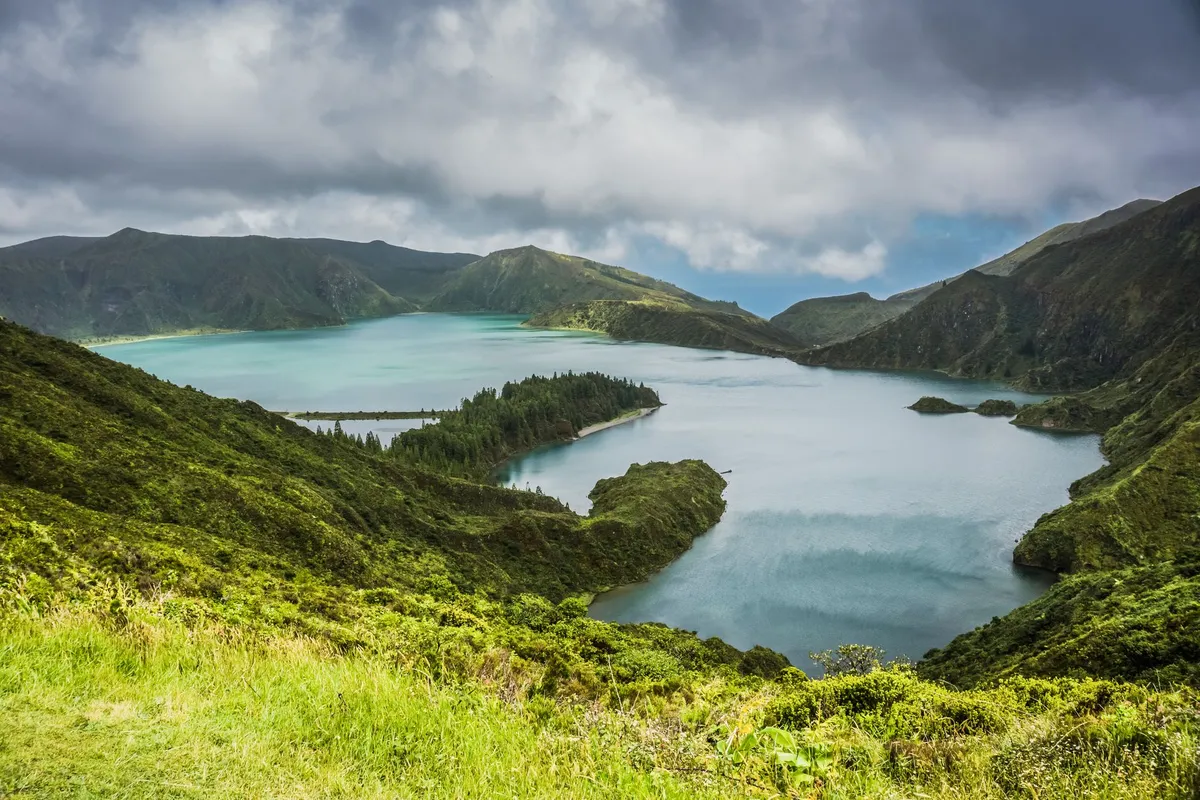
For those who visit in 2026, the Azores offer an unparalleled blend of adventure, culture, and tranquility. It’s a place where you can hike a volcano in the morning, swim in a crater lake in the afternoon, and enjoy a glass of volcanic wine by the ocean at sunset. It’s Europe’s best-kept secret—but not for long.
Why the Azores Are More Than Just a Destination—They’re a Way of Life
The Azores are not just a place to visit; they’re a place to live. For digital nomads, they offer a high quality of life at an affordable price. For travelers, they provide an escape from the ordinary. And for anyone who visits, they leave a lasting impression—a reminder that the world is still full of magic, if only we take the time to look.
Whether you’re drawn by the promise of adventure, the allure of remote work with ocean views, or the simple joy of discovering a place untouched by mass tourism, the Azores deliver. They are a testament to the beauty of nature, the resilience of island communities, and the enduring appeal of a slower, more intentional way of life.
So pack your bags, book your ticket, and prepare to fall in love with Europe’s best-kept secret. The Azores are waiting.
#Azores2026 #DigitalNomadParadise #HiddenGemsOfEurope #SustainableTravel #WorkFromParadise