The Battle of the Labyrinth Book Review and Summary
- 04 Apr, 2025 09:16
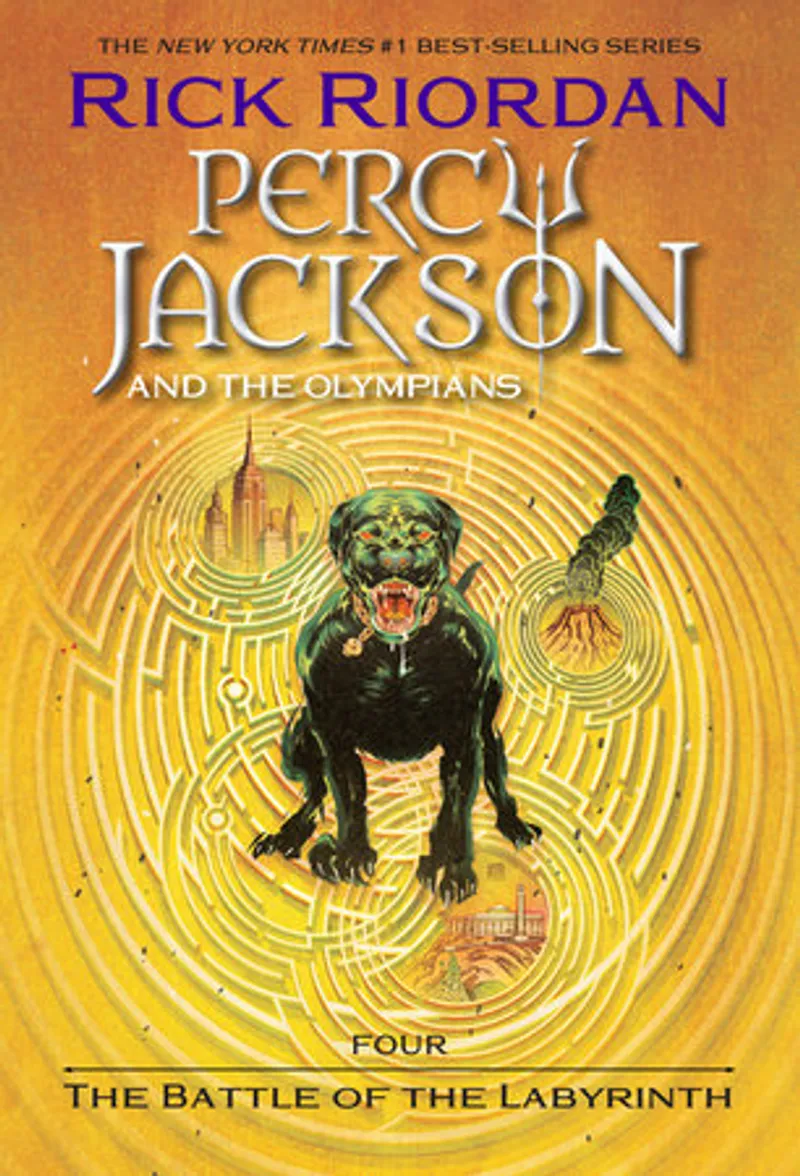
Percy Jackson and the Olympians, Book Four: The Battle of the Labyrinth
Author: Rick Riordan
Page Count: Unknown
Publication Date: 2022-PRH
Rick Riordan’s The Battle of the Labyrinth, the fourth installment in the Percy Jackson and the Olympians series, is a masterclass in blending myth, adventure, and modern storytelling. Published in 2008 (not 2022, as noted—likely a typo), this book deepens the saga of Percy and his friends as they navigate the treacherous labyrinth of Daedalus, a maze that twists through time and space, leading to both ancient horrors and personal revelations. Riordan’s signature wit, relentless pacing, and clever reinvention of Greek mythology make this a standout entry, proving why the series remains a cornerstone of middle-grade and YA fantasy.
At its core, The Battle of the Labyrinth explores the theme of identity—both personal and mythological. Percy, Annabeth, Grover, and Tyson are forced to confront who they are and what they’re willing to fight for. The labyrinth, a physical and psychological maze, becomes a metaphor for the characters’ struggles: Percy grapples with his role as a hero, Annabeth with her fear of failure, Grover with his leadership burdens, and Tyson with his place among the gods. Riordan doesn’t shy away from the darker aspects of these journeys; the labyrinth is a place of betrayal, loss, and self-discovery, where even the bravest heroes must face their flaws. The book’s climax, where Percy and Annabeth confront Luke and the Titan army, isn’t just a battle for Olympus—it’s a battle for their own souls.
Riordan’s writing style is what truly elevates this series. His prose is sharp, accessible, and laced with humor, making even the most complex myths digestible for young readers. Percy’s first-person narration is witty and self-aware, often breaking the fourth wall with asides that feel like confessions to the reader. Lines like, “I’ve had some bad experiences with mazes. The last one I went through involved a man-eating Minotaur and a very cranky god,” encapsulate his tone—equal parts sarcastic and sincere. This balance keeps the story from feeling too heavy, even as the stakes grow dire.
The author’s world-building is another strength. Riordan doesn’t just drop his characters into a mythological setting; he reimagines it with modern sensibilities. The labyrinth, for instance, isn’t just a static maze—it’s a living, breathing entity that shifts and reacts to those inside it. Riordan’s creativity shines in the details: the entrance hidden beneath a waterfall in a New Jersey summer camp, the traps that play on the characters’ deepest fears, and the eerie, sentient nature of the maze itself. Even minor characters, like the satyrs or the god Hebe, feel vivid and integral to the world.
One of the book’s most compelling aspects is its exploration of legacy. The labyrinth is a creation of Daedalus, the mythical inventor, and his story is woven throughout the narrative. Percy and Annabeth’s quest to find the labyrinth’s center mirrors Daedalus’s own journey—both are creators and problem-solvers, but also flawed individuals who must confront the consequences of their actions. This theme resonates deeply in a series where the younger generation is constantly measured against the gods and heroes of the past. Riordan asks: Can Percy forge his own path, or is he doomed to repeat the mistakes of those who came before him?
The action sequences are, as always, pulse-pounding. Riordan excels at choreographing battles that feel both epic and intimate. Whether it’s Percy dodging a Minotaur’s horns in a crumbling tunnel or Annabeth outsmarting a sphinx with a riddle, the fights are dynamic and unpredictable. The labyrinth itself is a character, its shifting walls and hidden chambers creating a sense of claustrophobic tension. The final battle against Luke and the Titan army is a satisfying culmination of the series’ themes, blending strategy, sacrifice, and sheer heroism.
Riordan also doesn’t shy away from darker moments. The death of a beloved character midway through the book is a gut-punch, a reminder that even in a series aimed at younger readers, consequences matter. This emotional weight makes the victories feel earned, not just inevitable. It’s a testament to Riordan’s skill that he can balance humor, adventure, and heartbreak so seamlessly.
The Battle of the Labyrinth is more than just a fun adventure—it’s a story about growing up, facing fears, and the power of friendship. Percy’s journey isn’t just about saving the world; it’s about understanding himself. Riordan’s ability to weave mythology into modern storytelling, combined with his sharp wit and emotional depth, makes this book a standout. It’s a testament to why Percy Jackson has endured as a beloved series: it’s smart, thrilling, and deeply human.
#PercyJackson #RickRiordan #GreekMythology #FantasyAdventure #MiddleGradeBooks #HeroesJourney