The Bourne Identity Book Review and Summary
- 06 Nov, 2024 15:54
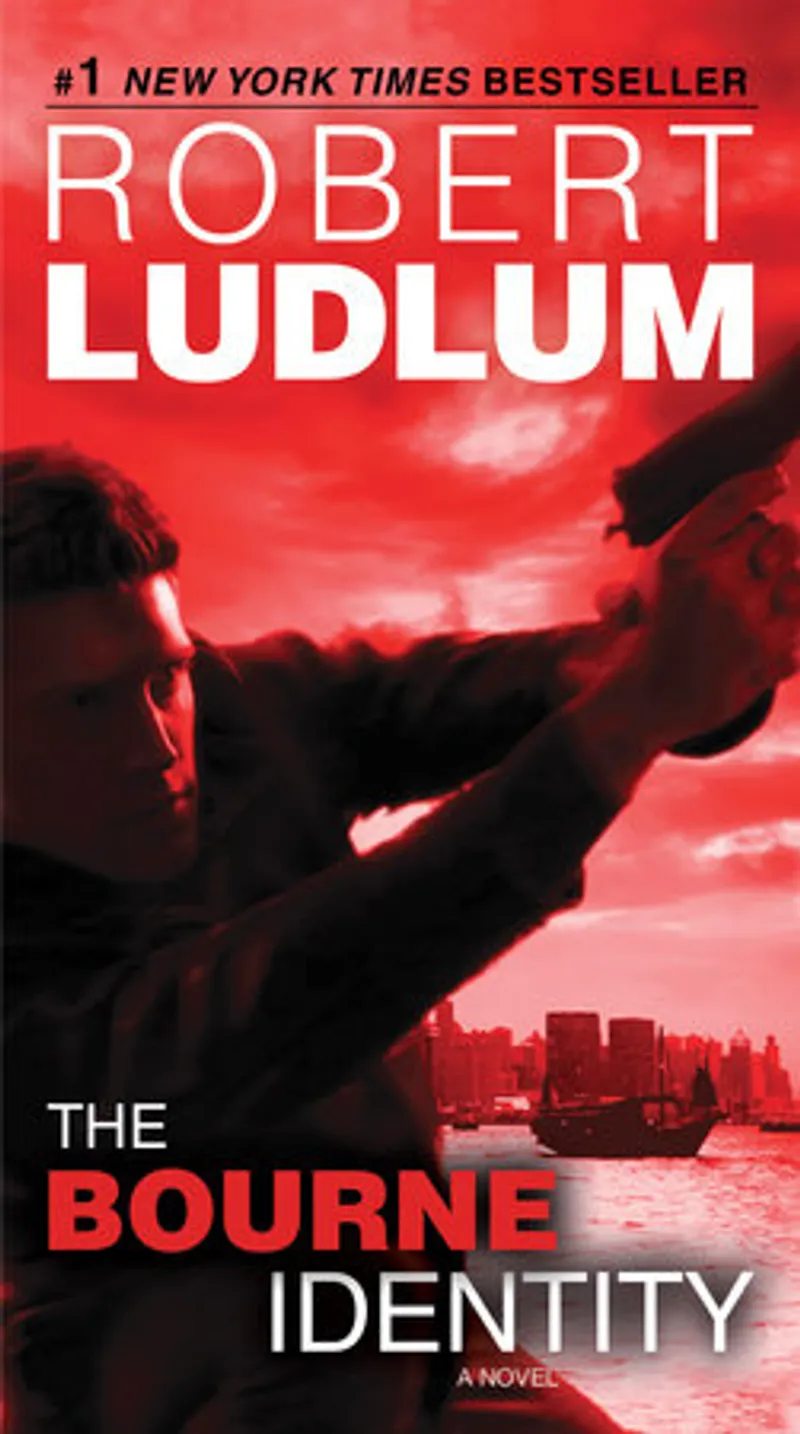
The Bourne Identity
Author: Robert Ludlum
Page Count: Unknown
Publication Date: 2010-PRH
Jason Bourne: A Ghost Haunted by His Own Past
Robert Ludlum’s The Bourne Identity is a masterclass in paranoia, identity, and the relentless pursuit of survival. First published in 1980, this gripping thriller introduces us to Jason Bourne—a man with no memory, a body riddled with bullets, and a face surgically altered to hide his true identity. Pulled from the Mediterranean Sea, Bourne is a walking enigma, his mind a blank slate where even his name is a mystery. Yet, as he pieces together fragments of his past, he uncovers a far more terrifying truth: he was once an assassin, and now, the world’s deadliest killer, Carlos, wants him dead.
Ludlum’s genius lies in his ability to weave a labyrinth of deception, where every ally could be a traitor and every shadow hides a threat. The novel is less about action for action’s sake and more about the psychological unraveling of a man who doesn’t know who he is. Bourne’s journey is one of self-discovery in reverse—he must reconstruct his identity from the wreckage of his skills, instincts, and the bloodstained clues left behind. The tension isn’t just in the chase; it’s in the dread of realizing that the man he was might be worse than the man he’s becoming.
Ludlum’s prose is dense with intrigue, each chapter a puzzle piece that slowly reveals the bigger picture. His writing is meticulous, almost cinematic in its pacing, with a knack for dropping readers into the middle of chaos and forcing them to keep up. The prose isn’t flowery—it’s efficient, driving the story forward with relentless momentum. The dialogue crackles with tension, and the stakes feel impossibly high, not just for Bourne but for anyone who crosses his path.
At its core, The Bourne Identity is a meditation on the nature of identity itself. What makes a man? Is it his memories, his skills, his name? Bourne’s struggle is our own—we are all, in some way, the sum of our pasts, but what happens when that past is erased? Ludlum doesn’t just ask these questions; he forces the reader to confront them alongside Bourne, making the thriller personal in a way that few books manage.
The novel’s villain, Carlos, is a chilling embodiment of pure evil—a man who operates in the shadows, leaving only destruction in his wake. His presence looms large, a specter that haunts Bourne at every turn. The cat-and-mouse game between them is electric, each move calculated, each escape a miracle. Ludlum’s world-building is so immersive that the line between reality and paranoia blurs, making it impossible to trust anyone—including Bourne himself.
What makes The Bourne Identity endure is its timeless themes. In an era where identity theft and digital footprints define us, Bourne’s struggle feels eerily prescient. He is a man erased, a ghost in his own life, and his fight to reclaim himself is both thrilling and deeply human.
Ludlum’s legacy is built on books like this—stories where the real enemy isn’t just the villain on the page, but the uncertainty within the hero’s own mind. The Bourne Identity isn’t just a thriller; it’s a psychological rollercoaster where the biggest mystery isn’t who’s hunting Bourne, but who Bourne really is.
If you love stories where the hero is as flawed as he is formidable, where every page turns with the weight of a life hanging in the balance, then this is your book. Just don’t expect to sleep well afterward.
#BourneIdentity #RobertLudlum #ThrillerBooks #JasonBourne #Espionage #MustRead