The Day After The Day After Book Review and Summary
-
 Sarah Davis
 - 09 Feb, 2026 02:32
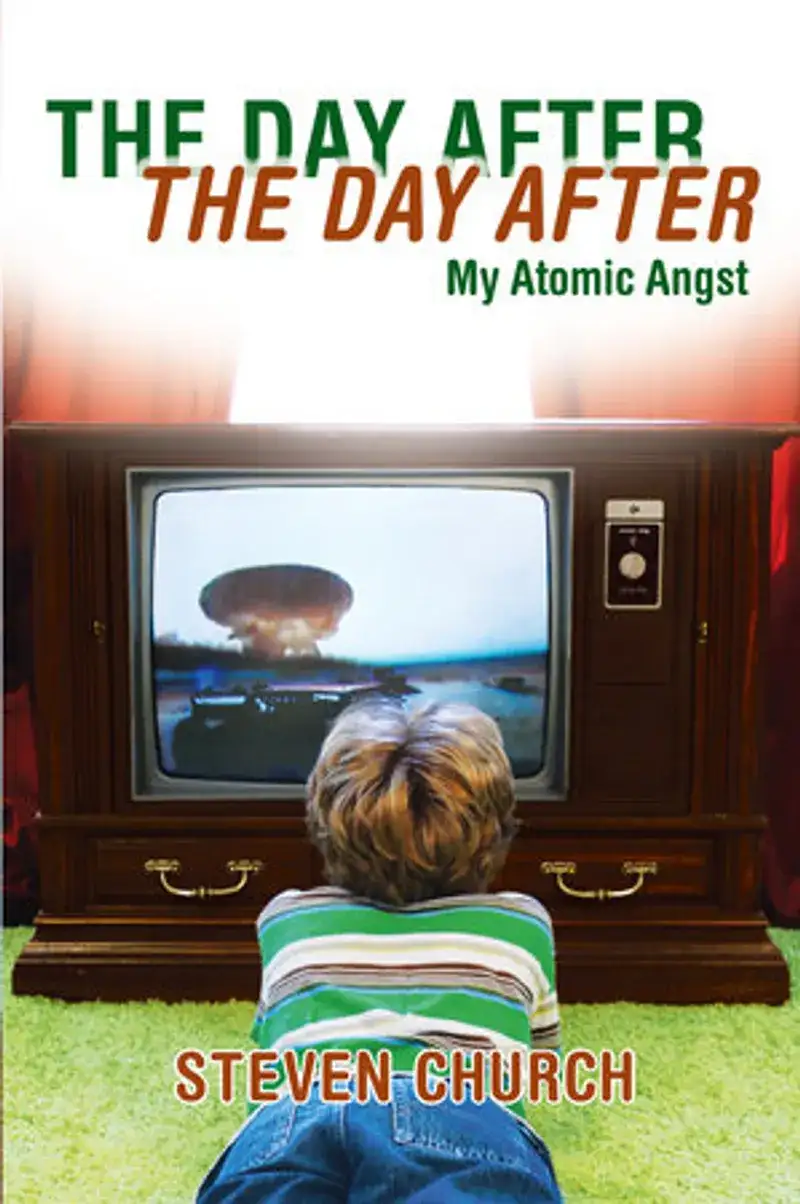
The Day After The Day After
Author: Steven Church
Page Count: Unknown
Publication Date: 2010-PRH
Steven Church’s The Day After The Day After is a haunting, darkly comic meditation on fear—not just the kind that lurks in the shadows of childhood, but the kind that shapes entire generations. It’s a memoir that doesn’t just recount memories; it dissects them, turning personal anxiety into a cultural autopsy of Reagan-era America. Church, who grew up in Lawrence, Kansas, a town that oscillates between quiet normalcy and sudden violence in the national imagination, writes with a razor-sharp wit and a poet’s sensitivity to the absurdities of dread. His book isn’t about The Day After—the infamous 1983 TV movie about nuclear war—but about what that film did to a generation of kids who watched it and couldn’t unsee it.
At its core, The Day After The Day After is about the fragility of childhood safety. Church’s Lawrence isn’t just a place; it’s a pressure cooker of latent terror. The town’s history of civil unrest, its proximity to tornado alley, and its role as a backdrop for imaginary violence (winged monkeys! killer storms!) make it a perfect petri dish for a boy’s overactive imagination. But the real monster isn’t the weather or even the Cold War’s specter of annihilation—it’s the way fear metastasizes when authority figures (parents, teachers, the government) fail to shield you from it. Church’s parents’ crumbling marriage, the lurking dread of nuclear winter, the way The Day After turned television into a portal for doom—all of it becomes a study in how we weaponize our own anxieties before the world has a chance to do it for us.
What makes this book so compelling is Church’s fearless, genre-blurring style. He doesn’t just analyze The Day After; he reimagines it. The memoir oscillates between memoir, film criticism, and speculative fiction, as if Church is trying to outrun the very dread he’s writing about. His prose is muscular and unflinching, but it’s also laced with humor—a dark, gallows kind of comedy that feels like the only way to survive the weight of history. When he describes the film’s infamous hospital scene (where patients writhe in agony as the bomb drops), he doesn’t just critique its melodrama; he inhabits it, turning it into a surreal, almost hallucinatory moment of childhood trauma. It’s as if Church is saying: This is what it felt like to be a kid in the ’80s—not just afraid, but hyperaware of how fear is manufactured, sold, and then forced upon you.
The book’s genius lies in its refusal to separate personal from political. Church’s nuclear anxiety isn’t just a quirk of his upbringing; it’s a symptom of an entire culture that treated survival as a spectator sport. The Reagan era didn’t just sell us fear—it branded it, turning doomsday scenarios into prime-time entertainment. Church’s memoir forces us to confront how deeply that fear lingers, even decades later. Are we really that different now, in an age of climate change, school shootings, and 24-hour news cycles that thrive on catastrophe? The book’s title suggests a recursive loop—the day after the day after—as if the apocalypse is never really over, just waiting in the wings for the next generation to obsess over it.
Church’s style is what elevates this book from a simple nostalgia trip into something far more unsettling. His sentences are precise, almost surgical in their clarity, but they’re also elastic, stretching to accommodate digressions, half-remembered dreams, and the kind of associative leaps that define how trauma lodges in the mind. He writes about The Day After the way one might write about a bad ex—with equal parts fascination and revulsion, as if the film is both a relic and a living, breathing entity that still haunts him. There’s a playfulness here, too, a willingness to embrace the absurd (winged monkeys! Steve Guttenberg!) even as he dissects the real horrors beneath.
Ultimately, The Day After The Day After is a book about the stories we tell ourselves to survive—and the ones that end up surviving us. It’s a memoir that refuses to let its subject matter be comforting, even when it’s funny. Church’s Lawrence is a town that’s always teetering on the edge of disaster, and his childhood is a microcosm of a nation that did the same. The book asks: What happens when the things we fear most aren’t just in our heads, but on our screens, in our politics, and in the very air we breathe? The answer, Church suggests, is that we carry those fears with us, reshaping them into new nightmares for the next generation.
If you’ve ever felt the uncanny pull of a childhood terror that lingers long past its expiration date, this book will resonate. If you’ve ever wondered how pop culture shapes our deepest anxieties, it will haunt you. And if you’ve ever tried to outrun the specter of disaster—only to realize it’s always one step behind—you’ll recognize yourself in these pages.
#TheDayAfterTheDayAfter #StevenChurch #ColdWarMemoir #NuclearFear #80sChildhood #ApocalypseNostalgia