The Haunting of Lavender House Book Review and Summary
-
 Marco Conti
 - 17 Aug, 2026 02:37
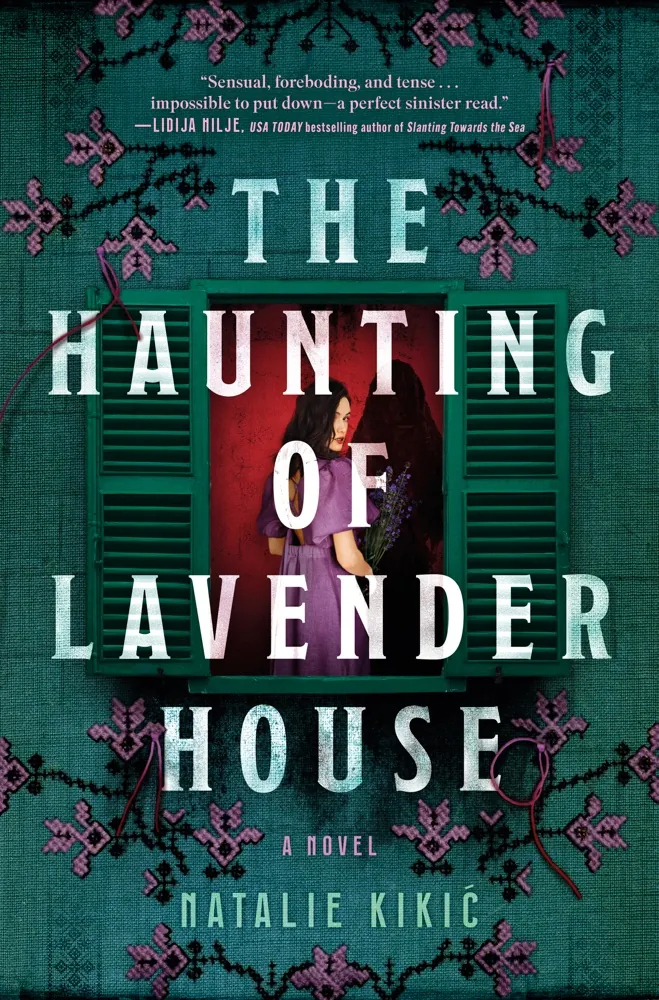
Author: Natalie Kikic
Page Count: Unknown
Publication Date: Expected publication 2026-10-20 APL
Staring blankly at a half-eaten packet of stale ramen while trying to hit an arbitrary word count makes one deeply question the academic viability of contemporary publishing trends. Yet, here we are, pretending to care about the promotional copy for Natalie Kikić’s debut, The Haunting of Lavender House. Because nothing screams financial stability quite like analyzing marketing blurbs for a book that won’t even exist in physical form until late 2026.
The synopsis leans heavily on the usual dual-timeline crutch, pairing a grieving modern descendant named Petra with a persecuted 19th-century healer named Magdalena. Groundbreaking. We are promised sunlit dread on the Adriatic Sea—a juxtaposition that sounds suspiciously like every domestic thriller currently being pumped out by major houses hoping to capitalize on the Silvia Moreno-Garcia pipeline.
The Semiotics of Sun-Drenched Terror
There is a distinct, exhausting formula to modern gothic marketing. Take a dilapidated structure, add a local folklore monster—in this case, a bloodthirsty mora from Croatian tradition—and season liberally with generational trauma. But let us look at the physics of this narrative. If the sun is perpetually beating down on these supposed lavender fields, the atmospheric dread loses its claustrophobia. Dread requires shadows, atmospheric pressure, and actual darkness, not a Mediterranean resort brochure masquerading as a horror novel.
And yet, the premise of Magdalena in 1895 being labeled a witch while simultaneously playing savior to the local elite possesses a deliciously petty energy. Women healing people only to be branded as sinners is historical fiction 101, but Kikić’s framing of the monster motif—what it actually means to be perceived as non-human by a hostile society—might actually elevate the text above standard genre tropes. Or it will just be another three-hundred-page exercise in historical vibes over structural coherence. Honestly? It’s giving mid.
The Inheritance of Structural Fatigue
Petra’s modern arc relies on the oldest trick in the speculative fiction playbook: the sudden revelation of a living relative who happens to reside in a haunted ancestral estate. Why do grandmothers in these books always lurk on obscure islands instead of just sending a text message? The text asks us to contemplate the cost of belonging, but if Petra’s primary obstacle is walking around a house feeling like someone is watching her while she fails to sleep, the psychological stakes are going to feel aggressively thin.
We are constantly subjected to publisher comparisons like The Lost Apothecary and The Hacienda, as if publishers genuinely believe readers possess zero imagination beyond whatever sat atop the bestseller lists three years ago. Give us something original. Stop selling us the same haunted real estate dressed up in different regional folklore.
Still, if the prose actually delivers on the “gorgeous, sweeping” promise rather than defaulting to purple-prose exposition dumps, it might be worth stealing from the university library. Not that I’m paying for it. My bank account currently consists of four dollars and a dream of dropping out to live in a cave.
Oh well. Time to go drink lukewarm absinthe and pretend I am writing modernist poetry in 1920s Paris while avoiding my landlord.
#bookstagram #gothicfiction #literarycriticism