The Heights Book Review and Summary
-
 Olya Shevchenko
 - 19 Aug, 2026 15:00
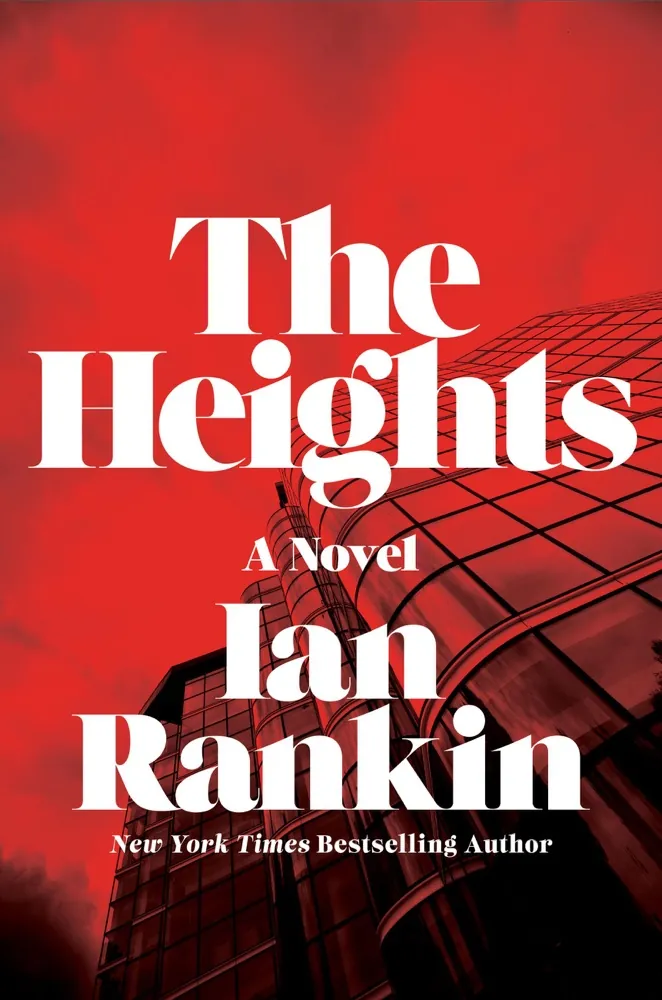
Author: Ian Rankin
Page Count: Unknown
Publication Date: Expected publication 2026-11-03 APL
Sweat is sticking my shirt to the back of this squeaking rental chair while the third-floor neighbor practices the trumpet—badly—and I am supposed to care about the socioeconomic grievances of London’s top one percent. Ian Rankin is stepping away from John Rebus for The Heights, trading the damp cobblestones of Edinburgh for a gleaming glass monolith overlooking Hyde Park where a dead concierge named Dwayne Hogarth has rudely interrupted the bourgeoisie’s cocktail hour. Nailed it. A wealthy art dealer, a pop star, a foreign heiress, and a gangster’s wife all crammed into a high-rise like prize-winning hamsters in a glittering cage—how utterly derivative, yet I will undoubtedly pre-order it at midnight because capitalistic voyeurism is the only cheap thrill left in this ungodly heatwave.
Penthouse Paranoia and Other Capitalist Delusions
The synopsis plays out like a glossy architectural brochure for an Agatha Christie locked-room mystery on steroids—minus any actual proof that Rankin can juggle five distinct bourgeois archetypes without turning them into cardboard cutouts for the proletariat to jeer at. And honestly? The setup relies on every single locked-door trope in the canon: missing security footage, a bloody fourth-floor brawl, and a plucky detective named Gillian Gish trying to crack the marble veneer of the ultra-rich. It smells faintly of Gillian Flynn’s suburban nihilism crossed with a Sunday evening television drama you half-watch while scrolling through job boards you are deeply unqualified for. We get it—rich people are secretly miserable and sleep with the wrong people. Groundbreaking sociology, really.
Yet there is a delicious structural irony in a titan of tartan noir abandoning his mud-slicked alleys for an infinity pool and a private cinema. Rankin knows how to weaponize claustrophobia. The vertical stratification of The Heights serves as a glaring neon metaphor for wealth inequality—the developer in the duplex looking down on everyone else until a dead body levels the playing field. Or does it? The synopsis leans heavily into the vagaries of “unsavory truths”—a phrase doing an Olympic-level sprint to hide the fact that we have no idea what the actual crime or motivation is. Typical marketing sleight-of-hand.
The Gutter-Slang Epistemology of Real Estate
We are expected to salivate over the “money London” aesthetic while the rest of us sweat through August in thirty-degree humidity wondering if our landlords are going to hike the rent again. This is pure lit-fic brainrot disguised as a gripping crime thriller—serving absolute garbage-fire real estate drama to people who can barely afford a studio apartment with a broken window latch. Detective Gish stepping into this toxic soup of stolen keys and missing CCTV files feels like every procedural ever written, but Rankin usually avoids the pedestrian pitfalls that trap lesser writers. He better give these characters actual teeth instead of making them mere punching bags for Marxist literary critique.
The prose will probably slap, knowing his pedigree, but I am bracing myself for an ending that hand-waves the systemic rot in favor of a neat little personal vendetta. Because heaven forbid a thriller about the one percent actually indicts the economic system that built the fucking tower in the first place instead of boiling down to some tired domestic quarrel over a missing key.
Gotta run, I am late for a philosophical debate at a smoky underground jazz club where someone is going to pretentious-splain modal jazz while I stare blankly into a cheap gin and tonic.