The Invisible Architects: Unraveling the Chemistry of Lacto‑Fermented Vegetables
-
 Isabella Rossi
 - 13 Oct, 2026 14:31
The Invisible Architects: Lactic Acid Bacteria in Action
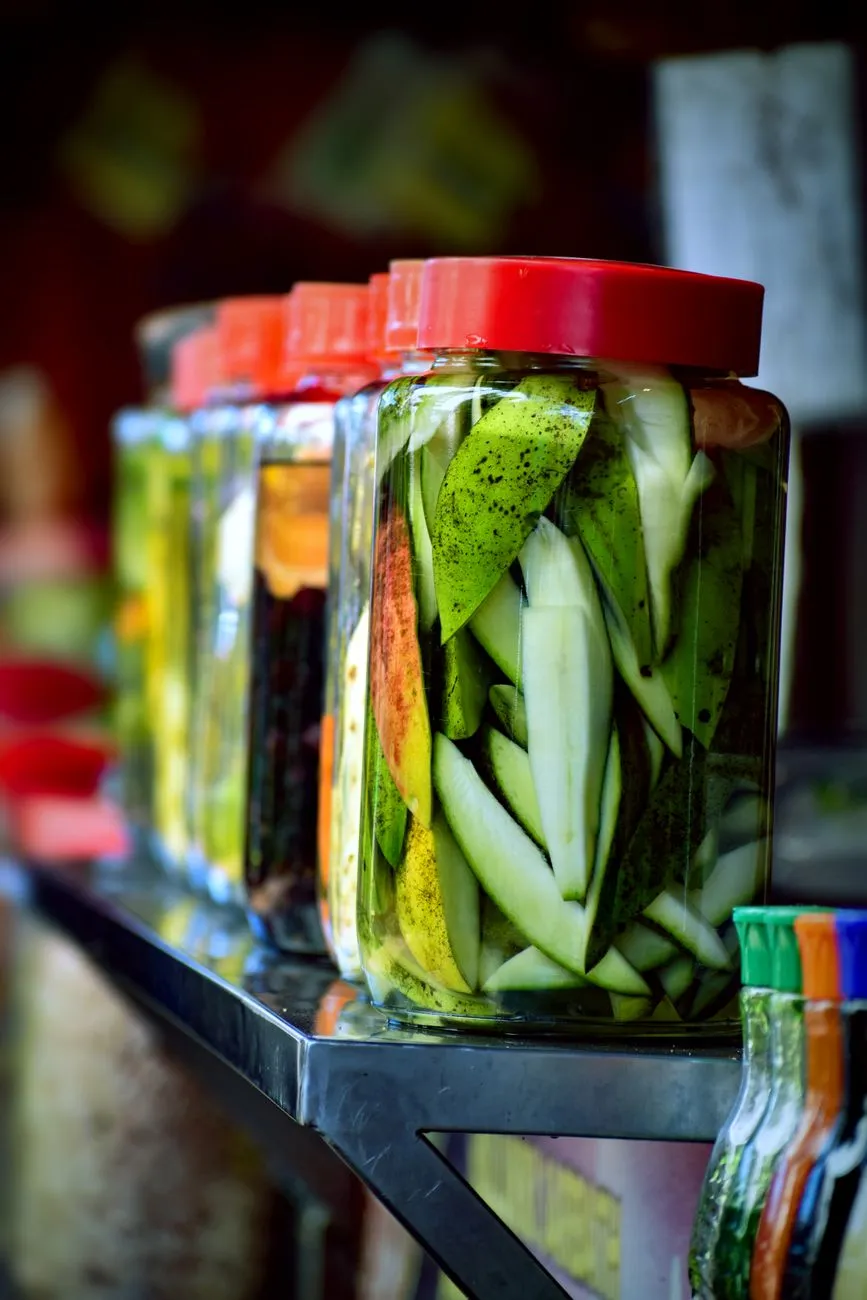
Lacto‑fermentation begins the moment a clean vegetable surface meets a brine that is just salty enough to suppress spoilage microbes but permissive for lactic acid bacteria (LAB). The primary protagonists — Leuconostoc mesenteroides, Lactobacillus plantarum, Lactobacillus brevis, and Pediococcus pentosaceus — arrive on the produce via soil, water, and human handling. Their metabolism is anaerobic; they convert glucose, fructose, and sucrose into lactic acid, carbon dioxide, and, in heterofermentative strains, ethanol and acetic acid. This acidification drops the pH from roughly 6.0 to below 4.2 within 24–72 hours, creating a hostile environment for Clostridium, Enterobacteriaceae, and molds.
The early phase is dominated by Leuconostoc, a heterofermenter that produces a modest amount of lactic acid together with CO₂ and a subtle buttery aroma from diacetyl. As the pH falls, Lactobacillus plantarum — a homofermentative, acid‑tolerant species — outcompetes the pioneers, driving the pH further down to 3.5–3.8. L. brevis and Pediococcus contribute additional bacteriocins (plantaricin, pediocin) that act as natural preservatives. The succession is not random; it follows a predictable ecological trajectory dictated by substrate availability, redox potential, and salt concentration.
Recent work on fermented tiger‑nut, carob, and rice beverages demonstrated that this microbial cascade also remodels phytochemical matrices. Fermentation hydrolyzes bound polyphenols, releasing aglycones that survive simulated gastrointestinal digestion far better than their native glycosylated forms. The same principle applies to cabbage, carrots, and beets: glucosinolates are partially converted to isothiocyanates, and flavonoid glycosides become more bioaccessible. Understanding the taxonomic choreography lets a fermenter steer flavor, texture, and health‑promoting potential by adjusting temperature, salt, and starter culture.

Salt, Time, and the Anaerobic Stage: Controlling the Microbial Symphony
Salt is the conductor of this microbial orchestra. A 2 % (w/v) NaCl brine — roughly 20 g per litre — reduces water activity (a_w) to ~0.97, enough to inhibit most Gram‑negative spoilage organisms while allowing halotolerant LAB to thrive. Higher salinity (3–5 %) selects for Pediococcus and Lactobacillus sakei, slowing acid production and yielding a crisper texture; lower salinity accelerates Leuconostoc activity, producing more CO₂ and a softer bite.
Temperature dictates the tempo. At 18–22 °C (typical kitchen ambient), the full succession unfolds over 7–14 days, delivering a balanced acidity (0.8–1.2 % lactic acid) and complex flavor notes — nutty, tangy, faintly fruity. Raising the temperature to 30 °C compresses the timeline to 3–5 days but risks runaway heterofermentation, excess ethanol, and off‑flavors. Commercial producers often employ a two‑stage regime: an initial 20 °C “lag” phase for flavor development, followed by a 12 °C “maturation” that slows metabolism, preserves crunch, and allows bacteriocin diffusion.
Time is the final variable. Under‑fermented vegetables (pH > 4.5) retain residual sugars, inviting yeast and mold growth during storage. Over‑fermented batches (pH < 3.3) become excessively sour, lose vitamin C through oxidative degradation, and may develop a mushy texture as pectinases from L. plantarum act unchecked. The sweet spot — pH 3.5–3.8, lactic acid 0.9–1.1 % — correlates with maximal antioxidant retention and probiotic viability (>10⁸ CFU g⁻¹).
Practical tip: weigh vegetables and salt together, then add filtered water to achieve the target brine concentration. Use a fermentation weight or a sealed airlock jar to maintain strict anaerobiosis; oxygen ingress encourages Acetobacter and surface kahm yeast, which produce acetic acid and pellicles that spoil the aesthetic and sensory profile.
From Crunch to Complexity: Chemical Transformations in the Brine
The brine is a living reaction vessel where multiple parallel pathways reshape the vegetable matrix. Lactic acid is the primary acidulant, but heterofermentative LAB also generate acetic acid (0.1–0.3 %), ethanol (0.2–0.5 %), and CO₂, which creates the characteristic effervescence in kimchi and sauerkraut. These minor acids synergize with lactic acid to lower the pH more efficiently than lactic acid alone, because the combined undissociated acid fraction penetrates bacterial membranes more readily.
Enzymatic activity drives texture evolution. L. plantarum expresses β‑glucosidases that hydrolyze cell‑wall bound phenolics, while endogenous plant polyphenol oxidase (PPO) is inactivated by the low pH, preventing enzymatic browning. Pectin methylesterase (PME) from the vegetable demethylates pectin, and the resulting free carboxyl groups bind calcium, firming the tissue — a phenomenon exploited in “crisp” pickles where calcium chloride is added. Conversely, prolonged fermentation activates polygalacturonase, leading to softening.
Volatile aroma compounds emerge from amino‑acid catabolism (branched‑chain aldehydes, acids) and carbohydrate breakdown (furfural, 2‑acetyl‑1‑pyrroline). The buttery note of diacetyl peaks early, then declines as L. plantarum reduces it to acetoin and 2,3‑butanediol. Sulfur‑containing volatiles (methanethiol, dimethyl sulfide) arise from methionine degradation, contributing to the savory depth of fermented radish and mustard greens.
Mineral dynamics also shift. Sodium from the brine penetrates the vegetable, while potassium leaches out, altering the Na⁺/K⁺ ratio. Magnesium and calcium can precipitate as phosphates if the brine becomes supersaturated, subtly affecting crunch. Understanding these chemical currents enables a fermenter to tweak salt, calcium, or starter strains to target a desired texture‑flavor‑nutrient profile.
Nutritional Alchemy: Bioaccessibility of Polyphenols and Vitamins
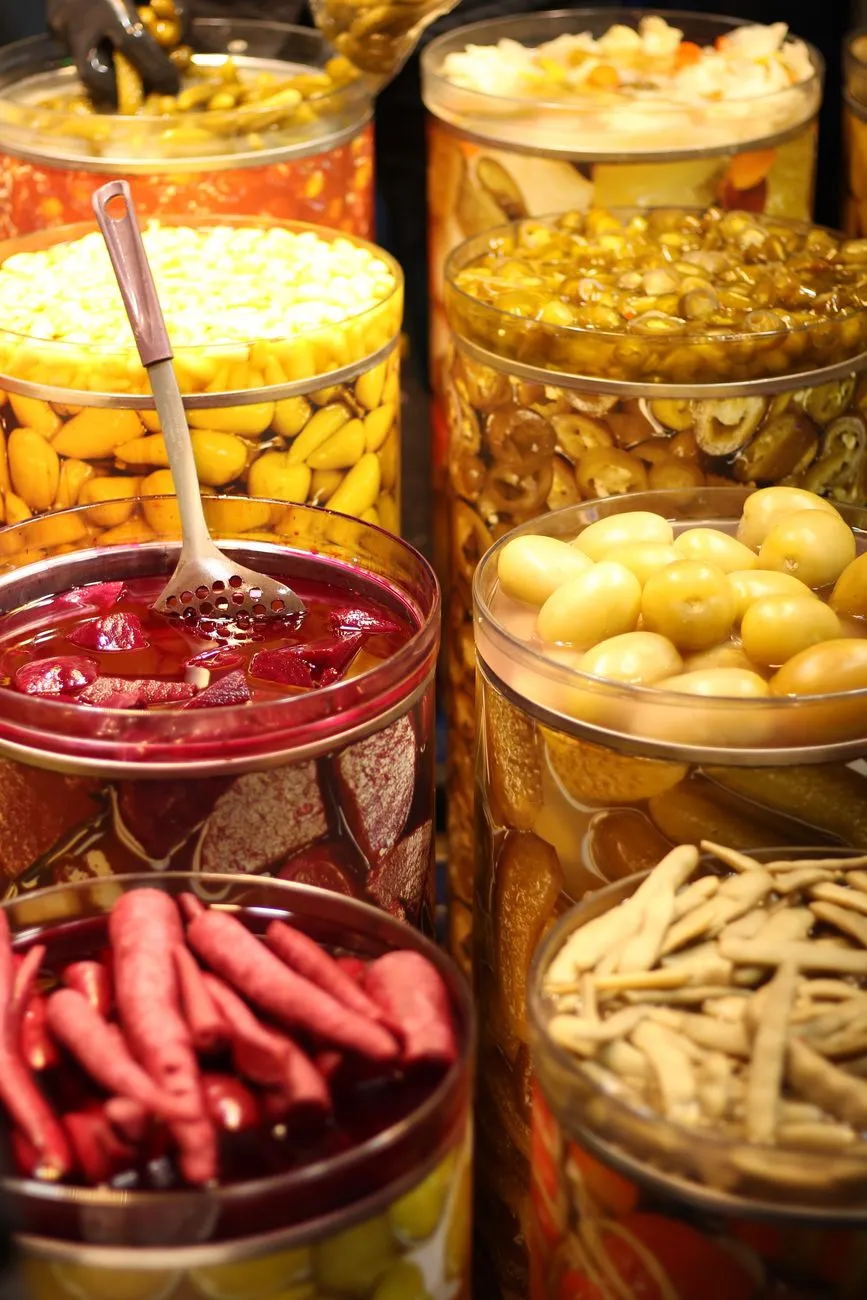
Fermentation does more than preserve; it remodels the nutritional landscape. The acidic environment hydrolyzes glycosidic bonds linking polyphenols to sugars, liberating aglycones such as quercetin, kaempferol, and cyanidin. In vitro gastrointestinal digestion studies on fermented tiger‑nut, carob, and rice beverages showed a 1.8‑ to 2.5‑fold increase in bioaccessible polyphenol content compared with unfermented counterparts. The same mechanism operates in cabbage (glucosinolate → isothiocyanate), carrot (β‑carotene release from protein complexes), and beet (betalain stabilization).
Vitamin C (ascorbic acid) is partially protected by the anaerobic, low‑pH milieu, yet some loss occurs via oxidation to dehydroascorbic acid, especially if the brine is exposed to air. However, the net effect is often a higher retained vitamin C level than in heat‑processed canned vegetables. B‑vitamins, particularly riboflavin (B₂) and folate (B₉), can be synthesized de novo by certain Lactobacillus strains, modestly elevating their concentrations.
Mineral bioavailability improves as phytic acid — a strong chelator of iron, zinc, and calcium — is degraded by phytases produced by L. plantarum and L. brevis. This reduction can raise iron absorption by 30–50 % in simulated digestion models. Additionally, the production of short‑chain fatty acids (SCFAs) such as acetate and propionate during heterofermentation contributes to colonic health when the fermented vegetables are consumed.
Probiotic viability is a function of strain, matrix, and storage. L. plantarum survives gastric transit (pH 2.5, 2 h) at >10⁶ CFU g⁻¹ when embedded in a vegetable matrix rich in exopolysaccharides, which act as a protective biofilm. Regular consumption of 100 g of properly fermented sauerkraut delivers an estimated 10⁸–10⁹ CFU of live LAB, meeting the threshold for documented immunomodulatory effects.
Scaling the Craft: From Kitchen Jars to Industrial Vats
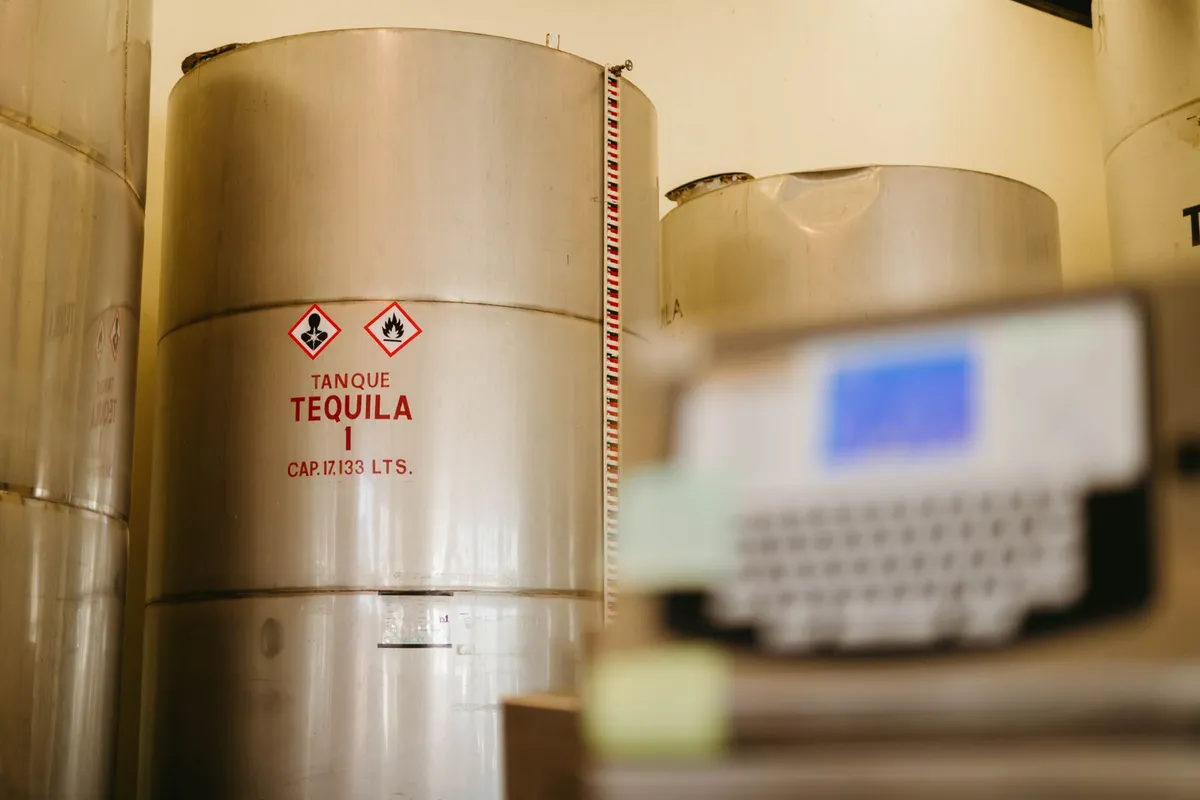
Translating the kitchen protocol to a 10,000‑liter stainless‑steel fermenter demands precise control of the same variables — salt, temperature, anaerobiosis, and microbial inoculum — but adds engineering constraints. Industrial brines are often prepared by inline mixing of food‑grade NaCl, calcium chloride (0.1 %), and a defined starter culture (10⁶ CFU mL⁻¹) to guarantee batch repeatability. Temperature is regulated via jacketed vessels with programmable profiles: 20 °C for 48 h (flavor development), then 12 °C for 10 days (maturation).
Oxygen exclusion at scale uses nitrogen sparging and positive‑pressure headspace (0.05 bar N₂). Inline pH probes feed data to a PLC that can trigger a brief cooling pulse if acidification accelerates beyond 0.15 pH units per hour, preventing over‑acidification. Real‑time near‑infrared (NIR) spectroscopy monitors lactic acid, acetic acid, and residual sugars, enabling a “fermentation endpoint” decision based on chemistry rather than calendar days.
Post‑fermentation, the product may be pasteurized (70 °C, 15 s) for shelf‑stable lines, which sacrifices live probiotics but retains the acidified, flavor‑rich matrix. For “live” retail packs, a cold‑fill under aseptic conditions preserves viability; the final pH ≤ 3.8 and water activity ≤ 0.96 provide a hurdle technology that meets food‑safety regulations without heat.
Quality control includes plating on MRS agar (anaerobic, 30 °C, 48 h) for total LAB, selective media for Leuconostoc vs Lactobacillus, and qPCR for bacteriocin genes. Sensory panels evaluate crunch (instrumental texture analysis), aroma (GC‑MS volatile profiling), and acidity (titratable acidity). The data feed back into starter‑culture selection — e.g., a L. plantarum strain with high exopolysaccharide production for superior texture retention in large‑scale cabbage kraut.
| Vegetable | Salt % (w/v) | Temp (°C) | Time (days) | Final pH | Dominant LAB |
|---|---|---|---|---|---|
| White cabbage | 2.0 | 20 → 12 | 14 | 3.6 | L. plantarum |
| Carrot sticks | 2.5 | 18 | 10 | 3.8 | L. brevis |
| Beetroot cubes | 2.0 | 22 | 7 | 3.5 | L. plantarum |
| Radish slices | 3.0 | 20 | 5 | 3.4 | P. pentosaceus |
| Cucumber spears | 2.5 | 18 → 12 | 12 | 3.7 | L. plantarum |
| Mixed kimchi | 2.5 | 20 | 10 | 3.6 | L. sakei / L. plantarum |
Fermentation Future: Where Science Meets Tradition
The chemistry of lacto‑fermented vegetables is a dialogue between microscopic life and macroscopic ingredients. Each jar, crock, or stainless‑steel vat hosts a predictable yet nuanced succession of lactic acid bacteria that rewrite the molecular script of the produce — lowering pH, unlocking polyphenols, synthesizing vitamins, and crafting a probiotic consortium that survives the human gut. Mastery lies not in rigid recipes but in understanding the levers: salt concentration, temperature curve, anaerobic integrity, and starter selection.
As research continues to map the metabolomic fingerprints of specific LAB strains, fermenters will gain the ability to design “functional ferments” tailored for targeted health outcomes — enhanced iron bioavailability for anemia‑prone populations, elevated GABA for stress modulation, or optimized SCFA profiles for gut‑brain axis support. Meanwhile, the age‑old practice of packing cabbage in a stoneware crock remains a perfectly valid laboratory, provided the fermenter respects the same physicochemical boundaries that governed the first successful sauerkraut centuries ago.
Embrace the data, trust the microbes, and let the brine do the alchemy. The next batch you start today could be the benchmark for tomorrow’s nutrition science.
#FermentationScience #LactoFermentation #ProbioticFoods #FoodChemistry #TraditionalPreservation