Showing Posts From
Food chemistry
-
 Isabella Rossi
 - 13 Oct, 2026 14:31
The Invisible Architects: Unraveling the Chemistry of Lacto‑Fermented Vegetables
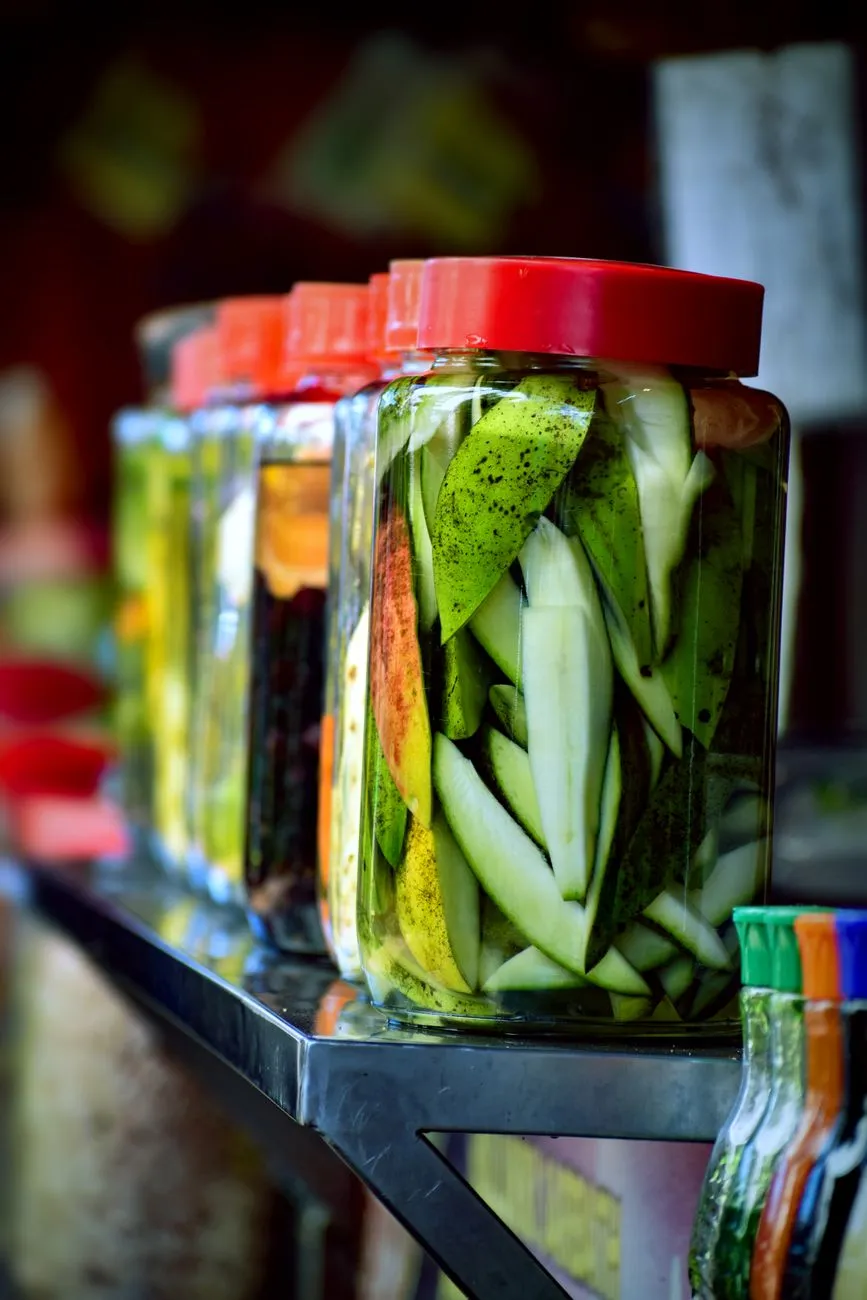
The Invisible Architects: Lactic Acid Bacteria in Action Lacto‑fermentation begins the moment a clean vegetable surface meets a brine that is just salty enough to suppress spoilage microbes but permissive for lactic acid bacteria (LAB). The primary protagonists — Leuconostoc mesenteroides, Lactobacillus plantarum, Lactobacillus brevis, and Pediococcus pentosaceus — arrive on the produce via soil, water, and human handling. Their metabolism is anaerobic; they convert glucose, fructose, and sucrose into lactic acid, carbon dioxide, and, in heterofermentative strains, ethanol and acetic acid. This acidification drops the pH from roughly 6.0 to below 4.2 within 24–72 hours, creating a hostile environment for Clostridium, Enterobacteriaceae, and molds. The early phase is dominated by Leuconostoc, a heterofermenter that produces a modest amount of lactic acid together with CO₂ and a subtle buttery aroma from diacetyl. As the pH falls, Lactobacillus plantarum — a homofermentative, acid‑tolerant species — outcompetes the pioneers, driving the pH further down to 3.5–3.8. L. brevis and Pediococcus contribute additional bacteriocins (plantaricin, pediocin) that act as natural preservatives. The succession is not random; it follows a predictable ecological trajectory dictated by substrate availability, redox potential, and salt concentration. Recent work on fermented tiger‑nut, carob, and rice beverages demonstrated that this microbial cascade also remodels phytochemical matrices. Fermentation hydrolyzes bound polyphenols, releasing aglycones that survive simulated gastrointestinal digestion far better than their native glycosylated forms. The same principle applies to cabbage, carrots, and beets: glucosinolates are partially converted to isothiocyanates, and flavonoid glycosides become more bioaccessible. Understanding the taxonomic choreography lets a fermenter steer flavor, texture, and health‑promoting potential by adjusting temperature, salt, and starter culture. Salt, Time, and the Anaerobic Stage: Controlling the Microbial Symphony Salt is the conductor of this microbial orchestra. A 2 % (w/v) NaCl brine — roughly 20 g per litre — reduces water activity (a_w) to ~0.97, enough to inhibit most Gram‑negative spoilage organisms while allowing halotolerant LAB to thrive. Higher salinity (3–5 %) selects for Pediococcus and Lactobacillus sakei, slowing acid production and yielding a crisper texture; lower salinity accelerates Leuconostoc activity, producing more CO₂ and a softer bite. Temperature dictates the tempo. At 18–22 °C (typical kitchen ambient), the full succession unfolds over 7–14 days, delivering a balanced acidity (0.8–1.2 % lactic acid) and complex flavor notes — nutty, tangy, faintly fruity. Raising the temperature to 30 °C compresses the timeline to 3–5 days but risks runaway heterofermentation, excess ethanol, and off‑flavors. Commercial producers often employ a two‑stage regime: an initial 20 °C “lag” phase for flavor development, followed by a 12 °C “maturation” that slows metabolism, preserves crunch, and allows bacteriocin diffusion. Time is the final variable. Under‑fermented vegetables (pH > 4.5) retain residual sugars, inviting yeast and mold growth during storage. Over‑fermented batches (pH < 3.3) become excessively sour, lose vitamin C through oxidative degradation, and may develop a mushy texture as pectinases from *L. plantarum* act unchecked. The sweet spot — pH 3.5–3.8, lactic acid 0.9–1.1 % — correlates with maximal antioxidant retention and probiotic viability (>10⁸ CFU g⁻¹). Practical tip: weigh vegetables and salt together, then add filtered water to achieve the target brine concentration. Use a fermentation weight or a sealed airlock jar to maintain strict anaerobiosis; oxygen ingress encourages Acetobacter and surface kahm yeast, which produce acetic acid and pellicles that spoil the aesthetic and sensory profile. From Crunch to Complexity: Chemical Transformations in the Brine The brine is a living reaction vessel where multiple parallel pathways reshape the vegetable matrix. Lactic acid is the primary acidulant, but heterofermentative LAB also generate acetic acid (0.1–0.3 %), ethanol (0.2–0.5 %), and CO₂, which creates the characteristic effervescence in kimchi and sauerkraut. These minor acids synergize with lactic acid to lower the pH more efficiently than lactic acid alone, because the combined undissociated acid fraction penetrates bacterial membranes more readily. Enzymatic activity drives texture evolution. L. plantarum expresses β‑glucosidases that hydrolyze cell‑wall bound phenolics, while endogenous plant polyphenol oxidase (PPO) is inactivated by the low pH, preventing enzymatic browning. Pectin methylesterase (PME) from the vegetable demethylates pectin, and the resulting free carboxyl groups bind calcium, firming the tissue — a phenomenon exploited in “crisp” pickles where calcium chloride is added. Conversely, prolonged fermentation activates polygalacturonase, leading to softening. Volatile aroma compounds emerge from amino‑acid catabolism (branched‑chain aldehydes, acids) and carbohydrate breakdown (furfural, 2‑acetyl‑1‑pyrroline). The buttery note of diacetyl peaks early, then declines as L. plantarum reduces it to acetoin and 2,3‑butanediol. Sulfur‑containing volatiles (methanethiol, dimethyl sulfide) arise from methionine degradation, contributing to the savory depth of fermented radish and mustard greens. Mineral dynamics also shift. Sodium from the brine penetrates the vegetable, while potassium leaches out, altering the Na⁺/K⁺ ratio. Magnesium and calcium can precipitate as phosphates if the brine becomes supersaturated, subtly affecting crunch. Understanding these chemical currents enables a fermenter to tweak salt, calcium, or starter strains to target a desired texture‑flavor‑nutrient profile. Nutritional Alchemy: Bioaccessibility of Polyphenols and Vitamins Fermentation does more than preserve; it remodels the nutritional landscape. The acidic environment hydrolyzes glycosidic bonds linking polyphenols to sugars, liberating aglycones such as quercetin, kaempferol, and cyanidin. In vitro gastrointestinal digestion studies on fermented tiger‑nut, carob, and rice beverages showed a 1.8‑ to 2.5‑fold increase in bioaccessible polyphenol content compared with unfermented counterparts. The same mechanism operates in cabbage (glucosinolate → isothiocyanate), carrot (β‑carotene release from protein complexes), and beet (betalain stabilization). Vitamin C (ascorbic acid) is partially protected by the anaerobic, low‑pH milieu, yet some loss occurs via oxidation to dehydroascorbic acid, especially if the brine is exposed to air. However, the net effect is often a higher retained vitamin C level than in heat‑processed canned vegetables. B‑vitamins, particularly riboflavin (B₂) and folate (B₉), can be synthesized de novo by certain Lactobacillus strains, modestly elevating their concentrations. Mineral bioavailability improves as phytic acid — a strong chelator of iron, zinc, and calcium — is degraded by phytases produced by L. plantarum and L. brevis. This reduction can raise iron absorption by 30–50 % in simulated digestion models. Additionally, the production of short‑chain fatty acids (SCFAs) such as acetate and propionate during heterofermentation contributes to colonic health when the fermented vegetables are consumed. Probiotic viability is a function of strain, matrix, and storage. L. plantarum survives gastric transit (pH 2.5, 2 h) at >10⁶ CFU g⁻¹ when embedded in a vegetable matrix rich in exopolysaccharides, which act as a protective biofilm. Regular consumption of 100 g of properly fermented sauerkraut delivers an estimated 10⁸–10⁹ CFU of live LAB, meeting the threshold for documented immunomodulatory effects. Scaling the Craft: From Kitchen Jars to Industrial Vats Translating the kitchen protocol to a 10,000‑liter stainless‑steel fermenter demands precise control of the same variables — salt, temperature, anaerobiosis, and microbial inoculum — but adds engineering constraints. Industrial brines are often prepared by inline mixing of food‑grade NaCl, calcium chloride (0.1 %), and a defined starter culture (10⁶ CFU mL⁻¹) to guarantee batch repeatability. Temperature is regulated via jacketed vessels with programmable profiles: 20 °C for 48 h (flavor development), then 12 °C for 10 days (maturation). Oxygen exclusion at scale uses nitrogen sparging and positive‑pressure headspace (0.05 bar N₂). Inline pH probes feed data to a PLC that can trigger a brief cooling pulse if acidification accelerates beyond 0.15 pH units per hour, preventing over‑acidification. Real‑time near‑infrared (NIR) spectroscopy monitors lactic acid, acetic acid, and residual sugars, enabling a “fermentation endpoint” decision based on chemistry rather than calendar days. Post‑fermentation, the product may be pasteurized (70 °C, 15 s) for shelf‑stable lines, which sacrifices live probiotics but retains the acidified, flavor‑rich matrix. For “live” retail packs, a cold‑fill under aseptic conditions preserves viability; the final pH ≤ 3.8 and water activity ≤ 0.96 provide a hurdle technology that meets food‑safety regulations without heat. Quality control includes plating on MRS agar (anaerobic, 30 °C, 48 h) for total LAB, selective media for Leuconostoc vs Lactobacillus, and qPCR for bacteriocin genes. Sensory panels evaluate crunch (instrumental texture analysis), aroma (GC‑MS volatile profiling), and acidity (titratable acidity). The data feed back into starter‑culture selection — e.g., a L. plantarum strain with high exopolysaccharide production for superior texture retention in large‑scale cabbage kraut. Vegetable Salt % (w/v) Temp (°C) Time (days) Final pH Dominant LABWhite cabbage 2.0 20 → 12 14 3.6 L. plantarumCarrot sticks 2.5 18 10 3.8 L. brevisBeetroot cubes 2.0 22 7 3.5 L. plantarumRadish slices 3.0 20 5 3.4 P. pentosaceusCucumber spears 2.5 18 → 12 12 3.7 L. plantarumMixed kimchi 2.5 20 10 3.6 L. sakei / L. plantarumFermentation Future: Where Science Meets Tradition The chemistry of lacto‑fermented vegetables is a dialogue between microscopic life and macroscopic ingredients. Each jar, crock, or stainless‑steel vat hosts a predictable yet nuanced succession of lactic acid bacteria that rewrite the molecular script of the produce — lowering pH, unlocking polyphenols, synthesizing vitamins, and crafting a probiotic consortium that survives the human gut. Mastery lies not in rigid recipes but in understanding the levers: salt concentration, temperature curve, anaerobic integrity, and starter selection. As research continues to map the metabolomic fingerprints of specific LAB strains, fermenters will gain the ability to design “functional ferments” tailored for targeted health outcomes — enhanced iron bioavailability for anemia‑prone populations, elevated GABA for stress modulation, or optimized SCFA profiles for gut‑brain axis support. Meanwhile, the age‑old practice of packing cabbage in a stoneware crock remains a perfectly valid laboratory, provided the fermenter respects the same physicochemical boundaries that governed the first successful sauerkraut centuries ago. Embrace the data, trust the microbes, and let the brine do the alchemy. The next batch you start today could be the benchmark for tomorrow’s nutrition science. #FermentationScience #LactoFermentation #ProbioticFoods #FoodChemistry #TraditionalPreservation Related InsightsFrom Goethe to the Silver Screen: The Ever‑Evolving Journey of the Bildungsroman Heartstopper, Volume Five Book Review and Summary Atonement Sky Book Review and Summary
-
 Eleanor Hughes
 - 09 Oct, 2026 22:51
The Crystal Architecture of Chocolate: Mastering the Science of the Perfect Snap
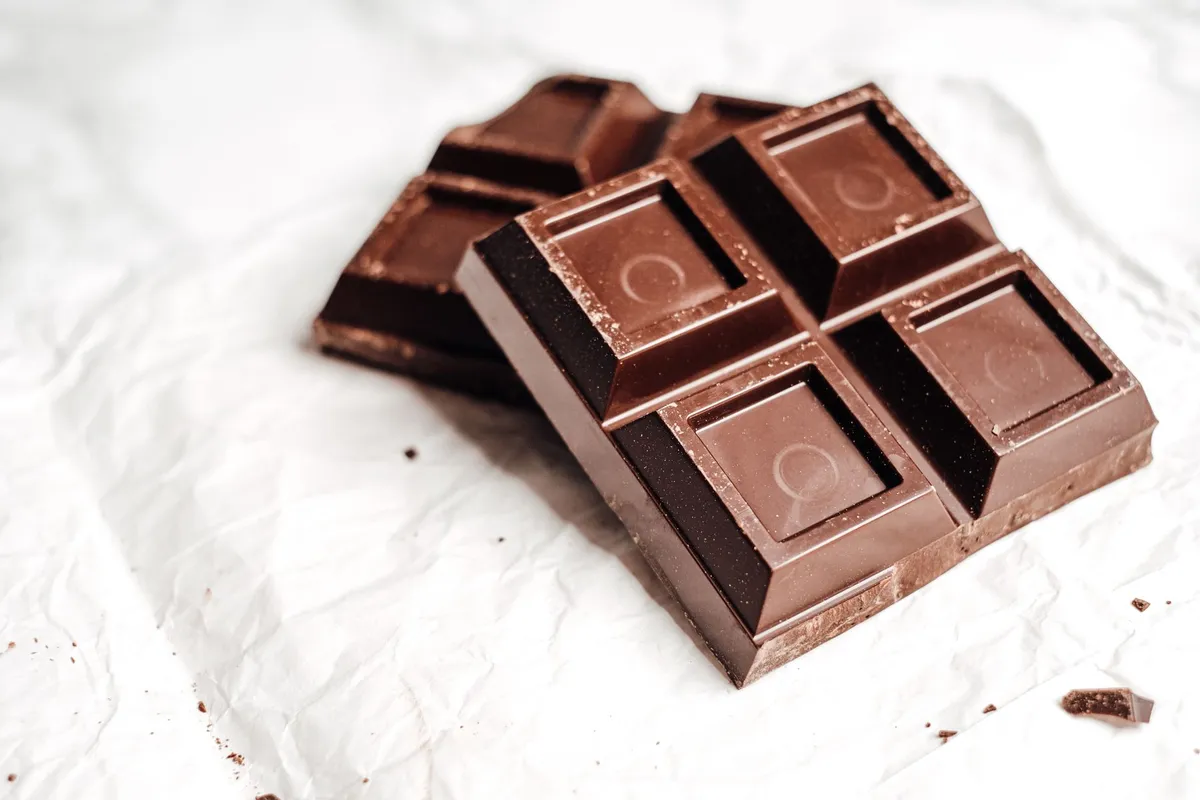
The Crystal Architecture of Cocoa Butter To understand tempering is to understand that chocolate is not merely a flavor; it is a solid-state engineering project. At the heart of every glossy bonbon and every audibly snapping bar lies the polymorphic nature of cocoa butter, the fat phase that constitutes roughly 50 to 55 percent of a standard dark chocolate couverture. Unlike water, which freezes into a single predictable crystalline lattice, cocoa butter is a polymorphic fat capable of crystallizing into six distinct forms, designated by the Williard scale as Form I through Form VI, or more commonly by the Greek letters Gamma (γ), Alpha (α), Beta-prime-2 (β’₂), Beta-prime-1 (β’₁), Beta-2 (β₂), and Beta-1 (β₁). Only one of these forms—Form V (β₂)—delivers the holy trinity of professional chocolate: a high-gloss sheen, a clean, sharp snap at roughly 20°C (68°F), and a smooth, non-grainy mouthfeel that melts precisely at human body temperature (34–36°C / 93–97°F). The other forms are structural failures. Form I through IV are unstable, lower-melting-point crystals that result in dull surfaces, soft textures, and the dreaded fat bloom—that whitish, dusty haze caused by the migration and recrystallization of unstable fats to the surface. Form VI is the thermodynamically stable end-game of cocoa butter, but it melts too high (36–38°C), creating a waxy, unpleasant mouthfeel and taking months to form naturally. The science of tempering, therefore, is the science of selective crystallization. It is a controlled thermal manipulation designed to nucleate a massive population of Form V crystals while actively suppressing the nucleation of Forms I–IV and preventing the sluggish drift toward Form VI. This requires exploiting the narrow metastable zone where Form V nuclei can survive and propagate. The thermal behavior of the fat phase dictates everything; the sugar and cocoa solids are merely passengers suspended in this crystalline matrix. When we temper, we are essentially programming the fat’s memory, ensuring that as the mass cools, it "remembers" the Form V lattice and replicates it exponentially. Without this programming, the system defaults to kinetic chaos, locking in the first crystals that form—usually the unstable, low-melting varieties.Navigating the Polymorphic Landscape The polymorphic landscape of cocoa butter is defined by the packing efficiency of its triglyceride molecules—predominantly SOS (Stearic-Oleic-Stearic), POP (Palmitic-Oleic-Palmitic), and POS (Palmitic-Oleic-Stearic). These molecules arrange themselves in either double-chain-length (Form V) or triple-chain-length (Form VI) packing configurations. The sub-alpha forms (I, II, III) pack loosely, melting as low as 17°C (63°F). The alpha forms (IV) melt around 27°C (81°F). Form V melts at 33.8°C (93°F), and Form VI at 36.3°C (97.3°F). This 2.5°C window between Form V and Form VI is the razor's edge on which the chocolatier walks. The transition temperatures are not abstract numbers; they are the operational boundaries of the workshop. If a melted chocolate mass is cooled without agitation, it will inevitably nucleate Form IV or lower first, because these require less thermal energy (supercooling) to initiate. The activation energy barrier for Form V is higher; it demands a deeper supercooling or, more practically, the introduction of "seeds"—pre-existing Form V crystals—to lower that barrier via heterogeneous nucleation. This is where the concept of "memory" becomes physically real. Cocoa butter retains a thermal history. If chocolate has been previously tempered correctly and melted only to 31–32°C (88–90°F) for dark chocolate, a population of Form V "memory crystals" survives. These act as instantaneous seeds, allowing the chocolatier to skip the full melt/cool/rewarm cycle. However, if the temperature exceeds roughly 34°C (93°F) for any significant duration, these memory crystals melt entirely, erasing the thermal history and forcing a full reset. This sensitivity explains why industrial tempering machines hold chocolate at precise holding temperatures (typically 31.5°C for dark, 30.5°C for milk, 29.5°C for white) with agitation: to maintain the seed population without allowing Form VI to nucleate over time. The data from thermal behavior characterization of lipid systems consistently shows that the width of the melting peak in Differential Scanning Calorimetry (DSC) correlates directly with polymorphic purity; a sharp, narrow peak at 33.8°C is the fingerprint of a perfect temper. The Alchemy of the Melt: Temperature Curves Decoded The standard tempering curve—Melt, Cool, Rewarm, Hold—is a thermodynamic trajectory plotted against time. For a standard 70% dark couverture, the protocol generally follows this path: Full Melt (45–50°C / 113–122°F): The mass is heated well above the melting point of all polymorphic forms (Form VI melts ~36.3°C). This ensures a "clean slate," erasing all crystal memory. Temperatures above 50°C risk Maillard reactions and sugar caramelization, altering flavor profiles irreversibly. Controlled Cool / Seeding (27–28°C / 81–82°F): The mass is cooled rapidly to the lower working limit. At this temperature, Form V is stable, but Forms I–IV are also kinetically viable. The critical variable here is agitation. Shear forces align triglyceride molecules, promoting nucleation. If seeding (adding 1–3% pre-tempered callets) is used, this step introduces the template. Without seeding, the chocolatier relies on spontaneous nucleation during the "tabling" method on a marble slab, where the massive thermal conductivity of stone drives rapid supercooling. Rewarm / Working Temperature (31–32°C / 88–90°F): The temperature is raised only enough to melt out the unstable Forms I–IV (which melt below 27–28°C) while preserving the Form V nuclei. This is the "working window." Holding here allows the Form V crystals to multiply throughout the volume. Verification: A test dip (knife tip or parchment) should set within 2–3 minutes at 20°C room temperature with a high gloss and clean release.Milk and white chocolates shift this curve downward by 1–2°C at every stage due to the interference of milk fat (which introduces different triglyceride profiles and lowers the melting point) and higher sugar/fat ratios. Milk fat acts as a plasticizer, disrupting the tight SOS packing of Form V, making the temper more fragile and the working window narrower. White chocolate, devoid of cocoa solids but high in milk fat and sugar, is the most temperamental, often requiring a working temperature as low as 29°C (84°F). Polymorphic Form Williard Designation Melting Point (°C) Melting Point (°F) Characteristics StabilityForm I Gamma (γ) 17.3 63.1 Soft, crumbly, dull, rapid bloom Very LowForm II Alpha (α) 23.3 73.9 Soft, dull, poor snap LowForm III Beta-prime-2 (β'₂) 25.5 77.9 Firm but waxy, dull Medium-LowForm IV Beta-prime-1 (β'₁) 27.5 81.5 Good snap, glossy, but unstable (blooms in days) MediumForm V Beta-2 (β₂) 33.8 92.8 High gloss, sharp snap, stable, ideal mouthfeel High (Metastable)Form VI Beta-1 (β₁) 36.3 97.3 Hard, dull, waxy mouthfeel, slow formation Highest (Equilibrium)Seeding Success: Methods from Tabletop to Industry The methodology of seeding defines the chocolatier’s toolkit. The Tabling Method (Tablage) is the classical manual approach. Two-thirds of the melted chocolate is poured onto a cool marble or granite slab (thermal mass ~2.5 MJ/m³K). Using palette knives and scrapers, the chocolate is spread thin and agitated continuously. The high thermal effusivity of the stone extracts heat rapidly, driving the temperature down to 27°C in minutes. The agitation induces shear crystallization. The thickened mass is then scraped back into the remaining warm third (the "reserve"), raising the bulk temperature to the working point. This method requires high skill; over-crystallization on the slab leads to "over-tempered" chocolate—viscous, dull, and prone to setting too fast in molds. The Seeding Method (Impfung/Ensemencement) is the modern standard for consistency. The melted chocolate (at 45°C) receives an addition of 15–25% weight of solid, perfectly tempered chocolate (callets or pistoles). The cold seeds absorb heat (latent heat of fusion ~180–200 J/g) and, crucially, introduce millions of Form V nuclei. The chocolatier stirs until the seeds melt completely and the target temperature (31–32°C) is reached. If unmelted seeds remain, the chocolate is over-seeded (too thick); they must be fished out. This method is forgiving, scalable, and requires no marble slab. Industrial Continuous Tempering Machines (e.g., Sollich, Aasted, Selmi) automate this physics. They use a scraped-surface heat exchanger (SSHE) with a cooling jacket (often glycol at -5°C to -10°C) and a heating jacket. The chocolate is pumped through a series of zones: supercooling (high shear, nucleation), destruction of unstable forms (rewarming), and holding. The Dashed Rotor or scraper blades ensure uniform shear history—every particle experiences the same thermal-mechanical trajectory. Inline viscometers and optical sensors (polarimetry) monitor the Solid Fat Content (SFC) and Crystal Size Distribution (CSD) in real-time. The target SFC at working temperature for dark chocolate is typically 1.5–2.5% by weight. Too low (<1%) and the chocolate lacks viscosity and mold release; too high (>3%) and it is unworkable. A critical, often overlooked variable is pre-crystallization of the mold. Polycarbonate molds must be at 20–25°C. A cold mold (15°C) shocks the surface chocolate, inducing thermal shock crystallization (Form IV) causing sticking and dullness. A hot mold (30°C) melts the Form V skin, preventing shell formation. The mold is a thermal boundary condition, not a passive container.Troubleshooting the Bloom: Fat vs. Sugar When the crystal architecture fails, the result is bloom. Distinguishing Fat Bloom from Sugar Bloom is diagnostic lesson one. Fat bloom appears as a dull, whitish-gray film, often streaky or patchy, greasy to the touch. It is the result of Form IV (or lower) recrystallizing to Form V or VI post-setting, or Form V transforming to Form VI over time/thermal cycling. It is caused by: under-tempering (insufficient Form V nuclei), thermal shock (mold too cold), temperature fluctuations during storage (cycling across 20–25°C drives polymorphic transition), or fat migration from fillings (e.g., nut oils, liquid centers) which solubilize the cocoa butter lattice (eutectic effect), destroying the crystal structure. Sugar bloom, conversely, is a rough, gritty, white dust. It occurs when moisture condenses on cold chocolate (taken from fridge to humid air), dissolving surface sugar. As the water evaporates, the sugar recrystallizes into large, irregular crystals on the surface. It is a humidity/temperature management failure, not a tempering failure. The remedy is hermetic sealing before temperature transition. Advanced troubleshooting involves Differential Scanning Calorimetry (DSC) or Pulsed NMR (pNMR). DSC measures the enthalpy of fusion (ΔH) at specific temperatures. A well-tempered sample shows a sharp endothermic peak at 33.8°C (Form V) with minimal area under the curve at lower temperatures (Forms I–IV). pNMR measures Solid Fat Content (SFC) vs. Temperature profiles, giving the full melting curve. The "Temper Index" or "Tempermeter" (e.g., Chocometer) measures the latent heat released during isothermal crystallization at a set temperature (usually 20°C or 25°C). The slope of the cooling curve (exotherm) correlates directly with the degree of temper. A steep, high peak = good temper. A flat, broad peak = poor temper. The science extends to fat migration mitigation. In filled chocolates, the liquid oil from a hazelnut praline migrates into the shell via capillary action and diffusion (Fick’s Law), softening the cocoa butter and promoting Form VI transition. Strategies include: adding 5–10% cocoa butter to the filling to saturate it; using "barrier" fats like fractionated palm kernel oil (high in symmetric triglycerides) which crystallize rapidly in the filling, blocking migration; or applying a thin cocoa butter spray coat inside the mold before shelling. The Final Crystallization Mastering the temper is mastering the metastable. It is the discipline of holding a system in a high-energy, ordered state that thermodynamics desperately wants to relax. Every variable—ambient humidity, the specific triglyceride profile of the harvest-year cocoa butter, the shear rate of the stirrer, the thermal mass of the mold—shifts the equilibrium. The professional does not follow a recipe; they manage a phase diagram. They understand that the "snap" is the acoustic signature of a brittle fracture propagating through a continuous Form V matrix, and the "sheen" is the optical result of a smooth, shrinkage-free interface between crystal and air. When the knife taps the bar and the sound rings clean and high-pitched, when the fracture face reveals a fine, uniform grain rather than a coarse, sandy texture, the physics has been obeyed. The chocolate has been persuaded, through the precise application Related InsightsGirl Number 8 Book Review and Summary Dark Lover Book Review and Summary Bombshell Book Review and Summary

There is a universe humming beneath the crust of a sourdough loaf, a silent conversation between atoms that dictates whether an apple turns brown or a steak sears into mahogany perfection. We call it cooking; the universe calls it thermodynamics. Food chemistry is not merely the study of ingredients—it is the biography of matter as it transitions from soil to cell, the rigorous poetry of biological and non-biological components negotiating their existence on a plate. It is where the rustic intuition of a grandmother’s fermentation crock meets the cold, hard precision of quantum mechanics and reaction kinetics. To understand food is to understand the negotiable terms of entropy itself. The Silent Architect: Water’s Tyranny Over Texture We treat water as a passive filler, the background noise of a soup or the juice in a peach. But in the laboratory of the kitchen, water is the dictator. It constitutes fifty percent of a slab of meat and an astonishing ninety-five percent of lettuce, cabbage, and tomato products. This is not mere hydration; it is the stage upon which the drama of spoilage and preservation plays out. Water activity—that thermodynamic measure of energy status—is the invisible lever controlling shelf life. High water activity rolls out the red carpet for bacterial growth, turning a crisp vegetable into a slimy tragedy within days. The history of preservation is, fundamentally, the history of manipulating this tyrant. We dehydrate to strip the stage bare. We freeze to slow the molecular ballet to a near standstill. We refrigerate to buy time. But the most elegant manipulations alter water’s characteristics without banishing it entirely. Consider the humble apple slice, exposed to air. Enzymatic browning begins instantly, a chemical melanin production line triggered by polyphenol oxidase. The chef’s counter-move? Acidulated water—lemon juice. By lowering the pH, we denature the enzyme, freezing the apple in its pale, fresh innocence. This is food physical chemistry in action: physiochemical principles governing reactions during manufacture, handling, and storage. It is rheology, transport phenomena, and glass transitions playing out in a bowl of fruit salad.Sweet Geometry: The Carbon Rings That Fuel Empires If water is the stage, carbohydrates are the fuel—comprising seventy-five percent of the biological world and eighty percent of human food intake. The simplest actors are monosaccharides: glucose, fructose, galactose. They wear a simple uniform, a 1:2:1 ratio of carbon, hydrogen, and oxygen (CnH2nOn), yet their arrangement dictates the sweetness of honey or the structural rigidity of a tree trunk. When glucose and fructose lock hands in a specific glycosidic bond, they birth sucrose—the crystal crown of the plant world, the sugar we spoon into coffee. But the story deepens with polysaccharides. Chains of monosaccharides weave into pectin (the jam-setter), dextran, agar, and xanthan (the modernist chef’s thickener). Some chains are open books to human enzymes, unspooling in the small intestine to release glucose into the bloodstream. Others—dietary fiber—are stubborn scrolls, passing untouched into the large intestine where the gastrointestinal microbiota ferment them into short-chain fatty acids, feeding us by feeding our internal garden. We measure this sweetness in degrees Brix, a refractometer’s gaze capturing the density of dissolved solids. It is a metric of ripeness, of harvest timing, of the very sunlight trapped in a grape.The Amphiphilic Dance: Lipids, Membranes, and the Art of Richness Lipids are the rebels of the molecular world, defined not by what they are, but by what they refuse to do: dissolve in water. This "catchall" category—waxes, fatty acids, phospholipids, sphingolipids, glycolipids, terpenoids like retinoids and steroids—unites under the banner of hydrophobicity. Yet, they are not simple oil slicks. Most are amphiphilic, possessing a split personality: a hydrophobic tail fleeing water, a hydrophilic head embracing it. This duality is the architect of life’s boundaries—cell membranes—and the engine of culinary luxury. In the kitchen, lipids are the carriers of the soul. They dissolve fat-soluble vitamins (A, D, E, K), ferrying them across the intestinal border. They provide the mouthfeel of butter, the sizzle of rendered pork fat, the golden crust on a fry. Their physical state—linear aliphatic chains vs. rigid ring structures, flexible vs. aromatic—dictates melting point and texture. Chocolate’s snap comes from the precise polymorphic crystallization of cocoa butter triglycerides. The creaminess of an emulsion—mayonnaise, hollandaise, vinaigrette—is a metastable truce negotiated by phospholipids (lecithin in egg yolk) standing guard at the oil-water interface. Without this molecular diplomacy, flavor would have no vehicle, and texture no depth.Proteins: The Origami of Life Itself Strip a living cell of its water, and over half the remaining dry weight is protein. These are not static bricks; they are dynamic, complex macromolecules—origami folded from chains of amino acids containing carbon, nitrogen, hydrogen, oxygen, sulfur, and often metals like iron, copper, phosphorus, or zinc. Their shape is their function. A slight fever denatures them; a whisk unfurls them; heat cross-links them into the firm white of a cooked egg or the gluten network trapping gas in bread. We chase them for survival. Animal sources—eggs, milk, meat—offer "complete" profiles, mirroring our own needs. Vegetable sources—nuts, grains, legumes—require the ancient wisdom of protein combining (rice and beans, hummus and pita) to assemble the full alphabet of essential amino acids. Requirements shift with physiology: the growing child, the pregnant mother, the aging athlete. In the pan, proteins undergo the Maillard reaction, a chaotic cascade of amino acids and reducing sugars creating hundreds of flavor compounds—the crust on bread, the sear on steak, the aroma of roasted coffee. It is chemistry as perfume, biology as crust.From Scheele’s Apples to Algorithmic Palates: A History Written in Molecules This science did not arrive fully formed. It was midwifed by agricultural chemistry. In 1785, Carl Wilhelm Scheele isolated malic acid from apples, naming the very essence of tartness. Humphry Davy’s Elements of Agricultural Chemistry (1813) became the global textbook, running to five editions. Justus von Liebig’s findings, translated by Eben Horsford in Lowell, Massachusetts (1848), crossed the Atlantic to seed a new nation’s science. The stakes were often safety, not just flavor. The Society of Public Analysts formed in 1874, wielding analytical methods against adulterated bread, milk, and wine. The battle shifted from sawdust in flour to the complex toxicology of chemical additives by the 1950s. Harvey W. Wiley’s relentless crusade at the USDA birthed the FDA in 1906. The infamous Single-grain experiment (1907–1911) at Wisconsin—feeding cows only corn, then only wheat, then oats—laid bare the nutritional specifics of vitamins and minerals, moving nutrition from alchemy to evidence. Institutions crystallized: The American Chemical Society’s Agricultural and Food Chemistry Division (1908), the Institute of Food Technologists’ Food Chemistry Division (1995). The toolkit expanded—drawing from biopolymer science, colloidal interactions, nucleation theory, and the physics of disordered solids. Food Physical Chemistry became the bedrock discipline.The Modern Cauldron: AI and the Future of Flavor Today, the cauldron bubbles with silicon. Artificial intelligence methods are increasingly deployed to analyze the vast chemical data of food. Algorithms predict the properties of food molecules before they are synthesized. They hunt for bioactive compounds hidden in waste streams or obscure plants. They design novel ingredients and formulations—proteins with tailored functionality, fats with optimized melting profiles, sugar structures that hit the sweet receptor harder with less mass. This is the new frontier: in silico gastronomy. We are moving from observing reactions to predicting them, from analyzing composition to designing function. The discipline that began with Scheele’s malic acid and Davy’s lectures now navigates quantum mechanics and reaction kinetics to engineer the future of nutrition. Yet the goal remains profoundly human: to enhance the processes that delight us (fermentation, Maillard, emulsification) and prevent those that harm us (spoilage, oxidation, toxicity).We stand on the shoulders of analysts who checked wine for lead and chemists who weighed nitrogen in grain. Every time we salt a steak to draw out water, whip aquafaba into foam, or watch sugar caramelize into amber glass, we are practicing a science older than the word "scientist." We are negotiating with entropy, one delicious molecule at a time.#foodchemistry #moleculargastronomy #foodscience #culinaryhistory #futureoffood Related InsightsThe Umami Revolution: How Chefs Are Harnessing the Fifth Taste Today Thai Street Food Secrets: How to Recreate Bangkok’s Best Dishes at Home The Tuscan Secret: Why Minestrone with Farro is the Ultimate High-Fiber Superfood{ "@context": "https://schema.org", "@type": "FAQPage", "mainEntity": [ { "@type": "Question", "name": "What is the main focus of The Alchemy of Appetite: Decoding the Molecular Soul of Our Sustenance?", "acceptedAnswer": { "@type": "Answer", "text": "Journey into the invisible architecture of flavor where water activity dictates spoilage, carbon rings fuel civilization, and proteins fold into life itself—guided by history and modern AI." } }, { "@type": "Question", "name": "Who authored the comprehensive guide on The Alchemy of Appetite: Decoding the Molecular Soul of Our Sustenance?", "acceptedAnswer": { "@type": "Answer", "text": "This detailed article and its insights were carefully researched and authored by Demir Şef." } }, { "@type": "Question", "name": "Where can I find more related content about Food?", "acceptedAnswer": { "@type": "Answer", "text": "You can explore more articles, detailed reviews, and similar insights by browsing the Related Insights section at the bottom of this article or visiting our dedicated Food category page." } } ] }

The smoke rising from a clay comal in a Oaxacan kitchen carries more than aroma; it carries a payload of volatile organic compounds synthesized through rigorous thermal degradation. To the uninitiated, mole is a sauce. To the chemist, it is a colloidal suspension stabilized by emulsified lipids and plant mucilages, flavored by the Maillard reaction’s deepest notes. I have spent years chasing the ghost of mole negro across the valleys of Oaxaca, watching abuelas manipulate thermodynamics with nothing but a wooden paddle and generational intuition. What follows is a deconstruction of that intuition, translated into the language of molecules. The Alchemy of the Comal: Toasting the FoundationThe journey of mole begins not with liquid, but with the aggressive dehydration and carbonization of raw ingredients on the comal. This is where the Maillard reaction—technically a non-enzymatic browning reaction between reducing sugars and amino acids—does its heavy lifting. When dried chilhuacle negro, mulato, and pasilla chilies hit the hot clay, surface temperatures exceed 150°C (302°F) rapidly. Water activity ($a_w$) plummets, concentrating precursors. The reaction cascades through Amadori rearrangement into advanced glycation end-products (AGEs), generating pyrazines, furans, and thiophenes. These heterocyclic compounds are the architects of the "roasted" descriptor: 2-acetyl-1-pyrroline (popcorn/nutty), 2,3-diethyl-5-methylpyrazine (earthy/roasted), and 2-furfurylthiol (coffee/meaty). Simultaneously, pyrolysis of pectin and cellulose in the chili skins creates phenolic volatiles—guaiacol and syringol—imparting that unmistakable smoke signature. But control is paramount. A chilhuacle burns in seconds; its thin pericarp offers zero insulation. The abuela’s hand speed modulates the thermal flux, preventing the formation of acrid, bitter benzopyrenes while maximizing flavor-active pyrazines. This is precision thermodynamics executed without a thermocouple. The toasted chilies are then rehydrated, a process governed by Fickian diffusion. Water penetrates the glassy matrix of the dried tissue, plasticizing the cell walls and allowing the solubilization of capsaicinoids and colorants (capsanthin, capsorubin) into the soaking liquid—liquid that is never discarded, for it holds the water-soluble fraction of the flavor architecture. Chilhuacle Negro: The Soul of Oaxaca’s Black Gold If mole is a symphony, the chilhuacle negro (Capsicum annuum var. chilhuacle) is the solo violin—rare, expensive, and irreplaceable. Endemic to the Cañada region of Oaxaca, this chili possesses a unique phytochemical profile driven by terroir-specific stressors: high UV radiation, mineral-rich volcanic soils, and water scarcity. These stressors upregulate the phenylpropanoid pathway, boosting flavonoid and capsanthin production far beyond commercial varieties like ancho or pasilla. Analytically, chilhuacle negro presents a capsaicinoid profile heavily skewed toward dihydrocapsaicin and nordihydrocapsaicin rather than capsaicin itself. This structural nuance—specifically the saturation of the vanillyl amide side chain—alters the binding kinetics to the TRPV1 receptor. The result is a "flatter," more persistent heat that lingers in the throat rather than exploding on the tongue, a critical sensory attribute for a sauce meant to be eaten by the spoonful over turkey. Furthermore, the pericarp contains exceptionally high levels of chlorophyll derivatives (pheophytins) which, upon the alkaline nixtamalization of the corn tortillas often served alongside, or the simple heat of the mole, degrade into the deep, inky black pigments that give mole negro its name. Substituting ancho chilies yields a reddish-brown sauce lacking the spectral absorption properties—the true "black"—that defines the dish visually and chemically. Seeds, Nuts, and the Architecture of BodyA mole without body is merely a spicy broth. The viscosity and mouthfeel—the "cuerpo"—are engineered through a sophisticated lipid-polysaccharide matrix. The traditional trio: pepitas (pumpkin seeds), cacahuates (peanuts), and ajonjolí (sesame seeds), contributes distinct rheological modifiers. Pumpkin seeds are rich in globulin proteins and phospholipids (lecithin). When toasted and ground on the metate (volcanic stone), the mechanical shear forces rupture oleosomes (oil bodies), releasing triglycerides and exposing phospholipid membranes. These phospholipids act as natural emulsifiers, stabilizing the oil-in-water emulsion against coalescence via steric hindrance and electrostatic repulsion (zeta potential). Peanuts contribute arachidic and behenic acids—long-chain saturated fatty acids (C20:0, C22:0)—which crystallize in the $\beta'$ polymorph upon cooling, providing a structured fat network that resists syneresis (weeping) during the long simmer. Sesame seeds bring lignans (sesamin, sesamolin) and high-molecular-weight polysaccharides. These polysaccharides hydrate into a weak gel network, increasing the continuous phase viscosity. The metate is not merely a grinder; it is a high-shear homogenizer. The stone’s porosity absorbs excess oil, while the curved motion creates elongational flow, aligning polysaccharide chains and reducing particle size to sub-50 microns—below the threshold of human tactile detection (grittiness). This particle size reduction exponentially increases the surface area for enzymatic hydrolysis during the simmer, releasing bound phenolics and free fatty acids that further modulate flavor release kinetics. Chocolate’s Late Arrival: Bitterness as Balance The inclusion of chocolate (cacao) in mole is a post-Columbian synthesis, yet it is now chemically indispensable. We are not talking about Swiss milk chocolate. We speak of chocolate de metate: roasted cacao nibs, sugar, cinnamon, and almonds, ground to a paste where particle size hovers around 20-30 microns. The chemistry here revolves around theobromine (3,7-dimethylxanthine) and polyphenol polymerization. Cacao contributes roughly 1-2% theobromine by weight. Theobromine is a competitive antagonist at adenosine receptors and a phosphodiesterase inhibitor, but in the context of mole, its primary role is sensory: a clean, alkaloid bitterness that counters the sweetness of the chilhuacle’s natural sugars and the raisins/plantains often added. More critically, cacao brings procyanidins (condensed tannins). These oligomeric flavan-3-ols interact with salivary proline-rich proteins (PRPs), causing astringency—a tactile "drying" sensation. In mole, this astringency is tamed by the high lipid content (peanut/sesame oil) and the mucilaginous polysaccharides from the seeds and chili skins. Lipids bind tannins via hydrophobic interactions, precipitating them out of the saliva interaction pathway. This molecular "quenching" transforms a harsh astringency into a velvety, coating mouthfeel—what food rheologists term "lubrication efficacy." The cinnamon (Cinnamomum verum) added to the chocolate paste contributes cinnamaldehyde and eugenol, volatile phenylpropanoids that lift the heavy base notes into the nasal cavity via retronasal olfaction, completing the flavor circle. The Molecular Dance: Hydrocolloids and Flavor ReleaseThe final simmer—often three to four hours—is a reactor vessel for hydrocolloid chemistry. The primary thickeners are not added starches (flour, cornstarch) but endogenous polysaccharides: pectin from chili skins and tomatillos/tomatoes, galactomannans from pepitas, and arabinoxylans from the tortillas or bolillos (bread) used as thickeners. At a simmer (95-98°C), these polymers undergo conformational changes. Pectin demethoxylation (catalyzed by the sauce's natural acidity, pH ~4.5-5.0) allows calcium cross-linking (egg-box model), forming a weak gel network. Simultaneously, starch granules from the bread/tortillas swell and burst (gelatinization), leaching amylose into the continuous phase. This creates a "dual-network" gel: a particulate network of swollen starch granules embedded in a continuous polysaccharide mesh. This structure dictates flavor release. Hydrophobic volatiles (pyrazines, terpenes from spices like clove, cumin, anise) partition into the lipid droplets. Their release is governed by the partition coefficient ($K_{oil/water}$) and the diffusion path length through the gel matrix. The gel slows diffusion, creating a sustained release profile—flavors arrive in waves: first the high-volatility top notes (cinnamon, clove), then the mid-palate earthiness (cumin, chili), finishing with the persistent bitterness of theobromine and the capsaicin burn. Mechanical shear from stirring aligns the polymers, inducing shear-thinning (non-Newtonian behavior). The sauce flows under the spoon but clings to the turkey. This rheological fingerprint—yield stress ~5-10 Pa, viscosity ~500-1000 cP at 50 s⁻¹—is the gold standard of mole negro. Chemical Fingerprint of Core Mole Negro IngredientsIngredient Key Volatile Compounds (GC-MS) Primary Non-Volatile Actives Functional Role in MatrixChilhuacle Negro Guaiacol, Syringol, 2-Isobutyl-3-methoxypyrazine Capsanthin, Capsorubin, Dihydrocapsaicin Color (Black), Heat (Persistent), Smoky AromaPasilla de Oaxaca β-Damascenone, 3-Methylbutanal, Hexanal Quercetin glycosides, Chlorogenic acid Fruity/Floral notes, Antioxidant capacityPepitas (Pumpkin Seeds) 2-Acetyl-1-pyrroline, Pyrazines (toasted) Δ7-Sterols, Tocopherols, Lecithin Emulsification (Lecithin), Nutty Aroma, Oil BodyCacao (Metate) 2-Phenylethanol, 3-Methylbutanal, Dimethylpyrazine Theobromine, Epicatechin, Procyanidins B2/B5 Bitterness, Astringency modulation, Flavor depthSesame Seeds 2-Furfurylthiol, Pyrroles (toasted) Sesamin, Sesamolin, Mucilage (Galactomannan) Oxidative stability (Lignans), Viscosity (Mucilage)Clove (Clavo) Eugenol (70-85%), β-Caryophyllene, Eugenyl acetate Eugenol glycosides Antimicrobial, Potent spicy/top note, TRPV1 agonistPlantain (Macho) Esters (Isoamyl acetate), Lactones Resistant Starch, Pectin Sweetness, Body/Thickening (Starch/Pectin)Serving the Legacy: A Bowl of History The bowl placed before you—a dark, glistening mirror reflecting the kitchen light—is the culmination of a multi-variable optimization problem solved over centuries. It represents a masterclass in colloidal science, enzymatic management, and volatile organic chemistry, executed without a single laboratory instrument. The turkey leg submerged in that sauce is not merely protein; it is a substrate for the sauce’s proteases (from chili, tomatillo) to slowly hydrolyze collagen into gelatin, further enriching the matrix. To eat mole is to participate in a chemical reaction. Your saliva introduces amylases that attack the starch network, thinning the sauce on the tongue. Your tongue’s TRPV1 receptors fire in response to dihydrocapsaicin. Your olfactory epithelium captures the retronasal plume of pyrazines and eugenol. It is a full-spectrum sensory event, engineered by the women of Oaxaca who understood that flavor is not in the ingredient, but in the transformation. They manipulated time, temperature, shear, and pH to coax flavor from reluctance. When I taste it now, I do not just taste chocolate and chili. I taste the Maillard reaction on a clay griddle. I taste the phospholipid bilayer of a pumpkin seed rupturing under volcanic stone. I taste the polymerization of procyanidins tamed by peanut oil. I taste chemistry, perfected by love.#Oaxaca #MoleNegro #FoodScience #CulinaryChemistry #MexicanCuisine Related InsightsSalsify: The Oyster Plant's Whispering Secret Through Culinary Eras The Obscure Origins and Transcendent Transformation of Cacao's Dark Heart Savor the World: The Ultimate Guide to the Planet’s Most Exquisite Food Markets{ "@context": "https://schema.org", "@type": "FAQPage", "mainEntity": [ { "@type": "Question", "name": "What is the main focus of The Alchemy of Oaxaca: Decoding the Molecular Symphony of Mole Negro?", "acceptedAnswer": { "@type": "Answer", "text": "Explore the rigorous biochemistry behind Oaxaca's Mole Negro, from Maillard reactions on the comal to the hydrocolloid matrix that defines its legendary texture." } }, { "@type": "Question", "name": "Who authored the comprehensive guide on The Alchemy of Oaxaca: Decoding the Molecular Symphony of Mole Negro?", "acceptedAnswer": { "@type": "Answer", "text": "This detailed article and its insights were carefully researched and authored by Kenji Sato." } }, { "@type": "Question", "name": "Where can I find more related content about Food?", "acceptedAnswer": { "@type": "Answer", "text": "You can explore more articles, detailed reviews, and similar insights by browsing the Related Insights section at the bottom of this article or visiting our dedicated Food category page." } } ] }