The Return of the King Book Review and Summary
- 15 Sep, 2025 00:10
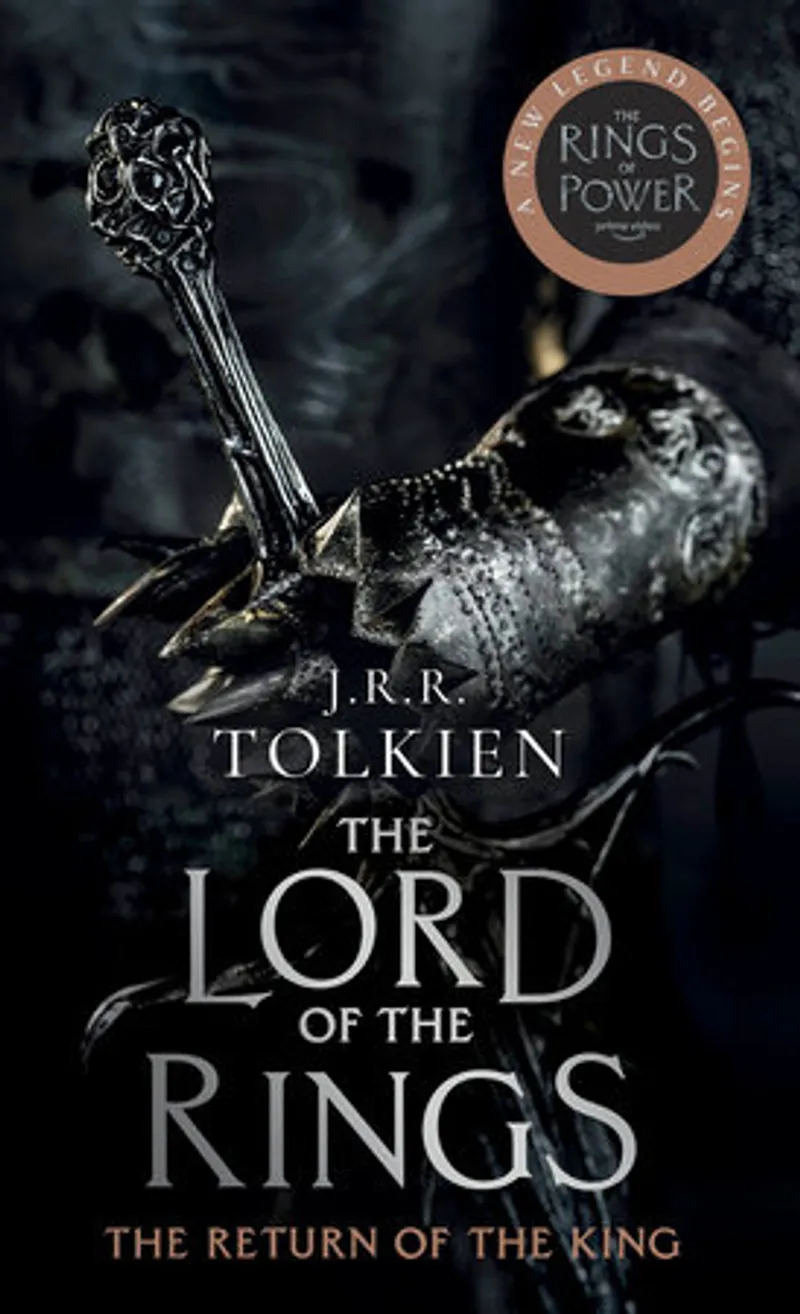
The Return of the King (Media Tie-in)
Author: J.R.R. Tolkien
Page Count: Unknown
Publication Date: 2022-PRH
The Return of the King: A Triumph of Epic Fantasy
J.R.R. Tolkien’s The Return of the King is not merely the conclusion to The Lord of the Rings—it is the crescendo of a symphony of myth, heroism, and sacrifice. As the third and final installment of this monumental trilogy, it delivers a masterclass in storytelling, blending grandeur with intimacy, war with wisdom, and despair with hope. The media tie-in edition, released in 2022, ensures that new readers can step into Middle-earth with the same reverence as those who first encountered it decades ago, while also serving as a bridge to Amazon’s upcoming The Lord of the Rings: The Rings of Power series.
At its core, The Return of the King is a meditation on the burden of power and the cost of victory. The One Ring, that cursed artifact of domination, has shaped the fate of Middle-earth from the shadows, and now, as Frodo and Sam inch closer to Mount Doom, its corrupting influence reaches its peak. Frodo, once a humble hobbit, is now a broken vessel of its will, his spirit frayed by the Ring’s insidious whispers. His struggle is not just against Sauron’s armies but against the very thing he carries—a burden that grows heavier with every step. Tolkien’s genius lies in making this internal conflict as gripping as the external battles. The Ring is not just a plot device; it is a character, a silent antagonist that twists loyalty, trust, and even love.
The book’s structure mirrors this duality. The first half is a whirlwind of war, as Gondor’s last stand against Sauron’s forces unfolds with cinematic intensity. Tolkien’s descriptions of the Pelennor Fields—where the fate of men hangs in the balance—are visceral and immersive. The charge of the Rohirrim, the desperate defense of Minas Tirith, and the cunning of Aragorn’s hidden path to victory are all rendered with a sense of urgency that leaves the reader breathless. Yet even in these grand set pieces, Tolkien never loses sight of the personal. Aragorn’s reluctant kingship, Éowyn’s defiance against the roles forced upon her, and Faramir’s quiet nobility all serve as reminders that history is shaped by individuals, not just armies.
The second half, however, is where the book truly shines. The journey into Mordor is a descent into madness, a slow unraveling of hope. Sam’s unwavering loyalty becomes the emotional anchor, his love for Frodo a beacon in the darkness. Their relationship is the heart of the story—simple, profound, and utterly human. In a world of gods and monsters, it is the bond between two small creatures that feels most divine. Tolkien’s prose here is stripped bare, devoid of the ornate flourishes that often adorn his descriptions. The writing becomes stark, almost brutal, as the weight of the Ring presses down on Frodo’s mind. When he finally reaches Mount Doom, the moment is not one of triumph but of exhaustion, a quiet surrender to the inevitable.
The book’s themes resonate deeply because they are universal. The corrupting nature of power, the courage required to resist it, and the redemptive power of self-sacrifice are ideas that transcend fantasy. Aragorn’s refusal of the throne until he is truly worthy, Frodo’s inability to destroy the Ring despite his mission, and even Gollum’s tragic fate all underscore a central truth: greatness is not measured by conquest, but by the choices made in the face of impossible odds.
Tolkien’s style is often praised for its mythic grandeur, but what makes The Return of the King so enduring is its humanity. The dialogue crackles with wit and warmth, the landscapes are vivid and alive, and the characters—whether noble or flawed—feel real. Even the smallest figures, like the steadfast Sam or the tragic Denethor, leave an indelible mark. The prose is rich but never overwrought, allowing the story to breathe while still feeling epic in scope.
The media tie-in edition, with its updated cover art and design, serves as a reminder that Tolkien’s work is not just a relic of the past but a living, breathing legend. It invites new readers to experience the same wonder that has captivated generations, while also connecting to modern adaptations like The Rings of Power. Whether you approach it as a standalone novel or as part of a larger saga, The Return of the King is a testament to the power of storytelling—a final act that is as moving as it is magnificent.
In the end, Middle-earth is not just a place; it is a mirror. And in this book, we see ourselves reflected back—not as we wish to be, but as we are: flawed, hopeful, and capable of greatness.
#ReturnOfTheKing #LordOfTheRings #Tolkien #FantasyEpic #MiddleEarth #BookReview