The Wild Yeast Revolution: Beyond the Loaf into the World of Fermented Alchemy
-
 Isabella Rossi
 - 16 Sep, 2026 11:58
The Living Pulse of Your Kitchen Ecosystem
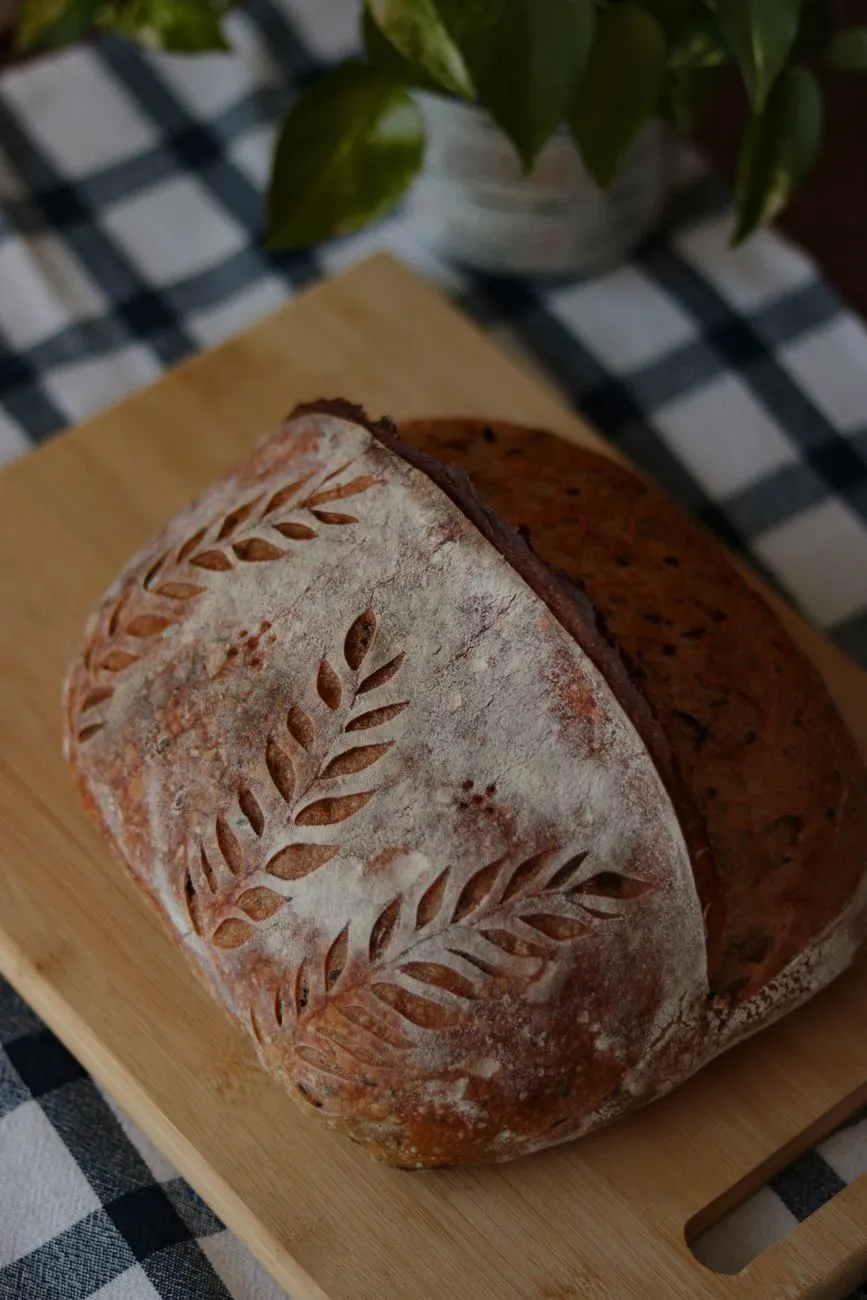
The sourdough starter is not merely a tool for leavening; it is a complex, symbiotic microcosm of yeast (primarily Saccharomyces cerevisiae and Candida humilis) and lactic acid bacteria (LAB), such as Lactobacillus sanfranciscensis. When you feed your starter, you are engaging in a centuries-old scientific endeavor. This domestic bio-reactor transforms flour and water into a potent agent of fermentation that alters the physical, nutritional, and organoleptic properties of everything it touches. Unlike commercial yeast, which offers a rapid, singular push of carbon dioxide, the sourdough culture provides a slow, multi-stage metabolic process. The LAB produces organic acids, primarily lactic and acetic, which lower the pH of your dough. This acidification is the secret weapon that extends shelf life, enhances complex flavor profiles, and unlocks mineral bioavailability by mitigating phytates—the compounds in grains that typically bind to essential minerals like iron, zinc, and calcium, preventing absorption.
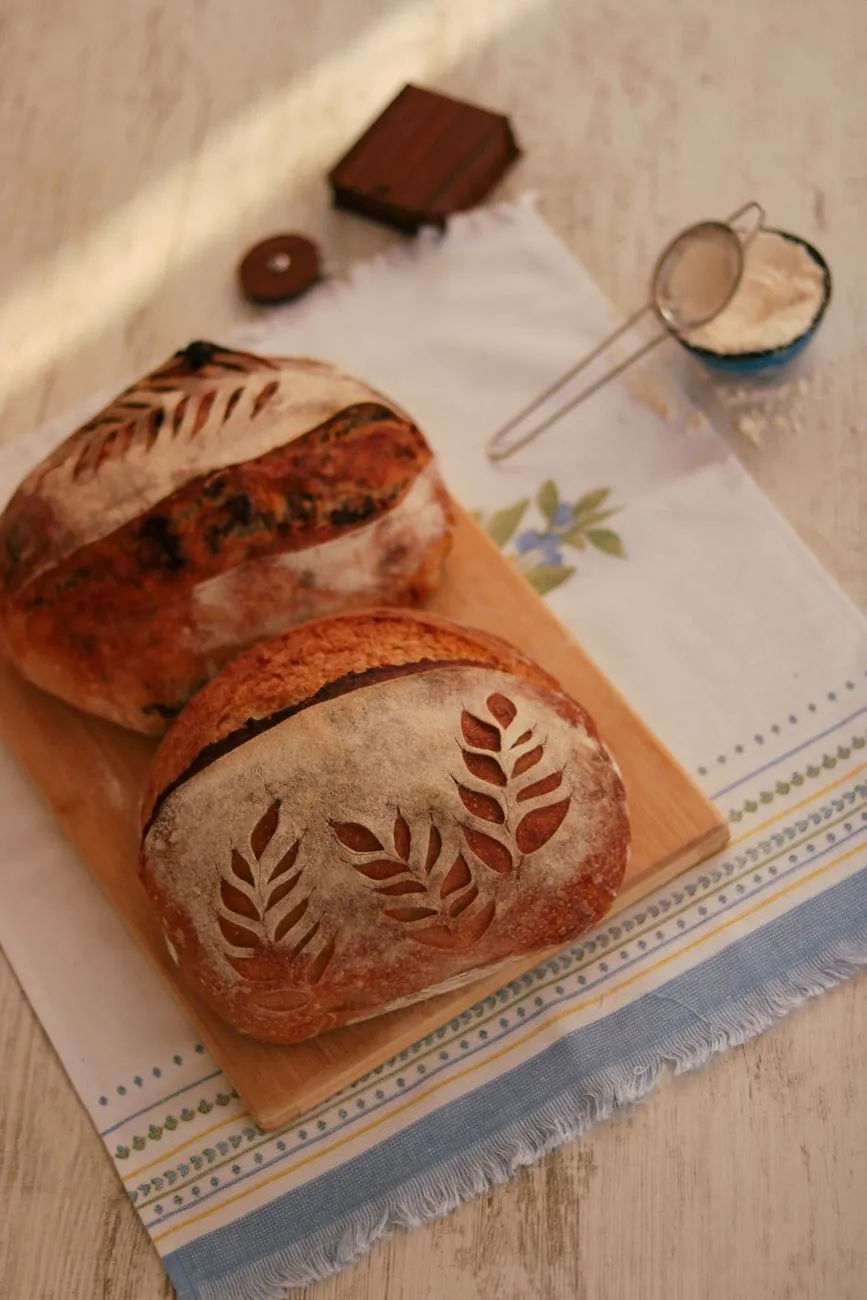
To master the sourdough repertoire beyond the standard sandwich loaf, one must first respect the hydration levels of the starter. A stiff starter (50% hydration) leans toward acetic acid production, creating a sharper, more vinegary tang ideal for dense, sturdy pastries. A liquid starter (100% hydration) promotes lactic acid, resulting in a milder, creamier profile, perfect for delicate pizza doughs. By maintaining these distinct cultures, you create a palette of possibilities. Science tells us that the degradation of gluten proteins via proteolysis—a natural outcome of long fermentation—can render these baked goods more digestible for some individuals with mild gluten sensitivity, although it is not a substitute for medical-grade allergen management. When we look at the sourdough ecosystem, we aren’t just baking; we are curating a biological landscape that creates a structural matrix of gluten capable of holding delicate air pockets, even when manipulated into untraditional forms.
Pizzas with a Wild Heart
Transitioning from bread to pizza requires a fundamental shift in how you perceive dough strength and extensibility. For a world-class Neapolitan-style sourdough crust, the focus shifts to a high-hydration dough (70% to 80% water content) which facilitates the rapid expansion of air bubbles when the pizza hits a 900-degree oven. In this high-heat environment, the sourdough culture’s residual sugars undergo the Maillard reaction more aggressively, leading to those sought-after leopard-spotted char marks that signify an authentic wood-fired experience. The key here is the “bulk fermentation” period. By allowing the dough to rise in a controlled environment (ideally between 68°F and 72°F), you allow the enzymatic activity to fully mature.
When crafting sourdough pizza, one must master the art of the “cold retard.” After the bulk fermentation, balling the dough and placing it in a cold environment for 24 to 48 hours allows for the secondary metabolic process of the LAB to deepen the flavor without over-proofing the structure. This long, cold fermentation breaks down complex starches into simpler sugars, resulting in a crust that is not only flavorful but also significantly more fragrant, offering hints of nuttiness and fruit that complement savory toppings. Furthermore, the higher acidity levels in sourdough pizza dough provide a structural integrity that prevents the crust from becoming soggy under the weight of high-moisture ingredients like buffalo mozzarella or fresh heirloom tomatoes. Remember, the hydration of your pizza dough determines the blistering; higher hydration creates larger, steam-filled bubbles, while slightly lower hydration creates a crispier, cracker-like base. It is a precise balance of hydration, temperature, and time.
The Laminated Pastry Paradox
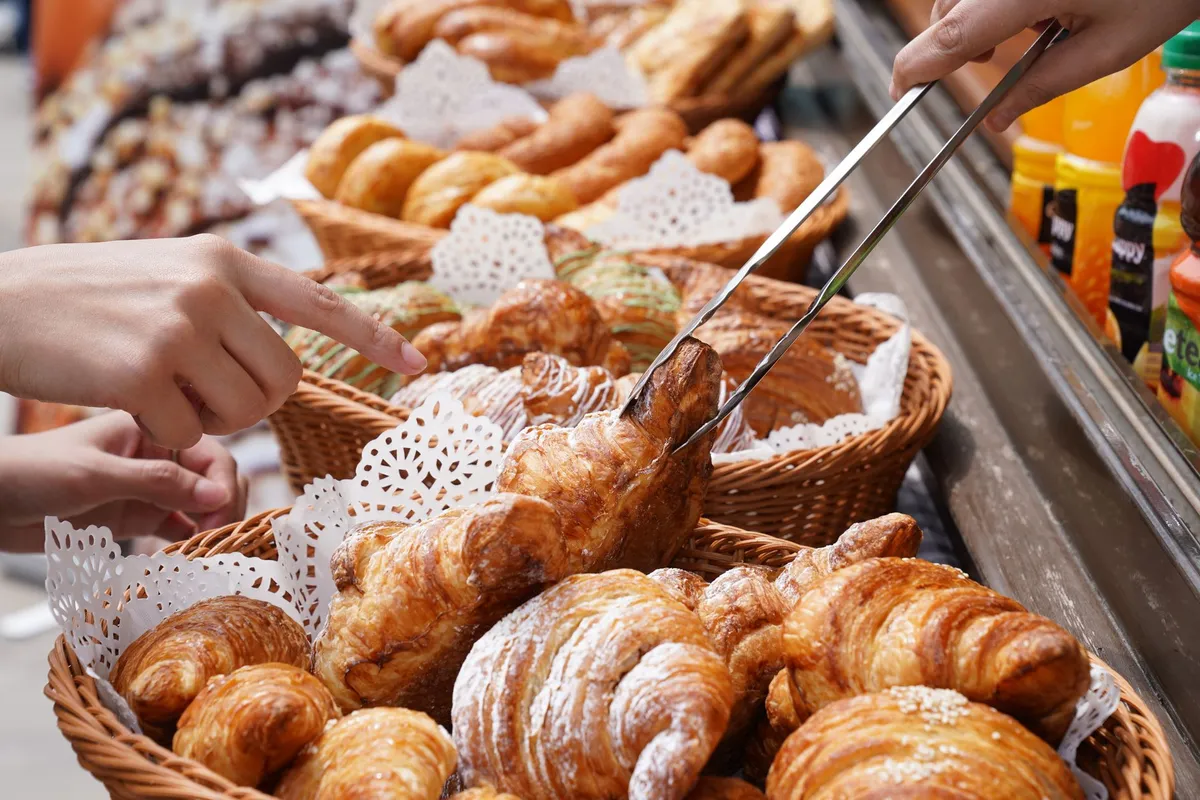
Lamination—the process of folding butter into dough to create thin, crisp layers—is often viewed as a task for commercial yeast only. However, the sourdough croissant, or “sourdough viennoiserie,” represents the pinnacle of baking craft. Using a mature sourdough levain in place of commercial yeast in a laminated dough introduces a distinct depth of flavor that offsets the high fat content of the butter. The challenge, however, is the structural stability of the gluten. Sourdough acids can slightly soften the gluten network, making it imperative to use a high-protein bread flour (12% to 14% protein content) to maintain the strength required for layering.
When mixing your sourdough croissant dough, ensure the levain is at its peak—bubbly and active—to ensure the rise is driven by wild yeast vitality rather than bacterial exhaustion. The lamination process requires disciplined temperature control. If the butter reaches a melting point during the folding process, the separation between fat and dough collapses, and the result will be a greasy, dense pastry rather than a flaky, airy work of art. By incorporating a long autolyse phase—where flour and water are mixed and left to rest before the addition of levain and salt—you hydrate the flour fully, which improves extensibility. This allows the dough to be rolled thinner without tearing. The resulting sourdough croissant offers a complexity that is completely absent in standard recipes, featuring a crisp, caramelized exterior and a soft, tangy, honeycomb-like interior. When you pull apart a sourdough croissant, you are seeing the successful intersection of mechanical engineering—the folds—and biological alchemy—the wild fermentation.
| Feature | Sourdough Pizza | Sourdough Croissant | Sourdough Focaccia |
|---|---|---|---|
| Hydration Level | 70% - 80% | 50% - 55% | 85% - 95% |
| Fermentation Time | 24 - 48 Hours | 12 - 24 Hours | 18 - 24 Hours |
| Protein Content | 12.5% - 13.5% | 13.5% - 14.5% | 11.5% - 12.5% |
| Primary Goal | Char & Extensibility | Lamination & Flakiness | Bubbles & Olive Oil Absorption |
| Flavor Profile | Sharp & Savory | Buttery & Complex | Herbaceous & Airy |
The Focaccia Canvas and High-Hydration Artistry
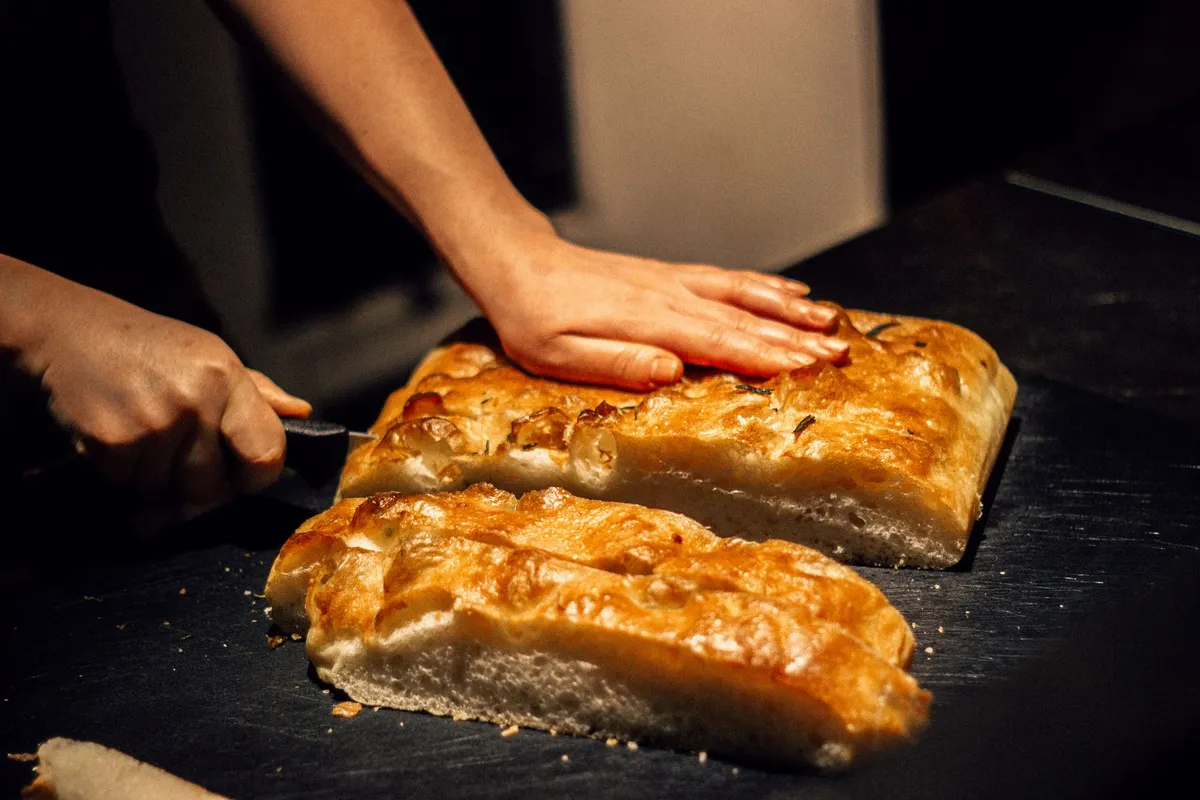
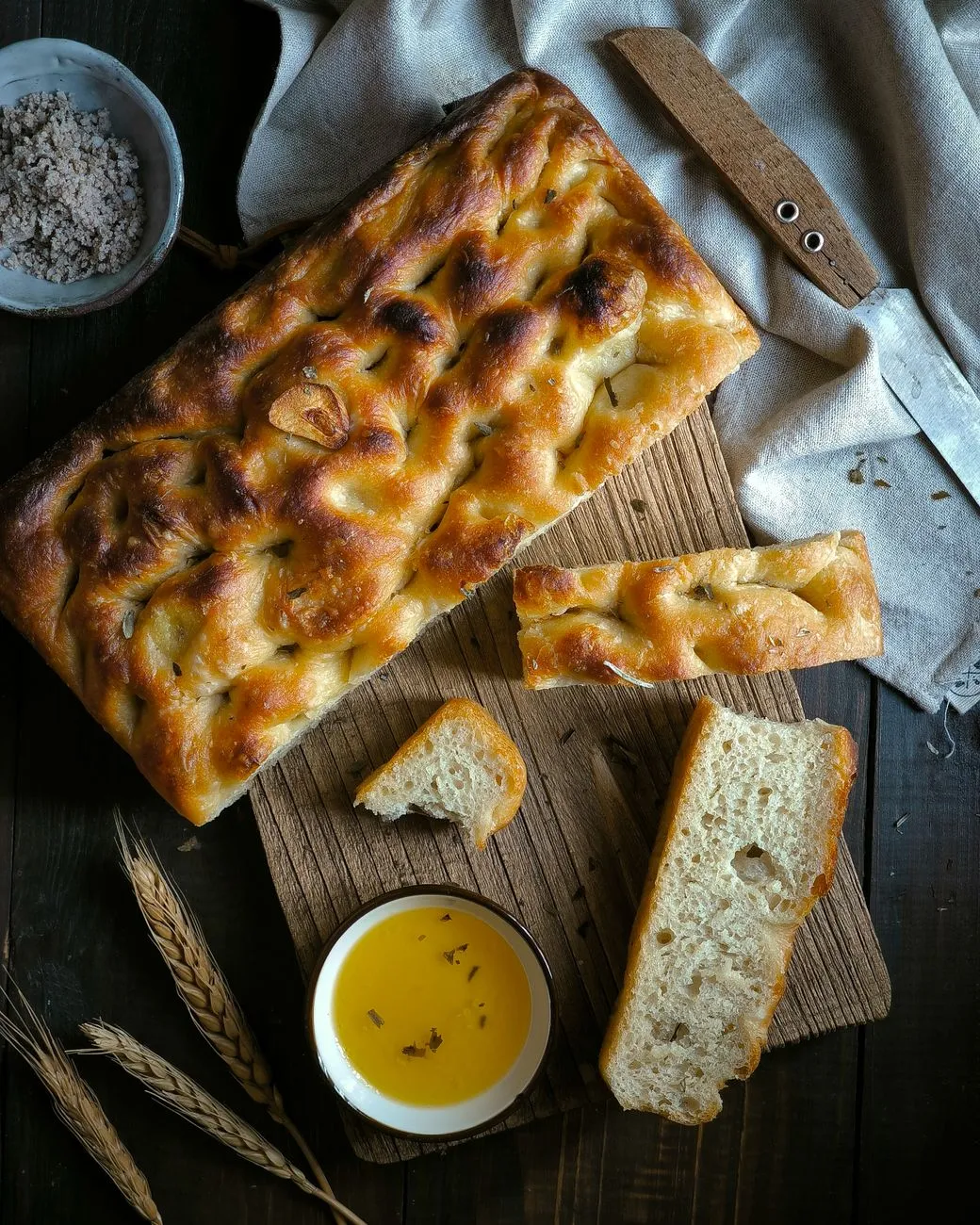
Focaccia is perhaps the most forgiving and yet most rewarding vessel for sourdough experimentation. Because the dough is baked in a pan, it doesn’t require the structural fortitude of a free-standing loaf, allowing us to push hydration to 90% or even 100%. This extreme hydration creates a “bubbly” interior structure characterized by large, irregular holes (alveoli). When the dough is essentially a wet batter, the wild yeast has minimal resistance to expansion. The key to the perfect sourdough focaccia is the “dimpling” technique, which serves to degas the dough just enough to prevent massive, uneven bubbles while simultaneously creating valleys for olive oil and herbs to pool.
To achieve that quintessential golden-brown, crispy bottom, it is imperative to use ample fat. Olive oil acts as a conductive medium in the pan, essentially deep-frying the bottom of the dough as it bakes. The sourdough culture provides a nuanced, slightly sour backdrop that pairs exceptionally well with robust toppings like rosemary, sea salt, sun-dried tomatoes, or even grapes and gorgonzola. Because the fermentation is slow, the aromatic compounds produced by the yeast have time to fully integrate into the dough. When you bake with such high hydration, you are essentially creating a custard-like interior protected by a crisp, fried crust. This duality is the hallmark of professional-grade sourdough baking. Experimentation with alternative flours—like 10-20% whole spelt or einkorn—can further enhance the depth of flavor, adding earthy, nutty undertones that make the focaccia a standout centerpiece on any table.
Innovating with Discard and Cultured Confections
Many bakers treat sourdough discard as a waste product, but it is actually a concentrated source of flavor and acidity. Because it contains lactic acid bacteria that have been active for an extended period, it is perfect for items that do not require a massive structural rise, such as crackers, brownies, cookies, and even cakes. When you use sourdough discard in a cookie recipe, the acidity of the starter interacts with the baking soda, creating a subtle lift that results in a cakey, soft-centered cookie. Furthermore, the lactic acid masks the overly sweet profiles of traditional confections, balancing them with a subtle tang that keeps the palate refreshed.
Consider the “Sourdough Cracker.” By rolling your discard extremely thin, adding herbs, seeds, and a generous amount of sea salt, and baking at a high temperature, you produce a nutrient-dense snack that leverages the bioavailability benefits of the starter. PubMed-style research suggests that the fermentation of grain-based batters can reduce the levels of certain anti-nutrients. While baking high-heat items like cookies might kill the live yeast, the flavor profile and the initial fermentation benefits remain. To elevate your discard creations, treat the discard as an ingredient that requires seasoning. Always taste your discard; if it is exceptionally sour, adjust the sweetness of your recipe accordingly. This is the hallmark of an expert: treating every gram of starter as a living, breathing component of the final flavor composition. Whether you are folding it into a muffin batter or using it to create a fermented pancake base, the sourdough discard ensures that your kitchen remains a place of zero-waste creativity and constant discovery.
The Future of Fermented Heritage
We stand at a unique junction in the culinary timeline where the ancient art of the sourdough mother meets the modern understanding of microbial ecology. By embracing sourdough beyond the traditional loaf, you are not simply cooking; you are participating in a tradition that spans civilizations. Whether you are shaping a high-hydration pizza crust that dances between char and chew, meticulously folding butter into a croissant that shatters upon the first bite, or dimpling a focaccia that holds the essence of a Mediterranean garden, you are utilizing your starter as a vehicle for innovation. The science is clear: the integration of wild fermentation into our broader culinary repertoire enhances not only the flavor and texture of our food but also our connection to the fundamental processes of nature.
As you continue to cultivate your sourdough starter, remember that consistency is your greatest ally. Track your feedings, monitor your temperatures, and document your hydration percentages. Each variable you control leads to a more predictable, more professional result. Do not be afraid to fail, for in the world of fermentation, a “failure” often provides the most insight into the microbial health of your culture. You possess the tools to transform flour, water, and time into a diverse array of gastronomic delights. The journey from a simple jar on the counter to a complex, multi-layered pastry or a perfectly blistered pizza is one of patience and observation. Stay curious, keep your culture active, and continue to push the boundaries of what is possible within your own kitchen. The next great evolution of your baking practice is waiting to be realized, one ferment at a time. The ultimate guide is not written in stone, but in the living, breathing, and ever-evolving nature of your sourdough starter, waiting for your next instruction.
#SourdoughMastery #WildFermentation #ArtisanBaking #CulinaryScience #FermentationRevolution