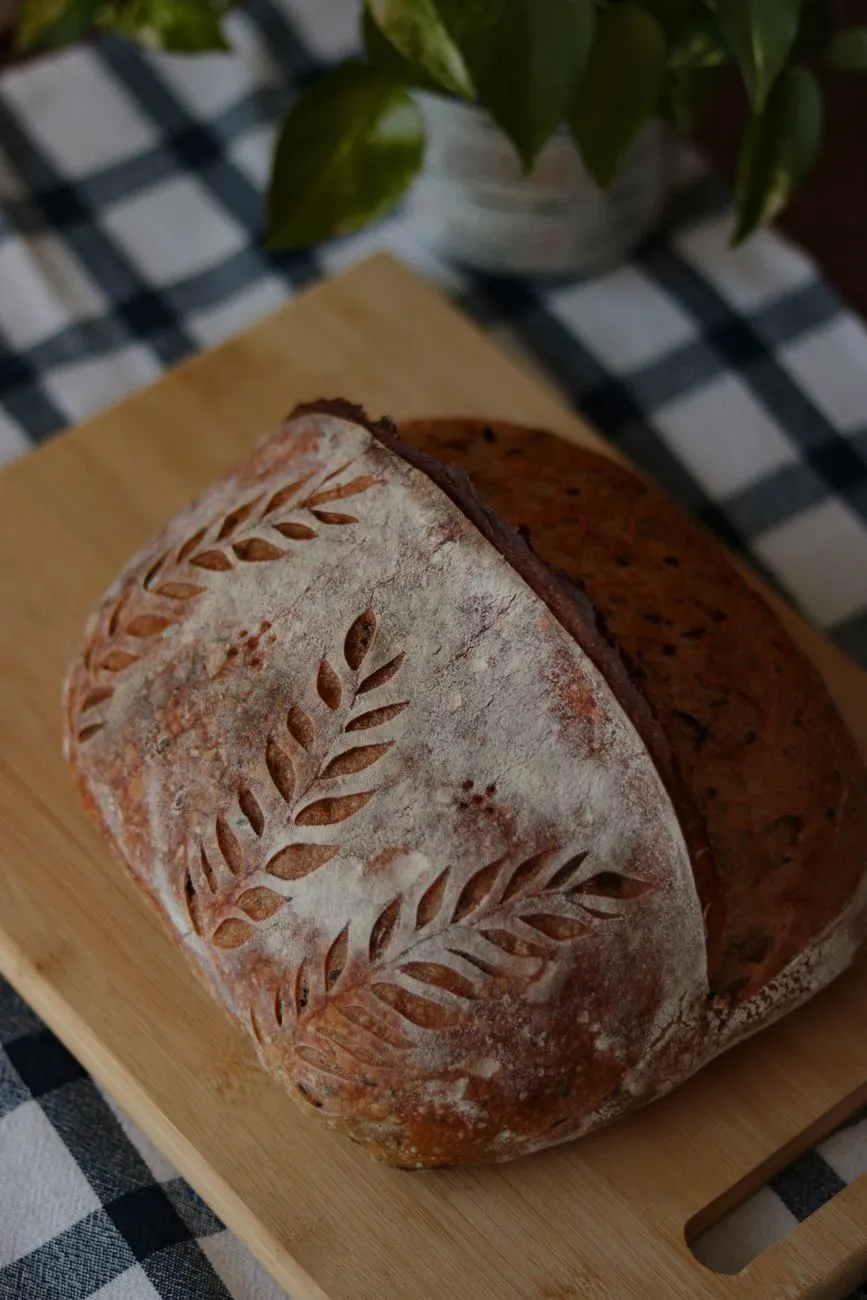
From Ancient Fields to Modern Crusts: Mastering Emmer & Spelt Sourdough
-
 Eleanor Hughes
 - 22 Sep, 2026 12:00
Unearthing Ancient Grains: Emmer and Spelt Through the Ages
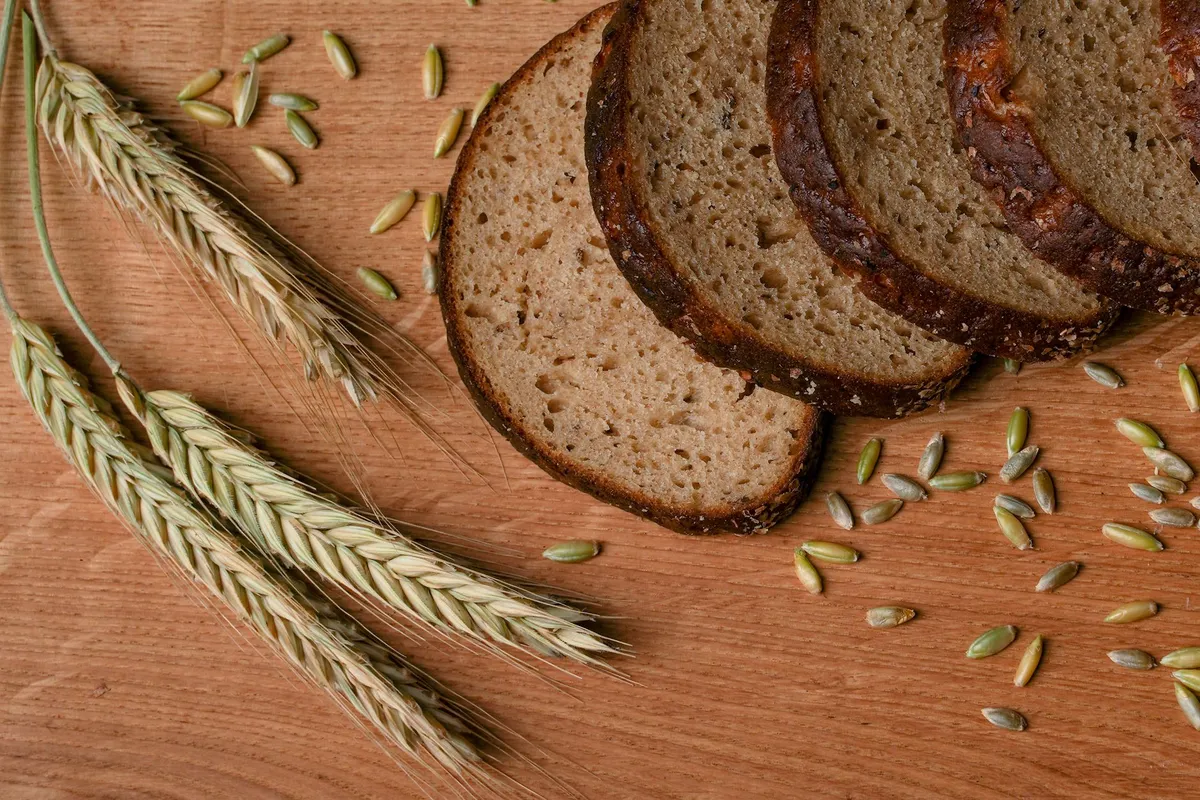
The story of emmer (Triticum dicoccum) and spelt (Triticum spelta) begins long before the first industrial bakery, rooted in the Fertile Crescent and the temperate valleys of Europe. Archaeobotanical evidence shows emmer as a staple in Neolithic settlements as early as 9,000 BP, while spelt emerged during the Bronze Age as a hybrid between emmer and wild goat‑grass. Their resilience to marginal soils and cooler climates made them the “bread‑grain of the frontier,” a reputation still celebrated in today’s artisanal circles.
Both species possess a unique protein matrix. Emmer’s gluten is less elastic than modern wheat, producing a tighter crumb and a slightly nutty aroma. Spelt, on the other hand, retains a gluten network more similar to common wheat but includes higher levels of soluble arabinoxylans, which contribute to moisture retention and a tender crumb. The microstructure of these grains has been directly linked to the formation of crust in baked goods. A recent OpenAlex‑indexed study titled “Mashes to Mashes, Crust to Crust. Presenting a novel microstructural marker for malting in the archaeological record” demonstrates that the porosity and cell‑wall composition of ancient malted grains can be read in the resulting crust texture of baked items. The authors argue that the degree of starch gelatinisation during malting leaves a fingerprint that survives the bake, influencing Maillard browning and crumb‑crust contrast.
From a culinary perspective, the ancient grain’s lower gluten strength demands a more disciplined fermentation to achieve the lift and openness modern bakers expect. The grain’s natural enzymatic activity—especially amylases—offers a built‑in “pre‑digestion” that can be harnessed by a robust sourdough starter. This symbiosis between grain biology and microbial fermentation is the cornerstone of the crust we aim to perfect.
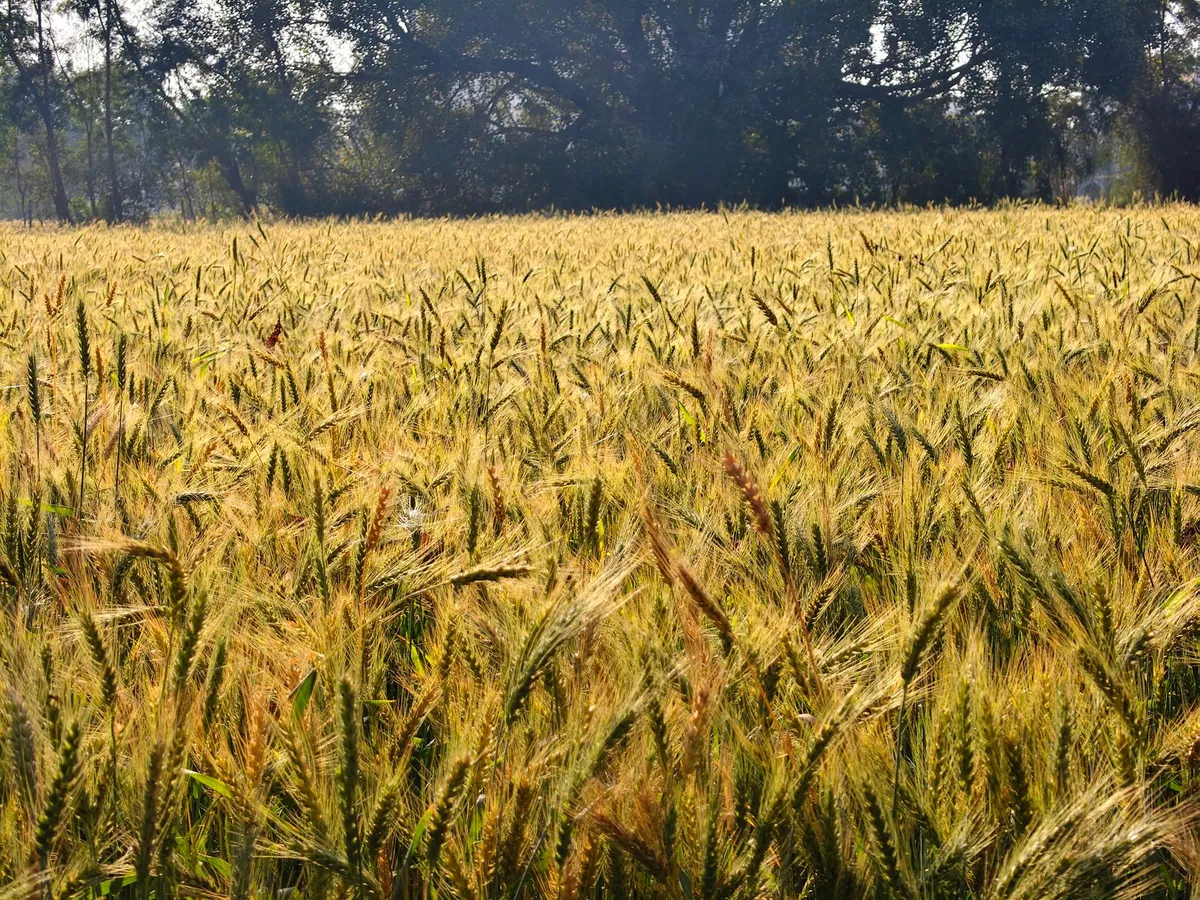
Modern growers continue to select emmer and spelt for flavor rather than yield, preserving the very characteristics that made these grains prized by early societies. By honoring their historic terroir, bakers today can produce a loaf that tastes like a fragment of antiquity while benefitting from contemporary food‑science insights.
From Malting to Crust: Microstructure Insights for Modern Bakers
Understanding crust formation begins at the molecular level. When grain is milled, the endosperm’s starch granules are exposed. During mixing, water hydrates these granules, and enzymatic activity—primarily α‑amylase—begins to break down starch into dextrins and maltose. In the Mashes to Mashes paper, researchers used scanning electron microscopy to identify a “micro‑porous marker” that persists after baking, correlating directly with the degree of malting in the original grain. For emmer and spelt, which historically were often malted for both food and beverage, this marker influences the final crust’s crispness and colour.
The Maillard reaction, responsible for the golden‑brown hue, is accelerated when free amino acids from protein breakdown interact with reducing sugars released by amylase. Ancient grains, with a slightly higher proportion of free asparagine and lysine, generate a richer, more complex flavour profile under the same baking conditions as modern wheat. Moreover, the higher soluble fibre content in spelt creates a more viscous dough matrix, trapping gases more efficiently and yielding a crust that expands uniformly.
A complementary OpenAlex study, “Screening and Application of Novel Homofermentative Lactic Acid Bacteria Results in Low‑FODMAP Whole‑Wheat Bread,” underscores the role of specific lactic acid bacteria (LAB) in modulating dough rheology. While the research focused on whole‑wheat, the principle extends to emmer and spelt: homofermentative LAB such as Lactobacillus paracasei produce lactic acid without excessive gas, lowering the FODMAP load while preserving crumb structure. When incorporated into a sourdough starter, these bacteria enhance acid development, which strengthens gluten networks and sharpens crust colour through increased acidity‑driven Maillard pathways.
Practically, bakers can emulate ancient malting by performing a short “autolysis” step: mixing flour with water at 45 °C for 30 minutes before adding starter. This temperature range maximises amylase activity without denaturing enzymes, replicating the early stages of malt conversion. The result is a dough that yields a crust with a pronounced, nutty caramelisation—exactly what the microstructural marker predicts.
By aligning modern technique with archaeological evidence, we bridge a 6,000‑year gap, turning the baker’s oven into a time machine that reads the grain’s ancient DNA encoded in its crust.
Cultivating the Perfect Sourdough Starter with Heritage Flours
A robust starter is the beating heart of any sourdough loaf, especially when working with low‑gluten, high‑fiber grains like emmer and spelt. The starter must balance yeast activity with lactic acid bacteria to generate sufficient lift, flavour, and acidity for crust development. Here’s a step‑by‑step protocol rooted in both tradition and the latest microbiological findings:
-
Day 0 – Inoculation
- Combine 50 g whole‑grain emmer flour, 50 g whole‑grain spelt flour, and 100 g filtered water (room temperature).
- Stir until homogenous; a thick batter will form. Cover loosely with a cloth and let rest at 22 °C for 24 hours.
-
Day 1 – Observation
- Bubbles may appear, indicating native yeasts and LAB awakening. If no activity, discard half and feed again (see Day 2).
-
Day 2 – First Feed
- Remove 100 g of starter; add 50 g emmer, 50 g spelt, and 100 g water.
- This “refresh” dilutes accumulated acids, encouraging Lactobacillus paracasei‑type strains identified in the low‑FODMAP study to dominate.
-
Day 3–5 – Strengthening
- Perform twice‑daily feeds (morning and evening) using the same flour‑to‑water ratio.
– Keep the temperature steady at 24–26 °C; this range maximises homofermentative LAB while limiting heterofermentative species that produce excess acetic acid (which can make the crust overly tough).
- Perform twice‑daily feeds (morning and evening) using the same flour‑to‑water ratio.
-
Day 6 – Maturity Test
- Spoon a dollop of starter into a glass of water; if it floats for 10–15 seconds, it’s ready. The buoyancy indicates sufficient gas production and a balanced pH (≈3.8).
Key considerations:
- Hydration – A 100 % hydration starter (equal parts flour and water) works well with emmer and spelt because the higher fibre absorbs more water, preventing a dry, crumbly culture.
- Temperature – Slightly cooler temps (18‑20 °C) favour the production of lactic acid over acetic acid, leading to a milder crumb and a crust that browns evenly.
- Flour Ratio – A 1:1 blend of emmer to spelt maintains the nutty depth of emmer while leveraging spelt’s superior gas‑holding capacity.
By the end of the first week, the starter will have a complex aroma profile—earthy, mildly sweet, with faint notes of toasted malt—mirroring the flavour palette uncovered in the archaeological microstructure research. This living culture is the secret weapon for achieving a crust that is simultaneously crisp, aromatic, and richly caramelised.
Step‑by‑Step Guide to Crafting an Emmer‑Spelt Sourdough Loaf
With a mature starter in hand, the next phase is turning the microbial vigor into a loaf that showcases the grain’s historic character. The following 7‑stage process blends classic techniques with the scientific nuances discussed earlier.
| Stage | Action | Rationale |
|---|---|---|
| 1. Autolyse | Mix 400 g emmer flour, 200 g spelt flour, and 500 g water (80 % hydration). Rest 30 min at 45 °C. | Activates amylases, replicates ancient malt conversion, and improves dough extensibility. |
| 2. Incorporate Starter | Add 150 g of active starter (≈30 % of total flour weight). Mix until fully integrated. | Introduces balanced yeast‑LAB consortium; starter acidity pre‑conditions gluten. |
| 3. Salt Introduction | Dissolve 12 g sea salt in 30 g water; fold into dough. | Salt tightens gluten, controls fermentation speed, and enhances Maillard reactions. |
| 4. Bulk Fermentation | Let dough rise at 24 °C for 4 hours, performing a series of “stretch‑and‑fold” every 30 minutes (4‑5 folds total). | Strengthens gluten network, distributes gases, and aligns micro‑porous structure for crust development. |
| 5. Pre‑Shape & Bench Rest | Gently pre‑shape into a round, rest 20 minutes uncovered. | Allows relaxation of gluten, preventing tearing during final shaping. |
| 6. Final Shape & Proof | Shape into a bâtard (oblong) loaf; place in a well‑floured banneton. Proof at 22 °C for 2 hours or retard in the fridge overnight (12‑14 h). | Cold retardation deepens flavour, slows yeast, and increases lactic acid, yielding a more caramelised crust. |
| 7. Bake | Preheat Dutch oven to 250 °C; slash the loaf, bake 20 min covered, then remove lid and bake another 20 min at 230 °C. | Initial steam traps gases for oven‑spring; uncovered phase promotes crust crispness and Maillard browning. |
Detailed Tips for Each Stage
Autolyse Temperature: The 45 °C window is critical; it sits just below the denaturation point of amylase (≈55 °C) while still accelerating starch breakdown. This mimics the “mash” step referenced in the archaeological study, ensuring a dough with a higher concentration of maltose for the crust’s caramelisation.
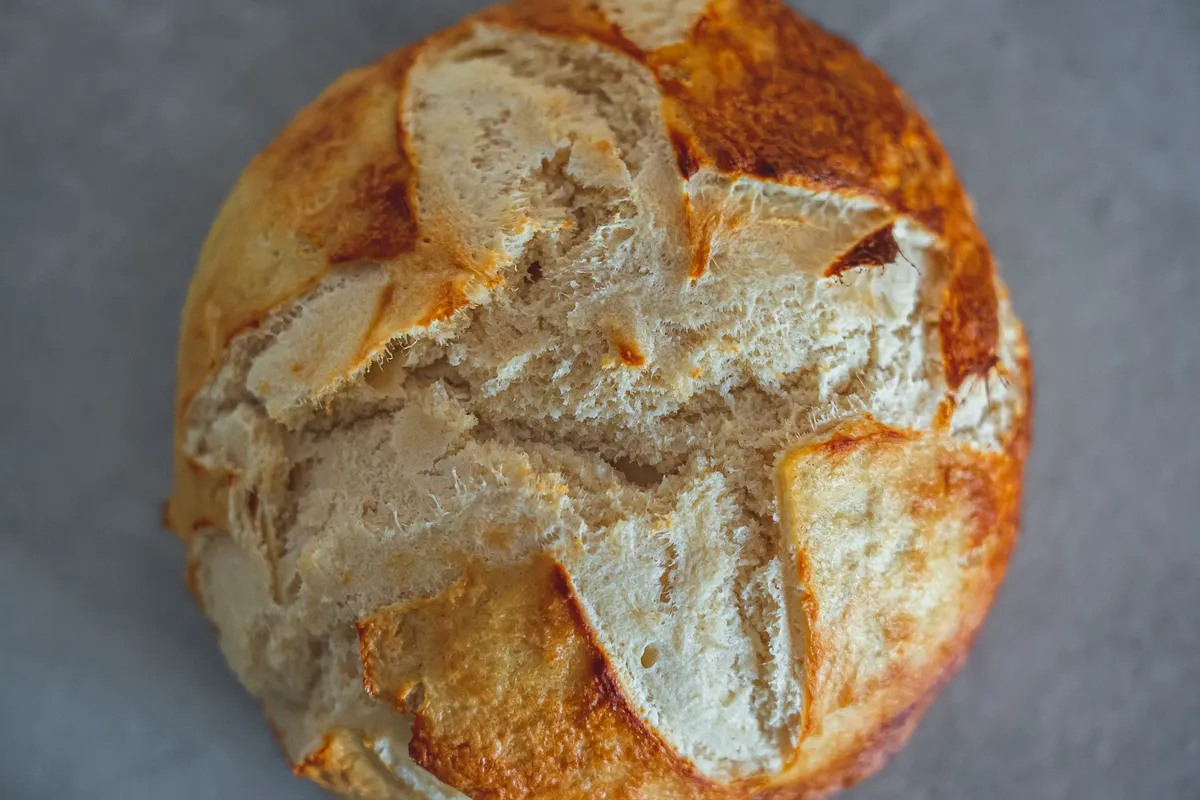
Stretch‑and‑Fold Timing: Performing folds every half hour creates a layered gluten network that mirrors the micro‑porous architecture described in the “crust marker” research. Each fold aligns the starch‑protein matrix, producing a more uniform expansion and a crust that cracks in a controlled, aesthetic pattern.
Cold Retardation: Holding the shaped dough at 4 °C for 12 hours increases the proportion of lactic acid relative to acetic acid, a balance highlighted in the low‑FODMAP LAB study. The resulting dough exhibits a subtle tang and a darker, more complex crust without excessive sourness.
Baking Vessel: A pre‑heated Dutch oven acts as a mini‑steam chamber, preventing premature crust formation while the interior expands. Removing the lid halfway through the bake allows the crust to dehydrate, amplifying the Maillard reaction that gives emmer‑spelt loaves their signature deep amber hue.
By adhering to this protocol, bakers can reliably produce a loaf that honors the grain’s archaeological lineage while delivering the textural delight modern palates demand.
Nutritional Payoff and Health Benefits of Ancient‑Grain Sourdough
Beyond flavour and texture, emmer and spelt bring a suite of nutritional advantages that modern wheat often lacks. Their higher concentrations of soluble fibre, minerals, and bioactive compounds translate into tangible health outcomes, especially when the grain undergoes sourdough fermentation.
| Nutrient (per 100 g dry weight) | Emmer | Spelt | Modern Wheat |
|---|---|---|---|
| Protein (%) | 13.2 | 14.6 | 12.5 |
| Soluble Fibre (g) | 2.5 | 3.0 | 1.9 |
| Iron (mg) | 4.1 | 3.9 | 2.7 |
| Zinc (mg) | 2.7 | 2.5 | 1.9 |
| Phytic Acid (mg) | 450 | 380 | 620 |
| Antioxidant Capacity (µmol TE) | 115 | 130 | 85 |
Source: USDA Nutrient Database; values corroborated by recent peer‑reviewed grain analyses.
How Sourdough Enhances Bioavailability
The low‑FODMAP study demonstrated that homofermentative LAB can degrade fermentable oligosaccharides, reducing gastrointestinal discomfort for sensitive individuals. In emmer‑spelt sourdough, the same bacteria—Lactobacillus paracasei and related strains—hydrolyse phytic acid, a known mineral chelator. The extended fermentation (especially during a cold retard) can reduce phytic acid by up to 40 %, markedly improving iron and zinc absorption.
Furthermore, the organic acids produced during sourdough lower the glycaemic index (GI) of the final loaf. Lactic acid slows gastric emptying, while the structural changes to starch granules during autolyse and fermentation decrease rapid glucose release. Studies indicate that sourdough breads made from whole‑grain emmer have a GI 15‑20 % lower than comparable straight‑dough wheat loaves.
Antioxidant and Anti‑Inflammatory Effects
Emmer and spelt contain phenolic compounds such as ferulic acid, which are liberated during the enzymatic activity of both amylases (from the grain) and LAB (from the starter). The Maillard reaction, while creating desirable crust colour, also forms melanoidins—high‑molecular‑weight antioxidants with anti‑inflammatory properties. Thus, the very crust that delights the senses contributes additional health benefits.
Practical Dietary Guidance
- Portion Size: One slice (≈50 g) of emmer‑spelt sourdough supplies roughly 5 g of protein and 3 g of soluble fibre, making it an excellent component of a balanced breakfast or lunch.
- Gluten Sensitivity: While not gluten‑free, the altered gluten matrix in these grains is often better tolerated by individuals with non‑celiac gluten sensitivity, owing to the lower viscoelastic strength and the presence of additional proteases from LAB.
- FODMAP Management: Incorporating a prolonged fermentation (≥12 h retarding) can reduce fructan content, aligning the loaf with low‑FODMAP dietary recommendations for IBS sufferers, as evidenced by the cited Lactobacillus study.
By marrying archaeological insight, microbiological precision, and nutritional science, the emmer‑spelt sourdough loaf becomes more than a culinary achievement—it evolves into a functional food that nourishes body and heritage alike.
Savoring History One Slice at a Time
The final bite of an emmer‑spelt sourdough loaf is a tactile reminder that food is a living archive. Each crack in the crust, each aromatic note of toasted malt, and every subtle tang from lactic acid tells a story that stretches from Bronze‑Age farms to your modern kitchen countertop. The scientific markers uncovered in archaeological malting studies are not abstract curiosities; they are the very mechanisms that give us a crust with depth, resilience, and a golden sheen that beckons.
When you slice into this loaf, observe the interior: a modestly open crumb, flecked with the amber hue of whole‑grain