Under the Orchard's Spell Book Review and Summary
-
 Elena Volkova
 - 17 Aug, 2026 01:08
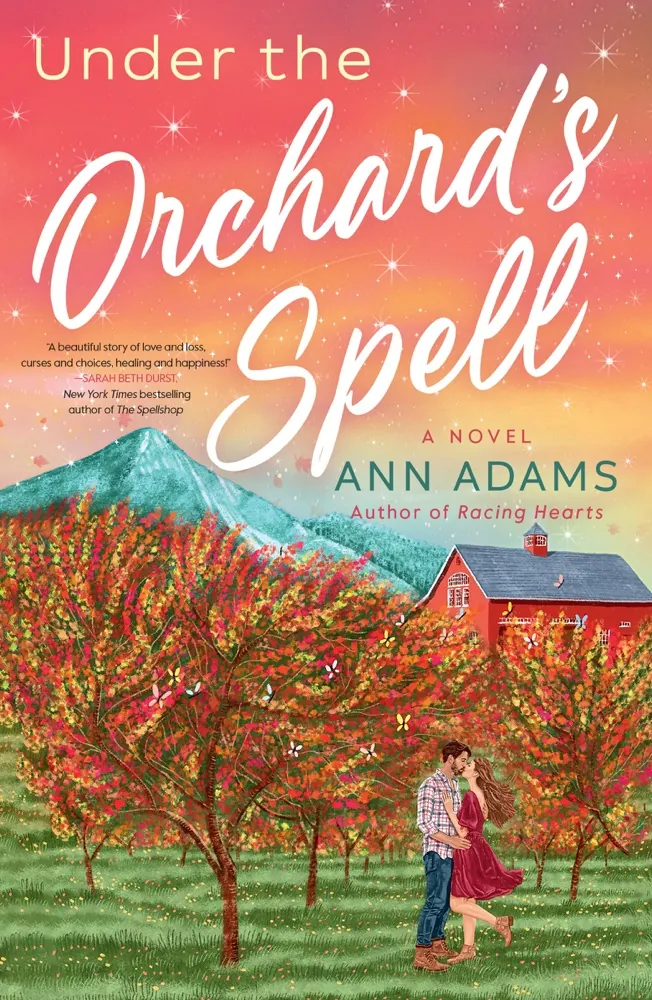
Author: Ann Adams
Page Count: Unknown
Publication Date: Expected publication 2026-10-06 APL
Ann Adams wants us to believe that a failing piece of agricultural real estate can be saved by emotional resurrection and some aggressively plaid carpentry. Under the Orchard’s Spell is coming for our TBR piles this October, and honestly? The literary pretensions here are giving me a migraine. We are looking at a masterclass in cozy escapism wrapped in horticultural financial ruin.
The Economics of Magical Pears
Ali Reid inherits an orchard that is apparently sinking faster than my fourth-quarter portfolio on a bad crypto day—bankrupt, abandoned by human decency in the form of a rogue fiancé, and plagued by existential fruit rot. Peak suffering. But instead of liquidating the acreage, cutting her losses, and investing in municipal bonds like any rational sentient being, she opts for supernatural domesticity.
Because nothing screams “second chance at life” quite like mystical weather anomalies and literal jewel-toned rabbits squatting in the barn.
Logan Wright enters stage left. He is the stoic carpenter archetype. You know the type. He wears flannel, stares at floorboards with unearned intensity, and carries the emotional availability of a brick wall. They have fourteen years of unresolved history hanging over them like a bad tax audit.
The Domestic Trauma Aesthetic
Let us talk about the stakes here. Pears are crystallizing on branches like some sort of bourgeois Grimm fairy tale gone wrong. Unnatural storms are brewing. And what does our protagonist do? She leans into the vibe. This is trauma-bonding over stone fruits. We are expected to buy into the premise that fourteen years of absence can be cured by manual labor and shared glances across a decrepit farmhouse kitchen island.
Actually, scratch that. The romantic pragmatism here is almost impressive. Who needs a diversified investment portfolio when you have a brooding woodworker fixing your rotting fence posts while the local ecosystem literally rebels against the laws of physics?
I predict this book will sell a metric ton of copies to people who think a weekend cabin trip constitutes roughing it. It borrows heavily from the whimsical agricultural charm of Sarah Beth Durst’s The Spellshop, minus the self-awareness. Adams is leaning hard into the cottagecore fantasy industrial complex, serving up domesticity as a panacea for systemic economic collapse.
And yet—wait, no. The pacing described in the synopsis actually suggests a relentless narrative momentum that might just save the manuscript from drowning in its own saccharine mulch. The supernatural intrusion of cursed fruit prevents it from being a total snooze-fest of mid-tier emotional processing.
The Ledger of Heartbreak
The underlying motif here is painfully transparent. Land holds memory. People break promises. Pears turn into gemstones because capitalism hates romance. It is a psychological defense mechanism writ large across a dysfunctional farm. If you ignore the glaring lack of basic agricultural zoning laws and the total absence of a viable business plan, the metaphorical weight of a cursed orchard doing the heavy lifting for a stale romance trope is peak contemporary fiction.
My publicist is currently screaming in my ear and demanding an immediate, sanitized statement for the press before the markets open.
#BookTwitter #CozyFantasy #CursedPears