Universe of Grace Book Review and Summary
-
 Sofia Bianchi
 - 19 Aug, 2026 22:19
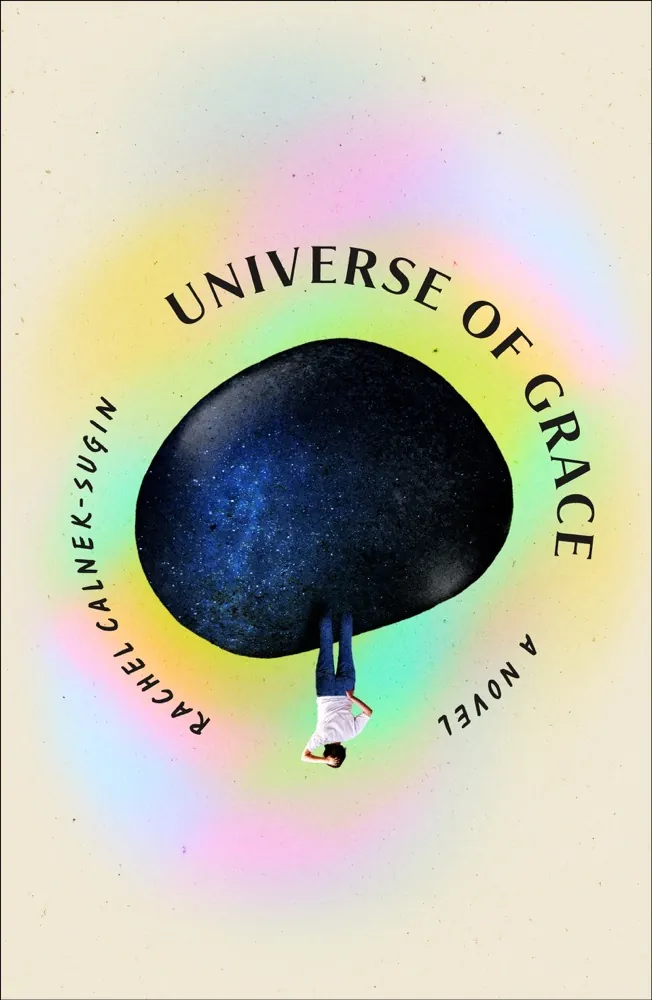
Author: Rachel Calnek-Sugin
Page Count: Unknown
Publication Date: Expected publication 2026-11-17 APL
Constant motion is a bourgeois delusion. We chase structural meaning down subway tunnels and through the wreckage of Wendy’s franchises because looking inward requires silence, and silence is currently valued at three thousand dollars an hour in Zurich. Rachel Calnek-Sugin’s upcoming Universe of Grace trades heavily in this frantic, late-capitalist exhaustion. The marketing copy leans hard on the comparisons—Everything Everywhere All At Once and Beautyland—which is precisely what worries me. We are drowning in the neuro-divergent cosmic-orphan trope. Every debutant with a Word document and a half-formed theory about the Anthropocene feels compelled to write about a girl who thinks she’s an alien.
The Zoology of Alienation
Let us examine the inciting incident: a jaguar at the Bronx Zoo informs a six-year-old that she lacks human DNA. Groundbreaking. Nothing screams high literature quite like magical realism borrowed from a Saturday morning cartoon. Yet, beneath the eye-rolling premise lies a genuinely fascinating structural risk. Grace steals beautiful objects. She hears apocalyptic murmurs. She lives as a yard tree during a global contagion. And here is where the prose must either transcend the gimmick or collapse entirely into the sort of twee indulgence one expects from a Creative Writing MFA thesis funded by a trust in Palm Beach.
Ontological Theft and Fast Food
The trajectory of Grace’s life reads like a dartboard of millennial displacement. A queer romance with a doctoral student. Corporate servitude beneath the orange sign. Earth-shattering geographical wanderlust. And yet. Why must every ontological crisis be disguised as quirky maximalism? It is the exact cinematic energy of the Fyre Festival’s catering department—over-promised, under-seasoned, and deeply reliant on the audience’s willingness to forgive structural chaos in exchange for a neon aesthetic. If Calnek-Sugin treats the absurdity with deadpan cruelty, the book might survive. If she asks us to weep over the existential dread of a Wendy’s cashier while comparing her to a quasar, I shall personally throw my espresso cup at the nearest fireplace.
The promise here is vast—perhaps too vast for a single debut. We are told this text is a tender family portrait, a queer odyssey, and an epic quest all at once. Usually, when a novel attempts to contain the expansion of the universe alongside the management of a fast-food drive-thru, it achieves the exact density of a lead balloon dropped from a helicopter over Martha’s Vineyard. I remain intensely suspicious. But I will read it, naturally, if only to have something sharp to say over caviar on Thursday.
The driver is texting me from the curb with that frantic little pulse on my screen, and I simply must endure an excruciating two-hour board meeting regarding the acquisition of modern bronzes for the East Wing.