Showing Posts From
Mystery
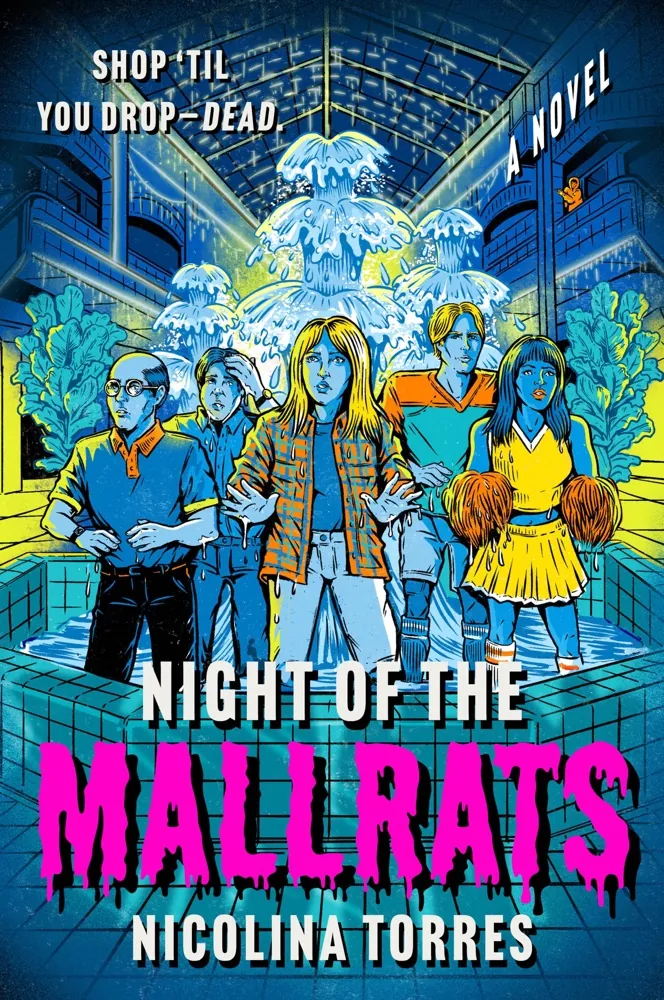
Author: Nicolina TorresPage Count: UnknownPublication Date: Expected publication 2026-10-06 APL The mall’s fluorescent lights flicker like the last dying embers of a generation—that generation, the one that still believes in the magic of a Beanie Baby or the existential dread of a Buffy episode. Night of the Mallrats arrives with the same kind of nostalgic bait-and-switch as The Last of Us’s first act, where the past isn’t just a memory but a living, breathing entity with teeth. The synopsis teases a time-travel thriller, but the real hook is the way it weaponizes 90s nostalgia—because nothing says "haunting" like a condemned mall where the only ghosts are the ones you invited back. The premise is a masterclass in false intimacy. Five friends reunite at the Beechnut Mall, a relic of their youth, only to be yanked back to 1994—the year the O.J. trial ended—where they must solve the disappearance of Beth Packard. The problem? The synopsis doesn’t tell you whether this is a Groundhog Day loop or a Dark episode where the past is a prison. Is the mall a sentient entity, or is it just a really good actor? The ambiguity is deliberate, but it also feels like the kind of hand-wavy plotting that would make The Ring’s original script look like a blueprint. And yet—there’s something thrilling about the way it leans into the 90s as a character. The mall isn’t just a setting; it’s a time capsule of failed dreams, Tamagotchis that died, and the kind of betrayals that still sting after three decades. The thematic core here is nostalgia as a curse—a concept that’s been mined by everyone from Twin Peaks to Hereditary, but rarely with this much mall-specific venom. The friends aren’t just reliving their past; they’re being forced to confront the lies they told themselves then, the ones they still tell now. The synopsis hints at fatal truths about each other, which is either a brilliant setup for a Big Little Lies meets The Stepford Wives twist or a lazy excuse for character assassination. The real question is: Will the book treat this as a psychological horror (like Sharp Objects) or a campy revenge fantasy (like The Craft)? The synopsis doesn’t say, and that’s the problem—it’s too busy selling the idea of the mall as a villain rather than the specificity of its terror. But then—the pivot. Maybe the mall isn’t the monster. Maybe the monster is the idea of never growing up. The synopsis mentions "lies and betrayals," which could mean anything from a Gossip Girl scandal to a Se7en-level descent into madness. And that’s where the book could either shine or collapse. Because if Night of the Mallrats is going to be anything like The Secret History meets Stranger Things, it needs to make the 90s feel alive—not just as a backdrop, but as a force that shapes the characters. Right now, the synopsis reads like a Halloween movie pitch: "What if the mall was haunted?" But the best horror doesn’t ask what if—it shows you why. The blurbs are telling. Maggie Thrash calls it "non-stop spooky joy," which is either a backhanded compliment or a sign that the book is leaning into camp over chills. Sadie Hartmann’s praise is more damning: "101 Horror Books to Read Before You’re Murdered" is a list that includes The Babadook and Mexican Gothic, so if Night of the Mallrats feels like a Halloween movie with a True Detective script, it might not make the cut. The real test will be whether the book can balance the nostalgic warmth of Eternal Sunshine with the visceral dread of The Witch. Right now, it’s just a mall with a mystery—and that’s not enough. The family dog just ate my chapter outline. It’s probably chewing on the bones of whatever this book could’ve been. #Mallrats #TimeTravelTrouble #NostalgiaIsAWeapon #HorrorThatDoesntKnowItsOwnStrength #BeanieBabyBloodbath Related InsightsThe Day the World Ended at Little Bighorn Book Review and Summary The Favorite Book Review and Summary I Am the Messenger Book Review and Summary{ "@context": "https://schema.org", "@type": "FAQPage", "mainEntity": [ { "@type": "Question", "name": "What is the main focus of Night of the Mallrats Book Review and Summary?", "acceptedAnswer": { "@type": "Answer", "text": "Everything you need to know about Night of the Mallrats with our detailed review." } }, { "@type": "Question", "name": "Who authored the comprehensive guide on Night of the Mallrats Book Review and Summary?", "acceptedAnswer": { "@type": "Answer", "text": "This detailed article and its insights were carefully researched and authored by Sofia Bianchi." } }, { "@type": "Question", "name": "Where can I find more related content about Books?", "acceptedAnswer": { "@type": "Answer", "text": "You can explore more articles, detailed reviews, and similar insights by browsing the Related Insights section at the bottom of this article or visiting our dedicated Books category page." } } ] }
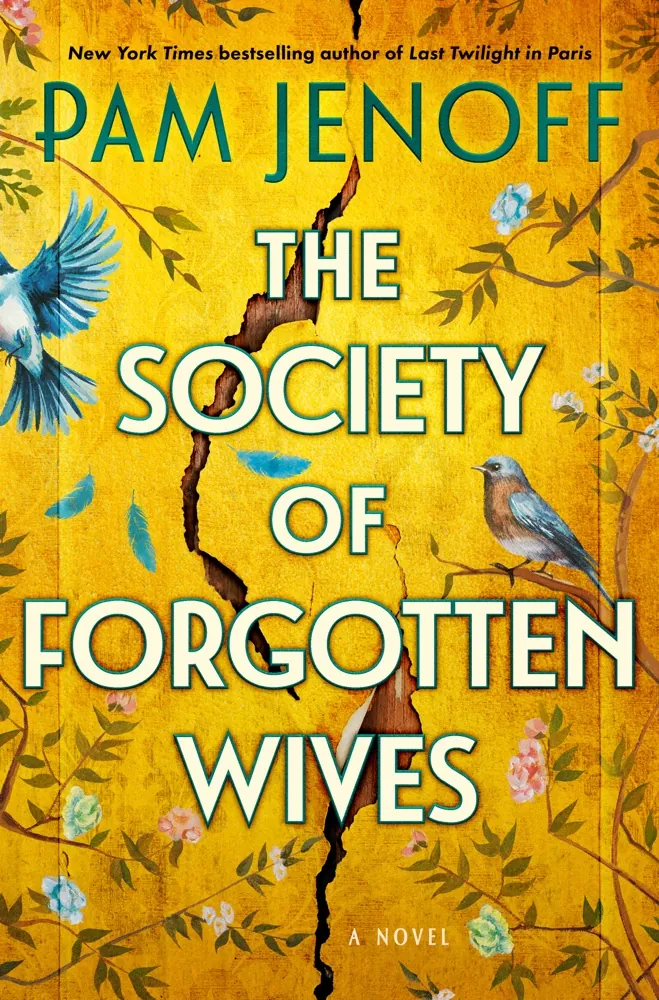
Author: Pam JenoffPage Count: UnknownPublication Date: Expected publication 2026 APL The air in the townhouse is entirely too dry this afternoon, smelling faintly of imported tobacco and the expensive mahogany polish the staff uses when they think I am not paying attention. I’ve been sitting on this review for weeks. Pam Jenoff is giving us yet another historical exercise in feminine solidarity, as if the entire 1920s existed solely for women to lock arms and stare defiantly into the middle distance while escaping the patriarchy. Groundbreaking. The Architecture of Despair New York in 1919 should reek of coal smoke, cheap gin, and post-war panic. Yet the synopsis for The Society of Forgotten Wives smooths the jagged edges right off the Lower East Side, trading genuine historical squalor for a pristine, marketable mystery about missing men and plucky journalists. Hazel Brister leaves her scandal behind—how delightfully cliché—to punch typewriter keys for a living. Because apparently, every disgraced debutante with a trust fund deficiency immediately gravitates toward investigative reporting. I suppose we must applaud the sheer audacity of turning archival dust into a page-turning crusade. Or perhaps we shouldn't. Actually, wait—let me retract that mild concession entirely. The premise is painfully derivative. Edith Wharton would weep, and not for the right reasons. We are once again subjected to the tired trope of the upper-class woman discovering her inner gumshoe because some unfortunate named Freyda wandered into a newsroom looking bewildered. The Commodity of Sisterhood The thematic core here relies entirely on collective female resilience, a literary crutch that publishers lean on with the subtlety of a falling grand piano. Jenoff clearly aims for the emotional resonance of Kristin Hannah or Marie Benedict. Yet I worry the narrative will drown in its own earnestness. The synopsis promises "dark forces" trying to stop them, which sounds suspiciously like a melodramatic placeholder for actual historical tension. Do we really need another clandestine society of clever women outsmarting the shadowy patriarchy from a cramped basement? Give me actual human vice, genuine moral rot, or at least a protagonist who isn't entirely noble. Yet—and this is precisely where my mind fractures—perhaps the sheer commercial juggernaut of these historical fiction algorithms demands this exact brand of packaged empowerment. Maybe readers are exhausted by nuance. They want an easy narrative arc where trauma neatly converts into agency by chapter three. The prose itself in the synopsis reads like it was churned out by a committee of branding consultants terrified of offending anyone who buys books at airport terminals. Wait. Was that a shattering sound echoing from the foyer, or did the gardener just drop another imported terracotta planter? Excuse me, I must go inspect the wreckage immediately. Related InsightsEchoes of Heroic Verse: Unraveling the Timeless Tapestry of Epic Poetry Scorpion Deep Book Review and Summary Warrior of the Shards (The Shards of Magic, #3) Book Review and Summary{ "@context": "https://schema.org", "@type": "FAQPage", "mainEntity": [ { "@type": "Question", "name": "What is the main focus of The Society of Forgotten Wives Book Review and Summary?", "acceptedAnswer": { "@type": "Answer", "text": "Everything you need to know about The Society of Forgotten Wives with our detailed review." } }, { "@type": "Question", "name": "Who authored the comprehensive guide on The Society of Forgotten Wives Book Review and Summary?", "acceptedAnswer": { "@type": "Answer", "text": "This detailed article and its insights were carefully researched and authored by Sofia Bianchi." } }, { "@type": "Question", "name": "Where can I find more related content about Books?", "acceptedAnswer": { "@type": "Answer", "text": "You can explore more articles, detailed reviews, and similar insights by browsing the Related Insights section at the bottom of this article or visiting our dedicated Books category page." } } ] }
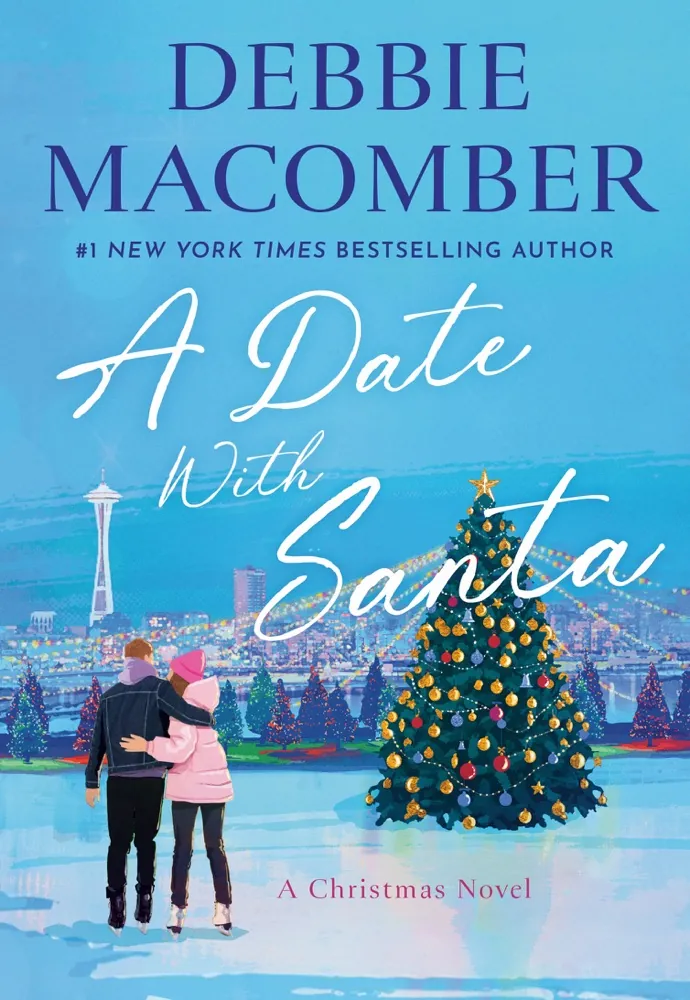
Author: Debbie MacomberPage Count: UnknownPublication Date: Expected publication 2026-10-13 APL Another holiday manuscript lands on the mahogany desk, courtesy of the infallible Debbie Macomber, because apparently humanity requires a yearly injection of synthetic sugar to remember how to love. A Date with Santa promises the usual existential bargain: trade your sterile, high-achieving solitude for a five-year-old prop named Ricky and a colleague willing to wear a velvet red coat. Naturally. The Architecture of Manufactured Joy We observe Sage Madison, a protagonist whose very surname suggests an autumn leaf too precious to hit the muddy sidewalk of authentic human suffering. She operates under the delusion that convenience foods and plastic pines are moral failures. Yet, the narrative demands her ideological conversion. She must be broken down by ice skating and baking until she achieves maximum bourgeois domesticity. Wait. Let me rephrase that completely. The baking sequence is actually a harrowing descent into suburban panopticism, a subtle critique of Late-Stage Capitalism wrapped in cinnamon and sprinkles. Or perhaps it is just mindless slop for people who unironically enjoy Hallmark movies while sipping boxed pinot grigio. Ethan appears—because every female-centric winter fable requires a male entity whose personality is entirely derivative of his dental hygiene and willingness to don facial hair for children. He is the ultimate arbitrage of emotional labor. He trades a red suit for maternal validation, checking all the boxes of parasocial wish-fulfillment. The synopsis tells us he brings "fulfillment she never expected," which is literary code for he possesses working tear ducts and knows how to use a spatula. The Impending Collision of Tropes The conflict arrives via the ominous threat of "her old life." Vague. Exquisite in its lack of specification. Does her old life involve venture capitalism? A demanding CEO demanding quarterly reports on December twenty-fourth? Who cares. The thematic trajectory is a flat circle. We watch the inevitable clash between careerism and the sacred hearth, a tired binary that Theodor Adorno would have thoroughly shredded while drinking a dry martini. Macomber understands her demographic with terrifying precision. She feeds them the exact same narrative gruel year after year, and they eat it up, no cap, absolutely feral for the vibes. It's giving compulsory heteronormative winter wonderland realness, wrapped in cellophane. The prose itself reads like a trust fund baby discovering poverty by visiting a Whole Foods in a slightly less affluent zip code. It is aggressively safe. It is aggressively predictable. And yet, millions will preorder it, desperately seeking an ontological anchor in a collapsing world. Good grief. The butler just texted me. My aesthetic dermatologist is waiting in Tribeca for my bi-weekly chemical peel, and if I’m late, my epidermis will literally stage a coup d'état against my bone structure. Related InsightsFeminism for the 99% Book Review and Summary Perfect Chemistry Book Review and Summary A Magical Girl Rehired Book Review and Summary{ "@context": "https://schema.org", "@type": "FAQPage", "mainEntity": [ { "@type": "Question", "name": "What is the main focus of A Date with Santa Book Review and Summary?", "acceptedAnswer": { "@type": "Answer", "text": "Everything you need to know about A Date with Santa with our detailed review." } }, { "@type": "Question", "name": "Who authored the comprehensive guide on A Date with Santa Book Review and Summary?", "acceptedAnswer": { "@type": "Answer", "text": "This detailed article and its insights were carefully researched and authored by Sofia Bianchi." } }, { "@type": "Question", "name": "Where can I find more related content about Books?", "acceptedAnswer": { "@type": "Answer", "text": "You can explore more articles, detailed reviews, and similar insights by browsing the Related Insights section at the bottom of this article or visiting our dedicated Books category page." } } ] }
-
 Sofia Bianchi
 - 09 Sep, 2026 15:44
This is Why We Don't Date Serial Killers (A Killer Romcom, #1) Book Review and Summary
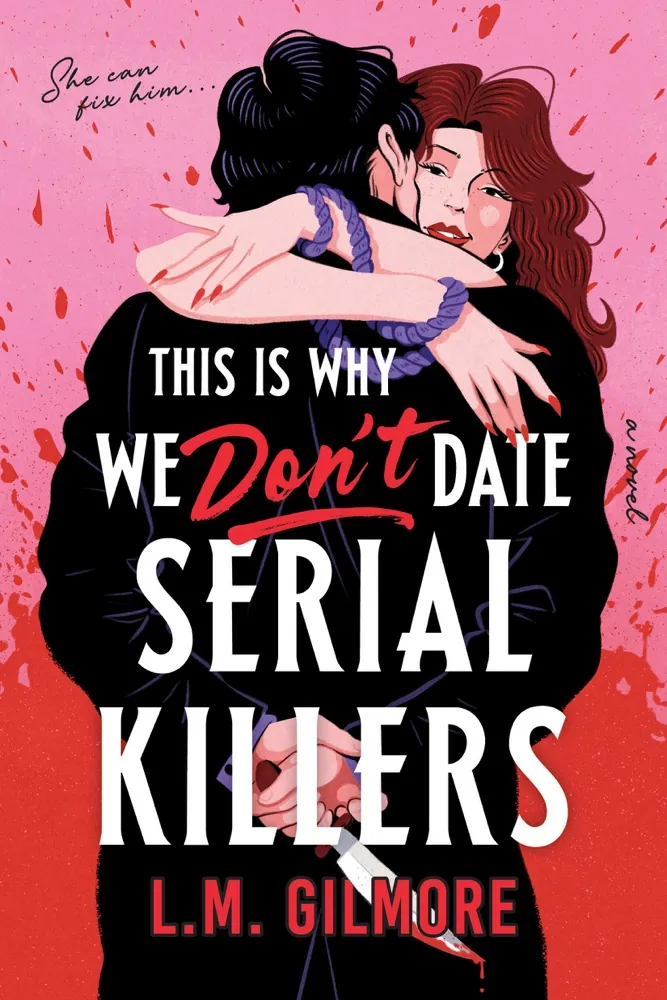
Author: L.M. GilmorePage Count: UnknownPublication Date: Expected publication 2026 APL The synopsis of This Is Why We Don’t Date Serial Killers arrives like a particularly well-timed invitation to a masquerade ball where the only rule is that the mask must be bloodstained. It’s the kind of premise that makes you wonder if the author has ever read The Girl on the Train and decided, Why not lean in?—because the real genius of this book, if it lives up to its own audacity, will be in how it treats the serial killer not as a villain but as a character, a man so thoroughly constructed that his monstrosity becomes a kind of tragicomic charm. And Roxie? She’s the kind of woman who would fall for a man who collects knives like others collect vintage whiskey—because, as the synopsis suggests, she’s not looking for a hero. She’s looking for a story. The tension here is delicious, the kind that makes you suspect the author has a secret fondness for True Detective’s first season, where the line between obsession and devotion blurs so thoroughly that it becomes impossible to tell which is the poison and which is the cure. But where True Detective’s killer is a philosophical abyss, This Is Why We Don’t Date Serial Killers seems to be promising something far more romantic—a love story where the only thing standing between the couple is a series of increasingly elaborate kidnappings, each one a step closer to what might pass for intimacy in this twisted world. The synopsis plays with the idea that Roxie’s attraction to Max isn’t just about the thrill of the chase—it’s about the idea of him, the way he embodies everything she’s ever been told to fear. And yet, the way the synopsis frames it, it’s less about psychological depth and more about chemistry—the kind of chemistry that would make Knives Out’s Daniel Craig look like a choirboy by comparison. But here’s the thing: the synopsis doesn’t show us this chemistry. It doesn’t give us the moment where Roxie realizes that Max’s coldness isn’t just a defense mechanism—it’s a performance, one she’s been waiting her whole life to be invited into. It doesn’t tell us whether her love is a kind of madness or if Max’s is just a different kind of madness, equally compelling. Instead, it offers us a series of set pieces: the escape, the kidnapping, the discovery that Roxie might actually enjoy being hunted. And that’s where the real risk lies—not in the premise, which is as bold as it is predictable, but in the execution. Because if this book doesn’t find a way to make Max’s monstrosity feel earned—not just as a plot device but as a psychological truth—then it risks becoming the literary equivalent of a Saw movie where the killer’s backstory is just a way to sell merch. Yet—and this is the pivot—maybe that’s the point. Maybe the book isn’t trying to be deep. Maybe it’s trying to be funny. The synopsis leans into the absurdity of the situation with a wink, as if to say, Yes, this is ridiculous, and we’re all in on it. In that case, it’s worth asking whether This Is Why We Don’t Date Serial Killers will have the wit of Gone Girl’s psychological games or the dark humor of You’s early scenes, where the killer’s charm is so thick you can almost taste it. The synopsis doesn’t give us enough to say, but it does give us enough to imagine—and imagination, after all, is the first step toward a good dark romcom. The real question, then, is whether the book will commit to the tone. Will it be a Bridgerton for serial killers, where the violence is off-screen and the romance is on full display? Or will it be something more like The Night Manager, where the killer’s charm is a razor’s edge between seduction and slaughter? The synopsis doesn’t tell us, but it does promise one thing: a story where the only thing standing between love and murder is a well-timed punchline. And if that’s the case, then This Is Why We Don’t Date Serial Killers might just be the most audacious love story of the year—if it can resist the temptation to turn Max into a villain and Roxie into a heroine, and instead treat them both as something far more interesting: flaws. The caterer just texted to say they’re backing out of the weekend party. I suppose that’s fitting—because if there’s one thing this book seems to promise, it’s that love, like a good meal, is best enjoyed when it’s served with a side of danger. And if the synopsis is any indication, the only thing standing between us and a very strange kind of happily ever after is a phone number and a killer’s sense of humor. #DarkRomance #TwistedLove #BookTok #SerialKillerChic #RomComTrouble
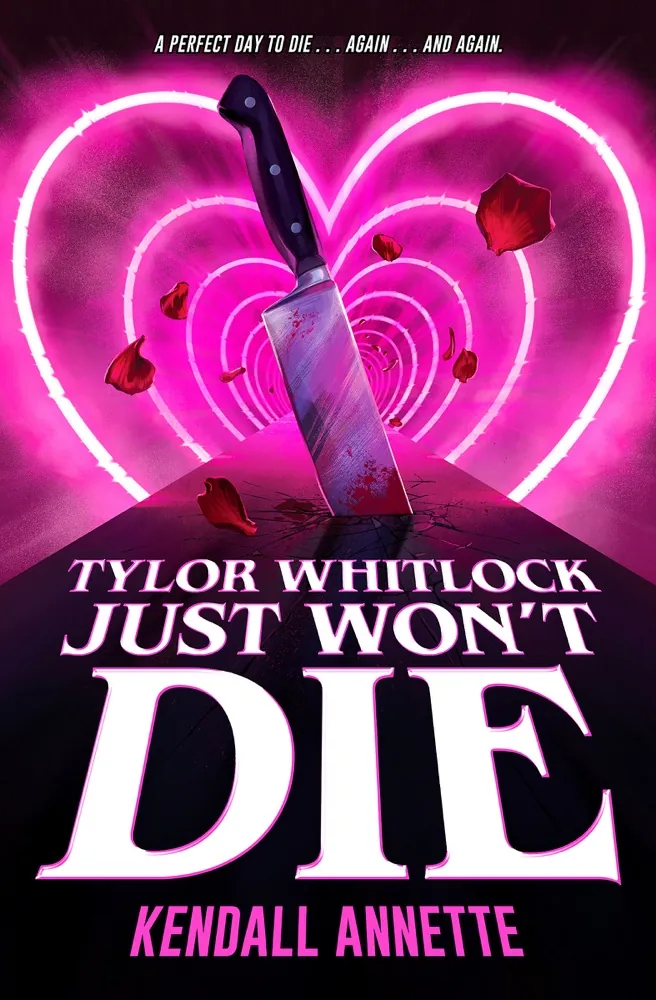
Author: Kendall AnnettePage Count: UnknownPublication Date: Expected publication 2026 APL Valentine, North Carolina is a peculiar geographical construct for a recurring homicide. Kendall Annette’s upcoming Tylor Whitlock Just Won't Die relies entirely on the exhausting conceit of temporal repetition paired with small-town vindictiveness, which honestly feels a bit tired—no, wait, let me rephrase that before the espresso completely leaves my bloodstream, because the juxtaposition of adolescent blog culture with existential finality actually offers a rather piquant study in modern solipsism. The Ontology of Endless Exes We are asked to contemplate a protagonist whose primary ontological anchor is a digital ledger of romantic grievances. Tylor Whitlock exists because she writes about boys who wronged her. Yet, the narrative premise immediately collapses the boundary between virtual cancellation and actual bodily termination. You write an exposé, you get murdered by a masked assailant, you wake up, and you do it all over again. Groundhog Day meets a TikTok-era slasher flick. One expects the socio-semiotic implications of the digital footprint to be thoroughly deconstructed here. The Slasher-Romance Dichotomy The structural ambition of combining genre tropes is admirable, though historically disastrous in lesser hands. Think Grady Hendrix meets a particularly unhinged Wattpad draft, but with slightly more expensive taste. And yet, the addition of the requisite best-friend-to-lovers trope—featuring the brooding Nate, whom Tylor has conveniently ignored until recurring temporal assassination forced her hand—introduces a predictable emotional cadence. The thematic tension should lie in the absurdism of dying on Valentine's Day repeatedly. Instead, the synopsis retreats into the comforting, low-stakes comfort food of romantic awakening. Epistemological Dread in Suburbia Why must every narrative reconciliation require a lethal catalyst? The epistemic crisis of remembering a murder that nobody else recalls is genuinely rich soil for philosophical inquiry. If one dies in a cul-de-sac and no one retains the memory, did the betrayal even occur? But no, we are inevitably herded toward the realization that feelings are scary and vulnerability is the real final boss. The commodification of trauma meets the commodification of pining. It is deliciously unhinged. The draft coming through this wretchedly drafty, poorly insulated French pane is making it entirely impossible to type with any intellectual dignity.
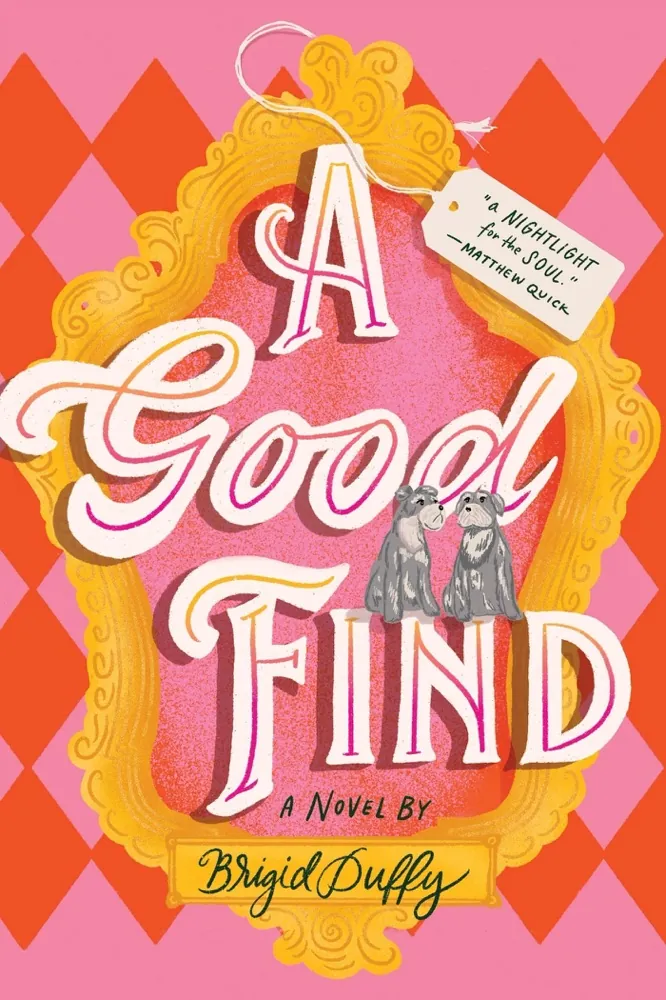
Author: Brigid DuffyPage Count: UnknownPublication Date: Expected publication 2026 APL The synopsis of A Good Find arrives like a well-worn leather-bound volume from a secondhand shop—promising something elegant, but already bearing the faintest scent of dust from a life half-lived. Beverly Atwood, a woman whose grief has settled into the quiet corners of her home like a cat that’s decided to claim the couch, stumbles into an online romance with a man named George. The setup is so 2010s, the kind of plot that would make a Golden Globes host roll their eyes while sipping a martini. But here’s the thing: the synopsis doesn’t tell us what happens next—it just drops us into the wreckage of a woman’s life, where the real drama isn’t the romance but the slow unraveling of her own memory. The prose here is deliberately vague, which is either a sign of brilliance or a cop-out. We’re left to imagine the weight of Bev’s antiques—do they whisper secrets? Do they scream? The synopsis hints at a Fatal Attraction meets Big Little Lies energy, where the past isn’t just a ghost but a landmine waiting to detonate. And yet, the most interesting line is the one about Bev confronting the "true identity of her suitor." Oh, please—this is the kind of reveal that would make a Scandal spin doctor blush. But the real question is: does Duffy have the chops to make this more than just another SilverFox.com cautionary tale? The thematic potential is there, buried under layers of cliché. Grief as a character? Check. The unreliable narrator trope? Double-check. But where’s the substance? Where’s the bite? The synopsis reads like a Hallmark Channel script that’s been given a single, desperate attempt at sophistication. We’ve seen this movie before—The Notebook meets The Secret History, but with the emotional depth of a Netflix original that gets canceled after two seasons. The most intriguing part? The way Bev’s antiques become a metaphor for her life. Are they just objects, or are they people? The synopsis doesn’t say. And that’s the problem—it’s too busy setting up a mystery to actually explore one. Where’s the Twilight Zone twist? Where’s the Lost level of existential dread? Instead, we get a woman selling her soul for a little love, which is so 1980s it’s almost quaint. The real question is: does Duffy have the audacity to make this more than just another widow finds love story? Or is this just another rom-com with a side of existential dread, like a Bridesmaids script written by someone who’s never actually been lonely? And then there’s the George reveal—because of course, the man who’s not what he seems is the real villain here. But where’s the psychological depth? Where’s the Shakespearean betrayal? The synopsis doesn’t even hint at it. It’s all just so surface-level, like a Tinder profile that’s been copy-pasted from a romance novel. The most frustrating part? The way the synopsis leaves us hanging. Is Bev’s daughter the real antagonist? Is George a serial killer in disguise? Or is this just another misunderstood romance that ends with everyone hugging it out? The synopsis doesn’t say. And that’s the problem—it’s too busy promising drama to actually deliver it. But let’s be honest: the real question is whether Duffy can turn this into something more than just another widow’s tale. Because right now, it feels like a Netflix script that’s been given a single, desperate attempt at literary gravitas. And that’s so not enough. I must sign divorce papers today. The paperwork is tedious, but at least it’s not this vague. Related InsightsMidsummer Delights Book Review and Summary The Sign of the Raven Book Review and Summary A Little Life Book Review and Summary{ "@context": "https://schema.org", "@type": "FAQPage", "mainEntity": [ { "@type": "Question", "name": "What is the main focus of A Good Find Book Review and Summary?", "acceptedAnswer": { "@type": "Answer", "text": "Everything you need to know about A Good Find with our detailed review." } }, { "@type": "Question", "name": "Who authored the comprehensive guide on A Good Find Book Review and Summary?", "acceptedAnswer": { "@type": "Answer", "text": "This detailed article and its insights were carefully researched and authored by Sofia Bianchi." } }, { "@type": "Question", "name": "Where can I find more related content about Books?", "acceptedAnswer": { "@type": "Answer", "text": "You can explore more articles, detailed reviews, and similar insights by browsing the Related Insights section at the bottom of this article or visiting our dedicated Books category page." } } ] }

- Sofia Bianchi
- 02 Sep, 2026 12:07
Bet on Yourself: Why Faith and Fierceness Are All You Need Book Review and Summary
Author: Tamron HallPage Count: UnknownPublication Date: Expected publication 2026 APL The synopsis of Bet on Yourself reads like a corporate mission statement for a self-help franchise that’s been in the works since the 1990s—when Oprah’s book club still had teeth and the idea of "reinvention" wasn’t just a TikTok algorithm. Tamron Hall’s career arc, as outlined here, is the kind of narrative that would make a Modern Love columnist weep into their espresso. But weep for what? The fact that this is the same story we’ve heard a thousand times—just with a Daytime Emmy sticker slapped on it. The real question isn’t whether Hall’s memoir will inspire readers to "own their story" (a phrase so overused it now sounds like a bad punchline from The Office), but whether it will feel fresh enough to avoid the fate of The Secret’s spiritual successor, You Are a Badass—which, let’s be honest, was just a glossy rebranding of The Power of Now with a yoga mat on the cover. The synopsis here leans heavily on the "faith and fierceness" trope, which is fine if you’re writing a motivational poster for a gym, but when it’s the spine of a memoir, it risks feeling like a Hallmark movie where the villain is "doubt" and the heroine is "Tamron Hall, but with more tears." The most damning aspect of this synopsis isn’t the lack of specificity—it’s the way it treats Hall’s career as a series of checkpoints rather than a living, breathing narrative. Where’s the mess? Where’s the moment she considered quitting, not just "resolved" to rise? The synopsis skips over the grit like it’s afraid of getting its hands dirty. It’s the literary equivalent of a Forbes profile where the only conflict is whether the CEO’s new yacht is "iconic" or "bold." And yet—here’s the thing—if Hall can make the reader care about the mundane (the fertility struggles, the text message that changed everything), she might just pull off something more than a polished self-help manual. But then again, the market for this kind of book is already saturated. We’ve had Becoming (but without the scandal), The Light We Carry (but without the existential dread), and Big Magic (but without the actual magic). The difference here is that Hall isn’t a writer; she’s a broadcaster, and that’s a problem. The best memoirs—The Glass Castle, Educated—are written by people who understand the weight of a sentence, the rhythm of a confession. Hall’s voice, as described here, sounds like a warm, slightly saccharine podcast monologue, the kind that makes you want to nod along but also check your watch. The most interesting part of the synopsis is the implication that this is a book about not letting life’s greatest challenges define you—which is fine, but it’s also the same advice you’d get from a life coach who charges $500 an hour. The real tension, the thing that could make this book stand out, is missing: the moment where Hall has to choose between faith and fierceness, and one of them loses. Right now, it’s all sunshine and self-congratulation, which is the opposite of what makes a memoir unforgettable. And yet—there’s a kernel of something here. The idea that "the chapters we never planned can become the ones that change our lives" is a nice way of saying what The Alchemist said in 1993, but with better hair. If Hall can make it feel personal, if she can let the reader see the cracks in her armor, then maybe this won’t just be another book about resilience. Maybe it’ll be a book about the cost of it. But I won’t hold my breath. The synopsis reads like a press release for a franchise that’s already been greenlit by the algorithm. And right now, that’s not enough to make me care. I need to go yell at my gardener about the hydrangeas. Again. Related InsightsThe Trial of Magdalena Overmorrow Book Review and Summary David Baldacci November 2024 Book Review and Summary Five Brothers Book Review and Summary{ "@context": "https://schema.org", "@type": "FAQPage", "mainEntity": [ { "@type": "Question", "name": "What is the main focus of Bet on Yourself: Why Faith and Fierceness Are All You Need Book Review and Summary?", "acceptedAnswer": { "@type": "Answer", "text": "Everything you need to know about Bet on Yourself: Why Faith and Fierceness Are All You Need with our detailed review." } }, { "@type": "Question", "name": "Who authored the comprehensive guide on Bet on Yourself: Why Faith and Fierceness Are All You Need Book Review and Summary?", "acceptedAnswer": { "@type": "Answer", "text": "This detailed article and its insights were carefully researched and authored by Sofia Bianchi." } }, { "@type": "Question", "name": "Where can I find more related content about Books?", "acceptedAnswer": { "@type": "Answer", "text": "You can explore more articles, detailed reviews, and similar insights by browsing the Related Insights section at the bottom of this article or visiting our dedicated Books category page." } } ] }

Author: James S.A. CoreyPage Count: UnknownPublication Date: Expected publication 2026 APL The Expanse series: a behemoth of science fiction that has captured the hearts of millions worldwide, its reputation preceded by the cacophony of critical acclaim. And now, James S.A. Corey returns with another installment, a novella set within the Captive's War trilogy, the second in the series. But what can we truly expect from this new addition? The synopsis is a masterclass in vagueness, leaving us to ponder the possibilities. And yet, the Expanse series has always been about possibilities - the infinite possibilities of space, the endless what-ifs that drive humanity forward. It's a testament to Corey's skill as a writer that they've managed to tap into this sense of wonder, of awe, and channel it into a narrative that's both intellectually stimulating and viscerally thrilling. But will this new novella live up to the hype? Or will it succumb to the pitfalls of being a middle child, lost in the shuffle of a larger narrative? The Captive's War trilogy, of which this novella is a part, has been touted as a "space opera at its best" - a bold claim, to say the least. But Corey's track record speaks for itself: they've managed to craft a universe that's both meticulously detailed and sprawling in scope, a true epic in every sense of the word. And yet, there's something to be said for the novella form, for the condensed, laser-like focus that it affords. Will Corey be able to distill the essence of the Expanse series into this smaller, more intimate format? It's a question that's been asked before, of course - by authors like Alastair Reynolds, who's also explored the possibilities of science fiction in his Revelation Space series. And it's a question that's been answered, in part, by Corey's own previous work. But the real test will be in the execution, in the way that Corey chooses to weave together the threads of this narrative. Will it be a tightly wound, expertly crafted tale, or a meandering, overstuffed mess? The Weight of Expectation Expectation is a heavy burden to bear, and the Expanse series has always been subject to the weight of its own hype. But Corey's proven themselves to be more than capable of handling the pressure, of crafting a narrative that's both intellectually stimulating and viscerally thrilling. And yet, there's something to be said for the dangers of complacency, of resting on one's laurels. Will this new novella be a bold, daring experiment, or a safe, predictable retread of familiar territory? Only time will tell, of course. But for now, we're left to ponder the possibilities, to speculate about the what-ifs and maybes of this new narrative. And it's a testament to Corey's skill as a writer that we're even bothering to speculate, that we're invested enough in the Expanse series to care about the outcome. But for now, I've got to scrounge for quarters to do laundry down the street. #TheExpanse #ScienceFiction #JamesSACorey Related InsightsWolf Pack Book Review and Summary Life After Life Book Review and Summary Harry Potter and the Philosopher's Stone Book Review and Summary{ "@context": "https://schema.org", "@type": "FAQPage", "mainEntity": [ { "@type": "Question", "name": "What is the main focus of New Novella (The Captive's War #2.5) Book Review and Summary?", "acceptedAnswer": { "@type": "Answer", "text": "Everything you need to know about New Novella (The Captive's War #2.5) with our detailed review." } }, { "@type": "Question", "name": "Who authored the comprehensive guide on New Novella (The Captive's War #2.5) Book Review and Summary?", "acceptedAnswer": { "@type": "Answer", "text": "This detailed article and its insights were carefully researched and authored by Sofia Bianchi." } }, { "@type": "Question", "name": "Where can I find more related content about Books?", "acceptedAnswer": { "@type": "Answer", "text": "You can explore more articles, detailed reviews, and similar insights by browsing the Related Insights section at the bottom of this article or visiting our dedicated Books category page." } } ] }
- Sofia Bianchi
- 26 Aug, 2026 20:53
Split Second: Thirty-Two Switcheroo (Stephanie Plum Book 32) Book Review and Summary
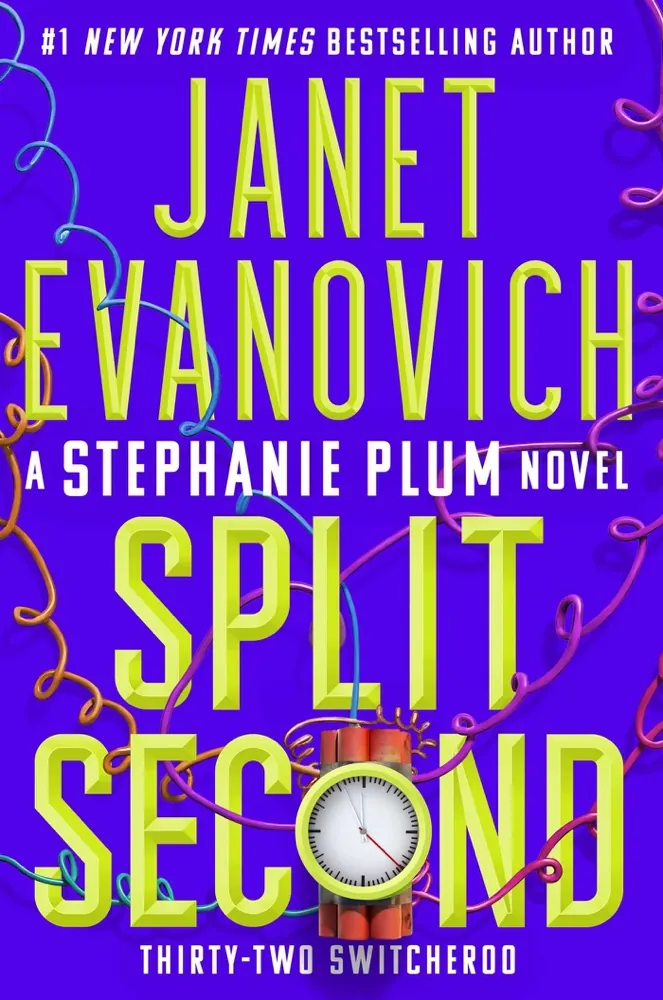
Author: Janet EvanovichPage Count: UnknownPublication Date: Expected publication 2026-11-10 APL The inevitable return of Stephanie Plum - that irrepressible, certifiably insane bounty hunter who has been the lifeblood of Janet Evanovich's bestselling series for decades. As I sit here, sipping my iced coffee in the sweltering summer heat, I find myself pondering the existential implications of a protagonist who has been dodging bullets, skipping bail, and eating copious amounts of junk food for what feels like an eternity. Is this a commentary on the Sisyphean nature of life? Or merely a clever ruse to keep the series churning out page-turners like clockwork? The Agony of the Unseen Enemy The latest installment, Split Second: Thirty-Two Switcheroo, promises more of the same - Stephanie Plum facing off against an invisible stalker, a mysterious enemy whose name isn't on any list. It's a clever twist, one that taps into our primal fears of the unknown, the unseen. And yet, I find myself skeptical. Is this merely a rehashing of the same tired tropes, or a genuine attempt to subvert our expectations? Only time will tell. But one thing is certain - the tension will be palpable, the action non-stop. And then, of course, there's the obligatory romantic entanglement - Stephanie's marriage, her ex-fiancé and mentor Ranger, the obligatory will-they-won't-they tension that has been simmering in the background for what feels like an eternity. It's a delicate balancing act, one that requires a deft touch to avoid descending into melodrama. But Evanovich has always been a master of the genre, a virtuoso of the lighthearted, comedic thriller. But what of the themes that underpin this latest installment? Is this merely a shallow exercise in thrills and spills, or is there something more profound at play? I think back to the likes of Carl Hiaasen, another master of the comedic thriller, and his ability to weave social commentary seamlessly into the fabric of his narratives. Can Evanovich do the same? Or will Split Second be content to simply coast on its tried-and-true formula? The Problem of the Predictable As I read through the synopsis, I find myself drawn to the character of Greb Tusi, the bond jumper who has gone on a three-hour rampage, mugging an old lady and stealing a hearse. It's a deliciously absurd setup, one that promises a healthy dose of dark humor and wit. And yet, I worry that it's all too predictable, that the series has become a victim of its own success, relying on the same tired tropes and character archetypes to carry the narrative forward. It's a problem that has plagued many a long-running series - the inevitable law of diminishing returns, the creeping sense of familiarity that can stifle creativity and innovation. Can Evanovich overcome this hurdle, or will Split Second be just another iteration of the same old, same old? I predict that it will be the latter, that the series will continue to coast on its momentum, relying on the loyalty of its fans to carry it through. And with that, I must log off - I have an interview with Vogue to prepare for, and I need to mentally steel myself for the inevitable barrage of questions about my latest art acquisition. #bookreview #janetevanovich #stephanieplum Related InsightsFlow Down Like Silver Book Review and Summary AQA GCSE 9-1 Food Preparation and Nutrition Workbook Book Review and Summary Sapiens: A Brief History of Humankind Book Review and Summary{ "@context": "https://schema.org", "@type": "FAQPage", "mainEntity": [ { "@type": "Question", "name": "What is the main focus of Split Second: Thirty-Two Switcheroo (Stephanie Plum Book 32) Book Review and Summary?", "acceptedAnswer": { "@type": "Answer", "text": "Everything you need to know about Split Second: Thirty-Two Switcheroo (Stephanie Plum Book 32) with our detailed review." } }, { "@type": "Question", "name": "Who authored the comprehensive guide on Split Second: Thirty-Two Switcheroo (Stephanie Plum Book 32) Book Review and Summary?", "acceptedAnswer": { "@type": "Answer", "text": "This detailed article and its insights were carefully researched and authored by Sofia Bianchi." } }, { "@type": "Question", "name": "Where can I find more related content about Books?", "acceptedAnswer": { "@type": "Answer", "text": "You can explore more articles, detailed reviews, and similar insights by browsing the Related Insights section at the bottom of this article or visiting our dedicated Books category page." } } ] }
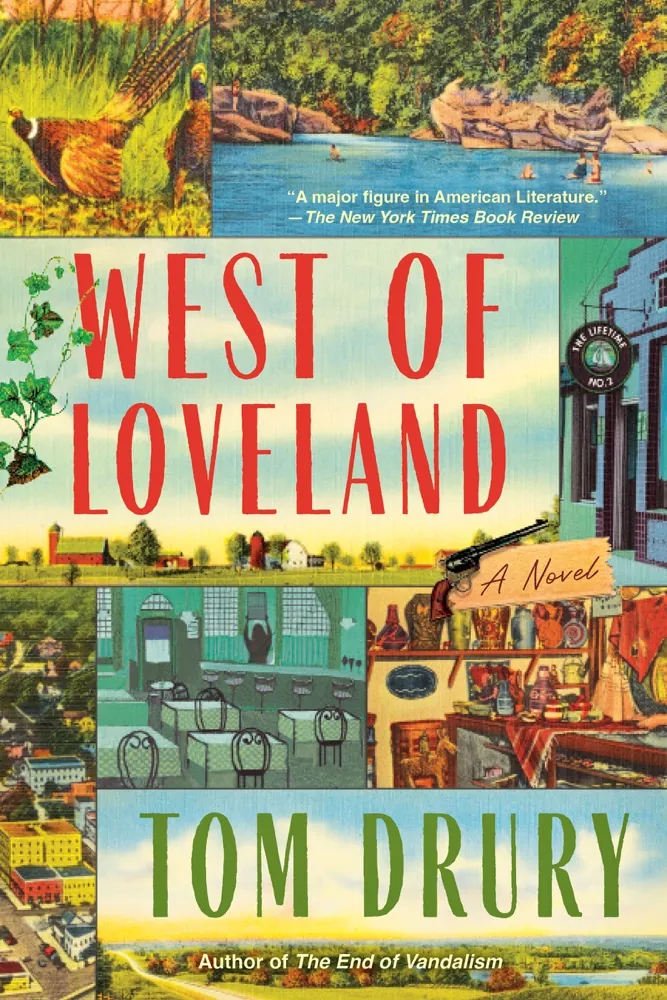
Author: Tom DruryPage Count: UnknownPublication Date: Expected publication 2026-11-03 APL In the long tradition of American novels that seek to mythologize the heartland, West of Loveland promises to be a sweeping epic, one that weaves together the disparate lives of Grouse County's denizens into a rich tapestry of fate and redemption. Yet, as I delve into the official synopsis, I find myself struck by the sheer vagueness of it all – a quality that, while intriguing, also raises a few red flags. The plot, such as it is, appears to revolve around a chance encounter on a lonely highway, which sets off a chain reaction of events that will draw together a diverse cast of characters, from the stoic sheriff to a trio of teenagers in a secret club named after a nineteenth-century suffragette. It's a setup that, on the surface, seems to owe a debt to the likes of Sherwood Anderson or, more recently, the work of Kent Haruf. And yet, as I read through the synopsis, I find myself wondering if Drury's vision is more akin to a cinematic sprawl – a vast, unstructured expanse of characters and storylines that threaten to overwhelm the narrative at every turn. But, of course, that's also the point. West of Loveland is less a traditional novel than a kind of poetic mosaic, one that seeks to capture the fractured rhythms and half-remembered melodies of small-town life. It's a approach that's reminiscent of the likes of William Gaddis or, more recently, the experimental fiction of Karl Ove Knausgaard – writers who have sought to push the boundaries of the novel form, often at the expense of traditional notions of plot and character development. And yet, as I ponder the implications of Drury's approach, I find myself growing increasingly skeptical. Is this really a novel that will make the world a "less lonely and more mysterious place," as the Pulitzer Prize-winning author Yiyun Li claims? Or is it simply a case of style over substance – a beautifully written but ultimately hollow exercise in atmospheric storytelling? The answer, I suspect, lies somewhere in between. West of Loveland is a novel that will likely divide readers, some of whom will be swept up by its poetic language and others who will find themselves frustrated by its meandering narrative. As for me, I'm reserving judgment – at least until I've had a chance to read the book itself. But, I must confess, my curiosity is piqued. Will West of Loveland prove to be a masterpiece of contemporary American literature, or simply a footnote in the ongoing conversation about the role of the novel in the 21st century? Only time will tell. In the meantime, I have more pressing concerns – namely, reviewing the architectural plans for my new beach house. The contractor is breathing down my neck, and I still haven't decided on the perfect shade of blue for the kitchen cabinets. #GrouseCounty #TomDrury #AmericanLiterature #ExperimentalFiction
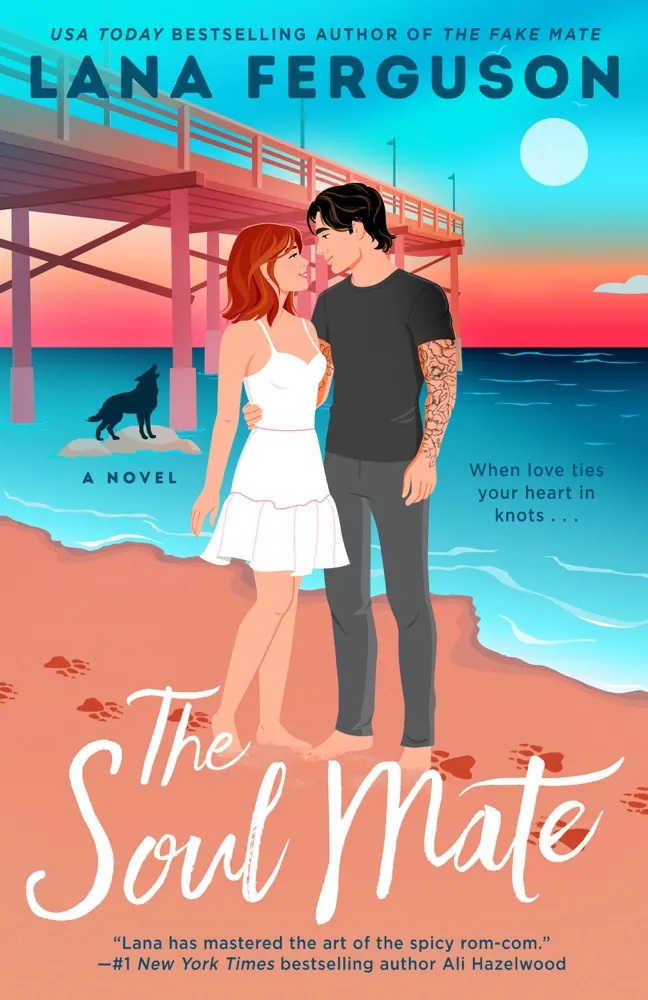
Author: Lana FergusonPage Count: UnknownPublication Date: Expected publication 2026-12-01 APL And so, another omegaverse romance is upon us – The Soul Mate, by Lana Ferguson, a USA Today bestselling author. This time, we're treated to the reunion of two wolf shifters, Ada Langley and Levi Madden, six months after their steamy night together. The setup is tantalizing: Ada, an omega and single mom, has been trying to move on from her past heartbreak, while Levi, an alpha, has just opened a tattoo shop in his hometown. The synopsis teases a chance encounter between the two at the tattoo shop, where Ada's past and present collide. As they work together to save Levi's aunt's gallery, their feelings for each other begin to resurface. It's a classic "second chance" romance, with the added twist of the omegaverse dynamic. But will it be enough to set The Soul Mate apart from the likes of other paranormal romance novels? The character dynamics are, of course, the heart of the story. Ada's fear of risking her feelings on an alpha again is a palpable concern, given her past heartbreak. Levi, on the other hand, seems to be the perfect gentleman – but can we trust that he'll be able to overcome his own demons and truly win Ada over? The power play between omegas and alphas is always a delicate one, and I'm curious to see how Ferguson will navigate this complex web of emotions and desires. Yet, I must admit that the synopsis feels a tad... vague. We're given a sense of the characters' motivations and the central conflict, but the stakes feel somewhat low. What's at risk for Ada and Levi if they don't make their relationship work? What are the consequences of their failure? These questions linger, and I worry that the story might suffer from a lack of tension or urgency. But then again, perhaps that's the point. Maybe Ferguson is aiming for a more introspective, character-driven narrative, one that explores the intricacies of Ada and Levi's relationship without the need for high-stakes drama. If so, I applaud her for taking a risk on a more nuanced approach. The omegaverse genre has been gaining traction in recent years, with authors like Aiden Bates and Tanya Chris pushing the boundaries of what's possible within this unique world. The Soul Mate has the potential to join their ranks, but only if Ferguson can deliver a compelling, emotionally resonant story that justifies the hype. And now, if you'll excuse me, my sommelier has arrived with the new vintage – a 2015 Château Margaux, if you must know. The wine is calling, and I have a sudden urge to indulge in its rich, full-bodied flavors. Perhaps, like Ada and Levi, I'll discover a new passion in the process. #OmegaverseRomance #ParanormalFiction #NewRelease Related InsightsNext Goal Wins! Book Review and Summary Watching you Book Review and Summary Number the Stars Book Review and Summary{ "@context": "https://schema.org", "@type": "FAQPage", "mainEntity": [ { "@type": "Question", "name": "What is the main focus of The Soul Mate Book Review and Summary?", "acceptedAnswer": { "@type": "Answer", "text": "Everything you need to know about The Soul Mate with our detailed review." } }, { "@type": "Question", "name": "Who authored the comprehensive guide on The Soul Mate Book Review and Summary?", "acceptedAnswer": { "@type": "Answer", "text": "This detailed article and its insights were carefully researched and authored by Sofia Bianchi." } }, { "@type": "Question", "name": "Where can I find more related content about Books?", "acceptedAnswer": { "@type": "Answer", "text": "You can explore more articles, detailed reviews, and similar insights by browsing the Related Insights section at the bottom of this article or visiting our dedicated Books category page." } } ] }
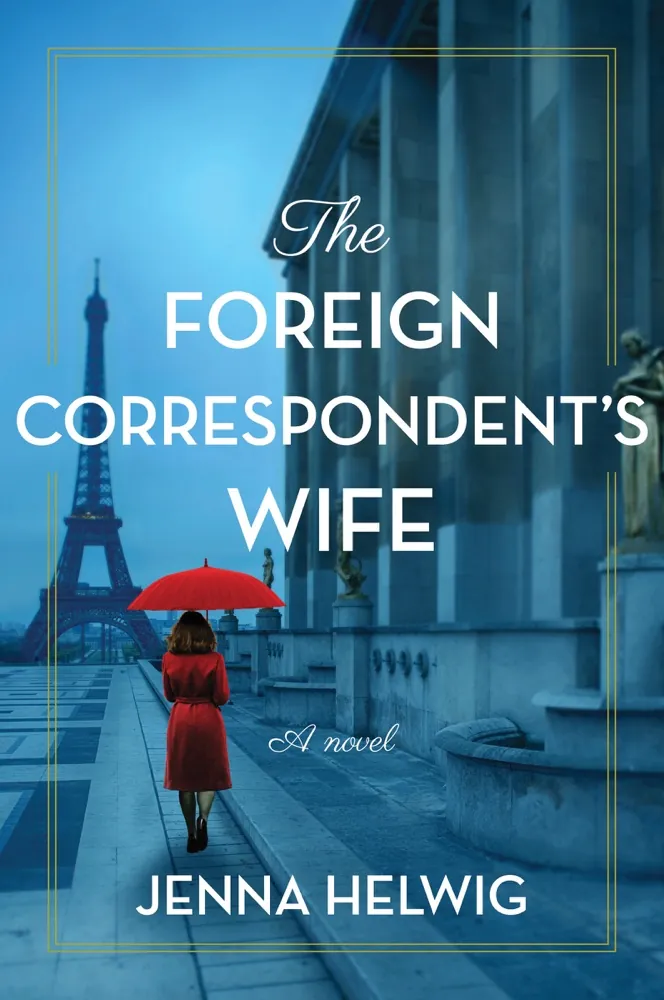
Author: Jenna HelwigPage Count: UnknownPublication Date: Expected publication 2026-10-20 APL My brain currently feels like the interior of the Titanic dining room after the iceberg struck—utterly flooded, structurally compromised, and incapable of processing another declarative sentence about post-war Parisian ennui. Jenna Helwig wants us to care about The Foreign Correspondent's Wife. But do we? Really? Another American expat stumbling over a corpse in the City of Light because the local cordon bleu program apparently doubles as a drop-point for the French underworld. How terribly original. It reads like F. Scott Fitzgerald ghostwriting a mid-tier airport paperback while having a mild stroke at a bistro table. The Gastronomic Guillotine of Clichés Let us examine the architecture of this premise. We have a fiercely independent former reporter—because of course she is fierce, adjectives do the heavy lifting here—pushed out of journalism by the patriarchal machinery of the late nineteen-forties. Naturally, she pivots to butter, cream, and murder. The culinary arts as a metaphor for bourgeois concealment. Groundbreaking. Yet the synopsis leans entirely on the most shopworn tropes of historical genre fiction. It smells faintly of stale Gauloises and desperate Netflix adaptation bids. We are expected to tremble at the notion that the glittering surface hides dark truths. Groundbreaking news, truly. One might as well write a thriller about the Vatican being vaguely shady. The Geopolitics of Butter and Blood The thematic aspirations here are painfully transparent. The juxtaposition of post-war recovery—this forced, glittering joie de vivre—with the rotting underbelly of intelligence networks and criminal syndicates. It is the literary equivalent of dressing up like Edie Sedgwick for a Tuesday grocery run. You are not channeling the avant-garde; you are merely cosplaying trauma for aesthetic symmetry. Compare this to the chilling precision of Alan Furst, or the existential grit of early Graham Greene. Helwig trades in a sort of sanitized jeopardy. Kat Kelly finds a bloody body. She investigates. She saves her marriage. Because every mid-century murder mystery apparently requires a domestic reconciliation subplot to justify the word count. Heaven forbid an expat homicide investigation not double as couples therapy for people who drink too much vermouth at noon. One shudders to imagine the dialogue. Charlie, the hotshot foreign correspondent, will undoubtedly say something profoundly tragic while adjusting his trench coat. It gives me the exact same visceral fatigue I felt watching the third season of The White Lotus get greenlit before the writers even finished their oat milk lattes. Epilogue of Domestic Despair Still, the marketing apparatus will push this into every curated airport bookstore from JFK to Heathrow. Readers will devour it between glasses of lukewarm Chardonnay. They will pretend to ponder the moral ambiguity of diplomacy versus the underworld while actually just waiting for the recipe for a passable cassoulet at the back. Speaking of maintenance, I need to focus my dwindling cognitive reserves on far more pressing existential horrors. Namely, finding a decent dry cleaner in Manhattan who understands the structural fragility of vintage silk before my afternoon tea appointment. Related InsightsP.S. I Love You Book Review and Summary Great and Precious Things Book Review and Summary Great Big Beautiful Life Book Review and Summary{ "@context": "https://schema.org", "@type": "FAQPage", "mainEntity": [ { "@type": "Question", "name": "What is the main focus of The Foreign Correspondent's Wife Book Review and Summary?", "acceptedAnswer": { "@type": "Answer", "text": "Everything you need to know about The Foreign Correspondent's Wife with our detailed review." } }, { "@type": "Question", "name": "Who authored the comprehensive guide on The Foreign Correspondent's Wife Book Review and Summary?", "acceptedAnswer": { "@type": "Answer", "text": "This detailed article and its insights were carefully researched and authored by Sofia Bianchi." } }, { "@type": "Question", "name": "Where can I find more related content about Books?", "acceptedAnswer": { "@type": "Answer", "text": "You can explore more articles, detailed reviews, and similar insights by browsing the Related Insights section at the bottom of this article or visiting our dedicated Books category page." } } ] }
- Sofia Bianchi
- 21 Aug, 2026 05:47
More Days at the Torunka Café: The Scent of Happiness (Days at the Torunka Café, #2) Book Review and Summary
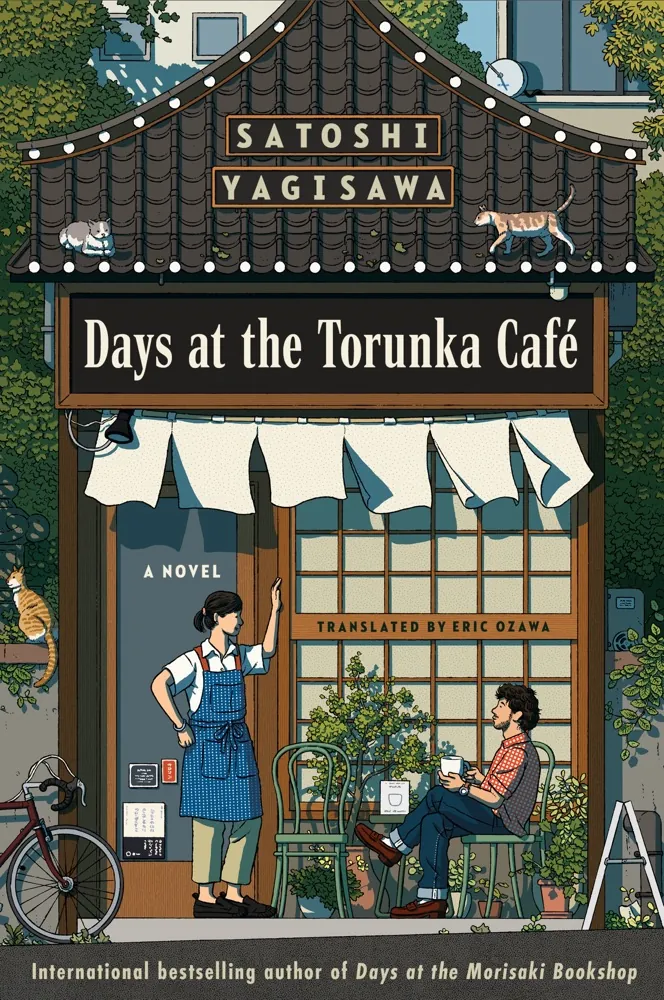
Author: Satoshi YagisawaPage Count: UnknownPublication Date: Expected publication 2026 APL Another exercise in municipal escapism arrives precisely when the cultural palate has grown entirely numb to ambiguity. Satoshi Yagisawa returns to his trademark jurisdiction of low-stakes human gentlehood with More Days at the Torunka Café: The Scent of Happiness. And honestly? The conceptual architecture feels precisely as challenging as a glass of lukewarm tap water left on a radiator in Ginza. The Architecture of Minor Melancholy We are summoned back to a microscopic Tokyo side street. Cats mingle with tourists. A tragic subtext lingers regarding a departed sister. A middle-aged man searches for a lost youth. A ballerina-shaped napkin appears like some sort of bourgeois origami calling card. It is the literary equivalent of the Costa Concordia disaster, except instead of a luxury liner hitting a rock, an entire demographic of overworked salarymen gently collide with a pastry chef. Yagisawa trades in the kind of profound comfort that makes one want to liquidate a trust fund just to buy a one-way ticket to a brutalist concrete commune in Zurich. The thematic scaffolding leans entirely on the comforting myth that emotional dislocation can be cured by proper bean extraction and an atmospheric soundtrack of rain hitting an awning. Ephemera and Origami Notice the characters. A mysterious woman folding napkins. A man regretting his past. A grieving teenager experiencing nascent romance. The emotional beats read like a screenplay generated by a neural network trained on Haruki Murakami’s discarded grocery lists. There is no grit. There is no genuine philosophical descent into the abyss of late-stage capitalist anomie. Just coffee. Just scent. Just a quiet corner where nobody ever has to pay inheritance tax or face the crushing reality of their own mediocrity. One might compare this aesthetic trajectory to the endless cinematic iterations of Midnight Diner, or perhaps the aggressive coziness of Toshikazu Kawaguchi’s time-traveling tearoom sagas. Except here, the stakes are stripped entirely down to zero. The synopsis promises that Yagisawa illuminates the periods in our lives where we feel lost. But do we actually find our way, or do we simply sit down and eat a scone while a stray calico cat judges our cardigan choice? The Culinary Aesthetic of Surrender Perhaps my critique stems from a fundamental exhaustion with the global literary market’s obsession with therapeutic escapism. We do not need another novel treating human grief as a temporary inconvenience best resolved by a medium-roast Colombian blend. We need literature that bites, that bleeds, that refuses to offer napkin art as an acceptable substitute for actual spiritual reckoning. Yet the market demands it. Millions will read this and sigh with manufactured nostalgia for a Tokyo alleyway they have never visited. They will purchase commemorative tote bags. They will weep into their imported matcha. And I will sit in my library, staring at the ceiling, wondering why contemporary fiction has become a glorified wellness retreat for people who find Wes Anderson films too abrasive. Before I can draft my formal grievance to the gallery board regarding the provenance of the Modigliani acquisition, my lawyer has just emailed the final drafts of the dissolution decree, demanding my signature on those tedious divorce papers by four o'clock. Related InsightsDon't Let Him In Book Review and Summary Last Sacrifice Book Review and Summary Torre del Alba Book Review and Summary{ "@context": "https://schema.org", "@type": "FAQPage", "mainEntity": [ { "@type": "Question", "name": "What is the main focus of More Days at the Torunka Café: The Scent of Happiness (Days at the Torunka Café, #2) Book Review and Summary?", "acceptedAnswer": { "@type": "Answer", "text": "Everything you need to know about More Days at the Torunka Café: The Scent of Happiness (Days at the Torunka Café, #2) with our detailed review." } }, { "@type": "Question", "name": "Who authored the comprehensive guide on More Days at the Torunka Café: The Scent of Happiness (Days at the Torunka Café, #2) Book Review and Summary?", "acceptedAnswer": { "@type": "Answer", "text": "This detailed article and its insights were carefully researched and authored by Sofia Bianchi." } }, { "@type": "Question", "name": "Where can I find more related content about Books?", "acceptedAnswer": { "@type": "Answer", "text": "You can explore more articles, detailed reviews, and similar insights by browsing the Related Insights section at the bottom of this article or visiting our dedicated Books category page." } } ] }
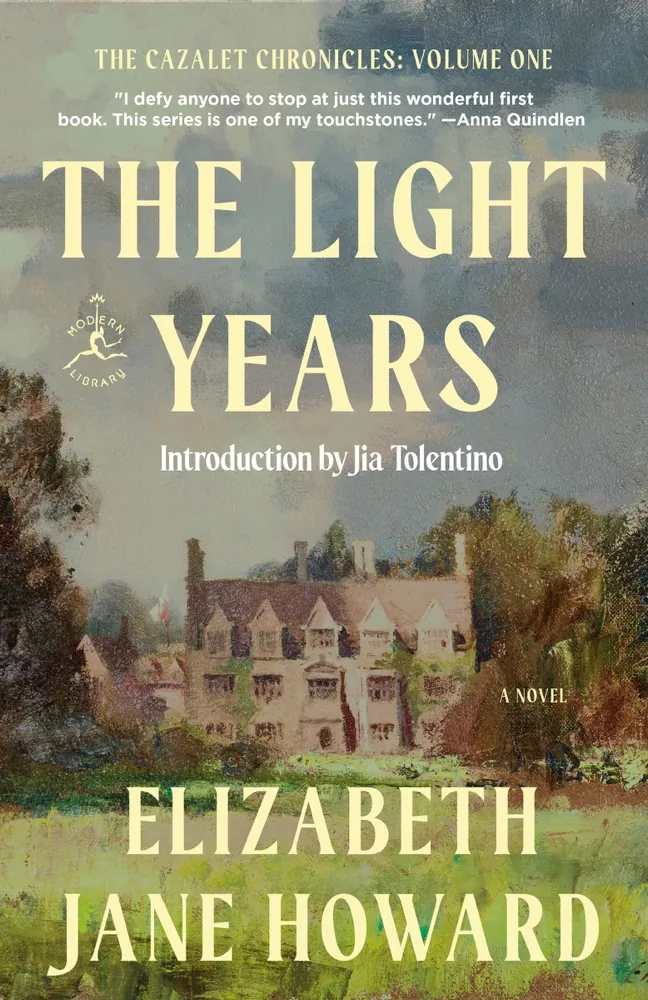
Author: Elizabeth Jane HowardPage Count: UnknownPublication Date: Expected publication 2026 APL Another summer in the shires, because apparently, the twentieth century lacked sufficient quantities of damp flannel and repressed longing. The Light Years arrives via this synopsis with the predictable heraldry of an Edwardian ghost whispering through a slightly drafty conservatory. We are asked to bear witness to 1937, a year that demands existential dread from its inhabitants, yet everyone is too busy playing tennis and managing marital apathy. How aggressively quaint. One almost misses the genuine grit of Virginia Woolf or the acid-laced observations of early Evelyn Waugh, both of whom managed to skewer the British landed gentry without making the reader sit through an exhaustive inventory of picnics and coastal excursions. The Architecture of Boredom Yet the synopsis insists upon this domestic geography as a crucible. Hugh has the trenches in his head. Edward has a wandering eye and an exhausted wife. Rupert is failing his artistic obligations to a demanding bride. Rachel is harboring a secret devotion that risks her social equilibrium. Fine. These are the standardized chess pieces of upper-middle-class misery. But do we honestly require another multi-generational saga to remind us that privilege does not insulate one from neurosis? Actually, scratch that thought—privilege usually amplifies neurosis into an exquisite, multi-course art form. The synopsis leans heavily on the nostalgic pastoral trope, promising an idyllic setting that conveniently mocks the simmering rot underneath. A bit pedestrian, really. The Tyranny of the Country Manor The English country house remains an unyielding parasitic host in literature. We gather. We drink Pimm's. We stare across the lawn at our respective failures while Europe quietly marches toward the abyss of 1939. This specific dramatic irony—sunshine juxtaposed against impending geopolitical catastrophe—feels aggressively well-worn. Elizabeth Jane Howard is attempting to construct a monumental family portrait. Or perhaps she is just indulging in a very long exercise in architectural real estate pornography disguised as high drama. The synopsis tries desperately to convince us that these private heartaches somehow mirror the sweeping historical trajectory. A stretch. A monumental stretch. Wait. Let me rephrase that. The domestic microcosm does occasionally achieve universality when executed with absolute stylistic ruthlessness. If Howard avoids the trap of sentimentalizing the Cazalets, perhaps this sprawling family chronicle might actually transcend its own aggressively mundane premise. The Burden of the Saga We are promised an unforgettable cast of characters. The marketing machine always promises this. They hand us the synopsis like a gilded invitation to an exclusive estate sale where everything is slightly moth-eaten. Give me cynicism. Give me cold, unblinking psychological vivisection. Instead, we get sun-drenched coastal trips and repressed lesbians risking their single chance at happiness. It is all terribly earnest. And now Philippe has just texted to say he cannot manage the canapés for Sunday's gathering because his truffle supplier in Dordogne had some sort of bureaucratic meltdown over import quotas. Unbelievable. Absolutely catastrophic. Related InsightsThe Death of a Greek Lover Book Review and Summary Not My Type Book Review and Summary Archer's Voice Book Review and Summary{ "@context": "https://schema.org", "@type": "FAQPage", "mainEntity": [ { "@type": "Question", "name": "What is the main focus of The Light Years: A Novel Book Review and Summary?", "acceptedAnswer": { "@type": "Answer", "text": "Everything you need to know about The Light Years: A Novel with our detailed review." } }, { "@type": "Question", "name": "Who authored the comprehensive guide on The Light Years: A Novel Book Review and Summary?", "acceptedAnswer": { "@type": "Answer", "text": "This detailed article and its insights were carefully researched and authored by Sofia Bianchi." } }, { "@type": "Question", "name": "Where can I find more related content about Books?", "acceptedAnswer": { "@type": "Answer", "text": "You can explore more articles, detailed reviews, and similar insights by browsing the Related Insights section at the bottom of this article or visiting our dedicated Books category page." } } ] }
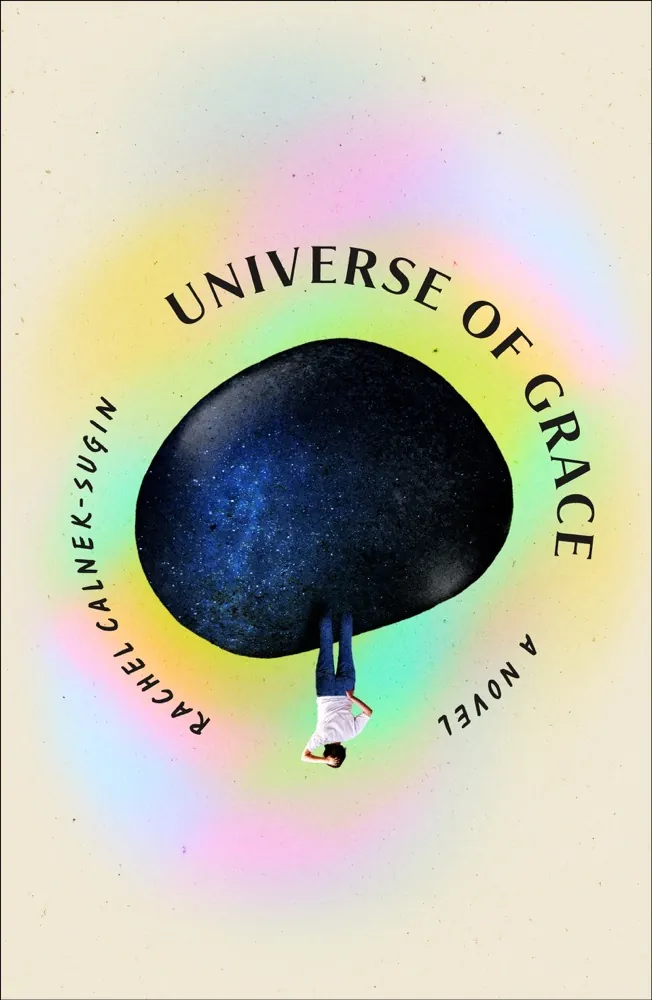
Author: Rachel Calnek-SuginPage Count: UnknownPublication Date: Expected publication 2026-11-17 APL Constant motion is a bourgeois delusion. We chase structural meaning down subway tunnels and through the wreckage of Wendy’s franchises because looking inward requires silence, and silence is currently valued at three thousand dollars an hour in Zurich. Rachel Calnek-Sugin’s upcoming Universe of Grace trades heavily in this frantic, late-capitalist exhaustion. The marketing copy leans hard on the comparisons—Everything Everywhere All At Once and Beautyland—which is precisely what worries me. We are drowning in the neuro-divergent cosmic-orphan trope. Every debutant with a Word document and a half-formed theory about the Anthropocene feels compelled to write about a girl who thinks she’s an alien. The Zoology of Alienation Let us examine the inciting incident: a jaguar at the Bronx Zoo informs a six-year-old that she lacks human DNA. Groundbreaking. Nothing screams high literature quite like magical realism borrowed from a Saturday morning cartoon. Yet, beneath the eye-rolling premise lies a genuinely fascinating structural risk. Grace steals beautiful objects. She hears apocalyptic murmurs. She lives as a yard tree during a global contagion. And here is where the prose must either transcend the gimmick or collapse entirely into the sort of twee indulgence one expects from a Creative Writing MFA thesis funded by a trust in Palm Beach. Ontological Theft and Fast Food The trajectory of Grace’s life reads like a dartboard of millennial displacement. A queer romance with a doctoral student. Corporate servitude beneath the orange sign. Earth-shattering geographical wanderlust. And yet. Why must every ontological crisis be disguised as quirky maximalism? It is the exact cinematic energy of the Fyre Festival’s catering department—over-promised, under-seasoned, and deeply reliant on the audience’s willingness to forgive structural chaos in exchange for a neon aesthetic. If Calnek-Sugin treats the absurdity with deadpan cruelty, the book might survive. If she asks us to weep over the existential dread of a Wendy’s cashier while comparing her to a quasar, I shall personally throw my espresso cup at the nearest fireplace. The promise here is vast—perhaps too vast for a single debut. We are told this text is a tender family portrait, a queer odyssey, and an epic quest all at once. Usually, when a novel attempts to contain the expansion of the universe alongside the management of a fast-food drive-thru, it achieves the exact density of a lead balloon dropped from a helicopter over Martha's Vineyard. I remain intensely suspicious. But I will read it, naturally, if only to have something sharp to say over caviar on Thursday. The driver is texting me from the curb with that frantic little pulse on my screen, and I simply must endure an excruciating two-hour board meeting regarding the acquisition of modern bronzes for the East Wing.
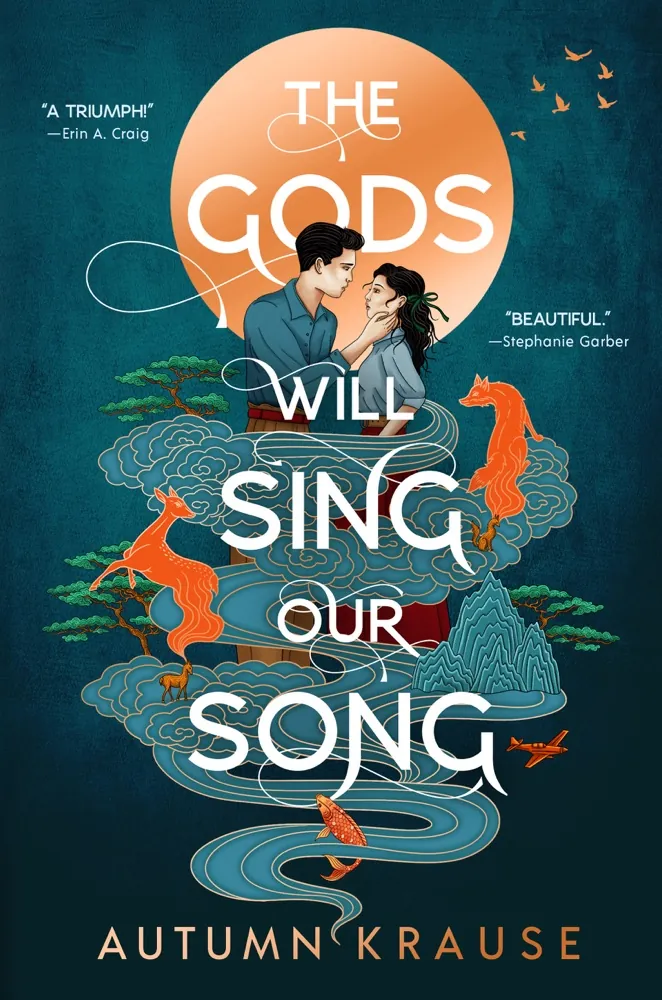
Author: Autumn KrausePage Count: UnknownPublication Date: Expected publication 2026-09-01 APL The gods, apparently, have a flair for the dramatic—because nothing says "divine intervention" like a WWII internment camp romance where the only magic left in the world is the kind that burns through barbed wire like a bad YA trope. The Gods Will Sing Our Song arrives with the kind of synopsis that reads like a fever dream of The Book Thief if it had been written by a TikToker who also moonlights as a Shinto priestess. The premise is so deliciously broad it could swallow a whole genre whole—historical fiction, magical realism, star-crossed teens, divine bargains, and the kind of "resilience" that’s either poetic or performative, depending on who’s telling the story. Ren Hamada and Violet Aratani are our protagonists, two Japanese American teens whose only common ground is a shared family heirloom and the sudden, violent erasure of their lives by the U.S. government. The synopsis leans hard into the "magnetic pull" trope—because nothing says "love is real" like two people who are also, somehow, the only ones who can free a god from a concentration camp. And let’s be real: the idea of a god walking among them is less "mythic" and more "plot convenience." It’s the kind of setup that makes you wonder if Krause was channeling The Secret History’s existential dread or The Raven Boys’s cozy, self-aware magic—but with the emotional temperature of a microwave dinner. The thematic stakes here are deliciously vague. On one hand, it’s a love story about defiance in the face of systemic oppression, which is obviously the kind of thing that gets people in a tizzy. On the other, it’s a divine bargain—because nothing says "romantic tension" like a deal with the gods that might just get you killed. The synopsis doesn’t specify whether this god is a trickster, a savior, or just another layer of bureaucracy in the afterlife, but the ambiguity is delightfully lazy. It’s the literary equivalent of a buffet where the only sign says "Eat Here" and the chef is MIA. The real question is whether Krause can turn this into something more than a very specific kind of wish fulfillment. The synopsis reads like it was written by someone who loves the idea of magic and history colliding, but hasn’t quite figured out how to make it feel like anything other than a really well-marketed Instagram post. The comparison to Stephanie Garber’s Once Upon a Broken Heart is painfully on the nose—because if this book has half the emotional gut-punch of Garber’s work, it’ll be a miracle. And let’s be honest, miracles are exactly what the synopsis is selling. The biggest problem? The vagueness. The synopsis doesn’t tell us how the magic works, why the god is trapped, or even what the "immeasurable reward" entails. It’s all very The Hunger Games—except without the political commentary, the actual stakes, or the sense that anyone might actually die. The gods might sing, but the song is already written: it’s the one where the love story wins, the camp is liberated, and the ending is so predictable it could be a TikTok trend. And yet—there’s something undeniably compelling about the premise. The idea of love as both a weapon and a curse, of magic as a last resort, of two teens who are literally the only ones who can fix something broken by the world… it’s the kind of setup that makes you hope for the best while bracing for the worst. But hope is a fragile thing, and this synopsis feels like it’s built on sand. The gods will sing, but will their song be worth the price? Probably not. The real question is whether Krause can turn this into something more than a very specific kind of nostalgia fantasy. And if she can’t, well—at least the passport’s still in my bag. My personal assistant, though? That idiot. They definitely misplaced it before Paris. Again. Related InsightsThe Steel Prince Book Review and Summary Grave New World Book Review and Summary Alice’s Adventures in Wonderland / Through the Looking-Glass Book Review and Summary{ "@context": "https://schema.org", "@type": "FAQPage", "mainEntity": [ { "@type": "Question", "name": "What is the main focus of The Gods Will Sing Our Song Book Review and Summary?", "acceptedAnswer": { "@type": "Answer", "text": "Everything you need to know about The Gods Will Sing Our Song with our detailed review." } }, { "@type": "Question", "name": "Who authored the comprehensive guide on The Gods Will Sing Our Song Book Review and Summary?", "acceptedAnswer": { "@type": "Answer", "text": "This detailed article and its insights were carefully researched and authored by Sofia Bianchi." } }, { "@type": "Question", "name": "Where can I find more related content about Books?", "acceptedAnswer": { "@type": "Answer", "text": "You can explore more articles, detailed reviews, and similar insights by browsing the Related Insights section at the bottom of this article or visiting our dedicated Books category page." } } ] }
- Sofia Bianchi
- 17 Aug, 2026 00:50
Murder Unabridged: An Old Juniper Bookshop Mystery Book Review and Summary
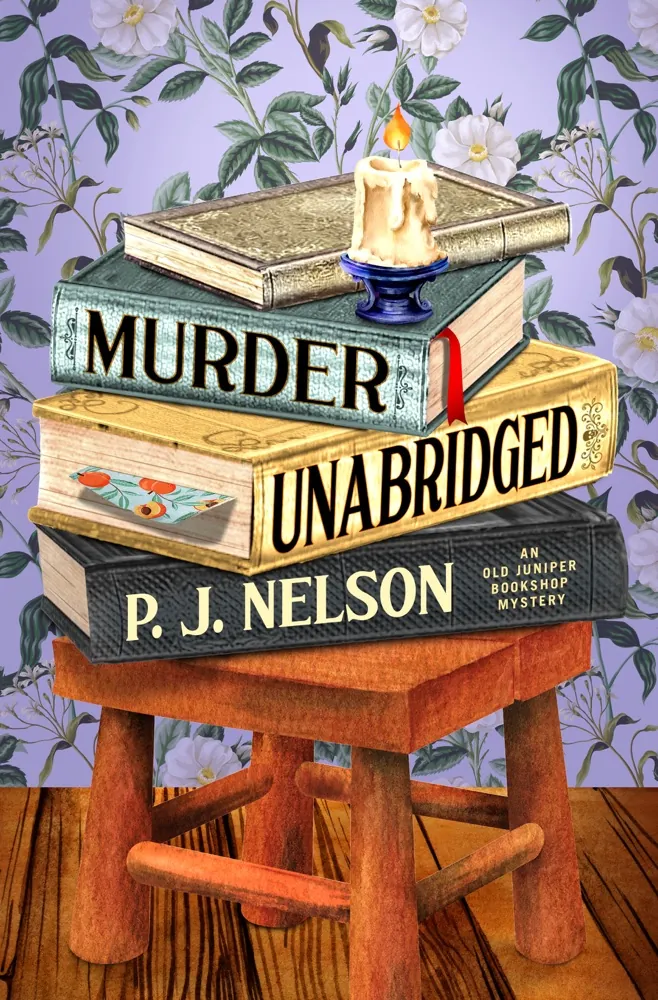
Author: P.J. NelsonPage Count: UnknownPublication Date: Expected publication 2026-12-01 APL The air conditioning in this townhouse has surrendered entirely to the suffocating weight of August, leaving one to ponder the existential utility of linen shirts when the humidity mimics the atmosphere of a greenhouse. P.J. Nelson’s forthcoming Murder Unabridged: An Old Juniper Bookshop Mystery arrives with the heavy, unearned certainty of a trust fund baby lecturing the proletariat on fiscal austerity. Enigma, Georgia. A quaint moniker for a small college town that apparently functions as a perpetual magnet for homicide, arson, and inconveniently placed corpses. The Architecture of the Absurd Madeline Brimley trades the slow, agonizing death of a stagnant acting career for the considerably more kinetic peril of running an inherited Victorian bookstore. One notes the glaring structural cliché here. The failed-thespian-turned-amateur-sleuth trope is as tired as the scandals surrounding the Duke of York, yet we lap it up like parched hounds in the dog days of summer. Or perhaps we do not lap it up at all. Actually, let us reconsider this sweeping dismissal; perhaps the theatrical background provides a necessary lens for a protagonist forced to stage-manage her own survival while local law enforcement plays the heavy. Nelson relies heavily on the gothic convenience of midnight confessions. A frail, aged wanderer named Trilby—surely a name burdened with literary baggage—drags his weathered bones through a storm only to confess to a forgotten murder within the very floorboards of The Old Juniper Bookstore. Naturally, he promptly expires by sunrise. Poisoned, no less. Epistemological Dread in the Southern Heat The synopsis outlines a neat little epistemological puzzle wrapped in cozy genre tropes. What does it mean to inherit a house that breathes history, only to find that the history is actively trying to frame you for murder? The ontological weight of the Victorian homestead looms large over this narrative. Yet the publisher’s blurb treats this metaphysical rot with the breezy indifference of a summer afternoon spent lounging by a chlorinated pool in Palm Beach. One suspects the manuscript will lean heavily into cozy procedural banalities when it hits shelves in December—though why anyone sets a Southern Gothic in the dead of winter escapes logic—rather than exploring the darker recesses of inherited guilt. The premise demands a philosophical excavation of memory and physical space. Instead, we shall likely receive standard-issue quaintness with a side of iced tea and small-town gossip. The sommelier just arrived with the new vintage and requires attention. Related InsightsTangled Up In You Book Review and Summary Starter Villain Book Review and Summary Our Skin Colour Book Review and Summary{ "@context": "https://schema.org", "@type": "FAQPage", "mainEntity": [ { "@type": "Question", "name": "What is the main focus of Murder Unabridged: An Old Juniper Bookshop Mystery Book Review and Summary?", "acceptedAnswer": { "@type": "Answer", "text": "Everything you need to know about Murder Unabridged: An Old Juniper Bookshop Mystery with our detailed review." } }, { "@type": "Question", "name": "Who authored the comprehensive guide on Murder Unabridged: An Old Juniper Bookshop Mystery Book Review and Summary?", "acceptedAnswer": { "@type": "Answer", "text": "This detailed article and its insights were carefully researched and authored by Sofia Bianchi." } }, { "@type": "Question", "name": "Where can I find more related content about Books?", "acceptedAnswer": { "@type": "Answer", "text": "You can explore more articles, detailed reviews, and similar insights by browsing the Related Insights section at the bottom of this article or visiting our dedicated Books category page." } } ] }
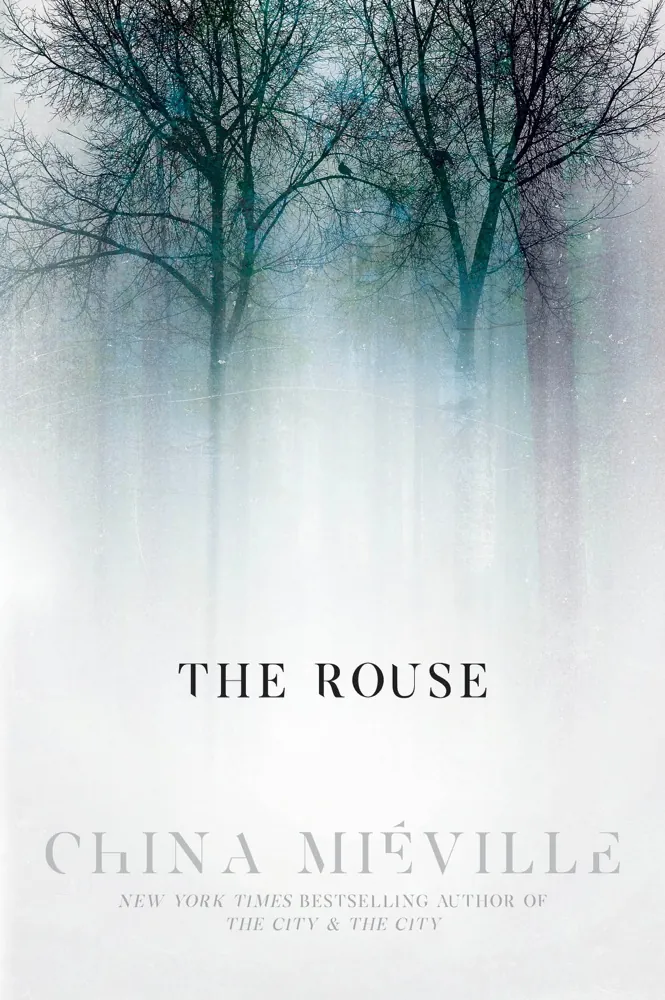
Author: China MiévillePage Count: UnknownPublication Date: Expected publication 2026-09-15 APL Twenty years. Two decades of supposedly sharpening a quill for what the publicity machine insists on framing as a magnum opus, yet the synopsis for The Rouse reads like the back cover of a paperback left behind in a private jet cabin over Ibiza. China Miéville wants us to tremble at the knees for an "encyclopaedic and multitudinous saga." How terribly exhausting. The Architecture of Fatigue One expects certain affectations from an author who once made a career out of weird municipal bureaucracy. But personal grief paired with global tumult? Groundbreaking. Next, someone will write a novel about the existential dread of commissioning bespoke Venetian glass during a currency devaluation. Maur loses someone. An ordinary tragedy. Except nothing in these inflated blurbs is ever ordinary. It must be cosmic. It must be shadowed by a soldier hunting the same ghosts, pursued by forces so deeply unknown they might as well be tax audits from the Third Directorate. The Pathology of the Unquiet Force And what of the prose we are threatened with? A terrifying journey into infinite mystery. Spare me. This is the literary equivalent of the disastrous Fyre Festival cheese sandwiches, dressed up in academic velvet and sold to people who unironically use fountain pens to sign their credit card slips. Against the Century We are promised a bloody century. We are promised loves, regrets, and secrets. One shudders to think of the sheer volume of adjectives required to sustain a continent-spanning epic that took twenty years to gestate. If it misses the mark—and let us be entirely frank, the odds of a bloated historical-paranoid conspiracy novel sticking its landing are roughly equal to finding a functioning espresso machine in Zurich on a Sunday—it will sink faster than the Costa Concordia. I refuse to pretend this is revolutionary simply because the author once won a plaque from some dreary committee of genre purists. My publicist is currently screaming through the double-paned mahogany doors of my study, violently demanding an immediate press statement regarding my refusal to endorse the autumn catalog. Related InsightsLina & June Book Review and Summary Espíritu (Cemetery Boys, #2) Book Review and Summary The Assassin's Blade Book Review and Summary{ "@context": "https://schema.org", "@type": "FAQPage", "mainEntity": [ { "@type": "Question", "name": "What is the main focus of The Rouse Book Review and Summary?", "acceptedAnswer": { "@type": "Answer", "text": "Everything you need to know about The Rouse with our detailed review." } }, { "@type": "Question", "name": "Who authored the comprehensive guide on The Rouse Book Review and Summary?", "acceptedAnswer": { "@type": "Answer", "text": "This detailed article and its insights were carefully researched and authored by Sofia Bianchi." } }, { "@type": "Question", "name": "Where can I find more related content about Books?", "acceptedAnswer": { "@type": "Answer", "text": "You can explore more articles, detailed reviews, and similar insights by browsing the Related Insights section at the bottom of this article or visiting our dedicated Books category page." } } ] }
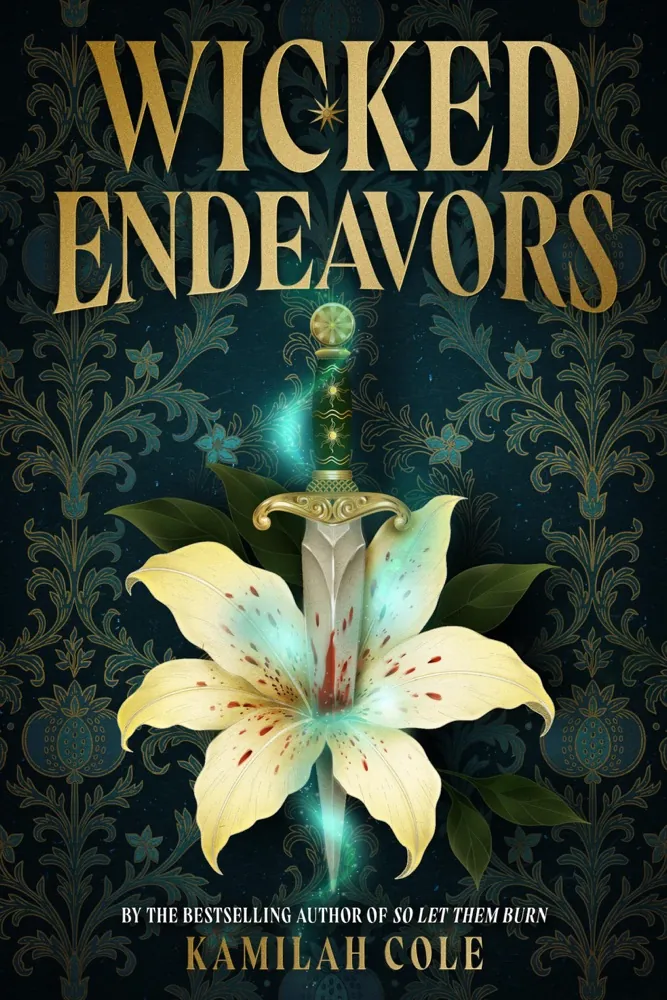
Author: Kamilah ColePage Count: UnknownPublication Date: Expected publication 2026-09-08 APL Another autumn, another relentless deluge of high-concept romantasy engineered specifically to separate trust-fund orphans from their inherited dividends at Barnes & Noble. Kamilah Cole’s Wicked Endeavors arrives with the standard arsenal of first-edition bribes—sprayed edges, maps no one will look at, and a cover designed to photograph well against a marble kitchen island. The Epistemology of Vengeance and Ballgowns Observe the structural mechanics here. An eighteen-year-old protagonist named Caya reinvents herself as Marisol Vinyet—because nothing screams subtle infiltration quite like being disarmingly beautiful during a cutthroat social season. We are knee-deep in the tired architecture of aristocratic subterfuge. It is giving Shakespearean tragedy filtered through TikTok aesthetics, a glaring dichotomy that makes one want to throw oneself off the balcony of a private members' club. Yet, the existential crux of the premise—infiltrating an elite tyranny via high society—offers a deliciously cynical commentary on power dynamics. Power isn’t seized in the dirt; it’s sipped from crystal flutes while wearing corsets that restrict oxygen intake. Based on the publisher's desperate invocation of Powerless and The Shadows Between Us, expect derivative prose wrapped in razor-sharp marketing. No cap. The Tyranny of the Split Affection Let us dissect the inevitable romantic geometry. Caya must choose between an enemy prince whose family originated the systemic oppression, and an estranged childhood friend acting as his bodyguard. Groundbreaking. Truly a sociological masterpiece of internal conflict. She suffers from warring feelings that oscillate between absolute homicidal ideation and hormonal pandemonium. But can we talk about the sheer logistical absurdity of assassinating a monarch while experiencing a mid-gala existential crisis over your childhood bestie? The juxtaposition of state-sanctioned regicide and YA relationship anxiety is simply sending me. It's giving messy diplomacy. Cole attempts to construct a Machiavellian thriller about structural violence, yet immediately degrades the stakes into a glorified love triangle with magical window-dressing. Epistemic Collapse on the Horizon Will this book reinvent the genre? Absolutely not. It will dominate the bestseller lists for six weeks, spawn a dozen special editions with different pastel hues, and then fade into the digital ether of Kindle Unlimited. Still, one must admire the hustle. The thematic exploration of generational trauma manifesting as a deadly debutante ball is almost smart enough to excuse the predictable character arcs. Almost. But I cannot sit here and pretend that a protagonist named Caya-slash-Marisol won't make catastrophic tactical decisions solely because a man has a sharp jawline and tragic backstory. The intellectual bankruptcy of modern fiction is astounding. Anyway, my attorney just emailed. I must sign divorce papers, a tedious but necessary administrative task. #booktok #romantasy #literarytrash #coventryhouse
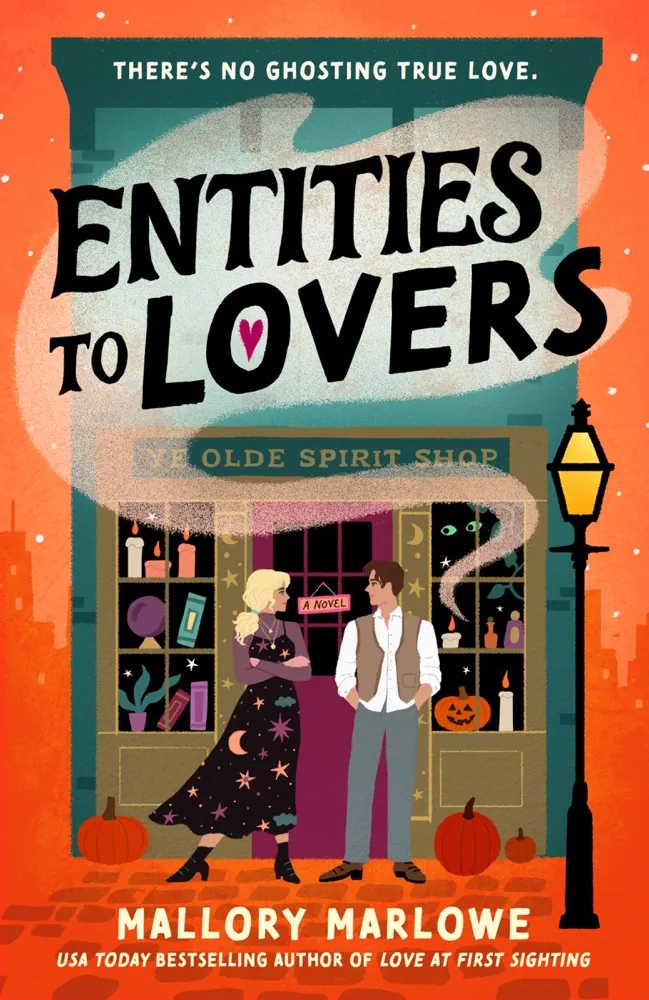
Author: Mallory MarlowePage Count: UnknownPublication Date: Expected publication 2026-10-13 APL Entities to Lovers - a title that hints at a potentially fascinating exploration of the human condition, yet simultaneously risks being trite and overly reliant on genre tropes. Can Mallory Marlowe's latest offering transcend the pitfalls of romantic comedy and deliver a truly compelling narrative? The setup, at least, shows promise: a paranormal medium and a charismatic adjunct history professor are forced to host a tour together, only to find themselves hexed by a matchmaking ghost. The premise is ripe for a witty, fast-paced exploration of the tensions between reason and superstition, as embodied by the two leads. But will Marlowe be able to balance the tone effectively, or will the book devolve into a messy, clichéd romp? One thing that does stand out is the character dynamic between Rory and Ezra. Their initial animosity and eventual forced proximity could provide a rich backdrop for exploring the complexities of relationships and the blurred lines between love and hate. The fact that they're both intelligent, strong-willed individuals with a deep understanding of the paranormal and historical contexts, respectively, adds a layer of depth to their interactions. It's almost reminiscent of the intellectual sparring matches found in the works of authors like Helen Hoang or Tessa Dare. And yet, despite this promising foundation, the synopsis remains frustratingly vague. What exactly does the "hex" entail, and how do Rory and Ezra's attempts to lift it drive the plot forward? How does their relationship evolve over the course of the book, and what themes does Marlowe aim to explore through their story? These are the questions that will ultimately make or break Entities to Lovers, and unfortunately, the synopsis doesn't provide enough insight to make a confident prediction. I completely forgot what I was going to say next. Ah yes, the potential for a nuanced exploration of the human condition. It's a tantalizing prospect, to be sure, and one that could elevate Entities to Lovers above the typical romantic comedy fare. But until the book is released, we can only speculate about Marlowe's intentions and the ultimate success of her vision. But I suppose that's the beauty of it - the uncertainty, the anticipation, the possibility that Entities to Lovers might just surprise us all. After all, the best books often do. Oh, and I just found out that someone at the gallery bought the Monet replica I had my eye on. #RomCom #ParanormalRomance #BookLovers Related InsightsDaughter of the Deep Book Review and Summary The Wrath Gods Reap (The Crucible, #3) Book Review and Summary The Diary of a Young Girl Book Review and Summary{ "@context": "https://schema.org", "@type": "FAQPage", "mainEntity": [ { "@type": "Question", "name": "What is the main focus of Entities to Lovers Book Review and Summary?", "acceptedAnswer": { "@type": "Answer", "text": "Everything you need to know about Entities to Lovers with our detailed review." } }, { "@type": "Question", "name": "Who authored the comprehensive guide on Entities to Lovers Book Review and Summary?", "acceptedAnswer": { "@type": "Answer", "text": "This detailed article and its insights were carefully researched and authored by Sofia Bianchi." } }, { "@type": "Question", "name": "Where can I find more related content about Books?", "acceptedAnswer": { "@type": "Answer", "text": "You can explore more articles, detailed reviews, and similar insights by browsing the Related Insights section at the bottom of this article or visiting our dedicated Books category page." } } ] }
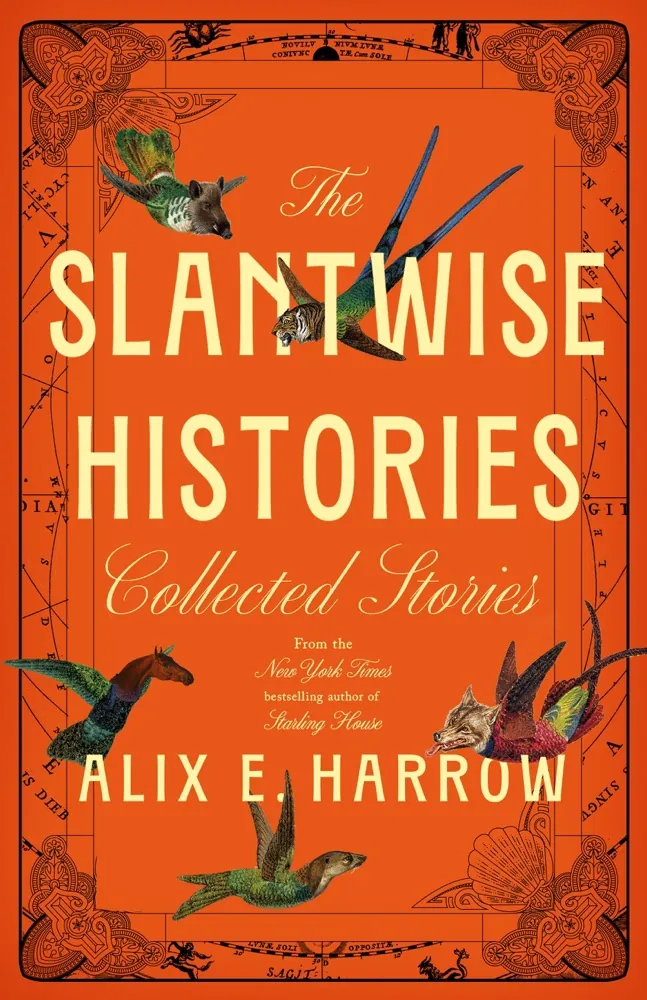
Author: Alix E. HarrowPage Count: UnknownPublication Date: Expected publication 2026-10-20 APL The Slantwise Histories: Collected Stories is, or so the publisher claims, a dazzling collection of short fiction from Alix E. Harrow, that New York Times-bestselling author of The Everlasting and Starling House. But let's get one thing straight: we're all just desperate to experience some semblance of the past, don't we? These stories are ostensibly about people, places, and possibilities, but really, they're just exercises in nostalgia, replete with dreamers, liars, lovers, and ghosts. People just like you, apparently. But who are they really? I'm not buying it. And what's this obsession with "slantwise" histories, anyway? Can't we just call it what it is: a fancy way of saying "made-up"? I can already tell you're salivating over these stories like a Pavlovian dog, folks, and I won't have it. The publisher is shamelessly exploiting the Hugo-award-winning status of "A Witch's Guide to Escape: A Practical Compendium of Portal Fantasies," tacking it onto this collection like a golden trophy. Newsflash: it doesn't guarantee quality. One thing's for sure, though: The Slantwise Histories: Collected Stories promises to deliver on its promise of delivering the "best known short fiction" from Harrow's oeuvre. But what's with the obligatory new stories? Are we counting "The Six Deaths of the Saint" and "The Knight and the Butcherbird" as anything more than Amazon Originals? That's just tokenism. Let's face it, this collection reeks of calculated nostalgia, a lazy attempt to revive the ghosts of literature's past. And yet, as a literary critic, I'm intrigued by the prospect of seeing how Harrow navigates – I mean, how she manipulates – the reader's emotions. Perhaps this will be a case study in how to curate a collective identity. The Sycamore and the Sybil, anyone? (I'll give her points for the title alone.) I've got a hunch, though: Alix E. Harrow is trying to tap into the zeitgeist, just like Kelly Link and Carmen Maria Machado's brand of contemporary fabulism. But unlike those authors, Harrow's stories will be nothing more than an exercise in nostalgia, lacking the subversive edge that really makes magical realism pop. The Everlasting, anyone? (Yeah, I said it.) In other words, I'm still unsure if this is more than just a bunch of tired, well-trodden tropes masquerading as something new. What do the italics-emblazoned tales of the past offer, beyond the promise of 'more'? Can they really hold their own against the likes of Her Body and Other Parties or The Buried Giant? Still, that's what makes me want to devour them: the intoxicating aroma of the possible. It's as if Alix E. Harrow is trying to sell us the ghost of a reality, the past as a slantwise mirror that reveals everything and nothing at the same time. A Tactile Echo of Nostalgia Now I'm torn. Perhaps this collection will be a sly exercise in meta-nostalgia, one that acknowledges the constructed nature of historical narratives while still allowing us to indulge in the fantasy. What if it's not just a collection of stories, but a portal to the collective unconscious? I don't know, maybe I'm just being paranoid, or maybe there's something more to this "slantwise" business. One thing's for sure, though: I won't be the only one salivating over this collection like a starving dog at the prospect of free food. Time to put on my editor's hat, folks. I need to approve the final guest list for my publisher's soirée tonight. The champagne's chilled, the music's playing, and the intellectuals are all abuzz – it's going to be a night to remember. #LiteraryFiction #SpeculativeFiction Related InsightsAll Quiet on the Western Front Book Review and Summary The World of Assassin's Creed Valhalla: Journey to the North--Logs and Files of a Hidden One (Deluxe Edition) Book Review and Summary All Nighter (The Undergrads, #2) Book Review and Summary{ "@context": "https://schema.org", "@type": "FAQPage", "mainEntity": [ { "@type": "Question", "name": "What is the main focus of The Slantwise Histories: Collected Stories Book Review and Summary?", "acceptedAnswer": { "@type": "Answer", "text": "Everything you need to know about The Slantwise Histories: Collected Stories with our detailed review." } }, { "@type": "Question", "name": "Who authored the comprehensive guide on The Slantwise Histories: Collected Stories Book Review and Summary?", "acceptedAnswer": { "@type": "Answer", "text": "This detailed article and its insights were carefully researched and authored by Sofia Bianchi." } }, { "@type": "Question", "name": "Where can I find more related content about Books?", "acceptedAnswer": { "@type": "Answer", "text": "You can explore more articles, detailed reviews, and similar insights by browsing the Related Insights section at the bottom of this article or visiting our dedicated Books category page." } } ] }