Unveiling the Land Down Under: A Journey Through Australia's Tourism
-
 Cemre Seyyah
 - 07 Aug, 2026 07:00
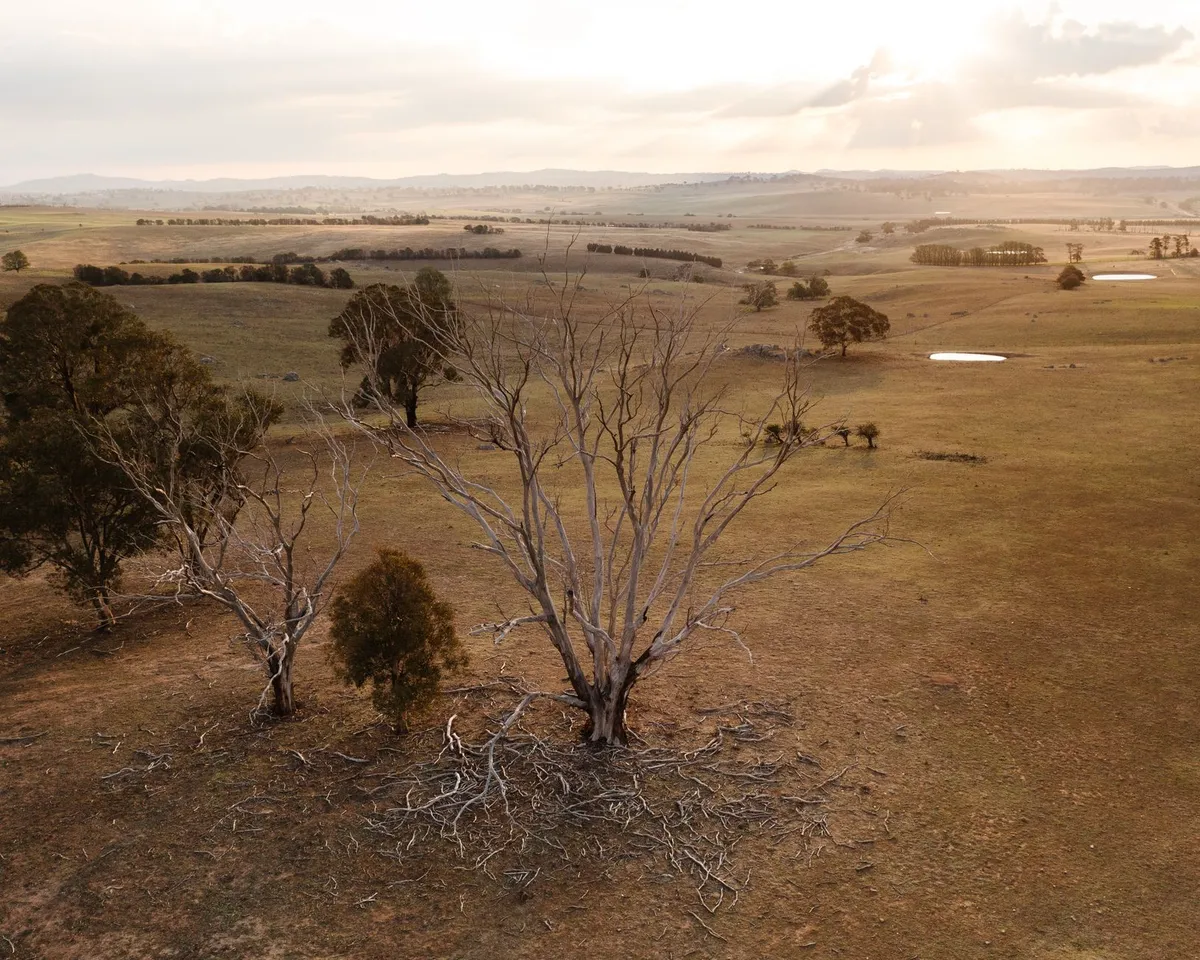
As the sun rises over the horizon, casting a golden glow over the vast expanse of the Australian continent, a sense of adventure and excitement fills the air. The land down under, with its unique blend of cultural heritage, stunning landscapes, and diverse wildlife, is a paradise for travelers and tourists alike. From the bustling streets of Sydney and Melbourne to the rugged beauty of the Outback and the Great Barrier Reef, Australia is a country that has something to offer for every kind of traveler.
A Brief History of Tourism in Australia
The concept of travel and tourism in Australia dates back to the colonial days, when the idea of exploring new lands and discovering hidden treasures was a natural part of the Australian psyche. As the country grew and developed, the habit of mobility and enterprise encouraged Australians to venture out and explore their surroundings. The opening of new lands, the establishment of industries and towns, and the consequent dispersal of people over Australia created a sense of adventure and possibility that has continued to shape the country’s tourism industry to this day.
 The initial emphasis on tourism was strongest on travel to resorts near the main population centers, such as the Blue Mountains in New South Wales and the hill and coast resorts close to Melbourne and other major Victorian cities. The existing railway services radiating from these cities, together with the ‘feeder’ horse-drawn, and later motor, coach transport connecting with the railways, rendered the State Government railway tourist bureaux the main means for selling intrastate, and even some interstate, travel.
The Growth of International Tourism
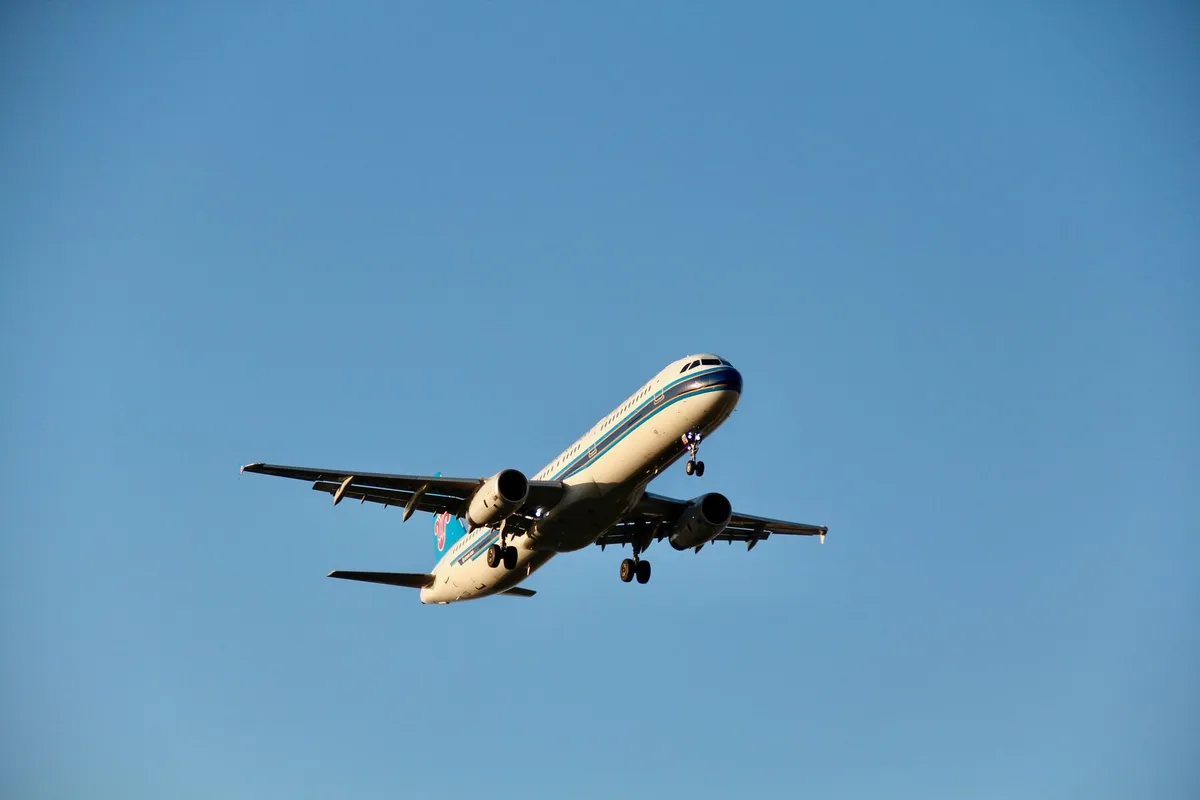
In the period following the Second World War, the advent of new and improved methods of transportation, combined with rising standards of living and the energetic publicising of foreign destinations, developed international travel into a mass movement. New ocean liners shortened travelling time considerably, and travel by car and bus increased in many countries. Most of all, air travel became widely available, faster, safer, and cheaper. The beginning of the Jet Age in 1960, with larger aeroplanes carrying more than 100 passengers at speeds approximating 600 miles per hour, diminished the world by half in terms of time.
 Rising standards of living in the post-war period led to greater expenditure on tourism, thus making it more important to the national economy. Australia has shared in this worldwide expansion of travel, particularly in respect of its domestic tourism. Because of the marked increase in incomes and private car ownership among large sections of the population, greater leisure time, three weeks of paid annual holidays, and the introduction of long-service leave, thousands of Australians now travel by road into almost every part of the country.
Popular Destinations and Attractions
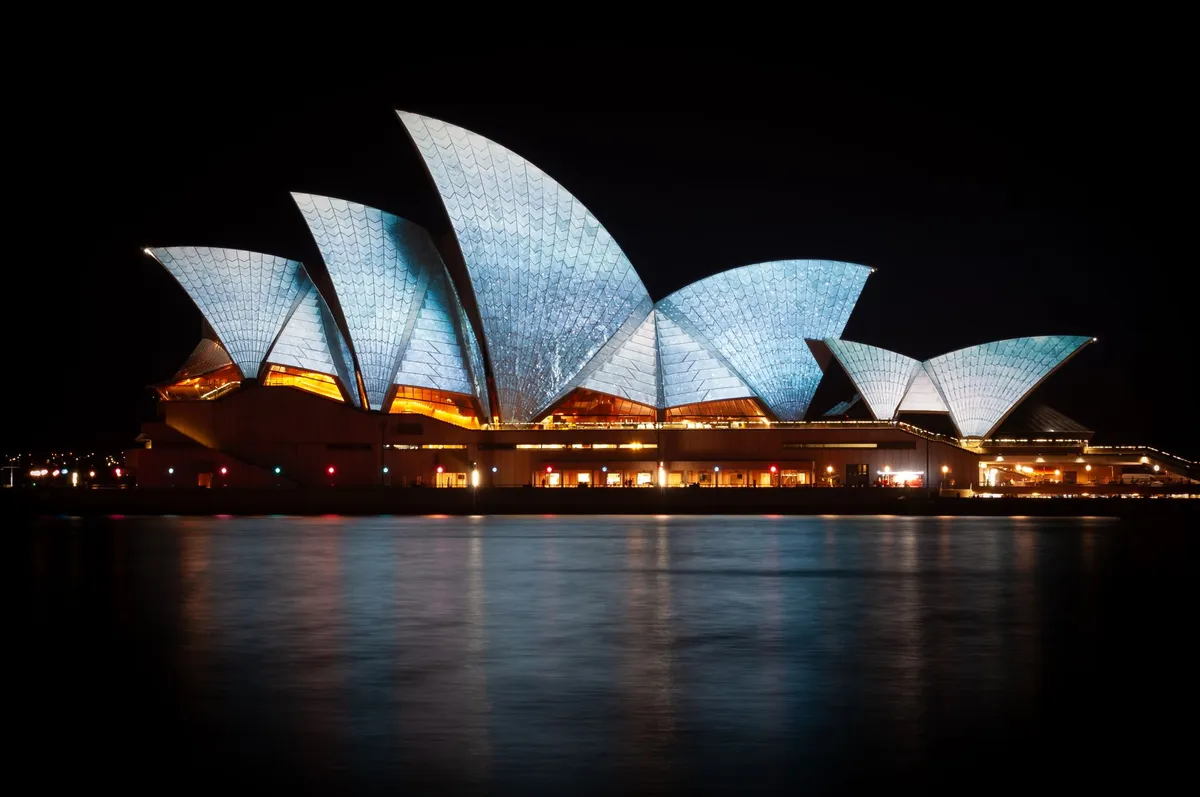
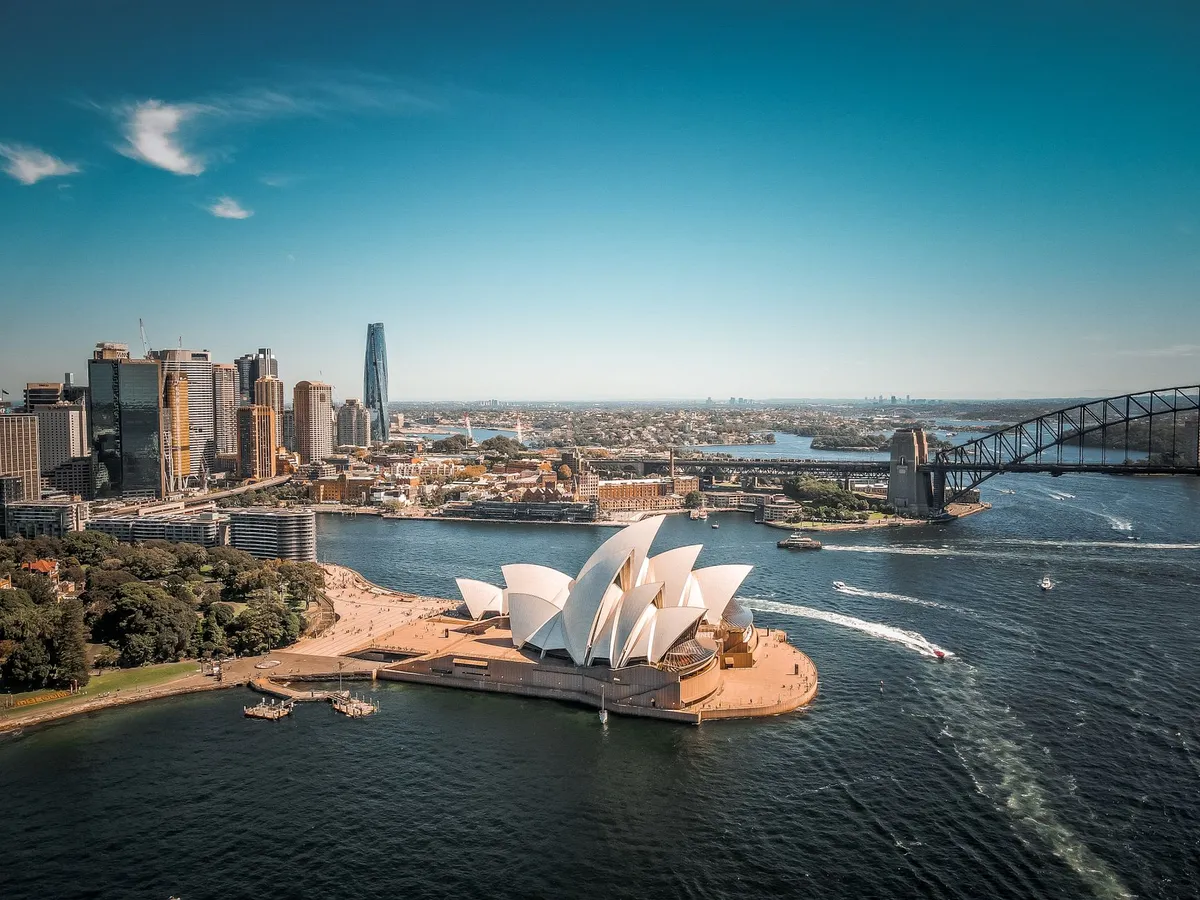
Australia is home to a diverse range of popular destinations and attractions, from the iconic Sydney Opera House and the stunning Great Barrier Reef to the rugged beauty of the Outback and the unique wildlife of the country. The coastal capital cities of Sydney and Melbourne are must-visit destinations, with their vibrant cultural scenes, stunning architecture, and world-class restaurants and bars.
 Other popular locations include the Gold Coast, with its theme parks and vibrant nightlife, and the Tasmanian wilderness, with its stunning natural beauty and outdoor activities such as hiking and camping. The unique Australian wildlife is also a major drawcard for tourists, with kangaroos, koalas, and wombats being just a few of the many amazing species that can be found in the country’s national parks and wildlife sanctuaries.
The Future of Tourism in Australia
In recent years, the tourism industry in Australia has faced a number of challenges, including the COVID-19 pandemic and the resulting travel restrictions. However, the industry has shown remarkable resilience and adaptability, with many tourism operators and businesses finding new and innovative ways to attract visitors and provide unique and memorable experiences.
 As the country looks to the future, there is a growing recognition of the importance of sustainable and responsible tourism practices, with a focus on protecting the environment, respecting local cultures, and supporting local communities. With its unique blend of natural beauty, cultural heritage, and friendly and welcoming people, Australia is well-placed to continue to be a popular destination for tourists from around the world.
#Travel #Australia #Tourism