Showing Posts From
Travel
Author: Jasmine GuilloryPage Count: UnknownPublication Date: Expected publication 2026-10-06 APL Fluorescent bulbs hum a cruel, low-frequency torture tune while the espresso machine hisses its two-AM death rattle, leaving my brain practically vibrating against the inside of my skull. It is freezing cold outside this wretched little booth—crisp October winds are currently beating the asphalt into submission—yet here I am, staring down Jasmine Guillory’s YA debut, It's Only Dancing. The Desert Heat and Aesthetic Plagiarism Let us be completely honest with ourselves—the premise drips with the kind of derivative nostalgia that makes a caffeinated nocturnal cynic want to throw their keyboard across the laminate floor. A girl named Kitty gets dragged to a desert camp for the summer, hates it, and instantly runs into a brooding dance instructor named Jordan. Groundbreaking. We are basically recycling Dirty Dancing for a generation whose attention span has been systematically fried by short-form video algorithms. But wait. Guillory usually writes adult rom-coms about adult professionals eating artisanal cheese and having mature, emotionally regulated conversations. Shifting gears into teenage angst—high school senior year, college apps, sneaking around—feels like a midlife pivot into the YA industrial complex just to secure a shiny badge from the morning-show book club. Do not get me wrong; the YA market is a massive cash-cow right now, brimming with authors like Jenny Han or Nicola Yoon printing money off of teenage yearning. Still, reducing an entire demographic’s emotional landscape to a retread of Patrick Swayze shaking his hips in the Catskills is peak capitalist laziness. The Psychology of Abandoned Pointe Shoes Yet beneath the eye-rolling setup, the core trauma here actually slaps. Kitty was forced to quit ballet two years prior, abandoning her entire identity because of some unspecified catastrophe. And that is where the book might actually save itself from pure mediocrity. The grief of lost physical mastery—when your body used to speak a language you loved, and suddenly you are struck mute—is deeply real. Guillory throws in hip-hop dance as the forbidden fruit, dragging Kitty out of her academic self-exile and straight into the realm of messy, uninhibited motion. The thematic engine isn't just about a cute boy with magnetic abs. It is about bodily autonomy, teenage rebellion, and the terrifying process of forgiving yourself when a dream violently dies. The Inevitable Verdict Will it be predictable? Absolutely, fam. You can smell the third-act misunderstanding and the inevitable tearful reconciliation from three chapters away. The synopsis is painfully vague about the actual mechanics of the plot, relying entirely on the weight of the tropes to carry the momentum. But if Guillory leans into the somatic devastation of losing one's artistic passion instead of just leaning on the cheap dopamine hit of a YA romance, it might actually transcend its own marketing. Or maybe I am just projecting my own desperate desire to escape this fluorescent-lit purgatory onto a fictional teenager sweating in a southern California desert. I have to jet. I am ridiculously late for a fiercely intellectual philosophical debate at a smoky underground jazz club downtown. Related InsightsNight Book Review and Summary The Murder Party Book Review and Summary Nightjars Book Review and Summary{ "@context": "https://schema.org", "@type": "FAQPage", "mainEntity": [ { "@type": "Question", "name": "What is the main focus of It's Only Dancing Book Review and Summary?", "acceptedAnswer": { "@type": "Answer", "text": "Everything you need to know about It's Only Dancing with our detailed review." } }, { "@type": "Question", "name": "Who authored the comprehensive guide on It's Only Dancing Book Review and Summary?", "acceptedAnswer": { "@type": "Answer", "text": "This detailed article and its insights were carefully researched and authored by Beatriz Costa." } }, { "@type": "Question", "name": "Where can I find more related content about Books?", "acceptedAnswer": { "@type": "Answer", "text": "You can explore more articles, detailed reviews, and similar insights by browsing the Related Insights section at the bottom of this article or visiting our dedicated Books category page." } } ] }
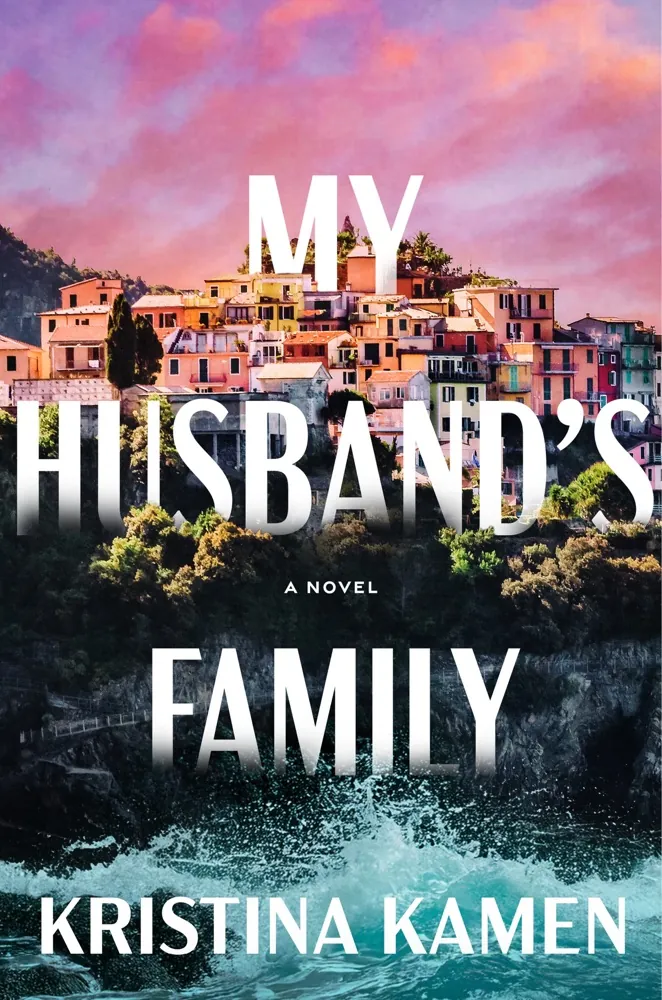
Author: Kristina KamenPage Count: UnknownPublication Date: Expected publication 2026 APL Fluorescent humming overhead, a tiny plastic chair digging uncomfortably into my spine, and thirty more minutes until a fourth-grade math teacher explains why my kid forgot to reduce fractions. Perfect conditions to evaluate the psychological weight of My Husband's Family. Kristina Kamen clearly understands the lucrative intersection of extreme wealth and violent maritime inconvenience. Sun, Sea, and Sociopathy Billionaires on boats. A trope older than Aristotle, yet somehow perpetually bankable. We get the standard-issue billionaire checklist: the iron-willed matriarch, the golden child sweating bullets for his inheritance, and an influencer girlfriend documenting the ruin of her own digital brand. But let us be entirely fair here—this is pure, unadulterated airplane literature meant to be consumed while wearing oversized sunglasses indoors. Or, in my current reality, while aggressively nodding at a teacher holding a poorly glued diorama. Wait. Let me backtrack on that dismissal. Actually, the inclusion of a jilted ex-fiancée who happens to be a top corporate executive changes the math. That adds a sharp corporate malice to what otherwise might drift into a standard murder mystery. This altered my brain chemistry. Or at least, it provides a mildly better distraction than listening to a frantic educator explain homework policies at eight-fifteen at night. The Billionaire Body Count The synopsis leans heavily on the comparison to The Guest List and The Perfect Couple. Predictable blurb work. Publishers love a safe lineage. Yet, what makes My Husband's Family worth watching upon its 2026 arrival is the sheer claustrophobia of a mega yacht. Trapped in international waters with a floating corpse and a heap of familial resentment? Wonderful. And why am I even analyzing a book that hasn't officially hit shelves yet? Because word counts demand sacrifices, and someone decided that late-night exhaustion is the prime demographic for dissecting capitalist satire on the Amalfi Coast. Everyone is hiding something behind a veneer of Italian linen. The outsider bride with an enigmatic past. The desperate older brother. A random deckhand who apparently drew the shortest straw in Mediterranean maritime history. Kamen is playing a familiar chord, but the high-stakes corporate succession angle elevates it above the standard beach-read fodder. I am going to put on a Coltrane vinyl and forget about this book. Related InsightsStolen Heir Book Review and Summary Love Unwritten Book Review and Summary Alanna: The First Adventure Book Review and Summary{ "@context": "https://schema.org", "@type": "FAQPage", "mainEntity": [ { "@type": "Question", "name": "What is the main focus of My Husband's Family Book Review and Summary?", "acceptedAnswer": { "@type": "Answer", "text": "Everything you need to know about My Husband's Family with our detailed review." } }, { "@type": "Question", "name": "Who authored the comprehensive guide on My Husband's Family Book Review and Summary?", "acceptedAnswer": { "@type": "Answer", "text": "This detailed article and its insights were carefully researched and authored by Beatriz Costa." } }, { "@type": "Question", "name": "Where can I find more related content about Books?", "acceptedAnswer": { "@type": "Answer", "text": "You can explore more articles, detailed reviews, and similar insights by browsing the Related Insights section at the bottom of this article or visiting our dedicated Books category page." } } ] }
-
 Beatriz Costa
 - 09 Sep, 2026 02:39
Behind the Movies: Outtakes and Extras from the World of Better Than the Movies Book Review and Summary
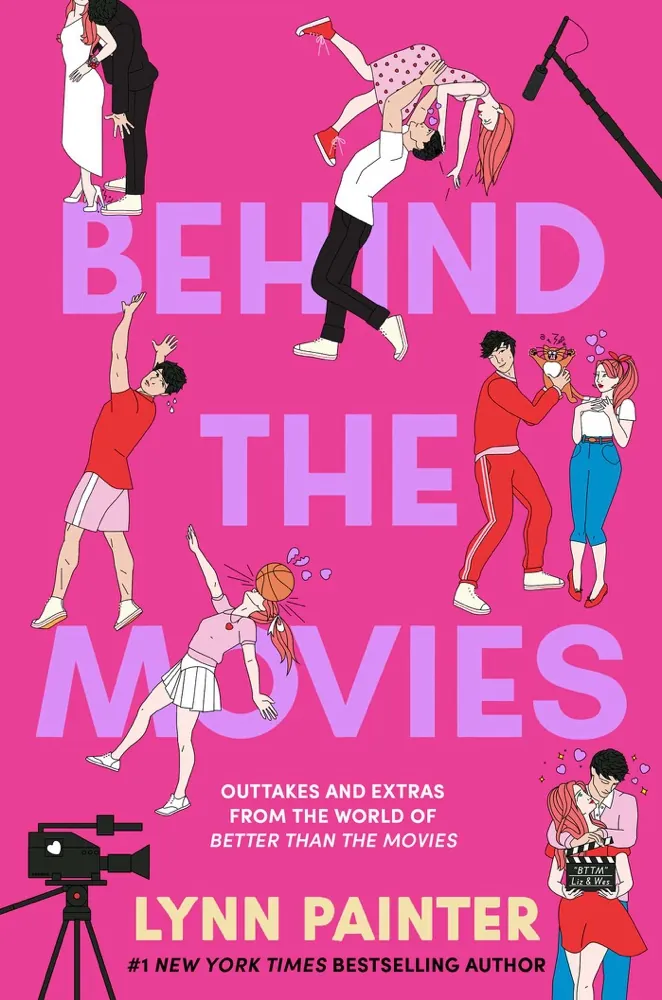
Author: Lynn PainterPage Count: UnknownPublication Date: Expected publication 2026 APL Look at these plastic chairs. They are digging into my lower back at an impossible angle, entirely designed to punish any adult foolish enough to sit in a middle school gymnasium on a rainy Tuesday while a man in a fleece vest drones on about cooperative learning modules. I am supposed to be asleep right now, resting before my body has to drag itself back into the cold hum of the warehouse floor at midnight. Instead, I am staring at a glowing screen, reading about Lynn Painter publishing a collection of deleted scenes called Behind the Movies. Because apparently, the multi-million-copy YA rom-com machine cannot function unless we scrape the absolute bottom of the narrative barrel for alternate POVs and cat shenanigans. The Cutting Room Floor Illusion File this under "What were they thinking?" We are getting the exact same fictional universe recycled back to us under the guise of an extended-cut cinematic experience. Wes and Liz need another book like I need another mandatory professional development seminar on digital literacy. Yet the marketing machine purrs along, banking on the unyielding loyalty of teenagers who consume tropes like oxygen. It is fascinating, really. Or maybe it is just aggressively exhausting. Actually, scratch that. It is neither. It is simply commerce operating at its most transparent. The thematic core here relies entirely on the sacred text of proximity. The illusion that if you just get inside the male protagonist's head during a specific kiss—the capital-K Kiss—you will somehow unlock the secret mechanics of human affection. Painter knows her audience. She serves up the digital table scraps originally posted on random teen literature blogs and slaps a glossy cover on them for 2026. And I will probably watch some exhausted mother buy it at Target while her eighth-grader sighs dramatically over a permission slip. The Rewritten Gaze We are promised flipped POVs. Because God forbid a teenage romance exist without a dual-hemisphere investigation into who liked whom first. The narrative preoccupation with male validation disguised as emotional transparency makes my left eye twitch. No, wait. That is just the fluorescent lighting overhead flickering like a dying strobe. Either way, the emotional stakes of a college road trip and a rescue cat feel terribly low when you are calculating how many hours of sleep you are going to miss before the morning shift hits. Nobody asked for the cat. Or maybe everyone asked for the cat. The internet loves a stray feline subplot to soften the edges of standard-issue enemies-to-lovers angst. It is right out of the Emily Henry playbook, though lacking the actual sentence-level craftsmanship. Math. I need to open the algebra app on this cracked tablet and pretend I know how to find the hypotenuse of a triangle because someone decided fractions are important at seven in the evening. Related InsightsWonder Book Review and Summary Dare Me Collection Book Review and Summary Crescent City Book Review and Summary{ "@context": "https://schema.org", "@type": "FAQPage", "mainEntity": [ { "@type": "Question", "name": "What is the main focus of Behind the Movies: Outtakes and Extras from the World of Better Than the Movies Book Review and Summary?", "acceptedAnswer": { "@type": "Answer", "text": "Everything you need to know about Behind the Movies: Outtakes and Extras from the World of Better Than the Movies with our detailed review." } }, { "@type": "Question", "name": "Who authored the comprehensive guide on Behind the Movies: Outtakes and Extras from the World of Better Than the Movies Book Review and Summary?", "acceptedAnswer": { "@type": "Answer", "text": "This detailed article and its insights were carefully researched and authored by Beatriz Costa." } }, { "@type": "Question", "name": "Where can I find more related content about Books?", "acceptedAnswer": { "@type": "Answer", "text": "You can explore more articles, detailed reviews, and similar insights by browsing the Related Insights section at the bottom of this article or visiting our dedicated Books category page." } } ] }

Author: Paige SanderPage Count: UnknownPublication Date: Expected publication 2026 APL The fluorescent hum overhead is starting to sound like a dying transformer—or maybe that’s just my brain vibrating after thirty hours awake staring at spreadsheets of municipal water pipe layouts. Let’s pretend for a second that people actually read books about terminal illness with the same reckless abandon they consume ice cream on a park bench. Paige Sander’s upcoming Side Effect tries to fuse the trauma-mining of contemporary memoir with the sweet, cynical architecture of a podcast-era rom-com. Or so the back cover tells us. We are looking at a narrative framework that borrows heavily from Emily Henry’s witty structural scaffolding, yet insists on dragging a heavy sack of medical dread straight through the rom-com turnstile. Microphones and Malignant Cells Podcasting as a narrative device in fiction has become the new coffee-shop career—a tidy excuse for a protagonist to voice internal monologues aloud for the benefit of an invisible audience. Ruby monetizes her romantic disasters. Yet the real disaster is biological. Late-stage brain cancer. A diagnosis dropped into a hooky synopsis like a clove of garlic in a white wine reduction—sharp, pungent, and impossible to ignore. But wait, let me walk that back. Is it actually impossible to ignore, or is it just another slick marketing gimmick designed to make us cry into our Kindles while waiting for the dawn shift to end? The juxtaposition of a dating-horror-story podcast with mortality rates feels jarring. And I mean that in the worst possible way. The Dreamboat Paradox Enter Neal. The mysterious dreamboat. Every single romance novel published after 2022 is legally obligated to feature at least one man who possesses a enigmatic smile and a secret that threatens to unravel the third-act HEA. Sander gives us a slow-burn dynamic where emotional armor meets actual, literal expiration dates. Except, how slow can a burn really be when the protagonist’s clock is ticking down like a cheap kitchen timer? The synopsis implies a chess match of mutual avoidance—she pushes people away because of her podcast persona, he presumably pushes people away because he’s hiding his own flavor of baggage. Actually, scratch that, maybe the cynicism is getting the better of me. Maybe the slow burn hits differently when time is a scarce commodity. Writers like Nicola Yoon have walked this tightrope before, balancing terminal diagnoses with fluttering heartbeats. Sander is clearly gunning for that exact sweet spot between grief porn and serotonin hit. The mechanics of the premise rely entirely on withholding. We know she’s sick. We know he’s mysterious. We know the podcast will somehow capture the collateral damage of their unfolding intimacy. Whether the prose can sustain this tonal tightrope walk without devolving into maudlin sentimentality remains entirely to be seen—especially since we are relying solely on a three-sentence blurb written by a marketing team hopped up on cold brew and desperation. The security guard is pacing past the biography aisle again, flashing his heavy ring of keys like a threat, which means my fifteen minutes of quiet contemplation are officially over and I have to go debate the merits of absurdism with a sketchy stranger in a sticky vinyl booth down at the all-night dive. #bookstagram #romancebooks #slowburn #literarycriticism Related InsightsFull House Book Review and Summary Survive the Night Book Review and Summary A Deal in Death (Immortal Desires, #2) Book Review and Summary{ "@context": "https://schema.org", "@type": "FAQPage", "mainEntity": [ { "@type": "Question", "name": "What is the main focus of Side Effect: An 831 Stories Romance Book Review and Summary?", "acceptedAnswer": { "@type": "Answer", "text": "Everything you need to know about Side Effect: An 831 Stories Romance with our detailed review." } }, { "@type": "Question", "name": "Who authored the comprehensive guide on Side Effect: An 831 Stories Romance Book Review and Summary?", "acceptedAnswer": { "@type": "Answer", "text": "This detailed article and its insights were carefully researched and authored by Beatriz Costa." } }, { "@type": "Question", "name": "Where can I find more related content about Books?", "acceptedAnswer": { "@type": "Answer", "text": "You can explore more articles, detailed reviews, and similar insights by browsing the Related Insights section at the bottom of this article or visiting our dedicated Books category page." } } ] }
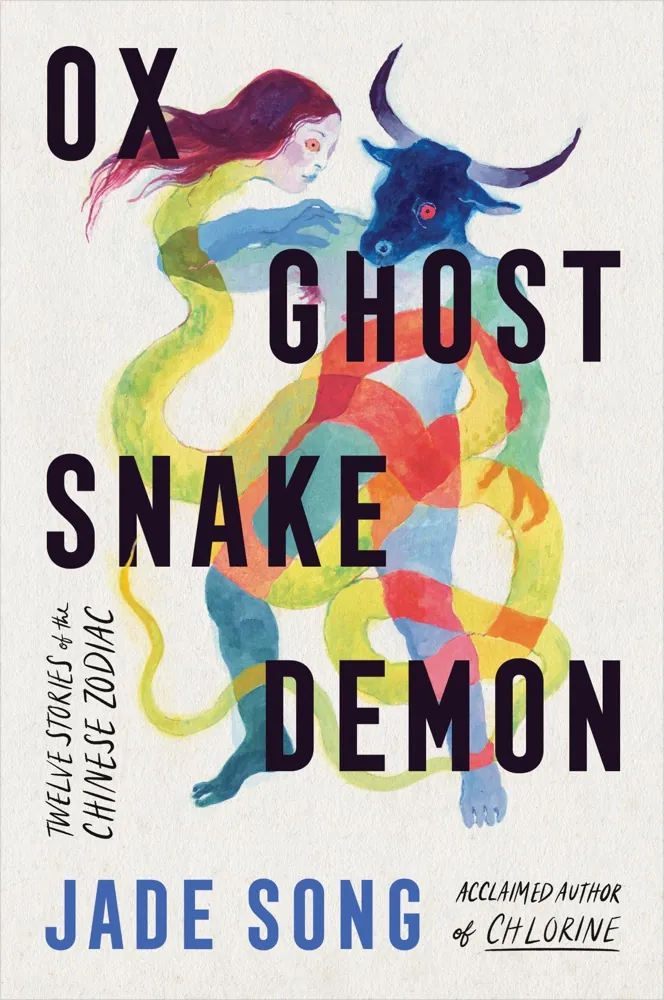
Author: Jade SongPage Count: UnknownPublication Date: Expected publication 2026 APL The fluorescent bulb above my desk is emitting a low-frequency hum that is currently vibrating straight through my skull, but sure, let us all pause to dissect the upcoming literary sensation because corporate wants another hundred words on whatever the algorithm is currently digesting. Jade Song is back with Ox Ghost Snake Demon, a twelve-part exercise in zodiac-inspired surrealism that promises to do things to the contemporary short story market that I am frankly too sleep-deprived to fully endorse. Zodiac Monsters And Midnight Shifts So we get twelve stories mapped across the Chinese zodiac. Groundbreaking structural conceit. Yet the synopsis reads like a fever dream engineered in a writer’s workshop fueled entirely by cold brew and existential dread. A tattoo artist uncovers hidden dragons. A suburban wife turns her lawn into a woodland sanctuary. A girl literally devours her enemies—because subtlety was apparently too much to ask for in 2026. And look, I am just trying to stretch this out so I can clock out before the morning delivery truck blocks the alleyway. The Currency Of Weird Girl Lit The promotional machine is already leaning hard into the "weird girl lit" label—a marketing category that basically means female protagonists are allowed to be messy, monstrous, or vaguely unhinged without needing to teach the reader a wholesome moral lesson. Thank god for small mercies. Song is clearly tapping into the same jittery, body-horror-adjacent vein as Ling Ma or Carmen Maria Machado, but filtered through a specific diasporic lens of cultural inheritance and queer alienation. Or at least, that is what the back-cover blurb implies based on the heavy-handed phrasing about the "burden of history." I have not read the manuscript. Nobody has. We are all just reacting to a publisher's sales pitch translated into pristine marketing prose. And yet, the commercial viability here is glaringly obvious. Readers eat up this brand of melancholic magical realism like midnight takeout. If you liked Her Body and Other Parties, you are going to buy this simply because the cover art will look striking on an Instagram grid. But let us be entirely honest—short story collections are a tough sell in a market obsessed with sprawling, multi-volume fantasy epics designed to be consumed like television seasons. Will twelve disparate surrealist vignettes hold anyone's attention for longer than a single subway commute? Who knows. Who cares. I certainly do not get paid enough to solve the publishing industry's structural anxieties. I have to go outside now because a man in a high-visibility vest is screaming at a dumpster, and honestly, I'd rather debate the merits of absurdism with an aggressive stranger in a sticky dive bar than write another paragraph about cultural expectations and queer identity. Related InsightsThe Secret Magdalene Book Review and Summary Heartstopper, Volume Five Book Review and Summary Blood on the Tide Book Review and Summary{ "@context": "https://schema.org", "@type": "FAQPage", "mainEntity": [ { "@type": "Question", "name": "What is the main focus of Ox Ghost Snake Demon Book Review and Summary?", "acceptedAnswer": { "@type": "Answer", "text": "Everything you need to know about Ox Ghost Snake Demon with our detailed review." } }, { "@type": "Question", "name": "Who authored the comprehensive guide on Ox Ghost Snake Demon Book Review and Summary?", "acceptedAnswer": { "@type": "Answer", "text": "This detailed article and its insights were carefully researched and authored by Beatriz Costa." } }, { "@type": "Question", "name": "Where can I find more related content about Books?", "acceptedAnswer": { "@type": "Answer", "text": "You can explore more articles, detailed reviews, and similar insights by browsing the Related Insights section at the bottom of this article or visiting our dedicated Books category page." } } ] }

-
 Aisha Sharma
 - 01 Sep, 2026 21:15
Palawan’s Hidden Lagoons: The Philippines’ Most Breathtaking Coastal Escapes You Can’t Miss
Where the Ocean Meets Myth: Palawan’s Lagoons Beckon the Adventurous Soul Nestled in the western Philippines, Palawan is a dream woven from emerald forests, powder-white beaches, and lagoons so pristine they feel plucked from a painter’s palette. While El Nido and Coron hog the spotlight, the true magic lies in the hidden lagoons—secluded pockets of water where limestone karsts rise like ancient sentinels, and the sea whispers secrets to those willing to listen. These are not just destinations; they are experiences that linger in the soul long after the tide has pulled you back to shore. For the intrepid traveler, Palawan’s lagoons offer more than Instagram-worthy backdrops. They are gateways to untouched ecosystems, where bioluminescent plankton dance under moonlight and mangroves cradle rare bird species. Whether you’re a digital nomad seeking inspiration, a honeymooner chasing romance, or a solo explorer mapping uncharted waters, these lagoons promise an escape that feels both timeless and exhilarating. But how do you uncover these hidden gems without falling into the tourist traps? What’s the real cost of living in this paradise, and how can you make the most of your visit? Let’s dive into the heart of Palawan’s lagoons, where every ripple tells a story.The Lagoons That Time Forgot: A Journey Through Palawan’s Secret Waterways Palawan’s lagoons are not just bodies of water; they are living museums of geological wonder. Formed over millions of years by the slow dissolution of limestone, these lagoons are part of a vast karst landscape that stretches from El Nido to Coron. The most famous among them—Big Lagoon, Small Lagoon, and Secret Lagoon in El Nido—are often crowded, but the real treasures lie beyond the beaten path. Take Taraw Cliff Lagoon, for instance. Accessible only by a steep hike through dense jungle, this lagoon rewards adventurers with a panoramic view of Bacuit Bay. The water here is so clear that you can spot fish darting between coral formations, and the limestone walls echo with the calls of swiftlets nesting in the caves. For those who prefer a quieter experience, Cadlao Lagoon in Coron offers a secluded escape with fewer boats and more wildlife sightings, including monitor lizards and kingfishers. But the crown jewel might just be Kayangan Lake, often hailed as the cleanest lake in Asia. Surrounded by towering cliffs, this lagoon is a snorkeler’s paradise, with vibrant coral reefs teeming with marine life. The water is so transparent that you can see the lakebed from the surface, making it a photographer’s dream. To reach it, you’ll need to climb a series of wooden steps, but the effort is worth every bead of sweat. For the truly off-the-beaten-path explorer, Dipuyai Lagoon in Taytay offers a raw, untouched beauty. Unlike the more touristy lagoons, Dipuyai is rarely visited, making it a perfect spot for solitude and reflection. The lagoon is nestled within a mangrove forest, and the water here is a mesmerizing shade of blue-green, reflecting the sky above.From Budget Backpacker to Luxury Seeker: The Real Cost of Living in Palawan Palawan is a paradise, but it’s not without its costs. Whether you’re planning a short visit or a long-term stay, understanding the financial landscape is crucial. According to recent data, the cost of living in Palawan for a digital nomad hovers around $1,280 per month for a mid-tier lifestyle. This includes rent, groceries, dining out, transportation, utilities, and coworking space access. Here’s a detailed breakdown of what you can expect:Expense Category Monthly Cost (USD) NotesRent (1-bedroom apartment) $550 Prices vary by location; El Nido and Coron are pricier than smaller towns.Groceries $240 Local markets offer fresh produce at lower prices than supermarkets.Dining Out $200 Street food and local eateries are affordable; Western restaurants cost more.Transportation $50 Tricycles and jeepneys are cheap; renting a scooter costs ~$10/day.Utilities (electricity, water, internet) $110 Internet speeds are decent but can be unreliable in remote areas.Coworking Space $130 Spaces like The Hub in Puerto Princesa or Do It El Nido offer modern amenities.Miscellaneous (tours, tips, etc.) $100 Includes entrance fees to lagoons, tips for guides, and unexpected expenses.For budget travelers, it’s possible to live on $800–$1,000 per month by opting for homestays, cooking your own meals, and using public transport. However, if you’re looking for comfort and convenience, budget closer to $1,500–$2,000 to enjoy Palawan’s finer offerings, such as private boat tours or luxury resorts.Visa Voyages: Navigating Palawan’s Entry Requirements Without the Headache Palawan’s allure is undeniable, but before you pack your bags, you’ll need to navigate the visa landscape. The good news? The Philippines offers visa-free entry for up to 30 days for citizens of over 150 countries, including the US, UK, Canada, Australia, and most EU nations. This visa-on-arrival is extendable for up to 36 months, making Palawan an ideal long-term destination for digital nomads and remote workers. Here’s what you need to know:Visa-Free Entry: If you’re from a visa-exempt country, you’ll receive a 30-day stamp upon arrival. No prior application is needed. Extensions: To extend your stay, visit the Bureau of Immigration office in Puerto Princesa or El Nido. Extensions are typically granted in 30-day increments, with a maximum stay of 36 months. Special Visa Programs: For digital nomads, the Philippines offers the Special Working Visa, which allows remote workers to stay for up to 6 months. Requirements include proof of employment or business ownership and a minimum monthly income of $800. Overstaying Penalties: Overstaying can result in fines of ₱500 per day, so it’s best to plan your extensions in advance.Pro tip: If you’re planning to stay long-term, consider applying for a Tourist Visa Extension (TVE) before your initial 30 days expire. The process is straightforward, but it’s wise to hire a local agent to handle the paperwork, as the bureaucracy can be daunting.Beyond the Postcard: Sustainable Ways to Explore Palawan’s Lagoons Palawan’s lagoons are fragile ecosystems, and their beauty is under threat from overtourism and environmental degradation. As a responsible traveler, you can minimize your impact—and even contribute to conservation efforts—by adopting sustainable practices.Choose Eco-Friendly Tour Operators: Opt for operators that prioritize sustainability, such as those using solar-powered boats or offering plastic-free tours. In El Nido, El Nido Resorts and Lagen Island Resort are leaders in eco-tourism, with initiatives like coral restoration and waste management programs. Leave No Trace: Pack out all your trash, including biodegradable items like fruit peels, which can harm wildlife. Avoid using chemical sunscreens, as they can bleach coral reefs. Support Local Communities: Buy souvenirs directly from local artisans in Palawan’s markets, such as the Puerto Princesa Public Market or El Nido’s Art in Paradise. This ensures your money goes to the people who call Palawan home. Respect Wildlife: Keep a safe distance from marine life, including dolphins and sea turtles. Never touch or feed wild animals, as this can disrupt their natural behaviors. Offset Your Carbon Footprint: Consider donating to local conservation projects, such as the Palawan Council for Sustainable Development, which works to protect the province’s biodiversity.By traveling responsibly, you’re not just preserving Palawan’s lagoons for future generations—you’re ensuring that your own memories of this paradise remain untarnished.The Unwritten Rules of Palawan’s Lagoons: Etiquette for the Conscious Traveler Palawan’s lagoons are not just attractions; they are sacred spaces for the communities that call them home. To ensure your visit is respectful—and unforgettable—here are some unwritten rules to follow:Ask Before You Enter: Some lagoons, like Nacpan Beach’s hidden coves, are on private land. Always ask locals or your guide for permission before exploring. Dress Modestly: While swimwear is acceptable at the lagoons, cover up when walking through villages or religious sites. Shoulders and knees should be covered in churches and local communities. Hire Local Guides: Not only do local guides provide invaluable insights into the lagoons’ history and ecology, but they also support the local economy. In Coron, guides often share stories about the lagoons’ formation or point out hidden caves. Avoid Peak Hours: The lagoons are at their most magical in the early morning or late afternoon. Avoid visiting between 10 AM and 3 PM to reduce crowds and give the ecosystem a chance to breathe. Learn a Few Local Phrases: A simple "Salamat" (thank you) in Tagalog goes a long way in showing respect to the locals. Many Palawan locals speak Cuyonon, a distinct dialect, so learning a few phrases can enhance your interactions.By following these guidelines, you’ll not only enrich your own experience but also foster a deeper connection with the people and places that make Palawan so special.When the Tide Calls: The Best Time to Visit Palawan’s Lagoons Palawan’s lagoons are a year-round destination, but the best time to visit depends on your priorities. Here’s a seasonal breakdown to help you plan:November to February (Dry Season): This is the peak tourist season, with sunny skies and calm waters. Expect higher prices and crowded lagoons, but also the best snorkeling conditions. If you’re planning a visit during this time, book accommodations and tours well in advance. March to May (Hot Season): Temperatures soar, but the lagoons are less crowded. This is a great time for budget travelers, as prices drop significantly. However, be prepared for occasional heatwaves and water shortages in some areas. June to October (Rainy Season): The rains bring lush greenery and fewer tourists, but the seas can be rough, making boat tours less reliable. If you’re seeking solitude and don’t mind the occasional downpour, this is the perfect time to visit. Just pack a waterproof bag for your gear!For the ultimate lagoon experience, aim for late January or early February, when the weather is ideal, and the crowds haven’t yet peaked. If you’re a photographer, the golden hours of sunrise and sunset cast a magical glow over the lagoons, making them even more photogenic.The Lagoons’ Legacy: How Palawan’s Hidden Gems Are Shaping the Future of Travel Palawan’s lagoons are more than just Instagram backdrops—they are a testament to the power of sustainable tourism. As travelers increasingly seek authentic, off-the-beaten-path experiences, Palawan has emerged as a model for responsible exploration. From community-led eco-tours to conservation initiatives, the province is proving that tourism can be both profitable and protective. One shining example is the El Nido-Taytay Managed Resource Protected Area (ENTMRPA), which oversees the conservation of Palawan’s marine ecosystems. Through partnerships with local NGOs and government agencies, the ENTMRPA has implemented measures like no-anchoring zones to protect coral reefs and fishing quotas to preserve marine biodiversity. Meanwhile, initiatives like The Palawan Sustainable Tourism Project are training local guides in eco-friendly practices and promoting homestays to distribute tourism revenue more evenly. These efforts not only safeguard Palawan’s natural beauty but also empower local communities to take ownership of their heritage. For travelers, this means that visiting Palawan’s lagoons is not just a vacation—it’s an opportunity to be part of a larger movement. By choosing sustainable options, supporting local businesses, and respecting the environment, you’re helping to ensure that these hidden gems remain unspoiled for generations to come.Where the Journey Never Ends: Palawan’s Lagoons Await Your Footsteps Palawan’s lagoons are not just destinations; they are invitations. Invitations to explore, to reflect, to connect with nature, and to rediscover the joy of unhurried travel. Whether you’re paddling through the emerald waters of Kayangan Lake, snorkeling in the vibrant reefs of Cadlao Lagoon, or simply sitting on the shore of a secluded cove, these lagoons have a way of slowing time and awakening the senses. But remember, the magic of Palawan lies not just in its beauty, but in the stories you’ll carry home. The fisherman who shared his lunch with you, the guide who pointed out a rare bird, the sunset that painted the sky in hues you never thought possible. These are the moments that transform a trip into a journey. So pack your bags, leave your worries behind, and let Palawan’s lagoons weave their spell on you. The tide is calling—will you answer?#PalawanParadise #HiddenGemsPhilippines #SustainableTravel #LagoonLover #OffTheBeatenPath Related InsightsSun-Drenched Serenity vs. The Fjord’s Embrace: Choosing Between the Albanian Riviera and the Bay of Kotor La Signora di Ferro che Sfidò il Cielo: Storie, Segreti e le Ombre Nascoste della Torre Eiffel 清水寺: 断崖に立つ祈りの舞台{ "@context": "https://schema.org", "@type": "FAQPage", "mainEntity": [ { "@type": "Question", "name": "What is the main focus of Palawan’s Hidden Lagoons: The Philippines’ Most Breathtaking Coastal Escapes You Can’t Miss?", "acceptedAnswer": { "@type": "Answer", "text": "Discover Palawan’s secret lagoons, where turquoise waters and limestone cliffs create paradise. Dive into the Philippines’ most stunning coastal escapes with this insider’s guide." } }, { "@type": "Question", "name": "Who authored the comprehensive guide on Palawan’s Hidden Lagoons: The Philippines’ Most Breathtaking Coastal Escapes You Can’t Miss?", "acceptedAnswer": { "@type": "Answer", "text": "This detailed article and its insights were carefully researched and authored by Aisha Sharma." } }, { "@type": "Question", "name": "Where can I find more related content about Travel?", "acceptedAnswer": { "@type": "Answer", "text": "You can explore more articles, detailed reviews, and similar insights by browsing the Related Insights section at the bottom of this article or visiting our dedicated Travel category page." } } ] }
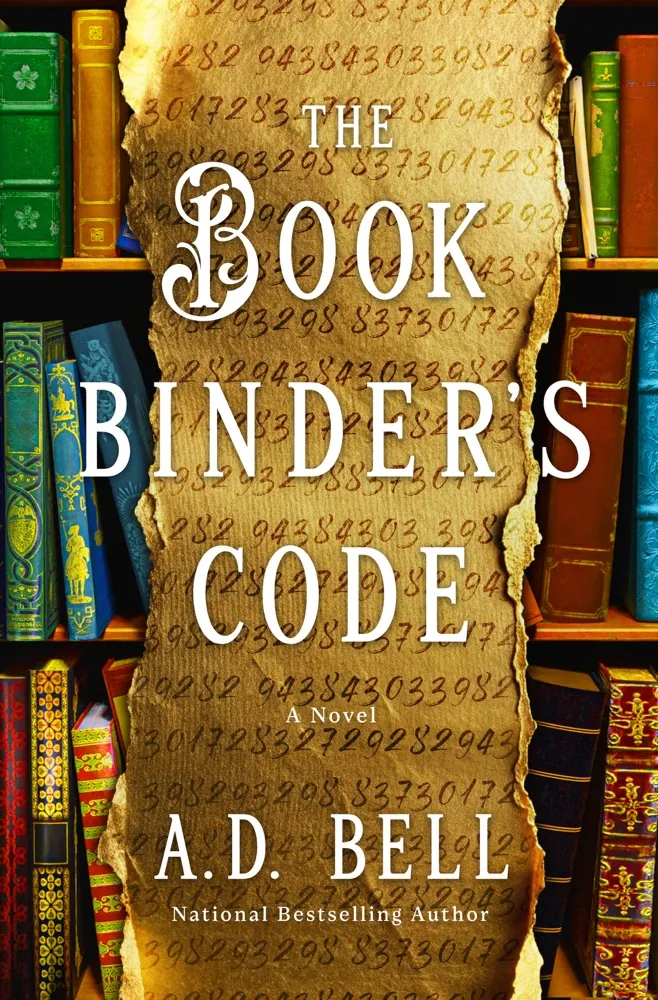
Author: A.D. BellPage Count: UnknownPublication Date: Expected publication 2026 APL The fluorescent lights overhead are humming a violent F-sharp and honestly, the chill creeping in through the loading bay door tonight is doing zero favors for my chronic existential dread. Autumn is here, people are wearing scarves, and I am desperately looking for the literary equivalent of a warm blanket dipped in cheap gin. Enter The Bookbinder's Code. Because nothing says cozy comfort quite like a Victorian-era missing person case and a dash of dusty antiquarian heresy. Binding Wounds and Coded Conspiracies We get it. The plucky artisan thrust into a high-society bloodbath is basically the pumpkin spice latte of historical mysteries. A.D. Bell is leaning hard into the cozy-meets-creepy aesthetic that keeps Dan Brown publishers swimming in cash. Yet—and this is a big, exhausted yet—there is something deeply comforting about the formula. Give me secret societies in Oxford quadrangles over modern nihilism any day. Give me a protagonist named Lily running around in a corset while a shadowy cabal tries to murder her. It is aggressively familiar. It is predictable. My coffee went cold reading this synopsis because I was too busy rolling my eyes at the exact same trope we have all consumed a thousand times since The Da Vinci Code dropped in 2003. The Heresy of the Familiar Yet we eat it up. Every single time. The plot relies on the oldest trick in the bibliographic thriller playbook: the mentor isn't who he says he is. Shocker. I am practically vibrating with apathy regarding the Liber Numerorum, mostly because vague synopses love throwing around Latin titles like they are instant tickets to gravitas. But do I care that it lacks structural originality? Absolutely not. Sometimes you just want to watch an Edwardian bookbinder dodge assassins in a ballroom while pondering the decimal system. It is pure serotonin for the exhausted night-shift brain. Expect breathless pacing that completely glosses over actual historical verisimilitude in favor of vibes. Think Kate Mosse meets Arthur Conan Doyle, filtered through a contemporary algorithm designed to maximize airport bookstore sales. It is low-stakes intellectual fast food wrapped in leather and gold leaf. And honestly? We desperately need that comfort right now as the leaves turn brown and the nights swallow the evening whole. My tarot reading this morning predicted an evening of profound annoyance. Related Insightsالقرآن الكريم Book Review and Summary The Ministry for the Future Book Review and Summary A Breath of Snow and Ashes Book Review and Summary{ "@context": "https://schema.org", "@type": "FAQPage", "mainEntity": [ { "@type": "Question", "name": "What is the main focus of The Bookbinder's Code Book Review and Summary?", "acceptedAnswer": { "@type": "Answer", "text": "Everything you need to know about The Bookbinder's Code with our detailed review." } }, { "@type": "Question", "name": "Who authored the comprehensive guide on The Bookbinder's Code Book Review and Summary?", "acceptedAnswer": { "@type": "Answer", "text": "This detailed article and its insights were carefully researched and authored by Beatriz Costa." } }, { "@type": "Question", "name": "Where can I find more related content about Books?", "acceptedAnswer": { "@type": "Answer", "text": "You can explore more articles, detailed reviews, and similar insights by browsing the Related Insights section at the bottom of this article or visiting our dedicated Books category page." } } ] }
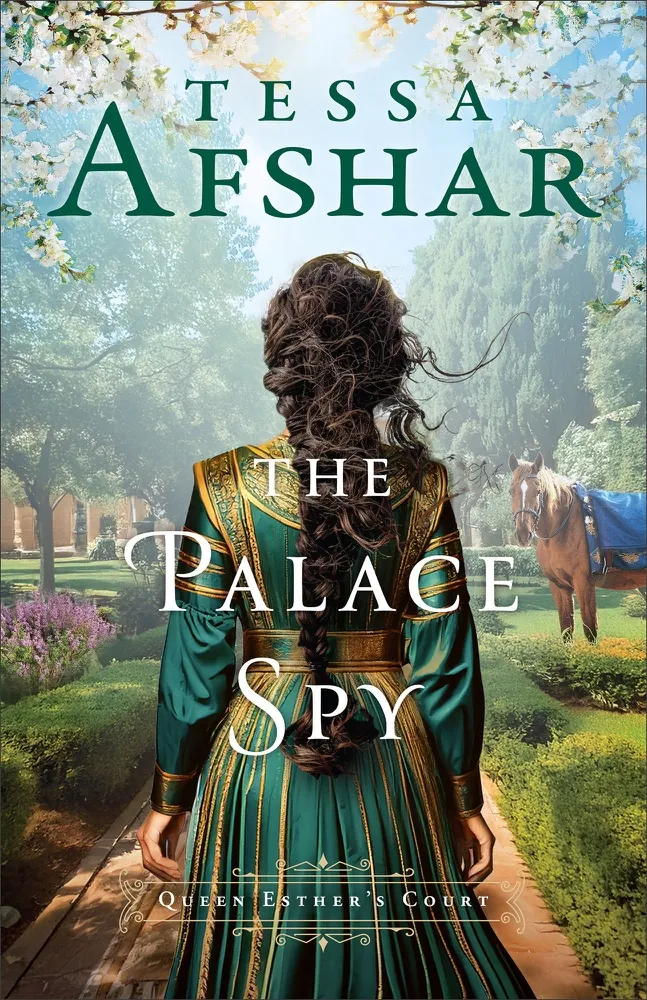
Author: Tessa AfsharPage Count: UnknownPublication Date: Expected publication 2026-11-17 APL Staring at a blinking cursor while the fluorescent lights hum a low, synthetic drone at four in the morning does wonders for your skepticism. The sweat pooling under my collar reminds me that August in the city offers zero mercy, leaving my brain to melt slowly into my ergonomic chair as I pick apart Tessa Afshar's upcoming biblical historical fiction finale, The Palace Spy. The Runaway Horse and Other Convenient Tropes We are looking at a narrative engine powered entirely by equestrian chaos and royal convenience. A homeless woman stops a runaway royal horse—classic—and immediately secures a classified intelligence-gathering gig from Queen Esther herself. Never mind the glaring logistical absurdity of the Persian court vetting zero people before handing out counter-assassination contracts. Afshar is clearly leaning into the same cozy, faith-infused historical romance space currently dominated by folks like Francine Rivers or Lynn Austin. And honestly? The target audience will devour it. Wait. Let me rephrase that. Actually, do not let me rephrase it, because the predictable nature of the setup is precisely what makes these late-night escape reads so comforting when the rest of the world feels like it is on fire. Orchards, Em-Dashes, and Forced Proximity Enter Allon, a brooding orchardist dragged back into the imperial fray because apparently, nobody in ancient Susa can retire in peace. Apple trees and espionage. What a combination. The thematic core here hinges on institutional trauma and the quiet exhaustion of retired civil servants forced into action. Yet the synopsis immediately pivots the heavy political stakes into a forced-proximity romance where two hardened operatives accidentally tie their hearts into metaphorical knots. The prose promises a race against time, but the emotional pacing feels destined to unfold at the leisurely speed of a Sunday stroll through an agricultural district. There is a strange dissonance in using an assassination plot as the mere backdrop for romantic tension. Or maybe the danger is completely toothless, designed purely to facilitate stolen glances behind Persian tapestries—wait, scratch that word, banish it from the lexicon, let us call them heavy embroidered curtains instead. Beyond the Scroll Mining the gaps in canonical scriptures is a well-worn trick, popularized by anyone trying to cash in on Sunday school nostalgia with a slightly more feminist, character-driven lens. Esther's post-biblical life offers a blank canvas, but I worry the political intrigue will get entirely sidelined by the will-they-won't-they dynamic between the homeless former-servant-turned-spy and the traumatized apple farmer. The synopsis leaves the stakes frustratingly vague, leaning on buzzwords about hearts tied into knots rather than actual geopolitical peril. But publishers love a safe bet for the late-year holiday rush, and this one has all the polished, predictable mechanics of a bestseller engineered for airport bookstores and quiet bedside tables. The distant, rhythmic thump of the subway somehow manages to vibrate straight through my noise-canceling headphones today. Related InsightsRevenge Plot Book Review and Summary Neverwhere Book Review and Summary Acheron Book Review and Summary{ "@context": "https://schema.org", "@type": "FAQPage", "mainEntity": [ { "@type": "Question", "name": "What is the main focus of The Palace Spy Book Review and Summary?", "acceptedAnswer": { "@type": "Answer", "text": "Everything you need to know about The Palace Spy with our detailed review." } }, { "@type": "Question", "name": "Who authored the comprehensive guide on The Palace Spy Book Review and Summary?", "acceptedAnswer": { "@type": "Answer", "text": "This detailed article and its insights were carefully researched and authored by Beatriz Costa." } }, { "@type": "Question", "name": "Where can I find more related content about Books?", "acceptedAnswer": { "@type": "Answer", "text": "You can explore more articles, detailed reviews, and similar insights by browsing the Related Insights section at the bottom of this article or visiting our dedicated Books category page." } } ] }
- Beatriz Costa
- 26 Aug, 2026 09:45
Start Lying to Yourself: New Truths to Manifest the Life You Want Book Review and Summary
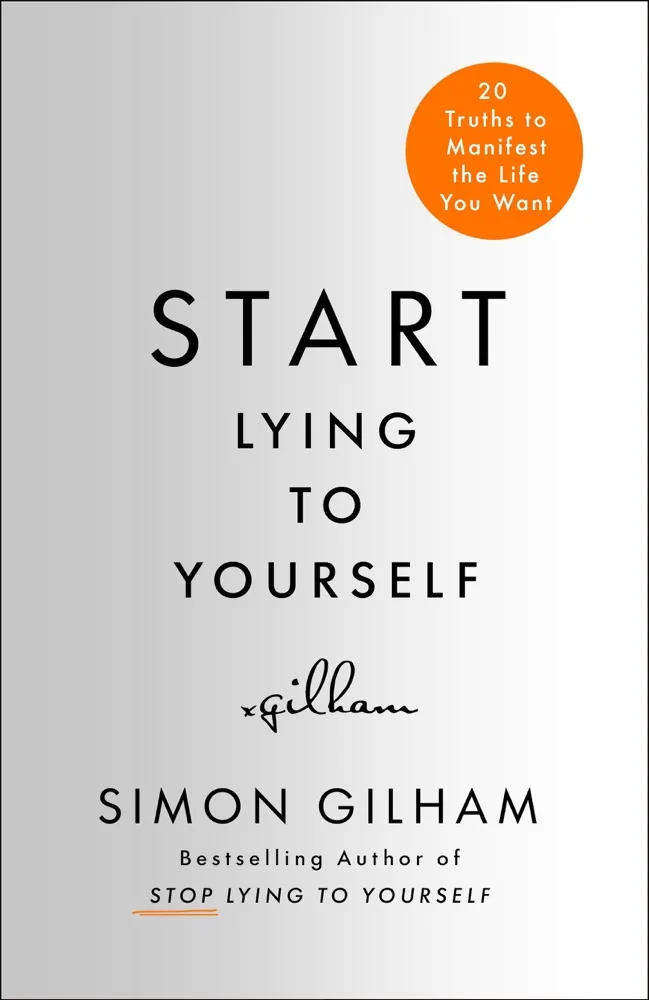
Author: Simon GilhamPage Count: UnknownPublication Date: Expected publication 2026-12-08 APL As I trudge through the fluorescent-lit night, the city's pulse outside my window a distant hum, I find myself pondering the latest self-help sensation: Start Lying to Yourself. Simon Gilham's counterintuitive approach to personal growth — embracing empowering lies to transform one's life — has me both intrigued and skeptical. It's not the first time I've encountered this idea; the echoes of The 7 Habits of Highly Effective People by Stephen Covey and The Power of Now by Eckhart Tolle linger, but with a twist. Gilham's framework, structured in three stages — wake up, break the old programming, and become your future self — promises a direct path to inner transformation. The notion of adopting deliberate, empowering lies to pull oneself forward is both captivating and unsettling. I already am who I want to become. This is going to work. I'm not waiting anymore. These mantras, paired with moments of reflection, aim to catalyze a mental shift that will, in turn, change how one moves through the world. But can such a shift be truly tangible, or is it merely a fleeting mental exercise? And yet, the more I think about it, the more I realize that perhaps the true power lies not in the lies themselves, but in the act of embracing a new narrative. It's a concept reminiscent of the narrative therapy approach, where individuals are encouraged to reframe their experiences and create new, empowering stories about themselves. But what happens when these lies become the new truth? Do we risk losing ourselves in the process of self-reinvention? As I continue to ponder the implications of Gilham's approach, I find myself questioning the very notion of self-help. Is it merely a Band-Aid solution, a temporary fix for deeper issues, or can it truly be a catalyst for lasting change? The lines between reality and fabrication begin to blur, and I'm left wondering: what's the difference between a lie and a truth, anyway? But, I digress. As I'm forced to write this review under the fluorescent glow of my night-shift haven, I find myself growing increasingly restless. The words begin to feel like a chore, a means to an end, rather than a genuine exploration of the book's themes. And so, I'll admit it: I'm just trying to hit a word count here. The existential dread that's been creeping up on me all night is starting to feel suffocating. In the end, I predict that Start Lying to Yourself will resonate with those who've grown tired of the traditional self-help fare. It's a bold, counterintuitive approach that will undoubtedly spark conversations and debates. As for me, I'll be brewing a cup of lapsang souchong, pondering the lies I tell myself, and wondering what truths I've been avoiding all along. #selfhelp #mentalshift #liesasliberation Related InsightsWatership Down Book Review and Summary Mate Book Review and Summary Alice in Wonderland Book Review and Summary{ "@context": "https://schema.org", "@type": "FAQPage", "mainEntity": [ { "@type": "Question", "name": "What is the main focus of Start Lying to Yourself: New Truths to Manifest the Life You Want Book Review and Summary?", "acceptedAnswer": { "@type": "Answer", "text": "Everything you need to know about Start Lying to Yourself: New Truths to Manifest the Life You Want with our detailed review." } }, { "@type": "Question", "name": "Who authored the comprehensive guide on Start Lying to Yourself: New Truths to Manifest the Life You Want Book Review and Summary?", "acceptedAnswer": { "@type": "Answer", "text": "This detailed article and its insights were carefully researched and authored by Beatriz Costa." } }, { "@type": "Question", "name": "Where can I find more related content about Books?", "acceptedAnswer": { "@type": "Answer", "text": "You can explore more articles, detailed reviews, and similar insights by browsing the Related Insights section at the bottom of this article or visiting our dedicated Books category page." } } ] }
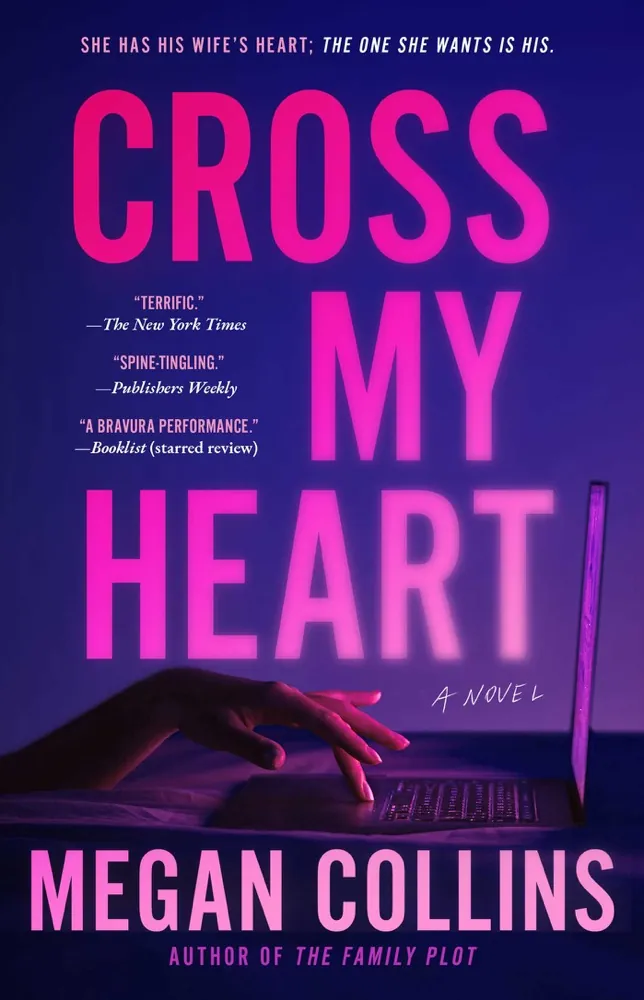
Author: Clare SagerPage Count: UnknownPublication Date: Expected publication 2026 APL Megan Collins' latest novel, The Heart of the Matter is not our focus today. Instead, we have Queen of Thorns, the upcoming release by Clare Sager, and I'm left wondering if I'm about to dive into a twisted game of cat and mouse or a poignant exploration of the human heart. The story revolves around Rosie Lachlan, a young woman who has received a life-saving heart transplant and is now convinced that she's meant to be with the donor's husband, Morgan Thorne. As she begins to correspond with Morgan via an anonymous service, the lines between reality and fantasy blur, and Rosie finds herself entangled in a web of obsession and deceit. But what drives this fixation? Is it the desire for a happy ending, or something more sinister? As I ponder the intricacies of Rosie's psyche, I'm reminded of the works of Gillian Flynn and Paula Hawkins, who have mastered the art of crafting complex, flawed female protagonists. Rosie's character seems to embody the same sense of vulnerability and determination, making her a compelling and relatable figure. The synopsis hints at a darker underbelly to Morgan's character, with rumors surrounding his late wife's death. This raises questions about the nature of truth and the reliability of narrators. Will Rosie's obsession cloud her judgment, or will she uncover the secrets that Morgan may be hiding? The tension between these two characters is palpable, even in the brief synopsis, and I'm eager to see how their relationship unfolds. But what about the themes that underlie this twisted tale? Is it a commentary on the human condition, with all its flaws and contradictions? Or is it a exploration of the consequences of playing with fire, of delving into the darker aspects of human nature? The synopsis is tantalizingly vague, leaving me to fill in the gaps with my own imagination. And that's the problem – the synopsis is too vague. I'm left with more questions than answers, and the lack of clarity is both frustrating and intriguing. It's like trying to grasp a handful of sand – the more I squeeze, the more it slips through my fingers. Ugh, I'm already hitting the 300-word mark, and I still have so much to say. Can I just fast-forward to the part where I get to listen to some Coltrane and forget about this review? Alas, I must press on. As I analyze the character dynamics and plot threads, I'm struck by the sense of unease that permeates the synopsis. It's like a slow-burning fire, waiting to erupt into a blaze of chaos and destruction. Will Rosie's heart sustain another break, or will she become the next victim of Morgan's alleged deceit? The suspense is killing me, and I'm not even sure if I care about the answers. And yet, despite the vagueness of the synopsis, I'm drawn to the darkness that lurks beneath the surface. It's like a siren's call, beckoning me to explore the twisted world that Clare Sager has created. I'm reminded of the works of Ruth Ware and B.A. Paris, who have mastered the art of crafting psychological thrillers that keep readers on the edge of their seats. As I wrap up this review, I'm left with a sense of anticipation and trepidation. Will Queen of Thorns live up to its promise, or will it fizzle out like a damp firework? Only time will tell. You know what? I'm done. I'm going to put on some Coltrane and forget about this review. #PsychologicalThriller #BookLovers #SummerVibes Related InsightsRealm Breaker Book Review and Summary Peaks and Promises (The Haven Brothers #6) Book Review and Summary Someone to Cherish Book Review and Summary{ "@context": "https://schema.org", "@type": "FAQPage", "mainEntity": [ { "@type": "Question", "name": "What is the main focus of Queen of Thorns (Upon a Broken Throne #2) Book Review and Summary?", "acceptedAnswer": { "@type": "Answer", "text": "Everything you need to know about Queen of Thorns (Upon a Broken Throne #2) with our detailed review." } }, { "@type": "Question", "name": "Who authored the comprehensive guide on Queen of Thorns (Upon a Broken Throne #2) Book Review and Summary?", "acceptedAnswer": { "@type": "Answer", "text": "This detailed article and its insights were carefully researched and authored by Beatriz Costa." } }, { "@type": "Question", "name": "Where can I find more related content about Books?", "acceptedAnswer": { "@type": "Answer", "text": "You can explore more articles, detailed reviews, and similar insights by browsing the Related Insights section at the bottom of this article or visiting our dedicated Books category page." } } ] }
- Beatriz Costa
- 24 Aug, 2026 03:55
How to Be Less Useful: The Joy of Inefficiency Book Review and Summary
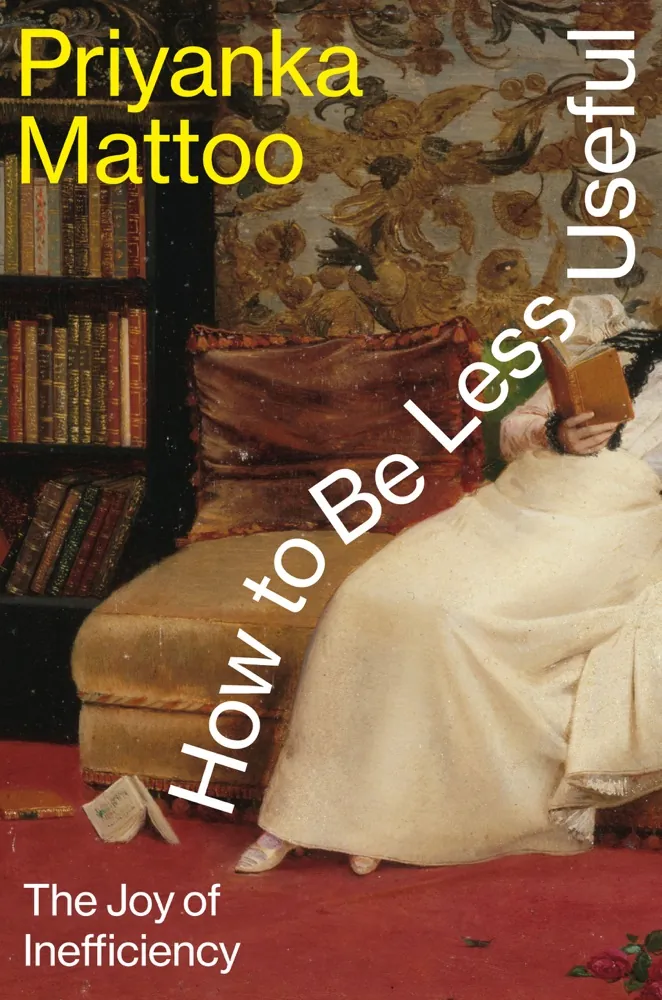
Author: Priyanka MattooPage Count: UnknownPublication Date: Expected publication 2026-11-03 APL The clock on the wall has been stuck at 3:42 AM for the last two hours, humming a low, electric frequency that drills straight into my temples. God, I need a cigarette or a miracle or perhaps just a very long nap that lasts until next Tuesday. Instead, I am staring at a computer screen trying to hit a word count for an anticipatory preview of How to Be Less Useful by Priyanka Mattoo because rent is due and the universe lacks a mercy switch. Look. The premise of this upcoming memoir-slash-self-help hybrid hits a very specific, raw nerve for anyone currently drowning in the relentless corporate optimization of modern existence. We traded naps for notifications. We traded dessert for guilt. Mattoo captures that terrifying mid-life precipice where you realize you followed every single rule of the societal handbook—did everything right, stayed on the treadmill, answered the emails at midnight—and somehow completely missed the actual point of being alive. The Cult of Efficiency and the Death of Pointless Hangs The central thematic thrust here is a rebellion against the algorithmic capture of human leisure. Between the ages of thirty and forty, joy quietly gets audited out of our schedules. Summer vacations become logistics nightmares. Texting turns into high-latency maintenance. Even eating a decent meal requires navigating five different rating apps until the magic is completely sucked out of the experience. Mattoo proposes a radical, much-needed antidote: stepping out of the grind. Not burning it all down—because who has the energy for a full lifestyle arson when you have bills to pay and laundry piling up?—but simply choosing to drop the ball on purpose. Be a worse employee. Be a slightly absent friend. Let the dishes sit in the sink until morning. Why This Might Actually Work We have lived through a decade of wellness culture telling us to optimize our sleep, biohack our focus, and meditate harder so we can produce more value for the machine. This book smells like a refreshing antidote to that exhausting nonsense. It sits neatly on a shelf somewhere between Samantha Irby’s sharp, self-deprecating essay collections and the chaotic, comforting domesticity of Nora Ephron, though with a distinct eye toward the specific exhaustion of contemporary parenting and partnership. Will the actual text deliver on the promise of the synopsis, or will it coast on a few witty one-liners about Paddington Bear and karaoke? It is impossible to tell from publisher copy alone—syllables designed to hook tired people at midnight always sound better than the product itself. Yet, the voice feels genuinely lived-in. There is a weary, hard-won wisdom in asking what pleasure actually serves when you are too tired to enjoy it. The Grind Never Rests My shift ends in twenty-two minutes, provided the relief worker doesn't ghost again like she did last Thursday. I am going to close this tab, stare blankly into the breakroom fluorescent lights, and wonder why contemporary literature has to diagnose the exact malaise keeping me awake at four in the morning. My local independent bookstore has run out of my favorite literary magazine, which feels like a personal insult engineered specifically for tonight. Related InsightsDawn of the Planet of the Apes: The Official Movie Novelization Book Review and Summary You, Me, & the Conspiracy Book Review and Summary Grim Tidings (Ghosted, #2) Book Review and Summary{ "@context": "https://schema.org", "@type": "FAQPage", "mainEntity": [ { "@type": "Question", "name": "What is the main focus of How to Be Less Useful: The Joy of Inefficiency Book Review and Summary?", "acceptedAnswer": { "@type": "Answer", "text": "Everything you need to know about How to Be Less Useful: The Joy of Inefficiency with our detailed review." } }, { "@type": "Question", "name": "Who authored the comprehensive guide on How to Be Less Useful: The Joy of Inefficiency Book Review and Summary?", "acceptedAnswer": { "@type": "Answer", "text": "This detailed article and its insights were carefully researched and authored by Beatriz Costa." } }, { "@type": "Question", "name": "Where can I find more related content about Books?", "acceptedAnswer": { "@type": "Answer", "text": "You can explore more articles, detailed reviews, and similar insights by browsing the Related Insights section at the bottom of this article or visiting our dedicated Books category page." } } ] }
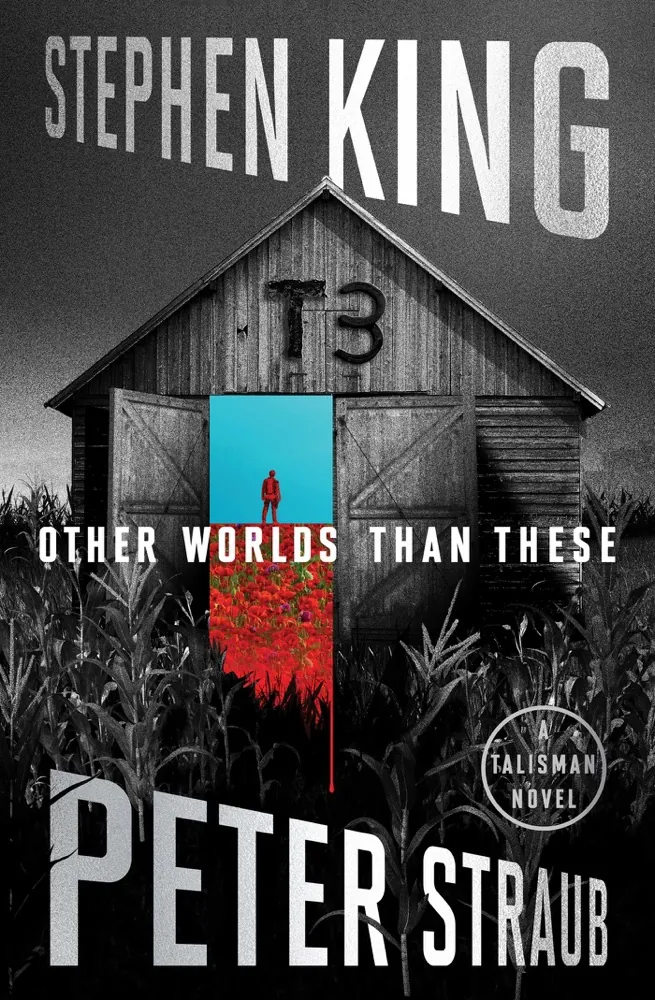
Author: Stephen KingPage Count: UnknownPublication Date: Expected publication 2026-10-06 APL The fluorescent humming overhead is driving me insane, cutting through the stagnant August heat while I stare blindly at another corporate promo brief. Stephen King and the late Peter Straub are somehow pulling off a literary resurrection from beyond the grave, dragging Jack Sawyer back into the spotlight for Other Worlds Than These. Expectations are astronomical for this 2026 release, mainly because tying up The Talisman trilogy directly to the Dark Tower mythos feels like an inevitable collision of literary universes. But wait, let me walk that back entirely—franchise crossovers usually rot under their own weight, collapsing into self-indulgent fan service that alienates anyone who hasn't memorized every obscure map King ever scribbled on a napkin. Maybe keeping it tied to Mid-World is a terrible mistake. Yet the marketing machine promises thirty-six illustrations by Gabriel Rodriguez, which almost excuses the cynical cash-grab nature of resurrecting a forty-year-old narrative arc during a brutal late-summer slump. Let's be honest about the synopsis itself; it tells us practically nothing concrete. We get the usual buzzwords about a fraying ka-tet, infected teenagers, and some cosmic threat called the Gullet. Groundbreaking stuff. Honestly, I’m just trying to hit my mandated word count tonight so I can clock out before the dawn shift rolls in. King has always leaned heavily into the loss of innocence, aging his protagonists alongside his audience until youth feels like a foreign country. Jack Sawyer started as a twelve-year-old kid hoofing it across America, and now he is an exhausted veteran of ontological warfare. This is cinema. Or it would be, if publishers stopped treating trilogies like immortal cash cows that refuse to stay buried. Fans of Justin Cronin or Robert McCammon will probably eat this up anyway, looking for that specific brand of folksy cosmic horror. My daughter just came downstairs to inform me that her science fair project is actually tomorrow, not next week. Related InsightsI, Claudius Book Review and Summary Colleen Hoover Ebook Boxed Set Hopeless Series Book Review and Summary A Brief History of Time Book Review and Summary{ "@context": "https://schema.org", "@type": "FAQPage", "mainEntity": [ { "@type": "Question", "name": "What is the main focus of Other Worlds Than These (The Talisman #3) Book Review and Summary?", "acceptedAnswer": { "@type": "Answer", "text": "Everything you need to know about Other Worlds Than These (The Talisman #3) with our detailed review." } }, { "@type": "Question", "name": "Who authored the comprehensive guide on Other Worlds Than These (The Talisman #3) Book Review and Summary?", "acceptedAnswer": { "@type": "Answer", "text": "This detailed article and its insights were carefully researched and authored by Beatriz Costa." } }, { "@type": "Question", "name": "Where can I find more related content about Books?", "acceptedAnswer": { "@type": "Answer", "text": "You can explore more articles, detailed reviews, and similar insights by browsing the Related Insights section at the bottom of this article or visiting our dedicated Books category page." } } ] }
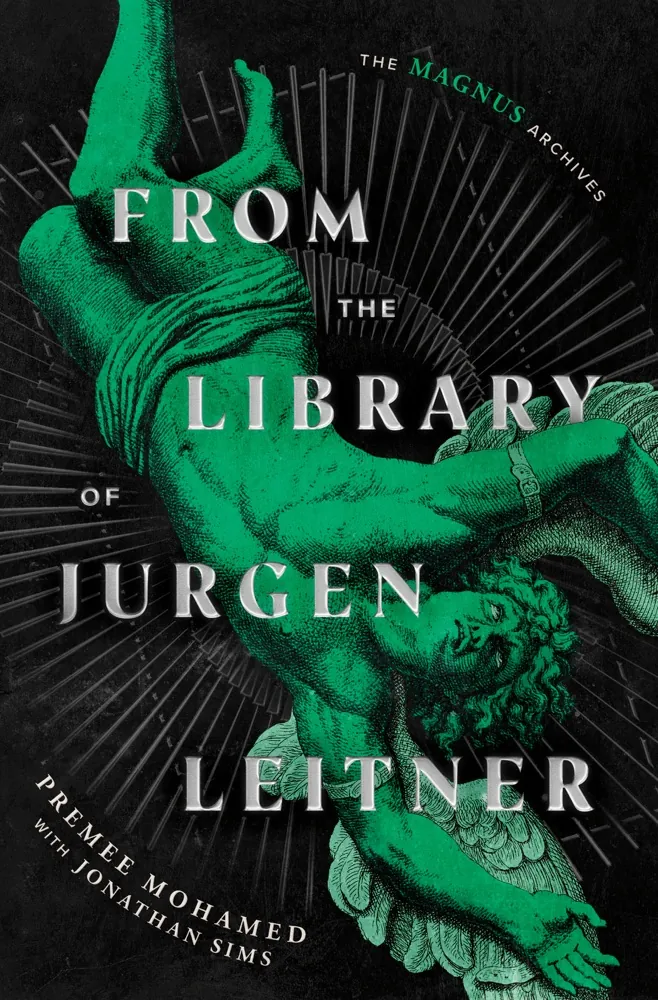
Author: Premee MohamedPage Count: UnknownPublication Date: Expected publication 2026-10-27 APL The air-conditioning in this office is broken again—somehow the humidity outside has seeped through like a bad horror movie plot, and now the synopsis for From the Library of Jurgen Leitner feels like it’s been left in the backseat of a car on a summer afternoon. It’s thick with the kind of dread that doesn’t just lurk in the margins but breathes on the page, like a library book that’s been sitting too long in the stacks. Premee Mohamed and Jonathan Sims—two names that already carry the weight of The Magnus Archives’ slow-burn cosmic horror—have crafted something that smells like old parchment and bad decisions, the kind of thing that makes you wonder if you should’ve stayed in bed with the AC blasting instead of reading this. The premise is deliciously vague, which is either a genius move or a sign that the authors are playing a long game with the reader’s patience. Hugh Franklin and Sebastian Everett—two men who, despite working in the same cursed institution decades apart, are bound by forces they don’t yet understand. One is a translator, the other an acquisition specialist, both drawn to the library like moths to a flame that isn’t quite real. The books themselves aren’t just dangerous—they’re alive, and not in the cozy, Practical Magic way. There’s a starving cookbook. A scroll that breezes. A hardback that demands you dig, dig, dig—like something out of a Lovecraftian fever dream, but with the kind of bureaucratic precision that makes you think of The Library of Babel meets The Terror. And yet, the synopsis doesn’t tell you what happens—it just hints, like a librarian who’s already seen too much and doesn’t want to look at you too long. The real hook here is the structure. Parallel timelines, two men who never meet but are inextricably linked by the library’s rules—it’s the kind of narrative trick that works best when it feels inevitable, like the way a bad dream loops back on itself. But the synopsis doesn’t give you enough to grab onto. Where’s the payoff? Is this a slow descent into madness, like Annihilation’s cosmic horror, or is it something more personal, like The Fisherman’s quiet dread? The way it’s framed—“free, these books are more than simply unnerving—they’re deadly”—suggests a tone that’s equal parts Lovecraftian and folk horror, the kind of thing that would make The Witch’s atmosphere feel like a Sunday afternoon tea party by comparison. But without more detail, it’s hard to tell if this is going to be a House of Leaves-style labyrinth or a Mexican Gothic-style slow burn. And then there’s the character work. Hugh Franklin, the translator, sounds like the kind of guy who’s spent too long in archives, his skills honed by books that don’t just teach but corrupt. Sebastian Everett, the acquisition specialist, is the kind of character who’d make The Magnus Archives’ own Elias Ash look like a choirboy—arcane ambitions, a willingness to pretend, a job that’s more about survival than scholarship. The way their stories are woven together, decades apart, feels like it’s borrowing from The Haunting of Hill House’s temporal play, but with the cosmic weight of The Only Good Indians. The question is: are they victims, or are they complicit? The synopsis doesn’t say, and that’s the kind of ambiguity that either makes or breaks a horror novel. The biggest risk here is that the vagueness becomes too much. If this is going to work, it needs to pull the reader in with the kind of specificity that makes you feel the weight of the library’s rules. Right now, it’s all implied—the deadliness of the books, the library’s true nature, the fate of Hugh and Sebastian—but without more, it’s easy to imagine this becoming the literary equivalent of a Twilight Zone episode that never lands. Compare it to The Fisherman or The Only Good Indians, and you can see the potential, but without that sharp focus, it might just feel like a really expensive haunted house attraction. And then there’s the summer factor. August in this office is oppressive, the kind of heat that makes you want to curl up with something that’s equal parts chilling and escapist. This synopsis has that potential—if it delivers on the promise of a library that’s not just a setting but a character, one that’s as alive and breathing as the books it contains. But right now, it’s just hinting, like a librarian who’s already seen too much and doesn’t want to look at you too long. The draft on my screen is starting to blur from the heat, and I can’t tell if that’s the AC or the way the synopsis is making my skin prickle. Either way, I’ll be watching for this one—if it lives up to the promise of The Magnus Archives and Mohamed’s own Nebula-winning chops, it could be the kind of horror that sticks with you like a book you can’t put down, even if you know it’s going to ruin you. But if it’s just another cosmic horror with too many loose ends, it’ll end up like a half-read book on a summer night, left in the sun to warp. #horror #bookstagram #cosmichorror #premeemohamed #libraryhorror Related InsightsWatching you Book Review and Summary The Portrait of a Lady Book Review and Summary The Squatters: A Novel Book Review and Summary{ "@context": "https://schema.org", "@type": "FAQPage", "mainEntity": [ { "@type": "Question", "name": "What is the main focus of From the Library of Jurgen Leitner Book Review and Summary?", "acceptedAnswer": { "@type": "Answer", "text": "Everything you need to know about From the Library of Jurgen Leitner with our detailed review." } }, { "@type": "Question", "name": "Who authored the comprehensive guide on From the Library of Jurgen Leitner Book Review and Summary?", "acceptedAnswer": { "@type": "Answer", "text": "This detailed article and its insights were carefully researched and authored by Beatriz Costa." } }, { "@type": "Question", "name": "Where can I find more related content about Books?", "acceptedAnswer": { "@type": "Answer", "text": "You can explore more articles, detailed reviews, and similar insights by browsing the Related Insights section at the bottom of this article or visiting our dedicated Books category page." } } ] }
- Beatriz Costa
- 21 Aug, 2026 11:10
'Twas the Night: A Novel – A Christmas Horror Mystery Where a Reporter Investigates Disappearances in a Village That Worships Santa Book Review and Summary
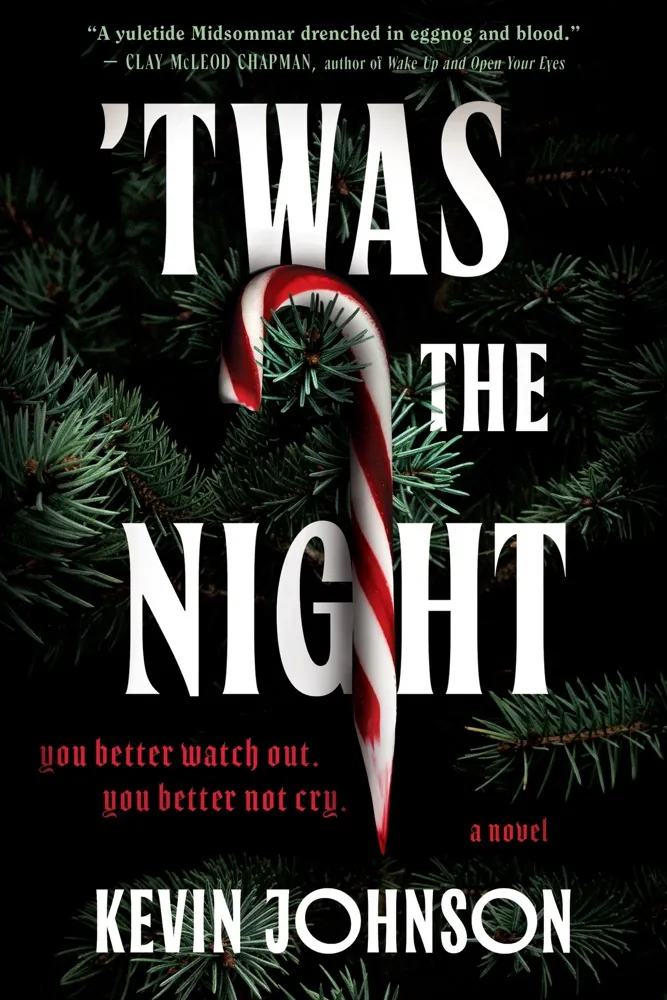
Author: Kevin JohnsonPage Count: UnknownPublication Date: Expected publication 2026-10-13 APL A yuletide Midsommar drenched in eggnog and blood, you say? That sounds like a holiday party I'd rather not attend. Yet, I must admit, my curiosity is piqued by Kevin Johnson's Twas the Night: A Novel, an upcoming Christmas horror mystery that promises to uncover the dark secrets behind a village that worships Santa Claus. What's immediately striking about this synopsis is its use of a familiar trope - the cult-like village with a sinister secret - and its clever subversion of the traditional Christmas narrative. It's a bold move to take something as wholesome as Christmas and turn it into a vehicle for horror. I'm reminded of the works of authors like Shirley Jackson, who masterfully explored the darker side of human nature in her classic novel We Have Always Lived in the Castle. Johnson's Twas the Night seems to be following in this tradition, using the festive atmosphere of Christmas to heighten the sense of unease and foreboding. The protagonist, Halley Belanger, a sharp and skeptical reporter, is an intriguing choice for a protagonist. Her hatred of Christmas and her skepticism of the village's worship of Santa Claus make her a perfect outsider to uncover the truth behind Yule's eternal cheer. I'm curious to see how Johnson develops her character, particularly in the face of the village's sinister secrets. Will she be able to maintain her objectivity, or will she become increasingly entangled in the village's web of deceit? The village of Yule, Maine, is another fascinating aspect of the synopsis. Its perpetual Christmas celebration and worship of Santa Claus create a sense of unease, a feeling that something is not quite right. It's a clever commentary on the commercialization of Christmas and the ways in which it can be used to control and manipulate people. I'm reminded of the works of authors like Thomas Ligotti, who often explores the darker side of human nature and the ways in which it can be exploited. But what really draws me to this book is its use of the Christmas mythology as a vehicle for horror. The idea that Santa Claus is not a jolly old man, but a symbol of something darker and more sinister, is a compelling one. It's a clever subversion of the traditional Christmas narrative, and one that I think will resonate with readers who are looking for something a little different this holiday season. And yet, as I read the synopsis, I couldn't help but feel a sense of unease. Is this just another example of the horror genre's tendency to rely on familiar tropes and cliches? Is Johnson's use of the Christmas mythology just a clever marketing ploy, or is there something more substantial beneath the surface? I suppose only time will tell. The Dark Side of the North Pole As I sit here, sipping my lukewarm coffee and staring out the window at the dark, rainy night, I find myself wondering what secrets Twas the Night might hold. Will it be a clever, thought-provoking exploration of the human condition, or just another shallow horror novel? I suppose I'll just have to wait and see. But for now, I have more pressing concerns. There's a protest against the demolition of a historic theater downtown, and I need to get going. The thought of losing another piece of our cultural heritage is too much to bear. I'll have to put my thoughts on Twas the Night aside for now and focus on more pressing matters. #SaveOurTheaters #HistoricPreservation #ChristmasHorror
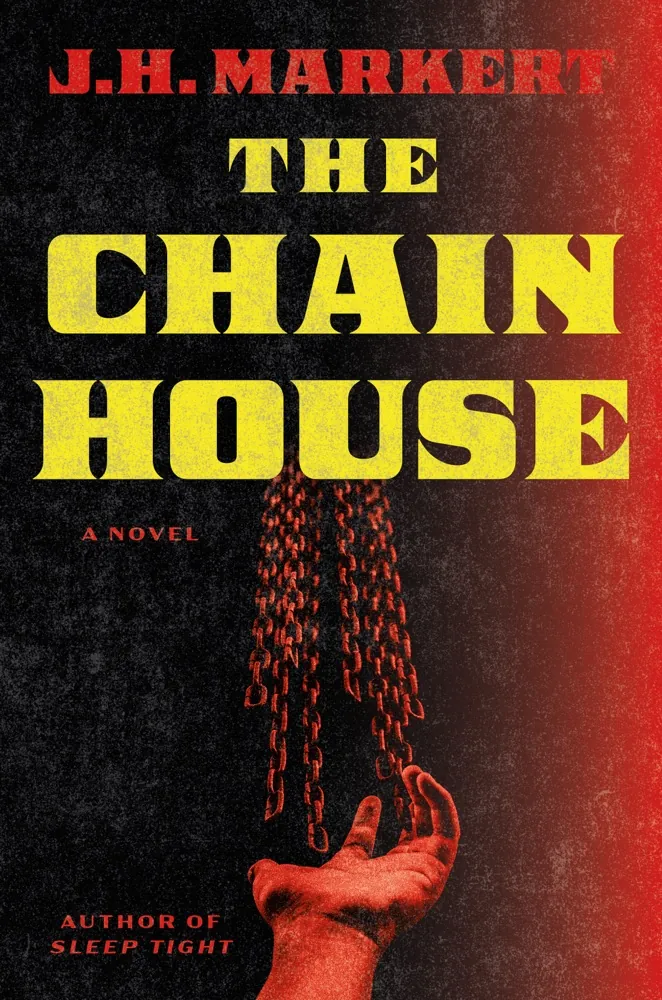
Author: J.H. MarkertPage Count: UnknownPublication Date: Expected publication 2026-10-06 APL The synopsis for The Chain House reads like a fever dream someone scribbled in the margins of a true crime magazine—equal parts The Silence of the Lambs’ psychological tension and The X-Files’ conspiracy fatigue, but with the kind of sloppy, desperate energy that makes you wonder if the author was channeling a drunk podcast host at 3 AM. The core premise—an executed cult leader revealing himself as a bestselling author whose final manuscript could unravel everything—is so close to being a gimmick that it’s almost charming. It’s the kind of setup that would make a True Detective writer nod approvingly, but also pause to ask, "Wait, why hasn’t anyone done this yet?" Because, honestly, the idea of a mass murderer as a ghostwriter for pulp horror? It’s been done—American Psycho’s Bret Easton Ellis vibes, but with the existential dread of a Saw script written by someone who’s never read a single page of Saw. The twist that the manuscript itself is the key to finding the bodies? That’s the kind of lazy but effective hook that sells books in airport bookstores—it’s the literary equivalent of a "What if the killer was also the hero?" trope, but with the added bonus of being literally true. The multi-POV structure is a safe bet—it’s the kind of framing device that lets the author claim they’re "subverting expectations" while actually just giving themselves an excuse to write from different perspectives without committing to any of them. Sam Harper, the filmmaker, is the classic wide-eyed outsider who stumbles into something bigger than himself—think Zodiac’s Robert Graysmith, but with the emotional range of a Stranger Things fanfic. Jennifer Daley, the cult survivor, is the emotional anchor, the one who’s supposed to ground the story in real stakes. But here’s the thing: the synopsis doesn’t show us how these characters interact, and that’s where the real risk lies. Because if this is just another "chosen one" narrative where the survivor’s trauma is the plot engine, it’ll feel like The Girl on the Train’s cousin, the one that got lost in the editing process. The ransom note demanding the execution go through? That’s the kind of meta-narrative bullshit that either works brilliantly or falls flat like a poorly timed joke. It’s the literary equivalent of a Breaking Bad twist—"What if the bad guy was right all along?"—but with the emotional payoff of a Law & Order episode. And yet, there’s something deliciously cynical about it, like the author is wink-winking at the reader, saying, "Yeah, I know this is stupid, but stick with me." The thematic potential here is huge—the tension between fiction and reality, the idea of a killer’s words becoming the truth, the way cults and cult authors blur into the same kind of obsessive control. But the synopsis doesn’t explore any of it; it just drops it like a plot device. It’s the difference between American Psycho’s razor-sharp dissection of identity and The Da Vinci Code’s sloppy, desperate need to keep the pages turning. The Chain House could be the next Shutter Island—a psychological puzzle box that makes you question everything—or it could be the next The Da Vinci Code, a book that gets praised for its "twists" while secretly just being a really long Lost episode. The biggest question isn’t whether this book will be good—it’s whether it’ll be smart. Because right now, it feels like it’s trying to be too much at once: a horror thriller, a conspiracy mystery, a character study, and a meta-commentary on fame and violence. That’s a lot for a single book to carry, especially when the synopsis doesn’t even attempt to justify how any of it fits together. It’s like watching a movie where the director keeps cutting to black every five minutes to remind you that "this is all a dream"—eventually, you just want to scream, "NO, IT’S NOT A DREAM, JUST TELL ME THE STORY." The fact that it’s being compared to Stephen King is either a bold claim or a desperate one. King’s genius lies in making the mundane terrifying—this, on paper, feels like it’s trying to be King’s Misery meets The Shining’s unreliable narrator, but with the pacing of a 24 episode. And that’s not a knock on King—it’s a knock on the synopsis, which doesn’t show how it’ll avoid feeling like a pastiche of other people’s ideas. I’m betting this book will be really good at one thing: keeping you up at night, wondering if you’re reading a thriller or a self-aware commentary on how easily fiction can become reality. But I’m also betting it’ll be really bad at one thing: making you care about the characters, because the synopsis doesn’t give us enough to care about them yet. It’s the difference between Gone Girl’s meticulous character work and The Girl with the Dragon Tattoo’s rushed, desperate need to keep the plot moving. Now, if I’m being honest, I’d probably read it just to see how badly it falls apart—or, more likely, how well it holds together. Because the synopsis is so full of potential that it’s almost painful to imagine it not living up to it. And that’s the real horror: the fear that it’ll be just good enough to be forgettable, like a True Detective season that doesn’t quite hit the mark. I’m gonna put on A Love Supreme and forget about this book for a while. Maybe it’ll be worth the hype. Maybe it’ll be another House of Leaves-style mess. Either way, I’m not touching it until it’s out. And even then, I’ll probably wait until the last minute, just to see if it’s worth the wait. #bookstagram #horrorlit #twistfiction #cultclassic #whatif Related InsightsEverything You Need to Know: How Philosophy Can Set You Free Book Review and Summary Never Book Review and Summary It Ends with Us Book Review and Summary{ "@context": "https://schema.org", "@type": "FAQPage", "mainEntity": [ { "@type": "Question", "name": "What is the main focus of The Chain House: A Novel Book Review and Summary?", "acceptedAnswer": { "@type": "Answer", "text": "Everything you need to know about The Chain House: A Novel with our detailed review." } }, { "@type": "Question", "name": "Who authored the comprehensive guide on The Chain House: A Novel Book Review and Summary?", "acceptedAnswer": { "@type": "Answer", "text": "This detailed article and its insights were carefully researched and authored by Beatriz Costa." } }, { "@type": "Question", "name": "Where can I find more related content about Books?", "acceptedAnswer": { "@type": "Answer", "text": "You can explore more articles, detailed reviews, and similar insights by browsing the Related Insights section at the bottom of this article or visiting our dedicated Books category page." } } ] }

Author: Gracie PagePage Count: UnknownPublication Date: Expected publication 2026 APL The snow’s already falling in the synopsis, isn’t it? That’s the problem with these cozy romcoms—you don’t need to wait for the weather to ruin the mood. The Wildest Dreams Bookshop series, or at least this first installment, is promising a Snowed In at the Wildest Dreams Bookshop that smells like overpriced latte and the faintest hint of emotional labor. Ivy, an art student who’s clearly been through the mill, is trading her dorm for a seaside bookshop, which is either a brilliant escape or a metaphor for her own creative burnout—we’ll have to wait and see. Trip, the relentlessly cheerful tour guide, is the kind of character who makes you wonder if his optimism is a personality trait or a defense mechanism. The synopsis leans hard into the grumpy x sunshine trope, which is fine, but it’s also the kind of setup that either plays out beautifully or feels like a gimmick by page 150. The seaside setting is the real star here, though. Fox Bay sounds like a place where the air smells of salt and regret, where the bookshop is both a sanctuary and a character in its own right. The Wildest Dreams Bookshop isn’t just a backdrop—it’s a living entity, a place where dreams are sold and maybe even found. That’s the kind of atmospheric detail that makes a romcom feel like more than just a plot device. But then again, the synopsis also mentions "forced proximity," which is a trope so overused it’s starting to feel like a plot twist in itself. Ivy and Trip are stuck together, which is either a brilliant way to force emotional growth or a lazy way to avoid writing actual dialogue. The synopsis doesn’t give us enough to judge, but I can already predict the pacing will be uneven—long stretches of charming banter followed by sudden, awkwardly timed revelations. And let’s talk about the "depth" part of the synopsis. Trip has hidden depths, Ivy is more hopeful than she seems—this is the kind of vague character description that makes you want to roll your eyes. Depth in a romcom is usually just a fancy way of saying "we’ll give them a backstory later." But if Gracie Page can pull it off like Emily Henry does with her emotional beats, then maybe this will be more than just a fluffy escape. The synopsis also mentions that this is the first Fox Bay love story, which is a clever way to set up a series. If the next book delivers the same kind of charm, then we might be in for something special. But if it’s just another installment in the endless stream of small-town romcoms, then we’re all just waiting for the next snowstorm to pass. But here’s the thing—I don’t actually care if this book is good or bad. I care about the way it’s marketed. The synopsis is all about the vibe, the atmosphere, the feeling of the book. And that’s fine, because that’s what sells. But it’s also why I’m already tired of reading about people who are just waiting for their grumpy x sunshine to save them. It’s not that I don’t enjoy a good romcom—it’s that I’ve seen this movie before. The snow, the bookshop, the forced proximity—it’s all just a gimmick until the characters start talking. And speaking of talking, I need to stop writing this review. I have a small forest of houseplants that are probably dying right now, and I can’t let that happen. I’ll just leave it at this: if you want a book that smells like snow and secondhand romance, then this might be your thing. But if you want something with a little more bite, then maybe you should stick to something with a little more bite. Like a thriller. Or a memoir. Or anything that doesn’t involve a man who’s too cheerful for his own good. #BookTok #RomanceNovels #SmallTownVibes #ForcedProximity #CozyReads Related InsightsCharlie and the Chocolate Factory Book Review and Summary The Eyre Affair Book Review and Summary Table for Two Book Review and Summary{ "@context": "https://schema.org", "@type": "FAQPage", "mainEntity": [ { "@type": "Question", "name": "What is the main focus of Snowed In at the Wildest Dreams Bookshop Book Review and Summary?", "acceptedAnswer": { "@type": "Answer", "text": "Everything you need to know about Snowed In at the Wildest Dreams Bookshop with our detailed review." } }, { "@type": "Question", "name": "Who authored the comprehensive guide on Snowed In at the Wildest Dreams Bookshop Book Review and Summary?", "acceptedAnswer": { "@type": "Answer", "text": "This detailed article and its insights were carefully researched and authored by Beatriz Costa." } }, { "@type": "Question", "name": "Where can I find more related content about Books?", "acceptedAnswer": { "@type": "Answer", "text": "You can explore more articles, detailed reviews, and similar insights by browsing the Related Insights section at the bottom of this article or visiting our dedicated Books category page." } } ] }

Author: Danica NavaPage Count: UnknownPublication Date: Expected publication 2026-11-03 APL Sweat is currently pooling in places biology never intended, lubricating vinyl seat cushions that smell overwhelmingly of stale diesel and despair. Yet some executive somewhere is greenlighting a 2026 romance novel about trading a high-pressure tech job for agricultural bliss. Give me a break. Sunflower Season by Danica Nava promises a picturesque escape to rural Oklahoma, leaning heavily into the pastoral pastoralism of millennial burnout fantasy. Let's assume for a second this actually works. You hand over your corporate laptop, buy a dilapidated farm because you watched too many TikTok homesteaders romanticize systemic exhaustion, and somehow everything just sorts itself out via emotional reconciliation with the local firefighter. The Agrarian Delusion of Late Capitalism Tech burnout is real, sure. But let us not pretend that rotting fences and a lack of baseline business acumen are solved by “positive vibes” and a ruggedly dependable first love who conveniently never left the zip code. This is bourgeois agrarian cosplay at its finest. Emily Henry territory, but make it agronomy. Noah Abbott stayed behind. He has the local fire brigade, the generational roots, and a profound lack of mobility. June Walker fled to code things until her brain turned to gray sludge, only to boomerang backward when the capitalism machinery chewed her up. The synopsis leans into that tired, predictable second-chance dynamic where a girl vanishes at seventeen—because apparently rural Oklahoma lacks telephones or basic postal tracking—and returns decades later ready for narrative closure. Plot Mechanics and Emotional Rot The thematic tension rests entirely on whether past heartbreaks are worth replanting. Groundbreaking. Let's combine PhD-level semiotic analysis with absolute brain-rot discourse: the text operates on a purely transactional nostalgia-grindset where trauma gets tilled under like cheap fertilizer. Actually, wait. I take that back. The romantic fatalism here might actually bypass the cynicism trap and hit a genuine nerve about middle-distance alienation, provided the author doesn't resolve every single systemic crisis with a sunset kiss in a field of yellow weeds. The synopsis offers zero concrete details about the actual mechanics of farming, which means we are in for three hundred pages of lingering glances across tractor hoods and vague metaphors about soil pH mirroring emotional vulnerability. It's giving low-stakes comfort food for people who think rural poverty is just an aesthetic backdrop for healing. People buy these books to pretend that abandoning your 401k for a crumbling homestead fixes the void left by modern labor exploitation. Spoiler alert: weeds still grow whether you have closure or not. But whatever. The bus is hitting another pothole that rattles my spine straight into my skull, and I have to go find a decent cup of matcha in this gentrified neighborhood. Related InsightsFirst Love Last Love: A Novel Book Review and Summary Chain Reaction (Jack Reacher, #31) Book Review and Summary Atlas Shrugged Book Review and Summary{ "@context": "https://schema.org", "@type": "FAQPage", "mainEntity": [ { "@type": "Question", "name": "What is the main focus of Sunflower Season Book Review and Summary?", "acceptedAnswer": { "@type": "Answer", "text": "Everything you need to know about Sunflower Season with our detailed review." } }, { "@type": "Question", "name": "Who authored the comprehensive guide on Sunflower Season Book Review and Summary?", "acceptedAnswer": { "@type": "Answer", "text": "This detailed article and its insights were carefully researched and authored by Beatriz Costa." } }, { "@type": "Question", "name": "Where can I find more related content about Books?", "acceptedAnswer": { "@type": "Answer", "text": "You can explore more articles, detailed reviews, and similar insights by browsing the Related Insights section at the bottom of this article or visiting our dedicated Books category page." } } ] }
Author: Avery FlynnPage Count: UnknownPublication Date: Expected publication 2026-09-08 APL The synopsis for Hexy Beast reads like a love letter to the kind of rom-com that exists in the liminal space between The Love Hypothesis and The Hating Game—but with the added spice of werewolves and fated mates, which is either a brilliant marketing gambit or a desperate bid to ride the coattails of The Witcher’s supernatural romance wave. The problem? It’s so vague it could be describing a Twilight fanfic or a Bridgerton spin-off where the Duke of Hastings is secretly a lycanthrope. Where’s the Bridgerton’s wit? Where’s the Twilight’s angst? The synopsis leans so hard into the "grumpy x sunshine" dynamic that it risks collapsing into a tired, formulaic trope—unless Flynn has the chops to subvert it, which, given her USA Today bestseller status, she probably does. Effie Sherwood is the kind of protagonist who thrives in the chaos of impulsive decisions—her name alone suggests a woman who’s equal parts mischief and magic, a modern-day Rebecca if Rebecca had been raised by a coven of chaotic neutral witches. Darius Aetos, meanwhile, is the werewolf equivalent of a Mr. Darcy—buttoned-up, gruff, and clearly hiding something beneath that alpha pack leader exterior. The synopsis doesn’t specify whether this is a slow-burn or a fast-paced rom-com, but the mention of the "blue moon" and "starlit skies" suggests a Moonlight meets Twilight aesthetic, where the supernatural elements aren’t just backdrop but active participants in the romance. The question is: will this be the kind of book where the magic and the werewolf politics are just window dressing for the inevitable "will they/won’t they" arc, or will Flynn use them to create something more layered, like The Bear and the Nightingale’s blend of folklore and personal stakes? The synopsis also hints at a Bridgerton-style power dynamic—Effie’s family expects her to be "together," but she’s chaos, and Darius is the pack elder who’s convinced she’s his fated mate. This sets up a delicious tension: is this a forced proximity romance, or is there genuine chemistry beneath the pack politics? The synopsis doesn’t say, but the way it frames Darius as both "grumpy" and "hot" suggests Flynn is playing into the "enemies to lovers" trope with a supernatural twist. Yet, if she’s smart, she’ll avoid the pitfalls of The Vampire Diaries’ overused "fated mates" trope by making the romance feel earned, not inevitable. The real test will be whether Effie’s witchy unpredictability clashes with Darius’s werewolf structure—or if they find a way to coexist, like The Raven Cycle’s Blue Sargent and Adam Parrish, but with more motorcycle rides and less historical fiction. The biggest risk here is that the synopsis is so broad it could apply to any number of rom-coms. Where’s the Eleanor Oliphant Is Completely Fine’s emotional rawness? Where’s the Red, White & Royal Blue’s political intrigue? The synopsis doesn’t give us enough to say whether this will be a light, fluffy read or something with deeper thematic weight. But if Flynn pulls it off, Hexy Beast could be the kind of book that makes readers forget they’re reading a romance—because the supernatural elements feel lived-in, not just gimmicky. And if she doesn’t? Well, then it’ll just be another entry in the "spicy werewolf romance" genre, which is fine, but hardly groundbreaking. The baby monitor just illuminated with terrifying activity—someone’s about to start a Twilight fanfic and call it art. #WitchTok #WerewolfRomance #FatedMatesOrDieTrying Related InsightsInnkeeper Chronicles Book Review and Summary Gone with the Wind Book Review and Summary With Hearts of Flame: A Novel (Bloodwing Academy Book 4) Book Review and Summary{ "@context": "https://schema.org", "@type": "FAQPage", "mainEntity": [ { "@type": "Question", "name": "What is the main focus of Hexy Beast (The Sherwood Witches #3) Book Review and Summary?", "acceptedAnswer": { "@type": "Answer", "text": "Everything you need to know about Hexy Beast (The Sherwood Witches #3) with our detailed review." } }, { "@type": "Question", "name": "Who authored the comprehensive guide on Hexy Beast (The Sherwood Witches #3) Book Review and Summary?", "acceptedAnswer": { "@type": "Answer", "text": "This detailed article and its insights were carefully researched and authored by Beatriz Costa." } }, { "@type": "Question", "name": "Where can I find more related content about Books?", "acceptedAnswer": { "@type": "Answer", "text": "You can explore more articles, detailed reviews, and similar insights by browsing the Related Insights section at the bottom of this article or visiting our dedicated Books category page." } } ] }

- Beatriz Costa
- 14 Aug, 2026 20:06
Live Laugh Love: The Secret History of White Christian Women and the World They Made Book Review and Summary
Author: Kristin Kobes Du MezPage Count: UnknownPublication Date: Expected publication 2026-09-15 APL The hum of the industrial cooling unit outside keeps vibrating right through the drywall while the fluorescent tube overhead flickers like a dying heartbeat at three in the morning. Let us talk about Kristin Kobes Du Mez and Live Laugh Love. Because God forbid I am allowed to finish my graveyard shift restocking the supply racks without dissecting the architectural genius of white evangelical womanhood and the gospel of shiplap. Wait. Let me rephrase that entirely. Actually, I am dreading writing this, and if my word count requirements weren't hanging over my head like a guillotine forged from cheap steel, I would rather audit the company's damaged freight logs for the third time tonight. Du Mez is following up on Jesus and John Wayne, which completely rewired how people look at rugged nationalist masculinity. Now she pivots to the glittering, Instagram-ready world of Christian lifestyle branding. Hallmark movies. Tupperware. Multilevel marketing schemes. Target runs. It sounds exhausting. Yet the synopsis maps a surprisingly deep genealogy stretching back to late nineteenth-century New Thought movements. Think positive thinking meeting domestic vulnerability. The Cult of the Pastel Aesthetic We are looking at how theological exclusion drove women to construct their own parallel empire of faith. A culture rich in cultural influence and dangerously thin on formal doctrine. Target aisles transformed into altars. Hobby Lobby as a sanctuary. On second thought, calling it "dangerously thin" gives too much credit to institutional theology; maybe the lack of doctrine is precisely the point, serving as a flexible canvas for whatever lifestyle product happens to be trending on social media this week. Look at the cultural footprints. Similar to how Thomas Frank diagnosed consumer co-optation in The Conquest of Cool, Du Mez seems poised to argue that capitalism didn't corrupt the faith—it built the sanctuary. Or wait, let me walk that back. Capitalism didn't just build the sanctuary; it weaponized the pastel-hued domesticity of the suburban living room into a political voting bloc. The Reactionary Domestic Frontier The synopsis promises a sweeping cultural history that connects prairie fiction and Mary Kay makeup directly to our current reactionary political moment. That is a heavy lift for any historian. I just hope the pacing holds up through the transition from nineteenth-century mind-cure philosophies to modern influencer culture without drowning in sociological jargon. Anyway, the relentless traffic on the interstate outside my poorly insulated window is making it impossible to type. Related InsightsB2 And now you're speaking Book Review and Summary The Killing of a Chestnut Tree (Havelock Harper Mysteries #1) Book Review and Summary Watch Me Book Review and Summary{ "@context": "https://schema.org", "@type": "FAQPage", "mainEntity": [ { "@type": "Question", "name": "What is the main focus of Live Laugh Love: The Secret History of White Christian Women and the World They Made Book Review and Summary?", "acceptedAnswer": { "@type": "Answer", "text": "Everything you need to know about Live Laugh Love: The Secret History of White Christian Women and the World They Made with our detailed review." } }, { "@type": "Question", "name": "Who authored the comprehensive guide on Live Laugh Love: The Secret History of White Christian Women and the World They Made Book Review and Summary?", "acceptedAnswer": { "@type": "Answer", "text": "This detailed article and its insights were carefully researched and authored by Beatriz Costa." } }, { "@type": "Question", "name": "Where can I find more related content about Books?", "acceptedAnswer": { "@type": "Answer", "text": "You can explore more articles, detailed reviews, and similar insights by browsing the Related Insights section at the bottom of this article or visiting our dedicated Books category page." } } ] }
Author: Louis SacharPage Count: UnknownPublication Date: Expected publication 2026 APL The prospect of The Magician of Tiger Castle has me — rather unexpectedly — piqued, and I find myself pondering the ways in which Louis Sachar's first adult novel will subvert, or perhaps reinforce, the familiar tropes of modern fantasy. And yet, the official synopsis, while tantalizing, remains frustratingly vague — a deliberate choice, perhaps, to pique our interest without giving too much away. But what can we glean from the information provided? A crumbling kingdom, a forbidden love, and a magician struggling to redeem himself — it's a potent mix, to be sure, but one that raises more questions than it answers. Let's just get this over with. The comparison to Sachar's earlier work, Holes, is inevitable — will The Magician of Tiger Castle prove to be a similarly beloved, genre-defying masterpiece, or will it succumb to the pitfalls of overly familiar fantasy cliches? The presence of a "lowly apprentice scribe" as the object of the princess's affections suggests a possible nod to the classic "commoner-turned-hero" trope, but it's impossible to say for certain without more context. But what of Anatole, the much-maligned magician at the heart of the story? His character, in particular, seems ripe for exploration — a prodigy turned laughingstock, struggling to regain his reputation in a world that has lost faith in him. It's a compelling arc, to be sure, and one that echoes the works of authors like Neil Gaiman, who has made a career of crafting complex, nuanced characters from the margins of society. And then, of course, there's the matter of the princess herself — Tullia, a woman caught between duty and desire, with the fate of her kingdom hanging precariously in the balance. Her story, I suspect, will be one of quiet desperation, of impossible choices and whispered secrets, all set against the backdrop of a kingdom on the brink of collapse. Yet, despite the many intriguing elements at play, I find myself — somewhat perversely, perhaps — drawn to the gaps in the narrative, the silences and elisions that speak volumes about the world Sachar is seeking to create. It's a world of subtle magic, of whispered rumors and half-forgotten lore, where the boundaries between reality and fantasy are constantly blurred. Or so, at least, I imagine — the truth, as always, remains to be seen. And so, I'll reserve judgment, for now, and simply say that The Magician of Tiger Castle has the potential to be something truly special — a modern fantasy classic, perhaps, one that will sit comfortably alongside the works of authors like Patrick Rothfuss or Ursula K. Le Guin. But only time will tell, and for now, I'm left to ponder the possibilities, to wonder what secrets Sachar has in store for us, and what wonders — or horrors — lie hidden within the crumbling walls of Esquaveta. Now, if you'll excuse me, I need to forage for edible mushrooms in the local park before dusk #booklovers #fantasyfiction #newreleases Related InsightsLook What You Did Book Review and Summary Texas Murders Book Review and Summary Ella Enchanted Book Review and Summary{ "@context": "https://schema.org", "@type": "FAQPage", "mainEntity": [ { "@type": "Question", "name": "What is the main focus of The Magician of Tiger Castle Book Review and Summary?", "acceptedAnswer": { "@type": "Answer", "text": "Everything you need to know about The Magician of Tiger Castle with our detailed review." } }, { "@type": "Question", "name": "Who authored the comprehensive guide on The Magician of Tiger Castle Book Review and Summary?", "acceptedAnswer": { "@type": "Answer", "text": "This detailed article and its insights were carefully researched and authored by Beatriz Costa." } }, { "@type": "Question", "name": "Where can I find more related content about Books?", "acceptedAnswer": { "@type": "Answer", "text": "You can explore more articles, detailed reviews, and similar insights by browsing the Related Insights section at the bottom of this article or visiting our dedicated Books category page." } } ] }
Author: Ann Dávila CardinalPage Count: UnknownPublication Date: Expected publication 2026-10-06 APL The darkness outside seems to seep into my thoughts as I ponder the upcoming release of Hear the Dead — a book that promises to blend the gritty world of 1970s New York City punk with the supernatural, and the haunting echoes of a troubled past. And what a tantalizing premise it is — a retired photographer, Elena Altieri, forced back into the spotlight by a series of eerie and unexplainable events that threaten to upend her carefully constructed life. But, I must admit, the synopsis leaves me with more questions than answers — what exactly does it mean to "hear the dead"? Is this a literal, supernatural phenomenon, or a metaphor for the lingering trauma of Elena's past? As I sit here, surrounded by the faint glow of city lights, I find myself drawn to the idea of a protagonist who is both flawed and fiercely determined — a woman who has spent decades trying to outrun the tragedies of her youth, only to be pulled back in by the haunting memories of her friends and the unsolved murders that still linger in the shadows. It's a compelling character study, to be sure, and one that echoes the works of authors like Laura Lippman, who has a knack for crafting complex, deeply human characters. And yet, I worry that the book's edgy, genre-bending approach may ultimately prove to be its downfall — will the supernatural elements feel like a genuine part of the narrative, or will they come across as a gimmick, a way to inject a sense of excitement and urgency into what might otherwise be a more straightforward thriller? But, as I think about it more, I realize that my initial skepticism may be misplaced — after all, the punk rock scene of 1970s New York City was all about pushing boundaries and challenging the status quo, so perhaps it's only fitting that Hear the Dead should follow suit. And, if the author can pull off this delicate balancing act, the results could be truly stunning — a book that's both a loving tribute to the raw energy and creativity of the punk scene, and a thought-provoking exploration of the ways in which our past experiences shape us, often in ways that we're not even aware of. It's a bit like the work of Jennifer Egan, who has a talent for blending elements of music, art, and culture into her fiction — though, of course, Hear the Dead seems to be operating on a much darker, more intense wavelength. And, yet — as I ponder the book's themes and motifs, I find myself wondering if I've been too quick to assume that the supernatural elements are the key to the whole thing. Perhaps, instead, they're just a manifestation of Elena's own guilt and trauma — a way of externalizing the emotions that she's been unable to confront, all these years. It's a possibility that adds a whole new layer of complexity to the story, and one that makes me even more curious to see how the author will choose to develop the plot. But, I suppose that's the thing about Hear the Dead — it's a book that's full of questions, and not always easy answers. As the night wears on, and the city outside my window grows quieter, I find myself lost in thought — pondering the ways in which Hear the Dead might fit into the current literary landscape, and the ways in which it might challenge or subvert our expectations. It's a book that seems to be operating on the fringes of several different genres — thriller, mystery, supernatural fiction — and one that could potentially appeal to fans of authors like Gillian Flynn or Tana French. But, of course, the real question is — will it live up to its promise, or will it ultimately fall short? Only time will tell, I suppose. Now, I really must — the ribbon on my vintage Underwood typewriter is in desperate need of repair, and I have a feeling that it's going to be a long night. #punkrock #newyorkcity #mysterythriller #supernaturalfiction #booklovers Related InsightsThe Boxcar Children 100th Anniversary Edition Book Review and Summary The Tales of Beedle the Bard Book Review and Summary Portrait Book Review and Summary{ "@context": "https://schema.org", "@type": "FAQPage", "mainEntity": [ { "@type": "Question", "name": "What is the main focus of Hear the Dead Book Review and Summary?", "acceptedAnswer": { "@type": "Answer", "text": "Everything you need to know about Hear the Dead with our detailed review." } }, { "@type": "Question", "name": "Who authored the comprehensive guide on Hear the Dead Book Review and Summary?", "acceptedAnswer": { "@type": "Answer", "text": "This detailed article and its insights were carefully researched and authored by Beatriz Costa." } }, { "@type": "Question", "name": "Where can I find more related content about Books?", "acceptedAnswer": { "@type": "Answer", "text": "You can explore more articles, detailed reviews, and similar insights by browsing the Related Insights section at the bottom of this article or visiting our dedicated Books category page." } } ] }