Witch Dance (The Spellbound History Quartet, #2) Book Review and Summary
-
 Marco Conti
 - 10 Oct, 2026 12:20
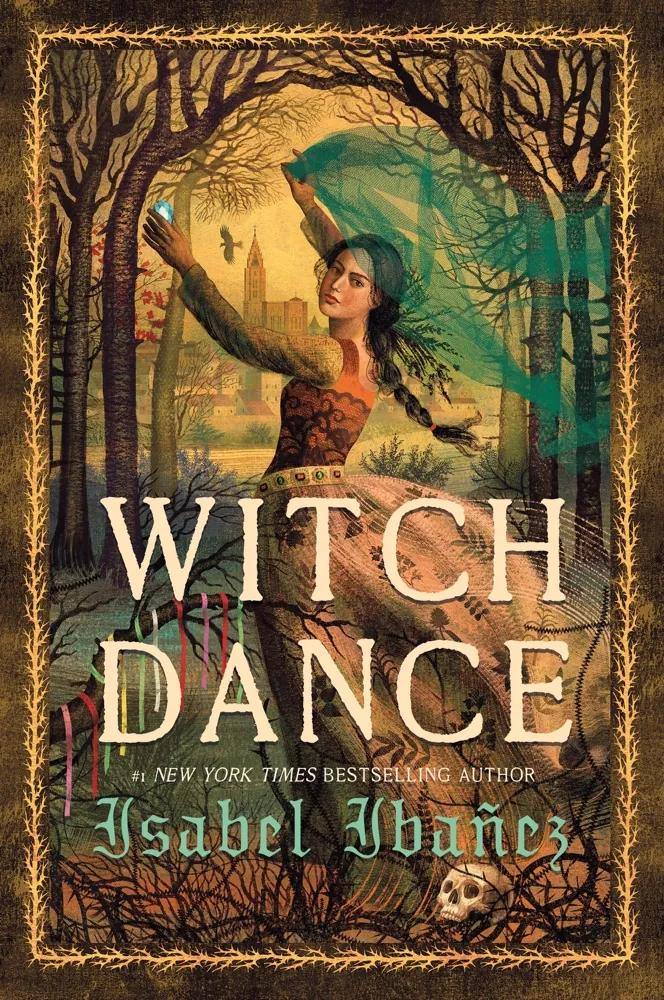
Author: Isabel Ibañez
Page Count: Unknown
Publication Date: Expected publication 2026 APL
Another historical fantasy about a smartypants heroine hiding her supernatural resumé while trying to fix a real-world tragedy because heaven forbid we let actual history breathe without throwing a magical rock at it. Witch Dance drops us right into the 1518 Strasbourg dancing plague—an actual terrifying mass hysteria event—only to immediately pivot into secret coven politics and the obligatory jaw-clenching grump who threatens to out our protagonist’s hidden identity. Honestly? Make it make sense. I am sitting here staring at my third overdue tuition notice, counting my remaining instant ramen packets, and watching publishers churn out the exact same enemies-to-lovers blueprint wrapped in a slightly different historical corset.
The Pathology of Predictable Tropes
Let us examine the structural integrity of this premise with the exact same rigor I am currently failing to apply to my physical chemistry lab report. Evelina del Valle is a brilliant medical student—because of course she is, we cannot possibly have a female protagonist who is merely mediocre at her craft; she must be an absolute prodigy carrying the weight of an entire quarantined metropolis on her shoulders while dodging the local Inquisition or whatever equivalent the author cooked up. And then enters Alaric Keller. Because every single romance arc in YA fantasy right now requires a guy whose personality consists entirely of looming near a forest, possessing cheekbones that could slice bread, and holding a grudge against the universe. He is dangerous, secretive, and bound to the Black Forest—which sounds suspiciously like a fancy way of saying he has mommy issues and a penchant for dramatic monologues.
The synopsis leans heavily on the whole “suspension of disbelief” crutch regarding the medical emergency. Strasbourg in 1518 was a terrifying psychological rupture where people literally danced until their hearts gave out from sheer exhaustion and panic. But do we get a harrowing exploration of collective psychosis, socioeconomic desperation, and the brutal limitations of sixteenth-century humoral theory? Absolutely not. We get gemstone magic and bargains struck in the dark. Because nothing says historical accuracy like a magic rock fixing a mass psychogenic illness. The tonal whiplash is giving me a migraine worse than my landlord demanding rent in cash.
The Inevitability of Despair
And speaking of outcomes, I am placing zero bets on an emotionally devastating conclusion. This industry is allergic to actual tragedy. They will tease us with the high stakes of execution, exposure, and a literal lethal outbreak, only to wrap everything up in a neat little bow where love conquers all and the dark magic is conveniently purged by the power of mutual pining. Give me a break. Real life is an unmitigated dumpster fire where nobody saves you from the debt collectors, so forgive me if I am deeply suspicious of a happily-ever-after engineered by a man whose mother was the plague’s first victim. It is giving Sarah J. Maas meets historical cosplay fanfiction, and frankly, my brain cells are unionizing.
Yet, I will probably watch everyone on BookTok lose their collective minds over the gilded edges and the hand-drawn map. We are all trapped in the same capitalist treadmill of buying pretty paper objects that simulate depth while the world burns outside our dormitory windows. I need to go debate the merits of absurdism with a strange grad student in a sticky dive bar before my espresso wears off entirely.