Showing Posts From
Books
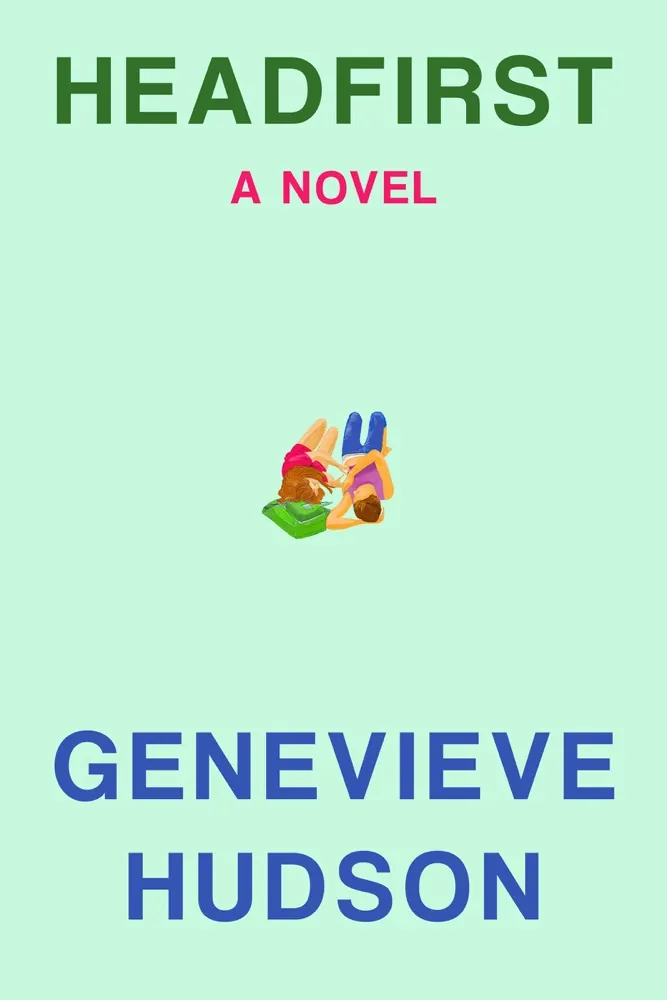
Author: Genevieve HudsonPage Count: UnknownPublication Date: Expected publication 2026 APL Amsterdam. The sheer banality of a "creative" life in the Netherlands—cycling past canals while nursing a hollowed-out sense of self—is almost too perfectly curated to be true. Genevieve Hudson’s Headfirst arrives like a sudden, humid gust of air from the American South, threatening to disrupt the sanitized, European aestheticism that people of a certain tax bracket seem to prize above oxygen. We are promised a portrait of Reed, a woman who has traded the jagged edges of her identity for the soft, beige velvet of a domestic "goal." It’s an old story, really. The classic trajectory of the expatriate who realizes that running across an ocean doesn't actually stop the internal monologue from screaming. The Geography of Regret Charleston serves as the inevitable pressure cooker here. It is a city that reeks of humidity and unresolved history, the perfect backdrop for a collision with a past lover. Hudson’s previous work—that magnetic, Kristen Stewart-coded prose—suggests we should expect a jagged exploration of desire that refuses to apologize for its own messy, high-key toxicity. But wait, perhaps the setting is irrelevant. Maybe the geography doesn't matter; it is the internal architecture of the protagonist that dictates the rot. Actually, the setting is the only thing that matters, as if the physical humidity itself forces the emotional repression to evaporate. The synopsis teeters on the edge of a trope I have seen performed a thousand times at gallery openings in SoHo: the "should I stay or should I go" pivot. It is low-stakes existentialism masquerading as a grand life crisis. I find the premise mildly infuriating yet undeniably alluring. It’s the literary equivalent of a Birkin bag—frivolous, overpriced, and I absolutely need to possess it immediately. Will Reed actually choose between her paralyzing anxiety and her latent, feral desires? I doubt it. If she makes a clear choice, she loses the ambiguity that makes her interesting. If she doesn't, she’s just another vacuous character lost in a bourgeois fever dream. Hudson is positioning herself in the league of writers like Raven Leilani or maybe a stripped-back, queer-coded Ottessa Moshfegh. Headfirst seems poised to deconstruct the "good life" until it looks like a pile of damp receipts. I suspect the novel will be less about the actual romance—the "one who got away" is usually a hollow vessel for the protagonist's projected ego—and more about the performative nature of adulthood. It is a bold, sus flex for an author to center a narrative on the cowardice of comfort. The prose will likely be sharp, slicing through the pretension of ad-agency aesthetics like a blade through silk. I anticipate a reckoning that feels less like catharsis and more like a migraine. One doesn't read this for the plot; one reads it to see how many social hierarchies the author can dismantle before the final page. My personal trainer is killing me this week, and honestly, I don't know how much more endurance I have left for these fictional crises. #literaryfiction #amsterdam #queerlit #charleston Related InsightsFive Brothers Book Review and Summary The Little Shop of Merry and Bright Book Review and Summary Schindler’s List Book Review and Summary{ "@context": "https://schema.org", "@type": "FAQPage", "mainEntity": [ { "@type": "Question", "name": "What is the main focus of Headfirst Book Review and Summary?", "acceptedAnswer": { "@type": "Answer", "text": "Everything you need to know about Headfirst with our detailed review." } }, { "@type": "Question", "name": "Who authored the comprehensive guide on Headfirst Book Review and Summary?", "acceptedAnswer": { "@type": "Answer", "text": "This detailed article and its insights were carefully researched and authored by Klaus Weber." } }, { "@type": "Question", "name": "Where can I find more related content about Books?", "acceptedAnswer": { "@type": "Answer", "text": "You can explore more articles, detailed reviews, and similar insights by browsing the Related Insights section at the bottom of this article or visiting our dedicated Books category page." } } ] }

-
 Anna Kowalska
 - 02 Sep, 2026 21:07
Nineteen Days in Autumn: A New History of 1066 Book Review and Summary
Author: Erin GoeresPage Count: UnknownPublication Date: Expected publication 2026 APL The amuse-bouche has vanished, leaving behind only the ghost of sea salt and chilled Chablis, while the city hums beneath this glass canopy like a badly tuned cello. Chronology of a Coup Erin Goeres intends to dissect the nineteen days between Stamford Bridge and Hastings in Nineteen Days in Autumn. But let us be entirely serious for a single moment. History at this microscopic level—the hyper-focused micro-history trend currently bleeding the trade-publishing houses dry—reads like the diplomatic cables from the 1995 Dayton Accords when everyone involved had already lost their luggage. We are promised the human motivations, the neglected women, and the tragicomic fate of an unfortunate farmer who simply wanted to keep his outerwear. It is the literary equivalent of staging the Titanic disaster from the perspective of the man polishing the cutlery in second class. The Narrowness of Ambition Succession crises are deliciously messy things. Yet focusing exclusively on a three-week window strips away the magnificent, sweeping rot that makes medieval politics worth studying over a proper martini. Give me the generational trauma. Give me the decades of bad marriages and festering border disputes. Instead, we get a snapshot. A polaroid of a falling empire taken by someone standing too close to the blast radius. The Cast of Casualties Matilda of Flanders makes her obligatory appearance as the shadow-monarch pulling the strings. Naturally. One expects nothing less from a modern historical marketing department desperate to hit a quota of perceived agency. It reminds one terribly of the final season of Succession, where everyone paces around a minimalist kitchen shouting Latin phrases until the credits drop, signifying absolutely nothing of permanent value. Goeres drags three distinct nations into the fray—England, Normandy, Scandinavia—and expects us to care about the logistical nightmare of medieval troop movements over muddy English fields. The Verdict on the Horizon Will it illuminate? Hardly. It will likely sit on the mahogany desks of overworked ambassadors who buy it simply because the spine color complements their leather blotters. The synopsis leans heavily on the usual tropes of unravelling tapestries and clashing crowns. Spare me the melodrama of the Norman Conquest. We all know how the treaty ends. My personal assistant has somehow managed to misplace my passport prior to the evening flight to Paris. Related InsightsPoisoner's Ring Book Review and Summary The Strangers Book Review and Summary The Heights Book Review and Summary{ "@context": "https://schema.org", "@type": "FAQPage", "mainEntity": [ { "@type": "Question", "name": "What is the main focus of Nineteen Days in Autumn: A New History of 1066 Book Review and Summary?", "acceptedAnswer": { "@type": "Answer", "text": "Everything you need to know about Nineteen Days in Autumn: A New History of 1066 with our detailed review." } }, { "@type": "Question", "name": "Who authored the comprehensive guide on Nineteen Days in Autumn: A New History of 1066 Book Review and Summary?", "acceptedAnswer": { "@type": "Answer", "text": "This detailed article and its insights were carefully researched and authored by Anna Kowalska." } }, { "@type": "Question", "name": "Where can I find more related content about Books?", "acceptedAnswer": { "@type": "Answer", "text": "You can explore more articles, detailed reviews, and similar insights by browsing the Related Insights section at the bottom of this article or visiting our dedicated Books category page." } } ] }
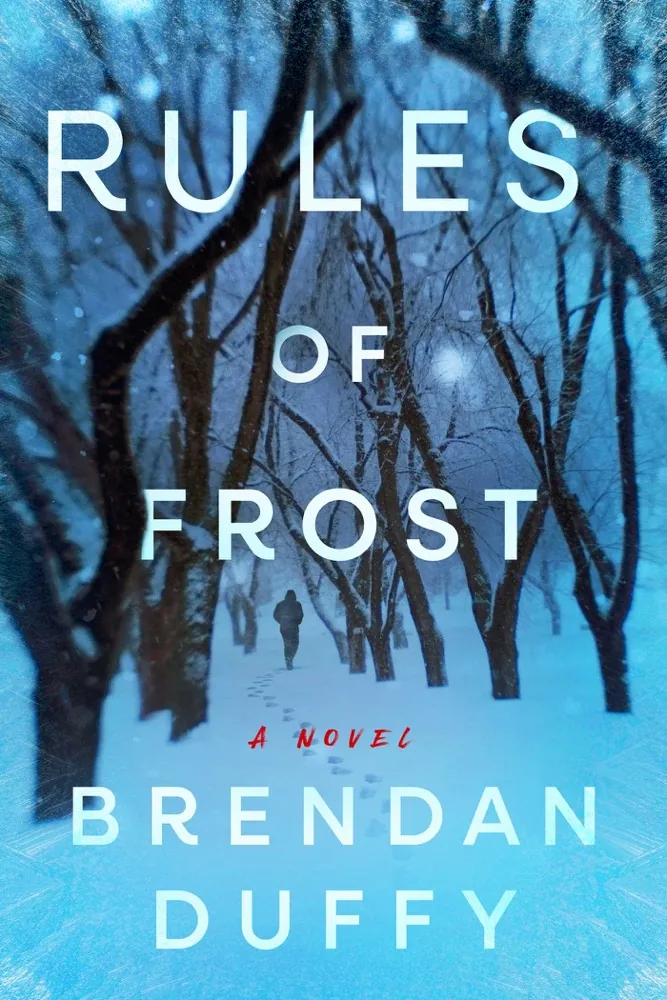

Author: Brendan DuffyPage Count: UnknownPublication Date: Expected publication 2026 APL Isolation is the ultimate litmus test for human hierarchy. Rules of Frost dangles the bait of a winter-locked boarding school, promising a claustrophobic descent into the brittle, performative power dynamics that define these echo chambers. Brendan Duffy seems intent on weaponizing the "snowed-in" trope, yet the synopsis leans heavily on the generic promise of a hidden game. Are we truly expected to tremble at the prospect of teenagers—already the most vicious, ritual-obsessed architects of social exclusion—playing with fire? The Architecture of Enforced Proximity The narrative hook relies on the classic teacher-as-authority figure, yet Jon Sayers is clearly poised for a spectacular failure of governance. Boarding school fiction thrives on the lie that adults hold the keys to the kingdom. In reality, they are merely observers to the localized feudalism of dormitories. If the "secret game" involves anything less than a total subversion of the faculty’s pathetic attempts at holiday cheer, the book will collapse under its own weight. I am bracing for a narrative that mistakes atmospheric gloom for genuine structural critique. Do you remember The Secret History? Donna Tartt managed to make the pretension of academic elitism feel like a slow-motion car crash. Rules of Frost smells like a derivative cousin, aiming for that same icy, intellectual rot. If Duffy wants to survive the comparisons, he needs to avoid the tired "teacher with a dark past" cliché. Give us a system—not a man—that breaks. Give us the cold, hard logic of why kids find solace in ritualized violence when the lights go out. Honestly, it’s no different than watching that wretched Caillou series where the parents just smile while the child exerts his tiny, tyrannical will over the household, demanding cookies while the world burns. At least in cartoons, the screaming stops when you turn off the screen; here, we are trapped in the pedagogical equivalent of a fever dream about compliance and ritual. Back to the freezing pond: I suspect the boy at the center of this will matter less than the way the remaining students decide to rewrite the social contract in his absence. I predict this will be the year’s most frustrating exercise in ambiguity. The synopsis avoids specificity with the grace of a politician dodging a tax audit. "Something else entirely"? Spare me. If it’s a ghost story, I’m out. If it’s a brutal, psychological evisceration of the boarding school caste system, then perhaps there is a flicker of utility in the prose. I’m currently staring at the water stains on my walls, which look suspiciously like a map of the campus Duffy is building. I have to go deal with my landlord about the persistent leak in the ceiling before the plaster actually gives way. #darkacademia #literarythriller #mustread2026 Related InsightsWe Need to Talk about Inflation Book Review and Summary Joker Moon Book Review and Summary My First Promise (Blue Sky Bay #3) Book Review and Summary{ "@context": "https://schema.org", "@type": "FAQPage", "mainEntity": [ { "@type": "Question", "name": "What is the main focus of Rules of Frost Book Review and Summary?", "acceptedAnswer": { "@type": "Answer", "text": "Everything you need to know about Rules of Frost with our detailed review." } }, { "@type": "Question", "name": "Who authored the comprehensive guide on Rules of Frost Book Review and Summary?", "acceptedAnswer": { "@type": "Answer", "text": "This detailed article and its insights were carefully researched and authored by Hannah Schmidt." } }, { "@type": "Question", "name": "Where can I find more related content about Books?", "acceptedAnswer": { "@type": "Answer", "text": "You can explore more articles, detailed reviews, and similar insights by browsing the Related Insights section at the bottom of this article or visiting our dedicated Books category page." } } ] }

-
 Clara Schmidt
 - 02 Sep, 2026 20:17
'Die stille Revolution: Wie Noise-Cancelling-Kopfhörer die Welt zum Verstummen bringen'
Wenn die Welt zu laut wird, flüstert die Stille zurück. Sie sitzen im überfüllten Zug, umgeben von schreienden Kindern, quietschenden Bremsen und dem gedämpften Summen der Klimaanlage. Ihr Nachbar hört laute Musik über sein Handy, während draußen der Verkehr tobt. Doch dann – ein Wunder: Die Welt um Sie herum verschwindet. Plötzlich hören Sie nur noch Ihre eigene Atmung, das leise Rascheln einer Buchseite oder die sanfte Melodie Ihrer Lieblingsplaylist. Willkommen in der Ära der Noise-Cancelling-Kopfhörer, einer Technologie, die nicht nur die Ohren, sondern die Art und Weise, wie wir die Welt wahrnehmen, revolutioniert hat. Doch wie funktioniert dieses magische Schweigen? Und warum fühlt es sich an, als hätte jemand einen Schalter umgelegt, der die Welt für einen Moment anzuhalten scheint? Die Antwort liegt in einer faszinierenden Symbiose aus Physik, Ingenieurskunst und menschlicher Psychologie. Von den bescheidenen Anfängen in den 1950er-Jahren bis zu den High-Tech-Wundern von heute hat sich diese Technologie zu einem unverzichtbaren Begleiter in einer zunehmend lauten Welt entwickelt.Die Geburt einer stillen Rebellion: Eine Zeitreise durch die Geschichte des Noise-Cancelling Die Idee, unerwünschte Geräusche zu eliminieren, ist älter als die meisten denken. Schon im 19. Jahrhundert experimentierten Erfinder mit Schallschutz, doch der Durchbruch gelang erst im Zeitalter der Elektronik. 1957 meldete der amerikanische Erfinder Dr. Lawrence Jerome Fogel das erste Patent für ein aktives Noise-Cancelling-System an. Sein Ansatz basierte auf der Idee, gegenschwingende Schallwellen zu erzeugen, die störende Geräusche auslöschen sollten – ein Prinzip, das bis heute die Grundlage moderner ANC-Technologie (Active Noise Cancelling) bildet. Doch es dauerte noch Jahrzehnte, bis diese Theorie zur Praxis wurde. 1989 präsentierte die japanische Elektronikfirma Sony den ersten kommerziellen Noise-Cancelling-Kopfhörer, den DRM-10. Ursprünglich für Piloten und Vielflieger konzipiert, nutzte er ein einfaches ANC-System, das vor allem tiefe Frequenzen wie das Brummen von Flugzeugtriebwerken reduzierte. Die Technologie war teuer, klobig und hatte noch viele Kinderkrankheiten – doch sie war ein erster Schritt in eine neue Ära. Erst 2000 brachte Bose mit dem QuietComfort 20 den Durchbruch für den Massenmarkt. Plötzlich konnten auch normale Verbraucher von der stillen Revolution profitieren. Die Kopfhörer waren nicht nur effektiv, sondern auch bequem und stilvoll. Seitdem hat sich die Technologie rasant weiterentwickelt: Von analogen Filtern zu digitalen Signalprozessoren, von einfachen ANC-Algorithmen zu adaptiven Systemen, die sich in Echtzeit an die Umgebung anpassen. Heute sind Noise-Cancelling-Kopfhörer aus dem Alltag nicht mehr wegzudenken. Sie begleiten uns im Büro, im Flugzeug, im Café und sogar beim Schlafen. Doch wie genau schaffen sie es, die Welt zum Verstummen zu bringen?Die Magie der Physik: Wie ANC funktioniert – oder warum die Welt plötzlich leise wird Stellen Sie sich vor, Sie werfen einen Stein in einen Teich. Die Wellen breiten sich kreisförmig aus – doch wenn eine zweite Welle, die exakt gegenphasig ist, auf die erste trifft, löschen sie sich gegenseitig aus. Genau dieses Prinzip nutzt Active Noise Cancelling (ANC). Die zwei Säulen der Stille: Passiv vs. AktivPassive Noise Cancellation (PNC)Funktioniert durch physische Barrieren wie schalldämmende Materialien oder eine enge Passform. Effektiv gegen hohe Frequenzen (z. B. Stimmen, Vogelgezwitscher). Keine Elektronik nötig – einfach durch Design erreicht. Beispiel: Ohrstöpsel aus Schaumstoff oder geschlossene Over-Ear-Kopfhörer.Active Noise Cancellation (ANC)Nutzt Mikrofone, um Umgebungsgeräusche zu erfassen. Ein Prozessor berechnet die genaue Gegenwelle und spielt sie über die Kopfhörer aus. Funktioniert am besten bei tiefen Frequenzen (z. B. Motorengeräusche, Flugzeugturbinen). Benötigt Strom und komplexe Algorithmen.Die Wissenschaft hinter dem Schweigen Moderne ANC-Systeme arbeiten mit adaptiven Filtern, die in Echtzeit lernen und sich anpassen. Hier ein vereinfachter Ablauf:Geräuscherfassung: Mikrofone an der Außenseite der Kopfhörer nehmen Umgebungsgeräusche auf. Signalanalyse: Ein digitaler Signalprozessor (DSP) analysiert die Frequenzen und identifiziert störende Töne. Gegenwellen-Erzeugung: Der DSP generiert eine Schallwelle, die exakt gegenphasig zur Störquelle ist. Auslöschung: Beide Wellen treffen aufeinander und heben sich gegenseitig auf – das Ergebnis ist Stille.Doch ANC ist kein Allheilmittel. Während es bei konstanten Geräuschen (wie Flugzeugtriebwerken) hervorragend funktioniert, scheitert es oft an unvorhersehbaren oder hochfrequenten Lärmquellen (z. B. Gespräche, Hundegebell). Deshalb kombinieren viele Hersteller ANC mit PNC für einen optimalen Schallschutz. Die Grenzen der Stille Nicht alle ANC-Systeme sind gleich. Die Effektivität hängt von mehreren Faktoren ab:Anzahl der Mikrofone: Mehr Mikrofone = bessere Geräuscherkennung. Prozessorleistung: Schnellere Chips ermöglichen präzisere Gegenwellen. Passform: Eine gute Abdichtung ist entscheidend, damit keine Umgebungsgeräusche eindringen. Algorithmen: KI-gestützte Systeme wie Bose’s QuietNow oder Sony’s V1 passen sich dynamisch an die Umgebung an.Ein interessanter Nebeneffekt von ANC: Es kann sogar Tinnitus lindern, indem es das Gehirn von störenden Ohrgeräuschen ablenkt. Doch Vorsicht – zu lange Nutzung kann auch zu Ohrermüdung führen, da das Gehirn ständig versucht, die künstliche Stille zu interpretieren.Von der Kabine zum Café: Wo ANC unser Leben verändert Noise-Cancelling-Kopfhörer sind längst mehr als nur ein Gadget für Audiophile. Sie haben sich in fast jeden Bereich unseres Lebens eingeschlichen – und ihn oft stiller, produktiver oder entspannter gemacht. 1. Die stille Flucht: Reisen ohne Lärmstress Flugzeuge, Züge, Busse – öffentliche Verkehrsmittel sind oft eine Tortur aus lauten Gesprächen, quietschenden Rädern und dröhnenden Motoren. ANC-Kopfhörer verwandeln diese Erfahrung:Flugzeug: Die Bose QuietComfort Ultra oder Sony WH-1000XM5 reduzieren das Dröhnen der Triebwerke um bis zu 90%, sodass Sie stattdessen Ihre Lieblingsmusik genießen können. Zug: Selbst in überfüllten Waggons schaffen es Modelle wie die Sennheiser Momentum 4 Wireless, die Gespräche um Sie herum auszublenden. Auto: Einige Premiumfahrzeuge (z. B. Mercedes-Benz, BMW) integrieren ANC direkt in die Kopfstützen – ein Luxus, der lange nur Vielfliegern vorbehalten war.2. Das Büro: Konzentration in der Hölle der Ablenkungen Open-Office-Konzepte sind ein Albtraum für alle, die konzentriert arbeiten müssen. ANC-Kopfhörer sind hier der Retter in der Not:Meetings: Mit ANC können Sie sich auf das Wesentliche konzentrieren, ohne von Hintergrundgeräuschen abgelenkt zu werden. Homeoffice: Selbst in lauten Haushalten (Kinder, Haustiere, Baustellen) schaffen es Modelle wie die Apple AirPods Max oder Sony WH-1000XM5, eine Oase der Ruhe zu schaffen. Studierende: In Bibliotheken oder Cafés ermöglichen ANC-Kopfhörer ein fokussiertes Lernen, ohne auf die Vorteile eines ruhigen Arbeitsplatzes verzichten zu müssen.3. Der Schlaf: Die stille Nacht für bessere Träume Schlafstörungen durch Lärm sind ein weitverbreitetes Problem. ANC-Kopfhörer wie die Bose Sleepbuds II oder Kokoon Sleep Headphones bieten eine elegante Lösung:Wecker-Funktion: Sanfte Klänge oder weißes Rauschen helfen beim Einschlafen. Geräuschunterdrückung: Straßenlärm, schnarchende Partner oder nächtliche Baustellen werden ausgeblendet. Komfort: Leichte, bequeme Designs, die auch stundenlang getragen werden können.4. Die kreative Zone: Musik, Gaming und mehr Für Künstler, Musiker und Gamer sind ANC-Kopfhörer ein Game-Changer:Musikproduktion: Produzenten nutzen ANC, um in lauten Studios oder Live-Umgebungen präzise Aufnahmen zu machen. Gaming: Spiele wie Cyberpunk 2077 oder Elden Ring wirken mit hochwertigem Sound noch immersiver – ANC reduziert störende Hintergrundgeräusche. Meditation & Achtsamkeit: Apps wie Calm oder Headspace nutzen ANC, um eine ungestörte Meditationsumgebung zu schaffen.Die Qual der Wahl: Welche ANC-Kopfhörer passen zu Ihnen? Der Markt für Noise-Cancelling-Kopfhörer ist riesig – und die Unterschiede sind enorm. Hier eine Übersicht der wichtigsten Kategorien und Modelle (Stand 2024): 1. Premium-Klasse: Die Allrounder für maximale StilleModell ANC-Leistung Klangqualität BesonderheitenSony WH-1000XM5 ⭐⭐⭐⭐⭐ ⭐⭐⭐⭐⭐ Adaptives ANC, 30h Akkulaufzeit, LDAC-CodecBose QuietComfort Ultra ⭐⭐⭐⭐⭐ ⭐⭐⭐⭐ Immersive Sound, CustomTune-KalibrierungApple AirPods Max ⭐⭐⭐⭐ ⭐⭐⭐⭐⭐ Seamless Apple-Ökosystem, magnetische OhrpolsterFür wen? Audiophile, Vielflieger, Berufstätige, die das Beste wollen. 2. Mittelklasse: Gute ANC-Leistung zu fairen PreisenModell ANC-Leistung Klangqualität BesonderheitenSennheiser Momentum 4 Wireless ⭐⭐⭐⭐ ⭐⭐⭐⭐⭐ 60h Akku, aptX AdaptiveJBL Live 660NC ⭐⭐⭐⭐ ⭐⭐⭐ Gutes Preis-Leistungs-VerhältnisAnker Soundcore Space Q45 ⭐⭐⭐⭐ ⭐⭐⭐ 50h Akku, LDAC-UnterstützungFür wen? Budgetbewusste, die trotzdem hochwertigen Sound wollen. 3. Budget-Optionen: ANC für EinsteigerModell ANC-Leistung Klangqualität BesonderheitenSoundcore Life Q30 ⭐⭐⭐ ⭐⭐⭐ 40h Akku, günstigJBL Tune 510BT ⭐⭐ ⭐⭐⭐ Einfaches ANC, gute KlangbasisSkullcandy Hesh ANC ⭐⭐ ⭐⭐ Robustes Design, preiswertFür wen? Gelegenheitsnutzer, die ANC ausprobieren möchten. 4. Spezialisten: ANC für besondere BedürfnisseBose QuietComfort Earbuds II: In-Ear-ANC mit hervorragender Passform. Sony WF-1000XM5: Kompakte ANC-Ohrhörer mit 8h Laufzeit. Bose Sleepbuds II: ANC speziell für den Schlaf.Worauf Sie beim Kauf achten sollten: ✅ Passform: Over-Ear-Modelle dichten besser ab, In-Ear-Modelle sind diskreter. ✅ Akku: ANC verbraucht viel Strom – 20+ Stunden sind ideal. ✅ Klangprofil: Manche Modelle betonen Bässe, andere sind ausgewogener. ✅ Komfort: Besonders bei langen Tragezeiten entscheidend. ✅ Zusatzfunktionen: Sprachassistenten (Siri, Google Assistant), Multipoint-Verbindung, ANC-Anpassung.Die dunkle Seite der Stille: Nebenwirkungen und ethische Fragen So revolutionär ANC auch ist – es gibt auch Schattenseiten. Die Technologie wirft wichtige Fragen auf: 1. Die Illusion der Stille: Sozialer Rückzug oder Befreiung? ANC-Kopfhörer schaffen eine künstliche Isolation. In einer Welt, in der ständige Erreichbarkeit und Reizüberflutung zur Norm geworden sind, bieten sie eine Fluchtmöglichkeit. Doch wo hört gesunde Abgrenzung auf und beginnt sozialer Rückzug?Positiv: ANC ermöglicht konzentriertes Arbeiten, Entspannung und Kreativität. Negativ: Sie können dazu führen, dass Menschen sich bewusst von ihrer Umgebung abschotten – selbst in Situationen, in denen Kommunikation wichtig wäre (z. B. im Familienkreis).2. Gesundheitliche Risiken: Ohrermüdung und TinnitusOhrermüdung: Längere Nutzung von ANC kann zu Müdigkeit führen, da das Gehirn ständig versucht, die künstliche Stille zu interpretieren. Tinnitus-Verschlimmerung: Bei manchen Menschen verstärkt ANC bestehende Ohrgeräusche. Druckgefühl: Einige Nutzer berichten von einem unangenehmen Druck in den Ohren, besonders bei Over-Ear-Modellen.3. Datenschutz: Wer hört mit? Moderne ANC-Kopfhörer sind oft mit Sprachassistenten (Siri, Google Assistant) oder KI-Funktionen ausgestattet. Das wirft Fragen auf:Werden Gespräche aufgezeichnet? Wer hat Zugriff auf die Daten? Können ANC-Mikrofone als Abhörwanzen missbraucht werden?Die meisten Hersteller betonen, dass die Daten lokal verarbeitet werden und nicht an Dritte weitergegeben werden. Dennoch sollte man bei der Nutzung von Sprachbefehlen vorsichtig sein. 4. Umweltbelastung: Ein Gadget mit ökologischem FußabdruckElektroschrott: ANC-Kopfhörer enthalten seltene Erden und Kunststoffe, die schwer recycelbar sind. Akku-Probleme: Lithium-Ionen-Batterien sind umweltschädlich und müssen fachgerecht entsorgt werden. Fast Fashion der Technik: Viele Nutzer wechseln alle 2-3 Jahre ihr Modell – ein Problem für die Nachhaltigkeit.Lösungsansätze:Kauf von gebrauchten oder refurbished Modellen. Nutzung von Kopfhörern mit austauschbaren Akkus. Entsorgung über spezialisierte Recyclingprogramme (z. B. von Sony oder Bose).Die Zukunft der Stille: Was kommt nach ANC? Die Noise-Cancelling-Technologie ist noch lange nicht am Ende ihrer Entwicklung. Hier sind einige spannende Trends und Innovationen, die uns in den nächsten Jahren erwarten: 1. KI-gestütztes ANC: Die Kopfhörer, die mitdenkenAdaptives ANC: Systeme wie Bose’s QuietNow oder Sony’s V1 passen sich in Echtzeit an die Umgebung an – sie erkennen, ob Sie in einem Zug, Café oder Büro sind, und optimieren die ANC-Leistung automatisch. Stimmenerkennung: Zukünftige Modelle könnten Gespräche gezielt ausblenden oder sogar übersetzen (ähnlich wie Google’s Pixel Buds). Prädiktives ANC: Durch maschinelles Lernen könnten Kopfhörer vorhersehen, welche Geräusche als nächstes kommen (z. B. ein startendes Flugzeug) und sich entsprechend anpassen.2. Brain-Computer-Interfaces: Gedankensteuerung für die Stille Forscher arbeiten an Neural-Interface-Kopfhörern, die direkt mit dem Gehirn kommunizieren. Statt ANC könnten sie Gehirnwellen analysieren und gezielt störende Gedanken oder Umgebungsgeräusche ausblenden.EEG-Sensoren: Messen Gehirnaktivität und passen die ANC-Leistung dynamisch an. Meditation 2.0: Kopfhörer, die gezielt Entspannungszustände fördern. Sprachsteuerung durch Gedanken: Kein "Hey Siri" mehr nötig – einfach denken und das System reagiert.3. Nachhaltige ANC-Technologie: Kopfhörer, die die Welt rettenBiomaterialien: Unternehmen wie Bose experimentieren mit nachhaltigen Kunststoffen aus Algen oder Pilzen. Solarbetrieb: Kleine Solarzellen in den Kopfhörern könnten die Akkulaufzeit verlängern. Modulares Design: Austauschbare Komponenten (z. B. Ohrpolster, Akkus) verlängern die Lebensdauer.4. ANC in anderen Geräten: Die stille Revolution breitet sich ausSmartphones: Einige Modelle (z. B. iPhone 15 Pro) nutzen ANC-Chips, um Telefonate in lauten Umgebungen klarer zu machen. Autos: Mercedes, BMW und Tesla integrieren ANC in ihre Fahrzeuge, um Motorengeräusche zu reduzieren. Haushaltsgeräte: Kühlschränke, Staubsauger und sogar Smart-Home-Systeme könnten bald ANC nutzen, um Lärm zu minimieren.Fazit: Die stille Revolution ist noch lange nicht vorbei Noise-Cancelling-Kopfhörer sind mehr als nur ein technisches Accessoire – sie sind ein kulturelles Phänomen, das unsere Wahrnehmung von Raum, Zeit und Stille neu definiert. Sie haben uns gelehrt, dass Stille nicht einfach das Fehlen von Geräuschen ist, sondern eine bewusste Entscheidung für Fokus, Entspannung und Kreativität. Von den bescheidenen Anfängen in den 1950er-Jahren bis zu den High-Tech-Wundern von heute hat sich ANC von einem Nischenprodukt zu einem Massenphänomen entwickelt. Doch mit dieser Popularität kommen auch Verantwortung und kritische Fragen: Wie viel Stille brauchen wir wirklich? Wo hört gesunde Abgrenzung auf und beginnt sozialer Rückzug? Und wie können wir sicherstellen, dass diese Technologie nicht nur uns, sondern auch der Umwelt zugutekommt? Eines ist sicher: Die stille Revolution ist noch lange nicht vorbei. Mit KI, Brain-Computer-Interfaces und nachhaltigen Innovationen wird ANC in den nächsten Jahren noch intelligenter, natürlicher und allgegenwärtiger werden. Vielleicht werden wir eines Tages Kopfhörer tragen, die nicht nur die Welt um uns herum zum Verstummen bringen, sondern auch unsere eigenen Gedanken zur Ruhe bringen. Bis dahin bleibt uns die Wahl: Hören wir der Welt zu – oder lassen wir sie für einen Moment verstummen?#hashtag1 #NoiseCancellingRevolution #StilleTechnologie #ANCHeadphones #ZukunftDerAudiowelt Related InsightsBig Little Truths Book Review and Summary The Shadow of the Wind Book Review and Summary Proving Ground Book Review and Summary{ "@context": "https://schema.org", "@type": "FAQPage", "mainEntity": [ { "@type": "Question", "name": "What is the main focus of 'Die stille Revolution: Wie Noise-Cancelling-Kopfhörer die Welt zum Verstummen bringen'?", "acceptedAnswer": { "@type": "Answer", "text": "Entdecken Sie die faszinierende Technologie hinter Noise-Cancelling-Kopfhörern, ihre Geschichte und warum sie mehr sind als nur ein Audiotool." } }, { "@type": "Question", "name": "Who authored the comprehensive guide on 'Die stille Revolution: Wie Noise-Cancelling-Kopfhörer die Welt zum Verstummen bringen'?", "acceptedAnswer": { "@type": "Answer", "text": "This detailed article and its insights were carefully researched and authored by Clara Schmidt." } }, { "@type": "Question", "name": "Where can I find more related content about Books?", "acceptedAnswer": { "@type": "Answer", "text": "You can explore more articles, detailed reviews, and similar insights by browsing the Related Insights section at the bottom of this article or visiting our dedicated Books category page." } } ] }
-
 Carmen Martinez
 - 02 Sep, 2026 20:07
Out of Colditz: My Father the POW and the Nazi Who Controlled His Fate Book Review and Summary
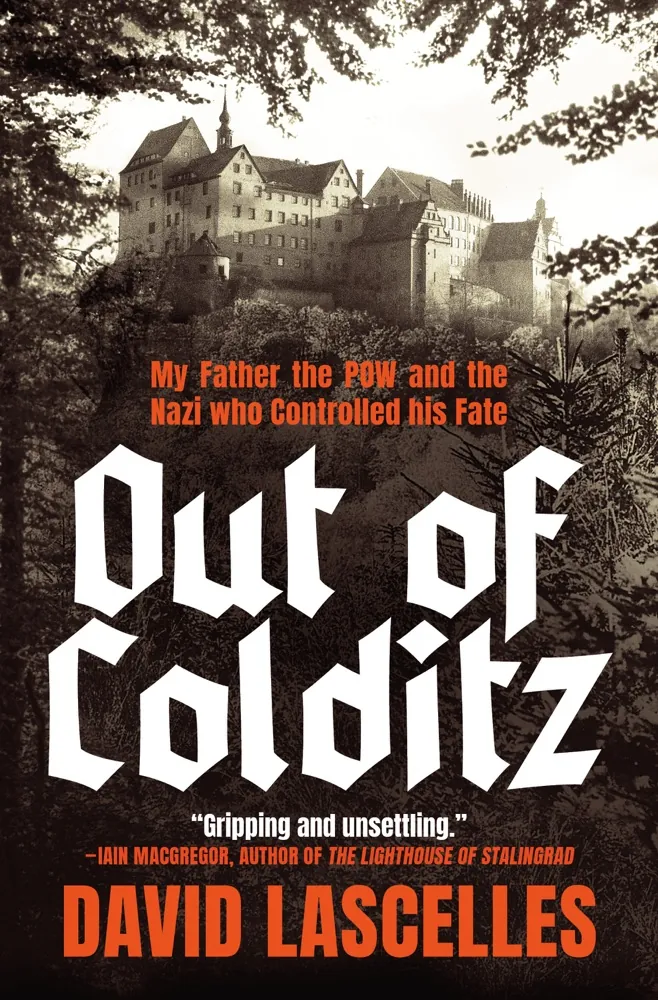
Author: David Lascelles YorkshirePage Count: UnknownPublication Date: Expected publication 2026 APL The universe has officially decided to test my remaining shreds of sanity by dangling yet another prestige-biscuit about British blue-bloods surviving World War II. Out of Colditz: My Father the POW and the Nazi Who Controlled His Fate arrives courtesy of David Lascelles Yorkshire, which reads less like a historical monograph and more like the ultimate flex for someone whose lineage involves a lot of inherited silver and very little actual suffering. We are talking about the Prominente—nephews of kings, sons of viceroys, and Winston bloody Churchill’s own flesh and blood cooling their heels in a Gothic fortress while the commoners got pulverized in the Blitz. The Aristocratic Privilege of Not Being Shot And yet, here we are, staring down an anticipated 2026 release that hinges on a classic moral cop-out. An SS commander named Gottlob Berger decides to play nice at the eleventh hour because he realizes the Nuremberg trials are going to be a massive vibe-killer for his career. Wow. Revolutionary ethics. Wait. Let me rephrase that entirely. Berger's calculated self-preservation is actually a towering monument to nuanced bureaucratic psychology, proving that even genocidal maniacs appreciate a solid networking strategy for the postwar Hague era. Lascelles supposedly retraces this journey eighty years later, wondering if the Nazi boss acted out of compassion, remorse, or pure unadulterated self-interest. Spoiler alert: It was self-interest, you absolute spoon. Nobody gives up high-profile hostages out of a sudden pang of Franciscan charity when the Red Army is pounding on the eastern suburbs of Berlin. But sure, let’s write three hundred pages interrogating the inner emotional landscape of a war criminal because the author wouldn't exist otherwise. It gives off major "my dad survived a heavily curated hostage crisis" energy, perfectly pitched for the same demographic that buys commemorative tea towels celebrating royal weddings. Historical True-Crime for the Country House Set This whole enterprise smells suspiciously like a prestige television pitch disguised as literature—think Ben Macintyre writing for Tatler, stripped of any genuine grit and dipped in ancestral nostalgia. We get it. Your lineage is bulletproof. The literary market is already aggressively oversaturated with these glossy, upper-crust historical excavations that treat human catastrophe like an eccentric family heirloom to be dusted off for the Sunday supplements. Except the synopsis leaves us hanging on actual narrative substance. We get zero details on how these posh prisoners actually lived, what they thought, or how much caviar was smuggled in via the Red Cross packages. It is all high-concept scaffolding and zero architectural integrity. Just a bunch of titled prisoners sitting around a medieval castle waiting for their uncle the King to win the war for them, while modern descendants cash in on the cinematic rights. Sickening. Absolutely tragic. I need to log off this cursed terminal right now and sprint down three flights of concrete stairs because my vintage 1974 Peugeot roadster is currently drowning in an ungodly flash flood while some neighborhood feral cat uses the leather saddle as a scratching post. #Colditz #History #Monarchy #BookTwitter Related InsightsDon't Let Him In Book Review and Summary For Whom the Bell Tolls Book Review and Summary How to Resist Guilt: On What's Holding Women Back Book Review and Summary{ "@context": "https://schema.org", "@type": "FAQPage", "mainEntity": [ { "@type": "Question", "name": "What is the main focus of Out of Colditz: My Father the POW and the Nazi Who Controlled His Fate Book Review and Summary?", "acceptedAnswer": { "@type": "Answer", "text": "Everything you need to know about Out of Colditz: My Father the POW and the Nazi Who Controlled His Fate with our detailed review." } }, { "@type": "Question", "name": "Who authored the comprehensive guide on Out of Colditz: My Father the POW and the Nazi Who Controlled His Fate Book Review and Summary?", "acceptedAnswer": { "@type": "Answer", "text": "This detailed article and its insights were carefully researched and authored by Carmen Martinez." } }, { "@type": "Question", "name": "Where can I find more related content about Books?", "acceptedAnswer": { "@type": "Answer", "text": "You can explore more articles, detailed reviews, and similar insights by browsing the Related Insights section at the bottom of this article or visiting our dedicated Books category page." } } ] }
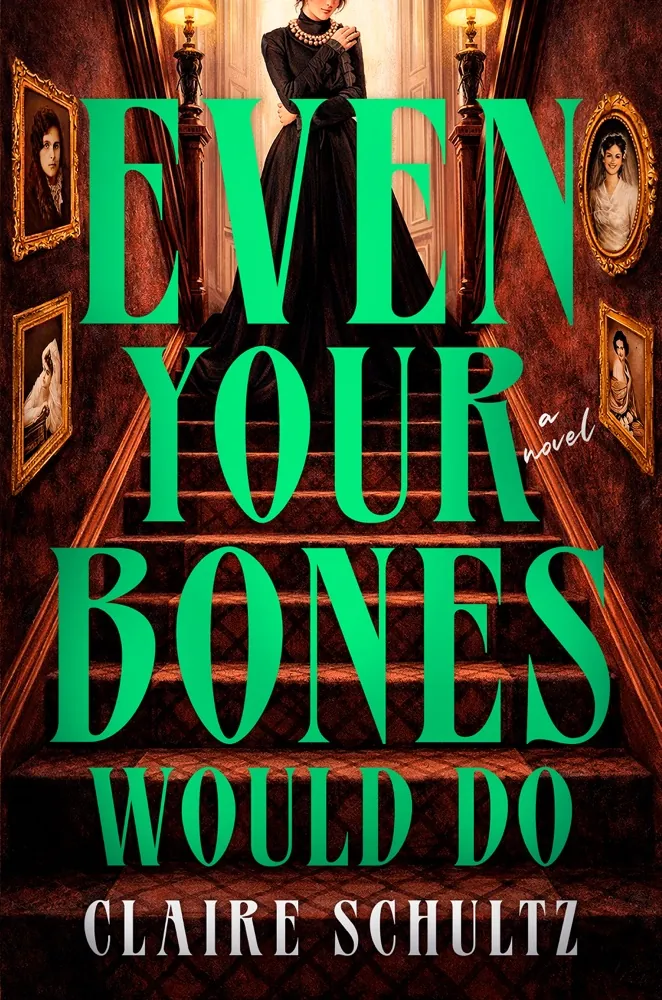
Author: Claire SchultzPage Count: UnknownPublication Date: Expected publication 2026 APL Gilded cages and the blue-black beards of men who think they own the world. It’s an old tune, really. Even Your Bones Would Do promises a Gothic plunge into the 1929 economic collapse, yet it seems determined to recycle the same tired tropes found in a mid-shelf Shirley Jackson knock-off. April Harker—a name that sounds like it was generated by a malfunctioning Victorian porcelain doll—is apparently whisked away from financial ruin into a marriage that screams "I have a basement full of bodies and a very poor understanding of consent." The Aesthetics of Unease Does a house need to move its hallways to be scary? That feels like a cheap parlor trick for a narrative that should be focusing on the crushing desperation of post-Crash survival. If the house is just a shifting labyrinth, why bother with the historical setting? It’s giving "I watched one episode of The Haunting of Hill House and decided I was an auteur." The lipstick-stained teacups feel like a garnish added to a dish that hasn't actually been cooked yet. It is essentially visual flavor-text masquerading as a plot point. Spectral Solidarity The introduction of Marie, this spectral companion, is where my interest—slight as it is—picks up, if only because it suggests a Sapphic escape from the patriarchy. Because God forbid a female protagonist find liberation through anything other than a literal ghost. It’s a bit basic, honestly. The genre is currently infested with "trapped woman discovers husband is a total psycho" narratives, and this feels like it’s chasing that Mexican Gothic vibe without the teeth. Will it be a masterclass in atmospheric dread? Or just a glorified fanfic for people who think wearing velvet is a substitute for a personality? The synopsis is infuriatingly vague about the nature of the "infinite rooms." Is this a metaphor for the infinite ways a man can gaslight his spouse? Probably. I suspect the mid-point will devolve into a messy, CGI-brained spectacle where the house itself becomes the antagonist, leaving the character development to rot in the foyer. I’m predicting a third-act twist that centers on bloodlines or ancestral curses, because originality is currently on sabbatical in the publishing world. It’s a total snooze-fest setup that thinks it’s profound because it throws in some spectral teacups. If you’ve read your Du Maurier, you’ve already read this book, just with less prose-induced nausea. I suppose I’ll have to suffer through the inevitable media blitz when the advance copies start hitting the desks of people who actually get excited by "lyrically haunting" blurbs. My tea is stone cold and my patience is entirely depleted, much like the promise of this plot. I must now turn my attention to reviewing the exhausting itinerary for my European book tour. There are simply too many trains to catch and far too few decent aperitifs on the schedule. Related InsightsBelle Haven Finishing School Book Review and Summary The House Across the Lake Book Review and Summary Food Is Medicine: Healing Our Bodies, Nourishing Our Minds, and Transforming Our Food System Book Review and Summary{ "@context": "https://schema.org", "@type": "FAQPage", "mainEntity": [ { "@type": "Question", "name": "What is the main focus of Even Your Bones Would Do Book Review and Summary?", "acceptedAnswer": { "@type": "Answer", "text": "Everything you need to know about Even Your Bones Would Do with our detailed review." } }, { "@type": "Question", "name": "Who authored the comprehensive guide on Even Your Bones Would Do Book Review and Summary?", "acceptedAnswer": { "@type": "Answer", "text": "This detailed article and its insights were carefully researched and authored by Anna Kowalska." } }, { "@type": "Question", "name": "Where can I find more related content about Books?", "acceptedAnswer": { "@type": "Answer", "text": "You can explore more articles, detailed reviews, and similar insights by browsing the Related Insights section at the bottom of this article or visiting our dedicated Books category page." } } ] }
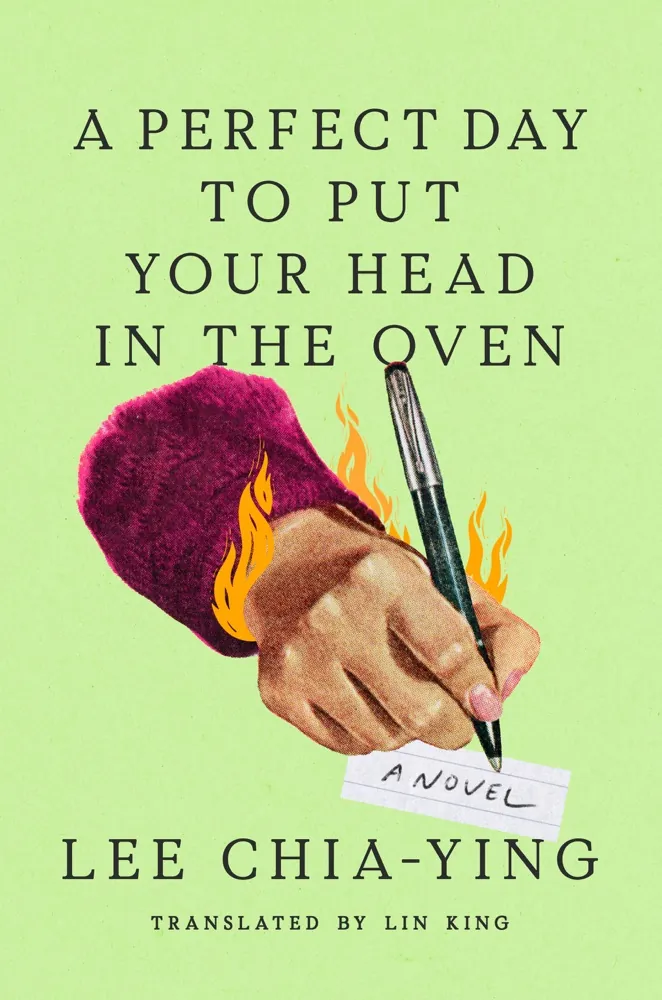

Author: Lee Chia-YingPage Count: UnknownPublication Date: Expected publication 2026 APL The synopsis for A Perfect Day to Put Your Head in the Oven is so deliberately vague it feels like a middle-schooler’s half-hearted attempt at a haiku—three lines, no rhyme, and the emotional punchline is left to the reader’s imagination. But here’s the thing: that’s exactly the kind of ambiguity that makes Lee Chia-Ying’s work so compelling. The title alone is a masterclass in provocative understatement—it doesn’t promise a story, it invites one, like a dare. And the synopsis? It’s less a roadmap and more a series of breadcrumbs meant to be stepped on, then forgotten. Which is fine. The best books don’t need to spell everything out. They need to happen. The protagonist, Tan, is a writer in the throes of creative paralysis, which is a trope so overworked it’s practically a genre unto itself—think of the endless parade of artists in The Perks of Being a Wallflower or Eat Pray Love, all chasing some mythical moment of clarity while their lives unravel around them. But here’s where the synopsis starts to feel alive: the way it frames Tan’s attempt to write a memoir as a kind of archaeological dig, sifting through childhood memories that may or may not be real. It’s not just about unreliable narration—it’s about the performance of memory, the way we edit our past to fit the story we want to tell. And the fact that her old friends react with skepticism—"Are you dying?"—isn’t just comedic relief; it’s a gut punch to the idea that we’re only ever as interesting as the stories we’re willing to let people believe. The synopsis also drops a few of those perfect little details that make you want to read the book just to see how they land: the guessing game on the day of her parents’ divorce, the kissing ritual among boarding school roommates, the spinach in the sink that becomes a meditation. These aren’t just plot devices; they’re vibes, the kind of moments that make you think, Oh, this is going to be the kind of book where the mundane becomes sacred, where a single memory can unravel everything. It’s the literary equivalent of finding a single, perfect lyric in a song and knowing the rest of the album is going to be worth it. But—and this is where the ADHD tangent kicks in—why does this remind me of that godforsaken Bluey episode where the characters keep trying to build a sandcastle and keep collapsing it? The way Tan’s memories keep shifting, the way her attempts to reconstruct her past keep falling apart, it’s like watching a group of toddlers with a shovel. Except in Bluey, at least the chaos is charming. Here, the chaos is necessary—it’s the point. The book isn’t about stability; it’s about the mess of growing up, the way love and betrayal and death and even spinach can become these weird, beautiful, terrifying symbols of what it means to be human. It’s the kind of thing that makes you think of The Vegetarian by Han Kang, where the mundane becomes a site of rebellion, or My Brilliant Friend by Elena Ferrante, where childhood friendships are both the foundation and the ruin of everything. Yet. The synopsis doesn’t tell us enough. It doesn’t say whether Tan’s memories are deliberately unreliable or just naturally so. It doesn’t say whether the book is a comedy, a tragedy, or something in between. And that’s the thing about books like this—they’re not about the answers. They’re about the questions, the way they sit in your stomach like a half-digested meal, making you wonder if you’re overthinking it or if you’re finally getting it. Literally. I need to go retrieve my favorite fountain pen from my grandson’s sticky hands before I start comparing this to The Goldfinch or something equally ridiculous. The point is, this synopsis has the kind of potential that makes you want to pre-order it sight unseen, like a first date where you know the chemistry is already there. And if it delivers on even half of what it promises, it’ll be the kind of book that makes you laugh, cry, and question everything you thought you knew about memory, love, and the way we tell our own stories. #BookTok #LiteraryGems #ComingSoon #AutumnReads #MemoirMystery Related InsightsWhen the Moon Hits Your Eye Book Review and Summary Kitapların Büyülü Dünyası: Okumak Bir Yaşam Biçimidir Heartstopper, Volume 4 Book Review and Summary{ "@context": "https://schema.org", "@type": "FAQPage", "mainEntity": [ { "@type": "Question", "name": "What is the main focus of A Perfect Day to Put Your Head in the Oven Book Review and Summary?", "acceptedAnswer": { "@type": "Answer", "text": "Everything you need to know about A Perfect Day to Put Your Head in the Oven with our detailed review." } }, { "@type": "Question", "name": "Who authored the comprehensive guide on A Perfect Day to Put Your Head in the Oven Book Review and Summary?", "acceptedAnswer": { "@type": "Answer", "text": "This detailed article and its insights were carefully researched and authored by Michael Brown." } }, { "@type": "Question", "name": "Where can I find more related content about Books?", "acceptedAnswer": { "@type": "Answer", "text": "You can explore more articles, detailed reviews, and similar insights by browsing the Related Insights section at the bottom of this article or visiting our dedicated Books category page." } } ] }
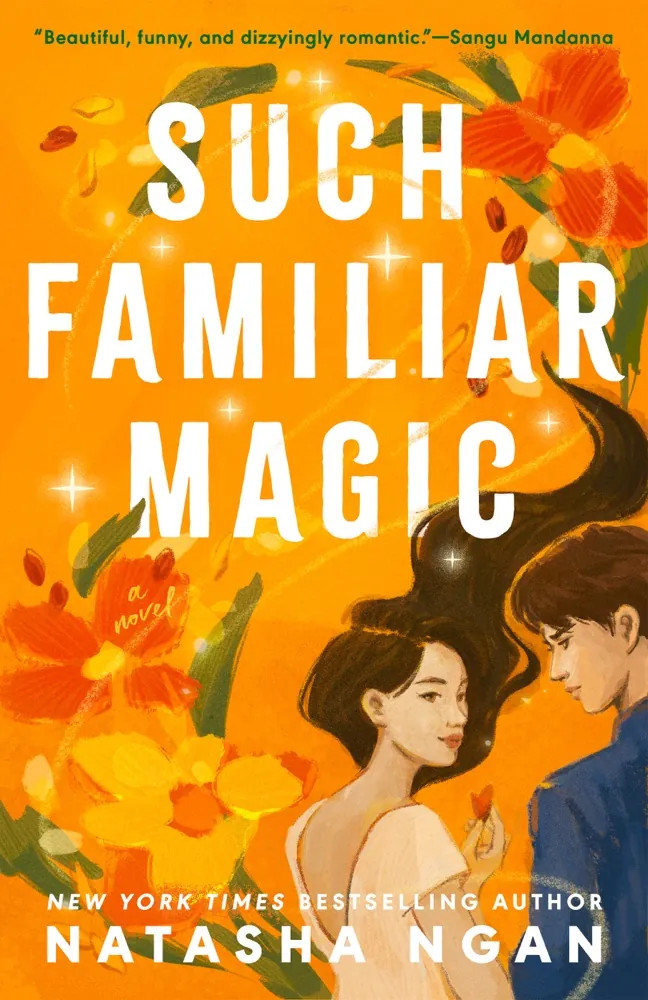
Author: Natasha NganPage Count: UnknownPublication Date: Expected publication 2026 APL Steaming espresso and stale airport lounge air make for a dreadful cocktail. Yet here we are, dissecting Natasha Ngan’s Such Familiar Magic between delayed flights to Geneva. The publishing machine churns onward, coughing up another iteration of the overworked protagonist seeking solace in domesticity. Ancestral Chores and Corporate Burnout Laila Chu escapes London to wash dishes for dead people in Silverwood Cove. How utterly riveting. We are asked to swallow the premise that an eight-hundred-year-old magical tradition can be casually shattered on Day One because a modern woman is tired. Burnout is the new aristocracy of suffering. Every protagonist must now be an exhausted shell of a human before the inciting incident even dares to knock. Ngan trades the opulent, sprawling worldbuilding of Girls of Paper and Fire for something localized, coastal, and desperately reliant on the cozy fantasy industrial complex that currently plagues every independent bookstore window from Chelsea to Kyoto. The Enmity Index Enter Anthony Lim. The next-door nemesis. Because two people who grew up sharing a zip code could never simply ignore one another without a mandated trope compelling them toward forced proximity. The synopsis leans heavily on the structural architecture of the forced-cooperation rom-com—a formula popularized by people who think Nora Ephron wrote instruction manuals. They hunt for elusive ingredients. They banter. Sparks fly. One expects the narrative to disintegrate into a predictable sequence of culinary-adjacent magical mishaps that read less like prose and more like an episode of Top Chef sponsored by the Wicca supply chain. It has the distinct flavor of the Costa Concordia captain trying to parallel park. The Transience of Spells The underlying stakes supposedly involve the sanctity of familial lineage and cultural preservation across eight centuries. But let us be entirely serious. The emotional gravity is entirely eclipsed by the looming specter of a ticking clock. Will she fix the potion before her parents return? Will she fall too hard for a man who is only here for the magic? This is the literary equivalent of a Diet Coke consumed while staring blankly at a departures board. It asks for nothing, risks nothing, and dissolves on the tongue before the final page is turned. Give me merciless ambition or give me the recycling bin. My managing editor is currently hyperventilating over the quarterly earnings report in the adjacent VIP booth, screaming into a satellite phone about declining ad revenues and demanding I pivot this column toward something with a five-star Amazon rating. Related InsightsVanity Fair Book Review and Summary The Horse and His Boy Book Review and Summary Snowed In at the Wildest Dreams Bookshop Book Review and Summary{ "@context": "https://schema.org", "@type": "FAQPage", "mainEntity": [ { "@type": "Question", "name": "What is the main focus of Such Familiar Magic Book Review and Summary?", "acceptedAnswer": { "@type": "Answer", "text": "Everything you need to know about Such Familiar Magic with our detailed review." } }, { "@type": "Question", "name": "Who authored the comprehensive guide on Such Familiar Magic Book Review and Summary?", "acceptedAnswer": { "@type": "Answer", "text": "This detailed article and its insights were carefully researched and authored by Klaus Weber." } }, { "@type": "Question", "name": "Where can I find more related content about Books?", "acceptedAnswer": { "@type": "Answer", "text": "You can explore more articles, detailed reviews, and similar insights by browsing the Related Insights section at the bottom of this article or visiting our dedicated Books category page." } } ] }
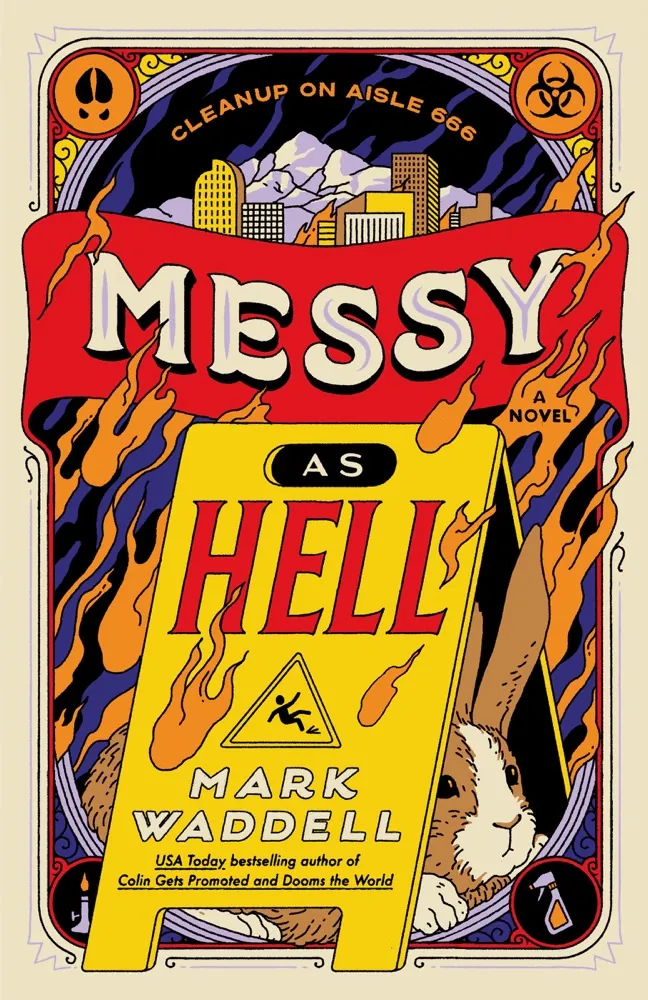

Author: Mark WaddellPage Count: UnknownPublication Date: Expected publication 2026 APL Another office-place satire dressed up in the tattered, neon-lit skin of corporate horror. Because what literature truly lacks in our current epoch is yet another junior custodial worker stumbling upon the literal underworld behind a mahogany door. How delightfully inventive. One might as well exhume the corpse of the 2008 financial crisis and hand it a mop. Mark Waddell’s upcoming Messy as Hell asks us to believe that a multinational enterprise can securely house infernal biohazards on the thirteenth floor while employing a protagonist named Sam whose primary motivation is swooning over a ruthless, charming CEO. Groundbreaking. We are apparently meant to brace ourselves for a madcap caper involving daredevil friends, secret crushes, and a suspicious emotional-support rabbit named Mr. Bun-Bun. This reads less like a narrative and more like the script notes for the Fyre Festival documentary. I’ll take that with a mountain of salt. The Architecture of Corporate Despair The synopsis leans heavily on the tired trope of the working-class everyman unmasking white-collar villainy. Except this time, the white-collar villainy literally smells of sulfur and features a signed contract spelling doom for humanity. How quaint. We are swimming in a toxic slurry of Douglas Adams trying desperately to channel Chuck Tingle, crossed with the frantic energy of the Costa Concordia captain trying to parallel park a cruise ship. Yet the real offense here is not the premise itself. It is the predictability of the emotional architecture. Sam will peek behind the door. Sam will regret it. Sam will learn that his corporate idol is actually a monster—who could possibly have foreseen such a betrayal in a book featuring a character literally named Dark Enterprises?—and he will save the day with his trusty bucket and broom. Happiness is guaranteed by page three hundred. And that is precisely what turns my stomach. Where is the nihilism? Where is the crushing, inescapable weight of late capitalism grinding human aspirations into dust without a single plucky rabbit to lighten the mood? The Cult of Competence We are force-fed this dreary notion that a plucky janitor can outwit infernal bureaucracy. Give me a break. A real corporate hellscape does not feature homicidal assistants you can outrun; it features quarterly performance reviews that strip your soul away incrementally until you welcome the sulfur. Calvin is losing his mind over a secret project? Please. We have all lost our minds over lesser spreadsheets, and nobody is writing a witty urban fantasy about our descent into madness. The prose promises a high-stakes romp through cubicle farms and demonic contracts. But let us be entirely honest about what this is. It is disposable genre fiction packaged for readers who think The Office lacked enough demons. And speaking of unnecessary revivals, I am already dreading the inevitable sequel where Sam takes middle management. My tailor is waiting at the Carlyle to fit me for the gala. Related InsightsDon't Let Him In Book Review and Summary Chasing the Devil: The Search for Africa's Fighting Spirit Book Review and Summary Such Familiar Magic Book Review and Summary{ "@context": "https://schema.org", "@type": "FAQPage", "mainEntity": [ { "@type": "Question", "name": "What is the main focus of Messy as Hell Book Review and Summary?", "acceptedAnswer": { "@type": "Answer", "text": "Everything you need to know about Messy as Hell with our detailed review." } }, { "@type": "Question", "name": "Who authored the comprehensive guide on Messy as Hell Book Review and Summary?", "acceptedAnswer": { "@type": "Answer", "text": "This detailed article and its insights were carefully researched and authored by Chloé Laurent." } }, { "@type": "Question", "name": "Where can I find more related content about Books?", "acceptedAnswer": { "@type": "Answer", "text": "You can explore more articles, detailed reviews, and similar insights by browsing the Related Insights section at the bottom of this article or visiting our dedicated Books category page." } } ] }
-
 Giulia Ricci
 - 02 Sep, 2026 18:33
Use Your Brain: Think Deeper in a World on Autopilot Book Review and Summary
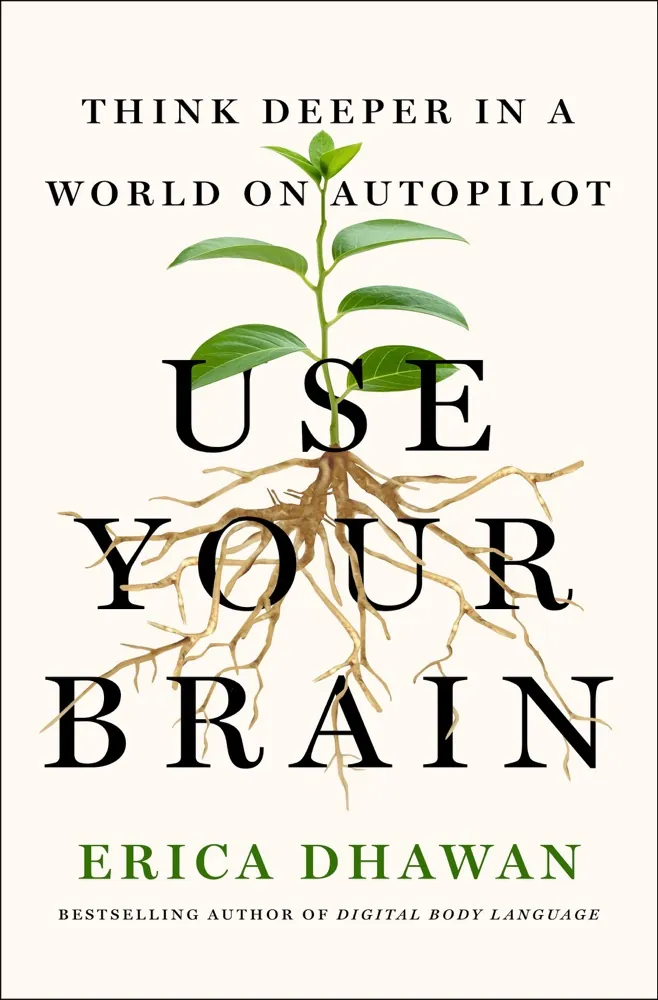
Author: Erica DhawanPage Count: UnknownPublication Date: Expected publication 2026 APL Staring at this blinding white document feels like trying to paint with a vacuum. I am supposed to string together a few hundred words about Use Your Brain by Erica Dhawan — a title that sounds less like literature and more like a warning label on a microwave — just to pad out my word count and scrape together enough cash for my landlord. Brilliant. Let us pretend I care about corporate leadership handbooks when my canvas has been blank for three weeks and my coffee tastes like burnt ash. The Cult of the Prompt The synopsis leans hard into our collective intellectual decay. We are outsourcing our minds to machines that do not care. Groundbreaking stuff. We are trading the friction of original thought for the slick, greasy convenience of automated summaries. Dhawan apparently wants us to pick up new tools and then put them down — revolutionary advice that has somehow become a marketable commodity in boardrooms. If you need a globally recognized leadership expert to tell you not to let an algorithm write your emails, you are already too far gone. Yet the premise touches a raw nerve. Look at Cal Newport’s Digital Minimalism or Sherry Turkle’s work on how technology erodes our capacity for solitude. We are terrified of quiet. And so we fill the void with prompts, filters, and synthetic confidence. The book promises common-sense habits to protect our judgment. But can a habit fix a systemic numbness? Doubtful. Marketing the Antidote What fascinates me — or what would fascinate me if my emotions were not entirely fried — is the irony of packaging anti-technology advice into a marketable commodity designed to feed the very machine it critiques. People will buy this book on an e-reader, highlight a few pithy sentences about touching grass, and then immediately return to scrolling. Dhawan frames the loss of critical thinking as a personal failure of discipline rather than an inevitable consequence of late-stage digital dependency. It is much easier to sell a field guide for sharpening creativity than it is to admit the system is rigged to keep us docile. We are raising children who freeze at open-ended questions. That sentence in the blurb actually hit something. It is the only part of the synopsis that carries genuine weight — the generational atrophy of simply sitting in the discomfort of not knowing. Everything else is standard corporate self-help boilerplate designed to make middle managers feel productive while they read during quarterly reviews. I need to write two hundred more words just to satisfy the editors who think every cultural symptom can be cured by a five-step habit loop. It is exhausting. We decorate our digital cages with self-help paperbacks and call it resistance. I must attend a terribly pretentious avant-garde film screening where people stare at a blank screen for two hours and call it a profound commentary on modern alienation, which honestly sounds preferable to reading another paragraph about catching yourself on autopilot. Related Insights„Die Alchemie der Ballaststoffe: Wenn das literarische Erbe auf den vollwertigen Shepherd’s Pie trifft“ 1984 Book Review and Summary 301 More Ways to Have Fun At Work Book Review and Summary{ "@context": "https://schema.org", "@type": "FAQPage", "mainEntity": [ { "@type": "Question", "name": "What is the main focus of Use Your Brain: Think Deeper in a World on Autopilot Book Review and Summary?", "acceptedAnswer": { "@type": "Answer", "text": "Everything you need to know about Use Your Brain: Think Deeper in a World on Autopilot with our detailed review." } }, { "@type": "Question", "name": "Who authored the comprehensive guide on Use Your Brain: Think Deeper in a World on Autopilot Book Review and Summary?", "acceptedAnswer": { "@type": "Answer", "text": "This detailed article and its insights were carefully researched and authored by Giulia Ricci." } }, { "@type": "Question", "name": "Where can I find more related content about Books?", "acceptedAnswer": { "@type": "Answer", "text": "You can explore more articles, detailed reviews, and similar insights by browsing the Related Insights section at the bottom of this article or visiting our dedicated Books category page." } } ] }
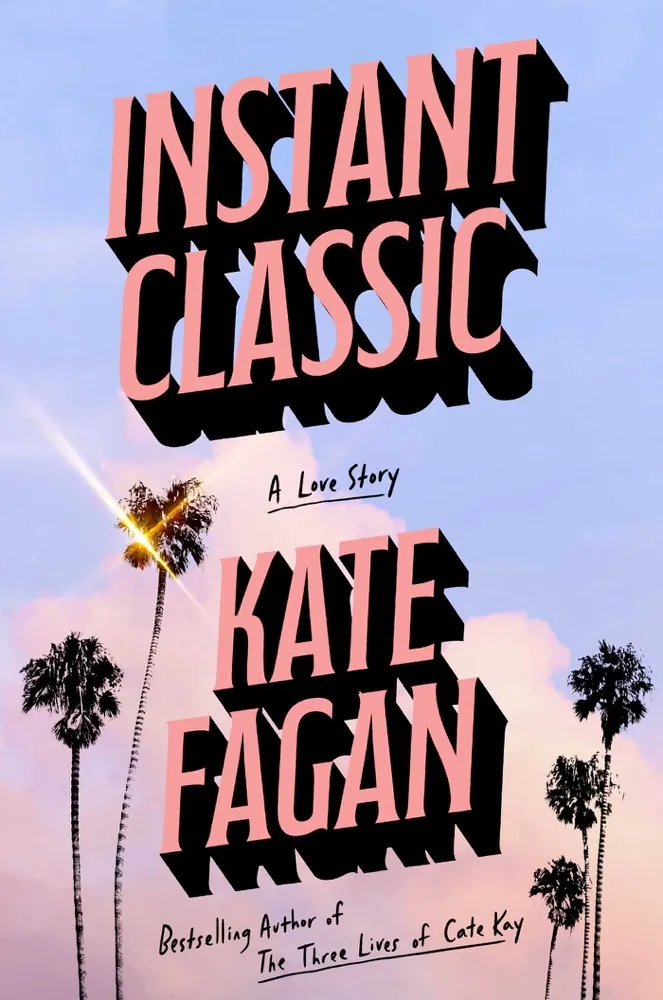

Author: Kate FaganPage Count: UnknownPublication Date: Expected publication 2026 APL Cinema is a graveyard of half-baked vanity projects and directors desperate to scrub their own fingerprints off a flop. Kate Fagan’s upcoming Instant Classic suggests we are about to witness the literary equivalent of a desperate third-act pivot. Marion May, our weary auteur, hunting for a win in the dusty, half-forgotten archives of women’s basketball. It is a premise that hums with the kind of earnest, aggressive nostalgia that makes me want to pull the fire alarm. The Erasure of the Jump Shot We are sold a story about Harper Kidd, a fifties phenom whose career was sacrificed at the altar of the era’s suffocating conformity. It is a familiar archetype—the fallen athlete, the erased history, the weight of the past pressing down on the present. Is it profound? Or is it just another exercise in exhuming the dead to satisfy our current hunger for vintage grit? Fagan clearly wants us to see the connective tissue between a modern filmmaker’s malaise and the silenced cries of a mid-century woman. Yet, the synopsis treats this link with a heavy hand, promising a mirror held up to the soul. I find the metaphor of the court as a site of self-discovery a bit too clean, almost antiseptic. The game is rarely that forgiving. Actually, wait. Perhaps the antiseptic nature is the point. Maybe the beauty lies in the sterility of the archive versus the chaotic sweat of the paint. No, that is wrong—the sweat is exactly what the story needs, and if Fagan keeps the prose too polished, the whole thing will slide right off the shelf. The narrative architecture reminds me of Taylor Jenkins Reid’s Daisy Jones & The Six, but stripped of the rock-and-roll decadence and replaced with the screech of sneakers on hardwood. It is a gamble, certainly. One that risks collapsing into a Hallmark-adjacent meditation on identity if it fails to ground the WNBA’s sharp, modern intensity against the muted, sepia-toned struggle of the fifties. Does the world need another book about a character finding their voice through someone else’s biography? Probably not. Do I secretly hope the prose is biting enough to keep me awake? Yes. If this lands, it lands because it captures the specific, sharp loneliness of being a woman in a room where the rules were written by men who never touched a ball. If it misses, it will be because it traded the harsh, ugly reality of lost legacy for a tidy emotional payoff. I suspect Fagan will aim for the latter—a crowd-pleasing, cinematic epiphany—when I am praying for the former. A bit of bitterness would go a long way here. I am already running behind. The taxi is waiting, or it should be, and there is a debate starting in twenty minutes at a smoky basement club about whether art can ever truly exist outside of its own decay. #bookstagram #womenssports #literaryfiction Related InsightsThe Assassin's Blade / Throne of Glass / Crown of Midnight / Heir of Fire / Queen of Shadows / Empire of Storms / Tower of Dawn / Kingdom of Ash Book Review and Summary Atlas Shrugged Book Review and Summary Anthropocene Book Review and Summary{ "@context": "https://schema.org", "@type": "FAQPage", "mainEntity": [ { "@type": "Question", "name": "What is the main focus of Instant Classic Book Review and Summary?", "acceptedAnswer": { "@type": "Answer", "text": "Everything you need to know about Instant Classic with our detailed review." } }, { "@type": "Question", "name": "Who authored the comprehensive guide on Instant Classic Book Review and Summary?", "acceptedAnswer": { "@type": "Answer", "text": "This detailed article and its insights were carefully researched and authored by Olya Shevchenko." } }, { "@type": "Question", "name": "Where can I find more related content about Books?", "acceptedAnswer": { "@type": "Answer", "text": "You can explore more articles, detailed reviews, and similar insights by browsing the Related Insights section at the bottom of this article or visiting our dedicated Books category page." } } ] }
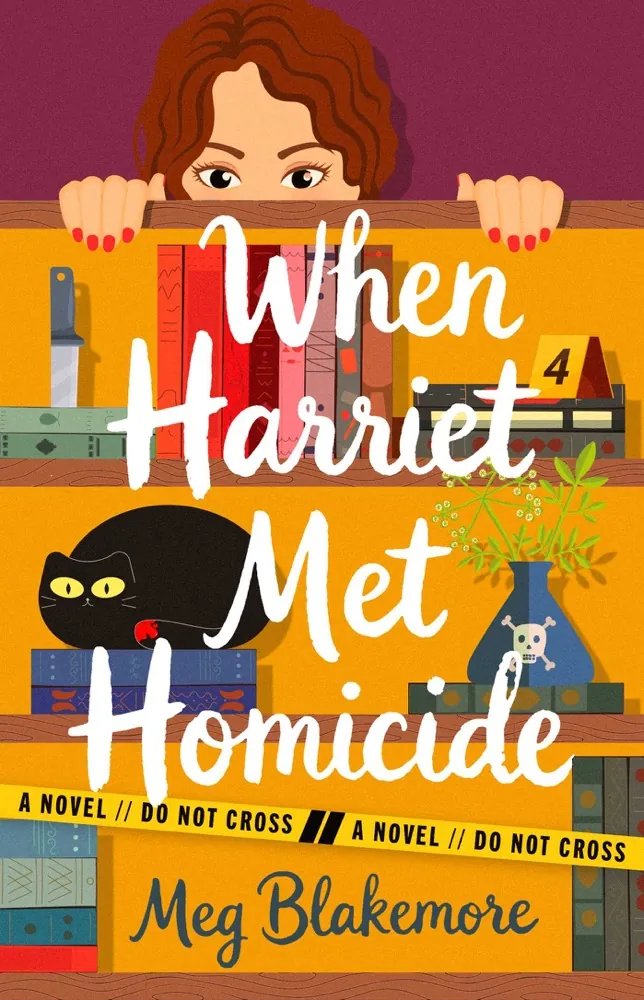

Author: Meg BlakemorePage Count: UnknownPublication Date: Expected publication 2026 APL Another murder in a quaint village where the mortality rate somehow manages to rival a war zone. I am staring at the screen, counting the seconds until I can justify closing this tab, and yet here I am dissecting When Harriet Met Homicide. It is exhausting to imagine another amateur sleuth who thinks color-coded spreadsheets are a substitute for a forensics degree. If Harriet spends one more page organizing sticky notes instead of considering the actual kinetics of hemlock ingestion, I might lose my mind. Poisoning is a precise, chemical affair—not a charming hobby for bookstore owners with too much free time. The Problem With Botanical Amateurism Why must cozy mysteries always involve local flora used with implausible ease? The mention of a boyfriend with an interest in poisonous plants feels like such a tired trope, pulled directly from the bargain bin of Victorian melodrama. It lacks the visceral reality of a true toxicology report. One wonders if Meg Blakemore understands the metabolic pathways of Conium maculatum, or if she simply thinks it sounds decorative. The synopsis promises a hunt for a second novel, a classic MacGuffin that forces the protagonist into a position of authority she has no business occupying. We are expected to believe a bookstore owner—someone who probably spends all day inhaling dust and caffeine—can outmaneuver a Yale-educated thriller writer. The suspension of disbelief is reaching escape velocity. Literary Archetypes on Life Support Then there is the rival author, Harrison Magnus. A Yale alum descending on tiny Mapleton? It sounds like a desperate attempt to inject intellectual gravity into a setting that would be better served by a quiet retirement. It reeks of the same desperate, formulaic construction I see in every other mid-list paperback occupying shelf space at the student union. This isn’t a narrative; it’s a paint-by-numbers exercise for people who find Agatha Christie too challenging. I have a word count to hit, so I suppose I must acknowledge the potential for a decent twist, though my cynicism is currently doing most of the heavy lifting. If the second novel isn't a meta-commentary on the futility of chasing ghosts, I will be profoundly bored. Maybe the market is simply too saturated with these hyper-specific, bookstore-adjacent mysteries. It feels like we are trapped in a loop, endlessly recycling the same "quirky woman solves crime" template until the genre itself turns into hemlock. I need this word count to end so I can stop thinking about fictional murders and start worrying about my own mounting debt. I am going to brew a dangerously strong espresso and stare at a blank page. #cozymystery #booktok #amwriting Related InsightsBefore I Fall Book Review and Summary Mother's Love Book Review and Summary Murder at the Grand Alpine Hotel Book Review and Summary{ "@context": "https://schema.org", "@type": "FAQPage", "mainEntity": [ { "@type": "Question", "name": "What is the main focus of When Harriet Met Homicide Book Review and Summary?", "acceptedAnswer": { "@type": "Answer", "text": "Everything you need to know about When Harriet Met Homicide with our detailed review." } }, { "@type": "Question", "name": "Who authored the comprehensive guide on When Harriet Met Homicide Book Review and Summary?", "acceptedAnswer": { "@type": "Answer", "text": "This detailed article and its insights were carefully researched and authored by Marco Conti." } }, { "@type": "Question", "name": "Where can I find more related content about Books?", "acceptedAnswer": { "@type": "Answer", "text": "You can explore more articles, detailed reviews, and similar insights by browsing the Related Insights section at the bottom of this article or visiting our dedicated Books category page." } } ] }
-
 Thomas Wright
 - 02 Sep, 2026 17:53
Other: Race, Sex, and the Hidden Harms of Human Categories Book Review and Summary
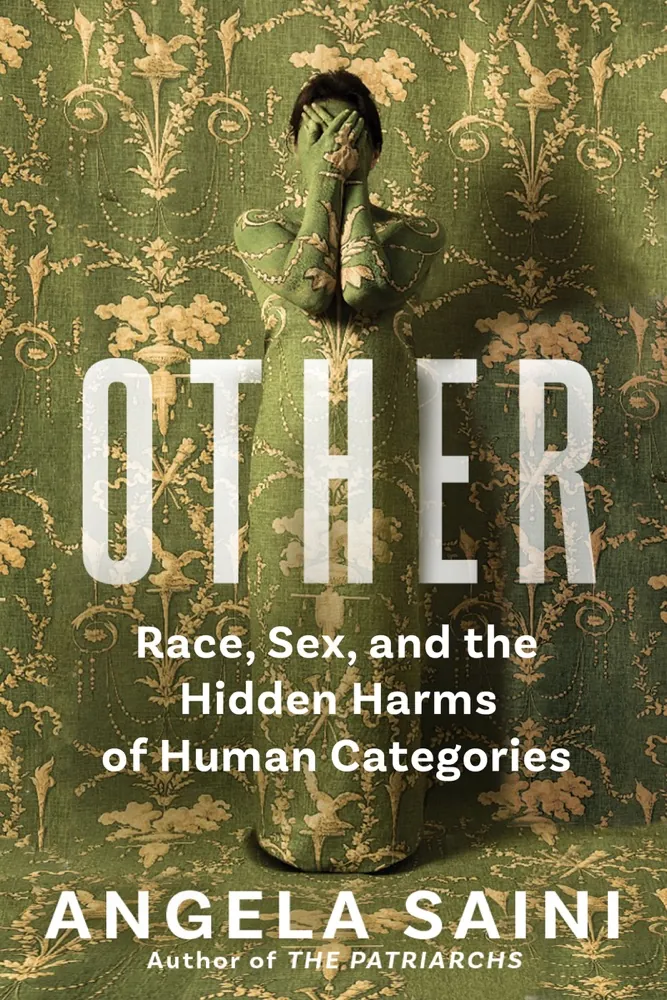
Author: Angela SainiPage Count: UnknownPublication Date: Expected publication 2026 APL The gymnasium radiator is hissing against the September chill outside, and I am currently staring at a purple neon permission slip for a field trip to the sewage treatment plant that a twelve-year-old just tried to forge with a scented gel pen. Honestly, the cursive loop on the 'M' looked like a drowning squid. But returning to Angela Saini’s upcoming Other, the synopsis outlines a thesis that feels remarkably pressing while I sit here watching fluorescent lights flicker over folding chairs, wondering how we ever convinced ourselves that stuffing human beings into rigid administrative boxes was a stroke of genius rather than a bureaucratic trap. We spend our entire lives handing over demographic data to doctors, state registries, and algorithms under the comforting delusion that checking a neat little demographic box helps dismantle inequality, when Saini is gearing up to argue that these exact categories are quietly being weaponized by bad actors from Washington to Budapest to enforce gerrymandering, restrict bodily autonomy, and resurrect archaic caste systems just in time for the 2027 census rollout. It reminds me of that dreadful young adult dystopian trilogy—you know the one, where teenagers are violently sorted into factions based on whether they are brave or good at math, as if human personality can be neatly sliced up like a cafeteria rectangle of lukewarm pizza—and frankly, this book looks poised to do what spec-fic has been warning about for a decade, except with actual receipts from Palantir and global biometric databases. This is why we can't have nice things. We take an idealistic concept from the sixties meant to guarantee civil rights, hand the data collection keys over to opaque tech monopolies and rogue race-science researchers hunting for spurious genetic correlations, and then act entirely shocked when the machinery gets twisted back into an instrument of exclusion. Saini is not writing a comforting self-help manifesto about embracing our differences; she is offering a sharp, cold-water interrogation of classification itself, urging us to peer past the state-mandated checkboxes and recognize the immense hidden harms of letting institutions define who we are allowed to be before we even open our mouths. Exhausting. Please remind me why I agreed to stay late on a Tuesday evening when I still have to go home and explain implicit differentiation to a teenager who thinks calculus is just an aggressive form of ancient Greek torture. Related InsightsAnthropodermische Bibliopegie: Eine Makabre Reise in die Welt der in Menschenhaut gebundenen Bücher Warrior of the Shards (The Shards of Magic, #3) Book Review and Summary Me Talk Pretty One Day Book Review and Summary{ "@context": "https://schema.org", "@type": "FAQPage", "mainEntity": [ { "@type": "Question", "name": "What is the main focus of Other: Race, Sex, and the Hidden Harms of Human Categories Book Review and Summary?", "acceptedAnswer": { "@type": "Answer", "text": "Everything you need to know about Other: Race, Sex, and the Hidden Harms of Human Categories with our detailed review." } }, { "@type": "Question", "name": "Who authored the comprehensive guide on Other: Race, Sex, and the Hidden Harms of Human Categories Book Review and Summary?", "acceptedAnswer": { "@type": "Answer", "text": "This detailed article and its insights were carefully researched and authored by Thomas Wright." } }, { "@type": "Question", "name": "Where can I find more related content about Books?", "acceptedAnswer": { "@type": "Answer", "text": "You can explore more articles, detailed reviews, and similar insights by browsing the Related Insights section at the bottom of this article or visiting our dedicated Books category page." } } ] }
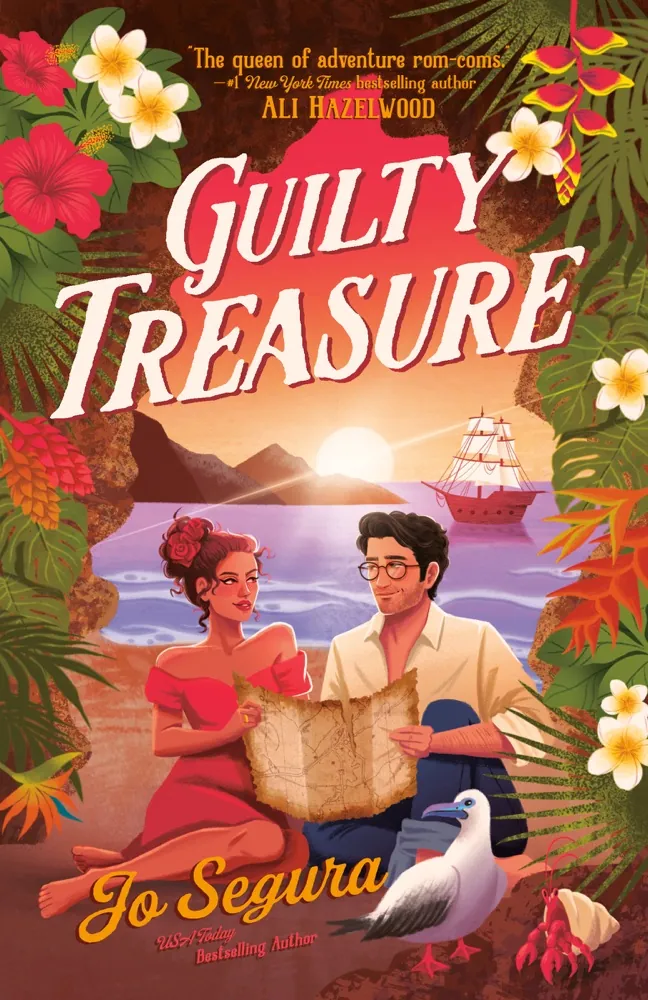

Author: Jo SeguraPage Count: UnknownPublication Date: Expected publication 2026 APL Darling, we are expected to endure yet another literary exercise wherein the modern muse trips over her own shoelaces and falls directly into the lap of a brooding adversary. Guilty Treasure arrives on the horizon for 2026, dragging the corpse of romantic comedy behind it like a stagecoach driver whipping a dead horse. Jo Segura invites us to witness a spectacle more contrived than the Elizabeth Taylor and Richard Burton divorce proceedings at Heathrow. The Stained Glass of Enmity The premise hinges on a hockey stadium kiss cam. A public humiliation of operatic proportions. One expects Percy Bysshe Shelley or Lord Byron to rise from the damp dirt just to mock the sheer lack of poetic grace in such a conceit. Sofia Alvarez loses her dignity under the blinding lights of a New York arena. And why? Because an ex possesses the structural intellect of a damp brioche. Enter Barrett "Bear" Winston. A man whose very nickname sounds like a second-rate gin served at a railway station buffet. He drops to one knee. A knight in shining armor made entirely of recycled aluminum siding. We are asked to swallow this forced prop-comedy romance as if it possesses the emotional resonance of a Pushkin stanza. Tropical Absurdity and Missing Verses Naturally, the universe—that lazy plot device favored by authors who despise actual character motivation—rewards this public mortification with an all-inclusive trip to Belize. Because nothing screams authentic emotional healing quite like a corporate-sponsored scavenger hunt for pirate gold. One looks for the lyrical undercurrents. One searches for a cadence that suggests the human heart is anything more than a mechanical pump leaking water. The synopsis offers none. It simply hurls our protagonists onto an island to hunt for buried treasure like participants in a humiliating reality television reunion special hosted by a minor Habsburg. The thematic architecture is hollow. The transition from animosity to affection lacks the necessary friction of genuine wit. Where is the venom? Where is the sharp, bleeding edge of true literary hatred that makes a reconciliation taste like forbidden absinthe? Instead, we get a predictable sprint toward domestic bliss under the guise of an adventure narrative. It reads less like art and more like a ransom note penned by a marketing department in Midtown Manhattan. My private flight to London has been delayed by an exact hour, which gives me ample time to regret every single second I spent pondering this exercise in commercialized longing. #JoSegura #GuiltyTreasure #RomanceNovel #LiteraryCritique Related InsightsThe Lost Guardian Book Review and Summary Saga Crepúsculo Book Review and Summary The High Auction Book Review and Summary{ "@context": "https://schema.org", "@type": "FAQPage", "mainEntity": [ { "@type": "Question", "name": "What is the main focus of Guilty Treasure Book Review and Summary?", "acceptedAnswer": { "@type": "Answer", "text": "Everything you need to know about Guilty Treasure with our detailed review." } }, { "@type": "Question", "name": "Who authored the comprehensive guide on Guilty Treasure Book Review and Summary?", "acceptedAnswer": { "@type": "Answer", "text": "This detailed article and its insights were carefully researched and authored by Lucia Garcia." } }, { "@type": "Question", "name": "Where can I find more related content about Books?", "acceptedAnswer": { "@type": "Answer", "text": "You can explore more articles, detailed reviews, and similar insights by browsing the Related Insights section at the bottom of this article or visiting our dedicated Books category page." } } ] }


Author: Matt BacaPage Count: UnknownPublication Date: Expected publication 2026 APL September afternoons demand a certain caliber of vintage, perhaps an aged Rioja that tastes of scorched earth and old leather before the evening chill sets in. All These Deep Arroyos arrives on the horizon with precisely that sort of dry, punishing terroir. Matt Baca constructs a literary landscape out of the New Mexico high desert—sun-bleached adobe, prickly yuccas, and the inescapable weight of inheritance. Early blurbs from Rachel Khong and Karen Joy Fowler already lean heavily on the emotional sweep of the thing, but let us be entirely frank about what we actually know. We know nothing of the prose style beyond a few curated jacket quotes. We know only the skeletal framework of a tragedy involving adobe houses, twin brothers, a Laguna Pueblo aspiring scientist named Cristina, and a federal prison sentence. The Geography of Resentment Dual narratives involving wayward brothers always risk dissolving into cheap melodrama—Cain and Abel with better lighting. Yet the synopsis hints at something structurally more interesting: the geographical determinism of the desierto alto. And perhaps I was entirely wrong to doubt the twin dynamic. Actually, twin tropes are utterly exhausted and lazy. Writers lean on biological mirrors when they cannot be bothered to invent interiority. Wait. Let us reconsider the architecture of a federal penitentiary juxtaposed against the vast, indifferent emptiness of New Mexico. Baca is playing with containment versus expansion. Robin is locked in a box because of his brother’s malfeasance, while Cristina builds a life in college laboratories, miles away from the dust. The premise is painfully contrived. Yet the inclusion of a mysterious benefactor working within the judge's chambers introduces a gothic machinery that elevates the narrative above standard contemporary regionalism. It reads less like standard literary fiction and more like Cormac McCarthy filtered through a lens of legal suspense. The Cholla and the Courtroom The thematic core here rests on debt. Not financial debt, but the crushing, inescapable currency of having been saved. When Robin and Cristina rescue a mysterious third party in their youth, they set a domino effect into motion that reaches into a federal judge's chambers seven years later. Literary fiction loves a secret savior. We have seen this brand of atmospheric fatalism before in the works of Denis Johnson or Louise Erdrich, where the landscape is an active antagonist rather than a passive backdrop. September brings a sobering clarity to our reading stacks, sweeping away the frivolous beach reads of July. This novel promises zero comfort. It trades in parched earth, institutional gray, and the bitter pill of collateral damage. Whether Baca can sustain the tension across an entire novel without collapsing into western pastiche remains to be seen. But at the very least, the man understands how to frame a desert horizon. The business class lounge was far too crowded today, ruining my concentration. Related InsightsThe Stranger Book Review and Summary King Lear Book Review and Summary Fair Warning Book Review and Summary{ "@context": "https://schema.org", "@type": "FAQPage", "mainEntity": [ { "@type": "Question", "name": "What is the main focus of All These Deep Arroyos: A Novel Book Review and Summary?", "acceptedAnswer": { "@type": "Answer", "text": "Everything you need to know about All These Deep Arroyos: A Novel with our detailed review." } }, { "@type": "Question", "name": "Who authored the comprehensive guide on All These Deep Arroyos: A Novel Book Review and Summary?", "acceptedAnswer": { "@type": "Answer", "text": "This detailed article and its insights were carefully researched and authored by Tiago Silva." } }, { "@type": "Question", "name": "Where can I find more related content about Books?", "acceptedAnswer": { "@type": "Answer", "text": "You can explore more articles, detailed reviews, and similar insights by browsing the Related Insights section at the bottom of this article or visiting our dedicated Books category page." } } ] }
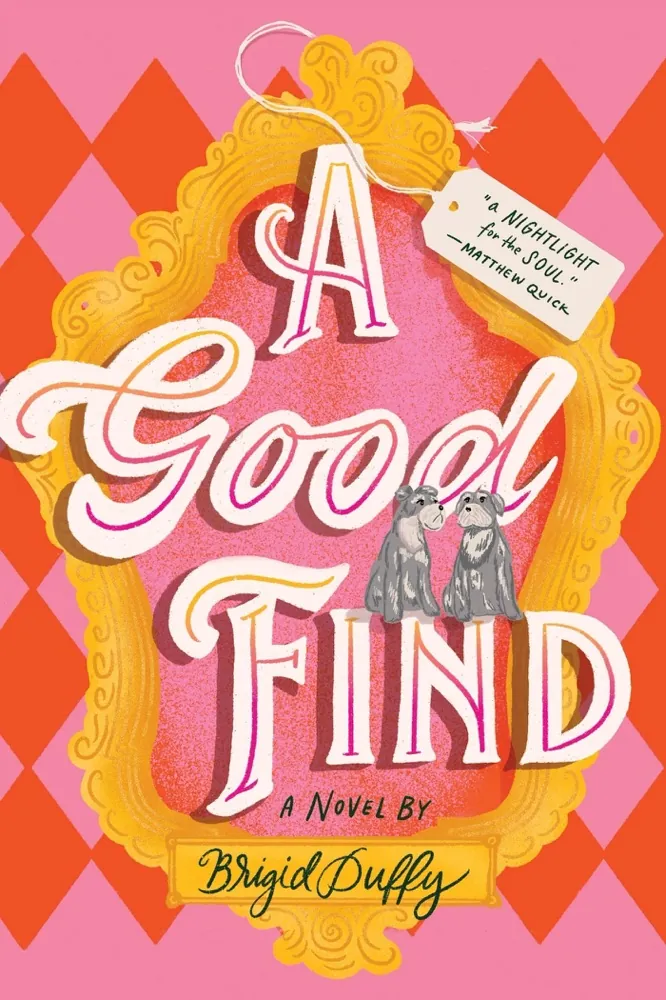
Author: Brigid DuffyPage Count: UnknownPublication Date: Expected publication 2026 APL The synopsis of A Good Find arrives like a well-worn leather-bound volume from a secondhand shop—promising something elegant, but already bearing the faintest scent of dust from a life half-lived. Beverly Atwood, a woman whose grief has settled into the quiet corners of her home like a cat that’s decided to claim the couch, stumbles into an online romance with a man named George. The setup is so 2010s, the kind of plot that would make a Golden Globes host roll their eyes while sipping a martini. But here’s the thing: the synopsis doesn’t tell us what happens next—it just drops us into the wreckage of a woman’s life, where the real drama isn’t the romance but the slow unraveling of her own memory. The prose here is deliberately vague, which is either a sign of brilliance or a cop-out. We’re left to imagine the weight of Bev’s antiques—do they whisper secrets? Do they scream? The synopsis hints at a Fatal Attraction meets Big Little Lies energy, where the past isn’t just a ghost but a landmine waiting to detonate. And yet, the most interesting line is the one about Bev confronting the "true identity of her suitor." Oh, please—this is the kind of reveal that would make a Scandal spin doctor blush. But the real question is: does Duffy have the chops to make this more than just another SilverFox.com cautionary tale? The thematic potential is there, buried under layers of cliché. Grief as a character? Check. The unreliable narrator trope? Double-check. But where’s the substance? Where’s the bite? The synopsis reads like a Hallmark Channel script that’s been given a single, desperate attempt at sophistication. We’ve seen this movie before—The Notebook meets The Secret History, but with the emotional depth of a Netflix original that gets canceled after two seasons. The most intriguing part? The way Bev’s antiques become a metaphor for her life. Are they just objects, or are they people? The synopsis doesn’t say. And that’s the problem—it’s too busy setting up a mystery to actually explore one. Where’s the Twilight Zone twist? Where’s the Lost level of existential dread? Instead, we get a woman selling her soul for a little love, which is so 1980s it’s almost quaint. The real question is: does Duffy have the audacity to make this more than just another widow finds love story? Or is this just another rom-com with a side of existential dread, like a Bridesmaids script written by someone who’s never actually been lonely? And then there’s the George reveal—because of course, the man who’s not what he seems is the real villain here. But where’s the psychological depth? Where’s the Shakespearean betrayal? The synopsis doesn’t even hint at it. It’s all just so surface-level, like a Tinder profile that’s been copy-pasted from a romance novel. The most frustrating part? The way the synopsis leaves us hanging. Is Bev’s daughter the real antagonist? Is George a serial killer in disguise? Or is this just another misunderstood romance that ends with everyone hugging it out? The synopsis doesn’t say. And that’s the problem—it’s too busy promising drama to actually deliver it. But let’s be honest: the real question is whether Duffy can turn this into something more than just another widow’s tale. Because right now, it feels like a Netflix script that’s been given a single, desperate attempt at literary gravitas. And that’s so not enough. I must sign divorce papers today. The paperwork is tedious, but at least it’s not this vague. Related InsightsMidsummer Delights Book Review and Summary The Sign of the Raven Book Review and Summary A Little Life Book Review and Summary{ "@context": "https://schema.org", "@type": "FAQPage", "mainEntity": [ { "@type": "Question", "name": "What is the main focus of A Good Find Book Review and Summary?", "acceptedAnswer": { "@type": "Answer", "text": "Everything you need to know about A Good Find with our detailed review." } }, { "@type": "Question", "name": "Who authored the comprehensive guide on A Good Find Book Review and Summary?", "acceptedAnswer": { "@type": "Answer", "text": "This detailed article and its insights were carefully researched and authored by Sofia Bianchi." } }, { "@type": "Question", "name": "Where can I find more related content about Books?", "acceptedAnswer": { "@type": "Answer", "text": "You can explore more articles, detailed reviews, and similar insights by browsing the Related Insights section at the bottom of this article or visiting our dedicated Books category page." } } ] }
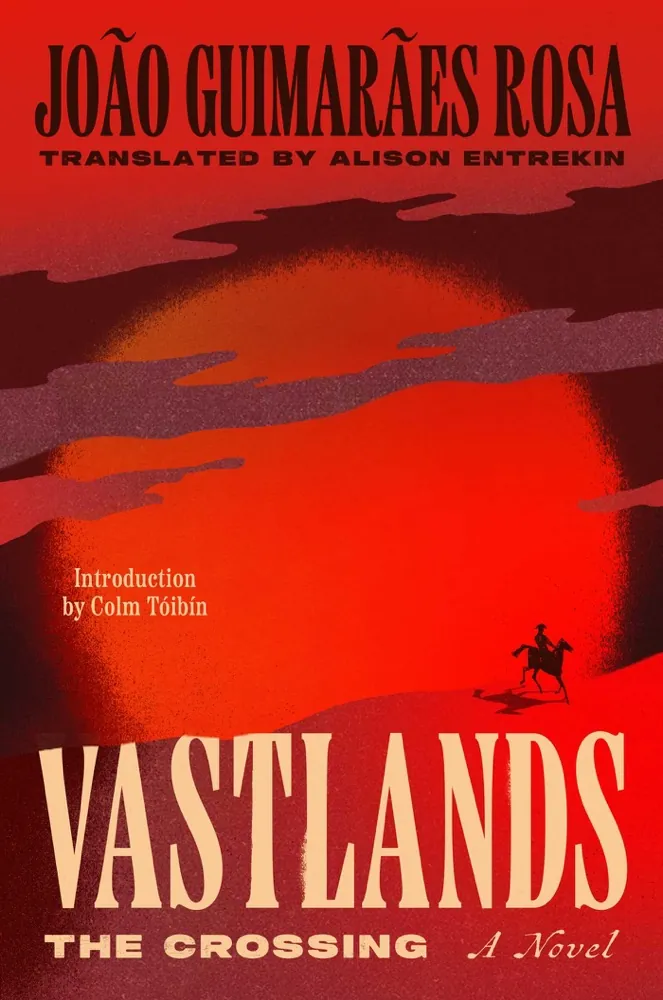

Author: João Guimarães RosaPage Count: UnknownPublication Date: Expected publication 2026 APL Cousin Beatrice is currently explaining her sourdough starter's lineage with the breathless intensity of a Hapsburg archduke mapping a disputed throne, right across a Formica table littered with crushed potato chips. One must simply endure this provincial auditory torture while evaluating João Guimarães Rosa's Vastlands: The Crossing. The publishing house would have us swoon over Alison Entrekin's brand-new translation as though a linguistic tour de force has never before graced the Anglophone market. Spare me. Mario Vargas Llosa bludgeons the reader with breathless praise, but what else is a Nobel laureate paid to do? The Lawless Plateaus of Pretension The sertão sounds dreadfully like the sort of pseudo-mythic landscape dreamed up by writers who find actual human geography too tedious to research. Feuding warlords and jagunços—oh, look, hired guns, how violently pedestrian—vie for political dominance in a single, searching monologue. Riobaldo goes from wayward youth to vigilante chief, wrestling with a possible encounter with the devil. Groundbreaking. One suspects Cormac McCarthy or even William Faulkner mapped this exact psychogeographical territory decades ago without needing an eighty-year-old Brazilian ghost whispering in their ear about metaphysical dirt. Yet, Colm Tóibín provides an introduction, lending a certain mahogany-paneled respectability to a text that otherwise smells faintly of roadside dust and sweaty horse saddles. Wait. Let me retract that sweeping dismissal of the prose mechanics. Perhaps treating a stylistic monolith like Vastlands: The Crossing as mere cowboy posturing ignores the sheer audacity of a text that unfolds entirely in a single monologue. Actually, no—who are we kidding? It’s giving unhinged stream-of-consciousness garbage fire, peak main character energy where a reformed thug whines about his obsessive devotion to an enigmatic figure named Diadorim while riding into battle. The eternal struggle of vengeance and power wrapped in lyrical wordplay. Utterly cooked. One shudders to imagine the sophomore English majors weaponizing these quotes on social media, completely missing the stylistic irony of a man chasing specters across high inland plateaus. Entrekin no doubt labored mightily to capture the verbal acrobatics of the original Portuguese, but polishing a legendary linguistic boulder up a sheer cliff of untranslatable idiom is a mug's game. Readers will buy it for the spine design and leave it unread on a credenza beside unlit taper candles. Must dash now. I have to go coach a little league baseball game where none of the children understand the rules and they keep trying to eat the bases. #VastlandsTheCrossing #JoaoGuimaraesRosa #TranslatorsPeril Related InsightsThe Giving Tree Book Review and Summary A Glimmer of Death (Merry Gentry, #10) Book Review and Summary Darkest King Book Review and Summary{ "@context": "https://schema.org", "@type": "FAQPage", "mainEntity": [ { "@type": "Question", "name": "What is the main focus of Vastlands - The Crossing Book Review and Summary?", "acceptedAnswer": { "@type": "Answer", "text": "Everything you need to know about Vastlands - The Crossing with our detailed review." } }, { "@type": "Question", "name": "Who authored the comprehensive guide on Vastlands - The Crossing Book Review and Summary?", "acceptedAnswer": { "@type": "Answer", "text": "This detailed article and its insights were carefully researched and authored by James Miller." } }, { "@type": "Question", "name": "Where can I find more related content about Books?", "acceptedAnswer": { "@type": "Answer", "text": "You can explore more articles, detailed reviews, and similar insights by browsing the Related Insights section at the bottom of this article or visiting our dedicated Books category page." } } ] }
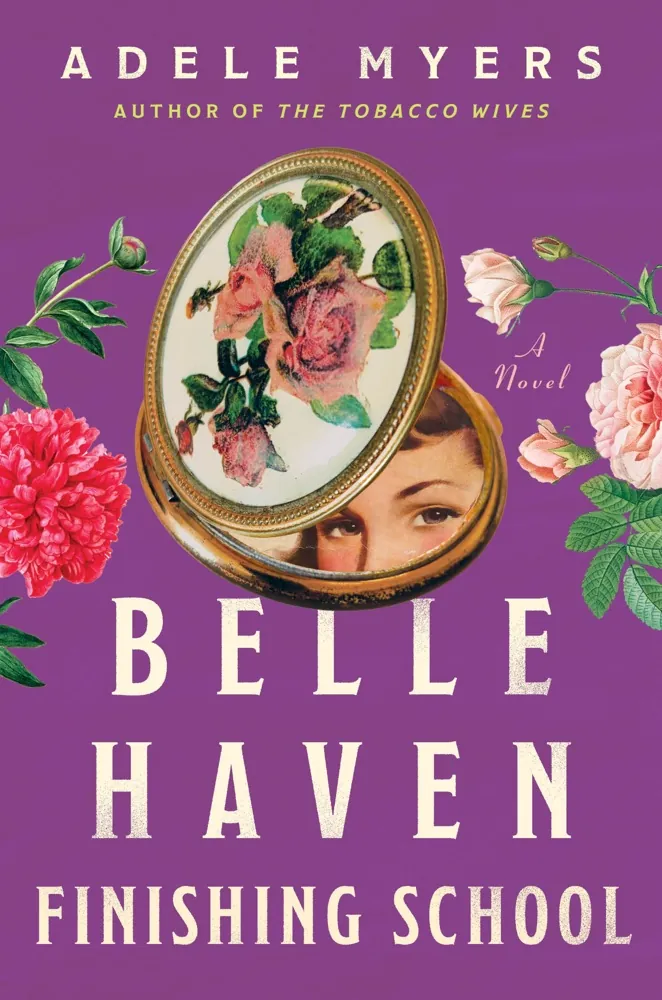
Author: Adele MyersPage Count: UnknownPublication Date: Expected publication 2026 APL Adolescence is a singular state of being—that strange, porous period where one is constantly molded by the hands of others, often under the guise of "improvement" or "social grace." Belle Haven Finishing School promises to examine this precise friction, pitting the fragile agency of orphans against the systemic machinery of 1951, a year that smelled of starch and secrets. One wonders if Adele Myers captures the specific, crushing weight of a teacher’s approval—that hollow gold star—or if she leans too heavily into the "gothic mystery" aesthetic that has become so tiresome in contemporary commercial fiction. The dual-timeline structure, jumping from the mid-century to 1987, feels like a deliberate attempt to graft the journalistic rigor of something like Lessons in Chemistry onto a darker, more institutional critique. But is a cover-up truly a cover-up if it follows the exact blueprint of every institutional thriller released in the last decade? The synopsis teases a "prominent university professor" behind an unethical experiment, a trope that feels dangerously thin, perhaps even lazy, in an era where we have already been served the grim realities of the Tuskegee Study and MKUltra. Charlotte’s quest for truth in the late eighties serves as the cynical mirror to Birdie’s optimism, yet I worry the narrative might prioritize the "mystery" over the genuinely uncomfortable psychological disintegration of the girls themselves. Why must we always look for a hidden study? Why isn't the banality of the finishing school—the sheer, weaponized dullness of being taught how to walk with a book on one’s head—enough to fuel a tragedy? Actually, the mystery might be the saving grace here, provided the prose avoids the cloying sentimentality that often infects Southern historical fiction. Are we reading the same book? I suspect the finished product will swing wildly between a blistering critique of mid-century patriarchy and a rather pedestrian mystery involving a lost folder in an archive. It is a bold move to ground this in 1951, a year ripe for the tension between domestic stifling and budding rebellion, yet one fears the inevitable "courageous woman uncovering the truth" beat will overshadow the quieter, more terrifying reality of what it means to lose one's identity to a brand. If Myers can summon the sharp, clinical observations found in Shirley Jackson’s work—rather than the soft-focus nostalgia of a standard historical romance—she might have something worth discussing during my next department meeting. If not, it will be just another artifact for the bargain bin, alongside the endless parade of "forgotten women" stories that claim to empower us while merely recycling the same Victorian-era gender traps. Pedestrian. I must cut this short before the ink dries. I hear a faint, rhythmic smacking sound coming from the living room—the unmistakable signal that my grandson has liberated my favorite fountain pen and is currently testing its flow on his own thumb. #HistoricalFiction #BookReview #Literature Related InsightsLochbound Book Review and Summary Terror and Truth Book Review and Summary Gilded Wings Book Review and Summary{ "@context": "https://schema.org", "@type": "FAQPage", "mainEntity": [ { "@type": "Question", "name": "What is the main focus of Belle Haven Finishing School Book Review and Summary?", "acceptedAnswer": { "@type": "Answer", "text": "Everything you need to know about Belle Haven Finishing School with our detailed review." } }, { "@type": "Question", "name": "Who authored the comprehensive guide on Belle Haven Finishing School Book Review and Summary?", "acceptedAnswer": { "@type": "Answer", "text": "This detailed article and its insights were carefully researched and authored by Thomas Wright." } }, { "@type": "Question", "name": "Where can I find more related content about Books?", "acceptedAnswer": { "@type": "Answer", "text": "You can explore more articles, detailed reviews, and similar insights by browsing the Related Insights section at the bottom of this article or visiting our dedicated Books category page." } } ] }
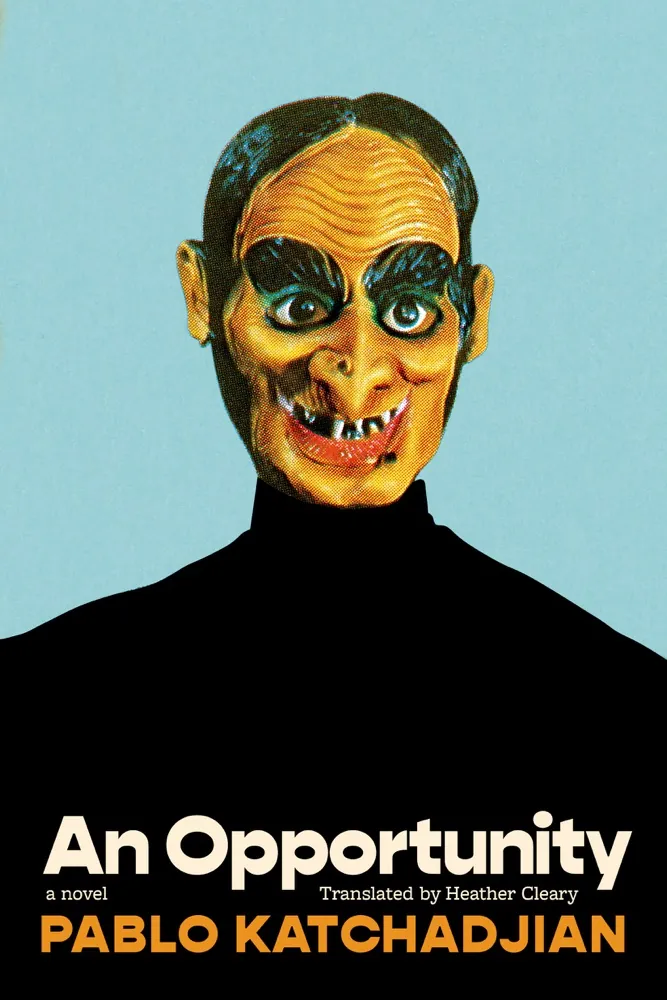

Author: Pablo KatchadjianPage Count: UnknownPublication Date: Expected publication 2026 APL The synopsis for An Opportunity is so deliberately opaque it feels like a spell itself—one that promises to unravel only if you’re willing to chase the shadows it casts. There’s a certain thrill in reading about a man who believes he’s been cursed with indecision, because what’s more human than the terror of paralysis? Yet the way Katchadjian frames it—this "invisible monster" sapping energy, the "secret literary police"—it’s less a horror story and more a fever dream of bureaucratic absurdity, the kind only a Latin American surrealist could conjure. The mention of a "gig reporting from the frontlines of a far-flung war" makes me wonder if this is a novel about the performative nature of witnessing, the way even the most urgent truths get mediated into something else. It’s the kind of premise that could easily collapse into self-parody, but the praise from Schweblin and Aira suggests Katchadjian has the precision to make it feel like a ritual rather than a joke. But here’s where the synopsis fails—it doesn’t tell us how the narrator’s quest becomes a meditation on storytelling. Is it through fragmented narratives? A narrator who keeps slipping into unreliable modes? Or is it something more visceral, like the way the "monster" might manifest in the gaps between sentences? The lack of specificity is maddening, but also tantalizing. It’s the same kind of controlled ambiguity you’d find in The Night Circus or The Library at Mount Char—books that let the reader’s imagination do the heavy lifting, even as they demand you suspend disbelief. Yet unlike those, An Opportunity seems to lean into the idea that storytelling itself is a kind of enchantment, a spell that can bind as easily as it can free. And then there’s the translation—Heather Cleary’s name is a guarantee of lyrical precision, but also of a certain tonal rigor. Katchadjian’s work often dances between the grotesque and the tender, so if this novel is as "hallucinogenic" as Rimsky claims, it might feel like being trapped in a dream where the walls are made of ink. The "secret literary police" trope is particularly intriguing—does it reference actual censorship, or is it a metaphor for the self-imposed constraints of art? Either way, it’s the kind of detail that could make this book feel like a love letter to the act of creation, even as it’s being policed. But wait—if the narrator is so indecisive, how does he even begin to break the spell? The synopsis doesn’t say. And that’s the problem. It’s not that the premise is weak; it’s that it’s too open. There’s no anchor, no clear throughline beyond the idea of "freedom at any cost," which feels less like a thematic anchor and more like a tagline for a cult movie. Compare it to The Secret History or The Savage Detectives—books where the mystery of the protagonist’s descent is as compelling as the descent itself. Here, the descent is just… a premise. Yet—here’s the pivot—I might be overthinking it. Maybe the beauty of this book is exactly that it refuses to be pinned down. Maybe the "invisible monster" isn’t just a metaphor for indecision but for the act of writing itself, the way a story can consume you until you’re nothing but a vessel. If that’s the case, then the synopsis is doing its job: it’s not giving you answers, it’s giving you the illusion of a quest. And in a world where so many books feel like they’ve been pre-packaged for algorithmic consumption, that’s a rare and dangerous thing. But then again, if the narrator is so trapped by his own indecision, how does he ever actually break free? The synopsis doesn’t say. And that’s the real question—does this book dare to answer it, or is it just another exercise in the illusion of choice? I need to mediate a brutal sibling rivalry over the remote before I lose my mind entirely. Related InsightsA Year Without Home Book Review and Summary Magic Tides Book Review and Summary Nebula Awards Showcase 2019 Book Review and Summary{ "@context": "https://schema.org", "@type": "FAQPage", "mainEntity": [ { "@type": "Question", "name": "What is the main focus of An Opportunity Book Review and Summary?", "acceptedAnswer": { "@type": "Answer", "text": "Everything you need to know about An Opportunity with our detailed review." } }, { "@type": "Question", "name": "Who authored the comprehensive guide on An Opportunity Book Review and Summary?", "acceptedAnswer": { "@type": "Answer", "text": "This detailed article and its insights were carefully researched and authored by Isabella Moore." } }, { "@type": "Question", "name": "Where can I find more related content about Books?", "acceptedAnswer": { "@type": "Answer", "text": "You can explore more articles, detailed reviews, and similar insights by browsing the Related Insights section at the bottom of this article or visiting our dedicated Books category page." } } ] }
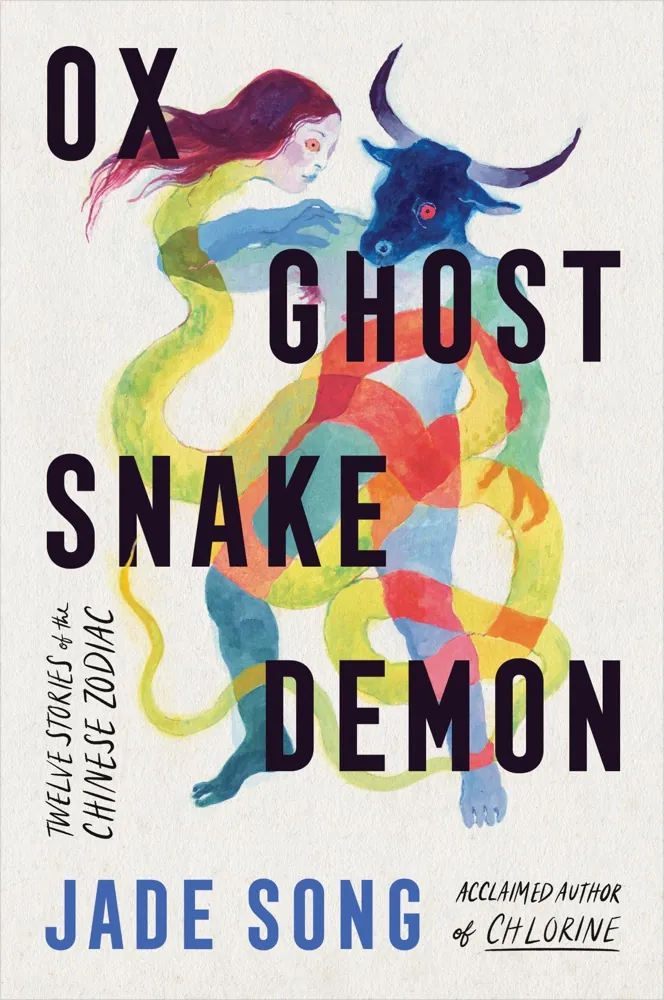

Author: Jade SongPage Count: UnknownPublication Date: Expected publication 2026 APL The fluorescent bulb above my desk is emitting a low-frequency hum that is currently vibrating straight through my skull, but sure, let us all pause to dissect the upcoming literary sensation because corporate wants another hundred words on whatever the algorithm is currently digesting. Jade Song is back with Ox Ghost Snake Demon, a twelve-part exercise in zodiac-inspired surrealism that promises to do things to the contemporary short story market that I am frankly too sleep-deprived to fully endorse. Zodiac Monsters And Midnight Shifts So we get twelve stories mapped across the Chinese zodiac. Groundbreaking structural conceit. Yet the synopsis reads like a fever dream engineered in a writer’s workshop fueled entirely by cold brew and existential dread. A tattoo artist uncovers hidden dragons. A suburban wife turns her lawn into a woodland sanctuary. A girl literally devours her enemies—because subtlety was apparently too much to ask for in 2026. And look, I am just trying to stretch this out so I can clock out before the morning delivery truck blocks the alleyway. The Currency Of Weird Girl Lit The promotional machine is already leaning hard into the "weird girl lit" label—a marketing category that basically means female protagonists are allowed to be messy, monstrous, or vaguely unhinged without needing to teach the reader a wholesome moral lesson. Thank god for small mercies. Song is clearly tapping into the same jittery, body-horror-adjacent vein as Ling Ma or Carmen Maria Machado, but filtered through a specific diasporic lens of cultural inheritance and queer alienation. Or at least, that is what the back-cover blurb implies based on the heavy-handed phrasing about the "burden of history." I have not read the manuscript. Nobody has. We are all just reacting to a publisher's sales pitch translated into pristine marketing prose. And yet, the commercial viability here is glaringly obvious. Readers eat up this brand of melancholic magical realism like midnight takeout. If you liked Her Body and Other Parties, you are going to buy this simply because the cover art will look striking on an Instagram grid. But let us be entirely honest—short story collections are a tough sell in a market obsessed with sprawling, multi-volume fantasy epics designed to be consumed like television seasons. Will twelve disparate surrealist vignettes hold anyone's attention for longer than a single subway commute? Who knows. Who cares. I certainly do not get paid enough to solve the publishing industry's structural anxieties. I have to go outside now because a man in a high-visibility vest is screaming at a dumpster, and honestly, I'd rather debate the merits of absurdism with an aggressive stranger in a sticky dive bar than write another paragraph about cultural expectations and queer identity. Related InsightsThe Secret Magdalene Book Review and Summary Heartstopper, Volume Five Book Review and Summary Blood on the Tide Book Review and Summary{ "@context": "https://schema.org", "@type": "FAQPage", "mainEntity": [ { "@type": "Question", "name": "What is the main focus of Ox Ghost Snake Demon Book Review and Summary?", "acceptedAnswer": { "@type": "Answer", "text": "Everything you need to know about Ox Ghost Snake Demon with our detailed review." } }, { "@type": "Question", "name": "Who authored the comprehensive guide on Ox Ghost Snake Demon Book Review and Summary?", "acceptedAnswer": { "@type": "Answer", "text": "This detailed article and its insights were carefully researched and authored by Beatriz Costa." } }, { "@type": "Question", "name": "Where can I find more related content about Books?", "acceptedAnswer": { "@type": "Answer", "text": "You can explore more articles, detailed reviews, and similar insights by browsing the Related Insights section at the bottom of this article or visiting our dedicated Books category page." } } ] }

-
 Sofia Bianchi
 - 02 Sep, 2026 12:07
Bet on Yourself: Why Faith and Fierceness Are All You Need Book Review and Summary
Author: Tamron HallPage Count: UnknownPublication Date: Expected publication 2026 APL The synopsis of Bet on Yourself reads like a corporate mission statement for a self-help franchise that’s been in the works since the 1990s—when Oprah’s book club still had teeth and the idea of "reinvention" wasn’t just a TikTok algorithm. Tamron Hall’s career arc, as outlined here, is the kind of narrative that would make a Modern Love columnist weep into their espresso. But weep for what? The fact that this is the same story we’ve heard a thousand times—just with a Daytime Emmy sticker slapped on it. The real question isn’t whether Hall’s memoir will inspire readers to "own their story" (a phrase so overused it now sounds like a bad punchline from The Office), but whether it will feel fresh enough to avoid the fate of The Secret’s spiritual successor, You Are a Badass—which, let’s be honest, was just a glossy rebranding of The Power of Now with a yoga mat on the cover. The synopsis here leans heavily on the "faith and fierceness" trope, which is fine if you’re writing a motivational poster for a gym, but when it’s the spine of a memoir, it risks feeling like a Hallmark movie where the villain is "doubt" and the heroine is "Tamron Hall, but with more tears." The most damning aspect of this synopsis isn’t the lack of specificity—it’s the way it treats Hall’s career as a series of checkpoints rather than a living, breathing narrative. Where’s the mess? Where’s the moment she considered quitting, not just "resolved" to rise? The synopsis skips over the grit like it’s afraid of getting its hands dirty. It’s the literary equivalent of a Forbes profile where the only conflict is whether the CEO’s new yacht is "iconic" or "bold." And yet—here’s the thing—if Hall can make the reader care about the mundane (the fertility struggles, the text message that changed everything), she might just pull off something more than a polished self-help manual. But then again, the market for this kind of book is already saturated. We’ve had Becoming (but without the scandal), The Light We Carry (but without the existential dread), and Big Magic (but without the actual magic). The difference here is that Hall isn’t a writer; she’s a broadcaster, and that’s a problem. The best memoirs—The Glass Castle, Educated—are written by people who understand the weight of a sentence, the rhythm of a confession. Hall’s voice, as described here, sounds like a warm, slightly saccharine podcast monologue, the kind that makes you want to nod along but also check your watch. The most interesting part of the synopsis is the implication that this is a book about not letting life’s greatest challenges define you—which is fine, but it’s also the same advice you’d get from a life coach who charges $500 an hour. The real tension, the thing that could make this book stand out, is missing: the moment where Hall has to choose between faith and fierceness, and one of them loses. Right now, it’s all sunshine and self-congratulation, which is the opposite of what makes a memoir unforgettable. And yet—there’s a kernel of something here. The idea that "the chapters we never planned can become the ones that change our lives" is a nice way of saying what The Alchemist said in 1993, but with better hair. If Hall can make it feel personal, if she can let the reader see the cracks in her armor, then maybe this won’t just be another book about resilience. Maybe it’ll be a book about the cost of it. But I won’t hold my breath. The synopsis reads like a press release for a franchise that’s already been greenlit by the algorithm. And right now, that’s not enough to make me care. I need to go yell at my gardener about the hydrangeas. Again. Related InsightsThe Trial of Magdalena Overmorrow Book Review and Summary David Baldacci November 2024 Book Review and Summary Five Brothers Book Review and Summary{ "@context": "https://schema.org", "@type": "FAQPage", "mainEntity": [ { "@type": "Question", "name": "What is the main focus of Bet on Yourself: Why Faith and Fierceness Are All You Need Book Review and Summary?", "acceptedAnswer": { "@type": "Answer", "text": "Everything you need to know about Bet on Yourself: Why Faith and Fierceness Are All You Need with our detailed review." } }, { "@type": "Question", "name": "Who authored the comprehensive guide on Bet on Yourself: Why Faith and Fierceness Are All You Need Book Review and Summary?", "acceptedAnswer": { "@type": "Answer", "text": "This detailed article and its insights were carefully researched and authored by Sofia Bianchi." } }, { "@type": "Question", "name": "Where can I find more related content about Books?", "acceptedAnswer": { "@type": "Answer", "text": "You can explore more articles, detailed reviews, and similar insights by browsing the Related Insights section at the bottom of this article or visiting our dedicated Books category page." } } ] }