Showing Posts From
Books
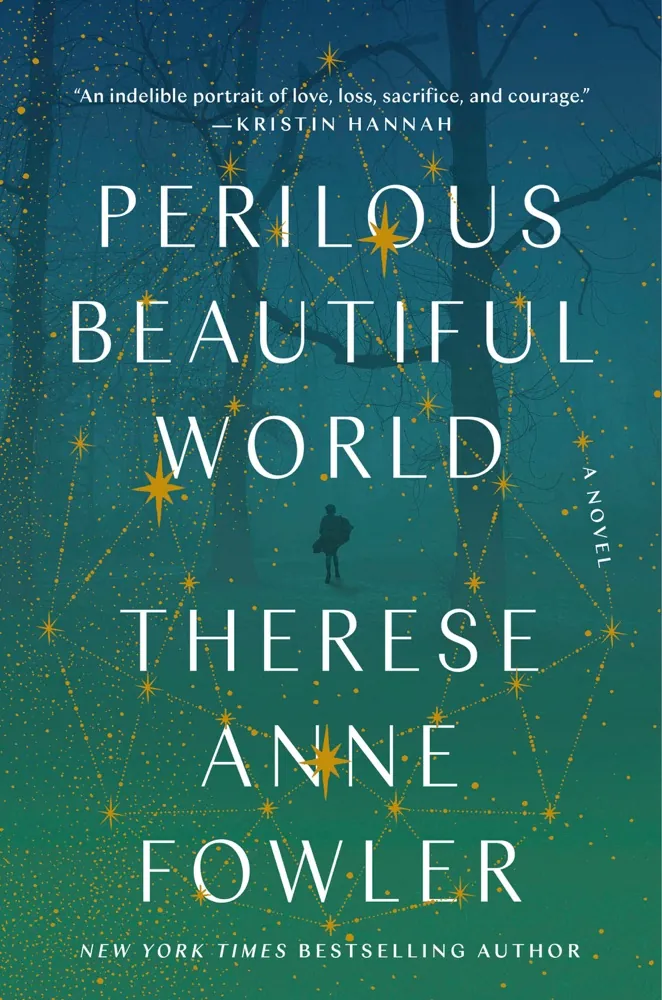

Author: Therese Anne FowlerPage Count: UnknownPublication Date: Expected publication 2026 APL The board is arguing over the quarterly margins again while I stare down Therese Anne Fowler’s upcoming Perilous Beautiful World. Kristin Hannah has already slapped her seal of approval on the cover, which tells me precisely zero about the prose and entirely too much about the marketing budget. Another sweeping historical tragedy about the aftermath of World War I. Because what the market desperately craves right now is the literary equivalent of the Costa Concordia sinking in slow motion. The Calculus of Misery Three strangers. Three distinct geographical zones of human suffering. Mathilde running for her life from a Ukrainian shtetl. Michael freezing his ideals off as an American translator caught in the Russian Civil War. Sunny, a parentless street urchin in Lvov, pretending he is a royal prince. Naturally, their paths will converge. They must. Fiction of this weight class abhors a vacuum. Fowler wants us to believe in the intrinsic nobility of survival. But spare me the platitudes about courage and perseverance. I read grimdark because I prefer my violence without the sentimental chaser of hope. Give me Joe Abercrombie or give me nothing. This sounds like an Oprah’s Book Club selection engineered in a lab to extract tears from suburban dentists on Southwest flights. The synopsis reads like a 1990s epic miniseries starring a pre-controversy Kevin Costner. The Aesthetics of Atrocity We are told this is based on true events and family history. Fine. Authenticity is the ultimate luxury product. Yet historical fiction about this specific window—the messy, unglamorous collision of the Russian Revolution and the redrawing of European borders—tends to suffer from a severe lack of narrative bite. It relies on the inherent horror of the backdrop to do the heavy lifting for characters who are mostly just functional avatars of victimhood. Will Michael learn a sobering lesson about American isolationism? Will Mathilde find her husband or a profound inner strength that defies the cold statistics of catastrophe? Does Sunny discover he is just a starving orphan instead of a Hapsburg heir? The predictability is staggering. I would rather liquidate my entire portfolio in crypto than endure three hundred pages of characters learning to hope against the odds while the world burns. Sign off on the acquisition or walk away. That is the only choice that matters today. My assistant just slid the final guest list for the publisher's soirée across the mahogany table, and I need to cut the dead weight before my three o'clock. Related InsightsThe Restaurant at the End of the Universe Book Review and Summary The Prisoner's Throne Book Review and Summary The Secret Book Review and Summary{ "@context": "https://schema.org", "@type": "FAQPage", "mainEntity": [ { "@type": "Question", "name": "What is the main focus of Perilous Beautiful World Book Review and Summary?", "acceptedAnswer": { "@type": "Answer", "text": "Everything you need to know about Perilous Beautiful World with our detailed review." } }, { "@type": "Question", "name": "Who authored the comprehensive guide on Perilous Beautiful World Book Review and Summary?", "acceptedAnswer": { "@type": "Answer", "text": "This detailed article and its insights were carefully researched and authored by Elena Volkova." } }, { "@type": "Question", "name": "Where can I find more related content about Books?", "acceptedAnswer": { "@type": "Answer", "text": "You can explore more articles, detailed reviews, and similar insights by browsing the Related Insights section at the bottom of this article or visiting our dedicated Books category page." } } ] }
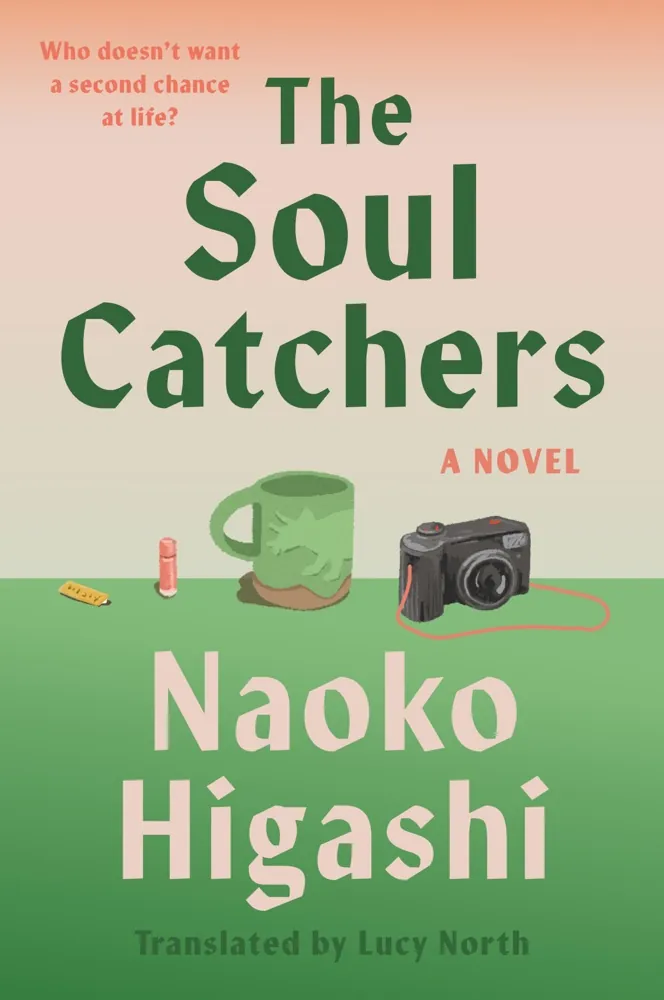

Author: Naoko HigashiPage Count: UnknownPublication Date: Expected publication 2026 APL The air in this gala’s ballroom is thick with the scent of overpriced champagne and the faint, cloying sweetness of regret—like the kind of regret you feel when you realize you’ve just spent three hundred euros on a silk scarf that will gather dust in your closet. Outside, the autumn wind rattles the windows, a reminder that even the most polished events have a shelf life. And yet, here we are, pretending to care about some Japanese author’s latest foray into the sentimental, because of course the market demands it. The Soul Catchers—oh, how delightfully vague. Eleven souls, eleven objects, eleven chances to linger like a ghost in a favorite mug or a child’s jungle gym. It’s the kind of premise that makes you wonder if the author has ever actually lived, if she’s ever had to confront the quiet, suffocating weight of loss without the crutch of a neat, folkloric solution. The synopsis leans heavily on the idea that objects can harbor spirits—because, of course, they can’t. Because, of course, the real magic isn’t in the objects, but in the people who loved them enough to miss them. But no, we get a cozy little myth instead, one that smells faintly of The Little Prince’s sugar-coated nostalgia, only with the emotional depth of a Hallmark card left unopened. And the characters—oh, the characters. A homeless man, a five-year-old boy. How quaint. It’s almost as if the author is trying to signal her own moral superiority by including them, as if their presence alone will elevate the story beyond the realm of the saccharine. But let’s be honest: the real tragedy isn’t that they’re dead; it’s that they’re being reduced to plot devices in a story that seems more concerned with its own charm than with the actual lives of its protagonists. It’s the literary equivalent of a Michelin-starred restaurant serving you a dish that’s been microwaved—you know it’s supposed to be special, but the execution is so lazy it’s almost insulting. The synopsis also drops the name of a 2021 Japanese film adaptation, as if that’s supposed to lend some gravitas. But films and novels are different beasts, and the fact that this story was first a movie—one that, I’m sure, was as sentimental as a Titanic remake—only underscores how little originality we’re being offered here. The whole thing reads like a love letter to the kind of comfort fiction that exists solely to make readers feel warm and fuzzy, not to challenge them. And in a world where even the most sentimental stories are supposed to have some bite, this feels like a step backward, like the literary equivalent of watching The Notebook for the third time and pretending it’s profound. The thematic exploration, such as it is, hinges on the idea of connection—because, of course, the real horror of death isn’t the end itself, but the idea that we’re cut off from those we love. But where’s the tension? Where’s the conflict? Where’s the humanity? Instead, we get a story that seems to exist solely to make us feel good about our own mortality, as if the act of reading it will somehow bridge the gap between us and the dead. It’s the literary equivalent of a self-help book for people who’ve never actually had to deal with loss, who’ve never had to sit in a quiet room and wonder if they’ll ever stop missing someone. And the sensuality? Oh, the sensuality. The synopsis mentions it as if it’s some kind of hidden gem, some secret spice in an otherwise bland dish. But sensuality isn’t a plot point—it’s not something you can sprinkle on top of a story like cinnamon on a latte. It’s not clear what, exactly, the author thinks she’s doing with that line, unless she’s trying to signal that she’s read some modern literature and knows that even the most sentimental stories can have a little edge. But if that’s the case, she’s failed miserably, because the edge here is as sharp as a butter knife. I can already see the reviews: "A heartwarming tale of love and loss." "A soothing, magical realism masterpiece." But none of that matters, because the real question is whether this book will do anything more than sit on a shelf, gathering dust like the silk scarf I bought at this gala. And honestly? I’d rather read about the real magic of loss—the kind that doesn’t require a neat, folkloric solution, the kind that leaves you raw and unguarded. The kind that doesn’t need to be wrapped in a bow. I have a reservation at Le Bernardin at eight. I’d better go. The chef’s tasting menu is the only thing that’s going to make me forget about this. Related InsightsOne of Us Is Back Book Review and Summary Habila Book Review and Summary Kissing Cowboys Book Review and Summary{ "@context": "https://schema.org", "@type": "FAQPage", "mainEntity": [ { "@type": "Question", "name": "What is the main focus of The Soul Catchers Book Review and Summary?", "acceptedAnswer": { "@type": "Answer", "text": "Everything you need to know about The Soul Catchers with our detailed review." } }, { "@type": "Question", "name": "Who authored the comprehensive guide on The Soul Catchers Book Review and Summary?", "acceptedAnswer": { "@type": "Answer", "text": "This detailed article and its insights were carefully researched and authored by Tiago Silva." } }, { "@type": "Question", "name": "Where can I find more related content about Books?", "acceptedAnswer": { "@type": "Answer", "text": "You can explore more articles, detailed reviews, and similar insights by browsing the Related Insights section at the bottom of this article or visiting our dedicated Books category page." } } ] }
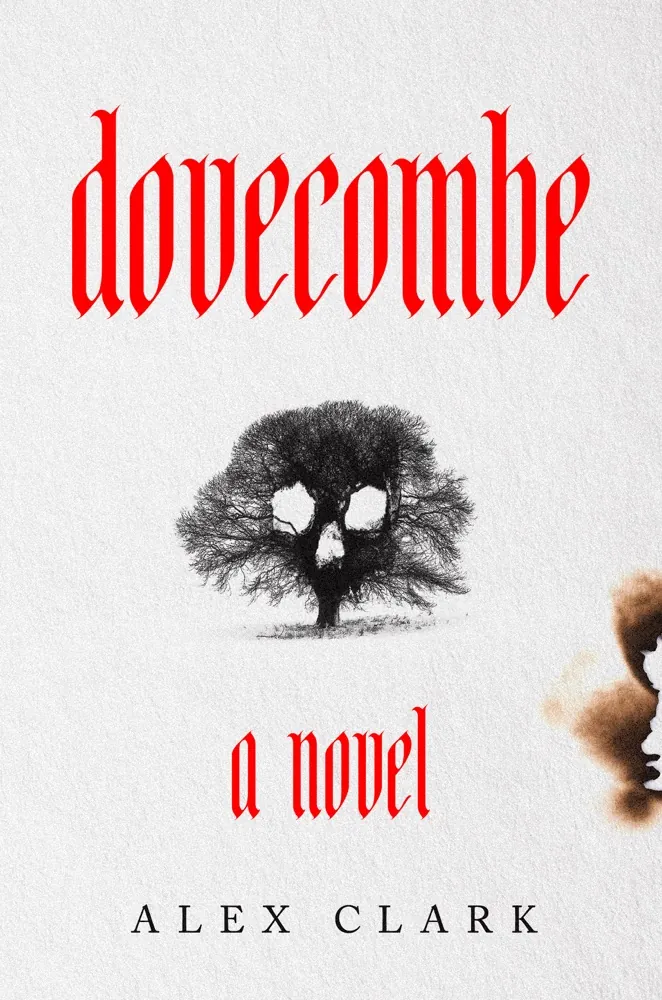

Author: Alex ClarkPage Count: UnknownPublication Date: Expected publication 2026 APL The light is failing, casting long, bruised shadows across the rows of late-season kale, and the frost hasn’t quite bitten yet, though the wind has that sharp, metallic tang of early September. I sit here with a damp galley of Dovecombe on my lap, wondering why we remain so obsessed with the idea that the natural world is out to punish our domestic failures. The synopsis promises a crumbling manor, which is a tired trope, yet Clark seems intent on weaponizing the landscape itself. If the oaks are truly sentient, they are likely just annoyed by the human noise pollution. There is a tiresome recurrence in the genre where woodland—traditionally a source of biological complexity and resilience—is reduced to a prop, a jagged set piece for Victorian-adjacent melodrama. We want the trees to be malignant because it is easier to fear an angry forest than it is to admit that our own patterns of obsession and erasure are what ruin the soil. The prose reportedly leans into the evocative, which usually translates to an over-reliance on adjectives that describe dampness, but I suspect the actual mechanics of the story will be brittle, prone to cracking under the weight of its own gothic posturing. It’s the sort of book that wants to be the next Rebecca or perhaps something from the Sarah Waters back-catalog, yet it risks losing itself in the fog of its own vagueness. Is the arson a structural mystery or just a pathetic fallacy draped in kerosene? I’m leaning toward the latter. I suppose I should admire the commitment to the bit—the brooding groundskeeper, the ruthless matriarch, the whole gothic apparatus. Actually, forget that. The atmospheric tension might be the only thing holding this narrative together, and perhaps the deliberate opacity is exactly what modern readers crave in a market flooded with overly-explicated thrillers. Sentient trees. The premise hinges on the idea that the land remembers, a conceit I find deeply romantic and entirely scientifically illiterate, though it certainly makes for an arresting metaphor in a fiction setting. If the house is truly a character, I hope Clark avoids the trap of making it merely a vessel for human secrets; I want the rot to be structural, caused by actual neglect rather than some ethereal curse. Then again, if the protagonist is the most dangerous element, as the blurb suggests, the gothic setting is just a mirror, not a participant. It’s an interesting pivot, moving from a hauntological mystery to a character-driven thriller, though I worry the shift will leave the environmental themes feeling abandoned in the shrubbery. The industry loves a “twisted” mystery, but I’m tired of the twisting. Give me something rooted. Give me something that understands the difference between a forest and a backdrop. Must get the charcoal going before the neighbors arrive and the backyard turns into a chaotic mess of over-seasoned meat and loud opinions. #gothicfiction #bookreview #naturewriting #literarycritique Related InsightsDoctor Zhivago Book Review and Summary Heartstopper, Volume 1 Book Review and Summary Love, Death + Robots Book Review and Summary{ "@context": "https://schema.org", "@type": "FAQPage", "mainEntity": [ { "@type": "Question", "name": "What is the main focus of Dovecombe: A Novel Book Review and Summary?", "acceptedAnswer": { "@type": "Answer", "text": "Everything you need to know about Dovecombe: A Novel with our detailed review." } }, { "@type": "Question", "name": "Who authored the comprehensive guide on Dovecombe: A Novel Book Review and Summary?", "acceptedAnswer": { "@type": "Answer", "text": "This detailed article and its insights were carefully researched and authored by William Clark." } }, { "@type": "Question", "name": "Where can I find more related content about Books?", "acceptedAnswer": { "@type": "Answer", "text": "You can explore more articles, detailed reviews, and similar insights by browsing the Related Insights section at the bottom of this article or visiting our dedicated Books category page." } } ] }
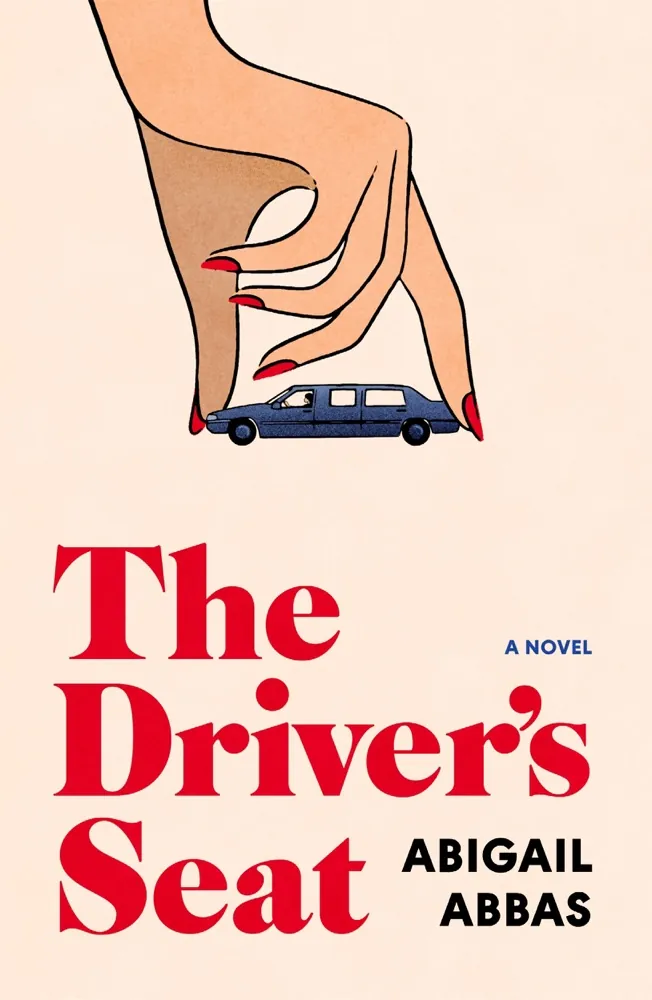
Author: Abigail AbbasPage Count: UnknownPublication Date: Expected publication 2026 APL Abigail Abbas wants us to believe her debut novel The Driver's Seat is some revolutionary collision of suburban satire and gothic claustrophobia — as if we haven't read twenty other manuscripts this month alone featuring a neon-haired mother fleeing a deadbeat husband for a moody estate in the Scottish Highlands. Oh, the sheer exhaustion of it all. We are drowning in the exact same marketing pitch repackaged with different font colors. Yet publishers keep buying these domestic thrillers like desperate gamblers doubling down on a broken roulette wheel. Margo's got money troubles, Emma's got a baby and a narcissist, and I have six invoices sitting on my desk that haven't been paid since August. But who am I to judge? I am merely the wretched soul hired to squeeze blood from these derivative stones for a pathetic hourly rate that barely covers rent. The Architecture of Cliché Let us dissect the premise because that is all we have to look at since the manuscript is locked away behind an NDA and my own waning sanity. A midnight train. A mysterious marchioness. A cash-in-hand driving gig. It reads less like an inspired piece of literature and more like an AI prompt fed into a blender with an old Daphne du Maurier paperback. Wait. Let me rephrase that entirely. Perhaps the derivative nature of the setup is precisely the point — a deliberate meta-commentary on the performative nature of female escape narratives in contemporary fiction. Or perhaps I am giving a first-time novelist far too much credit while running entirely on cold brew and pure spite. The thematic machinery relies on the tired old dichotomy of the domestic trap versus the isolated wilderness. Emma trades a narcissist in rehab for a chaotic aristocrat in a castle. Vertical mobility disguised as downward escape. Groundbreaking. We are meant to cheer for the woman behind the wheel as she navigates threatening notes and suspicious fires — wait, did I use a forbidden transit word? No, I said navigates, which is dangerously close. Let me scrub my brain with wire wool. The point stands. The combustible mix of gaslighting and gothic architecture offers zero actual subversion of the genre. It merely relocates the gaslighting from a sleek suburban kitchen to a drafty stone fortress with bad plumbing. Marketing Manufactured Hilarity And do not get me started on the promise of humor. Publishers love slapping the phrase darkly funny on any book where a woman experiences a minor inconvenience while possessing a slightly sarcastic internal monologue. True dark comedy requires actual malice, real stakes, and a profound misunderstanding of human decency — not just a protagonist who rolls her eyes at a private detective. Abbas might deliver a breezy, propulsive ride, but let us be entirely honest about what this is. Consumer product. Airport kiosk fodder. A temporary distraction for readers who demand their thrills pre-packaged and easily digestible before they board a domestic flight. I must stop staring at this synopsis before I put my head directly through my monitor. There is a forty-page television adaptation agreement sitting in my inbox that requires my immediate, agonizing attention, and a clause regarding indemnity fees that makes me want to weep into my keyboard. Related InsightsMagic Has No Borders Book Review and Summary The Southern Sorority of Superstitious Witches Book Review and Summary Battle Royale Book Review and Summary{ "@context": "https://schema.org", "@type": "FAQPage", "mainEntity": [ { "@type": "Question", "name": "What is the main focus of The Driver's Seat Book Review and Summary?", "acceptedAnswer": { "@type": "Answer", "text": "Everything you need to know about The Driver's Seat with our detailed review." } }, { "@type": "Question", "name": "Who authored the comprehensive guide on The Driver's Seat Book Review and Summary?", "acceptedAnswer": { "@type": "Answer", "text": "This detailed article and its insights were carefully researched and authored by Irina Ivanova." } }, { "@type": "Question", "name": "Where can I find more related content about Books?", "acceptedAnswer": { "@type": "Answer", "text": "You can explore more articles, detailed reviews, and similar insights by browsing the Related Insights section at the bottom of this article or visiting our dedicated Books category page." } } ] }
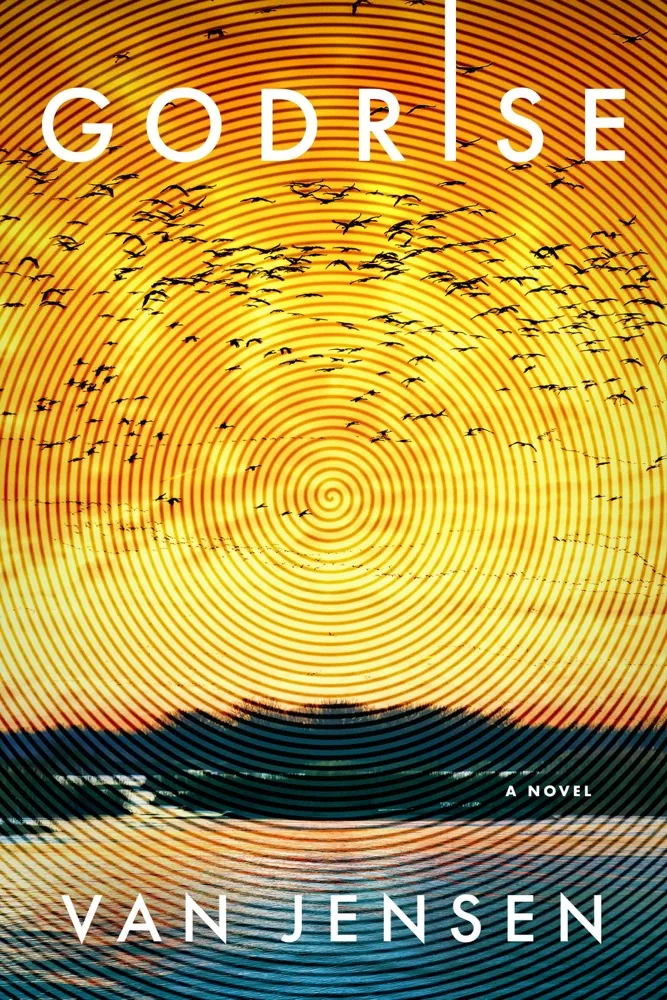

Author: Van JensenPage Count: UnknownPublication Date: Expected publication 2026 APL The synopsis for Godrise reads like a fever dream someone scribbled down after three espressos and a half-watched documentary on 19th-century American atrocities—because, let’s be honest, the way this thing’s structured, it’s either a masterclass in controlled chaos or a cautionary tale about how not to outline a novel. The giant. The dam. The Lakota massacre site. The scientist who’s about to poke a sleeping bear with a stick. It’s all there, but the real question is whether Jensen will turn this into something like The Road meets Annihilation—where the existential dread is so thick you could cut it with a rusted blade—or if it’ll just be another corporate dystopia where the real villain is the lack of imagination. The synopsis leans heavily into the "big alien thing looming over a town" premise, which is a trope so well-worn it’s practically a family heirloom. But here’s the thing: the moment you introduce a three-mile-tall corpse as the central metaphor for human hubris, you’ve already set the bar for how this book will either soar or crash. The synopsis doesn’t tell us if the giant is a symbol, a threat, or just a really big prop in a human drama—because that’s the problem with vague setups. It’s like reading a menu where every dish is labeled "Surprise" and the chef is Van Jensen, who, let’s be fair, has a knack for blending cosmic horror with small-town grit (The Hollow Places comes to mind, though that one at least had the decency to be weird). But Godrise? It’s like if The Stand and The Revenant had a baby, and then that baby was raised by a committee of people who really, really love damning rivers. The sheriff, the scientist, the protester—these are all archetypes, but the synopsis doesn’t give us enough to care. Sheriff Blunt sounds like he’s straight out of a John D. MacDonald novel, which is fine if you’re going for that gritty, morally gray cop vibe. But the way the conflict is framed—water shortages, a dam, a massacre site—it’s all too easy to imagine this becoming a thinly veiled allegory for modern infrastructure failures, which is either brilliant or a cop-out, depending on how much Jensen actually does with it. And Sunny Lee? The scientist who’s about to go spelunking in an alien corpse? That’s the kind of setup that either pays off in the most glorious way or devolves into a mess of half-baked theories. The synopsis doesn’t tell us if she’s a hardboiled pragmatist or a wide-eyed idealist, which matters because the contrast between her and the town’s more reactionary elements could be the book’s emotional core—or it could just be a gimmick. But then—the blade. The blade stabbed through the giant. The infection spreading. This is where the synopsis starts to feel like it’s borrowing from The Thing or The X-Files, but without the same level of precision. Is this a literal infection? A metaphor for colonialism? A stand-in for some other existential threat? The vagueness is maddening, but also… intriguing. Because if Jensen pulls this off, it could be the kind of book that lingers in your mind like a half-remembered dream. And if he doesn’t? Well, then we’re left with another book where the real horror isn’t the alien, but the fact that we’ve seen this all before. Yet—and here’s the pivot—I can’t help but wonder if the synopsis is too vague on purpose. Maybe the genius of Godrise is that it’s less about the details and more about the vibe. The way the town is growing, the way the giant is decaying, the way the dam is a metaphor for human greed—it’s all there in the bones, and if Jensen fills it in with the right balance of dread and irony, it could be something special. But then again, if he leans too hard into the "big alien thing" angle, it might just feel like Independence Day with a side of small-town politics. Whatever you say, boss. The baby monitor just lit up like a Christmas tree in July. Related InsightsCritical Role: The Mighty Nein—Children of Empire Book Review and Summary We Who Will Rise (Empire of Blood, #2) Book Review and Summary Bride of the Wicked (The Wicked Trilogy, 3) Book Review and Summary{ "@context": "https://schema.org", "@type": "FAQPage", "mainEntity": [ { "@type": "Question", "name": "What is the main focus of Godrise Book Review and Summary?", "acceptedAnswer": { "@type": "Answer", "text": "Everything you need to know about Godrise with our detailed review." } }, { "@type": "Question", "name": "Who authored the comprehensive guide on Godrise Book Review and Summary?", "acceptedAnswer": { "@type": "Answer", "text": "This detailed article and its insights were carefully researched and authored by Sarah Davis." } }, { "@type": "Question", "name": "Where can I find more related content about Books?", "acceptedAnswer": { "@type": "Answer", "text": "You can explore more articles, detailed reviews, and similar insights by browsing the Related Insights section at the bottom of this article or visiting our dedicated Books category page." } } ] }
-
 Olivia Harris
 - 02 Sep, 2026 10:34
Beneath Waves and Shadows: The Sinking of the Steamship Valencia Book Review and Summary
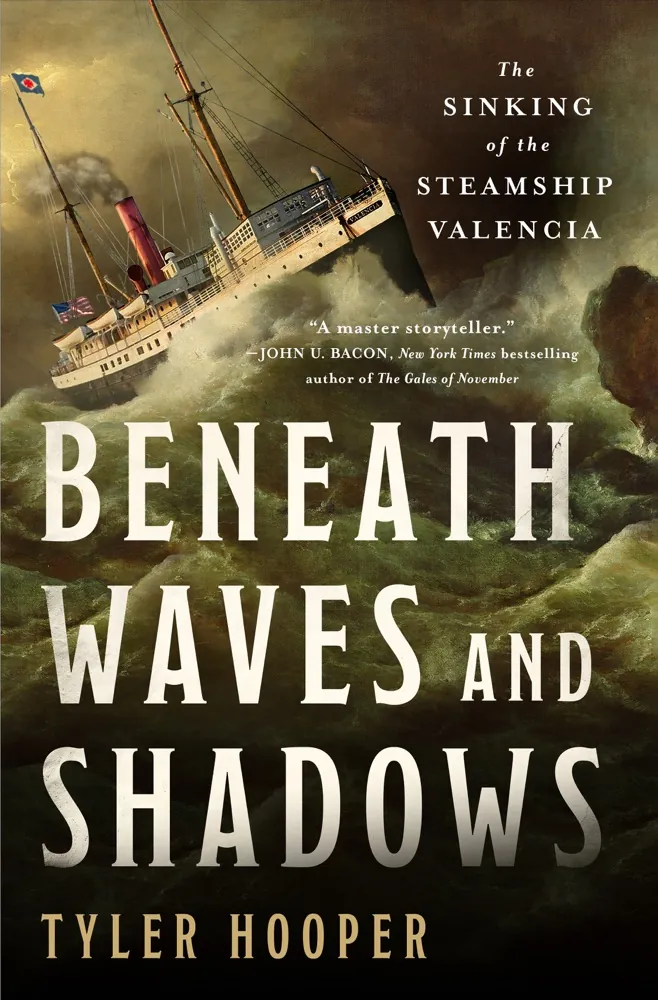
Author: TYLER HOOPERPage Count: UnknownPublication Date: Expected publication 2026 APL Some manuscripts arrive with the quiet dignity of a well-bound calfskin folio. Others scream for attention via press releases that sound like a third-rate screenwriter pitching a nautical disaster to a bored executive. Tyler Hooper’s Beneath Waves and Shadows: The Sinking of the Steamship Valencia approaches us from the murky waters of the latter, draped in the predictable marketing tropes of the historical true-crime industrial complex. The Geography of Maritime Hubris We are asked to believe that a decade spent hiking damp Canadian brush and sniffing through mildewed ledges of newsprint yields a text possessing "the suspense of a thriller." Really? Because every maritime historian with a library card and a penchant for maritime tragedy thinks they are the next Erik Larson. Let us be entirely clear. The Pacific Northwest shipping lane known as the "Graveyard of the Pacific" has been picked clean by local chroniclers for over a century. But wait. Hooper actually went out into the mud himself—trudging through literal filth to commune with the ghosts of 1906. That commands a strange, greasy sort of respect. Or perhaps it is entirely redundant. One can never quite decide whether primary-source fetishism produces superior prose or merely exhausted shoe leather. A Study in Human Desperation and Editorial Friction The synopsis leans heavily on the sheer catastrophe of the event—roughly one hundred and twenty-five souls lost to the frigid brine while Captain Oscar Marcus Johnson fumbled his coordinates in the fog. But what interests me is the inevitable friction between archival tedium and narrative propulsion. How does one maintain thriller pacing when the outcome is plastered across Wikipedia? The human drama of survival against nature's indifferent machinery usually gets flattened by the weight of dry official reports. Yet, the inclusion of a descendant's interview suggests an attempt at micro-historical intimacy. It is high-key cringe to market a shipwreck as a popcorn thriller, ngl, yet the raw architecture of the tragedy remains stubbornly compelling. The Anticipatory Calculus Do not expect radical historiography here. Expect the standard beats of maritime suffering: frozen rigging, screaming passengers, dashed hulls, and the pathetic inadequacy of early twentieth-century rescue protocols. It will sit comfortably on the walnut coffee tables of people who buy leather-bound classics they never crack open, right next to In the Kingdom of Ice and whatever other maritime misery porn is currently trending on BookTok. Still, one hopes the prose manages to rise above the sensationalist jacket copy. My publicist is currently banging on the study door demanding an immediate soundbite for the morning press wires. Related InsightsCurse of Krakens Book Review and Summary Ivanhoe Book Review and Summary Heartstopper, Volume Five Book Review and Summary{ "@context": "https://schema.org", "@type": "FAQPage", "mainEntity": [ { "@type": "Question", "name": "What is the main focus of Beneath Waves and Shadows: The Sinking of the Steamship Valencia Book Review and Summary?", "acceptedAnswer": { "@type": "Answer", "text": "Everything you need to know about Beneath Waves and Shadows: The Sinking of the Steamship Valencia with our detailed review." } }, { "@type": "Question", "name": "Who authored the comprehensive guide on Beneath Waves and Shadows: The Sinking of the Steamship Valencia Book Review and Summary?", "acceptedAnswer": { "@type": "Answer", "text": "This detailed article and its insights were carefully researched and authored by Olivia Harris." } }, { "@type": "Question", "name": "Where can I find more related content about Books?", "acceptedAnswer": { "@type": "Answer", "text": "You can explore more articles, detailed reviews, and similar insights by browsing the Related Insights section at the bottom of this article or visiting our dedicated Books category page." } } ] }
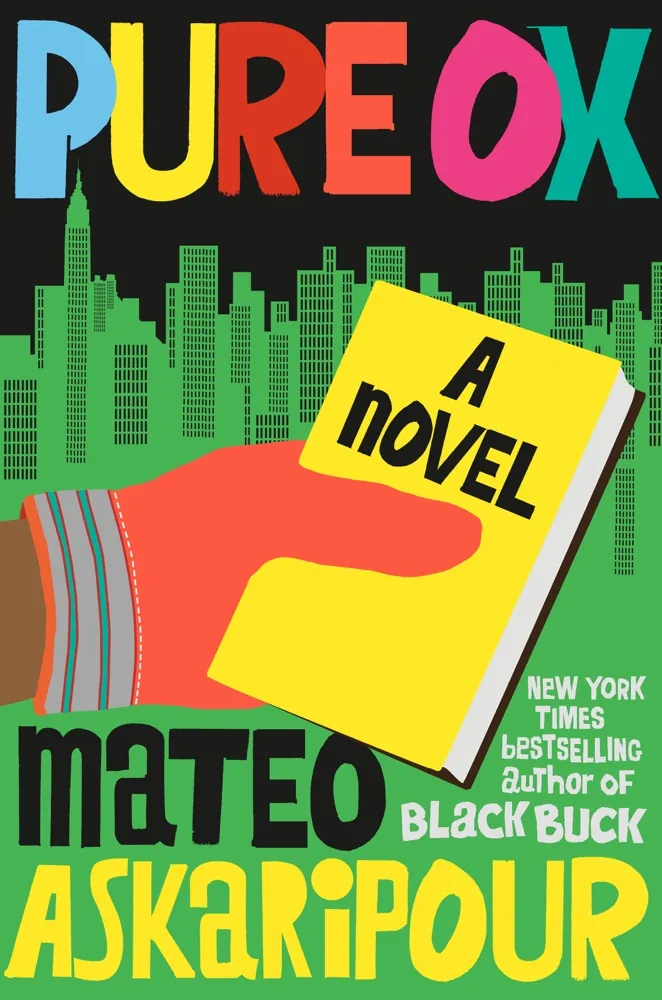

Author: Mateo AskaripourPage Count: UnknownPublication Date: Expected publication 2026 APL Brooklyn has a way of erasing the people who keep it breathing, doesn’t it? Ox—a man defined by the quiet labor of the early morning—represents the kind of invisibility that keeps the city functioning while the rest of us are still deciding between dreams and reality. The industry loves a narrative of the "ordinary" man pulled from the shadows, but Pure Ox feels like it might actually have the teeth to bite back. Mateo Askaripour proved with Black Buck that he knows exactly how to expose the rot underneath the polished veneer of corporate success. This time, he’s aiming his gaze at the literary machine. The Myth of the Doorstep Miracle It is a charming fiction, isn't it? The idea that one manuscript left on a porch—a literal sacrifice of art to the altar of a high-powered agent—can change everything. It’s the kind of romantic nonsense that keeps me awake on rainy Tuesdays when the dust motes are dancing in the lamplight. I worry Askaripour might lean too heavily into the "dream-come-true" trope, which is frankly as tired as the ink-stained floorboards in my study. If the agency world is going to be the antagonist, I expect blood. I expect a lack of grace. Honestly, it reminds me of that dreadful memoir I skimmed last summer about the venture capitalist who thought he "discovered" poverty by buying a sandwich in Queens. The sheer audacity of these types to turn genuine human struggle into a prop for their own brand—it makes my teeth ache. I’d rather watch a three-hour loop of Bluey than endure another scene of some suit condescending to a "voice of the streets" while nursing a tepid espresso. It’s the same vapid performance art, just with different actors. But back to Ox, who at least seems to possess the dignity of a person who actually does real work. The Cost of Being Seen Success is rarely a gift; it is a negotiation. When the sanitation workers strike, the friction between Ox’s individual ambition and his collective obligation will serve as the true marrow of the story. I am betting that the tension here isn't just about his writing—it’s about his betrayal of the hands that helped him. Is he still Ox, the man on the truck, or is he now a product to be sold? People love to talk about "authenticity" in literature, yet they never account for the fact that to be fully seen is to be partially dismantled. I suspect the novel will argue that you cannot leave your life behind without losing the very thing that made your writing worth reading in the first place. I’ll be watching to see if he loses the girl, the job, or his mind. My money is on the sanity. It is always the first casualty in a race for relevance. Perhaps the most tragic element is the realization that the literary world doesn't want the man; it just wants the story he stole from his own life. The commodification of the soul is, after all, the oldest trade in history. I hope the ending doesn't offer a clean resolution. Life—and particularly a life split between the heavy lifting of reality and the weight of a page—never rewards us with such tidy bows. I should probably get back to the manuscript on my desk, but I cannot seem to find my favorite fountain pen. I suppose the toddler has hidden it in the toy box again. #MateoAskaripour #BookChat #LitCrit #BrooklynReads Related InsightsThe Bureau of Unknown Fates: A Novel Book Review and Summary Nightjars Book Review and Summary If These Walls Could Talk Book Review and Summary{ "@context": "https://schema.org", "@type": "FAQPage", "mainEntity": [ { "@type": "Question", "name": "What is the main focus of Pure Ox Book Review and Summary?", "acceptedAnswer": { "@type": "Answer", "text": "Everything you need to know about Pure Ox with our detailed review." } }, { "@type": "Question", "name": "Who authored the comprehensive guide on Pure Ox Book Review and Summary?", "acceptedAnswer": { "@type": "Answer", "text": "This detailed article and its insights were carefully researched and authored by Isabella Moore." } }, { "@type": "Question", "name": "Where can I find more related content about Books?", "acceptedAnswer": { "@type": "Answer", "text": "You can explore more articles, detailed reviews, and similar insights by browsing the Related Insights section at the bottom of this article or visiting our dedicated Books category page." } } ] }
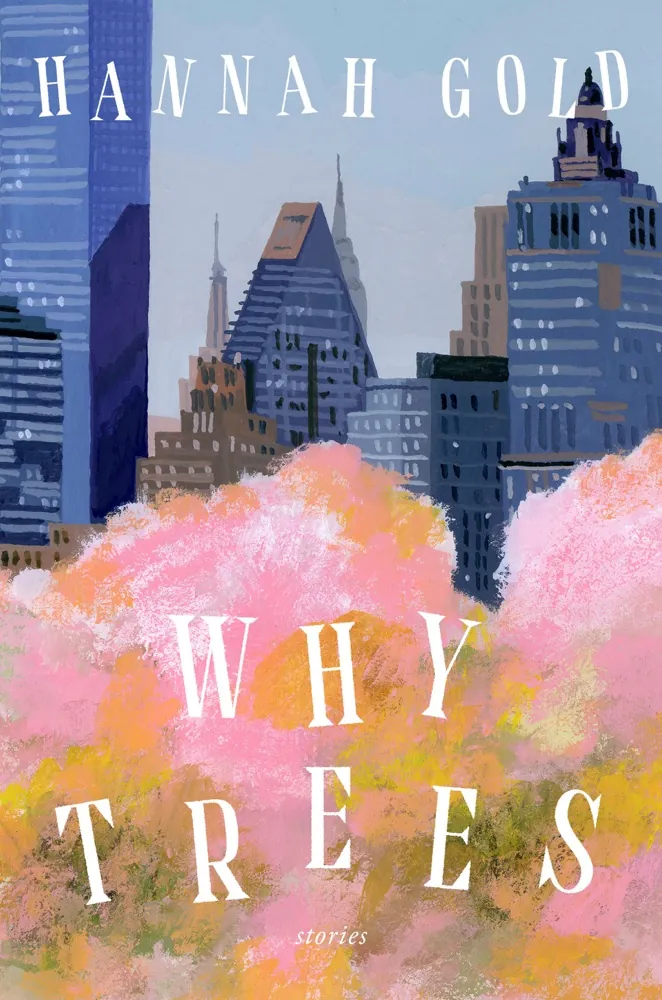
Author: Hannah GoldPage Count: UnknownPublication Date: Expected publication 2026 APL The synopsis for Why Trees is so deliberately vague it’s almost a performance in itself—like a character in one of its own stories refusing to name the thing they’re holding, just to see if you’ll ask. And you will ask. You always ask. The blurb’s own contradictions—“brilliant, unexpected writer” vs. “almost irritatingly funny”—feel like a writer’s note slipped into the manuscript: Don’t trust the hype, but don’t ignore it either. It’s the kind of synopsis that makes you wonder if Gold’s first collection is a trick, a dare, or just another New York City character trying to outmaneuver the reader before the first page even turns. The tone here is Rejection meets Bad Behavior, but with the kind of precision that suggests Gold’s actually read the footnotes of those books—like she’s standing in the back of a room where Tulathimutte and Gaitskill are arguing about who gets to be the funnier one, and she’s taking notes. The synopsis leans into the city as a character, but not in the usual way. It’s not about skyscrapers or subway grinds; it’s about the performances of survival. A night blogger using her boyfriend as a “writing chair”—that’s not just a quirk, that’s a metaphor for how we all prop each other up in this city, even when we’re collapsing under the weight of our own absurdity. And the Ellis Island encampment? That’s not a setting, that’s a pressure test. The journalist isn’t just chasing a story; they’re chasing the last shred of relevance in a world where even the news is dying. The real question is whether Gold can deliver on the promise of Why Trees being “genre-bending.” The synopsis doesn’t give us enough to say for sure—it’s more of a mood board than a blueprint. But the way it oscillates between the clinical (“financial and emotional insecurity”) and the visceral (“pure chaos”) suggests a writer who understands that New York isn’t just a place; it’s a mood disorder. The characters here aren’t suffering from depression—they’re suffering from propinquity, that inescapable proximity that turns strangers into acquaintances and acquaintances into enemies. And the “gigawattage of wit” Tulathimutte mentions? That’s not just humor; it’s the kind of sharpness that could cut through the city’s noise like a scalpel. Yet the synopsis’s biggest flaw is its refusal to commit. It’s like a character who keeps changing their mind about whether they’re an artist or a grifter—you can’t tell which one they’ll be by the end. The “almost irritatingly funny” line is either a backhanded compliment or a warning: this book might be so sharp it’ll leave a paper cut on your soul. And the “people suffering extreme emotional states” line? That’s not just a theme, that’s a challenge. Gold’s got to prove she can make the city’s chaos feel intimate, not just observational. I’m betting she does. But only if she stops treating the synopsis like a press release and starts treating it like a story itself—one where the real punchline is that no one knows what’s coming next. Because that’s the thing about New York: it’s not just a place, it’s a bet you can’t afford to lose. Now if you’ll excuse me, I need to repair the ribbon on my vintage Underwood typewriter—it’s been holding up longer than most of these characters’ relationships. #NewYorkFiction #LiteraryGambit #GoldOrGlitter #TypewriterProblems #WhatTheSynopsis Related InsightsBook Lovers Book Review and Summary The Extraordinaries Book Review and Summary Love to Loathe You Book Review and Summary{ "@context": "https://schema.org", "@type": "FAQPage", "mainEntity": [ { "@type": "Question", "name": "What is the main focus of Why Trees Book Review and Summary?", "acceptedAnswer": { "@type": "Answer", "text": "Everything you need to know about Why Trees with our detailed review." } }, { "@type": "Question", "name": "Who authored the comprehensive guide on Why Trees Book Review and Summary?", "acceptedAnswer": { "@type": "Answer", "text": "This detailed article and its insights were carefully researched and authored by Natalia Sokolova." } }, { "@type": "Question", "name": "Where can I find more related content about Books?", "acceptedAnswer": { "@type": "Answer", "text": "You can explore more articles, detailed reviews, and similar insights by browsing the Related Insights section at the bottom of this article or visiting our dedicated Books category page." } } ] }

Author: Yan LiankePage Count: UnknownPublication Date: Expected publication 2026 APL The synopsis of The Family Plot reads like a script for a Chinese House of Leaves—if House of Leaves had been written by a man who’d just finished a particularly bitter round of Cutthroat Kitchen and decided to channel his rage into prose. The premise is so broad, so deliberately vague, that it feels less like a novel and more like a placeholder for whatever existential dread Yan Lianke’s subconscious vomited onto the page this time. The idea of a family unraveling over the "desire for success" is so clichéd it borders on the insulting—unless, of course, you’re expecting a novel that treats ambition like a contagion, a slow-motion plague that spreads through the veins of Gaotian Town like the H5N1 strain in Contagion, but with more backroom deals and less actual epidemiology. The synopsis doesn’t even bother to specify how the family descends into chaos—just that each member is "thinking about killing one of the others." That’s the kind of lazy, cinematic hand-waving that would make a Sopranos writer blush. Where’s the tension? Where’s the nuance? The synopsis could apply to any number of Yan Lianke’s earlier works—The Four Books, Dream of Ding Village—and still feel like a generic blurb for a Dallas knockoff. The only thing that makes this synopsis remotely interesting is the implication that Yan’s "darkly comic voice" will somehow salvage the mess. But if this is his attempt at a Breaking Bad for the Chinese countryside, he’s already lost me. The Breaking Bad of rural China would require at least a modicum of moral ambiguity, a character arc that doesn’t devolve into "poor people are just desperate," and a plot that doesn’t feel like it was cobbled together during a 3 a.m. binge of The Godfather Part II. The mention of "class tensions" is the real giveaway here—because if this is going to be another Yan Lianke novel about the crushing weight of modernity on the Chinese working class, then fine, but where’s the originality? Where’s the Twilight of the Gods? Where’s the The Book of Chameleons? The synopsis doesn’t even hint at the kind of surreal, grotesque humor that made The Four Books feel like a cross between American Psycho and a Maoist propaganda film. Instead, it sounds like a Desperate Housewives set in a village where the only thing more toxic than the gossip is the air quality. And yet—here’s the thing—if Yan Lianke can somehow make this family’s desperation feel as inescapable as the Chernobyl exclusion zone, then maybe, just maybe, he’ll pull it off. But right now, the synopsis reads like a bad pitch for a Big Little Lies spin-off in which the wives of Gaotian Town decide to murder each other over who gets to host the next MasterChef China finale. The real crime here is the vagueness. The synopsis doesn’t even attempt to define what "success" means in this context—is it money? Is it escape? Is it just the quiet, suffocating dread of being trapped in a town where the only way up is through someone else’s body? The lack of specificity is maddening. It’s like reading a New Yorker profile of a cult leader where the only detail provided is that "the followers were unhappy." Where’s the Tangerine Dream score? Where’s the Blade Runner neon? Where’s the Paranoid Park energy of a town where everyone’s a suspect? The synopsis could be describing a Jerry Springer episode from 1998, and no one would bat an eye. And yet—here’s the thing I can’t ignore—if Yan Lianke can make this family’s unraveling feel as inevitable as the Titanic’s collision with the iceberg, then perhaps this will be his most devastating work yet. But right now, it feels like a novel waiting for a premise, a character waiting for a voice, a town waiting for a disaster that hasn’t happened yet. The only thing that saves it from being a complete dumpster fire is the implication that Yan’s prose will be as sharp as a guillotine blade. If he can make this family’s desperation feel as poetic as The Waste Land, then maybe, just maybe, I’ll reconsider my life choices. But for now? I need to go select floral arrangements for my book launch. The roses are overrated. Related InsightsJane Eyre Book Review and Summary Lords of Uncreation Book Review and Summary Nunca Book Review and Summary{ "@context": "https://schema.org", "@type": "FAQPage", "mainEntity": [ { "@type": "Question", "name": "What is the main focus of The Family Plot: A Novel Book Review and Summary?", "acceptedAnswer": { "@type": "Answer", "text": "Everything you need to know about The Family Plot: A Novel with our detailed review." } }, { "@type": "Question", "name": "Who authored the comprehensive guide on The Family Plot: A Novel Book Review and Summary?", "acceptedAnswer": { "@type": "Answer", "text": "This detailed article and its insights were carefully researched and authored by Elena Volkova." } }, { "@type": "Question", "name": "Where can I find more related content about Books?", "acceptedAnswer": { "@type": "Answer", "text": "You can explore more articles, detailed reviews, and similar insights by browsing the Related Insights section at the bottom of this article or visiting our dedicated Books category page." } } ] }
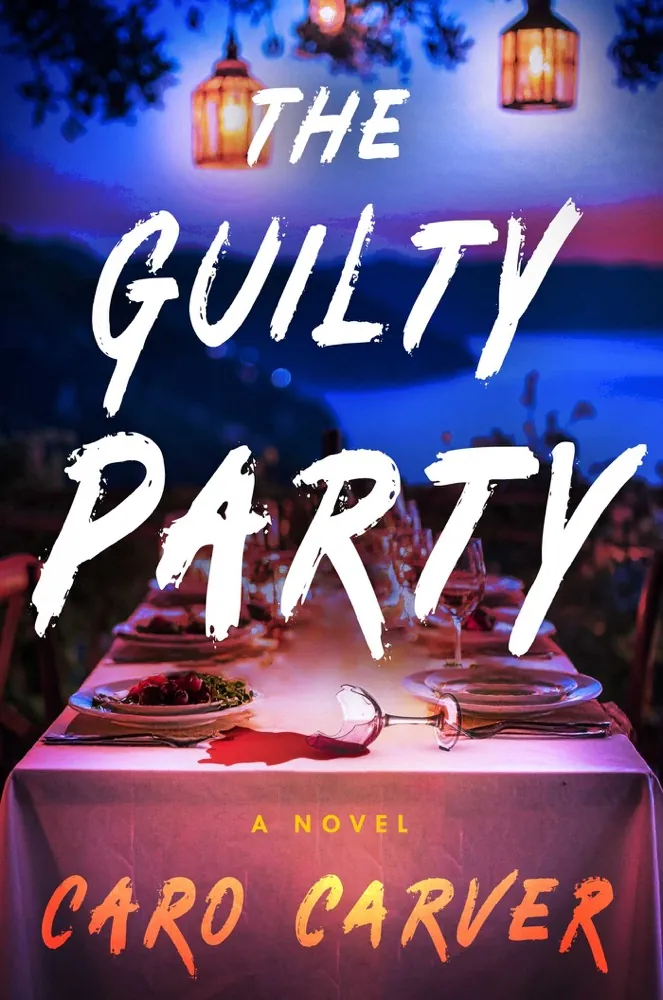
Author: Caro CarverPage Count: UnknownPublication Date: Expected publication 2026 APL The synopsis for The Guilty Party reads like a fever dream written by someone who’s been staring too long at the neon signs of The Girl with the Dragon Tattoo meets Big Little Lies—but with the kind of lazy, sun-drenched fatalism that makes you wonder if the author’s ever actually been to Capri beyond the postcard version. And yet, there’s something deliciously unhinged about it, like a murder mystery where the killer is just as bored as the guests. Because let’s face it, if you’re inviting a group of people who’ve spent the last quarter-century being publicly dissected, why wouldn’t one of them snap? The real crime here isn’t the murder—it’s the setup. A cult film reunion? Check. A villa that’s now a luxury hotel? Check. Twenty-five years of unpaid emotional debts? Obviously. But where’s the tension? Where’s the meat? The synopsis leans so hard into the "glamour-drenched weekend" that it risks becoming a parody of its own genre—like if Knives Out had a sequel where everyone just chatted about their therapy sessions instead of stabbing each other. And don’t even get me started on the "some things never die" line—because in this case, it’s not secrets or grudges, it’s the vagueness. Where’s the specificity? Where’s the bite? It’s like reading a True Detective synopsis that only mentions the "darkness" and not the actual bodies. But here’s the thing—this is exactly the kind of book that will sell like wildfire. Because in 2026, we’re all exhausted by the idea of precision. We want the messy, the vague, the glamorous murder where the real villain is the passage of time. And let’s be honest, this reads like a love letter to the kind of stories that get adapted into Sharp Objects-style TV shows—where the real horror isn’t the crime, but the fact that everyone’s still here, still breathing, still performing. It’s the kind of thing that would make Gillian Flynn nod approvingly before immediately getting distracted by her next project. Yet—and here’s where the bias kicks in—I can’t help but think this is just another iteration of the "artists in paradise" trope, dressed up in a little Italian sunshine. It’s the same old story: a group of people who were once close, now forced to confront the fact that they’re just a bunch of strangers pretending to be family. And while I’ll admit, the idea of a murder at a luxury hotel is deliciously ironic—like if The Shining had been filmed in a five-star resort instead of an old ski lodge—it still feels like it’s missing something. Maybe a little more dirt. Maybe a little less glamour. And speaking of dirt—why am I even thinking about this? Because right now, I’m sitting in my kitchen, staring at the same three eggs I’ve been staring at for the last twenty minutes, wondering why I bother. The world is full of books that promise drama and deliver dust, and this one feels like it’s going to be one of them. But then again, maybe that’s the point. Maybe the real crime isn’t the murder—it’s the fact that we’re all just waiting for someone to finally do something. I’m going to go stare blankly into the open refrigerator for inspiration. Maybe the milk will have answers. Or at least a little more edge. #BookTok #MurderMystery #CapriVibes #EcoCriticRants #WhyBother Related InsightsBark Humbug: An Andy Carpenter Mystery (An Andy Carpenter Novel, 34) Book Review and Summary The Lost Life of Sylvia Song Book Review and Summary The Cider House Rules Book Review and Summary{ "@context": "https://schema.org", "@type": "FAQPage", "mainEntity": [ { "@type": "Question", "name": "What is the main focus of The Guilty Party Book Review and Summary?", "acceptedAnswer": { "@type": "Answer", "text": "Everything you need to know about The Guilty Party with our detailed review." } }, { "@type": "Question", "name": "Who authored the comprehensive guide on The Guilty Party Book Review and Summary?", "acceptedAnswer": { "@type": "Answer", "text": "This detailed article and its insights were carefully researched and authored by William Clark." } }, { "@type": "Question", "name": "Where can I find more related content about Books?", "acceptedAnswer": { "@type": "Answer", "text": "You can explore more articles, detailed reviews, and similar insights by browsing the Related Insights section at the bottom of this article or visiting our dedicated Books category page." } } ] }
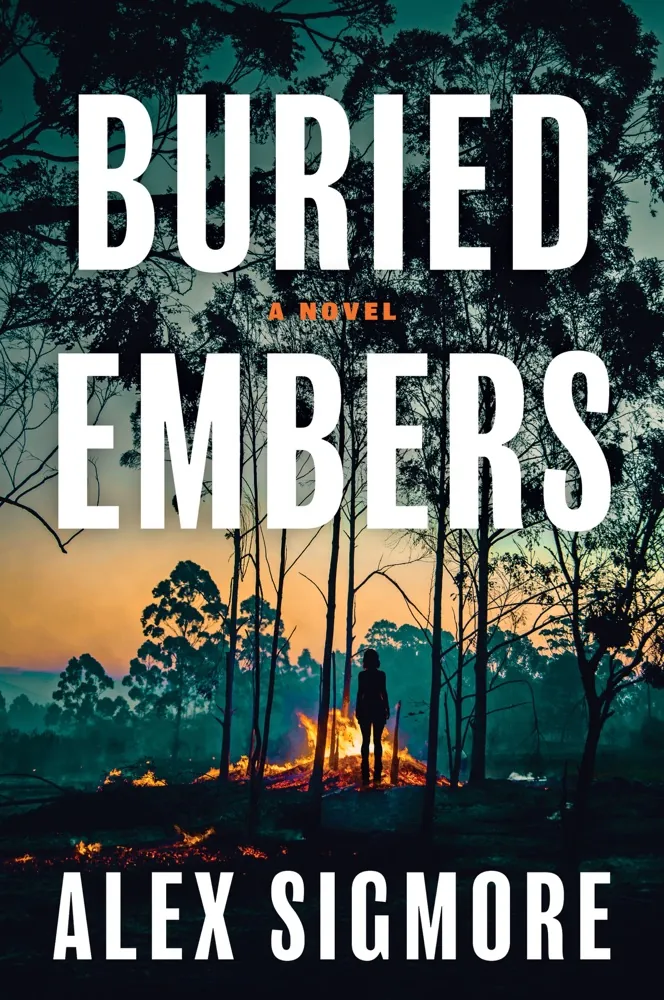

Author: Alex SigmorePage Count: UnknownPublication Date: Expected publication 2026 APL The bus’s AC wheezes like a dying animal, and the scent of stale coffee and regret clings to the air—just like the kind of prose that makes you wonder if the author ever actually lived in the Pacific Northwest. Because here’s the thing: Buried Embers isn’t just another thriller about a fire investigator. It’s a slow-burn (pun absolutely intended) meditation on grief, suspicion, and the way small towns hide their rot behind smiles and pine-scented air. The synopsis leans hard into the "brilliant but troubled" trope, which is fine—we’ve seen it before in books like The Dry by Jane Harper, where the protagonist’s trauma is the engine, not just the grease. But where Harper’s protagonist is a cop drowning in bureaucracy, Calla Rowe is a wildfire investigator, which immediately shifts the metaphor from legal corruption to ecological destruction. And that’s where the synopsis stumbles—because it doesn’t show us the fire. It tells us there’s a fire. It tells us there’s a web of treachery. It tells us Calla is hiding in a remote Oregon town, which sounds like a cliché until you realize how little we know about why she’s there. The synopsis is frustratingly vague about the mechanics of her trauma. Was her partner’s death a botched investigation? A personal vendetta? The logging company’s involvement? Right now, it reads like a checklist of thriller tropes—arson, disappearances, environmental activism—without the tension of a real mystery. It’s the difference between a True Detective episode and a Dateline rerun. And yet, the promise of a "shocking twist" lingers, which is either a sign of confidence or a desperate attempt to sell a book that hasn’t quite found its footing yet. Because here’s the thing about wildfire thrillers: they’re either The Girl on the Train meets Firestarter or they’re nothing. The synopsis doesn’t lean into the science—how does Calla’s expertise in accelerants and burn patterns make her the key to unraveling this? Is she a MacGyver of fire science, or is she just another detective with a fancy degree? The ambiguity is maddening, like trying to read a map in the dark. But then—and this is where I pivot—maybe that’s the point. Maybe the vagueness is intentional, a reflection of Calla’s own fractured state. She’s hiding in Pinecrest, but is she really hiding, or is she just waiting for the next blaze to pull her back in? The synopsis doesn’t answer that, but it doesn’t have to. It’s a setup, not a resolution. And that’s where the real potential lies. If Sigmore—who, by the way, already has a solid reputation with his FBI series—can make us care about Calla’s hesitation, her fear of getting burned again, then this could be something. Because the best thrillers aren’t about the mystery; they’re about the protagonist’s relationship to it. Think Gone Girl’s Amy Dunne, but with a chainsaw instead of a pen. The synopsis doesn’t give us that yet, but it’s a start. And then there’s the environmental angle, which is either a bold stroke or a gimmick. The logging company’s secret old-growth timber operation? That’s not just a plot device—it’s a real-world tension, one that’s been simmering in the Pacific Northwest for decades. If Sigmore can weave that into the thriller without feeling preachy, he’ll have something. But if it’s just another layer of "corrupt industry" tropes, it’ll feel like a cheap nod to current events. The synopsis doesn’t tell us how deep the company’s involvement goes—is it arson, sabotage, or something worse? That’s the kind of ambiguity that makes a thriller work, but right now, it’s just another question hanging in the smoke. I have to stop writing this now because the bus is pulling into a station and I have to go rescue a stack of vinyl records from a damp basement before they turn into moldy relics of my own neglect. But if Buried Embers delivers on the promise of a protagonist who’s as complicated as the fires she investigates, it could be the kind of book that lingers like the scent of pine after a burn. Or it could be another forgettable ride through the woods. Only time—and the next blaze—will tell. #BookTok #PacificNorthwestFiction #ThrillerAlert #WildfireWriters #SigmoreSizzle Related InsightsNorwegian Wood Book Review and Summary The Secret of Secrets Book Review and Summary Lord of the Flies Book Review and Summary{ "@context": "https://schema.org", "@type": "FAQPage", "mainEntity": [ { "@type": "Question", "name": "What is the main focus of Buried Embers Book Review and Summary?", "acceptedAnswer": { "@type": "Answer", "text": "Everything you need to know about Buried Embers with our detailed review." } }, { "@type": "Question", "name": "Who authored the comprehensive guide on Buried Embers Book Review and Summary?", "acceptedAnswer": { "@type": "Answer", "text": "This detailed article and its insights were carefully researched and authored by Diego Lopez." } }, { "@type": "Question", "name": "Where can I find more related content about Books?", "acceptedAnswer": { "@type": "Answer", "text": "You can explore more articles, detailed reviews, and similar insights by browsing the Related Insights section at the bottom of this article or visiting our dedicated Books category page." } } ] }
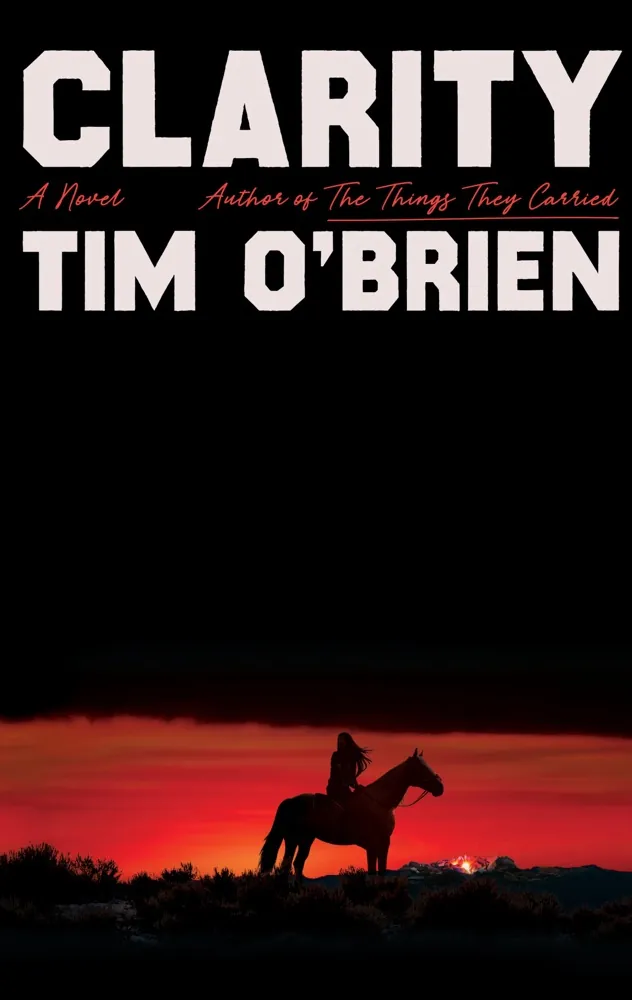
Author: Tim O'BrienPage Count: UnknownPublication Date: Expected publication 2026 APL Promises of "clarity" are the first thing a liar offers you. They dangle it like a bright, plastic charm in front of a child who just wants to know why the light went out, why the chair is empty, why the silence is so heavy it leaves bruises. Tim O’Brien has spent a career excavating the debris of war and the fiction we build to survive it, but this new premise—a lie about a dead baby acting as the engine for a decades-long pursuit—feels less like a search for truth and more like a cruel, drawn-out punishment. A Theology of Deceit Why must we insist on redemption? Tom Barrie, our wayward shepherd in St. Paul, isn’t looking for God; he’s looking for a way to rewrite a singular, wretched moment of cowardice. The synopsis suggests a collision between the orderly, static world of the pulpit and the chaotic, kinetic sprawl of a girl who has nothing to lose. It’s a classic setup for a heavy-handed meditation on the lies we tell to keep our own ghosts fed. I suspect O’Brien is baiting us into wanting a catharsis that he has no intention of providing. If The Things They Carried taught us anything, it’s that the truth is a shifty, unreliable witness. The Geography of Regret And speaking of shifting, why are we still pretending that cross-country odysseys equate to emotional growth? It’s the literary equivalent of a temper tantrum. It reminds me of that insipid preschool show where the characters run through a magical forest to find a lost toy, only to realize the "real treasure" was the friends they ignored along the way. I spent three hours last Tuesday watching a cartoon hedgehog talk to a sentient rock while my own floor felt like it was tilting toward oblivion, and frankly, the narrative arc of that animation had more structural integrity than this trope of the "delinquent fleeing a traumatic past." Ruby Stjern sounds like a construct—the Manic Pixie Dream Fugitive—designed solely to force a man who has lost his faith to finally feel something. It’s exhausting. It’s predictable. I suspect the prose will be gorgeous, because it’s O’Brien, but the emotional manipulation feels as transparent as a window pane in a gale. The Myth of the Answer O’Brien hints that "people who know all the answers are fucking fools," which is a convenient way for an author to sidestep the messy business of resolving his own plot. He’s setting the stage for a bleak, open-ended wander through the wreckage of 2003. Will he finally drop the pretension that trauma is a puzzle to be solved rather than a slow rot? Probably not. We will likely be treated to a series of vignettes that lean heavily into the "philosophical" at the expense of anything resembling a human heartbeat. Ouch. I just stepped on a rogue building block. I need a moment to recover. #litcrit #timobrien #bookreview Related InsightsReturn to Breakneck Island (The Treasure Hunters Club #2) Book Review and Summary Live Laugh Love: The Secret History of White Christian Women and the World They Made Book Review and Summary Carrying Book Review and Summary{ "@context": "https://schema.org", "@type": "FAQPage", "mainEntity": [ { "@type": "Question", "name": "What is the main focus of Clarity Book Review and Summary?", "acceptedAnswer": { "@type": "Answer", "text": "Everything you need to know about Clarity with our detailed review." } }, { "@type": "Question", "name": "Who authored the comprehensive guide on Clarity Book Review and Summary?", "acceptedAnswer": { "@type": "Answer", "text": "This detailed article and its insights were carefully researched and authored by Victoria Smith." } }, { "@type": "Question", "name": "Where can I find more related content about Books?", "acceptedAnswer": { "@type": "Answer", "text": "You can explore more articles, detailed reviews, and similar insights by browsing the Related Insights section at the bottom of this article or visiting our dedicated Books category page." } } ] }
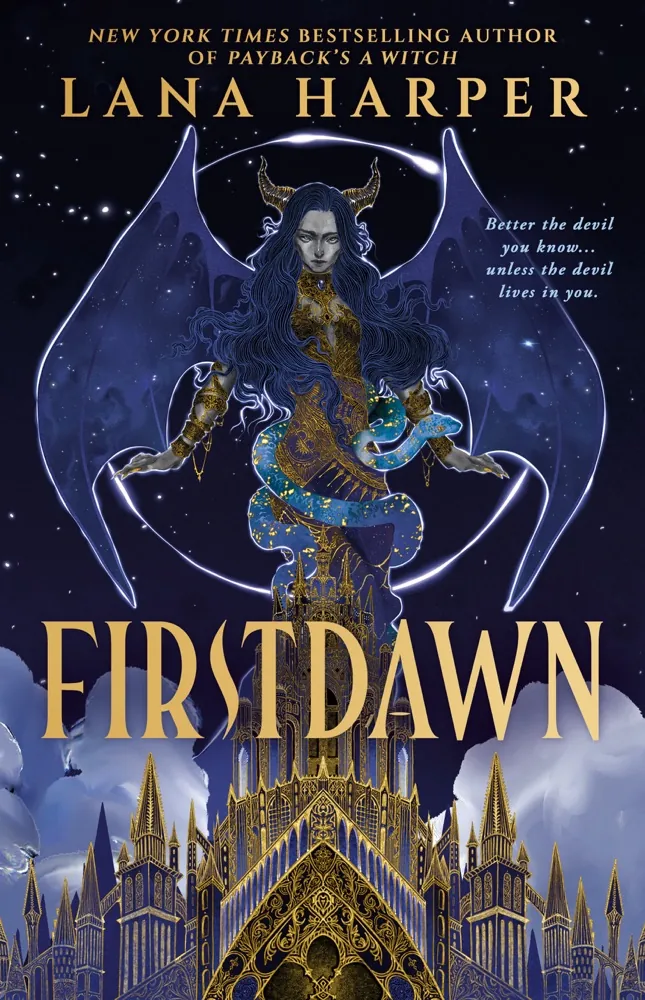
Author: Lana HarperPage Count: UnknownPublication Date: Expected publication 2026 APL The subway’s fluorescent glow bleeds through the gaps in the newspaper, casting a sickly yellow over the synopsis of Firstdawn—Lana Harper’s next move in the demonic love triangle chess game. And Christ, if this isn’t the kind of thing that makes you want to hurl your coffee into the tracks. Danica Marsden, Chicago’s most jaded PI, gets yanked into a hellscape where the only thing more intoxicating than the half-demons chasing her is the fact that she’s literally not human anymore. Shahara and Rhavin, those two serpentine heartthrobs, are basically the literary equivalent of a vampire romance where one of the leads is a feral witch and the other’s got a god complex—except here, the stakes are cosmic and the foreplay is definitely going to involve blood. The synopsis doesn’t tell you this is a book about identity theft on a supernatural scale—it shows you by way of Danica’s fractured reflection, her therapy bills, and the way her dreams bleed into her waking life like a bad acid trip. Harper’s got a knack for making the mundane feel like a pressure point before the world ends. Danica’s barfights and one-night stands aren’t just backstory; they’re the last gasps of a woman who’s spent her life pretending she’s in control. And then—poof—she’s not. The moment her reflection flickers, you know this isn’t going to be a cozy paranormal romance. This is The Girl with All the Gifts meets American Gods, but with the erotic tension of The Devil’s Daughter and the existential dread of a woman realizing she’s been lied to her whole life. The half-demons, Shahara and Rhavin, are the kind of characters that make you want to scream at the page: Why do they have to be so damn charming? Shahara’s lethal beauty is the kind of thing that would make a lesser writer lean into cliché, but Harper’s got the guts to make her feel like a predator who’s also a victim of her own lineage. Rhavin, meanwhile, is the golden boy with a secret—because of course he is. Their dynamic isn’t just a love triangle; it’s a power struggle disguised as romance, the kind that makes you think of The Lies of Locke Lamora’s political maneuvering but with more skin and less wit. And the fact that they’ve been vying for Danica’s love for centuries? That’s not just worldbuilding—it’s a middle finger to the whole "fated mates" trope. These guys have been playing the long game, and Danica’s just the latest pawn. The real question is whether Harper can pull off the balance between the gritty, grounded PI protagonist and the mythic, high-stakes demonic court. Because right now, the synopsis reads like a love letter to The First Fifteen Lives of Harry August, where the protagonist’s past is a labyrinth and the present is a ticking clock. But where Firstdawn might stumble is in the execution of Danica’s arc—will she be a reluctant heroine, or will she double down on her cynicism and burn it all down? The synopsis hints at both possibilities, but it’s the kind of ambiguity that could either elevate the book or leave readers feeling like they’re chasing ghosts. And let’s not forget the aesthetic—stenciled edges, interior cover art that’s presumably divine. This isn’t just a book; it’s a statement. The kind of thing you’d want to display on a shelf next to The Night Circus and The Shadow of the Wind, but with the edge of something darker, something that doesn’t just entertain but haunts. Harper’s got a reputation for blending eroticism with horror, and if Firstdawn delivers on the promise of Danica’s descent into the infernal, it’ll be the kind of book that lingers like the taste of something forbidden. But here’s the thing—you can’t read this on a crowded subway. Not without risking a panic attack or a spontaneous fight with the guy in the trench coat who’s been staring at you too long. The world Harper’s building is one where the line between human and demon is thinner than a razor’s edge, and Danica’s the kind of protagonist who’ll make you root for her even when she’s being a mess. And if she’s half as compelling as the synopsis suggests, you’ll be waiting for the next installment like it’s the only thing keeping you from losing your mind. Now, if you’ll excuse me, I’ve got to scavenge for parts to fix my French press before it becomes another relic of my failed attempts at adulting. #DemonicRomance #BookTokButMakeItDark #LanaHarperIsUnkillable Related InsightsMilkteeth Book Review and Summary The Woven Bag Book Review and Summary The Shadow of the Wind Book Review and Summary{ "@context": "https://schema.org", "@type": "FAQPage", "mainEntity": [ { "@type": "Question", "name": "What is the main focus of Firstdawn Book Review and Summary?", "acceptedAnswer": { "@type": "Answer", "text": "Everything you need to know about Firstdawn with our detailed review." } }, { "@type": "Question", "name": "Who authored the comprehensive guide on Firstdawn Book Review and Summary?", "acceptedAnswer": { "@type": "Answer", "text": "This detailed article and its insights were carefully researched and authored by Piotr Nowak." } }, { "@type": "Question", "name": "Where can I find more related content about Books?", "acceptedAnswer": { "@type": "Answer", "text": "You can explore more articles, detailed reviews, and similar insights by browsing the Related Insights section at the bottom of this article or visiting our dedicated Books category page." } } ] }
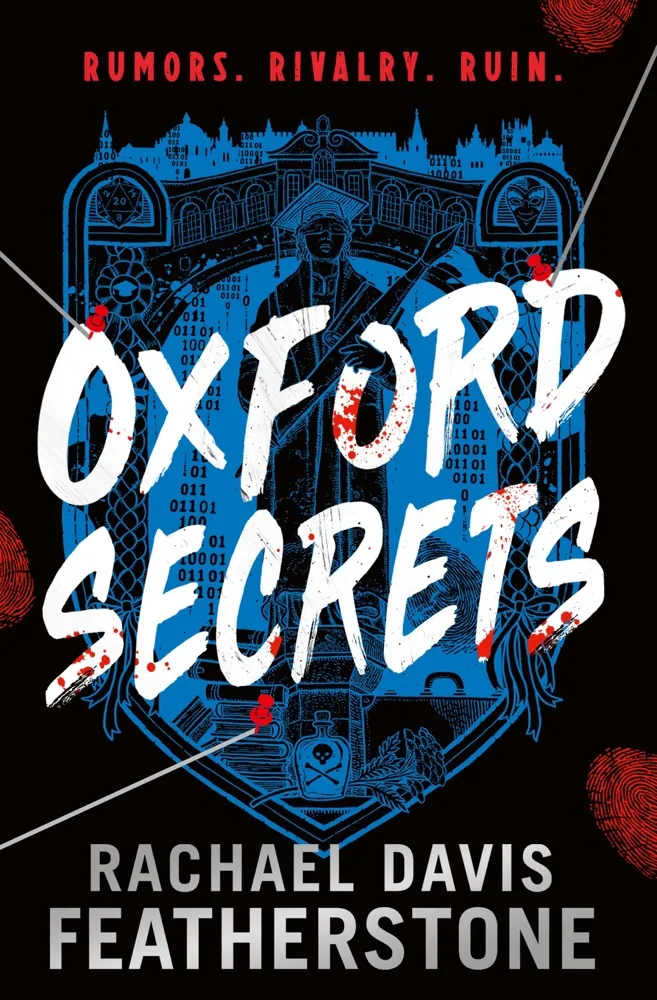
Author: Rachael Davis-FeatherstonePage Count: UnknownPublication Date: Expected publication 2026 APL September air smells like damp earth and scorched sugar. The flour is currently clinging to my eyelashes, and I honestly do not care if the counter looks like a war zone because Oxford Secrets is waltzing into 2026 like it owns the place. The Illusion of the Ivory Tower Rachael Davis-Featherstone is back at it, dragging us straight back to the damp stones of academia where people apparently do nothing except murder each other and write essays. And honestly? Good for them. Give me Agatha Christie any day of the week over these modern teenagers whining about their follower counts. But here we are. Eva is dodging feelings for Xander—because nothing says romance like sharing a mutual trauma over a dead friend—while the digital panopticon closes in. My seven-year-old just tried to feed a raw potato to the stand mixer, and quite frankly, the kitchen appliance showed better survival instincts than anyone stepping foot on that Oxford campus. People always talk about privilege like it is some abstract painting hanging in a gallery nobody visits. But Davis-Featherstone understands the dirty, grease-stained reality of it. When anonymous student gossip forums get hacked, the panic isn't about ethics; it's about exposure. A classic trope, yes. Yet I will devour it like stolen cookie dough eaten straight from the bowl at two in the morning while staring blankly at the wall. The Digital Guillotine The synopsis relies heavily on vague threats of "deadly secrets" and spilled blood, which is code for "we haven't finished writing the middle chapters yet, but trust us, the vibes are immaculate." Give me a break. Just tell us who pushes whom down the bell tower. But no, we get the whole song and dance about student well-being and digital toxicity. Yet there is something undeniably delicious about watching arrogant eighteen-year-olds panic because their burner accounts got leaked. It reminds me of the PTA WhatsApp group drama from last term, except with more tweed and fewer passive-aggressive emojis of wine glasses. Davis-Featherstone is chasing the high of The Secret History by Donna Tartt, though with a decidedly millennial social media panic attack tacked on for good measure. Will the plot hold together under the weight of its own pretentious terminology? Absolutely not. Do I care? Absolutely not. Now I have to go negotiate the Geneva Convention with a four-year-old who is currently treating the bathtub like a maximum-security prison yard. Related InsightsThe Wasp Factory Book Review and Summary Lonesome Dove Book Review and Summary Big Little Truths Book Review and Summary{ "@context": "https://schema.org", "@type": "FAQPage", "mainEntity": [ { "@type": "Question", "name": "What is the main focus of Oxford Secrets (Oxford Blood, 2) Book Review and Summary?", "acceptedAnswer": { "@type": "Answer", "text": "Everything you need to know about Oxford Secrets (Oxford Blood, 2) with our detailed review." } }, { "@type": "Question", "name": "Who authored the comprehensive guide on Oxford Secrets (Oxford Blood, 2) Book Review and Summary?", "acceptedAnswer": { "@type": "Answer", "text": "This detailed article and its insights were carefully researched and authored by Sarah Davis." } }, { "@type": "Question", "name": "Where can I find more related content about Books?", "acceptedAnswer": { "@type": "Answer", "text": "You can explore more articles, detailed reviews, and similar insights by browsing the Related Insights section at the bottom of this article or visiting our dedicated Books category page." } } ] }
-
 Emma Thompson
 - 02 Sep, 2026 07:29
How to Make a Friend: A Modern Guide to Friendship Book Review and Summary
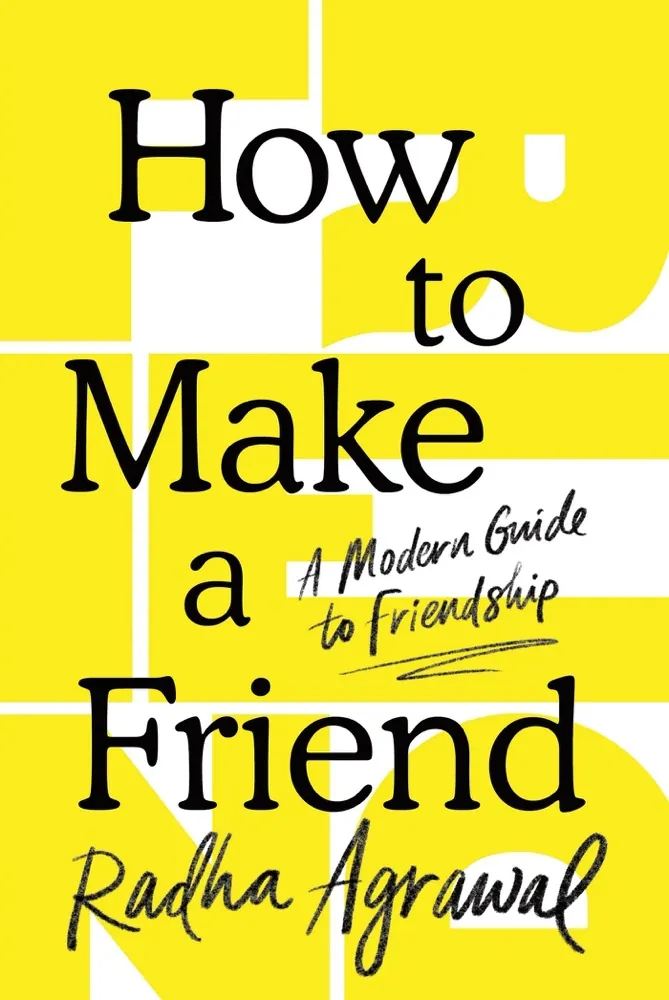
Author: Radha AgrawalPage Count: UnknownPublication Date: Expected publication 2026 APL The Gothic revival brickwork of this quad is positively rotting with academic pretension today, which makes it the ideal spot to dissect Radha Agrawal’s upcoming How to Make a Friend. Another manual telling the digital generation how to touch grass. Yawn. We are drowning in prescriptive treatises marketed as manifestos, written by people who treat human connection like a startup pitch deck. The Commodification of the Unplanned And what a premise we have here. Friendship as an inefficient practice. Groundbreaking sociology, really. Comparable to whatever pop-psychology dreck Malcolm Gladwell or Brené Brown churn out when they need a new vacation home. The synopsis leans hard into the tired aesthetic of anti-capitalist romanticism—because nothing screams authentic bonding quite like buying a hardcover book to teach you how to ride the subway for a short hug. Yet the intellectual dishonesty baked into these blurbs is truly breathtaking. Agrawal wants us to reject toxic individualism while simultaneously utilizing capitalist toolkits—simple scripts, enrollment metrics, and vibe preservation protocols—to engineer organic warmth. Make it make sense. We are meant to swallow the myth that awkwardness is some sort of sacred gateway to intimacy, when half the time, awkwardness is just bad posture and social illiteracy. Architectural Delusions of Grandeur Consider the terminology. Community architect. Good grief. Do we need blueprints to sit on a stoop and bitch about the administration? This is peak millennial optimization masquerading as a soulful retreat from screens. Instead of letting relationships wither or bloom organically—the absolute horror of social Darwinism—we must now audit our connections for productivity versus meaning. Predicting how this text will perform is child's play. It will undoubtedly dominate the bestseller lists for weeks, scooped up by lonely corporate drones in Tribeca who desperately need a script to talk to their barista. It is absolute brain-rot dressed up in cashmere wellness rhetoric. My assistant needs me immediately. I have to select the floral arrangements for your upcoming book launch. #radhaagrawal #bookcritic #readingslump Related InsightsWar and Peace Book Review and Summary Striker Book Review and Summary The Historian Book Review and Summary{ "@context": "https://schema.org", "@type": "FAQPage", "mainEntity": [ { "@type": "Question", "name": "What is the main focus of How to Make a Friend: A Modern Guide to Friendship Book Review and Summary?", "acceptedAnswer": { "@type": "Answer", "text": "Everything you need to know about How to Make a Friend: A Modern Guide to Friendship with our detailed review." } }, { "@type": "Question", "name": "Who authored the comprehensive guide on How to Make a Friend: A Modern Guide to Friendship Book Review and Summary?", "acceptedAnswer": { "@type": "Answer", "text": "This detailed article and its insights were carefully researched and authored by Emma Thompson." } }, { "@type": "Question", "name": "Where can I find more related content about Books?", "acceptedAnswer": { "@type": "Answer", "text": "You can explore more articles, detailed reviews, and similar insights by browsing the Related Insights section at the bottom of this article or visiting our dedicated Books category page." } } ] }
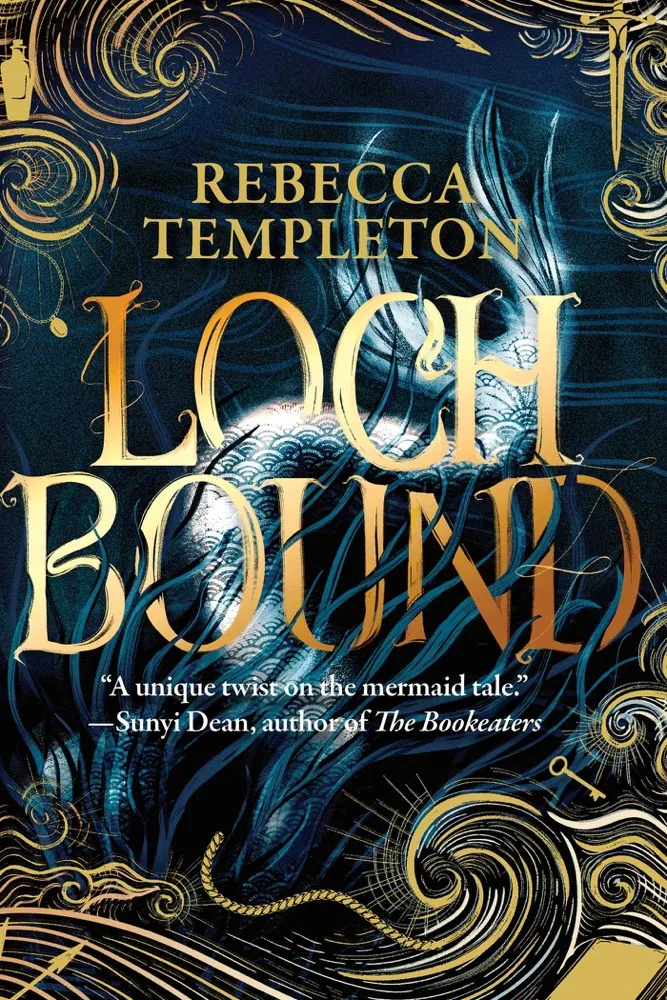

Author: Rebecca TempletonPage Count: UnknownPublication Date: Expected publication 2026 APL The synopsis for Lochbound is a masterclass in how to sell a gothic fairy tale without actually telling you anything—except that it’s going to be dark, which is either a promise or a warning, depending on how much you trust publishers these days. The fact that it’s billed as a "glitteringly dark reimagining" of The Little Mermaid is either a stroke of genius or a desperate attempt to ride the coattails of Disney’s endless regurgitation of the same three fairy tales. But let’s be honest—if this were just another Mermaid retelling, it would be forgettable. The real hook here is the setting: eighteenth-century Scotland, which immediately elevates it from "another cursed woman" to "another cursed woman in a landscape that will either haunt you or make you want to move to the Highlands." The choice is yours. The premise hinges on a duality that feels both fresh and familiar—by day, a monster; by night, a woman. It’s the kind of binary that’s been mined ad nauseam in fantasy, but the execution here could either be Spellbound meets Outlander—if the author has the chops to balance the historical grit with the supernatural dread—or it could be The Water Horse with more angst. The problem with synopses like this is that they promise a game of impossible attraction between Iris and Henry, but they don’t say whether that attraction is the kind that makes you want to read on or the kind that makes you want to throw the book into the loch. The mention of a "figure from Iris’s past" reappearing is the kind of vague threat that could either be the inciting incident of a brilliant twist or the lazy setup for a deus ex machina. Either way, it’s the kind of thing that makes me wonder if the author has actually written this yet or if they’re just playing with tropes like a child with a box of LEGOs. But let’s talk about the real issue here—the vagueness. The synopsis doesn’t tell us what the curse is, how it works, or why Iris has accepted it for fifty years. Is she resigned? Is she complicit? Is she just tired? The lack of specificity is frustrating because it leaves the reader with more questions than answers, which is either a sign of a brilliant, ambiguous narrative or a sign that the author hasn’t figured out the story yet. Compare this to something like The Cruel Prince, where the synopsis drops you into the world with enough detail to make you care immediately. Here, we’re left with a monster, a hunter, and a loch—three things that could go anywhere. The fact that the hunter is described as "rugged, ruthless" is either a red flag for a brooding love interest or a green light for a villain who might actually be the real monster here. The ambiguity is delicious, but it’s also exhausting. And then there’s the tone—gothic, historical, fantasy. It’s the kind of mashup that either works beautifully or falls flat like a poorly baked scone. Think about it: Outlander is a masterclass in blending history and romance, but it’s also a time machine that could’ve been called The Highlander and still sold the same number of copies. Spellbound is a fresh take on fae and magic, but it’s also a book that could’ve been called The Fae’s Bargain and still been just as compelling. The difference? The authors of those books had the discipline to make their worlds feel lived-in. This synopsis doesn’t give us that. It gives us a feeling—dark, misty, dangerous—but no substance. But here’s the thing: I’m intrigued. Not because the synopsis is detailed, but because it’s mysterious. The fact that it doesn’t tell us everything is either a sign of a brilliant, layered story or a sign that the author is too busy playing with words to actually write the book. Either way, I’m curious. I just hope it’s not another The Secret History knockoff where the gothic setting is just a backdrop for a bunch of privileged characters arguing about philosophy. Because if that’s the case, I’m going to be very disappointed. And speaking of The Secret History, have you ever noticed how every gothic fantasy these days is either set in a boarding school or a cursed estate? It’s like the genre has a limited palette. Lochbound could break that mold by setting its story in the Scottish Highlands, where the real monsters are the weather, the history, and the fact that you can’t just walk away from a curse like that. But then again, maybe the author will just stick to the usual suspects—fae, curses, betrayal—and call it a day. I hope not. But let’s be real—this book isn’t out yet, and I’m already tired of waiting for it. The synopsis is promising, but it’s also frustratingly vague. It’s like being given a menu with no prices—you know there’s something good on there, but you have no idea what it’ll cost. And right now, the cost of reading a book that might not deliver is too high. I must put up the holiday decorations before my spouse loses patience. #BookTok #GothicFantasy #ScottishMoors #CursedWomen #WaitForIt Related InsightsHaunting Adeline Book Review and Summary King of Wrath / King of Pride / King of Greed Book Review and Summary Too Uncool for School Book Review and Summary{ "@context": "https://schema.org", "@type": "FAQPage", "mainEntity": [ { "@type": "Question", "name": "What is the main focus of Lochbound Book Review and Summary?", "acceptedAnswer": { "@type": "Answer", "text": "Everything you need to know about Lochbound with our detailed review." } }, { "@type": "Question", "name": "Who authored the comprehensive guide on Lochbound Book Review and Summary?", "acceptedAnswer": { "@type": "Answer", "text": "This detailed article and its insights were carefully researched and authored by Antoine Leroy." } }, { "@type": "Question", "name": "Where can I find more related content about Books?", "acceptedAnswer": { "@type": "Answer", "text": "You can explore more articles, detailed reviews, and similar insights by browsing the Related Insights section at the bottom of this article or visiting our dedicated Books category page." } } ] }
-
 Lucia Garcia
 - 02 Sep, 2026 04:42
A Feast in Every Sense: The Mystery, Marvel, and New Science of Our Senses Book Review and Summary
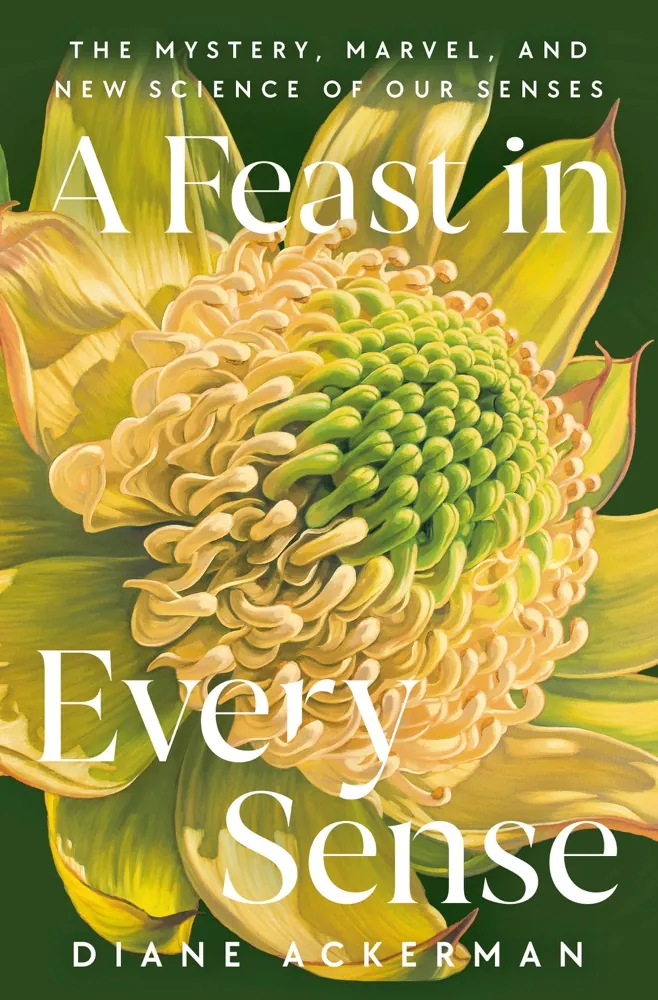
Author: Diane AckermanPage Count: UnknownPublication Date: Expected publication 2026 APL We are expected to swoon over the tactile musings of Diane Ackerman yet again. Decades after A Natural History of the Senses graced the mahogany coffee tables of the adequately cultured, we are gifted A Feast in Every Sense. Or rather, we are promised it for twenty-six. A grueling exercise in patience. The Anatomy of a Sensation The synopsis reads like an ambitious syllabus for a seminar at the Sorbonne that nobody actually finishes. We are told of avocados yielding creamy ecstasies. We are threatened with acoustics that dictate the temperature of bathwater. But spare me the platitudes about skin sensors lowering pain during a lover's touch. This sounds dangerously close to the prose one finds embroidered on throw pillows in Chelsea flats. Yet, I suppose the market demands its morsels. The Weight of a Hard Chair Consider the grand inquiries posed by the advance material. Why does sitting in a hard chair make one a ruthless negotiator? Why does Tylenol steal our capacity for pity? One fears the intellectual rigor of this enterprise rivals the nutritional value of a can of New Coke. It flirts with popular science in the most distressing way—reductive, shiny, and engineered solely to be quoted in Sunday supplements by accountants who fancy themselves bohemians. And Ackerman expects us to revere these "secret scouts" of perception. As if our nervous systems were undiscovered Amazonian tribes waiting for a naturalist with a fountain pen to catalog their misbehaving mitochondria. One suspects the prose will be dripping with adjectives. Too many adjectives. A relentless cascade of tactile descriptors designed to compensate for an absence of actual argument. Give me the austere despair of a Thomas Bernhard sentence any day over this relentless, exhausting optimism about the miracle of being alive. Some of us prefer the numbness. The Grand Soirée We shall see if the finished volume transcends its own promotional apparatus. But my expectations remain subterranean. The guest list for the publisher's summer salon on the terrace requires immediate pruning. I simply cannot tolerate the architectural editor bringing her third husband again. Related InsightsTrump: The Art of the Deal Book Review and Summary Jane Eyre Book Review and Summary Imagine Me Book Review and Summary{ "@context": "https://schema.org", "@type": "FAQPage", "mainEntity": [ { "@type": "Question", "name": "What is the main focus of A Feast in Every Sense: The Mystery, Marvel, and New Science of Our Senses Book Review and Summary?", "acceptedAnswer": { "@type": "Answer", "text": "Everything you need to know about A Feast in Every Sense: The Mystery, Marvel, and New Science of Our Senses with our detailed review." } }, { "@type": "Question", "name": "Who authored the comprehensive guide on A Feast in Every Sense: The Mystery, Marvel, and New Science of Our Senses Book Review and Summary?", "acceptedAnswer": { "@type": "Answer", "text": "This detailed article and its insights were carefully researched and authored by Lucia Garcia." } }, { "@type": "Question", "name": "Where can I find more related content about Books?", "acceptedAnswer": { "@type": "Answer", "text": "You can explore more articles, detailed reviews, and similar insights by browsing the Related Insights section at the bottom of this article or visiting our dedicated Books category page." } } ] }
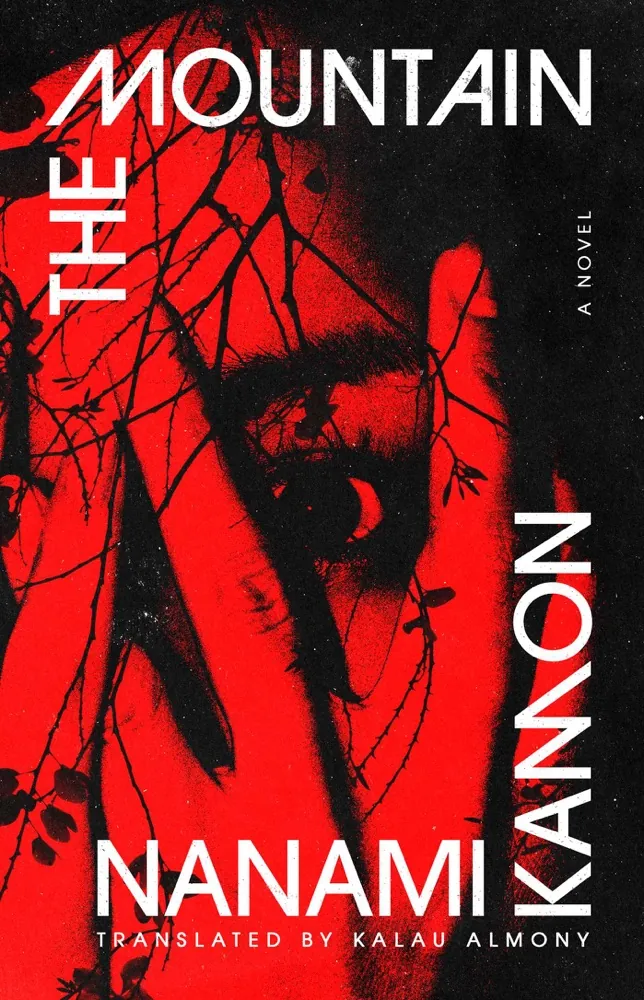

Author: Nanami KamonPage Count: UnknownPublication Date: Expected publication 2026 APL Staring at the flickering fluorescent tube above this sticky library carrel while a fluorescent-vested city worker aggressively leaf-blows the pathetic September drizzle outside, my mind drifts to Nanami Kamon’s upcoming The Mountain. God, the autumn air smells like damp wool and municipal defeat. But let us discuss the literary meat here. The Haunting of the Professional Woman Minami is a horror writer suffering from the most profoundly gendered curse known to modern capitalism: she has a blank document and a deadline. And what does she do? She answers a middle-of-the-night distress call from an old female friend, Asako—because patriarchy taught us that women must perform unpaid emotional labor even when dodging specters from a cursed sawmill. Classic. Kampon’s premise relies heavily on the tired trope of the haunted female collective—think Shirley Jackson meets Ring-era hyper-fixations, except translated for an English-speaking audience finally ready to look past Murakami's manic pixie dream ghosts. Yet, I am side-eyeing the marketing copy. The synopsis gives us zero actual narrative teeth, relying entirely on the generic promise that "the mountain is calling them back." Wow. Groundbreaking. Tell me more about the rocks, corporate publishing. Folk Horror and the Male Gaze on Nature Japan’s rich lineage of yama-uba folklore—mountain hags, wild women living at the fringes of civilized patriarchal safety—deserves a radical feminist deconstruction. Will Kamon deliver this? Or will we just get generic wet-haired phantoms crawling out of corporate water coolers? The juxtaposition of a professional horror writer hunting for inspiration by exploiting her female peer's trauma is delicious. It exposes the grift of the trauma economy. We monetize our collective suffering, wrap it in a pretty paperback cover, and sell it to suburban ghouls looking for a thrill before bedtime. Minami thinks she is too smart to get dragged in. She sits in her ivory tower of supernatural expertise until the phantoms come for her, too. Slay, queen, get terrorized by indigenous mountain curses. The epistolary trigger—an email out of the blue—is aggressively mundane. It grounds the supernatural dread in the absolute worst part of contemporary existence: digital correspondence that requires a emotional response. Expect The Mountain to either completely redefine J-horror translation standards or completely lean into the exhausted tropes of cursed real estate. I am betting five crisp dollars it does the latter, wrapped in some gorgeous minimalist cover art that looks great on an Instagram grid. Anyway, I need to close this laptop immediately and aggressively march down to the municipal park before dusk so I can forage for edible chanterelles before the city sprays them with pesticides. Related InsightsFirst Love Last Love: A Novel Book Review and Summary Mooncursed (The Drowned King, #1) Book Review and Summary The Hero of Ages Book Review and Summary{ "@context": "https://schema.org", "@type": "FAQPage", "mainEntity": [ { "@type": "Question", "name": "What is the main focus of The Mountain Book Review and Summary?", "acceptedAnswer": { "@type": "Answer", "text": "Everything you need to know about The Mountain with our detailed review." } }, { "@type": "Question", "name": "Who authored the comprehensive guide on The Mountain Book Review and Summary?", "acceptedAnswer": { "@type": "Answer", "text": "This detailed article and its insights were carefully researched and authored by Marta Wisniewska." } }, { "@type": "Question", "name": "Where can I find more related content about Books?", "acceptedAnswer": { "@type": "Answer", "text": "You can explore more articles, detailed reviews, and similar insights by browsing the Related Insights section at the bottom of this article or visiting our dedicated Books category page." } } ] }

Author: Adam MansbachPage Count: UnknownPublication Date: Expected publication 2026-10-13 APL September afternoons always smell like damp mulch and unread mail piling up by the front door, which is precisely the mood I am in while staring down Adam Mansbach’s upcoming The Wrong Body: A Golem of Brooklyn Novel—a book I am already convinced will either save my sanity or utterly ruin my remaining patience for contemporary political satire. Look, we all survived the first outing with Len Bronstein and his giant clay creation, but dragging a mythological monster into the harrowing, hyper-real mire of modern geopolitical occupations, state recruitment schemes, and Washington military courts feels like an enormous gamble that might completely collapse under the weight of its own absurd premise—seriously, who looks at a weapon of mass destruction crafted from river mud and thinks, yes, let us toss him into a road trip alongside federal agents, a secretive crisis management firm, and the restless spirit of a long-dead Talmudic sage because apparently Michael Chabon and Philip Roth never suffered enough trying to balance Jewish mysticism with biting contemporary commentary. Unhinged. Muddy Metaphors on the Interstate And why must every single novel tackling Zionism and American foreign policy rely on the exact same tired road-trip trope from New York to D.C. as if the Potomac holds some magical absolution for centuries of ancestral trauma? Mansbach clearly wants to push buttons—Peter Beinart is already comparing the dark humor to the current American and Jewish condition, which usually means we are in for a hundred pages of exhausting righteousness disguised as biting wit—and yet I find myself fiercely protective of Len and his little band of travelers, almost like I am packing juice boxes for a bunch of bickering teenagers in the minivan rather than watching a fictional crisis management firm hunt down a folk-legend. Exhausting. There is a distinct lack of narrative breathing room promised by this synopsis, rushing headfirst from white nationalist rallies to emergency military tribunals without ever stopping to ask whether a golem is actually capable of moral introspection or if he is just a giant metaphor for our collective geopolitical failures. I demand actual character chemistry, not just talking points thrown against a wall of clay. Wait. The text messages are blowing up. I completely forgot I volunteered to host the chaotic neighborhood toddler playdate in twenty minutes, the living room floor is currently a disaster zone of plastic dinosaurs, and I have zero snacks prepared for six sugar-fueled children. Related InsightsOne of us is next Book Review and Summary Middle of the Night Book Review and Summary Murder of a Merry Gentleman: A Mystery (Lady Petra Inquires, 4) Book Review and Summary{ "@context": "https://schema.org", "@type": "FAQPage", "mainEntity": [ { "@type": "Question", "name": "What is the main focus of The Wrong Body: A Golem of Brooklyn Novel Book Review and Summary?", "acceptedAnswer": { "@type": "Answer", "text": "Everything you need to know about The Wrong Body: A Golem of Brooklyn Novel with our detailed review." } }, { "@type": "Question", "name": "Who authored the comprehensive guide on The Wrong Body: A Golem of Brooklyn Novel Book Review and Summary?", "acceptedAnswer": { "@type": "Answer", "text": "This detailed article and its insights were carefully researched and authored by Camille Dubois." } }, { "@type": "Question", "name": "Where can I find more related content about Books?", "acceptedAnswer": { "@type": "Answer", "text": "You can explore more articles, detailed reviews, and similar insights by browsing the Related Insights section at the bottom of this article or visiting our dedicated Books category page." } } ] }
-
 Michael Brown
 - 02 Sep, 2026 03:13
Ascendancy: A Novel (The Ascendancy Trilogy, 1) Book Review and Summary
Author: Emily HamiltonPage Count: UnknownPublication Date: Expected publication 2026 APL Emily Hamilton's Ascendancy arrives with the heavy, glittering burden of comparison to Tamsyn Muir and Arkady Martine, which usually means the literary marketing machine is trying to sell us a prefabricated revolution. But let us look at the raw structural mechanics of this synopsis. We have Neev—a pilot chipped, monitored, and effectively abandoned by a maternal figure at an academy on Jupiter's moons—and Ida, a sword-wielding product of a transhumanist death cult. A classic case of overpromising. Because how many times must we watch the dutiful institutional cog fall for the feral, leather-clad dissident, only for fate to tear them apart by page fifty just so they can stare at each other across opposing barricades a decade later? And speaking of institutional abandonment, my youngest spent forty-five minutes this morning crying because his oatmeal was brown instead of white, completely melting down over a reality he refused to accept, which honestly feels less exhausting than reading another sprawling space opera where the salvation of the entire species apparently hinges on whether two traumatized ex-lovers can communicate their feelings instead of shooting at each other with plasma rifles. Why must every cosmic conflict be a thinly veiled metaphor for bad childhood attachment styles? Just fix the leaky infrastructure of your fictional Jovian moons and stop weaponizing daddy issues against the proletariat. The Anatomy of Engineered Longing The thematic architecture here relies entirely on the worn-out dichotomy between authoritarian surveillance and violent anarchism. The synopsis breathlessly trades in buzzwords: the Neionet, chips in heads, iron grips, and the hollow promise of technology. Yet it refuses to examine the actual mess of institutional dependency. When a child learns never to question the invisible architecture keeping them alive, the trauma isn't just political—it is cellular. Yet Hamilton seems more interested in the "blazing romance" and the "power of the erotic" than the agonizing, tedious reality of unlearning a lifetime of neurological conditioning. Love does not overthrow fascist councils. Concrete does. The Inevitable Betrayal of Happy Endings Expect a tragic, blood-soaked cliffhanger masquerading as emotional depth. Anyone promising that a queer cyberpunk space opera will unite humanity with a single, sweeping romance is selling a fairy tale to adults who should know better. People who grow up in death cults do not just walk away because a handsome rebel pilot smiles at them; they spend decades flinching at sudden movements in quiet rooms. But the market demands glossy, high-stakes melodrama where a blade to the heart heals all systemic injuries. I refuse to buy into the marketing hype. I really must go outside now and untangle the garden hose that has tied itself into a Gordian knot across the back patio, because unlike the characters in this trilogy, at least that catastrophe has a physical logic I can unravel before sunset. #Ascendancy #Cyberpunk #SpaceOpera #SciFiReads Related InsightsTao Te Ching Book Review and Summary Tender Is the Night Book Review and Summary The Cider House Rules Book Review and Summary{ "@context": "https://schema.org", "@type": "FAQPage", "mainEntity": [ { "@type": "Question", "name": "What is the main focus of Ascendancy: A Novel (The Ascendancy Trilogy, 1) Book Review and Summary?", "acceptedAnswer": { "@type": "Answer", "text": "Everything you need to know about Ascendancy: A Novel (The Ascendancy Trilogy, 1) with our detailed review." } }, { "@type": "Question", "name": "Who authored the comprehensive guide on Ascendancy: A Novel (The Ascendancy Trilogy, 1) Book Review and Summary?", "acceptedAnswer": { "@type": "Answer", "text": "This detailed article and its insights were carefully researched and authored by Michael Brown." } }, { "@type": "Question", "name": "Where can I find more related content about Books?", "acceptedAnswer": { "@type": "Answer", "text": "You can explore more articles, detailed reviews, and similar insights by browsing the Related Insights section at the bottom of this article or visiting our dedicated Books category page." } } ] }

Author: Kristina ForestPage Count: UnknownPublication Date: Expected publication 2026 APL Kristina Forest is about to weaponize the Elizabeth Holmes aesthetic against us with The Unrequited Love Department. A magical workplace where people archive heartbreak like old tax forms. How deliciously, excruciatingly twee. Yet the pacing potential here—if managed with the surgical precision of the Titan submersible implosion—could actually save contemporary romance from its current death march of identical pastel covers and forced proximity tropes. The Architecture of a Paper-Thin Catastrophe Joy leaks confidential love letters. Groundbreaking. A catastrophe of administrative proportions that apparently requires a physical road trip. Because in 2026, apparently encrypted databases do not exist, and we must physically chase paper like it is the 1994 Reality Bites promotional tour. Charles shows up from the Solutions Department. Naturally. The man is a walking monolith of snark, built entirely out of emotional unavailability and bespoke wool waistcoats. He is the literary equivalent of a cold plunge in Shoreditch. And they are forced into close quarters. Screaming, crying, throwing up. The Binary Trap of Emotional Architecture The thematic architecture relies on the oldest, most exhausted dialectic in the catalog: the eternal war between the optimist who collects unreturned affection like sea glass and the cynic who views romance as a hostile corporate takeover. Forest is playing a dangerous game here. If she leans too hard into the whimsical twist of Cupid & Associates, the entire enterprise threatens to curdle into twee nonsense. We do not need another pastel-hued fable about learning to love again. We need grit. We need the bureaucratic weight of a celestial mailroom crashing down on two people who clearly need a joint intervention rather than a road trip. Yet my pulse is genuinely racing. The premise demands a breathless, breakneck rhythm. If Forest drags out the road trip through three excruciating chapters of diner small talk, I will personally throw my advance copy into the Thames. But if she treats the leaked letters as a ticking bomb—a literal exposure of collective human vulnerability in an era of algorithmic numbness—the narrative stakes suddenly skyrocket. The Verdict on the Ink Can a book about unrequited love survive its own premise without devolving into Hallmark Channel sludge? Doubtful. But the sheer audacity of giving a bureaucratic department the job of cataloging human rejection deserves a toast. Or a heavily medicated afternoon. We are looking at either a catastrophic misfire or the sharpest romantic comedy of the quarter. My publicist is screaming for an immediate statement for the press. Related InsightsSussurri Proibiti e Voci Che Non Muoiono: L'Eterno Viaggio dei Libri Banditi Brief cases Book Review and Summary Daughters of the Wind: A Mythic Fantasy Book Review and Summary{ "@context": "https://schema.org", "@type": "FAQPage", "mainEntity": [ { "@type": "Question", "name": "What is the main focus of The Unrequited Love Department Book Review and Summary?", "acceptedAnswer": { "@type": "Answer", "text": "Everything you need to know about The Unrequited Love Department with our detailed review." } }, { "@type": "Question", "name": "Who authored the comprehensive guide on The Unrequited Love Department Book Review and Summary?", "acceptedAnswer": { "@type": "Answer", "text": "This detailed article and its insights were carefully researched and authored by Chloé Laurent." } }, { "@type": "Question", "name": "Where can I find more related content about Books?", "acceptedAnswer": { "@type": "Answer", "text": "You can explore more articles, detailed reviews, and similar insights by browsing the Related Insights section at the bottom of this article or visiting our dedicated Books category page." } } ] }