Showing Posts From
Books
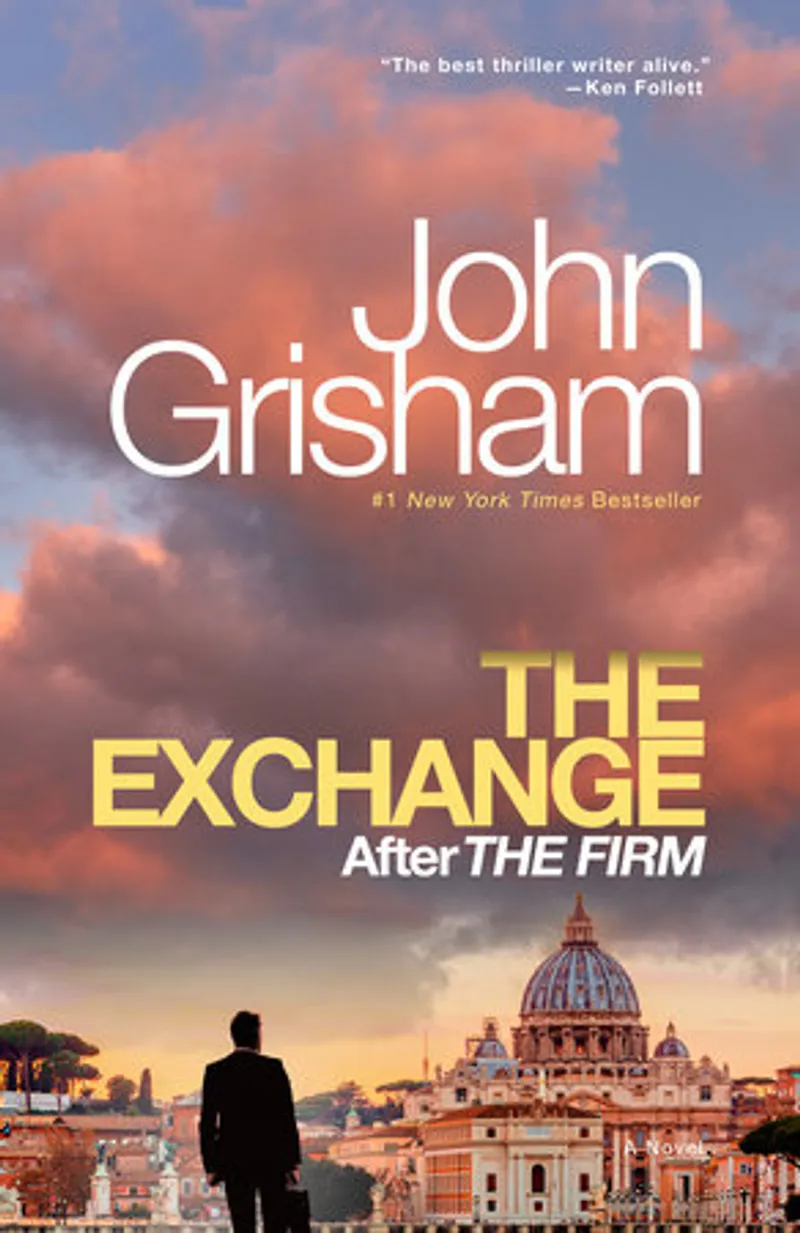

The Exchange Author: John GrishamPage Count: UnknownPublication Date: 2024-PRH The Exchange: A High-Stakes Return to the World of Mitch McDeere John Grisham’s The Exchange is a masterclass in legal suspense, a high-flying sequel that reunites readers with Mitch McDeere, the sharp-witted lawyer who once outmaneuvered the mob in The Firm. Fifteen years after his daring escape from Memphis, Mitch is now a partner at the world’s largest law firm, living a life of privilege in Manhattan. But when a mentor’s request lures him to Rome, Istanbul, and Tripoli, Mitch finds himself entangled in a global conspiracy that threatens everything he holds dear. Grisham, ever the maestro of legal thrillers, delivers a story that is as much about survival as it is about justice. At its core, The Exchange explores the cost of success and the shadows that follow those who dare to challenge the powerful. Mitch McDeere is no longer the young, desperate lawyer from The Firm—he’s a seasoned professional, but his past is never far behind. Grisham’s genius lies in his ability to weave personal stakes into a broader geopolitical thriller. The book’s title itself is a double entendre: an exchange of secrets, an exchange of lives, and ultimately, an exchange of power. As Mitch navigates a labyrinth of international intrigue, he must confront the ghosts of his past while protecting his family from those who seek to destroy him. Grisham’s prose is as tight and efficient as ever, with a rhythm that keeps the pages turning. His legal background shines through in the meticulous plotting, where every detail feels grounded in reality. The dialogue crackles with tension, and the pacing is relentless, ensuring that readers are never left wanting. Yet, what truly sets The Exchange apart is its global scope. Unlike The Firm, which was confined to the U.S., this sequel takes Mitch across continents, adding a layer of exoticism and danger that elevates the stakes. The character of Mitch McDeere has evolved, but his essence remains the same—brilliant, resourceful, and fiercely loyal. Abby, his wife, is no longer the fragile figure from the first book but a formidable presence in her own right. Their relationship is tested in ways that feel both authentic and heartbreaking, adding emotional depth to the high-stakes action. Grisham also introduces a cast of new characters, each with their own agendas, ensuring that the narrative is as unpredictable as it is engaging. One of the book’s strongest themes is the idea that no matter how far you run, the past will always find you. Mitch’s journey is a reminder that some debts can never be fully repaid, and some enemies never truly disappear. The international setting amplifies this sense of inevitability—whether in the bustling streets of Rome or the tense corridors of power in Tripoli, Mitch is always one step behind, always racing against time. Grisham’s ability to blend legal drama with espionage and personal stakes is what makes The Exchange a standout. It’s not just a thriller; it’s a meditation on power, loyalty, and the price of redemption. Fans of The Firm will be thrilled to see Mitch return, but this book stands firmly on its own, offering a fresh and exhilarating experience. For those who love legal thrillers with a global twist, The Exchange is a must-read. Grisham proves once again why he remains the king of the genre, delivering a story that is as thought-provoking as it is thrilling. #TheExchange #JohnGrisham #MitchMcDeere #LegalThriller #InternationalSuspense #GrishamReturns Related InsightsSolo el fin del mundo otra vez Book Review and Summary Mother Dearest Book Review and Summary Girl, Interrupted Book Review and Summary{ "@context": "https://schema.org", "@type": "FAQPage", "mainEntity": [ { "@type": "Question", "name": "What is the main focus of The Exchange Book Review and Summary?", "acceptedAnswer": { "@type": "Answer", "text": "Everything you need to know about The Exchange with our detailed review." } }, { "@type": "Question", "name": "Who authored the comprehensive guide on The Exchange Book Review and Summary?", "acceptedAnswer": { "@type": "Answer", "text": "This detailed article and its insights were carefully researched and authored by Marta Wisniewska." } }, { "@type": "Question", "name": "Where can I find more related content about Books?", "acceptedAnswer": { "@type": "Answer", "text": "You can explore more articles, detailed reviews, and similar insights by browsing the Related Insights section at the bottom of this article or visiting our dedicated Books category page." } } ] }
-
 Olivia Harris
 - 21 Jul, 2025 22:33
The best American science fiction and fantasy 2018 Book Review and Summary
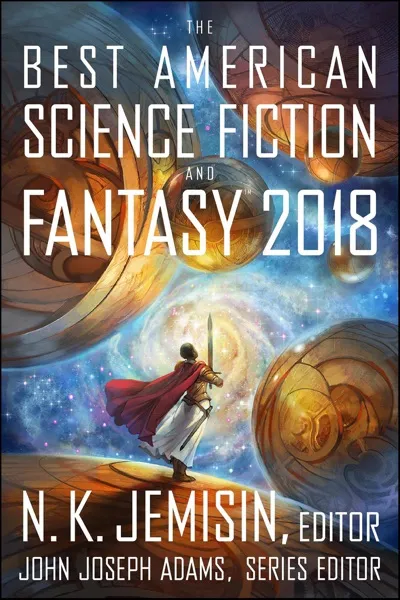
The best American science fiction and fantasy 2018 Author: N. K. JemisinPage Count: UnknownPublication Year: 2018-GB The Best American Science Fiction and Fantasy 2018, edited by N.K. Jemisin, stands as a testament to the vitality and diversity of speculative fiction today. A curator’s dream, this anthology captures the essence of what makes the genre so compelling—not just in its imaginative leaps, but in its fearless engagement with the human condition. Jemisin, a titan in modern fantasy and science fiction (best known for The Broken Earth trilogy), brings her sharp editorial eye and deep thematic insight to this collection, ensuring that each story not only entertains but resonates. At its core, this anthology explores the theme of transformation—both of the self and of society. Whether through the lens of alien contact, dystopian collapse, or intimate personal metamorphosis, the stories here grapple with how change reshapes identity, culture, and reality. Jemisin’s editorial choices reflect a deliberate push toward voices that challenge conventional narratives, spotlighting marginalized perspectives and innovative storytelling techniques. The result is a kaleidoscope of futures and possibilities, where the familiar often becomes unsettlingly alien, and the alien feels hauntingly close to home. Jemisin’s editorial prowess shines throughout. She has a rare ability to balance accessibility with depth, selecting stories that invite readers in while rewarding close attention. Her introduction is not merely a preface but a manifesto—celebrating science fiction and fantasy as tools for social critique and personal liberation. She writes, “Speculative fiction is a genre that dares to ask ‘what if?’ and ‘why not?’—and in doing so, it becomes one of the most powerful genres for imagining justice, equity, and change.” This ethos permeates the anthology, elevating it from a mere collection of tales to a collective vision of what literature can achieve. The stories themselves are as varied as they are arresting. Take, for instance, The One Who Isn’t by Ted Chiang, a masterclass in quiet, philosophical science fiction. It follows a woman whose sense of self begins to unravel when she encounters an alternate version of herself from another timeline. Chiang’s prose is spare yet luminous, and the story lingers like a philosophical riddle, questioning the nature of identity and the weight of possibility. It’s a perfect microcosm of the anthology’s broader themes: what does it mean to be “you” when the you you know is only one of many selves? Then there’s A Witch’s Guide to Escape: A Practical Compendium of Portal Fantasies by Alix E. Harrow, a lyrical and emotionally charged tale about a librarian who uses stories to help a troubled teen escape into fantasy worlds. Harrow’s writing is rich with metaphor and myth, and the story itself becomes a meditation on the healing power of narrative. It’s a reminder that speculative fiction isn’t just about escapism—it’s about finding the courage to face reality by stepping through the looking glass. Jemisin also uplifts voices from underrepresented backgrounds, ensuring the anthology reflects a global and inclusive vision of the genre. Stories like Candace Newlin by Sheree Renée Thomas and The City Born Great by N.K. Jemisin (herself) showcase Black voices in ways that are both raw and transcendent. Thomas’s tale weaves folklore and urban fantasy into a haunting exploration of legacy and grief, while Jemisin’s story bristles with the energy of a city that refuses to be ignored—a metaphor for resistance and resilience in the face of systemic erasure. What makes The Best American Science Fiction and Fantasy 2018 so compelling is its refusal to settle for easy answers. These stories don’t just entertain; they provoke, unsettle, and inspire. They ask us to consider who gets to shape the future, who is erased from it, and how we might reclaim agency in a world that often feels predetermined. Jemisin’s editorial hand ensures that the collection never feels disjointed, instead building toward a cohesive vision of speculative fiction as a force for change. Her own inclusion—both as editor and contributor—underscores the anthology’s mission. Jemisin’s work has long been celebrated for its boldness and emotional depth, and her presence here is a quiet assertion of her influence on the genre. In a field that has often marginalized women and people of color, her leadership is both necessary and revolutionary. For readers new to the genre or seasoned veterans alike, this anthology offers something vital: a reminder that science fiction and fantasy are not mere distractions but essential tools for understanding the present and imagining the future. Jemisin’s selections are daring, thought-provoking, and above all, deeply human. They challenge us to see the world differently—not just as it is, but as it could be. In an era of uncertainty and division, speculative fiction has never been more relevant. The Best American Science Fiction and Fantasy 2018 is more than a collection of stories; it’s a call to imagine, to resist, and to transform. It’s a book that doesn’t just reflect the world but helps us reinvent it. #SpeculativeFiction #ScienceFiction #Fantasy #N.K.Jemisin #BestOf2018 #AnthologyMagic Related InsightsCounting Down to You Book Review and Summary The True Confessions of First Lady Freeman Book Review and Summary The Many Private Lives of Missy Cooke: A Novel Book Review and Summary{ "@context": "https://schema.org", "@type": "FAQPage", "mainEntity": [ { "@type": "Question", "name": "What is the main focus of The best American science fiction and fantasy 2018 Book Review and Summary?", "acceptedAnswer": { "@type": "Answer", "text": "Everything you need to know about The best American science fiction and fantasy 2018 with our detailed review." } }, { "@type": "Question", "name": "Who authored the comprehensive guide on The best American science fiction and fantasy 2018 Book Review and Summary?", "acceptedAnswer": { "@type": "Answer", "text": "This detailed article and its insights were carefully researched and authored by Olivia Harris." } }, { "@type": "Question", "name": "Where can I find more related content about Books?", "acceptedAnswer": { "@type": "Answer", "text": "You can explore more articles, detailed reviews, and similar insights by browsing the Related Insights section at the bottom of this article or visiting our dedicated Books category page." } } ] }

Una habitación propia (edición especial en tapa dura) / A Room of One's Own (special hardcover edition) Author: Virginia WoolfPage Count: UnknownPublication Date: 2026-PRH In this exquisite special hardcover edition of "A Room of One's Own", Virginia Woolf's timeless masterpiece continues to captivate readers with its poignant exploration of the complexities of female identity, creativity, and intellectual freedom. Originally published nearly a century ago, this iconic essay remains a powerful call to action, urging women to reclaim their rightful place in the world of literature and beyond. Through her characteristically lyrical prose, Woolf masterfully weaves together a rich tapestry of philosophical musings, personal anecdotes, and astute observations on the social and economic realities that have historically constrained women's lives. With unflinching candor, she confronts the patriarchal norms that have long denied women the autonomy to pursue their passions, to think for themselves, and to express their unique perspectives. At the heart of Woolf's argument lies the notion that a woman must have a room of her own – a physical and metaphorical space where she can retreat from the demands of domesticity, free from the oppressive gaze of society, and cultivate her own distinct voice. This room, Woolf insists, is not merely a luxury but a necessity, a fundamental prerequisite for women to tap into their creative potential and to make meaningful contributions to the world. Woolf's writing style is, as always, a marvel to behold. Her prose is at once elegant and accessible, marked by a unique blend of wit, humor, and intellectual rigor. Her use of language is deliberate and evocative, conjuring vivid images and emotions that linger long after the final page has been turned. Whether she is describing the musty halls of Oxford University or the quiet introspection of a solitary walk, Woolf's words transport us to a world that is both familiar and forgotten. One of the most striking aspects of "A Room of One's Own" is its continued relevance in today's world. Despite the many advances that have been made towards gender equality, Woolf's central thesis remains a pressing concern. Women continue to face obstacles in their pursuit of education, career advancement, and artistic expression. They continue to be marginalized, silenced, and erased from the historical record. And yet, Woolf's essay is not merely a lamentation of the status quo. It is a testament to the transformative power of literature and the imagination. It is a call to arms, urging women to claim their rightful place in the world and to create their own narratives, their own histories, and their own futures. In this special hardcover edition, readers will find a beautifully crafted volume that is as much a work of art as it is a work of literature. The binding is sturdy, the paper is high-quality, and the typography is exquisite. This is a book that will be treasured for years to come, a book that will be passed from hand to hand, and from generation to generation. In short, "A Room of One's Own" is a masterpiece that deserves to be read, reread, and revered. It is a powerful reminder of the enduring importance of women's voices, women's stories, and women's lives. It is a testament to the boundless potential of the human spirit, and a celebration of the beauty, complexity, and diversity of women's experiences. #ARoomOfOnesOwn #VirginiaWoolf #FeministLiterature #WomenEmpowerment #LiteraryClassic #FemaleIdentity Related InsightsBury Our Bones in the Midnight Soil Book Review and Summary The Friendsgiving Pact Book Review and Summary Invenzione occasionale Book Review and Summary{ "@context": "https://schema.org", "@type": "FAQPage", "mainEntity": [ { "@type": "Question", "name": "What is the main focus of A Room of One’s Own Book Review and Summary?", "acceptedAnswer": { "@type": "Answer", "text": "Everything you need to know about A Room of One’s Own with our detailed review." } }, { "@type": "Question", "name": "Who authored the comprehensive guide on A Room of One’s Own Book Review and Summary?", "acceptedAnswer": { "@type": "Answer", "text": "This detailed article and its insights were carefully researched and authored by Virginia Woolf." } }, { "@type": "Question", "name": "Where can I find more related content about Books?", "acceptedAnswer": { "@type": "Answer", "text": "You can explore more articles, detailed reviews, and similar insights by browsing the Related Insights section at the bottom of this article or visiting our dedicated Books category page." } } ] }
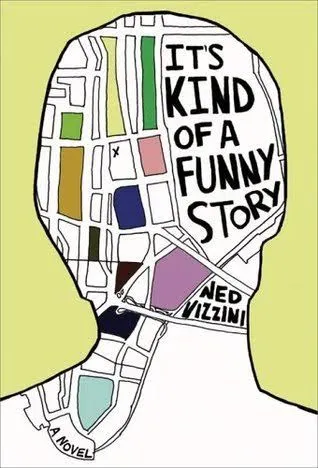
It's Kind of a Funny Story Author: Ned VizziniPage Count: UnknownPublication Date: 2007-PRH It's Kind of a Funny Story, written by Ned Vizzini, is a thought-provoking novel that delves into the complexities of mental health, identity, and the struggles of adolescence. The story revolves around Craig Gilner, a teenager who finds himself overwhelmed by the pressures of school, social expectations, and his own self-doubt. As Craig navigates his way through the labyrinth of his own mind, Vizzini masterfully weaves a narrative that is both poignant and humorous. One of the most striking aspects of Vizzini's writing style is his ability to balance the darker themes of the novel with a witty and engaging narrative voice. Craig's inner monologue is infused with a dry, sarcastic humor that makes him relatable and endearing to readers. This blend of humor and pathos creates a unique reading experience that is both entertaining and emotionally resonant. Vizzini's exploration of mental health is raw, honest, and unflinching. Craig's struggles with anxiety, depression, and suicidal thoughts are portrayed with a sensitivity and nuance that is rare in young adult literature. The author's depiction of the complexities of mental illness is both accurate and accessible, making the novel an invaluable resource for readers who may be struggling with similar issues. The novel's themes of identity and self-discovery are also expertly woven throughout the narrative. Craig's journey is a metaphor for the struggles of adolescence, as he grapples with the expectations of others and the uncertainty of his own future. Vizzini's portrayal of the teenage experience is authentic and relatable, capturing the confusion, angst, and uncertainty that often accompanies this stage of life. The characters in the novel are multidimensional and well-developed, with distinct voices and personalities. Craig's relationships with his family, friends, and fellow patients at the psychiatric hospital are authentic and heartfelt, adding depth and complexity to the narrative. Vizzini's writing style is engaging and accessible, making the novel an easy and enjoyable read. His use of language is concise and evocative, with a keen eye for detail and a deep understanding of the human experience. The novel's pacing is well-balanced, with a narrative that flows smoothly and effortlessly. In conclusion, It's Kind of a Funny Story is a powerful and thought-provoking novel that explores the complexities of mental health, identity, and adolescence. Vizzini's writing style is engaging, humorous, and authentic, making the novel an invaluable resource for readers of all ages. If you're looking for a book that will make you laugh, cry, and think, then this is the novel for you. #MentalHealthAwareness #YoungAdultLiterature #SuicidePrevention #ComingOfAge #TeenageStruggles #MentalIllnessInLiterature Related InsightsIn One Brief Moment All Eternity Book Review and Summary Matched Book Review and Summary Harry Potter and the Deathly Hallows Book Review and Summary{ "@context": "https://schema.org", "@type": "FAQPage", "mainEntity": [ { "@type": "Question", "name": "What is the main focus of It's Kind of a Funny Story Book Review and Summary?", "acceptedAnswer": { "@type": "Answer", "text": "Everything you need to know about It's Kind of a Funny Story with our detailed review." } }, { "@type": "Question", "name": "Who authored the comprehensive guide on It's Kind of a Funny Story Book Review and Summary?", "acceptedAnswer": { "@type": "Answer", "text": "This detailed article and its insights were carefully researched and authored by Ned Vizzini." } }, { "@type": "Question", "name": "Where can I find more related content about Books?", "acceptedAnswer": { "@type": "Answer", "text": "You can explore more articles, detailed reviews, and similar insights by browsing the Related Insights section at the bottom of this article or visiting our dedicated Books category page." } } ] }


The Great Alone Author: Kristin HannahPage Count: UnknownPublication Year: 2018-GB The Great Alone, a sweeping novel by Kristin Hannah, is a masterful tale of love, survival, and self-discovery set against the unforgiving backdrop of 1970s Alaska. This highly acclaimed global bestseller has captivated readers with its richly drawn characters, evocative prose, and unflinching exploration of the human condition. At the heart of the story is Ernt Allbright, a former POW struggling to come to terms with his past, and his wife Cora, who embarks on a perilous journey with him to escape the trauma of his memories. Along with their daughter Leni, they leave behind the comforts of civilization and venture into the vast, untamed wilderness of Alaska, seeking a fresh start. However, the harsh realities of their new life soon test the limits of their resolve, forcing them to confront the darkness within themselves and the world around them. Hannah's writing is characterized by her keen insight into the human psyche, and her ability to craft characters that are both flawed and relatable. Her prose is lyrical and evocative, conjuring the breathtaking beauty of the Alaskan landscape, as well as the depths of human emotion. With a keen sense of pacing, she expertly weaves together multiple narrative threads, creating a narrative that is both suspenseful and introspective. One of the most striking aspects of The Great Alone is its exploration of the theme of resilience. In the face of overwhelming adversity, the characters are forced to dig deep and find the strength to carry on, often in the most unexpected ways. This is particularly evident in the character of Leni, who emerges as a powerful and independent individual, capable of overcoming even the most daunting challenges. Through her journey, Hannah sheds light on the complexities of female identity, and the ways in which women can find empowerment in the most unlikely of circumstances. The novel also raises important questions about the nature of trauma, and the long-lasting effects it can have on individuals and families. Ernt's struggles with PTSD are deeply nuanced, and Hannah's portrayal of his inner turmoil is both heartbreaking and thought-provoking. The ways in which his experiences shape the lives of those around him serve as a powerful reminder of the enduring impact of trauma, and the need for compassion and understanding in the face of suffering. Throughout the book, Hannah's love for the Alaskan landscape is palpable, and her descriptions of the land are nothing short of breathtaking. The vast expanses of wilderness, the majestic mountains, and the pristine waters all serve as a backdrop for the characters' journeys, and are woven seamlessly into the narrative. The result is a novel that is not only a deeply human story, but also a tribute to the beauty and majesty of the natural world. In conclusion, The Great Alone is a masterpiece of contemporary literature, a novel that will resonate with readers long after they finish the final page. With its richly drawn characters, evocative prose, and unflinching exploration of the human condition, it is a must-read for anyone who loves literary fiction. Kristin Hannah's writing is a testament to the power of storytelling, and this novel is a shining example of her skill and craftsmanship. #TheGreatAlone #KristinHannah #Alaska #SurvivalFiction #LiteraryFiction #WomensFiction Related InsightsCatch-22 Book Review and Summary You Let Me In Book Review and Summary Harry Potter and the Philosopher's Stone Book Review and Summary{ "@context": "https://schema.org", "@type": "FAQPage", "mainEntity": [ { "@type": "Question", "name": "What is the main focus of The Great Alone Book Review and Summary?", "acceptedAnswer": { "@type": "Answer", "text": "Everything you need to know about The Great Alone with our detailed review." } }, { "@type": "Question", "name": "Who authored the comprehensive guide on The Great Alone Book Review and Summary?", "acceptedAnswer": { "@type": "Answer", "text": "This detailed article and its insights were carefully researched and authored by Klaus Weber." } }, { "@type": "Question", "name": "Where can I find more related content about Books?", "acceptedAnswer": { "@type": "Answer", "text": "You can explore more articles, detailed reviews, and similar insights by browsing the Related Insights section at the bottom of this article or visiting our dedicated Books category page." } } ] }
Piranesi and the Modern Age Author: Victor Plahte TschudiPage Count: UnknownPublication Date: 2022-PRH In "Piranesi and the Modern Age," Victor Plahte Tschudi masterfully unravels the intricate web of influence that Giovanni Battista Piranesi's etchings have had on modern literature, photography, art, film, and architecture. This meticulously researched book is a testament to Tschudi's erudition and his ability to weave together disparate threads of art historical narrative into a rich tapestry of insight. At its core, "Piranesi and the Modern Age" is a book about the power of appropriation and reinterpretation. Tschudi shows how Piranesi's innovative and often disturbing etchings – particularly his "Carceri" series, with its eerie prison interiors – have been continually rediscovered and reimagined by artists, writers, and architects across the modern era. From the photographic concept of "contrast" to the cinematic technique of "montage," Tschudi reveals how Piranesi's work has been used to legitimize new forms, theories, and technologies. One of the book's greatest strengths is its ability to balance breadth and depth. Tschudi's exploration of Piranesi's influence on modern architectural discourse, for example, is both comprehensive and nuanced, incorporating interviews with distinguished architects such as Peter Eisenman, Bernard Tschumi, Steven Holl, and Rem Koolhaas. Similarly, his examination of Piranesi's impact on modern literature and art is both detailed and far-reaching, encompassing everything from the Museum of Modern Art's 1930s campaign to establish Piranesi as a precursor to abstract art to Sergei Eisenstein's reinvention of Piranesi as a progenitor of his own innovative filmmaking techniques. Throughout the book, Tschudi's writing is characterized by its clarity, elegance, and precision. He has a gift for distilling complex ideas into lucid prose, making "Piranesi and the Modern Age" accessible to a wide range of readers, from art historians and academics to enthusiasts of modern art and architecture. If there is a criticism to be made, it is that the book's scope can sometimes feel overwhelming. Tschudi's ambition is admirable, but at times the sheer breadth of his research threatens to engulf the reader. Additionally, some readers may find the book's generous illustration – while undoubtedly a strength – occasionally disrupts the flow of the text. Ultimately, however, "Piranesi and the Modern Age" is a triumph. It is a book that will be of immense value to anyone interested in the complex and multifaceted nature of artistic influence, and it is a testament to the enduring power of Piranesi's etchings to inspire and provoke. As Tschudi so persuasively demonstrates, Piranesi's work continues to be a rich source of inspiration for artists, writers, and architects today, and his influence shows no signs of waning. #PiranesiAndTheModernAge #GiovanniBattistaPiranesi #ModernArtAndArchitecture #ArtHistoricalNarrative #ThePowerOfAppropriation #RediscoveringPiranesi Related InsightsGoing the Distance: Stallone, Philly, and the Story of Rocky Book Review and Summary Dream Big (Dream On, #2) Book Review and Summary Where She Went Book Review and Summary{ "@context": "https://schema.org", "@type": "FAQPage", "mainEntity": [ { "@type": "Question", "name": "What is the main focus of Piranesi Book Review and Summary?", "acceptedAnswer": { "@type": "Answer", "text": "Everything you need to know about Piranesi with our detailed review." } }, { "@type": "Question", "name": "Who authored the comprehensive guide on Piranesi Book Review and Summary?", "acceptedAnswer": { "@type": "Answer", "text": "This detailed article and its insights were carefully researched and authored by Susanna Clarke." } }, { "@type": "Question", "name": "Where can I find more related content about Books?", "acceptedAnswer": { "@type": "Answer", "text": "You can explore more articles, detailed reviews, and similar insights by browsing the Related Insights section at the bottom of this article or visiting our dedicated Books category page." } } ] }
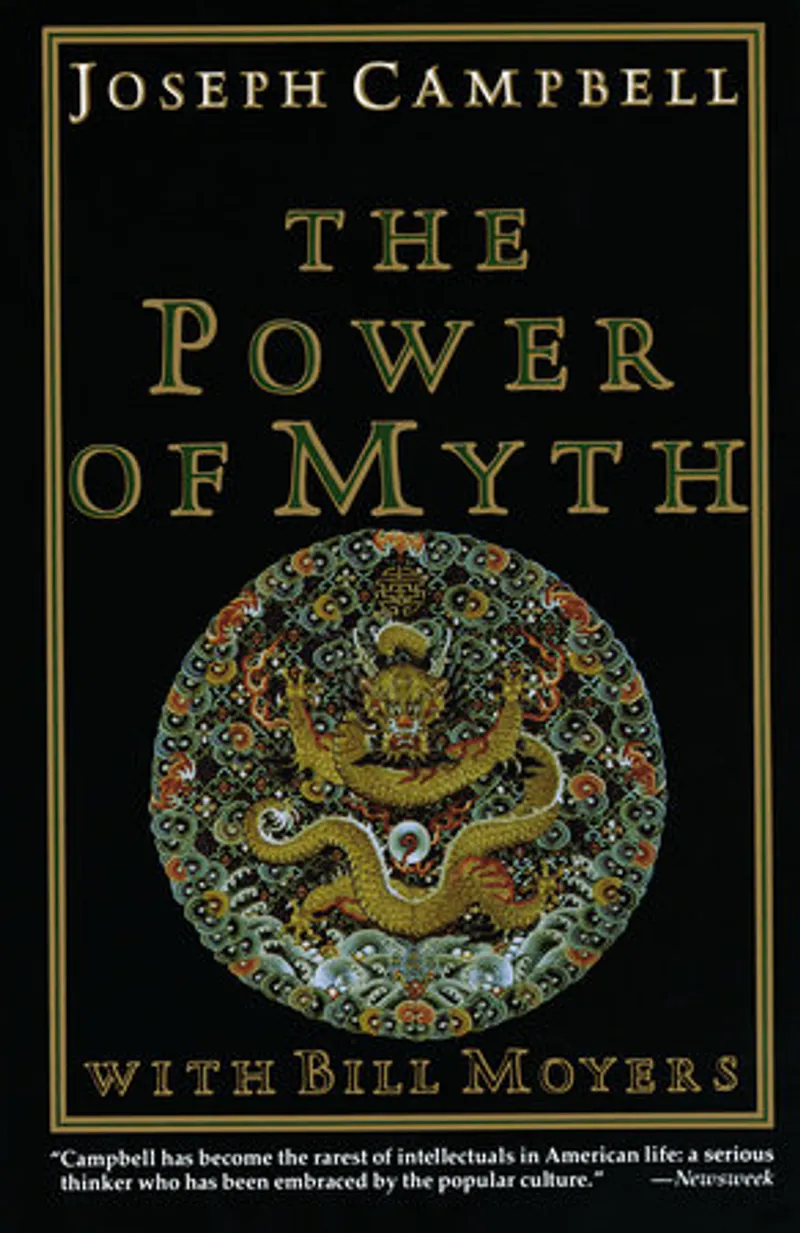
The Power of Myth Author: Bill MoyersPage Count: UnknownPublication Date: 1991-PRH In "The Power of Myth," Bill Moyers and Joseph Campbell embark on an extraordinary journey to explore the timeless and universal themes that underlie human experience. This captivating book, which has become a national bestseller, delves into the world of mythology, revealing the profound impact that ancient narratives continue to have on our lives. Through a series of conversations between Moyers and Campbell, the book explores a vast array of subjects, from the symbolism of myths and legends to the relevance of these stories in modern times. Campbell, a preeminent scholar and writer, shares his profound insights into the world of mythology, drawing on his vast knowledge of ancient cultures, including Greek, Roman, Buddhist, Hindu, and Christian traditions. One of the most striking aspects of the book is the way in which Campbell and Moyers weave together seemingly disparate threads of mythology to reveal the universal human experiences that underlie them. From the stories of the gods and goddesses of ancient Greece to the traditions of Eastern spirituality, the book shows how these narratives continue to shape our understanding of the world and our place in it. Campbell's approach to mythology is both deeply personal and profoundly insightful. He sees mythology as "the song of the universe, the music of the spheres," a way of tapping into the deeper rhythms and patterns that govern human existence. Through his conversations with Moyers, he brings this vision to life, revealing the ways in which mythology can help us make sense of our lives and the world around us. Moyers, as the interviewer, proves to be the perfect foil to Campbell's expansive and imaginative vision. His thoughtful and engaging questions draw out the best in Campbell, allowing him to share his insights and ideas in a clear and compelling way. The result is a book that is both intellectually stimulating and deeply engaging, a true meeting of minds that will leave readers eager for more. Throughout the book, Campbell and Moyers touch on a wide range of subjects, from modern marriage to virgin births, from Jesus to John Lennon. Yet, despite the breadth of their discussions, the book remains focused on the central theme of the power of myth to shape our understanding of the world and ourselves. In the end, "The Power of Myth" is a book that will appeal to anyone interested in mythology, spirituality, or the human condition. It is a testament to the enduring power of myth to inspire and transform us, and a reminder of the profound impact that these ancient stories continue to have on our lives. With its brilliant combination of intelligence and wit, this book is sure to continue exerting a profound influence on our culture for years to come. #ThePowerOfMyth #JosephCampbell #Mythology #Spirituality #TheHeroWithAThousandFaces #BillMoyers Related InsightsMagic Claims Book Review and Summary Samantha: The Next Chapter Book Review and Summary Low Chicago Book Review and Summary{ "@context": "https://schema.org", "@type": "FAQPage", "mainEntity": [ { "@type": "Question", "name": "What is the main focus of The Power of Myth Book Review and Summary?", "acceptedAnswer": { "@type": "Answer", "text": "Everything you need to know about The Power of Myth with our detailed review." } }, { "@type": "Question", "name": "Who authored the comprehensive guide on The Power of Myth Book Review and Summary?", "acceptedAnswer": { "@type": "Answer", "text": "This detailed article and its insights were carefully researched and authored by Joseph Campbell." } }, { "@type": "Question", "name": "Where can I find more related content about Books?", "acceptedAnswer": { "@type": "Answer", "text": "You can explore more articles, detailed reviews, and similar insights by browsing the Related Insights section at the bottom of this article or visiting our dedicated Books category page." } } ] }

Bridget Jones's Diary Author: Helen FieldingPage Count: UnknownPublication Date: 1999-PRH Bridget Jones’s Diary isn’t just a book—it’s a cultural phenomenon, a mirror held up to the anxieties of modern womanhood, and a laugh so sharp it cuts through the pretenses of self-improvement culture. Helen Fielding’s 1999 debut isn’t merely a bestseller; it’s a time capsule of the late ‘90s, a witty, unflinching chronicle of a woman’s messy, hilarious, and deeply relatable struggle to be better while knowing she’ll probably fail. At its core, this isn’t a story about transformation—it’s about the absurdity of trying to transform in a world that sets impossible standards. Fielding’s genius lies in her ability to blend humor with heartbreak. Bridget Jones isn’t just a lovable mess; she’s a fully realized character whose flaws make her endearing. Her diary entries—full of crossed-out resolutions, exclamation-laden rants, and self-deprecating humor—read like the inner monologue of anyone who’s ever made a New Year’s resolution they couldn’t keep. The genius is that Bridget isn’t just funny; she’s painfully real. She smokes too much, eats too much, obsesses over her weight, and yet, she’s also fiercely intelligent, self-aware, and capable of deep vulnerability. In a world where women are often reduced to either saints or caricatures, Bridget is gloriously human—a 30-something singleton who wants love, success, and a smaller waistline, but can’t quite get her act together. The book’s strength is its authenticity. Fielding doesn’t soften Bridget’s edges; she leans into them. The humor isn’t just situational—it’s existential. Bridget’s diary entries are a masterclass in observational comedy, capturing the absurdity of modern life with lines like, "I will not drink more than fourteen alcohol units a week… Oh, sod it." Her voice is a mix of Bridget’s self-loathing and her defiant optimism, a tone that feels like a best friend’s late-night confessions. The book thrives on its relatability—whether it’s her disastrous dates, her workplace faux pas, or her endless battle with her own reflection, Bridget’s struggles feel universal. Fielding’s writing style is deceptively simple but brilliantly effective. The diary format gives the story an intimate, confessional feel, as if we’re peeking into someone’s private thoughts. The short, punchy entries mimic the chaos of real life, where one minute you’re vowing to never eat chocolate again, and the next, you’re face-down in a tub of Ben & Jerry’s. The humor is dry, self-deprecating, and often cringe-inducing in the best way—like laughing at yourself in the mirror. Yet beneath the laughs, there’s a poignant undercurrent. Bridget’s loneliness, her fear of aging, and her desperate need for validation aren’t just jokes; they’re the raw, unfiltered truth of many women’s lives. The book’s themes resonate just as strongly today as they did in 1999. Bridget’s quest for self-improvement isn’t just about weight loss or quitting smoking—it’s about the pressure to be perfect in a world that constantly tells women they’re not enough. Her diary entries mock the absurdity of diet culture, the performative nature of dating apps, and the exhausting cycle of setting goals only to fail at them. In doing so, Fielding exposes the hypocrisy of a society that demands women be both effortlessly beautiful and endlessly ambitious while offering no real support in between. The romance subplot—Bridget’s on-again, off-again relationship with the smarmy but charming Daniel Cleaver and the brooding, enigmatic Mark Darcy—adds another layer of complexity. These characters are more than just love interests; they’re foils to Bridget’s insecurities. Daniel represents the toxic allure of bad boys, while Mark embodies the quiet, steady love that’s often overlooked in favor of drama. Their dynamic isn’t just a romantic trope; it’s a commentary on the choices women make when they’re desperate for validation. Ultimately, Bridget Jones’s Diary is a celebration of imperfection. It’s a book that doesn’t just make you laugh—it makes you feel seen. In a world obsessed with curated lives and flawless Instagram feeds, Bridget’s messy, unfiltered existence is a breath of fresh air. She’s not a heroine; she’s a human being, and that’s what makes her so compelling. Fielding’s writing reminds us that life isn’t about achieving perfection—it’s about surviving the chaos, laughing at the absurdity, and maybe, just maybe, finding someone who loves you despite (or because of) your flaws. If you’ve ever felt like you’re failing at life, like your resolutions are doomed from the start, or like your inner monologue is a running commentary of self-sabotage, then Bridget Jones is your spirit animal. This book isn’t just a comedy—it’s a lifeline for anyone who’s ever felt like they’re not enough. And that’s why, 25 years later, it still feels like it was written just for you. #BridgetJones #HelenFielding #ChickLit #SelfImprovementGoneWrong #RelatableProtagonist #ModernClassic Related InsightsThe Kingdom of Back Book Review and Summary Because of Winn-Dixie Book Review and Summary My Last Duchess Book Review and Summary{ "@context": "https://schema.org", "@type": "FAQPage", "mainEntity": [ { "@type": "Question", "name": "What is the main focus of Bridget Jones’s Diary Book Review and Summary?", "acceptedAnswer": { "@type": "Answer", "text": "Everything you need to know about Bridget Jones’s Diary with our detailed review." } }, { "@type": "Question", "name": "Who authored the comprehensive guide on Bridget Jones’s Diary Book Review and Summary?", "acceptedAnswer": { "@type": "Answer", "text": "This detailed article and its insights were carefully researched and authored by Helen Fielding." } }, { "@type": "Question", "name": "Where can I find more related content about Books?", "acceptedAnswer": { "@type": "Answer", "text": "You can explore more articles, detailed reviews, and similar insights by browsing the Related Insights section at the bottom of this article or visiting our dedicated Books category page." } } ] }

The Sisterhood of the Traveling Pants Deluxe Boxed Set Author: Ann BrasharesPage Count: UnknownPublication Date: 2027-PRH The Sisterhood of the Traveling Pants Deluxe Boxed Set by Ann Brashares is a captivating and poignant collection that delves into the intricacies of female friendship and the unbreakable bonds that form between young women. Although the publication year is 2027, Brashares' writing remains timeless, echoing the struggles and triumphs of adolescence with remarkable resonance. Through the eyes of Tibby, Lena, Carmen, and Bridget, Brashares masterfully weaves a narrative that transcends the boundaries of a single summer, instead, exploring the ebbs and flows of life, love, and identity. The sisterhood, formed over a pair of jeans that magically fits each of the girls perfectly, becomes a potent symbol of their unbreakable connection, a reminder that despite physical distance, their bond remains unshaken. Brashares' writing style is characterized by its accessibility and emotional depth, making it effortless for readers to become fully invested in the lives of these relatable characters. Her prose is lyrical, yet straightforward, conveying the complexity of adolescent emotions with remarkable precision. The author's ability to capture the innermost thoughts and feelings of her characters is a testament to her skill as a storyteller. One of the most striking aspects of The Sisterhood of the Traveling Pants is its thoughtful exploration of themes that are both universally relatable and uniquely feminine. Brashares tackles issues such as body image, family dynamics, and first love with sensitivity and nuance, never shying away from the complexities and challenges that accompany growing up. Throughout the series, Brashares' portrayal of female friendship is nothing short of remarkable. The relationships between the girls are multifaceted and authentic, marked by moments of tenderness, laughter, and, inevitably, conflict. Yet, it is in these moments of tension and disagreement that the true strength of their bond is revealed, a testament to the power of female relationships to uplift, support, and transform. In short, The Sisterhood of the Traveling Pants Deluxe Boxed Set is a must-read for anyone who has ever experienced the beauty and complexity of female friendship. Brashares' masterful storytelling and poignant exploration of adolescent themes make this collection a timeless classic, one that will continue to resonate with readers of all ages. #TheSisterhoodOfTheTravelingPants #FemaleFriendship #YoungAdultFiction #ComingOfAge #AnnBrashares #SisterhoodGoals Related InsightsPercy Jackson and the Olympians Book Review and Summary Twelfth Night Book Review and Summary The African Equation Book Review and Summary{ "@context": "https://schema.org", "@type": "FAQPage", "mainEntity": [ { "@type": "Question", "name": "What is the main focus of The Sisterhood of the Traveling Pants Book Review and Summary?", "acceptedAnswer": { "@type": "Answer", "text": "Everything you need to know about The Sisterhood of the Traveling Pants with our detailed review." } }, { "@type": "Question", "name": "Who authored the comprehensive guide on The Sisterhood of the Traveling Pants Book Review and Summary?", "acceptedAnswer": { "@type": "Answer", "text": "This detailed article and its insights were carefully researched and authored by Ann Brashares." } }, { "@type": "Question", "name": "Where can I find more related content about Books?", "acceptedAnswer": { "@type": "Answer", "text": "You can explore more articles, detailed reviews, and similar insights by browsing the Related Insights section at the bottom of this article or visiting our dedicated Books category page." } } ] }
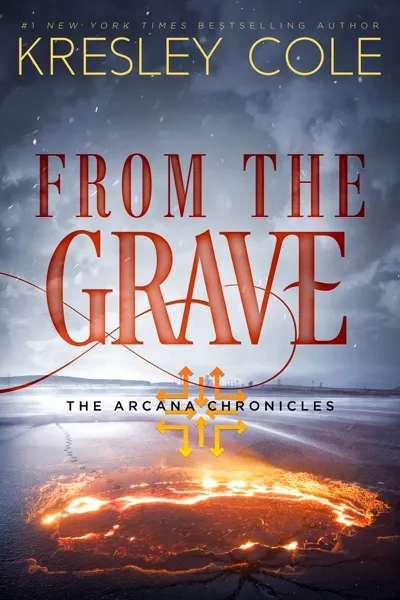

From the Grave Author: Kresley ColePage Count: UnknownPublication Year: 2023-GB Kresley Cole’s From the Grave is a masterclass in blending myth, desire, and the unrelenting pull of destiny. Released in 2023, this novel isn’t just another entry in the paranormal romance genre—it’s a visceral, emotionally charged exploration of love that transcends life and death. With her signature blend of lush prose, relentless pacing, and characters who leap off the page, Cole delivers a story that’s as haunting as it is heart-wrenching, cementing her status as a titan of modern romance. At its core, From the Grave grapples with the idea of love as an eternal force. The story follows a heroine whose life is irrevocably altered by a doomed romance with a man she believes is lost to her forever. But when fate—or perhaps something more sinister—intervenes, she’s thrust into a world where the boundaries between the living and the dead blur. Cole doesn’t shy away from the darker implications of her premise; instead, she leans into the raw, almost primal emotions that arise when love is denied closure. There’s a gothic undertone here, a sense of inevitability that feels ripped from ancient folklore, where love stories are often tragedies wrapped in beauty. Yet, Cole subverts expectations by infusing her narrative with a stubborn hope, a refusal to let even death sever what’s meant to be. What makes this novel stand out is Cole’s ability to balance the ethereal with the tangible. Her prose is rich, almost luxurious, painting lush landscapes and intimate moments with equal finesse. She doesn’t just describe a setting; she immerses the reader in it, making the supernatural feel tangible and the emotional stakes feel urgent. The dialogue crackles with wit and tension, a hallmark of Cole’s style, while her love scenes are charged with a sensuality that’s both fiery and tender. It’s a testament to her skill that she can weave in moments of levity—sharp humor, playful banter—without undermining the heavier themes of loss and longing. The characters, too, are unforgettable. The heroine is a study in resilience, her grief and determination radiating from every page. She’s not a passive victim of circumstance but a woman who fights for what she wants, even when the odds are stacked against her. The hero, though shrouded in mystery, is a compelling counterpart—his presence lingers like a ghost, his love as persistent as his absence. Cole excels at crafting heroes who are not just physically imposing but emotionally complex, men who carry the weight of their pasts with a quiet intensity that makes them irresistible. One of the most striking aspects of From the Grave is its exploration of the afterlife—or rather, the idea that love doesn’t recognize the concept of an afterlife. Cole posits that true love isn’t bound by time or mortality, a theme that resonates deeply in a world where so many relationships are fleeting. The novel’s climax, a moment of reckoning that’s both heartbreaking and triumphant, underscores this idea. It’s a scene that lingers, a reminder that some bonds are forged in fire and can never truly be extinguished. Cole’s writing style is a force to be reckoned with. She doesn’t just tell a story; she crafts an experience. Her prose is evocative, her pacing relentless, and her ability to balance action, emotion, and intimacy is nothing short of extraordinary. From the Grave is a novel that demands to be felt, not just read. It’s a story about the lengths one will go for love, about the ghosts we carry with us, and about the undeniable truth that some connections are written in the stars. If you’re a fan of paranormal romance or simply love a story that tugs at the heartstrings while keeping you on the edge of your seat, From the Grave is a must-read. It’s a book that will haunt you long after the final page, a testament to Kresley Cole’s unparalleled ability to make the impossible feel achingly real. #FromTheGrave #ParanormalRomance #KresleyCole #GothicLoveStory #SupernaturalRomance #Bookstagram Related InsightsRhythm of War Part Two Book Review and Summary Julius Caesar Book Review and Summary Lina & June Book Review and Summary{ "@context": "https://schema.org", "@type": "FAQPage", "mainEntity": [ { "@type": "Question", "name": "What is the main focus of From the Grave Book Review and Summary?", "acceptedAnswer": { "@type": "Answer", "text": "Everything you need to know about From the Grave with our detailed review." } }, { "@type": "Question", "name": "Who authored the comprehensive guide on From the Grave Book Review and Summary?", "acceptedAnswer": { "@type": "Answer", "text": "This detailed article and its insights were carefully researched and authored by Victoria Smith." } }, { "@type": "Question", "name": "Where can I find more related content about Books?", "acceptedAnswer": { "@type": "Answer", "text": "You can explore more articles, detailed reviews, and similar insights by browsing the Related Insights section at the bottom of this article or visiting our dedicated Books category page." } } ] }
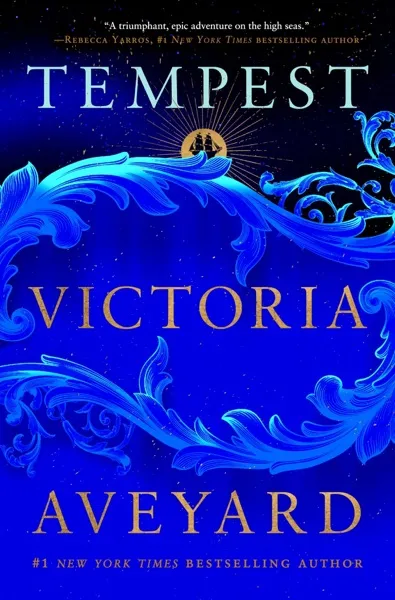

Tempest Author: Victoria AveyardPage Count: UnknownPublication Year: 2026-GB Victoria Aveyard’s Tempest is a storm of rebellion and blood, a novel that crackles with the same electric tension as the lightning it names. Set in a world divided by bloodlines—those with silver powers and those condemned to serve them—this isn’t just another dystopian fantasy. It’s a sharp, unflinching mirror held up to power, privilege, and the cost of revolution. Aveyard, already celebrated for her Red Queen series, doesn’t just entertain here—she dismantles. In Tempest, she crafts a narrative that is as intellectually provocative as it is viscerally gripping, a book that lingers like a bruise long after the last page. At its core, Tempest is about the illusion of control. The ruling Silver elite have spent centuries convincing themselves—and the world—that their dominion is natural, ordained by blood and destiny. But Aveyard dismantles this myth with surgical precision. The novel’s unnamed protagonist, a Red girl with a rare ability to manipulate storms, embodies the contradiction of a system built on exploitation: the very people it oppresses hold the power to destroy it. This isn’t just a story of rebellion; it’s a meditation on how power corrupts even those who wield it for “justice.” Aveyard forces her readers to ask: when the oppressed rise, do they become the monsters they’ve fought against? The prose is lean and muscular, carrying the weight of its themes without ever bogging down in exposition. Aveyard’s style is immersive but never sentimental. She trusts her readers to feel the weight of the world she’s built. Dialogue crackles with tension, and the pacing is relentless, pulling the reader through a labyrinth of betrayal and sacrifice. The storm isn’t just a metaphor here—it’s a living force, a character that grows in fury as the novel progresses, mirroring the escalating violence of the revolution. One of the most striking aspects of Tempest is its refusal to romanticize revolution. The characters are flawed, often selfish, and their motives are messy. This isn’t a story where heroes are pure and villains are cardboard cutouts. The Silver elite are depicted with nuance—some are monsters, yes, but others genuinely believe in their cause, making their downfall all the more tragic. Meanwhile, the Reds are not saints; their desperation breeds cruelty, and their victories come at a price that stains the soul. Aveyard doesn’t shy away from the moral ambiguity of rebellion, and that’s what makes Tempest so compelling. The world-building is another triumph. The society of Tempest is stratified not just by class but by blood—a literal hierarchy where one’s veins determine one’s fate. Aveyard weaves in elements of magic and technology seamlessly, creating a world that feels both fantastical and eerily plausible. The opulence of the Silver nobility contrasts sharply with the squalor of the Red underclass, and the tension between these two worlds is the novel’s beating heart. Aveyard’s greatest strength, however, is her ability to make the reader feel the storm—not just as a plot device, but as a symbol of chaos, change, and cleansing destruction. The storms in this book are not just weather; they are the embodiment of revolution itself, beautiful and terrifying, inevitable and uncontrollable. When the protagonist summons her power, it’s not just a display of skill—it’s a declaration of war, a refusal to be cowed. Tempest is not a book for the faint of heart. It’s violent, morally complex, and unapologetically brutal. But in that brutality lies its power. This is a story that refuses to look away, that demands its readers confront the cost of freedom and the price of power. Aveyard doesn’t just tell a story here—she crafts an experience, one that leaves the reader breathless and haunted. If Tempest achieves the acclaim it deserves—and it will—it won’t be for its spectacle alone, but for its unflinching honesty. In a world where revolutions are too often sanitized for mass consumption, Aveyard dares to show the blood, the rubble, and the ragged edges of change. Tempest is a book that burns, and like all great fires, it leaves something behind—ashes, yes, but also light. #Tempest #VictoriaAveyard #RevolutionFiction #DarkFantasy #SilverAndRed #PowerAndBloodline Related InsightsSnow This is Love: Meant to Be Holiday Tales Book Review and Summary Life of Pi Book Review and Summary All These Deep Arroyos: A Novel Book Review and Summary{ "@context": "https://schema.org", "@type": "FAQPage", "mainEntity": [ { "@type": "Question", "name": "What is the main focus of Tempest Book Review and Summary?", "acceptedAnswer": { "@type": "Answer", "text": "Everything you need to know about Tempest with our detailed review." } }, { "@type": "Question", "name": "Who authored the comprehensive guide on Tempest Book Review and Summary?", "acceptedAnswer": { "@type": "Answer", "text": "This detailed article and its insights were carefully researched and authored by Giulia Ricci." } }, { "@type": "Question", "name": "Where can I find more related content about Books?", "acceptedAnswer": { "@type": "Answer", "text": "You can explore more articles, detailed reviews, and similar insights by browsing the Related Insights section at the bottom of this article or visiting our dedicated Books category page." } } ] }


I Was Born for This Author: Alice OsemanPage Count: UnknownPublication Year: 2018-GB Alice Oseman’s I Was Born for This is a dazzling exploration of fandom, destiny, and the blurred lines between passion and obsession. Published in 2018, this novel cements Oseman’s reputation as a master storyteller who captures the raw, often messy emotions of adolescence with unflinching honesty. At its heart, the book is a love letter to the transformative power of fandom—but it’s also a cautionary tale about the cost of devotion when it consumes rather than fulfills. The story revolves around two teenagers: Angel Rahimi, a devout fan of the fictional boy band The Ark, and Jimmy Kaga-Ricci, the band’s lead singer, who is grappling with the suffocating expectations of fame. Their lives collide in unexpected ways, forcing both to confront the realities behind the glittering facade of stardom and fandom. Oseman doesn’t shy away from the darker side of obsession—whether it’s Angel’s self-worth tied to her favorite band or Jimmy’s struggle with identity beyond his public persona. The novel asks: What happens when the thing you love becomes the thing that destroys you? Oseman’s writing is electric, blending sharp dialogue with introspective prose that feels like eavesdropping on the deepest, most unfiltered thoughts of her characters. She excels at capturing the nuances of modern fandom—how it can be a lifeline for the lonely, a source of joy, and sometimes, a trap. The novel’s structure is clever, alternating between Angel’s and Jimmy’s perspectives, which deepens the emotional stakes. You’ll laugh, you’ll cringe, and you’ll ache as these characters navigate love, betrayal, and self-discovery. What makes I Was Born for This so compelling is its refusal to romanticize fandom or fame. Oseman portrays both with equal parts reverence and critique. Angel’s devotion is portrayed as both beautiful and troubling—her entire identity is wrapped up in The Ark, to the point where she struggles to define herself outside of it. Jimmy, meanwhile, is trapped in a gilded cage, his every move scrutinized, his humanity reduced to a marketable image. The novel’s emotional core lies in their shared realization that they are more than just their roles—Angel is more than a fan, Jimmy is more than a star—but breaking free isn’t easy. Oseman’s dialogue sparkles with authenticity, whether it’s the rapid-fire banter of fandom forums or the quiet, painful confessions between Angel and Jimmy. Her characters feel real—not polished, not perfect, but raw and relatable. The novel also tackles themes of mental health, identity, and the pressures of performance with a deft touch, never veering into didacticism but instead letting the characters’ struggles breathe naturally within the story. The climax of the novel is a gut-punch moment that forces both characters to confront their fears and illusions. Without giving too much away, Oseman delivers a resolution that is bittersweet but true to life. It’s a reminder that while fandom can be a source of incredible joy, it can also be a distraction from the messy, unglamorous work of growing up. If you loved Oseman’s Heartstopper series, you’ll appreciate the same warmth and emotional depth here, but with a grittier, more mature edge. I Was Born for This is a novel for anyone who has ever loved something so deeply it hurt, or for anyone who has ever wondered what happens when the thing that defines you is taken away. Don’t read this book if you’re looking for a neat, uplifting resolution. Read it if you want to feel seen, if you want to be challenged, if you want to remember what it’s like to be young, passionate, and just a little bit lost. #FandomForever #AliceOseman #YAContemporary #BookReview #FanCulture #ComingOfAge Related InsightsThe Gates of Athens Book Review and Summary As Good As Dead Book Review and Summary King of Wrath / King of Pride / King of Greed / King of Sloth Book Review and Summary{ "@context": "https://schema.org", "@type": "FAQPage", "mainEntity": [ { "@type": "Question", "name": "What is the main focus of I Was Born for This Book Review and Summary?", "acceptedAnswer": { "@type": "Answer", "text": "Everything you need to know about I Was Born for This with our detailed review." } }, { "@type": "Question", "name": "Who authored the comprehensive guide on I Was Born for This Book Review and Summary?", "acceptedAnswer": { "@type": "Answer", "text": "This detailed article and its insights were carefully researched and authored by Olya Shevchenko." } }, { "@type": "Question", "name": "Where can I find more related content about Books?", "acceptedAnswer": { "@type": "Answer", "text": "You can explore more articles, detailed reviews, and similar insights by browsing the Related Insights section at the bottom of this article or visiting our dedicated Books category page." } } ] }
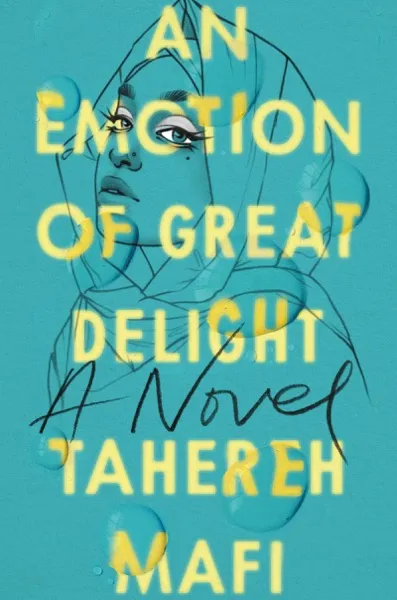
An Emotion of Great Delight Author: Tahereh MafiPage Count: UnknownPublication Year: 2021-GB "An Emotion of Great Delight" by Tahereh Mafi is a masterfully woven tale that delves into the complexities of the human experience, expertly navigating the intricate web of emotions that define us. This poignant novel is a testament to Mafi's exceptional storytelling prowess, as she skillfully crafts a narrative that is both deeply personal and universally relatable. At its core, "An Emotion of Great Delight" is a powerful exploration of identity, love, and the struggles of growing up. The story follows the protagonist as she grapples with the weight of her own emotions, struggling to find her place in the world amidst the chaos of adolescence. Through Mafi's vivid prose, the reader is transported into the inner world of the protagonist, where the boundaries between reality and fantasy blur, and the intensity of emotions becomes almost palpable. Mafi's writing style is a true standout in this novel. Her use of lyrical language and poetic metaphors creates a dreamlike atmosphere, drawing the reader into the world of the story. Her prose is both elegant and evocative, conjuring powerful emotions and vivid imagery that linger long after the final page has been turned. The writing is also notable for its sensitivity and nuance, as Mafi tackles complex themes with a deft hand, never shying away from the difficult or the uncomfortable. One of the most striking aspects of "An Emotion of Great Delight" is its thoughtful exploration of mental health. Mafi approaches this sensitive topic with compassion and understanding, crafting a narrative that is both deeply personal and profoundly relatable. The novel sheds light on the often-hidden struggles of living with anxiety and depression, offering a powerful message of hope and resilience that will resonate deeply with readers. Throughout the novel, Mafi's characters are multidimensional and richly drawn, with each one bringing their own unique voice and perspective to the narrative. The protagonist is a particularly compelling creation, with a voice that is both authentic and deeply relatable. Her struggles and triumphs are deeply human, making it impossible not to become fully invested in her journey. In short, "An Emotion of Great Delight" is a masterpiece of contemporary literature. Tahereh Mafi's writing is a true delight, and her thoughtful exploration of the human experience is both poignant and profound. This novel is a must-read for anyone who has ever struggled to find their place in the world, and for anyone who has ever felt the weight of their own emotions. #AnEmotionOfGreatDelight #TaherehMafi #MentalHealthAwareness #YoungAdultFiction #ContemporaryLiterature #DiverseBooksMatter Related InsightsThe Serpent in Heaven Book Review and Summary Pack Ciudad Hueso 2021 Book Review and Summary Prodigy Book Review and Summary{ "@context": "https://schema.org", "@type": "FAQPage", "mainEntity": [ { "@type": "Question", "name": "What is the main focus of An Emotion of Great Delight Book Review and Summary?", "acceptedAnswer": { "@type": "Answer", "text": "Everything you need to know about An Emotion of Great Delight with our detailed review." } }, { "@type": "Question", "name": "Who authored the comprehensive guide on An Emotion of Great Delight Book Review and Summary?", "acceptedAnswer": { "@type": "Answer", "text": "This detailed article and its insights were carefully researched and authored by Klaus Weber." } }, { "@type": "Question", "name": "Where can I find more related content about Books?", "acceptedAnswer": { "@type": "Answer", "text": "You can explore more articles, detailed reviews, and similar insights by browsing the Related Insights section at the bottom of this article or visiting our dedicated Books category page." } } ] }


Striker Author: Ana HuangPage Count: UnknownPublication Year: 2024-GB Ana Huang’s Striker is a masterclass in emotional tension, a novel that grips the reader from the first page and refuses to let go until the final, devastating word. Released in 2024, this global bestseller cements Huang’s reputation as a chronicler of love’s most complex and consuming forms. While the page count remains undisclosed, the depth of its narrative ensures every word feels essential—no filler, no wasted prose, just raw, unfiltered storytelling that lingers long after the last chapter. At its core, Striker is a love story, but not the kind that shies away from the messy, contradictory realities of human connection. Huang explores the duality of passion and destruction, the way love can both elevate and annihilate, heal and scar. The novel follows the tumultuous relationship between its two protagonists, whose chemistry is as combustible as it is magnetic. Their love isn’t a gentle tide; it’s a storm, one that leaves debris in its wake but also, paradoxically, a strange sense of clarity. Huang doesn’t romanticize their dynamic—there are no easy resolutions, no neat bows to tie up the chaos. Instead, she dives headfirst into the ambiguity of modern relationships, where desire and betrayal often walk hand in hand. The title Striker carries multiple layers of meaning, each as sharp as the next. On the surface, it references the protagonist’s role in a high-stakes professional environment, but it also serves as a metaphor for the characters’ personalities—unstoppable forces that collide with explosive consequences. There’s a sense of inevitability to their connection, as if they were always destined to either save each other or destroy one another. Huang excels at weaving this tension into the fabric of the story, making every interaction feel charged with unspoken words and simmering resentment. Huang’s writing style is a study in precision and emotional intensity. She has a rare ability to distill complex emotions into crystalline prose, making even the most heart-wrenching moments feel intimate and real. Her dialogue crackles with authenticity, each line dripping with subtext and unspoken desires. Whether she’s describing a heated argument or a quiet, vulnerable confession, Huang ensures the reader feels every tremor of emotion. There’s a rawness to her storytelling that borders on brutal at times, but it’s this unflinching honesty that makes Striker so compelling. One of the novel’s most striking strengths is its refusal to take the easy path. Huang doesn’t offer easy answers or pat resolutions. Instead, she forces her characters—and, by extension, her readers—to confront the uncomfortable truths about love, forgiveness, and the price of obsession. The relationship at the heart of Striker is a high-wire act, and Huang keeps the reader perched on the edge of their seat, wondering if the fall will be worth the thrill. The supporting cast is equally compelling, each character serving as a mirror or a foil to the central pair. Huang has a knack for crafting secondary figures who feel like living, breathing people rather than mere plot devices. Their interactions add layers to the story, deepening the themes of loyalty, betrayal, and redemption. Striker is more than just a romance—it’s a psychological exploration of what it means to love someone when the cost is unbearable. Huang challenges the notion that love is always redemptive, instead presenting it as a force that can both liberate and enslave. The novel’s emotional weight is undeniable, and readers will find themselves questioning their own ideas about sacrifice, trust, and the boundaries of forgiveness. In a literary landscape crowded with formulaic love stories, Striker stands out as a bold, unapologetic examination of the darker corners of passion. It’s a book that demands to be felt, not just read—a testament to Huang’s skill as a storyteller who isn’t afraid to delve into the messy, painful truths of the human heart. #Striker #AnaHuang #NewRelease2024 #RomanceWithDepth #LoveAndChaos #MustRead Related InsightsThe 5th Wave Book Review and Summary Lover Avenged Book Review and Summary Everything Is Tuberculosis Book Review and Summary{ "@context": "https://schema.org", "@type": "FAQPage", "mainEntity": [ { "@type": "Question", "name": "What is the main focus of Striker Book Review and Summary?", "acceptedAnswer": { "@type": "Answer", "text": "Everything you need to know about Striker with our detailed review." } }, { "@type": "Question", "name": "Who authored the comprehensive guide on Striker Book Review and Summary?", "acceptedAnswer": { "@type": "Answer", "text": "This detailed article and its insights were carefully researched and authored by Tiago Silva." } }, { "@type": "Question", "name": "Where can I find more related content about Books?", "acceptedAnswer": { "@type": "Answer", "text": "You can explore more articles, detailed reviews, and similar insights by browsing the Related Insights section at the bottom of this article or visiting our dedicated Books category page." } } ] }

Todos quieren a Daisy Jones / Daisy Jones & The Six Author: Taylor Jenkins ReidPage Count: UnknownPublication Date: 2020-PRH Daisy Jones & The Six by Taylor Jenkins Reid is a mesmerizing tale of the meteoric rise of a 1970s rock band and their enigmatic lead singer, Daisy Jones. This captivating novel delves into the mystery surrounding the band's infamous breakup, weaving a narrative that is both poignant and unforgettable. Reid's writing style is nothing short of masterful, employing an interview-style format that imbues the story with an irresistible energy. The narrative is presented as a series of recollections from the band members and those closest to them, creating a sense of intimacy and immediacy that draws the reader in. This innovative approach allows Reid to explore the complexities of the characters and their relationships, crafting a rich tapestry of emotions, desires, and conflicts. At the heart of the novel is the tumultuous relationship between Daisy Jones and Billy Dunne, the charismatic lead singer of The Six. Theirs is a union forged in the fire of creative passion and fueled by a mutual desire for fame and recognition. As the band's popularity soars, the tensions between them escalate, threatening to destroy not only their partnership but also the very fabric of the band. Reid's portrayal of the 1970s music scene is vivid and immersive, capturing the excesses and extravagances of the era with unflinching accuracy. The world of rock 'n' roll is one of sex, drugs, and music, where the boundaries between reality and fantasy are constantly blurred. Against this backdrop, Daisy Jones & The Six must navigate the treacherous waters of fame, confronting the darker aspects of their own desires and demons. One of the most striking aspects of Reid's writing is her ability to create characters that are at once flawed and fascinating. Daisy Jones, in particular, is a complex and multifaceted figure, driven by a fierce determination to succeed and a deep-seated need for validation. Her voice is a powerful instrument, capable of conveying the full range of human emotions, from vulnerability to defiance. Through the story of Daisy Jones & The Six, Reid explores themes of creativity, ambition, and the true cost of fame. This is a novel about the power of music to transcend and transform, but also about the destructive forces that can tear a band apart. As the narrative unfolds, Reid raises important questions about the nature of art and the artist, challenging the reader to consider the sacrifices that must be made in pursuit of greatness. In short, Daisy Jones & The Six is a triumph, a novel that will resonate with anyone who has ever been moved by the power of music. With its innovative style, vivid characters, and unflinching portrayal of the rock 'n' roll lifestyle, this book is an absolute must-read for fans of music, fiction, and drama. #DaisyJonesAndTheSix #TaylorJenkinsReid #RockAndRollFiction #MusicNovels #70sMusicScene #FictionBookReview Related InsightsThe Left Hand of Darkness Book Review and Summary Long Walk Book Review and Summary La parte más oscura del bosque Book Review and Summary{ "@context": "https://schema.org", "@type": "FAQPage", "mainEntity": [ { "@type": "Question", "name": "What is the main focus of Daisy Jones & The Six Book Review and Summary?", "acceptedAnswer": { "@type": "Answer", "text": "Everything you need to know about Daisy Jones & The Six with our detailed review." } }, { "@type": "Question", "name": "Who authored the comprehensive guide on Daisy Jones & The Six Book Review and Summary?", "acceptedAnswer": { "@type": "Answer", "text": "This detailed article and its insights were carefully researched and authored by Taylor Jenkins Reid." } }, { "@type": "Question", "name": "Where can I find more related content about Books?", "acceptedAnswer": { "@type": "Answer", "text": "You can explore more articles, detailed reviews, and similar insights by browsing the Related Insights section at the bottom of this article or visiting our dedicated Books category page." } } ] }
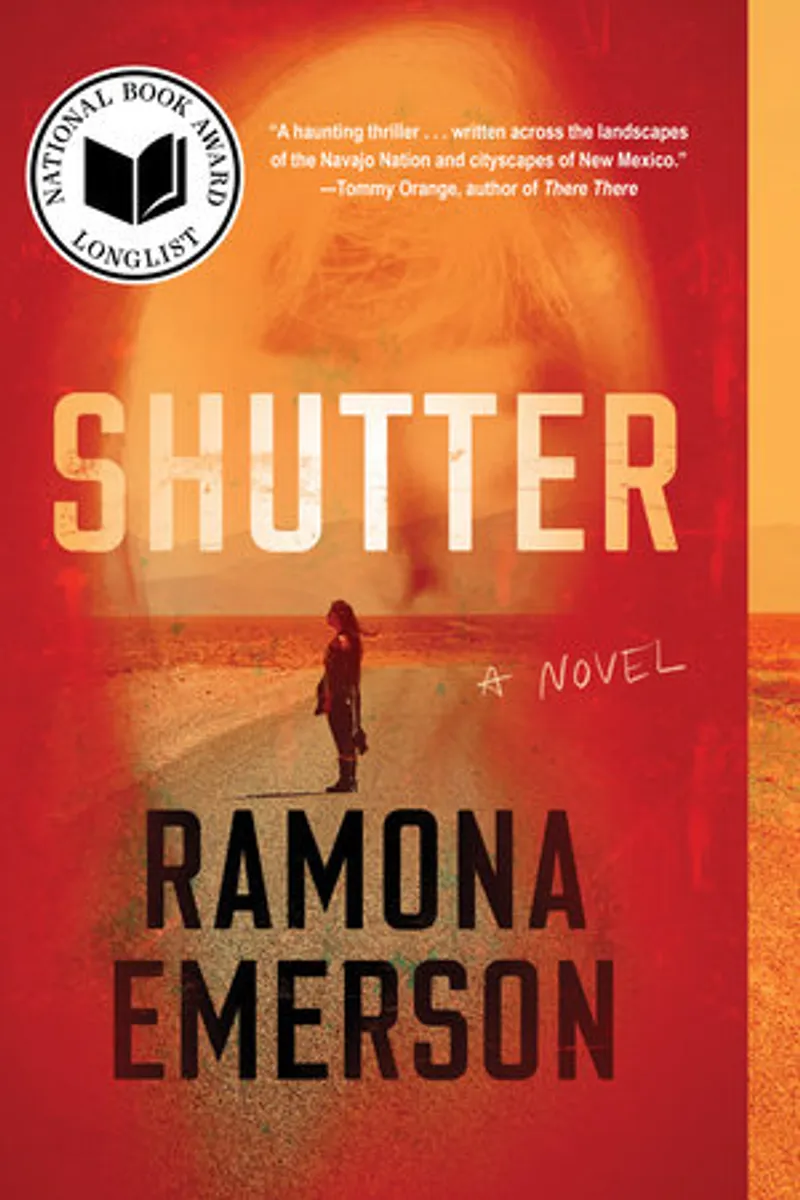
Shutter Author: Ramona EmersonPage Count: UnknownPublication Date: 2023-PRH Ramona Emerson’s Shutter is a masterclass in blending the visceral with the supernatural, a debut that crackles with tension and lingers like a ghost in the mind long after the last page. Longlisted for the National Book Award, this novel is a triumphant fusion of crime thriller, horror, and coming-of-age narrative, all set against the stark, sun-bleached backdrop of New Mexico’s Navajo Nation. Emerson, a forensic photographer with a background in the field, crafts a story that is as meticulously observed as it is deeply unsettling, where every shadow seems to whisper and every reflection holds a secret. At its core, Shutter is a meditation on trauma—both personal and collective—and the ways in which the past refuses to stay buried. Rita Todacheene, the novel’s protagonist, is a woman haunted in more ways than one. A forensic photographer for the Albuquerque police, she possesses an almost supernatural ability to see the ghosts of crime victims, their spectral forms pointing her toward clues that others miss. This gift, which should make her an invaluable asset, instead isolates her, a burden that drove her from her Navajo reservation and into a life of sleepless nights and legal troubles. Rita’s existence is a paradox: she is both a bridge between the living and the dead and a prisoner of their demands. Emerson’s prose is as precise as Rita’s photography, each sentence sharp enough to cut through the noise of the supernatural and the grit of the crime world. The novel’s strength lies in its unflinching realism, even as it veers into the uncanny. The forensic details—blood spatter patterns, the weight of a body, the cold precision of a crime scene—ground the story in a world that feels tangible, even when the ghosts are not. Yet it’s the supernatural elements that elevate Shutter from a gripping crime novel into something far more haunting. Rita’s visions are not just plot devices; they are visceral, intrusive, and deeply unsettling. The ghosts she encounters are not passive observers but active, often violent presences, their rage and sorrow bleeding into her life like ink in water. The novel’s exploration of Indigenous identity and displacement is equally compelling. Rita’s Navajo heritage is not just a backdrop but a living, breathing force in the story. Emerson, who is of Diné (Navajo) and Laguna Pueblo heritage, infuses the narrative with a deep cultural awareness, avoiding the pitfalls of exoticism or tokenism. Rita’s relationship with her grandmother, her struggles with cultural dislocation, and her complicated ties to her homeland add layers of emotional depth to the thriller. The reservation, with its own history of violence and erasure, becomes a character in its own right, a place both haunted and haunting. The plot of Shutter is a relentless descent into danger, as Rita is drawn into a conspiracy that pits her against one of Albuquerque’s most dangerous cartels. The novel’s pacing is impeccable, with Emerson balancing Rita’s personal demons with the high-stakes mystery of the murder investigation. The supernatural elements are not just window dressing; they are integral to the story’s tension, with Rita’s ghostly encounters both aiding and hindering her progress. The result is a narrative that is as suspenseful as it is thought-provoking, a story that refuses to let the reader look away. Emerson’s style is a study in contrasts: lyrical yet brutal, poetic yet raw. She writes with a keen eye for detail, whether describing the play of light on a crime scene or the weight of a ghost’s presence. The dialogue crackles with authenticity, and the characters—from Rita’s troubled colleagues to the cartel enforcers—feel fully realized, their motivations and flaws laid bare. The novel’s horror is not gratuitous but earned, a natural extension of the violence and trauma that permeate the story. Shutter is a book that lingers, its themes of grief, justice, and the inescapable past echoing long after the final page. It’s a debut that announces Emerson as a major new voice in crime fiction, one who is unafraid to blend the supernatural with the real, the personal with the political. This is a story that will haunt you—not just because of its ghosts, but because of its unflinching gaze into the darkness that lives within us all. #Shutter #RamonaEmerson #SupernaturalThriller #CrimeFiction #NavajoNation #GhostStory Related InsightsWin Book Review and Summary The Mystic and the Missing Girl Book Review and Summary The Scarlet Pimpernel Book Review and Summary{ "@context": "https://schema.org", "@type": "FAQPage", "mainEntity": [ { "@type": "Question", "name": "What is the main focus of Shutter Island Book Review and Summary?", "acceptedAnswer": { "@type": "Answer", "text": "Everything you need to know about Shutter Island with our detailed review." } }, { "@type": "Question", "name": "Who authored the comprehensive guide on Shutter Island Book Review and Summary?", "acceptedAnswer": { "@type": "Answer", "text": "This detailed article and its insights were carefully researched and authored by Dennis Lehane." } }, { "@type": "Question", "name": "Where can I find more related content about Books?", "acceptedAnswer": { "@type": "Answer", "text": "You can explore more articles, detailed reviews, and similar insights by browsing the Related Insights section at the bottom of this article or visiting our dedicated Books category page." } } ] }

Absolute Watchmen (New Edition) Author: Alan MoorePage Count: UnknownPublication Date: 2023-PRH The release of Absolute Watchmen, a new edition of the iconic graphic novel, is a monumental event in the literary world. Written by the visionary Alan Moore and illustrated by the masterful Dave Gibbons, this groundbreaking masterpiece has been reimagined in a stunning oversized volume, complete with a slipcase and ribbon bookmark. The Absolute edition is a must-have for collectors and fans of the original series, offering a beautifully restored and recolored presentation of the 12-issue series, along with 48 pages of rare supplemental material. Set in an alternate America, where superheroes have been outlawed and the world is on the brink of chaos, Watchmen is a thought-provoking and deeply unsettling deconstruction of the superhero archetype. Moore's writing is a marvel of complexity and depth, weaving a intricate narrative that explores the darker aspects of human nature and the consequences of playing god. The story follows a group of flawed and often disturbing characters, including Rorschach, Nite Owl, and Dr. Manhattan, as they navigate a treacherous landscape of politics, morality, and mortality. One of the most striking aspects of Watchmen is its unflinching examination of the human condition. Moore's characters are multidimensional and often repulsive, challenging the traditional notions of heroism and virtue. The novel's exploration of themes such as power, corruption, and the dangers of unchecked authority is both timely and timeless, resonating with readers on a profound level. The world of Watchmen is a bleak and unforgiving one, where the lines between good and evil are constantly blurred, and the consequences of action are always devastating. Moore's writing style is characterized by its intelligence, wit, and unflinching honesty. His use of language is precise and evocative, conjuring a sense of atmosphere and mood that is both captivating and unsettling. The novel's non-linear narrative structure, which jumps back and forth in time, adds to the sense of complexity and depth, challenging readers to piece together the puzzle of the story. Gibbons' illustrations are equally impressive, bringing the world of Watchmen to life with a level of detail and nuance that is simply breathtaking. The Absolute edition of Watchmen is a testament to the enduring power and influence of the original series. The restored and recolored artwork is stunning, with a level of clarity and vibrancy that is simply stunning. The supplemental material, which includes samples of Moore's scripts, concept art, and other rare treasures, offers a fascinating glimpse into the creative process behind the novel. The result is a truly definitive edition of Watchmen, one that will be cherished by fans and collectors for years to come. In conclusion, Absolute Watchmen is a masterpiece of graphic storytelling, a novel that continues to inspire and disturb readers to this day. Moore's writing is a work of genius, a complex and nuanced exploration of the human condition that is both thought-provoking and deeply unsettling. The Absolute edition is a must-have for anyone who loves comics, literature, or simply great storytelling. With its stunning artwork, complex characters, and unflinching examination of the human condition, Watchmen is a novel that will continue to resonate with readers for generations to come. #Watchmen #AlanMoore #GraphicNovel #Superhero #ComicBook #AlternateHistory Related InsightsThe Giver of Stars Book Review and Summary Believe in You Book Review and Summary A Memory Called Empire Book Review and Summary{ "@context": "https://schema.org", "@type": "FAQPage", "mainEntity": [ { "@type": "Question", "name": "What is the main focus of Watchmen Book Review and Summary?", "acceptedAnswer": { "@type": "Answer", "text": "Everything you need to know about Watchmen with our detailed review." } }, { "@type": "Question", "name": "Who authored the comprehensive guide on Watchmen Book Review and Summary?", "acceptedAnswer": { "@type": "Answer", "text": "This detailed article and its insights were carefully researched and authored by Alan Moore." } }, { "@type": "Question", "name": "Where can I find more related content about Books?", "acceptedAnswer": { "@type": "Answer", "text": "You can explore more articles, detailed reviews, and similar insights by browsing the Related Insights section at the bottom of this article or visiting our dedicated Books category page." } } ] }
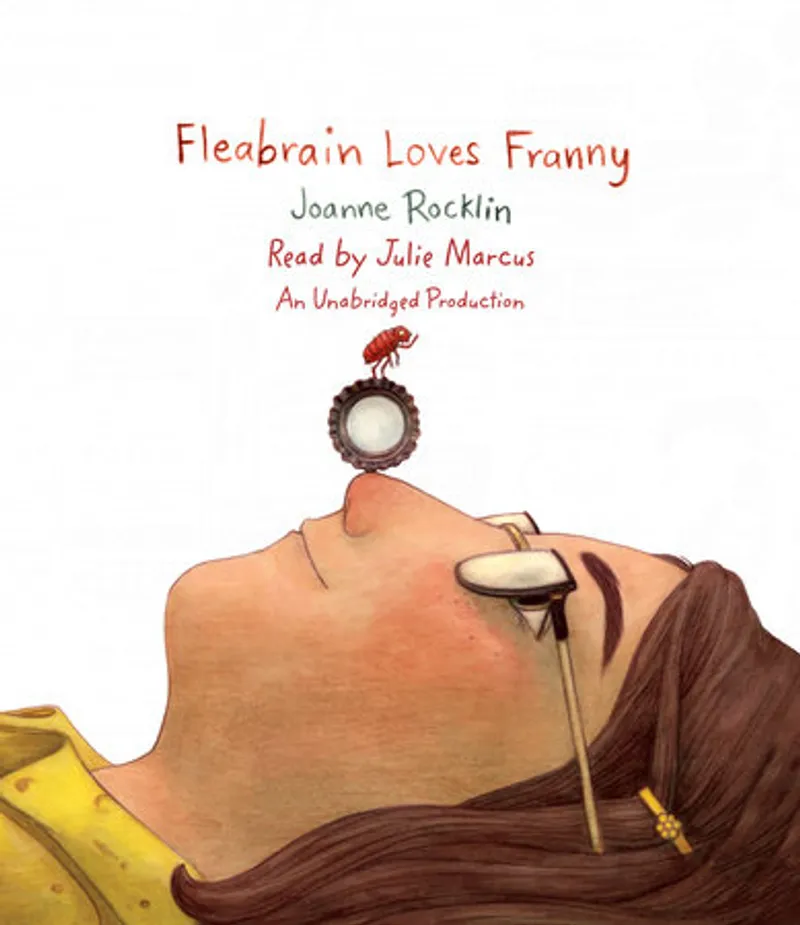
Fleabrain Loves Franny Author: Joanne RocklinPage Count: UnknownPublication Date: 2014-PRH In "Fleabrain Loves Franny," Joanne Rocklin crafts a poignant and humorous tale that explores the transformative power of literature and friendship. Set in 1952 Pittsburgh, the story revolves around Franny Katzenback, a young girl struggling to come to terms with the aftermath of polio. As she navigates the challenges of physical therapy and feels increasingly isolated from her community, Franny finds solace in the pages of E.B. White's "Charlotte's Web." Her love for the book inspires her to reach out to an unlikely companion – Fleabrain, an erudite flea residing on her dog's tail. Through their epistolary exchanges, Rocklin masterfully weaves a narrative that is both a tribute to the classic novel and a thoughtful exploration of the human experience. Fleabrain, with his vast literary knowledge, whisks Franny away on imaginative adventures, providing a much-needed escape from her difficulties. As their bond deepens, Franny begins to confront her fears and find the strength to re-engage with the world around her. Rocklin's writing is characterized by her signature wit and thoughtfulness, imbuing the story with a sense of nostalgia and timelessness. Her prose is effortlessly engaging, making it easy to become fully invested in Franny's journey. The author's use of Fleabrain as a narrative device is particularly noteworthy, allowing her to explore complex themes such as loneliness, perseverance, and the healing power of storytelling. One of the most striking aspects of "Fleabrain Loves Franny" is its ability to balance lighthearted moments with more serious introspection. Rocklin never shies away from addressing the difficulties Franny faces, but she also knows when to inject humor and playfulness into the narrative. This delicate balance makes the book an absolute delight to read, and its themes will resonate with readers of all ages. In "Fleabrain Loves Franny," Joanne Rocklin reminds us of the profound impact that stories can have on our lives. Through Franny's love of "Charlotte's Web" and her subsequent friendship with Fleabrain, we are shown the ways in which literature can provide comfort, inspiration, and a sense of connection to others. This charming novel is a must-read for anyone who has ever found solace in the pages of a good book. #FleabrainLovesFranny #JoanneRocklin #CharlotteWeb #PolioAwareness #LiteraryFiction #MiddleGradeNovels Related InsightsVeronika Decides to Die Book Review and Summary Snowed In at the Wildest Dreams Bookshop Book Review and Summary The City and Its Uncertain Walls Book Review and Summary{ "@context": "https://schema.org", "@type": "FAQPage", "mainEntity": [ { "@type": "Question", "name": "What is the main focus of Franny and Zooey Book Review and Summary?", "acceptedAnswer": { "@type": "Answer", "text": "Everything you need to know about Franny and Zooey with our detailed review." } }, { "@type": "Question", "name": "Who authored the comprehensive guide on Franny and Zooey Book Review and Summary?", "acceptedAnswer": { "@type": "Answer", "text": "This detailed article and its insights were carefully researched and authored by J.D. Salinger." } }, { "@type": "Question", "name": "Where can I find more related content about Books?", "acceptedAnswer": { "@type": "Answer", "text": "You can explore more articles, detailed reviews, and similar insights by browsing the Related Insights section at the bottom of this article or visiting our dedicated Books category page." } } ] }
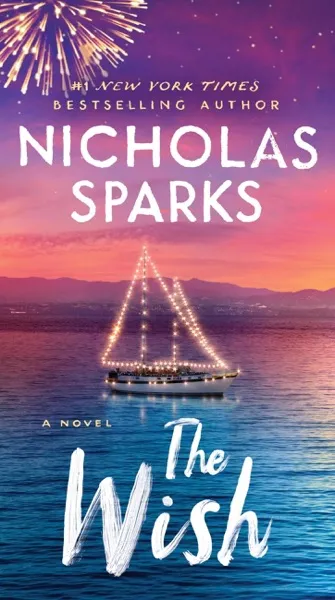

The Wish Author: Nicholas SparksPage Count: UnknownPublication Year: 2021-GB Nicholas Sparks has a gift for weaving tales that linger in the heart long after the last page is turned, and The Wish is no exception. Published in 2021, this novel continues his tradition of emotionally resonant storytelling, blending love, loss, and the enduring power of human connection. With his signature style—lyrical prose, deeply relatable characters, and a touch of fateful serendipity—Sparks once again invites readers into a world where love isn’t just a feeling but a force that transcends time and circumstance. At its core, The Wish explores the theme of second chances. The story follows Maggie Dawes, a young woman who, on the eve of her wedding to a man she doesn’t truly love, decides to drive to the Blue Ridge Mountains to visit her estranged father. What she doesn’t expect is to encounter a mysterious old cabin where an elderly woman offers her a wish—in exchange for one of Maggie’s own. The wish is simple: love. But as Maggie soon discovers, love is never as simple as it seems. The novel delves into the complexities of romantic love, the weight of past regrets, and the courage it takes to choose authenticity over convenience. Sparks’ writing is deceptively simple yet profoundly evocative. His prose flows effortlessly, drawing readers into the quiet beauty of the Blue Ridge Mountains and the emotional landscapes of his characters. Maggie is a compelling protagonist—not flawless, but deeply human. She grapples with the fear of making the wrong choice, the guilt of disappointing others, and the haunting question of whether love is something we find or something we create. Her journey is one of self-discovery, and Sparks handles her internal struggles with a tenderness that makes her victories feel earned. The author’s style is marked by a keen attention to setting, which becomes almost a character in itself. The lush, misty mountains serve as a mirror for Maggie’s emotional state—sometimes a refuge, sometimes a battleground. Sparks’ ability to paint vivid landscapes with words ensures that readers don’t just read about Maggie’s journey; they feel it. There’s a tactile quality to his descriptions, whether it’s the scent of pine in the air or the crunch of leaves underfoot, that grounds the story in a tangible reality. One of the strengths of The Wish lies in Sparks’ exploration of love in its many forms—not just romantic love, but the quiet, steadfast love of family, the bittersweet love of memory, and the love of self that often gets lost in the noise of others’ expectations. Maggie’s relationship with her father, for instance, is fraught with unresolved tension, yet Sparks treats it with a delicacy that avoids melodrama. The novel doesn’t shy away from hard truths, but it also doesn’t wallow in despair. Instead, it offers a glimmer of hope, suggesting that even the most tangled lives can find their way to redemption. Sparks’ narrative structure is straightforward but effective. The story unfolds in a linear fashion, with flashbacks that illuminate Maggie’s past and deepen our understanding of her present. The pacing is unhurried, allowing readers to savor each moment rather than rush through to the inevitable emotional payoff. There’s a sense of inevitability to the story, not in the sense of predictability, but in the way life’s most profound moments often feel both surprising and fated. The ending, while bittersweet, feels true to the characters and their journeys. That’s not to say The Wish is without its critics. Some may find Sparks’ themes a bit familiar—love, loss, redemption—but that’s precisely the point. Sparks isn’t reinventing the wheel; he’s refining it, polishing it until it shines with a quiet brilliance that resonates. His stories aren’t about extraordinary events but about the ordinary moments that shape us. In a world that often feels chaotic and uncertain, there’s something deeply comforting about the way Sparks frames love as both a risk and a reward. Ultimately, The Wish is a testament to the idea that love isn’t just something we wish for—it’s something we choose, again and again. It’s about the courage to let go of what no longer serves us and the faith to believe that happiness can be found in the most unexpected places. Nicholas Sparks may not be subtle with his themes, but he doesn’t need to be. His genius lies in his ability to make us believe in the power of love, even when life falls short of our dreams. For readers who love a story that makes them laugh, cry, and reflect, The Wish is a perfect companion. It’s a reminder that sometimes, the greatest wishes aren’t granted by magic but by the choices we make every day. #NicholasSparks #TheWish #LoveStories #SecondChances #RomanceNovel #EmotionalRead Related InsightsScream City: A Novel Book Review and Summary Nunca Book Review and Summary Hollow Bones Book Review and Summary{ "@context": "https://schema.org", "@type": "FAQPage", "mainEntity": [ { "@type": "Question", "name": "What is the main focus of The Wish Book Review and Summary?", "acceptedAnswer": { "@type": "Answer", "text": "Everything you need to know about The Wish with our detailed review." } }, { "@type": "Question", "name": "Who authored the comprehensive guide on The Wish Book Review and Summary?", "acceptedAnswer": { "@type": "Answer", "text": "This detailed article and its insights were carefully researched and authored by Sofia Bianchi." } }, { "@type": "Question", "name": "Where can I find more related content about Books?", "acceptedAnswer": { "@type": "Answer", "text": "You can explore more articles, detailed reviews, and similar insights by browsing the Related Insights section at the bottom of this article or visiting our dedicated Books category page." } } ] }
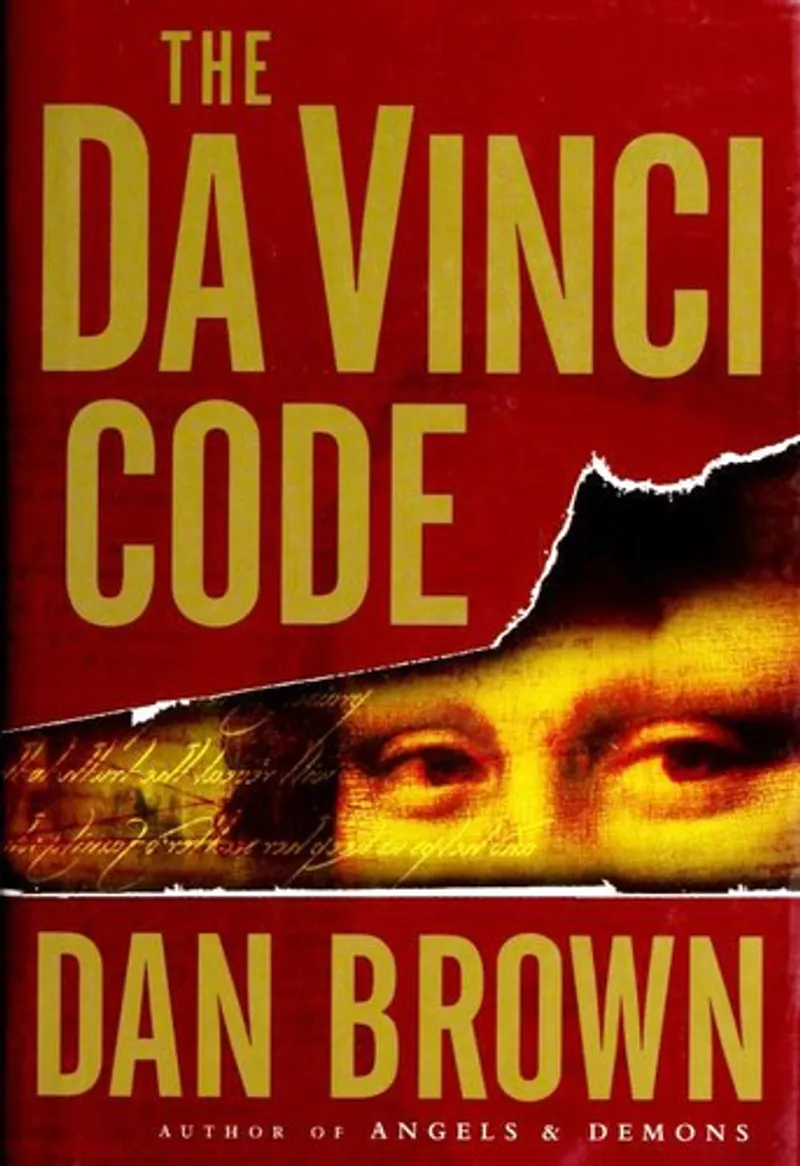

The Da Vinci Code Author: Dan BrownPage Count: UnknownPublication Date: 2003-OL In "The Da Vinci Code", Dan Brown masterfully weaves a complex web of intrigue, deception, and historical mystery, leaving readers on the edge of their seats. Published in 2003, this thriller follows the journey of symbologist Robert Langdon and cryptologist Sophie Neveu as they unravel the threads of a centuries-old conspiracy. At its core, "The Da Vinci Code" is a thought-provoking exploration of the intersection of faith, history, and power. Brown skillfully challenges conventional notions of Christianity, presenting a radical alternative narrative that is both captivating and unsettling. The possibility of Jesus Christ and Mary Magdalene having had a child together is a notion that has been debated by scholars and theologians for centuries, and Brown's treatment of this theme is both respectful and incendiary. One of the standout features of "The Da Vinci Code" is Brown's meticulous research and attention to detail. The novel is replete with historical references, cryptic symbols, and esoteric allusions that add depth and complexity to the narrative. Brown's writing style is engaging and accessible, making the book an enjoyable read for both scholars and laymen. The characters of Robert Langdon and Sophie Neveu are well-developed and relatable, with distinct personalities and motivations that drive the plot forward. Langdon's expertise in symbology and Neveu's skills in cryptography make them a formidable team, and their interactions are often witty and engaging. The pacing of the novel is expertly managed, with a steady stream of twists and turns that keep the reader guessing. Brown's use of suspense and tension is masterful, creating a sense of urgency that propels the narrative forward. One of the most striking aspects of "The Da Vinci Code" is its exploration of the tension between faith and reason. Brown raises important questions about the nature of truth and the role of religion in society, and his treatment of these themes is both nuanced and thought-provoking. In conclusion, "The Da Vinci Code" is a gripping and thought-provoking thriller that is sure to appeal to fans of mystery, history, and suspense. Brown's masterful storytelling, meticulous research, and engaging characters make this novel a must-read for anyone looking for a compelling and intellectually stimulating experience. #TheDaVinciCode #DanBrown #HistoricalMystery #Christianity #ConspiracyThriller #SymbolismAndSecrets Related InsightsThen She Was Gone Book Review and Summary Cutting for Stone Book Review and Summary Giver of Stars Book Review and Summary{ "@context": "https://schema.org", "@type": "FAQPage", "mainEntity": [ { "@type": "Question", "name": "What is the main focus of The Da Vinci Code Book Review and Summary?", "acceptedAnswer": { "@type": "Answer", "text": "Everything you need to know about The Da Vinci Code with our detailed review." } }, { "@type": "Question", "name": "Who authored the comprehensive guide on The Da Vinci Code Book Review and Summary?", "acceptedAnswer": { "@type": "Answer", "text": "This detailed article and its insights were carefully researched and authored by Maximilian Fischer." } }, { "@type": "Question", "name": "Where can I find more related content about Books?", "acceptedAnswer": { "@type": "Answer", "text": "You can explore more articles, detailed reviews, and similar insights by browsing the Related Insights section at the bottom of this article or visiting our dedicated Books category page." } } ] }
A Room with a View Author: E. M. ForsterPage Count: UnknownPublication Date: 2009-PRH E. M. Forster’s A Room with a View is a sparkling gem of early 20th-century literature, a novel that dances between satire and sincerity, between the stifling conventions of Edwardian England and the liberating pulse of Italian passion. At its heart, this is a story about the struggle between duty and desire, between the safety of social expectation and the intoxicating pull of the unknown. Forster, with his razor-sharp wit and profound empathy, crafts a tale that is as much a critique of English reserve as it is a celebration of the human heart’s capacity for change. The novel follows Lucy Honeychurch, a young woman of respectable upbringing, as she navigates the rigid expectations of her class during a trip to Italy. Accompanied by her overbearing cousin Charlotte, Lucy is initially confined by the very rules that govern her world—until she encounters the Emersons, a father and son who embody a refreshing, if unsettling, authenticity. George Emerson, in particular, disrupts Lucy’s carefully constructed worldview with his unfiltered emotions and disregard for social niceties. Their fleeting but electric connection in Florence becomes the catalyst for Lucy’s internal rebellion, setting the stage for a conflict that will define her journey. Forster’s genius lies in his ability to weave social commentary into a narrative that is both deeply personal and universally resonant. A Room with a View is, at its core, a satire of English hypocrisy, particularly the way society polices emotions and enforces conformity under the guise of propriety. The novel’s title itself is a sly jab at this—Lucy and Charlotte’s initial complaint about their Florentine lodgings (lacking a view) is less about the room itself and more about their own myopia, their inability to see beyond the narrow confines of their expectations. Italy, with its vibrant chaos and unapologetic passion, becomes the perfect foil to the repressed sterility of English life. Forster’s Italy is not just a setting but a character in its own right, a place where Lucy begins to shed the armor of her upbringing and confront her true desires. Yet Forster is no mere satirist; he is also a romantic, and his portrayal of Lucy’s awakening is tender and nuanced. The novel’s central tension—between Lucy’s engagement to the cold, calculating Cecil Vyse and her lingering feelings for George Emerson—is not just a love triangle but a clash of philosophies. Cecil represents the hollow perfection of English respectability, a man who values appearances over authenticity, while George embodies the messy, unpredictable nature of real emotion. Forster doesn’t romanticize George—he is flawed, impulsive, and at times infuriating—but his authenticity is what draws Lucy (and the reader) in. The question the novel poses is not just whom Lucy will choose, but whether she will choose at all: will she remain trapped in the gilded cage of her class, or will she dare to step into the sunlight of her own desires? Forster’s prose is a masterclass in balance—elegant yet unpretentious, witty yet never cruel. His dialogue crackles with subtext, revealing as much about the characters’ unspoken thoughts as their words do. The famous scene in which Lucy plays the piano, her emotions spilling out in a piece by Beethoven, is a perfect example of Forster’s ability to convey meaning through artistry rather than exposition. The music becomes a metaphor for Lucy’s inner life, a moment of raw expression that contrasts sharply with the stiff formality of her surroundings. Forster’s descriptions, too, are vivid without being overwrought, painting Italy as a place of both beauty and danger, where Lucy is both liberated and tested. What makes A Room with a View enduring is its timelessness. Though set in the early 1900s, its themes resonate just as strongly today: the pressure to conform, the fear of vulnerability, the tension between duty and happiness. Forster doesn’t offer easy answers—Lucy’s journey is one of gradual realization, not sudden transformation—but he leaves us with a sense of hope. The novel’s conclusion, in which Lucy finally asserts her independence, is both satisfying and bittersweet, a reminder that happiness often requires courage. In an era where social expectations still dictate so much of our lives, Forster’s novel feels like a breath of fresh air. It reminds us that life is too short to live in a room without a view, that love—real love—is worth the risk of defying convention. A Room with a View is more than a romance; it’s a manifesto for living authentically, a call to embrace the chaos of the heart over the cold order of the world. #A_Room_with_a_View #EMForster #ClassicLiterature #RomanceNovel #EdwardianFiction #LoveAndRebellion Related InsightsWhy They Stay: Sex Scandals, Deals, and Hidden Agendas of Eight Political Wives Book Review and Summary The Lord of the Rings Book Review and Summary The Pumpkin Bride Book Review and Summary{ "@context": "https://schema.org", "@type": "FAQPage", "mainEntity": [ { "@type": "Question", "name": "What is the main focus of A Room with a View Book Review and Summary?", "acceptedAnswer": { "@type": "Answer", "text": "Everything you need to know about A Room with a View with our detailed review." } }, { "@type": "Question", "name": "Who authored the comprehensive guide on A Room with a View Book Review and Summary?", "acceptedAnswer": { "@type": "Answer", "text": "This detailed article and its insights were carefully researched and authored by E.M. Forster." } }, { "@type": "Question", "name": "Where can I find more related content about Books?", "acceptedAnswer": { "@type": "Answer", "text": "You can explore more articles, detailed reviews, and similar insights by browsing the Related Insights section at the bottom of this article or visiting our dedicated Books category page." } } ] }