Showing Posts From
Books

Author: Camila Sosa VilladaPage Count: UnknownPublication Date: Expected publication 2026-09-04 APL My heart is still hammering against my ribs—that wonderful, terrifying hum of pure caffeine and eight straight hours of staring at corporate spreadsheets while keeping three hundred rogue inventory line items from descending into absolute administrative chaos. God, I love the absolute rush of closing a quarter out. Yet here I am, staring down the barrel of Camila Sosa Villada’s upcoming novel, A Domestication, through the haze of a publisher's breathless French synopsis. And honestly? I am ready to fight anyone who dismisses it. The Illusion of the Stage and the Trap of Blood We get it. The world loves an archetype. An actress—specifically the most famous trans actress on the planet—is someone the public invents, consumes, and discards. But what happens when the illusion demands a domestic reality? The synopsis tells us she decides to build a family against all common sense. Good. Fiction needs more terrible, beautiful, irrational decisions. Wait. Let me rephrase that entirely. Actually, scratch the praise about irrationality—the synopsis is frustratingly cagey. It relies on that tired French literary trope of throwing a bunch of high-concept ingredients into a bowl and calling it art. Jean Cocteau? A perilous return to the natal village? Violent, tearing love? It sounds like a checklist generated by an algorithm designed to win European literary prizes. Yet I am fiercely, irrationally loyal to Sosa Villada’s prose. After The Bad Girls, which punched me directly in the gut with its feral, unapologetic brilliance, she can write a grocery list and I will call it a masterwork. Dismantling the Myth of the Hearth The core of this book—or at least what the marketing copy promises us between breathless bouts of praise—is a direct assault on the sanctity of the traditional family. And thank heavens for that. We are drowning in domestic misery memoirs written by people who think putting a microwave on the counter is a rebellion. Sosa Villada is different. She slices open the anatomy of an atypical couple with the precision of a surgeon who lost her license years ago and doesn't care. Except the synopsis also tries to claim this is "deeply universal." No. Stop right there. The moment a brilliant, transgressive writer gets labeled as "universal," the publishing industry is trying to sand down her edges for the suburban book clubs. I refuse to accept it. This book better not be universal. It better be violently specific, jagged, and entirely unpalatable to anyone who hasn't survived the margins. If it smells even faintly of Elizabeth Strout comfort food, I am throwing it across the room. It needs to read like a knife fight in the dark, closer to My Work by Olga Ravn or the raw fury of Virginie Despentes, rather than some cozy meditation on parenthood. I don't need another tender story about finding oneself. I want the wreckage. I have to close this document right now because I promised my daughter I would bake three dozen cupcakes for the school bake sale by tomorrow morning and the oven is currently cold. #ADomestication #CamilaSosaVillada #ContemporaryFiction #TransLiterature Related InsightsNever Greater Slaughter Book Review and Summary Rubinrot Book Review and Summary The Woman with One Hundred Faces: The Lives and Legacy of Anaïs Nin Book Review and Summary{ "@context": "https://schema.org", "@type": "FAQPage", "mainEntity": [ { "@type": "Question", "name": "What is the main focus of A Domestication: A Novel Book Review and Summary?", "acceptedAnswer": { "@type": "Answer", "text": "Everything you need to know about A Domestication: A Novel with our detailed review." } }, { "@type": "Question", "name": "Who authored the comprehensive guide on A Domestication: A Novel Book Review and Summary?", "acceptedAnswer": { "@type": "Answer", "text": "This detailed article and its insights were carefully researched and authored by Victoria Smith." } }, { "@type": "Question", "name": "Where can I find more related content about Books?", "acceptedAnswer": { "@type": "Answer", "text": "You can explore more articles, detailed reviews, and similar insights by browsing the Related Insights section at the bottom of this article or visiting our dedicated Books category page." } } ] }
-
 Antoine Leroy
 - 02 Sep, 2026 01:09
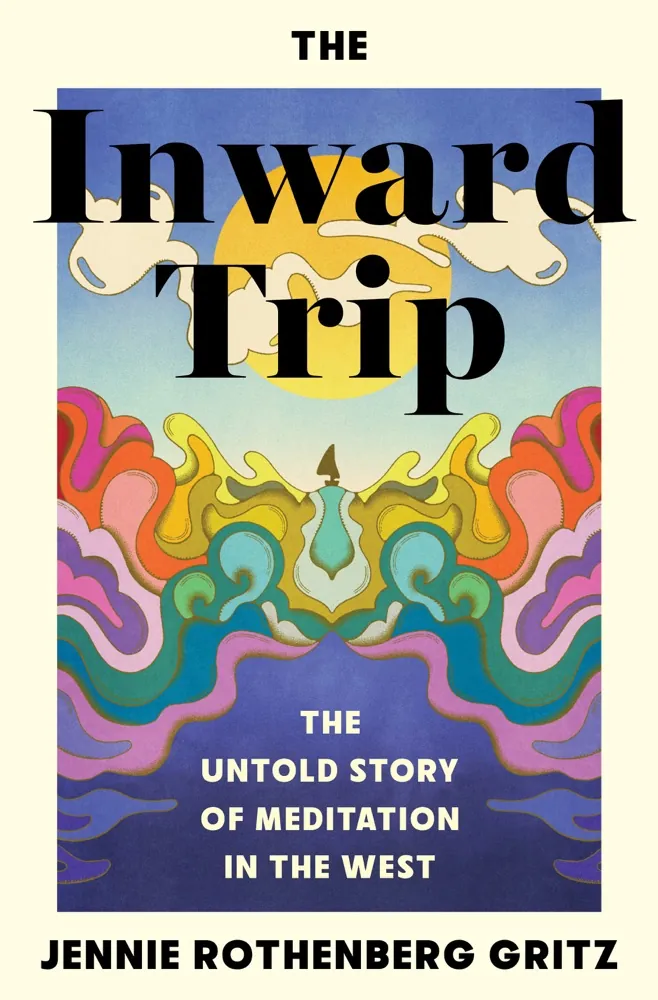
The Inward Trip: The Untold Story of Meditation in the West Book Review and Summary
Author: Jennie Rothenberg GritzPage Count: UnknownPublication Date: Expected publication 2026 APL Oh, the way this book’s synopsis reads like a corporate wellness brochure—slick, sanitized, the kind of thing you’d find in a Whole Foods magazine tucked between articles on "gut health" and "the benefits of cold showers." The Inward Trip promises to trace meditation’s journey from "the first yogis and Zen masters" to today’s "mindfulness era," but the real story here isn’t just about how Eastern practices landed in America—it’s about how America turned them into a lifestyle accessory. The problem with this kind of historical retelling is that it risks reducing centuries of spiritual discipline to a series of Instagram-worthy milestones: Swami Vivekananda at the 1893 World’s Parliament of Religions, then Thich Nhat Hanh in the ‘60s, then the Silicon Valley mindfulness boom of the 2010s. Where’s the mess? Where’s the resistance? Where’s the moment when someone said, "No, this isn’t just relaxation—it’s a rebellion"? And yet—here’s the thing—this book might still be useful. Not as a rigorous history, but as a cultural autopsy. Gritz, a journalist who’s clearly spent time in labs studying the science of meditation, seems to understand that the real magic isn’t in the technique itself but in the way it’s been repackaged. She mentions "mind-wandering" as a creative force, which is delightfully counterintuitive—because in an era where focus is everything, the idea that daydreaming might be an asset is almost revolutionary. But the synopsis doesn’t tell us how she’ll handle the tension between the spiritual roots of these practices and their modern, often commodified forms. Will she celebrate the democratization of meditation, or will she expose the ways it’s been stripped of its radical edge? The way the synopsis leans into the "science-backed tools for self-improvement" framing makes me worry she’ll default to the latter—because that’s the safer bet, and safer bets don’t sell books the way cautionary tales do. Speaking of safer bets, I can’t help but think of The Spirituality of Yoga by Georg Feuerstein, which actually did the deep cultural work this one seems to be promising. Feuerstein didn’t just trace yoga’s history—he dissected how it became a Western obsession, complete with all the pitfalls of appropriation and commercialization. But Feuerstein was writing in the ‘90s, when the yoga industry was still in its infancy. Gritz, if she’s half as sharp, might have something to say about how meditation has evolved since then—how it’s become not just a wellness trend but a corporate perk, a parenting hack, a way to "hack your happiness." The question is, will she treat it like a phenomenon worth celebrating, or will she treat it like a cautionary tale? And then there’s the practical guide at the end. Oh, the practical guide. Because nothing says "groundbreaking" like a how-to section that feels like it was cribbed from a Headspace app. Hardly groundbreaking. But let’s be honest—this book isn’t going to be The Om Factory by Mark Epstein, which actually grappled with the psychological and existential dimensions of meditation in a way that felt less like a self-help manual and more like a philosophical inquiry. Gritz’s approach seems more journalistic, which is fine—better than most of the fluff out there—but it also means we might not get the kind of deep, uncomfortable conversations about what meditation really does to people. Does it heal? Does it harm? Does it just make us better consumers? The synopsis doesn’t say. I also can’t stop thinking about how this book might handle the fact that meditation, in its modern form, is often marketed as a solution to the very problems it’s supposed to help us transcend. Anxiety? Meditate. Depression? Breathe. Burnout? Just close your eyes and think happy thoughts. It’s a system that turns spiritual practice into a Band-Aid for capitalism’s wounds. And yet—here’s the thing—I’d read a book that acknowledged that tension. I’d read a book that didn’t just trace the history of meditation but asked why we need it so badly in the first place. But the synopsis doesn’t say any of that. It just says "essential read for anyone embarking on their own journey inward." Which is fine, I guess, if you’re looking for a feel-good narrative about how America got its zen. But if you’re looking for something that actually challenges the way we think about meditation, you might be disappointed. Or maybe not. Maybe Gritz will surprise us. Maybe she’ll show us that the inward trip isn’t just about relaxation—it’s about resistance. It’s about asking why we’re so desperate to quiet our minds in the first place. I need to unclog the shower drain before the entire second floor floods. #mindfulness #spiritualbutterfly #culturalappropriation #wellnessindustry #zenorjustzen Related InsightsThe Pillars of the Earth Book Review and Summary Heartsong Book Review and Summary Beneath, It Sleeps Book Review and Summary{ "@context": "https://schema.org", "@type": "FAQPage", "mainEntity": [ { "@type": "Question", "name": "What is the main focus of The Inward Trip: The Untold Story of Meditation in the West Book Review and Summary?", "acceptedAnswer": { "@type": "Answer", "text": "Everything you need to know about The Inward Trip: The Untold Story of Meditation in the West with our detailed review." } }, { "@type": "Question", "name": "Who authored the comprehensive guide on The Inward Trip: The Untold Story of Meditation in the West Book Review and Summary?", "acceptedAnswer": { "@type": "Answer", "text": "This detailed article and its insights were carefully researched and authored by Antoine Leroy." } }, { "@type": "Question", "name": "Where can I find more related content about Books?", "acceptedAnswer": { "@type": "Answer", "text": "You can explore more articles, detailed reviews, and similar insights by browsing the Related Insights section at the bottom of this article or visiting our dedicated Books category page." } } ] }
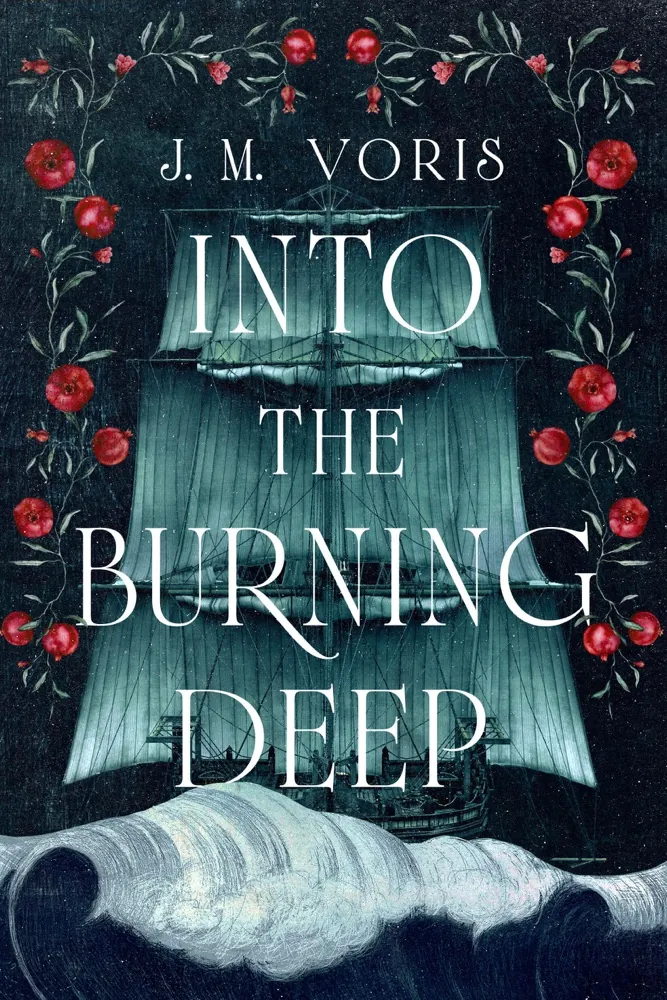

Author: J.M. VorisPage Count: UnknownPublication Date: Expected publication 2026 APL September always smells like roasted coffee beans and damp wool coats, especially when you are sitting by the window watching the neighborhood teenagers argue about college applications while you desperately try to unpack a synopsis that sounds like a massive pitch meeting at a streaming service where executives just threw Greek mythology into a blender with a history textbook and hoped the glass wouldn't crack. J.M. Voris gives us Into the Burning Deep, a sapphic reimagining of Orpheus and Eurydice set on a quarantined steamship called The Lyre, and honestly, I am already exhausted by the sheer mathematical probability of these tropes colliding in a way that either completely reinvents speculative fiction or crashes terribly against the rocks of YA commercialism. Adrian Nix is an oil-splattered mechanic dodging dark magic from a ruined homeland—because no protagonist is allowed to just have a normal job anymore without carrying the literal geopolitical trauma of an entire continent on their grease-stained shoulders—and then along comes Ophelia Jones, a rebellious socialite betrothed to a wealthy governor who exists purely to be the sun, the moon, and the tragic catalyst for a maritime rescue mission. And why do characters in these books always have terrifying dreams of sinister voices whispering in the bilges? Can we not just have two people fall in love over burnt toast and bad ship rations without a ghostly vessel luring someone across the waves with a siren song of vague, unspecified stakes? I said earlier that this premise feels tired, but wait, actually, the claustrophobia of a floating quarantine zone offers an genuinely brilliant container for romantic tension, trapping two entirely different social strata together until the pressure cooker literally explodes into the supernatural. Vulnerable. The synopsis leans heavily on mood—oil-splattered hands, haunted corners, burning deeps—without actually telling us how the magic functions, which usually means the world-building is going to rely entirely on vibes and emotional resonance rather than hard mechanical rules, a frustrating trend I also noticed in recent releases by Tamsyn Muir and Shelley Parker-Chan where aesthetic completely overpowers internal logic. Now if you will excuse me, I need to put on a heavier cardigan and walk three blocks down the hill before the local artisanal cafe closes because I desperately need a decent cup of matcha in this utterly gentrified neighborhood. Related InsightsWhat the Forest Devours: A Novel Book Review and Summary Miss Wolcott's Ghost (Chief Inspector Armand Gamache, #21) Book Review and Summary Dive Bar at the End of the Road Book Review and Summary{ "@context": "https://schema.org", "@type": "FAQPage", "mainEntity": [ { "@type": "Question", "name": "What is the main focus of Into the Burning Deep Book Review and Summary?", "acceptedAnswer": { "@type": "Answer", "text": "Everything you need to know about Into the Burning Deep with our detailed review." } }, { "@type": "Question", "name": "Who authored the comprehensive guide on Into the Burning Deep Book Review and Summary?", "acceptedAnswer": { "@type": "Answer", "text": "This detailed article and its insights were carefully researched and authored by Camille Dubois." } }, { "@type": "Question", "name": "Where can I find more related content about Books?", "acceptedAnswer": { "@type": "Answer", "text": "You can explore more articles, detailed reviews, and similar insights by browsing the Related Insights section at the bottom of this article or visiting our dedicated Books category page." } } ] }
-
 Diego Lopez
 - 01 Sep, 2026 23:47
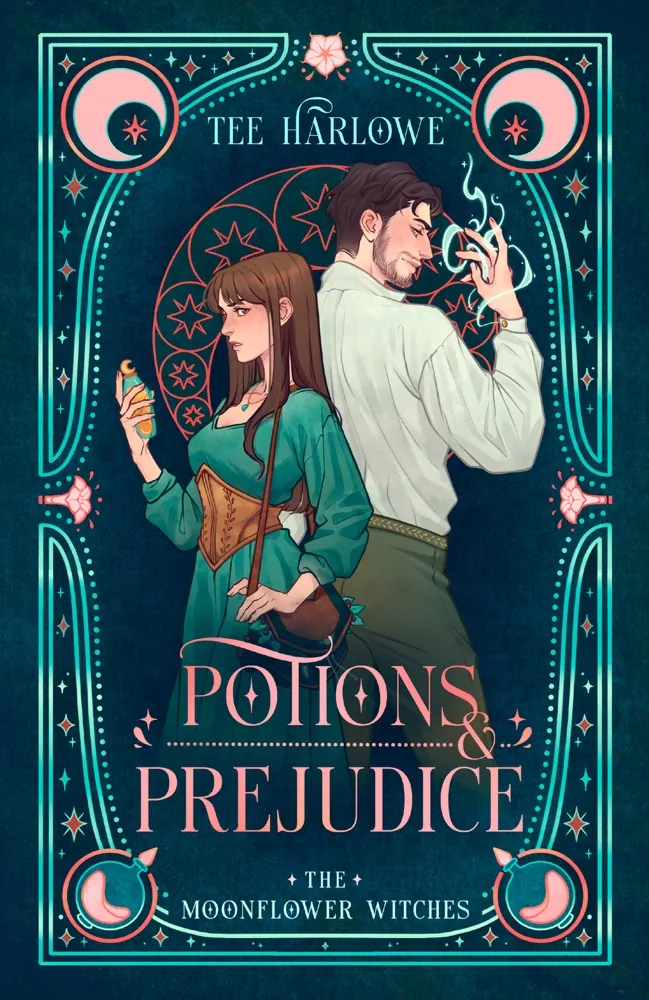
Potions & Prejudice (The Moonflower Witches, #1) Book Review and Summary
Author: Tee HarlowePage Count: UnknownPublication Date: Expected publication 2026 APL The air conditioning on this metal tube died somewhere outside of Bakersfield while my knee is currently wedged against a damp vinyl seatback that smells aggressively of cheap lemon cleaner and someone else's bad decisions. God forbid I get a quiet hour to dissociate without typing out 500 words on a book that doesn't even exist yet because it drops in 2026. Tee Harlowe wants us to care about Potions & Prejudice, and honestly? Fine. I'll bite. Because if I have to listen to the neon humming above my head flicker like a dying strobe light for six more hours, I might as well deconstruct how we are still endlessly recycling Jane Austen like a caffeinated hamster on a wheel. The Architecture of Sarcasm and Sentient Drywall Let's talk about the setup. A cursed witch, a sentient cottage—which sounds like a terrible zoning violation—pocket-size dragons, and a glowering tavern owner. Jane Austen would probably reach for a bottle of laudanum if she saw what modern fantasy romance did to her social satire. But Austen isn't here, and we are left drowning in a sea of cozy-fantasy branding that treats emotional repression like a cute accessory. Elspeth Moonflower can't use her magic until she marries because patriarchy is apparently baked into the genetic code of fictional covens. And what is her reward for this systemic indignity? A man who glares at her until he kisses her. Groundbreaking. Yet I am weirdly protective of these fictional women already—probably because they are stuck in a narrative loop just like I am trapped on this cursed Greyhound hurtling toward a family reunion where my aunt will ask me why I haven't bought a house yet. Elspeth runs an apothecary shop and deals with a mother complaining about "magicless spinsters," which is terrifyingly close to my current reality minus the apothecary. The thematic core here isn't really about potions. It is about forced proximity as a psychological weapon. Draven Darkstone is wealthy, arrogant, and broody—the literary equivalent of a black-coffee drinker who hates small talk. But we all know the mechanics of the genre. The glare always softens into the searing glance. The enemies-to-lovers pipeline is as reliable as the diesel engine beneath my seat rattling my teeth loose. The Marketing Machine We Deserve Can we look at the trend here? We are living through an endless loop of IP pastiches where every public domain classic gets dragged through a magical realist car wash. First it was zombies, then it was Bridgerton clones, and now we get pocket-size dragons bolted onto Pride and Prejudice because the publishing industry is terrified of an original idea. If you liked Legends & Lattes or any of those pastel-covered fantasy romances currently taking up shelf space next to the energy drinks at Target, you are the target demographic. Harlowe is leaning hard into the comfort-read industrial complex. And frankly? I respect the hustle. Someone has to keep the romance paperback market afloat while the rest of us slowly lose our minds to the gig economy. Still, I resent having to analyze a synopsis for a book that won't even exist in physical form until two years from now just to pad out some arbitrary word count while my lower back screams in agony. Will the sentient cottage have a distinct personality or just be a quirky background prop? The synopsis refuses to elaborate. Pocket-size dragons are mentioned once like an afterthought—a cute aesthetic garnish to distract us from the fact that the plot hinges on the exact same marriage-market anxiety that plagued Regency England. I am going to go stare blankly into the open refrigerator for inspiration. Related InsightsNormal People Book Review and Summary Loving a Demon is a Total Nightmare (Total Chaos, #3) Book Review and Summary The Red Tent Book Review and Summary{ "@context": "https://schema.org", "@type": "FAQPage", "mainEntity": [ { "@type": "Question", "name": "What is the main focus of Potions & Prejudice (The Moonflower Witches, #1) Book Review and Summary?", "acceptedAnswer": { "@type": "Answer", "text": "Everything you need to know about Potions & Prejudice (The Moonflower Witches, #1) with our detailed review." } }, { "@type": "Question", "name": "Who authored the comprehensive guide on Potions & Prejudice (The Moonflower Witches, #1) Book Review and Summary?", "acceptedAnswer": { "@type": "Answer", "text": "This detailed article and its insights were carefully researched and authored by Diego Lopez." } }, { "@type": "Question", "name": "Where can I find more related content about Books?", "acceptedAnswer": { "@type": "Answer", "text": "You can explore more articles, detailed reviews, and similar insights by browsing the Related Insights section at the bottom of this article or visiting our dedicated Books category page." } } ] }
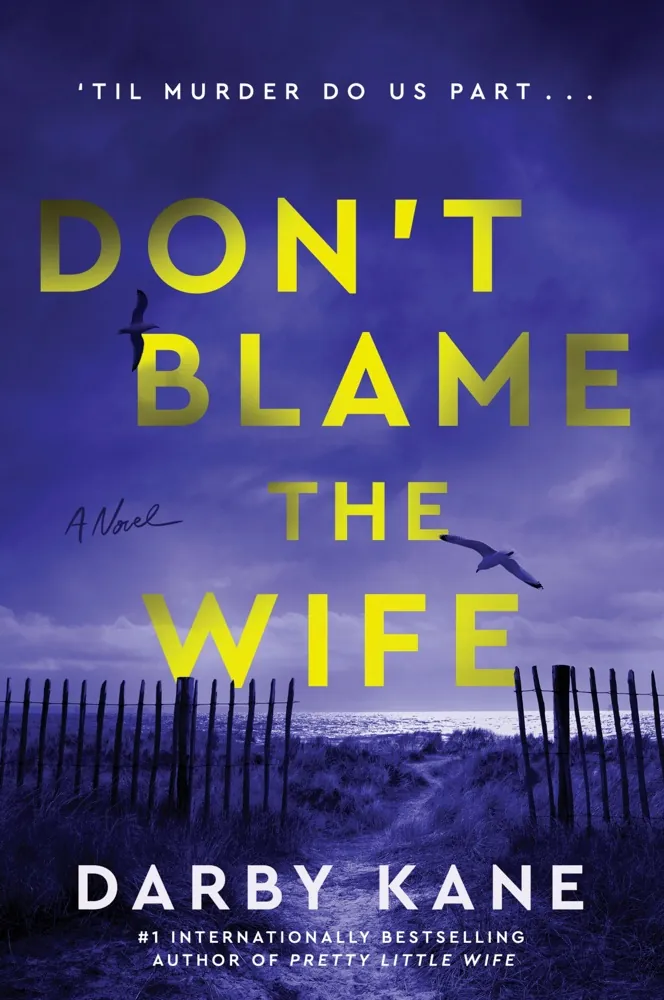

Author: Darby KanePage Count: UnknownPublication Date: Expected publication 2026 APL The Mediterranean glare is simply ruthless on Morocco-bound calfskin, yet I persist through the literary drivel publishers insist on floating past my transom. Darby Kane’s upcoming Don't Blame the Wife crosses my desk wrapped in the usual breathless marketing hyperventilating—comparing it to Succession and The Guest List because apparently, corporate boardrooms and blood-spattered seaside shindigs are entirely interchangeable tropes to the common reading public. Lmao, make it stop. The Architecture of Vapid Affluence We are subjected once again to the tired, utterly derivative milieu of wealthy people behaving monstrously. Groundbreaking. Walter Benedict is dead in a Rhode Island pool, his wife Amery—whose name drips with the sort of aggressively expensive vowels that require trust funds to pronounce—skated away from jail time like a rich girl bossing her way through an etiquette crisis. Ten years later, she gathers the greedy spawn for a celebratory anniversary of a corpse. But wait. An explosive documentary looms. The plot hinges on a reality-tv-adjacent bribe: solve the murder of dear old Walter, win a twenty-eight-million-dollar oceanfront estate. Winner take all, baby. No cap. Wealth Pornography as a Blood Sport What fascinates me here—if one can pry open a sliver of intellectual curiosity beneath the yacht’s canopy—is the unabashed weaponization of domestic architecture as a gladiatorial arena. Kane is clearly leaning hard into the contemporary obsession with hyper-wealthy dysfunction, treating family trauma like an immersive escape room designed by sociopaths. Amery doesn't just want the truth; she wants a demolition derby of ethics. She yearns for her children and their parasites to descend into feral backstabbing just to secure the deed to Waverly. It is base, cynical, and utterly lacking in the Shakespearean heft of actual dynastic collapse. Yet, the sociology of the leisure class demands this sort of public flaying. We love watching the monied class eat their own until the cholesterol gets them. Or in this case, a pool filter. The Problem of Manufactured Vagueness The synopsis reads like a pitch meeting at a streaming service desperate for a weekend binge-watch before the algorithm resets its parameters. We get zero texture on the children, zero interiority beyond the broad strokes of greed, and a premise that stretches credulity thinner than my vintage Hermès caftan. If Amery has been planning this calculated psychological massacre for a decade, why now? Because a true-crime internet mob got bored? Please. The stakes feel simultaneously inflated and profoundly hollow—a twenty-eight-million-dollar carrot dangled by a woman who views her offspring as malfunctioning Labradoodles. One expects cardboard cutouts rather than breathing characters. Still, one must admit the sheer audacity of the subtitle-esque threat baked into the promotional copy: "This will teach people to blame the wife." Iconic behavior, honestly. If the prose matches the campy, venomous bite of that closing line, the plebes might actually buy it at airport terminals worldwide. And now, to completely ruin an otherwise sublime afternoon on the water, the charter caterer just radioed in to announce they've caught food poisoning in Mykonos and cancelled the lobster boil. Fml. Related InsightsRed Rising Book Review and Summary Vanity Fair Book Review and Summary The Cruel Prince Book Review and Summary{ "@context": "https://schema.org", "@type": "FAQPage", "mainEntity": [ { "@type": "Question", "name": "What is the main focus of Don't Blame the Wife Book Review and Summary?", "acceptedAnswer": { "@type": "Answer", "text": "Everything you need to know about Don't Blame the Wife with our detailed review." } }, { "@type": "Question", "name": "Who authored the comprehensive guide on Don't Blame the Wife Book Review and Summary?", "acceptedAnswer": { "@type": "Answer", "text": "This detailed article and its insights were carefully researched and authored by Olivia Harris." } }, { "@type": "Question", "name": "Where can I find more related content about Books?", "acceptedAnswer": { "@type": "Answer", "text": "You can explore more articles, detailed reviews, and similar insights by browsing the Related Insights section at the bottom of this article or visiting our dedicated Books category page." } } ] }
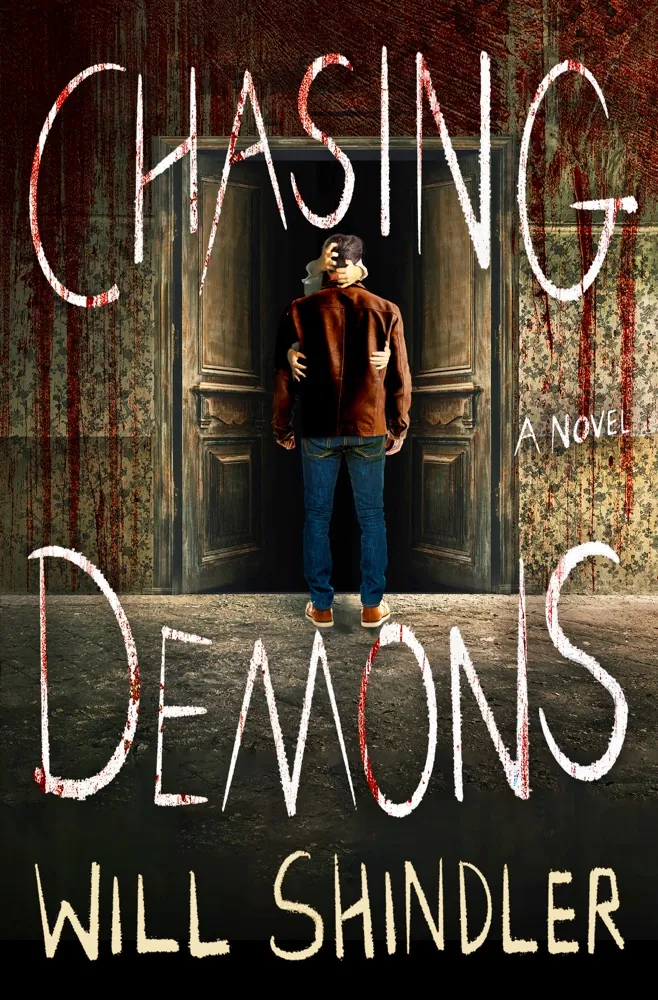
Author: Will ShindlerPage Count: UnknownPublication Date: Expected publication 2026 APL Ten cents a word if I am lucky, and yet here I sit staring at a publisher blurb for Will Shindler’s Chasing Demons, trying to inflate three paragraphs of generic thriller boilerplate into an anticipatory preview that won't make my landlord laugh me out of the hallway. Let us be entirely frank about the raw material provided. It is an uninspired exercise in psychological horror tropes. A former mental health institute massacre. A fractured memory. Suspicion falling squarely on the protagonist because apparently, nobody in modern suspense fiction is allowed to trust their own hippocampus anymore. The Nostalgia Trap of Broken Brains We have seen this exact narrative scaffolding a thousand times. Give us a weary schoolteacher dragged back to his claustrophobic hometown of Tayborough—is it ever sunny in these towns? No, it is permanently overcast—and mix in a dash of the supernatural. Shindler, transitioning here into darker genre fiction after his Detective Chief Inspector Alex King procedurals, clearly wants to play in the murky sandbox of Stephen King or a late-career Dennis Lehane. Or perhaps I should say he does not want to do that at all, considering how thoroughly standard-issue this setup reads on paper. Actually, scratch that last thought entirely. The inclusion of a manipulated dark force rather than a purely psychological break might actually save the manuscript from terminal predictability. Or it will sink it into utter camp. The Bureaucracy of Suffering The thematic core here relies lazily on the weaponization of trauma. Twenty-three years of quiet suburban fatherhood undone because a dead therapist was posed just right. It is the literary equivalent of a jump scare in an empty hallway. Yet the interplay between institutional confinement and supernatural manipulation offers a sharp angle on how past grief festers into literal monsters. Joel Sampson is less a character and more a collection of symptoms designed to keep the page-turns moving past midnight. Watch the reviews praise it as a haunting exploration of the human psyche. They always do. But I am betting it turns out to be a rushed ghost story with too many flashbacks and a thoroughly unearned twist in the final chapter. Hold on. My phone just buzzed. The agency account manager is having a complete meltdown because my typo-ridden tweet about a rival publishing house's lead title just hit three hundred retweets and the legal department wants my head on a spike. #publishinglife #thrillers #sendhelp Related InsightsThe Court of Venus Book Review and Summary Lust: Pleasure, Performance, Power Book Review and Summary Five Brothers Book Review and Summary{ "@context": "https://schema.org", "@type": "FAQPage", "mainEntity": [ { "@type": "Question", "name": "What is the main focus of Chasing Demons Book Review and Summary?", "acceptedAnswer": { "@type": "Answer", "text": "Everything you need to know about Chasing Demons with our detailed review." } }, { "@type": "Question", "name": "Who authored the comprehensive guide on Chasing Demons Book Review and Summary?", "acceptedAnswer": { "@type": "Answer", "text": "This detailed article and its insights were carefully researched and authored by Irina Ivanova." } }, { "@type": "Question", "name": "Where can I find more related content about Books?", "acceptedAnswer": { "@type": "Answer", "text": "You can explore more articles, detailed reviews, and similar insights by browsing the Related Insights section at the bottom of this article or visiting our dedicated Books category page." } } ] }

-
 Marco Conti
 - 01 Sep, 2026 22:26
Like the Moon We Rise (The Poisoner's Moon, #1) Book Review and Summary
Author: Annabelle CormackPage Count: UnknownPublication Date: Expected publication 2026 APL The synopsis for Like the Moon We Rise is a glittering mess of political intrigue and witchy revenge fantasies—like if The Poisoner’s Daughter by Kristin Harmel met up with The Cruel Prince by Holly Black in a back-alley deal gone wrong. The premise is so ripe for a slow-burn courtroom drama where the real poison is the kind that seeps into the bones of the reader’s patience—because the setup is too neat, too conveniently tied to prophecy, and too eager to throw Auriel into a role that feels less like a subversive act and more like a poorly written fanfic trope. But let’s cut to the chase: the book’s biggest sin is its vagueness—not in the way of a mystery, but in the way of a plot that’s been sketched in Sharpie on a napkin. We have a poison maiden, a prince with a grudge, a friend who’s definitely hiding something, and a witchcraft that’s either a gift or a curse depending on who’s paying the rent. The problem? None of this feels like it’s been thought through. The Empress isn’t just a villain—she’s a blank slate, a placeholder for whatever political allegory Cormack wants to slap on later. And Ambrose? He’s not a prince, he’s a checklist: young, vengeful, obviously hiding something. The synopsis treats him like a character in a YA romance where the guy’s backstory is just “he’s hot and he’s got issues.” The real gold here is in the tone—a mix of The Lies of Locke Lamora’s sharp wit and The Cruel Prince’s courtly tension, but with the emotional temperature cranked up to “slow-burn until someone snaps.” Auriel’s position as a poisoner isn’t just a job; it’s a metaphor—one that could’ve been so much sharper if the synopsis didn’t reduce her to “forced to kill for a living.” That’s the kind of line that makes you wonder if the author’s ever read The Poisoner’s Handbook by Deborah Blum, where the real horror isn’t the killing, but the science of it, the precision, the way poison becomes a language all its own. Instead, we get “sweetest poisons,” which is so 2010s fantasy—like if a TikTok trend about “dark academia” got pregnant with a court intrigue novel. Faolan’s role is the most interesting part of the synopsis, not because of what he does, but because of what he implies. He’s the wild card, the one who’s been in on the plan from the beginning—except the synopsis doesn’t tell us why. Is he a traitor? A lover? A business partner? The ambiguity is deliberate, but it’s also dangerous—because if Cormack can’t commit to his role, the reader’s going to be left flailing like Auriel in a room full of knives. And don’t even get me started on the “dark presence within her.” That’s so vague it could mean anything—is it a literal demon? A metaphor for trauma? A plot device? The synopsis treats it like a punchline, but in a book this layered, it should feel like a threat. The biggest red flag? The way the synopsis assumes the reader will buy into the prophecy nonsense. Prophecies are dead in modern fantasy—unless they’re subverted, unless they’re lies, unless they’re tools. But here, they’re just there, like a deus ex machina with a crown. It’s the kind of thing that makes you wonder if Cormack’s read enough actual political history—because prophecies don’t save people, they destroy them. Look at The Lies of Locke Lamora: the real magic isn’t in the prophecy, it’s in the people who believe in it. Here, the prophecy feels like a cheat code, and that’s a problem. But—and this is a big but—if Cormack can pull off the balance between Auriel’s internal struggle and the courtly machinations, this could be something. The synopsis is too eager to hand Auriel a mission, but if she’s allowed to question it, if the court feels like a prison rather than a stage, then maybe the book will live up to the hype. Right now, it’s just waiting to see if the author can turn “sweetest poisons” into something more than a gimmick. My prediction? This is going to be the kind of book that divides readers—either they’ll love the courtly tension and the witchy undertones, or they’ll be left scratching their heads at the lazy execution of the prophecy. It’s so close to being a gem, but the synopsis makes it feel like it’s still in the rough-cut stage. And in fantasy, rough cuts are fine—as long as they’re not the final product. Now if you’ll excuse me, my tailor’s waiting to fit me for the gala, and I’ve got a date with a very expensive suit that’s definitely not on sale. #BookTok #FantasyFails #ProphecyProblems Related InsightsA Brief History of Time Book Review and Summary The Coworker Book Review and Summary A Winter Grave Book Review and Summary{ "@context": "https://schema.org", "@type": "FAQPage", "mainEntity": [ { "@type": "Question", "name": "What is the main focus of Like the Moon We Rise (The Poisoner's Moon, #1) Book Review and Summary?", "acceptedAnswer": { "@type": "Answer", "text": "Everything you need to know about Like the Moon We Rise (The Poisoner's Moon, #1) with our detailed review." } }, { "@type": "Question", "name": "Who authored the comprehensive guide on Like the Moon We Rise (The Poisoner's Moon, #1) Book Review and Summary?", "acceptedAnswer": { "@type": "Answer", "text": "This detailed article and its insights were carefully researched and authored by Marco Conti." } }, { "@type": "Question", "name": "Where can I find more related content about Books?", "acceptedAnswer": { "@type": "Answer", "text": "You can explore more articles, detailed reviews, and similar insights by browsing the Related Insights section at the bottom of this article or visiting our dedicated Books category page." } } ] }
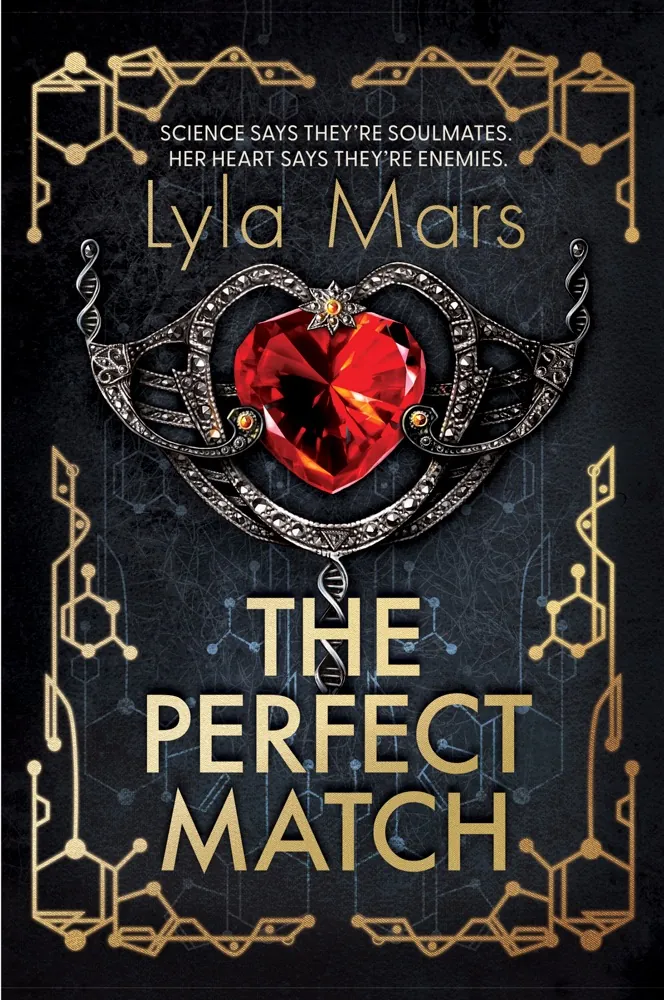

Author: Lyla MarsPage Count: UnknownPublication Date: Expected publication 2026 APL One shudders to recall the purity of matrimonial alliances governed by proper lineage, pedigree, and the quiet dignity of arranged property consolidation, only to watch contemporary scribes reduce sacred bloodlines to a vulgar spreadsheet exercise. Lyla Mars presents The Perfect Match, a forthcoming speculative venture hailing from the digital pages of Wattpad—where else could such melodramatic contrivances hatch?—that posits a near-future American dystopia managed by an algorithmic arbiter named Algorithma. The Arithmetic of Affection Consider the sheer audacity of reducing genealogical supremacy to a literal percentage. Eliotte Wager fancies herself bound by the archaic chains of childhood sentimentality to a boy named Ashton, yet the sovereign computer spits out a chilling 98.8% compatibility rating with his older, purportedly loathsome brother, Izaak. One immediately suspects a staggering lack of imagination in the setup. Yet, the premise possesses a deliciously scandalous undertone that recalls the breathless scandal sheets of the Regency era—if the Regency had possessed cold-blooded technocrats computing genetic harmony. And yet, I claimed the premise lacks imagination, which is entirely false; the conceit of state-mandated genetic matching is a delightfully wicked framework for examining how the lower orders handle forced proximity. Or perhaps I misjudge the scope entirely, because reducing state tyranny to domestic squabbling feels dreadfully pedestrian when one could explore the liquidation of ancestral estates. Forced Proximity and Pedigree Failures The mandatory marriage trope is terribly mid, honestly. We are expected to swoon over the predictable friction between an icy rebel and a disillusioned maiden who thought she bagged the spare instead of the heir. This is merely Red, White & Royal Blue wrapped in dystopian burlap, lacking the refined aristocratic bite of Edith Wharton or the psychological claustrophobia of proper speculative fiction. The synopsis leans heavily on the crutches of modern commercial pulp: enemies-to-lovers, forced proximity, and a dash of political rebellion that will likely amount to little more than mild finger-wagging at the ruling class before the protagonists lock lips in a damp cellar. Yet, the social implications of an algorithmic caste system remain deliciously fertile ground. If the state calculates your worth down to a decimal point, what happens to the untouchable prestige of old money? Mars gestures toward this tension with whispers of revolution and scandalous unions, though one fears the prose will prioritize breathless panting over biting satirical commentary regarding state-sanctioned breeding programs. One waits with baited breath to see if the manuscript possesses actual teeth or if it simply devolves into another algorithmic exercise in satisfying the masses. But forgive me, I must dash off a scathing editorial on the utter commercialization of modern art and the deplorable decline of patronage before the evening carriage arrives. #ThePerfectMatch #BookTok #DystopianRomance Related InsightsBook of Night Book Review and Summary Where the Red Fern Grows Book Review and Summary Shadow and Son (Shattered Crown, #3) Book Review and Summary{ "@context": "https://schema.org", "@type": "FAQPage", "mainEntity": [ { "@type": "Question", "name": "What is the main focus of The Perfect Match Book Review and Summary?", "acceptedAnswer": { "@type": "Answer", "text": "Everything you need to know about The Perfect Match with our detailed review." } }, { "@type": "Question", "name": "Who authored the comprehensive guide on The Perfect Match Book Review and Summary?", "acceptedAnswer": { "@type": "Answer", "text": "This detailed article and its insights were carefully researched and authored by James Miller." } }, { "@type": "Question", "name": "Where can I find more related content about Books?", "acceptedAnswer": { "@type": "Answer", "text": "You can explore more articles, detailed reviews, and similar insights by browsing the Related Insights section at the bottom of this article or visiting our dedicated Books category page." } } ] }

Author: Kaylie SmithPage Count: UnknownPublication Date: Expected publication 2026 APL Grief is not a neat little package you set on the mantelpiece; it is a rotting floorboard you step through when you are least expecting it, plunging your whole leg into the dark while the rest of the room goes on drinking tea. And yet, the publishing industry insists on dressing this agony up in leather corsets and hellfire, as if losing a brother can be solved by winning a bloody tournament against a secret society of demons. Kaylie Smith is bringing us Daemonica, the next installment in a series that evidently requires teenagers to survive mortal combat just to reclaim their own ancestral property, and I find myself staring at the synopsis with a cold, heavy ache in my chest that has nothing to do with fantasy and everything to do with the quiet shattering of a household. Gwendolyn loses her brother, which should be the emotional anchor of the entire narrative—an anchor heavy enough to drag the reader down into genuine, suffocating sorrow—yet we are immediately hurdled into a ridiculous bureaucratic hostage situation where the dead boy gambled away the family estate to hell's most exclusive fraternity. Death is final. It leaves a dinner chair permanently empty. It does not leave behind a real estate dispute. And then, of course, enters Sevin Silver—because what is a grief-stricken sister to do without her gorgeous, annoying first love showing up to complicate the blood-soaked games with his own secret agenda involving a dying mother? Wait. Actually, let me walk that back for a second. Perhaps the ridiculousness of the premise is precisely the point, a garish neon distraction from the unbearable weight of mourning, because when your heart is broken into jagged pieces, sometimes you just want to read about attractive people trading witty banter while dodging literal hellfire. Or perhaps I am simply projecting my own exhaustion onto a plot that refuses to sit still with its own wounds. Smith is leaning hard into the modern romantic fantasy playbook—think Tracy Wolff or Jennifer L. Armentrout dialed up to a frantic, neon-lit pitch—where high-stakes competition serves as a flimsy excuse for forced proximity and unresolved sexual tension. Yet underneath the marketing gloss about ruthless rules and merciless games, a more interesting anxiety pulses through the premise: the terror of losing everything your family built, of watching your lineage vanish because the people you loved made catastrophic, irreversible mistakes. Gwen is not just fighting for a house; she is fighting for the last physical remnants of a brother who left her stranded in the wreckage of his absence. She wants the walls that remember him, the floors that still echo with his footsteps, even if those walls now belong to the damned. And Sevin, with his desperate quest for a magical cure, mirrors that exact same frantic refusal to accept loss, turning the arena into a pathetic, beautiful collision of two people who do not know how to say goodbye. We read these books because we want to see people fight death and win, even when we know damn well that in the real world, no amount of dark magic or bargain-bin deals will ever bring back what was stolen from us in the quiet hours of the night. The baby monitor just illuminated with terrifying activity. Related InsightsLast Lady B Book Review and Summary Wicked and the wallflower Book Review and Summary New Harry Bosch and Renée Ballard Novel Book Review and Summary{ "@context": "https://schema.org", "@type": "FAQPage", "mainEntity": [ { "@type": "Question", "name": "What is the main focus of Daemonica (Wicked Games, #3) Book Review and Summary?", "acceptedAnswer": { "@type": "Answer", "text": "Everything you need to know about Daemonica (Wicked Games, #3) with our detailed review." } }, { "@type": "Question", "name": "Who authored the comprehensive guide on Daemonica (Wicked Games, #3) Book Review and Summary?", "acceptedAnswer": { "@type": "Answer", "text": "This detailed article and its insights were carefully researched and authored by Victoria Smith." } }, { "@type": "Question", "name": "Where can I find more related content about Books?", "acceptedAnswer": { "@type": "Answer", "text": "You can explore more articles, detailed reviews, and similar insights by browsing the Related Insights section at the bottom of this article or visiting our dedicated Books category page." } } ] }

-
 Sofia Romano
 - 01 Sep, 2026 20:18
L'Occhio che ha Cambiato il Mondo: L'Ascesa Silenziosa della Fotografia Tascabile
C’è un momento in cui la storia dell'umanità ha smesso di essere solo tramandata attraverso la parola scritta per trasformarsi in un flusso incessante di pixel catturati in tempo reale. Non è accaduto in un grande laboratorio di ricerca né sotto i riflettori di un evento storico, ma nel palmo di una mano. Siamo passati dall'essere spettatori passivi del mondo a diventare i narratori ossessivi della nostra stessa esistenza, armati di sensori che, poco più di vent’anni fa, sembravano fantascienza pura. L'Alba del Sensore Tascabile La fotografia non è sempre stata il gesto fluido e naturale che conosciamo oggi. Prima dell'avvento della fotocamera integrata nei telefoni cellulari, l'atto di scattare richiedeva una pianificazione, una strumentazione specifica e una pazienza che spesso andava oltre il momento stesso che si voleva immortalare. Il 1999 e il 2000 segnarono uno spartiacque fondamentale: l'introduzione dei primi telefoni con fotocamera integrata, come il Kyocera Visual Phone VP-210 o lo Sharp J-SH04, cambiò radicalmente le regole del gioco. Inizialmente, la risoluzione era quasi irrisoria, una manciata di pixel che a stento riuscivano a definire i contorni di un volto. Eppure, quell'imperfezione non era un limite, ma l'inizio di una democratizzazione senza precedenti. Per la prima volta, il dispositivo che usavamo per comunicare era diventato anche l'occhio che osservava il mondo circostante. La barriera tra il "vivere l'evento" e il "documentare l'evento" iniziò a sgretolarsi, dando inizio a un'era di iper-documentazione sociale che ancora oggi non accenna a diminuire.Dall'Effimero alla Perfezione Ottica Con il progredire della tecnologia, il salto qualitativo è stato esponenziale. La sfida non era più solo quella di inserire un sensore in uno spazio microscopico, ma di integrare l'intelligenza artificiale per correggere i limiti fisici delle lenti. Lo sviluppo dei sensori CMOS (Complementary Metal-Oxide-Semiconductor) ha permesso una miniaturizzazione che non ha compromesso, ma anzi esaltato, la capacità di catturare la luce. Oggi, guardare le specifiche di uno smartphone moderno significa osservare una convergenza tra ottica di precisione e potenza di calcolo computazionale. L'introduzione della fotografia computazionale ha segnato la morte definitiva dell'idea che la qualità di uno scatto dipendesse unicamente dalla dimensione della lente. Attraverso algoritmi complessi, il software è in grado di fondere esposizioni multiple, ridurre il rumore digitale e simulare profondità di campo che un tempo erano appannaggio esclusivo delle fotocamere reflex professionali. È qui che lo smartphone cessa di essere un semplice gadget e diventa uno strumento creativo a pieno titolo. La Sociologia dello Sguardo Digitale La vera rivoluzione, tuttavia, non è avvenuta nel silicio, ma nel comportamento umano. L'accessibilità costante della fotocamera ha trasformato il linguaggio visivo della nostra epoca. La cultura dello "storytelling" istantaneo è figlia diretta della portabilità. Non scattiamo più per conservare un ricordo per i posteri, ma per condividere un’esperienza nel momento stesso in cui accade. Questo ha generato una nuova forma di critica sociale. La fotografia non è più una disciplina riservata a chi possiede le competenze tecniche necessarie a gestire tempi di scatto o aperture di diaframma; è diventata una lingua universale. Il "punta e scatta" è stato elevato a forma d'arte attraverso applicazioni che permettono una post-produzione istantanea, portando la camera oscura direttamente sullo schermo del dispositivo. Eppure, questa facilità solleva questioni profonde: perdiamo il significato di ciò che guardiamo quando tutto viene filtrato attraverso un obiettivo? O stiamo finalmente imparando a vedere la bellezza nelle pieghe della quotidianità?L'Evoluzione dei Sistemi Multi-Lente Chi avrebbe mai immaginato, solo quindici anni fa, di avere in tasca un set di ottiche intercambiabili in miniatura? L'integrazione di sistemi a tripla o quadrupla lente – grandangolo, teleobiettivo e ultra-grandangolare – ha permesso agli utenti di superare i limiti prospettici imposti dal sensore singolo. Questo passaggio dal "fisso" al "flessibile" ha cambiato il lavoro dei fotogiornalisti e dei creativi in tutto il mondo. La capacità di uno smartphone di gestire l'HDR (High Dynamic Range) in tempo reale, bilanciando ombre profonde e luci accecanti senza bruciare i dettagli, è una conquista tecnica che ha richiesto decenni di studio. Non stiamo solo parlando di catturare un'immagine, ma di processare un'intera scena in frazioni di secondo. La tecnologia mobile ha colmato il divario tra l'amatore e il professionista, rendendo la competenza tecnica secondaria rispetto all'occhio del fotografo e al suo intuito. Un Futuro Scritto nella Luce Guardando al futuro, l'integrazione tra la realtà aumentata e la fotografia mobile promette di trasformare ulteriormente il nostro rapporto con il reale. Il dispositivo che teniamo in tasca diventerà sempre più un'estensione della nostra percezione, capace di leggere informazioni, tradurre testi e ricostruire scene tridimensionali in tempo reale. La fotocamera dello smartphone non è più un semplice accessorio, ma il portale attraverso cui accediamo a una nuova dimensione della realtà. La vera bellezza di questa evoluzione risiede nel fatto che, nonostante la complessità tecnologica, lo scopo finale è rimasto lo stesso degli albori della fotografia: fermare il tempo, isolare un frammento di esistenza e condividerlo con qualcuno. Che si tratti di un capolavoro artistico o di uno scatto banale, la tecnologia mobile ha dato a miliardi di persone la voce visiva che prima era negata. Abbiamo tra le mani una biblioteca di immagini della nostra era, una testimonianza storica che non ha eguali nella storia dell'umanità.In definitiva, la storia della fotocamera dello smartphone è la storia del nostro desiderio di connessione. Attraverso ogni click, stiamo tessendo una trama infinita di momenti, visioni e interpretazioni del mondo. Non importa quanto avanzato diventerà il sensore o quanto potente sarà il software: il cuore della fotografia risiederà sempre nello sguardo di chi preme quel tasto, trasformando il banale in eterno. Siamo diventati, senza rendercene conto, i testimoni di noi stessi, e il nostro smartphone è diventato l'archivio infinito di questo straordinario viaggio visivo. #Fotografia #SmartphoneRevolution #Tecnologia #DigitalCulture #Innovation Related InsightsFoundation Book Review and Summary Escuadrón Cielo Book Review and Summary Deep End Book Review and Summary{ "@context": "https://schema.org", "@type": "FAQPage", "mainEntity": [ { "@type": "Question", "name": "What is the main focus of L'Occhio che ha Cambiato il Mondo: L'Ascesa Silenziosa della Fotografia Tascabile?", "acceptedAnswer": { "@type": "Answer", "text": "Dagli albori tecnici alla democratizzazione dell'immagine: come il dispositivo che teniamo in tasca ha trasformato per sempre il modo in cui guardiamo la realtà." } }, { "@type": "Question", "name": "Who authored the comprehensive guide on L'Occhio che ha Cambiato il Mondo: L'Ascesa Silenziosa della Fotografia Tascabile?", "acceptedAnswer": { "@type": "Answer", "text": "This detailed article and its insights were carefully researched and authored by Sofia Romano." } }, { "@type": "Question", "name": "Where can I find more related content about Books?", "acceptedAnswer": { "@type": "Answer", "text": "You can explore more articles, detailed reviews, and similar insights by browsing the Related Insights section at the bottom of this article or visiting our dedicated Books category page." } } ] }
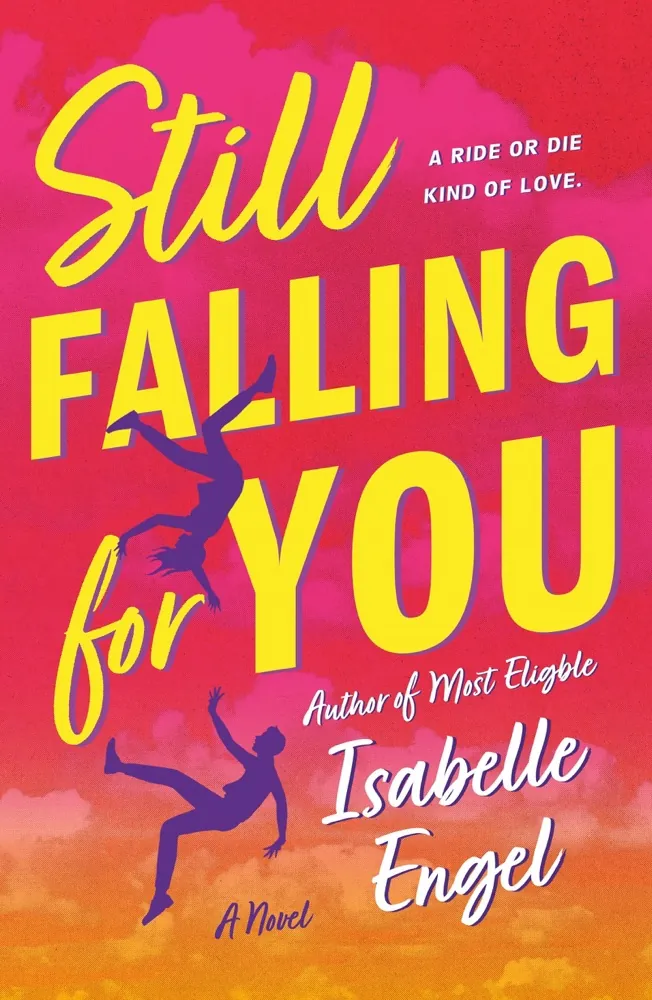

Author: Isabelle EngelPage Count: UnknownPublication Date: Expected publication 2026 APL The manuscript industry loves a good physical metaphor for emotional vulnerability. And Still Falling for You leans so hard into the gravity motif that it practically demands a helmet. Isabelle Engel returns in 2026 with a premise that trades on the cinematic illusion of danger to mask the much safer, predictable mechanics of the modern rom-com. The Physics of Melodrama We are promised a second-chance narrative wrapped in the high-octane aesthetic of a Wild West vampire movie—a genre mashup that sounds either brilliantly unhinged or aggressively focus-grouped. Respectfully, what? But let us look past the ridiculous premise of a cinematic vampire shootout. The core engine here relies on the tired trope of forced proximity via professional sabotage. Mavis and Fox cannot simply talk to each other like adults who endured a near-fatal accident. No. They must dodge falling sandbags and stunt mishaps while nursing lingering resentment. Actually, scratch that—maybe the forced sabotage angle is the only thing keeping the narrative pulse from flatlining. Without an external antagonist poking holes in the production, these two would likely spend three hundred pages staring longingly across a craft services table. Breaking the Stunt Rigging We need to talk about the meta-textual exhaustion of this assignment. Why am I sitting here dissecting the marketing copy of a book that does not even have a finalized page count yet, purely to satisfy an arbitrary word count for a deadline that looms entirely too close? The synopsis leans heavily on comparative titles like The Fall Guy and Ava Wilder's Will They or Won’t They, begging the reader to accept its pedigree before a single chapter is consumed. The thematic undercurrent attempts to deconstruct the archetype of the fearless protagonist. When the physical body is compromised—as Mavis's was in that devastating breakup-adjacent accident—the emotional armor shatters. Yet, the synopsis treats this trauma as a mere stepping stone toward a cute comeback. The danger is commercialized. The bruises are glossed over with sizzling chemistry. Engel wants us to believe that love is the most hazardous drop of all. Yet, every plot point outlined suggests the exact opposite. Love here is cushioned by mats, choreographed by coordinators, and guaranteed a happy ending by the final act break. There is no real peril in a genre bound by contractual obligation. Time to pack up these stray thoughts. I have to rush across town to join a protest against the demolition of a historic neighborhood theater before the wrecking balls arrive. Related InsightsDon't Even Think About Telling This Joke at the Office Book Review and Summary Raven Cycle Series Collection 4 Books Set By Maggie Stiefvater Book Review and Summary Fate Breaker Book Review and Summary{ "@context": "https://schema.org", "@type": "FAQPage", "mainEntity": [ { "@type": "Question", "name": "What is the main focus of Still Falling for You Book Review and Summary?", "acceptedAnswer": { "@type": "Answer", "text": "Everything you need to know about Still Falling for You with our detailed review." } }, { "@type": "Question", "name": "Who authored the comprehensive guide on Still Falling for You Book Review and Summary?", "acceptedAnswer": { "@type": "Answer", "text": "This detailed article and its insights were carefully researched and authored by Giulia Ricci." } }, { "@type": "Question", "name": "Where can I find more related content about Books?", "acceptedAnswer": { "@type": "Answer", "text": "You can explore more articles, detailed reviews, and similar insights by browsing the Related Insights section at the bottom of this article or visiting our dedicated Books category page." } } ] }
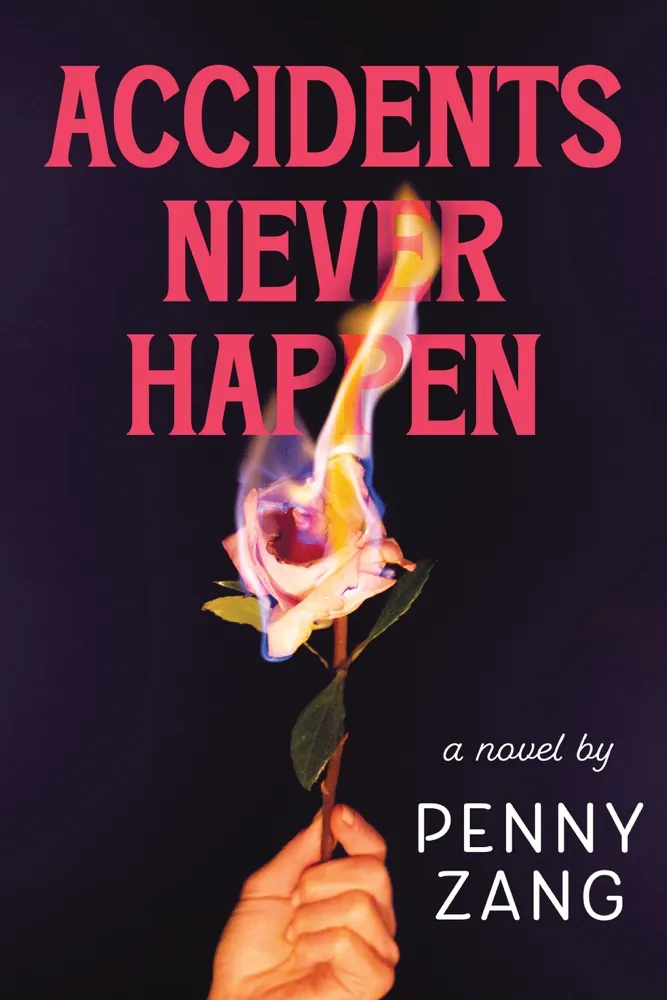
Author: Penny ZangPage Count: UnknownPublication Date: Expected publication 2026 APL Truth be told, September always brings out this ridiculous urge to pretend I am still twenty-two, chain-smoking cloves behind a dive bar while analyzing Edgar Allan Poe like it pays rent, which is precisely why Penny Zang’s upcoming Accidents Never Happen—slated for 2026 and currently leaning hard on the same moody atmospheric crutches as Long Bright River—has me staring down into a lukewarm cup of diner coffee and wondering if we are ever going to get past the tortured-sister trope. Zang clearly wants to bottle that specific 1980s Baltimore grit, mixing Blondie records with missing fathers and fake ghosts in an upstairs window, yet the synopsis practically begs for a tighter focus on the actual sisterly friction rather than tossing in the infamous Poe Toaster just to pad the suspense. Because nothing says heavy-handed gothic pastiche quite like a killer leaving dead roses and sherry at a crime scene, right on cue, as if serial murderers read literary history textbooks before planning their weekend errands. Edgar Allan Poe. Or maybe the killer is just a pretentious grad student. Zang is riding the coattails of Doll Parts, which had its moments of sharp prose, but this new premise stretches credibility right out the gate—who honestly thinks fabricating a ghost story about a dead nineteenth-century poet to save a failing neighborhood bar won't immediately attract the worst kind of weirdos, especially in a city already crawling with urban legends? Mad and Annabel deserve better than to be walking plot devices in a thriller that relies on cheap theatricality instead of actual human dread, though I suppose we will all pretend to be shocked when the missing father turns out to be tied up in the local lore. Or maybe not. I might have entirely misjudged the pacing based on the vague marketing copy, because the synopsis pivots so fast from nostalgic coming-of-age drama to slasher-movie pastiche that I honestly cannot tell if this is supposed to be a gritty regional mystery or an Edgar Allan Poe fanfiction written by committee. Actually, the Poe angle is probably brilliant if executed with enough irony. Or it is a total disaster waiting to happen. September dampness is fogging up the cracked diner window beside me, mirroring the exact kind of suffocating hometown claustrophobia Zang is trying to sell in this book, and I can already picture the rushed third-act confrontation where everything goes up in flames because teenagers in 1985 apparently didn't know how to call the police instead of investigating a serial killer alone. Fans of Bright Young Women will likely eat this up anyway, hungry for another nostalgic true-crime adjacent aesthetic that trades real emotional stakes for spooky set-dressing, but I am reserving judgment until I actually see whether the prose can survive its own gimmick. Nevermore. I have to go finish painting a terribly depressing portrait. Related InsightsHouse of Sand and Fog Book Review and Summary Winterveil Book Review and Summary Forever Night Book Review and Summary{ "@context": "https://schema.org", "@type": "FAQPage", "mainEntity": [ { "@type": "Question", "name": "What is the main focus of Accidents Never Happen Book Review and Summary?", "acceptedAnswer": { "@type": "Answer", "text": "Everything you need to know about Accidents Never Happen with our detailed review." } }, { "@type": "Question", "name": "Who authored the comprehensive guide on Accidents Never Happen Book Review and Summary?", "acceptedAnswer": { "@type": "Answer", "text": "This detailed article and its insights were carefully researched and authored by Camille Dubois." } }, { "@type": "Question", "name": "Where can I find more related content about Books?", "acceptedAnswer": { "@type": "Answer", "text": "You can explore more articles, detailed reviews, and similar insights by browsing the Related Insights section at the bottom of this article or visiting our dedicated Books category page." } } ] }
-
 Maximilian Fischer
 - 01 Sep, 2026 13:06
Dumpling Therapy: My Mother, Chinese Food, and Five Thousand Years of Not-So-Ancient Recipes Book Review and Summary
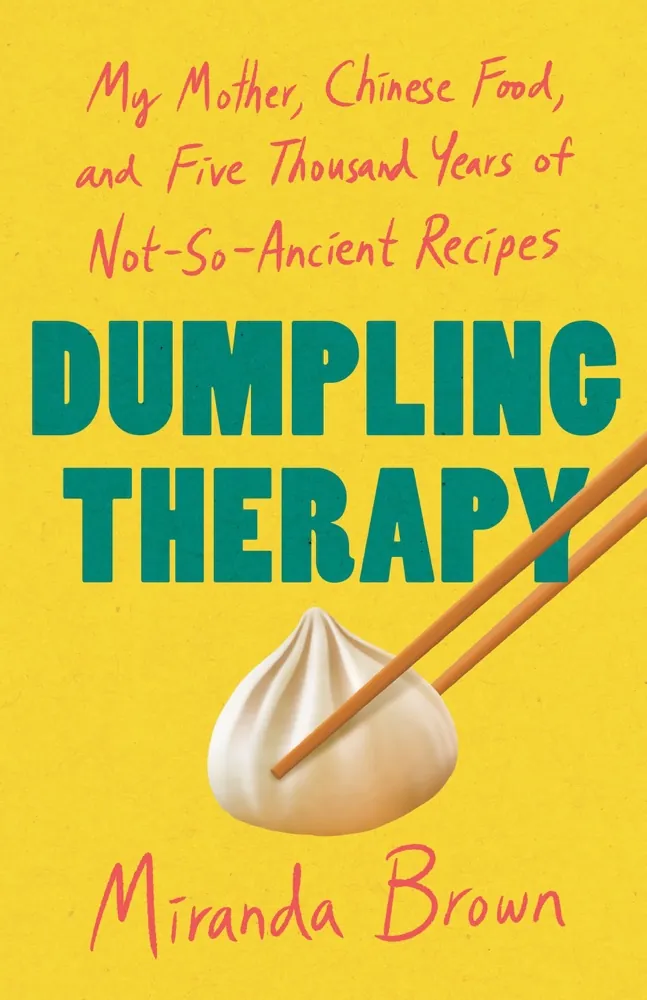
Author: Miranda BrownPage Count: UnknownPublication Date: Expected publication 2026 APL Butter in the coffee. A mother who refuses to march to the rigid drumbeat of culinary tradition. Miranda Brown is preparing to break our hearts with Dumpling Therapy, an upcoming memoir that sounds less like a cookbook and more like a gentle, aching epistolary collision with the ghosts who feed us. The Kitchen Where History Bleeds Memory tastes like scorched sugar and unexpected lard. We spend our youth craving the standardized happiness of the families next door—the identical dumplings, the predictable brown gravy, the quiet shame of a mother who dares to be eccentric in a foreign land. Then the mother dies. And suddenly, every weird, butter-soaked recipe she left behind becomes a sacred scroll. Wait. Did I say the mother dies in the first chapter? The synopsis implies it happens somewhere in the middle, but honestly, memoirs about dead mothers always start with the rattling of pots in an empty kitchen anyway. Speaking of rattling pots, why do people insist on writing historical fiction where every single woman in the 1800s is secretly a master herbalist and an early feminist? It drives me completely mad. I tried to read a historical romance last week about a duke who invented the steam engine while sighing over a milkmaid, and I nearly threw my cold-press juice across the living room. Give me messy, flawed human beings over sanitized historical archetypes any day. Or perhaps I am entirely wrong about the historical scope here. Maybe the book barely touches the ancient past and stays entirely glued to the stovetop of 1980s San Francisco. The Lineage of Chop Suey There is something devastatingly romantic about tracing a dumpling across two millennia only to realize it has an immigrant story of its own. Food has no pure bloodlines. It migrates, it marries strange ingredients, it adapts just to survive the winter. Brown looks at chop suey—that universally scorned artifact of diaspora survival—and finds a lineage. Yet, I worry the culinary metaphor might stretch too thin across five thousand years. Can a single bowl of braised Cantonese tofu really hold the weight of maternal estrangement and ancient geopolitical shifts? Perhaps it can. Love makes fools of historians and poets alike. We hunt for secret letters simply because we cannot bear the thought that the people who raised us were ever just ordinary strangers. They leave us butter in the coffee and expect us to decode the grease stains. The absurd cost of braces these days is giving me a massive headache. #memoir #foodwriting #booktok Related InsightsIf This World Were Mine Book Review and Summary There Are No Giant Crabs in This Novel: A Novel of Giant Crabs (John Dies at the End, #5) Book Review and Summary Inkheart Book Review and Summary{ "@context": "https://schema.org", "@type": "FAQPage", "mainEntity": [ { "@type": "Question", "name": "What is the main focus of Dumpling Therapy: My Mother, Chinese Food, and Five Thousand Years of Not-So-Ancient Recipes Book Review and Summary?", "acceptedAnswer": { "@type": "Answer", "text": "Everything you need to know about Dumpling Therapy: My Mother, Chinese Food, and Five Thousand Years of Not-So-Ancient Recipes with our detailed review." } }, { "@type": "Question", "name": "Who authored the comprehensive guide on Dumpling Therapy: My Mother, Chinese Food, and Five Thousand Years of Not-So-Ancient Recipes Book Review and Summary?", "acceptedAnswer": { "@type": "Answer", "text": "This detailed article and its insights were carefully researched and authored by Maximilian Fischer." } }, { "@type": "Question", "name": "Where can I find more related content about Books?", "acceptedAnswer": { "@type": "Answer", "text": "You can explore more articles, detailed reviews, and similar insights by browsing the Related Insights section at the bottom of this article or visiting our dedicated Books category page." } } ] }

Author: Maria TureaudPage Count: UnknownPublication Date: Expected publication 2026 APL September air smells like rot and wet wool, though nobody wants to admit the summer is truly dead. I sit here surrounded by piles of unread proofs while my own grandchildren treat me like a piece of antique furniture they forgot to dust, demanding ancient tales they never actually listen to anyway. They just want noise. They want blood and shadows without paying any attention to the old blood on the hearthstones. Maria Tureaud is about to drop Beneath, It Sleeps upon us in 2026, and I already know I will despise the modern gloss slapped over real suffering. An eighteenth-century Irish Gothic tale about a runaway accountant hiding in the notorious Hellfire Club. Dublin brothels, wicked gentlemen, and the sudden intrusion of an ancient púca. Because apparently, we are still recycling the same tired folklore tropes until every drop of terror is wrung completely dry. Ledgers and Bloodstains The premise leans heavily on the domesticity of fear—running from a powerful duke only to land in the lap of Dorcas Kelly, the city's most infamous madam. Lotty Boyle is supposed to be our eyes and ears, an accountant turned spy. Yet everyone loves a plucky female protagonist who stumbles into supernatural conspiracies because human greed is apparently too mundane for the current literary market. Why must every historical fiction piece turn into a monster mash by chapter three? It is exhausting. It is the exact same intellectual laziness I saw last year when everyone lost their minds over that dreadful Irish witch novel that shall remain nameless—the one where the protagonist spent three hundred pages staring at damp peat while the author desperately tried to invent a new adjective for "grey." The Old Sins Wake God forbid a story just be about the crushing weight of eighteenth-century debt and male cruelty without needing an elemental power waging war against the Devil. We always have to dig up some primeval entity sleeping beneath the floorboards. Subtlety died somewhere around 2012, buried under a mountain of high-concept pitches designed for streaming adaptations rather than actual readers who appreciate a well-turned sentence. The locals chatter about banshees, Lotty has nightmares of shapeshifters, and the dark magics collide in a predictable display of pyrotechnics. My offshore accountant is demanding a secure phone call. Related InsightsDeath in Berlin Book Review and Summary A Storm of Swords Book Review and Summary Do Androids Dream of Electric Sheep? Book Review and Summary{ "@context": "https://schema.org", "@type": "FAQPage", "mainEntity": [ { "@type": "Question", "name": "What is the main focus of Beneath, It Sleeps Book Review and Summary?", "acceptedAnswer": { "@type": "Answer", "text": "Everything you need to know about Beneath, It Sleeps with our detailed review." } }, { "@type": "Question", "name": "Who authored the comprehensive guide on Beneath, It Sleeps Book Review and Summary?", "acceptedAnswer": { "@type": "Answer", "text": "This detailed article and its insights were carefully researched and authored by Antoine Leroy." } }, { "@type": "Question", "name": "Where can I find more related content about Books?", "acceptedAnswer": { "@type": "Answer", "text": "You can explore more articles, detailed reviews, and similar insights by browsing the Related Insights section at the bottom of this article or visiting our dedicated Books category page." } } ] }

-
 Emily Page
 - 01 Sep, 2026 10:45
The Invisible Canvas of the Digital Age: A Deep Dive into Silicon Wafers
Beneath the polished glass of your smartphone and the rhythmic hum of the servers that power our global connectivity lies a substance so profoundly transformative that it has redefined the boundaries of human possibility. We treat technology as ephemeral, a cloud-based ether that exists everywhere and nowhere, yet its physical manifestation is anchored in something as tangible and ancient as the earth itself: sand. Specifically, the ultra-pure, crystalline silicon wafer. These discs, shimmering with a holographic iridescence, are the invisible canvases of the digital age, the fragile foundations upon which we have etched the entire library of human knowledge. From Earth to Eternity: The Alchemy of Crystal Growth The story of the silicon wafer begins not in a laboratory, but in the elemental furnace of the earth. Silicon is the second most abundant element in the crust, but to become a computer chip, it must undergo a rigorous purification process. The goal is to reach a level of purity known as "eleven nines"—99.999999999% pure. This is a level of refinement that borders on the spiritual; even a single errant atom of impurity can render the entire structure chaotic and unusable. To create the wafer, high-purity polycrystalline silicon is melted in a crucible. This process, often referred to as the Czochralski method, involves dipping a tiny, perfectly oriented seed crystal into the molten pool. As the seed is slowly pulled upward and rotated, a single, flawless cylindrical ingot—a boules—is formed. It is a slow, meditative process. Imagine a single crystal structure, growing atom by atom, maintaining a perfect lattice orientation throughout its entire length. This ingot, often weighing hundreds of pounds, represents the raw potential of the digital world.The Precision of the Blade Once the ingot is cooled, it is sliced with wire saws impregnated with diamond dust. These blades move with surgical precision, carving the solid cylinder into discs often less than a millimeter thick. The surface must be polished until it reaches a mirror-like finish, free of any microscopic scratches or deformations. This wafer is the canvas. It is a stage of absolute flatness, a pristine landscape where we will soon construct cities of light and electricity. When you hold a wafer in your hand, you are not merely looking at a piece of glass-like material; you are looking at a substrate that has been engineered to be the most perfect surface on the planet. If the topography of the Earth were scaled down to the smoothness of a silicon wafer, the Himalayas would be invisible to the naked eye. Etching the Architecture of Thought The actual process of turning a wafer into a functional brain for a computer—the integrated circuit—is perhaps the most sophisticated manufacturing feat in history. It is a process of photolithography, a form of high-tech printing that uses light to project patterns onto the wafer. The wafer is coated with a light-sensitive chemical called a photoresist. Through a series of complex masks, ultraviolet light is shone onto the surface, creating intricate patterns of channels and gates. These patterns define the logic, the memory, and the processing power of the chip. Following exposure, the wafer is subjected to chemical etching or ion implantation, processes that carve away unwanted materials or inject specific impurities into the silicon to change its electrical properties. We are, in essence, painting with light. We build layers upon layers, a vertical architecture of transistors that are so small that billions can fit on a single chip. It is a cathedral of microscopic proportions, where logic flows through gates that are only a few atoms wide.The Invisible Library of Human Progress Why do we not talk more about the wafer? Perhaps because it is designed to disappear. Once the chips are cut from the wafer, packaged into plastic or ceramic shells, and installed into devices, the wafer itself is gone, buried deep within the machinery. Yet, every book we read on a tablet, every photograph stored in the cloud, and every line of code that guides our autonomous vehicles began its life on that round, shimmering disc. This technology has shifted the way we store history. In the past, we relied on paper and parchment, canvases made of pulp or animal skin. Now, our history is recorded in the displacement of electrons within a crystal lattice. We have moved from the ink of the quill to the light of the laser. The silicon wafer is the ultimate library, one that can hold the entire sum of human thought within a space no larger than a human fingernail. Challenges at the Edge of Physics As we push the boundaries of what is possible, we encounter the strange and unforgiving laws of quantum mechanics. When a transistor gate is only a few atoms thick, the electrons do not always behave as expected. They exhibit "tunneling," where they skip over barriers as if they were ghosts. This is the frontier of our current age. Engineers are now moving toward three-dimensional structures—FinFETs and Gate-All-Around (GAA) architectures—where the transistors are no longer flat, but standing upright like skyscrapers in a digital metropolis. The canvas is becoming a landscape of depth and complexity. We are not just building on the surface; we are building upward, seeking to pack more intelligence into every square millimeter of silicon.The Future of the Crystalline Canvas What lies beyond the current generation of wafers? Research into materials like gallium nitride and silicon carbide promises to handle higher voltages and heat, potentially transforming how we manage energy grid infrastructure and electric vehicles. We are even exploring the use of neuromorphic computing—chips designed to mimic the biological structure of the human brain. The silicon wafer remains the constant. Despite the chatter about quantum computing and biological data storage, silicon's role as the foundation of modern civilization is unlikely to be supplanted soon. It is a testament to the power of human ingenuity—that we took the most common material in the earth, and through relentless, exacting science, turned it into the very medium of modern consciousness. When you look at your computer or smartphone again, remember the wafer. Remember the ingot grown from a single seed, the diamond-sawed slices, and the light-etched patterns that move at the speed of thought. You are looking at the culmination of a journey that began with the earth and ended with the stars, a canvas that holds not just data, but the story of us. #SiliconWafers #SemiconductorHistory #ComputingArchitecture #MicrochipInnovation #DigitalFoundations Related InsightsBrisingr Book Review and Summary The Knife of Never Letting Go Book Review and Summary House of Earth and Blood Book Review and Summary{ "@context": "https://schema.org", "@type": "FAQPage", "mainEntity": [ { "@type": "Question", "name": "What is the main focus of The Invisible Canvas of the Digital Age: A Deep Dive into Silicon Wafers?", "acceptedAnswer": { "@type": "Answer", "text": "Explore the microscopic architecture of our modern world. Discover how thin slices of silicon form the silent, invisible canvases upon which the history of human progress is written." } }, { "@type": "Question", "name": "Who authored the comprehensive guide on The Invisible Canvas of the Digital Age: A Deep Dive into Silicon Wafers?", "acceptedAnswer": { "@type": "Answer", "text": "This detailed article and its insights were carefully researched and authored by Emily Page." } }, { "@type": "Question", "name": "Where can I find more related content about Books?", "acceptedAnswer": { "@type": "Answer", "text": "You can explore more articles, detailed reviews, and similar insights by browsing the Related Insights section at the bottom of this article or visiting our dedicated Books category page." } } ] }
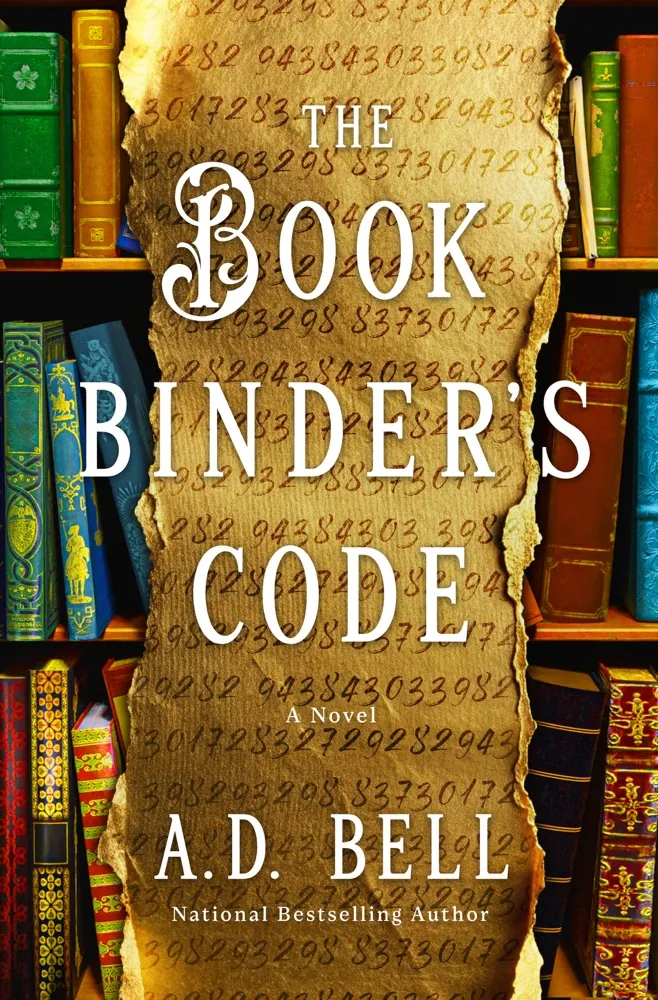

Author: A.D. BellPage Count: UnknownPublication Date: Expected publication 2026 APL The fluorescent lights overhead are humming a violent F-sharp and honestly, the chill creeping in through the loading bay door tonight is doing zero favors for my chronic existential dread. Autumn is here, people are wearing scarves, and I am desperately looking for the literary equivalent of a warm blanket dipped in cheap gin. Enter The Bookbinder's Code. Because nothing says cozy comfort quite like a Victorian-era missing person case and a dash of dusty antiquarian heresy. Binding Wounds and Coded Conspiracies We get it. The plucky artisan thrust into a high-society bloodbath is basically the pumpkin spice latte of historical mysteries. A.D. Bell is leaning hard into the cozy-meets-creepy aesthetic that keeps Dan Brown publishers swimming in cash. Yet—and this is a big, exhausted yet—there is something deeply comforting about the formula. Give me secret societies in Oxford quadrangles over modern nihilism any day. Give me a protagonist named Lily running around in a corset while a shadowy cabal tries to murder her. It is aggressively familiar. It is predictable. My coffee went cold reading this synopsis because I was too busy rolling my eyes at the exact same trope we have all consumed a thousand times since The Da Vinci Code dropped in 2003. The Heresy of the Familiar Yet we eat it up. Every single time. The plot relies on the oldest trick in the bibliographic thriller playbook: the mentor isn't who he says he is. Shocker. I am practically vibrating with apathy regarding the Liber Numerorum, mostly because vague synopses love throwing around Latin titles like they are instant tickets to gravitas. But do I care that it lacks structural originality? Absolutely not. Sometimes you just want to watch an Edwardian bookbinder dodge assassins in a ballroom while pondering the decimal system. It is pure serotonin for the exhausted night-shift brain. Expect breathless pacing that completely glosses over actual historical verisimilitude in favor of vibes. Think Kate Mosse meets Arthur Conan Doyle, filtered through a contemporary algorithm designed to maximize airport bookstore sales. It is low-stakes intellectual fast food wrapped in leather and gold leaf. And honestly? We desperately need that comfort right now as the leaves turn brown and the nights swallow the evening whole. My tarot reading this morning predicted an evening of profound annoyance. Related Insightsالقرآن الكريم Book Review and Summary The Ministry for the Future Book Review and Summary A Breath of Snow and Ashes Book Review and Summary{ "@context": "https://schema.org", "@type": "FAQPage", "mainEntity": [ { "@type": "Question", "name": "What is the main focus of The Bookbinder's Code Book Review and Summary?", "acceptedAnswer": { "@type": "Answer", "text": "Everything you need to know about The Bookbinder's Code with our detailed review." } }, { "@type": "Question", "name": "Who authored the comprehensive guide on The Bookbinder's Code Book Review and Summary?", "acceptedAnswer": { "@type": "Answer", "text": "This detailed article and its insights were carefully researched and authored by Beatriz Costa." } }, { "@type": "Question", "name": "Where can I find more related content about Books?", "acceptedAnswer": { "@type": "Answer", "text": "You can explore more articles, detailed reviews, and similar insights by browsing the Related Insights section at the bottom of this article or visiting our dedicated Books category page." } } ] }
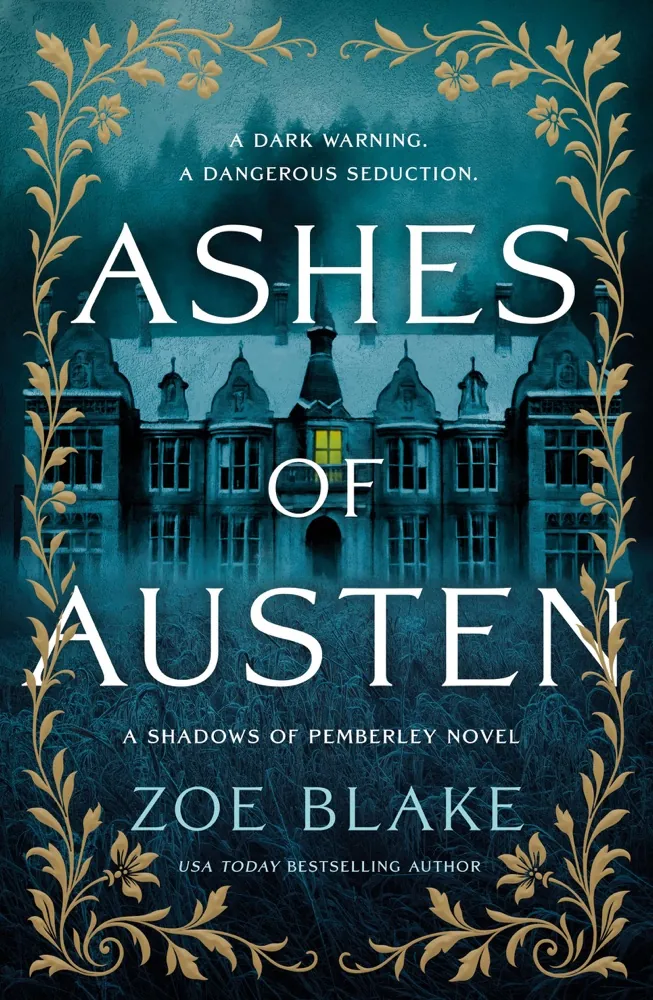

Author: Zoe BlakePage Count: UnknownPublication Date: Expected publication 2026 APL Paper wrappers from cheap bodega coffee flutter past my boots like dead leaves as September brings that familiar, bitter chill down the asphalt corridor. I am supposed to be mapping out the zoning petition for the community garden's winterizing phase tonight, but instead I find myself staring at a promotional blurb for Ashes of Austen, wondering how many times the publishing industry can dig up a dead Victorian satirist and force her corpses into a bustier. Zoe Blake clearly saw the current obsession with gothic hyper-fixation and decided to toss Jane Austen into a blender with a cheap bodice-ripper, promising us a world where high society's greed gets traded for poisoned wedding soup and mysterious dress destructions inside Northanger Abbey. Because nothing screams systemic critique quite like a protagonist named Julianna being terrorized by a brooding aristocrat who may or may not be a walking red flag with a title. Actually, wait. Let me walk that back entirely. Maybe reducing this to a mere cash grab misses the entire point of why these tropes endure in the concrete-choked sprawl of modern life. Perhaps we crave the melodramatic crumbling walls precisely because our own structural foundations are rotting in real-time, making a toxic romance inside a cursed estate feel almost quaint compared to the municipal neglect outside my window. Control. Obsession. Financial ruin wrapped in velvet and predatory protection. It is the exact same dynamic we fight against at every local city council hearing, just draped in gothic lace instead of developer zoning permits. Or maybe it is just garbage. Truth. Look, if you enjoyed Colleen Hoover’s brand of psychological whiplash or wanted Silvia Moreno-Garcia’s Mexican Gothic to lean harder into aggressive romantic suspense without any of the historical nuance, this is your next pre-order. Just don't expect actual social commentary. The radiator in my pre-war apartment is clanking like an angry ghost again. Related InsightsSeasonal Fears Book Review and Summary Cry, the Beloved Country Book Review and Summary I Am the Night: The Ultimate Unauthorized History of Batman: The Animated Series Book Review and Summary{ "@context": "https://schema.org", "@type": "FAQPage", "mainEntity": [ { "@type": "Question", "name": "What is the main focus of Ashes of Austen Book Review and Summary?", "acceptedAnswer": { "@type": "Answer", "text": "Everything you need to know about Ashes of Austen with our detailed review." } }, { "@type": "Question", "name": "Who authored the comprehensive guide on Ashes of Austen Book Review and Summary?", "acceptedAnswer": { "@type": "Answer", "text": "This detailed article and its insights were carefully researched and authored by Hannah Schmidt." } }, { "@type": "Question", "name": "Where can I find more related content about Books?", "acceptedAnswer": { "@type": "Answer", "text": "You can explore more articles, detailed reviews, and similar insights by browsing the Related Insights section at the bottom of this article or visiting our dedicated Books category page." } } ] }
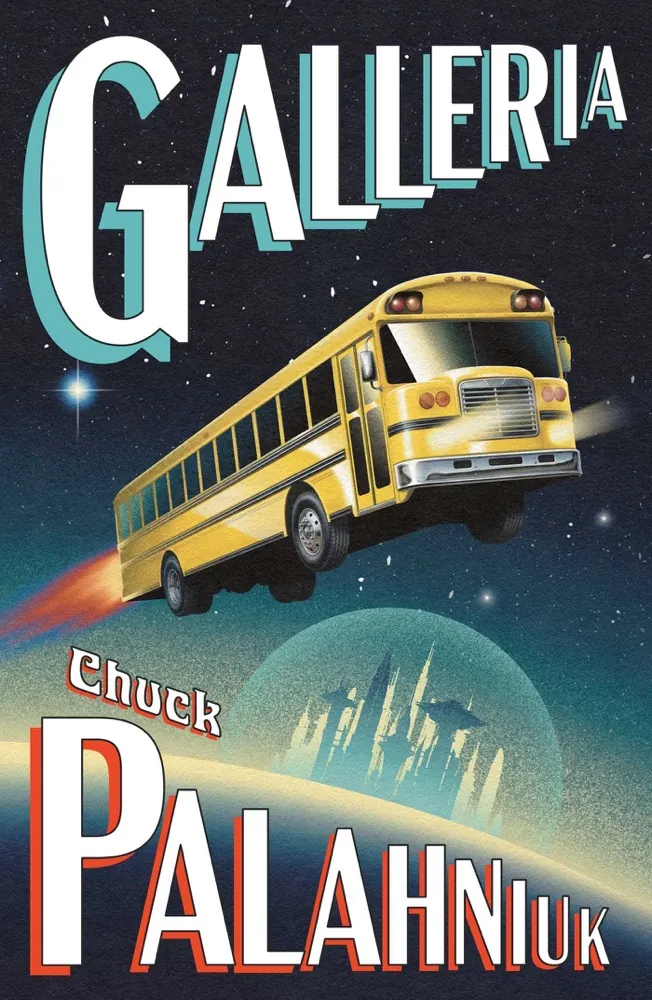

Author: Chuck PalahniukPage Count: UnknownPublication Date: Expected publication 2026 APL The synopsis for Galleria is a masterclass in controlled ambiguity—like a sci-fi pulp magazine cover that promises a wild ride but only lets you see the edge of the cliff. Grunt, a son searching for a father who vanished into the void, stumbles upon Rockets Ho!!, a magazine that might as well be a Rosetta Stone for the cosmos. The Welcome2 Homestead1 series—what a title, like a corporate slogan for a dystopian theme park—hints at something both utopian and predatory, where beauty is a weapon and field trips are hunting expeditions. But here’s the thing: the synopsis doesn’t tell you whether Homestead1 is a real colony, a psychological projection, or a metaphor for something far more mundane, like a cult’s playpen. That’s the genius—or the laziness—of it. Palahniuk has always thrived in the gray area between reality and hallucination, but this is his first foray into sci-fi, and it feels like he’s testing the waters with a splash of Stranger in a Strange Land meets Battle Royale—but with the existential dread of a man who’s read too many Lovecraft stories while chain-smoking in a diner booth at 3 AM. The synopsis leans into the pulp aesthetic, which is fine, but it also leans just hard enough to make you wonder if Palahniuk is either channeling his inner John Carpenter or just really, really tired of writing about people who self-destruct in basements. The Rockets Ho!! magazine is a neat device—it’s the kind of thing that would make a fanboy like me salivate, but it’s also a narrative crutch. If Grunt’s father’s disappearance is tied to this fictional pulp, then the book either becomes a detective story about decoding a mystery or a meta-commentary on how fiction shapes reality. Right now, it’s too vague to tell. And then there’s Homestead1—perfect, beautiful, too perfect. The description of Bradbury9 and Ursula6 doing calisthenics by the Fountain of Authors is either a satire of literary canon-worship or a straight-up Lovecraftian horror setup, depending on whether you believe in the existence of the place. The fact that children are taught to kill Earthlings? That’s the kind of line that could either be a darkly comic jab at colonialism or the setup for a body-horror sequence where the kids start eating their teachers. The synopsis doesn’t commit, and that’s frustrating—but then again, maybe that’s the point. Palahniuk has always been a master of leaving things unsettled, of making the reader’s own paranoia the real villain. Fight Club didn’t explain everything; it made you feel the unraveling. So maybe Galleria isn’t about solving a mystery—maybe it’s about the way mysteries haunt you. But here’s where I pivot—because the synopsis is so sparse, it’s hard to tell if this is a book about fatherhood, alienation, or just a really elaborate metaphor for why people disappear. The Welcome2 Homestead1 series could be a stand-in for anything: social media algorithms, the allure of a better life, the way fiction becomes its own kind of truth. Or it could just be a really elaborate way to say “the universe is a shithole and we’re all just trying to survive.” That’s Palahniuk’s wheelhouse, sure, but it’s also the kind of broad stroke that makes you wonder if the book will feel like it’s stretching for a theme instead of letting the story breathe. The real question is whether Palahniuk can make sci-fi feel as visceral as his other work. He’s done it before, in Choke, where the body horror was so intimate it felt like a personal confession. But sci-fi requires a different kind of suspension of disbelief—one that’s harder to sell when the setting is as vague as a dream you can’t quite remember. The synopsis sells the idea of a lost father and a hidden colony, but it doesn’t sell the feeling of being there. And that’s the difference between a good hook and a great book. I’m going to stare at a blank canvas until inspiration strikes—probably while listening to some industrial noise music and wondering if I’ll ever figure out what the hell is going on in my own life, let alone someone else’s. #Palahniuk #SciFi #Dystopian #BookPreview #LiteraryChaos Related InsightsTerms and Conditions Book Review and Summary All You Need Is a Pencil: The Stuck in a Car, Plane, or Train Activity Book Book Review and Summary Beach Read Book Review and Summary{ "@context": "https://schema.org", "@type": "FAQPage", "mainEntity": [ { "@type": "Question", "name": "What is the main focus of Galleria Book Review and Summary?", "acceptedAnswer": { "@type": "Answer", "text": "Everything you need to know about Galleria with our detailed review." } }, { "@type": "Question", "name": "Who authored the comprehensive guide on Galleria Book Review and Summary?", "acceptedAnswer": { "@type": "Answer", "text": "This detailed article and its insights were carefully researched and authored by Olya Shevchenko." } }, { "@type": "Question", "name": "Where can I find more related content about Books?", "acceptedAnswer": { "@type": "Answer", "text": "You can explore more articles, detailed reviews, and similar insights by browsing the Related Insights section at the bottom of this article or visiting our dedicated Books category page." } } ] }
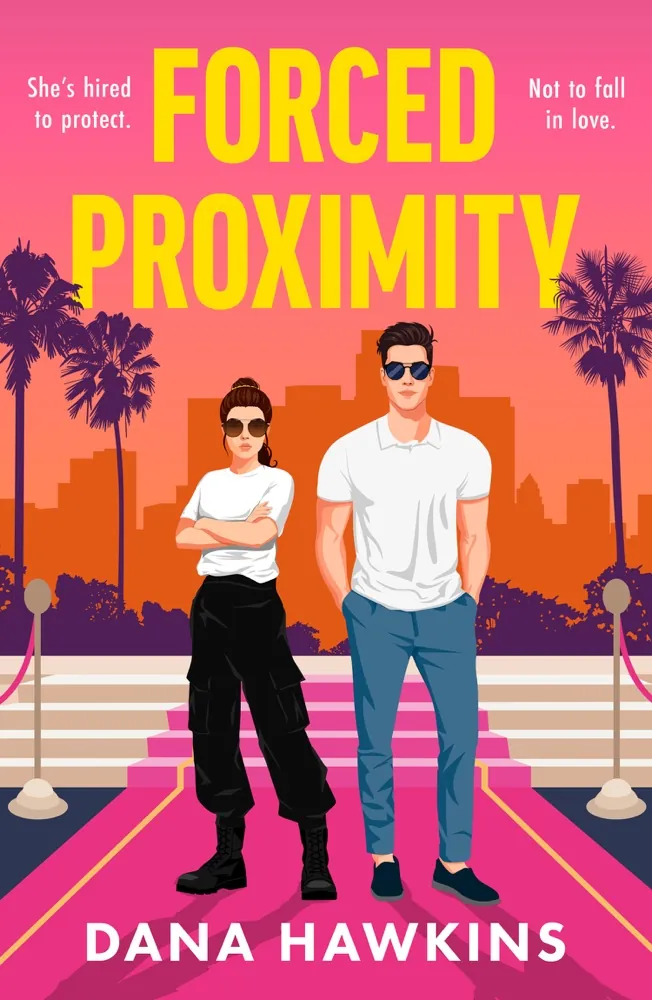

Author: Dana HawkinsPage Count: UnknownPublication Date: Expected publication 2026-08-27 APL The provenance of a piece dictates its entire aesthetic value—or at least that is what I remind myself when staring at a provenance trail as thin as tracing paper. Dana Hawkins’s upcoming Forced Proximity arrives with a scaffolding built entirely from marketable tropes and glittering reader testimonials, leaving the actual texture of the prose frustratingly opaque. We are handed a blueprint instead of a completed canvas. The Architecture of Friction Consider the central conceit. An elite personal security operative juxtaposed against a recalcitrant A-list actor. It is a compositional setup as old as the salon, yet the friction relies on familiar strokes. Lexi Morgan is sketched with the broad charcoal strokes of physical competence and professional disdain. Justin Greenwood is the vanity project she must manage. And yet, the synopsis promises a slow-burn combustion. Or perhaps a mild simmer, given the genre's constraints. Actually, let me retract that sweeping dismissal of the burn rate. Hawkins has proven her mettle in crafting queer contemporary narratives—works like Not in the Plan carry a distinct emotional cadence that suggests the interpersonal dynamics here might possess genuine bite beneath the glossy veneer. The Palette of Peril A stalker enters the frame to accelerate the mandatory physical proximity. This is narrative convenience disguised as high stakes. A tired trope, frankly. One expects more psychological acuity from a creator whose previous character arcs have earned such fervent praise in niche literary circles. But commercial romance requires a looming threat to force the protagonists into each other's personal space, converting professional detachment into domestic intimacy whether they consented to the layout or not. The aesthetic tension here is obvious. High-society glamor meets the utilitarian grit of a bodyguard who thinks she's just babysitting. It is low-hanging fruit for character contrast. The juxtaposition of luxury trailers and menacing anonymous texts provides a jarring chiaroscuro effect, though one worries the execution might lean too heavily into superficial cinematic cues—pure slop for the masses who want their emotional beats telegraphed from three chapters away. The Market Frame Kate Spencer would likely devour this in a single afternoon on her patio, while Emily Henry fans will spot the structural scaffolding from a mile away. The pedigree matches the current contemporary market demand for forced proximity aesthetics. My literary agent just called on the secure line with international translation rights for my obscure monograph on 18th-century forgery, so I must abruptly depart this critique before I dissect the publisher's marketing copy any further. #ForcedProximity #BookTwitter #ContemporaryRomance Related InsightsNothing Human Left Book Review and Summary Striker Book Review and Summary A Wall Is Also a Road Book Review and Summary{ "@context": "https://schema.org", "@type": "FAQPage", "mainEntity": [ { "@type": "Question", "name": "What is the main focus of Forced Proximity Book Review and Summary?", "acceptedAnswer": { "@type": "Answer", "text": "Everything you need to know about Forced Proximity with our detailed review." } }, { "@type": "Question", "name": "Who authored the comprehensive guide on Forced Proximity Book Review and Summary?", "acceptedAnswer": { "@type": "Answer", "text": "This detailed article and its insights were carefully researched and authored by Emma Thompson." } }, { "@type": "Question", "name": "Where can I find more related content about Books?", "acceptedAnswer": { "@type": "Answer", "text": "You can explore more articles, detailed reviews, and similar insights by browsing the Related Insights section at the bottom of this article or visiting our dedicated Books category page." } } ] }
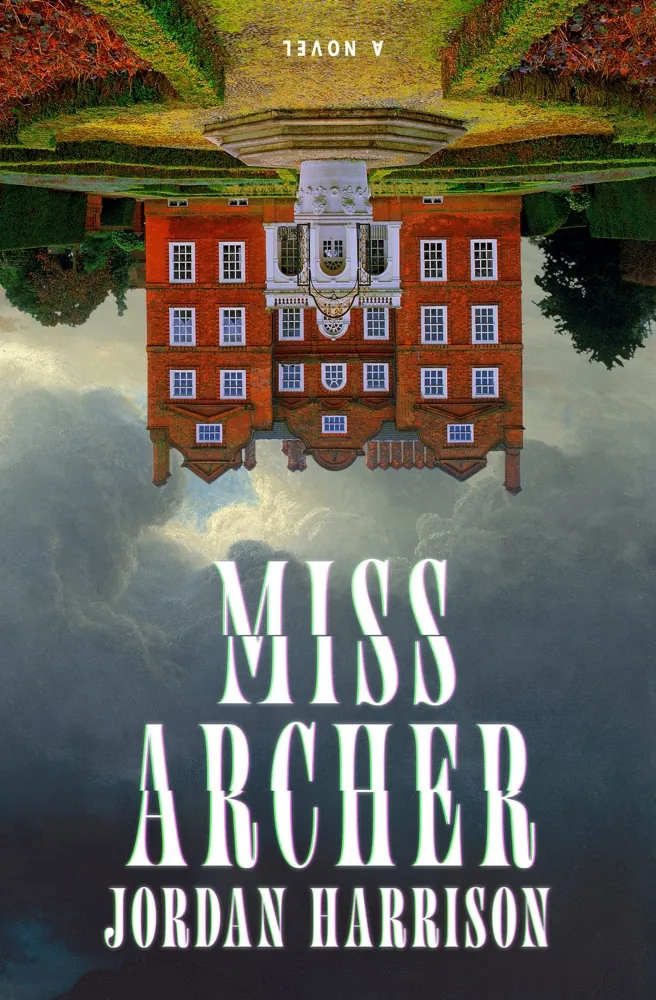
Author: Jordan HarrisonPage Count: UnknownPublication Date: Expected publication 2026 APL Staring at a blinking cursor in late September is a combat sport where the opponent is always winning. But instead of studying footwork or analyzing a brutal liver shot, I am sitting here trying to hit an arbitrary word count about a book that isn't even on shelves yet. Jordan Harrison’s Miss Archer arrives sometime in 2026, which means I am currently doing acrobatics over a premise I can barely touch. Let us get through this so I can return to staring blankly at the wall. The Architecture of the Gimmick The setup relies heavily on a classic speculative bait-and-switch. Dre Archer gets plucked from the Squares—where human history supposedly ended—to nanny a five-year-old prodigy named Albie. The catch? Albie is convinced the year is 1884, two centuries out of sync with reality, and his grand Victorian manor operates as a strict historical reenactment society. Corsets, comportment lessons, and absolute denial of the 22nd century. Writers love throwing characters into artificial cages—Kazuo Ishiguro did it with devastating grace in Never Let Me Go, and Daphne du Maurier practically patented the oppressive architectural anxiety in Rebecca. Yet the synopsis leans hard into Russian doll-like revelations. I can already smell the third-act twist. Someone is watching through a two-way mirror. Someone is harvesting data. What Makes Us Tick The promotional blurbs—courtesy of heavyweights like Rumaan Alam and Charles Yu—insist this debut is principally concerned with the great, unanswerable question of what makes us human. That is publisher-speak for philosophical window dressing. Every speculative novel written in the shadow of climate collapse and digital saturation now tackles our pathetic yearning for the analog world. We stare at glowing rectangles all day, so naturally, novelists write about corsets and candlelight as the ultimate resistance. Harrison is a playwright by trade. Dialogue will likely snap and crackle, carrying the entire weight of the narrative while the world-building does the heavy lifting in the background. But I worry about the mechanics. When a protagonist asks "What is my job, really?", the reader is implicitly promised an intellectual payoff that rarely survives the landing. If the prose stays as fluid as Yu claims, the journey through this bizarre Victorian time-bubble might justify the inevitable techno-paranoia tropes. Or it will collapse under the weight of its own cleverness. Either way, I am trapped writing about a 2026 publication date while September winds rattle the windowpane. I have to go finish painting a terribly depressing portrait. #MissArcher #JordanHarrison #LiteraryFiction #SpeculativeFiction Related InsightsIn a Holidaze Book Review and Summary Edge Book Review and Summary Charlaine Harris Gunnie Rose 4 Book Review and Summary{ "@context": "https://schema.org", "@type": "FAQPage", "mainEntity": [ { "@type": "Question", "name": "What is the main focus of Miss Archer Book Review and Summary?", "acceptedAnswer": { "@type": "Answer", "text": "Everything you need to know about Miss Archer with our detailed review." } }, { "@type": "Question", "name": "Who authored the comprehensive guide on Miss Archer Book Review and Summary?", "acceptedAnswer": { "@type": "Answer", "text": "This detailed article and its insights were carefully researched and authored by Natalia Sokolova." } }, { "@type": "Question", "name": "Where can I find more related content about Books?", "acceptedAnswer": { "@type": "Answer", "text": "You can explore more articles, detailed reviews, and similar insights by browsing the Related Insights section at the bottom of this article or visiting our dedicated Books category page." } } ] }

Author: Hannah MorrisseyPage Count: UnknownPublication Date: Expected publication 2026 APL The synopsis for Scream City is a masterclass in how not to waste a good premise—because what it could be is a brutal, genre-defying descent into the kind of psychological horror that makes you question whether the real monster was ever the one in the alley. Instead, it’s a synopsis that leans so hard into the "copycat killer" trope that it risks becoming a pastiche of Se7en meets Zodiac, but with the emotional depth of a True Detective episode that got cut short by a budget meeting. The problem isn’t that the idea is weak—it’s that the execution feels like it’s being held together by duct tape and a prayer to whatever god watches over Milwaukee’s Walker’s Point. Alice Foster, CCK’s granddaughter, is the kind of character who should be fascinating—trapped in the shadow of her grandfather’s legacy, running a bookstore that’s somehow both a sanctuary and a time bomb. But the synopsis reduces her to a plot device, a "suspect" who exists primarily to make Rex Hale’s life miserable. And Rex? Oh, Rex is the everyman cop who’s already been broken by the system, which is fine, but the way the synopsis frames him—divorced, suspended, evicted—it’s like the author is trying to cram every cliché of the "burned-out detective" into one paragraph. Where’s the nuance? Where’s the humanity? This feels like a script for a TV show where the writers hit "save" after the third take and called it a day. But here’s where the synopsis almost works—because the idea of a copycat killer in a city still scarred by its own history is rich with potential. Milwaukee’s Cream City Killer was real, and the way the synopsis drops that name like a punchline—"Scream City"—it’s a nod to the way trauma lingers, how cities become named by their violence. That’s the kind of thematic weight that could make this book more than just another thriller. But instead, it’s treated like a gimmick, a way to sell the idea that "this time, it’s personal" because the killer is mimicking a past crime. It’s the literary equivalent of a TikTok trend—short-lived, surface-level, and entirely forgettable unless someone slaps a viral hashtag on it. And speaking of trends—why does every thriller these days have to be a "copycat" story? It’s like the publishing industry decided that if Se7en worked, then Se7en 2.0 must be even better, even if it’s just a rehash of the same tired mechanics. The synopsis doesn’t even bother to hide that this is a formula: a disgraced cop, a suspect with a dark family history, a killer who’s just another ghost in the machine. It’s the kind of thing that makes you wonder if the author even read the books they’re trying to emulate, or if they just Googled "psychological thriller tropes" and picked the ones that sounded the most dramatic. But let’s talk about the real crime here—the way the synopsis treats Walker’s Point like a character itself, a neighborhood doomed by gentrification and the weight of its past. That’s the part that could be compelling, if only the author didn’t reduce it to a backdrop. Gentrification isn’t just a setting; it’s a force that erases people, and the synopsis hints at that tension—Rex’s eviction, Alice’s bookstore surviving where others haven’t—but it never digs into why that matters. Is this about displacement? About the way history gets rewritten? Or is it just another excuse to throw in a few urban decay aesthetics before the final act? The most infuriating part? The synopsis doesn’t even try to sell the emotional core. It’s all about the murders, the suspects, the "path of destruction"—but where’s the heart? Where’s the moment that makes you care about Alice or Rex beyond their roles in the investigation? This feels like a book that was written by committee, where the only thing that matters is the next body drop, not the next tear. And don’t even get me started on the fact that this is supposed to be a new novel in 2026, when the market is already saturated with reboots and rehashes. The synopsis reads like it was cobbled together from a list of "things that sell": serial killer, copycat, haunted bookstore, disgraced cop, gentrification subplot. It’s the literary equivalent of a fast-food meal—familiar, predictable, and entirely forgettable unless you’re starving. But fine, let’s pretend this is actually something. Let’s pretend that Alice and Rex will somehow find a way to trust each other, that they’ll dig up the past and uncover the truth before the killer silences them both. Let’s pretend that Scream City will be the kind of book that lingers, that makes you think about the weight of history and the way violence echoes through generations. Because right now, it’s just another synopsis that’s too busy selling the idea of a thriller to actually be one. Now I have to explain to a teenager why the Wi-Fi is down again, and honestly, that’s more interesting than whatever this book is going to be. #BookTok #ThrillerSeason #WhyIsEverythingSoPredictable Related InsightsOnce in a Timeline Book Review and Summary Peace Like a River Book Review and Summary Our Violent Ends Book Review and Summary{ "@context": "https://schema.org", "@type": "FAQPage", "mainEntity": [ { "@type": "Question", "name": "What is the main focus of Scream City Book Review and Summary?", "acceptedAnswer": { "@type": "Answer", "text": "Everything you need to know about Scream City with our detailed review." } }, { "@type": "Question", "name": "Who authored the comprehensive guide on Scream City Book Review and Summary?", "acceptedAnswer": { "@type": "Answer", "text": "This detailed article and its insights were carefully researched and authored by Thomas Wright." } }, { "@type": "Question", "name": "Where can I find more related content about Books?", "acceptedAnswer": { "@type": "Answer", "text": "You can explore more articles, detailed reviews, and similar insights by browsing the Related Insights section at the bottom of this article or visiting our dedicated Books category page." } } ] }