Showing Posts From
Books
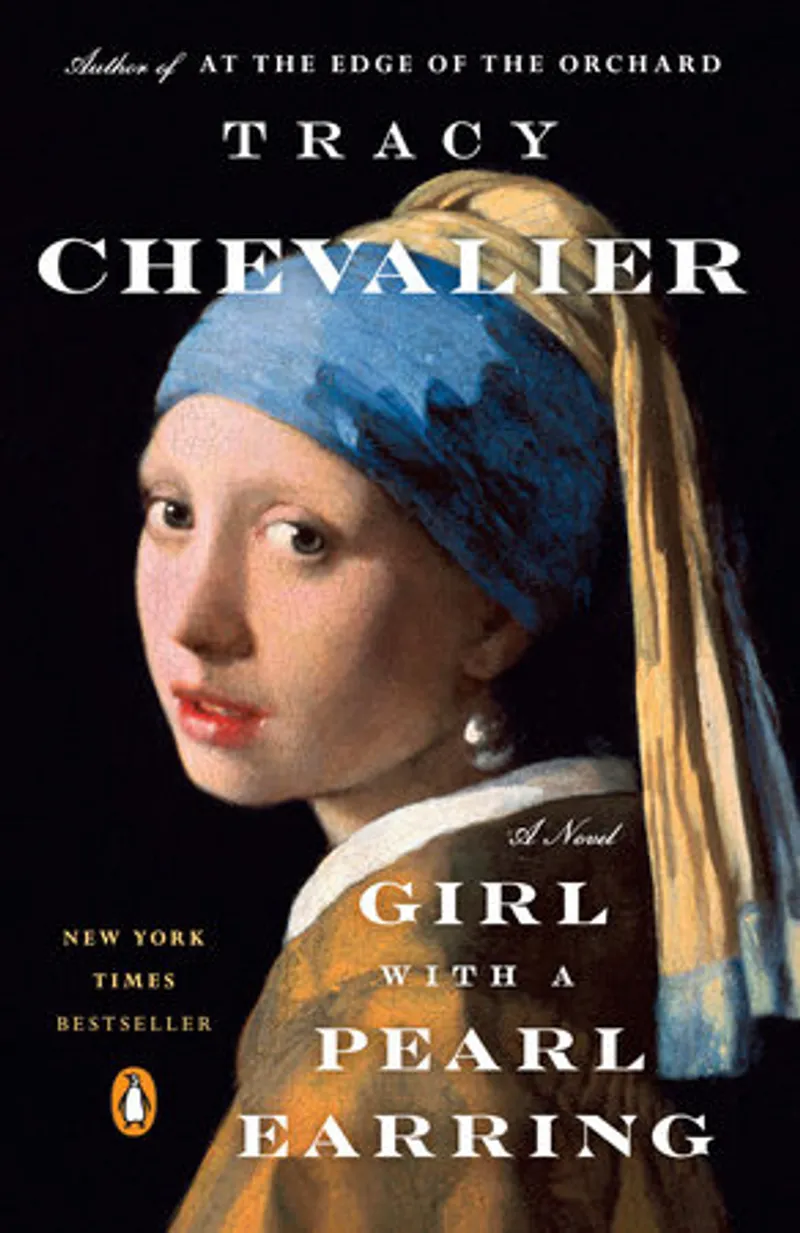
Girl with a Pearl Earring Author: Tracy ChevalierPage Count: UnknownPublication Date: 2001-PRH In the realm of historical fiction, few novels have managed to capture the essence of a bygone era as masterfully as Tracy Chevalier's "Girl with a Pearl Earring". This mesmerizing tale, inspired by Johannes Vermeer's iconic painting of the same name, whisks readers away to 17th-century Holland, where the boundaries between reality and art blur in a swirl of color, light, and sensuality. At the heart of the novel lies Griet, a 16-year-old girl whose fate becomes inextricably linked with that of the enigmatic painter. As a young servant in the Vermeer household, Griet's days are filled with the mundane tasks of cleaning and cooking, yet her life is forever altered when she is tasked with assisting the master in his studio. It is here, amidst the scent of linseed oil and the soft glow of candlelight, that Griet's transformation begins. Chevalier's prose is akin to a rich tapestry, woven from threads of exquisite detail and evocative language. Her writing is both precise and poetic, conjuring the very atmosphere of Vermeer's studio, where the soft play of light on fabric and the subtle nuances of human emotion are captured with breathtaking accuracy. As Griet navigates the treacherous waters of her new role, Chevalier masterfully conveys the turmoil of adolescence, the ache of first love, and the thrill of artistic discovery. One of the most striking aspects of "Girl with a Pearl Earring" is its exploration of the intricate dance between artist and muse. As Griet becomes increasingly entwined in Vermeer's creative process, the boundaries between reality and art begin to blur, raising profound questions about the nature of inspiration, the role of the artist, and the power dynamics at play. Chevalier's portrayal of Vermeer is particularly noteworthy, capturing the essence of the artist's enigmatic personality while avoiding the pitfalls of hagiography. Through Griet's eyes, the reader is granted a unique perspective on the artistic process, one that is both intimate and revelatory. As she learns to mix paints, prepare canvases, and pose for the master's brushstrokes, Griet's own artistic vision begins to take shape, reflecting the nascent stirrings of a creative soul. This is a novel that not only celebrates the beauty of art but also acknowledges the often-invisible labor that underpins its creation. Chevalier's masterful blending of history and fiction has resulted in a novel that is at once a compelling work of fiction and a nuanced exploration of the artistic process. "Girl with a Pearl Earring" is a triumph of imagination, a testament to the transformative power of art to capture the essence of the human experience. #GirlWithAPearlEarring #TracyChevalier #HistoricalFiction #ArtAndLiterature #Vermeer #BookReview Related InsightsA Study in Sparkling (Love Notes, #2) Book Review and Summary Clockwork Prince Book Review and Summary The Murder Party Book Review and Summary{ "@context": "https://schema.org", "@type": "FAQPage", "mainEntity": [ { "@type": "Question", "name": "What is the main focus of Girl with a Pearl Earring Book Review and Summary?", "acceptedAnswer": { "@type": "Answer", "text": "Everything you need to know about Girl with a Pearl Earring with our detailed review." } }, { "@type": "Question", "name": "Who authored the comprehensive guide on Girl with a Pearl Earring Book Review and Summary?", "acceptedAnswer": { "@type": "Answer", "text": "This detailed article and its insights were carefully researched and authored by Tracy Chevalier." } }, { "@type": "Question", "name": "Where can I find more related content about Books?", "acceptedAnswer": { "@type": "Answer", "text": "You can explore more articles, detailed reviews, and similar insights by browsing the Related Insights section at the bottom of this article or visiting our dedicated Books category page." } } ] }
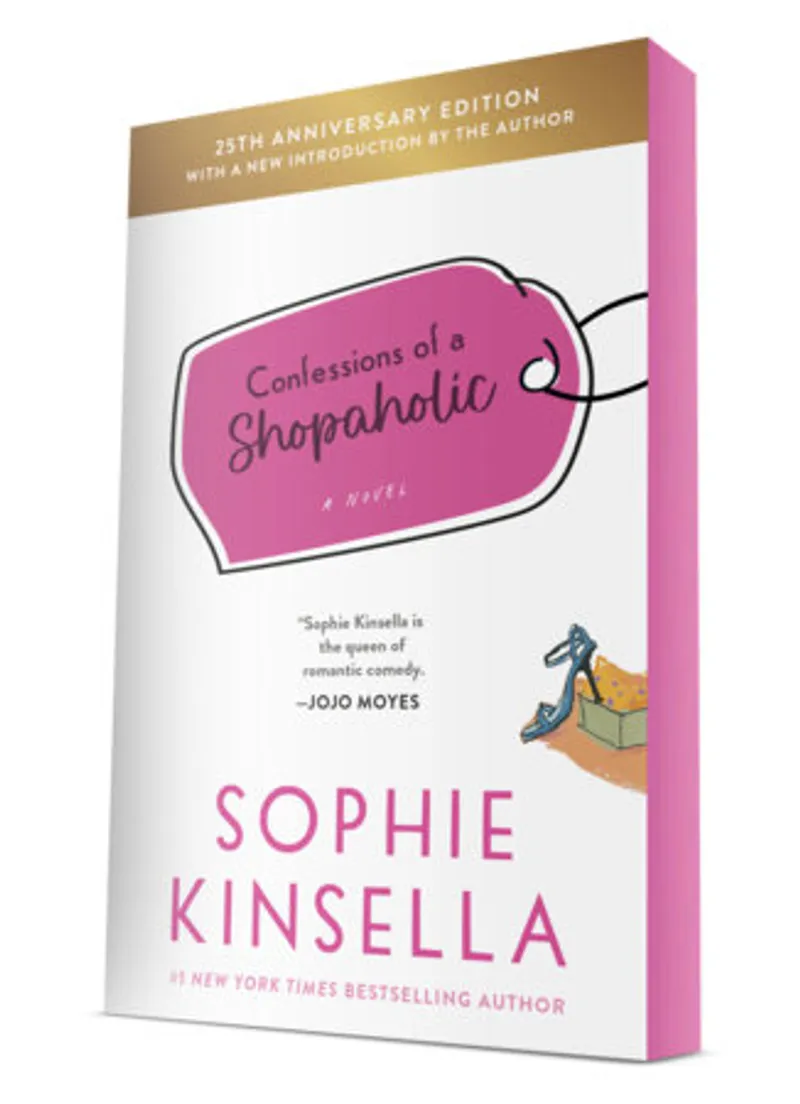
Confessions of a Shopaholic (Deluxe 25th Anniversary Edition) Author: Sophie KinsellaPage Count: UnknownPublication Date: 2026-PRH Confessions of a Shopaholic, the deluxe 25th anniversary edition, is a triumphant return to the world of Rebecca Bloomwood, the lovable and irrepressible shopaholic. Sophie Kinsella's masterful storytelling has captivated audiences for decades, and this edition is no exception. As we delve into the life of Rebecca, we are met with a protagonist who is both relatable and infuriating, making for a truly compelling read. At its core, Confessions of a Shopaholic is a story about addiction, obsession, and the blurred lines between wants and needs. Rebecca's shopping habits are a symptom of a deeper issue, one that Kinsella expertly weaves throughout the narrative. We watch as Rebecca navigates the complexities of her own psyche, often finding herself in ridiculous and humorous situations. Kinsella's writing is at once witty and insightful, making it easy to become fully invested in Rebecca's journey. One of the most striking aspects of Kinsella's style is her ability to balance lighthearted, comedic moments with more serious themes. She tackles issues such as financial responsibility, relationships, and self-discovery with a deft hand, never shying away from the harsh realities of Rebecca's actions. This delicate balance is a testament to Kinsella's skill as a writer, making Confessions of a Shopaholic a true page-turner. As we celebrate the 25th anniversary of this beloved novel, it is clear that Kinsella's work remains remarkably relevant. The themes of consumerism, identity, and personal growth are just as pressing today as they were when the book was first published. Kinsella's writing is timeless, and her characters continue to resonate with readers of all ages. Throughout the book, Kinsella's use of language is impeccable. Her prose is engaging, effortless, and perfectly captures the essence of Rebecca's voice. We are given a firsthand account of Rebecca's innermost thoughts, making it impossible not to become fully immersed in her world. The supporting cast of characters is equally well-crafted, with each person bringing their own unique perspective to the narrative. In short, Confessions of a Shopaholic is a masterpiece of contemporary fiction. Kinsella's writing is a true delight, and this deluxe edition is a must-have for fans of the series. With its stunning blend of humor, heart, and relatability, it's no wonder that this book has stood the test of time. Whether you're a longtime fan or new to the world of Rebecca Bloomwood, this 25th-anniversary edition is sure to captivate and inspire. #ShopaholicSeries #ConfessionsOfAShopaholic #SophieKinsella #ChickLit #FashionAndFiction #ShoppingAddict Related InsightsIf the Sun Never Sets Book Review and Summary The Divine Comedy: Inferno - Purgatorio - Paradiso Book Review and Summary My Name Is Asher Lev Book Review and Summary{ "@context": "https://schema.org", "@type": "FAQPage", "mainEntity": [ { "@type": "Question", "name": "What is the main focus of Confessions of a Shopaholic Book Review and Summary?", "acceptedAnswer": { "@type": "Answer", "text": "Everything you need to know about Confessions of a Shopaholic with our detailed review." } }, { "@type": "Question", "name": "Who authored the comprehensive guide on Confessions of a Shopaholic Book Review and Summary?", "acceptedAnswer": { "@type": "Answer", "text": "This detailed article and its insights were carefully researched and authored by Sophie Kinsella." } }, { "@type": "Question", "name": "Where can I find more related content about Books?", "acceptedAnswer": { "@type": "Answer", "text": "You can explore more articles, detailed reviews, and similar insights by browsing the Related Insights section at the bottom of this article or visiting our dedicated Books category page." } } ] }
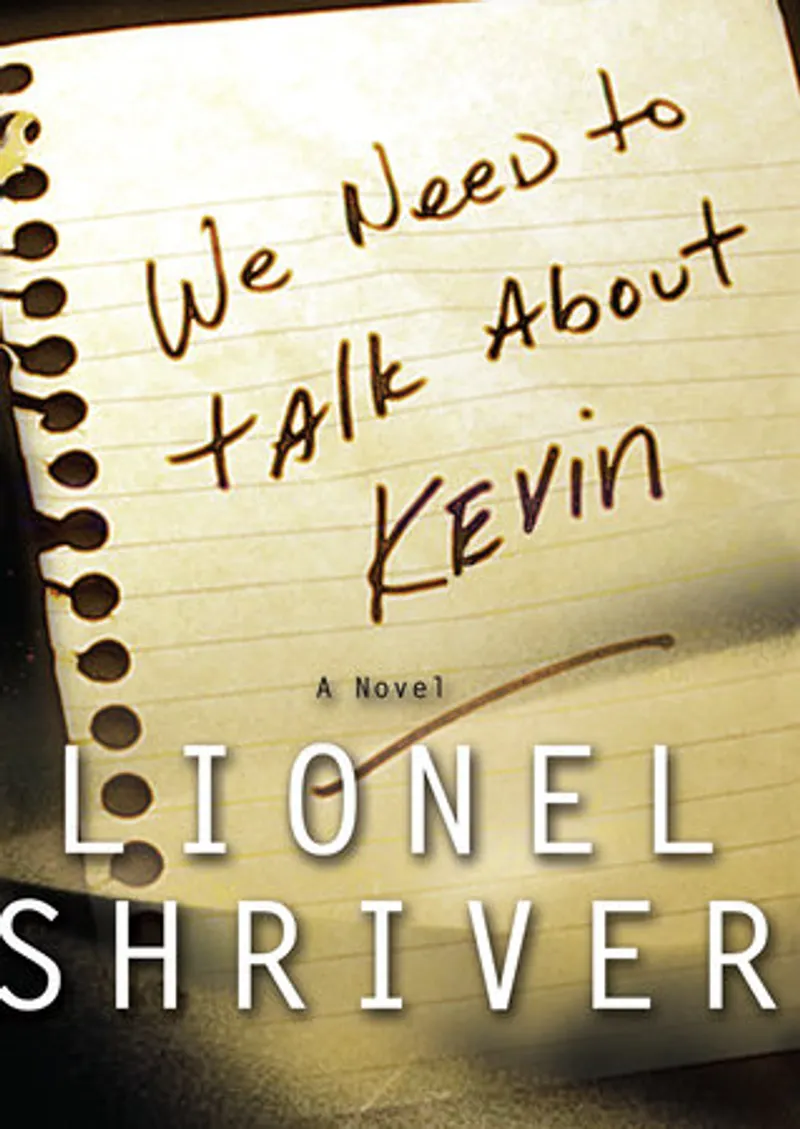
We Need to Talk About Kevin Author: Lionel ShriverPage Count: UnknownPublication Date: 2003-PRH In "We Need to Talk About Kevin", Lionel Shriver crafts a thought-provoking and haunting narrative that delves into the complexities of motherhood, violence, and the intricate dynamics of family relationships. Through the eyes of Eva, a reluctant mother, we are drawn into a world of guilt, regret, and the unrelenting quest for answers in the aftermath of a devastating tragedy. The novel's central theme - the exploration of nature versus nurture in shaping a child's character - is masterfully woven throughout the narrative. Eva's ambivalence towards motherhood and her internalized dislike for her son, Kevin, raise fundamental questions about the responsibility of parents in molding their children's personalities. As Eva grapples with the horrific consequences of Kevin's actions, she is forced to confront the darkest corners of her own psyche, laying bare the intricate web of emotions that define her relationship with her son. Shriver's writing style is both piercing and poignant, rendering the narrative impossible to put down. Her use of epistolary format, where Eva's story is revealed through a series of letters to her estranged husband, Franklin, adds a layer of intimacy and immediacy to the narrative. The reader is drawn into Eva's inner world, sharing her turmoil, and anguish as she struggles to come to terms with the events that have shattered her life. One of the most striking aspects of the novel is its thought-provoking examination of the consequences of violence on a family, a marriage, and a community. Shriver's portrayal of the aftermath of the tragedy is both nuanced and unflinching, laying bare the fault lines that exist in even the most seemingly ordinary families. The novel raises important questions about the role of society in shaping individual behavior and the devastating consequences that can unfold when the bonds of family and community are broken. Throughout the novel, Shriver's prose is marked by a stunning clarity and precision, rendering the narrative both accessible and unflinching. Her ability to capture the complexities of human emotions, the subtleties of relationships, and the devastating consequences of violence is a testament to her skill as a writer. Ultimately, "We Need to Talk About Kevin" is a novel that will leave readers unsettled, disturbed, and perhaps even transformed. It is a powerful exploration of the human condition, a searing examination of the darkest aspects of family life, and a haunting portrayal of the consequences of violence. As a work of fiction, it is both unforgettable and impossible to put down. #WeNeedToTalkAboutKevin #LionelShriver #SchoolShooting #Motherhood #FamilyDynamics #PsychologicalFiction Related InsightsChatGPT and the Future of AI Book Review and Summary Ghosts of the Shadow Market Book Review and Summary Us Defiant Few (Us Dark Few, #3) Book Review and Summary{ "@context": "https://schema.org", "@type": "FAQPage", "mainEntity": [ { "@type": "Question", "name": "What is the main focus of We Need to Talk About Kevin Book Review and Summary?", "acceptedAnswer": { "@type": "Answer", "text": "Everything you need to know about We Need to Talk About Kevin with our detailed review." } }, { "@type": "Question", "name": "Who authored the comprehensive guide on We Need to Talk About Kevin Book Review and Summary?", "acceptedAnswer": { "@type": "Answer", "text": "This detailed article and its insights were carefully researched and authored by Lionel Shriver." } }, { "@type": "Question", "name": "Where can I find more related content about Books?", "acceptedAnswer": { "@type": "Answer", "text": "You can explore more articles, detailed reviews, and similar insights by browsing the Related Insights section at the bottom of this article or visiting our dedicated Books category page." } } ] }
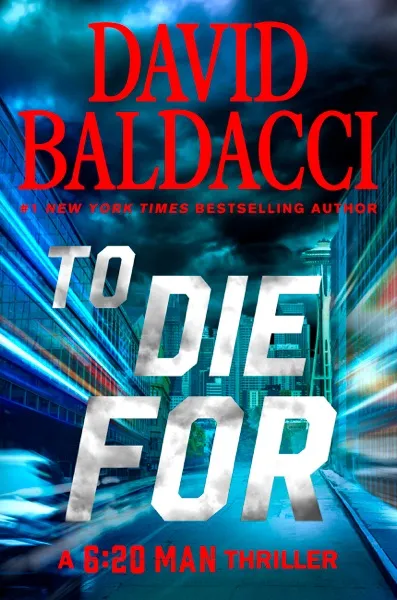

To Die For Author: David BaldacciPage Count: UnknownPublication Year: 2024-GB In a world where deception and betrayal lurk around every corner, David Baldacci's latest masterpiece, To Die For, delves into the darkest corners of human nature, leaving readers on the edge of their seats. This gripping global bestseller is a testament to Baldacci's skill as a master storyteller, weaving a complex web of intrigue and suspense that will keep you guessing until the very end. One of the standout features of To Die For is its thought-provoking exploration of themes that resonate deeply with contemporary society. Baldacci tackles issues of power, corruption, and the blurred lines between right and wrong, raising important questions about the lengths to which individuals will go to achieve their goals. Through his characters' struggles and triumphs, he shines a light on the human condition, exposing the vulnerabilities and strengths that define us. At the heart of To Die For is a cast of complex, multidimensional characters, each with their own distinct voice and motivations. Baldacci's protagonists are relatable and flawed, making mistakes and facing challenges that make them more human. The character development is superb, with each player in the story undergoing significant growth and transformation as the plot unfolds. The antagonist, in particular, is a masterclass in subtlety, hiding in plain sight and pushing the boundaries of moral ambiguity. Baldacci's writing style is, as always, impeccable. His prose is crisp and concise, with a keen sense of pacing that propels the reader through the story. He has a talent for crafting scenes that are both visually stunning and emotionally resonant, drawing on his expertise in the thriller genre to create moments of high tension and release. The research that underpins the narrative is meticulous, adding depth and authenticity to the world he creates. Throughout To Die For, Baldacci demonstrates his mastery of plot twists and turns, expertly manipulating the reader's expectations and keeping them guessing. Just when you think you know where the story is headed, he throws in a curveball, sending the narrative careening off in a new and unexpected direction. This is a book that will keep you up late at night, turning pages with a sense of urgency and desperation, as you become increasingly invested in the characters' fates. What sets To Die For apart from other thrillers is its thought-provoking commentary on the world we live in today. Baldacci's exploration of the consequences of our actions, the dangers of unchecked power, and the importance of accountability is both timely and timeless. This is a book that will appeal to fans of the genre, but also to anyone interested in a gripping, well-crafted story that will stay with them long after they finish reading. In short, To Die For is a triumph, a testament to David Baldacci's skill as a storyteller and his ability to craft compelling, complex characters and plots. With its breakneck pacing, stunning twists, and thought-provoking themes, this book is an absolute must-read for anyone looking for a gripping, unforgettable thriller. As the latest installment in a long line of bestselling novels, To Die For is sure to appeal to fans of Baldacci's work, as well as newcomers to the thriller genre. With its global reach and broad appeal, this book is set to capture the imaginations of readers everywhere, leaving a lasting impact on the literary world. Whether you're a seasoned fan of suspense or just looking for a great story, To Die For is an absolute must-read. In conclusion, To Die For is a masterful thriller that will keep you on the edge of your seat from start to finish. With its complex characters, gripping plot, and thought-provoking themes, this book is an absolute must-read for anyone looking for a compelling, unputdownable story. #BookReview #ToDieFor #DavidBaldacci #ThrillerNovels #BestsellerBooks Related InsightsShe's a Doll Book Review and Summary The Fiery Cross Book Review and Summary The Trigger: Hunting the Assassin Who Brought the World to War Book Review and Summary{ "@context": "https://schema.org", "@type": "FAQPage", "mainEntity": [ { "@type": "Question", "name": "What is the main focus of **To Die For** Book Review and Summary?", "acceptedAnswer": { "@type": "Answer", "text": "Everything you need to know about **To Die For** with our detailed review." } }, { "@type": "Question", "name": "Who authored the comprehensive guide on **To Die For** Book Review and Summary?", "acceptedAnswer": { "@type": "Answer", "text": "This detailed article and its insights were carefully researched and authored by Chloé Laurent." } }, { "@type": "Question", "name": "Where can I find more related content about Books?", "acceptedAnswer": { "@type": "Answer", "text": "You can explore more articles, detailed reviews, and similar insights by browsing the Related Insights section at the bottom of this article or visiting our dedicated Books category page." } } ] }
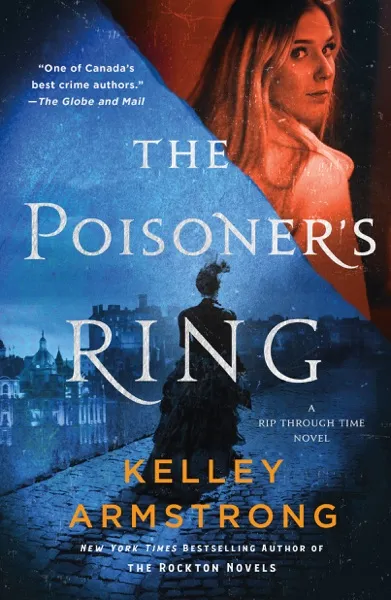

Poisoner's Ring Author: Kelley ArmstrongPage Count: UnknownPublication Year: 2023-GB Kelley Armstrong’s Poisoner’s Ring is a masterclass in gothic tension and psychological intrigue, a novel that weaves together the seductive allure of danger with the unrelenting grip of fate. Published in 2023, this book solidifies Armstrong’s reputation as a weaver of dark, immersive tales where morality is as slippery as the poisons that title the story. While the exact page count remains elusive, the depth of the narrative suggests a sprawling, meticulously crafted world where every word feels deliberate, every secret buried beneath layers of deception. At its core, Poisoner’s Ring is a story about power—and how easily it can be poisoned from within. The narrative orbits around a cursed ring, an heirloom passed through generations of a noble family, each owner meeting a gruesome end. The ring is not merely a trinket; it is a symbol of legacy, responsibility, and the inescapable weight of the past. Armstrong uses this artifact to explore themes of inheritance—both genetic and moral. The protagonists, whether they are the ring’s current bearer or those desperate to claim it, are trapped in a cycle of violence and retribution, their fates as inescapable as the ring’s curse itself. The book asks: Can any of us escape the sins of our ancestors, or are we doomed to repeat their mistakes? Armstrong’s prose is sharp, lush, and dripping with atmosphere. She excels at creating a world that feels both opulent and decaying, where grand ballrooms hide whispers of murder and candlelit corridors echo with the clink of poisoned goblets. Her dialogue crackles with tension, often laced with barbed wit or veiled threats, reflecting the precarious social dance of the upper class. The author’s strength lies in her ability to balance gothic dread with modern sensibilities, grounding the supernatural elements in a world that feels eerily familiar. The poisoner’s ring isn’t just a supernatural device; it’s a metaphor for the toxins we inherit—whether they be family curses, societal expectations, or personal demons. The characters in Poisoner’s Ring are as complex as they are compelling. Armstrong has a knack for crafting protagonists who are flawed, determined, and morally ambiguous. The lead, Eleanor Vexley, is a woman caught between duty and survival, her intelligence and resilience tested by the ring’s malevolent influence. She is not a damsel in distress but a survivor, and her journey is as much about unraveling the mystery of the ring as it is about reclaiming her own agency. The supporting cast—each with their own secrets and motives—adds depth to the narrative, making the story feel like a high-stakes chess match where every move could be the last. What makes Poisoner’s Ring particularly striking is Armstrong’s ability to blend mystery with horror. The book isn’t just a whodunit; it’s a psychological thriller where the true terror lies in the unraveling of the human mind. The poisoner’s ring serves as both a catalyst and a mirror, reflecting the darker impulses of those who touch it. Armstrong doesn’t shy away from the grotesque, but she also doesn’t rely on cheap scares. Instead, she builds dread through suggestion, letting the reader’s imagination fill in the blanks. The result is a story that lingers long after the final page, its themes of corruption and redemption echoing in the mind like a haunting melody. Armstrong’s style is deceptively effortless. She writes with a cinematic flair, her scenes vivid and immersive, yet she never sacrifices substance for style. The pacing is relentless, with enough twists to keep readers on the edge of their seats without feeling manipulated. The gothic setting—replete with decaying mansions, fog-choked moors, and candlelit séances—isn’t just window dressing; it’s a character in its own right, shaping the story’s tone and driving the plot forward. In Poisoner’s Ring, Kelley Armstrong has crafted a tale that is as much about the poison within as it is about the poison without. It’s a story of legacy, of the choices that define us, and of the inescapable pull of the past. For readers who crave gothic mystery, psychological depth, and a protagonist who refuses to be a victim, this book is a must-read. Armstrong doesn’t just tell a story; she crafts an experience, one that will leave you questioning how much of your own life is dictated by forces beyond your control. #PoisonersRing #KelleyArmstrong #GothicMystery #DarkFantasy #PsychologicalThriller #BookReview Related InsightsOthello Book Review and Summary Things My Son Needs to Know about the World Book Review and Summary Scandals & Whiskey (The Whiskey Women, #2) Book Review and Summary{ "@context": "https://schema.org", "@type": "FAQPage", "mainEntity": [ { "@type": "Question", "name": "What is the main focus of Poisoner's Ring Book Review and Summary?", "acceptedAnswer": { "@type": "Answer", "text": "Everything you need to know about Poisoner's Ring with our detailed review." } }, { "@type": "Question", "name": "Who authored the comprehensive guide on Poisoner's Ring Book Review and Summary?", "acceptedAnswer": { "@type": "Answer", "text": "This detailed article and its insights were carefully researched and authored by Camille Dubois." } }, { "@type": "Question", "name": "Where can I find more related content about Books?", "acceptedAnswer": { "@type": "Answer", "text": "You can explore more articles, detailed reviews, and similar insights by browsing the Related Insights section at the bottom of this article or visiting our dedicated Books category page." } } ] }

Cars on the Road (Disney/Pixar Cars on the Road) Author: Disney Storybook Art TeamPage Count: UnknownPublication Date: 2022-PRH "Cars on the Road" is a vibrant and engaging storybook that brings the beloved Disney/Pixar characters Lightning McQueen and Mater to life on a thrilling road trip adventure. The Disney Storybook Art Team has done an excellent job of capturing the spirit of the original series, infusing the pages with colorful illustrations and fun characters that will delight young readers. The storybook is based on the all-new Disney+ series, which follows the iconic duo as they embark on a cross-country journey, encountering new friends, exciting destinations, and a few familiar faces along the way. The book's narrative is simple, yet engaging, making it perfect for boys and girls aged 3 to 6. The text is easy to follow, and the illustrations are so vivid that they seem to jump off the page, immersing the reader in the world of Radiator Springs. One of the standout features of this storybook is its ability to balance action, adventure, and heart. Lightning McQueen and Mater's friendship is at the core of the story, and their interactions are filled with humor, warmth, and a deep affection for each other. The book also introduces a range of new characters, each with their unique personalities, adding to the richness and diversity of the narrative. The Disney Storybook Art Team's style is characterized by its use of bright, bold colors and dynamic illustrations that bring the characters to life. The artwork is reminiscent of the original Pixar films, with intricate details and textures that add depth and visual interest to the pages. The inclusion of a full sheet of stickers is a great bonus, allowing young readers to engage with the story on a more interactive level. Overall, "Cars on the Road" is a delightful storybook that is sure to thrill young fans of the Disney/Pixar franchise. With its engaging narrative, colorful illustrations, and fun characters, this book is a must-have for any child who loves adventure, friendship, and the open road. #CarsOnTheRoad #DisneyPixar #LightningMcQueen #Mater #KidsLit #StorybookAdventures Related InsightsThe Nuremberg Women: The Untold Story of the Eight Women Who Brought the Nazis to Justice Book Review and Summary The Help Book Review and Summary The Divinity Thieves Book Review and Summary{ "@context": "https://schema.org", "@type": "FAQPage", "mainEntity": [ { "@type": "Question", "name": "What is the main focus of On the Road Book Review and Summary?", "acceptedAnswer": { "@type": "Answer", "text": "Everything you need to know about On the Road with our detailed review." } }, { "@type": "Question", "name": "Who authored the comprehensive guide on On the Road Book Review and Summary?", "acceptedAnswer": { "@type": "Answer", "text": "This detailed article and its insights were carefully researched and authored by Jack Kerouac." } }, { "@type": "Question", "name": "Where can I find more related content about Books?", "acceptedAnswer": { "@type": "Answer", "text": "You can explore more articles, detailed reviews, and similar insights by browsing the Related Insights section at the bottom of this article or visiting our dedicated Books category page." } } ] }


Texas Murders Author: James PattersonPage Count: UnknownPublication Year: 2025-GB Imagine yourself in the scorching heart of Texas, where the sun dips into the horizon and paints the sky with hues of crimson and gold, but the tranquility of the landscape is shattered by the echoes of terror and bloodshed. This is the world that James Patterson masterfully crafts in his latest thriller, Texas Murders, a book that has taken the literary world by storm and solidified its place as a global bestseller. Released in 2025, Texas Murders is a gripping tale that weaves together the darkest aspects of human nature, the complexities of justice, and the unrelenting pursuit of truth. At the core of Texas Murders are themes that have long fascinated Patterson - the blurred lines between good and evil, the psychological depths of human behavior, and the intricate web of motives that drive individuals to commit heinous crimes. These themes are meticulously explored through a cast of characters that are as complex as they are compelling. The protagonist, a detective with a troubled past, is a quintessential Patterson hero - brilliant, flawed, and unyieldingly dedicated to justice. As the story unfolds, the detective is plunged into a maze of clues, each leading deeper into the heart of darkness that has gripped Texas. Patterson's writing style in Texas Murders is quintessentially his own - fast-paced, suspenseful, and meticulously plotted. He has a knack for crafting scenes that are both vivid and visceral, plunging the reader into the midst of chaos and terror. His characters are multidimensional and relatable, with backstories that are skillfully woven into the fabric of the narrative. The result is a story that is as engaging as it is thought-provoking, challenging the reader to piece together the clues alongside the protagonist. One of the standout elements of Texas Murders is its ability to blend the personal with the procedural. Patterson delves deep into the personal lives of his characters, exploring their motivations, fears, and desires. This intimate approach humanizes the characters, making their actions and decisions all the more believable and impactful. At the same time, the procedural aspects of the novel - the investigation, the forensic analysis, the legal maneuvers - are meticulously detailed, lending an air of authenticity to the narrative. The setting of Texas itself becomes a character in the novel, its vast and often unforgiving landscape mirroring the emotional and psychological terrains that the characters must navigate. Patterson's depiction of Texas is both loving and unflinching, capturing the state's unique blend of rugged beauty and urban grit. From the dusty plains to the neon-lit cities, Texas is portrayed as a place of contradictions - a place where tradition and innovation coexist, where the past and present collide. Texas Murders is also notable for its exploration of contemporary issues - the role of media in shaping public opinion, the challenges faced by law enforcement in the digital age, and the enduring impact of trauma on individuals and communities. These themes are woven seamlessly into the narrative, adding depth and complexity to the story. In conclusion, Texas Murders by James Patterson is a masterful thriller that combines gripping suspense, complex characters, and a richly detailed setting. It is a testament to Patterson's skill as a storyteller that he can craft a narrative that is both entertaining and thought-provoking, appealing to a wide range of readers. Whether you are a longtime fan of Patterson's work or new to his writing, Texas Murders is a must-read for anyone who enjoys a good thriller. With its breakneck pace, intricate plot, and memorable characters, this book is sure to keep you on the edge of your seat from start to finish. #JamesPatterson #TexasMurders #ThrillerNovels #BestSellerBooks #CrimeFiction Related InsightsSoy Pilgrim / I Am Pilgrim Book Review and Summary Little Red House Book Review and Summary Nineteen Minutes Book Review and Summary{ "@context": "https://schema.org", "@type": "FAQPage", "mainEntity": [ { "@type": "Question", "name": "What is the main focus of **Texas Murders** Book Review and Summary?", "acceptedAnswer": { "@type": "Answer", "text": "Everything you need to know about **Texas Murders** with our detailed review." } }, { "@type": "Question", "name": "Who authored the comprehensive guide on **Texas Murders** Book Review and Summary?", "acceptedAnswer": { "@type": "Answer", "text": "This detailed article and its insights were carefully researched and authored by James Miller." } }, { "@type": "Question", "name": "Where can I find more related content about Books?", "acceptedAnswer": { "@type": "Answer", "text": "You can explore more articles, detailed reviews, and similar insights by browsing the Related Insights section at the bottom of this article or visiting our dedicated Books category page." } } ] }


Kurtulan Kizlar Author: Todd RitterPage Count: UnknownPublication Year: 2018-GB Unraveling the Dark Threads of Human Nature: A Riveting Review of Todd Ritter’s Kurtulan Kizlar Few books manage to grip you from the first page and refuse to let go until the final, haunting sentence. Todd Ritter’s Kurtulan Kizlar (The Lost Girls) is one such masterpiece—a psychological thriller that weaves a chilling tapestry of suspense, moral ambiguity, and the fragility of the human psyche. Published in 2018, this international bestseller has cemented Ritter’s reputation as a master of suspense, delivering a narrative that lingers long after the last page is turned. If you’re a fan of gripping mysteries, complex characters, and a plot that keeps you guessing, this book is an absolute must-read. At its core, Kurtulan Kizlar explores the harrowing disappearance of three young girls in a small, seemingly idyllic town. The story unfolds through multiple perspectives, each character carrying secrets that could either solve the mystery or deepen the tragedy. Ritter’s genius lies in his ability to craft a narrative that feels both intimate and expansive, drawing readers into the lives of the townsfolk while maintaining an air of suspense that never wavers. The title itself—The Lost Girls—hints at the central theme: the fragility of innocence, the weight of guilt, and the lengths to which people will go to protect themselves or their loved ones. One of the most compelling aspects of Ritter’s writing is his deep dive into the psychology of his characters. The protagonist, Detective John Luther, is a man haunted by his past, his methods as unorthodox as they are effective. His internal struggle mirrors the external chaos of the case, making him a deeply relatable figure despite his flaws. The supporting cast is equally well-developed, each character serving a purpose that unfolds with meticulous precision. Ritter doesn’t just tell a story; he crafts an experience, forcing readers to question their own perceptions of right and wrong. The themes of Kurtulan Kizlar are as layered as its plot. Ritter delves into the concept of collective guilt, exploring how a community’s silence can perpetuate evil. The idea that evil often thrives in plain sight, hidden behind smiles and small-town charm, is both chilling and thought-provoking. The book also examines the power of memory and how the past can resurface in the most unexpected ways, often with devastating consequences. Ritter’s exploration of these themes is subtle yet profound, elevating the novel beyond a mere thriller into a work of literary significance. Ritter’s writing style is another standout feature of Kurtulan Kizlar. His prose is sharp, devoid of unnecessary flourishes, yet rich in emotional depth. He has a knack for creating atmosphere, whether it’s the oppressive silence of a small town or the suffocating dread of a looming revelation. The pacing is masterful, with each chapter ending on a note that compels the reader to keep going. Ritter also excels in crafting dialogue that feels authentic, allowing characters to reveal their true natures through their words rather than exposition. What makes Kurtulan Kizlar particularly compelling is its refusal to offer easy answers. Ritter doesn’t provide a neat resolution or a clear-cut villain; instead, he presents a world where morality is often blurred, and the line between victim and perpetrator is disturbingly thin. This ambiguity is what makes the book so unsettling—and so unforgettable. It challenges readers to confront uncomfortable truths about human nature and the societies we build. For fans of psychological thrillers, Kurtulan Kizlar is a tour de force. It’s a book that demands attention, rewards patience, and leaves a lasting impression. Todd Ritter has crafted a story that is as intellectually stimulating as it is emotionally gripping, a rare achievement in the genre. Whether you’re reading it for the thrill of the mystery or the depth of its themes, The Lost Girls is a novel that will stay with you long after you’ve turned the final page. If you’re looking for a book that will keep you up at night, make you question your assumptions, and leave you breathless with its twists, Kurtulan Kizlar is the one. It’s not just a thriller; it’s a masterclass in storytelling that cements Ritter as one of the most talented voices in modern crime fiction. #PsychologicalThriller #ToddRitter #TheLostGirls #CrimeFiction #MustReadBooks Related InsightsHow to Love in Sanskrit: Ancient Poems for Modern Readers Book Review and Summary The Divinity Thieves Book Review and Summary Angels Fall Book Review and Summary{ "@context": "https://schema.org", "@type": "FAQPage", "mainEntity": [ { "@type": "Question", "name": "What is the main focus of **Kurtulan Kizlar** Book Review and Summary?", "acceptedAnswer": { "@type": "Answer", "text": "Everything you need to know about **Kurtulan Kizlar** with our detailed review." } }, { "@type": "Question", "name": "Who authored the comprehensive guide on **Kurtulan Kizlar** Book Review and Summary?", "acceptedAnswer": { "@type": "Answer", "text": "This detailed article and its insights were carefully researched and authored by Elena Volkova." } }, { "@type": "Question", "name": "Where can I find more related content about Books?", "acceptedAnswer": { "@type": "Answer", "text": "You can explore more articles, detailed reviews, and similar insights by browsing the Related Insights section at the bottom of this article or visiting our dedicated Books category page." } } ] }
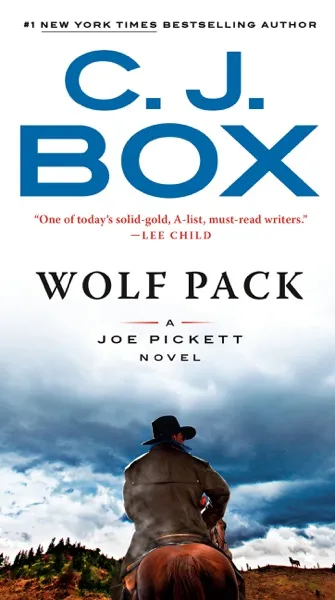
Wolf Pack Author: C. J. BoxPage Count: UnknownPublication Year: 2019-GB In the frozen wilderness of Wyoming, a chilling tale unfolds, weaving a complex web of loyalty, power, and survival, as masterful storyteller C.J. Box unleashes the unrelenting forces of nature and humanity in his gripping novel, Wolf Pack. This highly acclaimed global bestseller, published in 2019, has captivated readers worldwide with its thought-provoking exploration of the human condition, set against the breathtaking backdrop of the American West. As the story hurtles forward, Box expertly tightens the screws, ratcheting up tension and suspense, drawing readers into a world where the lines between good and evil are constantly blurred. At the heart of the novel lies the intricate dance between Joe Pickett, the rugged and principled game warden, and his trusted allies, as they confront the dark forces threatening the fragile balance of the ecosystem. Box's masterful characterization breathes life into his protagonists, imbuing them with a depth and nuance that makes their struggles and triumphs deeply relatable. The cast of characters is meticulously crafted, with each individual bringing their unique perspective and skills to the table, as they navigate the treacherous landscape of corruption, greed, and violence. One of the dominant themes that emerges in Wolf Pack is the delicate relationship between humans and the natural world. Box explores this complex dynamic with unflinching candor, highlighting the consequences of humanity's actions on the environment and the creatures that inhabit it. The author's writing style is characterized by a deep reverence for the land, combined with a keen understanding of the intricate web of relationships that binds humans and animals together. Through his vivid descriptions of the Wyoming wilderness, Box transports readers to a world of stunning beauty and primal power, where the rhythms of nature serve as a constant reminder of the fragility and beauty of life. The narrative is propelled forward by Box's characteristic blend of action, suspense, and intrigue, as Joe Pickett and his team find themselves pitted against a ruthless adversary who will stop at nothing to achieve their objectives. The author's writing is marked by a lean, muscular style, stripped of unnecessary ornamentation, yet rich in sensory detail. Each sentence is precision-crafted to advance the plot, deepen characterization, or illuminate the themes, making for a reading experience that is both exhilarating and intellectually satisfying. Throughout the novel, Box raises essential questions about the nature of power, loyalty, and justice, inviting readers to reflect on their own values and principles. The world of Wolf Pack is a world of stark contrasts, where the brutal and the beautiful coexist, and where the choices we make have far-reaching consequences. As the story unfolds, Box's characters are forced to confront their own demons, and to make difficult decisions that will determine the course of their lives and the fate of those around them. Wolf Pack is a testament to C.J. Box's skill as a storyteller and his deep understanding of the human condition. With its breakneck pacing, memorable characters, and thought-provoking themes, this novel is a must-read for fans of literary fiction, crime fiction, and anyone who has ever been captivated by the majesty and power of the natural world. As the reader hurtles towards the climax, the stakes are raised, and the tension builds, culminating in a conclusion that is both shocking and haunting. In Wolf Pack, C.J. Box has created a masterpiece of contemporary fiction, a novel that will resonate with readers long after the final page has been turned. With its richly drawn characters, its thought-provoking themes, and its unflinching portrayal of the human condition, this novel is a stunning achievement, one that solidifies Box's position as one of the most compelling and innovative writers working today. #CJBox #WolfPack #CrimeFiction #LiteraryFiction #WyomingMysteries Related InsightsLe Pagine Proibite: Il Silenzio Forzato delle Biblioteche Sovietiche The Audacity of Hope Book Review and Summary Crescendo Book Review and Summary{ "@context": "https://schema.org", "@type": "FAQPage", "mainEntity": [ { "@type": "Question", "name": "What is the main focus of **Wolf Pack** Book Review and Summary?", "acceptedAnswer": { "@type": "Answer", "text": "Everything you need to know about **Wolf Pack** with our detailed review." } }, { "@type": "Question", "name": "Who authored the comprehensive guide on **Wolf Pack** Book Review and Summary?", "acceptedAnswer": { "@type": "Answer", "text": "This detailed article and its insights were carefully researched and authored by Sofia Bianchi." } }, { "@type": "Question", "name": "Where can I find more related content about Books?", "acceptedAnswer": { "@type": "Answer", "text": "You can explore more articles, detailed reviews, and similar insights by browsing the Related Insights section at the bottom of this article or visiting our dedicated Books category page." } } ] }
-
 Sarah Davis
 - 04 May, 2025 05:00
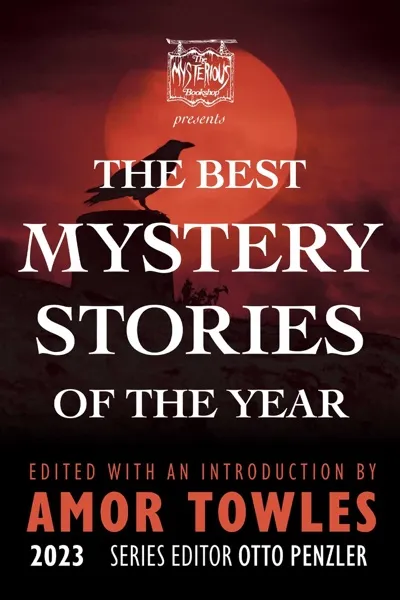
Mysterious Bookshop Presents the Best Mystery Stories of the Year 2023 Book Review and Summary
Mysterious Bookshop Presents the Best Mystery Stories of the Year 2023 Author: Amor TowlesPage Count: UnknownPublication Year: 2023-GB The Mysterious Bookshop Presents the Best Mystery Stories of the Year 2023, edited by the illustrious Amor Towles, is a masterful compilation that promises to ensnare readers in a labyrinth of intrigue and deception. As a global bestseller, this anthology has already garnered significant attention, and for good reason. Towles, known for his exceptional literary prowess, has carefully curated a selection of tales that not only showcase the diversity of the mystery genre but also highlight the prowess of contemporary writers. One of the standout features of this collection is its thematic coherence. Despite the varied styles and narrative voices, the stories are united by their exploration of the human condition, delving into the complexities of human nature, and the blurred lines between truth and deception. Towles' introduction sets the tone for the anthology, providing a thoughtful analysis of the mystery genre and its enduring appeal. He argues that the best mystery stories are those that not only challenge our perceptions but also invite us to confront our own darker impulses. The stories themselves are a testament to the versatility of the mystery genre, ranging from classic whodunits to more experimental, psychologically complex tales. Each contributor brings their unique perspective to the table, resulting in a rich tapestry of narratives that are both entertaining and thought-provoking. From the clever plotting and red herrings to the more introspective, character-driven explorations, the stories in this collection are expertly crafted to keep readers on the edge of their seats. Towles' own writing style is, of course, a significant draw for fans of his work. His editorial vision is evident throughout the anthology, with each story carefully selected to showcase the author's mastery of the genre. The writing is, as one would expect, superb, with a keen attention to detail and a deep understanding of the complexities of human psychology. The result is a collection that is both a love letter to the mystery genre and a testament to the power of storytelling. What sets this anthology apart from others in the genre is its commitment to showcasing the very best of contemporary mystery writing. The contributors are a diverse and talented group, and their stories reflect a broad range of styles and themes. The result is a collection that feels both fresh and familiar, with each story offering something new and unexpected. In short, The Mysterious Bookshop Presents the Best Mystery Stories of the Year 2023 is a must-read for fans of the mystery genre. With its expertly curated selection of tales, thoughtful introduction, and commitment to showcasing the best of contemporary writing, this anthology is sure to delight and intrigue readers. Whether you're a seasoned fan of the genre or simply looking for a compelling and engaging read, this collection is an excellent choice. #MysteryLovers #BookReview #AmorTowles #MysteryAnthology #BestOf2023 #CrimeFiction Related InsightsNew Ruth Ware Thriller Book Review and Summary Haunting Adeline Book Review and Summary The Radiance Book Review and Summary{ "@context": "https://schema.org", "@type": "FAQPage", "mainEntity": [ { "@type": "Question", "name": "What is the main focus of Mysterious Bookshop Presents the Best Mystery Stories of the Year 2023 Book Review and Summary?", "acceptedAnswer": { "@type": "Answer", "text": "Everything you need to know about Mysterious Bookshop Presents the Best Mystery Stories of the Year 2023 with our detailed review." } }, { "@type": "Question", "name": "Who authored the comprehensive guide on Mysterious Bookshop Presents the Best Mystery Stories of the Year 2023 Book Review and Summary?", "acceptedAnswer": { "@type": "Answer", "text": "This detailed article and its insights were carefully researched and authored by Sarah Davis." } }, { "@type": "Question", "name": "Where can I find more related content about Books?", "acceptedAnswer": { "@type": "Answer", "text": "You can explore more articles, detailed reviews, and similar insights by browsing the Related Insights section at the bottom of this article or visiting our dedicated Books category page." } } ] }
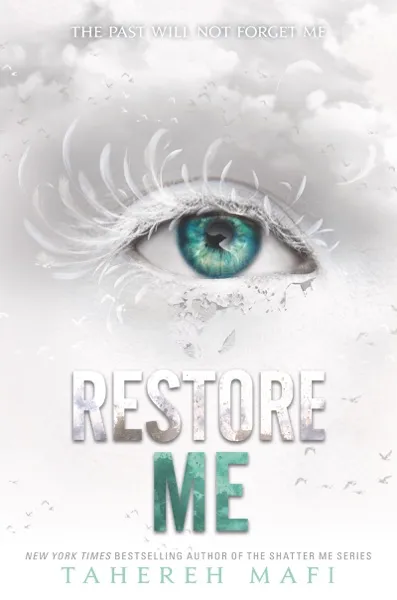

Restore me Author: Tahereh MafiPage Count: UnknownPublication Year: 2018-GB Restore Me: A Fiery Reckoning of Power, Pain, and Redemption Tahereh Mafi’s Restore Me is not just another dystopian romance—it is a raw, unflinching exploration of trauma, agency, and the brutal cost of survival. The third installment in the Shatter Me series, this book dives deeper into the psyche of its protagonist, Juliette Ferrars, as she grapples with the weight of her own power and the moral decay of the world around her. Mafi’s signature lyrical prose and fragmented storytelling create a visceral reading experience, one that lingers long after the last page. At its core, Restore Me is about reclamation. Juliette, once a weapon of destruction, now seeks to rebuild—not just herself, but the fractured society she inhabits. The novel forces readers to confront uncomfortable questions: What does it mean to be human in a world that treats you as a monster? Can love exist in the shadow of violence? And most crucially, how much of yourself are you willing to lose to regain control? Mafi doesn’t offer easy answers. Instead, she crafts a narrative that is as brutal as it is beautiful, where every victory is hard-won and every act of kindness feels like a defiance against the darkness. The prose is Mafi’s greatest strength here. Her writing is poetic, almost hypnotic, with a rhythm that mirrors Juliette’s fractured mind. The use of italics to convey internal monologue isn’t just a stylistic choice—it’s a window into Juliette’s torment, her doubts, and her unrelenting will. Mafi doesn’t shy away from raw emotion, and the result is a protagonist who feels achingly real. Juliette is not a hero in the traditional sense; she’s flawed, reckless, and often self-destructive, but her resilience makes her impossible to look away from. The supporting cast is equally compelling. Warner, the enigmatic and morally ambiguous love interest, is given more depth here, his own trauma and vulnerabilities laid bare. The dynamic between him and Juliette is charged with a tension that’s both electric and painful—love in this world isn’t soft or safe, but something that must be fought for. Meanwhile, the introduction of new characters, like the enigmatic Kenji and the ruthless Castle, adds layers to the story, expanding the scope of Juliette’s struggle beyond her personal demons. Themes of power and corruption run deep. Juliette’s abilities, once a source of fear, now become a tool for justice—but at what cost? The line between liberation and tyranny blurs as she navigates a world where the oppressed have become the oppressors. Mafi doesn’t glorify revolution; she shows its messiness, its casualties. The novel forces readers to question whether any system, no matter how just, can remain pure in a broken world. What makes Restore Me stand out is its refusal to offer catharsis too soon. The pacing is relentless, the stakes sky-high, and the emotional gut-punches come without warning. Mafi isn’t afraid to let her characters suffer, to let them make devastating choices, because that’s the reality of their world. There are no neat resolutions here—only the hard, messy work of healing. For fans of dystopian fiction, this book is a masterclass in character-driven storytelling. For those who love deeply flawed heroes and morally complex narratives, it’s a gut-wrenching, unforgettable read. Restore Me doesn’t just restore Juliette—it forces us to question what it means to be whole in a world that keeps trying to break us. #RestoreMe #TaherehMafi #DystopianRomance #JulietteFerrars #ShatterMeSeries #BookReview Related InsightsHistorical Collection 2018 Book Review and Summary Crooked Kingdom Book Review and Summary Banker's Holiday: A Novel of Fiscal Irregularity Book Review and Summary{ "@context": "https://schema.org", "@type": "FAQPage", "mainEntity": [ { "@type": "Question", "name": "What is the main focus of Restore me Book Review and Summary?", "acceptedAnswer": { "@type": "Answer", "text": "Everything you need to know about Restore me with our detailed review." } }, { "@type": "Question", "name": "Who authored the comprehensive guide on Restore me Book Review and Summary?", "acceptedAnswer": { "@type": "Answer", "text": "This detailed article and its insights were carefully researched and authored by Isabella Moore." } }, { "@type": "Question", "name": "Where can I find more related content about Books?", "acceptedAnswer": { "@type": "Answer", "text": "You can explore more articles, detailed reviews, and similar insights by browsing the Related Insights section at the bottom of this article or visiting our dedicated Books category page." } } ] }
-
 Lucia Garcia
 - 03 May, 2025 08:32
**Exotic Amphibians and Reptiles of the United States** Book Review and Summary
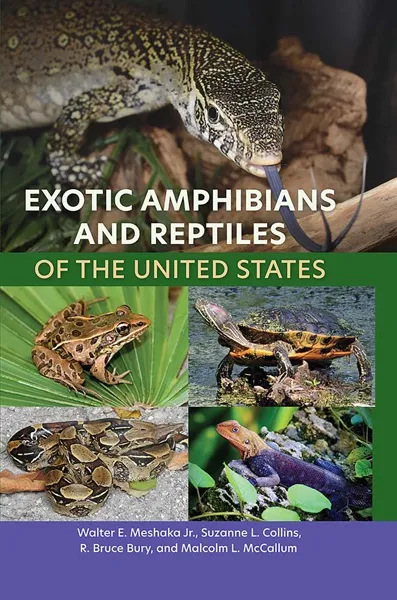
Exotic Amphibians and Reptiles of the United States Author: Walter E. MeshakaPage Count: UnknownPublication Year: 2022-GB Unlocking the Hidden Wonders of America’s Reptilian and Amphibian Kingdoms: A Masterclass in Herpetology Few books manage to blend scientific rigor with sheer wonder, but Exotic Amphibians and Reptiles of the United States by Walter E. Meshaka does just that—and more. Published in 2022, this meticulously researched tome has swiftly ascended to global bestseller status, not just among herpetologists and wildlife enthusiasts, but also among curious readers eager to explore the vibrant, often misunderstood world of non-native reptiles and amphibians thriving across the U.S. Whether you're a seasoned biologist, an avid nature photographer, or simply someone who marvels at the resilience of life in unexpected places, Meshaka’s work is a revelation. At its core, this book is a celebration of adaptation, survival, and the delicate balance between human activity and wildlife. Meshaka, a renowned herpetologist with decades of field experience, takes readers on a journey through the hidden ecosystems where exotic species—whether introduced accidentally or intentionally—have carved out niches in the American landscape. From the vibrant green anoles of Florida to the elusive Burmese pythons of the Everglades, the book shatters the myth that these creatures are mere invaders. Instead, Meshaka presents them as complex, often fascinating players in their new environments, their presence reshaping local biodiversity in ways both profound and unpredictable. One of the book’s most compelling themes is the concept of ecological disruption and resilience. Meshaka doesn’t shy away from the controversies surrounding invasive species—whether it’s the ecological toll of the Burmese python in the Everglades or the debate over the ethical implications of releasing pet reptiles into the wild. Yet, rather than preaching a single perspective, he invites readers to engage with the science, the history, and the real-world consequences of these introductions. His writing style is refreshingly accessible, blending rigorous data with vivid storytelling. Technical terms are explained with clarity, and anecdotes from his own fieldwork add a personal, almost cinematic quality to the narrative. It’s a rare feat to make population genetics and habitat fragmentation as engaging as a thriller, but Meshaka pulls it off. The book’s structure is another standout feature. Organized by region—from the humid swamps of the Southeast to the arid deserts of the Southwest—each chapter serves as a portal into a different ecological story. Meshaka doesn’t just list species; he weaves their histories into the broader tapestry of American environmental change. Readers will learn how the Cuban treefrog became a Florida staple, why the red-eared slider turtle is now a global hitchhiker, and how the pet trade has inadvertently created some of the most unexpected ecological experiments of our time. The inclusion of stunning photography and detailed distribution maps further enhances the reading experience, making this book as much a visual feast as it is an intellectual one. What truly sets Exotic Amphibians and Reptiles of the United States apart, however, is its refusal to simplify. Meshaka acknowledges the gray areas—where science meets policy, where wonder meets caution, and where beauty meets consequence. He doesn’t demonize exotic species, nor does he romanticize their impact. Instead, he fosters a nuanced understanding that challenges readers to think critically about humanity’s role in shaping the natural world. In an era where environmental discourse often defaults to doom and gloom, this book offers a refreshing dose of curiosity-driven exploration. For educators, this book is a goldmine. Meshaka’s ability to distill complex ecological concepts into digestible insights makes it an invaluable resource for classrooms and nature centers. For policymakers and conservationists, it’s a wake-up call about the unintended consequences of global trade and the need for proactive, science-based management strategies. And for the general reader? It’s nothing short of a passport to a hidden world, one where every backyard, canal, and abandoned lot could be harboring a reptile or amphibian story waiting to be told. In a crowded field of nature writing, Exotic Amphibians and Reptiles of the United States stands out as a modern classic—a book that informs, inspires, and leaves readers with a deeper appreciation for the tenacity of life. Meshaka’s passion for his subject is palpable, and his expertise shines through every page. Whether you’re flipping through it for the first time or returning to it as a reference, this book is sure to leave a lasting impression. If you’ve ever paused to watch a lizard bask on a fence post or wondered about the origins of that oddly patterned snake in your local park, this is the book you’ve been waiting for. It doesn’t just answer questions—it ignites curiosity, fosters respect for the natural world, and reminds us that even in the most unexpected places, life finds a way. #Herpetology #NatureWriting #WildlifeConservation #ExoticSpecies #ScienceBooks Related InsightsStrangers in Time Book Review and Summary Tourism, Cosmopolitanism and Global Citizenship Book Review and Summary The Glass Menagerie Book Review and Summary{ "@context": "https://schema.org", "@type": "FAQPage", "mainEntity": [ { "@type": "Question", "name": "What is the main focus of **Exotic Amphibians and Reptiles of the United States** Book Review and Summary?", "acceptedAnswer": { "@type": "Answer", "text": "Everything you need to know about **Exotic Amphibians and Reptiles of the United States** with our detailed review." } }, { "@type": "Question", "name": "Who authored the comprehensive guide on **Exotic Amphibians and Reptiles of the United States** Book Review and Summary?", "acceptedAnswer": { "@type": "Answer", "text": "This detailed article and its insights were carefully researched and authored by Lucia Garcia." } }, { "@type": "Question", "name": "Where can I find more related content about Books?", "acceptedAnswer": { "@type": "Answer", "text": "You can explore more articles, detailed reviews, and similar insights by browsing the Related Insights section at the bottom of this article or visiting our dedicated Books category page." } } ] }
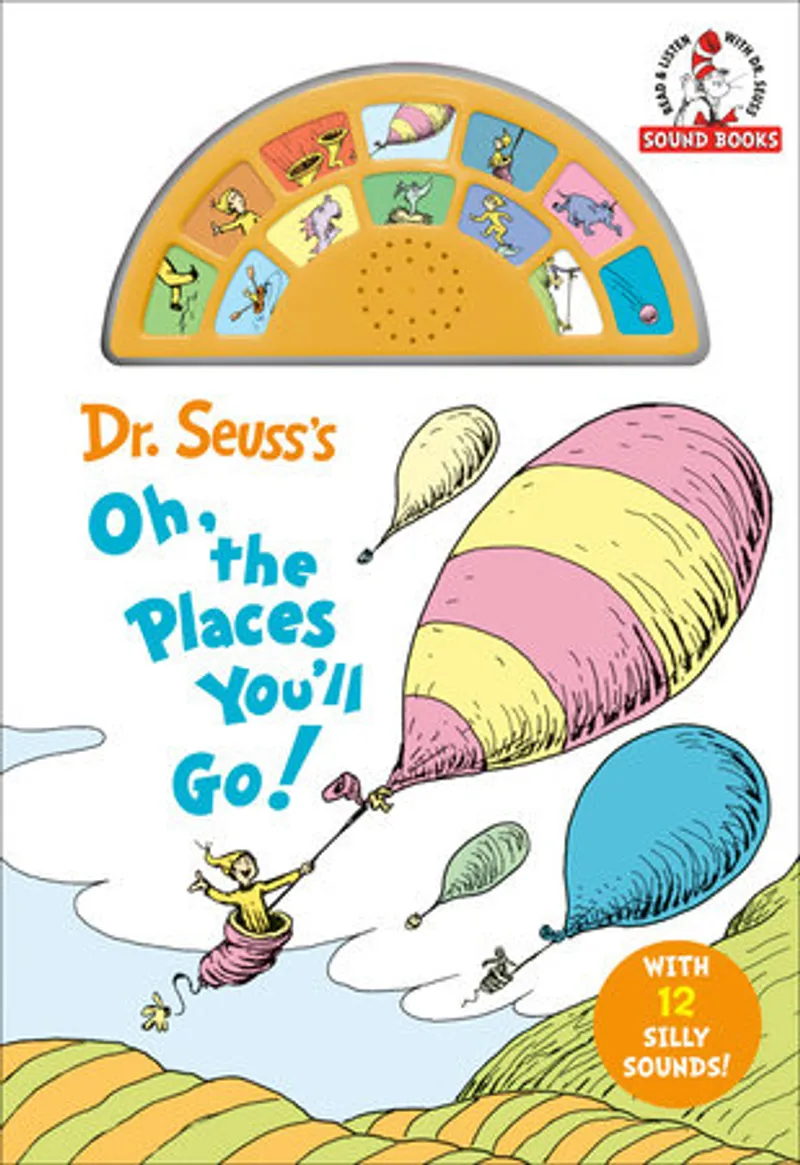
Dr. Seuss's Oh, the Places You'll Go! with 12 Silly Sounds! Author: Dr. SeussPage Count: UnknownPublication Date: 2025-PRH Dr. Seuss’s Oh, the Places You’ll Go! with 12 Silly Sounds! is a delightful, interactive twist on the beloved classic, tailored for the littlest readers who are just beginning to explore the world. This 2025 adaptation retains the whimsical charm and uplifting message of the original while adding a playful, sensory dimension that makes it perfect for babies and toddlers. With its vibrant illustrations, engaging sounds, and simple text, this board book is more than just a story—it’s an invitation to adventure, a celebration of curiosity, and a gentle nudge toward independence. At its core, the book carries forward the timeless theme of Dr. Seuss’s original: life is a journey filled with highs, lows, and endless possibilities. The narrative follows a young protagonist as they navigate the ups and downs of growing up—from the excitement of new beginnings to the challenges of uncertainty, and finally to the triumph of reaching their goals. The message is clear: no matter where the path leads, the child is capable, resilient, and full of potential. This theme resonates deeply with parents and caregivers, who will appreciate the reassuring tone and the book’s ability to frame life’s uncertainties as part of a grand, exciting adventure. What sets this adaptation apart is its interactive elements. The inclusion of 12 silly sounds—ranging from the clomping of shoes to the trumpeting of elephants—transforms the reading experience into a multisensory journey. These sounds aren’t just gimmicks; they serve as a bridge between the story and the child’s own world, making the narrative more immersive and engaging. For toddlers, who are naturally curious and love to mimic sounds, this feature adds a layer of fun that encourages participation. The colorful sound buttons and the on/off switch make it easy for little hands to explore independently, fostering a sense of control and engagement. Dr. Seuss’s signature style shines through in every aspect of this book. His use of rhyme and rhythm creates a musical quality that makes the text a joy to read aloud. The playful language, such as “Bang-ups and Hang-ups” and “the Waiting Place,” introduces children to the idea that challenges are a normal part of life, but they don’t have to be feared. The illustrations, though simplified for a younger audience, retain the bold, whimsical aesthetic that has made Dr. Seuss’s work iconic. The bright colors and expressive characters draw the eye, ensuring that even the youngest readers are captivated by the visuals. One of the most appealing aspects of this adaptation is its versatility. It’s not just a storybook; it’s a tool for celebration. Whether it’s a first birthday, a milestone like walking or starting preschool, or even a graduation, this book serves as a keepsake that marks special moments in a child’s life. The interactive sounds add an extra layer of excitement, making it a gift that feels personal and meaningful. Parents will appreciate the durability of the board book format, which can withstand the inevitable wear and tear of a curious toddler. While the original Oh, the Places You’ll Go! is often associated with older children and even adults, this adaptation makes the story accessible to a much younger audience. The language is simplified, and the themes are presented in a way that resonates with the experiences of babies and toddlers. The book doesn’t shy away from the more complex emotions of the original—like the idea of facing obstacles—but it frames them in a way that is gentle and age-appropriate. This makes it a valuable resource for parents who want to introduce their children to the idea of resilience and perseverance early on. The inclusion of replaceable batteries is a thoughtful touch, ensuring that the book can be enjoyed for years without the hassle of dead batteries ruining the fun. This practical consideration reflects the care that has gone into creating a product that is both entertaining and durable. In conclusion, Oh, the Places You’ll Go! with 12 Silly Sounds! is a brilliant adaptation that captures the spirit of Dr. Seuss’s original while making it accessible and engaging for the youngest readers. It’s a book that celebrates the journey of life, encourages curiosity, and fosters a love of reading from an early age. With its interactive sounds, vibrant illustrations, and timeless message, this book is a must-have for any child’s library. #DrSeuss #OhThePlacesYoullGo #InteractiveBooks #ToddlerBooks #ChildrensLiterature #BabyGifts Related InsightsMidnight Ruin Book Review and Summary The Traveler's Atlas of the World Book Review and Summary Snowed In at the Wildest Dreams Bookshop Book Review and Summary{ "@context": "https://schema.org", "@type": "FAQPage", "mainEntity": [ { "@type": "Question", "name": "What is the main focus of Oh, the Places You’ll Go! Book Review and Summary?", "acceptedAnswer": { "@type": "Answer", "text": "Everything you need to know about Oh, the Places You’ll Go! with our detailed review." } }, { "@type": "Question", "name": "Who authored the comprehensive guide on Oh, the Places You’ll Go! Book Review and Summary?", "acceptedAnswer": { "@type": "Answer", "text": "This detailed article and its insights were carefully researched and authored by Dr. Seuss." } }, { "@type": "Question", "name": "Where can I find more related content about Books?", "acceptedAnswer": { "@type": "Answer", "text": "You can explore more articles, detailed reviews, and similar insights by browsing the Related Insights section at the bottom of this article or visiting our dedicated Books category page." } } ] }
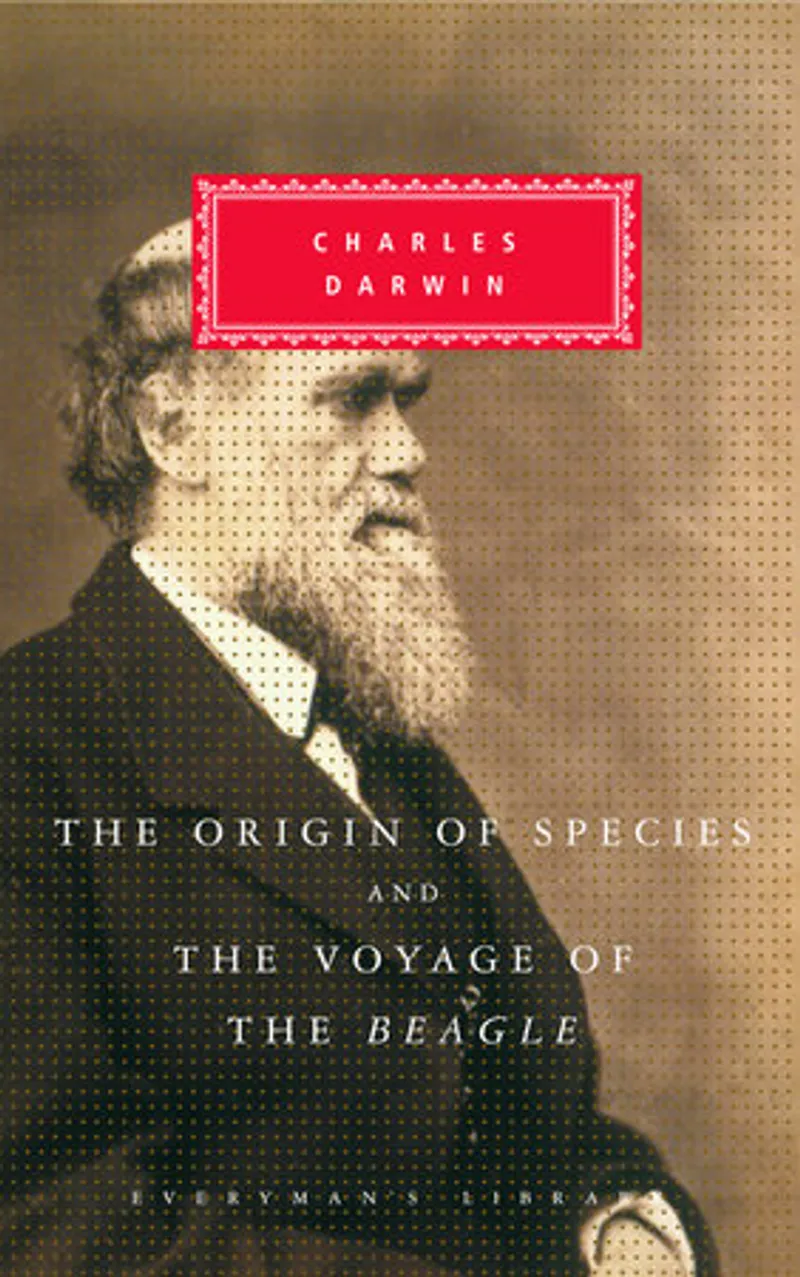
The Origin of Species and The Voyage of the 'Beagle' Author: Charles DarwinPage Count: UnknownPublication Date: 2003-PRH In the realm of scientific literature, few works have left an indelible mark as profound as Charles Darwin's magnum opus, "The Origin of Species and The Voyage of the 'Beagle'". This 2003 publication is a masterful amalgamation of two pivotal works by the renowned naturalist, offering an unparalleled glimpse into the evolution of his groundbreaking theories. The central theme of "The Origin of Species" is, of course, the revolutionary concept of evolution by means of natural selection. With unwavering clarity and precision, Darwin presents his meticulously researched argument, meticulously dismantling the prevailing views of his time. His writing is a testament to his remarkable ability to distill complex scientific ideas into an engaging and accessible narrative, rendering the book an altogether readable discussion of a subject that could have easily been shrouded in obscurity. One of the most striking aspects of "The Origin of Species" is its remarkable prescience. Written over a century and a half ago, the book's themes and ideas remain eerily relevant, continuing to spark intense debate and discussion. The furor that greeted its initial publication in 1859 is a testament to the seismic impact of Darwin's ideas, which challenged the very fabric of the prevailing worldview. As we read through the pages of this seminal work, it becomes increasingly clear that the controversy surrounding evolution is far from a relic of the past, but rather an ongoing dialogue that continues to shape our understanding of the natural world. In contrast to the intense focus of "The Origin of Species", "The Voyage of the 'Beagle'" offers a more leisurely and descriptive narrative, recounting Darwin's formative journeys to South America and the Pacific islands. This 1839 account is a vivid tapestry of exotic landscapes, fascinating encounters, and piquant details, all woven together by Darwin's keen eye for observation and his remarkable storytelling prowess. As we accompany Darwin on his travels, we begin to appreciate the subtle yet profound ways in which these experiences laid the groundwork for his later theories, imbuing "The Origin of Species" with a sense of depth and context that is nothing short of remarkable. Throughout both works, Darwin's writing style is characterized by its lucidity, precision, and an unwavering commitment to empirical evidence. His prose is a masterclass in scientific communication, effortlessly conveying complex ideas and nuanced observations to readers from diverse backgrounds. Whether he is describing the majestic beauty of the Galapagos or the intricate mechanisms of natural selection, Darwin's writing is infused with a sense of wonder, curiosity, and awe that is nothing short of infectious. In conclusion, "The Origin of Species and The Voyage of the 'Beagle'" is a landmark publication that deserves to be read, reread, and reflected upon by anyone interested in the natural world and our place within it. As a work of scientific literature, it is a towering achievement that continues to shape our understanding of the world and our place within the grand tapestry of life. As a work of literature, it is a testament to the power of language to convey complex ideas, evoke powerful emotions, and inspire new perspectives. #DarwinOnEvolution #TheOriginOfSpecies #TheVoyageOfTheBeagle #CharlesDarwin #NaturalSelection #EvolutionaryBiology Related InsightsHeartstopper, Volume 1 Book Review and Summary Library of Forbidden Books Book Review and Summary David Baldacci November 2024 Book Review and Summary{ "@context": "https://schema.org", "@type": "FAQPage", "mainEntity": [ { "@type": "Question", "name": "What is the main focus of The Voyage of the Dawn Treader Book Review and Summary?", "acceptedAnswer": { "@type": "Answer", "text": "Everything you need to know about The Voyage of the Dawn Treader with our detailed review." } }, { "@type": "Question", "name": "Who authored the comprehensive guide on The Voyage of the Dawn Treader Book Review and Summary?", "acceptedAnswer": { "@type": "Answer", "text": "This detailed article and its insights were carefully researched and authored by C.S. Lewis." } }, { "@type": "Question", "name": "Where can I find more related content about Books?", "acceptedAnswer": { "@type": "Answer", "text": "You can explore more articles, detailed reviews, and similar insights by browsing the Related Insights section at the bottom of this article or visiting our dedicated Books category page." } } ] }
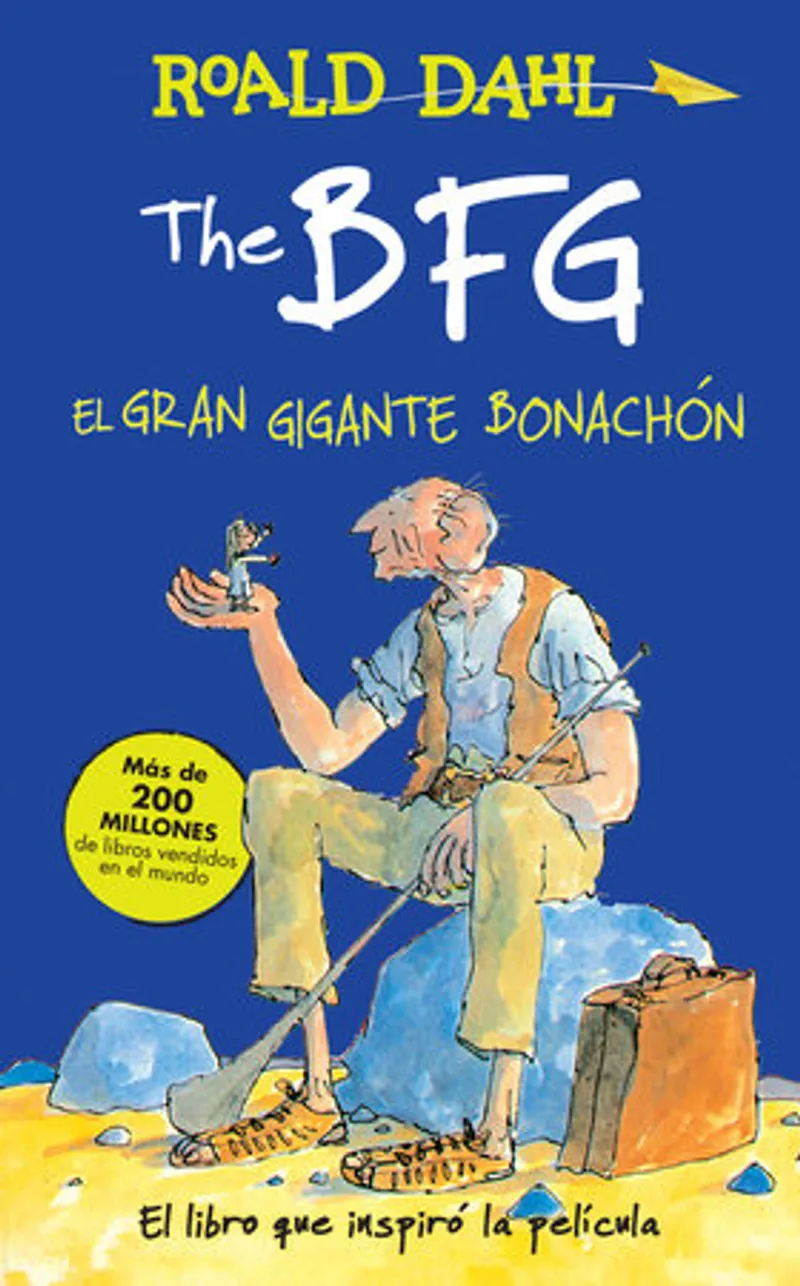
The BFG - El gran gigante bonachón / The BFG Author: Roald DahlPage Count: UnknownPublication Date: 2016-PRH "The BFG" by Roald Dahl is a timeless and captivating tale that whisks readers away to a world of wonder and magic. This beloved classic, soon to be a major motion picture directed by Steven Spielberg, is a must-read for children and adults alike. With its unique blend of humor, adventure, and heart, "The BFG" is a story that will leave you spellbound and eager for more. At the heart of the story is Sophie, a brave and resourceful young girl who finds herself in the most unexpected of circumstances. Snatched from her orphanage by the Big Friendly Giant (BFG), Sophie soon discovers that her captor is not a fearsome monster, but a kind and gentle soul. The BFG, unlike the other giants, is a complex and multifaceted character, full of contradictions. He is a dreamer, a collector of dreams, and a lover of words, who is also fiercely protective of Sophie and determined to save her from the clutches of the other giants. As Sophie and the BFG embark on a mission to stop the giants from devouring humans, they form an unlikely friendship that is both poignant and powerful. Through their journey, Dahl explores themes of bravery, loyalty, and the power of imagination. The author's masterful storytelling weaves together a rich tapestry of words, creating a world that is both fantastical and familiar. One of the most striking aspects of "The BFG" is Dahl's unique writing style. His use of language is playful, inventive, and full of wordplay. The author's love of words is evident on every page, as he invents new vocabulary and uses language in a way that is both whimsical and precise. The BFG's malapropisms and Sophie's cleverness are just two examples of the linguistic delights that await readers in this book. The themes of "The BFG" are equally impressive. Dahl tackles complex issues such as bullying, prejudice, and the power of individual action. The giants, with their varied personalities and quirks, serve as a commentary on the human condition, highlighting the flaws and weaknesses that we all possess. Meanwhile, Sophie and the BFG's friendship shows that even the most unlikely of individuals can come together to achieve great things. Overall, "The BFG" is a book that will captivate readers of all ages. With its unique blend of humor, adventure, and heart, it is a story that will leave you smiling, laughing, and maybe even shedding a tear or two. Roald Dahl's masterful storytelling and inventive language make this book a true classic, one that will continue to delight readers for generations to come. #TheBFG #RoaldDahl #ChildrensLiterature #FantasyFiction #ClassicBooks #BookReview Related InsightsThe True Confessions of First Lady Freeman Book Review and Summary Darkly Dreaming Dexter Book Review and Summary If This World Were Mine Book Review and Summary{ "@context": "https://schema.org", "@type": "FAQPage", "mainEntity": [ { "@type": "Question", "name": "What is the main focus of The BFG Book Review and Summary?", "acceptedAnswer": { "@type": "Answer", "text": "Everything you need to know about The BFG with our detailed review." } }, { "@type": "Question", "name": "Who authored the comprehensive guide on The BFG Book Review and Summary?", "acceptedAnswer": { "@type": "Answer", "text": "This detailed article and its insights were carefully researched and authored by Roald Dahl." } }, { "@type": "Question", "name": "Where can I find more related content about Books?", "acceptedAnswer": { "@type": "Answer", "text": "You can explore more articles, detailed reviews, and similar insights by browsing the Related Insights section at the bottom of this article or visiting our dedicated Books category page." } } ] }
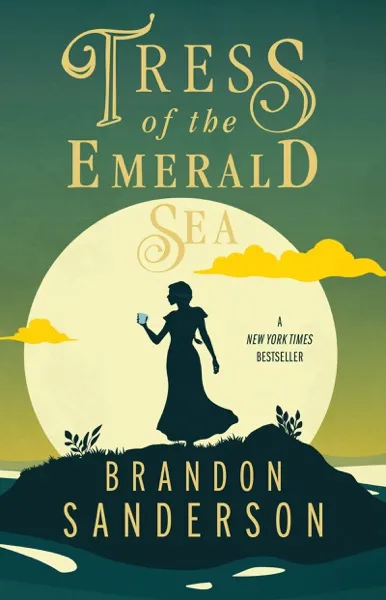

Tress of the Emerald Sea Author: Brandon SandersonPage Count: UnknownPublication Year: 2023-GB Dive Into Adventure: Why Tress of the Emerald Sea is Brandon Sanderson’s Most Captivating Fantasy Yet Few authors can weave a tale as expansive and immersive as Brandon Sanderson, and with Tress of the Emerald Sea, he delivers yet another masterpiece that cements his place as a titan of modern fantasy. Released in 2023, this standalone novel is a dazzling escapade across a vast, waterlogged world where danger lurks beneath every wave and courage is measured in the smallest of choices. If you’ve ever craved a story that blends wit, heart, and relentless adventure, Sanderson’s latest is a must-read—one that will leave you breathless and begging for more. At its core, Tress of the Emerald Sea is a swashbuckling adventure, but it’s also a story about resilience, found family, and the power of defying expectations. The protagonist, Tress, is a young woman who has spent her life on a floating island, dreaming of adventure beyond the horizon. When her home is threatened by a sinister force, she sets sail on a perilous journey across the emerald expanse, encountering a motley crew of misfits along the way. Sanderson’s genius lies in his ability to craft characters who feel both deeply human and larger-than-life, their flaws and triumphs making them impossible to forget. One of the most striking aspects of Sanderson’s writing is his worldbuilding. The Emerald Sea is a breathtaking setting, a world where the sky is a vast ocean and the land is a rare and precious commodity. Sanderson’s vivid descriptions bring this world to life, making it feel as tangible as our own. Yet, what truly sets Tress of the Emerald Sea apart is its tone. Unlike the dense, multi-book epics of Sanderson’s other works, this novel is a breath of fresh air—lighter in some ways, but no less rich in substance. It’s a story that revels in the joy of adventure, where every chapter feels like a new discovery. The themes of the novel are deftly woven into the narrative, exploring the idea of what it means to be a hero. Tress is not a warrior or a sorcerer; she’s a gardener, a dreamer, and a survivor. Her journey is one of quiet courage, proving that heroism isn’t about strength alone but about heart and determination. Sanderson also delves into the complexities of found family, as Tress and her crew navigate their differences and forge bonds that withstand the test of time and peril. These themes resonate deeply, making the story feel both personal and universal. Sanderson’s writing style is another standout feature. Known for his intricate magic systems and intricate plotting, he delivers a more streamlined experience here without sacrificing depth. The prose is sharp, the dialogue snappy, and the pacing relentless. Fans of Sanderson’s other works will recognize his signature wit and clever twists, but Tress of the Emerald Sea feels like a love letter to adventure itself. It’s a book that reminds us why we fell in love with fantasy in the first place—a tale where the journey is just as important as the destination. For readers new to Sanderson, this novel is the perfect introduction to his world. It’s accessible, engaging, and packed with the kind of adventure that keeps you turning pages late into the night. Whether you’re a seasoned fantasy fan or a casual reader looking for a thrilling escape, Tress of the Emerald Sea delivers in spades. In a genre often dominated by sprawling series, Sanderson’s ability to craft a standalone story that feels both complete and expansive is nothing short of remarkable. Tress of the Emerald Sea is more than just a book—it’s an experience, one that will leave you eager to set sail on your own adventures. #BrandonSanderson #FantasyBooks #TressOfTheEmeraldSea #BookReview #AdventureFiction Related InsightsScourged Book Review and Summary Deep End Book Review and Summary A Sky Beyond the Storm Book Review and Summary{ "@context": "https://schema.org", "@type": "FAQPage", "mainEntity": [ { "@type": "Question", "name": "What is the main focus of **Tress of the Emerald Sea** Book Review and Summary?", "acceptedAnswer": { "@type": "Answer", "text": "Everything you need to know about **Tress of the Emerald Sea** with our detailed review." } }, { "@type": "Question", "name": "Who authored the comprehensive guide on **Tress of the Emerald Sea** Book Review and Summary?", "acceptedAnswer": { "@type": "Answer", "text": "This detailed article and its insights were carefully researched and authored by Emma Thompson." } }, { "@type": "Question", "name": "Where can I find more related content about Books?", "acceptedAnswer": { "@type": "Answer", "text": "You can explore more articles, detailed reviews, and similar insights by browsing the Related Insights section at the bottom of this article or visiting our dedicated Books category page." } } ] }
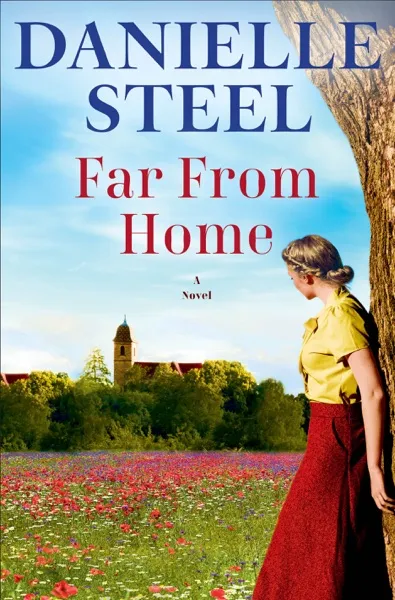

Far from Home Author: Danielle SteelPage Count: UnknownPublication Year: 2025-GB Far from Home: Danielle Steel’s Masterful Exploration of Love, Loss, and Resilience in a Global Bestseller Danielle Steel has long been the undisputed queen of emotional storytelling, and her latest novel, Far from Home, is a testament to her enduring brilliance. Set against the backdrop of a world still grappling with the lingering effects of a global crisis, Steel weaves a tale of love, sacrifice, and the unbreakable bonds that define us. With her signature blend of heart-wrenching drama and uplifting hope, this book is not just a story—it’s an experience that lingers long after the final page. At its core, Far from Home is a story about connection. Steel masterfully explores how people from different walks of life come together in the face of adversity, forging relationships that transcend borders, cultures, and personal histories. The novel follows a diverse cast of characters, each carrying their own burdens and dreams, as they navigate the complexities of life in a post-crisis world. Whether it’s the quiet strength of a single mother rebuilding her life or the unexpected friendship between strangers, Steel reminds us that humanity’s greatest strength lies in its ability to find light in the darkest of times. One of the most compelling aspects of Steel’s writing is her ability to craft characters who feel achingly real. The protagonist, a woman who has lost everything yet finds the courage to start anew, is a reflection of Steel’s own resilience as a writer and a person. Her journey is not one of grand gestures but of small, meaningful steps—each one a testament to the power of perseverance. Supporting characters, from a wise mentor to a rebellious teenager, add depth and texture to the narrative, making the story feel like a tapestry of interconnected lives. Steel’s prose is as elegant as it is evocative. Her descriptions of place and emotion are so vivid that readers will feel as though they are walking alongside her characters, experiencing their joys and sorrows firsthand. Whether she’s painting a bustling cityscape or a quiet moment of reflection, her words have a lyrical quality that elevates the reading experience. It’s no wonder that Steel’s books have sold over 900 million copies worldwide—her ability to tap into universal emotions makes her stories resonate with readers across generations and cultures. Beyond its emotional depth, Far from Home also serves as a poignant commentary on the world we live in. Steel doesn’t shy away from the harsh realities of life—loss, displacement, and the struggle for meaning—but she balances these themes with moments of tenderness and hope. The novel’s exploration of resilience is particularly timely, offering a message of hope in an era where uncertainty often feels like the norm. Steel’s optimism is infectious, reminding us that even in our darkest moments, there is always a path forward. What sets Far from Home apart from other contemporary novels is its unapologetic embrace of emotion. Steel doesn’t just tell a story; she invites readers to feel it. There are no half-measures in her writing—every triumph is celebrated, every heartbreak is felt deeply, and every relationship is given the weight it deserves. This is the kind of book that makes you laugh, cry, and reflect on your own life. It’s a reminder that love, in all its forms, is the most powerful force in the world. For fans of Steel’s previous works, Far from Home will feel like a reunion with an old friend. For new readers, it’s the perfect introduction to one of the most beloved storytellers of our time. Whether you’re looking for a book to move you, inspire you, or simply transport you to another world, this novel delivers on every level. Danielle Steel has once again proven why she remains a literary icon. Far from Home is more than just a bestseller—it’s a testament to the enduring power of storytelling and the human spirit. If you’re ready to be swept away by a tale of love, loss, and redemption, this is the book for you. #DanielleSteel #FarFromHome #BookReview #EmotionalFiction #MustRead Related InsightsSense and Sensibility Book Review and Summary All your perfects Book Review and Summary History's Greatest Drinking Games: From the Notorious to the Wisely Forgotten Book Review and Summary{ "@context": "https://schema.org", "@type": "FAQPage", "mainEntity": [ { "@type": "Question", "name": "What is the main focus of **Far from Home** Book Review and Summary?", "acceptedAnswer": { "@type": "Answer", "text": "Everything you need to know about **Far from Home** with our detailed review." } }, { "@type": "Question", "name": "Who authored the comprehensive guide on **Far from Home** Book Review and Summary?", "acceptedAnswer": { "@type": "Answer", "text": "This detailed article and its insights were carefully researched and authored by Klaus Weber." } }, { "@type": "Question", "name": "Where can I find more related content about Books?", "acceptedAnswer": { "@type": "Answer", "text": "You can explore more articles, detailed reviews, and similar insights by browsing the Related Insights section at the bottom of this article or visiting our dedicated Books category page." } } ] }
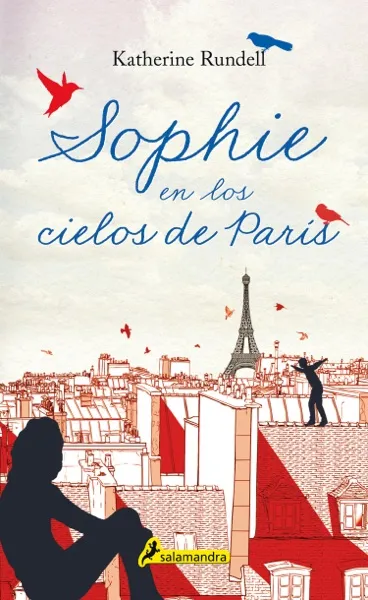
-
 Tiago Silva
 - 02 May, 2025 03:20
**Estuche especial de 'Cuentos de hadas modernos'** Book Review and Summary
Estuche especial de "Cuentos de hadas modernos" Author: Holly BlackPage Count: UnknownPublication Year: 2022-GB In the realm of modern fantasy, few authors have managed to captivate readers with the same level of enchantment as Holly Black, and her latest offering, "Estuche especial de Cuentos de hadas modernos", is a testament to her unparalleled mastery of the genre. This mesmerizing collection of tales has taken the literary world by storm, and it's easy to see why - with its unique blend of darkness, wit, and enchantment, Black's writing is nothing short of spellbinding. At its core, "Estuche especial de Cuentos de hadas modernos" is a thought-provoking exploration of the human condition, delving into the complexities of morality, the power of storytelling, and the enduring allure of the unknown. Through a diverse cast of characters, each with their own distinct voice and perspective, Black expertly weaves together a rich tapestry of themes and ideas, creating a narrative that is both deeply personal and universally relatable. From the vulnerable and relatable protagonists to the enigmatic and often terrifying antagonists, every character in this collection is multifaceted and meticulously crafted, inviting readers to immerse themselves in their worlds and become a part of their stories. One of the most striking aspects of Black's writing style is her ability to balance light and darkness, often juxtaposing the two in unexpected and fascinating ways. Her prose is lyrical and evocative, with a keen attention to detail that brings even the most mundane settings to life. Whether she's crafting a lush and vibrant world of wonder or plumbing the depths of human psychology, Black's writing is always engaging, intelligent, and infused with a deep sense of emotional resonance. Her use of language is deliberate and precise, with each word and phrase carefully chosen to evoke a specific mood or atmosphere, drawing readers into the heart of the story and refusing to let them go. Throughout the collection, Black also explores the idea of the power of storytelling, highlighting its ability to shape our perceptions, influence our emotions, and transcend the boundaries of time and space. Her stories are often self-aware, blurring the lines between reality and fantasy, and challenging readers to question their assumptions about the world and their place within it. This self-awareness, combined with Black's characteristic wit and humor, adds a layer of depth and complexity to the narrative, making "Estuche especial de Cuentos de hadas modernos" a truly unforgettable read. What sets "Estuche especial de Cuentos de hadas modernos" apart from other fantasy collections is its unwavering commitment to exploring the darker aspects of human nature, often incorporating elements of horror, folklore, and mythology into its narrative. Black's fascination with the unknown, the unseen, and the unexplained creates a sense of tension and foreboding that permeates every story, keeping readers on the edge of their seats and invested in the outcome. This willingness to push boundaries and challenge conventions has earned Black a reputation as one of the most innovative and exciting authors working in the fantasy genre today. In short, "Estuche especial de Cuentos de hadas modernos" is a triumph, a masterpiece of modern fantasy that showcases Holly Black's remarkable talent and reinforces her position as one of the leading voices in the genre. With its richly imagined worlds, complex characters, and thought-provoking themes, this collection is sure to captivate readers of all ages and backgrounds, leaving a lasting impression long after the final page has been turned. Whether you're a fan of fantasy, folklore, or simply great storytelling, "Estuche especial de Cuentos de hadas modernos" is an absolute must-read, and one that will continue to haunt and inspire readers for years to come. #HollyBlack #ModernFairyTales #FantasyLiterature #BookReview #BestSellerNovels Related InsightsDragonfly in Amber Book Review and Summary Counting Miracles Book Review and Summary Raw Deal Book Review and Summary{ "@context": "https://schema.org", "@type": "FAQPage", "mainEntity": [ { "@type": "Question", "name": "What is the main focus of **Estuche especial de 'Cuentos de hadas modernos'** Book Review and Summary?", "acceptedAnswer": { "@type": "Answer", "text": "Everything you need to know about **Estuche especial de 'Cuentos de hadas modernos'** with our detailed review." } }, { "@type": "Question", "name": "Who authored the comprehensive guide on **Estuche especial de 'Cuentos de hadas modernos'** Book Review and Summary?", "acceptedAnswer": { "@type": "Answer", "text": "This detailed article and its insights were carefully researched and authored by Tiago Silva." } }, { "@type": "Question", "name": "Where can I find more related content about Books?", "acceptedAnswer": { "@type": "Answer", "text": "You can explore more articles, detailed reviews, and similar insights by browsing the Related Insights section at the bottom of this article or visiting our dedicated Books category page." } } ] }

All your perfects Author: Colleen HooverPage Count: UnknownPublication Year: 2018-GB Love, Loss, and the Fragility of Perfection: A Deep Dive into Colleen Hoover’s All Your Perfects Few authors have mastered the art of blending raw emotion with page-turning storytelling quite like Colleen Hoover. With over 20 million copies of her books in print, Hoover has cemented her place as a powerhouse in contemporary romance and emotional fiction. Her 2018 novel All Your Perfects is no exception—a heart-wrenching exploration of marriage, sacrifice, and the illusions we cling to in the name of love. If you’ve ever wondered how a relationship can feel both like a sanctuary and a prison, this book will grip you from the first page and refuse to let go. At its core, All Your Perfects is a story about Quinn and Graham, a married couple whose love story begins with fireworks and evolves into something far more complicated. Told through alternating timelines, the novel peels back the layers of their relationship, revealing the cracks beneath the surface of their seemingly perfect life. Hoover doesn’t shy away from the messy realities of marriage—infidelity, resentment, and the quiet erosion of trust—making this a far cry from the saccharine romances that often dominate the genre. Instead, she crafts a narrative that feels achingly real, where love is both a lifeline and a source of pain. One of the most compelling aspects of All Your Perfects is Hoover’s exploration of the myth of perfection. Quinn, a former competitive gymnast, has spent her life striving for flawlessness, only to find that her marriage to Graham—a man who embodies stability and devotion—has become another performance she can’t quite master. Their relationship is a study in contrasts: Quinn’s perfectionism clashes with Graham’s quiet acceptance, and what begins as a fairy-tale romance slowly unravels under the weight of unspoken expectations. Hoover’s genius lies in her ability to make their struggles feel universal. Who hasn’t grappled with the pressure to be everything to everyone, especially in a partnership? The novel forces readers to confront uncomfortable questions: Can love survive when both partners are broken? Is perfection even possible, or is it just a facade we use to avoid vulnerability? The characters in All Your Perfects are deeply human, flawed, and deeply relatable. Quinn is a protagonist who will frustrate and endear you in equal measure. Her journey from a driven athlete to a woman drowning in self-doubt is both tragic and inspiring. Graham, on the other hand, is the steady force in her life, but even his patience has limits. Their dynamic is electric, filled with moments of tenderness that make their fractures all the more devastating. Hoover’s supporting cast—including Quinn’s sister and Graham’s family—adds depth to the story, grounding the emotional turmoil in a web of relatable relationships. Hoover’s writing style is deceptively simple yet profoundly effective. She has a knack for crafting prose that feels intimate, as if she’s whispering directly into the reader’s ear. Her sentences are clean and uncluttered, allowing the emotional weight of the story to take center stage. There’s a rawness to her storytelling that makes the heartbreak feel visceral. When Quinn’s past resurfaces or when Graham’s patience finally snaps, you’ll feel it in your chest. Hoover also excels at pacing, weaving together past and present with such precision that the revelations land with maximum impact. The alternating timelines aren’t just a gimmick; they’re a narrative device that deepens the reader’s understanding of how two people can love each other yet still fail one another. Beyond the romance, All Your Perfects is a meditation on grief—not just the grief of loss, but the grief of losing the people we thought we knew, including ourselves. Quinn’s journey is as much about rediscovering her own worth as it is about salvaging her marriage. Hoover doesn’t offer easy answers, which makes the story all the more powerful. She forces readers to sit with the discomfort of ambiguity, to question whether love is enough when both partners are carrying invisible scars. For fans of emotional fiction, All Your Perfects is a must-read. It’s a book that will leave you breathless, laughing through tears one moment and sobbing uncontrollably the next. Hoover doesn’t just tell a love story; she dissects the anatomy of a relationship, exposing its vulnerabilities and its resilience. It’s a story that lingers long after the last page, haunting you with its honesty and its unflinching portrayal of what it means to love someone—flaws and all. If you’re looking for a book that will challenge your perceptions of love, sacrifice, and perfection, All Your Perfects is a masterclass in emotional storytelling. Colleen Hoover has done it again, delivering a novel that’s as thought-provoking as it is heartbreaking. It’s a reminder that while perfection may be an illusion, love—messy, painful, and real—is worth fighting for. #ColleenHoover #AllYourPerfects #EmotionalFiction #BookReview #LoveStory Related InsightsThe Unsung Scribes: Unearthing the Clandestine Libraries and Forbidden Texts of World War II Houdini Heart Book Review and Summary Okumanın Sihirli Dünyasına Bir Yolculuk: Neden Kitaplar Hala En İyi Dostumuz?{ "@context": "https://schema.org", "@type": "FAQPage", "mainEntity": [ { "@type": "Question", "name": "What is the main focus of **All your perfects** Book Review and Summary?", "acceptedAnswer": { "@type": "Answer", "text": "Everything you need to know about **All your perfects** with our detailed review." } }, { "@type": "Question", "name": "Who authored the comprehensive guide on **All your perfects** Book Review and Summary?", "acceptedAnswer": { "@type": "Answer", "text": "This detailed article and its insights were carefully researched and authored by Olivia Harris." } }, { "@type": "Question", "name": "Where can I find more related content about Books?", "acceptedAnswer": { "@type": "Answer", "text": "You can explore more articles, detailed reviews, and similar insights by browsing the Related Insights section at the bottom of this article or visiting our dedicated Books category page." } } ] }
The Possession of Alba Díaz Author: Isabel CañasPage Count: UnknownPublication Date: 2026-PRH The Possession of Alba Díaz, Isabel Cañas's latest novel, is a mesmerizing and deeply unsettling exploration of the blurred lines between madness and mysticism, set against the richly atmospheric backdrop of a long-forgotten era. While the page count of this literary masterpiece remains unknown, the impact of Cañas's masterful storytelling is undeniable. From the opening pages, it becomes apparent that Cañas is a weaver of dark, gothic magic. Her prose is as lush as it is unsettling, drawing the reader into a world of eerie, candle-lit chambers and whispered incantations. The author's writing is akin to a slow-burning fire, casting flickering shadows on the walls as it probes the deepest recesses of the human psyche. At the heart of this haunting tale is Alba Díaz, a protagonist as enigmatic as she is troubled. Her world is one of creeping dread and claustrophobic terror, where the boundaries between reality and nightmare are constantly shifting. Cañas's portrayal of Alba's inner turmoil is nothing short of remarkable, a nuanced and deeply compassionate exploration of a mind teetering on the brink of collapse. As the narrative unfolds, Cañas expertly ratchets up the tension, conjuring an atmosphere of creeping unease that permeates every aspect of Alba's existence. Her writing is a masterclass in subtlety, hinting at dark forces lurking just beyond the edge of perception. It's a delicate balancing act, one that Cañas executes with precision and skill. One of the most striking aspects of The Possession of Alba Díaz is its thought-provoking exploration of the female experience. Cañas's portrayal of Alba's struggles with her own identity, her desires, and her place within a patriarchal society is both poignant and timely. This is a novel that asks difficult questions about the nature of womanhood, the constraints placed upon women, and the devastating consequences of a society that seeks to control and suppress. Throughout the book, Cañas's use of language is nothing short of breathtaking. Her prose is a rich tapestry of imagery and symbolism, woven from threads of myth, folklore, and fairy tale. The result is a narrative that is both deeply personal and universally relatable, a testament to the author's skill in crafting a story that will resonate with readers long after the final page has been turned. In short, The Possession of Alba Díaz is a triumph of modern Gothic literature, a novel that will appeal to fans of Laura Purcell, Silvia Moreno-Garcia, and Caitlin Starling. With its lush prose, atmospheric setting, and thought-provoking themes, this is a book that will linger in the reader's mind long after the lights have gone out. #ThePossessionOfAlbaDiaz #IsabelCanas #GothicLiterature #DarkFiction #FeministHorror #MentalHealthInLiterature Related InsightsThe Divorce Book Review and Summary She's a Doll Book Review and Summary Historical Collection 2018 Book Review and Summary{ "@context": "https://schema.org", "@type": "FAQPage", "mainEntity": [ { "@type": "Question", "name": "What is the main focus of Possession Book Review and Summary?", "acceptedAnswer": { "@type": "Answer", "text": "Everything you need to know about Possession with our detailed review." } }, { "@type": "Question", "name": "Who authored the comprehensive guide on Possession Book Review and Summary?", "acceptedAnswer": { "@type": "Answer", "text": "This detailed article and its insights were carefully researched and authored by A.S. Byatt." } }, { "@type": "Question", "name": "Where can I find more related content about Books?", "acceptedAnswer": { "@type": "Answer", "text": "You can explore more articles, detailed reviews, and similar insights by browsing the Related Insights section at the bottom of this article or visiting our dedicated Books category page." } } ] }
Viento y ceniza / A Breath of Snow and Ashes Author: Diana GabaldonPage Count: UnknownPublication Date: 2021-PRH A Breath of Snow and Ashes, the sixth installment in Diana Gabaldon's acclaimed Outlander saga, is a masterful blend of historical fiction, romance, and time-traveling intrigue. Set in 1772, on the eve of the American Revolution, the novel is a sweeping tale of love, loyalty, and survival. Gabaldon's writing is as exquisite as ever, painting vivid portraits of her characters and the tumultuous world they inhabit. The story is a complex web of plot threads, expertly woven together to create a narrative that is both epic in scope and intimate in its characterizations. The author's meticulous research and attention to historical detail are evident on every page, transporting readers to the rugged and unforgiving landscape of 18th-century North Carolina. At the heart of the novel is the enduring love story of Jamie and Claire Fraser, a couple bound together by their passion for each other and their determination to survive the challenges of war, politics, and time itself. As they navigate the treacherous waters of the Revolution, they must also confront the possibility of their own mortality, as foretold by a cryptic newspaper clipping that reports Jamie's death in 1776. Gabaldon's exploration of the human condition is a hallmark of her writing, and A Breath of Snow and Ashes is no exception. Her characters are multidimensional and relatable, with all their flaws and strengths on full display. The novel is also notable for its strong female characters, who drive the plot forward with their intelligence, courage, and resilience. One of the most striking aspects of Gabaldon's writing is her ability to balance action, suspense, and romance, creating a narrative that is both thrilling and emotionally resonant. The pacing is expertly managed, with moments of tender intimacy juxtaposed with scenes of high drama and adventure. If there is a criticism to be made, it is that the novel's scope can sometimes feel overwhelming, with a vast array of characters and plot threads to keep track of. However, this is a minor quibble, and Gabaldon's fans will be well rewarded for their patience and dedication. In short, A Breath of Snow and Ashes is a triumph, a novel that will captivate fans of historical fiction, romance, and science fiction alike. It is a testament to Gabaldon's skill and craftsmanship that she can continue to surprise and delight readers, even six books into the Outlander saga. #OutlanderSeries #ABreathOfSnowAndAshes #DianaGabaldon #HistoricalFiction #TimeTravelRomance #AmericanRevolution Related InsightsWhispers on Carbon Paper: The Subversive Art of Samizdat Literature in the Shadow of the Iron Curtain Angela's Ashes Book Review and Summary Library of Forbidden Books Book Review and Summary{ "@context": "https://schema.org", "@type": "FAQPage", "mainEntity": [ { "@type": "Question", "name": "What is the main focus of A Breath of Snow and Ashes Book Review and Summary?", "acceptedAnswer": { "@type": "Answer", "text": "Everything you need to know about A Breath of Snow and Ashes with our detailed review." } }, { "@type": "Question", "name": "Who authored the comprehensive guide on A Breath of Snow and Ashes Book Review and Summary?", "acceptedAnswer": { "@type": "Answer", "text": "This detailed article and its insights were carefully researched and authored by Diana Gabaldon." } }, { "@type": "Question", "name": "Where can I find more related content about Books?", "acceptedAnswer": { "@type": "Answer", "text": "You can explore more articles, detailed reviews, and similar insights by browsing the Related Insights section at the bottom of this article or visiting our dedicated Books category page." } } ] }