Showing Posts From
Books
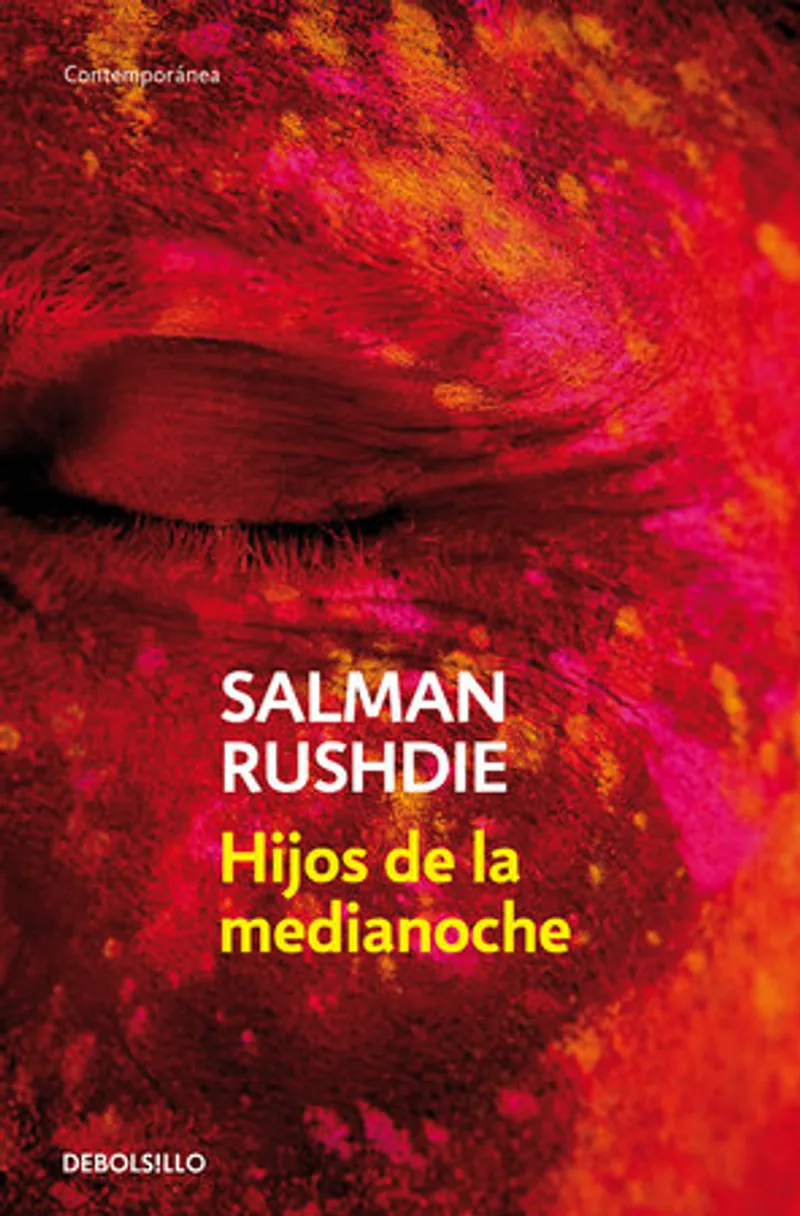
Hijos de la medianoche / Midnight's Children Author: Salman RushdiePage Count: UnknownPublication Date: 2016-PRH In the grand tapestry of 20th-century literature, few novels have managed to capture the essence of a nation's struggle for identity and independence as masterfully as Salman Rushdie's 'Midnight's Children'. This Booker of Bookers winner is a sweeping narrative that defies genre boundaries, blending elements of magical realism, historical fiction, and coming-of-age drama to create a richly textured portrait of India's tumultuous journey towards self-discovery. At the heart of the novel is Saleem Sinai, a protagonist whose life is inextricably linked to the fortunes of his nation. Born at the stroke of midnight on August 15, 1947, Saleem's existence is a curious amalgam of the personal and the historical. His experiences, both mundane and extraordinary, serve as a mirror to the country's own struggles with identity, politics, and social change. As Saleem navigates the complexities of his own life, he finds himself bound to the destinies of the 1,000 other "midnight's children," each endowed with unique gifts and abilities that reflect the diversity and complexity of the Indian experience. Rushdie's masterful storytelling is a key element in the novel's enduring appeal. His prose is a vibrant tapestry of language, woven from a dazzling array of cultural references, historical allusions, and fantastical elements. The narrative is at once a deeply personal exploration of Saleem's inner world and a sprawling epic that encompasses the tumultuous history of India's post-independence era. Rushdie's use of magical realism adds a layer of depth and complexity to the narrative, allowing him to explore themes that might otherwise be inaccessible through traditional realist fiction. One of the most striking aspects of 'Midnight's Children' is its ability to balance the personal and the historical. Saleem's story is both a deeply intimate exploration of his own experiences and a sweeping epic that encompasses the grand narrative of India's struggle for independence. Rushdie's use of multiple narrative voices and perspectives adds to the novel's sense of depth and complexity, creating a richly textured portrait of a nation in flux. The novel's exploration of identity is another key theme that resonates throughout the narrative. Saleem's struggles to define himself, both as an individual and as a representative of his nation, serve as a powerful metaphor for the challenges faced by India as a whole. As the country grapples with its own identity, Saleem finds himself caught between multiple worlds, struggling to reconcile his own sense of self with the competing demands of family, history, and nation. In short, 'Midnight's Children' is a masterpiece of contemporary literature, a novel that continues to captivate readers with its richly textured narrative, its vivid characters, and its profound exploration of the human condition. If you haven't already, do yourself a favor and immerse yourself in this magnificent novel – it's an experience you won't soon forget. #MidnightsChildren #SalmanRushdie #IndianLiterature #MagicalRealism #BookerPrizeWinner #ClassicNovel Related InsightsOne of Our Kind Book Review and Summary Maybe You Should Talk to Someone Book Review and Summary Night of the Mallrats: A Novel Book Review and Summary{ "@context": "https://schema.org", "@type": "FAQPage", "mainEntity": [ { "@type": "Question", "name": "What is the main focus of Midnight’s Children Book Review and Summary?", "acceptedAnswer": { "@type": "Answer", "text": "Everything you need to know about Midnight’s Children with our detailed review." } }, { "@type": "Question", "name": "Who authored the comprehensive guide on Midnight’s Children Book Review and Summary?", "acceptedAnswer": { "@type": "Answer", "text": "This detailed article and its insights were carefully researched and authored by Salman Rushdie." } }, { "@type": "Question", "name": "Where can I find more related content about Books?", "acceptedAnswer": { "@type": "Answer", "text": "You can explore more articles, detailed reviews, and similar insights by browsing the Related Insights section at the bottom of this article or visiting our dedicated Books category page." } } ] }

Under the Whispering Door Author: T. J. KlunePage Count: UnknownPublication Year: 2021-GB T. J. Klune’s Under the Whispering Door is a book that lingers long after the last page, much like the ghosts it so lovingly describes. It’s a story that dances on the edge of grief and joy, wrapped in the kind of warmth that makes you want to curl up in a cozy armchair with a cup of tea—even as it confronts the inevitability of loss. Published in 2021, this novel cements Klune’s reputation as a master of heartfelt, whimsical tales that balance the profound with the playful. It’s no surprise this book became a global bestseller; it’s the kind of story that whispers to the soul while making it sing. At its core, Under the Whispering Door is a meditation on what it means to let go. The novel follows Wallace Price, a man who has spent his life chasing success and efficiency, only to find himself dead at the age of 48—with no one but his ex-wife to mourn him. When he arrives at the Wayward Inn, a peculiar tea shop nestled between life and death, he meets Hugo, the cheerful ferryman who guides the dead to their final rest, and Mei, Hugo’s apprentice with a mischievous streak. The inn is run by the enigmatic Wallace, whose name Wallace Price shares (to his eternal frustration), and it’s here that our protagonist begins to unravel the layers of a life he thought he understood. Klune’s genius lies in his ability to weave the mundane and the magical into a seamless tapestry. The Wayward Inn is a place where the rules of reality bend—tea cups refill themselves, the walls hum with stories, and the dead linger not out of fear, but curiosity. Yet, beneath the whimsy lies a deeply human story about regret, connection, and the quiet courage it takes to face the unknown. Wallace Price is a protagonist we don’t initially like—his arrogance and emotional detachment make him hard to root for—but Klune’s writing is so tender that by the end, you’ll ache for his transformation. It’s a testament to the author’s skill that he can make us care about a man who, for most of his life, didn’t care much about anyone else. The book’s style is quintessentially Klune: warm, conversational, and sprinkled with humor that never undercuts the emotional weight of the story. His prose is like a favorite blanket—comfortable, familiar, and just a little bit magical. There’s a folksy charm to his writing, as if he’s sitting across from you, sharing a story over a crackling fire. He doesn’t shy away from exploring heavy themes—grief, mortality, the fear of being forgotten—but he does so with a lightness of touch that makes the story accessible rather than oppressive. The dialogue crackles with wit, and the relationships between characters feel authentic, even when they’re between a living man and the ghosts who inhabit the inn. One of the most striking aspects of Under the Whispering Door is its exploration of the afterlife—not as a place of punishment or eternal rest, but as a liminal space where the dead can finally see the truth of their lives. The Whispering Door, the book’s namesake, is a portal that doesn’t just lead to death but to understanding. Klune suggests that death isn’t the end, but a reckoning, a chance to confront the choices we’ve made and the people we’ve left behind. It’s a comforting thought, wrapped in a story that’s as much about living as it is about dying. The book’s strength also lies in its supporting cast. Hugo, with his boundless optimism and quiet wisdom, is the kind of character you’d follow anywhere. Mei, with her sharp tongue and deeper heart, adds a layer of complexity to the story, while the various ghosts who drift through the inn bring a sense of shared humanity to Wallace’s journey. Each character, no matter how minor, feels fully realized, their quirks and flaws making them feel like people you’ve known for years. Klune’s world-building is another standout feature. The Wayward Inn is a place that feels lived-in, its quirks and rules as natural as the turning of the seasons. The tea shop is a haven, a sanctuary where the dead can pause before moving on, and its atmosphere is so vivid you can almost smell the chamomile and hear the hum of conversation. It’s a place that invites reflection, a reminder that even in death, there’s room for growth and connection. Under the Whispering Door is ultimately a story about redemption—not in the religious sense, but in the human one. It’s about the small, quiet moments of grace that can change us, the people who help us see ourselves clearly, and the courage it takes to embrace change. Klune doesn’t offer easy answers or neat resolutions; instead, he offers something more valuable: the assurance that even in the face of loss, there’s beauty to be found in the connections we make. In a world that often feels rushed and disconnected, Under the Whispering Door is a balm. It’s a book that reminds us to slow down, to listen, and to cherish the moments that define us—not just the grand gestures, but the quiet, everyday interactions that shape our lives. It’s a story that will make you laugh, cry, and think long after you’ve turned the final page. And that, perhaps, is the greatest magic of all. #WhisperingDoor #TJKlune #LGBTQFantasy #CozyFantasy #HeartwarmingReads #MustRead Related InsightsMooncursed (The Drowned King, #1) Book Review and Summary The Mayor: One Poor City’s Fight to Bring Back Government and Save the Nation’s Soul Book Review and Summary Murder on 34th Street: A Novel Book Review and Summary{ "@context": "https://schema.org", "@type": "FAQPage", "mainEntity": [ { "@type": "Question", "name": "What is the main focus of Under the Whispering Door Book Review and Summary?", "acceptedAnswer": { "@type": "Answer", "text": "Everything you need to know about Under the Whispering Door with our detailed review." } }, { "@type": "Question", "name": "Who authored the comprehensive guide on Under the Whispering Door Book Review and Summary?", "acceptedAnswer": { "@type": "Answer", "text": "This detailed article and its insights were carefully researched and authored by Diego Lopez." } }, { "@type": "Question", "name": "Where can I find more related content about Books?", "acceptedAnswer": { "@type": "Answer", "text": "You can explore more articles, detailed reviews, and similar insights by browsing the Related Insights section at the bottom of this article or visiting our dedicated Books category page." } } ] }
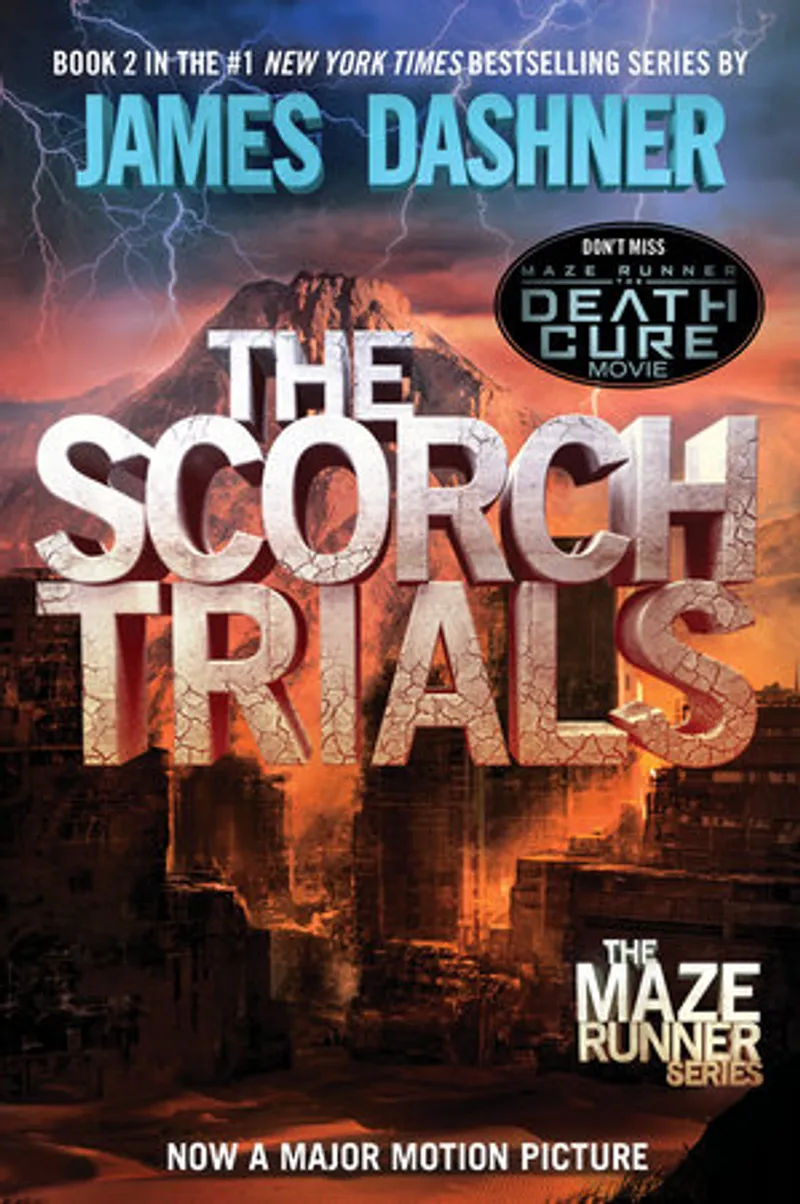
The Scorch Trials Author: James DashnerPage Count: UnknownPublication Date: 2011-PRH The Scorch Trials: A High-Stakes Survival Odyssey That Leaves No Room for Breath James Dashner’s The Scorch Trials is a relentless, pulse-pounding sequel that cements the Maze Runner series as one of the most gripping dystopian adventures of the 21st century. If the first book was a sprint through a labyrinth of mystery, this installment is a full-throttle race across a scorched wasteland, where every decision could mean life or death—and trust is the most fragile currency of all. At its core, The Scorch Trials is a story about survival, but not just in the physical sense. Dashner masterfully explores the psychological toll of an apocalyptic world where the rules are rigged against you. The Gladers, now fugitives from the sinister organization WICKED, are thrust into the Scorch—a desolate, sun-scorched expanse where the air itself seems to conspire against them. But the real battle isn’t just against the environment; it’s against doubt, betrayal, and the erosion of the very bonds that once held them together. Thomas, the series’ reluctant hero, is no longer just fighting to escape a maze—he’s fighting to believe in his own instincts when every authority figure has lied to him. The theme of fractured trust is woven into every chapter, making the reader question who is truly on their side. Dashner’s prose is lean and propulsive, a style that mirrors the urgency of his characters’ plight. There’s no room for flowery descriptions here; every sentence is a step forward, every paragraph a new obstacle. The pacing is relentless, with cliffhangers that demand to be read in one sitting. Yet beneath the breakneck action lies a deeper layer of world-building. The Scorch isn’t just a setting—it’s a character in its own right, a nightmarish reflection of a world that has burned itself to the ground. The descriptions of the landscape—charred ruins, sweltering heat, and the ever-present threat of the Cranks (the infected, zombie-like survivors)—are vivid enough to make the reader’s skin prickle. What sets The Scorch Trials apart from other dystopian YA novels is its refusal to offer easy answers. WICKED’s games are designed to break the Gladers, and Dashner doesn’t shy away from showing the cracks in their unity. Friendships splinter. Loyalties shift. The line between hero and villain blurs as new factions emerge, each with their own agenda. This moral ambiguity elevates the story beyond a simple survival narrative, forcing readers to grapple with the same questions as the characters: How far would you go to survive? And at what cost? The book’s strength also lies in its ensemble cast. Thomas remains a compelling protagonist—flawed, determined, and burdened by the weight of his memories—but it’s the supporting characters who truly shine. Newt’s unwavering loyalty, Minho’s quick wit, and Brenda’s mysterious resilience add depth to the narrative, while the introduction of the Right Arm, a rebel group fighting WICKED, injects fresh tension. Even the antagonists are more than just faceless villains; they’re products of a broken world, making their motivations unsettlingly plausible. Dashner’s ability to balance high-stakes action with emotional depth is what makes The Scorch Trials more than just a thrill ride. The book’s climax is a masterclass in tension, with betrayals, sacrifices, and revelations that leave the reader breathless. By the final page, the stakes have never been higher, and the next installment—The Death Cure—feels like an inevitability rather than a promise. If The Maze Runner was about finding freedom, The Scorch Trials is about fighting for it—even when the odds are impossible. It’s a story that lingers long after the last page, a testament to Dashner’s skill in crafting a world that feels both terrifyingly real and utterly inescapable. For fans of The Hunger Games and Lord of the Flies, this is the kind of book that doesn’t just entertain—it haunts. #MazeRunner #DystopianFiction #YAThriller #SurvivalStory #JamesDashner #BookReview Related InsightsThe 7 Habits of Highly Effective People: Powerful Lessons in Personal Change Book Review and Summary Little Red Death Book Review and Summary Broken Rival Book Review and Summary{ "@context": "https://schema.org", "@type": "FAQPage", "mainEntity": [ { "@type": "Question", "name": "What is the main focus of The Scorch Trials Book Review and Summary?", "acceptedAnswer": { "@type": "Answer", "text": "Everything you need to know about The Scorch Trials with our detailed review." } }, { "@type": "Question", "name": "Who authored the comprehensive guide on The Scorch Trials Book Review and Summary?", "acceptedAnswer": { "@type": "Answer", "text": "This detailed article and its insights were carefully researched and authored by James Dashner." } }, { "@type": "Question", "name": "Where can I find more related content about Books?", "acceptedAnswer": { "@type": "Answer", "text": "You can explore more articles, detailed reviews, and similar insights by browsing the Related Insights section at the bottom of this article or visiting our dedicated Books category page." } } ] }
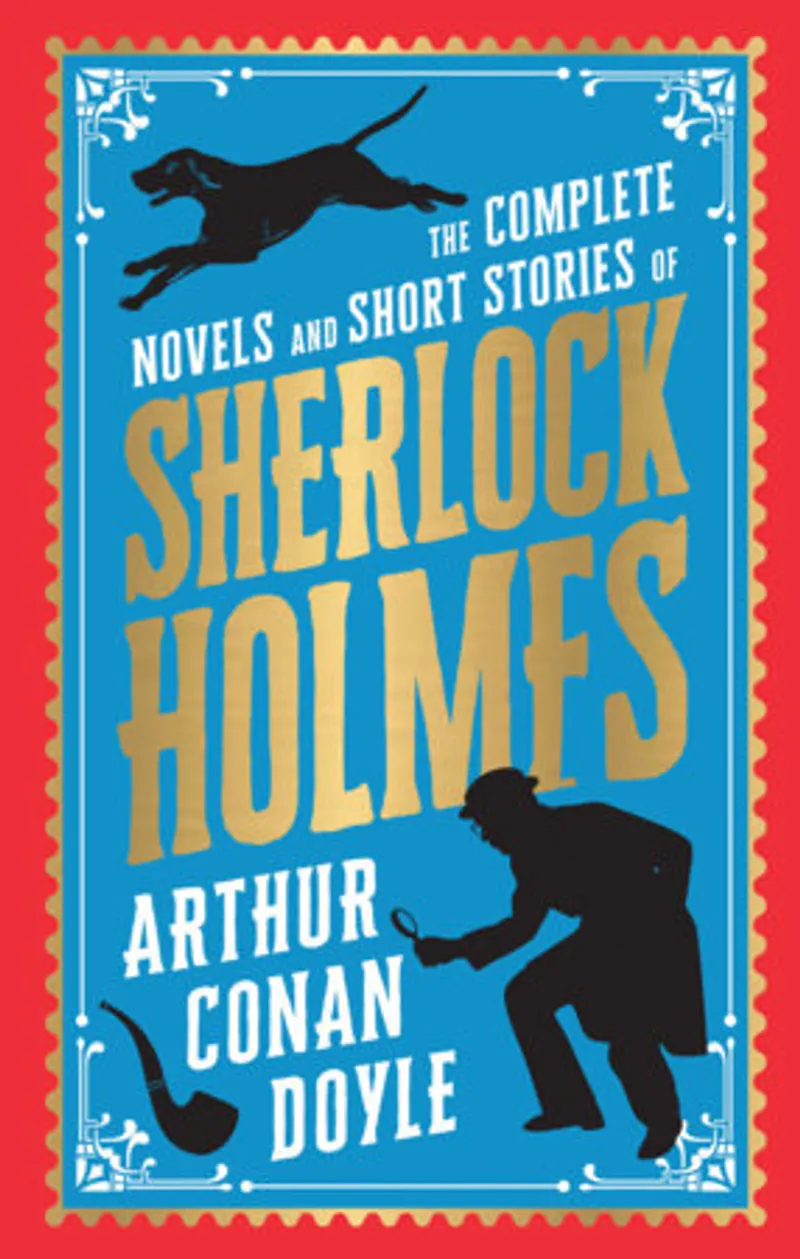
Complete Novels and Short Stories of Sherlock Holmes (Deluxe Hardbound Edition) by Arthur Conan Doyle – The Adventures of Sherlock Holmes / The Case Book of S Author: Sir Arthur Conan DoylePage Count: UnknownPublication Date: 2023-PRH In the realm of detective fiction, few names shine as brightly as Sherlock Holmes, the iconic creation of Sir Arthur Conan Doyle. The Complete Novels and Short Stories of Sherlock Holmes, a deluxe hardbound edition, is a treasure trove for fans of the legendary sleuth, bringing together the entirety of Doyle's Holmesian canon in one magnificent volume. As one delves into the world of 221B Baker Street, it becomes apparent that Doyle's writing is a masterclass in atmosphere and tension. His prose is a perfect blend of Victorian elegance and modernist simplicity, weaving a narrative that is both engaging and intelligent. The characters, too, are meticulously crafted, with Holmes's remarkable faculties of observation and deduction being the stuff of legend. One of the most striking aspects of Doyle's writing is his ability to balance the cerebral and the visceral. His stories are, on the surface, puzzles to be solved, but beneath lies a complex web of human emotions and motivations. The relationships between Holmes, Watson, and the various clients they encounter are richly nuanced, adding depth and warmth to what might otherwise be dry, intellectual exercises. Throughout the collection, Doyle's style remains remarkably consistent, a testament to his skill as a storyteller. His use of language is economical, yet evocative, conjuring the fog-shrouded streets of London with ease. The pacing is expertly managed, with each tale unfolding at a breakneck speed that propels the reader toward the solution. The Complete Novels and Short Stories of Sherlock Holmes is a triumph of detective fiction, a celebration of the genre's golden age. As a collector's edition, the book is beautifully presented, with high-quality paper and binding that will withstand the rigors of repeated reading. For fans of Sherlock Holmes, this collection is a must-have, offering a comprehensive and immersive reading experience that will delight and intrigue. Even for those unfamiliar with the character, Doyle's writing is so engaging, so masterful, that it's impossible not to be drawn into the world of Baker Street. In short, The Complete Novels and Short Stories of Sherlock Holmes is a masterpiece of detective fiction, a testament to the enduring power of Doyle's creation. It is a book that will captivate, entertain, and inspire, a true classic that will be cherished for generations to come. #SherlockHolmes #SirArthurConanDoyle #DetectiveFiction #ClassicLiterature #MysteryAndSuspense #BakerStreet Related InsightsQueen Demon Book Review and Summary Ethical Public Leadership Book Review and Summary Camera Stays On Book Review and Summary{ "@context": "https://schema.org", "@type": "FAQPage", "mainEntity": [ { "@type": "Question", "name": "What is the main focus of The Adventures of Sherlock Holmes Book Review and Summary?", "acceptedAnswer": { "@type": "Answer", "text": "Everything you need to know about The Adventures of Sherlock Holmes with our detailed review." } }, { "@type": "Question", "name": "Who authored the comprehensive guide on The Adventures of Sherlock Holmes Book Review and Summary?", "acceptedAnswer": { "@type": "Answer", "text": "This detailed article and its insights were carefully researched and authored by Arthur Conan Doyle." } }, { "@type": "Question", "name": "Where can I find more related content about Books?", "acceptedAnswer": { "@type": "Answer", "text": "You can explore more articles, detailed reviews, and similar insights by browsing the Related Insights section at the bottom of this article or visiting our dedicated Books category page." } } ] }
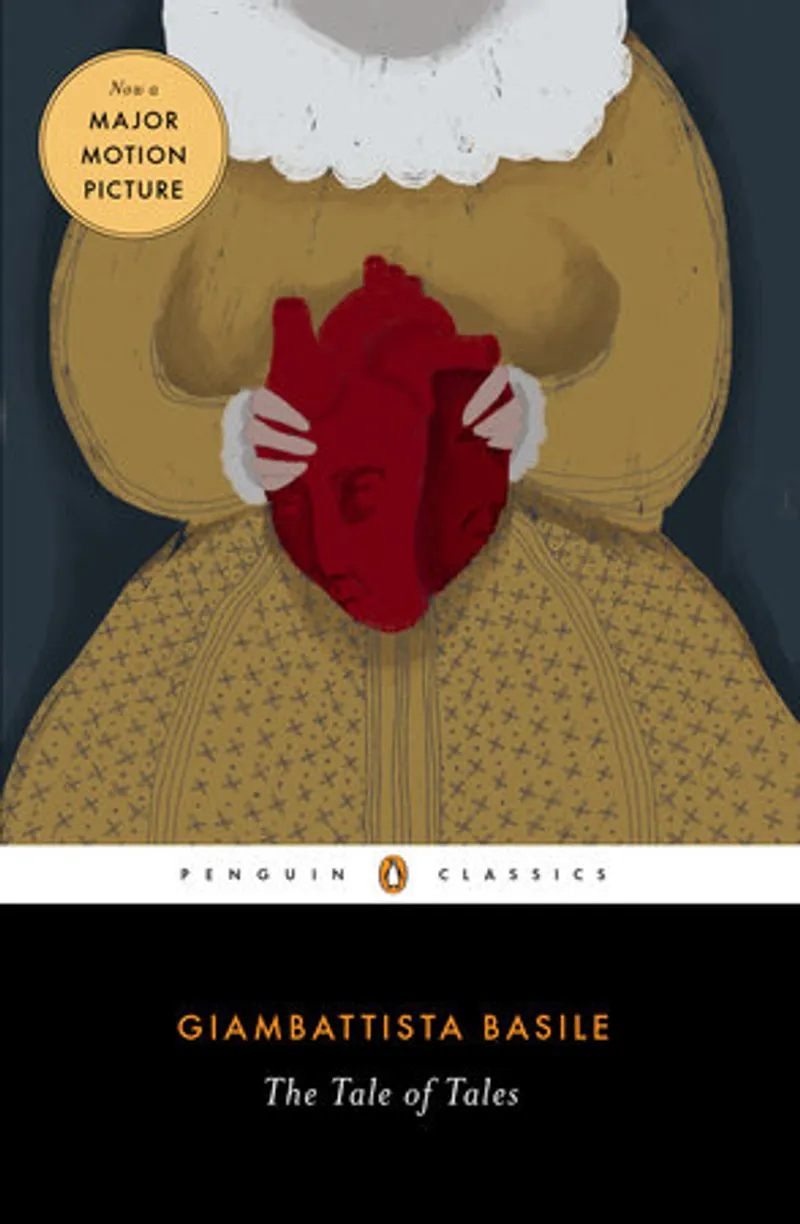
The Tale of Tales Author: Carmelo LetterePage Count: UnknownPublication Date: 2016-PRH In the realm of fairy tales, few collections have captivated readers with the same level of bawdy humor, fantastical imagination, and unflinching candor as Giambattista Basile's The Tale of Tales. Originally published in the 17th century, this foundational work of fantasy literature has been revived in a stunning translation, introducing a new generation of readers to the unbridled creativity of Basile's storytelling. At its core, The Tale of Tales is a testament to the transformative power of storytelling. The narrative unfolds as a series of 50 fairy tales told by 10 sharp-tongued women, including the enigmatic Princess Zoza, who assumes a disguise to expose an impostor and reclaim her rightful husband. This clever framing device allows Basile to showcase his mastery of the fairy tale genre, weaving a rich tapestry of stories that are at once funny, scary, romantic, and gruesome. Basile's style is characterized by his unflinching willingness to push the boundaries of conventional storytelling. His tales are populated by a cast of characters that defy traditional notions of beauty and morality. A childless queen devours the heart of a sea monster, only to give birth the very next day. A lecherous king is aroused by the voice of a woman, unaware of her physical grotesqueness. These stories are not for the faint of heart, but rather for those who revel in the unbridled imagination and creativity of Basile's world. One of the most striking aspects of The Tale of Tales is its prefiguration of modern fantasy literature. The collection's themes of power, morality, and the human condition are eerily reminiscent of George R.R. Martin's A Song of Ice and Fire series, which was adapted into the hit HBO show Game of Thrones. Basile's work serves as a fascinating precursor to these modern touchstones, demonstrating the enduring power of fantasy literature to captivate and inspire audiences. Throughout the collection, Basile's use of language is both poetic and unflinching. His prose is infused with a sense of wonder and curiosity, drawing the reader into a world of fantastical creatures and unexpected twists. The translation is superb, capturing the nuances of Basile's original text while rendering it accessible to a modern audience. In conclusion, The Tale of Tales is a fairy tale treasure that is sure to captivate readers with its bawdy humor, fantastical imagination, and unflinching candor. Basile's style is a testament to the transformative power of storytelling, and his influence can be seen in many modern fantasy authors. This collection is a must-read for anyone who loves fantasy literature, and its themes of power, morality, and the human condition continue to resonate with audiences today. #TheTaleOfTales #GiambattistaBasile #FairyTaleLiterature #FantasyClassics #PenguinClassics #GameOfThrones Related InsightsSoy Pilgrim / I Am Pilgrim Book Review and Summary Death on the Nile Book Review and Summary Bark Humbug: An Andy Carpenter Mystery (An Andy Carpenter Novel, 34) Book Review and Summary{ "@context": "https://schema.org", "@type": "FAQPage", "mainEntity": [ { "@type": "Question", "name": "What is the main focus of The Screwtape Letters Book Review and Summary?", "acceptedAnswer": { "@type": "Answer", "text": "Everything you need to know about The Screwtape Letters with our detailed review." } }, { "@type": "Question", "name": "Who authored the comprehensive guide on The Screwtape Letters Book Review and Summary?", "acceptedAnswer": { "@type": "Answer", "text": "This detailed article and its insights were carefully researched and authored by C.S. Lewis." } }, { "@type": "Question", "name": "Where can I find more related content about Books?", "acceptedAnswer": { "@type": "Answer", "text": "You can explore more articles, detailed reviews, and similar insights by browsing the Related Insights section at the bottom of this article or visiting our dedicated Books category page." } } ] }
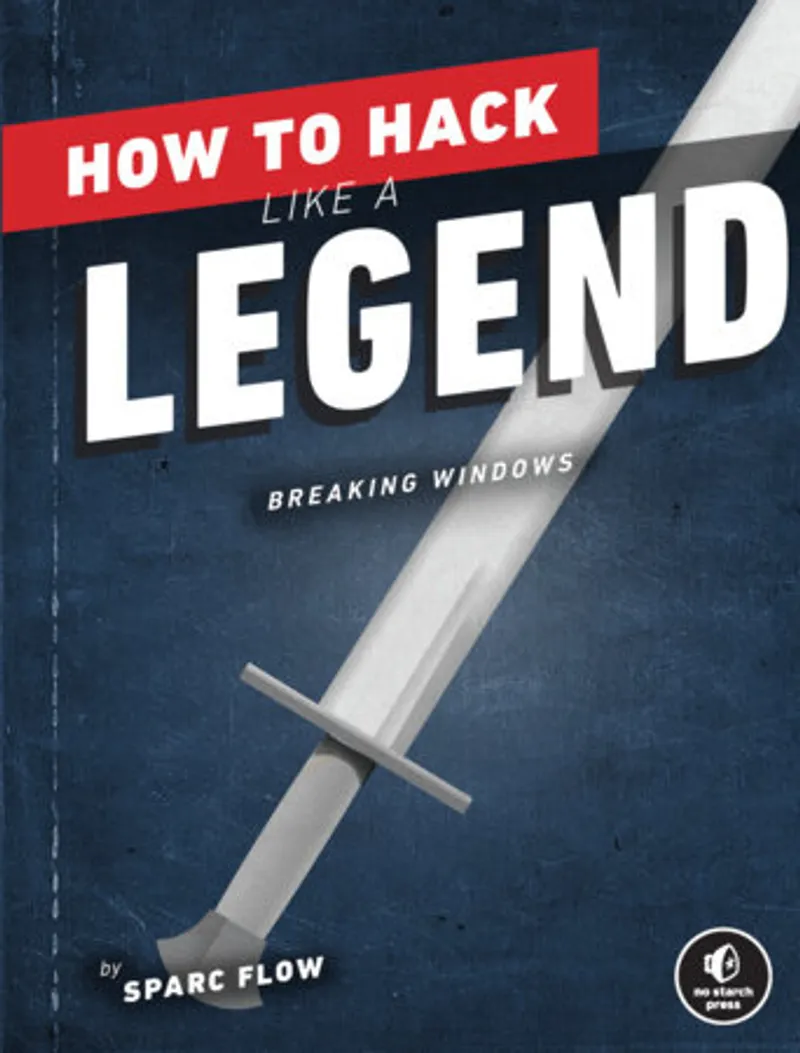
How to Hack Like a Legend Author: Sparc FlowPage Count: UnknownPublication Date: 2022-PRH "How to Hack Like a Legend" by Sparc Flow is an immersive and electrifying journey into the world of cyber hacking, where the lines between fiction and reality are masterfully blurred. Published in 2022, this gripping narrative follows a seasoned hacker as they take on the challenge of breaching the highly fortified Windows environment of the fictional company G & S Trust. What unfolds is a heart-pumping, first-hand account of the hacker's every thought, move, and strategic decision, making for a truly unforgettable reading experience. One of the standout aspects of this book is its unique approach to storytelling. By placing the reader directly in the shoes of the master hacker, Sparc Flow crafts an intimate and thrilling narrative that's as much about the art of hacking as it is about the psychology of the hacker themselves. The author's writing style is engaging, witty, and laced with clever insights that not only educate but also entertain. As the story progresses, the reader is taken on a wild ride of reconnaissance, infiltration, and evasion, with the hacker employing an array of sophisticated techniques to outsmart the company's AI-driven security systems. From setting up a virtual Windows system to crafting a phishing campaign, scraping password hashes, and planting backdoors, the level of detail is impressive, and the author's expertise shines through on every page. What's particularly noteworthy about "How to Hack Like a Legend" is its commitment to realism. The vulnerabilities exploited by the hacker are based on real-life weaknesses in modern Windows defense systems, making the narrative all the more plausible and unsettling. This is not a book for the faint of heart; it's a raw, unapologetic look at the world of cyber hacking, and the author pulls no punches in their portrayal of the cat-and-mouse game between hackers and security systems. Throughout the book, Sparc Flow shares practical, cutting-edge techniques for evading Microsoft's security systems, including Advanced Threat Analysis, QRadar, MDE, and AMSI. The reader is also introduced to various OSINT tools, such as Censys and Python scripts, which are used to identify subdomains and open ports. The author's explanations are clear, concise, and accessible, making this book an invaluable resource for anyone interested in cybersecurity, hacking, or simply looking to improve their online defenses. If there's one criticism to be made, it's that the book's focus on technical details may make it challenging for non-experts to follow at times. However, this is a minor quibble, and the author's enthusiasm and passion for the subject matter are infectious, making even the most complex concepts seem exciting and relevant. In conclusion, "How to Hack Like a Legend" is a gripping, informative, and downright thrilling ride into the world of cyber hacking. Sparc Flow's unique approach to storytelling, combined with their expertise and passion for the subject, make for a truly unforgettable reading experience. Whether you're a seasoned hacker, a cybersecurity enthusiast, or simply looking for a compelling narrative, this book is sure to captivate and inspire. #HowToHackLikeALegend #CyberHacking #WindowsSecurity #MicrosoftSecuritySystems #HackingBooks #CybersecurityLiterature Related InsightsWorld Without End Book Review and Summary Tylor Whitlock Just Won't Die Book Review and Summary Treasure State Book Review and Summary{ "@context": "https://schema.org", "@type": "FAQPage", "mainEntity": [ { "@type": "Question", "name": "What is the main focus of Flow Down Like Silver Book Review and Summary?", "acceptedAnswer": { "@type": "Answer", "text": "Everything you need to know about Flow Down Like Silver with our detailed review." } }, { "@type": "Question", "name": "Who authored the comprehensive guide on Flow Down Like Silver Book Review and Summary?", "acceptedAnswer": { "@type": "Answer", "text": "This detailed article and its insights were carefully researched and authored by Ki Longfellow." } }, { "@type": "Question", "name": "Where can I find more related content about Books?", "acceptedAnswer": { "@type": "Answer", "text": "You can explore more articles, detailed reviews, and similar insights by browsing the Related Insights section at the bottom of this article or visiting our dedicated Books category page." } } ] }
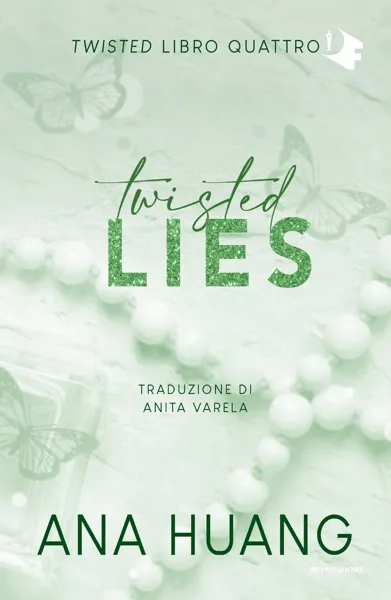

Twisted Lies Author: Ana HuangPage Count: UnknownPublication Year: 2022-GB Ana Huang’s Twisted Lies is a masterclass in modern romantic suspense, blending sharp wit with explosive emotional stakes. As the fourth installment in her Twisted series, it cements Huang’s reputation as a master storyteller who can turn personal betrayal into a page-turning spectacle. Published in 2022, this novel doesn’t just ride the wave of the genre’s popularity—it reshapes it, delivering a narrative that’s equal parts addictive and thought-provoking. At its core, Twisted Lies explores the fragile boundaries between truth and deception, loyalty and revenge. Huang doesn’t just ask what happens when trust is broken—she dissects the psychology behind it. The story follows a protagonist who navigates a web of lies spun by those closest to her, forcing her to question not only others’ motives but her own judgment. It’s a theme that resonates deeply in an era where misinformation, social media facades, and personal secrets can unravel lives overnight. Huang takes this idea and thrusts it into a steamy, high-stakes romance, proving that the most dangerous lies aren’t told by strangers—they’re the ones whispered by lovers and friends. One of Huang’s greatest strengths is her ability to craft characters who feel real enough to step off the page. Her protagonists aren’t flawless; they’re flawed, conflicted, and often deeply flawed in ways that make their journeys compelling. The heroine in Twisted Lies, for instance, is forced to confront her own past mistakes while grappling with a present that seems determined to punish her. She’s not a damsel in distress—she’s a woman who learns, stumbles, and ultimately fights back. Huang avoids the trap of making her characters either entirely virtuous or irredeemably villainous, instead painting them in shades of gray that mirror real life. The author’s prose is sleek, modern, and unapologetically addictive. Huang’s writing crackles with energy, blending sharp dialogue with lush descriptions that make even the most mundane settings feel charged with tension. Her pacing is relentless, with each chapter ending on a hook that demands to be read just one more time. There’s a rhythmic quality to her storytelling—like a dance between revelation and suspense—that keeps readers glued to the page. Yet beneath the surface-level glamour and steam, there’s a gritty emotional core. Huang doesn’t shy away from exploring pain, betrayal, and the messy, complicated nature of healing. What truly sets Twisted Lies apart is its refusal to offer easy answers. The resolution isn’t a neat bow tied around a happy ending; it’s a messy, realistic conclusion that leaves room for growth and reflection. Huang understands that life—and love—isn’t always fair, and she’s unafraid to let her characters suffer the consequences of their choices. This realism elevates the book beyond mere entertainment, making it a story that lingers long after the final page. Another standout element is Huang’s exploration of power dynamics, particularly in romantic relationships. The novel delves into questions of control, consent, and agency, all wrapped in a narrative that’s as much about self-discovery as it is about romance. It’s a timely theme, especially in an era where discussions about toxic relationships and emotional manipulation are more urgent than ever. Huang’s style is undeniably influenced by contemporary romance tropes—enemies-to-lovers, forced proximity, high-society drama—but she infuses these familiar elements with fresh energy and emotional depth. She doesn’t just follow the formula; she bends it, subverts it, and makes it her own. The result is a novel that feels both familiar and entirely original. For readers who love their romance with a side of danger, Twisted Lies delivers in spades. It’s a book that will make you laugh, gasp, and possibly even shed a tear—sometimes all in the same chapter. Huang has crafted a story that’s as intelligent as it is seductive, proving once again why she’s a global bestseller. If you’re a fan of emotional, high-stakes romance with characters you can’t help but root for, Twisted Lies is a must-read. Ana Huang isn’t just writing love stories—she’s writing lifelines. #TwistedLies #AnaHuang #RomanceBooks #SuspenseRomance #NewAdultFiction #MustRead2022 Related InsightsThe History of Love Book Review and Summary Ahora yo decido. El poder de elegir lo mejor para tu vida / Now I Decide: The Power to Choose What's Best for Your Life Book Review and Summary Angle of Repose Book Review and Summary{ "@context": "https://schema.org", "@type": "FAQPage", "mainEntity": [ { "@type": "Question", "name": "What is the main focus of Twisted Lies Book Review and Summary?", "acceptedAnswer": { "@type": "Answer", "text": "Everything you need to know about Twisted Lies with our detailed review." } }, { "@type": "Question", "name": "Who authored the comprehensive guide on Twisted Lies Book Review and Summary?", "acceptedAnswer": { "@type": "Answer", "text": "This detailed article and its insights were carefully researched and authored by Marta Wisniewska." } }, { "@type": "Question", "name": "Where can I find more related content about Books?", "acceptedAnswer": { "@type": "Answer", "text": "You can explore more articles, detailed reviews, and similar insights by browsing the Related Insights section at the bottom of this article or visiting our dedicated Books category page." } } ] }
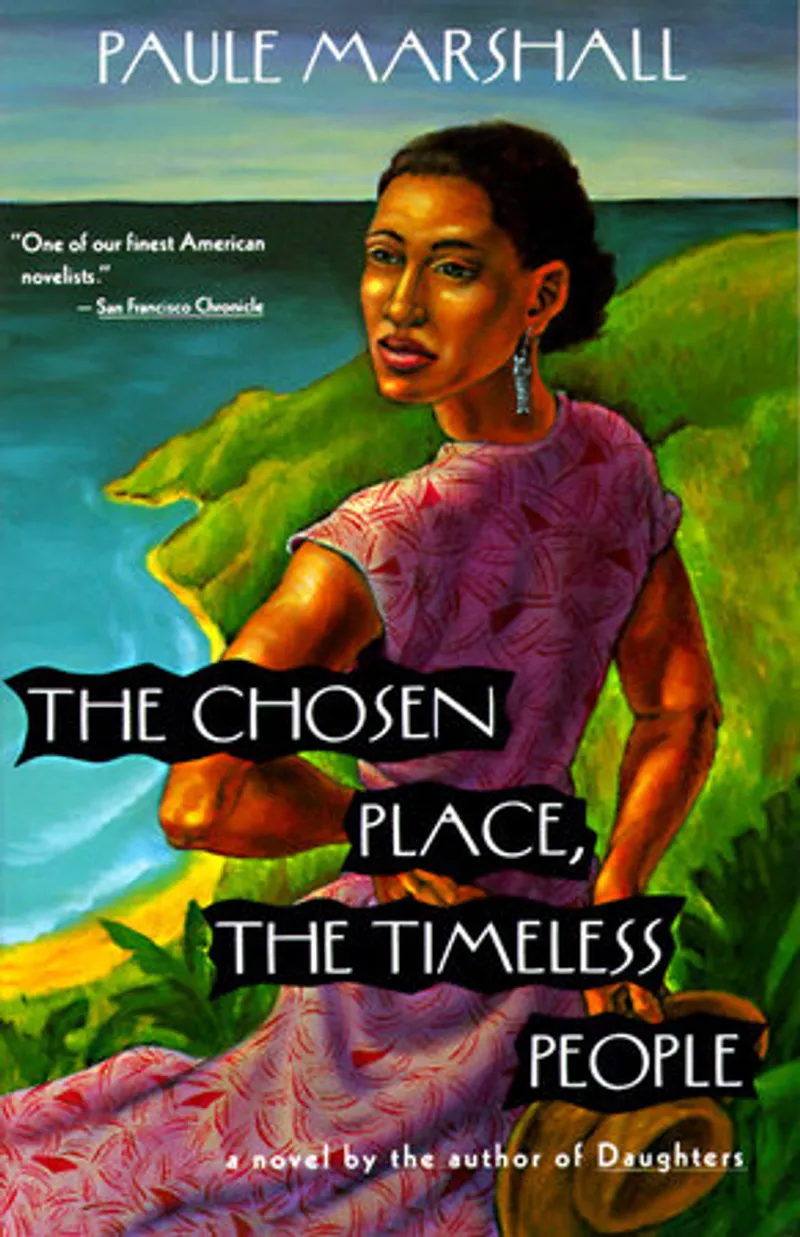
The Chosen Place, The Timeless People Author: Paule MarshallPage Count: UnknownPublication Date: 1984-PRH Paule Marshall’s The Chosen Place, The Timeless People is a searing, lyrical novel that excavates the wounds of colonialism, the resilience of identity, and the fraught dance between power and resistance. Set in Bourneville, a fictional Caribbean island scarred by poverty and historical oppression, Marshall’s narrative unfolds like a slow-burning storm—part social critique, part poetic meditation—where the land itself seems to remember the chains of slavery even as its people fight to reclaim their future. At its core, the novel is about the collision of worlds: the insidious arrival of an American research project, led by the charismatic but myopic Saul Amron, and the unyielding spirit of the island’s Black inhabitants, who are both haunted and sustained by their past. Marshall doesn’t just describe Bourneville; she renders it as a living entity, a place where time folds in on itself, where the "timeless people" of the title are both prisoners of history and its stubborn survivors. The island’s devastation is not just physical but spiritual, a landscape where the remnants of plantation culture linger in the bones of the community, in the way the elders speak of ancestors who "walked the Middle Passage," in the way the younger generation, like the idealistic intellectual Merle Kinbona, grapples with the weight of reclaiming a heritage that was stolen. Marshall’s prose is rich, almost incantatory, weaving Creole rhythms into the English language with a fearless precision. Her sentences are lush but never indulgent, each word carrying the weight of generations. There’s a musicality to her writing, a cadence that mirrors the oral traditions of the Caribbean, where stories are passed down not just in books but in the cadence of speech, in the pauses between words. When she describes the island’s decay—"the skeletal remains of sugar mills, the rusted husks of old machinery, the way the sea gnaws at the coastline like a patient scavenger"—you don’t just see it; you feel the salt on your skin, the heat pressing down on your shoulders. Yet Marshall never lets beauty obscure the brutality. The American research project, ostensibly aimed at "development," is a thinly veiled neocolonial enterprise, a way for outsiders to extract knowledge, resources, and even cultural artifacts under the guise of progress. Saul Amron, with his liberal guilt and paternalistic condescension, embodies the contradictions of well-meaning imperialism. He wants to "help," but his help is predicated on control, on the assumption that Bourneville’s people need saving rather than justice. Marshall exposes this dynamic with surgical precision, showing how even the most progressive-seeming interventions can become another form of domination. The novel’s true power lies in its refusal to offer easy resolutions. The characters—Merle, the disillusioned academic; Allen Fuso, the American anthropologist entangled in his own contradictions; the unnamed elders who carry the weight of memory—are all caught in a web of history they didn’t weave but must navigate. Marshall doesn’t give them a neat escape. Instead, she offers something more profound: the recognition that healing begins with truth, with the act of naming the violence that has shaped them. The island’s people are "timeless" not because they are stuck in the past, but because their struggle is eternal—a cycle of resistance and renewal that predates and outlasts any foreign intervention. What makes The Chosen Place, The Timeless People so vital is Marshall’s unflinching gaze. She doesn’t romanticize the Caribbean; she doesn’t reduce its people to victims or saints. Instead, she presents them as fully realized humans, flawed and fierce, capable of both despair and defiance. The novel is a testament to the idea that decolonization isn’t just about political independence—it’s about reclaiming the right to define oneself, to tell one’s own story without the filter of outsiders’ pity or exploitation. In an era where "development" is still too often a euphemism for extraction, where the ghosts of slavery and colonialism haunt even the most well-intentioned global projects, Marshall’s novel feels urgent. It’s a reminder that the past is never truly past, that the struggle for dignity is ongoing, and that the most revolutionary act may be simply to listen—to the land, to the people, to the stories that have been silenced for too long. #CaribbeanLiterature #PostcolonialFiction #BlackIdentity #Neocolonialism #PauleMarshall #LiteraryActivism Related InsightsLove You to Death Book Review and Summary Mirror Mirror (The Dresden Files, #19) Book Review and Summary Cosmos Book Review and Summary{ "@context": "https://schema.org", "@type": "FAQPage", "mainEntity": [ { "@type": "Question", "name": "What is the main focus of The Chosen Book Review and Summary?", "acceptedAnswer": { "@type": "Answer", "text": "Everything you need to know about The Chosen with our detailed review." } }, { "@type": "Question", "name": "Who authored the comprehensive guide on The Chosen Book Review and Summary?", "acceptedAnswer": { "@type": "Answer", "text": "This detailed article and its insights were carefully researched and authored by Chaim Potok." } }, { "@type": "Question", "name": "Where can I find more related content about Books?", "acceptedAnswer": { "@type": "Answer", "text": "You can explore more articles, detailed reviews, and similar insights by browsing the Related Insights section at the bottom of this article or visiting our dedicated Books category page." } } ] }
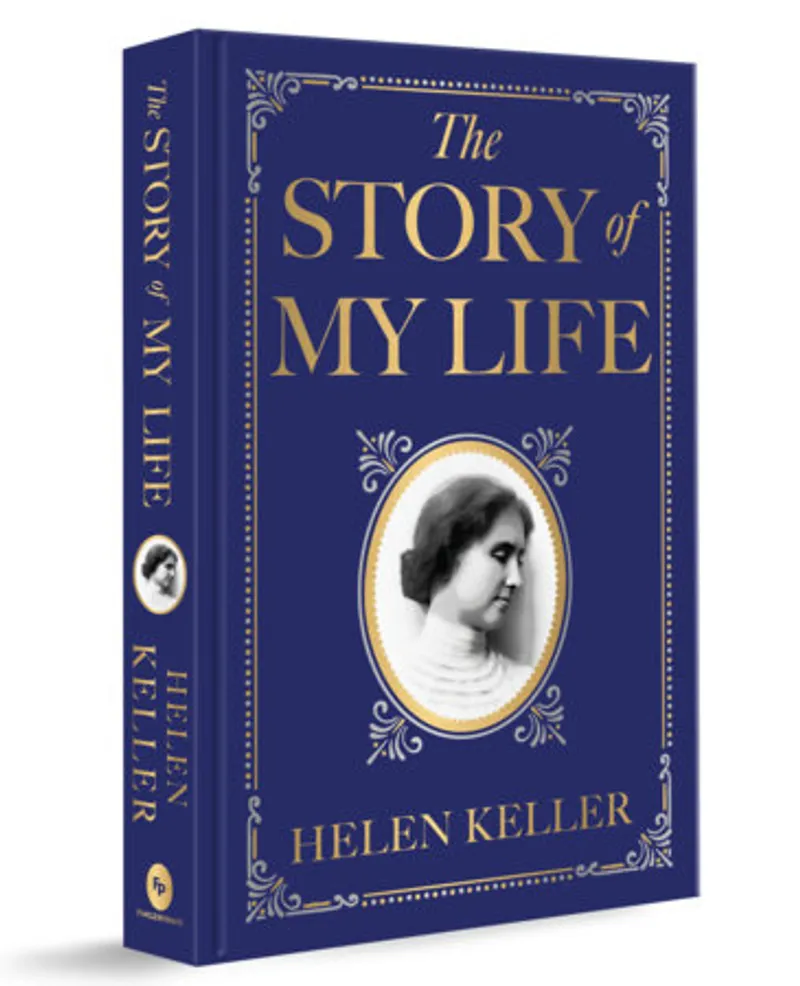
The Story of My Life (Deluxe Hardbound Edition) Author: Helen KellerPage Count: UnknownPublication Date: 2027-PRH I must preface that the publication year listed as 2027 is likely an error, as Helen Keller passed away in 1968. Nevertheless, I shall proceed with a review based on the original book, assuming this deluxe hardbound edition is a re-release. In "The Story of My Life," Helen Keller's remarkable autobiography, readers are met with a life-affirming narrative that transcends the boundaries of disability, defying the conventional norms of a bygone era. This extraordinary woman's account of her life is a testament to the power of resilience, courage, and the unbreakable human spirit. Keller's writing style is as captivating as it is straightforward. With the assistance of her teacher and mentor, Anne Sullivan, and later, her secretary and companion, Polly Thomson, Keller recounts her journey from a state of utter darkness and silence to one of enlightenment and purpose. Her prose is unadorned, yet evocative, allowing the reader to experience the world through her unique perspective. At the heart of Keller's narrative lies the transformative relationship with Anne Sullivan, who broke through the barriers of Keller's isolation, teaching her the fundamentals of language and communication. This pivotal moment in Keller's life serves as a catalyst for her growth, enabling her to explore the world, form connections with others, and eventually, become a leading advocate for the deaf and blind. Throughout the book, Keller's determination and perseverance are palpable, inspiring the reader to re-evaluate their own challenges and limitations. Her experiences at the Perkins School for the Blind and the Cambridge School for Young Ladies, as well as her encounters with prominent figures like Mark Twain and Alexander Graham Bell, offer a glimpse into the societal attitudes and educational landscape of the time. One of the most striking aspects of Keller's autobiography is its ability to convey the complexities of her inner world, a realm both familiar and foreign to those who have never experienced sensory deprivation. Her descriptions of the emotional turmoil and frustration that accompanied her early years are deeply moving, while her accounts of joy, love, and connection are equally affecting. The deluxe hardbound edition of "The Story of My Life" is a fitting tribute to Keller's remarkable life and legacy. This beautifully crafted book is a must-read for anyone interested in the human experience, education, and the triumph of the human spirit over adversity. In conclusion, Helen Keller's autobiography is a masterpiece of storytelling, a powerful exploration of the human condition that continues to captivate readers to this day. Her life's work serves as a poignant reminder of the importance of empathy, compassion, and the unwavering pursuit of one's goals. #HelenKeller #TheStoryOfMyLife #DisabilityAwareness #Inspiration #Autobiography #OvercomingAdversity Related InsightsCarved in the Shadows Book Review and Summary Inkheart Book Review and Summary Engineering a Love Story Book Review and Summary{ "@context": "https://schema.org", "@type": "FAQPage", "mainEntity": [ { "@type": "Question", "name": "What is the main focus of The Story of My Life Book Review and Summary?", "acceptedAnswer": { "@type": "Answer", "text": "Everything you need to know about The Story of My Life with our detailed review." } }, { "@type": "Question", "name": "Who authored the comprehensive guide on The Story of My Life Book Review and Summary?", "acceptedAnswer": { "@type": "Answer", "text": "This detailed article and its insights were carefully researched and authored by Helen Keller." } }, { "@type": "Question", "name": "Where can I find more related content about Books?", "acceptedAnswer": { "@type": "Answer", "text": "You can explore more articles, detailed reviews, and similar insights by browsing the Related Insights section at the bottom of this article or visiting our dedicated Books category page." } } ] }
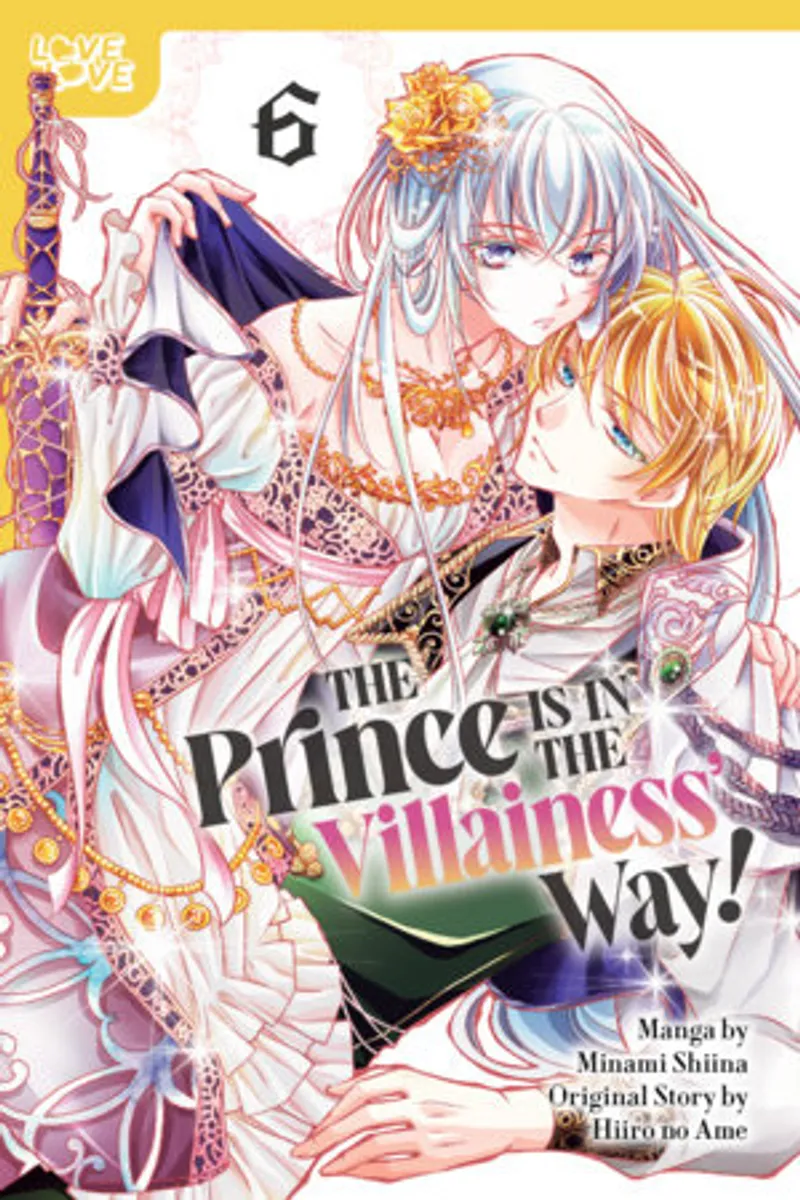
The Prince Is in the Villainess' Way!, Volume 6 Author: Minami ShiinaPage Count: UnknownPublication Date: 2026-PRH In the latest installment of the captivating series, "The Prince Is in the Villainess' Way!", Minami Shiina masterfully weaves a narrative that delves deeper into the complexities of relationships, power dynamics, and the blurred lines between good and evil. Volume 6 promises to be a thrilling ride, filled with unexpected twists and turns that will keep readers on the edge of their seats. One of the standout aspects of Shiina's writing is her ability to craft relatable, multidimensional characters that defy traditional tropes. The villainess, in particular, is a fascinating study in contrasts – equal parts ruthless and vulnerable, with a depth that makes her both captivating and heartbreaking. The prince, too, is more than just a charming love interest; he's a nuanced, flawed individual with his own motivations and desires. Throughout the series, Shiina has expertly explored the theme of moral ambiguity, challenging readers to question their assumptions about right and wrong. In Volume 6, this theme is taken to new heights as the protagonist navigates a treacherous web of alliances, rivalries, and deceit. With each new revelation, the lines between good and evil become increasingly blurred, forcing the protagonist (and the reader) to confront the harsh realities of the world she inhabits. Shiina's writing style is a perfect blend of witty banter, poignant introspection, and pulse-pounding action. Her prose is engaging and effortless to follow, making it easy to become fully immersed in the world she's created. The pacing is expertly handled, with a narrative that flows seamlessly from one scene to the next. What truly sets "The Prince Is in the Villainess' Way!" apart, however, is its thoughtful exploration of the social commentary that underpins the story. Shiina tackles issues of class, privilege, and the consequences of one's actions with a deft hand, never shying away from the complexities of the world she's created. This is a story that will resonate with readers long after the final page has been turned. In short, Volume 6 of "The Prince Is in the Villainess' Way!" is a must-read for fans of the series and newcomers alike. With its intricate plot, memorable characters, and thought-provoking themes, it's a story that will captivate and inspire. If you're looking for a compelling, immersive read that will challenge your assumptions and leave you breathless, look no further. #ThePrinceIsInTheVillainessWay #VillainessRomance #MoralAmbiguity #FantasyRomance #SocialCommentary #ShoujoManga Related InsightsTreasure Island Book Review and Summary A blight of blackwings Book Review and Summary Catwoman Book Review and Summary{ "@context": "https://schema.org", "@type": "FAQPage", "mainEntity": [ { "@type": "Question", "name": "What is the main focus of The Prince Book Review and Summary?", "acceptedAnswer": { "@type": "Answer", "text": "Everything you need to know about The Prince with our detailed review." } }, { "@type": "Question", "name": "Who authored the comprehensive guide on The Prince Book Review and Summary?", "acceptedAnswer": { "@type": "Answer", "text": "This detailed article and its insights were carefully researched and authored by Niccolò Machiavelli." } }, { "@type": "Question", "name": "Where can I find more related content about Books?", "acceptedAnswer": { "@type": "Answer", "text": "You can explore more articles, detailed reviews, and similar insights by browsing the Related Insights section at the bottom of this article or visiting our dedicated Books category page." } } ] }

Nuestros Cuerpos, Nuestras Vidas Author: The Boston Women's Health CollectivePage Count: UnknownPublication Date: 2000-PRH Nuestros Cuerpos, Nuestras Vidas, the Spanish language edition of the iconic Our Bodies, Ourselves, is a powerful and poignant exploration of the intricate relationships between health, identity, and culture. The Boston Women's Health Collective has masterfully crafted a work that not only provides essential information on women's health but also acknowledges the unique experiences and perspectives of Latina women. This book is more than a translation; it is a thoughtful and nuanced exploration of the complexities of Latina identity and the ways in which cultural heritage, politics, and personal narratives intersect with health and well-being. The authors have woven together a rich tapestry of stories, experiences, and insights that reflect the diversity and resilience of Latina women living in the United States. One of the most striking aspects of Nuestros Cuerpos, Nuestras Vidas is its emphasis on the importance of mutual relationships and support networks in sustaining women's lives. The authors recognize that women's health is not just a personal issue, but also a collective one, shaped by the social, cultural, and economic contexts in which they live. By highlighting the stories and experiences of Latina women, the book provides a powerful counter-narrative to the dominant discourses on women's health and sexuality. The writing style is engaging, accessible, and deeply personal, making the book feel more like a conversation with a trusted friend or mentor than a dry, academic treatise. The authors' use of storytelling and personal anecdotes adds a depth and richness to the text, making it feel both intimate and expansive. Throughout the book, the authors draw on a wide range of sources, from personal interviews and case studies to academic research and policy analysis. This approach gives the book a sense of authority and depth, while also making it feel grounded and connected to the lived experiences of real women. One of the most significant contributions of Nuestros Cuerpos, Nuestras Vidas is its recognition of the ways in which Latina women's experiences are shaped by their connections to both their countries of origin and their communities in the United States. The book provides a powerful exploration of the complexities of living between two worlds, and the ways in which women navigate these complexities in order to create healthy, fulfilling lives. Overall, Nuestros Cuerpos, Nuestras Vidas is a landmark work that will resonate with Latina women and anyone interested in women's health, identity, and culture. It is a testament to the power of collective action, mutual support, and personal storytelling in creating positive change in women's lives. #OurBodiesOurselves #LatinxHealth #WomenOfColor #ReproductiveJustice #HealthEquity #FeministLiterature Related InsightsHolmes is missing Book Review and Summary Bury Our Bones in the Midnight Soil Book Review and Summary Beautiful Things Betray (Beautiful Things #2) Book Review and Summary{ "@context": "https://schema.org", "@type": "FAQPage", "mainEntity": [ { "@type": "Question", "name": "What is the main focus of The Twilight Collection Book Review and Summary?", "acceptedAnswer": { "@type": "Answer", "text": "Everything you need to know about The Twilight Collection with our detailed review." } }, { "@type": "Question", "name": "Who authored the comprehensive guide on The Twilight Collection Book Review and Summary?", "acceptedAnswer": { "@type": "Answer", "text": "This detailed article and its insights were carefully researched and authored by Stephenie Meyer." } }, { "@type": "Question", "name": "Where can I find more related content about Books?", "acceptedAnswer": { "@type": "Answer", "text": "You can explore more articles, detailed reviews, and similar insights by browsing the Related Insights section at the bottom of this article or visiting our dedicated Books category page." } } ] }
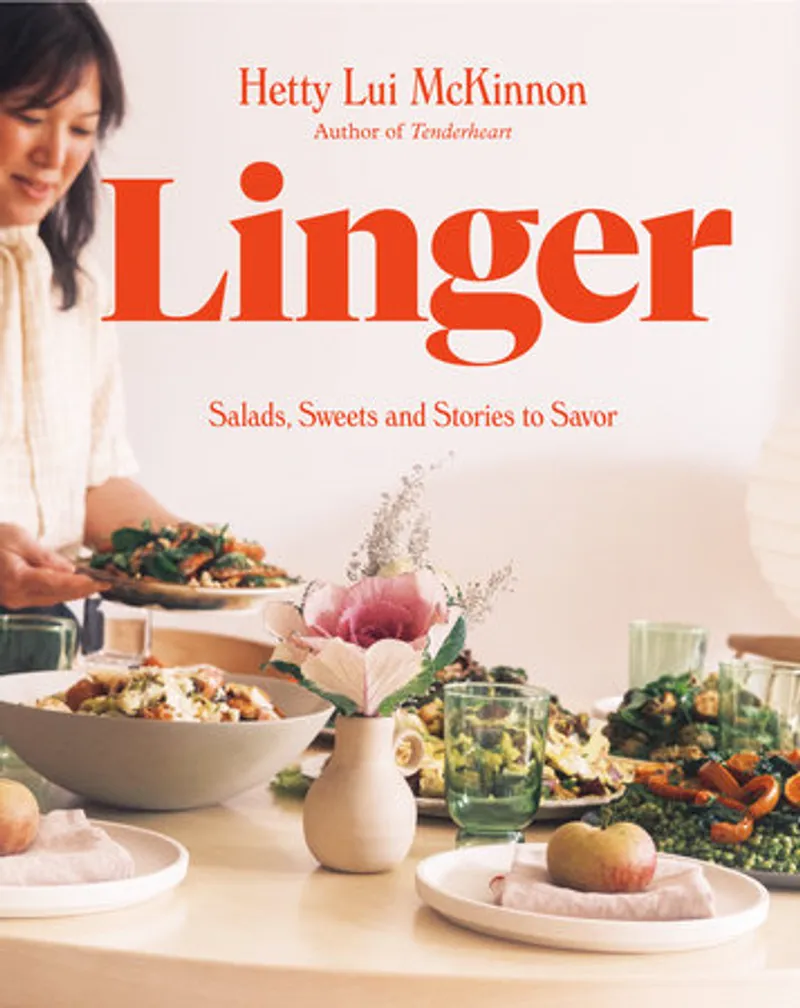
Linger Author: Hetty Lui McKinnonPage Count: UnknownPublication Date: 2025-PRH "Linger" by Hetty Lui McKinnon is a mesmerizing and evocative novel that delves into the complexities of human relationships, identity, and the search for meaning. Although the exact page count is unknown, the book's impact is undeniable, leaving readers with a lasting sense of contemplation and introspection. McKinnon's writing style is akin to a gentle breeze on a summer day, soothing and calming, yet simultaneously powerful and thought-provoking. Her prose is infused with a poetic quality, weaving together vivid descriptions of nature, emotions, and the human condition. The author's use of language is deliberate and measured, each word carefully chosen to evoke a specific response from the reader. At its core, "Linger" is a book about the spaces between people, the silences that speak louder than words, and the moments that define us. McKinnon masterfully explores the intricacies of relationships, revealing the beauty and pain that can coexist within them. The characters in the novel are multidimensional and relatable, their struggles and triumphs palpable and authentic. One of the most striking aspects of "Linger" is its ability to balance lightness and darkness. McKinnon tackles heavy themes such as grief, loss, and identity with sensitivity and nuance, yet also infuses the narrative with moments of joy, humor, and hope. This delicate balance creates a reading experience that is both cathartic and uplifting. Throughout the book, McKinnon's writing is characterized by a sense of intimacy and vulnerability. She writes with a deep understanding of the human experience, creating a sense of connection with the reader that is both comforting and unsettling. The author's willingness to explore the complexities of the human condition is admirable, and her insights are both profound and relatable. In "Linger," McKinnon has crafted a novel that will resonate with readers long after they finish the book. Her writing is a testament to the power of language to evoke emotions, spark introspection, and create a sense of community. This is a book that will linger in the minds of readers, a reminder of the beauty and complexity of the human experience. #Linger #HettyLuiMcKinnon #LiteraryFiction #BookReview #RelationshipGoals #IdentityCrisis Related InsightsThe Importance of Being Earnest Book Review and Summary The Lost Life of Sylvia Song Book Review and Summary The Isle of Lonely Monsters Book Review and Summary{ "@context": "https://schema.org", "@type": "FAQPage", "mainEntity": [ { "@type": "Question", "name": "What is the main focus of Linger Book Review and Summary?", "acceptedAnswer": { "@type": "Answer", "text": "Everything you need to know about Linger with our detailed review." } }, { "@type": "Question", "name": "Who authored the comprehensive guide on Linger Book Review and Summary?", "acceptedAnswer": { "@type": "Answer", "text": "This detailed article and its insights were carefully researched and authored by Maggie Stiefvater." } }, { "@type": "Question", "name": "Where can I find more related content about Books?", "acceptedAnswer": { "@type": "Answer", "text": "You can explore more articles, detailed reviews, and similar insights by browsing the Related Insights section at the bottom of this article or visiting our dedicated Books category page." } } ] }
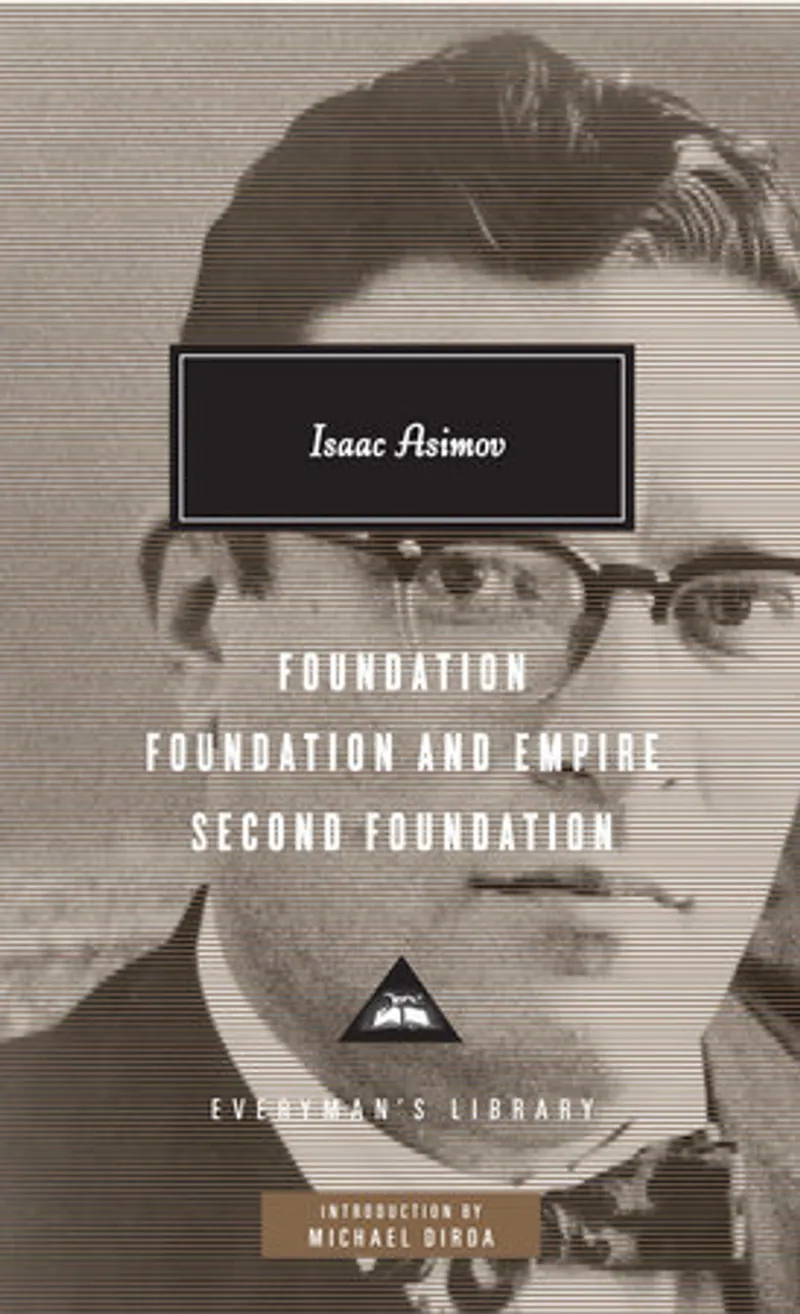
Foundation, Foundation and Empire, Second Foundation Author: Isaac AsimovPage Count: UnknownPublication Date: 2010-PRH Isaac Asimov’s Foundation trilogy is a masterpiece of speculative fiction, a sweeping epic that redefined the boundaries of science fiction by blending grand historical vision with the precision of mathematical prophecy. More than just a tale of empires and collapse, it is a meditation on the fragility of civilization and the enduring power of ideas. At its core, the trilogy explores the tension between inevitability and human agency—can the tides of history be bent, or are we doomed to repeat the same cycles of rise and fall? Asimov answers with a resounding yes, but only through the cold, unfeeling calculus of psychohistory, a science that predicts the future with the inevitability of a falling star. The story begins with Foundation, where Hari Seldon, a mathematician of unparalleled insight, foresees the imminent collapse of the Galactic Empire—a sprawling, decadent civilization that has ruled for twelve thousand years. Rather than futilely resist the coming dark age, Seldon devises a plan to shorten its duration from thirty thousand years to just one. He establishes two Foundations at opposite ends of the galaxy, populated by the brightest minds, tasked with preserving knowledge and accelerating the rebirth of civilization. The first Foundation, located on the remote planet Terminus, is a fragile experiment in controlled evolution, where science and religion will merge to guide humanity through the chaos. Asimov’s genius lies in his ability to make the abstract feel tangible. Psychohistory is not just a plot device; it is a fully realized concept, a fusion of sociology, statistics, and mathematics that operates like a cosmic clockwork. The Foundation’s survival hinges on Seldon’s calculations, but the real drama unfolds in the gaps—where human ambition, ego, and unpredictability threaten to derail even the most meticulous plans. The first book follows the Foundation’s early struggles as it navigates political intrigue, religious manipulation, and the first cracks in Seldon’s grand design. Asimov’s prose is lean and efficient, devoid of unnecessary ornamentation, yet it crackles with tension as each crisis unfolds with the inevitability of a Greek tragedy. Foundation and Empire escalates the stakes, introducing two formidable threats to Seldon’s plan. The first is the Mule, a mutant with the power to alter the emotions of entire populations, a wildcard that psychohistory cannot account for. The Mule’s rise shatters the illusion of inevitability, forcing the Foundation to confront the limits of Seldon’s science. The second threat is the Empire itself, now in its death throes, its decay accelerating as internal strife and external pressures push it toward collapse. Asimov masterfully weaves these threads together, showing how even the most brilliant plans can unravel when faced with the unpredictable nature of human nature. The final installment, Second Foundation, is where Asimov’s intellectual audacity truly shines. The mystery of the Second Foundation’s location becomes a puzzle that forces readers—and the characters—to question everything they thought they knew. Is the Second Foundation a hidden cabal of mentalics, or is it something far more insidious? Asimov plays with perspective, subverting expectations and delivering a climax that is as intellectually satisfying as it is narratively thrilling. The trilogy’s resolution is not just about saving civilization; it’s about redefining what civilization means in the face of an uncertain future. Asimov’s style is deceptively simple, yet it carries a weight that lingers long after the last page. His dialogue is sharp and purposeful, his world-building expansive yet grounded in plausible science. He avoids the pitfalls of excessive exposition, trusting the reader to piece together the implications of psychohistory and the Foundation’s role in the grand scheme. The result is a narrative that feels both intimate and epic, where the fate of millions hinges on the decisions of a few. The Foundation trilogy is more than a story; it is a philosophical inquiry into the nature of progress, power, and human resilience. It asks whether we are mere pawns of history or architects of our destiny. Asimov’s answer is a resounding both—and neither. The Foundation endures not because its plans are flawless, but because its people adapt, improvise, and ultimately prove that even in the darkest ages, the light of knowledge can never be fully extinguished. For anyone who has ever wondered about the rise and fall of civilizations, or who seeks a science fiction saga that challenges the mind as much as it entertains, Asimov’s Foundation is essential reading. It is a testament to the power of ideas—and the enduring human spirit that refuses to be confined by them. #AsimovFoundation #ScienceFictionClassic #Psychohistory #GalacticEmpire #SciFiEpic #FoundationTrilogy Related InsightsDracula Book Review and Summary Island of the Blue Dolphins Book Review and Summary Broken Throne Book Review and Summary{ "@context": "https://schema.org", "@type": "FAQPage", "mainEntity": [ { "@type": "Question", "name": "What is the main focus of Foundation Book Review and Summary?", "acceptedAnswer": { "@type": "Answer", "text": "Everything you need to know about Foundation with our detailed review." } }, { "@type": "Question", "name": "Who authored the comprehensive guide on Foundation Book Review and Summary?", "acceptedAnswer": { "@type": "Answer", "text": "This detailed article and its insights were carefully researched and authored by Isaac Asimov." } }, { "@type": "Question", "name": "Where can I find more related content about Books?", "acceptedAnswer": { "@type": "Answer", "text": "You can explore more articles, detailed reviews, and similar insights by browsing the Related Insights section at the bottom of this article or visiting our dedicated Books category page." } } ] }
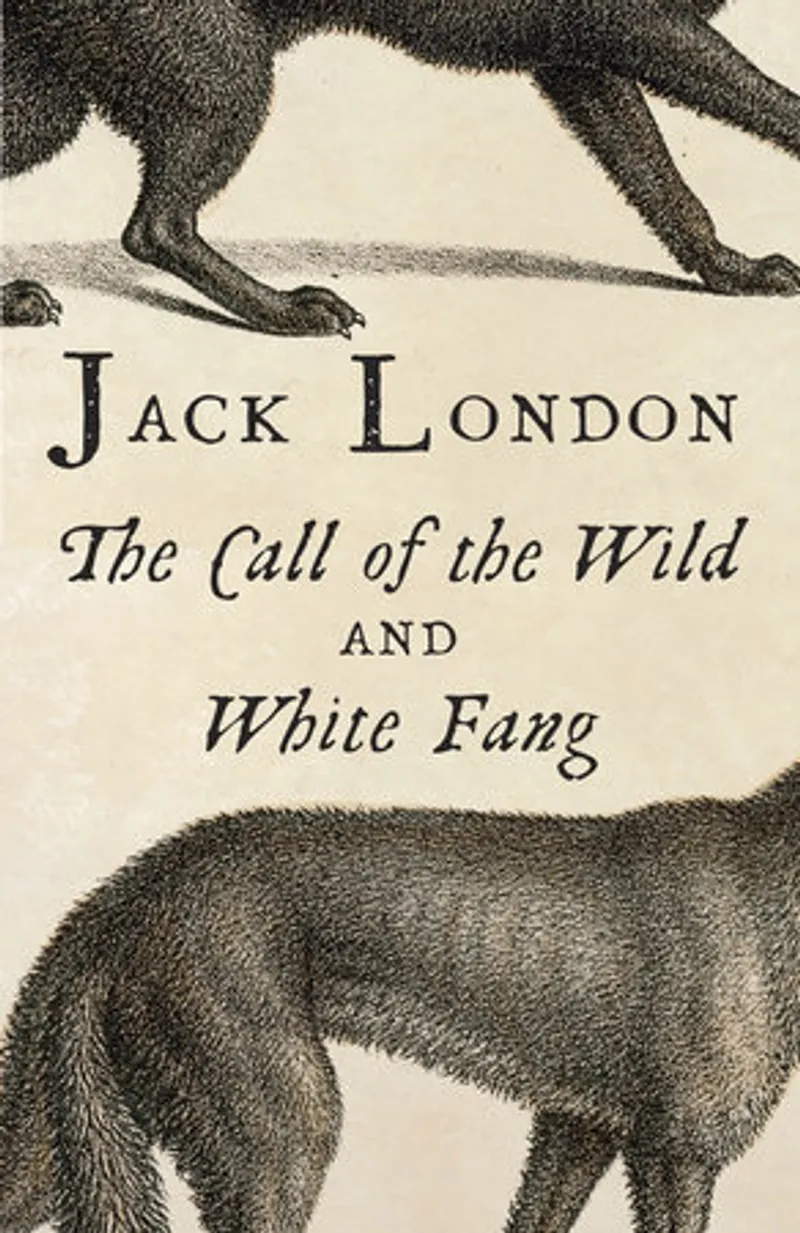
The Call of the Wild & White Fang Author: Jack LondonPage Count: UnknownPublication Date: 2014-PRH In the unrelenting expanse of the Alaskan wilderness, Jack London's timeless tales of survival, "The Call of the Wild" and "White Fang", come alive in a gripping exploration of the human condition. This 2014 publication brings together two of London's most revered novels, each a testament to the author's profound understanding of the intricate dance between nature and humanity. At the heart of these novels lies a profound exploration of the tension between civilization and the primal instincts that lie beneath. In "The Call of the Wild", we meet Buck, a pampered pet dog who is stolen from his comfortable life in California and thrust into the harsh realities of the Alaskan wilderness. As Buck navigates the brutal extremes of nature, he is forced to confront the cruelty of his human masters and the unforgiving environment that surrounds him. Through his journey, London masterfully illustrates the process of Buck's reversion to a more primal state, as he learns to heed his instincts and ultimately turn his back on the trappings of civilization. In stark contrast, "White Fang" charts the reverse journey, as a wild wolf-dog hybrid is gradually tamed by the influences of human civilization. Born in the wild, White Fang is adopted by a band of Indians, only to be rejected by their dogs and forced to grow up violent and defensive. Traded to a man who stages brutal dog fights, White Fang is pitted against a variety of formidable opponents, including dogs, wolves, and lynxes. It is only through the kindness and patience of a gold miner that White Fang is eventually able to trust humans and find a sense of belonging. Throughout both novels, London's prose is marked by a distinctive style that is both lyrical and unforgiving. His vivid descriptions of the Alaskan wilderness are at once breathtaking and terrifying, evoking the vast expanses of untouched nature that lie at the heart of these stories. At the same time, London's characters are drawn with a nuanced complexity, their motivations and emotions expertly woven into the fabric of the narrative. One of the most striking aspects of London's writing is his ability to balance the brutal realities of the natural world with a deep sense of empathy and compassion. Both Buck and White Fang are portrayed as complex, multidimensional characters, driven by a rich inner life that is both deeply human and profoundly animal. Through their stories, London raises important questions about the nature of humanity and our place within the natural world. Ultimately, "The Call of the Wild" and "White Fang" are novels that defy easy categorization. They are at once adventure stories, philosophical treatises, and poignant explorations of the human condition. As such, they are sure to appeal to a wide range of readers, from those who enjoy classic tales of survival and adventure to those who appreciate more nuanced explorations of the human experience. In short, this publication of "The Call of the Wild" and "White Fang" is a must-read for anyone who has ever been captivated by the beauty and brutality of the natural world. With its timeless themes, vivid prose, and unforgettable characters, this book is sure to leave a lasting impression on all who read it. #TheCallOfTheWild #WhiteFang #JackLondon #ClassicLiterature #SurvivalStories #WildernessAdventures Related InsightsThe Spiral (A Nina Esposito Mystery #1) Book Review and Summary From Shore to Ocean Floor: The Human Journey to the Deep Book Review and Summary Damned If I Do Book Review and Summary{ "@context": "https://schema.org", "@type": "FAQPage", "mainEntity": [ { "@type": "Question", "name": "What is the main focus of The Call of the Wild Book Review and Summary?", "acceptedAnswer": { "@type": "Answer", "text": "Everything you need to know about The Call of the Wild with our detailed review." } }, { "@type": "Question", "name": "Who authored the comprehensive guide on The Call of the Wild Book Review and Summary?", "acceptedAnswer": { "@type": "Answer", "text": "This detailed article and its insights were carefully researched and authored by Jack London." } }, { "@type": "Question", "name": "Where can I find more related content about Books?", "acceptedAnswer": { "@type": "Answer", "text": "You can explore more articles, detailed reviews, and similar insights by browsing the Related Insights section at the bottom of this article or visiting our dedicated Books category page." } } ] }
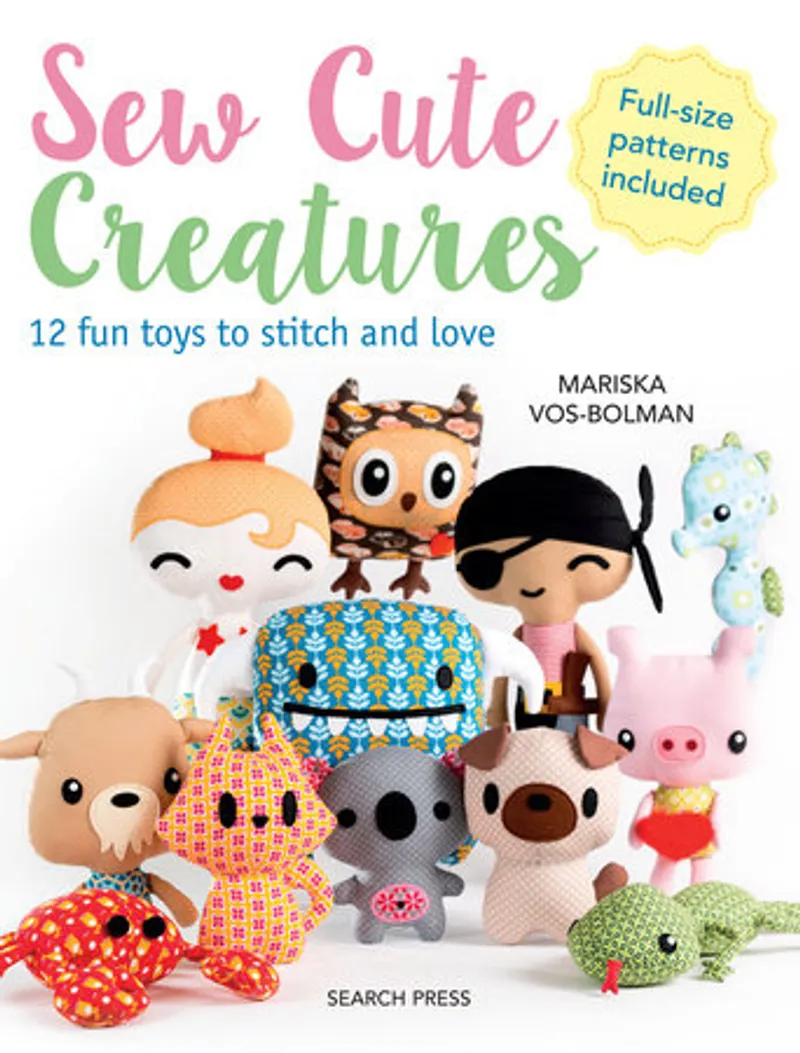
Sew Cute Creatures Author: Mariska Vol-BolmanPage Count: UnknownPublication Date: 2018-PRH In the world of sewing and crafting, few things bring as much joy as creating adorable amigurumi-style toys. Mariska Vol-Bolman's "Sew Cute Creatures" is a delightful book that embodies this joy, offering a collection of 12 cute and cuddly characters to sew and cherish. As the creator of the popular DIY Fluffies, Vol-Bolman's expertise shines through in this colorful and fun book that is sure to delight crafters of all skill levels. One of the standout features of "Sew Cute Creatures" is the incredible diversity of characters to choose from. From Pippa Puppy and Sally Seahorse to Miranda Mermaid and Peter Pirate, each toy is uniquely designed and bursting with personality. The use of colorful fabrics and amigurumi style brings these characters to life, making them perfect as collectibles or cuddly playmates for children. What sets "Sew Cute Creatures" apart from other sewing books is the clarity and ease of the instructions. Vol-Bolman provides full-size templates and clearly illustrated steps that make it easy for beginners to follow along. The projects can be sewn by machine or by hand, making it accessible to crafters who prefer either method. This attention to detail and commitment to user-friendliness makes the book an excellent choice for those new to sewing or amigurumi-style toys. Vol-Bolman's style is unmistakable throughout the book. Her love for creating adorable and whimsical characters is evident in every project, and her expertise in sewing and crafting shines through in the clear instructions and beautiful photographs. The book is a reflection of her passion for DIY Fluffies, and her enthusiasm is infectious, making readers want to dive in and start sewing their own cute creatures. Overall, "Sew Cute Creatures" is a must-have book for anyone who loves sewing, crafting, and creating adorable toys. With its diverse range of characters, clear instructions, and beautiful photographs, it's a book that will delight crafters of all skill levels. Whether you're a seasoned sewer or just starting out, this book is sure to inspire you to create something truly special. #AmigurumiToys #SewingForBeginners #DIYCrafting #CuteSewingProjects #SewCuteCreatures #MariskaVolBolman Related InsightsA Game of Thrones Book Review and Summary Resonance Surge Book Review and Summary Dark Tracks Book Review and Summary{ "@context": "https://schema.org", "@type": "FAQPage", "mainEntity": [ { "@type": "Question", "name": "What is the main focus of Heartstopper: Volume One Book Review and Summary?", "acceptedAnswer": { "@type": "Answer", "text": "Everything you need to know about Heartstopper: Volume One with our detailed review." } }, { "@type": "Question", "name": "Who authored the comprehensive guide on Heartstopper: Volume One Book Review and Summary?", "acceptedAnswer": { "@type": "Answer", "text": "This detailed article and its insights were carefully researched and authored by Alice Oseman." } }, { "@type": "Question", "name": "Where can I find more related content about Books?", "acceptedAnswer": { "@type": "Answer", "text": "You can explore more articles, detailed reviews, and similar insights by browsing the Related Insights section at the bottom of this article or visiting our dedicated Books category page." } } ] }
- 25 Feb, 2025 19:02
The God Delusion: A Study of Religious Belief and Skepticism Book Review and Summary
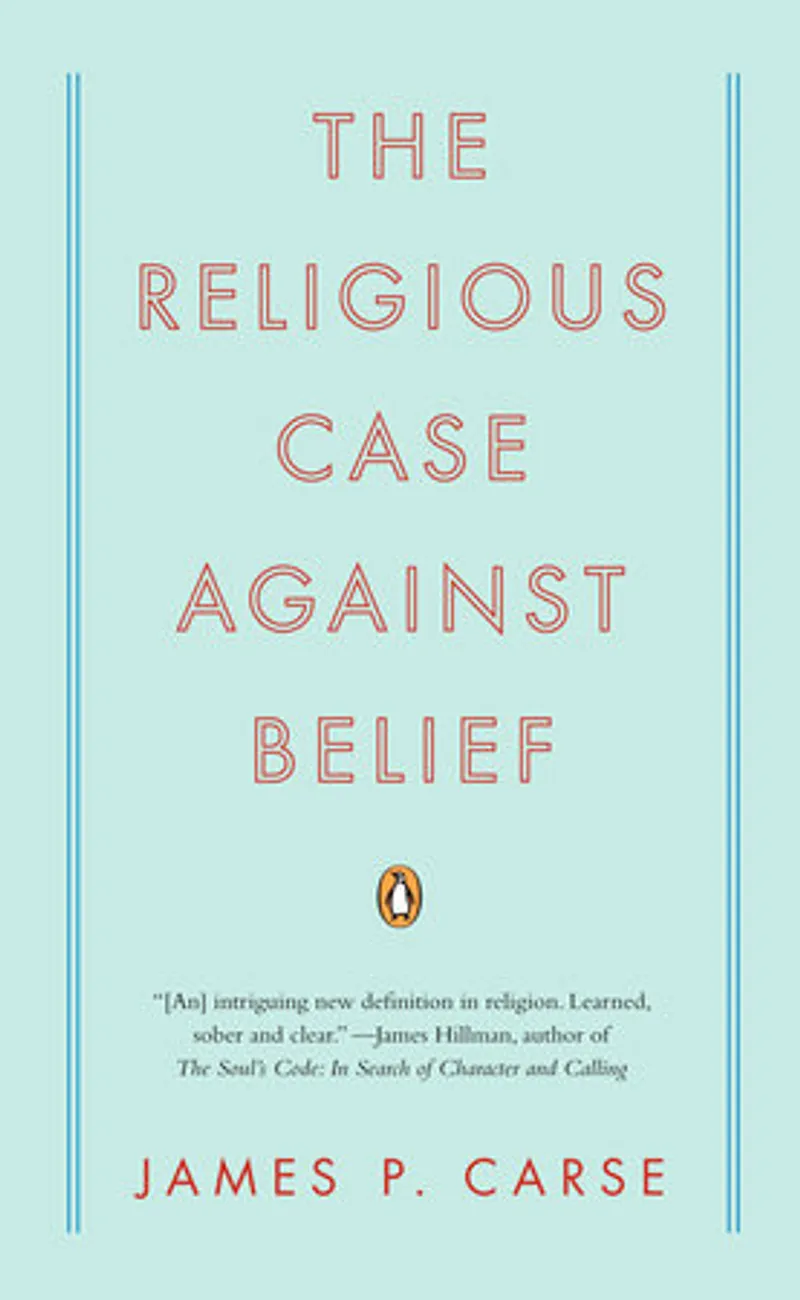
The Religious Case Against Belief Author: James P. CarsePage Count: UnknownPublication Date: 2009-PRH The Religious Case Against Belief by James P. Carse is a thought-provoking and deeply insightful exploration of the often-blurred lines between religion and belief. Through a meticulous and creative analysis, Carse masterfully distinguishes between the two, arguing that it is, in fact, the rigid and unyielding nature of belief systems that has led to some of the most pressing crises of our time, rather than the inherently more open-ended and inclusive realm of religion. One of the most striking aspects of Carse's work is his ability to draw upon a wide range of historical and contemporary examples, from the likes of Galileo and Martin Luther to Abraham Lincoln and Jesus Christ, in order to illustrate the dangers of unchecked belief. By doing so, he creates a compelling narrative that is both accessible and engaging, making this book an absolute must-read for anyone interested in the complex and often fraught relationship between faith, power, and knowledge. Throughout the book, Carse's writing style is characterized by its clarity, nuance, and intellectual curiosity. He tackles complex and often contentious issues with a level of sophistication and sensitivity that is all too rare in contemporary debates about religion and its role in the modern world. Moreover, his use of parable and the establishment of a new vocabulary for understanding conflict in the modern world add a level of depth and richness to his analysis that is truly remarkable. At its core, The Religious Case Against Belief is a powerful call to action, urging readers to move beyond the confines of the "Age of Faith II" and towards a more open-ended and inclusive global dialogue. It is a testament to Carse's skill as a writer and thinker that he is able to make this case in such a compelling and persuasive manner, without ever resorting to dogma or polemic. Ultimately, The Religious Case Against Belief is a book that will resonate with anyone interested in the complex and multifaceted nature of faith, power, and knowledge in the modern world. It is a work of profound insight and intellectual curiosity, and one that is sure to leave readers questioning their assumptions and challenging their beliefs. #TheReligiousCaseAgainstBelief #JamesPCarse #ReligionVsBelief #FaithAndPower #GlobalDialogue #BeyondDogma Related InsightsWalden or, Life in the Woods Book Review and Summary Murder at Haven's Rock Book Review and Summary Bad Words Book Review and Summary{ "@context": "https://schema.org", "@type": "FAQPage", "mainEntity": [ { "@type": "Question", "name": "What is the main focus of The God Delusion: A Study of Religious Belief and Skepticism Book Review and Summary?", "acceptedAnswer": { "@type": "Answer", "text": "Everything you need to know about The God Delusion: A Study of Religious Belief and Skepticism with our detailed review." } }, { "@type": "Question", "name": "Who authored the comprehensive guide on The God Delusion: A Study of Religious Belief and Skepticism Book Review and Summary?", "acceptedAnswer": { "@type": "Answer", "text": "This detailed article and its insights were carefully researched and authored by Richard Dawkins." } }, { "@type": "Question", "name": "Where can I find more related content about Books?", "acceptedAnswer": { "@type": "Answer", "text": "You can explore more articles, detailed reviews, and similar insights by browsing the Related Insights section at the bottom of this article or visiting our dedicated Books category page." } } ] }
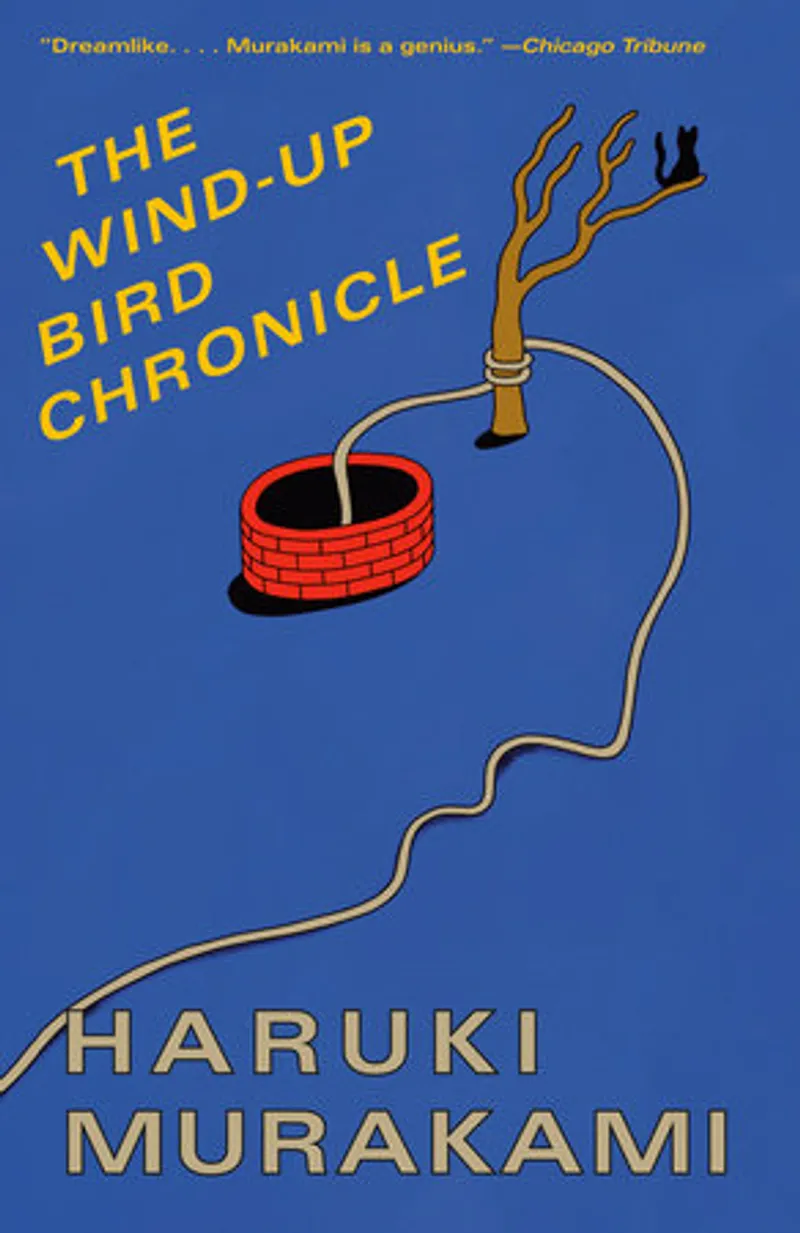
The Wind-Up Bird Chronicle Author: Haruki MurakamiPage Count: UnknownPublication Date: 1998-PRH The Wind-Up Bird Chronicle: A Labyrinth of Memory, Loss, and the Uncanny Haruki Murakami’s The Wind-Up Bird Chronicle is not just a novel—it is an experience, a descent into a world where the boundaries between reality and dream blur, where the past clings to the present like wet silk, and where the search for a missing cat evolves into a metaphysical odyssey. Published in 1998, this sprawling, hypnotic work is a detective story, a marital elegy, and a historical excavation, all woven together with Murakami’s signature blend of surrealism, melancholy, and dark humor. It is a book that lingers in the mind long after the last page, its images—dry wells, talking cats, wartime atrocities, and a man sitting in a bathtub listening to the rain—haunting like half-remembered dreams. At its core, The Wind-Up Bird Chronicle is a meditation on absence. Toru Okada, the passive yet introspective protagonist, begins his journey searching for his missing cat, then his wife Kumiko, who has abruptly left him without explanation. What unfolds is less a traditional mystery than a slow unraveling of the self, a journey into the voids of memory and desire. Murakami’s Tokyo is not the neon-lit metropolis of cyberpunk fantasies but a city of hollows, where the ordinary—suburban houses, quiet neighborhoods, the hum of a refrigerator—hides depths of strangeness. The novel’s true mystery is not Kumiko’s disappearance but the nature of reality itself. Is Toru losing his grip on the world, or is the world itself shifting around him? The answer, Murakami seems to suggest, is both. The novel’s most striking feature is its dreamlike structure. Murakami refuses to anchor the reader in firm ground; instead, he invites them to float in a current of shifting perspectives, unreliable narrators, and sudden, inexplicable events. Toru’s encounters—with a psychic prostitute, a war veteran with a missing eye, a mysterious woman in a well—feel less like plot points and more like fragments of a larger, unspoken truth. The well, in particular, becomes a symbol of the subconscious, a place where Toru descends to confront his own emptiness and, perhaps, the collective trauma of Japan’s wartime past. The novel’s historical layer, centered on Japan’s forgotten campaign in Manchuria, is not just backdrop but a living wound, a reminder that the past is never truly buried. Murakami’s prose is deceptively simple, lulling the reader into a false sense of security before pulling the rug out with a sudden shift in tone or reality. His dialogue crackles with dry wit, and his descriptions—of food, of weather, of the tactile world—are so vivid they feel like sensory memories. Yet beneath the surface lies a current of unease, a sense that the world is not as it seems. The novel’s most chilling moments are not the supernatural elements (though they are unsettling) but the quiet, human horrors: the way Kumiko’s brother, Noboru Wataya, manipulates and torments Toru, or the matter-of-fact brutality of the war scenes, which Murakami renders with a clinical detachment that makes them all the more disturbing. What makes The Wind-Up Bird Chronicle so compelling is its refusal to provide easy answers. Toru’s journey is not one of resolution but of acceptance. He does not "solve" the mystery of his wife’s disappearance so much as he learns to live with the absence, to find meaning in the void. In this way, the novel is a reflection on modern alienation, on the way we construct narratives to make sense of our lives, even when those narratives are built on sand. Murakami’s genius lies in making the reader complicit in Toru’s search, in making them feel the weight of the unsaid, the unseen. For all its darkness, the novel is not without humor or warmth. Toru’s interactions with his quirky neighbors, his surreal conversations with a talking cat, and the occasional bursts of absurdity (a man who communicates only through written notes, a room that seems to exist outside of time) keep the story from becoming oppressive. Murakami balances the uncanny with the mundane, creating a world that is at once familiar and utterly alien. In the end, The Wind-Up Bird Chronicle is a book about the things we lose and the things we find in their place. It is about the way memory distorts, the way desire shapes reality, and the way the past never truly leaves us. Murakami does not offer closure, but he offers something more valuable: the sense that the search itself is the point. The novel lingers like a half-remembered dream, its images and ideas echoing long after the final page. If you’ve ever felt the ground shift beneath your feet, if you’ve ever stared into a dark well and wondered what lies at the bottom, this book is for you. It is a masterclass in the uncanny, a testament to the power of ambiguity, and a reminder that sometimes the most profound truths are the ones we can’t quite put into words. #WindUpBirdChronicle #Murakami #MagicalRealism #JapaneseLiterature #ExistentialFiction #TokyoNoir Related InsightsWar of the wolf Book Review and Summary L'Inchiostro Proibito: Il Silenzio Forzato delle Pagine nell'Impero Sovietico Good Omens: The Nice and Accurate Prophecies of Agnes Nutter, Witch Book Review and Summary{ "@context": "https://schema.org", "@type": "FAQPage", "mainEntity": [ { "@type": "Question", "name": "What is the main focus of The Wind-Up Bird Chronicle Book Review and Summary?", "acceptedAnswer": { "@type": "Answer", "text": "Everything you need to know about The Wind-Up Bird Chronicle with our detailed review." } }, { "@type": "Question", "name": "Who authored the comprehensive guide on The Wind-Up Bird Chronicle Book Review and Summary?", "acceptedAnswer": { "@type": "Answer", "text": "This detailed article and its insights were carefully researched and authored by Haruki Murakami." } }, { "@type": "Question", "name": "Where can I find more related content about Books?", "acceptedAnswer": { "@type": "Answer", "text": "You can explore more articles, detailed reviews, and similar insights by browsing the Related Insights section at the bottom of this article or visiting our dedicated Books category page." } } ] }
En casa teníamos un himno / At Home We Had an Anthem Author: María ClimentPage Count: UnknownPublication Date: 2024-PRH In "At Home We Had an Anthem," María Climent masterfully weaves a poignant and introspective narrative that delves into the complexities of family relationships, the weight of secrets, and the transformative power of reconciliation. The story revolves around three women from different generations - Remei, Marga, and their mother Erne - each navigating their own unique struggles and insecurities. Climent's writing style is characterized by a refreshing candor and emotional depth, as she skillfully captures the intricacies of everyday life and the innermost thoughts of her characters. Through her vivid descriptions, the reader is transported to the picturesque landscapes of Tuscany, where the story unfolds with a sense of serenity and introspection. At its core, the novel explores the intricate web of family dynamics, revealing the ways in which our relationships with loved ones can both sustain and suffocate us. Remei, the eldest sister, is consumed by the demands of her job and family, while Marga, the younger sibling, grapples with feelings of aimlessness and disconnection. Meanwhile, their mother Erne, who has been living in Italy for over a decade, must confront the consequences of her past decisions and the secrets she has kept hidden for so long. As the narrative progresses, Climent expertly exposes the fault lines in the relationships between these three women, laying bare the tensions, resentments, and unspoken emotions that have accumulated over the years. Yet, it is precisely this unflinching examination of their flaws and vulnerabilities that ultimately allows them to reconnect and find a sense of healing and redemption. One of the most striking aspects of Climent's writing is her ability to convey the inner lives of her characters with remarkable nuance and sensitivity. Her prose is imbued with a deep empathy and understanding, which enables the reader to form a profound connection with the characters and become fully invested in their stories. Through "At Home We Had an Anthem," Climent offers a powerful exploration of the human experience, one that is marked by both fragility and resilience. This is a novel that will resonate deeply with readers who have ever struggled to navigate the complexities of family relationships, or who have ever felt the weight of secrets and unspoken emotions. In short, "At Home We Had an Anthem" is a masterpiece of contemporary literature, a novel that will leave readers spellbound and introspective. Climent's writing is a testament to the transformative power of storytelling, and her characters will linger in the reader's imagination long after the final page has been turned. #FamilyDrama #WomenFiction #LiteraryFiction #MotherDaughterRelationships #SecretsAndLies #TuscanLandscapes Related InsightsBig Little Truths Book Review and Summary Dubliners Book Review and Summary Funny Story Book Review and Summary{ "@context": "https://schema.org", "@type": "FAQPage", "mainEntity": [ { "@type": "Question", "name": "What is the main focus of Anthem Book Review and Summary?", "acceptedAnswer": { "@type": "Answer", "text": "Everything you need to know about Anthem with our detailed review." } }, { "@type": "Question", "name": "Who authored the comprehensive guide on Anthem Book Review and Summary?", "acceptedAnswer": { "@type": "Answer", "text": "This detailed article and its insights were carefully researched and authored by Ayn Rand." } }, { "@type": "Question", "name": "Where can I find more related content about Books?", "acceptedAnswer": { "@type": "Answer", "text": "You can explore more articles, detailed reviews, and similar insights by browsing the Related Insights section at the bottom of this article or visiting our dedicated Books category page." } } ] }
Gone, Kitty, Gone Author: Eileen WatkinsPage Count: UnknownPublication Date: 2019-PRH In "Gone, Kitty, Gone," Eileen Watkins weaves a captivating tale that combines the intrigue of a mystery with the delightful world of cats. This charming cozy mystery follows Cassie McGlone, a determined and passionate cat groomer, as she navigates a complex web of catnapping, murder, and deception. At the heart of the story is the disappearance of Gordie, a Scottish fold cat and social media sensation, during a high-profile cat expo in New Jersey. With the police focusing on solving the murder of Gordie's sitter, Cassie is recruited by the cat's famous owner, Jaki Natal, to track down the missing feline. As Cassie delves deeper into the case, she must use her knowledge of cats and her keen instincts to outsmart the cunning catnapper. Watkins' writing style is engaging and informative, seamlessly integrating facts about cats into the narrative. This approach not only adds an educational layer to the story but also showcases the author's passion for felines. The result is a unique blend of mystery, suspense, and cat lore that will captivate both cat lovers and mystery enthusiasts. Throughout the book, Watkins' characterization of Cassie is well-developed and relatable. Cassie's dedication to her Comfy Cat business and her love for cats are genuinely portrayed, making her a likable and trustworthy protagonist. The supporting cast, including Cassie's veterinarian boyfriend Mark and the enigmatic Jaki Natal, adds depth to the story without overshadowing Cassie's central role. The author's use of setting is also noteworthy, with the cat expo providing a fascinating backdrop for the mystery. The behind-the-scenes look at the world of competitive cat showing and the cat grooming industry adds a fresh layer of authenticity to the narrative. One of the strengths of "Gone, Kitty, Gone" is its ability to balance lighthearted moments with more serious themes. Watkins tackles the darker aspects of the mystery with sensitivity, never resorting to gratuitous violence or graphic content. The result is a cozy mystery that is both entertaining and respectful. In conclusion, "Gone, Kitty, Gone" is a delightful and engaging mystery that will appeal to fans of cozy mysteries and cat enthusiasts alike. Eileen Watkins' unique blend of mystery, suspense, and cat lore makes for a compelling read that is both entertaining and informative. With its well-developed characters, intriguing plot, and feline-centric theme, this book is sure to delight readers of all ages. #catlovers #cozymystery #felinefiction #catgrooming #mysterybooks #animalmysteries Related InsightsWe Are Still Here Book Review and Summary Bioluminescent Book Review and Summary I, Robot Book Review and Summary{ "@context": "https://schema.org", "@type": "FAQPage", "mainEntity": [ { "@type": "Question", "name": "What is the main focus of Gone Book Review and Summary?", "acceptedAnswer": { "@type": "Answer", "text": "Everything you need to know about Gone with our detailed review." } }, { "@type": "Question", "name": "Who authored the comprehensive guide on Gone Book Review and Summary?", "acceptedAnswer": { "@type": "Answer", "text": "This detailed article and its insights were carefully researched and authored by Michael Grant." } }, { "@type": "Question", "name": "Where can I find more related content about Books?", "acceptedAnswer": { "@type": "Answer", "text": "You can explore more articles, detailed reviews, and similar insights by browsing the Related Insights section at the bottom of this article or visiting our dedicated Books category page." } } ] }
All the Bright Places Collector's Edition Author: Jennifer NivenPage Count: UnknownPublication Date: 2025-PRH In "All the Bright Places Collector's Edition," Jennifer Niven weaves a poignant and thought-provoking narrative that delves into the complexities of the human experience, tackling themes of grief, mental health, and the power of human connection. At the heart of the story are two intricately crafted protagonists, Theodore Finch and Violet Markey, whose lives intersect in a moment of raw vulnerability. Finch, with his fascination with death, and Violet, with her all-consuming grief, are both struggling to find their place in the world. As they embark on a journey to discover the "natural wonders" of their state, they begin to unravel the layers of their own emotions, and in doing so, they find solace in each other. Niven's writing is a masterclass in subtlety, as she skillfully navigates the delicate balance between light and dark, humor and pathos. Her prose is evocative and immersive, drawing the reader into the world of her characters with ease. The dialogue is witty and authentic, capturing the nuances of teenage conversation with remarkable accuracy. One of the most striking aspects of Niven's writing is her ability to convey the complexities of mental health without resorting to stereotypes or sensationalism. Finch's struggles with his own mortality are deeply relatable, and his character serves as a powerful reminder that mental health is just as important as physical health. The relationship between Finch and Violet is a beautiful portrayal of the transformative power of human connection. As they learn to lean on each other, they begin to heal, and their bond becomes a source of strength and inspiration. Niven's depiction of their romance is tender and realistic, avoiding the pitfalls of cliché and sentimentality. The collector's edition of "All the Bright Places" is a must-have for fans of the original novel, featuring exclusive bonus content, a heartfelt letter from the author, and a stunning new cover. The additions enhance the overall reading experience, providing a deeper understanding of the characters and their motivations. In conclusion, "All the Bright Places Collector's Edition" is a masterpiece of contemporary young adult literature. Jennifer Niven's writing is a testament to the power of storytelling, and her characters will linger in the reader's mind long after the final page has been turned. #MentalHealthAwareness #YoungAdultFiction #TheodoreFinch #VioletMarkey #AllTheBrightPlaces #JenniferNiven Related InsightsWhere She Went Book Review and Summary Crone Book Review and Summary Bridge to Terabithia Book Review and Summary{ "@context": "https://schema.org", "@type": "FAQPage", "mainEntity": [ { "@type": "Question", "name": "What is the main focus of All the Bright Places Book Review and Summary?", "acceptedAnswer": { "@type": "Answer", "text": "Everything you need to know about All the Bright Places with our detailed review." } }, { "@type": "Question", "name": "Who authored the comprehensive guide on All the Bright Places Book Review and Summary?", "acceptedAnswer": { "@type": "Answer", "text": "This detailed article and its insights were carefully researched and authored by Jennifer Niven." } }, { "@type": "Question", "name": "Where can I find more related content about Books?", "acceptedAnswer": { "@type": "Answer", "text": "You can explore more articles, detailed reviews, and similar insights by browsing the Related Insights section at the bottom of this article or visiting our dedicated Books category page." } } ] }

The Kaiju Preservation Society Author: John ScalziPage Count: UnknownPublication Year: 2022-GB In "The Kaiju Preservation Society," John Scalzi masterfully weaves a captivating narrative that delves into the intriguing world of monster conservation, raising essential questions about our relationship with the environment and the creatures that inhabit it. This thought-provoking novel not only showcases Scalzi's remarkable storytelling abilities but also cements his position as a leading voice in the science fiction genre. The story follows Jamie Gray, a young and ambitious biologist who finds herself at the forefront of a groundbreaking organization dedicated to the preservation of kaiju – colossal, city-destroying monsters that have become an integral part of our world. As Jamie navigates this uncharted territory, she must confront the challenges of working with these awe-inspiring creatures while facing the harsh realities of a world where humans and kaiju coexist. One of the most striking aspects of Scalzi's writing style is his ability to balance action, humor, and wit, making "The Kaiju Preservation Society" an absolute page-turner. His characters are multidimensional and relatable, with Jamie being a particularly well-crafted protagonist. Her growth and development throughout the novel are both authentic and engaging, making it easy for readers to become invested in her journey. Scalzi's world-building is another notable aspect of the novel. He seamlessly integrates the kaiju into our reality, creating a sense of familiarity and normalcy around these extraordinary creatures. The author's use of science and technology to explain the kaiju's existence and behavior adds a layer of depth to the narrative, making the world feel more real and immersive. At its core, "The Kaiju Preservation Society" is a novel about coexistence, conservation, and the importance of understanding and respecting the natural world. Scalzi raises essential questions about our responsibility towards the environment and the creatures that inhabit it, encouraging readers to think critically about the world we live in. Through Jamie's experiences, Scalzi highlights the challenges and rewards of working in conservation, emphasizing the need for dedication, perseverance, and compassion. The novel also touches on the consequences of playing with nature and the importance of finding a balance between human progress and environmental preservation. In conclusion, "The Kaiju Preservation Society" is a gripping and thought-provoking novel that will appeal to fans of science fiction, conservation, and adventure. Scalzi's unique blend of humor, action, and wit makes this book a compelling read, while its exploration of essential themes and ideas will leave readers reflecting long after they finish the novel. #KaijuPreservationSociety #JohnScalzi #ScienceFiction #MonsterConservation #EnvironmentalFiction #AdventureNovel Related InsightsDie Architektur des Schweigens: Wenn Worte zu Staatsfeinden wurden The Poisonwood Bible Book Review and Summary A Good Find Book Review and Summary{ "@context": "https://schema.org", "@type": "FAQPage", "mainEntity": [ { "@type": "Question", "name": "What is the main focus of The Kaiju Preservation Society Book Review and Summary?", "acceptedAnswer": { "@type": "Answer", "text": "Everything you need to know about The Kaiju Preservation Society with our detailed review." } }, { "@type": "Question", "name": "Who authored the comprehensive guide on The Kaiju Preservation Society Book Review and Summary?", "acceptedAnswer": { "@type": "Answer", "text": "This detailed article and its insights were carefully researched and authored by Carmen Martinez." } }, { "@type": "Question", "name": "Where can I find more related content about Books?", "acceptedAnswer": { "@type": "Answer", "text": "You can explore more articles, detailed reviews, and similar insights by browsing the Related Insights section at the bottom of this article or visiting our dedicated Books category page." } } ] }