Showing Posts From
Books
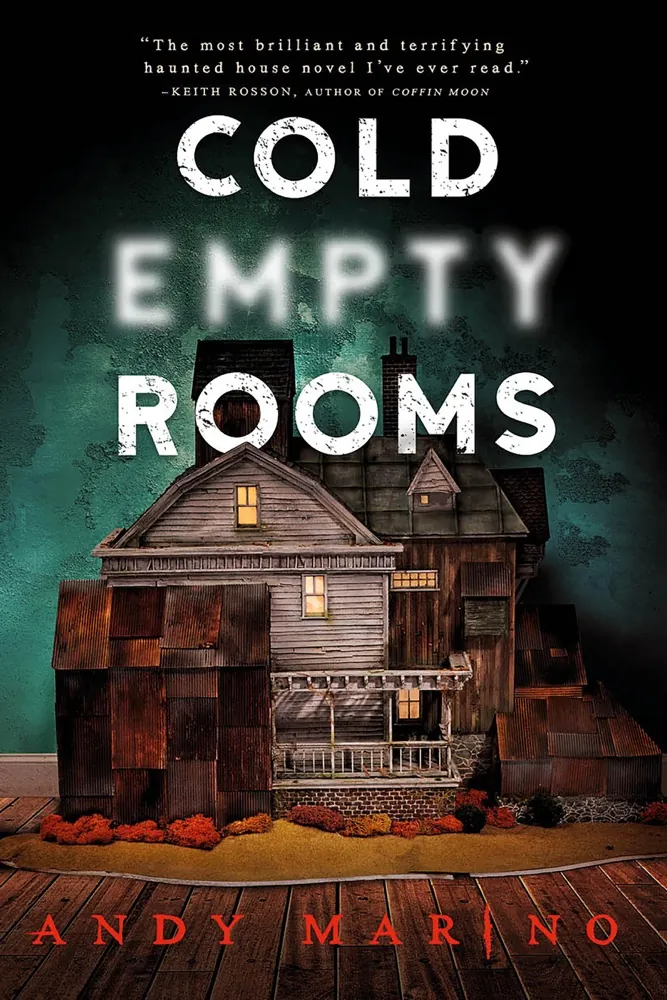

Author: Andy MarinoPage Count: UnknownPublication Date: Expected publication 2026-11-10 APL The house in Cold Empty Rooms isn’t just a setting—it’s a living paradox, a Lovecraftian Rorschach test for the desperate. Marino’s synopsis doesn’t so much describe as hypnotize, weaving a spell where the prose itself becomes the haunting. The language is the kind that makes you pause mid-sentence, fingers twitching toward the screen like you’re being summoned. And yet—and yet—the problem isn’t the ambition. It’s the vagueness. A synopsis this sparse could belong to a dozen different books, from a House of Leaves-style structural nightmare to a The Babadook fable about grief as a parasitic roommate. The Great Other could be a cosmic trickster, a vengeful spirit, or—worse—a metaphor so heavy-handed it collapses under its own weight. But Marino’s name alone suggests we’re dealing with something far more deliberate than a generic haunted house trope. The real genius—or folly—here is the ideology of the house. Soren’s magnetic ideology? That’s not just a plot device; that’s a cult. And not the fun, The VVitch-style paganism either, but something far more insidious, the kind of dogma that turns love into a cult and sorrow into a currency. It’s the kind of thing that would make Clive Barker nod approvingly while simultaneously facepalming. The synopsis doesn’t name the entity, but the tone is unmistakable—Annihilation meets The Empty Man, with a dash of Hereditary’s familial dread. The house isn’t just haunted; it’s a black mirror, reflecting back the worst in its inhabitants while whispering promises of absolution. And Mara’s past? Oh, it’s not just trauma—it’s unresolved. The kind of thing that lingers like a half-remembered dream, the kind that makes you wonder if the house is healing her or feeding on her. But here’s where the synopsis fails: it doesn’t show the horror. It tells it in broad, cinematic strokes. The Great Other’s directives are reduced to soundbites—"Invite more," "Relieve them of their sorrow"—like a Twilight Zone episode where the twist is that the twist is too obvious. Marino’s reputation suggests he could’ve done better. His work, as praised by Whitten and Rosson, thrives on subtext, on the kind of dread that seeps in through the cracks of the prose. This synopsis reads like a pitch deck for a horror movie, not the raw nerve of a literary horror novel. Where’s the psychological weight? Where’s the linguistic texture? The way Thomas Tryon made The Other feel like a psychological minefield, or how Joe Hill turns grief into a physical force in NOS4A2? The real crime isn’t that the book might be derivative—it’s that it could be so much more. The house is already a character, a monster in its own right, but the synopsis treats it like a backdrop. And the outcasts? They’re not characters—they’re placeholders, a chorus of the damned waiting to be fleshed out. This isn’t The Fisherman’s slow-burn descent into madness; it’s The Shining’s elevator pitch, stripped of its meat. Marino’s name alone should’ve warned us: this isn’t just another haunted house story. It’s supposed to be a psychological horror, a philosophical nightmare. But the synopsis reads like it was written by a ghostwriter who only skimmed the first act of The Exorcist and thought, "Yeah, that’ll do." And now I must fire the ghostwriter who turned my vision of a haunted house as a metaphor for collective trauma into a checklist of horror tropes. The house should’ve been a character, not a setting. The Great Other should’ve been a force, not a plot device. But no—now it’s just another empty room in a genre that’s already overcrowded with them. #HorrorThatForgotItsOwnRules #MarinoOrBust #WhereIsTheSubtext Related InsightsAnna and the French Kiss Book Review and Summary Wrecked Book Review and Summary Birthday Girl Book Review and Summary{ "@context": "https://schema.org", "@type": "FAQPage", "mainEntity": [ { "@type": "Question", "name": "What is the main focus of Cold Empty Rooms Book Review and Summary?", "acceptedAnswer": { "@type": "Answer", "text": "Everything you need to know about Cold Empty Rooms with our detailed review." } }, { "@type": "Question", "name": "Who authored the comprehensive guide on Cold Empty Rooms Book Review and Summary?", "acceptedAnswer": { "@type": "Answer", "text": "This detailed article and its insights were carefully researched and authored by Emma Thompson." } }, { "@type": "Question", "name": "Where can I find more related content about Books?", "acceptedAnswer": { "@type": "Answer", "text": "You can explore more articles, detailed reviews, and similar insights by browsing the Related Insights section at the bottom of this article or visiting our dedicated Books category page." } } ] }
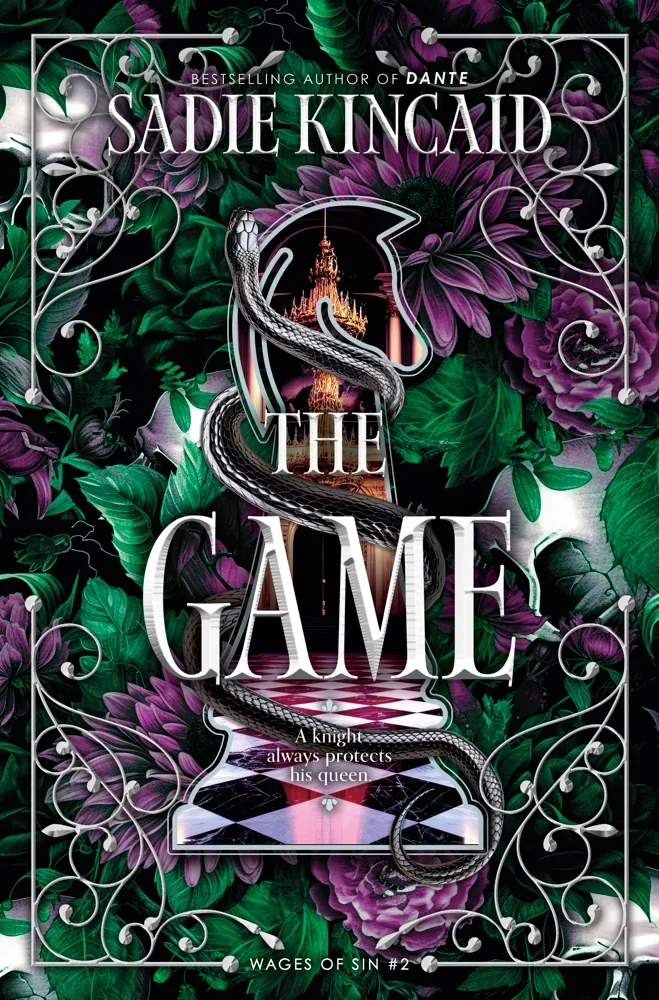

Author: Sadie KincaidPage Count: UnknownPublication Date: Expected publication 2026-11-03 APL The tantalizing dance of deception and desire - it's a potent cocktail, indeed. Sadie Kincaid's The Game promises to be a sultry, suspenseful ride, but one can't help but wonder: will it be more than just a rehashed Beauty and the Beast retelling with a dark mafia twist? Imogen Demotta's world is turned upside down when she discovers Lincoln Knight's darkest secret - a revelation that shatters the carefully constructed illusion of her 'tortured hero'. The lines between savior and villain are blurred, and Imogen is left questioning everything. It's a classic trope, to be sure, but one that can be executed with devastating effect. The key to success lies in Kincaid's ability to balance the slow-burn romance with the thrill of the unknown, all while maintaining a sense of tension that's as much about the characters' inner turmoil as it is about the external danger lurking in the shadows. But what of Imogen herself? Is she merely a damsel in distress, or will she prove to be a determined heroine, capable of uncovering the truth and taking control of her own destiny? The synopsis suggests a certain level of agency, but one can't help but feel that her character arc will be heavily influenced by the men in her life. The 'morally grey alpha hero' is a staple of the genre, after all, and it's often the female lead who must navigate the treacherous waters of their affections. And then, of course, there's the elephant in the room: the Brotherhood. A shadowy organization with a penchant for manipulation and control - it's a familiar trope, to be sure, but one that can be used to great effect in exploring themes of power, corruption, and the blurred lines between good and evil. Speaking of which, have you ever noticed how often the 'dark mafia romance' genre relies on the 'tortured hero' trope? It's a tired cliché, if you ask me - a lazy way to excuse questionable behavior and create a sense of 'depth' where none truly exists. I mean, take God of Malice, for example. The 'hero' of that particular tale is little more than a cardboard cutout, a shallow excuse for a character with all the depth and complexity of a kiddie pool. But I digress. The Game promises to be a scorching hot, suspenseful ride, full of twists and turns that will keep readers on the edge of their seats. Will it live up to its promise? Only time will tell. One thing's for sure, however: Sadie Kincaid's latest offering will be a must-read for fans of the genre. And now, if you'll excuse me, I really must put up the holiday decorations. My spouse is growing impatient, and I fear for my sanity if I don't get the lights up soon. #DarkMafiaRomance #BeautyAndTheBeastRetelling #SlowBurnSuspense Related InsightsCheshire Crossing Book Review and Summary Spirited Engagement Book Review and Summary Finally Mine Book Review and Summary{ "@context": "https://schema.org", "@type": "FAQPage", "mainEntity": [ { "@type": "Question", "name": "What is the main focus of The Game (Wages of Sin, #2) Book Review and Summary?", "acceptedAnswer": { "@type": "Answer", "text": "Everything you need to know about The Game (Wages of Sin, #2) with our detailed review." } }, { "@type": "Question", "name": "Who authored the comprehensive guide on The Game (Wages of Sin, #2) Book Review and Summary?", "acceptedAnswer": { "@type": "Answer", "text": "This detailed article and its insights were carefully researched and authored by William Clark." } }, { "@type": "Question", "name": "Where can I find more related content about Books?", "acceptedAnswer": { "@type": "Answer", "text": "You can explore more articles, detailed reviews, and similar insights by browsing the Related Insights section at the bottom of this article or visiting our dedicated Books category page." } } ] }
-
 Giulia Ricci
 - 26 Aug, 2026 08:23
Rome's Age of Revolution: Augustus, Empire, and the Making of Christianity Book Review and Summary
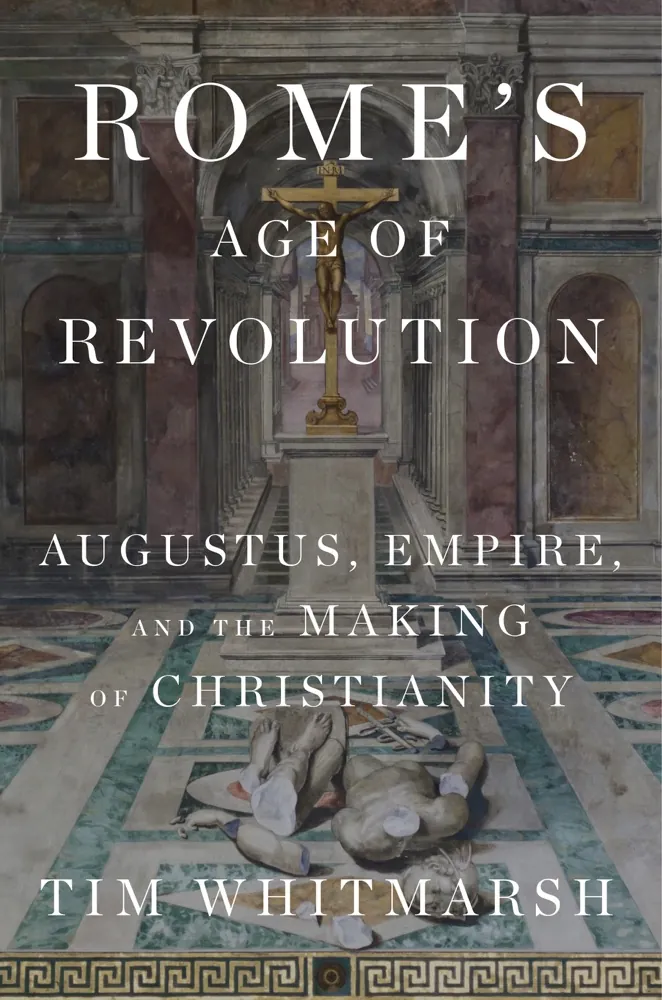
Author: Tim WhitmarshPage Count: UnknownPublication Date: Expected publication 2026-11-10 APL The synopsis for Rome’s Age of Revolution reads like a historian’s fever dream—equal parts scholarly ambition and the kind of academic marketing that makes you want to both buy it and immediately burn it in a bonfire of pretentiousness. Whitmarsh’s framing is chef’s kiss for the kind of book that gets assigned in grad seminars because it sounds like it’ll make you feel smarter, even if it’s just rearranging the same dusty bones of imperial history. The idea that Christianity “took shape” in the Roman Empire is so basic it’s almost a cliché—yet here we are, with a book promising to revolutionize our understanding of it, as if we’ve been living in a pre-Augustan dark age. The synopsis leans hard into the “swirl” metaphor—physical movement, ideas, languages—like some kind of intellectual smoothie. It’s the kind of prose that makes you wonder if Whitmarsh has ever actually felt the weight of a Roman road underfoot, or if he’s just another armchair theorist spinning Platonic wheels. The “quasi-divine Augustus” bit is particularly rich, because let’s be real: every emperor was a god in his own propaganda, and Whitmarsh’s framing here risks reducing the whole thing to a historical soap opera where the real drama is whether Paul’s epistolary style was more Stoic or more basic. The mention of Nero’s “villainy” being exaggerated is a nice little jab at the romanticization of persecution narratives, but it also feels like a cop-out—because of course it’s exaggerated, but that doesn’t mean it wasn’t felt. The book’s promise to “revisit pivotal clashes with the kingdom of Judah” is where things get interesting, if only because it implies Whitmarsh is going to do something with the messy, violent, human reality of Roman-Jewish relations rather than just treating it as backdrop. But then the synopsis slips back into safe, abstract territory: “the flowing and counterflowing of physical movement, ideas, and languages.” It’s all very cool, very academic—until you realize this is just a fancy way of saying “cultural diffusion,” which is a term that’s been dead for decades. The real question is whether Whitmarsh will actually do something with this swirling mess, or if he’ll just let it dissolve into another well-meaning but ultimately forgettable synthesis. And then there’s the present-day angle—because of course there has to be one. The synopsis drops hints about “intriguing connections to the present day” like it’s a Netflix special, as if the fact that Christianity still shapes our calendars isn’t already obvious. It’s the kind of hand-wavy, “this is why you should care” bullshit that makes you want to scream, Duh, Tim, we’ve been living in this mess for 2,000 years. But maybe that’s the point—maybe the book is just going to be a very long, very expensive way of saying, “Look how weird it all was, and also, here’s a chart.” The most frustrating part? The synopsis doesn’t actually tell you what the book will do. It’s all implication, all “you’ll see,” all the kind of vague promise that makes you want to demand a table of contents. Where’s the meat? Where’s the controversy? The only thing more irritating than Whitmarsh’s theoretical swirl is the fact that he’s not even swirling hard enough. Compare this to something like The Invention of Race by Winthrop Jordan, where every sentence feels like a scalpel—here, it’s all smoothie blender. But then again, maybe that’s the point. Maybe Rome’s Age of Revolution is just going to be a very polished, very safe book about how ideas move, and that’s fine—if it’s not going to be another God’s Secretaries by Karen Armstrong, which is to say, if it’s not going to be too accessible, or too dry. The real test will be whether Whitmarsh can make the Roman Empire feel like more than just a footnote in the story of Christianity, or if he’ll just treat it as the stage on which the real drama—Jesus, Paul, Constantine—unfolds. I need to go reorganize my reference books before I forget where I put the ones about Roman roads. #BookTok #AncientHistory #ScholarlyMess #WhyIsThisSoHardToFindInPaperback #HistoricalSwirl Related InsightsInk Against the Iron Curtain: The Forbidden Library of the Soviet Union Winter's Bone Book Review and Summary Queen Charlotte Book Review and Summary{ "@context": "https://schema.org", "@type": "FAQPage", "mainEntity": [ { "@type": "Question", "name": "What is the main focus of Rome's Age of Revolution: Augustus, Empire, and the Making of Christianity Book Review and Summary?", "acceptedAnswer": { "@type": "Answer", "text": "Everything you need to know about Rome's Age of Revolution: Augustus, Empire, and the Making of Christianity with our detailed review." } }, { "@type": "Question", "name": "Who authored the comprehensive guide on Rome's Age of Revolution: Augustus, Empire, and the Making of Christianity Book Review and Summary?", "acceptedAnswer": { "@type": "Answer", "text": "This detailed article and its insights were carefully researched and authored by Giulia Ricci." } }, { "@type": "Question", "name": "Where can I find more related content about Books?", "acceptedAnswer": { "@type": "Answer", "text": "You can explore more articles, detailed reviews, and similar insights by browsing the Related Insights section at the bottom of this article or visiting our dedicated Books category page." } } ] }

-
 Diego Lopez
 - 26 Aug, 2026 06:48
Loving a Demon is a Total Nightmare (Total Chaos, #3) Book Review and Summary
Author: Aura HayesPage Count: UnknownPublication Date: Expected publication 2026 APL Total Chaos, indeed – Aura Hayes' new novel, Loving a Demon is a Total Nightmare, is bound to unleash a whirlwind of emotions, and I'm not sure I'm ready for it. The official synopsis has left me both intrigued and perplexed. I mean, what exactly does "a woman's contempt" even mean in this context? Is it a clever marketing ploy, or an actual plot point? I'll have to wait and see. Hell Hath No Fury... It's clear that Loving a Demon will be a character-driven novel, with a complex web of relationships and emotions. The presence of multiple love interests, past and present, is bound to create tension – and possibly, a few explosions. I'm reminded of the works of Sylvia Day, with her Crossfire series, where the lines between love and obsession are constantly blurred. Will Aura Hayes be able to pull off a similar feat, or will the novel descend into melodrama? Only time will tell. And then, there's the issue of the "demon" in the title. Is it a metaphor, or an actual supernatural entity? The synopsis doesn't give us much to go on, but I'm hoping it's not just a gimmick. I mean, who doesn't love a good demon story? Just think of The Exorcist, or The Devil's Advocate. If done correctly, this could be a game-changer. The Thin Line Between Love and Hate One thing's for sure – Loving a Demon will explore the darker aspects of human nature. The themes of jealousy, infidelity, and revenge are all too familiar, and I'm curious to see how Hayes will weave them together. Will it be a commentary on the destructive power of love, or a cautionary tale about the dangers of obsession? Perhaps it's both. But, what really catches my attention is the mention of "sins from the past" and "nightmares of the present". This sounds like a classic case of the "past coming back to haunt you" trope – a staple of horror and thriller novels. I'm thinking of authors like Gillian Flynn, who expertly crafted a similar narrative in Gone Girl. If Hayes can pull off a similar level of tension and suspense, I'm in. As I sit here on this sweltering bus, sweating bullets and wondering if I'll ever make it to my destination, I'm left with more questions than answers. Will Loving a Demon be a hit, or a miss? Only time will tell. One thing's for sure, though – I'll be keeping an eye out for this one. Ugh, I need a cigarette. Too bad my local bodega's run out of my favorite brand. Again. #LovingADemonIsATotalNightmare #AuraHayes #TotalChaos #BookLovers #NewRelease Related InsightsThe 5th Wave Book Review and Summary The Spirits Book Review and Summary The Architecture of Alienation: Unmasking the Eternal Angst of Holden Caulfield{ "@context": "https://schema.org", "@type": "FAQPage", "mainEntity": [ { "@type": "Question", "name": "What is the main focus of Loving a Demon is a Total Nightmare (Total Chaos, #3) Book Review and Summary?", "acceptedAnswer": { "@type": "Answer", "text": "Everything you need to know about Loving a Demon is a Total Nightmare (Total Chaos, #3) with our detailed review." } }, { "@type": "Question", "name": "Who authored the comprehensive guide on Loving a Demon is a Total Nightmare (Total Chaos, #3) Book Review and Summary?", "acceptedAnswer": { "@type": "Answer", "text": "This detailed article and its insights were carefully researched and authored by Diego Lopez." } }, { "@type": "Question", "name": "Where can I find more related content about Books?", "acceptedAnswer": { "@type": "Answer", "text": "You can explore more articles, detailed reviews, and similar insights by browsing the Related Insights section at the bottom of this article or visiting our dedicated Books category page." } } ] }
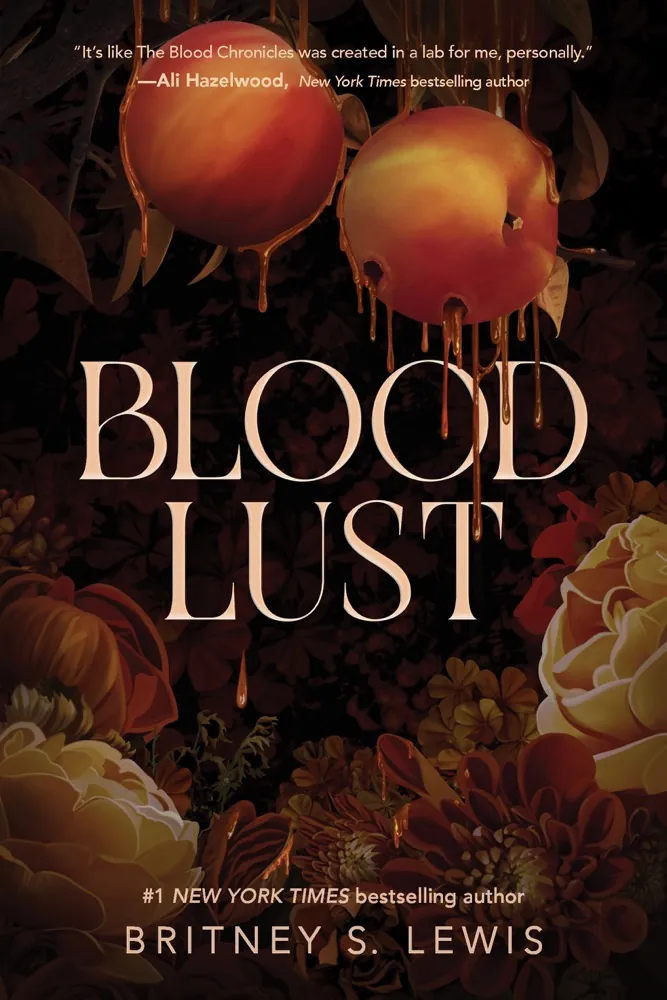
Author: Britney S. LewisPage Count: UnknownPublication Date: Expected publication 2026 APL The relentless pull of darkness, and the desperate struggle to cling to the last vestiges of humanity. In Blood Lust, the sequel to Britney S. Lewis's Blood Moon, Mira is thrust into a world of vampire royalty, where the very fabric of her existence is torn asunder. As the synopsis tantalizingly hints, Mira's transformation is not just a physical one, but a deeply psychological and philosophical reckoning. —And what is it about the vampire mythology that continues to captivate us, that draws us in with its dark, gothic allure? Is it the promise of immortality, the intoxicating thrill of power, or the forbidden love that dare not speak its name? For Mira, the stakes are personal, as she navigates the treacherous landscape of the vampire court, where trust is a luxury she can ill afford. But what of Julian, the enigmatic figure whose betrayal has left Mira reeling? Can she truly trust him, or is he merely a pawn in a larger game of power and manipulation? The synopsis hints at a complex web of motivations, where loyalty and deception are inextricably entwined. It's a dance that's all too familiar in the world of vampire fiction, where the lines between love and lust, loyalty and betrayal, are constantly blurred. And yet, despite the familiar tropes, there's something undeniably compelling about Mira's journey, a sense of urgency and desperation that propels her forward into the unknown. It's a feeling that's eerily reminiscent of the works of Anne Rice, where the supernatural is merely a backdrop for a deeper exploration of the human condition. —But what of the world-building, the meticulous crafting of a vampire society that's both fascinating and terrifying? The synopsis hints at a richly detailed world, where the legends of old are woven into a complex tapestry of power and politics. It's a world that's both alluring and repellent, a place where Mira must confront the darkest aspects of her own nature. As I ponder the themes and motifs that will undoubtedly emerge in Blood Lust, I'm struck by the sense of unease that pervades the synopsis. It's a feeling that's all too familiar in our own world, where the boundaries between good and evil are constantly blurred, and the monsters that lurk in the shadows are often the ones we least expect. And so, as I eagerly await the release of Blood Lust, I'm left with more questions than answers. Will Mira succumb to the darkness that threatens to consume her, or will she find a way to reclaim her humanity? Only time will tell, but one thing is certain: this is a journey that will leave us breathless, and begging for more. —Now, if you'll excuse me, I have to attend a protest against the demolition of a historic theater. It's a battle that's all too familiar, where the forces of progress and preservation are locked in a struggle that will determine the very soul of our city. #vampirefiction #paranormalromance #bookstagram Related InsightsRecord Lows Book Review and Summary A Midsummer Night’s Dream Book Review and Summary Last Exit to Brooklyn Book Review and Summary{ "@context": "https://schema.org", "@type": "FAQPage", "mainEntity": [ { "@type": "Question", "name": "What is the main focus of Blood Lust (Blood Chronicles, #2) Book Review and Summary?", "acceptedAnswer": { "@type": "Answer", "text": "Everything you need to know about Blood Lust (Blood Chronicles, #2) with our detailed review." } }, { "@type": "Question", "name": "Who authored the comprehensive guide on Blood Lust (Blood Chronicles, #2) Book Review and Summary?", "acceptedAnswer": { "@type": "Answer", "text": "This detailed article and its insights were carefully researched and authored by Olya Shevchenko." } }, { "@type": "Question", "name": "Where can I find more related content about Books?", "acceptedAnswer": { "@type": "Answer", "text": "You can explore more articles, detailed reviews, and similar insights by browsing the Related Insights section at the bottom of this article or visiting our dedicated Books category page." } } ] }
-
 Piotr Nowak
 - 26 Aug, 2026 04:22
Temper: Practicing Freedom in an Unfree World Book Review and Summary
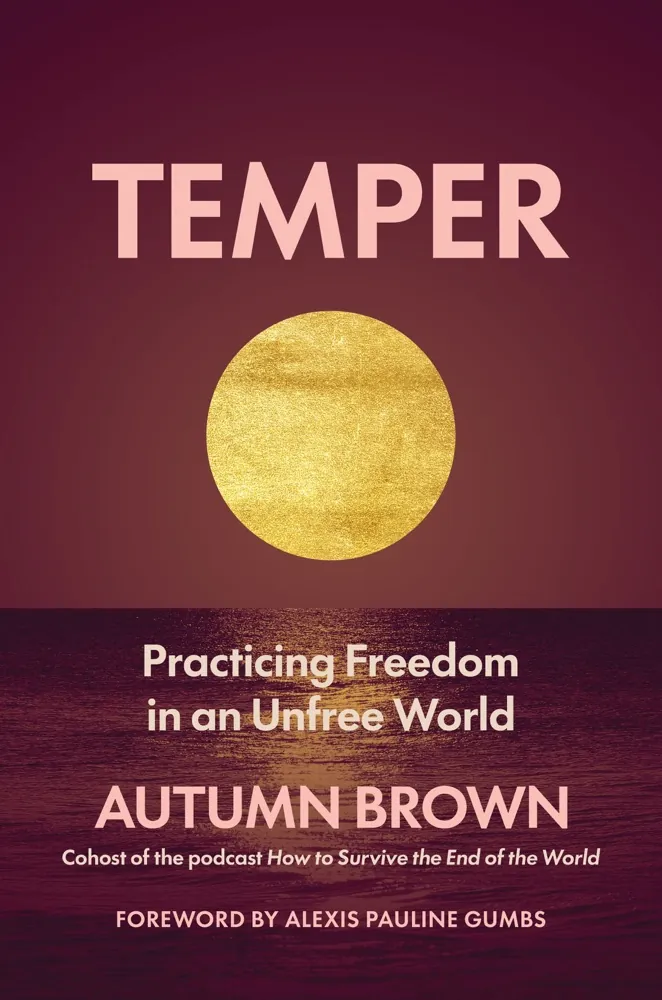
Author: Autumn BrownPage Count: UnknownPublication Date: Expected publication 2026-11-10 APL The subway car’s fluorescent lights buzz like a dying insect, the kind you step on without thinking—just another body in the rush, another face half-lit by the glow of a phone screen. You’re not supposed to read books like this on the subway. Not the ones that make your chest tighten, not the ones that whisper about freedom like it’s a muscle you can flex in the middle of a packed car. But here we are, Temper pressed against your ribs like a secret, its cover—some abstract swirl of black and gold—mocking you with the promise of something sharper than the edges of your seat. The synopsis doesn’t give you much to hold onto. It’s all metaphors and martial arts, fugitives and fugue states, like the author is trying to sell you a spiritual dojo where the sparring partners are systemic racism and your own damn nervous system. But the blurbs? Oh, the blurbs are chef’s kiss—Glennon Doyle calling it an "Emergency Exit" like it’s a last-resort Airbnb for the soul, Resmaa Menakem calling it "mystical and invitational" like it’s a cult text you’ll quote at your own funeral. That’s the kind of hype that makes you lean in, even when the book itself is still a ghost of a thing. The core idea—freedom as a practice, not a destination—isn’t new. Audre Lorde wrote about it in A Burst of Light, bell hooks in All About Love, but there’s something about the way Brown frames it here that feels like a direct middle finger to the self-help industry’s usual bullshit. No "12 Steps to Inner Peace" nonsense. Instead, it’s all about conditioning—like training for a marathon you didn’t sign up for, where the finish line keeps moving. The fugitive state isn’t just a historical reference; it’s a lifestyle. You’re supposed to be in a constant state of alertness, like your body’s always bracing for the next wrong turn, the next wrong look, the next system that decides you don’t belong. And yet—here’s the twist—it’s not about survival. It’s about thriving in the wreckage. But the vagueness is maddening. What does "falling apart together" even look like? Is this a communal practice, or a solo discipline? The synopsis hints at ancestral wisdom, but does that mean we’re supposed to channel Harriet Tubman’s spirit like a TikTok filter, or is it something deeper—something that requires you to sit with the weight of your own lineage, not just the glamour of it? And the martial arts angle? Is this a literal guide to using movement as resistance, or is it more metaphorical—like the way you have to move through the world even when it’s trying to stop you? The problem isn’t that the ideas are untested. It’s that they’re untested. There’s no framework here, no structure. It’s all promise and no process. You can feel the potential—this could be the The Body Keeps the Score for Black feminist resilience, the Me and White Supremacy for people who’ve already read Me and White Supremacy but still need a next step. But right now, it’s just a series of provocations, a dare to show up for yourself in a world that’s designed to make you disappear. And that’s the thing—you do have to show up. The book seems to be saying that freedom isn’t a political act, it’s a personal one. But where’s the roadmap? Where’s the "and then you do this"? The synopsis leaves you with more questions than answers, which is either genius or a cop-out, depending on how much you trust the author to deliver. You’re not supposed to like it yet. You’re not supposed to get it. You’re supposed to feel the tension, the pull of something that could be revolutionary if it’s done right. But right now, it’s just a spark in the dark, and you’re holding it like a match—one wrong breath and it’s gone. You’re going to read a battered copy of On the Road until the sun comes up instead. At least Kerouac didn’t promise you a spiritual breakthrough. He just promised you the road, and that’s enough. #bookstagram #literarycriticism #blackfeministthought #nonfictionaddiction #whatweretheythinking Related InsightsThe Fallen Woman Book Review and Summary The Last Unicorn Book Review and Summary Platform Decay Book Review and Summary{ "@context": "https://schema.org", "@type": "FAQPage", "mainEntity": [ { "@type": "Question", "name": "What is the main focus of Temper: Practicing Freedom in an Unfree World Book Review and Summary?", "acceptedAnswer": { "@type": "Answer", "text": "Everything you need to know about Temper: Practicing Freedom in an Unfree World with our detailed review." } }, { "@type": "Question", "name": "Who authored the comprehensive guide on Temper: Practicing Freedom in an Unfree World Book Review and Summary?", "acceptedAnswer": { "@type": "Answer", "text": "This detailed article and its insights were carefully researched and authored by Piotr Nowak." } }, { "@type": "Question", "name": "Where can I find more related content about Books?", "acceptedAnswer": { "@type": "Answer", "text": "You can explore more articles, detailed reviews, and similar insights by browsing the Related Insights section at the bottom of this article or visiting our dedicated Books category page." } } ] }
-
 Olivia Harris
 - 26 Aug, 2026 02:58
Blasting Through Blocks: An Artist's Way Guide to Unleashing Your Inner Creativity Book Review and Summary
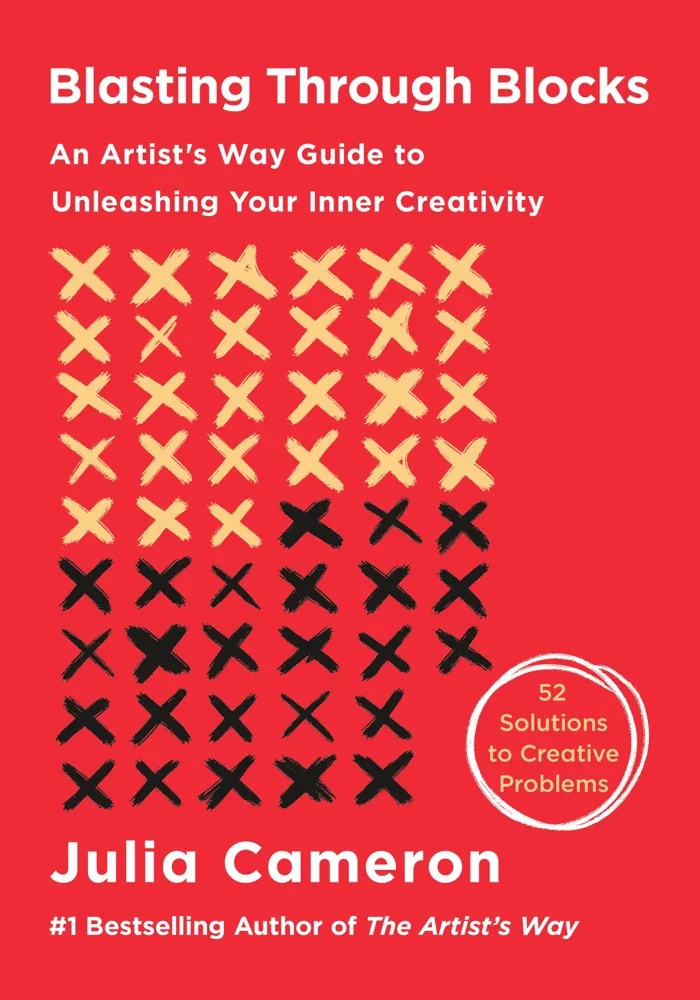
Author: Julia CameronPage Count: UnknownPublication Date: Expected publication 2026-11-03 APL Blasting Through Blocks promises to be a salve for the creatively stuck, a guide to reclaiming one's artistic voice. But will it deliver? Can Julia Cameron, the author of the iconic The Artist's Way, truly help us "blast through" the blocks that have held us back for so long? I'm skeptical, but also intrigued. At first glance, the book's premise seems almost...familiar. 52 essays, each tackling a specific creative block, accompanied by a practical exercise to help overcome it. It's a tried-and-true format, reminiscent of Cameron's earlier work. But will it feel like a rehashing of old ideas, or will Cameron bring something new to the table? The synopsis is frustratingly vague, leaving me wondering if this is merely a rebranding of The Artist's Way, or if Cameron has truly innovated. And yet, I find myself drawn to the promise of "small, powerful tools" to help us overcome our creative blocks. There's something appealing about the idea that we don't need grand, sweeping changes to unlock our artistic potential, but rather simple, incremental shifts. It's a message that resonates deeply, especially in a world where so many of us feel overwhelmed and stuck. But what of the exercises themselves? Will they be too simplistic, too obvious? Or will they offer a genuine path forward for those of us struggling to find our creative footing? I'm reminded of the work of Natalie Goldberg, whose Writing Down the Bones offered a similarly practical, no-nonsense approach to creative unblocking. Can Cameron's exercises match the depth and nuance of Goldberg's work? As I ponder these questions, I'm struck by the realization that perhaps the true value of Blasting Through Blocks lies not in its specific exercises or techniques, but in its very existence. In a world that increasingly values productivity and efficiency over creativity and self-expression, a book that encourages us to slow down, to explore, and to create is a powerful antidote. And yet...I'm not convinced. There's something about the book's premise that feels almost...trite. A "good news" book, indeed. It's a phrase that echoes the saccharine optimism of a Hallmark card, rather than the nuanced, often brutal reality of the creative process. I'm reminded of the infamous "tortured artist" trope, where creatives are portrayed as struggling, angst-ridden souls, rather than complex, multifaceted human beings. Will Blasting Through Blocks offer a more nuanced, realistic portrayal of the creative process, or will it succumb to the same tired cliches? I suppose only time will tell. For now, I'll reserve judgment, and instead ponder the architectural plans for my new beach house, where I hope to find the perfect blend of creative inspiration and relaxation. #creativityunleashed #artistway #beachhouseblues Related InsightsHouse Across the Lake Book Review and Summary The Museum of Lost Things: True Tales of Fabled Treasures, Legendary Cities, and Mythical Creatures That Vanished From History Book Review and Summary House Rules Book Review and Summary{ "@context": "https://schema.org", "@type": "FAQPage", "mainEntity": [ { "@type": "Question", "name": "What is the main focus of Blasting Through Blocks: An Artist's Way Guide to Unleashing Your Inner Creativity Book Review and Summary?", "acceptedAnswer": { "@type": "Answer", "text": "Everything you need to know about Blasting Through Blocks: An Artist's Way Guide to Unleashing Your Inner Creativity with our detailed review." } }, { "@type": "Question", "name": "Who authored the comprehensive guide on Blasting Through Blocks: An Artist's Way Guide to Unleashing Your Inner Creativity Book Review and Summary?", "acceptedAnswer": { "@type": "Answer", "text": "This detailed article and its insights were carefully researched and authored by Olivia Harris." } }, { "@type": "Question", "name": "Where can I find more related content about Books?", "acceptedAnswer": { "@type": "Answer", "text": "You can explore more articles, detailed reviews, and similar insights by browsing the Related Insights section at the bottom of this article or visiting our dedicated Books category page." } } ] }
-
 Chloé Laurent
 - 26 Aug, 2026 02:58
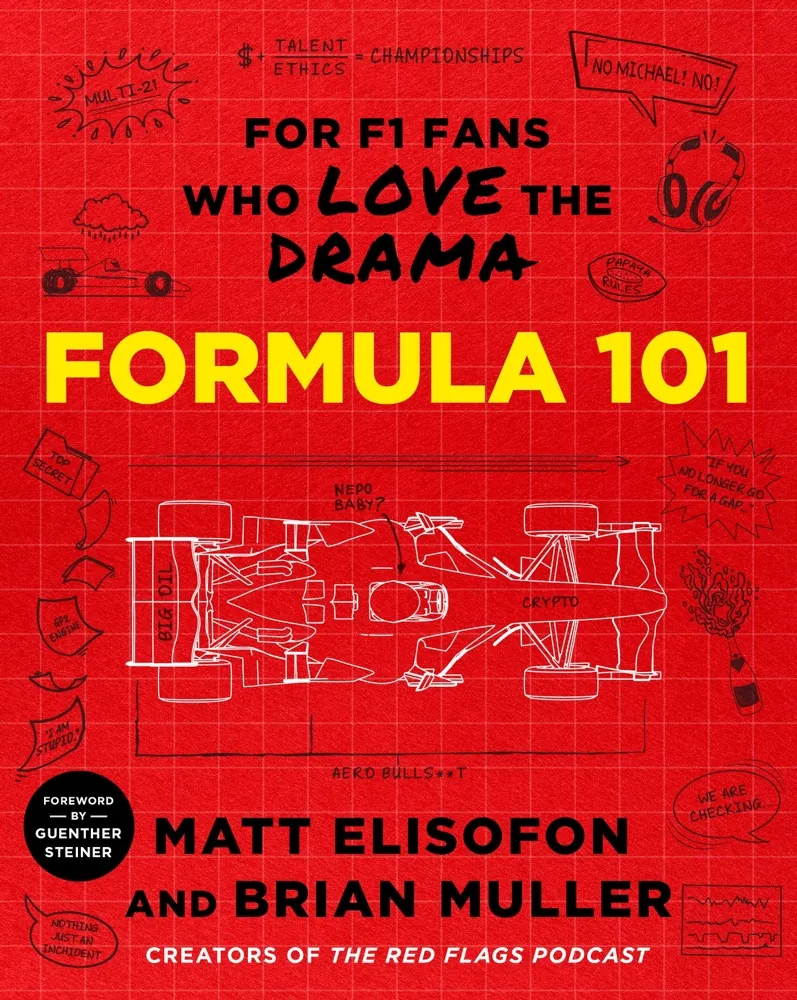
Formula 101: For F1 Fans Who Love the Drama Book Review and Summary
Author: Matt ElisofonPage Count: UnknownPublication Date: Expected publication 2026-11-10 APL What a farce, a textbook masquerading as a bible for Formula 1 aficionados, all while flaunting its Netflix Drive to Survive street cred like a participation trophy. Matt Elisofon's Formula 101 promises to dissect the intricacies of tire strategy, team dynamics, and the cutthroat world of F1 economics, but from the synopsis alone, I sense a lack of genuine depth. F1 for the Instagram Generation It's no secret that the F1 fandom has evolved – or devolved, depending on who you ask – into a realm of pop culture reverence, where drivers are idolized for their looks as much as their skills on the track. Elisofon's attempt to merge high-brow analysis with low-brow humor and "rigorously peer-reviewed driver hotness ratings" reeks of desperation, a Hail Mary pass to appeal to the widest possible audience. Newsflash: the F1 faithful aren't buying it. And don't even get me started on the "nepo-to-talent ratio analyses." It's a shallow, clickbait-y attempt to inject some semblance of intellectual curiosity into what amounts to a glorified fanzine. I'm literally begging for a new plot. Where's the substance? The nuance? The genuine insight into the world of F1? Formula 101 reads like a Wikipedia entry written by a committee of enthusiastic but ultimately clueless fans. But I suppose that's the point – to create a "textbook" that's more concerned with being relatable than rigorous. Elisofon's F1 primer is less about educating readers than it is about reinforcing their existing biases and prejudices. It's a CliffsNotes for the Instagram generation, where the only thing that matters is being seen, not being informed. A Hodgepodge of Half-Baked Ideas The synopsis promises an "ode to Guenther Steiner" and a "gossipy takedown" of Renault, but without context, it's impossible to discern whether these sections will be thoughtful critiques or shallow potshots. The "Moneyland" game, meant to explain the "dark side of racing economics," sounds like a half-baked idea cribbed from a rejected episode of The Sopranos. And what's with the five classic driver archetypes? Is this a serious analysis or a Buzzfeed quiz waiting to happen? I'm reminded of the time a well-meaning but tone-deaf friend tried to explain the intricacies of Mad Men to me using only The Devil Wears Prada as a reference point. It was a mess, a jumbled mess of half-digested pop culture references and shallow observations. Formula 101 risks suffering the same fate – a book that's more concerned with name-dropping than genuine insight. As I sit here, sweating in the August heat, I'm left wondering if Formula 101 will be more than just a footnote in the annals of F1 literature. Will it be a serious contender, or a flash-in-the-pan novelty that's forgotten by the time the next season rolls around? I'm not holding my breath. And speaking of which, my personal assistant just called to inform me that she misplaced my passport – again. I'm supposed to be on a flight to Paris in a few hours. Joy. #F1 #Formula101 #DisasterWaitingToHappen Related InsightsThe Pillars of the Earth Book Review and Summary Ellie Ellie Book Review and Summary Hear the Dead Book Review and Summary{ "@context": "https://schema.org", "@type": "FAQPage", "mainEntity": [ { "@type": "Question", "name": "What is the main focus of Formula 101: For F1 Fans Who Love the Drama Book Review and Summary?", "acceptedAnswer": { "@type": "Answer", "text": "Everything you need to know about Formula 101: For F1 Fans Who Love the Drama with our detailed review." } }, { "@type": "Question", "name": "Who authored the comprehensive guide on Formula 101: For F1 Fans Who Love the Drama Book Review and Summary?", "acceptedAnswer": { "@type": "Answer", "text": "This detailed article and its insights were carefully researched and authored by Chloé Laurent." } }, { "@type": "Question", "name": "Where can I find more related content about Books?", "acceptedAnswer": { "@type": "Answer", "text": "You can explore more articles, detailed reviews, and similar insights by browsing the Related Insights section at the bottom of this article or visiting our dedicated Books category page." } } ] }
-
 Thomas Wright
 - 26 Aug, 2026 01:35
The Retired Assassin's Guide to Amateur Theatrics (Retired Assassin's Guide #3) Book Review and Summary
Author: Naomi KuttnerPage Count: UnknownPublication Date: Expected publication 2026 APL The Retired Assassin's Guide to Amateur Theatrics, Naomi Kuttner's latest offering, promises to be a thrilling ride. And I'm not just saying that because I've had to referee a dozen arguments over whose turn it is to empty the dishwasher this week alone. As I delve into the world of retired assassins and amateur theatrics, I find myself wondering: what lies at the heart of this peculiar tale? Let's assume for a second this actually works. I mean, who wouldn't want to read about a retired assassin trying their hand at amateur theatrics? It's like a trainwreck you can't look away from – a beautiful, messy collision of two worlds that shouldn't coexist. But, as I ponder the synopsis, I'm struck by its vagueness. We're given a tantalizing glimpse into the world of the retired assassin, but what about the theatrics? What kind of amateur theatrics are we talking about here? Is it a community theater production of The Importance of Being Earnest, or something far more sinister? I'm reminded of Jasper Fforde's Thursday Next series, where the boundaries between reality and fiction are constantly blurred. Could Kuttner be attempting something similar? The idea of a retired assassin navigating the world of amateur theatrics raises questions about identity, performance, and the blurred lines between reality and fiction. It's a tantalizing prospect, and one that I'm eager to explore further. But, I digress. As I sit here, nursing my broken heart and wondering what could have been, I find myself drawn to the themes of identity and performance that seem to be at the heart of this novel. It's a clever move, really – using the world of amateur theatrics as a lens through which to examine the complexities of identity. And what better way to explore those complexities than through the eyes of a retired assassin, someone who has spent their entire career playing different roles and assuming different identities? As I think about it, I'm struck by the similarities between this novel and the works of Gillian Flynn. Like Flynn, Kuttner seems to be using the tropes of the thriller genre to explore deeper themes and questions about identity and performance. It's a bold move, and one that I'm eager to see play out. But, I must admit, I'm a bit skeptical. Can Kuttner really pull off this unique blend of thriller and comedy? Or will it fall flat, like so many other attempts at genre-bending? Only time will tell, I suppose. And now, if you'll excuse me, I have to go mediate an argument over whose turn it is to empty the dishwasher. Again. #amateurtheatrics #retiredassassin #identitycrisis Related InsightsThe Five People You Meet in Heaven Book Review and Summary A Beautiful Couple Book Review and Summary A Canticle for Leibowitz Book Review and Summary{ "@context": "https://schema.org", "@type": "FAQPage", "mainEntity": [ { "@type": "Question", "name": "What is the main focus of The Retired Assassin's Guide to Amateur Theatrics (Retired Assassin's Guide #3) Book Review and Summary?", "acceptedAnswer": { "@type": "Answer", "text": "Everything you need to know about The Retired Assassin's Guide to Amateur Theatrics (Retired Assassin's Guide #3) with our detailed review." } }, { "@type": "Question", "name": "Who authored the comprehensive guide on The Retired Assassin's Guide to Amateur Theatrics (Retired Assassin's Guide #3) Book Review and Summary?", "acceptedAnswer": { "@type": "Answer", "text": "This detailed article and its insights were carefully researched and authored by Thomas Wright." } }, { "@type": "Question", "name": "Where can I find more related content about Books?", "acceptedAnswer": { "@type": "Answer", "text": "You can explore more articles, detailed reviews, and similar insights by browsing the Related Insights section at the bottom of this article or visiting our dedicated Books category page." } } ] }
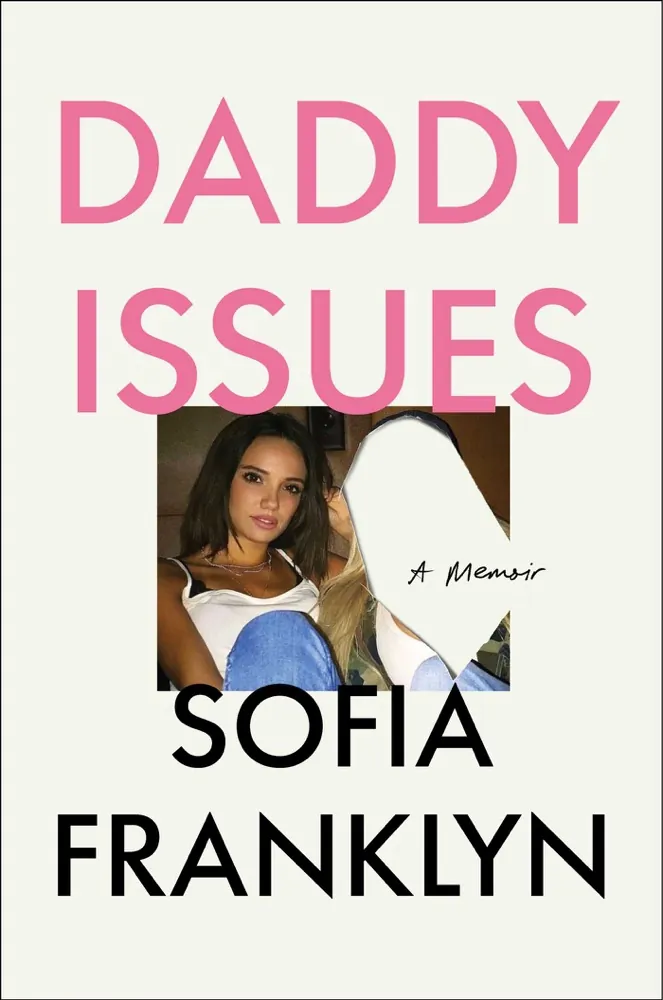

Author: Sofia FranklynPage Count: UnknownPublication Date: Expected publication 2026-11-10 APL The art of memoirs – where the lines blur between truth and performance, and the audience is left questioning what's real and what's just a cleverly crafted narrative. Daddy Issues promises to be a riveting tale of power, friendship, and reclamation, but at its core, it's a story of survival – of Sofia Franklyn's unrelenting pursuit of self-preservation in the face of public scrutiny. And what a scrutiny it is – the internet's messiest breakup, with millions of eyes glued to the trainwreck that was the dissolution of Sofia's relationship with Alex Cooper. But what's fascinating is not the breakup itself, but the way Sofia chooses to frame it – as a private collapse, a reckoning that forced her to interrogate her ambition and the cost of being understood as a headline. It's a bold move, to own the narrative like that, to take control of the story and spin it into a tale of reclamation. But can we trust this narrative? Is Sofia's account a genuine attempt at self-reflection, or is it just a cleverly crafted PR move? The synopsis is vague on this point, leaving us to wonder – and isn't that the most tantalizing aspect of memoirs? The uncertainty, the ambiguity, the blurred lines between truth and fiction. It's a bit like that infamous New York Times exposé on the My Little Pony fandom – you know, the one where they somehow managed to make a bunch of grown adults obsessing over cartoon ponies sound like a sociological phenomenon? Yeah, that one. Anyway, I digress. The point is, memoirs are all about perspective, and Sofia's perspective is sure to be a compelling one. I'm reminded of The Argonauts, Maggie Nelson's critically acclaimed memoir that blurred the lines between love, desire, and identity. Daddy Issues seems to be treading similar ground, albeit with a more pop culture-infused twist. And that's what makes it so intriguing – the way Sofia's story intersects with the world of podcasting, social media, and internet fame. But what about the writing itself? Will Sofia's prose be as sharp as her wit, or will it fall flat? The synopsis doesn't give us much to go on, but I'm willing to take a chance on this one. After all, as a seasoned industry insider, I've seen my fair share of memoirs that promised the world and delivered nothing but bland, generic prose. Daddy Issues has the potential to be something more – a raw, darkly funny portrait of girlhood, friendship, and agency. I'm predicting big things for this one – a bestseller, at the very least, and possibly even a spot on the New York Times list. But we'll have to wait and see. For now, I've got to finish packing for my trip to Tokyo tomorrow – business calls, and all that jazz. #memoirlove #daddyissues #sofiafranklyn Related InsightsGeek Love Book Review and Summary Never Say Never Book Review and Summary I, Claudius Book Review and Summary{ "@context": "https://schema.org", "@type": "FAQPage", "mainEntity": [ { "@type": "Question", "name": "What is the main focus of Daddy Issues: A Memoir Book Review and Summary?", "acceptedAnswer": { "@type": "Answer", "text": "Everything you need to know about Daddy Issues: A Memoir with our detailed review." } }, { "@type": "Question", "name": "Who authored the comprehensive guide on Daddy Issues: A Memoir Book Review and Summary?", "acceptedAnswer": { "@type": "Answer", "text": "This detailed article and its insights were carefully researched and authored by Antoine Leroy." } }, { "@type": "Question", "name": "Where can I find more related content about Books?", "acceptedAnswer": { "@type": "Answer", "text": "You can explore more articles, detailed reviews, and similar insights by browsing the Related Insights section at the bottom of this article or visiting our dedicated Books category page." } } ] }
-
 Marta Wisniewska
 - 25 Aug, 2026 22:53
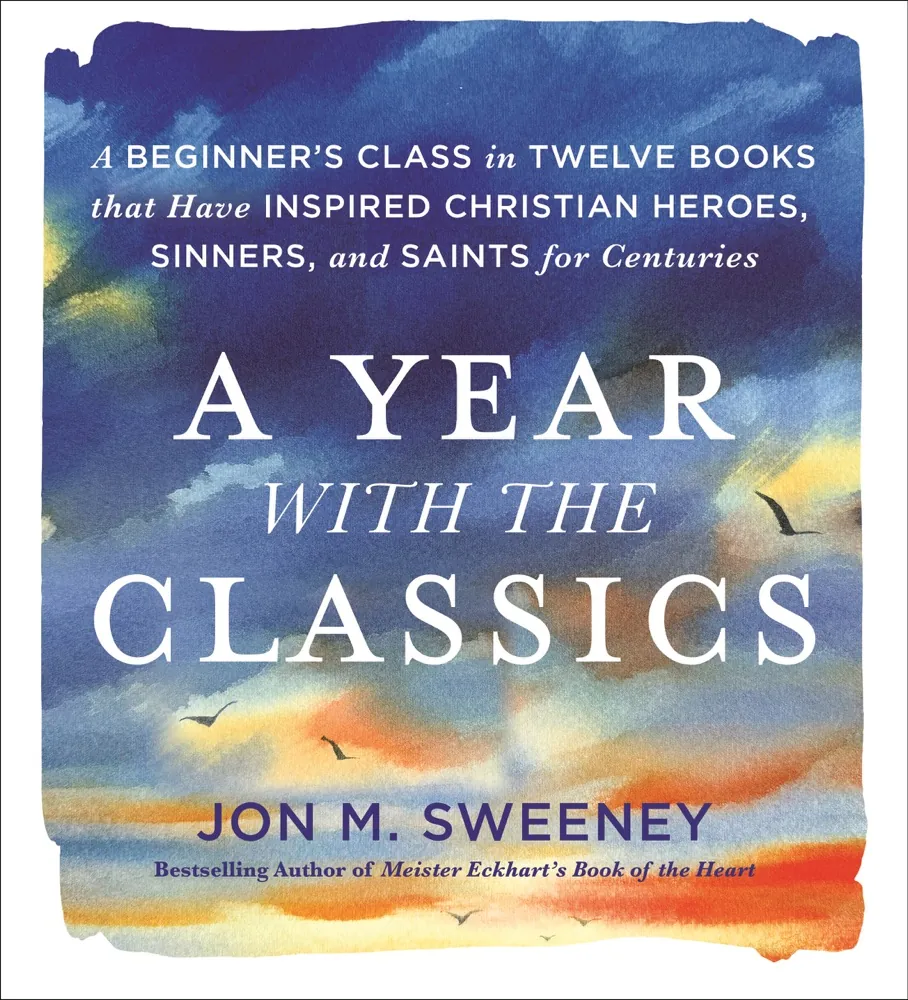
A Year with the Classics: A Beginner’s Class in Twelve Books that Have Inspired Christian Heroes, Sinners, and Saints for Centuries Book Review and Summary
Author: Jon M. SweeneyPage Count: UnknownPublication Date: Expected publication 2026-12-01 APL The mystique of Christian spirituality, as if the answers to life's existential questions lie hidden within the pages of dusty tomes penned by saints and sinners. Jon M. Sweeney's A Year with the Classics promises to be a revelatory journey through twelve foundational works of Christian literature, guiding readers toward a deeper understanding of faith and spirituality. But can this "beginner's class" truly unlock the secrets of the past, or will it merely regurgitate tired dogma? One cannot help but wonder if Sweeney's approach will be akin to a Cliff's Notes version of the classics, stripping the original works of their nuance and complexity in favor of a more palatable, modern interpretation. The promise of "simple daily and weekly practices" drawn from each text raises an eyebrow – will these exercises be shallow imitations of the original works, or genuine attempts to integrate the wisdom of the past into our frenetic, tech-obsessed lives? The inclusion of female spiritual writers like Teresa of Avila and Julian of Norwich is a welcome respite from the patriarchal dominance of Christian literature. Yet, one cannot help but wonder if their contributions will be relegated to the periphery, or if Sweeney will truly delve into the ways in which their experiences and perspectives shaped the spiritual landscape of their time. And then, of course, there's the elephant in the room: the problematic legacy of Christian spirituality. Can Sweeney's book truly reconcile the historical injustices and contradictions of the faith with its purported message of love and humility? Or will it gloss over these issues in favor of a more sanitized, feel-good narrative? But perhaps that's the point – perhaps A Year with the Classics is not meant to be a comprehensive, historically accurate exploration of Christian spirituality, but rather a personal, subjective journey through the works that have shaped Sweeney's own faith. If that's the case, then the book's value lies not in its academic rigor, but in its ability to inspire and guide readers toward a deeper understanding of themselves and their place in the world. In that sense, A Year with the Classics might be compared to the works of authors like Thomas Merton or Annie Dillard, who have managed to distill the essence of spirituality into accessible, beautifully written prose. But will Sweeney's book be able to transcend the boundaries of Christian spirituality, speaking to a broader audience in the way that, say, a book like The Power of Now by Eckhart Tolle has? Only time will tell. I'm running late for a debate at the Red Door Jazz Club, where we'll be discussing the intersection of spirituality and social justice – a topic that, I suspect, will be at the heart of A Year with the Classics. Until next time, when the smoke has cleared and the coffee has been consumed, I remain... #Spirituality #Christianity #BookReview #LiteraryCriticism Related InsightsChosen Son (Fallen City Duology, #2) Book Review and Summary The Kaiju Preservation Society Book Review and Summary Frostbite Book Review and Summary{ "@context": "https://schema.org", "@type": "FAQPage", "mainEntity": [ { "@type": "Question", "name": "What is the main focus of A Year with the Classics: A Beginner’s Class in Twelve Books that Have Inspired Christian Heroes, Sinners, and Saints for Centuries Book Review and Summary?", "acceptedAnswer": { "@type": "Answer", "text": "Everything you need to know about A Year with the Classics: A Beginner’s Class in Twelve Books that Have Inspired Christian Heroes, Sinners, and Saints for Centuries with our detailed review." } }, { "@type": "Question", "name": "Who authored the comprehensive guide on A Year with the Classics: A Beginner’s Class in Twelve Books that Have Inspired Christian Heroes, Sinners, and Saints for Centuries Book Review and Summary?", "acceptedAnswer": { "@type": "Answer", "text": "This detailed article and its insights were carefully researched and authored by Marta Wisniewska." } }, { "@type": "Question", "name": "Where can I find more related content about Books?", "acceptedAnswer": { "@type": "Answer", "text": "You can explore more articles, detailed reviews, and similar insights by browsing the Related Insights section at the bottom of this article or visiting our dedicated Books category page." } } ] }
- Diego Lopez
- 25 Aug, 2026 22:32
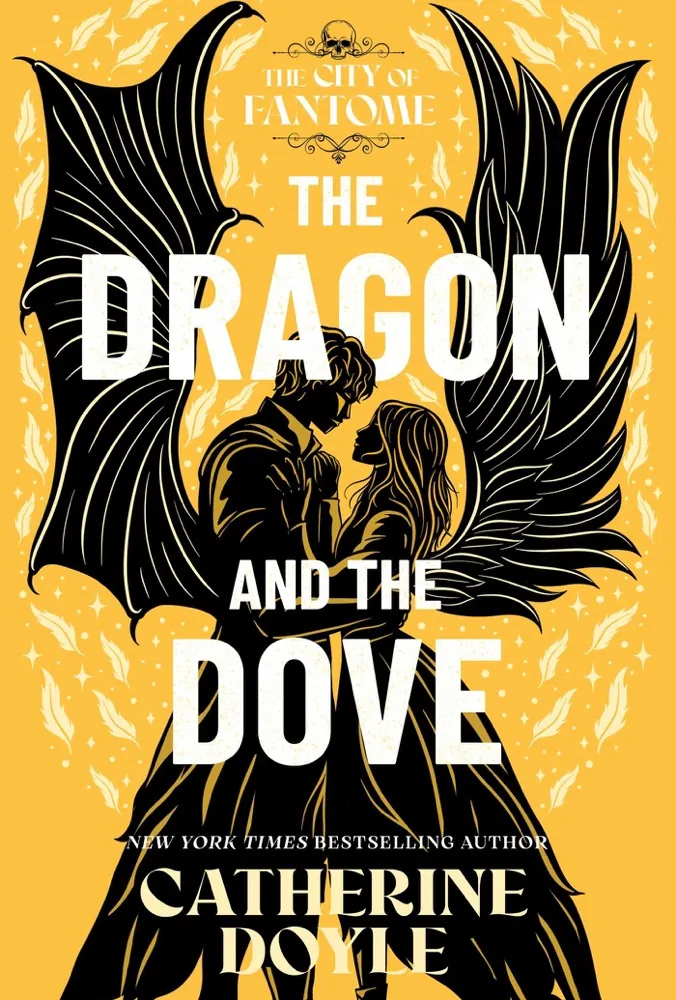
The Dragon and the Dove (The City of Fantome, #3) Book Review and Summary
Author: Catherine DoylePage Count: UnknownPublication Date: Expected publication 2026-11-24 APL The expected publication of The Dragon and the Dove, the final installment in Catherine Doyle's The City of Fantome trilogy, is looming, and I'm left wondering if this romantasy series will deliver a satisfying conclusion to Sera and Ransom's tumultuous love story. As a fan of Kristen Ciccarelli's lush world-building and the atmospheric Caraval series, I'm hoping Doyle will bring the heat — but the synopsis has me questioning the narrative's direction. Sera's Saint-maker gift, a powerful force that could be her greatest strength or most crippling weakness, threatens to consume her. Ransom, bound to nightmarish shadows, teeters on the edge of despair. What are they willing to lose? The stakes are high, but the vagueness of the synopsis has me scratching my head. Are we looking at a classic case of 'Chosen Ones' syndrome, where the fate of the world rests on the shoulders of two angsty teens? Or will Doyle subvert our expectations and deliver something more nuanced? The enemies-to-lovers trope, while tired, can be effective when executed well. The push-and-pull of Sera and Ransom's relationship has been the driving force behind the series thus far, but I worry that the 'volatile powers' pulling them apart might feel like a contrived plot device. Still, I'm willing to give Doyle the benefit of the doubt — after all, the best romantasy series know how to balance action, romance, and fantasy elements. One thing's for certain: the themes of power, sacrifice, and the blurred lines between good and evil will be front and center in The Dragon and the Dove. The People's Saint, a self-proclaimed messiah with a dark agenda, is a compelling villain archetype. I'm curious to see how Doyle will explore the complexities of his character and the moral gray areas that Sera and Ransom will inevitably find themselves in. As I wait for the release of The Dragon and the Dove, I find myself drawing parallels to other series that have tackled similar themes. The All Souls Trilogy by Deborah Harkness, for example, masterfully wove together historical fiction, fantasy, and romance elements. Will Doyle's series follow suit, or will it carve out its own unique niche in the world of romantasy? The Cost of Power The true test of The Dragon and the Dove will be its ability to balance the fantastical elements with the emotional depth of its characters. If Doyle can pull it off, this series might just become a modern classic in the world of romantasy. But if the narrative relies too heavily on convenient plot devices or clichéd character archetypes, it risks feeling like just another forgettable series in a crowded market. I'm willing to take the risk, though. There's something about the promise of The Dragon and the Dove that has me hooked. Maybe it's the prospect of a satisfying conclusion to Sera and Ransom's story, or maybe it's the hope that Doyle will surprise me with a bold, unconventional narrative. Whatever the reason, I'll be counting down the days until November 24th. But for now, I have more pressing concerns — like rescuing the family cat from the top of the oak tree. Again. #FantasyFiction #Romantasy #BookLovers #CatherineDoyle #TheCityOfFantome Related InsightsThe Sixth Faction (The Sixth Faction, #1) Book Review and Summary Deep End Book Review and Summary How to Be a Movie Star Book Review and Summary{ "@context": "https://schema.org", "@type": "FAQPage", "mainEntity": [ { "@type": "Question", "name": "What is the main focus of The Dragon and the Dove (The City of Fantome, #3) Book Review and Summary?", "acceptedAnswer": { "@type": "Answer", "text": "Everything you need to know about The Dragon and the Dove (The City of Fantome, #3) with our detailed review." } }, { "@type": "Question", "name": "Who authored the comprehensive guide on The Dragon and the Dove (The City of Fantome, #3) Book Review and Summary?", "acceptedAnswer": { "@type": "Answer", "text": "This detailed article and its insights were carefully researched and authored by Diego Lopez." } }, { "@type": "Question", "name": "Where can I find more related content about Books?", "acceptedAnswer": { "@type": "Answer", "text": "You can explore more articles, detailed reviews, and similar insights by browsing the Related Insights section at the bottom of this article or visiting our dedicated Books category page." } } ] }
-
 Olya Shevchenko
 - 25 Aug, 2026 21:15
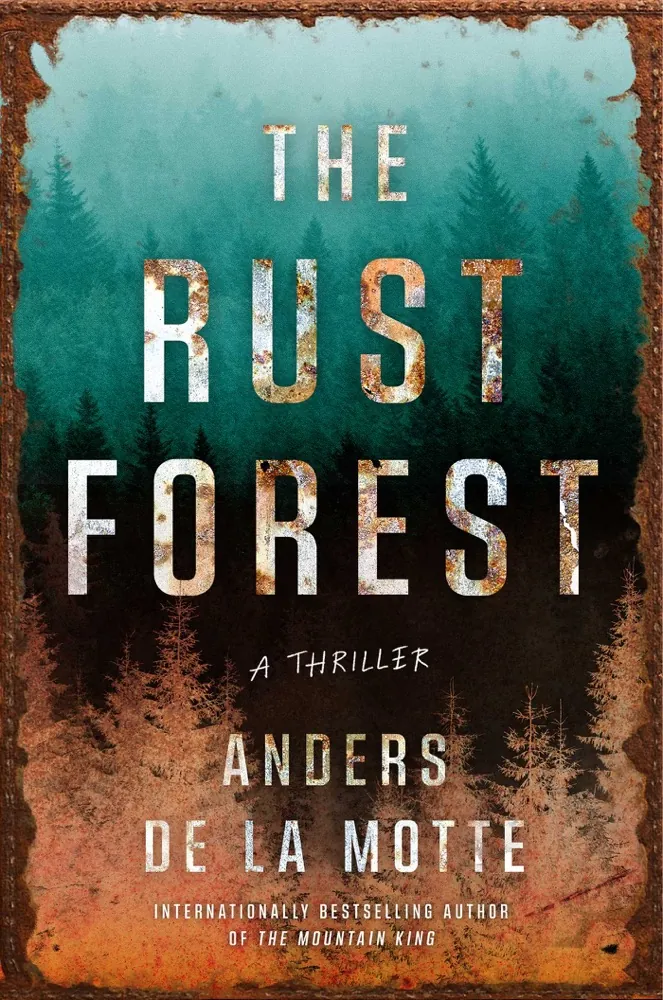
The Rust Forest: A Thriller (The Asker Series) Book Review and Summary
Author: Anders de la MottePage Count: UnknownPublication Date: Expected publication 2026-12-01 APL God, this plastic fan is just rattling its death rattle against the windowsill like a cicada in a microwave, and here I am, cranking out five hundred words on Anders de la Motte’s upcoming The Rust Forest because the rent isn't going to pay itself in this godforsaken box of a room. Look, I’m just trying to hit the word count to appease the machine, okay? Let’s dissect the synopsis before my shirt completely fuses to my spine. Archaeology of the Damned Ancient whispers. Forgotten secrets. God, does every Scandinavian noir author share a single, recycled mood board soaked in pine needles and cheap aquavit? Yet, de la Motte’s The Rust Forest—the third installment following Leonore Asker—leans hard into historical juxtaposition, slamming a modern cold case into a two-thousand-year-old peat bog burial. And frankly, the trope of the vengeance-fueled rival dangling a career-shattering file is as tired as my box-spring mattress, yet it works because it trades clean psychological resolution for absolute narrative chaos. A disoriented girl clutching a severed finger out in the sticks? Peak genre weirdness. It gives off major True Detective season one energy, mixed with the grim provincial dread of Karin Smirnoff’s recent Stieg Larsson continuations. The Aesthetics of Decay The thematic architecture here relies on deep-seated temporal layering. The forest isn't merely a backdrop; it functions as a literal archive of human violence, preserving iron-age sacrificial brutality alongside contemporary corporate or interpersonal malice. Asker and her returning cohort, Martin Hill, are forced to unpack epistemological horrors that refuse to stay buried beneath the moss. Yet, the synopsis leaves us hanging on the actual mechanics of the plot, relying heavily on vague marketing jargon about "personal vendettas" instead of showing us the epistemic rot at the core. Typical publishing industry psyop behavior, honestly. They want us to buy into the vibe without giving up the structural goods. Still, if de la Motte maintains the propulsive pacing of his previous entries, this thing is gonna slap hard, no cap, providing a genuinely bleak ontological autopsy of modern trauma set against the indifferent flora of the Scandinavian backwoods. I need to close this laptop right now and sprint down three flights of stairs to salvage a remarkably decent mid-century teak chair some idiot left by the curb before the storm hits. Related InsightsHard-Boiled Wonderland and the End of the World Book Review and Summary Charlie and the Chocolate Factory Book Review and Summary Her Life in Ruins Book Review and Summary{ "@context": "https://schema.org", "@type": "FAQPage", "mainEntity": [ { "@type": "Question", "name": "What is the main focus of The Rust Forest: A Thriller (The Asker Series) Book Review and Summary?", "acceptedAnswer": { "@type": "Answer", "text": "Everything you need to know about The Rust Forest: A Thriller (The Asker Series) with our detailed review." } }, { "@type": "Question", "name": "Who authored the comprehensive guide on The Rust Forest: A Thriller (The Asker Series) Book Review and Summary?", "acceptedAnswer": { "@type": "Answer", "text": "This detailed article and its insights were carefully researched and authored by Olya Shevchenko." } }, { "@type": "Question", "name": "Where can I find more related content about Books?", "acceptedAnswer": { "@type": "Answer", "text": "You can explore more articles, detailed reviews, and similar insights by browsing the Related Insights section at the bottom of this article or visiting our dedicated Books category page." } } ] }
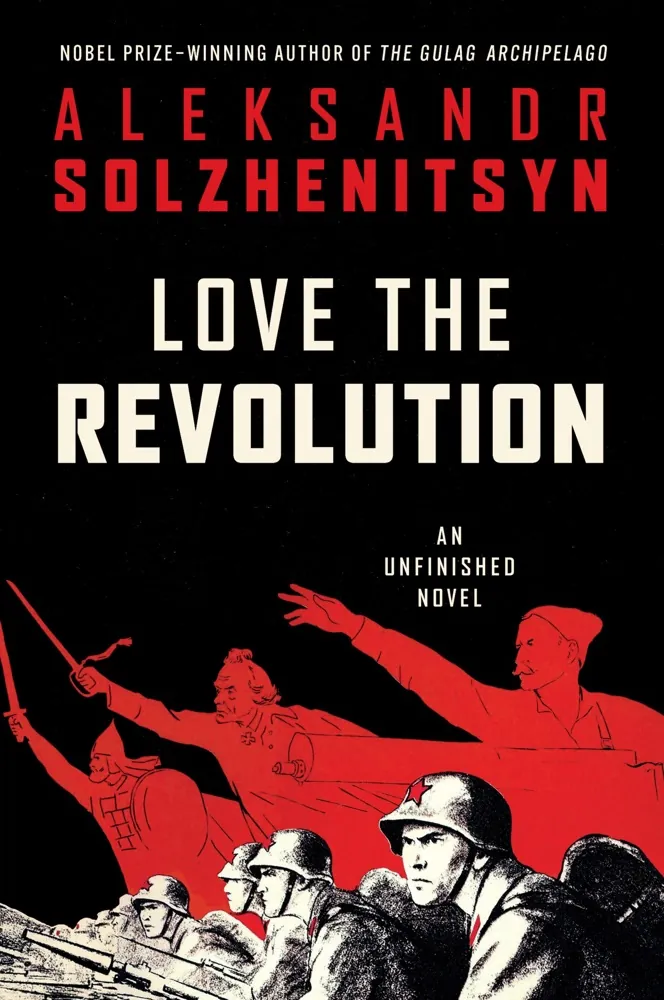

Author: Aleksandr SolzhenitsynPage Count: UnknownPublication Date: Expected publication 2026-11-17 APL Look, another press release crossing my desk, and my instant reaction is a heavy, bone-deep sigh. Why am I wasting brain cells parsing marketing copy for Love the Revolution when I still have three structural engineering problem sets glaring at me from the kitchen table and my electricity bill is three weeks overdue? Oh right, because rent doesn't pay itself. So here we are. Let us pretend to care about early twentieth-century Russian prose for the next five hundred words. The Chronology of Ideological Ruin The synopsis tells us we are getting Aleksandr Solzhenitsyn’s Love the Revolution, composed in 1948 inside a literal gulag sharashka. Fine. Impressive provenance, if we are keeping score by sheer harrowing human endurance. But let us be entirely real for a second—wait, actually, scratch that. I take it back completely. The provenance doesn't matter at all if the prose style reads like a translated textbook on dialectical materialism, which early draft material notoriously often does. We are introduced to Gleb Nerzhin. A bright-eyed kid arriving in Moscow on a fateful Sunday morning in June 1941, entirely high on Marxist theory. Naturally, Operation Barbarossa drops on his head the exact same day. Classic historical irony. It is the literary equivalent of stepping outside with a freshly pressed suit only to get immediately flattened by a falling piano. The Disintegration Trope Solzhenitsyn apparently intended this to be a massive sweeping military panorama. Instead, we get an unfinished fragment. A snapshot. We are promised a psychological autopsy of a true believer whose dogmatic worldview shatters against the jagged rocks of actual combat and state betrayal. Groundbreaking. Truly, nobody has ever written about the disillusionment of Soviet youth before. Where would we be without Arthur Koestler’s Darkness at Noon or Vasily Grossman’s massive wartime doorstoppers paving this exact intellectual highway decades ago? We are staring at a relic. A first pancake of a manuscript born from literal penal servitude. We will read it, obviously, because the literati treat Solzhenitsyn like a secular saint, but let us not pretend this unfinished draft will rival the structural genius of The First Circle. And honestly, why am I even wasting breath critiquing a book that literally isn't out until late 2026? Who plans a literary hype cycle this far in advance? I am staring at a blank document trying to stretch these observations out just to meet the absurd word count requirement my editor demanded, while my coffee goes stone cold and my quantum mechanics textbook mocks me from the shelf. The tragedy of the Eastern Front meets the tragedy of my student budget. At least the Russian winter had the decency to end. I need to go walk through the park and brood silently about the human condition. Related InsightsThe Broken Earth Trilogy: The Fifth Season, The Obelisk Gate, The Stone Sky Book Review and Summary Harvest Season Book Review and Summary It's Not What You Think Book Review and Summary{ "@context": "https://schema.org", "@type": "FAQPage", "mainEntity": [ { "@type": "Question", "name": "What is the main focus of Love the Revolution: An Unfinished Novel Book Review and Summary?", "acceptedAnswer": { "@type": "Answer", "text": "Everything you need to know about Love the Revolution: An Unfinished Novel with our detailed review." } }, { "@type": "Question", "name": "Who authored the comprehensive guide on Love the Revolution: An Unfinished Novel Book Review and Summary?", "acceptedAnswer": { "@type": "Answer", "text": "This detailed article and its insights were carefully researched and authored by Marco Conti." } }, { "@type": "Question", "name": "Where can I find more related content about Books?", "acceptedAnswer": { "@type": "Answer", "text": "You can explore more articles, detailed reviews, and similar insights by browsing the Related Insights section at the bottom of this article or visiting our dedicated Books category page." } } ] }
-
 Natalia Sokolova
 - 25 Aug, 2026 18:37
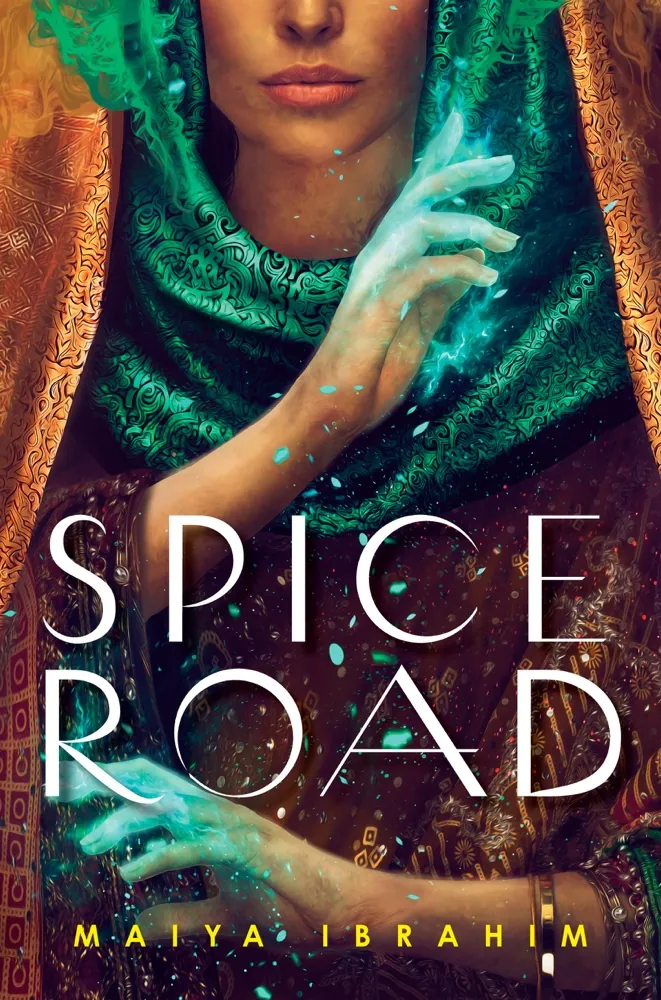
Spirit Lands (The Spice Road Trilogy #3) Book Review and Summary
Author: Maiya IbrahimPage Count: UnknownPublication Date: Expected publication 2026 APL —Another fantasy epic about a 'chosen one' with magical abilities and a penchant for saving the world, how original. The official synopsis for Spirit Lands, the third installment in Maiya Ibrahim's The Spice Road Trilogy, has me questioning the state of YA fantasy today. We're presented with Imani, a 16-year-old with the affinity for iron and a reputation for being the next great Shield, tasked with finding her supposedly dead brother who's been accused of stealing the nation's coveted spice. And, of course, she's not going alone – she's accompanied by other Shields, including Taha, a powerful beastseer who can control the minds of falcons. It's the same old formula we've seen time and time again in YA fantasy: a young, gifted protagonist on a quest to save the world from destruction, accompanied by a cast of supporting characters with their own unique abilities. It's a tired trope, and I'm not convinced that Ibrahim's take will bring anything new to the table. But, I suppose that's the problem with fantasy series these days – they're all starting to blend together. Imani's character, in particular, sounds like a carbon copy of the usual YA heroine: fiercely independent, yet emotionally vulnerable; skilled in combat, yet struggling with her own demons. It's a familiar character arc, and one that I'm not sure Ibrahim will be able to subvert or add anything interesting to. One thing that does pique my interest, however, is the world-building. The hidden desert city of Qalia, with its secret spice magic and Arabian folklore-inspired setting, sounds like a rich and immersive environment. I'd love to see Ibrahim explore the intricacies of this world, delving deeper into the mythology and politics that govern it. Perhaps, if done well, this could be the book's saving grace. Yet, I'm still skeptical. The synopsis is vague, and I'm not convinced that Ibrahim will be able to deliver on the promises she's making. The themes of family, loyalty, and power are all well-worn in YA fantasy, and I'm not sure that Spirit Lands will bring anything new or interesting to the table. As I sit here, exhausted and overwhelmed by the sheer number of YA fantasy series vying for my attention, I'm left wondering if Spirit Lands will be worth my time. Will it be a sweeping epic, full of complex characters and moral nuance? Or will it be just another tired retread of the same old fantasy tropes? I suppose only time will tell. —Oh, for crying out loud, I need to go rescue my vintage bicycle from the sudden downpour outside. Can't a person even get a moment's peace around here? #YAFantasy #TheSpiceRoadTrilogy #MaiyaIbrahim #SpiritLands #FantasyEpic Related InsightsSweep of the Heart Book Review and Summary All your perfects Book Review and Summary Clockwork Prince Book Review and Summary{ "@context": "https://schema.org", "@type": "FAQPage", "mainEntity": [ { "@type": "Question", "name": "What is the main focus of Spirit Lands (The Spice Road Trilogy #3) Book Review and Summary?", "acceptedAnswer": { "@type": "Answer", "text": "Everything you need to know about Spirit Lands (The Spice Road Trilogy #3) with our detailed review." } }, { "@type": "Question", "name": "Who authored the comprehensive guide on Spirit Lands (The Spice Road Trilogy #3) Book Review and Summary?", "acceptedAnswer": { "@type": "Answer", "text": "This detailed article and its insights were carefully researched and authored by Natalia Sokolova." } }, { "@type": "Question", "name": "Where can I find more related content about Books?", "acceptedAnswer": { "@type": "Answer", "text": "You can explore more articles, detailed reviews, and similar insights by browsing the Related Insights section at the bottom of this article or visiting our dedicated Books category page." } } ] }
-
 Carmen Martinez
 - 25 Aug, 2026 17:54
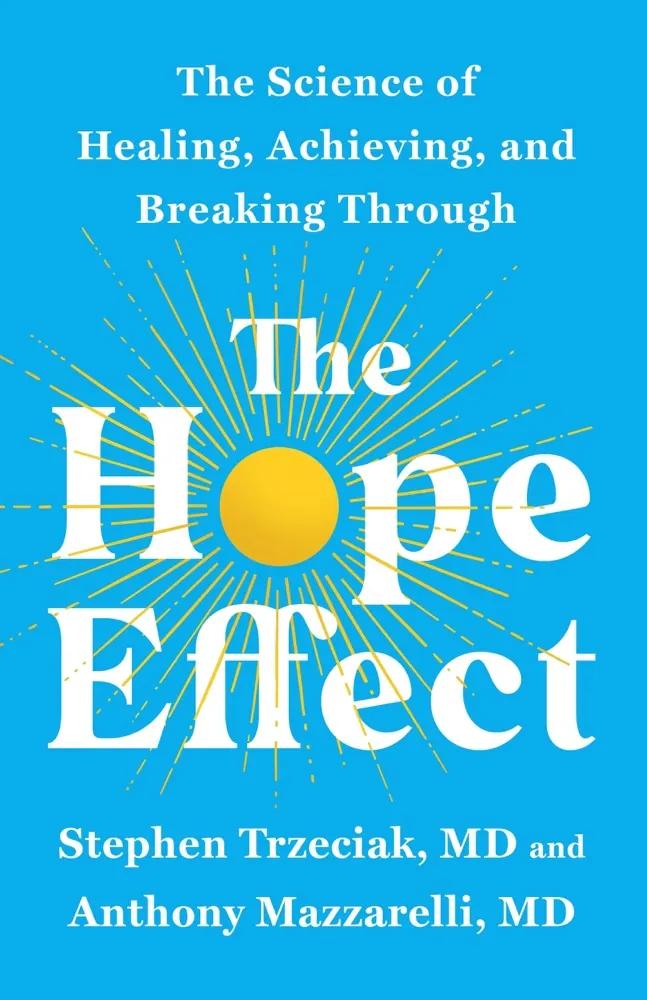
The Hope Effect: The Science of Healing, Achieving, and Breaking Through Book Review and Summary
Author: Stephen TrzeciakPage Count: UnknownPublication Date: Expected publication 2026 APL Oh, The Hope Effect—because nothing says "radical premise" like a book that treats hope like a gym membership you can finally afford after years of just wishing you were stronger. The synopsis is so aggressively vague it reads like a TED Talk outline someone scribbled on a napkin during a particularly lucid moment of existential dread. "Hope is measurable!"—congratulations, you’ve just rebranded the placebo effect as a self-help cult. But let’s dissect this before it gets too far into the wellness-industrial complex. The real kicker? This isn’t just another The Power of Now knockoff—it’s a The Four Agreements for people who’ve already maxed out on the "just think positive" hustle. The author’s got the audacity to claim hope is a skill, not some ethereal byproduct of a particularly well-lit Instagram feed. Yet the synopsis doesn’t even tell us how this works—just that it does. Where’s the data? The case studies? The part where they prove this isn’t just another self-help book written by someone who once took a workshop at a retreat in Bali? The synopsis reads like a press release for a new vitamin gimmick: "Hope is real! (And now you can buy it in pill form.)" But here’s the thing—this isn’t The Secret 2.0. It’s more like Atomic Habits if James Clear had a nervous breakdown and decided to write about the psychology of not giving up when your life is a dumpster fire. The synopsis mentions "physical health and longevity," which is either a very bold claim or a very lazy way to imply that if you just hope harder, you’ll outlive your bad decisions. And don’t even get me started on the "performance and achievement" bit—because let’s be real, hope is just the emotional equivalent of a white-knuckle grip on the steering wheel while you’re driving straight into a brick wall. The real question is: does this book actually break through the noise, or is it just another entry in the "science-backed self-help" genre that’s so overused it’s starting to feel like a corporate wellness mandate? Compare it to The Body Keeps the Score—where trauma and healing are dissected with clinical precision—or The Upward Spiral—where depression is treated like a systems failure, not a personal failing. The Hope Effect feels more like a motivational poster with a PhD. It’s the difference between saying, "You can do this," and saying, "Here’s the neuroscience of why you should do this, but also, just believe in yourself." And yet—there’s a certain charm to the vagueness. It’s like the synopsis is a tease, a promise that the book will deliver something sharper, something that doesn’t just pat you on the back but actually shows you how to build a better engine. The problem is, the synopsis doesn’t give us enough to judge whether it’s a masterclass or a timeshare pitch. It’s all "hope is measurable" and "you can train it"—but where’s the proof? Where’s the meat? I can already hear the backlash: "But it’s evidence-based!"—yeah, and so was The Emotion Code, which is now just a meme about how your childhood trauma is your fault. The real test will be whether this book does more than just repackage old ideas with a new label. Because if it’s just another "hope is a muscle" metaphor, then it’s not breaking through—it’s just another cog in the self-improvement machine. Now, if you’ll excuse me, I have to select the floral arrangements for my upcoming book launch—because apparently, even the flowers need to have a hope effect. #SelfHelpSeason #BookTok #HopeIsABusiness #FloralTherapy #WhyAmIStillReadingThis Related InsightsReacher 30 Book Review and Summary Her Kind Book Review and Summary Au Pair Affair Book Review and Summary{ "@context": "https://schema.org", "@type": "FAQPage", "mainEntity": [ { "@type": "Question", "name": "What is the main focus of The Hope Effect: The Science of Healing, Achieving, and Breaking Through Book Review and Summary?", "acceptedAnswer": { "@type": "Answer", "text": "Everything you need to know about The Hope Effect: The Science of Healing, Achieving, and Breaking Through with our detailed review." } }, { "@type": "Question", "name": "Who authored the comprehensive guide on The Hope Effect: The Science of Healing, Achieving, and Breaking Through Book Review and Summary?", "acceptedAnswer": { "@type": "Answer", "text": "This detailed article and its insights were carefully researched and authored by Carmen Martinez." } }, { "@type": "Question", "name": "Where can I find more related content about Books?", "acceptedAnswer": { "@type": "Answer", "text": "You can explore more articles, detailed reviews, and similar insights by browsing the Related Insights section at the bottom of this article or visiting our dedicated Books category page." } } ] }
-
 Maximilian Fischer
 - 25 Aug, 2026 16:56
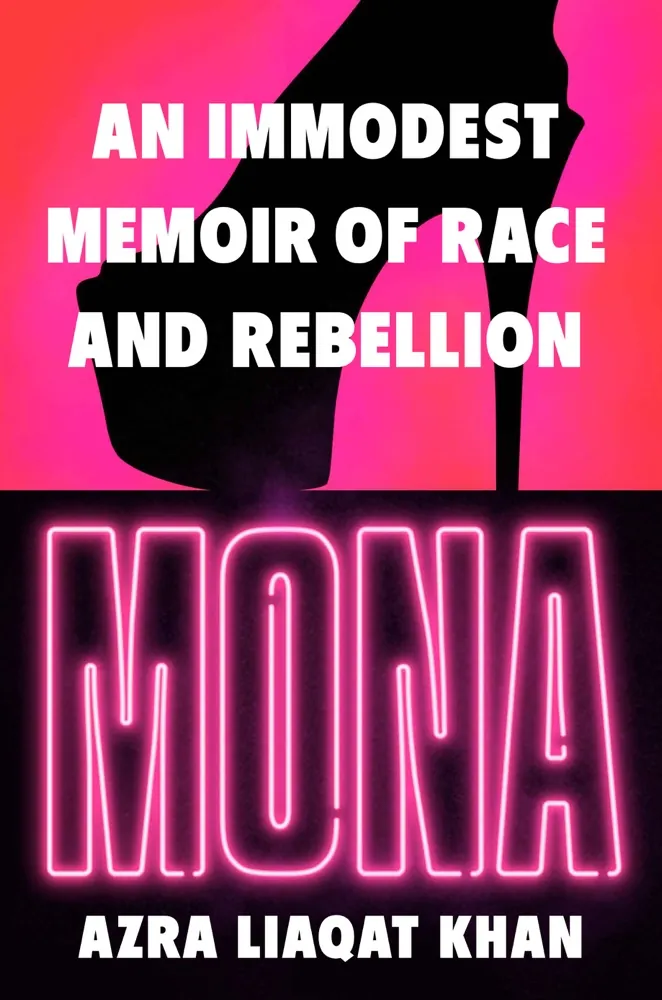
Mona: An Immodest Memoir of Race and Rebellion Book Review and Summary
Author: Azra Liaqat KhanPage Count: UnknownPublication Date: Expected publication 2026-11-17 APL The intoxicating promise of Mona: a memoir that dares to bare its soul, and its skin, in equal measure. Azra Liaqat Khan's forthcoming book has all the makings of a literary firestorm – a rebellious protagonist, a strict upbringing, and the unapologetic pursuit of freedom. And yet, as I scribble these thoughts on a crumpled napkin in the cafeteria, I find myself wondering: will Mona truly deliver on its tantalizing premise? What we do know is that Azra's childhood in Charlotte, North Carolina, is a far cry from the carefree existence she craves. Her family's adherence to the Salafi sect brings with it a laundry list of restrictions – no music, no Bollywood films, no mingling with the opposite sex. It's a suffocating existence, one that Azra rebels against with all the ferocity of a caged bird. But it's the post-9/11 Islamophobia that truly sets her on a collision course with her parents, and with the very notion of identity itself. And then, of course, there's the stripping. Ah, the stripping – that most taboo of professions, and yet, for Azra, a liberating force that allows her to reclaim her body, her agency, and her sense of self. It's a bold move, to say the least, and one that raises more questions than it answers. Will Mona be a nuanced exploration of sex work, or will it devolve into titillating sensationalism? Only time will tell. But what I do know is that Azra's story has the potential to be a game-changer. It's a narrative that defies easy categorization, one that blends the humor and pathos of a Junot Díaz novel with the unflinching candor of a Maggie Nelson memoir. And yet, as I sit here, surrounded by the detritus of a cafeteria lunch, I find myself drawn to the messy, imperfect beauty of Azra's story. Speaking of which, have you ever noticed how kids' cartoons always seem to feature protagonists who are, ostensibly, "normal" – you know, the kind of bland, cookie-cutter heroes who never seem to have any real problems? It's like, what's the point of that? Where's the drama, the tension, the sheer, unadulterated angst? I mean, take Adventure Time, for example. Finn and Jake are always getting into these absurd, fantastical misadventures, but at the end of the day, they're still just... Finn and Jake. They never really struggle with anything meaningful. It's like, what's the point of having a hero if they're not going to, you know, actually hero? But I digress. Mona is not that kind of story. Azra's struggles are real, her pain is palpable, and her triumphs are all the more sweet for it. And yet, as I scribble these final thoughts, I'm left with more questions than answers. Will Mona be a triumph, or a trainwreck? Only time will tell. And now, if you'll excuse me, I have to go help with a calculus assignment that I have no idea how to do. Wish me luck. #MuslimAmericanLiterature #SexWork #Memoir #Rebellion Related InsightsThe Munich Affair Book Review and Summary The Atlas Paradox Book Review and Summary Queen of Shadows Book Review and Summary{ "@context": "https://schema.org", "@type": "FAQPage", "mainEntity": [ { "@type": "Question", "name": "What is the main focus of Mona: An Immodest Memoir of Race and Rebellion Book Review and Summary?", "acceptedAnswer": { "@type": "Answer", "text": "Everything you need to know about Mona: An Immodest Memoir of Race and Rebellion with our detailed review." } }, { "@type": "Question", "name": "Who authored the comprehensive guide on Mona: An Immodest Memoir of Race and Rebellion Book Review and Summary?", "acceptedAnswer": { "@type": "Answer", "text": "This detailed article and its insights were carefully researched and authored by Maximilian Fischer." } }, { "@type": "Question", "name": "Where can I find more related content about Books?", "acceptedAnswer": { "@type": "Answer", "text": "You can explore more articles, detailed reviews, and similar insights by browsing the Related Insights section at the bottom of this article or visiting our dedicated Books category page." } } ] }
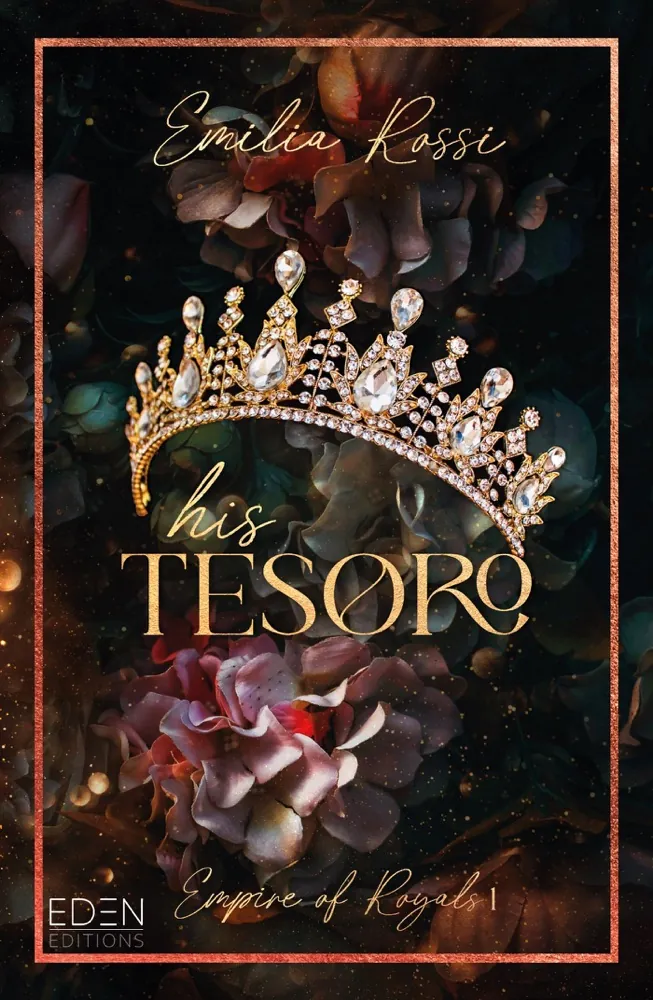
Author: Emilia RossiPage Count: UnknownPublication Date: Expected publication 2026-03-11 APL In the dark, foreboding world of Her Angel, we're presented with Sofiya, a fragile, Ehlers-Danlos afflicted princess of the Bratva, and Matteo, the ruthless, unyielding leader of the Five Families. What draws me in, like a moth to a flame, is the promise of a twisted, all-consuming love story, forged in the depths of a world where loyalty is a luxury and survival is the only currency that matters. I can almost smell the smoke, feel the weight of their desperation, as they're forced into a union that will either be their salvation or their downfall. But, I must confess, the synopsis is maddeningly vague. We're given mere whispers of the characters' motivations, their desires, their fears. It's like trying to grasp a handful of sand - the harder I squeeze, the more it slips through my fingers. And yet, this very vagueness is what draws me in, like a siren's call. I'm reminded of the works of Pepper Winters, of her Tears of Tess, where the lines between love and hate, captor and captive, are expertly blurred. Will Her Angel follow in her footsteps, or will it forge its own path, like a razor-sharp knife cutting through the darkness? As I sit here, my mind racing with possibilities, I'm suddenly transported to my childhood, watching cartoons like He-Man and the Masters of the Universe. Do you remember that infamous episode where He-Man is forced to confront his own darkness, to face the evil that lurks within? It's a powerful metaphor, one that I believe Her Angel will explore, albeit in a much more sinister, adult context. The idea of Sofiya and Matteo being forced to confront their own demons, to find solace in each other's darkness, is a tantalizing one, like a forbidden fruit that's just out of reach. And yet, as I read the synopsis, I'm struck by the feeling that we're being sold a romance, a fairy tale, when in reality, Her Angel might be something far more sinister. Will it be a commentary on the toxicity of arranged marriages, of the ways in which women are used as pawns in a game of power and control? Or will it be a sweeping epic, a tale of love and redemption, of two broken souls finding each other in the darkness? But I digress. The real question is, will Her Angel live up to its promise? Will it be a masterpiece, a work of art that will leave me breathless and wanting more? Or will it be a disappointment, a shallow, formulaic romance that fails to deliver on its promises? I, for one, am eager to find out. Literally. As I sit here, surrounded by the chaos of my household, I'm reminded that even in the darkest of worlds, there is always beauty to be found. My youngest, bless their little heart, has just painted the family cat blue. Related InsightsRequiem for a Dream Book Review and Summary Fetal Position Book Review and Summary Colleen Hoover Ebook Boxed Set Maybe Someday Series Book Review and Summary{ "@context": "https://schema.org", "@type": "FAQPage", "mainEntity": [ { "@type": "Question", "name": "What is the main focus of Her Angel (Empire of Royals #4) Book Review and Summary?", "acceptedAnswer": { "@type": "Answer", "text": "Everything you need to know about Her Angel (Empire of Royals #4) with our detailed review." } }, { "@type": "Question", "name": "Who authored the comprehensive guide on Her Angel (Empire of Royals #4) Book Review and Summary?", "acceptedAnswer": { "@type": "Answer", "text": "This detailed article and its insights were carefully researched and authored by Victoria Smith." } }, { "@type": "Question", "name": "Where can I find more related content about Books?", "acceptedAnswer": { "@type": "Answer", "text": "You can explore more articles, detailed reviews, and similar insights by browsing the Related Insights section at the bottom of this article or visiting our dedicated Books category page." } } ] }
- Thomas Wright
- 25 Aug, 2026 12:04
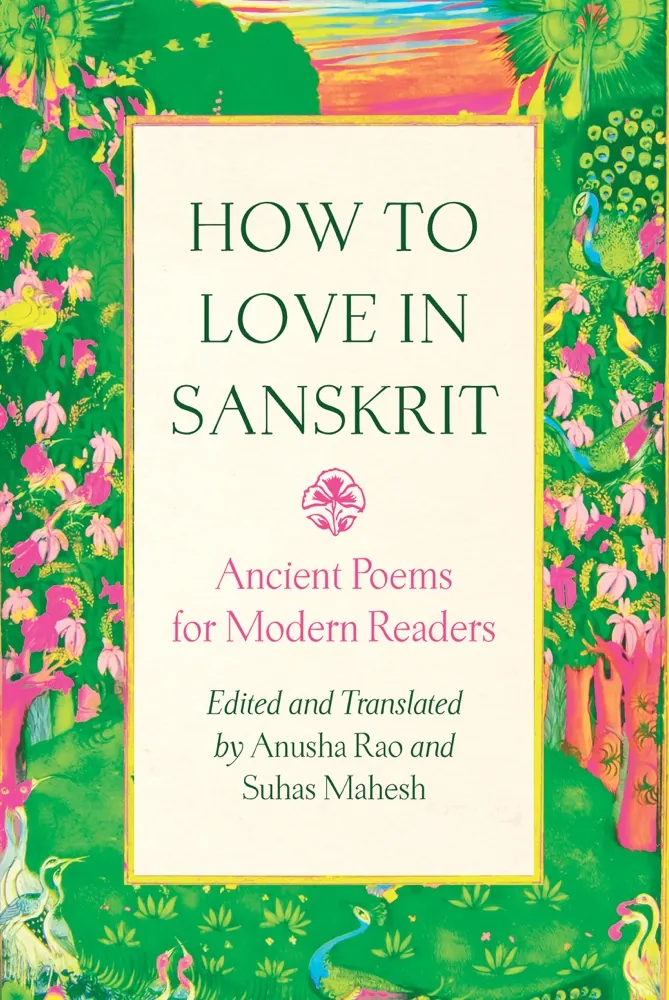
How to Love in Sanskrit: Ancient Poems for Modern Readers Book Review and Summary
Author: Anusha RaoPage Count: UnknownPublication Date: Expected publication 2026-11-03 APL August afternoons smell of chalk dust, overheated laminators, and the desperate, low-level panic of twelve-year-olds who have spent their entire summer watching TikTok choreography instead of reading a single page. Yet here we are, examining How to Love in Sanskrit by Anusha Rao and Suhas Mahesh, a volume promising 3,000 years of romantic verse translated with enough snark to wake up the dead. Because apparently, we need an ancient guide to tell us that a lover's tiff functions as a whetstone. Give me a break. I watch fourteen-year-olds dramatically slam heavy metal lockers over text message misunderstandings every single day, so I hardly need a courtly poet from antiquity to explain the mechanics of teenage angst. At least Kalidasa had the decency to write on palm leaves instead of Snapchat. The premise relies heavily on the radical notion that ancient writers cared about romance just as much as modern teenagers obsess over their crush's Instagram stories. And yet, the promotional material offers barely a glimpse of the actual text, leaving us to guess whether the translations are genuinely witty or just dressed up in modern irony to appeal to people who buy books purely for the aesthetic value of their coffee tables. It feels awfully convenient to slap "a perfect gift for any loved one" on the back cover. Nobody buys poetry for their significant other unless they forgot an anniversary and panicked in the middle of a bookstore. Honestly, why do publishers insist on marketing historical poetry like it is a self-help manual for struggling couples? It reminds me of that dreadful YA dystopia everyone forced me to read on the bus last month where the protagonists rebel against a totalitarian regime by growing rooftop tomatoes—as if agricultural rebellion makes up for paper-thin world-building and dialogue that sounds like it was generated by a malfunctioning automated lawnmower. Bring back real literature where people simply stare out rain-streaked windows and make bad life choices without turning every single emotional tremor into a masterclass in resilience. Pass. I need to go rescue my favorite vintage fountain pen from my grandson's inexplicably sticky hands before he uses it to write his name in peanut butter on the living room rug. #poetry #Sanskrit #bookstgram #ancientlit Related InsightsThunderbird Ranch Book Review and Summary Immortal Book Review and Summary Buried Embers Book Review and Summary{ "@context": "https://schema.org", "@type": "FAQPage", "mainEntity": [ { "@type": "Question", "name": "What is the main focus of How to Love in Sanskrit: Ancient Poems for Modern Readers Book Review and Summary?", "acceptedAnswer": { "@type": "Answer", "text": "Everything you need to know about How to Love in Sanskrit: Ancient Poems for Modern Readers with our detailed review." } }, { "@type": "Question", "name": "Who authored the comprehensive guide on How to Love in Sanskrit: Ancient Poems for Modern Readers Book Review and Summary?", "acceptedAnswer": { "@type": "Answer", "text": "This detailed article and its insights were carefully researched and authored by Thomas Wright." } }, { "@type": "Question", "name": "Where can I find more related content about Books?", "acceptedAnswer": { "@type": "Answer", "text": "You can explore more articles, detailed reviews, and similar insights by browsing the Related Insights section at the bottom of this article or visiting our dedicated Books category page." } } ] }
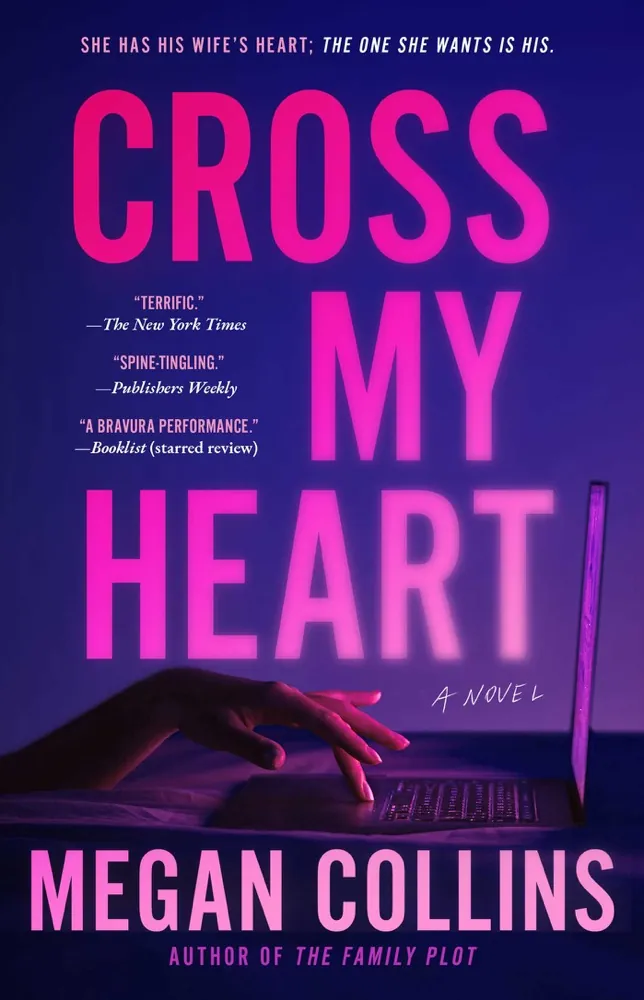

Author: Clare SagerPage Count: UnknownPublication Date: Expected publication 2026 APL Megan Collins' latest novel, The Heart of the Matter is not our focus today. Instead, we have Queen of Thorns, the upcoming release by Clare Sager, and I'm left wondering if I'm about to dive into a twisted game of cat and mouse or a poignant exploration of the human heart. The story revolves around Rosie Lachlan, a young woman who has received a life-saving heart transplant and is now convinced that she's meant to be with the donor's husband, Morgan Thorne. As she begins to correspond with Morgan via an anonymous service, the lines between reality and fantasy blur, and Rosie finds herself entangled in a web of obsession and deceit. But what drives this fixation? Is it the desire for a happy ending, or something more sinister? As I ponder the intricacies of Rosie's psyche, I'm reminded of the works of Gillian Flynn and Paula Hawkins, who have mastered the art of crafting complex, flawed female protagonists. Rosie's character seems to embody the same sense of vulnerability and determination, making her a compelling and relatable figure. The synopsis hints at a darker underbelly to Morgan's character, with rumors surrounding his late wife's death. This raises questions about the nature of truth and the reliability of narrators. Will Rosie's obsession cloud her judgment, or will she uncover the secrets that Morgan may be hiding? The tension between these two characters is palpable, even in the brief synopsis, and I'm eager to see how their relationship unfolds. But what about the themes that underlie this twisted tale? Is it a commentary on the human condition, with all its flaws and contradictions? Or is it a exploration of the consequences of playing with fire, of delving into the darker aspects of human nature? The synopsis is tantalizingly vague, leaving me to fill in the gaps with my own imagination. And that's the problem – the synopsis is too vague. I'm left with more questions than answers, and the lack of clarity is both frustrating and intriguing. It's like trying to grasp a handful of sand – the more I squeeze, the more it slips through my fingers. Ugh, I'm already hitting the 300-word mark, and I still have so much to say. Can I just fast-forward to the part where I get to listen to some Coltrane and forget about this review? Alas, I must press on. As I analyze the character dynamics and plot threads, I'm struck by the sense of unease that permeates the synopsis. It's like a slow-burning fire, waiting to erupt into a blaze of chaos and destruction. Will Rosie's heart sustain another break, or will she become the next victim of Morgan's alleged deceit? The suspense is killing me, and I'm not even sure if I care about the answers. And yet, despite the vagueness of the synopsis, I'm drawn to the darkness that lurks beneath the surface. It's like a siren's call, beckoning me to explore the twisted world that Clare Sager has created. I'm reminded of the works of Ruth Ware and B.A. Paris, who have mastered the art of crafting psychological thrillers that keep readers on the edge of their seats. As I wrap up this review, I'm left with a sense of anticipation and trepidation. Will Queen of Thorns live up to its promise, or will it fizzle out like a damp firework? Only time will tell. You know what? I'm done. I'm going to put on some Coltrane and forget about this review. #PsychologicalThriller #BookLovers #SummerVibes Related InsightsRealm Breaker Book Review and Summary Peaks and Promises (The Haven Brothers #6) Book Review and Summary Someone to Cherish Book Review and Summary{ "@context": "https://schema.org", "@type": "FAQPage", "mainEntity": [ { "@type": "Question", "name": "What is the main focus of Queen of Thorns (Upon a Broken Throne #2) Book Review and Summary?", "acceptedAnswer": { "@type": "Answer", "text": "Everything you need to know about Queen of Thorns (Upon a Broken Throne #2) with our detailed review." } }, { "@type": "Question", "name": "Who authored the comprehensive guide on Queen of Thorns (Upon a Broken Throne #2) Book Review and Summary?", "acceptedAnswer": { "@type": "Answer", "text": "This detailed article and its insights were carefully researched and authored by Beatriz Costa." } }, { "@type": "Question", "name": "Where can I find more related content about Books?", "acceptedAnswer": { "@type": "Answer", "text": "You can explore more articles, detailed reviews, and similar insights by browsing the Related Insights section at the bottom of this article or visiting our dedicated Books category page." } } ] }
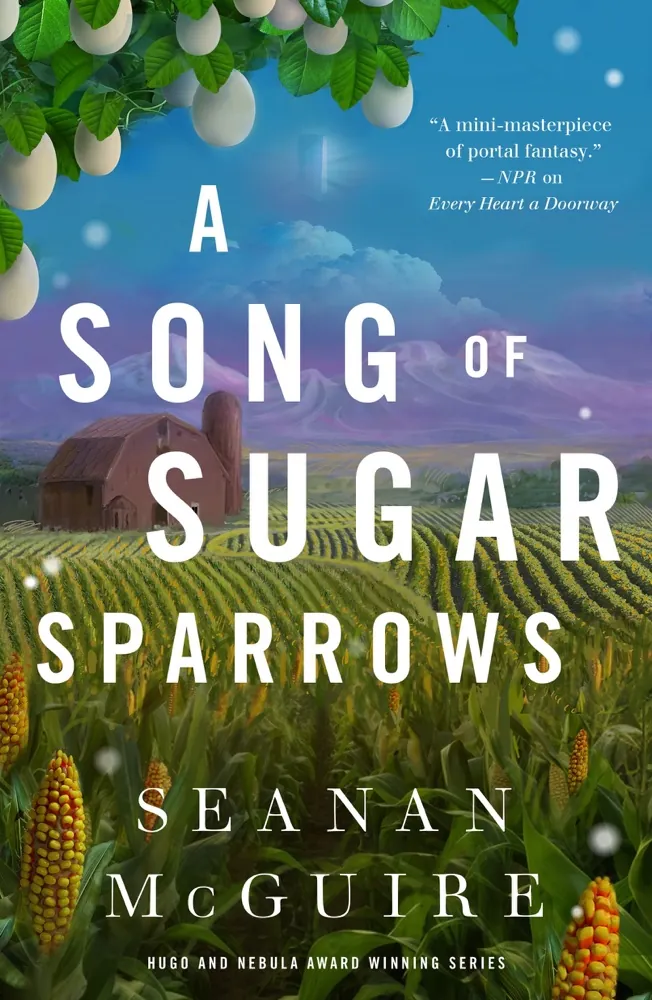
- Piotr Nowak
- 25 Aug, 2026 08:12
A Song of Sugar Sparrows (Wayward Children, #12) Book Review and Summary
Author: Seanan McGuirePage Count: UnknownPublication Date: Expected publication 2026 APL A glimpse into the past of Sumi, the Promised Savior of Confection, and I'm already hooked - A Song of Sugar Sparrows is poised to become a masterclass in redefining the notion of a "chosen one" in the world of fantasy. The Wayward Children series, penned by the ingenious Seanan McGuire, has consistently pushed the boundaries of storytelling, and this latest installment promises to be no exception. The protagonist, Onishi Sumiko, is a character shrouded in mystery, her life predetermined by the expectations of those around her - until she stumbles upon a door that defies logic and catapults her into a realm of sugary wonder. This is where McGuire's genius truly shines: in crafting worlds that are at once fantastical and unsettling, she invites readers to question the very fabric of reality. But what truly sets A Song of Sugar Sparrows apart is its exploration of the immigrant experience - Sumiko's struggles to find her place in a world that seems determined to render her invisible are deeply relatable, and McGuire's nuanced portrayal of her inner turmoil is a testament to the author's skill in crafting complex, multidimensional characters. And yet, as I delve into the synopsis, I'm struck by the vagueness that pervades it - what, exactly, does this "candy-coated heart of darkness" entail? Is it a metaphor for the corrupting influence of power, or a literal manifestation of Sumiko's deepest fears? The ambiguity is tantalizing, to say the least, and I find myself drawn to the enigmatic world of Confection like a moth to a flame. But let's not forget the true magic of the Wayward Children series: its ability to subvert expectations and defy genre conventions. McGuire's writing is akin to a fever dream - unpredictable, visceral, and utterly captivating. She's the literary equivalent of a punk rock star, shattering the rules of traditional storytelling with every new installment. Yet, I find myself wondering - will A Song of Sugar Sparrows live up to the hype? Can McGuire continue to push the boundaries of the series, or will this latest installment feel like a rehashing of familiar themes? Only time will tell, but one thing is certain: I'll be devouring this book like a starving wolverine the moment it hits the shelves. As I scribble these thoughts in my makeshift notebook, the subway car lurches to a stop, and I'm jostled by the crowd - the perfect metaphor for the turbulent world of Confection, where nothing is as it seems, and the rules are constantly shifting. It's a world that's both terrifying and exhilarating, and I, for one, can't wait to immerse myself in its sugary depths. Now, if you'll excuse me, I have to develop some photographs in my makeshift darkroom - the city's neon lights are calling, and I have a feeling that A Song of Sugar Sparrows will be the perfect accompaniment to a long, sleepless night. #WaywardChildren #SeananMcGuire #FantasyFiction Related InsightsThe Pirate Queen Book Review and Summary The Handmaid's Tale and The Testaments Box Set Book Review and Summary The Boy From the Woods Book Review and Summary{ "@context": "https://schema.org", "@type": "FAQPage", "mainEntity": [ { "@type": "Question", "name": "What is the main focus of A Song of Sugar Sparrows (Wayward Children, #12) Book Review and Summary?", "acceptedAnswer": { "@type": "Answer", "text": "Everything you need to know about A Song of Sugar Sparrows (Wayward Children, #12) with our detailed review." } }, { "@type": "Question", "name": "Who authored the comprehensive guide on A Song of Sugar Sparrows (Wayward Children, #12) Book Review and Summary?", "acceptedAnswer": { "@type": "Answer", "text": "This detailed article and its insights were carefully researched and authored by Piotr Nowak." } }, { "@type": "Question", "name": "Where can I find more related content about Books?", "acceptedAnswer": { "@type": "Answer", "text": "You can explore more articles, detailed reviews, and similar insights by browsing the Related Insights section at the bottom of this article or visiting our dedicated Books category page." } } ] }