Showing Posts From
Books
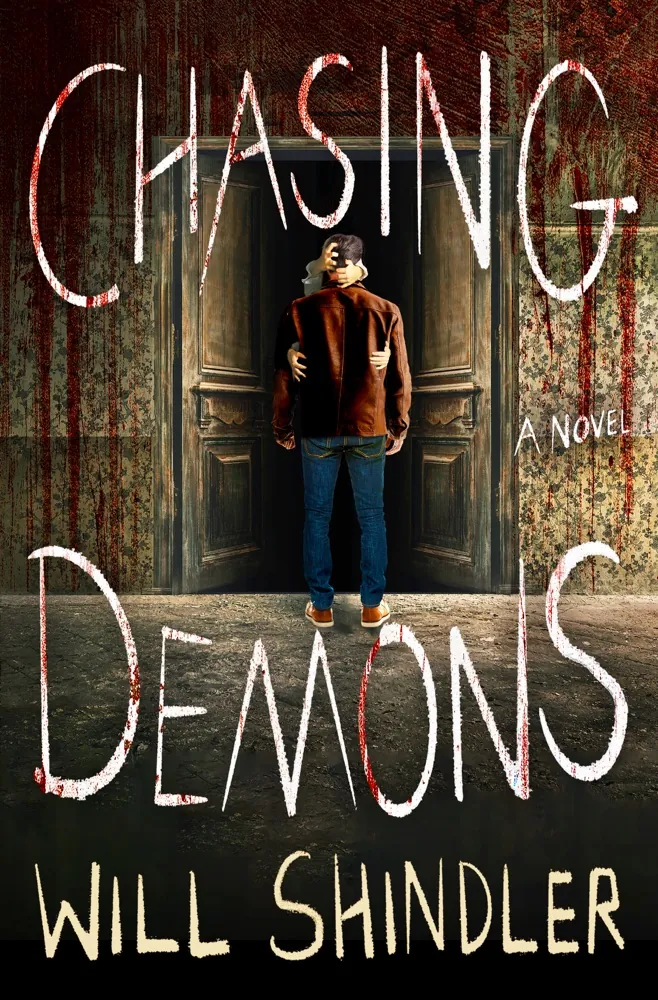

Author: Will ShindlerPage Count: UnknownPublication Date: Expected publication 2026 APL The ghosts of trauma, how they haunt us still. Chasing Demons promises to be a thrilling exploration of the dark forces that shape our lives, but will it deliver more than just a tired retread of familiar horror-thriller tropes? The premise, while intriguing, feels all too familiar – a man with a traumatic past, a series of gruesome murders, and a dash of the supernatural. If I had a nickel for every time I've read this premise, I'd be able to buy a decent cup of coffee by now. The setup, at least, shows some promise. Joel Sampson, our protagonist, has a compelling backstory – a massacre at a Young Persons' Mental Health Institute, a life rebuilt as a schoolteacher and devoted father. The return to his hometown of Tayborough, however, feels like a contrived attempt to stir up old demons (no pun intended). And what's with the convenient murder of his former therapist? It's a plot device that screams "inciting incident," but will it be enough to propel the story forward? One of the most interesting aspects of the synopsis is the blurring of lines between reality and the supernatural. As Joel delves deeper into the mystery, he becomes convinced that something otherworldly is at play. It's a bold move, but will the author be able to pull it off without resorting to cheap tricks and convenient plot twists? The comparison to authors like Joe Hill or Paul Tremblay comes to mind – both masters of the horror-thriller genre, but will Chasing Demons be able to stand alongside their works? But what really gets my goat is the vagueness of the synopsis. What exactly are these "dark forces" that have shadowed Joel's life? Is it a literal entity, or just a metaphor for his own trauma? And what's the significance of the 23-year gap between the original massacre and the present-day murders? The lack of clarity is frustrating, to say the least. It's like trying to grasp a fistful of smoke – the harder you squeeze, the more it slips through your fingers. As I read through the synopsis, I couldn't help but think of the infamous "Black Dahlia" murders – a gruesome and highly publicized crime that remains unsolved to this day. The parallels between the two are striking, but will the author be able to capture the same sense of dread and unease that permeates the real-life case? In the end, it all comes down to execution. Can the author deliver a story that's both terrifying and thought-provoking? Or will it devolve into a mess of clichés and predictable plot twists? I'm not holding my breath, but I am curious to see how it all plays out. Now, if you'll excuse me, I need to go yell at my gardener about the hydrangeas. They're looking a bit wilted, and I won't stand for it. #HorrorThriller #TraumaAndRecovery #SupernaturalMystery Related InsightsA Fine Balance Book Review and Summary Wicked Endeavors Book Review and Summary Alanna: The First Adventure Book Review and Summary{ "@context": "https://schema.org", "@type": "FAQPage", "mainEntity": [ { "@type": "Question", "name": "What is the main focus of Chasing Demons: A Novel Book Review and Summary?", "acceptedAnswer": { "@type": "Answer", "text": "Everything you need to know about Chasing Demons: A Novel with our detailed review." } }, { "@type": "Question", "name": "Who authored the comprehensive guide on Chasing Demons: A Novel Book Review and Summary?", "acceptedAnswer": { "@type": "Answer", "text": "This detailed article and its insights were carefully researched and authored by Chloé Laurent." } }, { "@type": "Question", "name": "Where can I find more related content about Books?", "acceptedAnswer": { "@type": "Answer", "text": "You can explore more articles, detailed reviews, and similar insights by browsing the Related Insights section at the bottom of this article or visiting our dedicated Books category page." } } ] }
Author: Fiona DavisPage Count: UnknownPublication Date: Expected publication 2026-10-13 APL The radiator down the hall has been clanking out a rhythmic, mocking metal song for three hours, and my tea went cold ages ago. I stare at the water stains mapping imaginary continents across the ceiling while contemplating Fiona Davis stepping into the sacred archives of childhood nostalgia. Samantha: The Next Chapter arrives later this year, dragging a beloved doll-turned-literary-pioneer kicking and screaming into the brutal reality of 1920. Or does it? The synopsis leans heavily on the kind of historical fiction tropes that keep mass-market paperbacks spinning off airport kiosk racks. Yet, there is a distinct, sharp edge to the premise of a Gilded Age orphan losing her entire fortune overnight and being forced to punch a clock. From Silk to Cheap Soap The class migration trope is well-worn, almost threadbare by now. Give me Edith Wharton over a sanitized historical costume drama any day. Wait, scratch that—whining about Wharton is pretentious when we are talking about American Girl fan service disguised as adult historical drama. Actually, Davis usually avoids the lowest common denominator, treating her architectural backdrops with genuine reverence. Mount Bedford stripped away? A boarding house bedroom barely larger than a twin mattress? I know that claustrophobia intimately. The plaster crumbles here just like it surely did in the Lower East Side tenements. Suffrage and Stolen Bonds The intersection of the 19th Amendment and sudden destitution creates a fascinating thematic friction. Samantha is fighting for a ballot while losing her literal bed. But let us be entirely honest with ourselves for a breathless second. The synopsis plays out like a mad-lib designed for historical fiction addicts who consume books like potato chips. Infiltrating a criminal underworld? Please. Next thing we know she will be solving murders with a snappy newsboy and drinking bootleg gin at the Plaza. It feels a bit derivative of Kate Quinn or Paula McLain, chasing that elusive dual-timeline market magic even when sticking to a single, rigid year. The psychological descent from privileged socialite to struggling shop girl demands grit, not gloss. If Davis trades genuine grit for romanticized grit—the kind where everyone still has immaculate hair despite the soot—the book will crumble under its own weight. I desperately want Samantha to fail at undercover sleuthing. Let her make terrible financial choices out of sheer desperation. Let the ink on those suffrage pamphlets smudge with grease from her new, low-wage job. My tarot reading this morning involved the Three of Swords followed swiftly by the Five of Pentacles, which basically guaranteed an evening of profound annoyance. #historicalfiction #bookelish #readinglife #bookcritic Related InsightsPack Paula Hawkins Book Review and Summary Lucy Kline, Necromancer Book Review and Summary I Know Why the Caged Bird Sings Book Review and Summary{ "@context": "https://schema.org", "@type": "FAQPage", "mainEntity": [ { "@type": "Question", "name": "What is the main focus of Samantha: The Next Chapter Book Review and Summary?", "acceptedAnswer": { "@type": "Answer", "text": "Everything you need to know about Samantha: The Next Chapter with our detailed review." } }, { "@type": "Question", "name": "Who authored the comprehensive guide on Samantha: The Next Chapter Book Review and Summary?", "acceptedAnswer": { "@type": "Answer", "text": "This detailed article and its insights were carefully researched and authored by Olya Shevchenko." } }, { "@type": "Question", "name": "Where can I find more related content about Books?", "acceptedAnswer": { "@type": "Answer", "text": "You can explore more articles, detailed reviews, and similar insights by browsing the Related Insights section at the bottom of this article or visiting our dedicated Books category page." } } ] }
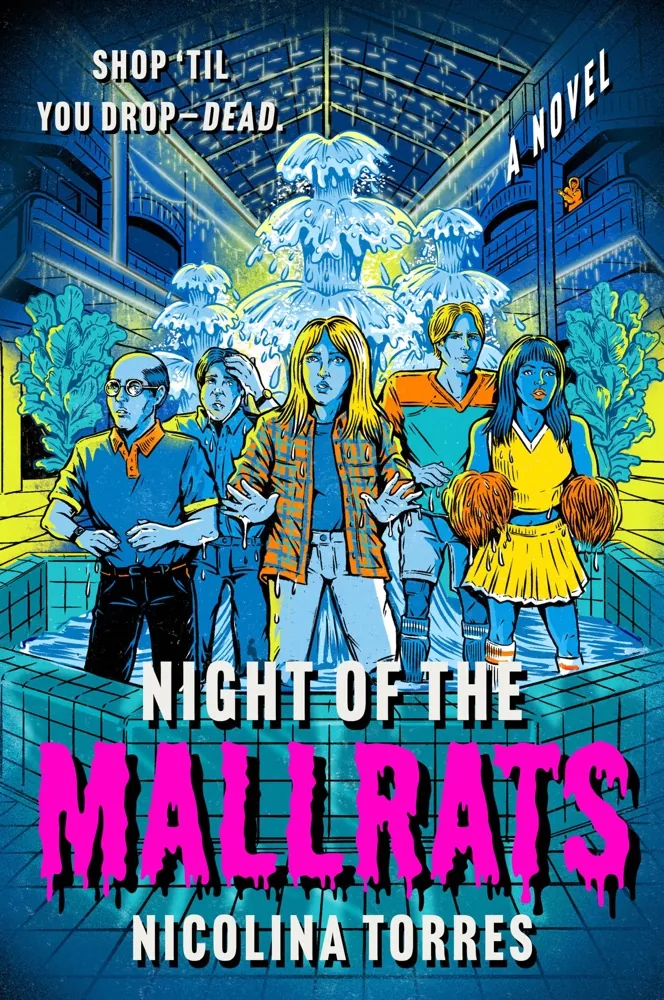
Author: Nicolina TorresPage Count: UnknownPublication Date: Expected publication 2026-10-06 APL The neon glow of a mall’s parking lot—empty now, but once humming with the kind of youthful chaos that only the ‘90s could manufacture—lingers in the synopsis like a half-buried corpse. Night of the Mallrats isn’t just a time-travel thriller; it’s a Jaws for nostalgia addicts, where the real horror isn’t the monster but the realization that the past was never as shiny as you remembered. Nicolina Torres seems to have swallowed a whole True Detective season and a Stranger Things binge in one gulp, then spat out something slick and unhinged. The premise is so 2024—five friends, a condemned mall, a missing girl from their past—yet it’s also so 1994, because the synopsis drips with the kind of deliberate anachronistic charm that only a writer who’s never actually been to a mall in the ‘90s could pull off. The Beechnut Mall isn’t just a setting; it’s a character, a Gothic villain in its own right, its abandoned corridors whispering secrets like a Rebecca protagonist who’s been dead for thirty years. But here’s the thing: the synopsis doesn’t show us the mall. It tells us it’s haunted, which is the literary equivalent of handing someone a Ouija board and saying, “Go on, ask it about the murder.” Where’s the sensory dread? Where’s the physical weight of the fluorescent lights buzzing like a swarm of angry bees? The description of the mall’s decay is more atmospheric than visceral—like reading a Twilight fanfiction where the vampires are just really moody. And then there’s the time-travel bit, which is either a gimmick or a missed opportunity. The synopsis frames it as a lost souls scenario—these friends are dragged back to the night Beth Packard vanished, forced to confront their own complicity in her disappearance. But where’s the mechanism? Is this a Groundhog Day loop? A Dark universe where time is a prison? Or is it just a lazy way to say, “Oh, and also, they’re stuck in the past”? The synopsis doesn’t even hint at the rules of the time jump, which is sloppy—like serving a five-course meal and forgetting to include the main dish. Compare this to The Time Traveler’s Wife, where the mechanics are obsessive, or Annihilation, where the rules are poetic and terrifying. Here, it feels like Torres is too busy waxing nostalgic about Beanie Babies to bother with the logistics of time itself. The real gold in this synopsis is the psychological angle—the idea that the friends are drawn back not just to solve a mystery, but to unravel each other. That’s promising, if vague. It’s the kind of setup that could either be brilliant (think Gone Girl meets The Stepford Wives) or painfully predictable (think The Breakfast Club but with more stabbing). The synopsis doesn’t give us enough to judge, but it does tease the kind of betrayal that could make this book unputdownable—if Torres has the guts to follow through. Right now, it reads like a Halloween movie script that’s been softened for a YA audience: the stakes are high, but the execution feels safe. And yet—there’s something deliciously campy about the whole thing. The title alone is a delightful bit of self-aware schlock, like if Scream and Clueless had a love child. The synopsis leans into the irony of the ‘90s nostalgia—Glamour Shots, Lisa Frank, the hollow promise of mall culture—while also promising something darker, something vengeful. It’s the kind of book that could either be a masterclass in nostalgic horror (like The Last Time I Lied meets Ready Player One) or a disappointing mess of unearned dread. The synopsis doesn’t convince me one way or the other, which is frustrating—but then again, that’s the point of a good synopsis, isn’t it? To leave you itching for more. I need to review the itinerary for my European book tour—because if this book lives up to its potential, I’m going to need a very strong drink in each city. #BookTok #HorrorLit #NostalgiaGoneWrong Related InsightsBlack Officer, White Navy Book Review and Summary Blood of Rome Book Review and Summary Bohemians on the Breadline: The Radical Women Artists of Roosevelt's New Deal Book Review and Summary{ "@context": "https://schema.org", "@type": "FAQPage", "mainEntity": [ { "@type": "Question", "name": "What is the main focus of Night of the Mallrats: A Novel Book Review and Summary?", "acceptedAnswer": { "@type": "Answer", "text": "Everything you need to know about Night of the Mallrats: A Novel with our detailed review." } }, { "@type": "Question", "name": "Who authored the comprehensive guide on Night of the Mallrats: A Novel Book Review and Summary?", "acceptedAnswer": { "@type": "Answer", "text": "This detailed article and its insights were carefully researched and authored by Lucia Garcia." } }, { "@type": "Question", "name": "Where can I find more related content about Books?", "acceptedAnswer": { "@type": "Answer", "text": "You can explore more articles, detailed reviews, and similar insights by browsing the Related Insights section at the bottom of this article or visiting our dedicated Books category page." } } ] }
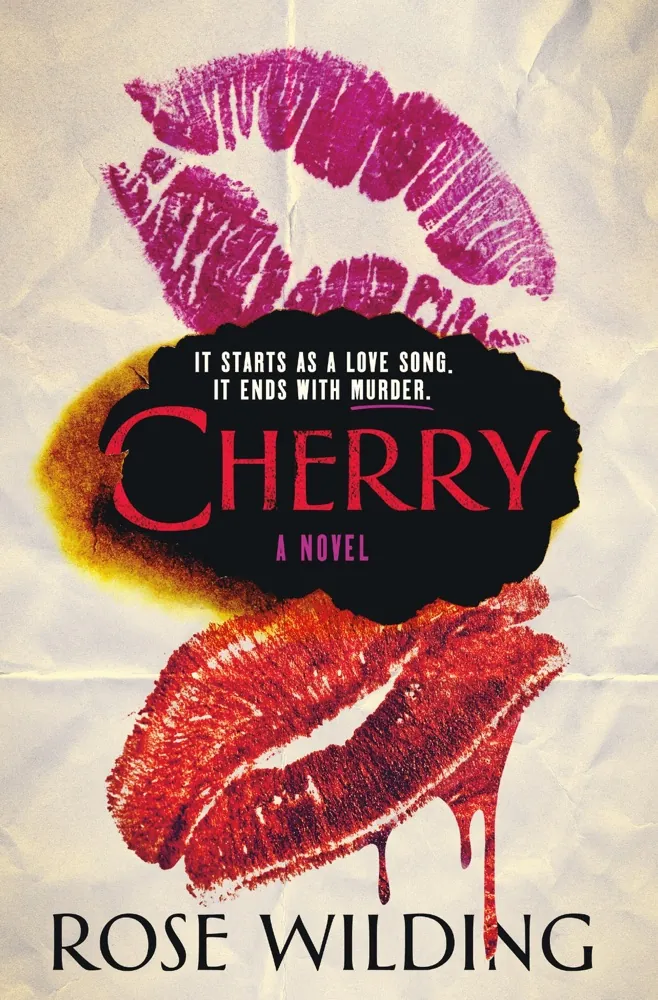

Author: Rose WildingPage Count: UnknownPublication Date: Expected publication 2026-11-03 APL The PR machinery for Rose Wilding’s Cherry arrives with all the subtlety of a Diana Dors exhibition at a parish hall. A late nineties setting, three women trapped in domestic purgatory, and a looming corpse. Groundbreaking. We are apparently meant to tremble at the prospect of suburban claustrophobia mixed with past-due pop stardom. The Anatomy of Manufactured Dread Gifty wanders streets looking for ghosts. Isobel launders her former fame by scrubbing countertops. Ally suffers the double indignity of an absentee spouse and an autoimmune flare-up while a disgraced singer invades her kitchen. Yet the synopsis reads less like a thriller and more like the casting couch for a straight-to-streaming adaptation of Sunset Boulevard directed by someone who only understands the nineties through Clueless mood boards. The Exhaustion of the Domestic Cage Wilding clearly wants to mine the fertile ground of female resentment. But let us be entirely serious here. The nineties nostalgia circuit has officially surpassed Y2K panic in its sheer, unadulterated laziness. And what are we offered? A dead wife in a cordoned-off bedroom. A fallen pop idol wearing the hair shirt of domestic servitude. A husband fleeing to Indonesia—truly, the international capital of literary men escaping their responsibilities—while leaving his ailing wife to the mercy of a stranger. It is the plot of a Richard Curtis film scripted by a committee of bitter divorcées in Notting Hill. The Inevitable Body Count Someone is going to die. Of course they are. Because no modern publisher knows how to write female interiority without a convenient homicide to spice up the brunch conversation. We are fed this tired trope of women pushed to the edge by the sheer banality of men and memory. It feels like the Konnersreuth Fast of psychological suspense—all spectacle, zero actual nourishment. Wilding may pull off a clever structural trick with the timeline, or she may deliver a damp squib that relies entirely on the scent of cheap hairspray and dial-up internet references to distract from the hollow mechanics. My money is on the latter. Keys in the ignition. The engine needs to clear its throat anyway. Related InsightsThe Haunted Librarian Book Review and Summary Eyes of the Void Book Review and Summary Kingdom of Ash Book Review and Summary{ "@context": "https://schema.org", "@type": "FAQPage", "mainEntity": [ { "@type": "Question", "name": "What is the main focus of Cherry: A Novel Book Review and Summary?", "acceptedAnswer": { "@type": "Answer", "text": "Everything you need to know about Cherry: A Novel with our detailed review." } }, { "@type": "Question", "name": "Who authored the comprehensive guide on Cherry: A Novel Book Review and Summary?", "acceptedAnswer": { "@type": "Answer", "text": "This detailed article and its insights were carefully researched and authored by Klaus Weber." } }, { "@type": "Question", "name": "Where can I find more related content about Books?", "acceptedAnswer": { "@type": "Answer", "text": "You can explore more articles, detailed reviews, and similar insights by browsing the Related Insights section at the bottom of this article or visiting our dedicated Books category page." } } ] }
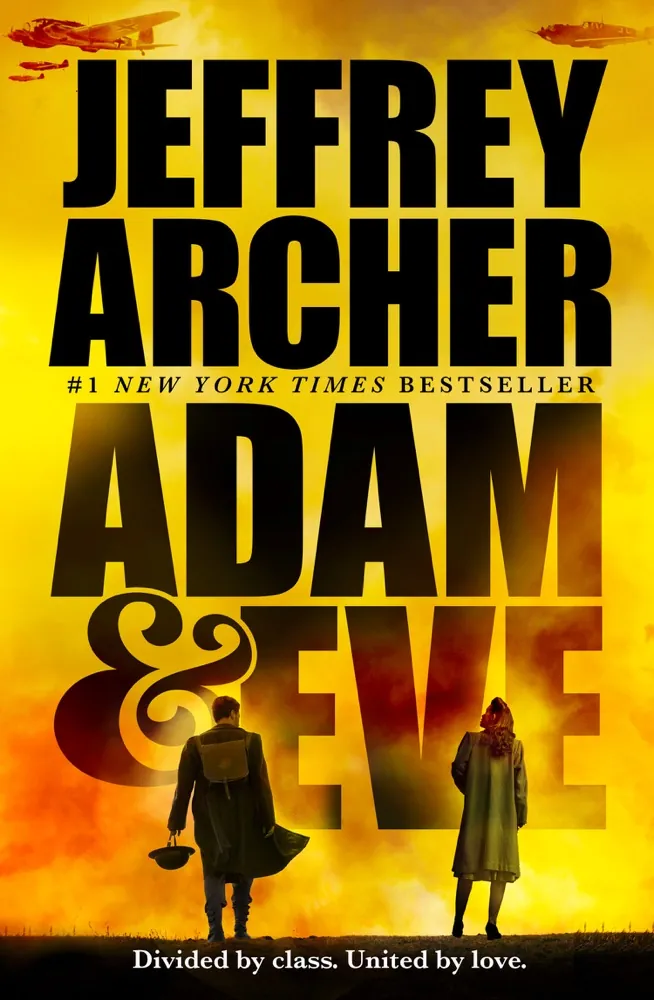

Author: Jeffrey ArcherPage Count: UnknownPublication Date: Expected publication 2026-10-06 APL A birth on the eve of Armistice Day, 1918 - what an interesting coincidence. Jeffrey Archer's latest novel, Adam and Eve, promises to weave a tale of unlikely friendship between two individuals from different walks of life. But as I sit here, watching the European countryside roll by outside my train window, I find myself pondering the vagueness of the synopsis. What exactly does it mean for these two characters to 'form an extraordinary bond that neither privilege nor prejudice can break'? - Is it a romance, a deep platonic connection, or merely a convenient plot device? And then, of course, there's the matter of the war. Archer's choice to set the story against the backdrop of World War II is hardly original, but it does raise questions about the themes he intends to explore. Will Adam and Eve be a sweeping epic of love and loss, or a more introspective examination of the human condition? The synopsis hints at 'extraordinary courage' and 'unimaginable sacrifices', but I've seen those phrases used to describe everything from war dramas to Nicholas Sparks novels. - What sets Adam and Eve apart? As I glance over the reviews from various publications, I notice a trend - Archer is praised for his storytelling prowess, but rarely for his subtlety or nuance. And that's precisely what I worry Adam and Eve might lack. The plot, as described, sounds like a jumbled mess of historical events and contrived coincidences. It's a bit like watching a train wreck in slow motion - you can't look away, but you're not entirely sure why you're watching in the first place. - Perhaps that's the point. Perhaps Archer is going for a sense of grand, operatic drama, with characters that are more archetypes than fully fleshed-out human beings. But if that's the case, then Adam and Eve runs the risk of feeling like a rehashing of better, more iconic stories. I think of Ken Follett's Pillars of the Earth, or even the more recent All the Light We Cannot See by Anthony Doerr. Both of those novels managed to balance historical scope with intimate character work, and both of them felt like genuine masterpieces. - Can Adam and Eve live up to that standard? I suppose only time will tell. As the train rumbles on, I find myself growing increasingly skeptical of Archer's latest effort. It's not that I don't think he's capable of crafting a compelling narrative - it's just that, based on the synopsis, Adam and Eve feels like a bit of a mess. A mess that might be entertaining, in a guilty-pleasure sort of way, but a mess nonetheless. And now, I'm afraid I must log off - I have an interview with Vogue in an hour, and I still need to mentally prepare myself for the inevitable questions about my favorite designers and literary trends. #VogueInterview #LiteraryFiction #WWII Related InsightsI Know Why the Caged Bird Sings Book Review and Summary The Red Pyramid Book Review and Summary Geek Love Book Review and Summary{ "@context": "https://schema.org", "@type": "FAQPage", "mainEntity": [ { "@type": "Question", "name": "What is the main focus of Adam and Eve Book Review and Summary?", "acceptedAnswer": { "@type": "Answer", "text": "Everything you need to know about Adam and Eve with our detailed review." } }, { "@type": "Question", "name": "Who authored the comprehensive guide on Adam and Eve Book Review and Summary?", "acceptedAnswer": { "@type": "Answer", "text": "This detailed article and its insights were carefully researched and authored by Emma Thompson." } }, { "@type": "Question", "name": "Where can I find more related content about Books?", "acceptedAnswer": { "@type": "Answer", "text": "You can explore more articles, detailed reviews, and similar insights by browsing the Related Insights section at the bottom of this article or visiting our dedicated Books category page." } } ] }
-
 Antoine Leroy
 - 19 Aug, 2026 00:05
Almost Animal: A Memoir of Motherhood, Wildness, and the American West Book Review and Summary
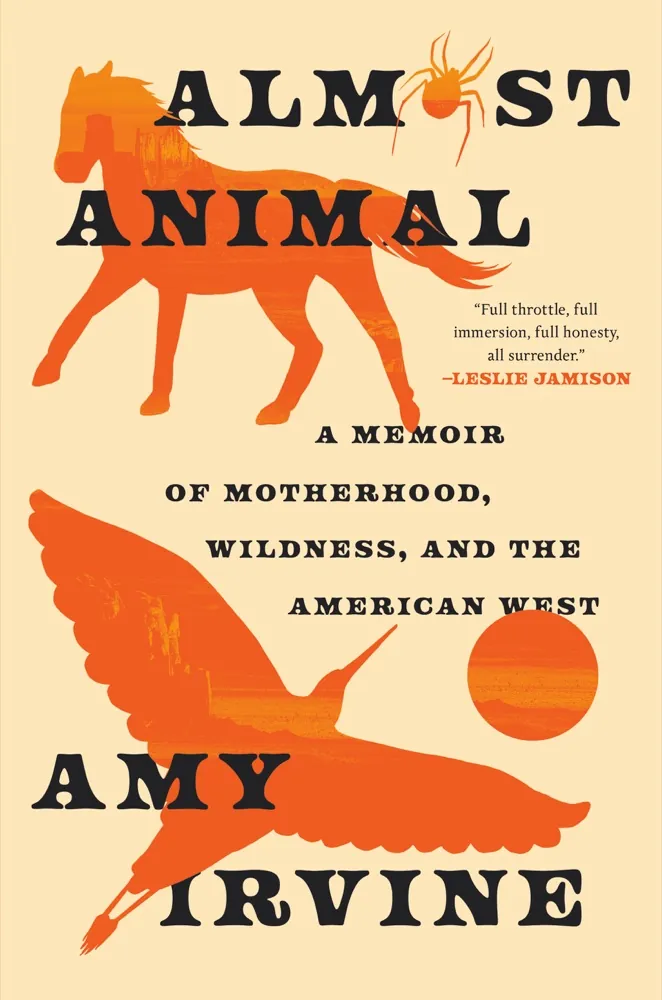
Author: Amy IrvinePage Count: UnknownPublication Date: Expected publication 2026-11-10 APL Stubbornness is a dying art. Everyone these days wants to fold the second the wind changes direction, adjusting their sails to chase whatever cultural consensus is currently drifting across the horizon like industrial smog. I refuse. Look at the early notices for Almost Animal. Amy Irvine is heading straight back into the arid, unforgiving theater of the American West, dragging a mirror behind her. Good. We need fewer polite memoirs about finding oneself over a matcha latte in Brooklyn, and far more harrowing accounts of women wrestling with the ghosts of manifest destiny while isolated on a remote Colorado mesa. My grandfather used to tell me about the old gods—the ones who didn't care about your comfort, the ones who demanded you look them dead in the eye when the snow started piling three feet high against the cabin door. People forget that nature is not a wellness retreat. It is an indifferent machine. When Irvine compares her postpartum descent to zoochosis—the literal madness of a caged beast—she is bypassing the sanitized language of modern psychological hand-wringing. She is describing a primal cage. And speaking of cages, why is every television show made for children nowadays just flashing neon colors and screaming at my grandkids for twenty-two unbroken minutes? There is zero silence. Zero quiet dread. You hand a kid a tablet and suddenly they are lobotomized consumers of hyperactive nonsense, completely divorced from the dirt beneath their fingernails or the terrifying vastness of a empty landscape. We are raising a generation of indoor houseplants who would literally perish if they had to face a mountain lion or stare down a black widow spider with anything other than a plastic flyswatter. Bring on the wildness. Blood, Bone, and Bitter Sage The synopsis leans heavily on the mythology of pioneer forebears, and I expect nothing less than structural arson from these pages. Irvine knows the blueprint of patriarchy because she spent her youth trying to tear it down with red-rock climbing hooks and wildfire axes. Yet, motherhood has a way of short-circuiting rebellion. It traps you in the exact loop you swore you escaped. Expect comparisons to The Empathy Exams or Cheryl Strayed, but Irvine possesses a sharper, more feral edge. She isn't looking for redemption in a gift shop at the end of a long trail. She is looking at the sheer, unadulterated loneliness of the frontier, asking why we keep romanticizing the very landscapes that nearly swallow us whole. The prose will likely burn. It better. I cannot sit here all afternoon waxing poetic about the psychological weight of isolation when the damn maple tree out back has dropped another ten pounds of wet debris directly into the drainage pipes. Related InsightsThe Giver of Stars Book Review and Summary Midnight Curfew Book Review and Summary After Midnight Book Review and Summary{ "@context": "https://schema.org", "@type": "FAQPage", "mainEntity": [ { "@type": "Question", "name": "What is the main focus of Almost Animal: A Memoir of Motherhood, Wildness, and the American West Book Review and Summary?", "acceptedAnswer": { "@type": "Answer", "text": "Everything you need to know about Almost Animal: A Memoir of Motherhood, Wildness, and the American West with our detailed review." } }, { "@type": "Question", "name": "Who authored the comprehensive guide on Almost Animal: A Memoir of Motherhood, Wildness, and the American West Book Review and Summary?", "acceptedAnswer": { "@type": "Answer", "text": "This detailed article and its insights were carefully researched and authored by Antoine Leroy." } }, { "@type": "Question", "name": "Where can I find more related content about Books?", "acceptedAnswer": { "@type": "Answer", "text": "You can explore more articles, detailed reviews, and similar insights by browsing the Related Insights section at the bottom of this article or visiting our dedicated Books category page." } } ] }
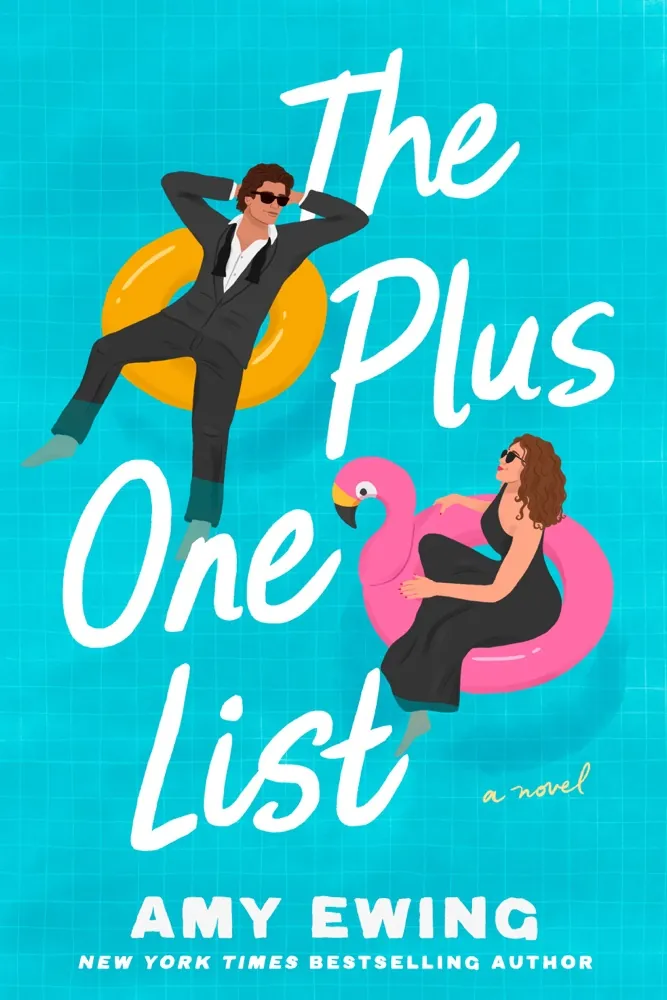

Author: Amy EwingPage Count: UnknownPublication Date: Expected publication 2026-10-20 APL It's been a long day, and the world outside seems to be spinning faster than I can keep up with. I need a respite, a chance to escape into a world of fiction. And so, I find myself drawn to The Plus-One List, a novel that promises a steamy vacation romance, replete with the vibrant backdrop of Mexico City. At its core, this story seems to revolve around the intricate dance of deception and trust. Eloise, our protagonist, is a woman struggling with anxiety, who finds solace in the company of her senior rescue dogs. Her life is turned upside down when her best friend announces her wedding, and Eloise is forced to find a plus-one. Enter Agustín, a charming journalist with a hidden agenda. Their arrangement is meant to be transactional, a mutually beneficial partnership. But as they navigate the streets of Mexico City, sampling cocktails and street food, Eloise begins to let her guard down. And Agustín is faced with the daunting task of revealing his true motives, lest he risk losing the trust he's worked so hard to build. But what does it mean to trust someone, really? Is it a fragile thing, a delicate flower that can be crushed by the slightest deception? Or is it something more resilient, a bond that can weather even the most turbulent of storms? These are the questions that The Plus-One List seems to be grappling with, and I, for one, am eager to see how it all plays out. And yet, as I read the synopsis, I couldn't help but feel a sense of unease. The plot seems to rely heavily on the trope of the "hidden agenda," a device that can be both compelling and clichéd. Will Agustín's deception be the catalyst for a deeper exploration of trust and relationships, or will it devolve into a predictable game of cat and mouse? Only time will tell. But I must admit, the setting of Mexico City is a tantalizing one. The vibrant culture, the rich history, the sultry atmosphere – it's the perfect backdrop for a romance novel. And Amy Ewing's writing, from what I've gathered, is evocative and immersive. She has a way of drawing the reader in, of making them feel like they're right there with the characters. As I ponder the themes and tropes of The Plus-One List, I'm reminded of the works of Christina Lauren, whose novels often explore the complexities of relationships and trust. The Paradise Problem, in particular, comes to mind, with its lush setting and nuanced character dynamics. And yet, I sense that The Plus-One List is something more, something that will carve out its own unique niche in the world of romance novels. But I'm getting ahead of myself. The truth is, I haven't read the book yet, and I'm basing all of this on a synopsis that's tantalizingly vague. Perhaps I'm reading too much into it, perhaps I'm projecting my own desires onto the narrative. But that's the beauty of it, isn't it? The anticipation, the speculation, the thrill of discovery – it's all part of the reading experience. And so, I'll wait patiently for The Plus-One List to hit the shelves, eager to dive into its world of deception and trust. In the meantime, I'll brew a cup of lapsang souchong and ponder my existential dread. #ThePlusOneList #AmyEwing #RomanceNovels #MexicoCity #BookLovers Related InsightsWe Who Will Rise (Empire of Blood, #2) Book Review and Summary The Hitchhiker's Guide to the Galaxy: The Illustrated Edition Book Review and Summary Souls Unfractured Book Review and Summary{ "@context": "https://schema.org", "@type": "FAQPage", "mainEntity": [ { "@type": "Question", "name": "What is the main focus of The Plus-One List: A Novel Book Review and Summary?", "acceptedAnswer": { "@type": "Answer", "text": "Everything you need to know about The Plus-One List: A Novel with our detailed review." } }, { "@type": "Question", "name": "Who authored the comprehensive guide on The Plus-One List: A Novel Book Review and Summary?", "acceptedAnswer": { "@type": "Answer", "text": "This detailed article and its insights were carefully researched and authored by Anna Kowalska." } }, { "@type": "Question", "name": "Where can I find more related content about Books?", "acceptedAnswer": { "@type": "Answer", "text": "You can explore more articles, detailed reviews, and similar insights by browsing the Related Insights section at the bottom of this article or visiting our dedicated Books category page." } } ] }
-
 Lucia Garcia
 - 18 Aug, 2026 22:13
An Auction of Souls (An Auction of Souls, #1) Book Review and Summary
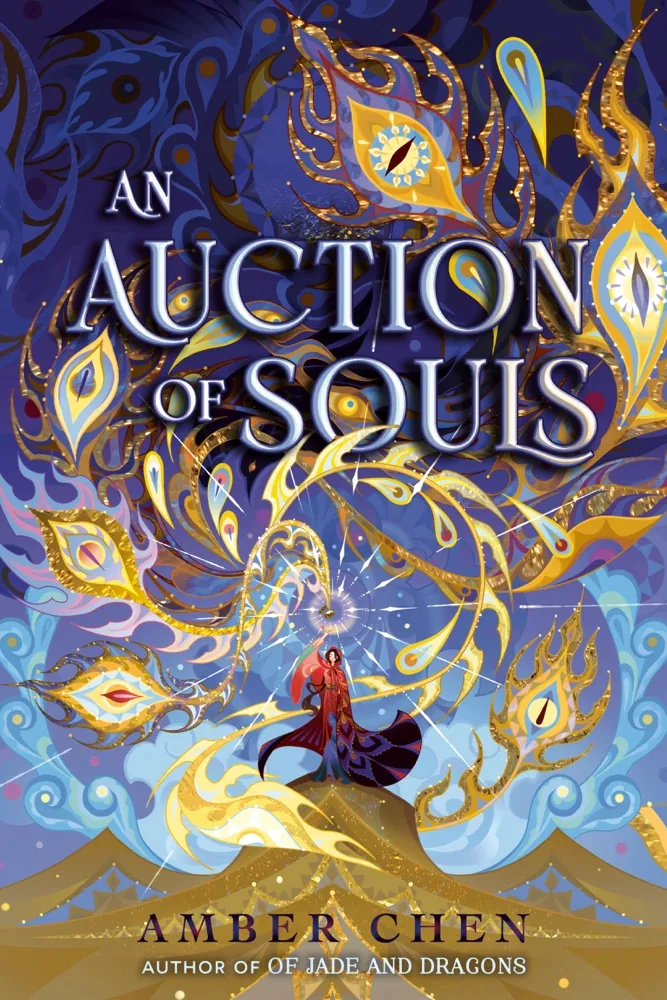
Author: Amber ChenPage Count: UnknownPublication Date: Expected publication 2026-10-20 APL In the depths of a mystical world, where auction houses hold the keys to the unknown, An Auction of Souls promises to unravel the threads of a legend. Amber Chen, the mastermind behind Of Jade and Dragons, weaves a tale of mystery and intrigue, beckoning us to enter the enigmatic House of Dreams, Meng Wu. But, as we step into this labyrinth, we're met with an unsettling feeling—that the very fabric of reality is about to be torn asunder. The Siren's Call of the Underworld Meng Lingxi, our protagonist, is thrust into a world where the boundaries between the mortal realm and the underworld are blurred. The arrival of a mysterious traveler, bearing a fragment of a soul, sets off a chain reaction that shatters the tranquility of her life. As the restless spirits descend upon Meng Wu, Lingxi finds herself at the mercy of two unlikely allies, Yan Jun and Yan Shan, guardians of hell itself. Their revelation—that her grandmother serves the god of the underworld—raises more questions than answers. Is this a clever ploy to enthrall us, or a desperate attempt to infuse depth into a narrative that's still unfolding? The synopsis, much like a tantalizing whisper, teases us with the promise of a perilous journey. Lingxi, along with her companions, must outsmart the forces of hell, humans, and gods alike. But, as we embark on this journey, we're left wondering: what lies at the heart of this tale? Is it a cautionary story about the dangers of meddling with forces beyond our control, or a triumphant ode to the power of the human spirit? The vagueness of the synopsis is a double-edged sword—it piques our interest, yet leaves us wanting more. The Art of Deception As we delve into the world of An Auction of Souls, we're reminded of the works of authors like Juliet Marillier and Nalini Singh, who have mastered the art of crafting intricate, mystical narratives. But, will Chen's duology rise to the challenge, or will it succumb to the pitfalls of predictability? The jury is still out, and only time will tell if this tale will be a masterpiece or a mere imitation of the greats. And yet, as I ponder the mysteries of Meng Wu, I'm drawn to the world of The Scorpion and the Night Blossom, where the lines between reality and myth blur. There's an undeniable allure to Chen's narrative, a siren's call that beckons us to enter the underworld. But, will we emerge unscathed, or will we be forever changed by the secrets that lie within? The clock is ticking, and the fate of Meng Wu hangs in the balance. As I await the release of An Auction of Souls, I'm reminded of the infamous Isabella Stewart Gardner Museum heist—a daring feat that left the art world reeling. Will Chen's duology be the literary equivalent of this heist, leaving us breathless and bewildered? Only time will tell. Now, if you'll excuse me, I have more pressing matters to attend to—reviewing the architectural plans for my new beach house. The sun is setting, and I have a vision to bring to life. #BookLovers #NewRelease #FantasyFiction Related InsightsHarry Potter and the Goblet of Fire Book Review and Summary Murder at the Grand Alpine Hotel Book Review and Summary Knight of the God King Book Review and Summary{ "@context": "https://schema.org", "@type": "FAQPage", "mainEntity": [ { "@type": "Question", "name": "What is the main focus of An Auction of Souls (An Auction of Souls, #1) Book Review and Summary?", "acceptedAnswer": { "@type": "Answer", "text": "Everything you need to know about An Auction of Souls (An Auction of Souls, #1) with our detailed review." } }, { "@type": "Question", "name": "Who authored the comprehensive guide on An Auction of Souls (An Auction of Souls, #1) Book Review and Summary?", "acceptedAnswer": { "@type": "Answer", "text": "This detailed article and its insights were carefully researched and authored by Lucia Garcia." } }, { "@type": "Question", "name": "Where can I find more related content about Books?", "acceptedAnswer": { "@type": "Answer", "text": "You can explore more articles, detailed reviews, and similar insights by browsing the Related Insights section at the bottom of this article or visiting our dedicated Books category page." } } ] }
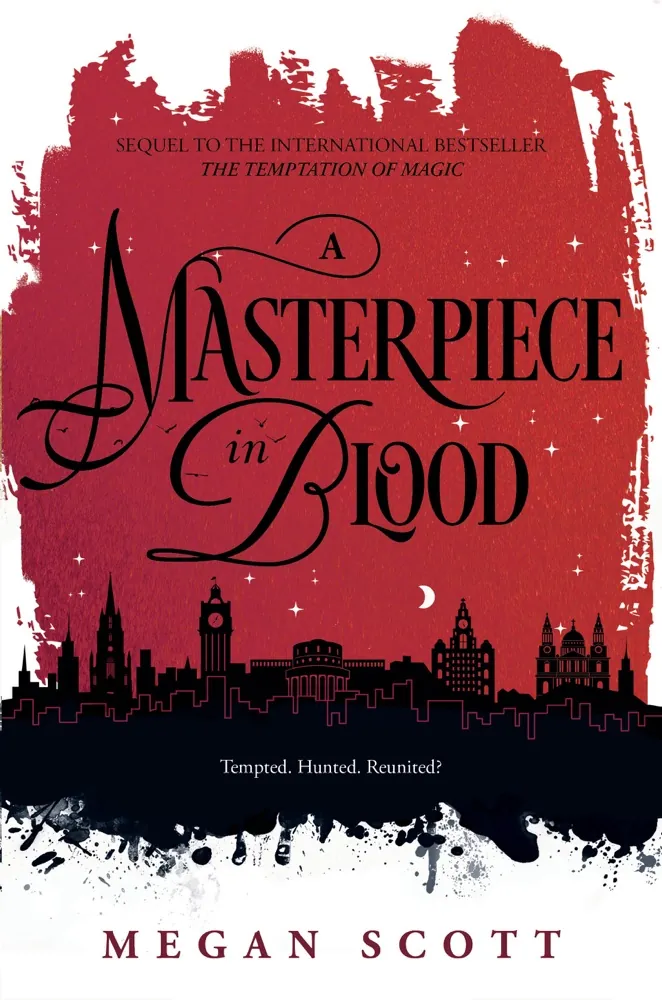
Author: Megan ScottPage Count: UnknownPublication Date: Expected publication 2026-10-06 APL Dark romantasy, how trite. The market's been flooded with these cookie-cutter fated mate tales since A Court of Thorns and Roses took the world by storm. And now, A Masterpiece in Blood, the sequel to The Temptation of Magic, is trying to make a splash. The question is, will it drown in a sea of clichés, or will it manage to stand out? A Game of Deception Nicole and Kyan, our star-crossed lovers, are playing a treacherous game of cat and mouse with The Wake, a shadowy supernatural organization. Nicole's on the run, searching for her mother's last artistic clue, while Kyan's pretending to be The Wake's loyal Empyreal assassin, all the while harboring feelings for Nicole that could get him killed. It's a tired trope, really – the whole "forbidden love amidst danger" shtick. But I suppose it's effective, in a predictable, Twilight-esque kind of way. But what's truly intriguing is the world-building. The Wake, the Wild Hunt, ancient Celtic treasures, and lost Druid sites – it's a veritable feast of mystical goodies. One can almost smell the old leather and dusty tomes that inspired this narrative. And yet, the synopsis is woefully vague about the specifics of this world. What's the nature of The Wake's power? How do the supernatural elements intersect with the human world? These are questions that, if left unanswered, might leave readers feeling frustrated and unsatisfied. A Masterpiece of Manipulation Kyan's inner conflict, however, is a different story altogether. His loyalty to The Wake is being tested by his feelings for Nicole, and this push-and-pull is sure to make for some compelling character development. But will it be enough to save the story from its predictable plot beats? I'm reminded of the film The Talented Mr. Ripley, where the protagonist's duplicity is expertly woven into the narrative. Can A Masterpiece in Blood achieve a similar level of sophistication? And then, of course, there's the inevitable comparison to A Discovery of Witches and Serpent & Dove. Both series have managed to carve out their own unique niches in the dark romantasy genre. Will A Masterpiece in Blood be able to do the same, or will it succumb to the pressure of its predecessors? The Wake-Up Call But I digress. The real question is, can A Masterpiece in Blood deliver on its promise of a "sizzling dark romantasy"? Only time will tell. For now, I'll reserve my judgment, but I will say this: if the story doesn't manage to surprise me, to subvert my expectations in some meaningful way, it'll be a disappointment. After all, as the great philosopher, Oscar Wilde, once said, "To live is the rarest thing in the world. Most people exist, that is all." Will A Masterpiece in Blood truly live, or will it simply exist? Now, if you'll excuse me, I need to attend to my vintage champagne collection. It's time to move it to the new cellar. #DarkRomantasy #BookLovers #TheTemptationOfMagic Related InsightsWalk Two Moons Book Review and Summary From the Mixed-up Files of Mrs. Basil E. Frankweiler Book Review and Summary I Know Why the Caged Bird Sings Book Review and Summary{ "@context": "https://schema.org", "@type": "FAQPage", "mainEntity": [ { "@type": "Question", "name": "What is the main focus of A Masterpiece in Blood (Empyreal #2) Book Review and Summary?", "acceptedAnswer": { "@type": "Answer", "text": "Everything you need to know about A Masterpiece in Blood (Empyreal #2) with our detailed review." } }, { "@type": "Question", "name": "Who authored the comprehensive guide on A Masterpiece in Blood (Empyreal #2) Book Review and Summary?", "acceptedAnswer": { "@type": "Answer", "text": "This detailed article and its insights were carefully researched and authored by Emma Thompson." } }, { "@type": "Question", "name": "Where can I find more related content about Books?", "acceptedAnswer": { "@type": "Answer", "text": "You can explore more articles, detailed reviews, and similar insights by browsing the Related Insights section at the bottom of this article or visiting our dedicated Books category page." } } ] }
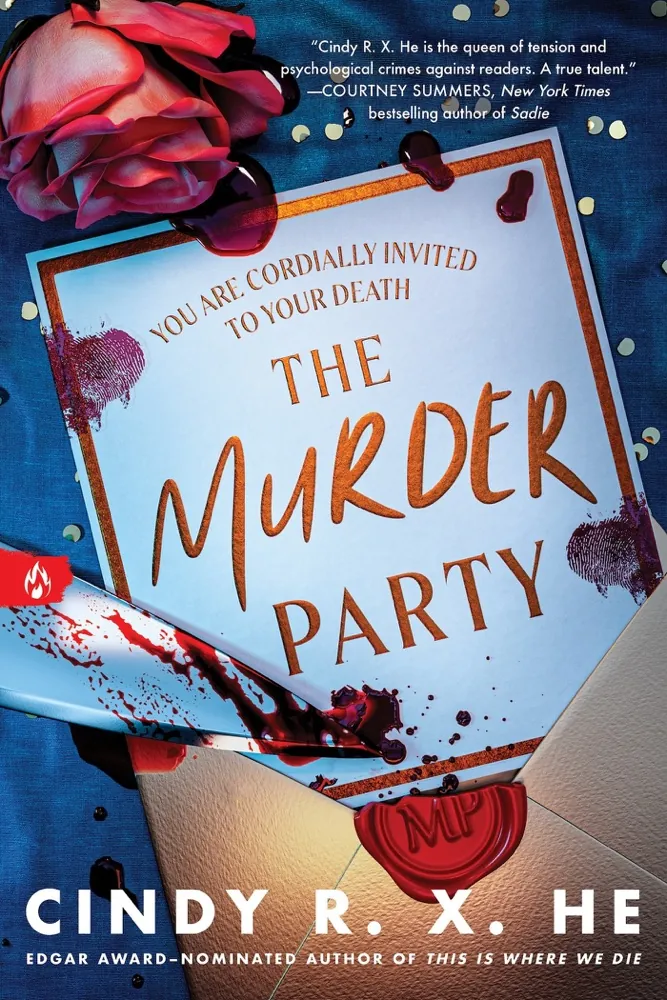

Author: Cindy R.X. HePage Count: UnknownPublication Date: Expected publication 2026-10-13 APL The eternal dance between exclusivity and deception, played out in the most refined of settings - an elite murder mystery club. It's a recipe for disaster, and one that has been done before, but perhaps that's the point. The Murder Party, the latest from Cindy R.X. He, promises to deliver a twisted thriller that will keep us guessing until the very end. Or so the synopsis claims. A Club of Secrets At its core, The Murder Party seems to be an exploration of the darker side of human nature, where the lines between reality and fantasy are blurred. The exclusive club, with its secret parties and themed games, is the perfect breeding ground for secrets and lies. And when June Chan's sister Lily is stabbed to death, the façade begins to crumble. But what's truly fascinating is the way the club's members react to the tragedy - with a collective shrug, as if life is just too unfair to bother with the truth. The police, too, seem content to sweep the whole thing under the rug, ruling Lily's death an accident caused by a malfunctioning prop knife. It's a convenient explanation, one that allows everyone to move on with their lives. But not June. She's determined to uncover the truth, to peel back the layers of deception and reveal the secrets that the club would rather keep hidden. A Game of Cat and Mouse As June delves deeper into the personal lives of the club's members, she begins to realize that Lily's death was no accident. And so, she sets a trap, reviving the Murder Club and hosting the deadliest Murder Night of all. It's a bold move, one that puts her squarely in the crosshairs of the killer. But what's truly intriguing is the way the game of cat and mouse plays out - with June as the bait, and the killer as the predator. But let's be real, we've seen this before. The exclusive club, the secret parties, the murder mystery - it's all a bit too familiar, a bit too Gosford Park. And yet, there's something about The Murder Party that feels fresh, that feels like a clever twist on a classic trope. Perhaps it's the way the synopsis hints at a deeper psychological complexity, a sense that the characters are not just pawns in a game, but fully fleshed-out human beings. A Study in Obsession June's obsession with uncovering the truth is a fascinating study in human psychology. She's driven by a desire for justice, for revenge, but also by a deeper need to understand the world around her. It's a need that's both admirable and terrifying, one that propels her down a rabbit hole of secrets and lies. And yet, as I read the synopsis, I couldn't help but think of the Titanic - a grand, luxurious ship that sank beneath the waves, taking its secrets with it. The Murder Party feels like a similar vessel, one that's doomed to crash and burn. But what a glorious crash it will be. My latest real estate investment in Manhattan is not doing well, the returns are troubling, and I'm starting to think that I've made a grave mistake. But that's a story for another time. #TheMurderParty #CindyRXHe #Thriller #Mystery #BookLovers Related InsightsSchindler’s List Book Review and Summary We Are Still Here Book Review and Summary Daemonica (Wicked Games, #3) Book Review and Summary{ "@context": "https://schema.org", "@type": "FAQPage", "mainEntity": [ { "@type": "Question", "name": "What is the main focus of The Murder Party Book Review and Summary?", "acceptedAnswer": { "@type": "Answer", "text": "Everything you need to know about The Murder Party with our detailed review." } }, { "@type": "Question", "name": "Who authored the comprehensive guide on The Murder Party Book Review and Summary?", "acceptedAnswer": { "@type": "Answer", "text": "This detailed article and its insights were carefully researched and authored by Tiago Silva." } }, { "@type": "Question", "name": "Where can I find more related content about Books?", "acceptedAnswer": { "@type": "Answer", "text": "You can explore more articles, detailed reviews, and similar insights by browsing the Related Insights section at the bottom of this article or visiting our dedicated Books category page." } } ] }
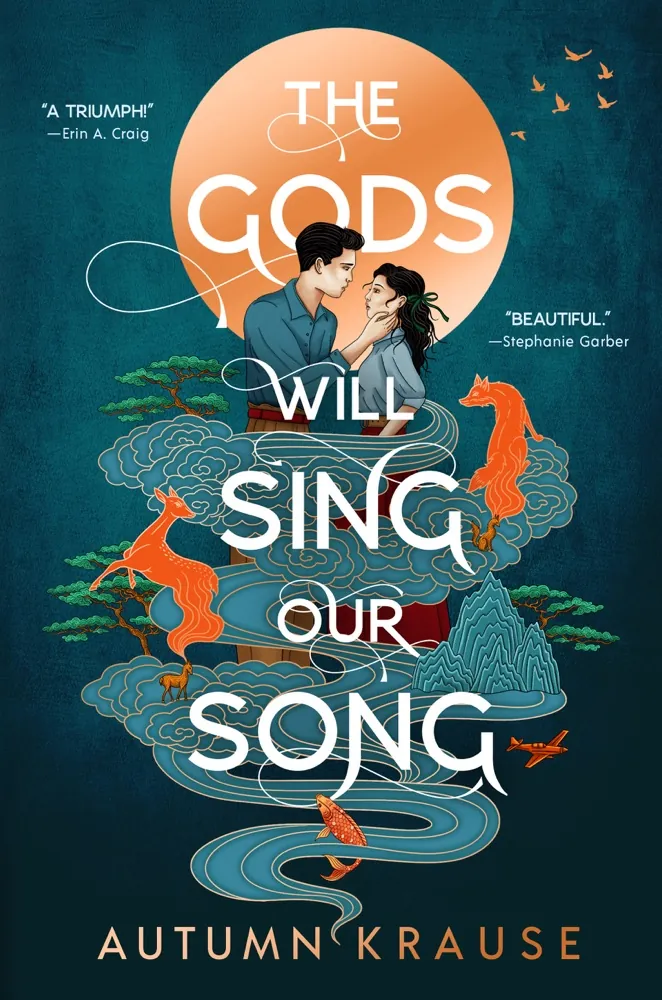

Author: Autumn KrausePage Count: UnknownPublication Date: Expected publication 2026-09-01 APL The gods, apparently, have a flair for the dramatic—because nothing says "divine intervention" like a WWII internment camp romance where the only magic left in the world is the kind that burns through barbed wire like a bad YA trope. The Gods Will Sing Our Song arrives with the kind of synopsis that reads like a fever dream of The Book Thief if it had been written by a TikToker who also moonlights as a Shinto priestess. The premise is so deliciously broad it could swallow a whole genre whole—historical fiction, magical realism, star-crossed teens, divine bargains, and the kind of "resilience" that’s either poetic or performative, depending on who’s telling the story. Ren Hamada and Violet Aratani are our protagonists, two Japanese American teens whose only common ground is a shared family heirloom and the sudden, violent erasure of their lives by the U.S. government. The synopsis leans hard into the "magnetic pull" trope—because nothing says "love is real" like two people who are also, somehow, the only ones who can free a god from a concentration camp. And let’s be real: the idea of a god walking among them is less "mythic" and more "plot convenience." It’s the kind of setup that makes you wonder if Krause was channeling The Secret History’s existential dread or The Raven Boys’s cozy, self-aware magic—but with the emotional temperature of a microwave dinner. The thematic stakes here are deliciously vague. On one hand, it’s a love story about defiance in the face of systemic oppression, which is obviously the kind of thing that gets people in a tizzy. On the other, it’s a divine bargain—because nothing says "romantic tension" like a deal with the gods that might just get you killed. The synopsis doesn’t specify whether this god is a trickster, a savior, or just another layer of bureaucracy in the afterlife, but the ambiguity is delightfully lazy. It’s the literary equivalent of a buffet where the only sign says "Eat Here" and the chef is MIA. The real question is whether Krause can turn this into something more than a very specific kind of wish fulfillment. The synopsis reads like it was written by someone who loves the idea of magic and history colliding, but hasn’t quite figured out how to make it feel like anything other than a really well-marketed Instagram post. The comparison to Stephanie Garber’s Once Upon a Broken Heart is painfully on the nose—because if this book has half the emotional gut-punch of Garber’s work, it’ll be a miracle. And let’s be honest, miracles are exactly what the synopsis is selling. The biggest problem? The vagueness. The synopsis doesn’t tell us how the magic works, why the god is trapped, or even what the "immeasurable reward" entails. It’s all very The Hunger Games—except without the political commentary, the actual stakes, or the sense that anyone might actually die. The gods might sing, but the song is already written: it’s the one where the love story wins, the camp is liberated, and the ending is so predictable it could be a TikTok trend. And yet—there’s something undeniably compelling about the premise. The idea of love as both a weapon and a curse, of magic as a last resort, of two teens who are literally the only ones who can fix something broken by the world… it’s the kind of setup that makes you hope for the best while bracing for the worst. But hope is a fragile thing, and this synopsis feels like it’s built on sand. The gods will sing, but will their song be worth the price? Probably not. The real question is whether Krause can turn this into something more than a very specific kind of nostalgia fantasy. And if she can’t, well—at least the passport’s still in my bag. My personal assistant, though? That idiot. They definitely misplaced it before Paris. Again. Related InsightsThe Steel Prince Book Review and Summary Grave New World Book Review and Summary Alice’s Adventures in Wonderland / Through the Looking-Glass Book Review and Summary{ "@context": "https://schema.org", "@type": "FAQPage", "mainEntity": [ { "@type": "Question", "name": "What is the main focus of The Gods Will Sing Our Song Book Review and Summary?", "acceptedAnswer": { "@type": "Answer", "text": "Everything you need to know about The Gods Will Sing Our Song with our detailed review." } }, { "@type": "Question", "name": "Who authored the comprehensive guide on The Gods Will Sing Our Song Book Review and Summary?", "acceptedAnswer": { "@type": "Answer", "text": "This detailed article and its insights were carefully researched and authored by Sofia Bianchi." } }, { "@type": "Question", "name": "Where can I find more related content about Books?", "acceptedAnswer": { "@type": "Answer", "text": "You can explore more articles, detailed reviews, and similar insights by browsing the Related Insights section at the bottom of this article or visiting our dedicated Books category page." } } ] }
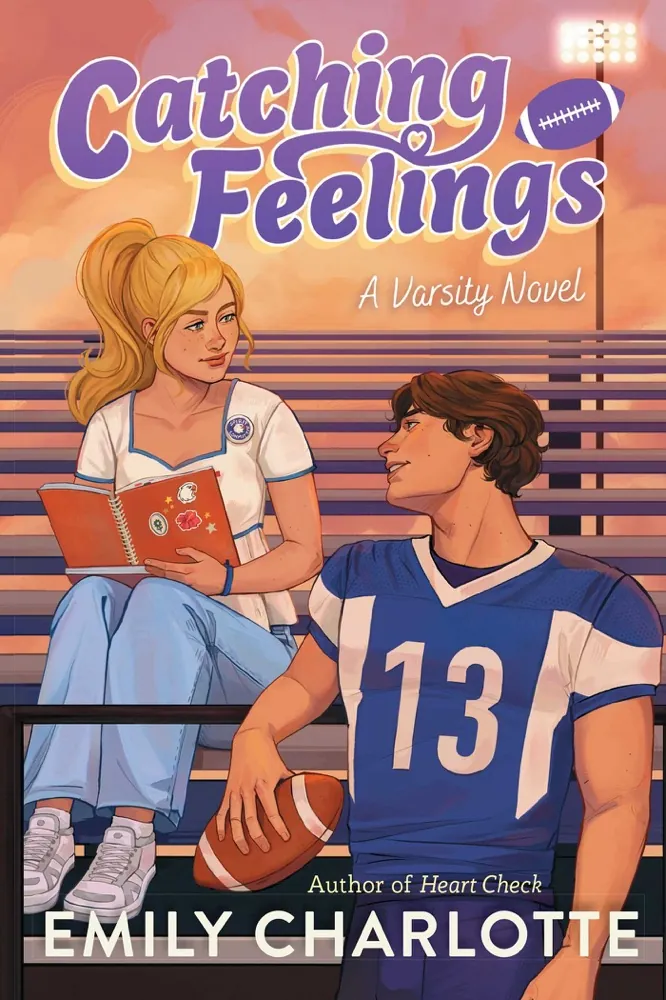

Author: Emily CharlottePage Count: UnknownPublication Date: Expected publication 2026-09-01 APL The synopsis for Catching Feelings reads like a high school yearbook entry—all glossy promises and carefully curated chaos, the kind of thing that makes you wonder if the author’s ever actually been in a locker room where the air smells like sweat and regret, not just some sanitized version of football glory. There’s a certain Friday Night Lights nostalgia here, but where T. C. McGrath’s work had the grit of a real town, this feels more like a TikTok trend—swoony chemistry, a cousin plot twist, and the kind of romantic tension that’s been distilled into a single emoji: 🔥. And yet—here’s the thing—it’s not bad. It’s just… expected. Like a perfectly baked cookie that still tastes like the recipe from the back of a box. The synopsis leans hard into the "romance with school spirit" trope, which is fine if you’re craving the kind of escapism that doesn’t require you to think too hard. Sabrina’s focus on the Spirit Committee is a classic YA stand-in for "I’m too busy being responsible to fall in love," and Tyler’s transfer story is the kind of backstory that’s been mined for decades—new kid, new town, new problems. But where Heart Check (Charlotte’s previous book) had a sharper edge, this feels more like a warm-up act for the To All the Boys I’ve Loved Before franchise, if that franchise had a football team. The cousin plot twist is the kind of thing that makes you roll your eyes in advance, because it’s been done so many times it’s practically a YA cliché now—like the "fake dating" trope, but with more cleats. And don’t even get me started on the Ryan character. He’s the kind of love-to-hate side character that exists solely to make the protagonist’s life miserable, which is fine in moderation, but here it feels like the synopsis is trying too hard to sell the "chaos" angle. Ryan is exactly the kind of guy who would show up in a Riverdale episode, not a contemporary YA romance—flirtatious, persistent, and ultimately a distraction from the real drama, which is Sabrina and Tyler’s inevitable, doomed romance. But here’s the kicker: the synopsis doesn’t even show us the chemistry. It just tells us it’s there, like a movie trailer where the only thing you see is a guy in a jersey and a girl in a cheer uniform, both smiling at the camera. Where’s the tension? Where’s the conflict? The synopsis is so vague it might as well be a Choose Your Own Adventure book—you’re just supposed to trust that the romance will happen, because that’s the whole point. Yet—yet—there’s something oddly comforting about the way this book is being marketed. It’s the kind of thing you’d read while sipping chai, the kind of thing that makes you feel like you’re back in high school, even if you’ve been out of it for a decade. It’s the Falling Like Leaves of the YA romance world—sweet, predictable, and just sweet enough to make you forget about the messier parts of life. But then I remember how much I hated The Love Hypothesis, and how much I still can’t stand the way contemporary YA romances often treat emotional labor like a game of musical chairs, and I start to wonder if this is just another step in the direction of formulaic, algorithm-friendly romance. The cousin plot twist is the kind of thing that makes you want to scream, but also makes you wonder if the book will actually deliver on the tension. Because let’s be honest—if this were a movie, the cousin reveal would be the moment where the camera zooms in on their faces, and you’d just know they were going to kiss anyway. The synopsis doesn’t give us enough to go on, which is frustrating, but also kind of refreshing in a way. It’s like being handed a puzzle with half the pieces missing—you can imagine the rest, but you’re not sure if it’s going to be pretty or a mess. And then there’s the whole "senior year" thing. It’s a trope so overused it’s practically a meme now, but it’s also the kind of thing that makes you nostalgic, even if you don’t want to be. It’s the same way The Secret History made you feel like you were back in college, even though you’ve been out of it for years. But where The Secret History had depth, this feels like it’s trying to be The Hating Game meets Spirit Animals—a mix of banter and animal symbolism that doesn’t quite land. The synopsis doesn’t even mention animals, but I can’t help but wonder if there’s going to be some kind of metaphorical cheerleading squad or something, because that’s just how YA romances work these days. But enough about all that. The real question is: will this book live up to the hype? Or will it be another one of those romances that’s so sweet it’s almost painful? I don’t know, but I do know that if it’s anything like The Love Hypothesis, I’m going to be very disappointed. And if it’s anything like Heart Check, then maybe it’ll be worth the read. But right now, all I can say is that I’m waiting for the book to arrive, and I’m already dreading the cousin plot twist. My daughter just informed me her science fair is tomorrow, not next week. #BookTok #YARomance #SeniorYearNostalgia #FootballRomance #CousinPlotTwist Related InsightsSparring Partners Book Review and Summary Beneath Waves and Shadows: The Sinking of the Steamship Valencia Book Review and Summary Middle of the Night Book Review and Summary{ "@context": "https://schema.org", "@type": "FAQPage", "mainEntity": [ { "@type": "Question", "name": "What is the main focus of Catching Feelings Book Review and Summary?", "acceptedAnswer": { "@type": "Answer", "text": "Everything you need to know about Catching Feelings with our detailed review." } }, { "@type": "Question", "name": "Who authored the comprehensive guide on Catching Feelings Book Review and Summary?", "acceptedAnswer": { "@type": "Answer", "text": "This detailed article and its insights were carefully researched and authored by Sarah Davis." } }, { "@type": "Question", "name": "Where can I find more related content about Books?", "acceptedAnswer": { "@type": "Answer", "text": "You can explore more articles, detailed reviews, and similar insights by browsing the Related Insights section at the bottom of this article or visiting our dedicated Books category page." } } ] }
-
 Olya Shevchenko
 - 18 Aug, 2026 20:55
All the Little Secrets (All the Little Houses, 2) Book Review and Summary
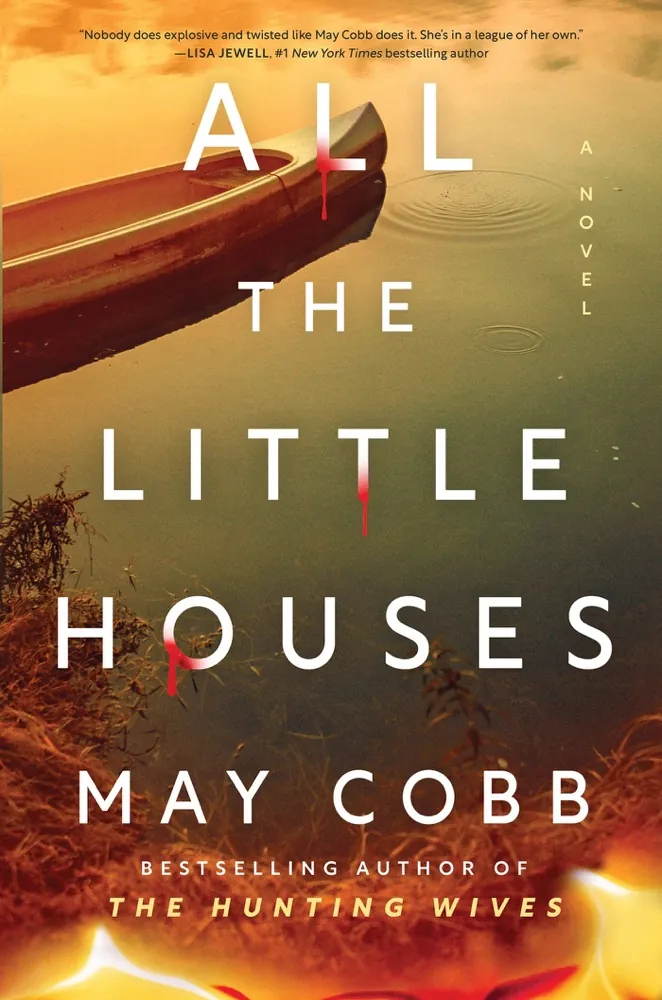
Author: May CobbPage Count: UnknownPublication Date: Expected publication 2026-01-20 APL The stakes are raised in May Cobb's All the Little Secrets, a deliciously wicked thriller that promises to upend the idyllic facade of 1980s Longview, Texas. —But what lies beneath the surface of this seemingly quaint town, and what secrets will be unearthed when the dust settles? It's no surprise that Cobb's latest novel has been touted as her most explosive work yet—after all, the author has proven herself to be a master of crafting twisted, suspenseful tales that keep readers on the edge of their seats. And with All the Little Secrets, she's poised to deliver another knockout punch. The question is, what will be the cost of this explosion? At the heart of the novel is Nellie Anderson, the beautiful daughter of the Anderson family dynasty, who's used to getting what she wants. —But it's her mother, Charleigh, who's the real force to be reckoned with. A blond, beautiful, and ruthlessly cunning woman who's clawed her way to the top, Charleigh's entire social empire is threatened when a wholesome family moves to town. It's a classic tale of mean girls and mean moms, but Cobb's take is anything but predictable. One can't help but think of authors like Gillian Flynn and Paula Hawkins, who've also explored the darker side of suburban life. —And yet, Cobb's unique voice and perspective set her apart from the pack. Her writing is like a slow-burning fire that's just waiting to erupt into a full-blown inferno. You can almost smell the smoke wafting through the pages. But what's most intriguing about All the Little Secrets is its exploration of the complexities of female relationships. Charleigh's backstory, in particular, hints at a deeper psychological complexity that's sure to be a major theme throughout the novel. —How does a woman who's been humiliated and shunned by her peers go on to build a life of privilege and power? And what's the true cost of that power? As the synopsis suggests, All the Little Secrets is a thriller that's all about the secrets that lie beneath the surface of seemingly ordinary lives. —But it's also a novel that's deeply concerned with the performance of femininity, and the ways in which women are socialized to behave. It's a theme that's both timely and timeless, and one that's sure to resonate with readers. And yet, despite the many hints and teasers in the synopsis, it's clear that All the Little Secrets is a novel that's still full of surprises. —What will happen when the dust settles, and the secrets are finally revealed? Will Charleigh's empire crumble, or will she find a way to maintain her grip on power? One thing's for sure: May Cobb's latest novel is going to be a wild ride. Wait, what's that noise? looks around Oh no, it can't be. My home office has been invaded by action figures. There's Batman perched on my desk, and Spider-Man swinging from the ceiling fan. I swear, it's like they're trying to distract me from my writing. sigh I guess I'll just have to finish this review another time. #MayCobb #AllTheLittleSecrets #ThrillerThursday #BookLovers #ReadingIsFun Related InsightsWorks of Edgar Allan Poe Book Review and Summary Beautiful Disaster Book Review and Summary Notes on an Execution Book Review and Summary{ "@context": "https://schema.org", "@type": "FAQPage", "mainEntity": [ { "@type": "Question", "name": "What is the main focus of All the Little Secrets (All the Little Houses, 2) Book Review and Summary?", "acceptedAnswer": { "@type": "Answer", "text": "Everything you need to know about All the Little Secrets (All the Little Houses, 2) with our detailed review." } }, { "@type": "Question", "name": "Who authored the comprehensive guide on All the Little Secrets (All the Little Houses, 2) Book Review and Summary?", "acceptedAnswer": { "@type": "Answer", "text": "This detailed article and its insights were carefully researched and authored by Olya Shevchenko." } }, { "@type": "Question", "name": "Where can I find more related content about Books?", "acceptedAnswer": { "@type": "Answer", "text": "You can explore more articles, detailed reviews, and similar insights by browsing the Related Insights section at the bottom of this article or visiting our dedicated Books category page." } } ] }
-
 Isabella Moore
 - 18 Aug, 2026 17:20
Crowned by Roses (Beasts of the Briar, #7) Book Review and Summary
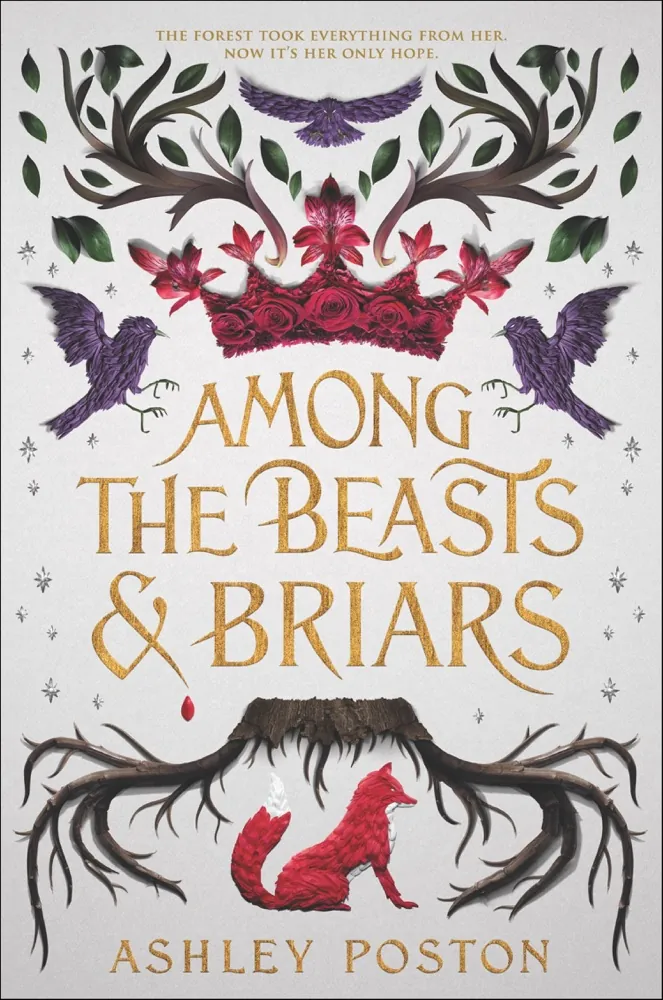
Author: Elizabeth HelenPage Count: UnknownPublication Date: Expected publication 2026 APL The allure of a lush, dark fairy tale – it's a siren's call I've fallen prey to time and time again. Crowned by Roses, the latest offering from Elizabeth Helen, promises to be just that: a rich, atmospheric fantasy that will transport readers to a world of ancient magic and whispered secrets. And yet, as I scan the synopsis, I find myself growing increasingly irritable – what's the point of teasing a world so vivid, so full of potential, only to leave me with so many unanswered questions? A kingdom prospering at the cost of its surrounding woods, a curse that's been simmering for centuries, a young protagonist with a mysterious connection to the very heart of the forest... it's all so deliciously familiar, and yet, so frustratingly vague. I'm reminded of The Wrath and the Dawn by Renée Ahdieh, with its lush, Middle Eastern-inspired setting and its brooding, mystical atmosphere – but where Ahdieh's world-building was meticulous, deliberate, Helen's seems almost... lazy. The woods are dark and cursed, the kingdom is peaceful and prosperous – but what does that really mean? What are the stakes, the consequences, the underlying tensions that drive this world forward? And then, of course, there's Cerys herself – a protagonist with a traumatic past, a dash of magic in her veins, and a determination to save her home. It's a familiar archetype, to say the least – I'm thinking of The Girl of Fire and Thorns by Rae Carson, with its own plucky, magic-wielding heroine – but what sets Cerys apart? What unique perspective, what compelling voice, will she bring to this narrative? As I ponder these questions, my mind begins to wander – I find myself thinking of Adventure Time, of all things, and its own exploration of the tension between nature and civilization. The show's creators, Pendleton Ward and Dentsu Aegis Network, managed to craft a world that was both whimsical and profound, full of characters that were at once relatable and strange – can Helen do the same? Can she balance the darkness of her world with a sense of wonder, of magic, that will keep readers entranced? But I digress – or do I? The truth is, I'm not sure what to expect from Crowned by Roses, and that uncertainty is both thrilling and infuriating. Will it be a lush, atmospheric fantasy that will transport me to another world, or a shallow, predictable retread of familiar tropes? I suppose I'll just have to wait and see – but for now, I'm left with more questions than answers, and a growing sense of impatience. And speaking of impatience – I really need to pack these lunches. Three of them, to be exact, and I have a feeling they'll all come back uneaten. Ah, the joys of parenthood. #FairyTaleFantasy #DarkAndMoody #YAbooks Related InsightsIn Too Deep Book Review and Summary All Quiet on the Western Front Book Review and Summary The Traveler's Atlas of the World Book Review and Summary{ "@context": "https://schema.org", "@type": "FAQPage", "mainEntity": [ { "@type": "Question", "name": "What is the main focus of Crowned by Roses (Beasts of the Briar, #7) Book Review and Summary?", "acceptedAnswer": { "@type": "Answer", "text": "Everything you need to know about Crowned by Roses (Beasts of the Briar, #7) with our detailed review." } }, { "@type": "Question", "name": "Who authored the comprehensive guide on Crowned by Roses (Beasts of the Briar, #7) Book Review and Summary?", "acceptedAnswer": { "@type": "Answer", "text": "This detailed article and its insights were carefully researched and authored by Isabella Moore." } }, { "@type": "Question", "name": "Where can I find more related content about Books?", "acceptedAnswer": { "@type": "Answer", "text": "You can explore more articles, detailed reviews, and similar insights by browsing the Related Insights section at the bottom of this article or visiting our dedicated Books category page." } } ] }
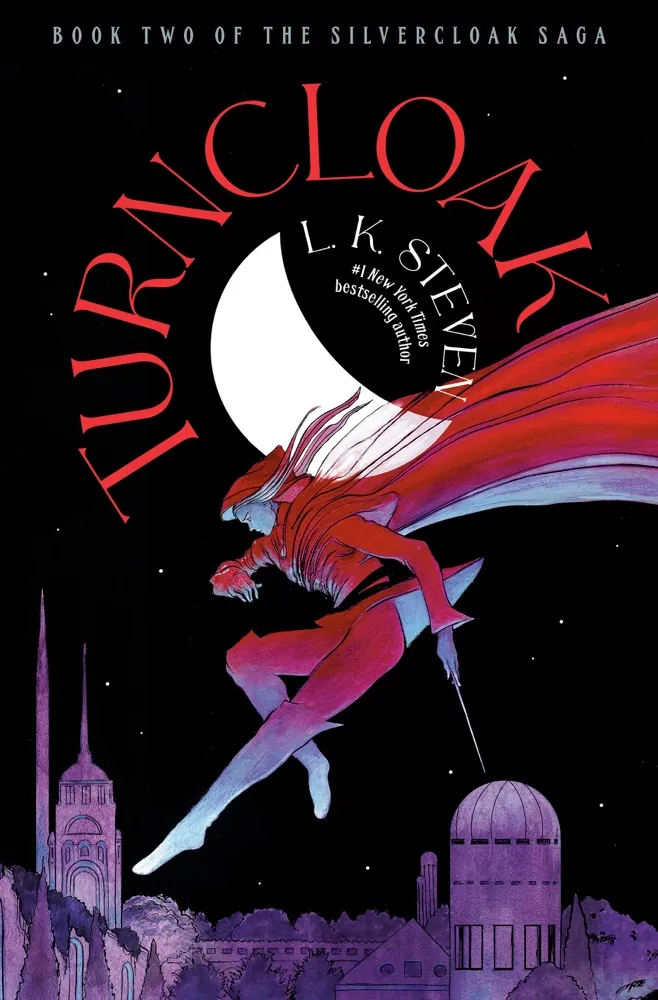
Author: L.K. StevenPage Count: UnknownPublication Date: Expected publication 2026-09-15 APL Look at the calendar. We are three weeks away from quarterly earnings, the glass partition behind my desk is vibrating from the pileup on Park Avenue, and I am wasting twenty minutes parsing the jacket copy for Turncloak. Steven is coming off a massive bestseller, so naturally, the marketing machinery demands a sequel. Yet this synopsis reads like a structural engineer describing a suspension bridge built entirely out of wet spaghetti. The Architecture of Retribution Revenge is a cold dish, but here it has been reheated so many times the plate is melting. Saffron Killoran spent the first book undercover in the Bloodmoon gang, presumably doing gritty things with shadows. Now? Retribution is gone. Poof. Vanished. So she pivots to—and I quote—"harnessing a long-dormant power to fix her ruinous mistakes." Groundbreaking. Truly the Fyre Festival of character motivations. Instead of dealing with the delicious moral ambiguity of an operative who stayed too long at the dance, we get a magical reset button. The synopsis leans hard on the lazy tropes of cosmic desperation. Unmaking time itself? Please. We abandoned linear temporal panic in fantasy fiction around the time Brandon Sanderson cleared his throat in 2006. The Geometry of a Love Triangle Gone Wrong Then we have the kingpin. He discovers Saffron is a Silvercloak. He knows she wants to level his entire criminal enterprise. Naturally, he is "torn between the cause to which he has devoted his life and the fate of the traitorous mage he loves." Spare me. This is Romeo and Juliet rewritten by a tired intern who binged three seasons of a CW drama during a weekend hangover. Where is the bite? Where is the cold, transactional ruthlessness of a syndicate boss who values profit margins over pillow talk? Instead, we get a soft-bellied thug caught in a geopolitical Vanderpump Rules reunion. And chasing them? A rookie detective. Because every continent-spanning thriller apparently requires a zealous cop who plays by her own rules and hates joy. The Pacing Abyss Steven has talent—Our Infinite Fates printed money for a reason—but this plot synopsis lacks a pulse. It relies on vague nouns and exclamation points to manufacture momentum. "A cat-and-mouse game of trust and betrayal spanning continents." Name three cities, L.K. Give me a concrete geography. Otherwise, it is just a backdrop painted on tissue paper. My assistant just buzzed me about the Frankfurt pitch deck. I have to go explain to my interior designer why installing museum-grade halogen spotlights directly over my reading chair makes me look like an interrogation subject. Related InsightsSomewhere Beyond the Sea Book Review and Summary No One Can Know Book Review and Summary Into the Windwracked Wilds Book Review and Summary{ "@context": "https://schema.org", "@type": "FAQPage", "mainEntity": [ { "@type": "Question", "name": "What is the main focus of Turncloak (The Silvercloak Saga, #2) Book Review and Summary?", "acceptedAnswer": { "@type": "Answer", "text": "Everything you need to know about Turncloak (The Silvercloak Saga, #2) with our detailed review." } }, { "@type": "Question", "name": "Who authored the comprehensive guide on Turncloak (The Silvercloak Saga, #2) Book Review and Summary?", "acceptedAnswer": { "@type": "Answer", "text": "This detailed article and its insights were carefully researched and authored by Chloé Laurent." } }, { "@type": "Question", "name": "Where can I find more related content about Books?", "acceptedAnswer": { "@type": "Answer", "text": "You can explore more articles, detailed reviews, and similar insights by browsing the Related Insights section at the bottom of this article or visiting our dedicated Books category page." } } ] }
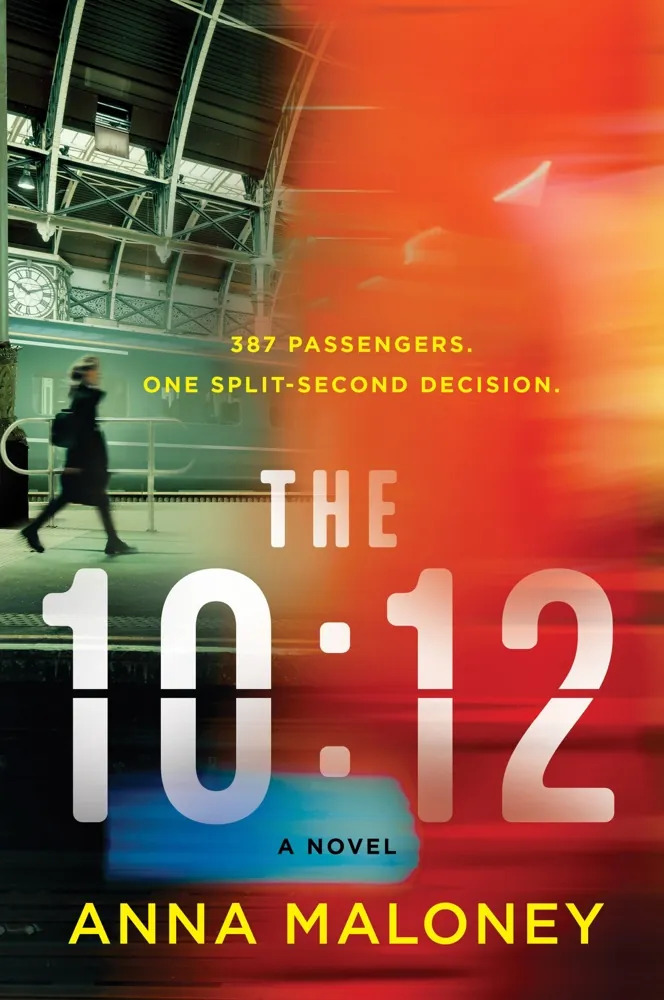

Author: Anna MaloneyPage Count: UnknownPublication Date: Expected publication 2026-10-20 APL The thrill of an impending literary explosion – The 10:12: A Novel by Anna Maloney is set to detonate on October 20, 2026. I'm brimming with anticipation, and my usually stoic demeanor is giving way to aggressive enthusiasm. Maloney's thriller promises to be a page-turner in the style of Ruth Ware, Lisa Jewell, and Claire Douglas – a pedigree that's hard to ignore. But will she live up to the hype? The story centers around Claire Fitzroy, an art lecturer who finds herself on a hijacked train from Manchester to London. With nothing to lose, she rallies a group of passengers and takes down the hijackers, saving hundreds of lives. Sounds heroic, right? But here's the twist – Claire now faces the courts and public opinion, with many questioning her actions. Was she a selfless hero or an attention-seeking vigilante? The plot thickens like a deliciously dark sauce, and I'm salivating at the prospect of sinking my teeth into it. But let's get real – the synopsis is infuriatingly vague. What's the real story behind Claire's actions? Is she a complex character with a rich backstory, or a cardboard cutout designed to advance the plot? Maloney's decision to keep Claire silent until now raises more questions than answers. What's she hiding? And what's the significance of the title, The 10:12? Is it merely a reference to the train's departure time, or something more sinister? As I delve into the world of literary thrillers, I'm reminded of the likes of The Girl on the Train and Gone Girl. These novels expertly wove complex characters, plot twists, and social commentary into a cohesive narrative. Will The 10:12 follow suit, or will it succumb to the pitfalls of predictability and clichés? The jury's still out, but I'm willing to take a chance on Maloney's writing. One thing's for sure – The 10:12 will be a thought-provoking exploration of heroism, morality, and the blurred lines between right and wrong. It's a timely commentary on our society's obsession with instant gratification and the cult of celebrity. But will it be a nuanced, thought-provoking exploration, or a shallow, sensationalized take on these themes? I'm leaning towards the former, but only time will tell. Literally. I'm willing to take a chance on The 10:12, but I'm not holding my breath. If Maloney can deliver on her promise of a twisty, high-stakes thriller, I'll be the first to sing her praises. But if she falls short, I'll be the first to call her out. The stakes are high, and I'm eager to see how she'll navigate the complex web of character psychology, plot twists, and social commentary. And now, if you'll excuse me, I must untangle the garden hose that has tied itself into a Gordian knot. #ThrillerThursday #NewRelease #BookLovers #LiteraryFiction Related InsightsFire Book Review and Summary The Monster Hunter's Librarian Book Review and Summary Counting Miracles Book Review and Summary{ "@context": "https://schema.org", "@type": "FAQPage", "mainEntity": [ { "@type": "Question", "name": "What is the main focus of The 10:12: A Novel Book Review and Summary?", "acceptedAnswer": { "@type": "Answer", "text": "Everything you need to know about The 10:12: A Novel with our detailed review." } }, { "@type": "Question", "name": "Who authored the comprehensive guide on The 10:12: A Novel Book Review and Summary?", "acceptedAnswer": { "@type": "Answer", "text": "This detailed article and its insights were carefully researched and authored by Thomas Wright." } }, { "@type": "Question", "name": "Where can I find more related content about Books?", "acceptedAnswer": { "@type": "Answer", "text": "You can explore more articles, detailed reviews, and similar insights by browsing the Related Insights section at the bottom of this article or visiting our dedicated Books category page." } } ] }
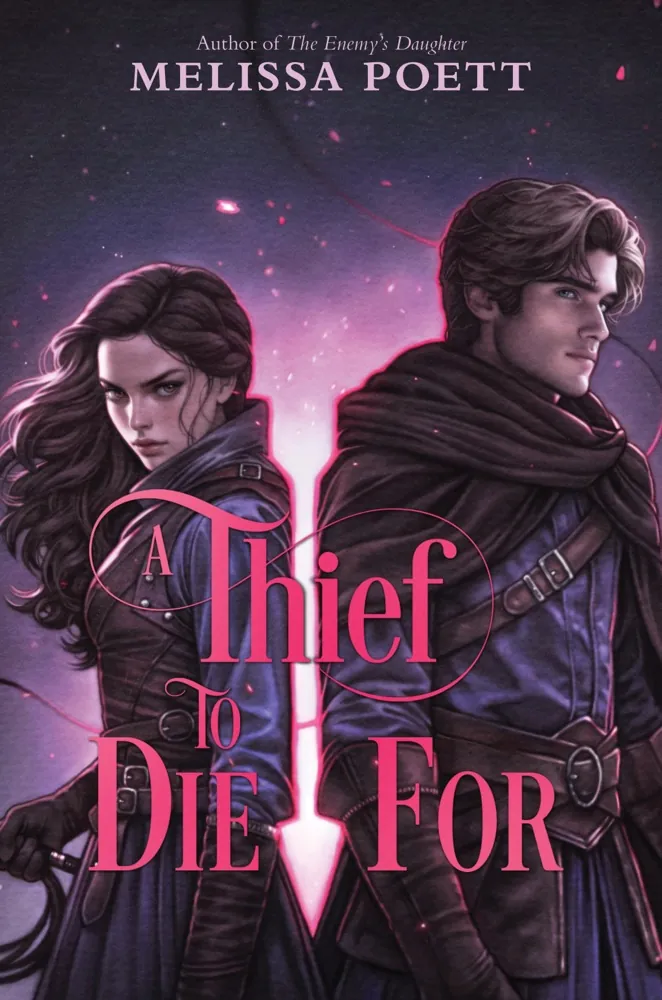

Author: Melissa PoettPage Count: UnknownPublication Date: Expected publication 2026-11-17 APL What is it about these reimaginings that continue to captivate us? Is it our inherent desire to relive the classics, to reimagine the familiar, or merely to escape into the comforting realm of nostalgia? I suppose it's a bit of everything, and Melissa Poett's A Thief to Die For promises to deliver just that—a retelling of the timeless Robin Hood tale, set in a desolate, lawless land. But, I must confess, the premise feels a tad...familiar. A high-ranking guard by day, a whip-wielding thief by night—Marian's dual identity is a classic trope, one that's been done before, and done better, if I might add. And yet, there's something about this particular iteration that piques my interest. Perhaps it's the promise of a "deadly dance of deception" or the hint of a "magical bond" between Marian and Ryland. Whatever the reason, I'm willing to give Poett the benefit of the doubt. Now, let's talk about the world-building. A dystopian landscape, ravaged and barren, with few surviving communities fighting over resources. It's a bleak, if not entirely original, setting. But, I suppose it's the perfect backdrop for a tale of thievery and deception. And, who knows, maybe Poett will surprise us with a fresh take on this tired trope. The characters, however, are a different story altogether. Marian, with her secret life and complicated loyalties, feels like a fascinating, if not entirely new, creation. And Ryland, with his untapped magic and elite soldier status, seems like the perfect foil to Marian's thieving ways. But, what really catches my attention is the power dynamic between them. Marian's father, the ruthless Commander, wants to use Ryland's magic to invade his settlement, and Marian is caught in the middle. It's a classic tale of star-crossed lovers, with a deliciously complicated twist. And yet, despite my initial reservations, I find myself drawn to this narrative. Perhaps it's the promise of a "classic retelling" or the hint of a "magical bond" between the leads. Whatever the reason, I'm willing to give Poett a chance to prove herself. But, let's be real, the true test of A Thief to Die For lies in its execution. Will Poett be able to breathe new life into this familiar tale, or will it feel like just another rehashing of a classic? Only time will tell. The plot, as it stands, feels a tad predictable, but I suppose that's the nature of retellings. And, yet, I find myself wondering what Poett has up her sleeve. Will she subvert our expectations, or play it safe? The world may never know. As I sit here, sipping my tea and pondering the merits of A Thief to Die For, I'm reminded of the infamous Isabella Stewart Gardner Museum heist. A daring, if not entirely successful, theft, it's a tale that's captivated art lovers for decades. And, in many ways, it's the perfect metaphor for Poett's latest effort. Will she be able to pull off this literary heist, or will it fall flat? I suppose only time will tell. And, now, if you'll excuse me, I have a squash game with my lawyer this afternoon, and I simply cannot be late. #RobinHoodReimagined #DystopianDelights #LiteraryHeists Related InsightsThe Body in the Attic Book Review and Summary Oliver Twist Book Review and Summary Great Expectations Book Review and Summary{ "@context": "https://schema.org", "@type": "FAQPage", "mainEntity": [ { "@type": "Question", "name": "What is the main focus of A Thief to Die For Book Review and Summary?", "acceptedAnswer": { "@type": "Answer", "text": "Everything you need to know about A Thief to Die For with our detailed review." } }, { "@type": "Question", "name": "Who authored the comprehensive guide on A Thief to Die For Book Review and Summary?", "acceptedAnswer": { "@type": "Answer", "text": "This detailed article and its insights were carefully researched and authored by James Miller." } }, { "@type": "Question", "name": "Where can I find more related content about Books?", "acceptedAnswer": { "@type": "Answer", "text": "You can explore more articles, detailed reviews, and similar insights by browsing the Related Insights section at the bottom of this article or visiting our dedicated Books category page." } } ] }

-
 Lucas Martin
 - 18 Aug, 2026 11:16
L'Encre Subversive : Ces chefs-d'œuvre traqués dans l'ombre de l'URSS
Le papier est une matière fragile, vulnérable au feu, à l'humidité et au temps. Pourtant, dans les couloirs glacés de l'Union soviétique, certaines pages se sont révélées plus résistantes que l'acier des chars T-34. Il y avait dans le secret des appartements moscovites et les recoins sombres des bibliothèques spéciales, une résistance qui ne tirait pas, mais qui écrivait. Ces livres, frappés d'interdiction, constituaient une menace existentielle pour un régime qui avait bâti son empire sur le dogme et l'uniformité de la pensée. Aujourd'hui, en tant que passionné de littérature, je vous invite à plonger dans cette archive des ombres, là où la plume est devenue une arme de libération. Le frisson de la machine à écrire dans la nuit La censure en URSS n'était pas un simple outil administratif ; c'était un scalpel chirurgical visant à sectionner toute veine reliant l'intellectuel à la dissidence. Le Glavlit, organisme de contrôle central, veillait au grain, scrutant chaque ligne pour y débusquer les germes de l'anti-soviétisme. Mais plus on cherchait à enterrer une idée, plus celle-ci semblait fleurir clandestinement. Le phénomène du « Samizdat » — littéralement « auto-édition » — est né de cette nécessité. Des auteurs, incapables de publier leurs manuscrits par les canaux officiels, les faisaient circuler sous forme de copies dactylographiées, transmises de main en main, souvent recopiées à la machine à écrire avec du papier carbone, jusqu'à ce que les dernières copies deviennent presque illisibles. C'était une littérature de la survie, une poésie qui devait être apprise par cœur avant d'être détruite, de peur qu'elle ne serve de preuve lors d'une perquisition du KGB.Les géants condamnés au silence Parmi les voix que le régime a tenté de briser, certaines résonnent encore avec une puissance dévastatrice aujourd'hui. Prenons « Le Maître et Marguerite » de Mikhaïl Boulgakov. Ce roman, un chef-d'œuvre fantastique où le Diable visite Moscou, est une satire féroce de la bureaucratie soviétique. Boulgakov, vivant dans une peur constante, a brûlé une première version de son manuscrit avant de le réécrire de mémoire. Le livre ne fut publié qu'en 1966, près de vingt-six ans après sa mort. Son existence même témoigne de la défaite du système : on ne peut pas assassiner l'imagination. Un autre pilier de cette liste maudite est « L'Archipel du Goulag » d'Alexandre Soljenitsyne. Ce n'était pas seulement un livre ; c'était un séisme. En documentant le système carcéral soviétique, Soljenitsyne a brisé le silence imposé sur des millions de vies broyées. Lorsque le texte a franchi les frontières pour être publié à Paris en 1973, le gouvernement soviétique a été pris de court, incapable d'endiguer la vague de vérité qui déferlait sur l'Occident. Pour le citoyen soviétique moyen, découvrir ces pages revenait à sortir d'une caverne de Platon après des décennies d'obscurité. Les frontières mouvantes de la subversion Il est fascinant d'observer quels ouvrages étaient jugés « dangereux ». Ce n'était pas toujours une question de politique explicite. La poésie d'Anna Akhmatova, par exemple, fut interdite pendant de longues années. Pourquoi ? Parce que son lyrisme, sa mélancolie et son indépendance spirituelle ne cadraient pas avec le réalisme socialiste, cet impératif rigide qui voulait que tout art soit une célébration de la production industrielle et du progrès collectif. L'interdiction frappait sans distinction : Les classiques de la littérature mondiale perçus comme « décadents ». Les œuvres traitant de la religion ou de la spiritualité. Les écrits philosophiques remettant en cause le matérialisme dialectique. Les témoignages directs sur les purges staliniennes.La censure créait un vide culturel que les citoyens, affamés de pensée libre, tentaient de combler par n'importe quel moyen. Le simple fait de posséder un livre de Boris Pasternak, dont « Le Docteur Jivago » fut banni pour son humanisme jugé non conforme, était un acte de bravoure. L'écrivain fut contraint de refuser son prix Nobel de littérature sous la pression du Politburo. Le contraste est saisissant : d'un côté, une puissance atomique mondiale, de l'autre, un poète dont le crime était d'avoir écrit sur l'âme humaine.L'héritage de la résistance littéraire La question que l'on doit se poser aujourd'hui est : qu'est-ce qu'une bibliothèque sans ces livres ? Une bibliothèque qui ne contient que ce qui est autorisé est une bibliothèque qui nous appauvrit. L'histoire des livres interdits en URSS nous enseigne que la censure est le signe d'une peur profonde du pouvoir envers la réflexion individuelle. Chaque fois qu'une dictature interdit un livre, elle ne fait que le sacraliser. Le Samizdat, avec ses typographies imparfaites et son papier jauni, reste un monument à la liberté d'expression. Il nous rappelle que le contrôle de l'information n'a jamais réussi à stopper le désir humain de vérité. Même à l'ère numérique, alors que nous vivons dans une profusion d'informations, il est vital de se souvenir de ces auteurs qui ont risqué la prison, l'asile psychiatrique ou l'exil pour quelques mots posés sur une page. Le poids des mots dans le nouvel âge Aujourd'hui, alors que nous avons un accès presque illimité à la connaissance, il est facile de tenir pour acquise cette liberté de lecture. Pourtant, le spectre de l'interdiction rôde toujours, prenant des formes plus subtiles, plus algorithmiques. L'histoire de la censure soviétique est un miroir qui nous renvoie nos propres failles. Quand je feuillette une édition rare de ces œuvres autrefois prohibées, je ne vois pas seulement du texte. Je vois les mains des courageux lecteurs qui, dans le secret, ont partagé ces pages au péril de leur liberté. Je vois la résilience de la culture face à la barbarie. Ces livres n'étaient pas seulement des vecteurs d'idées ; ils étaient des actes de résistance pure, des brèches ouvertes dans un mur qui se voulait imprenable. La bibliographie des ombres : une étude historique Pour approfondir ce sujet, il faut se pencher sur les archives de la « Spetskhran » — les départements spéciaux des bibliothèques soviétiques où étaient stockés les ouvrages interdits. L'accès y était strictement limité à quelques privilégiés ayant des habilitations de sécurité. Ce paradoxe — une bibliothèque de livres interdits, gérée par ceux-là mêmes qui les censuraient — illustre parfaitement l'absurdité du système. Il existe encore aujourd'hui un travail immense de redécouverte de ces textes. De nombreux auteurs, dont les noms avaient été effacés des manuels scolaires et des dictionnaires, sont en train d'être réhabilités. C'est une tâche nécessaire, non seulement pour l'histoire littéraire, mais pour la santé morale de nos sociétés contemporaines. Nous devons continuer à lire, à partager et surtout, à questionner ce qui nous est présenté comme la seule vérité autorisée.La littérature n'est pas un luxe, c'est une nécessité vitale. En URSS, les autorités l'ont compris avant même les écrivains, c'est pourquoi elles en ont eu si peur. La prochaine fois que vous ouvrirez un livre, souvenez-vous de ces époques où chaque page tournée pouvait changer une vie. Car, comme l'écrivait Boulgakov, « les manuscrits ne brûlent pas ». Ils survivent, ils attendent, et ils finissent toujours par trouver leur chemin vers la lumière. #LittératureSoviétique #Censure #LibertéDExpression #HistoireDesLivres #Samizdat Related InsightsEstuche Albert Camus (contiene: El extranjero / Calígula / El mito de Sísifo) / Albert Camus Box Set (includes: The Stranger / Caligula / The Myth of Sisyphus Book Review and Summary The Way of Kings Book Review and Summary The Maze Runner Book Review and Summary{ "@context": "https://schema.org", "@type": "FAQPage", "mainEntity": [ { "@type": "Question", "name": "What is the main focus of L'Encre Subversive : Ces chefs-d'œuvre traqués dans l'ombre de l'URSS?", "acceptedAnswer": { "@type": "Answer", "text": "Découvrez les œuvres littéraires majeures que le régime soviétique a tenté d'effacer de la mémoire collective et le pouvoir indestructible des mots face à la tyrannie." } }, { "@type": "Question", "name": "Who authored the comprehensive guide on L'Encre Subversive : Ces chefs-d'œuvre traqués dans l'ombre de l'URSS?", "acceptedAnswer": { "@type": "Answer", "text": "This detailed article and its insights were carefully researched and authored by Lucas Martin." } }, { "@type": "Question", "name": "Where can I find more related content about Books?", "acceptedAnswer": { "@type": "Answer", "text": "You can explore more articles, detailed reviews, and similar insights by browsing the Related Insights section at the bottom of this article or visiting our dedicated Books category page." } } ] }
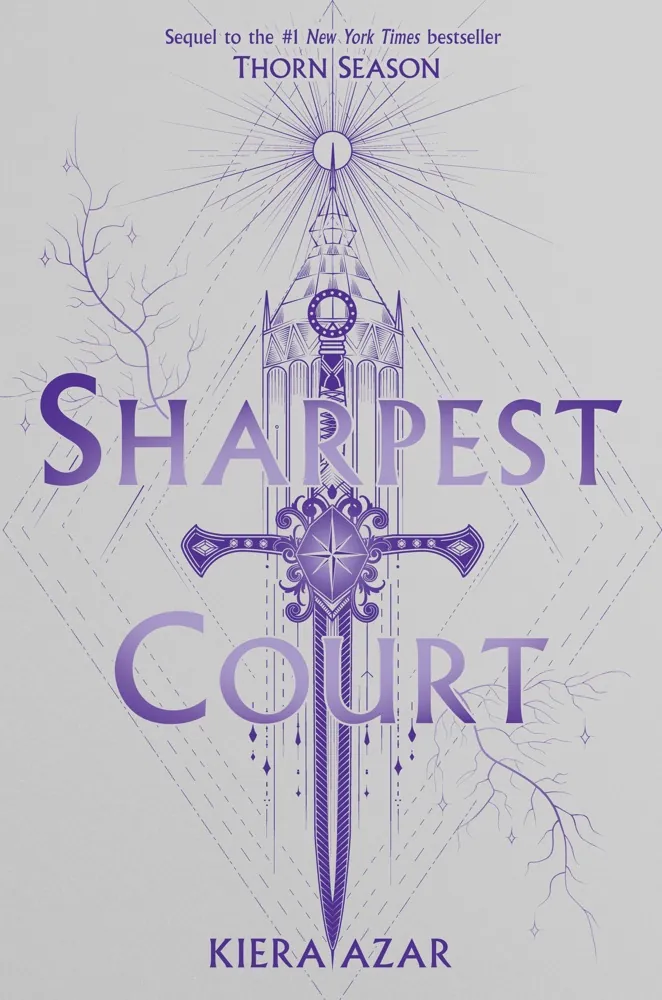

Author: Kiera AzarPage Count: UnknownPublication Date: Expected publication 2026-11-03 APL August heat is baking the tomatoes into dry husks out by the south pasture, and the irrigation pump is rattling its casing loose again. Perfect. Just the soundtrack needed for evaluating Kiera Azar’s upcoming Sharpest Court. Because what the literary market desperately demands right now is yet another hardcover about teenagers wearing elaborate ballgowns while overthrowing monarchies that clearly never learned basic crop rotation. Gilded Cages and Compasses Alissa is back, running from King Erik with a magical compass that sounds suspiciously like every single artifact lost in every YA fantasy written since Sarah J. Maas figured out how to brand a fae cheekbone. Yet the synopsis wants us to gasp at the high stakes of a courtier's mask. Oh, the glamour. Oh, the peril. Honestly, why do these rebels always trade their muddy boots for satin slippers the second a throne room gets mentioned? Give me a protagonist who understands soil compaction instead of court politics. My cousin’s teenager tried to explain the first book's lore last month while I was trying to fix a rusted tractor manifold with a bent coat hanger and half a prayer. That’s certainly an opinion. Kids today consume this relentless machinery of royal romance like cheap candy, ignoring the systemic failures of an agrarian economy entirely dependent on magical contraband. The Cost of Glitter Azar leans hard into the standard formula of hunted magic users dodging tyrannical sovereigns. Ansora offers protection at a steep price. Of course it does. Nothing in these kingdoms is free, unlike the weeds choking my zucchini patch right now. But will Alissa actually face real structural consequences, or will she just spend three hundred pages brooding over a boy named Keil while wearing a vicious mask? Predicting a predictable mess. Readers will eat it up because they crave shiny objects over narrative substance, much like magpies drawn to a gleaming piece of tinsel left on a fence post. Speaking of expensive distractions, the orthodontist bill arrived this morning for the middle kid's overbite. The absurd cost of braces these days is giving me a massive headache. #KieraAzar #SharpestCourt #BookTwitter #Romantasy Related InsightsMatar un ruiseñor / To Kill a Mockingbird Book Review and Summary Paper and Blood Book Review and Summary Heartless Book Review and Summary{ "@context": "https://schema.org", "@type": "FAQPage", "mainEntity": [ { "@type": "Question", "name": "What is the main focus of Sharpest Court (Thorn Season #2) Book Review and Summary?", "acceptedAnswer": { "@type": "Answer", "text": "Everything you need to know about Sharpest Court (Thorn Season #2) with our detailed review." } }, { "@type": "Question", "name": "Who authored the comprehensive guide on Sharpest Court (Thorn Season #2) Book Review and Summary?", "acceptedAnswer": { "@type": "Answer", "text": "This detailed article and its insights were carefully researched and authored by William Clark." } }, { "@type": "Question", "name": "Where can I find more related content about Books?", "acceptedAnswer": { "@type": "Answer", "text": "You can explore more articles, detailed reviews, and similar insights by browsing the Related Insights section at the bottom of this article or visiting our dedicated Books category page." } } ] }
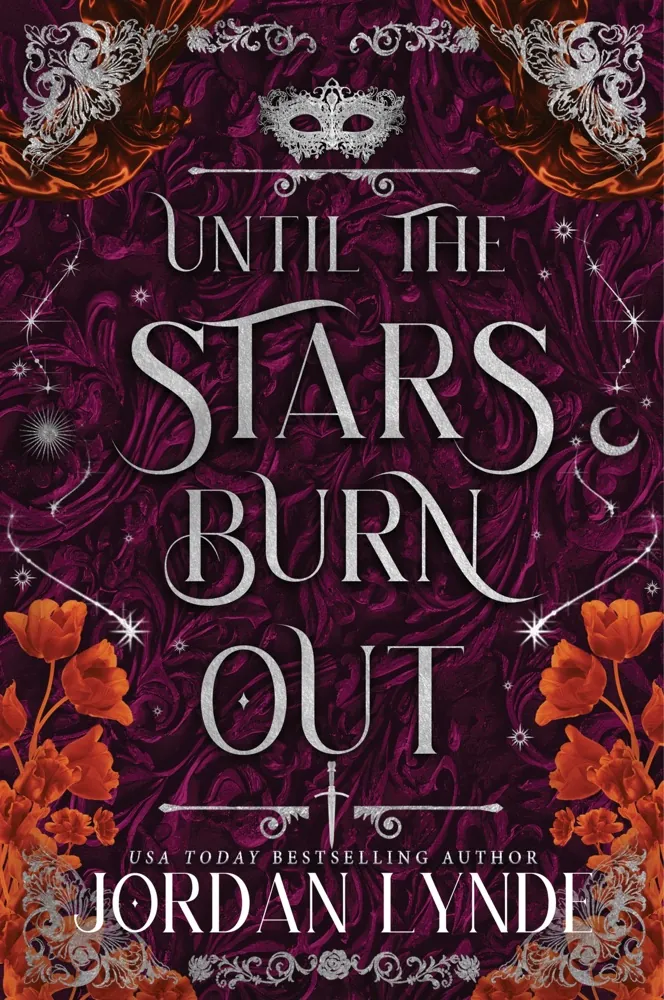

Author: Jordan LyndePage Count: UnknownPublication Date: Expected publication 2026-12-29 APL The binder holding the advance sheets smells faintly of bergamot and expensive glue, resting quite comfortably against the vellum lining of my blotter. Jordan Lynde returns to us with Until The Stars Burn Out, the promised continuation of Until the World Falls Down, a national bestseller that somehow bypassed every salon on the Upper East Side yet managed to shift plenty of units. One shudders at the demographics. The Architecture of Despair We are subjected once again to Nell and Enver, fresh from the labyrinth and presumably exhausted by their own branding. The premise trades in recycled velvet. A fading magic, a lost relic, and the perennial curse that requires a woman's gentle patience to mend. It reads less like mythic fantasy and more like the infamous 1992 Windsor Castle fire—slow, predictable, and entirely insured. Enver’s control is slipping, you see. The shadows devour him. Or perhaps the editors devoured the plot structure before the manuscript ever hit the bindery. And then there is the touch. Every stolen kiss brings physical proximity that somehow destabilizes arcane metaphysics. A curious piece of magical engineering, that. One wonders if the thermodynamic laws of Lynde’s universe apply strictly to labial tension. The synopsis leans heavily on the sort of devastating intimacy usually reserved for cheap paperbacks bought at railway kiosks during a delayed departure to Zurich. Shadows and Stock Footage Familiar faces resurface. The dangerous fae makes a curtain call. Naturally. Because introducing a novel antagonist would require actual imagination rather than reheating the same literary gruel that populated the first volume. The prose promises a race against time and across realms. How exhausting. We are promised impossible choices that will shatter hearts for eternity. Eternity is a rather long time to spend mourning a character who speaks entirely in brooding ellipses and aggressive cheekbones. The emotional stakes are telegraphed with the subtlety of a falling chandelier at the Paris Opera. Nell must choose. Enver will break. The paper will absorb it all, patiently waiting for the paperback release in three months. I shall require the page proofs removed from my sight before the morning post arrives. The courier is already late with the delivery of bespoke Italian leather furniture. Related InsightsHigh Fidelity Book Review and Summary Beyond the Baths of Stars Book Review and Summary Lost in the Moment and Found Book Review and Summary{ "@context": "https://schema.org", "@type": "FAQPage", "mainEntity": [ { "@type": "Question", "name": "What is the main focus of Until The Stars Burn Out (Shadowsworn, #2) Book Review and Summary?", "acceptedAnswer": { "@type": "Answer", "text": "Everything you need to know about Until The Stars Burn Out (Shadowsworn, #2) with our detailed review." } }, { "@type": "Question", "name": "Who authored the comprehensive guide on Until The Stars Burn Out (Shadowsworn, #2) Book Review and Summary?", "acceptedAnswer": { "@type": "Answer", "text": "This detailed article and its insights were carefully researched and authored by Olivia Harris." } }, { "@type": "Question", "name": "Where can I find more related content about Books?", "acceptedAnswer": { "@type": "Answer", "text": "You can explore more articles, detailed reviews, and similar insights by browsing the Related Insights section at the bottom of this article or visiting our dedicated Books category page." } } ] }
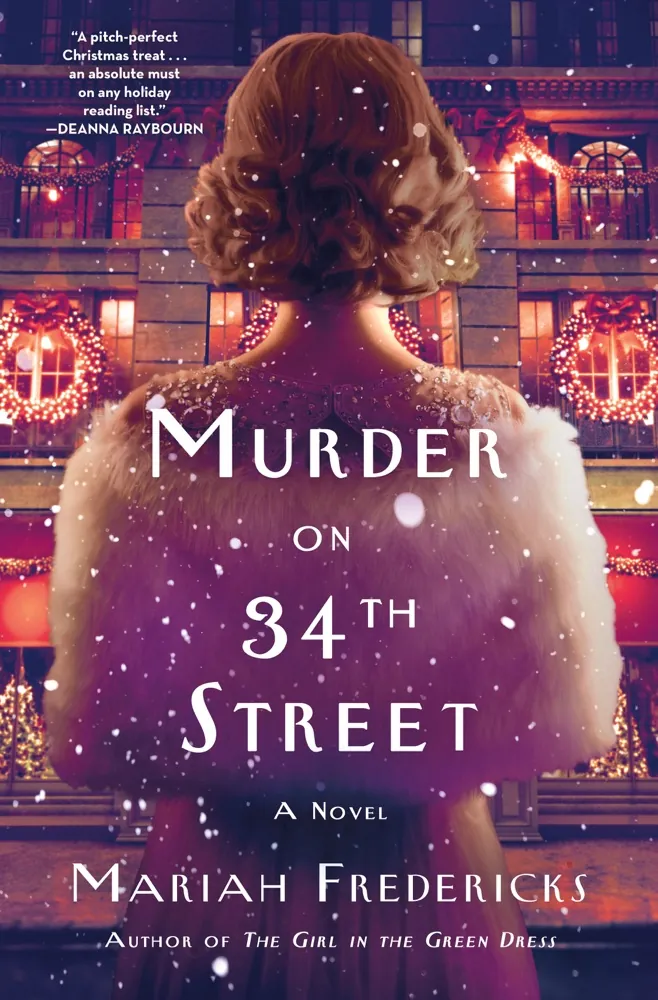
Author: Mariah FredericksPage Count: UnknownPublication Date: Expected publication 2026-10-06 APL There is a special, agonizing weight that settles into your chest when you lose a child, a crushing physical hollowness that makes you look at cheerful historical cozies about department store holiday parades with a mixture of profound exhaustion and quiet fury. People keep handing me books about clever detectives and bustling festive streets, as if a cozy little murder mystery involving a corpse on a Thanksgiving float is somehow going to stitch back together the shredded pieces of a mother's heart, or provide some neat, tidy cinematic answer to the chaotic, senseless permanence of death. Grace Verlander is supposed to be the "secret beating heart" of Macy’s—oh, how that phrase alone makes my stomach turn, because hearts aren't supposed to be secret little cogs keeping retail operations running smoothly, they are supposed to beat loudly inside the chests of children who grow up to go to college and walk through the front door. Yet here we are, looking at a 1932 period piece where a death threat from Santa Claus is treated like a quirky precursor to a delightful holiday romp, completely bypassing the actual, jagged devastation of losing someone you love. Let’s unpack this absolute trainwreck. Mariah Fredericks is trading in the atmospheric grit of The Girl in the Green Dress for what appears to be a sanitized, nostalgia-soaked romp through Depression-era New York, as if financial ruin and murder can somehow be brushed away by the glittering magic of a department store display. I am so intensely tired of authors treating human mortality as a clever parlor game for middle-class readers to puzzle over while they drink tea by the radiator. Real grief doesn't get solved by using your wits and a deep knowledge of retail logistics. Real grief just sits in the dark room, heavy and absolute, wondering why the world keeps spinning and organizing parades while your own personal universe has completely burned to the ground. If I have to read one more synopsis where a plucky female protagonist uses her cheerful competence to "save the reputation of an iconic store from ruin," I might genuinely lose whatever fragile grip I have left on my sanity. Who cares about the department store's reputation? What about the person who died? What about the mother who raised him? No, we don't get answers to those questions in a book slated for an October release, because books like this aren't actually interested in the profound, agonizing architecture of loss—they just want to use a corpse as cheap set dressing for a holiday window display. Empty. My daughter just informed me her science fair is tomorrow, not next week. Related InsightsStoneslayer: Book One Scandal Book Review and Summary Casa de flama y sombra / House of Flame and Shadow Book Review and Summary Just in Time Book Review and Summary{ "@context": "https://schema.org", "@type": "FAQPage", "mainEntity": [ { "@type": "Question", "name": "What is the main focus of Murder on 34th Street: A Novel Book Review and Summary?", "acceptedAnswer": { "@type": "Answer", "text": "Everything you need to know about Murder on 34th Street: A Novel with our detailed review." } }, { "@type": "Question", "name": "Who authored the comprehensive guide on Murder on 34th Street: A Novel Book Review and Summary?", "acceptedAnswer": { "@type": "Answer", "text": "This detailed article and its insights were carefully researched and authored by Victoria Smith." } }, { "@type": "Question", "name": "Where can I find more related content about Books?", "acceptedAnswer": { "@type": "Answer", "text": "You can explore more articles, detailed reviews, and similar insights by browsing the Related Insights section at the bottom of this article or visiting our dedicated Books category page." } } ] }