Showing Posts From
Books
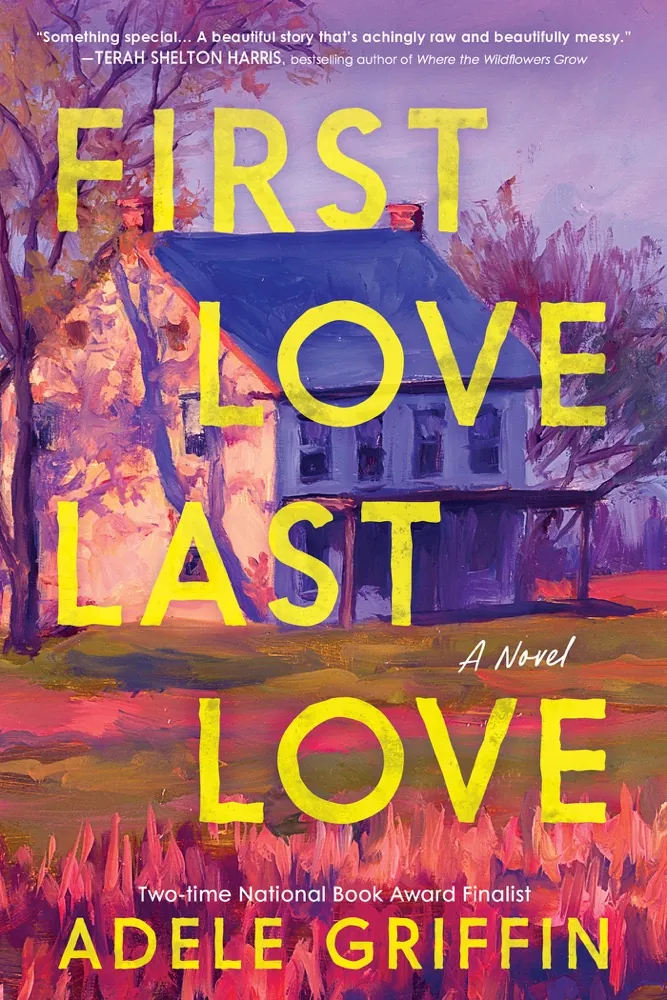

Author: Adele GriffinPage Count: UnknownPublication Date: Expected publication 2026-11-03 APL Winter storms and hospital waiting rooms are the absolute height of narrative laziness. Adele Griffin is dragging us back into the exhaust fumes of twenty-year-old nostalgia with First Love Last Love, and I can already feel my teeth grinding into powder. We are promised a sweeping collision between a predictable woman and a globe-trotting superstar who somehow writes the soundtrack to an entire generation yet remains utterly unheld by his adoring public. Oh, spare me. The sheer audacity of leaning on the tired celebrity-versus-the-ordinary-girl dynamic in the year of our Lord 2026 is staggering. The Cult of the Untethered Wildcard Elijah Beck is a walking red flag dipped in platinum dust. For what it's worth, I have met fifty men exactly like him in private members' clubs across three continents, and every single one of them is desperately exhausting. Griffin wants us to swoon over a man who struck gold on stage while remaining emotionally destitute, but the archetype has expired. It smells of stale champagne and aggressive PR campaigns. And what of Vida? She favors the reliable! What a thrilling personality trait. She likes things she can count on—like oatmeal and tax returns. The collision of these two archetypes feels manufactured by a committee of algorithms desperately chasing the ghost of Christina Lauren. Actually, scratch that completely. Perhaps the sheer predictability of the setup is precisely the point. Maybe we are meant to revel in the comfortable upholstery of a love triangle with the past. The Tyranny of the Unresolved Text The synopsis leans heavily on rhetorical questions that insult the reader's intelligence. Is he her greatest mistake or the love she was always meant to find again? Groundbreaking. Truly a philosophical query for the ages. Griffin is relying on the cheap currency of "what ifs" to do the heavy lifting that actual prose should be handling. Nostalgia is indeed a tricky thing, mostly because lazy writers use it as a crutch when they cannot fabricate genuine chemistry in the present tense. We get it. Fame is isolating. First loves leave scars. Yet, I will undoubtedly watch the internet lose its collective mind over this book on release day while sitting in a leather wingback chair, nursing a scotch that costs more than my first passport. The gentrification of my neighborhood is driving out all the good dive bars. #FirstLoveLastLove #AdeleGriffin #BookTwitter #RomanceBooks Related InsightsThe Old Man and the Sea Book Review and Summary Well Versed (Well Met, #5) Book Review and Summary The Lives of Saints Book Review and Summary{ "@context": "https://schema.org", "@type": "FAQPage", "mainEntity": [ { "@type": "Question", "name": "What is the main focus of First Love Last Love: A Novel Book Review and Summary?", "acceptedAnswer": { "@type": "Answer", "text": "Everything you need to know about First Love Last Love: A Novel with our detailed review." } }, { "@type": "Question", "name": "Who authored the comprehensive guide on First Love Last Love: A Novel Book Review and Summary?", "acceptedAnswer": { "@type": "Answer", "text": "This detailed article and its insights were carefully researched and authored by Klaus Weber." } }, { "@type": "Question", "name": "Where can I find more related content about Books?", "acceptedAnswer": { "@type": "Answer", "text": "You can explore more articles, detailed reviews, and similar insights by browsing the Related Insights section at the bottom of this article or visiting our dedicated Books category page." } } ] }
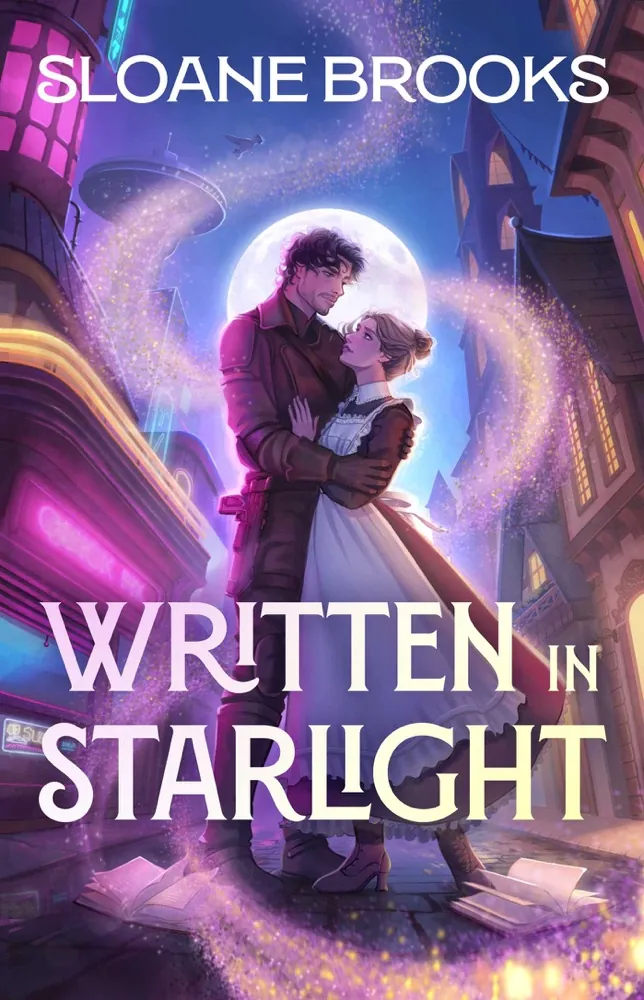
Author: Sloane BrooksPage Count: UnknownPublication Date: Expected publication 2026-10-13 APL The synopsis for Written in Starlight reads like a love letter to the kind of cosmic romance that thrives on ambiguity—where the magic isn’t in the mechanics of the portal or the bounty hunter’s past, but in the feeling of it. Della’s floor-scrubbing world and Ansel’s interstellar fugitivity aren’t just settings; they’re emotional states, the kind that make you wonder if the book’s real power lies in the gap between them, not the bridge. And yet—here’s the thing—this is the kind of premise that could either soar or crash like a poorly calibrated hyperdrive. The synopsis leans heavily on the "magical book as a conduit" trope, which is fine if you’re going for the Tusk Love vibe—where the romance is as much about the process of falling in as it is the destination. But it also risks feeling like a rehash of The Library at Mount Char if the prose doesn’t do more than gesture at the cosmic. The real question is: does this book have the guts to make the book-as-character feel alive, or will it default to the safe, sentimental route where the magic is just a fancy way to say "they found each other through a medium"? Della’s quiet desperation is the kind of character hook that could carry a novel—her world is so small it’s almost claustrophobic, and Ansel’s fugitive status gives him the kind of brooding, morally ambiguous depth that fans of The Poppy War would appreciate. But the synopsis doesn’t tell us if the book will lean into the psychological stakes of their connection or if it’ll just be another "opposites attract" space opera. The fact that their worlds "collide" through a book—something so human—makes me wonder if the real tension will come from the contrast between Della’s groundedness and Ansel’s cosmic detachment. Or will it just be another love story where the magic is the easy way out? The thematic potential here is huge—a meditation on fate vs. choice, the way stories shape us, the idea that love might be the only thing that transcends the void. But the synopsis doesn’t give us enough to judge whether it’ll land. It’s the kind of premise that could either be brilliant—like The Night Circus’s atmospheric tension or The Starless Sea’s lyrical melancholy—or it could be painfully predictable, the kind of thing that gets buried under a mountain of "romance with a twist" tropes. The fact that it’s being pitched to fans of Tusk Love and The Spellshop is both a compliment and a warning. Those books thrive on specificity—the way Tusk Love’s magic is tied to the body, the way The Spellshop’s world feels like a living, breathing entity. If Written in Starlight doesn’t give us something distinct beyond "book = love," it’ll just be another entry in the "portal romance" graveyard. And then there’s the price—the synopsis drops that ominous line like it’s a Twilight cliffhanger, but without any real context. Is this about sacrifice? Redemption? The cost of rewriting fate? Or is it just a cheap way to add drama? The best cosmic romances—think The Gracekeepers or The City of Brass—make the stakes feel personal, not just "oh no, the magic might break." If this book wants to avoid feeling like a gimmick, it needs to make the "price" something that matters, not just another plot device. But here’s the thing—this is the kind of book that could work if it’s bold. If it takes the "book as a character" idea and runs with it, making the writing itself a metaphor for their relationship. If Della’s story and Ansel’s story literally shape each other, if the book’s pages become a battleground for their desires. If it’s not just a love story, but a metaphor for how we all rewrite ourselves through the stories we tell. That’s the kind of ambition that could make this stand out. But if it’s just another "they found each other through a magical object" story, it’ll be forgotten faster than a poorly calibrated warp drive. The roommate’s band is playing "Space Oddity" on loop now, and I need to go barricade myself in the bathroom before they start tuning. Maybe I’ll bring a book. But not this one—unless it’s got the guts to be more than it promises. #booktok #cosmicromance #starlightvibes #fateornothing #writeitdown Related InsightsThis Door of the Seas Book Review and Summary Desert Star Book Review and Summary Harry Potter and the Deathly Hallows Book Review and Summary{ "@context": "https://schema.org", "@type": "FAQPage", "mainEntity": [ { "@type": "Question", "name": "What is the main focus of Written in Starlight Book Review and Summary?", "acceptedAnswer": { "@type": "Answer", "text": "Everything you need to know about Written in Starlight with our detailed review." } }, { "@type": "Question", "name": "Who authored the comprehensive guide on Written in Starlight Book Review and Summary?", "acceptedAnswer": { "@type": "Answer", "text": "This detailed article and its insights were carefully researched and authored by Natalia Sokolova." } }, { "@type": "Question", "name": "Where can I find more related content about Books?", "acceptedAnswer": { "@type": "Answer", "text": "You can explore more articles, detailed reviews, and similar insights by browsing the Related Insights section at the bottom of this article or visiting our dedicated Books category page." } } ] }
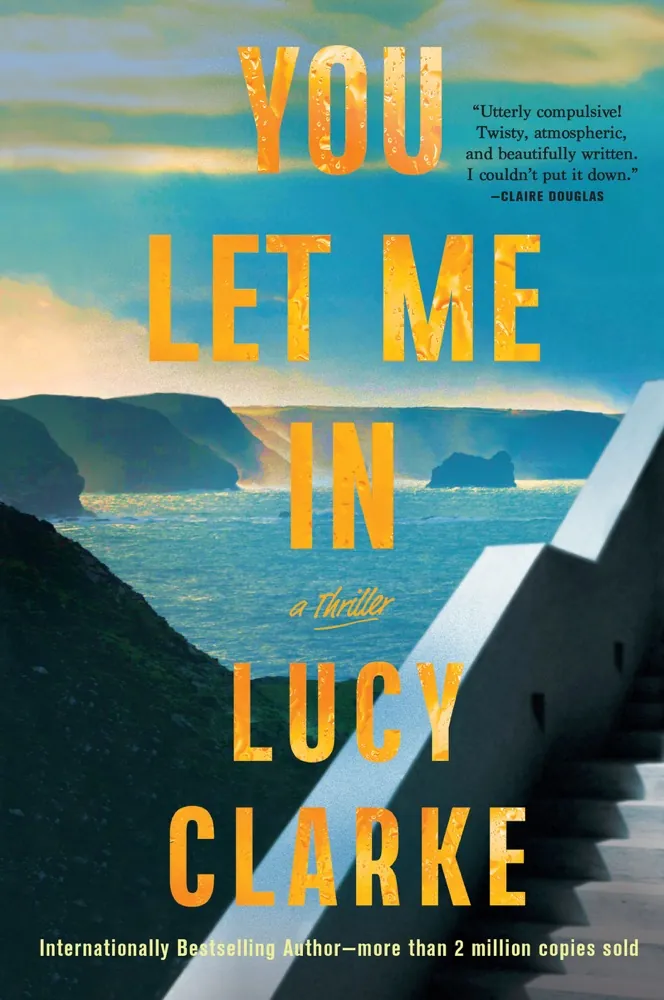
Author: Lucy ClarkePage Count: UnknownPublication Date: Expected publication 2026-10-13 APL Sweating through this ridiculous polyester thrift-store blouse while the August humidity turns my cramped apartment into a literal swamp, I have been handed Lucy Clarke’s You Let Me In synopsis to dissect for pennies. Yet another thriller about a struggling writer renting out her house on Airbnb. Groundbreaking. Riveting. Truly, the cultural reset of 2026. The Real Estate Trap of Domestic Suspense The marketing copy leans hard on the Rear Window comparisons, which is marketing code for "we have a protagonist trapped in a specific square footage and she refuses to call the police." Elle Fielding is floundering. Her marriage is disintegrating. Her book deal is evaporating. Naturally, the only logical solution to imminent financial ruin is letting random strangers sleep in your bed for a hundred bucks a night. Paranoia as a Monetized Commodity The thematic core here—if we can dignify a publisher's plot blurb with academic rigor—is the commodification of domesticity. We trade our private sanctuaries for gig-economy scraps, inviting the panopticon straight into our guest bedrooms. Clarke is hitting the zeitgeist over the head with a very expensive brass candlestick. The synopsis promises a "mind-bending thriller" about secrets waking up, but let us be entirely real for a second. This is pure domestic noir churn. It is giving high-concept gaslighting for people who unironically love acoustic covers of pop songs in TV commercials. Structural Fatigue and Genre Tropes Look, I am just trying to hit a word count before my electric bill gets shut off, but even my deadened literary soul feels exhausted by the phrase "twisted game of cat-and-mouse." Can we retire the mouse? The mouse is dead. The cat is exhausted. Elle has a secret keeping her awake at night—probably some basic-ass infidelity or accidental plagiarism because her book deal is tanking—and now a stalker is weaponizing her own drywall against her. Peak mid-list thriller-industrial-complex behavior. If you loved Shari Lapena or Freida McFadden grinding out identical manuscripts on a quarterly deadline, You Let Me In will slap. It is derivative, it is deeply predictable, and it will sell two million copies to people reading on regional commuter trains. The synopsis telegraphs every single beat with zero subtlety, yet I will still probably end up reading it on my fireescape because the AC is broken and reading about a freezing cold Cornish home is cheaper than therapy. Now I need to go dump a box of Rit dye and a vintage 1970s maxi dress into the bathtub before the landlord complains about the plumbing again. Related Insights1984 Book Review and Summary Love You to Death Book Review and Summary Flow Down Like Silver Book Review and Summary{ "@context": "https://schema.org", "@type": "FAQPage", "mainEntity": [ { "@type": "Question", "name": "What is the main focus of You Let Me In Book Review and Summary?", "acceptedAnswer": { "@type": "Answer", "text": "Everything you need to know about You Let Me In with our detailed review." } }, { "@type": "Question", "name": "Who authored the comprehensive guide on You Let Me In Book Review and Summary?", "acceptedAnswer": { "@type": "Answer", "text": "This detailed article and its insights were carefully researched and authored by Irina Ivanova." } }, { "@type": "Question", "name": "Where can I find more related content about Books?", "acceptedAnswer": { "@type": "Answer", "text": "You can explore more articles, detailed reviews, and similar insights by browsing the Related Insights section at the bottom of this article or visiting our dedicated Books category page." } } ] }
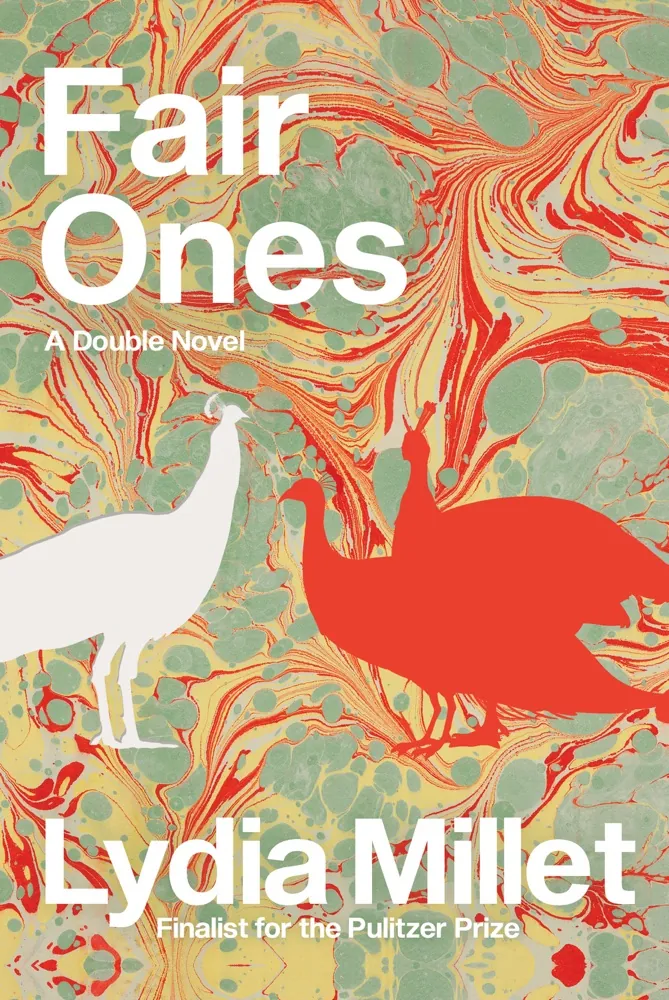

Author: Lydia MilletPage Count: UnknownPublication Date: Expected publication 2026-10-06 APL The forthcoming Fair Ones by Lydia Millet – a double novel, no less, about two Brooklyn women grappling with the enigmatic death of their friend Claire. The synopsis promises a "vibrant, funny-sad fiction of companionship and solitude" with a dash of dry wit and sharp prose. I'll believe it when I see it. Millet's previous work, A Children's Bible, was a decent enough effort, but this new book sounds suspiciously like a rehashing of the same tired midlife crises that have been done to death in contemporary literature. Can we really expect anything new from a story about fortysomething women reeling from a friend's death? The setup reeks of the same pseudo-profound navel-gazing that's been plaguing the literary world for years. But, I suppose, the real question is: what does Millet plan to do with this tired setup? Will she manage to elevate it into something more than just a shallow exploration of middle-aged angst? Or will it be just another Eat Pray Love for the Brooklyn set? I'm not holding my breath. The fact that the synopsis barely mentions the actual plot, instead focusing on the "banality, bombast, and humble beauties of midlife friendships," suggests that Millet might be relying too heavily on atmosphere and not enough on actual storytelling. And don't even get me started on the whole "dialogue-driven, fast-moving" business. That just sounds like a euphemism for "we couldn't be bothered to come up with a real plot, so we'll just make the characters talk a lot." It's a trick that's been used to great effect by authors like Jennifer Egan, but I'm not convinced Millet has the same level of skill. The result might be something akin to a literary version of the Real Housewives franchise – all surface, no substance. But what really gets my goat is the way the synopsis name-checks "midlife friendships" as if that's some kind of profound theme. Newsflash: it's not. It's a cliché, and one that's been done to death by authors like Jonathan Franzen and Meg Wolitzer. I mean, what's next? A novel about the trials and tribulations of being a suburban mom? Please. Give me something with a little more depth, a little more complexity. Something that doesn't feel like it was ripped straight from the pages of The New Yorker. And then there's the whole "love song to the intricate annoyances of families both chosen and unchosen" business. That sounds like something a Hallmark card would say, not a literary novel. It's a sentiment that's been expressed far more eloquently by authors like Elena Ferrante, who actually knows how to write about complex relationships without resorting to trite platitudes. I suppose, in the end, Fair Ones might be a decent enough read for fans of the whole Brooklyn-lit scene. But for those of us who crave something a little more substantial, a little more challenging, it's probably safe to say that this one can be skipped. Now, if you'll excuse me, my driver is currently navigating the parking lot that is the Long Island Expressway, and I have a dinner party to get to in the Hamptons. #literaryfiction #brooklynlit #meh Related InsightsMisery of Love Book Review and Summary Until the Last Light Goes Out Book Review and Summary Other Worlds Than These (The Talisman #3) Book Review and Summary{ "@context": "https://schema.org", "@type": "FAQPage", "mainEntity": [ { "@type": "Question", "name": "What is the main focus of Fair Ones Book Review and Summary?", "acceptedAnswer": { "@type": "Answer", "text": "Everything you need to know about Fair Ones with our detailed review." } }, { "@type": "Question", "name": "Who authored the comprehensive guide on Fair Ones Book Review and Summary?", "acceptedAnswer": { "@type": "Answer", "text": "This detailed article and its insights were carefully researched and authored by Elena Volkova." } }, { "@type": "Question", "name": "Where can I find more related content about Books?", "acceptedAnswer": { "@type": "Answer", "text": "You can explore more articles, detailed reviews, and similar insights by browsing the Related Insights section at the bottom of this article or visiting our dedicated Books category page." } } ] }

-
 Michael Brown
 - 18 Aug, 2026 02:04
Food Is Medicine: Healing Our Bodies, Nourishing Our Minds, and Transforming Our Food System Book Review and Summary
Author: Dariush MozaffarianPage Count: UnknownPublication Date: Expected publication 2026-10-20 APL Diet has become the leading cause of illness and premature death. Tell that to someone who cares. Or rather, tell that to the kitchen floor of a house that hasn't seen a quiet Tuesday night in four years, where the pantry is a battlefield of beige cardboard boxes filled with hyper-palatable chemical constructs designed to hijack a developing brain. Dariush Mozaffarian wants to fix our plates. And our farms. And Congress. Right. Because the invisible hand of the free market is just dying to trade infinite shelf life for actual human biology. Food Is Medicine arrives with the heavy-handed optimism of a man who has never tried to negotiate a vegetable into a nine-year-old whose nervous system currently views broccoli as a personal threat to his physical safety. The Illusion of the Shopping List The synopsis promises cutting-edge science and a blueprint for a nutrition revolution. But let us be entirely serious for a moment. We do not suffer from a lack of blueprints. We suffer from a reality where working sixty hours a week makes a turnip look like an impossible logistical hurdle. Tell that to someone who cares. Mozaffarian argues that the real enemy isn't overeating, but what we undereat—the crucial nourishment missing from our lives. Yet the prose in this synopsis sounds awfully familiar. It carries the distinct scent of Michael Pollan’s Omnivore's Dilemma mixed with every policy white paper ever destined to collect dust in a legislative drawer. My youngest spent three solid months eating exclusively foods that were yellow and came out of a crinkly bag. Did I need a global authority to explain that this was suboptimal for his cellular repair? No. I needed five minutes of absolute silence and a grocery store that didn't price organic bell peppers like they were forged from solid gold. The book wants to tackle ultraprocessing. Good luck with that. The entire global economy is propped up by corn syrup and shelf-stable sadness. The Grand Strategy of the Kitchen Sink And while we are complaining about systemic failures, can we talk about the absolute disaster that is modern children's television? I am looking at you, CoComelon. The relentless, synthesized loops of hyper-stimulating nursery rhymes do to a toddler's dopamine receptors precisely what high-fructose corn syrup does to the liver. It rots them from the inside out, turning patience into a myth and quiet afternoons into a distant, faded memory. Both the screen and the cereal aisle are engineered by teams of PhDs who figured out how to bypass human free will before breakfast. Mozaffarian claims this upcoming text will bridge the gap between farms and supermarkets without sacrificing convenience. Bold words. We will see if the final product offers anything beyond standard public health scolding wrapped in academic jargon. I have to go outside now because the neighbor's unspayed calico has managed to climb twenty feet up the old oak tree again and it is howling like a banshee while my coffee goes completely cold on the counter. Related InsightsRise of the Dragon Book Review and Summary L'Occhio che ha Cambiato il Mondo: L'Ascesa Silenziosa della Fotografia Tascabile After Midnight Book Review and Summary{ "@context": "https://schema.org", "@type": "FAQPage", "mainEntity": [ { "@type": "Question", "name": "What is the main focus of Food Is Medicine: Healing Our Bodies, Nourishing Our Minds, and Transforming Our Food System Book Review and Summary?", "acceptedAnswer": { "@type": "Answer", "text": "Everything you need to know about Food Is Medicine: Healing Our Bodies, Nourishing Our Minds, and Transforming Our Food System with our detailed review." } }, { "@type": "Question", "name": "Who authored the comprehensive guide on Food Is Medicine: Healing Our Bodies, Nourishing Our Minds, and Transforming Our Food System Book Review and Summary?", "acceptedAnswer": { "@type": "Answer", "text": "This detailed article and its insights were carefully researched and authored by Michael Brown." } }, { "@type": "Question", "name": "Where can I find more related content about Books?", "acceptedAnswer": { "@type": "Answer", "text": "You can explore more articles, detailed reviews, and similar insights by browsing the Related Insights section at the bottom of this article or visiting our dedicated Books category page." } } ] }
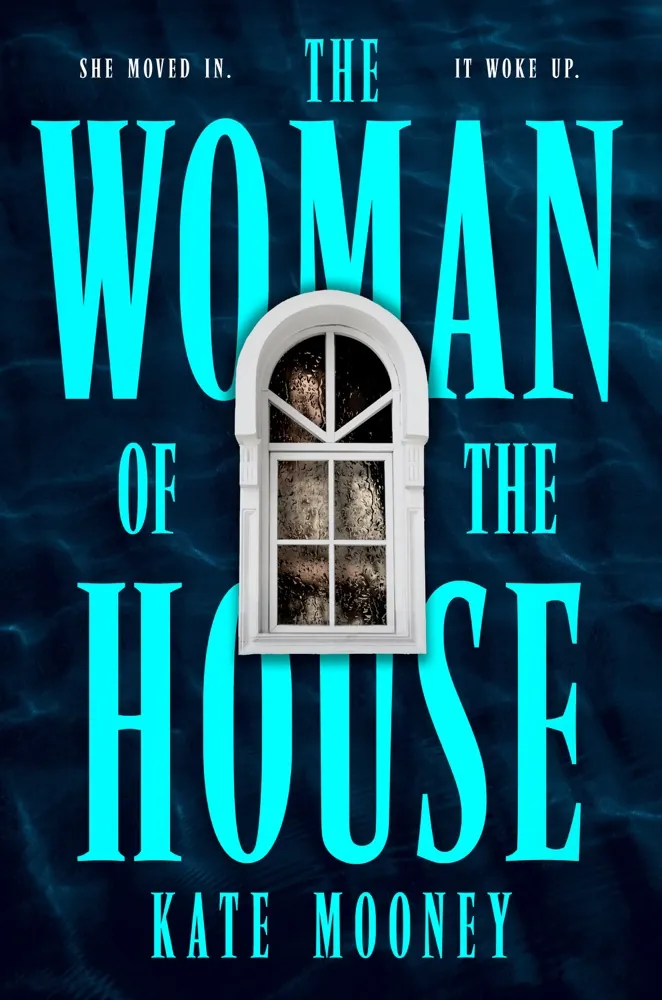

Author: Kate MooneyPage Count: UnknownPublication Date: Expected publication 2026-10-13 APL As I sit here, staring out the floor-to-ceiling windows of my corner office, the sweltering August heat outside seems to seep into the very marrow of my bones, and yet, my mind is already ensconced in the chilly, foreboding atmosphere of The Woman of the House. Kate Mooney's latest offering promises to be a masterclass in slow-burning tension and psychological manipulation, and I, for one, cannot wait to sink my teeth into its dark, twisted world. But, I must confess, my initial reaction to the synopsis was one of mild skepticism. How many times have we seen the "creepy house with a dark past" trope played out in literature and film? And yet, as I delved deeper into the world Mooney has created, I began to sense that there's something more at play here. Something that sets The Woman of the House apart from its more generic brethren. Rose Crawley, the protagonist, is a fascinating study in contrasts. On the surface, she's the quintessential "perfect wife" – beautiful, charming, and subservient. But scratch beneath the veneer, and we find a complex, deeply flawed individual, desperate to keep her secrets buried. It's this dichotomy that makes Rose such a compelling character, and I have no doubt that Mooney will expertly exploit this tension to keep readers on the edge of their seats. And then, of course, there's the house itself. Ah, the house. That most ubiquitous of horror tropes, and yet, Mooney seems to be using it to explore some truly fascinating themes. The idea that our homes can be both sanctuary and prison is nothing new, but the way Mooney weaves this concept into the very fabric of the narrative is nothing short of masterful. I'm reminded of the works of Shirley Jackson, particularly The Haunting of Hill House, in the way Mooney uses the house as a symbol of the protagonist's inner turmoil. But what really sets The Woman of the House apart is its use of the supernatural as a metaphor for the darker aspects of human nature. Mooney's prose is like a whispered secret, hinting at the terrible things that lurk just beneath the surface of our seemingly ordinary lives. It's a technique that's been used to great effect by authors like Gillian Flynn and Paula Hawkins, and I have no doubt that Mooney will prove herself to be a worthy addition to this pantheon of female thriller writers. And yet, despite my growing enthusiasm for The Woman of the House, I must admit that I do have some reservations. The synopsis is frustratingly vague in places, leaving me with more questions than answers. Who is Angela, the previous occupant of the house, and what exactly happened to her? How does Rose's obsession with Angela's disappearance tie into the larger narrative? I suppose only time will tell, but for now, I'm left with a sense of anticipation that's almost palpable. But I digress. As I glance at my watch, I realize that I've been so caught up in my analysis that I've almost forgotten about the meeting with my literary agent that's supposed to start in 10 minutes. Speaking of which... My phone just buzzed – it's my agent, calling to inform me that The Woman of the House has just been optioned for international translation rights. Ah, the sweet taste of success. It seems that Kate Mooney's latest offering is going to be a global phenomenon, and I, for one, cannot wait to see it take the world by storm. #TheWomanOfTheHouse #KateMooney #SupernaturalThriller #BookLovers #NewRelease Related InsightsWalden or, Life in the Woods Book Review and Summary The Polymorph Book Review and Summary The Red Rising Series Collection 5 Books Set By Pierce Brown Book Review and Summary{ "@context": "https://schema.org", "@type": "FAQPage", "mainEntity": [ { "@type": "Question", "name": "What is the main focus of The Woman of the House Book Review and Summary?", "acceptedAnswer": { "@type": "Answer", "text": "Everything you need to know about The Woman of the House with our detailed review." } }, { "@type": "Question", "name": "Who authored the comprehensive guide on The Woman of the House Book Review and Summary?", "acceptedAnswer": { "@type": "Answer", "text": "This detailed article and its insights were carefully researched and authored by Chloé Laurent." } }, { "@type": "Question", "name": "Where can I find more related content about Books?", "acceptedAnswer": { "@type": "Answer", "text": "You can explore more articles, detailed reviews, and similar insights by browsing the Related Insights section at the bottom of this article or visiting our dedicated Books category page." } } ] }
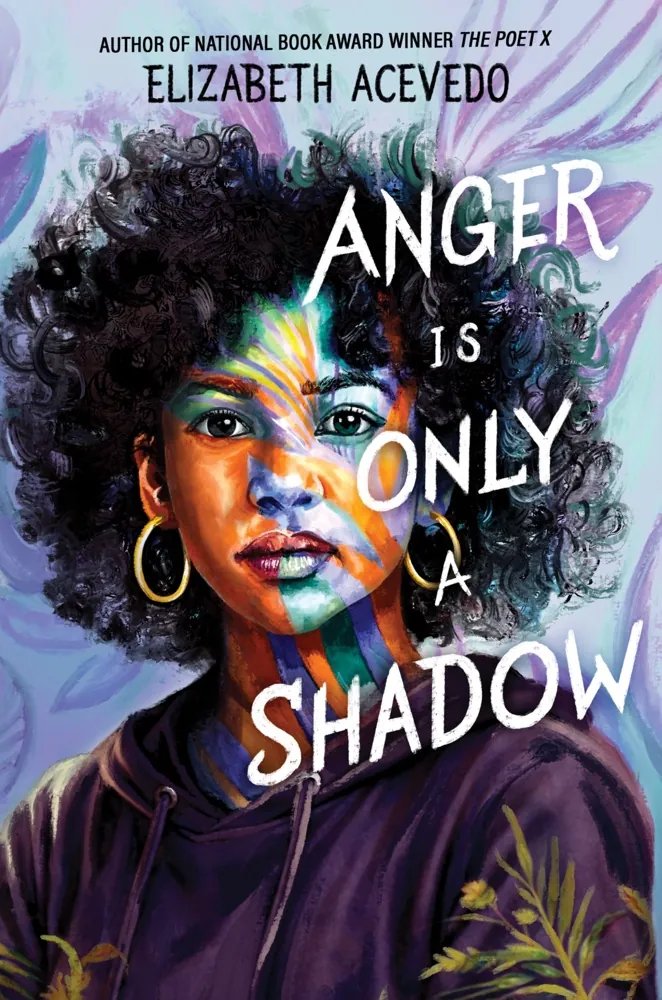

Author: Elizabeth AcevedoPage Count: UnknownPublication Date: Expected publication 2026-09-15 APL Lil is quite the rebel, a true original, and I'm all about that nonconformity life myself. From National Book Award-winning, Anger Is Only a Shadow by Elizabeth Acevedo, we get a tale of self-discovery, or more like self-unraveling, in the best possible way. Our protagonist Lil is anything but tiny; she's got fire in her veins and a whole lot of attitude to match. —But let's get real here, this isn't just some teenage angst fest. Acevedo's words are laced with a depth of emotion, a complexity that makes me recall the masterful storytelling of a Jhumpa Lahiri. Yet, there's this unapologetic rawness that's both authentic and a tad unnerving, like walking into a crowded NYC subway car without a care in the world. And Lil, oh Lil, she's this tangled mess of anger and hurt, a true product of our societal conditioning. I'm intrigued by this narrative, this exploration of Lil's inner world, and the ways in which she navigates the treacherous landscape of juvenile detention. It's a commentary on our society's treatment of the youth, on how we often fail to recognize the humanity in those who've been deemed "trouble." We see echoes of The Hate U Give in this narrative, a powerful coming-of-age story that's equal parts anger and vulnerability. But where does Acevedo take this anger, this sense of injustice? And this, my friends, is where the real meat of this story comes into play. Lil's relationship with her big brother Aldwin is complicated, fraught with tension and a hint of abandonment. It's a classic tale of sibling rivalry, or so it seems at first glance. But delve deeper, and you'll find layers upon layers of hurt and resentment, a tangled web of emotions that's both heart-wrenching and thought-provoking. I digress. "The Rules of Rebellion" Lil's got this thing down to a science – rebelling against the system, against the expectations placed upon her. It's a cry of defiance, a statement that says, "You can't quiet me, you can't hold me back." And in a way, it's admirable, this drive to be free, to be seen. But what happens when the rules, the boundaries, become too much to bear? Where does Lil draw the line between rebellion and survival? This, I believe, is where Acevedo's expertise really shines. She tackles the tough topics, the difficult emotions, with a finesse that's both raw and refined. And that prose? It's poetry, people, pure poetry that'll leave you breathless and wanting more. I mean, who wouldn't want to get lost in Acevedo's words, to experience the world through her lens? But let's get real here; this isn't just some feel-good story. Anger Is Only a Shadow is a hard-hitting, unapologetic portrayal of life as it is, not as we'd like it to be. It's a call to action, a reminder that our society is, in fact, broken, and it's up to us to fix it. Now, if you'll excuse me, I need exactly ten minutes of uninterrupted silence in my study. Related InsightsBetween You a River Book Review and Summary The October Man Book Review and Summary Audition Book Review and Summary{ "@context": "https://schema.org", "@type": "FAQPage", "mainEntity": [ { "@type": "Question", "name": "What is the main focus of Anger Is Only a Shadow Book Review and Summary?", "acceptedAnswer": { "@type": "Answer", "text": "Everything you need to know about Anger Is Only a Shadow with our detailed review." } }, { "@type": "Question", "name": "Who authored the comprehensive guide on Anger Is Only a Shadow Book Review and Summary?", "acceptedAnswer": { "@type": "Answer", "text": "This detailed article and its insights were carefully researched and authored by James Miller." } }, { "@type": "Question", "name": "Where can I find more related content about Books?", "acceptedAnswer": { "@type": "Answer", "text": "You can explore more articles, detailed reviews, and similar insights by browsing the Related Insights section at the bottom of this article or visiting our dedicated Books category page." } } ] }
-
 Carmen Martinez
 - 17 Aug, 2026 20:39
Return to Breakneck Island (The Treasure Hunters Club #2) Book Review and Summary
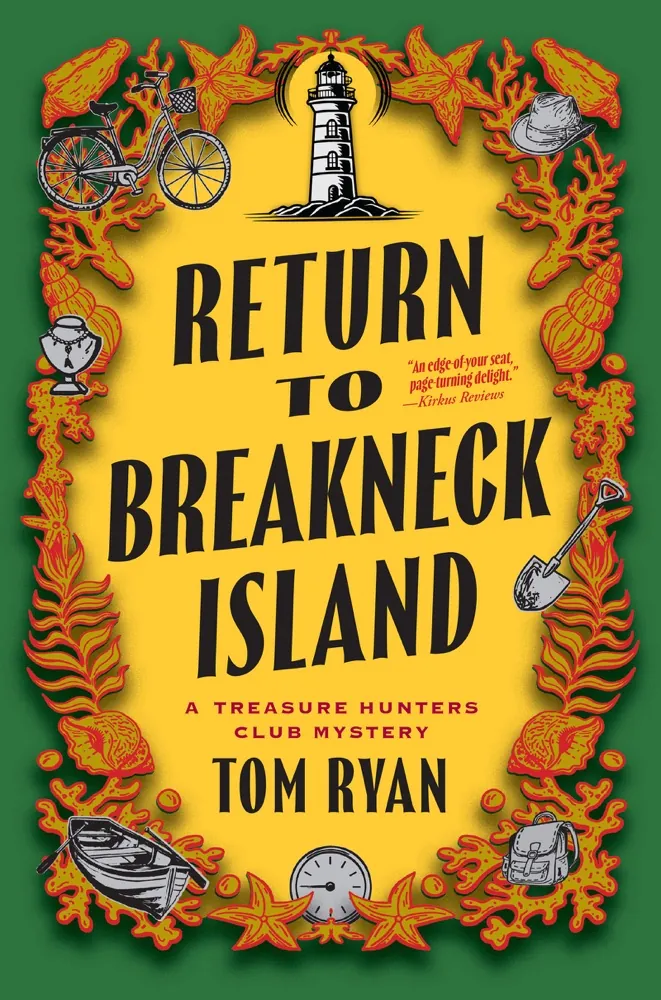
Author: Tom RyanPage Count: UnknownPublication Date: Expected publication 2026-10-13 APL The art of constructing an entire novel around a single, isolated setting — in this case, Breakneck Island, a foreboding outcrop off the coast of Maple Bay. Tom Ryan's Return to Breakneck Island promises an alluring mystery, replete with long-buried secrets and the requisite small-town charm. One can almost smell the saltwater and decay emanating from the crumbling lighthouse that stands sentinel over the rocky shores. But let's get real for a second — I'm stuck writing this review, and I'm already feeling the weight of my impending word count. The synopsis is a masterclass in vagueness, leaving me to fill in the blanks with my own fevered imagination. I mean, what's the deal with the MacLeary family? They just... disappeared? Without a trace? It's a bit too convenient, if you ask me. And don't even get me started on the "ruthless storm" that apparently precipitated their vanishing act. It's a bit too on-the-nose, a bit too... obvious. And yet, despite my reservations, I find myself drawn to the disparate cast of characters that Ryan has assembled. There's Peter Barnett, the brooding transplant trying to piece his life back together; Dandy Feltzen, the wistful teenager searching for new beginnings; and Cass Jones, the successful author with a cryptic tip for a haunting new story. It's a veritable melting pot of angst and creative energy, all swirling together in a maelstrom of mystery and suspense. But what's the real story here? Is it the MacLearys' disappearance, or is it something more sinister? Something that's been lurking just beneath the surface of Maple Bay's idyllic facade? I'm reminded of the works of Laura Lippman, who's also mastered the art of crafting intricate, small-town mysteries that are equal parts character study and whodunit. And let's not forget the obligatory nod to Agatha Christie, whose influence is evident in the isolated setting and the gathering storm of secrets and lies. The Island as a Character Breakneck Island itself is a character, a brooding presence that looms large over the proceedings. It's a place of rugged beauty, where the rocky shores meet the unforgiving sea. And yet, it's also a place of darkness and foreboding, where the past and present collide in unexpected ways. I'm intrigued by the way Ryan has woven the island's history into the fabric of the narrative, hinting at a deeper, more sinister truth that's waiting to be uncovered. But I'm getting ahead of myself. I still have no idea what the actual plot of this book entails, beyond the vague hints and teasers that Ryan has provided. And honestly, I'm not sure I care. Sometimes, it's the journey that matters, not the destination. Sometimes, it's the atmosphere and the characters that make a book worth reading, rather than the plot itself. I'll stop here, because I'm running out of words and patience. I'm going to spend the evening reading Sylvia Plath by candlelight, and I couldn't be more excited. #MysteryLovers #SmallTownSecrets #IslandOfDoom Related InsightsPassions in Death Book Review and Summary The Notebook Book Review and Summary The Bones Beneath My Skin Book Review and Summary{ "@context": "https://schema.org", "@type": "FAQPage", "mainEntity": [ { "@type": "Question", "name": "What is the main focus of Return to Breakneck Island (The Treasure Hunters Club #2) Book Review and Summary?", "acceptedAnswer": { "@type": "Answer", "text": "Everything you need to know about Return to Breakneck Island (The Treasure Hunters Club #2) with our detailed review." } }, { "@type": "Question", "name": "Who authored the comprehensive guide on Return to Breakneck Island (The Treasure Hunters Club #2) Book Review and Summary?", "acceptedAnswer": { "@type": "Answer", "text": "This detailed article and its insights were carefully researched and authored by Carmen Martinez." } }, { "@type": "Question", "name": "Where can I find more related content about Books?", "acceptedAnswer": { "@type": "Answer", "text": "You can explore more articles, detailed reviews, and similar insights by browsing the Related Insights section at the bottom of this article or visiting our dedicated Books category page." } } ] }
- Michael Brown
- 17 Aug, 2026 18:45
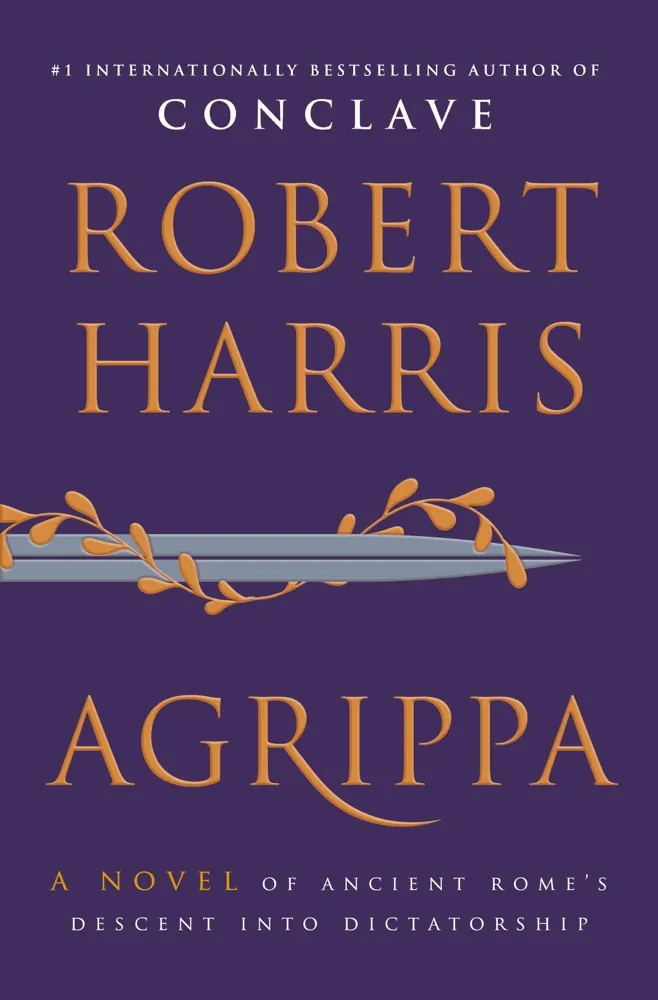
Agrippa: A Novel of Ancient Rome's Descent into Dictatorship Book Review and Summary
Author: Robert HarrisPage Count: UnknownPublication Date: Expected publication 2026-09-01 APL Smudge of lukewarm instant coffee rings right beside my elbow on the Formica, while someone upstairs screams about the exact configuration of a Lego spaceship. A Sunday morning should smell like pancakes. Instead, it smells like scorched toast and whatever terrifying chemical they use to clean cheap linoleum. Yet here I am, ignoring the sticky cereal bowls long enough to stare down Robert Harris returning to the mud and marble of the ancient world. The Weight of a Broken Entrance We are looking at a narrative engine built entirely on rejection. Born feet first—an ancient death sentence for the mother—and branded with a slur that somehow became a badge of supreme power. It is an old trick, granting your protagonist a monstrous origin story so we can watch them claw their way back into the light, or perhaps deeper into the dark. Think Colleen McCullough’s The First Man in Rome, but stripped of the academic bloat and weaponized for a modern thriller market obsessed with institutional decay. And why does every historical heavyweight insist on giving us these wounded boys who find solace only in the absolute subjugation of the Mediterranean? My five-year-old just tried to launch a half-eaten grape across the room and hit the cat. Missed completely, obviously. The cat didn't even blink. Just sat there absorbing the indignity of existence with the stoic resignation of a Roman senator watching his republic dissolve into an autocracy. Kids are basically tiny, chaotic tyrants anyway, demanding absolute obedience over bedtime routines while weaponizing exhaustion. We spend half our lives trying to undo the damage of our own early years, or at least smoothing out the rough edges so our kids don't grow up to march legions across the Rubicon. Or maybe we just read about violent military commanders because the alternative is listening to another verse of that infernal blue cartoon dog song. Actually, scratch that entire parenting angle. It's a cheap lens for this kind of high-stakes political machinery. Harris doesn't care about childhood healing arcs. He cares about the cold, unyielding mechanics of how democracies quietly surrender to strongmen. The Machinery of Autocracy The synopsis leans hard on the old trope of the loyal bodyguard turned architect of tyranny. Octavius inherits a crown of ash, and our plebeian hero acts as the merciless instrument of his will. But let us be honest about the promotional copy itself—it reads like a breathless press release trying desperately to ride the coattails of Conclave. We get the standard beats: the chance encounter, the battlefield prowess, the tragic betrayal in the Senate. It is dangerously vague. It promises the earth while hiding the actual architecture of the prose. Yet Harris rarely misses when he steps into the toga. Dictator proved he understands the grubby, transactional nature of power better than almost anyone else writing historical fiction today. He knows that empires do not fall to grand ideological shifts. They fall because men with nicknames like "mother killer" decide that survival requires the systematic destruction of their opponents. Must pull on my soaked nylon windbreaker now and pedal hard against the worsening drizzle just to clear the static out of my skull before someone asks for lunch. Related InsightsFirst Love Last Love: A Novel Book Review and Summary Stolen Heir Book Review and Summary Haunting Adeline Book Review and Summary{ "@context": "https://schema.org", "@type": "FAQPage", "mainEntity": [ { "@type": "Question", "name": "What is the main focus of Agrippa: A Novel of Ancient Rome's Descent into Dictatorship Book Review and Summary?", "acceptedAnswer": { "@type": "Answer", "text": "Everything you need to know about Agrippa: A Novel of Ancient Rome's Descent into Dictatorship with our detailed review." } }, { "@type": "Question", "name": "Who authored the comprehensive guide on Agrippa: A Novel of Ancient Rome's Descent into Dictatorship Book Review and Summary?", "acceptedAnswer": { "@type": "Answer", "text": "This detailed article and its insights were carefully researched and authored by Michael Brown." } }, { "@type": "Question", "name": "Where can I find more related content about Books?", "acceptedAnswer": { "@type": "Answer", "text": "You can explore more articles, detailed reviews, and similar insights by browsing the Related Insights section at the bottom of this article or visiting our dedicated Books category page." } } ] }
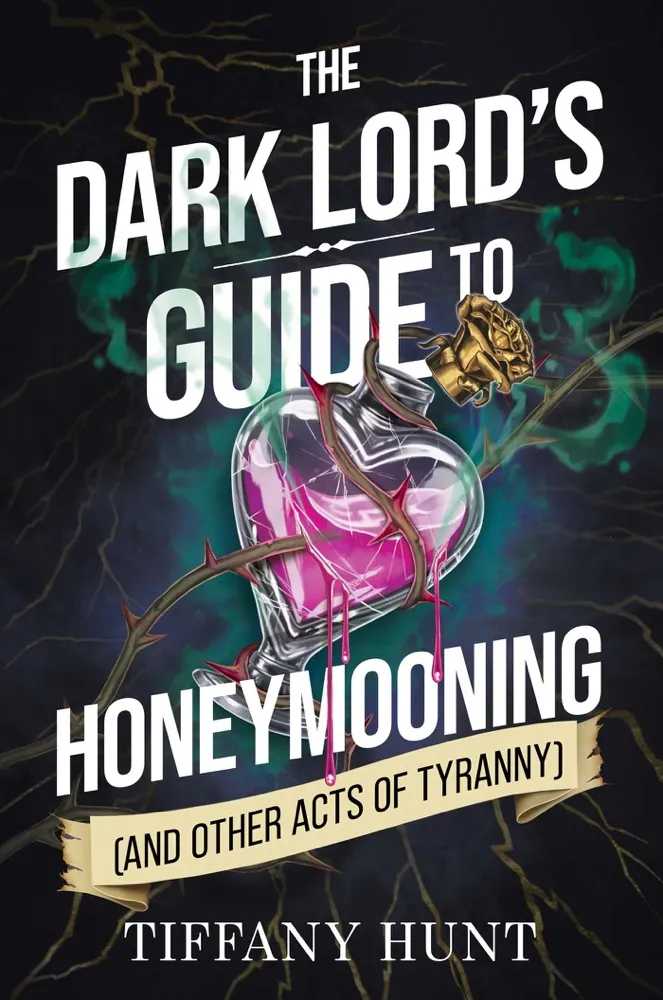

Author: Gretchen Powell FoxPage Count: UnknownPublication Date: Expected publication 2026-09-08 APL The saccharine glow of newlywed bliss, forever tainted by the dark allure of power and the crushing weight of demonic possession. Kazimir and Arabella, the star-crossed lovers of Gretchen Powell Fox's Shadow and Son, are about to embark on a honeymoon that promises to be as treacherous as it is tantalizing. It's a little disconcerting that the synopsis doesn't quite commit to the darker aspects of Kazimir's past, instead choosing to dance around them with an air of mystery. One can't help but wonder if this is a deliberate choice, meant to preserve the air of intrigue that surrounds these two villainous lovebirds, or if it's simply a case of the author not wanting to show her hand too early. Whatever the reason, it's a move that leaves this critic feeling more than a little skeptical. And yet, despite this vagueness, there's something undeniably alluring about the world that Fox has created. A world where the boundaries between good and evil are blissfully blurred, and the only constant is the pursuit of power. It's a world that feels almost... familiar, like a twisted echo of the Assistant to the Villain series, or perhaps the deliciously wicked Dreadful. One can almost imagine the sardonic wit of Kazimir and Arabella's banter, the way they dance around each other with a mixture of affection and animosity. But what truly sets Shadow and Son apart is its unapologetic embracing of the 'villainous' trope. These are characters who are unashamedly, unapologetically evil, and yet... they're also somehow likable. It's a delicate balancing act, one that requires a deft hand and a deep understanding of the complexities of human nature. And if the synopsis is any indication, Fox seems more than up to the task. Or does she? The more one reads the synopsis, the more one begins to wonder if Fox is simply relying on the same old tropes, rather than truly subverting them. Is Kazimir's demonic past merely a convenient plot device, or is it something more? And what of Arabella's stolen memories - are they a genuine source of tension, or simply a contrived way to create conflict? But I suppose that's the thing about Shadow and Son - it's a book that promises to be as much about the journey as the destination. A journey that's fraught with peril, and yet somehow, impossibly, romantic. It's a journey that I, for one, am more than a little eager to embark on. And now, if you'll excuse me, I have a private flight to London that's been delayed by an hour. Again. #FantasyRomance #VillainousLove #DelayedFlightsAreTheWorst Related InsightsIt Happened One Summer Book Review and Summary From Goethe to the Silver Screen: The Ever‑Evolving Journey of the Bildungsroman Hunger Like No Other Book Review and Summary{ "@context": "https://schema.org", "@type": "FAQPage", "mainEntity": [ { "@type": "Question", "name": "What is the main focus of Shadow and Son (Shattered Crown, #3) Book Review and Summary?", "acceptedAnswer": { "@type": "Answer", "text": "Everything you need to know about Shadow and Son (Shattered Crown, #3) with our detailed review." } }, { "@type": "Question", "name": "Who authored the comprehensive guide on Shadow and Son (Shattered Crown, #3) Book Review and Summary?", "acceptedAnswer": { "@type": "Answer", "text": "This detailed article and its insights were carefully researched and authored by Anna Kowalska." } }, { "@type": "Question", "name": "Where can I find more related content about Books?", "acceptedAnswer": { "@type": "Answer", "text": "You can explore more articles, detailed reviews, and similar insights by browsing the Related Insights section at the bottom of this article or visiting our dedicated Books category page." } } ] }
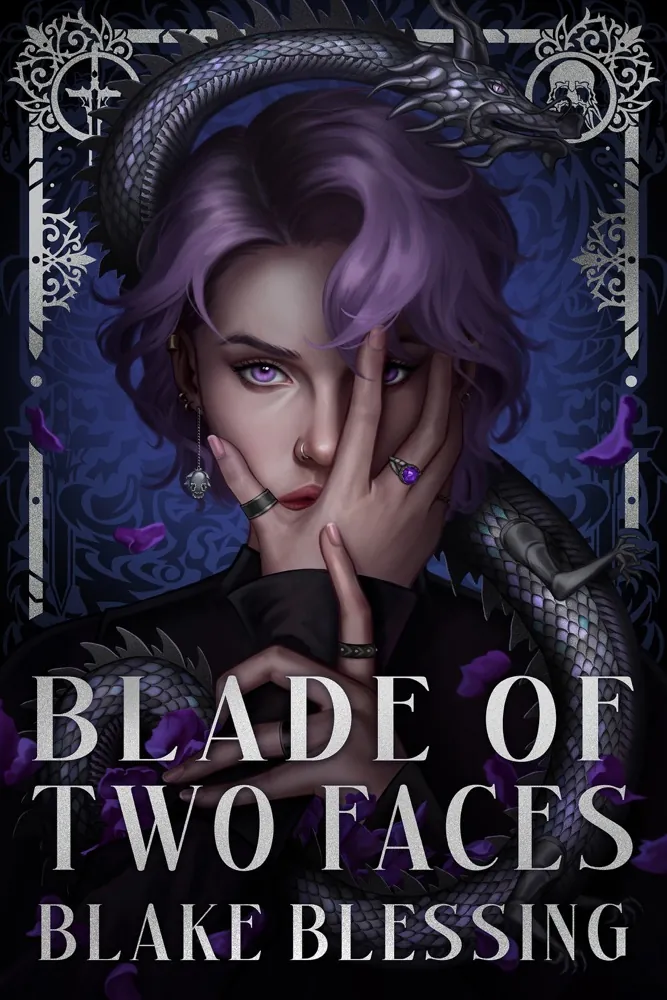

Author: Blake BlessingPage Count: UnknownPublication Date: Expected publication 2026-11-17 APL The synopsis for Blade of Two Faces arrives like a poorly timed invitation to a duel—all flash and no substance, the kind of prose that makes you wonder if the author was too busy sharpening their metaphorical blades to actually think about what they were writing. The line "Never send a man to do a woman's job" is either a bold, feminist rallying cry or the kind of lazy, reductive branding that would make The Hunger Games’ Katniss blush with embarrassment. It’s the literary equivalent of a TikTok trend—catchy, but hollow. And yet, the promise of a Mulan meets Gladiator hybrid is so broad it could apply to any number of romantasy titles, which is either a sign of genius or a symptom of the genre’s current identity crisis. The protagonist’s revenge-driven narrative is the kind of trope that’s been mined so thoroughly it’s starting to taste like stale, reheated Game of Thrones leftovers. The Imperial Trials, a competition where men fight for mates and crowns, sounds like a fever dream concocted by a committee of Red Dragon fans who’ve never actually read Red Dragon. The idea of a woman inserting herself into this male-dominated spectacle is both refreshing and exhausting—refreshing because it’s a deliberate subversion, but exhausting because it’s been done before, better, by authors like Tamsyn Muir in Gideon the Ninth, where the stakes were intellectual, not just physical. Here, the synopsis leans into the spectacle of violence and romance without ever asking what’s actually at stake beyond "ruin" and "cunning." The four heirs? A classic Big Four ensemble, the kind that either gels into a cohesive power dynamic or devolves into a mess of clashing egos—think The Priory of the Orange Tree’s court intrigue, but with less worldbuilding and more "let’s just assume these guys are all hot." The line "I’ll enjoy being their ruin" is the kind of line that works in a Bridgerton episode but feels undercooked in a synopsis. It’s the literary equivalent of a Fast & Furious tagline—short, punchy, and entirely meaningless without context. And yet, the synopsis refuses to give any. Where is the tension? Where is the why behind the revenge? Where is the Blade Runner level of existential dread that would make this more than just another romantasy with a sword fight? But then—the pivot—perhaps the vagueness is intentional. Maybe Blade of Two Faces is less a story and more a vibe, a genre experiment where the execution is secondary to the atmosphere. If that’s the case, then the synopsis is doing its job by leaving room for interpretation, like a David Lynch film where the mystery is the point. Yet even then, the comparison to Gladiator is jarring. Ridley Scott’s epic was about a man’s struggle against fate, not a woman’s calculated insertion into a male-dominated game. The synopsis here feels like it’s trying to be both things at once, which is the literary equivalent of watching The Room and expecting to be impressed. The absence of digital rights management is a curious choice—almost as if the publisher is admitting that the content itself isn’t worth protecting. Which makes you wonder: is Blade of Two Faces a book that will be forgotten in six months, or a cult classic that will be remembered for all the wrong reasons? The synopsis doesn’t tell you. It doesn’t have to. But it also doesn’t give you enough to care. Wake me when the pacing picks up. My publicist is already demanding a statement for the press, so I’ll leave you with this: if this book is half as good as its synopsis is bad, it’ll be a disappointment. If it’s half as bad as its synopsis is vague, it’ll be a masterclass in anti-climax. Either way, I’m not holding my breath. #Romantasy #BookTok #WhyChoose #FeministFantasy #GenreBending Related InsightsThe Architecture of Alienation: Unmasking the Eternal Angst of Holden Caulfield Masquerades of Spring Book Review and Summary Confesiones, Spanish-Language Edition of Confess Book Review and Summary{ "@context": "https://schema.org", "@type": "FAQPage", "mainEntity": [ { "@type": "Question", "name": "What is the main focus of Blade of Two Faces (The Imperial Trials, 1) Book Review and Summary?", "acceptedAnswer": { "@type": "Answer", "text": "Everything you need to know about Blade of Two Faces (The Imperial Trials, 1) with our detailed review." } }, { "@type": "Question", "name": "Who authored the comprehensive guide on Blade of Two Faces (The Imperial Trials, 1) Book Review and Summary?", "acceptedAnswer": { "@type": "Answer", "text": "This detailed article and its insights were carefully researched and authored by Lucia Garcia." } }, { "@type": "Question", "name": "Where can I find more related content about Books?", "acceptedAnswer": { "@type": "Answer", "text": "You can explore more articles, detailed reviews, and similar insights by browsing the Related Insights section at the bottom of this article or visiting our dedicated Books category page." } } ] }
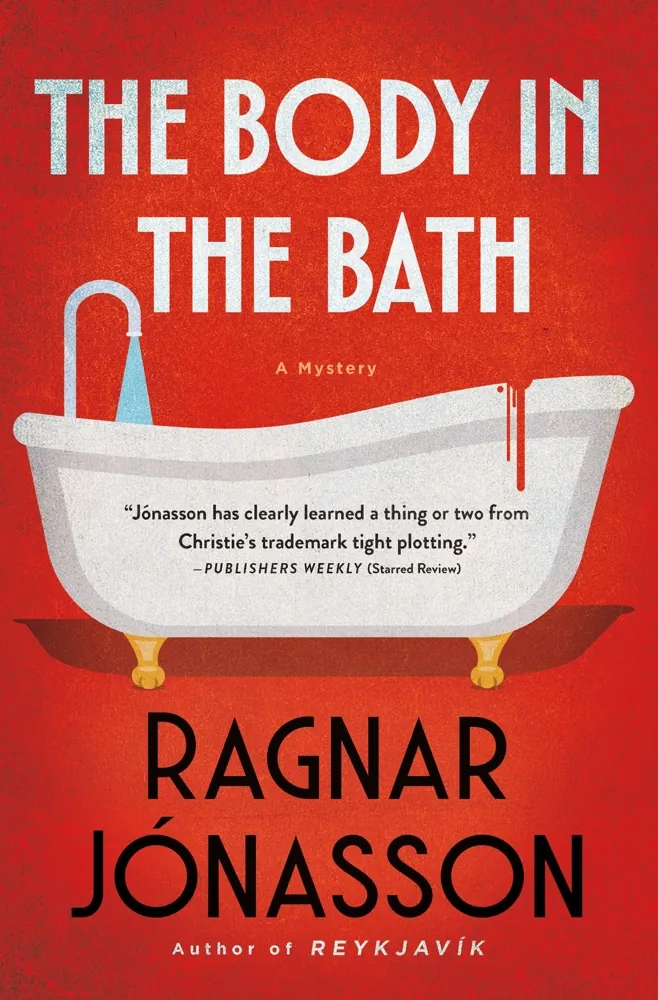

Author: Ragnar JónassonPage Count: UnknownPublication Date: Expected publication 2026-11-10 APL The ghosts of Christmas past are about to come back and haunt Helgi Reykdal in Ragnar Jónasson's latest mystery, The Body in the Bath. And I'm not just talking about the snow-covered streets of Reykjavík — I'm talking about the personal demons that have been plaguing this young detective since the untimely death of his girlfriend, Aníta. But, of course, that's not the only body we're dealing with here — there's also the titular body in the bath, Bergþóra, Helgi's ex-girlfriend, whose lifeless form is about to turn Helgi's world upside down. —What's the deal with these Scandinavian authors and their obsession with dark, wintry landscapes? I mean, I get it, it's atmospheric, it's moody, it's the perfect backdrop for a good ol' fashioned murder mystery. But can't we get a little more...sunshine? A little more...hope? I guess that's just not the vibe Jónasson is going for here. So, Helgi's got a lot on his plate — grief, anger, a dash of guilt, and a whole lot of suspicion. His colleagues are turning against him, and he's got to clear his name before it's too late. But as he delves into the past, into the unsolved disappearance of his predecessor, Hulda, the lines between past and present start to blur. And I'm left wondering — what's the real mystery here? Is it the body in the bath, or is it Helgi's own fractured psyche? —It's like Jónasson is playing with the idea of trauma and how it can warp our perceptions of reality. Helgi's not just investigating a crime, he's investigating his own past, his own relationships, his own sense of self. It's a clever move, and it's definitely going to keep me on my toes. But here's the thing — the synopsis is a bit vague, and I'm not entirely sure what to expect from this book. Is it a traditional whodunit, or is it something more complex, more layered? I mean, Jónasson's got a reputation for crafting intricate plots, but I'm not seeing a lot of that in the synopsis. Maybe that's intentional, maybe he's trying to keep us in the dark, just like Helgi. —I'm reminded of Tana French's Dublin Murder Squad series, the way she weaves together past and present, the way she explores the darker corners of the human psyche. And maybe, just maybe, Jónasson is trying to do something similar here. But we'll have to wait and see. One thing's for sure, though — I'm intrigued. I'm curious to see how Jónasson's going to navigate the complexities of Helgi's character, how he's going to balance the personal with the procedural. And I'm definitely going to be keeping an eye out for this one when it drops in November. —Oh, and I just got a text from my daughter, reminding me that her science fair is tomorrow, not next week. Guess I've got some last-minute judging to do. #IcelandicNoir #Mystery #Thriller Related InsightsTangled Up In You Book Review and Summary Crash into You Book Review and Summary Houdini Heart Book Review and Summary{ "@context": "https://schema.org", "@type": "FAQPage", "mainEntity": [ { "@type": "Question", "name": "What is the main focus of The Body in the Bath Book Review and Summary?", "acceptedAnswer": { "@type": "Answer", "text": "Everything you need to know about The Body in the Bath with our detailed review." } }, { "@type": "Question", "name": "Who authored the comprehensive guide on The Body in the Bath Book Review and Summary?", "acceptedAnswer": { "@type": "Answer", "text": "This detailed article and its insights were carefully researched and authored by Giulia Ricci." } }, { "@type": "Question", "name": "Where can I find more related content about Books?", "acceptedAnswer": { "@type": "Answer", "text": "You can explore more articles, detailed reviews, and similar insights by browsing the Related Insights section at the bottom of this article or visiting our dedicated Books category page." } } ] }
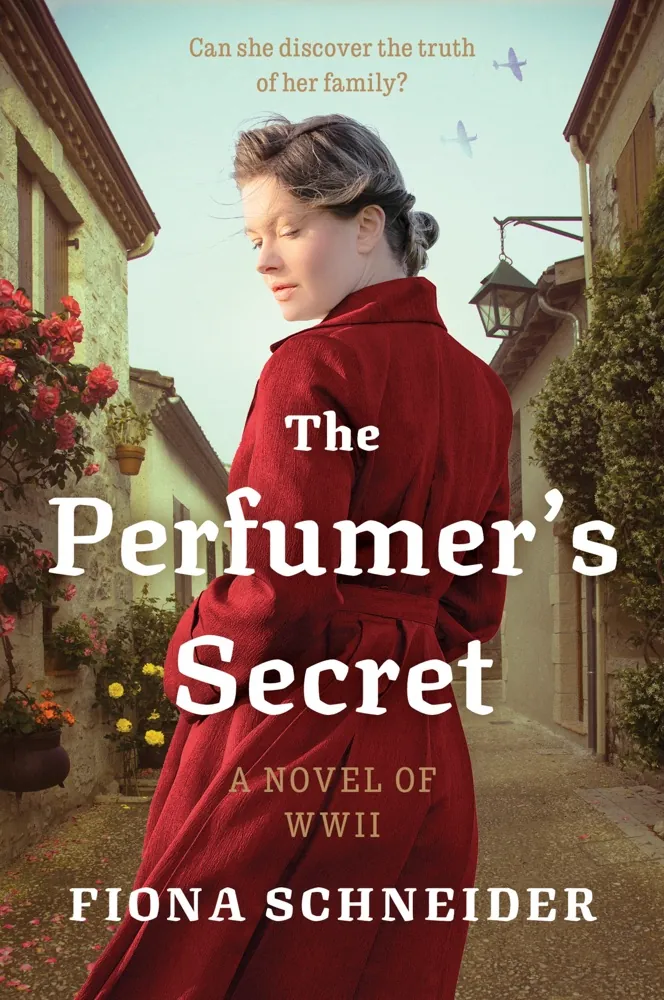
Author: Fiona SchneiderPage Count: UnknownPublication Date: Expected publication 2026-12-01 APL Elbows pinned to my ribs, someone’s backpack wedged directly against my spine while the L-train rattles violently toward Bedford Avenue. Perfect conditions to dissect a historical fiction synopsis about World War II Paris. Because nothing screams literary focus quite like a screeching hydraulic brake and a stranger coughing unmasked into my ear. Fiona Schneider wants us to care about The Perfumer’s Secret: A WWII Novel. Or maybe she wants me to just hit a strict word count so I can close my laptop before the next stop. Let us be entirely honest about what we are looking at here. It is another dual-timeline historical puzzle box. We get Stella in the present—or a slightly adjacent present where corporate or family perfumery failures keep people awake at night—and Iris in 1939, dodging fascist thugs and boarding the Orient Express with five magical scents. Five scents. Like Infinity Stones for the cosmetics industry. The Olfactory Escape Hatch Memory tied to scent is an old trick. Proust did it with a madeleine. Schneider does it with a missing journal containing pages torn out by someone who clearly understood the dramatic pacing requirements of mid-list commercial fiction. Yet I am contradicting myself instantly. Earlier I thought the dual-timeline trope was completely dead, but watching how the synopsis forces these two eras to collide through a literal notebook makes me oddly nostalgic. Or maybe that is just the exhaust fumes leaking into the subway car. The synopsis leans heavily on convenience. Iris just happens to be a perfumer who can travel across a war-torn continent under the guise of meeting an apprentice named Alessandro to brew concoctions while the Nazis roll through France. No one questions it. The Gestapo apparently took a smoke break while the Orient Express rolled past. But who reads historical war romance for gritty documentary realism? You read it to feel transported while a teenager plays trap music on a bluetooth speaker two inches from your skull. Smelling Salts for the Soul The thematic machinery here runs on predictable tracks. War destroys, but perfume preserves. Loss strips everything away, except for top notes and base notes. Iris has to save her mentor's family from Mussolini's thugs, which sounds less like historical tragedy and more like an action-adventure pitch greenlit by an algorithm that just watched All the Light We Cannot See get adapted. Think Kristin Hannah meets a high-end department store counter during the holiday rush. And yet. There is an undeniable pull to the premise. The contrast between the City of Light plunged into actual darkness and a modern descendant staring down bankruptcy via dead relatives' notes gives readers the exact emotional whiplash they buy these books for. It is safe peril. It is danger you can close and slide into a tote bag when your stop finally arrives. I am going to go smoke a pipe and ponder the futility of modern existence. #HistoricalFiction #BookTwitter #WorldWarTwo #ReadingOnTheSubway Related InsightsDark Restraint Book Review and Summary Soul Sworn (Soul Sworn, #1) Book Review and Summary Die Architektur des Schweigens: Wenn Worte zu Staatsfeinden wurden{ "@context": "https://schema.org", "@type": "FAQPage", "mainEntity": [ { "@type": "Question", "name": "What is the main focus of The Perfumer’s Secret: A WWII Novel Book Review and Summary?", "acceptedAnswer": { "@type": "Answer", "text": "Everything you need to know about The Perfumer’s Secret: A WWII Novel with our detailed review." } }, { "@type": "Question", "name": "Who authored the comprehensive guide on The Perfumer’s Secret: A WWII Novel Book Review and Summary?", "acceptedAnswer": { "@type": "Answer", "text": "This detailed article and its insights were carefully researched and authored by Piotr Nowak." } }, { "@type": "Question", "name": "Where can I find more related content about Books?", "acceptedAnswer": { "@type": "Answer", "text": "You can explore more articles, detailed reviews, and similar insights by browsing the Related Insights section at the bottom of this article or visiting our dedicated Books category page." } } ] }
-
 Victoria Smith
 - 17 Aug, 2026 17:07
The Hearth Witch's Guide to Spite & Spellwork (Deluxe Edition) (The Hemlock Saga, 2) Book Review and Summary
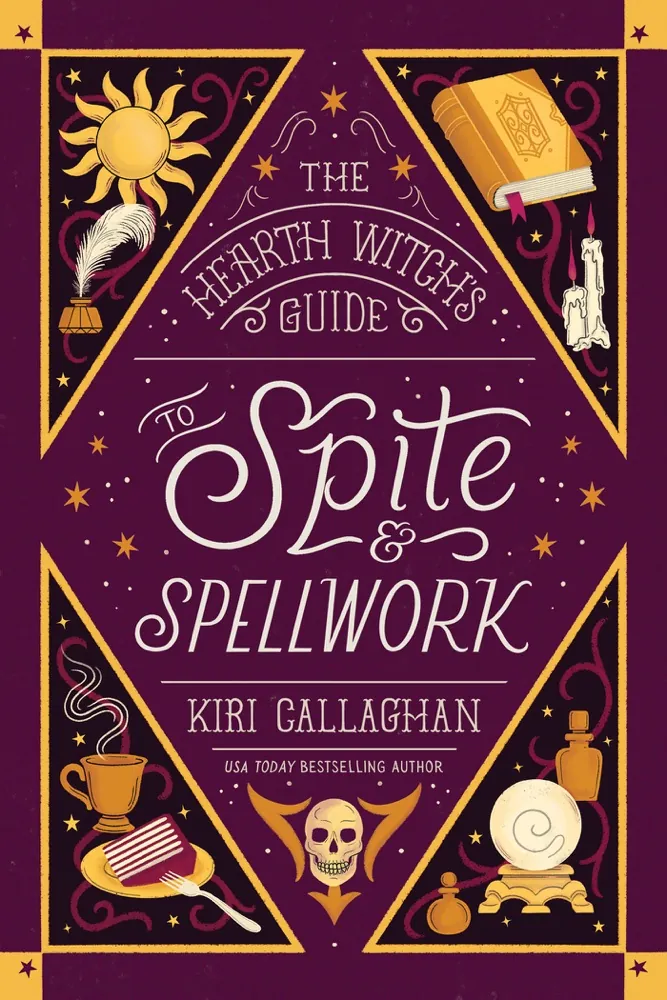
Author: Kiri CallaghanPage Count: UnknownPublication Date: Expected publication 2026-10-06 APL Stir up the tea leaves and clear off the kitchen table because Kiri Callaghan is threatening to drag us back into the absolute mess that is The Hearth Witch's Guide to Spite & Spellwork. And honestly? I am here for the chaos. We are looking at an October 2026 release date, which feels roughly four hundred years away when you are sitting here staring at a synopsis that promises two stubborn idiots keeping apart for "safety" before a dead witch inevitably forces them back into the exact same room. Classic trope execution. Or perhaps lazy. Let me reconsider that stance—actually, no, we love a good forced-proximity magical murder mystery, even if the premise smells faintly of every urban fantasy paperback crowding the shelves since Holly Black and Sarah J. Maas decided to make fey politics aggressively sexy. Let us dissect the bones of this thing. Avery Hemlock—what a wonderfully melodramatic detective surname, right out of a Victorian penny dreadful—is brooding in mandatory isolation because loving people is dangerous. Groundbreaking. Saga Trygg, possessing the best possible witchy grandmother name ever printed, is trying to heal while aggressively minding her own business. Except a local witch gets murdered via a vicious revenge hex. Because of course she does. This is the literary equivalent of a neon sign flashing get back together, you cowards. Callaghan leans heavily into the institutional corruption angle, dangling the Winter Council like a shiny key just out of reach. Secrets! Lies! Bureaucratic magical red tape! I am physically pacing my room right now just thinking about the inevitable slow-burn betrayal arcs. Except I might be entirely wrong about the pacing. On second thought, romantic fantasy sequels notoriously trip over their own world-building shoelaces, bloating themselves with eighty pages of Council tax law before anyone actually casts a decent curse. Boring. Spite is a vastly underutilized emotion in modern fiction, usually sanded down into sassy quips rather than genuine, petty, soul-deep malice. Callaghan has a real chance here to deliver something delightfully wicked, provided she does not get bogged down in the tragic longing. Give us more hexes. Give us petty magical warfare. Keep the emotional healing to a minimum and let the detectives throw magical tea saucers at each other's heads. #fantasybooks #witchcraft #booktok #readinglife Related InsightsPrudence Marsh Is Not a Nobody Anymore Book Review and Summary Caraval Book Review and Summary Cassini's Mission: A Spacecraft, a Tiny Moon, and the Search for Life Beyond Earth Book Review and Summary{ "@context": "https://schema.org", "@type": "FAQPage", "mainEntity": [ { "@type": "Question", "name": "What is the main focus of The Hearth Witch's Guide to Spite & Spellwork (Deluxe Edition) (The Hemlock Saga, 2) Book Review and Summary?", "acceptedAnswer": { "@type": "Answer", "text": "Everything you need to know about The Hearth Witch's Guide to Spite & Spellwork (Deluxe Edition) (The Hemlock Saga, 2) with our detailed review." } }, { "@type": "Question", "name": "Who authored the comprehensive guide on The Hearth Witch's Guide to Spite & Spellwork (Deluxe Edition) (The Hemlock Saga, 2) Book Review and Summary?", "acceptedAnswer": { "@type": "Answer", "text": "This detailed article and its insights were carefully researched and authored by Victoria Smith." } }, { "@type": "Question", "name": "Where can I find more related content about Books?", "acceptedAnswer": { "@type": "Answer", "text": "You can explore more articles, detailed reviews, and similar insights by browsing the Related Insights section at the bottom of this article or visiting our dedicated Books category page." } } ] }
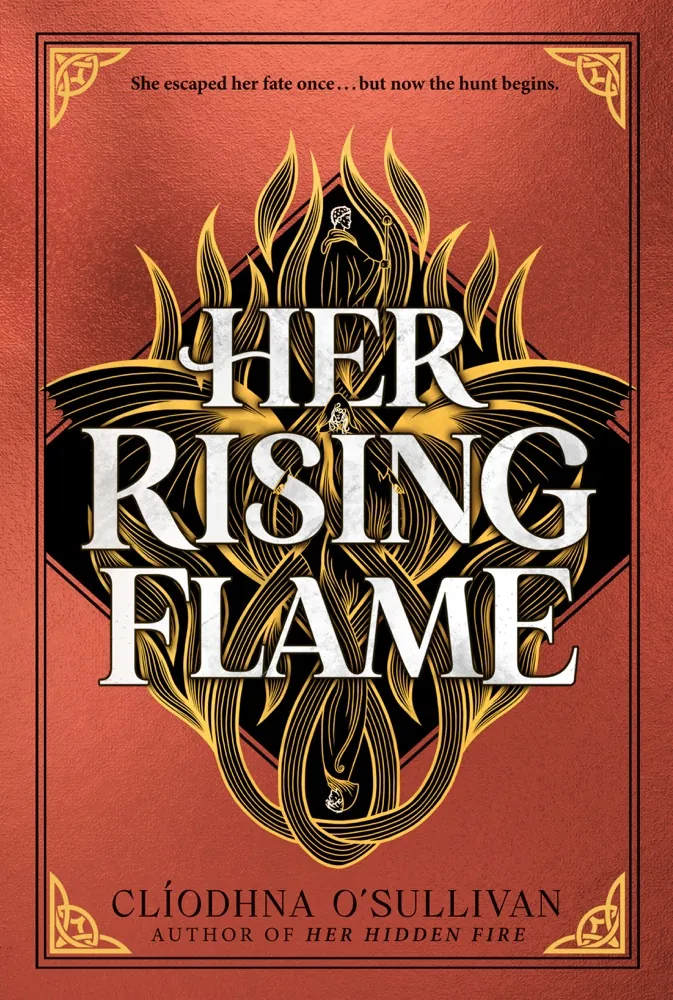

Author: Clíodhna O'SullivanPage Count: UnknownPublication Date: Expected publication 2026-11-03 APL The vagueness surrounding Her Rising Flame is a clever marketing ploy, but it's also a double-edged sword. On one hand, it has me curious about the intricate web of secrets and lies that Éadha, Ionáin, and Gry must untangle. On the other hand, it's a masterclass in obfuscation – the more I read about this world, the more questions I have. What secrets lie beneath the surface of this fantasy realm? What kind of power dynamics are at play, exactly? The Master Channellers, the Fodder holds, the hidden secrets – it's all so deliciously vague, like a tantalizing whisper in my ear. But let's get to the good stuff. As a hopeful romantic, I'm excited to see how the relationships between these characters will evolve. The original Her Hidden Fire was a game-changer for the romantasy genre – it showed us that even the most unlikely protagonists could find love and acceptance in the face of adversity. So, what can we expect from Her Rising Flame? More of the same, perhaps, with a few new twists and turns to keep us on our toes. Or perhaps not. Perhaps this sequel will be a complete departure from the original, and we'll see Éadha, Ionáin, and Gry struggling with the very same toxic power dynamics that they should be fighting against. Maybe Gry's newfound powers will be used to manipulate and control those around him, or perhaps Ionáin's lack of power will make him even more dependent on the very people he wants to overthrow. It's a delicate balancing act, and I'm not sure I'm ready to see these characters take the leap. Literally. As an industry insider, I have to say that Her Rising Flame has all the makings of a bestseller. With its diverse cast of characters, intricate world-building, and epic romance, it's got all the hallmarks of a A Court of Thorns and Roses-esque fantasy hit. And yet...and yet, I'm struggling to connect with the vagueness surrounding this story. Is it a commentary on the dangers of unchecked power, or is it simply an exercise in genre-bending experimentation? Perhaps I'm just a cynic, expecting too much depth and complexity from a genre that often gets stuck in the same old tropes. But – and I know this sounds like a cop-out – I'm willing to give this book a chance. Maybe the vagueness is a deliberate choice, a way of mirroring the uncertainty and chaos that Éadha, Ionáin, and Gry are experiencing in their world. Maybe the Master Channellers are simply a manifestation of our own worst fears and desires, and Her Rising Flame is a warning about the dangers of giving in to those impulses. Or maybe it's just a really good story with a lot of twists and turns. I mean, who knows? I haven't read the book yet. The Blurry Line Between Love and Toxicity I'm reminded of The Night Circus by Erin Morgenstern, where the line between love and obsession is blissfully blurred. Is that what we're seeing in Her Rising Flame, too? A delicate dance between Éadha, Ionáin, and Gry, where the stakes are high and the consequences of failure are dire? Or is it something more sinister, a commentary on the ways in which we often enable and excuse toxic behavior in our relationships? I'm not sure, but I do know that I'm intrigued. #bookstagram #romantasybooks #fandom Related InsightsThe Roommate Book Review and Summary In Search of Safety: Voices of Refugees Book Review and Summary No Such Thing as Monday Book Review and Summary{ "@context": "https://schema.org", "@type": "FAQPage", "mainEntity": [ { "@type": "Question", "name": "What is the main focus of Her Rising Flame (Her Hidden Fire #2) Book Review and Summary?", "acceptedAnswer": { "@type": "Answer", "text": "Everything you need to know about Her Rising Flame (Her Hidden Fire #2) with our detailed review." } }, { "@type": "Question", "name": "Who authored the comprehensive guide on Her Rising Flame (Her Hidden Fire #2) Book Review and Summary?", "acceptedAnswer": { "@type": "Answer", "text": "This detailed article and its insights were carefully researched and authored by Isabella Moore." } }, { "@type": "Question", "name": "Where can I find more related content about Books?", "acceptedAnswer": { "@type": "Answer", "text": "You can explore more articles, detailed reviews, and similar insights by browsing the Related Insights section at the bottom of this article or visiting our dedicated Books category page." } } ] }
-
 William Clark
 - 17 Aug, 2026 13:23
Styx - The River (Goddesses of the Underworld, #2) Book Review and Summary
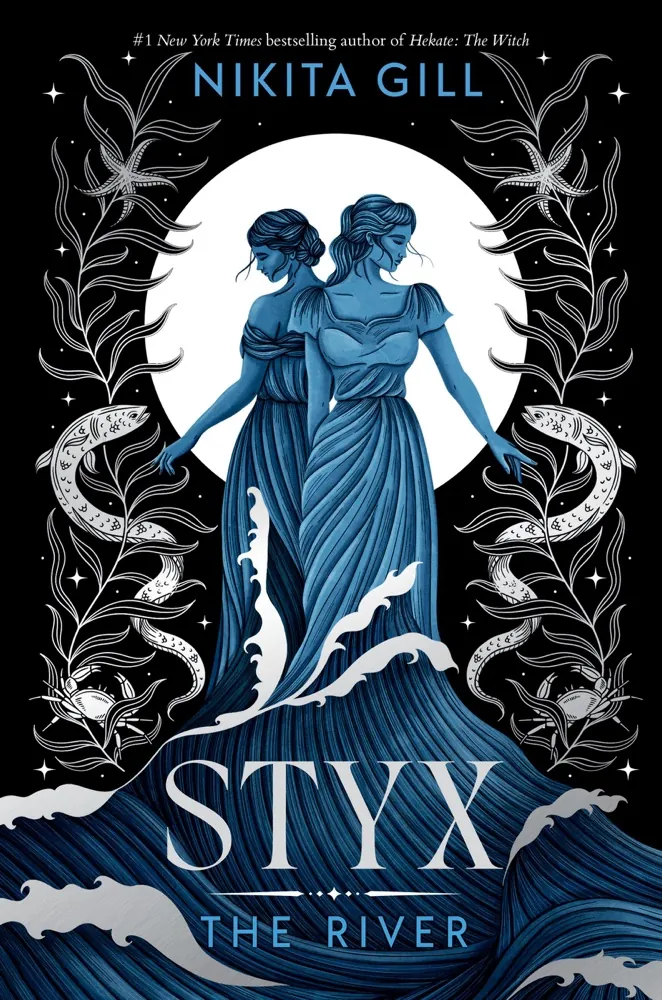
Author: Nikita GillPage Count: UnknownPublication Date: Expected publication 2026-09-15 APL The synopsis for Styx: The River reads like a carefully curated mythos—polished, but still clinging to the ghost of its own ambition. There’s a certain Madeline Miller sheen to it, that same reverent, almost academic reverence for ancient stories, but where Miller’s work often feels like a love letter to the past, this one seems to be drafting a résumé for a goddess who hasn’t yet been given a voice. The problem isn’t that the premise is weak—it’s that it’s too neat. The Titanomachy, the coming-of-age arc, the sisterhood trope—it’s all there, but the synopsis doesn’t so much reveal as it promises, and promises are the first currency to fail in this industry. And yet—where’s the friction? Where’s the moment where Styx isn’t just disillusioned but actively dangerous? The synopsis frames her rage as something contained, something she learns to "conceal." But concealment is a passive verb. What if she unleashes it? What if her disillusionment isn’t just personal but ecological—a river goddess in a world where her waters are being hoarded, dammed, or polluted by the very gods who claim to revere her? The synopsis doesn’t even hint at that kind of environmental allegory, and it’s a shame, because Gill’s poetry often thrives on the tension between the mythic and the modern. Consider The Blackthorn Key—how Gill wove folklore into a critique of colonialism and land theft. Here, the potential for a similar depth feels like it’s been boxed up and labeled "For Later." But let’s talk about the form. The synopsis mentions it’s a "novel-in-verse," which is either a bold choice or a gimmick, depending on how it’s executed. Gill’s previous work, like Hekate: The Witch, proved she could handle lyrical prose with a sharp edge, but verse requires a different kind of precision. The risk isn’t just that it’ll feel like a watered-down The Song of Achilles—it’s that it’ll feel like a Twilight fanfic, where the poetry is so dense it becomes its own kind of suffocation. And speaking of suffocation—why does every goddamn retelling of Greek myth these days have to be a war story? The Titanomachy is ancient, but the synopsis treats it like it’s the latest Marvel crossover, with "divine purpose" and "motherhood as resilience" thrown in like mandatory plot armor. Where’s the boredom? Where’s the moment where Styx just sits by her river and doesn’t do anything heroic? The synopsis also drops names like they’re awards—Alexandra Bracken, Madeline Miller—as if the mere association will sell it. But Bracken’s The Pirate Queen is a swashbuckling adventure, and Miller’s Circe is a psychological unraveling. This feels like it’s trying to be both, and that’s a recipe for dilution. The synopsis doesn’t even mention the sequel, Nyx: The Night, which is odd because the way these books are marketed suggests they’re part of a larger, interconnected mythos. But if Styx is just another "firstborn child of Titans" story, it risks becoming one more entry in the "divine women who fight back" trend—think The Song of Achilles meets Red Queen, but without the originality. And don’t even get me started on the Asteria subplot. The synopsis treats their relationship like it’s a given—"sisterhood," "true love," "motherhood"—but what if it’s something messier? What if Asteria isn’t just a love interest but a rival, or a mirror, or someone who betrays Styx in a way that forces her to confront her own complicity? The synopsis doesn’t even ask the question. It just assumes the happy ending. Literally. The garbage truck is coming. Related InsightsMidsummer Delights Book Review and Summary A Most Decadent Curse Book Review and Summary And Then There Were None Book Review and Summary{ "@context": "https://schema.org", "@type": "FAQPage", "mainEntity": [ { "@type": "Question", "name": "What is the main focus of Styx - The River (Goddesses of the Underworld, #2) Book Review and Summary?", "acceptedAnswer": { "@type": "Answer", "text": "Everything you need to know about Styx - The River (Goddesses of the Underworld, #2) with our detailed review." } }, { "@type": "Question", "name": "Who authored the comprehensive guide on Styx - The River (Goddesses of the Underworld, #2) Book Review and Summary?", "acceptedAnswer": { "@type": "Answer", "text": "This detailed article and its insights were carefully researched and authored by William Clark." } }, { "@type": "Question", "name": "Where can I find more related content about Books?", "acceptedAnswer": { "@type": "Answer", "text": "You can explore more articles, detailed reviews, and similar insights by browsing the Related Insights section at the bottom of this article or visiting our dedicated Books category page." } } ] }
-
 Hannah Schmidt
 - 17 Aug, 2026 12:55
The Key to a Killer (The Ruby and Cordelia Mysteries, #3) Book Review and Summary
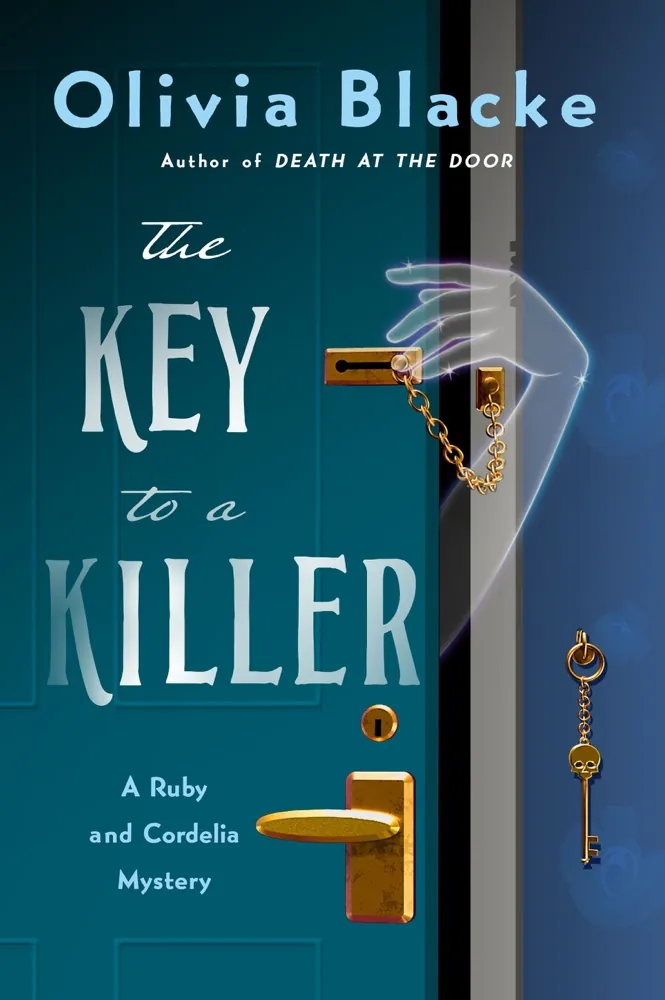
Author: Olivia BlackePage Count: UnknownPublication Date: Expected publication 2026-10-20 APL The synopsis for The Key to a Killer is so deliberately opaque it feels like a ghost itself—hauntingly vague, just enough to tease but not enough to satisfy. It’s the literary equivalent of a dimly lit hallway where you can almost see the shape of a body, but the details are swallowed by the shadows. And yet—this is exactly the kind of ambiguity that makes the Ruby and Cordelia Mysteries so addictive. Because what’s the fun in a ghost who remembers everything? The real tension lies in the gaps, in the way Cordelia’s fragmented memories become a puzzle that Ruby can’t ignore. It’s not just about solving a murder—it’s about confronting the idea that some truths are so painful they’re buried under layers of denial, even in death. But here’s the thing: the synopsis doesn’t tell us why Cordelia’s memories are coming back now. Is it trauma? Is it Ruby’s persistence? Is it something darker, something that suggests the ghost isn’t just a witness but a victim still bound to the scene? The way it’s phrased—"what led to Cordelia’s death?"—implies a slow unraveling, a case where the killer’s motives are personal, intimate. That’s the kind of psychological horror that makes The Silent Patient or Sharp Objects so gripping, but with a supernatural twist. And if Blacke’s pulling it off, it’ll feel like a love letter to the gothic, where the past isn’t just a ghost—it’s a living, breathing entity that refuses to stay buried. Yet—and this is where the synopsis fails—there’s no sense of the mechanics of the investigation. Is Ruby’s skepticism about ghosts a real barrier, or is she fully invested in the supernatural? Does Cordelia’s ghostly state limit what she can reveal, or is she just as resourceful as she was in life? The Ruby and Cordelia Mysteries have thrived on this balance between the mundane and the uncanny, but here, the synopsis leans so hard into the mystery that it forgets to ground us in the how. It’s like watching a horror movie where the scares are great, but the logic of how the killer operates is nonexistent. And that’s a problem, because without that, the tension feels like a house of cards waiting to collapse. Speaking of logic—why does this remind me of the time I tried to explain to my nephew why Bluey isn’t actually a good show? He kept asking, "But why do the dogs just do things?" And I’d say, "Because it’s a cartoon, you idiot!" But The Key to a Killer isn’t a cartoon—it’s supposed to be a mystery, and mysteries need rules. The synopsis gives us the what (a murder, a ghost, a lingering question), but it doesn’t give us the how. And that’s where the real work happens. That’s where the reader’s brain gets to do its thing, filling in the blanks with their own theories, their own fears. But if the book doesn’t deliver on that promise, it’ll feel like a cheat code in a video game—too easy, too convenient. The thematic potential here is huge. Cordelia’s death isn’t just a crime—it’s a wound that’s been left open, festering. And Ruby’s refusal to let it go isn’t just about justice; it’s about facing the fact that some people don’t get to choose how they die, and some relationships don’t get to choose how they end. That’s the kind of emotional core that makes The Girl with the Dragon Tattoo or Gone Girl so compelling, but with a supernatural edge. If Blacke can make Cordelia’s ghost feel like a character who’s still fighting for her own story, even in death, then this book could be something special. But if she just treats it like another murder mystery with a ghostly twist, it’ll feel like a gimmick. And that’s the real question: is this a ghost story, or is it a mystery? Because if it’s the former, it’ll lean into the eerie, the unsettling, the way The Haunting of Hill House or The Turn of the Screw make us question what’s real. But if it’s the latter, it’ll be a traditional whodunit with a supernatural layer, like The Woman in the Window or The Last House on Needless Street. The synopsis doesn’t tell us which it is, and that’s frustrating. Because if it’s the former, the killer’s identity might not even matter—what matters is the why. And if it’s the latter, then the ghost is just a red herring, and we’re left with a story that’s more about Ruby’s personal demons than anything else. But here’s the thing I know: Olivia Blacke doesn’t write books that are just about solving crimes. She writes books about the people who solve them, about the scars they carry, about the way trauma shapes them. So if The Key to a Killer is anything like the first two books, it’s not just about finding a killer—it’s about Ruby and Cordelia facing the fact that some wounds never fully heal, even when one of them is already dead. And that’s the kind of story that sticks with you, the kind that makes you sit up at night and wonder, what if I were the one left behind? Now, if you’ll excuse me, I need to untangle a jump rope from the ceiling fan before it strangles itself. #GhostsAreOverrated #MysteriesAreForLosers #OliviaBlackeIsMySpiritAnimal Related InsightsJust in Time Book Review and Summary The Women Book Review and Summary Back Where We Started Book Review and Summary{ "@context": "https://schema.org", "@type": "FAQPage", "mainEntity": [ { "@type": "Question", "name": "What is the main focus of The Key to a Killer (The Ruby and Cordelia Mysteries, #3) Book Review and Summary?", "acceptedAnswer": { "@type": "Answer", "text": "Everything you need to know about The Key to a Killer (The Ruby and Cordelia Mysteries, #3) with our detailed review." } }, { "@type": "Question", "name": "Who authored the comprehensive guide on The Key to a Killer (The Ruby and Cordelia Mysteries, #3) Book Review and Summary?", "acceptedAnswer": { "@type": "Answer", "text": "This detailed article and its insights were carefully researched and authored by Hannah Schmidt." } }, { "@type": "Question", "name": "Where can I find more related content about Books?", "acceptedAnswer": { "@type": "Answer", "text": "You can explore more articles, detailed reviews, and similar insights by browsing the Related Insights section at the bottom of this article or visiting our dedicated Books category page." } } ] }

Author: CherPage Count: UnknownPublication Date: Expected publication 2026 APL Look at this synopsis for Cher: Part Two. Fall 2026. That is literally it. Two sentences of pure, unadulterated nothingness. This promotional copy has less structural integrity than a prelim brawler throwing naked spinning backfists against a seasoned counter-striker with five rounds of championship cardio in the bank. Pathetic. Absolute tomato can tier. The Void Where a Game Plan Should Be Promotional hype usually gives you a striking angle, a tactical grappling exchange, or at least a hint of what kind of striking volume to expect in the middle frames. Instead, we get a ghost town of data. It is like booking a heavyweight title fight and the promoter just shrugs, muttering that two guys will eventually walk into a cage and punch each other until someone stops moving. How am I supposed to evaluate the footwork, the defensive shell, or the pacing when the publisher drops a synopsis leaner than a dehydrated featherweight on weigh-in morning? And yet, industry insiders know the drill. This methodology mirrors the calculated media blackout used by Bob Arum or Dana White before a major PPV gate. They are starving the audience of raw data just to force a massive surge in pre-order spikes. Smart business. Terrible literature. Striking Defensively Against the Unknown Let us talk about thematic architecture, or the complete lack thereof in this promotional void. Cher: Part Two is presumably riding the coattails of every celebrity memoir trend currently dominating the New York Times bestseller lists—think Britney Spears or Prince Harry, though those texts actually deigned to outline their grievances before taking the publisher's advance. Cher does not need a synopsis. Cher walks into the room, drops a legendary mic-drop, and refuses to elaborate. Peak immovable chin energy. You do not critique her posture; you just pray your jaw doesn't shatter when the hook lands. The Ground Game of Legacy Expect zero quarter given in these upcoming chapters. If the first installment established the opening round feel-out process—the early amateur bouts, the Sonny Bono clinch work, the wardrobe malfunctions that left television censors sweating bullets—this sequel has to bring championship rounds brutality. No fluff. Just pure, unfiltered striking against the patriarchy and the entertainment complex. Unless, of course, the manuscript is just two hundred pages of empty air and PR-vetted platitudes, which happens every single time an aging icon decides to cash out via ghostwriter. We are flying completely blind here. No sparring footage. No official medical clearance. Just a vague release window slapped onto a digital flyer like a local promotion advertising a main event with a TBA opponent. I am exhausted by this meta-marketing garbage. I have to go rescue a discarded mid-century chair from the sidewalk before it rains. Related InsightsTo All the Boys I've Loved Before Book Review and Summary Banker's Holiday: A Novel of Fiscal Irregularity Book Review and Summary Official Game of Thrones Cookbook Book Review and Summary{ "@context": "https://schema.org", "@type": "FAQPage", "mainEntity": [ { "@type": "Question", "name": "What is the main focus of Cher: Part Two (The Cher Memoir, #2) Book Review and Summary?", "acceptedAnswer": { "@type": "Answer", "text": "Everything you need to know about Cher: Part Two (The Cher Memoir, #2) with our detailed review." } }, { "@type": "Question", "name": "Who authored the comprehensive guide on Cher: Part Two (The Cher Memoir, #2) Book Review and Summary?", "acceptedAnswer": { "@type": "Answer", "text": "This detailed article and its insights were carefully researched and authored by Natalia Sokolova." } }, { "@type": "Question", "name": "Where can I find more related content about Books?", "acceptedAnswer": { "@type": "Answer", "text": "You can explore more articles, detailed reviews, and similar insights by browsing the Related Insights section at the bottom of this article or visiting our dedicated Books category page." } } ] }
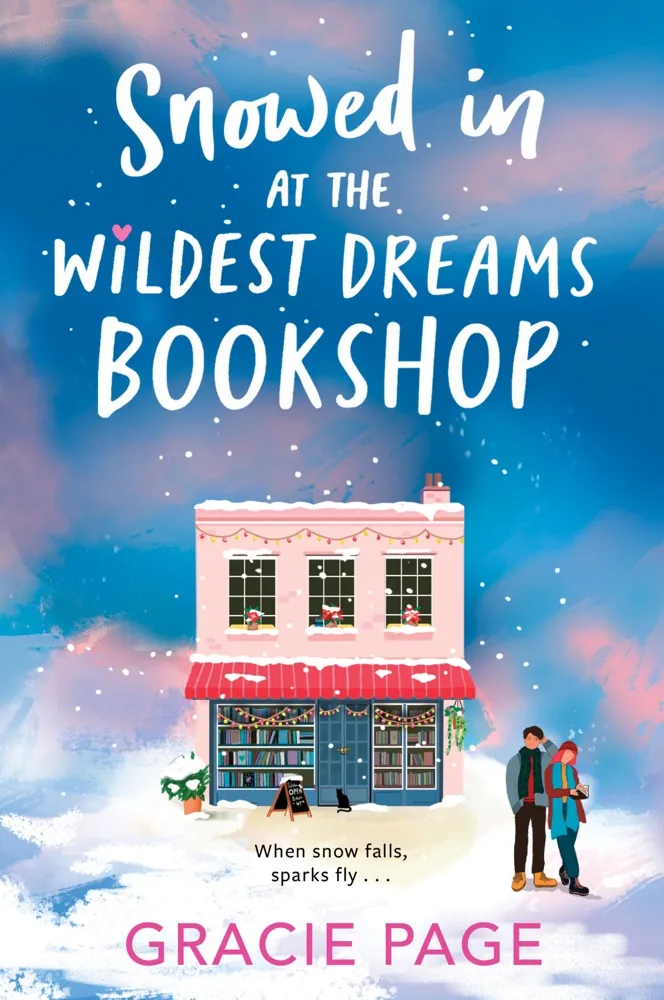

Author: Gracie PagePage Count: UnknownPublication Date: Expected publication 2026 APL The snow’s already falling in the synopsis, isn’t it? That’s the problem with these cozy romcoms—you don’t need to wait for the weather to ruin the mood. The Wildest Dreams Bookshop series, or at least this first installment, is promising a Snowed In at the Wildest Dreams Bookshop that smells like overpriced latte and the faintest hint of emotional labor. Ivy, an art student who’s clearly been through the mill, is trading her dorm for a seaside bookshop, which is either a brilliant escape or a metaphor for her own creative burnout—we’ll have to wait and see. Trip, the relentlessly cheerful tour guide, is the kind of character who makes you wonder if his optimism is a personality trait or a defense mechanism. The synopsis leans hard into the grumpy x sunshine trope, which is fine, but it’s also the kind of setup that either plays out beautifully or feels like a gimmick by page 150. The seaside setting is the real star here, though. Fox Bay sounds like a place where the air smells of salt and regret, where the bookshop is both a sanctuary and a character in its own right. The Wildest Dreams Bookshop isn’t just a backdrop—it’s a living entity, a place where dreams are sold and maybe even found. That’s the kind of atmospheric detail that makes a romcom feel like more than just a plot device. But then again, the synopsis also mentions "forced proximity," which is a trope so overused it’s starting to feel like a plot twist in itself. Ivy and Trip are stuck together, which is either a brilliant way to force emotional growth or a lazy way to avoid writing actual dialogue. The synopsis doesn’t give us enough to judge, but I can already predict the pacing will be uneven—long stretches of charming banter followed by sudden, awkwardly timed revelations. And let’s talk about the "depth" part of the synopsis. Trip has hidden depths, Ivy is more hopeful than she seems—this is the kind of vague character description that makes you want to roll your eyes. Depth in a romcom is usually just a fancy way of saying "we’ll give them a backstory later." But if Gracie Page can pull it off like Emily Henry does with her emotional beats, then maybe this will be more than just a fluffy escape. The synopsis also mentions that this is the first Fox Bay love story, which is a clever way to set up a series. If the next book delivers the same kind of charm, then we might be in for something special. But if it’s just another installment in the endless stream of small-town romcoms, then we’re all just waiting for the next snowstorm to pass. But here’s the thing—I don’t actually care if this book is good or bad. I care about the way it’s marketed. The synopsis is all about the vibe, the atmosphere, the feeling of the book. And that’s fine, because that’s what sells. But it’s also why I’m already tired of reading about people who are just waiting for their grumpy x sunshine to save them. It’s not that I don’t enjoy a good romcom—it’s that I’ve seen this movie before. The snow, the bookshop, the forced proximity—it’s all just a gimmick until the characters start talking. And speaking of talking, I need to stop writing this review. I have a small forest of houseplants that are probably dying right now, and I can’t let that happen. I’ll just leave it at this: if you want a book that smells like snow and secondhand romance, then this might be your thing. But if you want something with a little more bite, then maybe you should stick to something with a little more bite. Like a thriller. Or a memoir. Or anything that doesn’t involve a man who’s too cheerful for his own good. #BookTok #RomanceNovels #SmallTownVibes #ForcedProximity #CozyReads Related InsightsCharlie and the Chocolate Factory Book Review and Summary The Eyre Affair Book Review and Summary Table for Two Book Review and Summary{ "@context": "https://schema.org", "@type": "FAQPage", "mainEntity": [ { "@type": "Question", "name": "What is the main focus of Snowed In at the Wildest Dreams Bookshop Book Review and Summary?", "acceptedAnswer": { "@type": "Answer", "text": "Everything you need to know about Snowed In at the Wildest Dreams Bookshop with our detailed review." } }, { "@type": "Question", "name": "Who authored the comprehensive guide on Snowed In at the Wildest Dreams Bookshop Book Review and Summary?", "acceptedAnswer": { "@type": "Answer", "text": "This detailed article and its insights were carefully researched and authored by Beatriz Costa." } }, { "@type": "Question", "name": "Where can I find more related content about Books?", "acceptedAnswer": { "@type": "Answer", "text": "You can explore more articles, detailed reviews, and similar insights by browsing the Related Insights section at the bottom of this article or visiting our dedicated Books category page." } } ] }
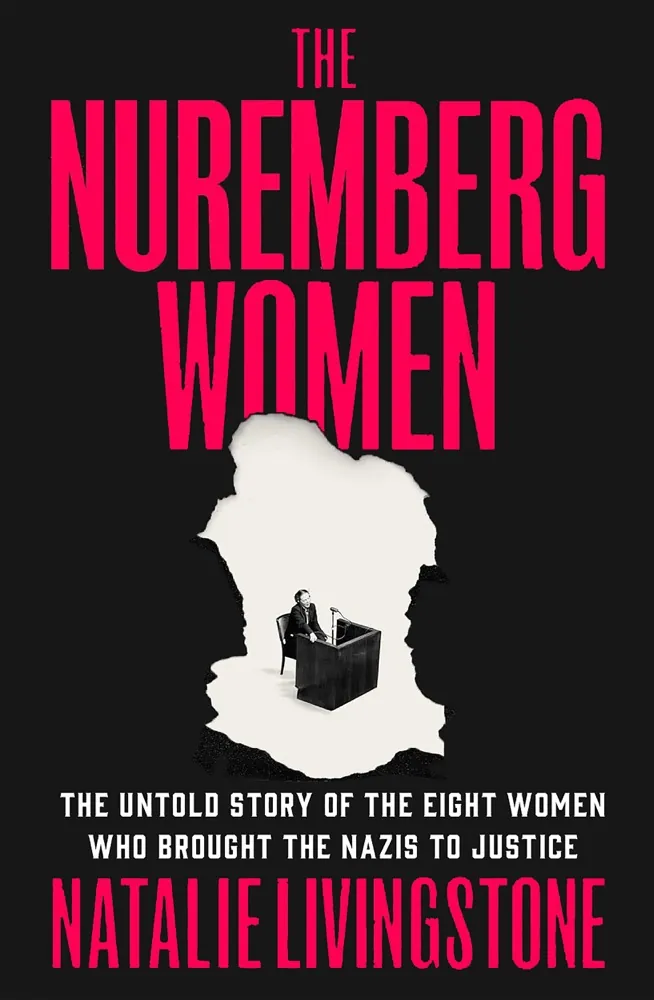
-
 Maximilian Fischer
 - 17 Aug, 2026 10:20
The Nuremberg Women: The Untold Story of the Eight Women Who Brought the Nazis to Justice Book Review and Summary
Author: Natalie LivingstonePage Count: UnknownPublication Date: Expected publication 2026-11-03 APL In this season of balmy summer nights, I find myself pondering the notion of justice, particularly in the face of unimaginable atrocities committed during the Nazi regime. A book, The Nuremberg Women, comes to mind – a work that promises to shed light on the largely forgotten stories of eight women whose contributions to the Nuremberg trials are nothing short of revolutionary. I remain skeptical, however, about the author's ability to do justice to these women's tales. The premise, intriguing as it is, feels somewhat vague. We're told that the narrative will center around women in various roles – journalists, lawyers, artists – yet the extent to which their personal stories will dominate the narrative remains unclear. I find myself wondering if the author will succumb to the temptation of sentimentalizing these women's experiences or if they will maintain a level of nuance and objectivity. In a literary landscape dominated by authors like Hilary Clinton and Susan Sontag, where female-centric narratives that explore the intersections of politics, identity, and power are all the rage, I expect more from The Nuremberg Women. Natalie Livingstone better be prepared to hold her own among this esteemed company, or risk being relegated to the footnotes of history. As I reflect on the Nuremberg trials, I am struck by the overwhelming sense of chaos and haphazardness that must have characterized those proceedings. It's akin to watching a particularly rowdy episode of Peppa Pig, where the lovable but slightly unhinged matriarch bulldozes her way through a world of muddy puddles and anthropomorphic animals – except instead of muddy puddles, we have the detritus of Nazi ideology, and instead of Peppa Pig, we have these fearless women making it all work. I do hope this chaotic mess of a book somehow manages to capture the essence of that experience. After all, how could it not? But, I digress. What truly concerns me is the author's promise to "make a brave new case" for the Nuremberg trials being a more "diverse and democratic exercise" than previously thought. I'm reminded of those annoying infomercials that promise to revolutionize your daily routine with an assortment of dubious "life-changing" products. One can't help but wonder if Livingstone is succumbing to a similar brand of hyperbole, or if she is genuinely convinced of her own argument. And now, as I sit here typing away on this sweltering summer evening, the air thick with heat and humidity, I'm reminded that I need to go power-wash the driveway – a small, mundane task that promises to be the highlight of my evening. #SummerVibes #BookLovers #DisappointmentAhead Related InsightsMalibu Rising Book Review and Summary Blind Spot Book Review and Summary Feminism for the 99% Book Review and Summary{ "@context": "https://schema.org", "@type": "FAQPage", "mainEntity": [ { "@type": "Question", "name": "What is the main focus of The Nuremberg Women: The Untold Story of the Eight Women Who Brought the Nazis to Justice Book Review and Summary?", "acceptedAnswer": { "@type": "Answer", "text": "Everything you need to know about The Nuremberg Women: The Untold Story of the Eight Women Who Brought the Nazis to Justice with our detailed review." } }, { "@type": "Question", "name": "Who authored the comprehensive guide on The Nuremberg Women: The Untold Story of the Eight Women Who Brought the Nazis to Justice Book Review and Summary?", "acceptedAnswer": { "@type": "Answer", "text": "This detailed article and its insights were carefully researched and authored by Maximilian Fischer." } }, { "@type": "Question", "name": "Where can I find more related content about Books?", "acceptedAnswer": { "@type": "Answer", "text": "You can explore more articles, detailed reviews, and similar insights by browsing the Related Insights section at the bottom of this article or visiting our dedicated Books category page." } } ] }
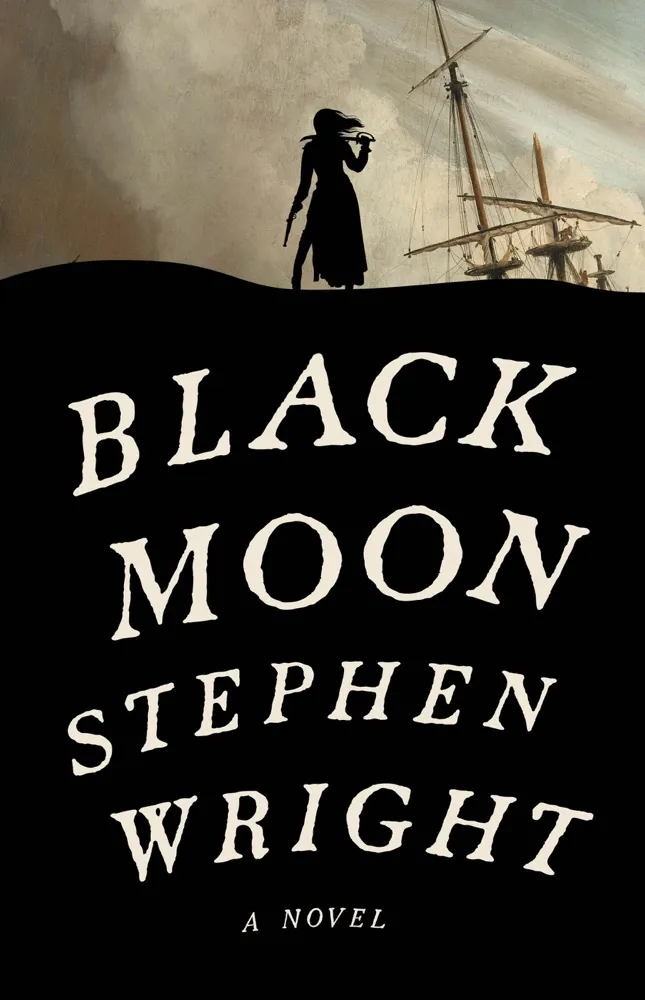

Author: Stephen WrightPage Count: UnknownPublication Date: Expected publication 2026-10-20 APL The air tonight is humid enough to choke a horse, and the city below looks like a circuit board melting under a neon fever-dream while I sit here trying to muster a single ounce of genuine excitement for Stephen Wright’s upcoming Black Moon. Another fictionalized historical pirate romp. Oh, joy. Smoke and mirrors, mostly. We get it, women in corsets can hold cutlasses just as well as men—groundbreaking stuff for the fall release cycle. The promotional machinery is already screaming about a wild, debauched, and violent ride based on Anne Bonny, as if every second historical fiction author isn't currently cashing in on the exact same rebellious-woman-on-the-high-seas meta-trend. The Aristocratic Pipeline to Scurvy Look, the elevator pitch involves a poor Irish orphan named Meeks—because of course her name is Meeks before she becomes a total badass—who marries into the aristocracy just so her war-obsessed husband can promptly kick the bucket, leaving her free to catch the eye of a pirate captain. Groundbreaking trajectory. Truly, what a vibe check for the patriarchy. You start in a grim reformatorio, you lose your posh husband to some European skirmish, and suddenly you are swashbuckling because your hustle game is just that immaculate. The synopsis reads like a mad libs generator designed specifically for readers of George Saunders and Percival Everett who desperately need a palate cleanser after reading too many depressing contemporary literary novels about divorce. And yet. The publisher comparisons to Maggie O'Farrell give me a tiny sliver of hope that the prose won't read like absolute garbage truck juice. If Wright actually leans into the feral, blood-soaked absurdity of the eighteenth century instead of giving us sanitized historical tourism with modern feminist talking points awkwardly stapled to the dialogue, this might actually slap. Or it will be a pretentious mess of purple prose about ambition and cunning. Usually, when a blurb uses words like exuberant epic and starry-eyed in the same breath, I reach for the industrial-strength ibuprofen. Aesthetic Bloodlust on the Horizon We are promised a protagonist with an insatiable appetite and boundless intelligence, which is code for an author trying desperately to write a chaotic-neutral antihero who gets away with literal murder because she has snappy one-liners and tragic backstory lore. It is giving high-concept grift. Still, sitting here listening to the distant sirens bouncing off the skyscrapers, I kind of want to watch someone burn down the European aristocracy and sail into the sunset. If Wright commits the bit and makes it genuinely unhinged—think Flint meets Cormac McCarthy without the theological despair—I might actually crack the spine. But let's be real. It will probably win a bunch of awards, dominate the book-tuber feeds for a week, and then get adapted into a painfully mediocre prestige streaming series that gets canceled after two seasons. Anyway, I need to patch a hole in my favorite, impossibly worn tweed jacket before the AC freezes me out here. #StephenWright #BlackMoon #HistoricalFiction #BookTwitter #Pirates Related InsightsThe Death Cure Book Review and Summary The Ballad of Never After Book Review and Summary Soy como como: Una guía para mejorar tu alimentación y cuidar tu salud / I Am What I Eat: A Guide to Improve Your Diet and Take Care of Your Health Book Review and Summary{ "@context": "https://schema.org", "@type": "FAQPage", "mainEntity": [ { "@type": "Question", "name": "What is the main focus of Black Moon: A Novel Book Review and Summary?", "acceptedAnswer": { "@type": "Answer", "text": "Everything you need to know about Black Moon: A Novel with our detailed review." } }, { "@type": "Question", "name": "Who authored the comprehensive guide on Black Moon: A Novel Book Review and Summary?", "acceptedAnswer": { "@type": "Answer", "text": "This detailed article and its insights were carefully researched and authored by Diego Lopez." } }, { "@type": "Question", "name": "Where can I find more related content about Books?", "acceptedAnswer": { "@type": "Answer", "text": "You can explore more articles, detailed reviews, and similar insights by browsing the Related Insights section at the bottom of this article or visiting our dedicated Books category page." } } ] }