You Let Me In Book Review and Summary
-
 Irina Ivanova
 - 18 Aug, 2026 03:54
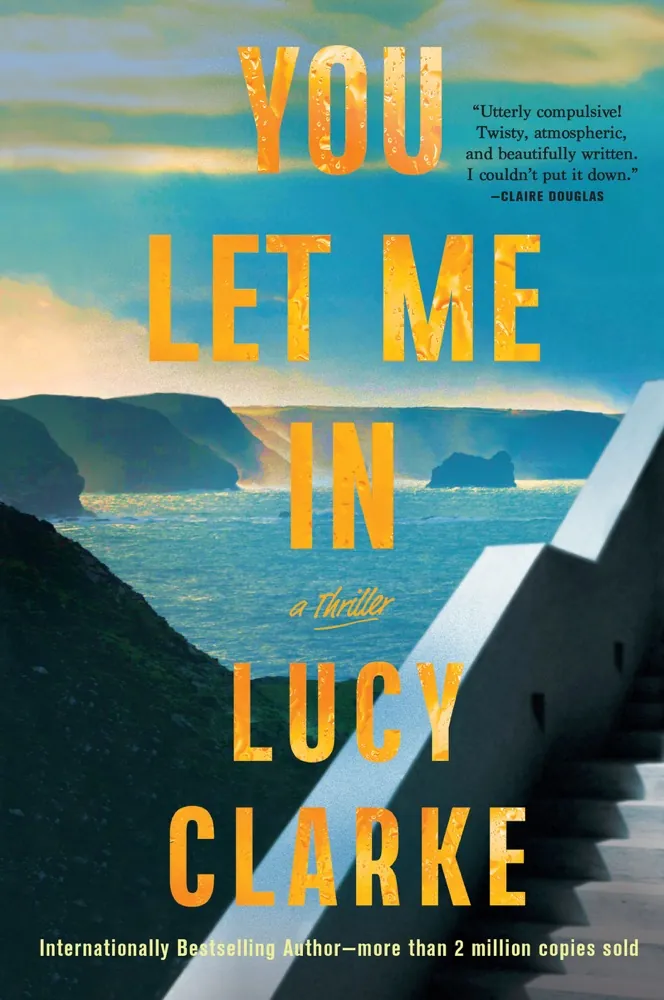
Author: Lucy Clarke
Page Count: Unknown
Publication Date: Expected publication 2026-10-13 APL
Sweating through this ridiculous polyester thrift-store blouse while the August humidity turns my cramped apartment into a literal swamp, I have been handed Lucy Clarke’s You Let Me In synopsis to dissect for pennies. Yet another thriller about a struggling writer renting out her house on Airbnb. Groundbreaking. Riveting. Truly, the cultural reset of 2026.
The Real Estate Trap of Domestic Suspense
The marketing copy leans hard on the Rear Window comparisons, which is marketing code for “we have a protagonist trapped in a specific square footage and she refuses to call the police.” Elle Fielding is floundering. Her marriage is disintegrating. Her book deal is evaporating. Naturally, the only logical solution to imminent financial ruin is letting random strangers sleep in your bed for a hundred bucks a night.
Paranoia as a Monetized Commodity
The thematic core here—if we can dignify a publisher’s plot blurb with academic rigor—is the commodification of domesticity. We trade our private sanctuaries for gig-economy scraps, inviting the panopticon straight into our guest bedrooms. Clarke is hitting the zeitgeist over the head with a very expensive brass candlestick. The synopsis promises a “mind-bending thriller” about secrets waking up, but let us be entirely real for a second. This is pure domestic noir churn. It is giving high-concept gaslighting for people who unironically love acoustic covers of pop songs in TV commercials.
Structural Fatigue and Genre Tropes
Look, I am just trying to hit a word count before my electric bill gets shut off, but even my deadened literary soul feels exhausted by the phrase “twisted game of cat-and-mouse.” Can we retire the mouse? The mouse is dead. The cat is exhausted. Elle has a secret keeping her awake at night—probably some basic-ass infidelity or accidental plagiarism because her book deal is tanking—and now a stalker is weaponizing her own drywall against her. Peak mid-list thriller-industrial-complex behavior.
If you loved Shari Lapena or Freida McFadden grinding out identical manuscripts on a quarterly deadline, You Let Me In will slap. It is derivative, it is deeply predictable, and it will sell two million copies to people reading on regional commuter trains. The synopsis telegraphs every single beat with zero subtlety, yet I will still probably end up reading it on my fireescape because the AC is broken and reading about a freezing cold Cornish home is cheaper than therapy.
Now I need to go dump a box of Rit dye and a vintage 1970s maxi dress into the bathtub before the landlord complains about the plumbing again.