Showing Posts From
Books
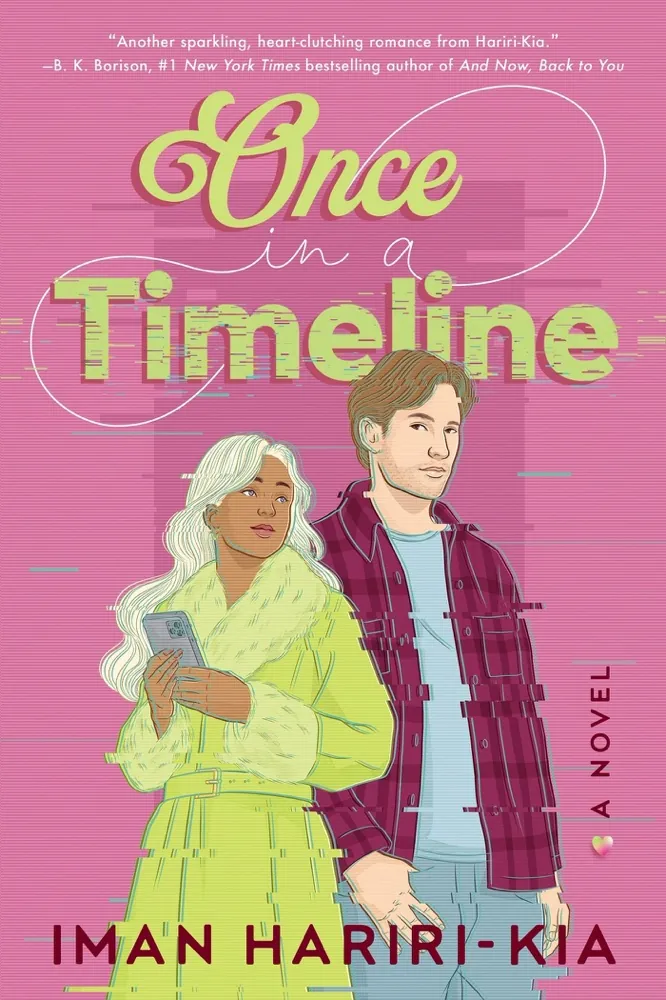

Author: Iman Hariri-KiaPage Count: UnknownPublication Date: Expected publication 2026-10-13 APL Staring at the third cold cup of lukewarm instant roast sitting on this sticky particle-board table, I am honestly just trying to pad my word count so rent clears this month. God forbid I have to write another speculative fluff piece about a manuscript that does not even exist yet. But here we are. Iman Hariri-Kia is handing us Once in a Timeline, an October 2026 release that reads like a Black Mirror script ghostwritten by a chronically online girlboss who mainlines matcha lattes. The Infinite Loop of Late Capitalism The premise hits a very specific modern vein of absolute rot. Laia Grace wants to be the main character so badly she literally gets trapped in a manufactured aesthetic loop of her own making. Talk about main character syndrome meeting its final boss. We are watching the commodification of the mundane reach its logical, dystopian conclusion—eternal recursion disguised as lifestyle content. Hariri-Kia is leaning hard into the satirical playbook pioneered by creators like Ashley Poston, though infused with the existential dread of The Love of My Afterlife. And honestly? The algorithm is eating us alive. Glitching Through the Aesthetic What fascinates me, assuming the prose actually holds up past the catchy logline, is the juxtaposition of glossy consumerism with genuine psychological decomposition. Her neighbors flicker. Her best friend loops. A brooding, unshaven man crashes into the frame because of course he does—we cannot have a modern genre romance without a ruggedly cynical foil to puncture the pristine pastel bubble. Noah is the glitch in the algorithm, the digital grit ruining the high-definition aesthetic. Performance versus personhood. Groundbreaking literary territory. Yet, the synopsis relies heavily on the tired trope of forced proximity via sci-fi absurdism to fix a protagonist's internal void. Will Laia learn that she is more than her engagement rate? Spoiler alert: absolutely. The real question is whether the satire has teeth, or if it dissolves into soft-focus YA-adjacent hand-wringing about screen time. The synopsis acts like staring into a funhouse mirror built by TikTok. We are all performing our morning routines for an invisible panopticon of silent judges. Hariri-Kia is poking fun at the relentless curation of identity, but I suspect the execution will lean too far into swoony commercial comfort rather than actual bite. Give me less meet-cute in a time loop, more feral critique of the attention economy. Still, I will probably pre-order it just to feel something while the radiator clanks its death knell in the corner. I have to go write a fiercely opinionated essay on the death of modern critique before my laptop dies. Related InsightsThe Friday Night Club Book Review and Summary Siddhartha Book Review and Summary The Cousins Book Review and Summary{ "@context": "https://schema.org", "@type": "FAQPage", "mainEntity": [ { "@type": "Question", "name": "What is the main focus of Once in a Timeline Book Review and Summary?", "acceptedAnswer": { "@type": "Answer", "text": "Everything you need to know about Once in a Timeline with our detailed review." } }, { "@type": "Question", "name": "Who authored the comprehensive guide on Once in a Timeline Book Review and Summary?", "acceptedAnswer": { "@type": "Answer", "text": "This detailed article and its insights were carefully researched and authored by Olya Shevchenko." } }, { "@type": "Question", "name": "Where can I find more related content about Books?", "acceptedAnswer": { "@type": "Answer", "text": "You can explore more articles, detailed reviews, and similar insights by browsing the Related Insights section at the bottom of this article or visiting our dedicated Books category page." } } ] }
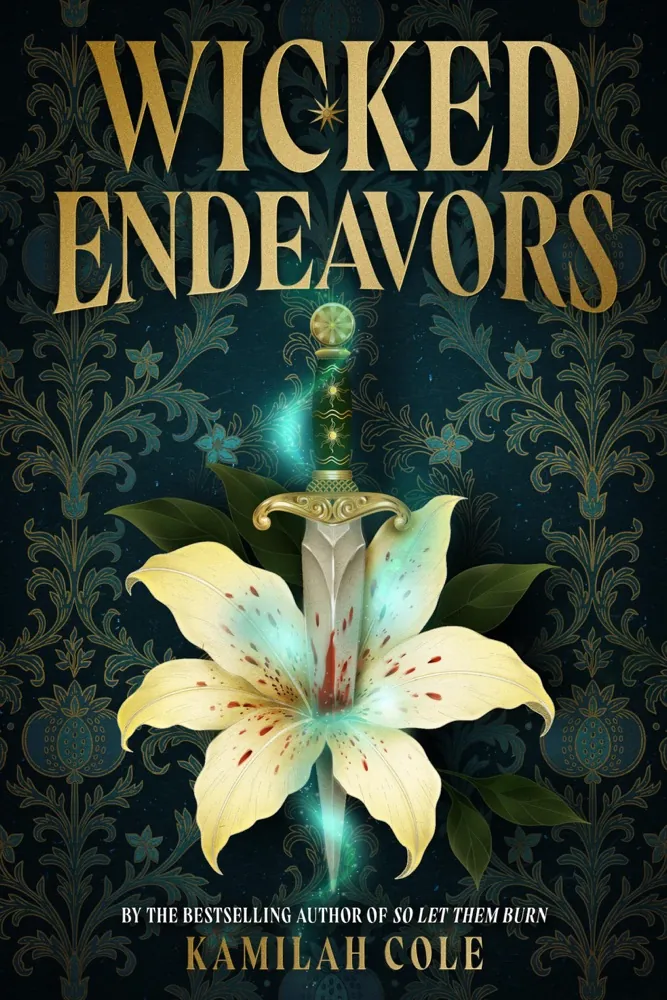
Author: Kamilah ColePage Count: UnknownPublication Date: Expected publication 2026-09-08 APL Another autumn, another relentless deluge of high-concept romantasy engineered specifically to separate trust-fund orphans from their inherited dividends at Barnes & Noble. Kamilah Cole’s Wicked Endeavors arrives with the standard arsenal of first-edition bribes—sprayed edges, maps no one will look at, and a cover designed to photograph well against a marble kitchen island. The Epistemology of Vengeance and Ballgowns Observe the structural mechanics here. An eighteen-year-old protagonist named Caya reinvents herself as Marisol Vinyet—because nothing screams subtle infiltration quite like being disarmingly beautiful during a cutthroat social season. We are knee-deep in the tired architecture of aristocratic subterfuge. It is giving Shakespearean tragedy filtered through TikTok aesthetics, a glaring dichotomy that makes one want to throw oneself off the balcony of a private members' club. Yet, the existential crux of the premise—infiltrating an elite tyranny via high society—offers a deliciously cynical commentary on power dynamics. Power isn’t seized in the dirt; it’s sipped from crystal flutes while wearing corsets that restrict oxygen intake. Based on the publisher's desperate invocation of Powerless and The Shadows Between Us, expect derivative prose wrapped in razor-sharp marketing. No cap. The Tyranny of the Split Affection Let us dissect the inevitable romantic geometry. Caya must choose between an enemy prince whose family originated the systemic oppression, and an estranged childhood friend acting as his bodyguard. Groundbreaking. Truly a sociological masterpiece of internal conflict. She suffers from warring feelings that oscillate between absolute homicidal ideation and hormonal pandemonium. But can we talk about the sheer logistical absurdity of assassinating a monarch while experiencing a mid-gala existential crisis over your childhood bestie? The juxtaposition of state-sanctioned regicide and YA relationship anxiety is simply sending me. It's giving messy diplomacy. Cole attempts to construct a Machiavellian thriller about structural violence, yet immediately degrades the stakes into a glorified love triangle with magical window-dressing. Epistemic Collapse on the Horizon Will this book reinvent the genre? Absolutely not. It will dominate the bestseller lists for six weeks, spawn a dozen special editions with different pastel hues, and then fade into the digital ether of Kindle Unlimited. Still, one must admire the hustle. The thematic exploration of generational trauma manifesting as a deadly debutante ball is almost smart enough to excuse the predictable character arcs. Almost. But I cannot sit here and pretend that a protagonist named Caya-slash-Marisol won't make catastrophic tactical decisions solely because a man has a sharp jawline and tragic backstory. The intellectual bankruptcy of modern fiction is astounding. Anyway, my attorney just emailed. I must sign divorce papers, a tedious but necessary administrative task. #booktok #romantasy #literarytrash #coventryhouse Related InsightsWomen Who Wrote Book Review and Summary The Deluge Book Review and Summary Solo and Together: Charles and Anne Morrow Lindbergh, an Enigmatic Life and Marriage Book Review and Summary{ "@context": "https://schema.org", "@type": "FAQPage", "mainEntity": [ { "@type": "Question", "name": "What is the main focus of Wicked Endeavors Book Review and Summary?", "acceptedAnswer": { "@type": "Answer", "text": "Everything you need to know about Wicked Endeavors with our detailed review." } }, { "@type": "Question", "name": "Who authored the comprehensive guide on Wicked Endeavors Book Review and Summary?", "acceptedAnswer": { "@type": "Answer", "text": "This detailed article and its insights were carefully researched and authored by Sofia Bianchi." } }, { "@type": "Question", "name": "Where can I find more related content about Books?", "acceptedAnswer": { "@type": "Answer", "text": "You can explore more articles, detailed reviews, and similar insights by browsing the Related Insights section at the bottom of this article or visiting our dedicated Books category page." } } ] }
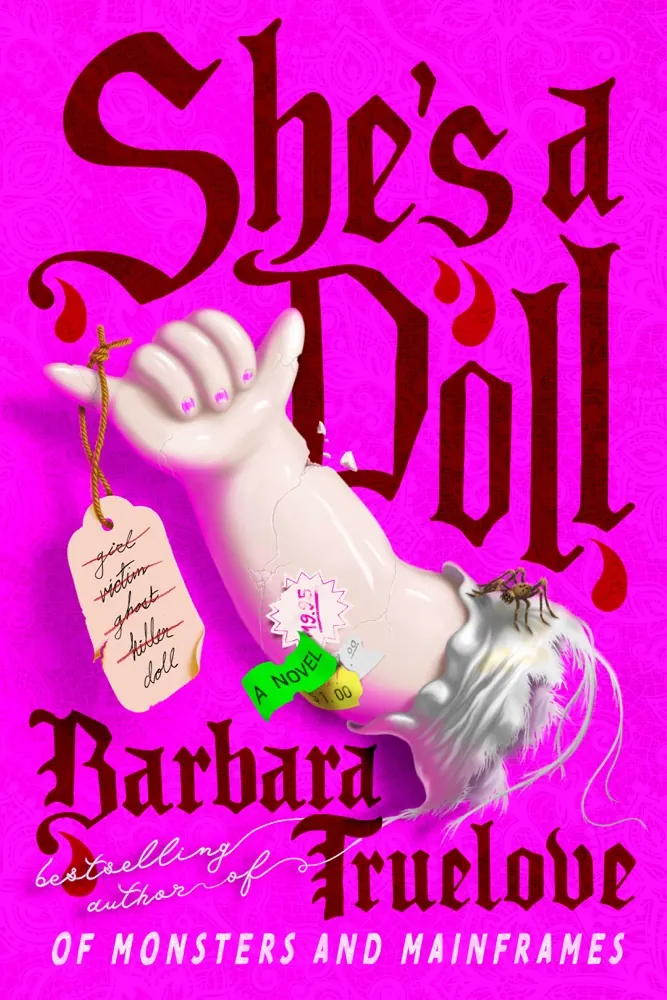

Author: Barbara TruelovePage Count: UnknownPublication Date: Expected publication 2026-09-08 APL My knees are currently molding into the cracked pleather of seat forty-two while some absolute goblin two rows up blasts TikTok at four in the morning, which means it is prime time to dissect Barbara Truelove’s upcoming She's a Doll before my phone battery drops to zero and I have to resort to staring blankly at the highway median like a lobotomized Victorian child. The Porcelain Pipeline of Vengeance Truelove apparently decided that standard psychological thrillers are for cowards. Instead, we get an eighteen-inch ceramic homicide enthusiast possessing an antique plaything to settle a score with a guy named Kyle. Because nothing screams righteous retribution quite like structural integrity issues and brittle limbs. Yet the synopsis leans hard into that hyper-marketed brand of capital-R Rage that every publishing house is currently shoving down our throats to appease the book-tok demographic. Small-Town Gaslighting and Lacy Sleeves And what a predictable suburban backdrop we have here. An idyllic town where the locals refuse to believe that a promising young man—probably named something aggressively basic like Chad or Kyle—could possibly be a murderer. Groundbreaking. Truly a sociological critique of our era. Lucy has to roll up her lacy little sleeves and murder him herself because the local constabulary is apparently too busy eating donuts and ignoring structural misogyny to notice an eighteen-inch porcelain murder-toddler rolling down Main Street. One must wonder if Truelove is actually doing anything subversive here, or if this is just another mid-tier IP mill-product designed to be optioned by a streamer before the galley proofs even dry. Genre Slop and Word-Count Sadism Look, I am typing this on a frozen screen while inhaling the distinct chemical aroma of toilet deodorizer wafting from the back of the bus just to make rent this month, so forgive me if my patience for quirky posthumous vengeance narratives is running dangerously low. This whole enterprise smells like a corporate boardroom brainstorm where someone yelled, What if Barbie was John Wick, but make it feminist? We are drowning in high-concept gimmickry. Authors refuse to write about actual human behavior anymore without wrapping it in a supernatural metaphorical onesie just to secure a blurb from the LA Times. Truelove probably delivers a fun, unhinged ride—comparable to Grady Hendrix crashing into a Christopher Moore novel after three too many espresso martinis—but let’s be entirely real here. The synopsis reads like a pitch deck written by an algorithm that ingested every horror-comedy published since 2018. But hey, it beats watching the scenery blur past the grease-smeared window. I am going to go sit on a park bench and aggressively people-watch. Related InsightsThe Cat in the Hat Book Review and Summary The Amazing Adventures of Kavalier & Clay Book Review and Summary Portrait of a Haunting Book Review and Summary{ "@context": "https://schema.org", "@type": "FAQPage", "mainEntity": [ { "@type": "Question", "name": "What is the main focus of She's a Doll Book Review and Summary?", "acceptedAnswer": { "@type": "Answer", "text": "Everything you need to know about She's a Doll with our detailed review." } }, { "@type": "Question", "name": "Who authored the comprehensive guide on She's a Doll Book Review and Summary?", "acceptedAnswer": { "@type": "Answer", "text": "This detailed article and its insights were carefully researched and authored by Carmen Martinez." } }, { "@type": "Question", "name": "Where can I find more related content about Books?", "acceptedAnswer": { "@type": "Answer", "text": "You can explore more articles, detailed reviews, and similar insights by browsing the Related Insights section at the bottom of this article or visiting our dedicated Books category page." } } ] }


Wenn die Tinte auf dem Papier zu einer Waffe wird, die mächtiger ist als jede Armee, beginnt die Ära der Verbote. Stellen Sie sich eine Welt vor, in der ein einziges Adjektiv, eine subtile Metapher oder die bloße Erwähnung eines fernen Landes ausreichten, um ein ganzes Leben in den Schatten des Gulags zu verbannen. In der Sowjetunion war das Buch nicht nur ein Medium des Wissens, sondern ein Schlachtfeld der Ideologien. Die Zensur war kein bloßer bürokratischer Akt; sie war ein chirurgischer Eingriff in das kollektive Bewusstsein, ein Versuch, die Realität nach den Vorgaben des Sozialistischen Realismus zu biegen. Das eisige Griff der Glawlit-Zensur Um zu verstehen, warum bestimmte Bücher in der Sowjetunion verboten wurden, muss man das Herz der Unterdrückung betrachten: den Glawlit. Die Hauptverwaltung für Literatur und Verlagswesen war nicht einfach eine Prüfstelle; sie war der Filter, durch den jeder Gedanke fließen musste, bevor er die Öffentlichkeit erreichte. Alles, was nicht dem aktuellen Kurs der Partei entsprach, wurde als „kontrevolutionär“, „formalistisch“ oder „bürgerlich-dekadent“ abgestempelt. Die Zensur folgte einer paradoxen Logik. Einerseits wollte das Regime die Errungenschaften der menschlichen Zivilisation beanspruchen, andererseits fürchtete es die individuelle Freiheit, die aus dem Lesen entspringt. Ein Buch war nicht deshalb verboten, weil es offensichtlich lügte, sondern oft gerade deshalb, weil es eine Wahrheit aussprach, die nicht in das staatliche Narrativ passte. Die Angst vor dem „westlichen Einfluss“ führte dazu, dass ganze Genres und Autoren systematisch aus den Bibliotheken getilgt wurden.Die Geister der Klassik unter Verschluss Es mag überraschend erscheinen, dass selbst die großen Meister der Weltliteratur unter den Verdacht der Staatsfeindlichkeit gerieten. Die Sowjetunion hatte ein komplexes Verhältnis zur klassischen Literatur. Während Werke, die die Grausamkeit des Kapitalismus oder die Not des Proletariats thematisierten, gefeiert wurden, landeten andere im Verbot. Besonders kritisch wurde es bei Autoren, deren Werk die psychologische Tiefe des Individuums über die kollektive Identität stellte. Franz Kafka ist hier ein prominentes Beispiel. Seine absurden Welten, in denen das Individuum einer unerklärlichen, monolithischen Bürokratie gegenübersteht, waren eine allzu präzise Spiegelung der sowjetischen Realität. Wer Kafka las, sah möglicherweise die Strukturen des NKWD in den labyrinthischen Gängen von „Der Process“. Auch viele Werke von Albert Camus oder Jean-Paul Sartre wurden mit äußerster Vorsicht behandelt. Der Existenzialismus, der die radikale Freiheit und Verantwortung des Einzelnen postuliert, war das absolute Gegenteil der sowjetischen Doktrin, in der das Individuum lediglich ein Rädchen in der Maschine des historischen Materialismus war. Die Tragödie von Boris Pasternak und der „Doktor Schiwago“ Kein Fall illustriert die Grausamkeit der literarischen Verbote so deutlich wie der von Boris Pasternak. Sein Roman „Doktor Schiwago“ ist nicht nur ein literarisches Meisterwerk, sondern ein Dokument des Widerstands. Pasternak beschreibt darin das Leben eines Arztes und Dichters während der russischen Revolution und des Bürgerkriegs. Warum war dieses Buch so gefährlich? Weil es die menschliche Seele in den Mittelpunkt stellte, nicht die Partei. Schiwago war kein heldenhafter Revolutionär, sondern ein Mann, der an der Zerstörung der alten Welt und der emotionalen Kälte der neuen Ordnung litt. Als das Manuskript heimlich in den Westen geschmuggelt und dort veröffentlicht wurde, löste dies einen Sturm aus. Pasternak wurde öffentlich gegeißelt, als Verräter gebrandmarkt und gezwungen, den Nobelpreis für Literatur im Jahr 1958 abzulehnen. Das Verbot von „Doktor Schiwago“ zeigt, dass die Sowjetunion nicht nur Angst vor politischen Manifesten hatte, sondern vor der emotionalen Wahrheit. Ein Buch, das Liebe, Melancholie und individuelles Leid über die staatliche Pflicht stellte, war ein Akt der Sabotage.Samisdat: Die geheime Bibliothek des Mutes Wenn ein Buch offiziell verboten war, verschwand es nicht einfach. Es begann ein zweites, gefährliches Leben. Hier kommt der Begriff „Samisdat“ (selbstverlag) ins Spiel. Da die staatlichen Druckereien unter strenger Kontrolle standen, wurde die Literatur buchstäblich von Hand kopiert. Die Prozesse des Samisdat waren mühsam und riskant:Ein Originalmanuskript wurde auf einer Schreibmaschine mit mehreren Durchschlägen (Kohlepapier) getippt. Diese Kopien wurden an vertraute Freunde weitergegeben, die sie wiederum heimlich kopierten. Die Texte wurden in geheimen Zirkeln gelesen, oft in privaten Wohnungen, bei gedimmtem Licht und ständiger Angst vor dem Klopfen an der Tür.Samisdat war mehr als nur eine Methode der Verbreitung; es war eine soziale Praxis der Solidarität. Wer ein verbotenes Buch besaß oder kopierte, riskierte Jahre in den Arbeitslagern. Doch der Hunger nach Wahrheit war stärker als die Angst vor dem Staat. In diesen geheimen Netzwerken überlebten die Werke von Alexander Solzhenitsyn, insbesondere „Der Archipelago Gulag“, der die systematischen Verbrechen des sowjetischen Straflagersystems enthüllte. Solzhenitsyns Werk war das ultimale Verbotene, denn es legte die nackte, blutige Realität des Systems offen, die das Regime mit aller Macht zu kaschieren versuchte. Die Verfolgung der religiösen und philosophischen Texte Neben der politischen und künstlerischen Zensur gab es eine rigorose Unterdrückung religiöser Literatur. Da der Marxismus-Leninismus den Atheismus als notwendige Stufe der menschlichen Entwicklung ansah, wurden Bibeln, Koranverse und theologische Abhandlungen systematisch beschlagnahmt und vernichtet. Doch das Verbot erstreckte sich auch auf die Philosophie. Werke, die Gott, Metaphysik oder nicht-materialistische Weltanschauungen vertraten, wurden als „opium für das Volk“ abgetan. Die Zensur versuchte, den Menschen zu einem rein biologischen und sozialen Wesen zu reduzieren. Alles, was über die materielle Welt hinauswies, wurde als bürgerliche Illusion gebrandmarkt.Der Kampf gegen die „westliche Dekadenz“ Ein besonderes Augenmerk lag auf der Literatur aus den USA und Westeuropa. Während einige Klassiker (wie Tolstoj oder Dostojewski in bestimmten Auswchnitten) als Teil des nationalen Erbes bewahrt wurden, galt moderne westliche Literatur oft als „Gift“. Die Liste der verbotenen oder stark gekürzten Autoren war lang:George Orwell: „1984“ und „Farm der Tiere“ waren aufgrund ihrer perfekten Analyse totalitärer Systeme absolut inakzeptabel. Die Ironie dabei: Die sowjetischen Zensoren erkannten sich in Orwells Dystopie vermutlich selbst wieder. Ernest Hemingway: Obwohl seine frühen Werke teilweise geschätzt wurden, galt seine Darstellung der individuellen Freiheit und des maskulinen Kampfes oft als zu „amerikanisch“ und damit verdächtig. Ray Bradbury: „Fahrenheit 451“, ein Buch über die systematische Verbrennung von Büchern, ist die ultimative Ironie. In einem Staat, der selbst Bücher verbrannte oder verbannte, war eine Erzählung über eine Gesellschaft, die das Lesen verlernt hatte, eine zu gefährliche Parallele.Das Erbe der verbotenen Seiten Mit dem Zusammenbruch der Sowjetunion und dem Beginn der Glasnost-Ära unter Michail Gorbatschow brachen die Dämme. Bücher, die jahrzehntelang in dunklen Kellern versteckt worden waren, tauchten plötzlich in den Schaufenstern der staatlichen Buchhandlungen auf. Doch die Narben der Zensur blieben. Eine ganze Generation war mit lückenhafter Literatur aufgewachsen. Das plötzliche Auftauchen der verbotenen Werke führte zu einer kulturellen Eruption, einer Art intellektuellem Aufbruch, bei dem die Menschen begannen, ihre eigene Geschichte neu zu interpretieren. Die Liste der verbotenen Bücher der Sowjetunion ist mehr als nur ein historisches Verzeichnis. Sie ist ein Beweis für die Zerbrechlichkeit der Wahrheit und die unbändige Kraft des geschriebenen Wortes. Wenn eine Regierung Angst vor einem Buch hat, ist das der deutlichste Beweis dafür, dass dieses Buch eine Macht besitzt, die über die Kontrolle des Staates hinausgeht. Heutzutage erinnern uns diese Geschichten daran, dass die Freiheit des Wortes kein Naturgesetz ist, sondern ein kostbares Gut, das ständig verteidigt werden muss. Die verbotenen Bücher von gestern sind die Lehren von heute: Sie lehren uns, dass kein System stark genug ist, um den menschlichen Geist dauerhaft in Ketten zu legen, solange es Menschen gibt, die bereit sind, heimlich zu lesen, zu schreiben und zu träumen.#Zensurgeschichte #Sowjetunion #Literaturwiderstand #VerboteneBücher #Kulturgeschichte Related InsightsFinal Girls Book Review and Summary If This World Were Mine Book Review and Summary I'll Be Waiting Book Review and Summary{ "@context": "https://schema.org", "@type": "FAQPage", "mainEntity": [ { "@type": "Question", "name": "What is the main focus of Die Architektur des Schweigens: Wenn Worte zu Staatsfeinden wurden?", "acceptedAnswer": { "@type": "Answer", "text": "Eine tiefe Reise durch die zensierten Seiten der Sowjetunion und die Werke, die das Regime fürstürmisch gefährlich hielt." } }, { "@type": "Question", "name": "Who authored the comprehensive guide on Die Architektur des Schweigens: Wenn Worte zu Staatsfeinden wurden?", "acceptedAnswer": { "@type": "Answer", "text": "This detailed article and its insights were carefully researched and authored by Clara Schmidt." } }, { "@type": "Question", "name": "Where can I find more related content about Books?", "acceptedAnswer": { "@type": "Answer", "text": "You can explore more articles, detailed reviews, and similar insights by browsing the Related Insights section at the bottom of this article or visiting our dedicated Books category page." } } ] }
-
 Irina Ivanova
 - 15 Aug, 2026 16:12
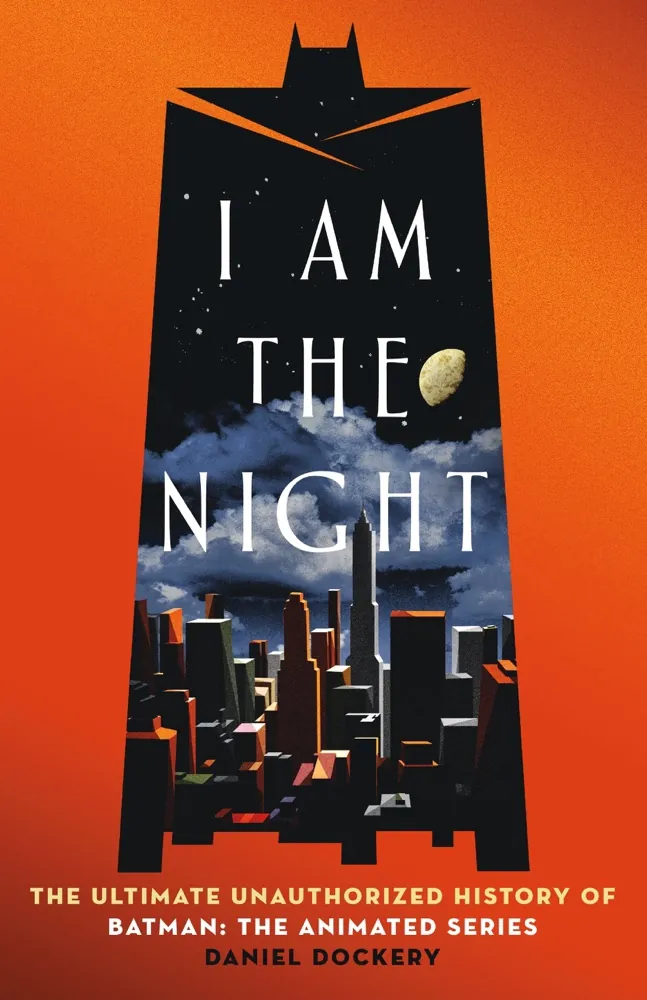
I Am the Night: The Ultimate Unauthorized History of Batman: The Animated Series Book Review and Summary
Author: Daniel DockeryPage Count: UnknownPublication Date: Expected publication 2026-09-01 APL Cold fluorescent hum overhead, lukewarm sludge in a styrofoam cup, and an eight-minute timer blinking mercilessly on the monitor. God, I hate pitch season. Yet here we are, pretending a marketing blurb for Daniel Dockery’s I Am the Night: The Ultimate Unauthorized History of Batman: The Animated Series constitutes actual literature worth analyzing on a fifteen-minute breathing pause. Bureaucracy in the Batcave According to the synopsis, we are promised the gritty, behind-the-scenes war over whether the brooding vigilante could have a recycling bin. Riveting stakes. Truly, the pulse-pounding drama of municipal waste management in Gotham. Let's just rip the band-aid off. At least Paul Duni and Bruce Timm actually understood noir pacing, unlike the endless corporate sludge currently clogging the arteries of modern superhero cinema. Or wait—did the synopsis say Duni? No, it just mentions Timm and an anonymous legion of bruised animators fighting network executives over onscreen kissing quotas. My left eyelid has been twitching since 3:00 AM. Anyway, the thematic underpinnings here practically write themselves, provided the author avoids the sycophantic hero-worship that usually plagues unauthorized pop-culture oral histories. Think less Peter Biskind's Easy Riders, Raging Bulls and more of a Wikipedia printout padded with quotes from tired storyboard artists who just wanted to sleep. Actually, scratch that—Dockery usually knows his stuff, so maybe we will get some genuine insight into how a children's afternoon block accidentally birthed a timeless aesthetic. The Illusion of Depth Or maybe we won't. Look at the text itself. It leans heavily on nostalgia, propping up the corpse of 90s animation as a golden standard while conveniently ignoring the clunky filler episodes involving Clock King. I shouldn't judge a book by a press release written by an exhausted publicist who probably hasn't slept in a week either, but here we are. Writing about a book that isn't out yet based entirely on three paragraphs of breathless hype is a special kind of purgatory. I have three hundred words left to hit before my shift manager glares at my desk again. The synopsis tells us Batman is eternal. Sure. Everything is eternal if you slap enough trademark lawyers on it. The local independent bookstore has run out of my favorite literary magazine. Related InsightsEscuadrón Cielo Book Review and Summary The January 6th Report Book Review and Summary The Day After The Day After Book Review and Summary{ "@context": "https://schema.org", "@type": "FAQPage", "mainEntity": [ { "@type": "Question", "name": "What is the main focus of I Am the Night: The Ultimate Unauthorized History of Batman: The Animated Series Book Review and Summary?", "acceptedAnswer": { "@type": "Answer", "text": "Everything you need to know about I Am the Night: The Ultimate Unauthorized History of Batman: The Animated Series with our detailed review." } }, { "@type": "Question", "name": "Who authored the comprehensive guide on I Am the Night: The Ultimate Unauthorized History of Batman: The Animated Series Book Review and Summary?", "acceptedAnswer": { "@type": "Answer", "text": "This detailed article and its insights were carefully researched and authored by Irina Ivanova." } }, { "@type": "Question", "name": "Where can I find more related content about Books?", "acceptedAnswer": { "@type": "Answer", "text": "You can explore more articles, detailed reviews, and similar insights by browsing the Related Insights section at the bottom of this article or visiting our dedicated Books category page." } } ] }
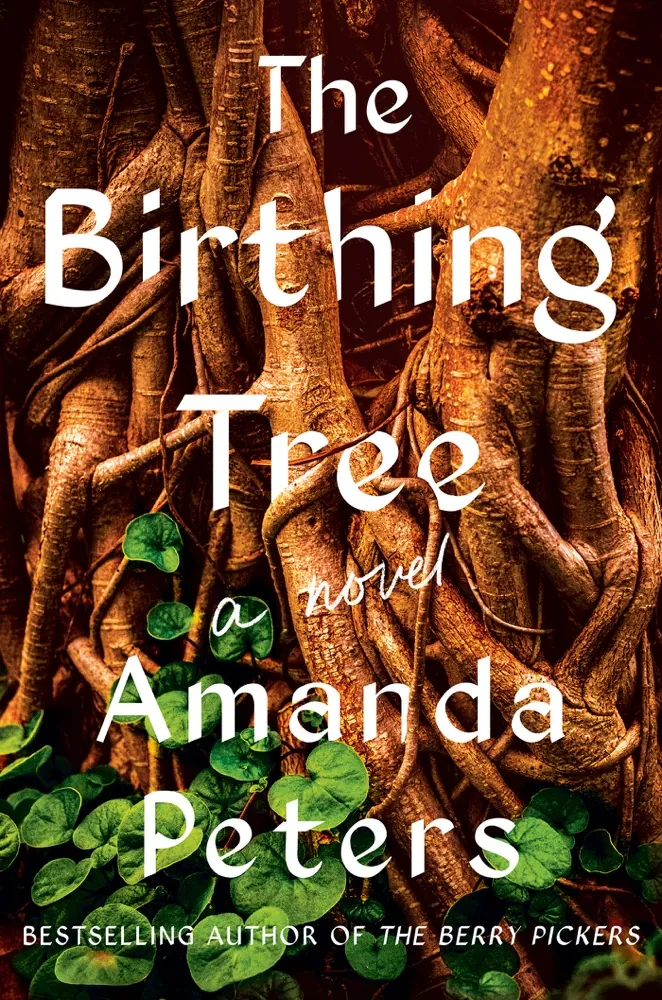

Author: Amanda PetersPage Count: UnknownPublication Date: Expected publication 2026-09-01 APL The birthing tree is a metaphor so overused it should be buried under a slab of granite with a plaque reading Do Not Disturb—unless, of course, you’re a literary tourist hoping to gawk at another iteration of the "woman returns to her roots" trope, which feels like watching The Notebook for the 47th time but with more hemlock tea and less Ryan Gosling. Amanda Peters, whose last novel was praised for its "lyrical prose" (a phrase that now makes me want to set fire to my copy of The Berry Pickers), has clearly decided to lean into the rustic nostalgia so hard that the birthing tree itself might start bleeding sap from exhaustion. The synopsis reads like a cross between Anne of Green Gables and a Hallmark movie where the villain is a faceless "system" that wants to "condemn" midwifery—because nothing says oppression like a government official with a clipboard and a disapproving look. The real crime here isn’t the plot, though. It’s the vagueness. We’re told Aliet is "shaped by seasonal apple pickers" and "the medicinal wisdom of the old ways," but what does that even mean? Is this a historical novel? A magical realism piece? A cozy mystery? The synopsis oscillates between the grounded and the mystical like a pendulum in a haunted house—one minute we’re in the realm of The Handmaid’s Tale’s reproductive politics, the next we’re in the realm of Little Women’s domestic idyll, and then suddenly we’re in the realm of The Secret History, where someone "wants the past to remain undisturbed" like a Greek chorus of small-town gossip. The tone is all over the place, which is either a sign of bold experimentation or a sign that the ghostwriter who drafted this synopsis was high on wild cherry tea and a copy of The Joy Luck Club. The most infuriating part? The way the synopsis frames Aliet’s journey as some kind of epic reclamation of lineage, when really, it sounds like a very middlebrow version of The Secret Life of Bees—minus the bees, minus the depth, and with all the emotional weight of a TED Talk about "finding your voice." The birthing tree is supposed to be sacred, but it’s treated like a prop in a soap opera, a gimmick to evoke sentimentality without any real stakes. And don’t even get me started on the "mystery of her own bloodline"—because nothing says literary intrigue like a woman discovering her father’s name is "someone" and her mother’s death was "witnessed by the wrong person." It’s the literary equivalent of a True Detective episode where the only twist is that the killer is a very confused neighbor. The most damning comparison, though, is to The Power and the Glory, where Graham Greene’s prose burns with moral urgency and the stakes are as high as the sky. Here, we’re getting a novel where the highest tension comes from a grandmother’s death and a house that needs "restoring"—which, let’s be honest, is just a metaphor for the author’s own creative exhaustion. The synopsis reads like it was written by someone who loves the sound of their own words more than they love the story itself. And that’s a shame, because Peters has the chops—she’s a Carnegie winner, after all—but this feels like a missed opportunity to do something truly bold, something that doesn’t just evoke the past but confronts it. The worst part? The synopsis doesn’t even try to be subtle. It’s like the author is whispering, "Look at me, I’m writing about sacred trees and generational trauma—aren’t I deep?" But the truth is, this reads like a novel that could have been written by any number of midlist authors who think "roots" and "heritage" are enough to sell a book. It’s the literary equivalent of a MasterClass on "how to write about family secrets," where the instructor is a very earnest but uninspired community college professor. And now, I must sigh—because I know this book is going to be marketed as "lyrical," "haunting," and "unforgettable," even though it’s just another entry in the "woman returns to her roots" canon, where the only thing that’s truly sacred is the author’s bank account. I should have fired the ghostwriter months ago. They clearly misunderstood the vision—because this isn’t a novel about reclaiming lineage. It’s a novel about recycling tropes, and that’s not the kind of legacy I want to leave behind. #BookTok #LiteraryNostalgia #GhostwriterFail Related InsightsAll the Little Secrets (All the Little Houses, 2) Book Review and Summary The Divide Book Review and Summary Invenzione occasionale Book Review and Summary{ "@context": "https://schema.org", "@type": "FAQPage", "mainEntity": [ { "@type": "Question", "name": "What is the main focus of The Birthing Tree Book Review and Summary?", "acceptedAnswer": { "@type": "Answer", "text": "Everything you need to know about The Birthing Tree with our detailed review." } }, { "@type": "Question", "name": "Who authored the comprehensive guide on The Birthing Tree Book Review and Summary?", "acceptedAnswer": { "@type": "Answer", "text": "This detailed article and its insights were carefully researched and authored by Lucia Garcia." } }, { "@type": "Question", "name": "Where can I find more related content about Books?", "acceptedAnswer": { "@type": "Answer", "text": "You can explore more articles, detailed reviews, and similar insights by browsing the Related Insights section at the bottom of this article or visiting our dedicated Books category page." } } ] }
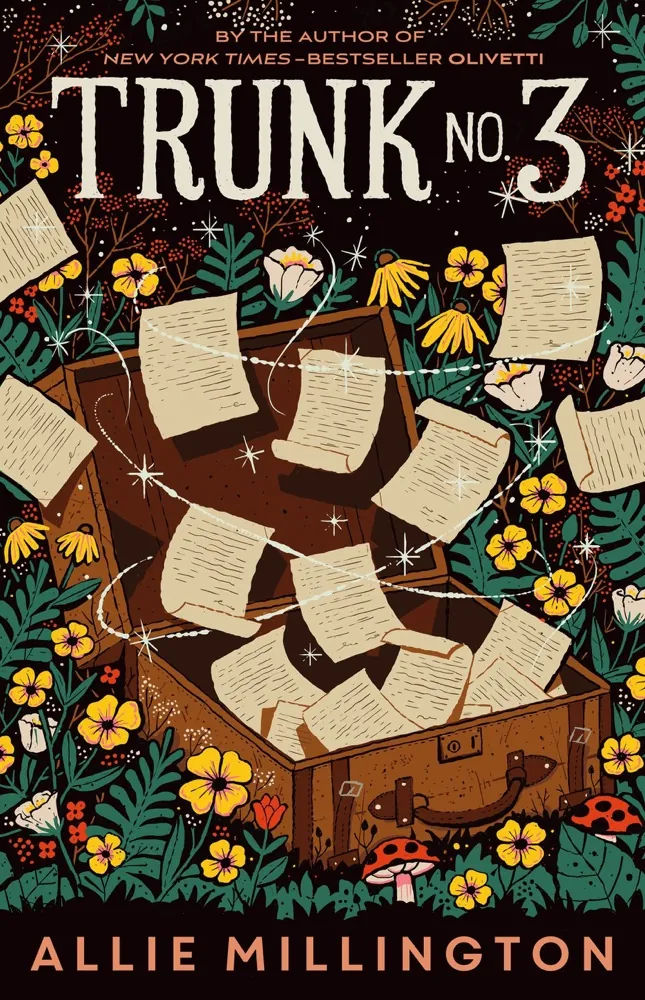
Author: Allie MillingtonPage Count: UnknownPublication Date: Expected publication 2026-10-20 APL Sunday mornings are best spent avoiding the wire services and watching the neighborhood feral cat population assert its dominance over my hydrangeas. Yet here I am, staring at a digital galley announcement for Allie Millington’s Trunk No. 3 because the publishing industrial complex refuses to let a cynical expatriate drink his single-origin roast in peace. The Archive of Lost Baggage We are expected to marvel at a sentient, wrinkled suitcase and an eleven-year-old named after a breakfast tea at the Repertorium. A library of forgotten items with tangible memories. Groundbreaking. Truly. One half expects the luggage to start dispensing unsolicited wisdom about healing one’s inner child while playing an acoustic guitar in a subway station. But let us look past the aggressively twee premise. Millington struck gold with Olivetti, and now we get the sophomore slump—or a magnificent exercise in whimsy that somehow avoids being total garbage. The synopsis leans hard into anthropomorphic luggage and epistolary tropes. A despondent runaway steals a leather box, a mysterious note appears, and suddenly we are hurtling down a narrative pipe of manufactured serendipity. I lost brain cells reading that. Wait, no, that is entirely unfair; the prose style of the blurb is actually quite sharp, even if the premise makes one want to launch the manuscript directly into a smelting furnace. Epistolary Cuteness Meets Existential Dread Let us interrogate the mechanics of this correspondence. Two lonely souls—one of them literally calfskin with brass latches—find salvation through written notes. It is 84 Charing Cross Road by way of Pixar, filtered through the sort of magical realism that makes Twitter book influencers weep into their matcha lattes. Yet, beneath the saccharine surface lies a fascinating architectural obsession with memory objects. The Repertorium curates things people left behind. A glove, a ticket stub, a pocket watch. Or perhaps the suitcase is just a metaphor for emotional baggage. God forbid a book for young readers simply be about a cool piece of vintage luggage without dragging generational trauma into the mix. We cannot escape psychoanalysis in modern children's lit; every fictional inanimate object must now double as a therapist couch. Compare this to Susan Cooper or Diana Wynne Jones, who understood that magic requires actual peril, not just a cozy aesthetic designed for BookTok aesthetics. Millington is playing a different game, admittedly. She wants the emotional resonance of Neil Gaiman stripped of the creeping dread. The thematic architecture relies entirely on the weight of the mundane. We are told the story examines connection and worth. Naturally. Because a book released in late 2026 cannot simply tell a rattling good yarn about theft and correspondence without demanding we reflect on our own commodified identities in the digital age. Actually, scratch that critique. The inclusion of an institutional library for discarded memories is genuinely clever world-building, even if the synopsis plays it for maximum emotional extortion. If Millington keeps the sentimentality on a tight leash, this might transcend its aggressively precious marketing copy. If not, we are in for two hundred pages of anthropomorphic leather whispering about self-love. I have to go rescue a stack of vinyl records from a damp basement. Related InsightsFine Art of Faking It Book Review and Summary True Meaning of Love Book Review and Summary Elon Musk Book Review and Summary{ "@context": "https://schema.org", "@type": "FAQPage", "mainEntity": [ { "@type": "Question", "name": "What is the main focus of Trunk No. 3 Book Review and Summary?", "acceptedAnswer": { "@type": "Answer", "text": "Everything you need to know about Trunk No. 3 with our detailed review." } }, { "@type": "Question", "name": "Who authored the comprehensive guide on Trunk No. 3 Book Review and Summary?", "acceptedAnswer": { "@type": "Answer", "text": "This detailed article and its insights were carefully researched and authored by Klaus Weber." } }, { "@type": "Question", "name": "Where can I find more related content about Books?", "acceptedAnswer": { "@type": "Answer", "text": "You can explore more articles, detailed reviews, and similar insights by browsing the Related Insights section at the bottom of this article or visiting our dedicated Books category page." } } ] }
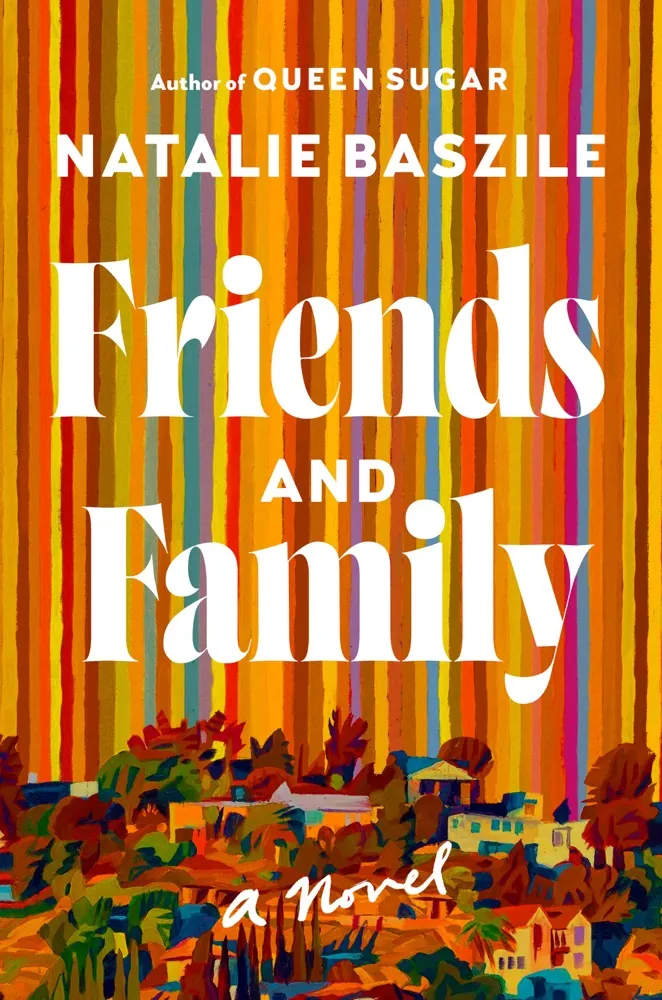

Author: Natalie BaszilePage Count: UnknownPublication Date: Expected publication 2026-10-06 APL As an ardent fan of contemporary drama, I've been anxiously waiting for Friends and Family, the latest offering from Queen Sugar author Natalie Baszile. But what I found in the official synopsis is more a tease than a tantalizing prospect, rather like a half-baked cake that refuses to fulfill its promise. I'm not buying it, folks. Torn between respecting Nora's boundaries and embodying the values so essential to Babs's family, we're told, Babs must make a choice that will have far-reaching consequences for these two friends and their children. Yet, I still have no idea what that choice is or why it's supposed to change the course of their relationships. It's a bit like a recipe book without actual recipes, full of tantalizing flavor descriptions but devoid of substance. What kind of narrative do we get to inhabit, where friends, privilege, and identity intersect, but none of these terms is interrogated critically? In this tight-knit enclave in the Bay Area, the very real problem of racial tensions and systemic injustices is reduced to a series of vague pronouncements about 'allyship'—an ill-defined concept that only serves to obfuscate deeper structural issues. It's a bit like saying that a novel is about character development without delving into the complexities of motivation, backstory, or psychological nuance. The plot's vagueness is disconcerting, to say the least. It feels like a set of disconnected plot threads—police encounters, traumatic events, the fraught dynamics between adoptive mothers and their children—lacking any clear narrative thread to tie them all together. One would expect a more incisive, thoughtful portrayal of this precarious world, particularly from someone as well-regarded as Baszile. It feels like an opportunity squandered, and I'm starting to worry about the trajectory of this series. Yet, I still remain optimistic, though my enthusiasm is tempered by the lukewarm prospect of Friends and Family. It's a bit like being promised a delicious meal at a Michelin-starred restaurant only to receive a mediocre, hastily thrown-together burger instead. Perhaps Baszile has some trick up her sleeve, but based on this synopsis, I'm just not convinced. The themes of privilege, community, and identity are timely and crucial, and I applaud the author for tackling these issues, even if they are handled in a somewhat clumsy manner. Baszile's work is not without its parallels to the likes of The Mothers by Brit Bennett, a book with which she shares some stylistic and thematic affinities. But in the end, the suspense is killing me, because I just want to get on with it. I'm tired of half-promises and half-measured portrayals of what it means to truly be an ally, a friend, and a parent in this divided world. Literally. Hard pass on this one, folks. Related InsightsProject Hail Mary Book Review and Summary A Study in Sparkling (Love Notes, #2) Book Review and Summary Mazywood Book Review and Summary{ "@context": "https://schema.org", "@type": "FAQPage", "mainEntity": [ { "@type": "Question", "name": "What is the main focus of Friends and Family Book Review and Summary?", "acceptedAnswer": { "@type": "Answer", "text": "Everything you need to know about Friends and Family with our detailed review." } }, { "@type": "Question", "name": "Who authored the comprehensive guide on Friends and Family Book Review and Summary?", "acceptedAnswer": { "@type": "Answer", "text": "This detailed article and its insights were carefully researched and authored by Isabella Moore." } }, { "@type": "Question", "name": "Where can I find more related content about Books?", "acceptedAnswer": { "@type": "Answer", "text": "You can explore more articles, detailed reviews, and similar insights by browsing the Related Insights section at the bottom of this article or visiting our dedicated Books category page." } } ] }
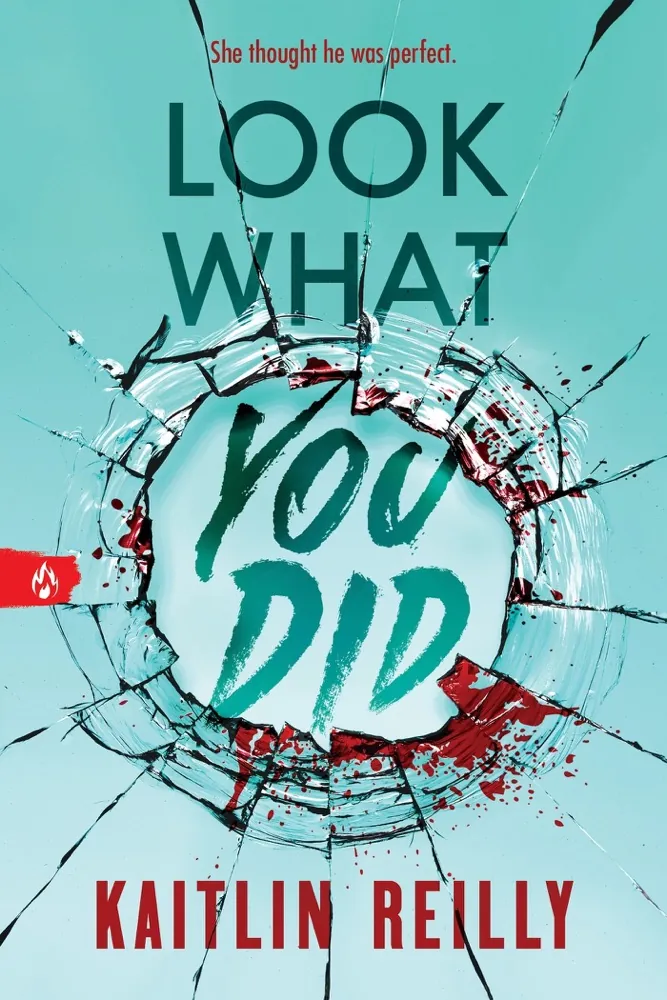

Author: Kaitlin ReillyPage Count: UnknownPublication Date: Expected publication 2026-09-15 APL Steam is hissing from the group head of this ancient, recalcitrant espresso machine, threatening to scald my forearm while I wipe down a counter covered in spilled oat milk. Perfect soundtrack for digesting yet another promotional blurb about dead teenagers and small-town rot. Kaitlin Reilly’s debut, Look What You Did, is slated to drop in September 2026, and the synopsis reads like an algorithm was fed every paperback published since One of Us Is Lying and told to regurgitate a fresh corpse. The Anatomy of a Dead Golden Boy We get the usual suspects. A dead golden boy named Will Ashford—because why do the fictional popular kids always sound like a country club prospectus? A girl named Mackenzie who is profoundly relieved he checked out. And naturally, a text message. Always with the anonymous texts. Because God forbid a thriller rely on atmosphere or prose when a glowing rectangle can just deliver exposition. Actually, wait. Let me walk that back. Maybe the text message cliché is earned here. The synopsis implies a psychological excavation rather than a standard whodunnit, leaning into buried trauma and the kind of claustrophobic dread that actually makes a thriller worth the paper it’s printed on. Small Towns and Secret Bodies The thematic core here isn't the murder itself. It never is. It’s the rot underneath the manicured lawns. Reilly is playing in the same sandbox as Kathleen Glasgow and Megan Lally, where adolescent grief gets weaponized and nobody's hands are clean. And honestly, I am typing this between pulling double shots for sleep-deprived commuters who treat me like furniture, just trying to hit my mandated word count so I can afford rent this month. The premise promises a deep dive into repressed memory and municipal hypocrisy. Yet I’ve seen this exact plot structure forty times this year alone. A girl keeps a secret. The secret comes back via smartphone. Another girl dies. Rinse, repeat, cash the YA royalty check. Yet I’ll probably read it anyway. I am a sucker for stories where the prom king turns out to be a monster and the girls have to burn the town down to survive. My shift ends in twenty minutes, provided the espresso machine doesn't explode. Then I have to run home and rescue the family cat from the top of the giant oak tree in the front yard again, because the stupid creature refuses to learn physics. Related InsightsThe Poet and the Bees Book Review and Summary Don't Blame the Wife Book Review and Summary L'Eco del Destino: Il Viaggio Metafisico tra le Sabbie di L'Alchimista{ "@context": "https://schema.org", "@type": "FAQPage", "mainEntity": [ { "@type": "Question", "name": "What is the main focus of Look What You Did Book Review and Summary?", "acceptedAnswer": { "@type": "Answer", "text": "Everything you need to know about Look What You Did with our detailed review." } }, { "@type": "Question", "name": "Who authored the comprehensive guide on Look What You Did Book Review and Summary?", "acceptedAnswer": { "@type": "Answer", "text": "This detailed article and its insights were carefully researched and authored by Diego Lopez." } }, { "@type": "Question", "name": "Where can I find more related content about Books?", "acceptedAnswer": { "@type": "Answer", "text": "You can explore more articles, detailed reviews, and similar insights by browsing the Related Insights section at the bottom of this article or visiting our dedicated Books category page." } } ] }
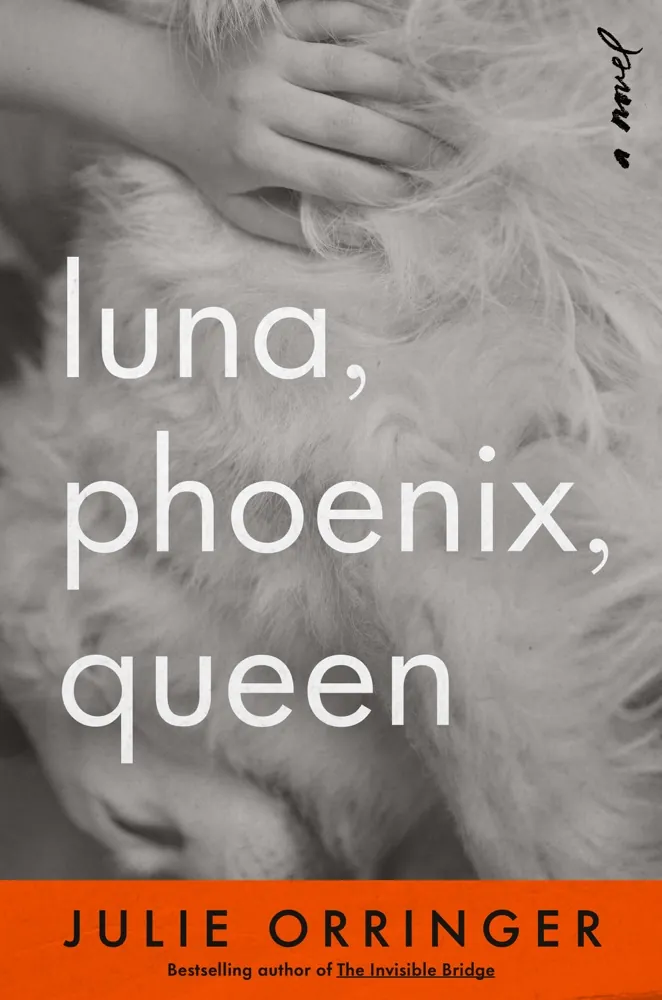

Author: Julie OrringerPage Count: UnknownPublication Date: Expected publication 2026-10-13 APL Another midwestern faculty lounge drama about academic infidelity and stolen manuscripts. Haven't we read this exact book thirty times already? Yet Julie Orringer is dusting off the old "husband steals his cognitively declining wife's brilliant novel" trope as if it hasn't been done to death by every MFA graduate since the Clinton administration. At least nobody is building a theoretical faster-than-light drive with impossible physics in this one, which is refreshing for once. Give me actual hard science any day over endless prose about ivory tower neuroses. The Stolen Prose Industrial Complex The synopsis lays out the whole mechanical contraption right there in the open. Dava writes a book while losing her grip to early-onset Alzheimer's. Barr reads it, seethes with typical mediocre-male academic jealousy, and publishes it under his own name. Groundbreaking. Riveting. Let me just check my watch while I sigh deeply at the predictable architecture of literary theft. Actually, wait. I take that back. The chorus of voices structure—incorporating a traumatized shelter dog named Luna alongside the human cast—might actually save this from being standard literary fiction drudgery. Or it might be entirely unhinged. Dogs shouldn't get point-of-view chapters unless they are barking at lasers or questioning the laws of thermodynamics. Memory, Theft, and Other Clichés Orringer attempts to construct a sprawling narrative spanning four decades and thousands of miles, tackling the weaponization of memory and the fragility of identity. But let us be honest about the mechanics here. I am sitting in this freezing campus basement staring at a glowing screen, just trying to hit the mandatory word count for this preview so I can stop thinking about academic plagiarism and go home. Why do we romanticize the destruction of female intellect for the sake of a man's guilt-ridden redemption arc? James makes a startling discovery after his father dies. Groundbreaking stuff. Expect comparisons to Ian McEwan or Donna Tartt because critics are allergic to originality. If you liked The Goldfinch, you will allegedly love this. But this smells like the kind of heavy-handed prose that wins prizes precisely because it lacks any joy, preferring to wallow in the quiet devastation of marital misery. Look, I cannot dwell on the thematic implications of stolen authorship any longer. I have an exclusive wine tasting event at the country club in an hour and I still need to find my cardigan. Related InsightsThe Munich Affair Book Review and Summary Banker's Holiday: A Novel of Fiscal Irregularity Book Review and Summary And Then There Were None Book Review and Summary{ "@context": "https://schema.org", "@type": "FAQPage", "mainEntity": [ { "@type": "Question", "name": "What is the main focus of Luna, Phoenix, Queen Book Review and Summary?", "acceptedAnswer": { "@type": "Answer", "text": "Everything you need to know about Luna, Phoenix, Queen with our detailed review." } }, { "@type": "Question", "name": "Who authored the comprehensive guide on Luna, Phoenix, Queen Book Review and Summary?", "acceptedAnswer": { "@type": "Answer", "text": "This detailed article and its insights were carefully researched and authored by Marco Conti." } }, { "@type": "Question", "name": "Where can I find more related content about Books?", "acceptedAnswer": { "@type": "Answer", "text": "You can explore more articles, detailed reviews, and similar insights by browsing the Related Insights section at the bottom of this article or visiting our dedicated Books category page." } } ] }
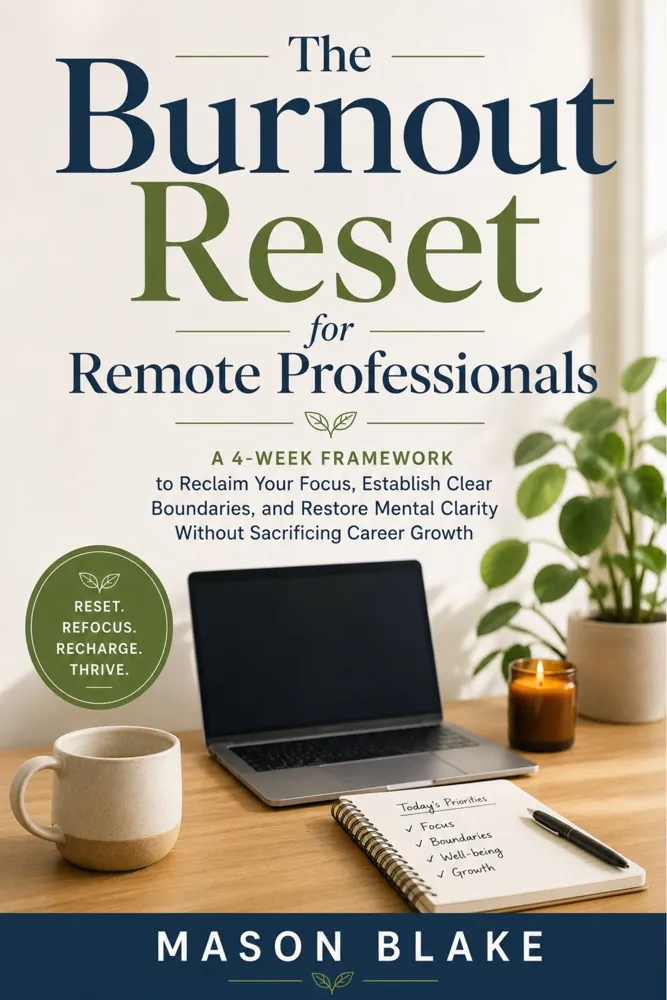

Author: Claire KingsleyPage Count: UnknownPublication Date: Expected publication 2026-06-09 APL Examine the irony hanging heavy in the gallery tonight. Claire Kingsley—yes, the romance maven famous for the rugged Haven Brothers—has apparently traded mountain peaks for the fluorescent glare of Microsoft Teams. Peaks and Promises arrives bearing a curious subtitle and a premise that feels entirely divorced from lumberjacks and snow-drenched flannel. Wait, let me rephrase that. Perhaps the corporate ladder is simply the new backcountry trail, equally perilous and entirely devoid of oxygen. The synopsis promises an exhaustive operational manual on digital exhaustion disguised as prose. But is this high-art literature or merely a glorified productivity pamphlet masquerading as bound paper? We are expected to swallow "screen apnea" and "micro-zoning" alongside our morning espresso. A bit cringe, honestly, but who am I to judge when my own portfolio sits gathering dust while I doomscroll through Slack notifications? The Architecture of Isolation Consider the physical space. The modern domestic interior is no longer a sanctuary of quiet contemplation. It is an optimized panopticon where the kitchen table morphs into a high-stress corporate prison. The textual architecture here relies heavily on spatial anxiety—the bedroom bleeding into the boardroom until autonomy is traded for a 24/7 digital leash. Yet, does a four-week framework possess genuine aesthetic weight, or does it read like a sanitized instruction manual written by someone who has never felt the crushing weight of an unread email queue? The Illusion of Autonomy We chase the ghost of remote flexibility only to find ourselves performing theater for invisible audiences. The prose in the synopsis leans hard into this existential dread—invoking terms like the "reactivity vortex" with the breathless urgency of a true-crime podcast. Yet, reading through these bulleted software configurations, one wonders if we are merely trading one form of commodification for another. Cal Newport meets Susan Sontag in a fever dream of boundary scripts and time-blocking. Actually, scratch that comparison entirely; Newport wishes he had this level of melodramatic flair. The overarching motif centers on reclamation—snatching one's focus back from the jaws of notification hell. But true intellectual engagement requires more than copy-and-paste communication templates. We demand texture. We demand blood, sweat, and badly bruised margins in our literature, not software tips for Microsoft Outlook. The gall of expecting us to pay good money for a boundary script playbook when our lives are already a masterclass in involuntary isolation. My assistant just buzzed regarding the venue, and I suddenly realize I must select the floral arrangements for your upcoming book launch before the florist closes. Related InsightsThe Ship of Death Book Review and Summary Family Remains Book Review and Summary Love Unwritten Book Review and Summary{ "@context": "https://schema.org", "@type": "FAQPage", "mainEntity": [ { "@type": "Question", "name": "What is the main focus of Peaks and Promises (The Haven Brothers #6) Book Review and Summary?", "acceptedAnswer": { "@type": "Answer", "text": "Everything you need to know about Peaks and Promises (The Haven Brothers #6) with our detailed review." } }, { "@type": "Question", "name": "Who authored the comprehensive guide on Peaks and Promises (The Haven Brothers #6) Book Review and Summary?", "acceptedAnswer": { "@type": "Answer", "text": "This detailed article and its insights were carefully researched and authored by Emma Thompson." } }, { "@type": "Question", "name": "Where can I find more related content about Books?", "acceptedAnswer": { "@type": "Answer", "text": "You can explore more articles, detailed reviews, and similar insights by browsing the Related Insights section at the bottom of this article or visiting our dedicated Books category page." } } ] }
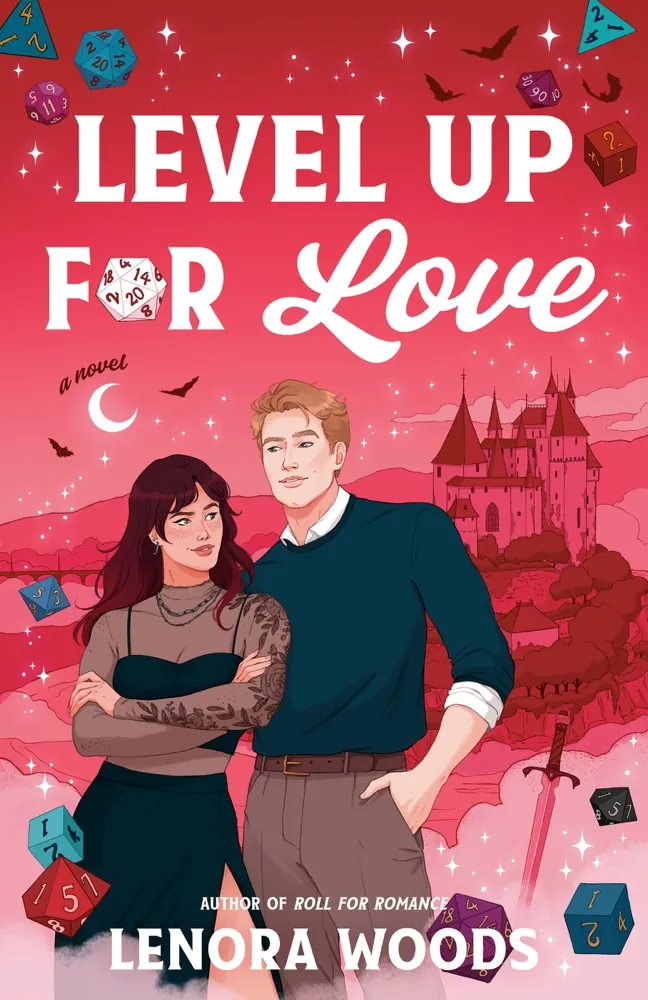

Author: Lenora WoodsPage Count: UnknownPublication Date: Expected publication 2026-09-08 APL As I savor the last crumbs of a mediocre croissant on this overpriced, underwhelming train ride, my mind whisks me away to Level Up for Love, the sophomore effort from Lenora Woods. The synopsis boasts a winning combination: contemporary second-chance romance and fantasy, set against the backdrop of Dungeons & Dragons. It's a match made in heaven, or at least in the annals of geeky literary fiction. Reagan Riley and Wesley Locke, two former college rivals, find themselves forced together in a new campaign – and, of course, their real-world baggage comes crashing to the surface. I'm reminded of the excellent The Hating Game by Sally Thorne, where the banter is as witty as the chemistry between the leads. Will Level Up for Love deliver a similar dose of tension and romance? I'm inclined to say yes, and I'm not alone in my enthusiasm – the book's endorsement from M. Stevenson, author of Behooved, is a testament to its potential. But what really gets me excited is the way Woods interweaves the D&D campaign with the main love story. It's a bold move, one that demands deft handling to avoid feeling like a gimmick. One can almost imagine the author meticulously crafting an intricate narrative, à la The City & The City by China Miéville, where the fantastical elements are woven so seamlessly into the fabric of reality that it's hard to discern where one ends and the other begins. Yet, upon closer inspection, the synopsis raises more questions than answers. What, exactly, is the nature of Reagan and Wesley's game design opportunity in the real world? Is it a challenge they must complete together, or is it a chance for them to finally outdo each other? The vagueness here is a bit of a nonstarter, and I fear it may be a misstep – after all, one of the most compelling aspects of Roll for Romance, the author's previous work, was its clear and concise storytelling. But let's not get ahead of ourselves. Woods has managed to pique my interest, and I'm willing to give her the benefit of the doubt. I predict that Level Up for Love will emerge as a strong contender in the romance-fantasy genre, one that will appeal to fans of Uprooted by Naomi Novik, with its deft blend of fantasy and character-driven drama. Narrative Pivotal Points One way to interpret this romance-fantasy hybrid is as a nuanced exploration of what it means to be a "winner" in life. Reagan and Wesley's game design rivalry has long since cooled, but the embers still burn, refusing to be extinguished by their newfound affection for each other. Is it possible to overcome past hurts and find a way to compete with someone you love? Woods might be onto something profound here. D&D as a Metaphor Or maybe I'm reading too much into it. Perhaps the D&D campaign is simply a convenient plot device, a way for Woods to explore themes of control and agency in a fantastical setting. In that case, Reagan's struggles with Vadrien, the merciless vampire lord, take on a whole new significance – no longer just a battle of wits, but a metaphor for the existential crises we face in our own lives. Artistic Ambition Whatever the case, Lenora Woods has demonstrated a keen understanding of the power of genre-bending. She's not afraid to take risks, to challenge her readers and push the boundaries of what's expected in a romance-fantasy novel. And that, my friends, is something to get excited about. I'm already mentally rewriting this review for the umpteenth time, questioning everything from my initial enthusiasm to my more recent reservations. One thing's for sure – I'm going to brew a dangerously strong espresso and stare at a blank page, trying to make sense of it all. #RomanceFantasy #DnD #Swoon #FantasyOfThePast #RomComWithFangs Related InsightsKnockout Book Review and Summary Lina & June Book Review and Summary Heart Bones Book Review and Summary{ "@context": "https://schema.org", "@type": "FAQPage", "mainEntity": [ { "@type": "Question", "name": "What is the main focus of Level Up for Love: A Novel Book Review and Summary?", "acceptedAnswer": { "@type": "Answer", "text": "Everything you need to know about Level Up for Love: A Novel with our detailed review." } }, { "@type": "Question", "name": "Who authored the comprehensive guide on Level Up for Love: A Novel Book Review and Summary?", "acceptedAnswer": { "@type": "Answer", "text": "This detailed article and its insights were carefully researched and authored by Tiago Silva." } }, { "@type": "Question", "name": "Where can I find more related content about Books?", "acceptedAnswer": { "@type": "Answer", "text": "You can explore more articles, detailed reviews, and similar insights by browsing the Related Insights section at the bottom of this article or visiting our dedicated Books category page." } } ] }
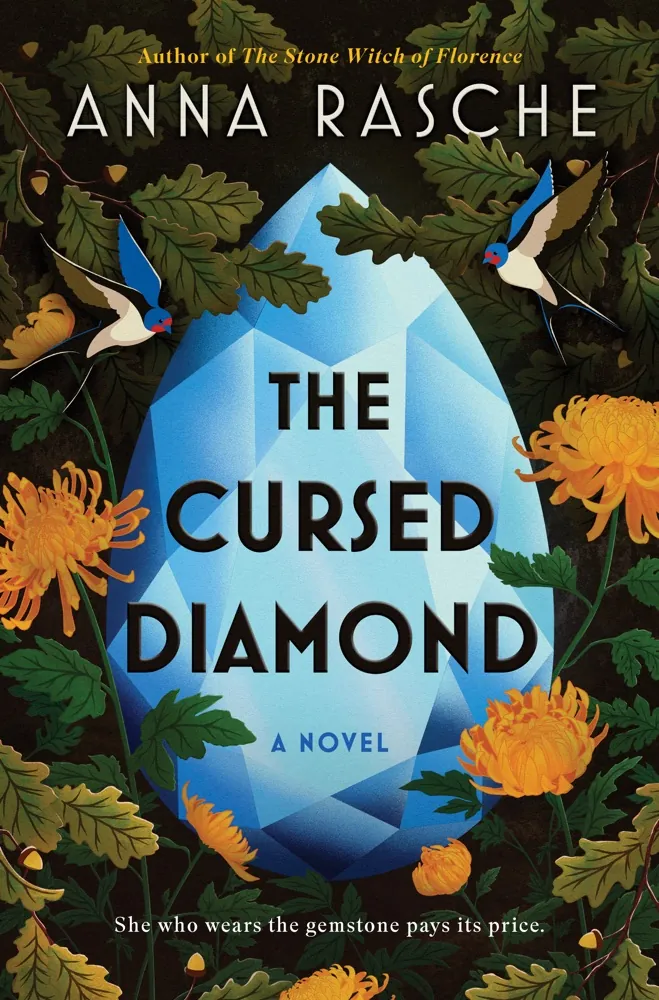

Author: Anna RaschePage Count: UnknownPublication Date: Expected publication 2026-11-03 APL Somebody just spilled lukewarm cider on my boots while the bass player screams lyrics that sound like garbage disposal blades hitting silverware. Perfect. I am trying to parse Anna Rasche’s upcoming The Cursed Diamond against the deafening roar of thirty thousand screaming anarchists and a guy with a mohawk who keeps elbowing my ribs. Give me a break. Or better yet, give me a book that doesn't rely on the exact same cursed-object trope we have been dragging through the mud since Wilkie Collins crawled out of his grave. The Century-Spanning Ghost Train Dual timelines. Oh, joy. Because what modern thrillers really need is a rhythmic bounce between a terrified runner in the 2010 Diamond District and a disgraced heiress on a 1910 ocean liner. And look, I usually love a good period piece wrapped in modern paranoia—give me Ruth Ware or a gritty dens-of-iniquity vibe any day of the week—but this synopsis is screaming clichés louder than the amps behind my head. A cryptic note reading "Not Safe"? Groundbreaking. Truly, literary history trembles. Wait. Let me back up for a second. Maybe the dual-timeline gimmick actually works here because the physical object—this blue rock of doom—acts as the anchor. Or maybe it's just an excuse to pad the word count until November 2026 without giving away whether there's an actual supernatural element or just a bunch of greedy people killing each other over carbon. Actually, scratch that. Supernatural curses are lazy writing. Give me human greed or give me nothing. Diamonds Are a Detective's Worst Friend Look at the psychological trap Rasche is setting. Ambition as a vector for ruin. Ground covered by everyone from The Great Gatsby to every dusty noir paperback rotting in a subway station trash can. Marcella is smuggling the gem into New York after a London scandal—classic—while Jennie stumbles over a dead friend's final breadcrumb. And yes, the blue diamond trope is as old as the Hope Diamond itself, which means the author is fighting an uphill battle against historical predictability. But if the pacing moves fast enough to outrun the sheer weight of its own derivative setup, I might actually forgive the recycled plot beats. The bass just rattled my teeth right out of my skull. And honestly? The book's premise is aging worse than milk left out in this godforsaken park. No wait—that's unfair. A tight, claustrophobic chase through modern Manhattan paired with Gilded Age maritime scandal could actually snap like a whip if the prose has enough teeth. Or it will sink faster than the Titanic. We will find out in November. Right now I need to go home and patch a hole in my favorite, impossibly worn tweed jacket before the mosh pit completely rips the left sleeve off. Related InsightsThe Bad Beginning Book Review and Summary Okumak Bir Yaşam Sanatıdır: Kitapların Ruhumuza Dokunuşu Interdependency Boxed Set Book Review and Summary{ "@context": "https://schema.org", "@type": "FAQPage", "mainEntity": [ { "@type": "Question", "name": "What is the main focus of The Cursed Diamond Book Review and Summary?", "acceptedAnswer": { "@type": "Answer", "text": "Everything you need to know about The Cursed Diamond with our detailed review." } }, { "@type": "Question", "name": "Who authored the comprehensive guide on The Cursed Diamond Book Review and Summary?", "acceptedAnswer": { "@type": "Answer", "text": "This detailed article and its insights were carefully researched and authored by Piotr Nowak." } }, { "@type": "Question", "name": "Where can I find more related content about Books?", "acceptedAnswer": { "@type": "Answer", "text": "You can explore more articles, detailed reviews, and similar insights by browsing the Related Insights section at the bottom of this article or visiting our dedicated Books category page." } } ] }
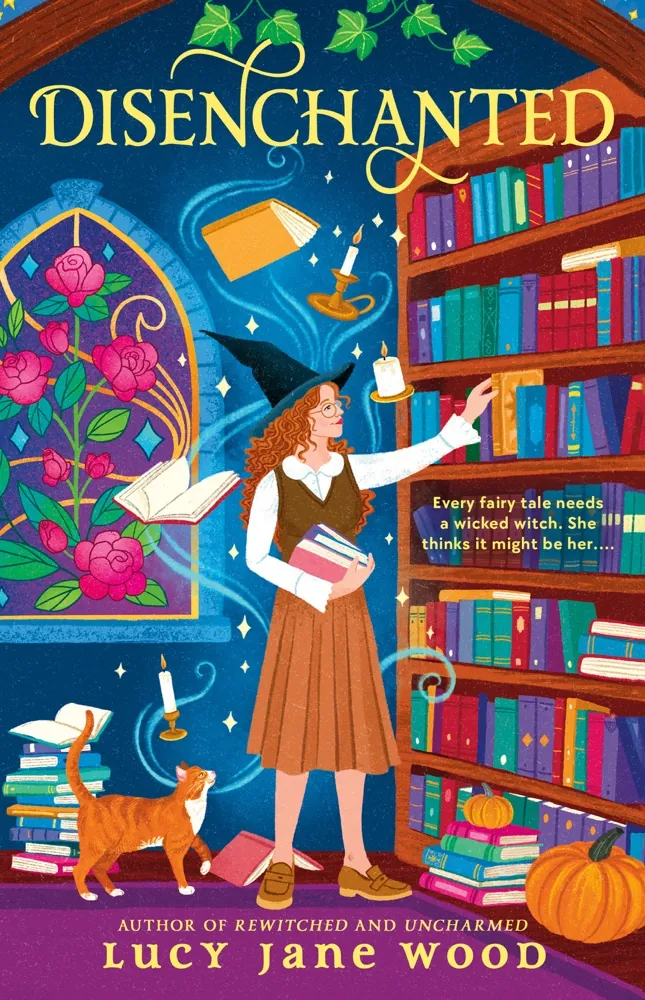

Author: Lucy Jane WoodPage Count: UnknownPublication Date: Expected publication 2026-09-08 APL The garden hose hisses like a disgruntled old woman at a bad haircut, and the kids are already tangled in the sprinkler’s web, their laughter the kind that makes you want to both join in and demand they turn it off immediately. Meanwhile, Disenchanted—the third book in Lucy Jane Wood’s Rewitched series—promises to be the kind of cozy fantasy that either soothes or infuriates, depending on whether you’ve already surrendered to its charm or are still holding out for something with a little more bite. Because let’s be honest, the synopsis reads like a fairy tale itself, the kind that starts with “once upon a time” and ends with “and they lived happily ever after”—except in this case, the happily ever after is a curse, and the witch in question has spent her whole life trying to outrun it. Sage Hemlock is the kind of protagonist who makes you root for her precisely because she’s so stubbornly unromantic. She’s not a reluctant witch because she’s afraid of her powers—she’s afraid of them. The way the synopsis frames her rejection of magic as a refusal to be “betrayed” again is telling. It’s the same logic that makes people avoid love after a bad breakup, or avoid commitment after a string of disappointments. But here’s the thing: magic, like love, doesn’t care about your boundaries. And that’s the crux of the tension. The curse isn’t just a plot device; it’s a metaphor for the inescapable nature of fate, or destiny, or whatever you want to call it. Wood, who already nailed this dynamic in Uncharmed, seems to understand that the most compelling conflicts aren’t the ones we choose—they’re the ones that choose us. Yet—and here’s where the synopsis starts to feel a little too neat—there’s no real ambiguity about Sage’s arc. She’s either going to embrace her magic or she’s not. There’s no middle ground, no gray area, no moment where she might almost accept it and then pull back. That’s not to say it’s a bad thing—The Cruel Prince made its money on clear-cut moral lines, and The Priory of the Orange Tree thrived on its own brand of black-and-white heroism—but it does make me wonder if Wood is leaning too hard into the “cozy” label. Cozy fantasy is supposed to be escapist, yes, but it also needs a little edge, a little something that makes it feel like more than just a warm blanket wrapped around a predictable story. Speaking of predictable—why does every fantasy series these days have to involve a cursed book? It’s like the publishing industry has a collective unconscious that says, “If we include a book, we can guarantee a plot.” The Name of the Wind had it. The Lies of Locke Lamora had it. Now Disenchanted is going to have it. That is certainly a choice. Maybe it’s a safe one, but safe doesn’t always mean bad. Still, I can’t help but think that if Wood wanted to subvert the trope, she could’ve done something more interesting than just… well, a cursed book. But then again, maybe that’s the point. Maybe the whole thing is about the inevitability of fairy tales, the way they seep into our lives whether we want them to or not. And then there’s the matter of Casimir. Oh, Casimir. The synopsis drops him into the mix like a plot device with a side of “cute,” and I can already see the problem. He’s either going to be a love interest who exists solely to make Sage question her denial of magic, or he’s going to be a distraction, a fairy-tale prince who doesn’t actually add anything to the story beyond “look at how handsome he is.” Either way, it feels like a missed opportunity. What if he were more than just a walking cliché? What if he were a character with his own agency, his own flaws, his own reasons for being there? But no—it’s easier to lean into the trope than to actually develop a person. And that’s where Disenchanted risks falling flat. But let’s talk about the real issue here: the synopsis is too vague. It doesn’t tell us enough about the curse, or how it works, or what Sage’s relationship with the coven is beyond “they’re on her tail.” It doesn’t even give us a clear sense of the stakes beyond “save everyone from being lost to a fairy tale forever.” That’s not a bad thing—it’s just lazy. Readers deserve more than a tease. They deserve a hint of the world-building, a sense of the magic system, something to make them care. Because right now, it all feels like it could be any other cozy fantasy, and that’s not enough to set it apart. I mean, come on—how many times have we seen this exact setup? A reluctant heroine, a magical mishap, a love interest who’s either a prince or a grumpy witch, and a race against time to fix whatever she’s broken. It’s the fantasy equivalent of a rom-com where the only thing that changes is the setting. And yet, Wood has a knack for making these stories feel fresh, so I’m holding out hope that Disenchanted will do something unexpected. Maybe the curse isn’t what it seems. Maybe Sage’s denial isn’t the only thing standing in her way. Maybe—just maybe—she’ll find a way to embrace her magic without losing herself in the process. But then again, maybe not. Maybe it’s all just going to be a neat little package, wrapped up in a bow, with a happy ending that feels a little too easy. And that’s fine. Cozy fantasy isn’t supposed to be hard. It’s supposed to be comforting. But if Wood wants to make this more than just another entry in the “reluctant witch saves the day” genre, she’s going to have to do more than just drop a cursed book into the mix. I need to explain to the teenager why the Wi-Fi is down again. Apparently, the router is “being stubborn,” which is just another way of saying it’s broken, and we’re all going to have to deal with it. Just like Sage is going to have to deal with her magic, whether she likes it or not. #FantasyBooks #CozyMagic #WitchyVibes #BookTok #CursedBooks Related InsightsPositively Green Greeting Cards: Birthday - Wishing You Joy and More Joy, from Sunrise to Sunset (Pack of 6) Book Review and Summary Shatter Me Book Review and Summary Wicked and the wallflower Book Review and Summary{ "@context": "https://schema.org", "@type": "FAQPage", "mainEntity": [ { "@type": "Question", "name": "What is the main focus of Disenchanted (Rewitched, #3) Book Review and Summary?", "acceptedAnswer": { "@type": "Answer", "text": "Everything you need to know about Disenchanted (Rewitched, #3) with our detailed review." } }, { "@type": "Question", "name": "Who authored the comprehensive guide on Disenchanted (Rewitched, #3) Book Review and Summary?", "acceptedAnswer": { "@type": "Answer", "text": "This detailed article and its insights were carefully researched and authored by William Clark." } }, { "@type": "Question", "name": "Where can I find more related content about Books?", "acceptedAnswer": { "@type": "Answer", "text": "You can explore more articles, detailed reviews, and similar insights by browsing the Related Insights section at the bottom of this article or visiting our dedicated Books category page." } } ] }
-
 Thomas Wright
 - 15 Aug, 2026 11:22
Truth to Power: A Luke Cage Marvel Crime Novel Book Review and Summary
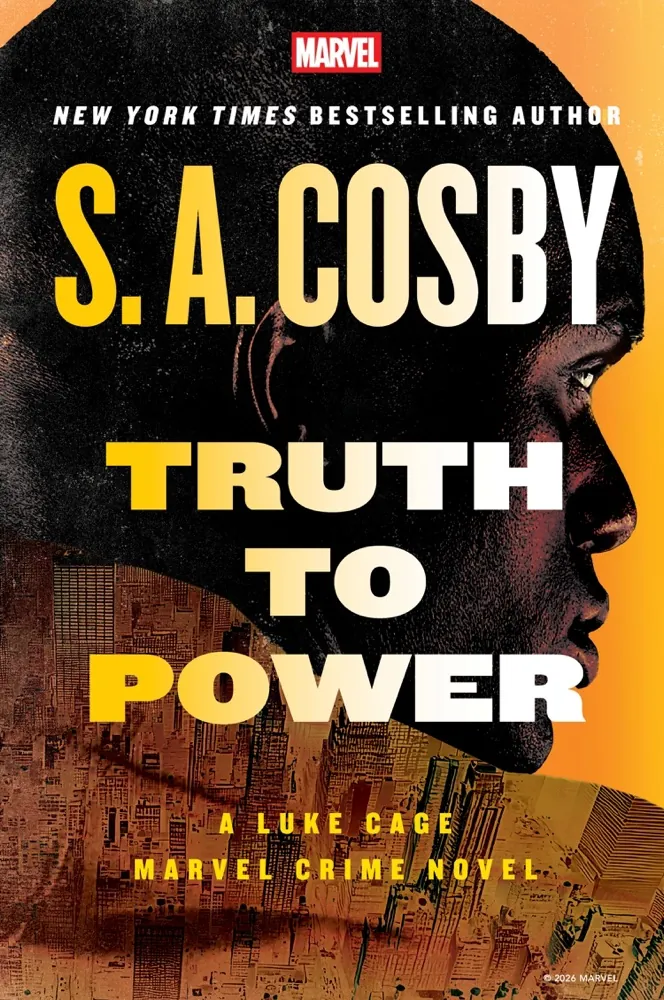
Author: S.A. CosbyPage Count: UnknownPublication Date: Expected publication 2026-10-13 APL S.A. Cosby writing a Marvel novel called Truth to Power feels less like a traditional publishing venture and more like an intellectual stress test designed to see if corporate IP can survive an author who actually understands systemic violence. Naturally, the synopsis leans heavily on the familiar tropes of the genre—mysterious corporate overreach, a dead relative framed by local authorities, and the stalwart hero stepping out of his domestic sphere into a hostile, prejudiced landscape that views his very existence as an affront. Yet, we are expected to believe that a standard superhero punch-up in rural Virginia can adequately tackle the rot of institutional prejudice without devolving into the toothless metaphor factory that Hollywood blockbuster adaptations specialize in. Remember when young adult dystopian fiction tried to explain socioeconomic stratification by sorting teenagers into color-coded coats based on whether they liked math or painting? It was fundamentally insulting to the cognitive capacity of anyone past the age of seven, reducing centuries of historical nuance and class struggle down to a literal fashion emergency where the main character has to overthrow a tyrannical chancellor who clearly skipped public speaking class. This Marvel Crime series threatens a similar intellectual simplification, dressing up gritty rural noir aesthetics in spandex-adjacent prestige branding while pretending that a bulletproof Black man fighting corrupted medical device manufacturers constitutes a radical artistic breakthrough. Power. The thematic core hinges entirely on whether Cosby is allowed to let the antagonists be genuinely terrifying products of real-world systemic rot, or if Marvel editorial is going to force a soft narrative landing where a rogue techbro gets punched into handcuffs and everyone pretends racism was just a localized software glitch. Check the plumbing before bedtime. #SACSosby #MarvelCrime #LukeCage Related InsightsEchoes Across Chasms: The Art and Imperative of Literary Translation Harry Potter and the Philosopher's Stone Book Review and Summary Angels & Demons Book Review and Summary{ "@context": "https://schema.org", "@type": "FAQPage", "mainEntity": [ { "@type": "Question", "name": "What is the main focus of Truth to Power: A Luke Cage Marvel Crime Novel Book Review and Summary?", "acceptedAnswer": { "@type": "Answer", "text": "Everything you need to know about Truth to Power: A Luke Cage Marvel Crime Novel with our detailed review." } }, { "@type": "Question", "name": "Who authored the comprehensive guide on Truth to Power: A Luke Cage Marvel Crime Novel Book Review and Summary?", "acceptedAnswer": { "@type": "Answer", "text": "This detailed article and its insights were carefully researched and authored by Thomas Wright." } }, { "@type": "Question", "name": "Where can I find more related content about Books?", "acceptedAnswer": { "@type": "Answer", "text": "You can explore more articles, detailed reviews, and similar insights by browsing the Related Insights section at the bottom of this article or visiting our dedicated Books category page." } } ] }
-
 Victoria Smith
 - 15 Aug, 2026 10:18
Crossing the Wine-Dark Sea: Journeys Through Ancient Literature Book Review and Summary
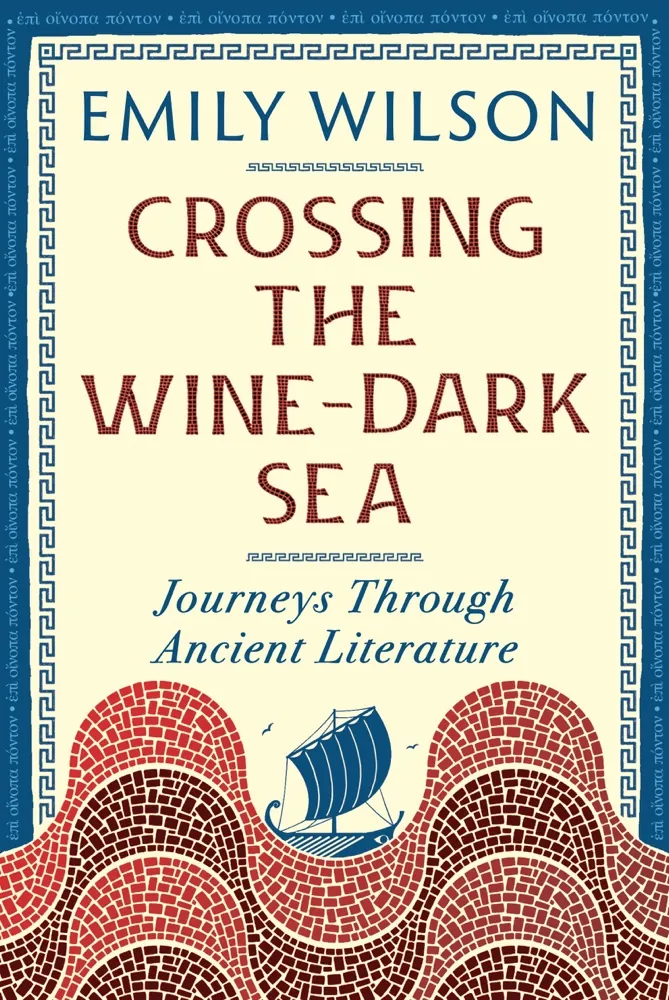
Author: Emily WilsonPage Count: UnknownPublication Date: Expected publication 2026-09-01 APL The ceiling fan hums a rhythmic, irritating drone against the heavy August heat, while down the hall, the chaotic clatter of plastic toys reminds me entirely too much of how fragile things are when you drop them on a hard kitchen floor. Dust on the Iliad Emily Wilson is coming for our tidy modern illusions with Crossing the Wine-Dark Sea, and honestly, I am here for the wreckage. Because everyone pretends we can just open up a Penguin classic and ingest antiquity like a clean, pure glass of spring water, forgetting completely that language is a messy crime scene where meanings bleed out in transit. We want our ancient heroes to neatly align with contemporary etiquette, forgetting that the past is a foreign country that would probably despise us. Or worse, laugh at us. Wilson spends two decades in the trenches of translation—wrestling with Homeric monsters, Aristophanic vulgarity, and the slippery politics of Helen—only to tell us the truth we desperately avoid: that trying to capture the dead is like holding water in your bare hands. Salman Rushdie and Madeline Miller are already swooning over it, which naturally makes me suspicious, because whenever the literati unanimously adore something about the ancient Greeks, I assume someone is about to sanitize the blood and the raw, howling grief just to make it palatable for a book club in Connecticut. No. The Mechanics of Loss We read backwards through our own private catastrophes, projecting our broken hearts onto ancient lines that were probably just about slaughter or agricultural tax yields, and yet Wilson promises an exploration of those frustrating, beautiful choices translators make when the original text refuses to behave. And maybe that is why this book matters right now, sitting here amid the sticky humidity and the lingering crumbs of a Sunday afternoon—we are all just desperately trying to find the right words for things that have already been shattered beyond repair. Unsurprising. I have to go explain to a very small, very loud person why we cannot eat vanilla ice cream for dinner. #EmilyWilson #Classics #Translation #AncientLiterature Related InsightsProtector Book Review and Summary Breakfast at Tiffany’s and Three Stories Book Review and Summary Cyrano de Bergerac Book Review and Summary{ "@context": "https://schema.org", "@type": "FAQPage", "mainEntity": [ { "@type": "Question", "name": "What is the main focus of Crossing the Wine-Dark Sea: Journeys Through Ancient Literature Book Review and Summary?", "acceptedAnswer": { "@type": "Answer", "text": "Everything you need to know about Crossing the Wine-Dark Sea: Journeys Through Ancient Literature with our detailed review." } }, { "@type": "Question", "name": "Who authored the comprehensive guide on Crossing the Wine-Dark Sea: Journeys Through Ancient Literature Book Review and Summary?", "acceptedAnswer": { "@type": "Answer", "text": "This detailed article and its insights were carefully researched and authored by Victoria Smith." } }, { "@type": "Question", "name": "Where can I find more related content about Books?", "acceptedAnswer": { "@type": "Answer", "text": "You can explore more articles, detailed reviews, and similar insights by browsing the Related Insights section at the bottom of this article or visiting our dedicated Books category page." } } ] }
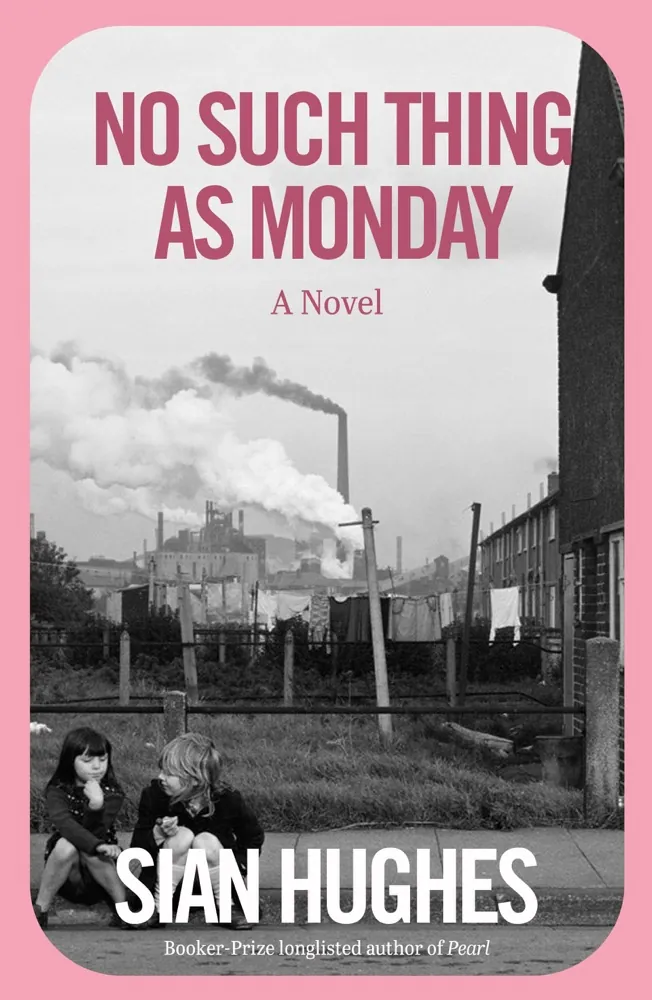

Author: Siân HughesPage Count: UnknownPublication Date: Expected publication 2026-11-10 APL Rain keeps drumming against the windowpane with the steady, heavy persistence of an unresolved argument from ten years ago. Siân Hughes is dropping No Such Thing as Monday upon us soon, and the publishing houses are already whispering about redemption arcs like they can be neatly packaged and sold at duty-free shops. The Architecture of Bruises Look at the premise. A dry cleaner. An impoverished father. The classic golden child holding the hand of a monster while the scapegoat runs for the horizon. It is a heavy pitch. But wait—actually, let me walk that back entirely. The synopsis leans so hard into the working-class misery trope that it borders on a caricature of British grit. We have seen this exact scaffolding before. Douglas Stuart builds these monuments to suffering with terrifying precision. Shuggie Bain left us gasping for air because the love in the filth felt earned. Does Hughes manage that same claustrophobic magic? The synopsis gives almost nothing away about the actual mechanics of the prose, hiding behind industry buzzwords like "scrappy" and "sardonic." And speaking of abrasive children—why must modern media insist on making every single adolescent character talk like a disillusioned thirty-year-old philosophy major who just discovered gin? My youngest has been watching some blindingly neon cartoon where a magical dog fixes every emotional rupture in twenty-two minutes flat with a catchy jingle and an apology. It makes me want to drive my car directly into the nearest hardware store. Real life doesn't resolve in a brightly colored montage. It staggers forward in the rain, smelling faintly of old bleach and cheap cigarettes, exactly where Steffie stands over her dead father. The Geography of Absence The real engine of this novel won't be the death of the old man. No. It will be the silence he left behind. Caroline fled, and Steffie stayed. That asymmetry is the only part of the synopsis that actually hurts. We carry the weights we choose, or the weights our parents glued to our spines before we had the vocabulary to resist. Hughes wants us to believe in a quest for forgiveness. Yet forgiveness is a lazy literary destination. True survival is just waking up on a Tuesday and deciding not to throw the iron through the front window. If the book leans too heavily into the comedy of working-class despair, it risks turning real trauma into a quirky indie film script. I am going to read a battered copy of Kerouac until the sun comes up. #SiânHughes #ContemporaryFiction #BookCritics Related InsightsThe Son of Neptune Book Review and Summary Kill For Her (Bree Taggert #11) Book Review and Summary Nobody's Fool Book Review and Summary{ "@context": "https://schema.org", "@type": "FAQPage", "mainEntity": [ { "@type": "Question", "name": "What is the main focus of No Such Thing as Monday Book Review and Summary?", "acceptedAnswer": { "@type": "Answer", "text": "Everything you need to know about No Such Thing as Monday with our detailed review." } }, { "@type": "Question", "name": "Who authored the comprehensive guide on No Such Thing as Monday Book Review and Summary?", "acceptedAnswer": { "@type": "Answer", "text": "This detailed article and its insights were carefully researched and authored by Michael Brown." } }, { "@type": "Question", "name": "Where can I find more related content about Books?", "acceptedAnswer": { "@type": "Answer", "text": "You can explore more articles, detailed reviews, and similar insights by browsing the Related Insights section at the bottom of this article or visiting our dedicated Books category page." } } ] }
Author: Madeline MillerPage Count: UnknownPublication Date: Expected publication 2026-09-29 APL The August humidity is suffocating enough to make anyone punch a drywall, yet my pulse is currently spiking for an entirely different reason. Madeline Miller is finally dropping new fiction. Let that sink in. Since Circe, the literary landscape has felt as flat as a sparring match with zero footwork—just predictable blows and a staggering lack of grit. Now we get Mestra. A sharp, mythological hook about a girl who can shape-shift into anything, tied to a father whose bottomless hunger is essentially a relentless, punishing grappling match he can never tap out of. Wait. Let me rephrase that last part. Actually, forget the grappling metaphor—comparing an ancient mythological curse to a wrestling match completely undersells the psychological claustrophobia of the premise. This isn't about endurance. It is about a brutal, parasitic drain on a protagonist's autonomy. Poseidon gives Mestra the gift of infinite forms. Her father takes and takes until her very identity is shredded by his insatiable appetite. God, the prose in the synopsis alone is practically begging for a cinematic adaptation. Sign me up yesterday. The Anatomy of the Infinite Drain Every single combat sports athlete knows the exact moment a training partner takes too much from you—when the sparring turns into a one-sided extraction of your energy, your spirit, your physical capital. Mestra is living that nightmare on a mythological scale. The thematic weight here relies entirely on self-sacrifice versus self-preservation. Will she keep morphing until there is nothing left of her original form? Or will she deliver a counter-strike and break free? Actually, looking closer at the provided promotional copy, I might be giving the plot mechanics too much credit. The synopsis is frustratingly brief. It reads like a movie trailer that gives away the emotional arc before the opening bell even rings. I hate being spoon-fed the core conflict before I even open the cover. Give me room to bleed, Miller. Still, if anyone can make a brief short story punch above its weight class, it is the author who made me sympathize with a banished witch exiled on a lonely island. Trading Punches with the Pantheon Fans of Natalie Haynes and Jennifer Saint will undoubtedly flock to this release, expecting the same polished, feminist retellings that currently dominate the market. But Miller hits harder. Her prose has a muscular cadence that leaves you bruised in the best possible way. The tension between bodily autonomy and familial obligation is a heavy heavy bag to hit, but she has the technical precision to pull it off without looking sloppy. The real question is pacing. How do you cram an entire identity crisis and a mythological rebellion into a short story format without it feeling rushed like a three-round decision where both fighters gassed out in the second? I would love to sit here and dissect the narrative trajectory further, but I need to go settle a heated debate about existentialism and absurdity with an aggressively opinionated stranger at the corner dive bar before the evening rush sets in. Related InsightsEnd of the World and Hard-Boiled Wonderland Book Review and Summary The Boy From the Woods Book Review and Summary My Useless Cuddle Skill Awakened, and Now Im Building the Ultimate Harem! Book Review and Summary{ "@context": "https://schema.org", "@type": "FAQPage", "mainEntity": [ { "@type": "Question", "name": "What is the main focus of Mestra Book Review and Summary?", "acceptedAnswer": { "@type": "Answer", "text": "Everything you need to know about Mestra with our detailed review." } }, { "@type": "Question", "name": "Who authored the comprehensive guide on Mestra Book Review and Summary?", "acceptedAnswer": { "@type": "Answer", "text": "This detailed article and its insights were carefully researched and authored by Natalia Sokolova." } }, { "@type": "Question", "name": "Where can I find more related content about Books?", "acceptedAnswer": { "@type": "Answer", "text": "You can explore more articles, detailed reviews, and similar insights by browsing the Related Insights section at the bottom of this article or visiting our dedicated Books category page." } } ] }

Author: Maria MillagePage Count: UnknownPublication Date: Expected publication 2026-11-03 APL Grandchildren will never understand the weight of an epic cycle. They consume moving pictures on glowing rectangles, blissfully unaware of the generational suffering required to build a sprawling fictional cosmos, complete with invented languages and convoluted genealogies that stretch across ten thousand pages of parchment. Or, in this particular case, a megahit fantasy franchise called Magician’s Gambit. Maria Millage has decided to skewer the very machine that manufactures these modern myths. And honestly? Good for her. The Forge of Lore and Late-Stage Capitalism Delaney Webber is just trying to survive the meat grinder of modern Los Angeles. A misogynistic producer torpedoed her career, leaving her stranded in the purgatory of running errands for an eccentric mentor. Yet the gods of Hollywood throw her a bone. They hand her the crown jewel: the finale of Magician’s Gambit. The catch? She has never laid eyes upon an orc. Enter Max Sullivan. Max is an exhausted assistant tethered to a tyrannical talent manager, surviving on sheer caffeine and nostalgic memories of the epic fantasy films his father raised him on. We are looking at a classic mythic structure here. The reluctant hero meets the scholarly guide. But let us be entirely real for a moment—why do contemporary romantic comedies insist on pairing ambitious women with men who are described as "annoyingly hot" nerds? It feels deeply insulting to actual nerds who look like bruised fruit and smell like cold brew coffee left out in a Toyota Corolla for three days. My own grandfather used to tell the tale of Achilles and Patroclus, and let me tell you, neither of them were agonizingly attractive assistants juggling a hyper-specific macchiato order while having a panic attack in a talent agency lobby. Modern fiction sanitizes the absolute squalor of ambition. The Cult of Canon and Modern Mythology The obsession with "canon" in this plot is frankly exhausting. Remember when people gathered around the hearth to hear about gods throwing lightning bolts at each other, and nobody raised their hand to scream about continuity errors in the pantheon? Now every story must adhere to a strict set of rules dictated by internet commenters who treat fictional kingdoms like sacred scripture. Delaney needs Max to teach her the difference between an orc and a hobbit—a sentence that makes my ancient bones turn to dust. If you do not know the difference by adulthood, perhaps you belong in exile. Still, Millage is leaning heavily into the Book Lovers and How to End a Love Story lineage, which guarantees snappy banter and enough sexual tension to power a small municipality. The synopsis promises electric chemistry that turns strictly unprofessional. Predictable? Absolutely. Will I read it while muttering darkly about the decline of true epic poetry? Yes. Because at the end of the day, watching two stressed-out Los Angeles worker bees fall in love over fictional lore is vastly superior to watching another CGI dragon set fire to a castle for two and a half hours. I am going to go take a nap now, assuming the back porch doesn't catch fire from the dry leaves. Related InsightsIt Book Review and Summary Daughter of Smoke & Bone Book Review and Summary Tender Is the Night Book Review and Summary{ "@context": "https://schema.org", "@type": "FAQPage", "mainEntity": [ { "@type": "Question", "name": "What is the main focus of Cut to the Ending: A Novel Book Review and Summary?", "acceptedAnswer": { "@type": "Answer", "text": "Everything you need to know about Cut to the Ending: A Novel with our detailed review." } }, { "@type": "Question", "name": "Who authored the comprehensive guide on Cut to the Ending: A Novel Book Review and Summary?", "acceptedAnswer": { "@type": "Answer", "text": "This detailed article and its insights were carefully researched and authored by Antoine Leroy." } }, { "@type": "Question", "name": "Where can I find more related content about Books?", "acceptedAnswer": { "@type": "Answer", "text": "You can explore more articles, detailed reviews, and similar insights by browsing the Related Insights section at the bottom of this article or visiting our dedicated Books category page." } } ] }

Author: Emma BarryPage Count: UnknownPublication Date: Expected publication 2026-11-10 APL The espresso is entirely too bitter this morning, much like the prospect of another academic romance masquerading as high-stakes espionage. Let us look past the polished slate of the table and examine the mess Emma Barry intends to deliver this November. You, Me, & the Conspiracy arrives with blurbs comparing it to the works of Jo Segura and Rachel Grant—a trinity of modern thrill-seeking prose that usually trades genuine geopolitical intrigue for predictable bedroom gymnastics behind library stacks. The Archive Dust and the Tenure Panic Consider the setup. A tenure-track historian faces rejection and suddenly stumbles upon a coded founding-father document capable of upending American history. How terribly convenient. Real archival research involves moldy leather, unresponsive archivists, and hours squinting at eighteenth-century handwriting that looks like a dying spider dipped in ink. Yet here, a rejected book proposal serves as the catalyst for an international manhunt orchestrated by a shadowy fraternity. It feels remarkably like the plot of National Treasure, except Nicholas Cage has been replaced by two desperate academics whose primary motivation appears to be avoiding adjunct poverty while exchanging heavy-lidded glances over microfilm. The Chemistry of Desperation And what of the romance? We are promised a cocktail of academic rivalry and mortal peril. One protagonist thought the other’s theories were absurd until convenience demanded otherwise. How quickly professional skepticism dissolves when a clandestine fraternity starts leaving bodies in the faculty lounge. The synopsis leans heavily on the forced-proximity dynamic, dragging a disgraced Harvard PhD student back into the fray alongside an ambitious historian fighting for her professional life. They will dodge bullets, decode ciphers, and somehow find time to register their mutual physical attraction while dodging assassins in the rare books room. It is the literary equivalent of the Titanic rearranging deck chairs while the band plays a tango. One suspects the shadow organization lacks the ruthless efficiency of the Entebbe hostage rescue, given how easily these two amateurs manage to unravel centuries of state-sponsored secrecy between grading midterms. The Verdict on the Ink Perhaps I am being ungenerous. The genre thrives on this precise brand of academic escapism where tenure politics carry the weight of the Cold War. But the stakes feel entirely hollow when the backdrop of historical research is merely a scaffolding for romantic tension. Give me genuine bureaucratic treachery over a cabal of murderous frat boys any day. My driver is waiting downstairs, and I am already dangerously late for a wretched charity gala where I must pretend to enjoy the canapés while listening to real estate developers talk about modern art. Related InsightsThe Bureau of Unknown Fates: A Novel Book Review and Summary Torment Book Review and Summary Untitled Baldacci Standalone Book Review and Summary{ "@context": "https://schema.org", "@type": "FAQPage", "mainEntity": [ { "@type": "Question", "name": "What is the main focus of You, Me, & the Conspiracy Book Review and Summary?", "acceptedAnswer": { "@type": "Answer", "text": "Everything you need to know about You, Me, & the Conspiracy with our detailed review." } }, { "@type": "Question", "name": "Who authored the comprehensive guide on You, Me, & the Conspiracy Book Review and Summary?", "acceptedAnswer": { "@type": "Answer", "text": "This detailed article and its insights were carefully researched and authored by Anna Kowalska." } }, { "@type": "Question", "name": "Where can I find more related content about Books?", "acceptedAnswer": { "@type": "Answer", "text": "You can explore more articles, detailed reviews, and similar insights by browsing the Related Insights section at the bottom of this article or visiting our dedicated Books category page." } } ] }

Author: Avery FlynnPage Count: UnknownPublication Date: Expected publication 2026-09-08 APL The synopsis for Hexy Beast reads like a love letter to the kind of rom-com that exists in the liminal space between The Love Hypothesis and The Hating Game—but with the added spice of werewolves and fated mates, which is either a brilliant marketing gambit or a desperate bid to ride the coattails of The Witcher’s supernatural romance wave. The problem? It’s so vague it could be describing a Twilight fanfic or a Bridgerton spin-off where the Duke of Hastings is secretly a lycanthrope. Where’s the Bridgerton’s wit? Where’s the Twilight’s angst? The synopsis leans so hard into the "grumpy x sunshine" dynamic that it risks collapsing into a tired, formulaic trope—unless Flynn has the chops to subvert it, which, given her USA Today bestseller status, she probably does. Effie Sherwood is the kind of protagonist who thrives in the chaos of impulsive decisions—her name alone suggests a woman who’s equal parts mischief and magic, a modern-day Rebecca if Rebecca had been raised by a coven of chaotic neutral witches. Darius Aetos, meanwhile, is the werewolf equivalent of a Mr. Darcy—buttoned-up, gruff, and clearly hiding something beneath that alpha pack leader exterior. The synopsis doesn’t specify whether this is a slow-burn or a fast-paced rom-com, but the mention of the "blue moon" and "starlit skies" suggests a Moonlight meets Twilight aesthetic, where the supernatural elements aren’t just backdrop but active participants in the romance. The question is: will this be the kind of book where the magic and the werewolf politics are just window dressing for the inevitable "will they/won’t they" arc, or will Flynn use them to create something more layered, like The Bear and the Nightingale’s blend of folklore and personal stakes? The synopsis also hints at a Bridgerton-style power dynamic—Effie’s family expects her to be "together," but she’s chaos, and Darius is the pack elder who’s convinced she’s his fated mate. This sets up a delicious tension: is this a forced proximity romance, or is there genuine chemistry beneath the pack politics? The synopsis doesn’t say, but the way it frames Darius as both "grumpy" and "hot" suggests Flynn is playing into the "enemies to lovers" trope with a supernatural twist. Yet, if she’s smart, she’ll avoid the pitfalls of The Vampire Diaries’ overused "fated mates" trope by making the romance feel earned, not inevitable. The real test will be whether Effie’s witchy unpredictability clashes with Darius’s werewolf structure—or if they find a way to coexist, like The Raven Cycle’s Blue Sargent and Adam Parrish, but with more motorcycle rides and less historical fiction. The biggest risk here is that the synopsis is so broad it could apply to any number of rom-coms. Where’s the Eleanor Oliphant Is Completely Fine’s emotional rawness? Where’s the Red, White & Royal Blue’s political intrigue? The synopsis doesn’t give us enough to say whether this will be a light, fluffy read or something with deeper thematic weight. But if Flynn pulls it off, Hexy Beast could be the kind of book that makes readers forget they’re reading a romance—because the supernatural elements feel lived-in, not just gimmicky. And if she doesn’t? Well, then it’ll just be another entry in the "spicy werewolf romance" genre, which is fine, but hardly groundbreaking. The baby monitor just illuminated with terrifying activity—someone’s about to start a Twilight fanfic and call it art. #WitchTok #WerewolfRomance #FatedMatesOrDieTrying Related InsightsInnkeeper Chronicles Book Review and Summary Gone with the Wind Book Review and Summary With Hearts of Flame: A Novel (Bloodwing Academy Book 4) Book Review and Summary{ "@context": "https://schema.org", "@type": "FAQPage", "mainEntity": [ { "@type": "Question", "name": "What is the main focus of Hexy Beast (The Sherwood Witches #3) Book Review and Summary?", "acceptedAnswer": { "@type": "Answer", "text": "Everything you need to know about Hexy Beast (The Sherwood Witches #3) with our detailed review." } }, { "@type": "Question", "name": "Who authored the comprehensive guide on Hexy Beast (The Sherwood Witches #3) Book Review and Summary?", "acceptedAnswer": { "@type": "Answer", "text": "This detailed article and its insights were carefully researched and authored by Beatriz Costa." } }, { "@type": "Question", "name": "Where can I find more related content about Books?", "acceptedAnswer": { "@type": "Answer", "text": "You can explore more articles, detailed reviews, and similar insights by browsing the Related Insights section at the bottom of this article or visiting our dedicated Books category page." } } ] }