Showing Posts From
Books
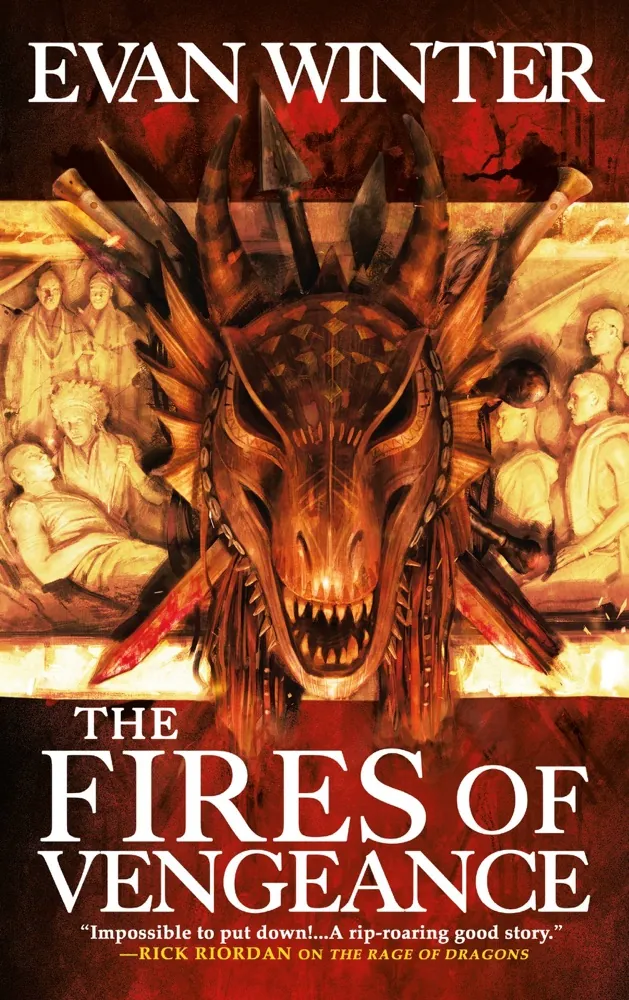
Author: Evan WinterPage Count: UnknownPublication Date: Expected publication 2026 APL Sweat is currently pouring down the back of my neck at a criminal rate while I flip burgers over a flat top screaming at five hundred degrees in the dead of August. And yet, I am expected to care about tactical positioning in a fantasy capital. Let me tell you right now about The Lord of Demons. Evan Winter is dropping the third installment of The Burning series, and I am already squinting at the logistics. Because if an ousted monarch and her primary muscle are trying to stall a siege while simultaneously orchestrating an insurrection from the outside, I demand realistic force multiplication. You cannot just chant a dangerous plan into existence when you are severely outnumbered. Have these authors ever watched a single round of high-level MMA? Strategy without depth is just cardio. Yet the synopsis remains infuriatingly vague on the actual tactical execution. They are crafting a dangerous plan. Brilliant. What kind of plan? Are we talking about a grinding war of attrition or a blitzkrieg straight down the middle? Give me some grit. Give me the tactical breakdown. Instead, we get standard marketing speak about reclaiming a throne and uniting a fractured populace. Tactical Analysis of a Coup Tsiora and Tau are supposedly plotting against an impostor sister sitting pretty in the capital of the Omehi. And they need to survive an onslaught from the indigenous Xidda people first. Fascinating in theory. But logistically speaking, how do you fight a two-front war when your own army is still gathering supplies? You do not. You get crushed like a bad amateur on the preliminary cards who forgot how to keep their hands up. Winter better show me some actual bruising combat mechanics here, or I am walking out of the arena. If you liked the relentless pacing of Red Rising by Pierce Brown or the sheer martial brutality in The Blade Itself by Joe Abercrombie, you understand what proper kinetic writing looks like. Winter delivered on that front with The Rage of Dragons and The Fires of Vengeance. But The Lord of Demons is walking a tightrope. Can he maintain the sheer velocity of hand-to-hand combat without losing the plot? Doubtful, considering how often high fantasy devolves into endless political monologues just when the fighters should be throwing leather. And look, I have sweat dripping into my eyes while running this kitchen double shift on a brutal summer afternoon. My patience for vague plot synopses is precisely zero. If you are going to title a book after a demon lord, I want to see actual chaos on the page, not polite royal disagreements. Are we getting brutal, bone-crushing action, or just more endless preparation for a battle that keeps getting pushed to the next chapter? Time will tell. But if Tau drops his guard in this one, I am blaming the editor. #TheLordOfDemons #EvanWinter #EpicFantasy #BookTwitter Related InsightsFalling for Peachtree Bluff (Peachtree Bluff #5) Book Review and Summary Heartbreaker Book Review and Summary Trump: The Art of the Deal Book Review and Summary{ "@context": "https://schema.org", "@type": "FAQPage", "mainEntity": [ { "@type": "Question", "name": "What is the main focus of The Lord of Demons (The Burning, #3) Book Review and Summary?", "acceptedAnswer": { "@type": "Answer", "text": "Everything you need to know about The Lord of Demons (The Burning, #3) with our detailed review." } }, { "@type": "Question", "name": "Who authored the comprehensive guide on The Lord of Demons (The Burning, #3) Book Review and Summary?", "acceptedAnswer": { "@type": "Answer", "text": "This detailed article and its insights were carefully researched and authored by Natalia Sokolova." } }, { "@type": "Question", "name": "Where can I find more related content about Books?", "acceptedAnswer": { "@type": "Answer", "text": "You can explore more articles, detailed reviews, and similar insights by browsing the Related Insights section at the bottom of this article or visiting our dedicated Books category page." } } ] }
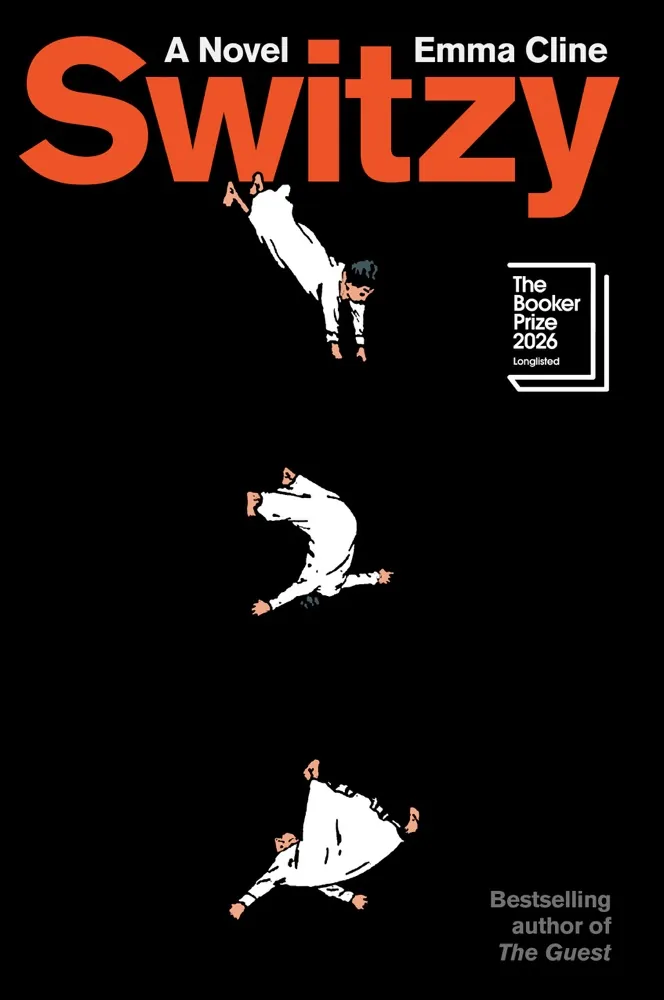
Author: Emma ClinePage Count: UnknownPublication Date: Expected publication 2026-09-08 APL The fluorescent lights of the downtown branch are humming softly today, casting a sterile, relentless glare over the scuffed oak table where I am hiding from the heat of this relentless August afternoon. My children are old enough now that they do not need me hovering over every summer whim, yet I find myself sitting here in the quietest corner, watching dust motes drift through the heavy air and thinking about how fast the decades slip through our fingers like dry sand. And so, naturally, my eyes drifted toward the upcoming release calendar—specifically Emma Cline’s Switzy, slated for September. Anticipatory Preview and Thematic Analysis Fascinating in theory. Cline has always possessed a cold, surgical precision when dissecting the rot beneath polite American domesticity—remember the unsettling hum of The Girls or the sun-bleached alienation of The Guest? Yet here, she pivots entirely. No wayward youth or poolside ennui. Instead, we have a retired executive named David, tucked into a private jet somewhere over Greenland, playing mindless solitaire on a glowing screen while his own handwriting in a jacket pocket turns into foreign hieroglyphics. A stark image, certainly. But what is the book actually about? The synopsis remains frustratingly oblique. We are promised a pilgrimage of sorts: London, France, an estranged friend, and finally Zurich, all while David runs out the clock on his mortal life. His present evaporates. The past rushes in—Sunday roasts, stiff church clothes, childhood compromises. And yet, the text relies heavily on atmospheric mood rather than concrete narrative mechanics. A portrait of an unraveling mind. A meditation on what remains when the illusions vanish. It sounds gorgeous. It also sounds dangerously thin if the execution lacks emotional ballast. The Weight of Memory And this is where my own quiet desperation creeps in—this heavy, maternal ache of watching time march forward while trying to anchor fading moments to the page. But David is not grieving a child; he is grieving himself. Or rather, the phantom of who he thought he was. Cline tackles the erosion of consciousness not through a medical lens, but through the existential terror of a man whose accomplishments suddenly taste like ash. Will it resonate beyond its clever styling? Hardlikle—or rather, hardly. Critics are already buzzing, and the Booker longlist nod certainly buys her some literary grace. Yet, I worry about the trap of modern psychological fiction: endless interiority that mistakes vagueness for profundity. We get the solitary click of the phone game, the blurred airports, the heavy silence of assistants. But does David actually bleed on the page? Or is he merely a vessel for stylistic melancholy? Time will tell. For now, sitting here in the cool library basement while the summer air bakes the pavement outside, I am willing to take the gamble. I want to see if Cline can break my heart the way she usually does, or if this late-stage pilgrimage is just another stylish exercise in empty distance. Are we ever truly ready to read about the quiet erasure of everything we built? Related InsightsTwo by Two Book Review and Summary Midnight Curfew Book Review and Summary Mythology Book Review and Summary{ "@context": "https://schema.org", "@type": "FAQPage", "mainEntity": [ { "@type": "Question", "name": "What is the main focus of Switzy Book Review and Summary?", "acceptedAnswer": { "@type": "Answer", "text": "Everything you need to know about Switzy with our detailed review." } }, { "@type": "Question", "name": "Who authored the comprehensive guide on Switzy Book Review and Summary?", "acceptedAnswer": { "@type": "Answer", "text": "This detailed article and its insights were carefully researched and authored by Victoria Smith." } }, { "@type": "Question", "name": "Where can I find more related content about Books?", "acceptedAnswer": { "@type": "Answer", "text": "You can explore more articles, detailed reviews, and similar insights by browsing the Related Insights section at the bottom of this article or visiting our dedicated Books category page." } } ] }


Author: Leslie WolfePage Count: UnknownPublication Date: Expected publication 2026 APL August afternoon heat presses softly against the living room window, thick and heavy, while the kitchen counter is buried beneath a mountain of chopped bell peppers, glass storage containers, and my Sunday afternoon meal prep routine. Grading seventh-grade English essays all week drains every ounce of emotional bandwidth a person possesses. So, I sit here on the worn velvet couch with a cold glass of iced tea, a stack of spiral notebooks waiting by my feet, and an intriguing synopsis for Leslie Wolfe’s upcoming 2026 thriller, A Beautiful Couple. At first glance, the premise relies on a deliciously cynical look at domestic facades. A renowned surgeon, a devoted wife, an immaculate home, and a sudden, catastrophic operating room failure. Yet, beneath the sterile surgical lighting lies something far messier. The synopsis hinges on a classic narrative tension—the terrifying realization that the person closest to you is a stranger holding a scalpel. Or perhaps, holding the entire political future of a district. What fascinates me most here—speaking strictly from an educator's weary vantage point—is the total lack of actual youth representation in the promotional text. We have ambitious career professionals, a mayoral candidate, and a ruthless criminal prosecutor. But where are the kids? Where are the teenagers navigating the collateral damage of parental ambition? Wolfe focuses entirely on the microscopic fractures in elite adult marriages. A predictable choice, perhaps. But effective. Prosecutor Paula Fuselier smells blood in the water. And Derreck, the aspiring mayor, stands right in the crosshairs of an explosive scandal involving both the doctor and the prosecutor. But notice how vague the synopsis remains regarding the actual crime. Did Dr. Anne Wiley intentionally let the patient die? Did she panic? The text leaves us stranded in the fog of a moral abyss, refusing to offer a single spoiler. Refreshing, really. So many publishers ruin the entire arc before publication day. I suspect this will read very much like the sleek, fast-paced domestic noir popularized by Freida McFadden or Shari Lapena. Clean prose, short chapters designed to keep commuters awake, and enough political posturing to make you lock your front door twice. Will the execution match the high-stakes setup? Time will tell. For now, my roasted vegetables are cooling on the counter, the seventh-grade essays still demand grading, and I am left wondering how anyone manages to keep a secret while running for public office. Related InsightsThe Cruel Prince Book Review and Summary Dumpling Therapy: My Mother, Chinese Food, and Five Thousand Years of Not-So-Ancient Recipes Book Review and Summary Ivanhoe Book Review and Summary{ "@context": "https://schema.org", "@type": "FAQPage", "mainEntity": [ { "@type": "Question", "name": "What is the main focus of A Beautiful Couple Book Review and Summary?", "acceptedAnswer": { "@type": "Answer", "text": "Everything you need to know about A Beautiful Couple with our detailed review." } }, { "@type": "Question", "name": "Who authored the comprehensive guide on A Beautiful Couple Book Review and Summary?", "acceptedAnswer": { "@type": "Answer", "text": "This detailed article and its insights were carefully researched and authored by Thomas Wright." } }, { "@type": "Question", "name": "Where can I find more related content about Books?", "acceptedAnswer": { "@type": "Answer", "text": "You can explore more articles, detailed reviews, and similar insights by browsing the Related Insights section at the bottom of this article or visiting our dedicated Books category page." } } ] }
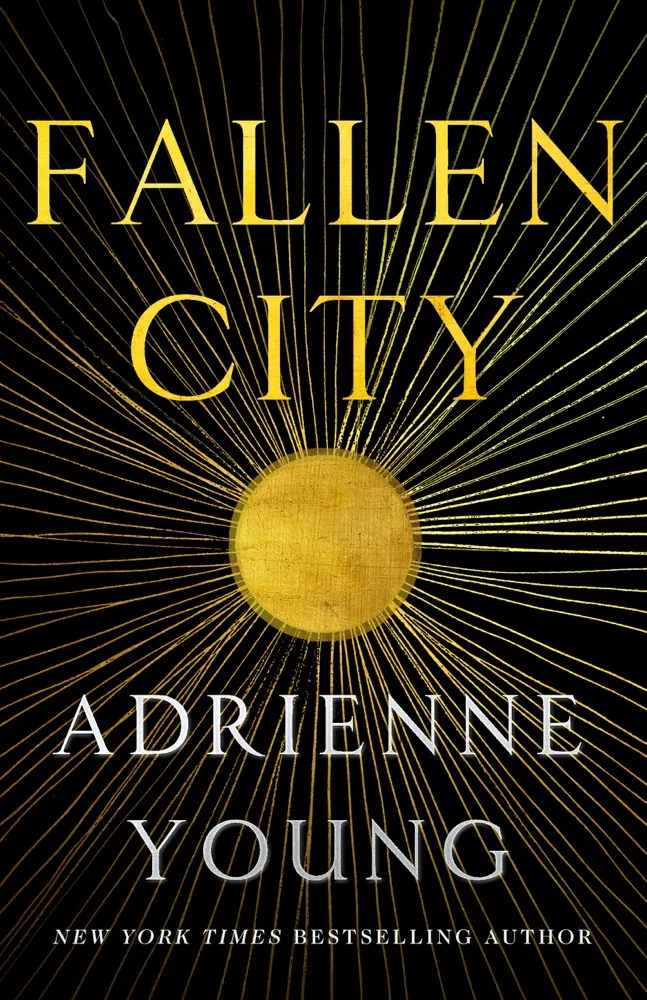

Author: Adrienne YoungPage Count: UnknownPublication Date: Expected publication 2026 APL Sipping a chilled vintage Sancerre aboard this gleaming Eurostar carriage as golden August sunshine floods the windows, one's mind naturally drifts to matters of exquisite drama. The European countryside rolls past in a glorious, sun-drenched blur of vineyards and châteaux. And what better companion for such leisurely transit than the impending literary release of Adrienne Young’s Chosen Son? The Aesthetic of Rebellion Young returns to the grand walled city of Isara, a setting practically dripping with old-world prestige and political decadence. Yet, the synopsis keeps things teasingly vague regarding the actual architecture of this rebellion—a cardinal sin for world-building connoisseurs who prefer their uprisings meticulously detailed from page one. Does Isara smell of marble dust and expensive perfume, or merely the sweat of disgruntled legionnaires? One hopes for the former. After all, if the proletariat is going to dismantle a corrupt regime, they ought to do it in bespoke attire. A Romance Curdled by Destiny Enter Luca Matius and Maris Casperia. A legionnaire and a Magistrate's daughter. A tale as old as time, really—or at least as old as the last three romantasy blockbusters currently dominating the New York Times bestseller list. One detects distinct echoes of Rebecca Yarros’s militaristic trials paired with the atmospheric court politics of Sarah J. Maas. But can Young elevate this well-worn trope above mere genre fodder? Fascinating in theory. Maris is entangled with the last Priestess wielding stolen magic from an Old War. And Luca is groomed for the Forum until a catastrophe ruins his neatly scheduled calendar. Naturally, a holy war tears them apart just as they spark a calculated alliance. How terribly inconvenient for their social calendar. A Cinematic Gamble The publisher’s marketing copy leans heavily into grand, sweeping declarations about gods writing stories and fates diverging on opposite sides of barricades. High stakes? Undoubtedly. But the synopsis suffers from a distinct lack of narrative specificity. We are told a secret comes to light and chaos ensues, yet we are left entirely in the dark about the actual mechanics of this divine script. A clever marketing ploy, or simply a manuscript still finding its footing in the editing suite? Time will tell. Prediction time. Young will undoubtedly deliver a gorgeously paced, emotionally bruising third-act separation that leaves readers gasping into their pillows. Whether the political machinations hold up under serious scrutiny remains to be seen. But who reads grand fantasy for structural integrity anyway? We read it for the yearning, the aesthetics, and the delicious agony of star-crossed misery. The train rattles past another breathtaking stretch of French countryside, the midday heat shimmering off the tracks. Another glass of wine beckons. Will Luca and Maris survive the gods' divine interference? Or will they simply become collateral damage in a centuries-old turf war? Related InsightsTrial by Fire Book Review and Summary Look What the Cat Dragged In Book Review and Summary Allegiant Book Review and Summary{ "@context": "https://schema.org", "@type": "FAQPage", "mainEntity": [ { "@type": "Question", "name": "What is the main focus of Chosen Son (Fallen City Duology, #2) Book Review and Summary?", "acceptedAnswer": { "@type": "Answer", "text": "Everything you need to know about Chosen Son (Fallen City Duology, #2) with our detailed review." } }, { "@type": "Question", "name": "Who authored the comprehensive guide on Chosen Son (Fallen City Duology, #2) Book Review and Summary?", "acceptedAnswer": { "@type": "Answer", "text": "This detailed article and its insights were carefully researched and authored by Tiago Silva." } }, { "@type": "Question", "name": "Where can I find more related content about Books?", "acceptedAnswer": { "@type": "Answer", "text": "You can explore more articles, detailed reviews, and similar insights by browsing the Related Insights section at the bottom of this article or visiting our dedicated Books category page." } } ] }
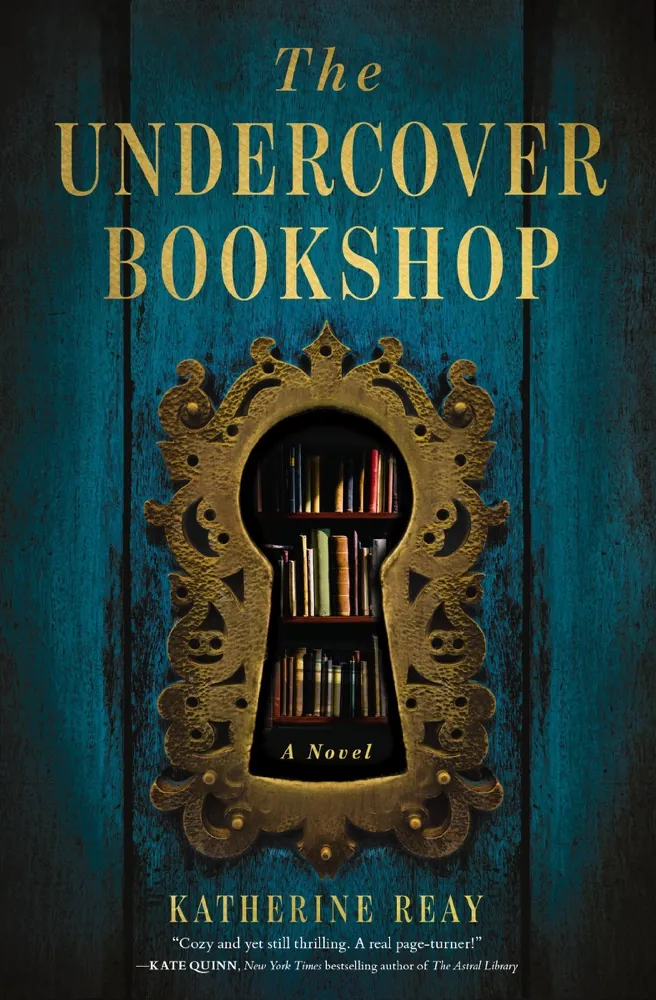

Author: Katherine ReayPage Count: UnknownPublication Date: Expected publication 2026-10-06 APL I trudge through the sweltering kitchen, sweat dripping down my forehead as I juggle orders and prep for the lunch rush. My mind, however, is elsewhere — in the quaint English village of Great Rollright, where amateur sleuth Gemma Brown is about to stumble into a world of international intrigue in The Undercover Bookshop. As I flip burgers and dodge the heat, I find myself pondering the themes and character dynamics at play in this upcoming novel. Gemma, an outsider in the small town, is desperate to create an idyllic life, drawing inspiration from her favorite mystery novels. But, as she becomes embroiled in a potential spy plot involving Ursula Beurton, the village's enigmatic baker, Gemma's perceptions of reality begin to blur. And I'm left wondering — how much of this is Gemma's imagination running wild, and how much is genuine danger lurking beneath the surface? The line between fiction and reality is a tantalizing one, reminiscent of the blurred boundaries in Kate Atkinson's Life After Life. As I hastily assemble salads and pour drinks, my mind wanders to the character of Ursula Beurton. An enigmatic figure, sparking controversy in the small-town gossip network — what secrets is she hiding, and how will Gemma's suspicions impact their relationship? The dynamic between these two women is likely to be a highlight of the novel, echoing the complex female friendships found in the works of authors like Emily St. John Mandel and Celeste Ng. But what truly piques my interest is the way The Undercover Bookshop appears to subvert traditional heroic tropes. Gemma, an amateur sleuth, is more adept at solving mysteries than she is at baking cakes or grasping social niceties. This inversion of expectations is refreshing, and I'm eager to see how author Katherine Reay explores the tensions between Gemma's desire for an idyllic life and the harsh realities of the world she's stumbled into. As the lunch rush subsides and the kitchen grows quiet, I find myself pondering the themes of identity, perception, and the power of storytelling. The Undercover Bookshop seems to be a novel that will keep me guessing, with its intricate web of secrets and lies. Yet, I'm also aware that the synopsis is frustratingly vague, leaving me with more questions than answers. Will Gemma's instincts prove correct, or will she succumb to the dangers of her own imagination? Time will tell. As I wipe down the counters and prep for the dinner rush, I'm left with a sense of anticipation — and a dash of skepticism. Will The Undercover Bookshop live up to its promise, or will it succumb to the pitfalls of predictable plotting? Only time — and a closer reading of the novel — will tell. And now, as I glance out the kitchen window, watching the summer sun beat down on the pavement, I'm left with a single, lingering thought: can a bookshop truly be a place of refuge, or is it just a front for the secrets and lies that lurk beneath the surface? #SummerReads #BookLovers #MysteryNovels Related InsightsThe One We Buried Book Review and Summary Being a Witch, and Other Things I Didn't Ask For Book Review and Summary American Gods Book Review and Summary{ "@context": "https://schema.org", "@type": "FAQPage", "mainEntity": [ { "@type": "Question", "name": "What is the main focus of The Undercover Bookshop Book Review and Summary?", "acceptedAnswer": { "@type": "Answer", "text": "Everything you need to know about The Undercover Bookshop with our detailed review." } }, { "@type": "Question", "name": "Who authored the comprehensive guide on The Undercover Bookshop Book Review and Summary?", "acceptedAnswer": { "@type": "Answer", "text": "This detailed article and its insights were carefully researched and authored by Giulia Ricci." } }, { "@type": "Question", "name": "Where can I find more related content about Books?", "acceptedAnswer": { "@type": "Answer", "text": "You can explore more articles, detailed reviews, and similar insights by browsing the Related Insights section at the bottom of this article or visiting our dedicated Books category page." } } ] }
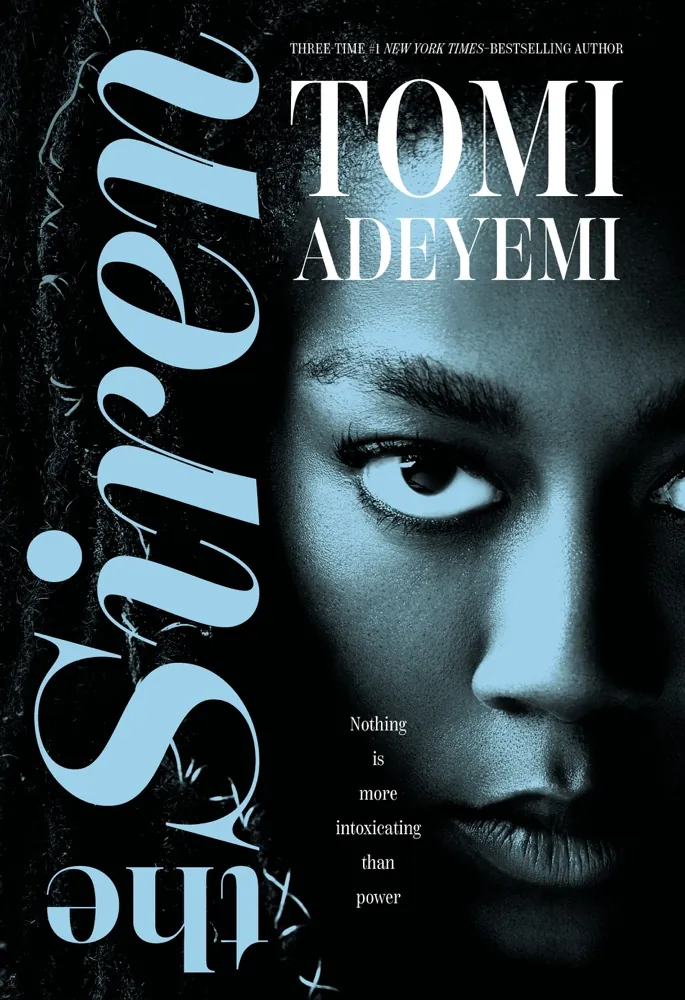

Author: Tomi AdeyemiPage Count: UnknownPublication Date: Expected publication 2026-09-29 APL Staring at this flickering computer screen at three in the morning while August humidity presses against the window like a wet wool blanket does not improve my patience. And yet, here I am, dissecting Tomi Adeyemi’s upcoming The Siren because my brain refuses to shut off. Give me a break—literally, I have twelve minutes left of this grueling night shift before I have to deal with another administrative crisis. But my feminist soul always perks up for stories dissecting female rage, ambition, and the dangerous prices young women pay for power. Power, Outcasts, and Academic Dread Look at the premise. Emery arrives at Dartmouth carrying a scholarship, strict medical regimens, and a buried past. Classic setup. Then enter Roux, Eli, and a mystical coven of former outcasts living in hyper-extravagant luxury. Fascinating in theory. But let us be entirely real for a second. The synopsis leans heavily on vague buzzwords—sinister dark academic flair, secret parties, a woman's darkness. It is deliciously moody, sure. Yet I am dying to know if Adeyemi actually subverts the transactional nature of female survival, or if we are just getting another repackaged The Secret History with a shiny supernatural coat of paint. The Commodification of Female Rage What grabs me—and what keeps me wildly impatient for September 2026—is the explicit mention of rage and longing. Women are perpetually conditioned to swallow their anger, to keep sweet, to stay medicated and manageable. So when a narrative promises a descent into a woman's darkness where the ultimate currency is a dangerous ambition? Sign me up immediately. Think M.L. Rio’s dark academia precision mixed with the ruthless feminist autonomy of Naomi Alderman’s The Power, dialed up to an intoxicating, bloody extreme. Adeyemi is shifting away from her epic fantasy roots into contemporary psychological territory, and honestly? That stylistic pivot is thrilling. The Dangerous Gamble of Ambition Emery wants in so badly she is willing to risk her life. But why is it always life or death for these girls? Why must female ambition exact a mortal toll while institutional power structures remain completely untouched? Hardly a coincidence. Roux’s "Sirens" offer a twisted mirror to elite fraternity culture—exclusivity weaponized by the formerly disenfranchised. And that stepbrother, Eli? Let us pray he is not just a tired romantic distraction designed to dilute Emery’s singular focus on power. I demand better from modern dark academia. I demand female characters who are allowed to be selfish, ruthless, and terrifyingly ambitious without needing a sympathetic male anchor or a neat moral redemption arc. Time will tell if Adeyemi delivers the biting critique this premise deserves, or if we are destined for another glossy, surface-level thriller that pulls its punches. But if September 2026 does not bring a brutal, unapologetic exploration of female complicity and raw, unadulterated fury, I might just throw my keyboard through this hospital window. Are we ever going to let women burn down the ivory tower entirely, or are they always going to burn with it? Related InsightsThe Golden Child Book Review and Summary 11/22/63 Book Review and Summary A Game of Thrones Book Review and Summary{ "@context": "https://schema.org", "@type": "FAQPage", "mainEntity": [ { "@type": "Question", "name": "What is the main focus of The Siren Book Review and Summary?", "acceptedAnswer": { "@type": "Answer", "text": "Everything you need to know about The Siren with our detailed review." } }, { "@type": "Question", "name": "Who authored the comprehensive guide on The Siren Book Review and Summary?", "acceptedAnswer": { "@type": "Answer", "text": "This detailed article and its insights were carefully researched and authored by Marta Wisniewska." } }, { "@type": "Question", "name": "Where can I find more related content about Books?", "acceptedAnswer": { "@type": "Answer", "text": "You can explore more articles, detailed reviews, and similar insights by browsing the Related Insights section at the bottom of this article or visiting our dedicated Books category page." } } ] }
-
 Victoria Smith
 - 05 Aug, 2026 14:16
This Shattered Tempest (The Hurricane Wars, #3) Book Review and Summary
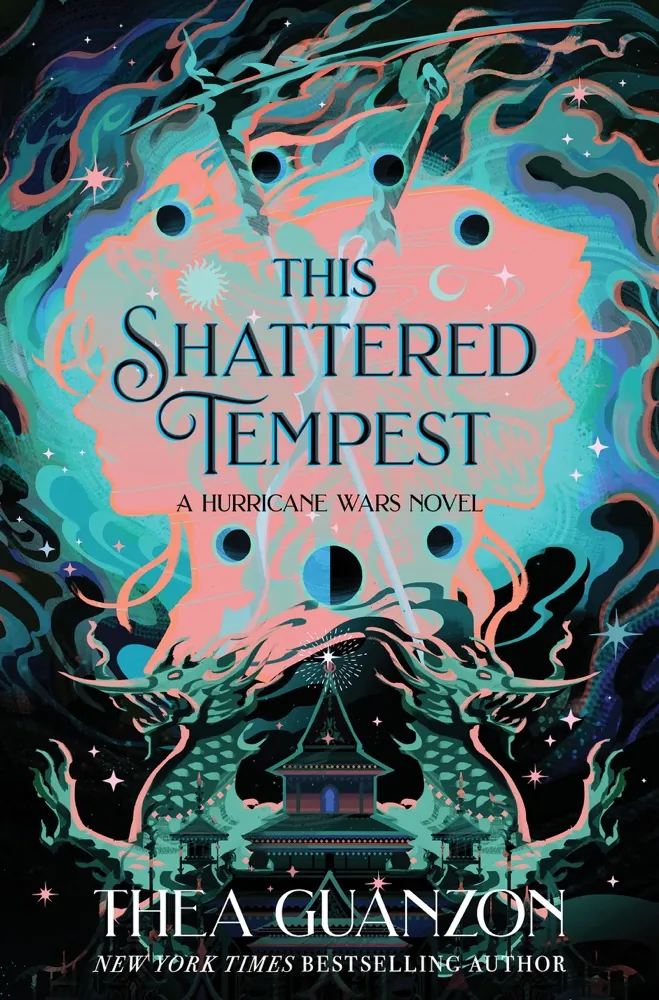
Author: Thea GuanzonPage Count: UnknownPublication Date: Expected publication 2026-10-06 APL Sitting here in the cool, filtered hum of the local library basement, August humidity pressing heavily against the thick glass outside, I find myself meditating on the quiet art of letting go. Or rather, the excruciating literary refusal to let go. The synopsis for Thea Guanzon’s upcoming conclusion, This Shattered Tempest, arrived on my screen like a sudden draft of wind in an otherwise stagnant afternoon. And what do we find when the storm finally settles? More manufactured separation, apparently. The Mechanics of Longing Fascinating in theory. Tiresome in practice. The official text leans heavily on the eternal push-and-pull of Alaric and Talasyn, a political marriage built on tectonic instability. Yet, notice how the synopsis relies entirely on broad strokes—a devastating attack, a final decisive clash, an impending doom. It tells us nothing concrete. It merely whispers the old, familiar refrain of lovers torn asunder by destiny. Guanzon is playing a very safe genre game here. It echoes the atmospheric ache found in Sarah J. Maas or the political maneuvering of Rebecca Yarros, yet it lacks the grounding of actual narrative detail. When a summary speaks only in riddles about whether love is enough to rewrite history, it suggests a plot stretched thin by its own trilogy constraints. Can a new beginning truly rise from vague ruin? Hardlikely. The Weight of Absence And perhaps that is precisely why this premise resonates with my own quiet afternoon here among the stacks. We spend our lives bracing for the unexpected squall, waiting for the sudden attack that strips away our hard-won peace. Grief is not a grand battlefield with two rival nations preparing for a final clash. No. Grief is quiet. It is the empty chair at the kitchen table while the late summer cicadas drone outside. Yet, commercial fantasy demands noise. It demands swords, shadows, and lightweavers. Alaric and Talasyn must fight their way back to each other because stasis does not sell books. But are they doomed to meet as enemies, or simply trapped in the relentless machinery of a marketing department desperate for a dramatic conclusion? Time will tell. One can only hope Guanzon offers an emotional resolution that feels earned rather than engineered. Because when the last page turns and the final battle smoke clears, the reader is left holding the ashes. Will passion and power actually collide, or will they simply fizzle out in the footnotes? #TheHurricaneWars #BookTok #TheShatteredTempest #FantasyRomance Related InsightsThe Book of Mormon: Another Testament of Jesus Christ Book Review and Summary Love You Forever Book Review and Summary Heartless Book Review and Summary{ "@context": "https://schema.org", "@type": "FAQPage", "mainEntity": [ { "@type": "Question", "name": "What is the main focus of This Shattered Tempest (The Hurricane Wars, #3) Book Review and Summary?", "acceptedAnswer": { "@type": "Answer", "text": "Everything you need to know about This Shattered Tempest (The Hurricane Wars, #3) with our detailed review." } }, { "@type": "Question", "name": "Who authored the comprehensive guide on This Shattered Tempest (The Hurricane Wars, #3) Book Review and Summary?", "acceptedAnswer": { "@type": "Answer", "text": "This detailed article and its insights were carefully researched and authored by Victoria Smith." } }, { "@type": "Question", "name": "Where can I find more related content about Books?", "acceptedAnswer": { "@type": "Answer", "text": "You can explore more articles, detailed reviews, and similar insights by browsing the Related Insights section at the bottom of this article or visiting our dedicated Books category page." } } ] }
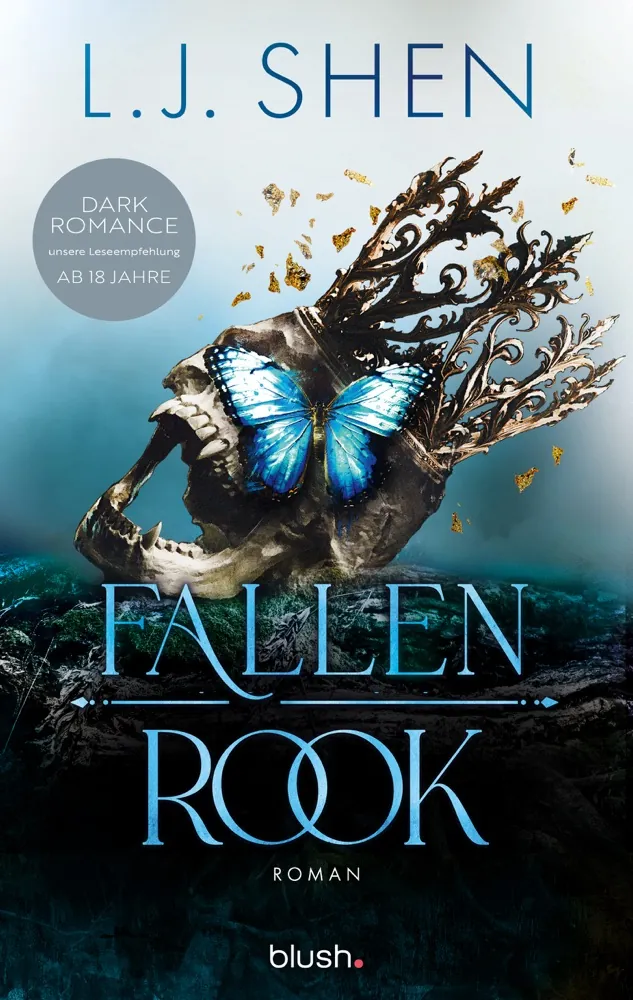

Author: L.J. ShenPage Count: UnknownPublication Date: Expected publication 2026-09-30 APL Sweat is currently pooling in my collarbone thanks to the lovely ventilation failure on the downtown express, which makes pondering fictional mobsters freezing in their leather jackets feel like a delightfully sadistic form of air conditioning. L.J. Shen is back at it, dragging us feet-first into Fallen Rook, the third installment of the Society of Villains ecosystem, because apparently, rich criminals need emotional growth too. And honestly? God bless capitalism. Thematic Analysis: Bad Boys and Bureaucracy Look at the ingredients list here. We have a mafia prince named Enzo who is essentially a walking collection of daddy issues and blunt force trauma, paired up with an FBI special agent who shares the exact name of a posh British boarding school character. And the tropes. Oh, the tropes are vomiting forth in a glorious, unhinged parade. Queer romance, age gap, forbidden love, a golden retriever boyfriend, and the timeless literary classic of grumpy versus sunshine. Fascinating in theory. A massive organizational hazard in practice. How does one mix a grumpy mafia muscle-head with a golden retriever FBI agent without triggering a localized migraine? L.J. Shen is banking on the fact that we do not care about bureaucratic realism. We are here for the spice level four out of five. We are here for the moral grayness that looks suspiciously like charcoal briquettes. The synopsis tells us next to nothing about actual plot mechanics—classic marketing vagueness designed to make us froth at the mouth—yet we know the drill. It is Romeo and Juliet with federal badges and tailored suits. Anticipatory Preview: The Velvet Handcuffs The real literary gymnastics here will involve the pacing. Can a man whose entire personality is built around violence and familial rejection truly mesh with a sunshine-drenched federal investigator without looking like a psychological hostage situation? Unclear. Time will tell. Yet one thing remains indisputably clear to anyone watching the dark romance industrial complex churn out product: readers want their heroes dangerously unqualified for emotional stability. Think of the lineage here. We are swimming in the same murky, hyper-ventilated waters pioneered by authors like Penelope Douglas or Rina Kent. These books do not ask for your critical thinking skills; they demand your pulse. They are the literary equivalent of slamming an iced latte on an empty stomach while standing shoulder-to-shoulder with strangers who smell faintly of desperation and sunscreen. Enzo Ferrante will undoubtedly brood. Tom Rothwell will undoubtedly smile too brightly in federal interrogation rooms. A high-stakes game of statutory chicken will ensue. My bold, completely unsolicited prediction? The federal badge will become a belt. Or a blindfold. Or both by chapter twelve. Because nuance is dead, subtlety was buried in 2018, and we are all just trying to survive the August humidity by reading about men who commit tax evasion and aggravated assault for love. Will the prose elevate this beyond standard Wattpad-adjacent dopamine hits? Hardly. But do we need Tolstoy when we have an age-gap mafia romance translated into German with a spice rating that implies mild third-degree burns? A dangerous gamble. And yet, here we are, clinging to the subway pole and waiting for September to drop another beautifully problematic paperback into our sweaty palms. Does anyone actually believe this FBI agent is going to file the paperwork on time? Related InsightsThe Perfect Match Book Review and Summary Quando la Storia Diventa Romanzo: L'Arte Invisibile del Tempo Narrato Spirited Engagement Book Review and Summary{ "@context": "https://schema.org", "@type": "FAQPage", "mainEntity": [ { "@type": "Question", "name": "What is the main focus of Fallen Rook (Society of Villains, #3) Book Review and Summary?", "acceptedAnswer": { "@type": "Answer", "text": "Everything you need to know about Fallen Rook (Society of Villains, #3) with our detailed review." } }, { "@type": "Question", "name": "Who authored the comprehensive guide on Fallen Rook (Society of Villains, #3) Book Review and Summary?", "acceptedAnswer": { "@type": "Answer", "text": "This detailed article and its insights were carefully researched and authored by Carmen Martinez." } }, { "@type": "Question", "name": "Where can I find more related content about Books?", "acceptedAnswer": { "@type": "Answer", "text": "You can explore more articles, detailed reviews, and similar insights by browsing the Related Insights section at the bottom of this article or visiting our dedicated Books category page." } } ] }
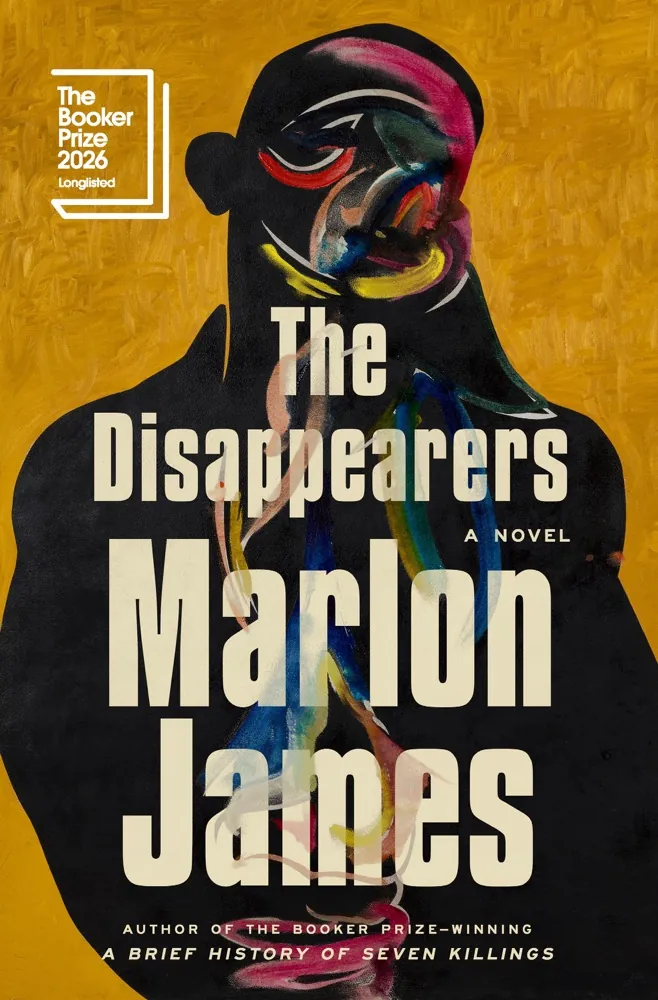

Author: Marlon JamesPage Count: UnknownPublication Date: Expected publication 2026-09-01 APL Phew. The air conditioning is humming a metallic tune against this oppressive August heat, and after eight grueling hours staring at spreadsheets, my brain is craving actual human messiness. Or at least the fictionalized version of it. Marlon James is back. And yet, judging by the preliminary buzz for The Disappearers, we are in for a brutal evening of reading once this hits shelves in September. Anticipatory Preview and Thematic Analysis Let us look at what we actually know from the synopsis. Eight men walk into a rehearsal room in 1988 Kingston. Strangers. Bonded only by a secret that could get them killed. And then, inevitably, it does. One dies; others shatter. But do we trust these eight to form a tight-knit found family? Hardly. James is not known for giving his characters cozy group hugs around a kitchen island. If his previous epic A Brief History of Seven Killings taught us anything, it is that human bonds under extreme societal pressure usually snap in half and spray shrapnel everywhere. Fascinating in theory. Grueling in practice. The synopsis promises a propulsive crime story mixed with unapologetic sex and biting humor. But let us be entirely realistic here—synopsis copywriters love buzzwords. How much actual character chemistry can you build when someone is getting murdered in the first act? I worry these eight men will barely get introduced before half of them are either seeking violent retribution or vanishing into the shadows. Chemistry requires time. It requires sitting across a table, arguing over petty nonsense, and learning each other's flaws. Can a fast-paced thriller afford that breathing room? Time will tell. Yet, I am deeply suspicious of any narrative where the survivors splinter off into coping mechanisms like ignoring the trauma or hunting for revenge. It feels uncomfortably close to real life. After a long week managing office politics where everyone pretends the glaring problems do not exist, the last thing I want is fictional characters doing the exact same thing. Give me messy confrontations. Give me the kind of desperate, midnight phone calls between friends that keep you awake until two in the morning. Think of James Baldwin meeting James Ellroy. That is the stylistic alchemy hovering over this release. It is gritty, unapologetic, and dripping in socio-political peril. No tidy resolutions. No sentimental epilogues where everyone learns a valuable lesson about tolerance. A dangerous gamble for a commercial market that desperately loves a neat bow on top. Will these characters feel like real people we are rooting for over a Friday night drink, or just pawns in a grim cautionary tale? #MarlonJames #TheDisappearers #BookerPrize2026 #LiteraryFiction Related InsightsWorld of Throne of Glass Book Review and Summary Candle and Crow Book Review and Summary Normal Women Book Review and Summary{ "@context": "https://schema.org", "@type": "FAQPage", "mainEntity": [ { "@type": "Question", "name": "What is the main focus of The Disappearers Book Review and Summary?", "acceptedAnswer": { "@type": "Answer", "text": "Everything you need to know about The Disappearers with our detailed review." } }, { "@type": "Question", "name": "Who authored the comprehensive guide on The Disappearers Book Review and Summary?", "acceptedAnswer": { "@type": "Answer", "text": "This detailed article and its insights were carefully researched and authored by Camille Dubois." } }, { "@type": "Question", "name": "Where can I find more related content about Books?", "acceptedAnswer": { "@type": "Answer", "text": "You can explore more articles, detailed reviews, and similar insights by browsing the Related Insights section at the bottom of this article or visiting our dedicated Books category page." } } ] }
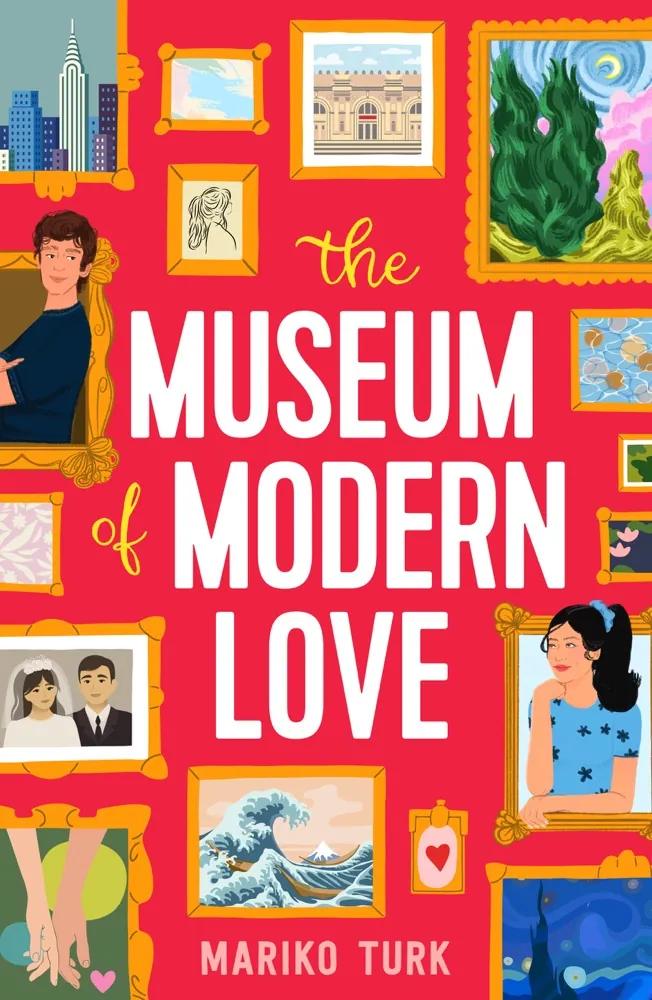
Author: Mariko TurkPage Count: UnknownPublication Date: Expected publication 2026-10-13 APL Sweat drips down my face as I scrub the last of the pots from the lunch shift, my mind wandering to the latest literary obsession – Mariko Turk's The Museum of Modern Love. A romance novel, how quaint. Yet, the synopsis hints at something more – a deconstruction of the very notion of destiny and love. As I dry my hands, I ponder the setup: Miki Kawamura, a hopeless romantic, plans to confess her feelings to her best friend Auden by retracing the path her grandparents took through the Metropolitan Museum of Art the night they fell in love. It's a clever conceit, leveraging the mystique of a famous museum to heighten the emotional stakes. But, of course, destiny has other plans – Miki's ex, Lou McSweeney, shows up instead of Auden, and the story careens off in a different direction. Fascinating in theory. The use of a museum as the primary setting is a bold choice, imbuing the narrative with the weight of history and art. It's a space where people often go to escape the mundane, to lose themselves in the grandeur of human creativity. And yet, for Miki, it's a place of intense personal significance, a connection to her family's past. I wonder how Turk will balance the character's emotional journey with the backdrop of the museum – will it feel like a gimmick, or a genuine exploration of the human experience? The character dynamics are, of course, the real draw. Miki's plan to confess her feelings to Auden is already a high-stakes gamble, but the introduction of Lou McSweeney adds a layer of complexity. What's the nature of their past relationship? Is Lou truly the "world's most jaded cynic," or is that just a facade? And how will Miki's feelings for Auden evolve in the face of this unexpected twist? Hardly a straightforward romance, it seems. The comparison to authors like Lynn Painter and Jenny Han is telling – Turk is likely aiming for a similar blend of wit, charm, and heartfelt emotion. But will The Museum of Modern Love transcend the familiar tropes of the genre, or simply rehash them in a new setting? Time will tell. As I clock out of my shift and head into the sweltering summer evening, I find myself wondering: will Turk's novel be a nuanced exploration of love and destiny, or just another iteration of the same old romantic cliches? Can she balance the character's emotional journeys with the demands of the plot, or will it all feel like a contrived exercise in sentimentalism? And what's with the title – is it a reference to the museum, or something more abstract? Only one way to find out, I suppose. #TheMuseumOfModernLove #RomanceNovel #LiteraryFiction Related InsightsEverything is F*cked Book Review and Summary Trad Wife Book Review and Summary Once, Again, Always Book Review and Summary{ "@context": "https://schema.org", "@type": "FAQPage", "mainEntity": [ { "@type": "Question", "name": "What is the main focus of The Museum of Modern Love Book Review and Summary?", "acceptedAnswer": { "@type": "Answer", "text": "Everything you need to know about The Museum of Modern Love with our detailed review." } }, { "@type": "Question", "name": "Who authored the comprehensive guide on The Museum of Modern Love Book Review and Summary?", "acceptedAnswer": { "@type": "Answer", "text": "This detailed article and its insights were carefully researched and authored by Giulia Ricci." } }, { "@type": "Question", "name": "Where can I find more related content about Books?", "acceptedAnswer": { "@type": "Answer", "text": "You can explore more articles, detailed reviews, and similar insights by browsing the Related Insights section at the bottom of this article or visiting our dedicated Books category page." } } ] }
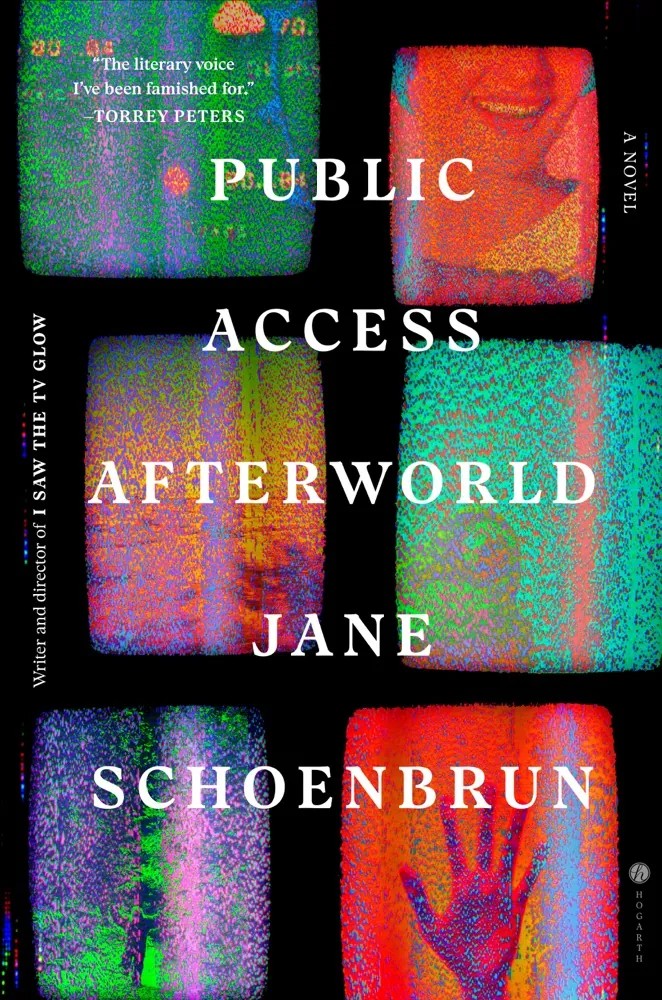

Author: Jane SchoenbrunPage Count: UnknownPublication Date: Expected publication 2026-10-27 APL Dirt under my fingernails, the afternoon sun beating down hard on my tomato cages—August in the garden is a sweaty, frantic business, but my mind was completely snagged on Jane Schoenbrun’s upcoming novel, Public Access Afterworld. And what a premise to ponder while staking heavy beefsteak vines! Anticipatory Preview The official hook drops us straight into 1988 with a televangelist-style weatherman blowing his brains out on live television after muttering about a mysterious broadcast. Grim? Absolutely. But Schoenbrun—the brilliant mind behind I Saw the TV Glow—has always possessed a rare knack for unearthing the profound terror lurking inside our flickering analog screens. Yet we fast-forward through decades, moving from lonely suburban teens watching the analog-to-digital transition in 2009 to a trans content moderator named Bethany toiling away at a bleak Austin tech campus seventeen years later. Fascinating in theory. But what actually is this rogue pirate network? Thematic Analysis The synopsis leaves the core mechanics wonderfully, maddeningly opaque. Yet the thematic trajectory already cuts deep. We are looking at a sprawling autopsy of media consumption, isolation, and the electronic tethers that bind our collective psyche. Bethany reviews horrific videos all night for a faceless megacorp called GlobalVill—a deliciously scathing touch of modern corporate purgatory. And then a young streamer starts broadcasting distress calls to the very same mythic static that swallowed those kids back in the basement. Will the execution match the ambitious scope? Hard to say from a blurb alone. A Bold Prediction Expect a dizzying, jagged artifact of speculative fiction. Think Mark Z. Danielewski crashing headfirst into the late-night dread of David Lynch, spliced with the hyper-online alienation explored by writers like Patricia Lockwood. It feels destined to polarize readers who demand neat plot resolutions while thrilling those of us who prefer our existential horror dripping with nostalgia and systemic critique. Time will tell if the narrative weight buckles under its own massive timeline spanning decades and realities. But if anyone can pull off this kind of psychedelic, VHS-static-soaked descent into an electric hell, it is Schoenbrun. Now, back to these tomatoes before the heat gets the better of me. Can a book about a cursed TV signal actually save us from the algorithmic monotony of our current reality? Related InsightsThe Haunted Librarian Book Review and Summary Two by Two Book Review and Summary Twisted Hate Book Review and Summary{ "@context": "https://schema.org", "@type": "FAQPage", "mainEntity": [ { "@type": "Question", "name": "What is the main focus of Public Access Afterworld Book Review and Summary?", "acceptedAnswer": { "@type": "Answer", "text": "Everything you need to know about Public Access Afterworld with our detailed review." } }, { "@type": "Question", "name": "Who authored the comprehensive guide on Public Access Afterworld Book Review and Summary?", "acceptedAnswer": { "@type": "Answer", "text": "This detailed article and its insights were carefully researched and authored by Maximilian Fischer." } }, { "@type": "Question", "name": "Where can I find more related content about Books?", "acceptedAnswer": { "@type": "Answer", "text": "You can explore more articles, detailed reviews, and similar insights by browsing the Related Insights section at the bottom of this article or visiting our dedicated Books category page." } } ] }
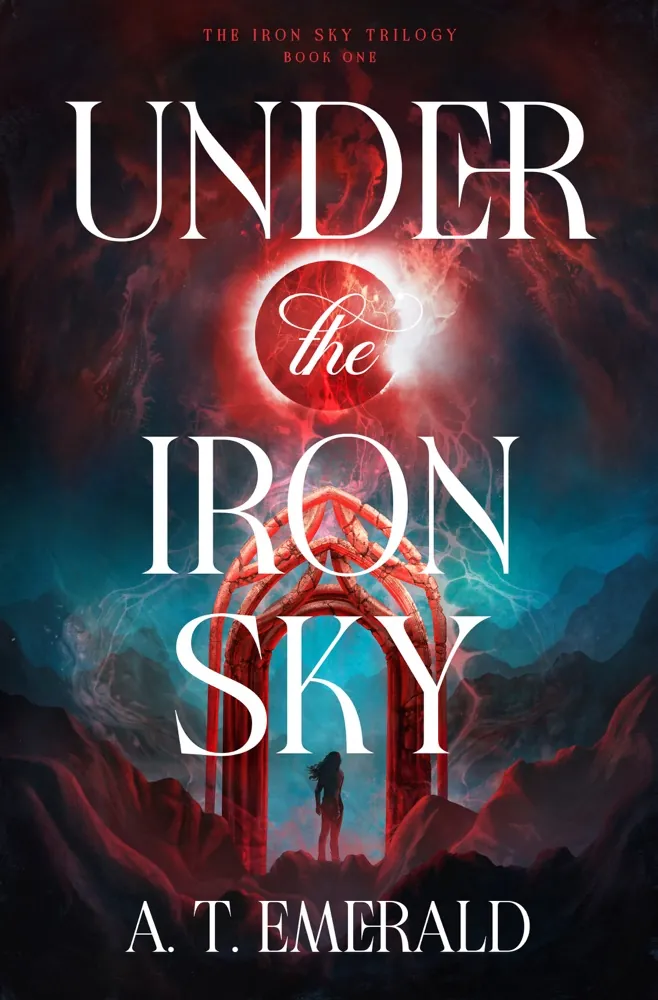

Author: A.T. EmeraldPage Count: UnknownPublication Date: Expected publication 2026-10-13 APL As I sit here, sipping on my cold coffee, surrounded by the sweltering August heat, I find myself pondering the darkness that seems to permeate the world of Under the Iron Sky, the upcoming novel by A.T. Emerald. The official synopsis paints a picture of a world on the brink of collapse, where the once-beautiful empire of Vordell has been ravaged by the Iron Sky and its dark clouds. It's a world where the lines between light and darkness are blurred, and the very fabric of reality seems to be unraveling. But what truly catches my attention is the protagonist, Soraya Tollmere, a high-ranking commander who has spent her life on the front lines of a brutal war. Her character seems to embody the very essence of resilience, a quality that is all too often romanticized in fantasy novels. Yet, as I read through the synopsis, I couldn't help but wonder: what drives Soraya? Is it a desire for revenge, a need to protect her people, or something more complex? The synopsis hints at a deep-seated sense of loss, but it's a thread that is left tantalizingly unexplored. And then, of course, there's the Demon, the Dar'rak's most feared soldier, whose true identity remains shrouded in mystery. His character seems to be the embodiment of the classic "tortured soul" trope, with a dash of the "enigmatic villain" thrown in for good measure. But what makes him tick? Is he a product of his environment, a monster forged in the depths of the Iron Sky, or is there something more to him? The synopsis raises more questions than it answers, leaving me with a sense of anticipation that is both thrilling and frustrating. As I sit here, surrounded by the detritus of my university life, I am reminded of the works of authors like N.K. Jemisin and Joe Abercrombie, who have mastered the art of crafting complex, morally ambiguous characters. Will A.T. Emerald follow in their footsteps, or will she forge her own path? Time will tell. One thing is certain, however: Under the Iron Sky is a novel that promises to explore the darker corners of the human experience. It's a world where hope is a luxury that few can afford, and the fight for survival is a constant, grinding reality. It's a world that is both familiar and yet, utterly alien, a testament to the boundless creativity of the human imagination. But, I must admit, I am a little concerned about the vagueness of the synopsis. It's a tantalizing glimpse into a world that is both richly detailed and yet, frustratingly opaque. Will the novel itself be more forthcoming, or will it leave readers scratching their heads in confusion? Only time will tell. As I finish my coffee, I am left with a sense of anticipation that is both thrilling and terrifying. Will Under the Iron Sky live up to its promise, or will it succumb to the pitfalls of fantasy clichés? One thing is certain, however: I will be watching this novel with great interest, eager to see if it will join the ranks of the truly great fantasy epics. And so, I ask: will Under the Iron Sky be the next big thing in fantasy, or will it fade into obscurity? The answer, much like the true identity of the Demon, remains shrouded in mystery. #FantasyNovels #DarkFantasy #NewRelease Related InsightsBlue Hour Book Review and Summary The Fellowship of the Ring Book Review and Summary The Wrath Gods Reap (The Crucible, #3) Book Review and Summary{ "@context": "https://schema.org", "@type": "FAQPage", "mainEntity": [ { "@type": "Question", "name": "What is the main focus of Under the Iron Sky (The Iron Sky Trilogy #1) Book Review and Summary?", "acceptedAnswer": { "@type": "Answer", "text": "Everything you need to know about Under the Iron Sky (The Iron Sky Trilogy #1) with our detailed review." } }, { "@type": "Question", "name": "Who authored the comprehensive guide on Under the Iron Sky (The Iron Sky Trilogy #1) Book Review and Summary?", "acceptedAnswer": { "@type": "Answer", "text": "This detailed article and its insights were carefully researched and authored by Marco Conti." } }, { "@type": "Question", "name": "Where can I find more related content about Books?", "acceptedAnswer": { "@type": "Answer", "text": "You can explore more articles, detailed reviews, and similar insights by browsing the Related Insights section at the bottom of this article or visiting our dedicated Books category page." } } ] }
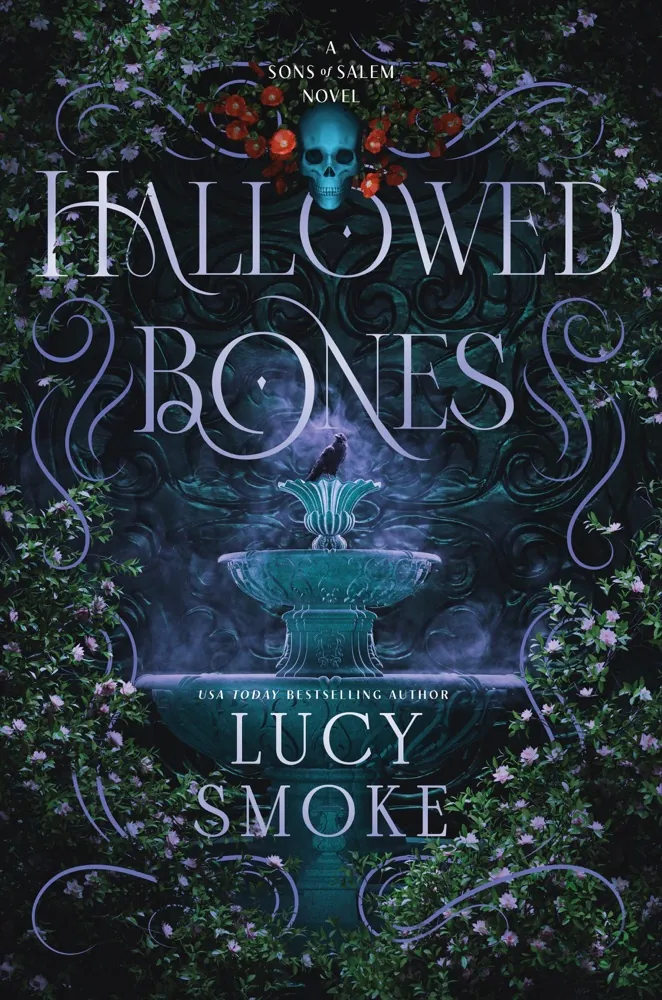
Author: Lucy SmokePage Count: UnknownPublication Date: Expected publication 2026-10-06 APL A dark why-choose romance, you say? Hallowed Bones, the first in the Sons of Salem series, promises to be a seductive and thrilling tale of cursed bloodlines, secret societies, and a powerful heroine. As I sit here, surrounded by empty coffee cups and the remnants of last night's pizza, I find myself drawn to the mysterious world Lucy Smoke has created. The premise is straightforward enough: four men, one woman, and five families accused of witchcraft. But it's the subtle hints of a larger, more sinister world that really catch my attention. The mention of legacies, witches, and something "far worse than myths" suggests a rich, complex mythology at play. And then, of course, there's the heroine, Haven Wardwell, who seems to be the key to unlocking it all. But what really fascinates me is the way Smoke has structured the narrative around Haven's relationships with the four men: Ezra Bishop, Cameron Goode, Lyall Corey, and Reyes Scott. It's a classic "harem" setup, but one that's been subverted by the dark, gothic atmosphere and the promise of a powerful, possibly supernatural, heroine. I'm reminded of authors like Sarah J. Maas and Leigh Bardugo, who have both explored similar themes in their own work. And yet, despite the familiar tropes, I'm not entirely convinced that Smoke is playing it safe. There's something about the way the synopsis hints at a larger, more sinister world that suggests a deeper level of complexity. The mention of ghosts haunting the corridors of Ipswich College, for example, implies a level of psychological horror that's not always present in these types of romances. But, I must admit, I'm also a bit skeptical. The synopsis is frustratingly vague, and I'm not entirely sure what to expect from the story. Is it a romance, a fantasy, or something in between? And what, exactly, is the nature of Haven's relationships with the four men? Is it a genuine polyamorous relationship, or is it something more complicated? Time will tell, I suppose. But for now, I'm left with more questions than answers. Will Hallowed Bones be a game-changer in the world of dark romance, or will it succumb to the same tired tropes that have plagued the genre for years? Only one way to find out, I suppose. As I sit here, sweating in the August heat, I'm reminded of the old adage: "be careful what you wish for." Haven Wardwell may have stumbled into a world of magic and mystery, but at what cost? And will she be able to navigate the treacherous landscape of Ipswich College, or will she become just another ghost haunting its corridors? A dangerous gamble, indeed. #DarkRomance #WhyChoose #WitchyVibes Related InsightsDaughter of Smoke & Bone Book Review and Summary Electric Idol Book Review and Summary Democracy in a Hotter Time Book Review and Summary{ "@context": "https://schema.org", "@type": "FAQPage", "mainEntity": [ { "@type": "Question", "name": "What is the main focus of Hallowed Bones (Sons of Salem #1) Book Review and Summary?", "acceptedAnswer": { "@type": "Answer", "text": "Everything you need to know about Hallowed Bones (Sons of Salem #1) with our detailed review." } }, { "@type": "Question", "name": "Who authored the comprehensive guide on Hallowed Bones (Sons of Salem #1) Book Review and Summary?", "acceptedAnswer": { "@type": "Answer", "text": "This detailed article and its insights were carefully researched and authored by Marco Conti." } }, { "@type": "Question", "name": "Where can I find more related content about Books?", "acceptedAnswer": { "@type": "Answer", "text": "You can explore more articles, detailed reviews, and similar insights by browsing the Related Insights section at the bottom of this article or visiting our dedicated Books category page." } } ] }
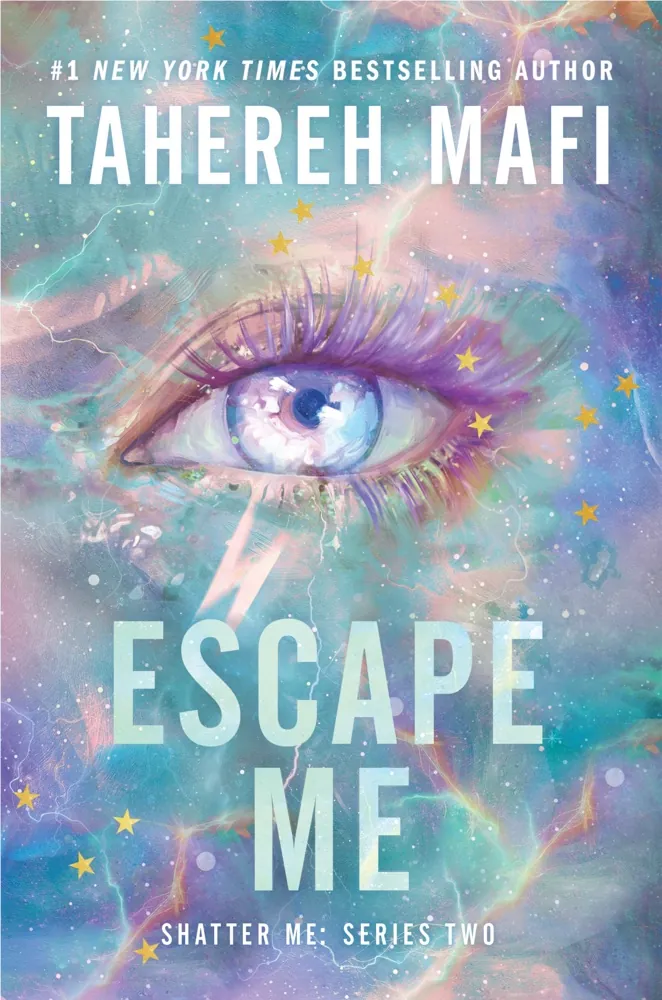
Author: Tahereh MafiPage Count: UnknownPublication Date: Expected publication 2026-09-29 APL As I sit on the shaded terrace of my private villa, sipping a refreshing glass of lemonade and watching the sun beat down on the lush greenery below, I find myself pondering the latest installment in Tahereh Mafi's Shatter Me series - Escape Me. The official synopsis has piqued my interest, and I must admit that I am eager to see how Mafi will continue to explore the complexities of her characters and the world they inhabit. But, I must ask, what can we truly expect from this third volume in the series? The synopsis is tantalizing, yet vague, leaving me with more questions than answers. And, yet, it is precisely this vagueness that has me intrigued. Mafi has always been a master of crafting complex, multi-dimensional characters, and the fact that she is choosing to reveal so little about the plot of Escape Me suggests that she is confident in her ability to surprise and delight her readers. The characters of James, Rosabelle, and Warner are all mentioned, but their motivations and desires are left largely unexplained - a clever move, if you ask me, as it allows the reader to bring their own interpretations and expectations to the table. But, will Mafi be able to deliver on the promises she has made, or will Escape Me fall flat, like so many other series that have failed to live up to their potential? As I consider the themes that are likely to be explored in Escape Me, I am reminded of the works of authors like Veronica Roth and Suzanne Collins, who have also written extensively about the dangers of totalitarian regimes and the importance of individual freedom. The Shatter Me series, with its focus on the struggle for power and control in a post-apocalyptic world, is certainly reminiscent of The Hunger Games and Divergent series, and I have no doubt that Mafi will continue to draw inspiration from these sources as she crafts her own unique narrative. But, will she be able to bring a fresh perspective to the table, or will Escape Me feel like more of the same old, same old? The character of James, in particular, seems like he will be a focal point of the story, as he seeks to assert his own power and influence in a world that is determined to control him. His desire to destroy the looming threats against their world, and his frustration with being underestimated by his own family, are both classic tropes in the genre, and I have no doubt that Mafi will be able to bring a new level of depth and complexity to these themes. But, what about Rosabelle, and her need to stick to the plan? What secrets is she hiding, and how will her relationship with James evolve over the course of the story? And, then, of course, there is Warner, who is trying not to kill Rosabelle - a statement that is both intriguing and terrifying, and which suggests that the stakes in Escape Me will be higher than ever before. As the sun begins to set, casting a golden glow over the villa and its surroundings, I am left to ponder the many questions that Escape Me has raised. Will Mafi be able to deliver on the promises she has made, or will this latest installment in the Shatter Me series fall flat? Only time will tell, but one thing is certain - I will be watching, eagerly, as the story unfolds. And, I must ask, what will be the ultimate cost of James' desire for power, and Rosabelle's need for control? Will they be able to find a way to escape the dangers that surround them, or will they succumb to the very forces they are trying to overcome? #ShatterMe #EscapeMe #TaherehMafi #BookLovers #ReadingIsFun #NewRelease Related InsightsMore Days at the Torunka Café: The Scent of Happiness (Days at the Torunka Café, #2) Book Review and Summary The Knave and the Moon (The Stonewater Kingdom, #2) Book Review and Summary Clockwork Angel Book Review and Summary{ "@context": "https://schema.org", "@type": "FAQPage", "mainEntity": [ { "@type": "Question", "name": "What is the main focus of Escape Me (Shatter Me: Series Two #3) Book Review and Summary?", "acceptedAnswer": { "@type": "Answer", "text": "Everything you need to know about Escape Me (Shatter Me: Series Two #3) with our detailed review." } }, { "@type": "Question", "name": "Who authored the comprehensive guide on Escape Me (Shatter Me: Series Two #3) Book Review and Summary?", "acceptedAnswer": { "@type": "Answer", "text": "This detailed article and its insights were carefully researched and authored by Klaus Weber." } }, { "@type": "Question", "name": "Where can I find more related content about Books?", "acceptedAnswer": { "@type": "Answer", "text": "You can explore more articles, detailed reviews, and similar insights by browsing the Related Insights section at the bottom of this article or visiting our dedicated Books category page." } } ] }
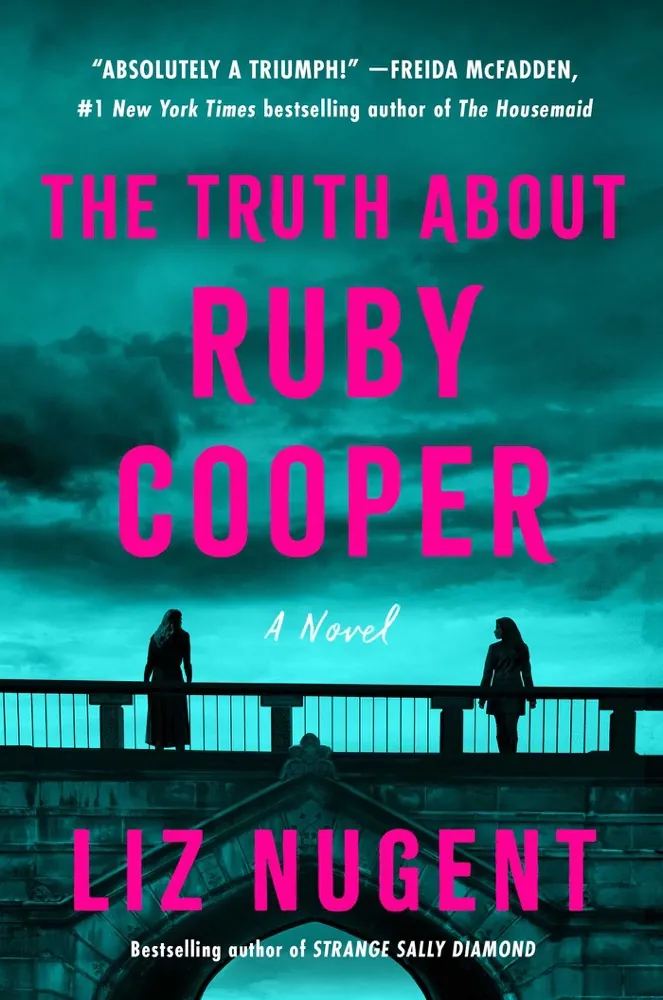
Author: Liz NugentPage Count: UnknownPublication Date: Expected publication 2026 APL Chopping these bell peppers feels remarkably like dealing with teenage drama—tedious, slightly stinging to the eyes, and utterly inescapable even on a sweltering August Sunday afternoon when all I want is to sit on the couch with a glass of iced tea and ignore my middle-school homeroom roster. Yet here I am, stirring ground turkey in a skillet while aggressively sizing up Liz Nugent’s upcoming 2026 thriller, The Truth About Ruby Cooper. Another domestic suspense novel about sisters with dark secrets. Groundbreaking. Let us look at the raw material here. The synopsis leans heavily on that classic, tired trope: an "incident" involving a teenage girl, a boy, and a family explosion. If I had a dollar for every manuscript that used a vague, life-altering catastrophe in 1999 to excuse decades of terrible adult decision-making, I would not be grading essays on a teacher’s salary. Freida McFadden calls it a triumph. Naturally. Because what screams high art to the mass market these days other than a flashy paperback you can finish while mindlessly eating chicken salad? Thematic Analysis of Youth and Chaos Consider the premise. Sixteen-year-old Ruby causes an uproar with her sister Erin's boyfriend, Milo, and suddenly half the household flees to Ireland while the other half stays behind in Boston. Fascinating in theory. But as someone who spends forty hours a week mediating petty teenage meltdowns, I find it genuinely hilarious—and deeply exhausting—when adult authors try to capture the actual psychology of youth. They always swing between portraying teenagers as demonic sociopaths or tragic victims of circumstance. Real adolescents are just deeply annoying and occasionally loud. Nugent splits the difference by making Ruby a self-destructive mess and Erin a paranoid adult riddled with trust issues. Shocker. And what about the vagueness of this synopsis? We get zero details about the actual incident. Was it a crime? A kiss? A betrayal of epic proportions? The marketing department relies entirely on buzzwords like "brilliantly dark and tangled web" to do the heavy lifting. Time will tell if the actual prose holds up or if it is just another hollow ride manufactured by an algorithm that thinks readers have the attention span of a gnat. A Cynical Prediction I predict this will sell millions at airport bookstores alongside Gillian Flynn clones and domestic thrillers featuring unreliable narrators who drink too much Chardonnay. My kitchen smells like garlic and burning ambition, and I am already entirely fatigued by the prospect of another multi-decade trauma timeline. Can we please write a book where siblings just send a polite text and go to therapy instead of ruining their entire lives over a boy named Milo? Probably not. Drama pays the bills. Will I still buy it on my Kindle? Absolutely. What else am I going to read while grading grammar worksheets in September? Related InsightsTerror and Truth Book Review and Summary Blood Meridian, or, the Evening Redness in the West Book Review and Summary Marple Book Review and Summary{ "@context": "https://schema.org", "@type": "FAQPage", "mainEntity": [ { "@type": "Question", "name": "What is the main focus of The Truth About Ruby Cooper Book Review and Summary?", "acceptedAnswer": { "@type": "Answer", "text": "Everything you need to know about The Truth About Ruby Cooper with our detailed review." } }, { "@type": "Question", "name": "Who authored the comprehensive guide on The Truth About Ruby Cooper Book Review and Summary?", "acceptedAnswer": { "@type": "Answer", "text": "This detailed article and its insights were carefully researched and authored by Thomas Wright." } }, { "@type": "Question", "name": "Where can I find more related content about Books?", "acceptedAnswer": { "@type": "Answer", "text": "You can explore more articles, detailed reviews, and similar insights by browsing the Related Insights section at the bottom of this article or visiting our dedicated Books category page." } } ] }
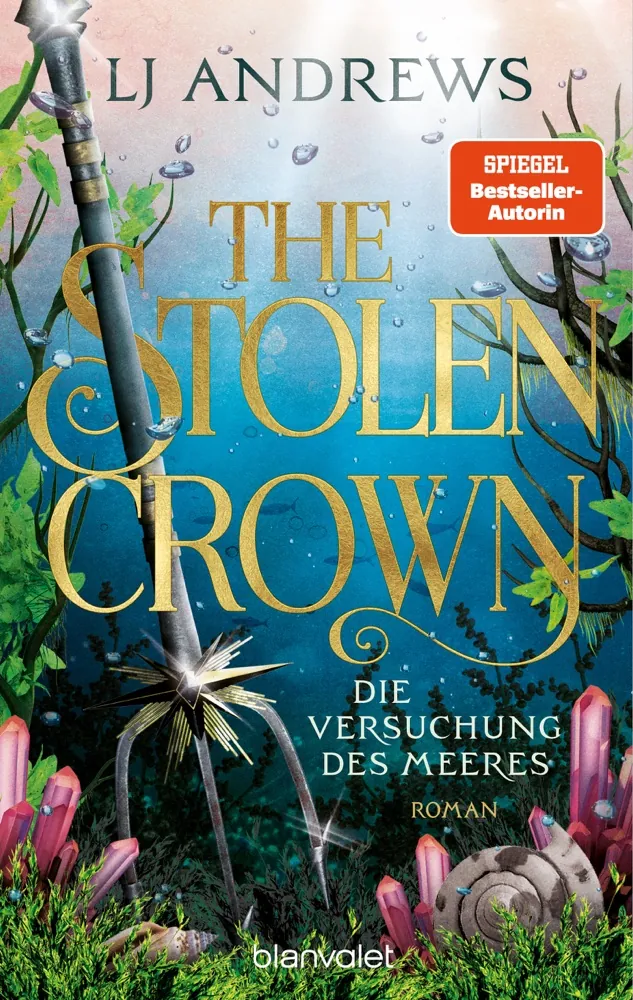

Author: L.J. AndrewsPage Count: UnknownPublication Date: Expected publication 2026 APL Sweat is dripping down my nose, pooling in the dirt right beside my prize Early Girl tomato plants. August in the garden is a relentless, humid endurance test. Yet my mind is entirely somewhere else—fixated on the ancient, stubborn tropes of Fae folklore. I am muttering to myself, glaring at a rogue weed, because the synopsis for L.J. Andrews’s upcoming The Stolen Crown just riled me up. Why must every ancient myth of powerful immortals inevitably boil down to two stubborn fools getting shipwrecked together? Consider the setup. Earth-fae princess Mira has the entire world at her feet. But does she care about political power or ancient bloodlines? Hardly. She fixes her gaze entirely on Tait—the miserable, brooding cousin of the Ever-King who apparently radiates pure hostility. A classic grumpy-versus-sunshine dynamic. Groundbreaking stuff. Or perhaps, utterly predictable. Fascinating in theory. Tiresome in execution. We have seen this exact mythological dance before. It is the literary equivalent of throwing two mutually allergic cats into a burlap sack and waiting for sparks. Think of the sweeping romantic tension in Sarah J. Maas or the sharp-edged banter of Jennifer L. Armentrout. Yet Andrews relies heavily on the age-old shipwreck trope to force proximity. Marooned on an island. Just the two of them. How original. One can practically predict the exact chapter where they are forced to share a single blanket while complaining about the dampness. And yet, I find myself oddly invested while shoving compost around my tomato roots. Why? Because folklore thrives on isolation. Ancient deities and mythical beings always discover their true vulnerabilities only when stripped of their kingdoms, their courts, and their titles. Mira has to pierce that thorny exterior of his. A dangerous gamble. Time will tell if Andrews actually gives these characters genuine emotional grit or simply relies on a lazy 2-out-of-5 spice rating to carry the momentum. Let us not ignore the looming threat mentioned at the tail end of the blurb. A mysterious new danger threatens the fragile peace between their lands. Naturally. Because a simple enemies-to-lovers island excursion is never enough without a geopolitical crisis interrupting their brooding. It is a standard formula for this genre. Slow burn. Found family. Grumpy men learning to smile because a cheerful princess refuses to be ignored. I suspect this fourth installment in The Ever Seas series will lean heavily into comfort-read territory. Fans of romantic fantasy will devour it on release day next year without blinking an eye. Me? I will likely be sitting right here, covered in garden dirt, wondering why authors insist on stranding royal heirs on deserted islands when they could be plotting actual mythological revolutions. Will readers ever demand more than manufactured proximity and forced island bed-sharing? Related InsightsBlack Beauty Book Review and Summary The Gods Will Sing Our Song Book Review and Summary Amongst Our Weapons Book Review and Summary{ "@context": "https://schema.org", "@type": "FAQPage", "mainEntity": [ { "@type": "Question", "name": "What is the main focus of The Stolen Crown (The Ever Seas, #4) Book Review and Summary?", "acceptedAnswer": { "@type": "Answer", "text": "Everything you need to know about The Stolen Crown (The Ever Seas, #4) with our detailed review." } }, { "@type": "Question", "name": "Who authored the comprehensive guide on The Stolen Crown (The Ever Seas, #4) Book Review and Summary?", "acceptedAnswer": { "@type": "Answer", "text": "This detailed article and its insights were carefully researched and authored by Antoine Leroy." } }, { "@type": "Question", "name": "Where can I find more related content about Books?", "acceptedAnswer": { "@type": "Answer", "text": "You can explore more articles, detailed reviews, and similar insights by browsing the Related Insights section at the bottom of this article or visiting our dedicated Books category page." } } ] }
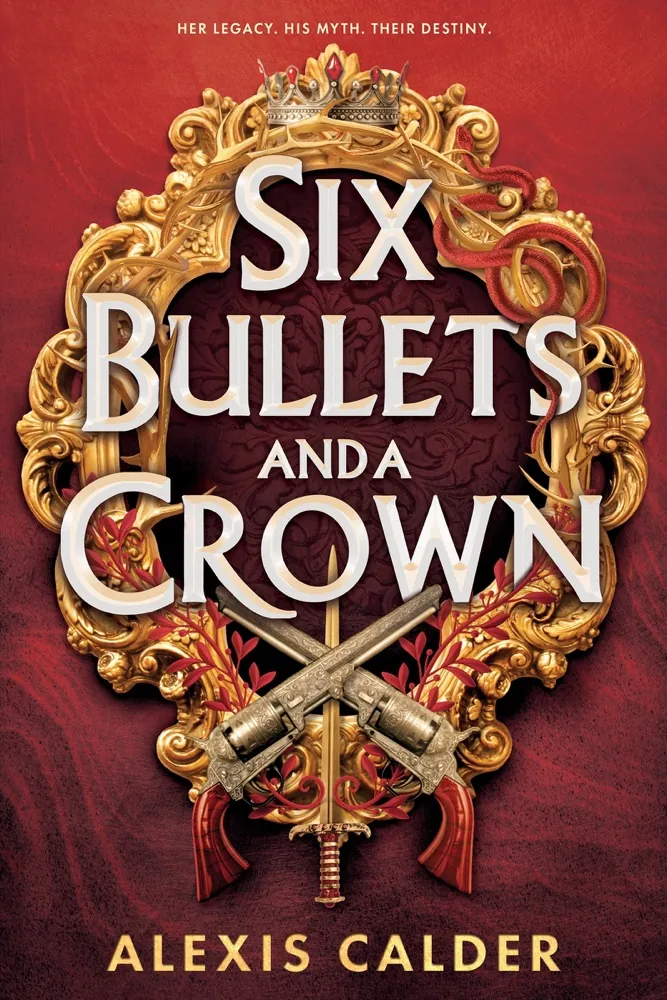
Author: Alexis CalderPage Count: UnknownPublication Date: Expected publication 2026 APL Oh, Six Bullets and a Crown—because nothing says "summer reading" like a desert oasis built on the bones of a dead god, a cult that wants to resurrect it, and two protagonists who are basically the literary equivalent of a Tinder date gone wrong—one’s a wide-eyed amateur, the other a gunslinger whose magic revolvers make him sound like a character from a John Wick fanfic written by a guy who’s never held a gun. And yet, here we are, because the synopsis is so broad it could be describing any romantasy with a dash of Western grit and a side of "oh no, the magic is cursed." Let’s start with the setting—Serpent City, a desert oasis built on the bones of a dead god. Hardly. This is the kind of vague, atmospheric setup that makes you wonder if the author’s ever actually been to a desert, or if they just Googled "spooky city" and hit "I'm feeling lucky." The bones of a dead god? That’s a hell of a foundation for a city, but also, how do you even build on that? Do they just stack the ribs like Lego? And why is it an oasis? Is the god’s corpse hydrating? The synopsis doesn’t say, and that’s the problem—it’s so abstract it could be describing any fantasy world where the stakes are "big magic" and the city is "weirdly picturesque." Where’s the grit? Where’s the dirt? Because if we’re talking desert, we should at least get some sand in our teeth, some heat haze, some characters who aren’t just wandering around like they’re in a Disney movie. Now, the characters—Ever Kaid, whose father is kidnapped by a cult, and Ford Sterling, a gunslinger with god-touched revolvers. Oh, god-touched revolvers—because nothing says "romantasy" like a man with guns that shoot holy lead. This is the kind of thing that makes you think of The Witcher meets Django Unchained, but with less actual Django and more "let’s pretend this is a Western but with magic." Ford’s magic revolvers make him invincible, yet also "may spell his demise"—because of course they do. That’s the whole point of magic in these stories, isn’t it? It’s a double-edged sword, like a romance that’s doomed from the start. And Ever? She’s the classic "chosen one" who has to solve her father’s clues to stop the ritual. But here’s the thing—if the synopsis is to be believed, Ever isn’t the only one after the crown. So why is she the focus? Is this a "chosen one" story, or is it a "two people who don’t want to be together but have to save the world" story? The synopsis doesn’t say, and that’s the problem—it’s so vague it could be describing any duology where the love interest is a brooding gunslinger and the protagonist is a girl with a mystery to solve. And then there’s the themes—trust, betrayal, impossible odds. Hardly. These are the bread and butter of romantasies, the kind of tropes that make you roll your eyes but also can’t help but read on because, let’s be honest, we all love a good "will they, won’t they" with a side of apocalypse. But the synopsis doesn’t give us much to work with. Is this a story about the cost of power? The cost of love? The cost of digging too deep into the past? Or is it just a story about two people who have to work together to save the world, despite their differences? The synopsis doesn’t say, and that’s the problem—it’s so broad it could be describing any fantasy romance where the stakes are high and the chemistry is even higher. But here’s the thing—I can’t help but think this is going to be a Crescent City knockoff, because why not? It’s got the same kind of "dark fantasy meets Western" vibe, the same kind of "chosen one" protagonist, the same kind of "brooding love interest with a dark past." And if it’s not, then it’s at least going to be a Raiders of the Lost Ark meets Django mashup, which is fine, but let’s be real—this is the kind of thing that gets lost in the shuffle of "another fantasy romance with a gunslinger and a magic artifact." The synopsis doesn’t give us much to go on, but it does give us enough to know that this is going to be a story about two people who have to trust each other, despite their differences, to save the world. And if that’s the case, then I can’t wait to see how it plays out—because, let’s be honest, we all love a good "will they, won’t they" with a side of apocalypse. But will it be any good? That’s the question. Because if it’s just another "chosen one" story with a brooding love interest and a magic artifact, then it’s going to get lost in the shuffle. And if it’s something more, something deeper, something that actually explores the themes of trust and betrayal and the cost of power, then it might just be worth reading. But for now, all we have is a synopsis that’s so vague it could be describing any fantasy romance, and that’s not exactly a vote of confidence. So, here’s my prediction—Six Bullets and a Crown is going to be a Crescent City wannabe, a Raiders knockoff, a Django pastiche, all rolled into one big, messy romancy that’s going to leave you feeling like you’ve been hit by a bullet from Ford Sterling’s god-touched revolver. And if that’s the case, then I can’t wait to see how it plays out—because, let’s be honest, we all love a good "will they, won’t they" with a side of apocalypse. #BookTok #FantasyRomance #WesternMagic #ChosenOneTrope #SummerReading Related InsightsHunt on Dark Waters Book Review and Summary Ciudad de las Almas perdidas : Cazadores de sombras Book Review and Summary Bones of Jade, Flesh Like Ice Book Review and Summary{ "@context": "https://schema.org", "@type": "FAQPage", "mainEntity": [ { "@type": "Question", "name": "What is the main focus of Six Bullets and a Crown Book Review and Summary?", "acceptedAnswer": { "@type": "Answer", "text": "Everything you need to know about Six Bullets and a Crown with our detailed review." } }, { "@type": "Question", "name": "Who authored the comprehensive guide on Six Bullets and a Crown Book Review and Summary?", "acceptedAnswer": { "@type": "Answer", "text": "This detailed article and its insights were carefully researched and authored by Carmen Martinez." } }, { "@type": "Question", "name": "Where can I find more related content about Books?", "acceptedAnswer": { "@type": "Answer", "text": "You can explore more articles, detailed reviews, and similar insights by browsing the Related Insights section at the bottom of this article or visiting our dedicated Books category page." } } ] }
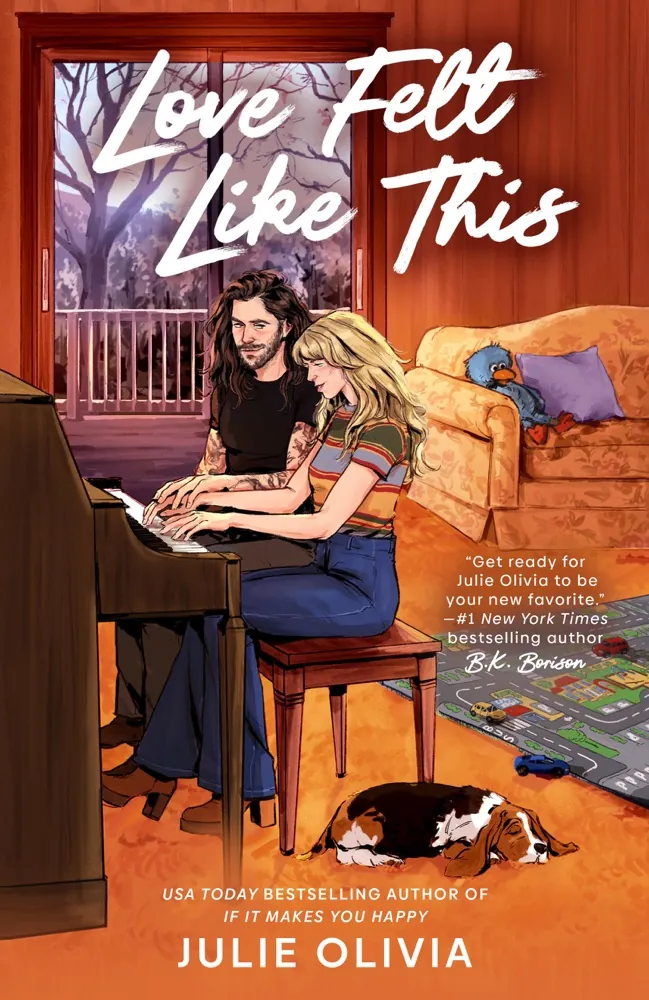

Author: Julie OliviaPage Count: UnknownPublication Date: Expected publication 2026-09-08 APL Darling, one simply must halt the morning espresso before it chills entirely, just to dissect the sheer, unmitigated charm of Julie Olivia’s upcoming Love Felt Like This. August heat presses against the glass of my study, yet my mind is already wandering to crisp mountain air and the collision of mismatched aesthetics. A tailored charcoal suit demands a certain rigor in one's reading material. Does this publisher's blurb offer that lyrical precision? Hardly. But what it lacks in poetic meter, it makes up for in delicious, predictable tension. Thematic Analysis of Contrasts Consider the architecture of the premise. We have a brooding rocker tethered to nursery rhymes by virtue of sudden fatherhood—an exquisite domestic shackle—colliding with a woman whose very existence is painted in the pastel hues of children's television. A cynical musician trading soaring guitar solos for counting to ten. Fascinating in theory. Yet the synopsis remains infuriatingly vague about the actual prose style. Will Olivia indulge in the witty cadence of Emily Henry, or will she lean into the sun-drenched sweetness of Abby Jimenez? Time will tell, of course. And then, the forced proximity trope rears its glorious head. Three months in a cozy mountain retreat. How deliciously cliché. Yet, art often thrives within rigid constraints. Think of a sonnet—fourteen lines of strict rhyme scheme forcing the poet to unearth profound truths. Here, the forced isolation serves as that very sonnet form. Griffin’s harsh tattoos against Beverly’s gentle touches. A visual motif so heavy-handed it practically screams from the page. But visual poetry can be deeply effective when executed with a sharp tongue and biting banter. Anticipatory Preview and Verdict One worries, naturally, about the execution of the toddler element. Children in fiction can easily mire the narrative in syrupy sentimentality, dragging down a romance that ought to crackle with sharp-witted friction. But let us give the author the benefit of the doubt. The juxtaposition of rock-and-roll melancholy with the bright, desperate economics of public television funding creates an unexpected socioeconomic backdrop for a romance. Who knew public access could look so sensuous? My prediction? This will dominate the bestseller lists by next autumn, appealing directly to readers who crave emotional safety wrapped in flannel and acoustic nostalgia. It is commercial fiction designed for the commuter train, yet consumed with the fervor of high art. Shall I clear my afternoon for it when September arrives? Perhaps. But only if the prose possesses the rhythmic heartbeat of a proper iambic pentameter. Can a nursery rhyme truly birth a masterpiece? #RomanceBooks #BookTok #JulieOlivia #ContemporaryRomance Related InsightsDark Places Book Review and Summary Grave New World Book Review and Summary A Clash of Kings Book Review and Summary{ "@context": "https://schema.org", "@type": "FAQPage", "mainEntity": [ { "@type": "Question", "name": "What is the main focus of Love Felt Like This Book Review and Summary?", "acceptedAnswer": { "@type": "Answer", "text": "Everything you need to know about Love Felt Like This with our detailed review." } }, { "@type": "Question", "name": "Who authored the comprehensive guide on Love Felt Like This Book Review and Summary?", "acceptedAnswer": { "@type": "Answer", "text": "This detailed article and its insights were carefully researched and authored by Lucia Garcia." } }, { "@type": "Question", "name": "Where can I find more related content about Books?", "acceptedAnswer": { "@type": "Answer", "text": "You can explore more articles, detailed reviews, and similar insights by browsing the Related Insights section at the bottom of this article or visiting our dedicated Books category page." } } ] }

Author: Andie BurkePage Count: UnknownPublication Date: Expected publication 2026-09-22 APL Outside the panoramic windows of this sleek, high-speed train, the August sun bakes the golden fields of the European countryside into a shimmering mirage of heat. Across the laminate table, my children are aggressively kneading a sticky lump of sourdough dough—our current mobile baking experiment is testing my patience—while my mind wanders far from our destination. I am pondering Andie Burke’s upcoming novel, So It Grows. Fascinating in theory. A cozy small-town business-rivals romance about plant shops and mac and cheese restaurants. But what does it truly tell us about the human condition under capitalism? Hardly a simple question. Let us dissect the premise. Felicity inherits a botanical sanctuary, only to be ambushed by a trendy, carbohydrate-heavy culinary neighbor named Nicolas. And what a delightfully absurd juxtaposition—delicate greenery versus glorious, melted cheese. Yet beneath the culinary kitsch lies a profound existential battle. A greedy developer threatens their sunlight with a towering parking garage. Architectural tyranny in a quirky Kansas corner. But is this merely a localized squabble over photons, or an allegory for the relentless march of modern gentrification? Time will tell. Or perhaps it is just an excuse to smash two stubborn egos together until sparks fly. Burke clearly leans into the classic enemies-to-lovers framework, a literary dynamic that depends entirely on sharp banter and simmering tension. Yet the synopsis drops heavy hints about hidden battle scars and old secrets. A dangerous gamble for a cozy narrative. Does the romance buckle under the weight of contrived melodrama, or does it genuinely earn its emotional catharsis? One worries the plot mechanics might get bogged down by the third act, much like my children's over-worked dough. But if anyone can balance heat and heart without tipping into saccharine exhaustion, it is a USA Today bestselling author. Think Emily Henry meets Book Lovers, but with chlorophyll and pasta. The thematic core here revolves around roots—both literal and psychological. Felicity wants to plant them, while the impending storm and old ghosts threaten to uproot everything. A neat metaphor, albeit a trifle obvious. But romance readers do not crave avant-garde subtlety; they crave the delicious agony of two obstinate people realizing they are looking at their own future. Will they cut and run? A tired trope, frankly. Yet I find myself strangely invested in how Burke handles the fallout of the developer's plotline. As the train hurtles past another sun-drenched vineyard, and my youngest successfully flours the entire tray table, I remain cautiously optimistic. Will So It Grows redefine the contemporary romance landscape, or is it merely fast-food fiction dressed up in botanical drag? #SoItGrows #AndieBurke #RomanceBooks #BookTwitter Related InsightsThe House in the Cerulean Sea Book Review and Summary Perfume: The Story of a Murderer Book Review and Summary The Four Winds Book Review and Summary{ "@context": "https://schema.org", "@type": "FAQPage", "mainEntity": [ { "@type": "Question", "name": "What is the main focus of So It Grows Book Review and Summary?", "acceptedAnswer": { "@type": "Answer", "text": "Everything you need to know about So It Grows with our detailed review." } }, { "@type": "Question", "name": "Who authored the comprehensive guide on So It Grows Book Review and Summary?", "acceptedAnswer": { "@type": "Answer", "text": "This detailed article and its insights were carefully researched and authored by Sarah Davis." } }, { "@type": "Question", "name": "Where can I find more related content about Books?", "acceptedAnswer": { "@type": "Answer", "text": "You can explore more articles, detailed reviews, and similar insights by browsing the Related Insights section at the bottom of this article or visiting our dedicated Books category page." } } ] }
Author: Caitlin StarlingPage Count: UnknownPublication Date: Expected publication 2026-10-20 APL Fascinating in theory, the prospect of a vampire broodmother struggling to control her hunger in Milkteeth, Caitlin Starling's upcoming novel, has all the makings of a captivating tale. The notion of a world governed by secrecy, where even the smallest revelation can prove fatal, raises the stakes and promises intense suspense. As I sit here, trying to stay focused on the sweltering heat outside, I find my mind wandering to the parallels between Milkteeth and other works in the vampire fiction genre, such as The Passage by Justin Cronin or The Strain by Guillermo del Toro. The use of a maternal figure, in this case, the broodmother Beatrice, adds a layer of complexity to the narrative, highlighting the tension between nurturing and destruction. The synopsis hints at a struggle to reconcile Beatrice's vampiric nature with her maternal instincts—A delicate balancing act, indeed. But what if this inner conflict ultimately proves to be a weakness, rather than a strength? Perhaps it's a clever ruse, used to lull the reader into a false sense of security, only to be subverted by the author's true intentions. We're told that Beatrice's world will be disrupted by the addition of a third, hungrier child. But how will the introduction of this new character impact her existing relationships? Will it be a catalyst for growth, or a further source of tension within the brood? The possibilities are endless, and it's exhilarating to consider the ways in which Starling might choose to explore this narrative thread. Yet, the reliance on vampire lore and the 'mothers' who are both nurturing and monstrous echoes the problematic dynamics found in certain works of feminist horror. Will Milkteeth subvert or reinforce these tropes? Hardly. Only time will tell. Beatrice's decision to seek the aid of a mortal OBGYN creates an interesting dynamic, pitting her vampiric existence against the scientific understanding of the human world. This tension will likely serve to further complicate her relationships with her children, as well as the broader vampiric community. A fragile web of secrets is at play, and one misstep could spell disaster. Time will tell if Caitlin Starling has crafted a nuanced exploration of maternal horror or merely capitalized on tired tropes. I'm predicting a darker, more complex take on the vampire genre, comparable to the work of Tananarive Due or N.K. Jemisin. But we'll have to wait until October 20th to find out. As the air conditioning struggles to keep up with the sweltering heat, I find my own sense of unease growing. Will Milkteeth be a slow burn, building tension incrementally, or a faster-paced ride, full of twists and turns? And what secrets lies hidden in the depths of Beatrice's world? Related InsightsThe Lost Life of Sylvia Song Book Review and Summary A Man Called Ove Book Review and Summary Dive Bar at the End of the Road Book Review and Summary{ "@context": "https://schema.org", "@type": "FAQPage", "mainEntity": [ { "@type": "Question", "name": "What is the main focus of Milkteeth Book Review and Summary?", "acceptedAnswer": { "@type": "Answer", "text": "Everything you need to know about Milkteeth with our detailed review." } }, { "@type": "Question", "name": "Who authored the comprehensive guide on Milkteeth Book Review and Summary?", "acceptedAnswer": { "@type": "Answer", "text": "This detailed article and its insights were carefully researched and authored by Hannah Schmidt." } }, { "@type": "Question", "name": "Where can I find more related content about Books?", "acceptedAnswer": { "@type": "Answer", "text": "You can explore more articles, detailed reviews, and similar insights by browsing the Related Insights section at the bottom of this article or visiting our dedicated Books category page." } } ] }
Author: Kate WestburyPage Count: UnknownPublication Date: Expected publication 2026-09-01 APL Ah, the sun bleeds gold over the tomato plants—still too hot for the earth to drink it in, but the air hums with that lazy, sticky promise of August, when even the sparrows seem to nap in the branches. And here we are, then, with The Oxford Guide to Scandal and Lies, a book that smells of old leather bindings and the faint, acrid tang of wartime secrets still clinging to the pages like cobwebs. Gin and Sidney—what a pair. One a debutante with a sharp tongue and a penchant for red lipstick, the other a man who carries his ghosts in his pockets like so many half-burned letters. MI5, of course, thinks they’ll make a fine team. Hardly. They’ll make a fine disaster—the kind that leaves the university’s quadrangles littered with torn love letters and half-solved puzzles, all while the real traitor watches from the shadows, sipping Earl Grey with a smirk. The synopsis is delightfully vague, isn’t it? It teases the romance like a cat with a ball of yarn—oh, there’s something between them, but will it derail the mission or become the mission? And the mystery—ah, the mystery! A Soviet spy at Oxford in 1951. Fascinating in theory. But where’s the meat? The synopsis doesn’t even bother to name the spy, doesn’t tell us if it’s a professor with a double life or a student who’s been slipping notes into the wrong hands. It’s all very John le Carré meets Jane Austen—the tension of espionage wrapped in the ballgowns and tea parties of the upper crust. But where’s the bite? The real tension isn’t just in the plot; it’s in the clash of these two characters. Gin, all fire and ambition, Sidney, all ice and regret. They’re like a pair of old rivals in a Greek tragedy—except instead of swords, they’ve got poison and misplaced trust. And the romance—oh, the romance! It’s the kind that makes you want to sigh dramatically, like a character in a Brideshead Revisited sequel. But here’s the thing: in books like this, the romance often is the scandal. The real question isn’t whether they’ll fall in love—it’s whether they’ll survive the fall. Because love in the shadow of secrets is a dangerous gamble. Think of The Spy Who Came in from the Cold, but with more lipstick and fewer existential crises. Or The Double Agent, but with the added layer of class warfare—Gin’s mother’s footsteps, Sidney’s mining village past. It’s all there, but the synopsis doesn’t tell us if they’ll ever actually bridge that divide, or if it’ll just be another layer of tension, like the dust on a forgotten book. The setting—Oxford in 1951—is rich with potential. The university is a labyrinth of secrets, where the most dangerous lies aren’t always the ones spoken aloud. But the synopsis doesn’t even hint at the texture of the place. Is it the bustling energy of the Bodleian, or the quiet corners of the colleges where spies lurk? Is it the summer heat pressing down on the students, or the autumn leaves whispering warnings? The vagueness is maddening—it’s like being handed a map with only the major cities marked. Where’s the detail? Where’s the feel of the place? And the war—oh, the war! It’s there, lurking in the background like a bad dream. Sidney’s nightmares, Gin’s determination to prove herself. It’s the unspoken weight of the decade, the thing that shaped everyone in the room. But the synopsis doesn’t tell us how it really affects them. Does Gin’s ambition come from a desire to outrun her past, or is it something deeper? Does Sidney’s brooding come from guilt, or is it just the way he’s learned to survive? The answers are buried under layers of assumption, and that’s where the real story lies. I’ll wager this book will be exactly what readers want—romance, mystery, a dash of academia, and all wrapped up in a neat little package. It’s the kind of story that makes you want to curl up with a cup of tea and a candle, even though the world outside is still too bright, too hot. But here’s the thing: the best stories aren’t just about what happens. They’re about the space between the words, the unspoken things that make you lean in closer. And this synopsis? It’s all promise, no substance. Time will tell if it delivers. #classicspyfiction #oxfordundergrads #1950sromance #mi5mystery #whatsinthepages Related Insights301 More Ways to Have Fun At Work Book Review and Summary Pretty Girls Book Review and Summary The Poison Palace Book Review and Summary{ "@context": "https://schema.org", "@type": "FAQPage", "mainEntity": [ { "@type": "Question", "name": "What is the main focus of The Oxford Guide to Scandal and Lies Book Review and Summary?", "acceptedAnswer": { "@type": "Answer", "text": "Everything you need to know about The Oxford Guide to Scandal and Lies with our detailed review." } }, { "@type": "Question", "name": "Who authored the comprehensive guide on The Oxford Guide to Scandal and Lies Book Review and Summary?", "acceptedAnswer": { "@type": "Answer", "text": "This detailed article and its insights were carefully researched and authored by Antoine Leroy." } }, { "@type": "Question", "name": "Where can I find more related content about Books?", "acceptedAnswer": { "@type": "Answer", "text": "You can explore more articles, detailed reviews, and similar insights by browsing the Related Insights section at the bottom of this article or visiting our dedicated Books category page." } } ] }