Showing Posts From
Books
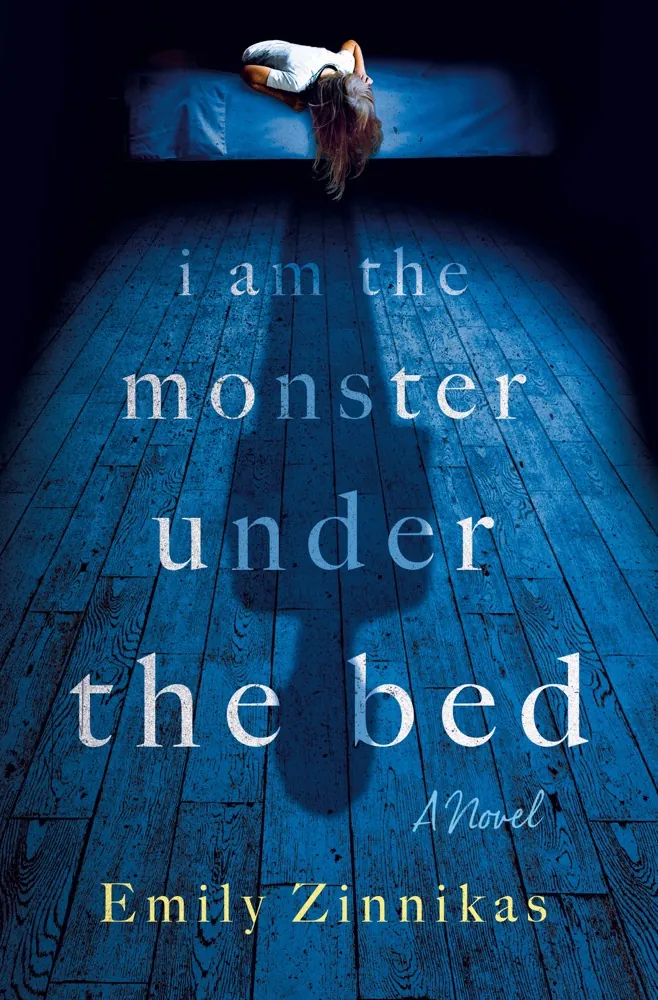

Author: Emily ZinnikasPage Count: UnknownPublication Date: Expected publication 2026-09-15 APL Dirt under my fingernails, the humid August sun baking the back of my neck, and yet my mind is entirely snagged on a premise about a girl who learned to read from the thing under her bed. I was out here sinking Early Girl tomato cages into the stubborn soil after a brutally long shift at the desk, completely numb to the ache in my joints, when Emily Zinnikas’s upcoming release, I Am the Monster Under the Bed, somehow infiltrated my thoughts. Fascinating in theory. But can a book manage the delicate tightrope walk between profound childhood isolation and outright supernatural horror without losing its pulse? Let us consider the thematic weight of a thirty-two-year-old reclusive painter dragged back to a gossipy, suffocating hometown. Zinnikas—slated for publication in late 2026—sets up a psychological pressure cooker. And honestly, who hasn't felt the sting of a town that decided your worst chapter before you even reached adulthood? Willa is branded as the survivor of the Rapture Mystery Slayings, an unsolved tragedy that left six teenagers dead in the woods while she walked away completely unscathed. Or so the town whispered. Anticipating the Shadows What strikes me—sitting here covered in garden loam, feeling remarkably detached from the sweltering afternoon heat—is the brilliant ambiguity of the synopsis. Does the monster under the bed actually exist, or is it a manifestation of trauma coping mechanisms? Zinnikas leaves us guessing. Yet the blurb hints at whispering trees and unexplained basement knocking, suggesting we are diving headfirst into atmospheric horror that leans heavily on tactile dread. Think Shirley Jackson meets The Hazel Wood, but with a sharper focus on domestic decay and public persecution. The synopsis boasts a lovely, chilling juxtaposition: fond memories of a literacy-teaching entity contrasted against a thirty-two-year-old woman sliding gracefully into the role of the village villain. A dangerous gamble for any author. If handled carelessly, the descent into villainy feels rushed or unearned. But if Zinnikas maintains the icy emotional detachment that pulses through this summary? We might witness something genuinely remarkable. Time will tell, of course. For now, I have these rogue tomato vines to tie down and an unsettling urge to check the dark space beneath my own guest room bed. Would you invite your childhood monster back inside just to spite the neighbors? Related InsightsWe Chase Shadows (We Solve Murders, #2) Book Review and Summary Agrippa: A Novel of Ancient Rome's Descent into Dictatorship Book Review and Summary Headfirst Book Review and Summary{ "@context": "https://schema.org", "@type": "FAQPage", "mainEntity": [ { "@type": "Question", "name": "What is the main focus of I Am the Monster Under the Bed Book Review and Summary?", "acceptedAnswer": { "@type": "Answer", "text": "Everything you need to know about I Am the Monster Under the Bed with our detailed review." } }, { "@type": "Question", "name": "Who authored the comprehensive guide on I Am the Monster Under the Bed Book Review and Summary?", "acceptedAnswer": { "@type": "Answer", "text": "This detailed article and its insights were carefully researched and authored by Maximilian Fischer." } }, { "@type": "Question", "name": "Where can I find more related content about Books?", "acceptedAnswer": { "@type": "Answer", "text": "You can explore more articles, detailed reviews, and similar insights by browsing the Related Insights section at the bottom of this article or visiting our dedicated Books category page." } } ] }
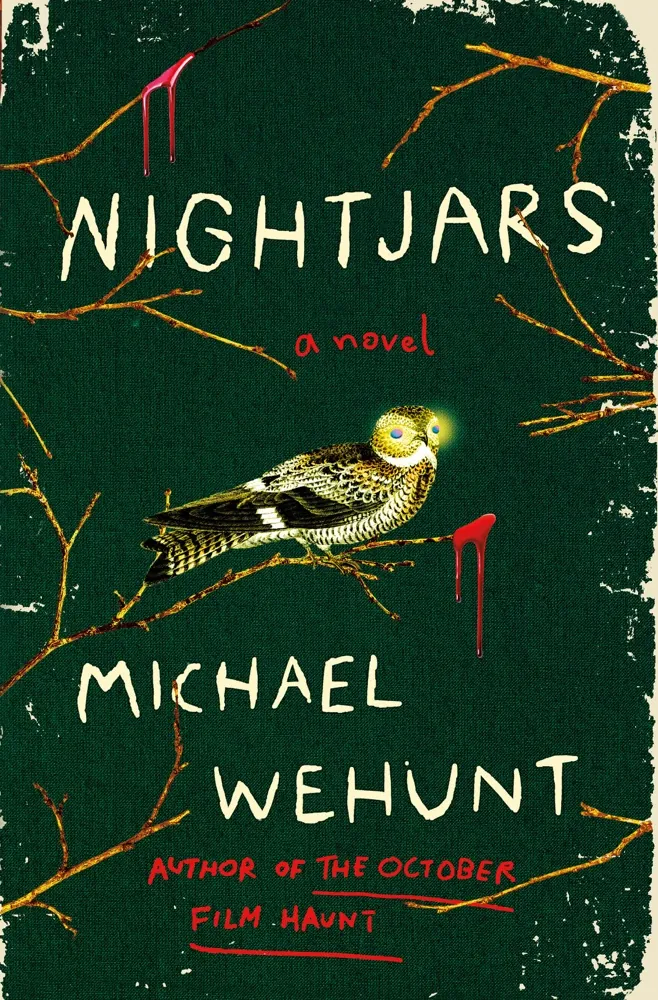
Author: Michael WehuntPage Count: UnknownPublication Date: Expected publication 2026-09-29 APL Summer afternoons can be excruciating, the air conditioning struggling to keep up with the oppressive heat outside. It's days like these that I crave intellectual stimulation – and fortunately, my latest obsession fits the bill: Michael Wehunt's Nightjars, a literary endeavor that promises to mash up the psychological thrill of Memento with the dark, Gothic horror of Dracula. But what, exactly, does that mean for this book? At first glance, Wehunt's premise seems tantalizingly familiar – the old photographs, the repressed memories, the sense of impending doom that haunts the protagonist, Luke Oshel. And yet, I'm left wondering: what specific mechanisms will Wehunt employ to craft the unique narrative experience he claims to be delivering? Will he rely on the same old tropes that have been doing the rounds in horror and suspense for years, or will he inject something entirely new into the mix? One aspect that does pique my interest is the notion of family legacy – specifically, the hidden, potentially monstrous aspects of one's own identity. Think The Fisherman by John Langan and its exploration of cosmic horror through the lens of family secrets. This theme speaks to my current preoccupation with the darker aspects of human nature, and I'm intrigued to see how Wehunt tackles this idea. Now, let's talk about Luke Oshel. We're told he's a man exposed for crimes he doesn't remember committing – but what does that say about his mental state, his sense of self? Does this narrative thread evoke the works of Thomas Ligotti, with his eerie, existential explorations of the human psyche? Or is Wehunt drawing from a more contemporary wellspring of psychological terror? And what of the supporting cast, not least Wehunt's North Georgia Appalachians backdrop? Will this rural, isolated setting become a character in its own right – a la The Wicker Man or The Ritual? Ultimately, of course, this is Wehunt's Nightjars, and its success or failure will depend on how effectively he balances these disparate elements. I wouldn't be surprised if we see a more experimental, avant-garde approach, a la Jeff VanderMeer's Annihilation – but then again, that might be precisely what's so terrifying about this concept. The suspense hangs heavy over Wehunt's narrative construct, leaving me to wonder: can he sustain the tension long enough to yield something truly unforgettable, or will the whole endeavor succumb to a crushing sense of predictability? #HorrorLoversUnite #AppalachianHorrors #LiteraryThrillersOnly Related InsightsBastille vs. the Evil Librarians Book Review and Summary Holes Book Review and Summary Enlightenment Now Book Review and Summary{ "@context": "https://schema.org", "@type": "FAQPage", "mainEntity": [ { "@type": "Question", "name": "What is the main focus of Nightjars Book Review and Summary?", "acceptedAnswer": { "@type": "Answer", "text": "Everything you need to know about Nightjars with our detailed review." } }, { "@type": "Question", "name": "Who authored the comprehensive guide on Nightjars Book Review and Summary?", "acceptedAnswer": { "@type": "Answer", "text": "This detailed article and its insights were carefully researched and authored by Hannah Schmidt." } }, { "@type": "Question", "name": "Where can I find more related content about Books?", "acceptedAnswer": { "@type": "Answer", "text": "You can explore more articles, detailed reviews, and similar insights by browsing the Related Insights section at the bottom of this article or visiting our dedicated Books category page." } } ] }
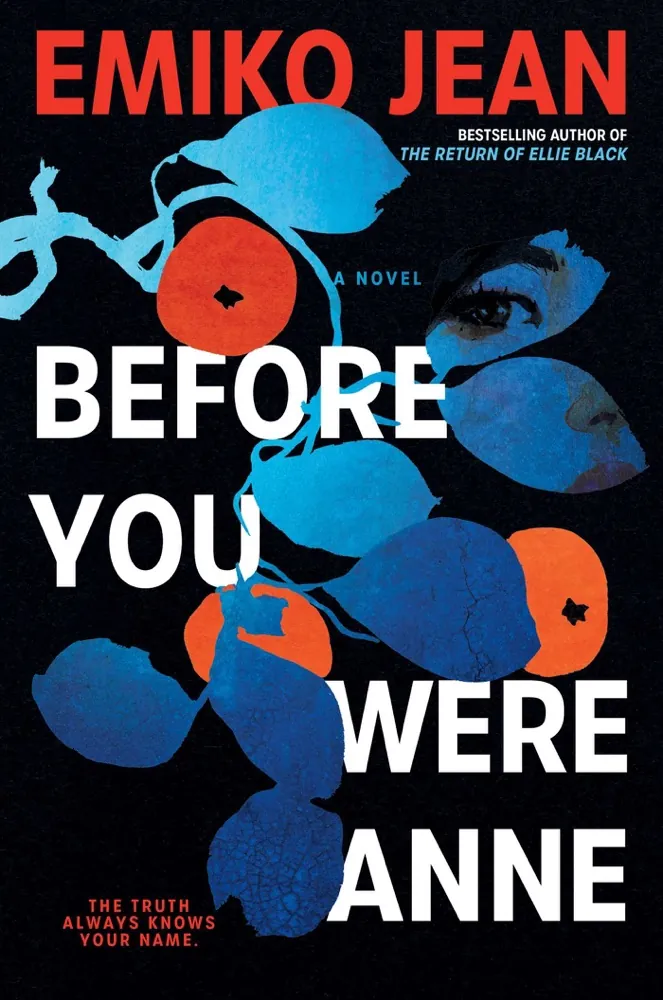

Author: Emiko JeanPage Count: UnknownPublication Date: Expected publication 2026-09-01 APL The August heat radiates against the floor-to-ceiling glass of my corner office, reminding me why I keep the air conditioning precisely at sixty-eight degrees while I sign off on multi-million-dollar acquisitions between breathing exercises. My assistant just placed the promotional materials for Emiko Jean’s forthcoming Before You Were Anne on my mahogany desk—first edition proofs, naturally. And so, while the rest of the corporate world scrambles through the third-quarter slump, I find myself pouring a single-origin green tea and pondering the sociological architecture of maternal deception. The Anatomy of Inherited Lies What does the official synopsis actually grant us? A dead mother. A vanished sixteen-year-old. A pregnant detective whose personal foundation crumbles the moment she touches the case. Predictable genre scaffolding? Perhaps. Yet, Jean constructs a fascinating sociological premise regarding the fluidity of identity. Rika Takahashi transforms into Anne Walker, migrating from a remote Japanese farm to suburban Seattle through sheer willpower and deception. But she runs. Always. Structural Mechanics and Thematic Trajectories And why do we care about the mechanics of reinvention? Because modern suspense thrives on the terror of exposed lineage. The synopsis promises three interwoven voices—a structural choice that suggests we will experience the fallout of this transnational legacy from multiple vantage points. Tokyo’s underworld rubs shoulders with suburban America and isolated Idaho towns. Fascinating in scope. Will the execution match the geographic ambition? Time will tell. Jean clearly aims to emulate the atmospheric psychological dread found in Gillian Flynn’s early work, or perhaps the sharp transnational mobility of Pachinko filtered through a true crime lens. Yet, I harbor a characteristic skepticism toward synopses that rely so heavily on cryptic proclamations. Some secrets are worth killing for. Truly? A rather tired marketing platitude. But let us look past the conventional copy. The core thesis here centers on the inescapable gravity of our origins. Detective Chelsey Calhoun is thriving until her investigation mirrors her own repressed questions. Classic psychological mirroring. A bit heavy-handed on paper. Will Jean subvert this trope, or merely coast on the momentum of pregnant-detective anxiety? My portfolio managers downstairs are sweating over bond yields, but my capital is safely locked away in ventures that outlast market corrections. Similarly, I am placing a quiet, calculated bet on this novel. It lacks the sweeping lyrical weight of a high-literary masterpiece, but it possesses the calculated pacing of a propulsive commercial thriller designed to dominate airport lounges next autumn. Will the three-voice structure elevate the narrative, or will it dilute the tension? Who actually reads the acknowledgments anyway? Related InsightsFire Book Review and Summary The Zombie Room Book Review and Summary The Woman in the Window Book Review and Summary{ "@context": "https://schema.org", "@type": "FAQPage", "mainEntity": [ { "@type": "Question", "name": "What is the main focus of Before You Were Anne Book Review and Summary?", "acceptedAnswer": { "@type": "Answer", "text": "Everything you need to know about Before You Were Anne with our detailed review." } }, { "@type": "Question", "name": "Who authored the comprehensive guide on Before You Were Anne Book Review and Summary?", "acceptedAnswer": { "@type": "Answer", "text": "This detailed article and its insights were carefully researched and authored by Olivia Harris." } }, { "@type": "Question", "name": "Where can I find more related content about Books?", "acceptedAnswer": { "@type": "Answer", "text": "You can explore more articles, detailed reviews, and similar insights by browsing the Related Insights section at the bottom of this article or visiting our dedicated Books category page." } } ] }
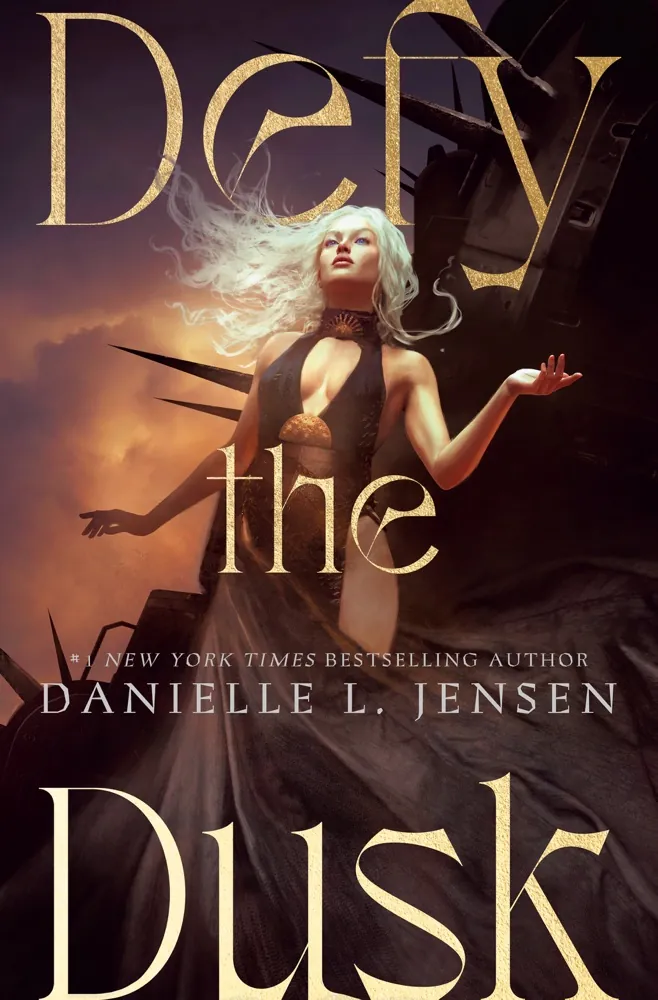
Author: Danielle L. JensenPage Count: UnknownPublication Date: Expected publication 2026-11-03 APL As I sit on my couch, surrounded by the warm glow of summer afternoons and the enticing aromas of my weekly meal prep, I find myself drawn to the official synopsis of Defy the Dusk, the first book in The Sundering Duet by Danielle L. Jensen. But, I must admit, the vagueness of the synopsis leaves me with more questions than answers — and, yet, it is this very enigma that piques my interest. The premise, set in a post-apocalyptic world where darkness spells certain death, is fascinating in theory. And, as an elite art collector with a penchant for aesthetic prose, I am intrigued by the idea of a world where the boundaries between light and darkness are not just physical, but also metaphorical. The protagonist, Lirien, whose magic allegedly broke the world, is a complex character — or, at least, she appears to be. Her decision to secretly plot against the tyrant ruling the Dawnrider, a high-speed rig that has become a symbol of salvation, raises questions about her motivations and the true nature of her character. Is she driven by a desire for redemption, or is she simply seeking power? And what of Vox, the king of the feralists, who gives her a choice between fighting the creatures of the night or becoming their prey? His character, too, is shrouded in mystery — a mercurial figure, whose true intentions are unknown. But, as I ponder the possibilities, I am reminded of the works of authors like Victoria Aveyard, who has mastered the art of crafting complex, multi-dimensional characters. As I read through the synopsis, I am struck by the themes of survival, redemption, and the blurred lines between good and evil. The world of Defy the Dusk is a gritty, unforgiving one, where the rules of society have been turned upside down. And, yet, it is in this darkness that we find the seeds of hope — a hope that is embodied by Lirien's determination to defy the dusk and forge a new path. But, at what cost? The synopsis hints at a strategy of seduction, whereby Lirien seeks to manipulate Vox and return to the Dawnrider. A dangerous gamble, indeed. Time will tell. The comparison to Victoria Aveyard's work is not coincidental, for Defy the Dusk seems to be tapping into the same vein of dark, gritty fantasy that has become so popular in recent years. Authors like Sarah J. Maas and Leigh Bardugo have also explored similar themes, with great success. And, as I sit here, sipping my iced tea and pondering the possibilities, I am reminded of the power of fantasy to transport us to new worlds and challenge our assumptions about the human condition. But, I must ask, will Defy the Dusk live up to its promise, or will it succumb to the pitfalls of predictable plot twists and flat characters? Hardly. As the summer sun begins to set, casting a golden glow over my kitchen, I am left with a sense of anticipation — a sense that Defy the Dusk may be more than just a simple fantasy novel. It may be a exploration of the human condition, a commentary on the darkness that lies within us all. And, yet, it may also be a thrilling adventure, full of twists and turns that will keep me on the edge of my seat. But, as I close my eyes, letting the warmth of the sun wash over me, I am left with a single, haunting question: what lies beyond the dusk? #BookLovers #FantasyFiction #NewRelease #ReadingIsFun #SummerVibes Related InsightsNo Such Thing as Monday Book Review and Summary Shadow's Heart Book Review and Summary I Know Why the Caged Bird Sings Book Review and Summary{ "@context": "https://schema.org", "@type": "FAQPage", "mainEntity": [ { "@type": "Question", "name": "What is the main focus of Defy the Dusk (The Sundering Duet, #1) Book Review and Summary?", "acceptedAnswer": { "@type": "Answer", "text": "Everything you need to know about Defy the Dusk (The Sundering Duet, #1) with our detailed review." } }, { "@type": "Question", "name": "Who authored the comprehensive guide on Defy the Dusk (The Sundering Duet, #1) Book Review and Summary?", "acceptedAnswer": { "@type": "Answer", "text": "This detailed article and its insights were carefully researched and authored by Emma Thompson." } }, { "@type": "Question", "name": "Where can I find more related content about Books?", "acceptedAnswer": { "@type": "Answer", "text": "You can explore more articles, detailed reviews, and similar insights by browsing the Related Insights section at the bottom of this article or visiting our dedicated Books category page." } } ] }
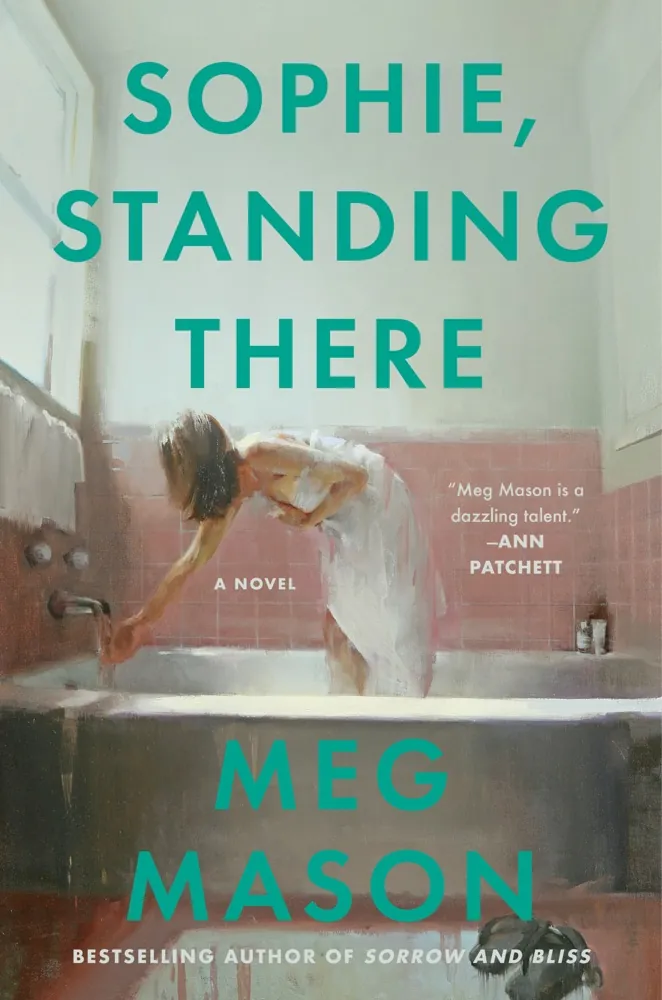

Author: Meg MasonPage Count: UnknownPublication Date: Expected publication 2026-09-29 APL Espresso lingering on the back of my tongue, Italian wool pressing sharply against my shoulders, and yet—against all statistical probability—my cold, cynical, nine-figure heart has decided to flutter today. August heat is suffocating the city streets below this gallery window, a blistering reminder of mortal discomfort, but my mind is entirely preoccupied with Meg Mason’s next literary maneuver. Sorrow and Bliss carved me open with a surgical blade, and the publishing world is holding its collective breath for her return. Yet, look at the scaffolding of this new premise. Sophie Pattison has the dream job, the devoted husband, the requisite supporting cast of lifelong confidantes. And then, abruptly, the house of cards collapses. Fascinating in theory. But let us dissect the machinery. Anticipatory Preview and Thematic Analysis The synopsis leans heavily on the quiet catastrophe of middle-class isolation—a theme I usually dismiss as self-indulgent whining for people who cannot afford a private island to sulk on. And yet, Mason possesses a rare, venomous wit that cuts straight through pedestrian melodrama. Sophie is losing her grip, sliding from a comfortable domestic ecosystem into total alienation, clutching books like a drowning sailor to a spar. One specific detail catches my jaded eye: a forgotten author from her twenties re-emerging as the sole anchor of her existence. Parasocial literary obsession disguised as salvation. How deliciously pathetic. How horribly human. Critics will undoubtedly invoke Sally Rooney or Ottessa Moshfegh because lazy journalism requires easy comparisons. I refuse. Mason operates in a sharper, far more acidic register. She understands that heartbreak is rarely a grand, cinematic tragedy—it is usually an accumulation of petty miscommunications, silent resentments, and the agonizing realization that you have become entirely uninhabitable to the people who once loved you. The thematic architecture here hinges on delusion versus survival. If Sophie is projecting an entire emotional rescue fantasy onto a reclusive novelist, the narrative better avoid sappy redemption arcs. I demand wreckage. Give me the jagged edges of human loneliness without offering a tidy, therapeutic bow at chapter thirty. After all, what is art for if not to remind us that we are utterly, irremediably alone in our customized suffering? Time will tell if Mason maintains her ruthless pacing or softens into commercial sentimentality. For my sake, I hope she chooses the blade. Would you rather read about a billionaire who feels nothing, or a woman who feels so much she loses her job, her marriage, and her mind over a paperback? Related InsightsThe Chinese Lady Book Review and Summary A blight of blackwings Book Review and Summary القرآن الكريم Book Review and Summary{ "@context": "https://schema.org", "@type": "FAQPage", "mainEntity": [ { "@type": "Question", "name": "What is the main focus of Sophie, Standing There Book Review and Summary?", "acceptedAnswer": { "@type": "Answer", "text": "Everything you need to know about Sophie, Standing There with our detailed review." } }, { "@type": "Question", "name": "Who authored the comprehensive guide on Sophie, Standing There Book Review and Summary?", "acceptedAnswer": { "@type": "Answer", "text": "This detailed article and its insights were carefully researched and authored by Elena Volkova." } }, { "@type": "Question", "name": "Where can I find more related content about Books?", "acceptedAnswer": { "@type": "Answer", "text": "You can explore more articles, detailed reviews, and similar insights by browsing the Related Insights section at the bottom of this article or visiting our dedicated Books category page." } } ] }
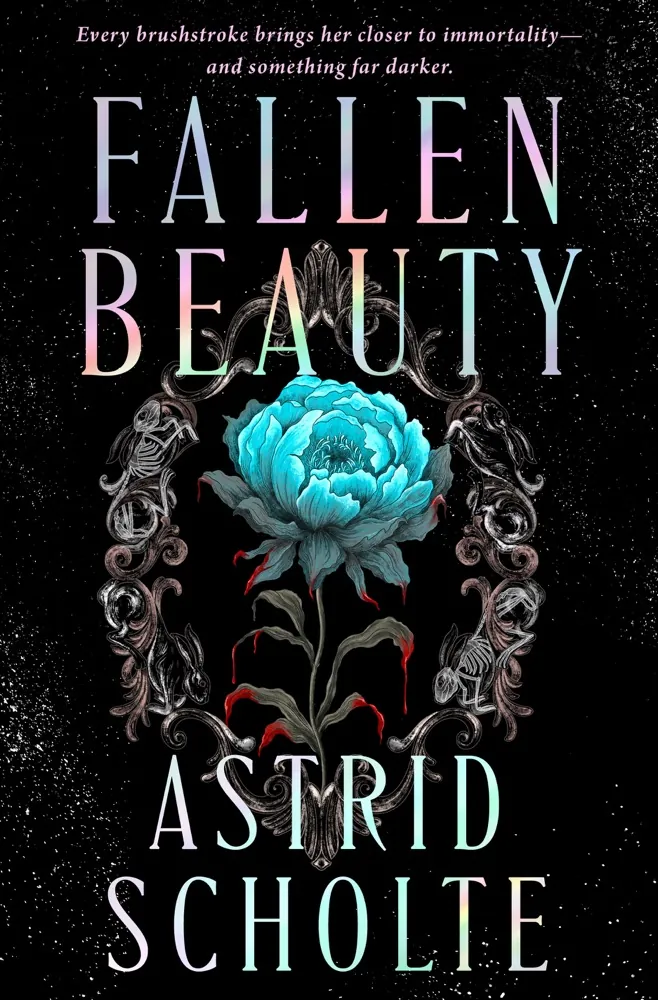

Author: Astrid ScholtePage Count: UnknownPublication Date: Expected publication 2026-11-03 APL The sun bleeds through the blinds of my office, casting jagged gold across the spine of a first-edition The Picture of Dorian Gray—because, of course, I’m still waiting for the right book to justify its purchase. And here we are, with Fallen Beauty, a synopsis that smells of old oil paints and unpaid rent, the kind of premise that makes you wonder if Scholte has been reading too many Crimson Peak afternoons by the pool. But let’s be honest, the real question is: does it have the gravitas of a true gothic romance, or is it just another summer blockbuster waiting to be drowned in a glass of prosecco? The setting, if we can call it that, is a prison of a tower—hardly a new trope, but the execution here is potentially interesting. Thorelea’s life is one of forced artistry, a modern-day Sisyphean artist trapped in a cycle of painting the dead. The imagery is rich, the stakes clear: she’s not just a prisoner, she’s a captive muse, and the moment that dead animal stirs back to life? That’s the kind of narrative hook that could either elevate or embarrass. It’s the kind of twist that makes you think of The Night Circus’s slow-burn mystery, but with the emotional weight of a Rebecca protagonist—if Rebecca had been a painter instead of a wife. The problem? The synopsis doesn’t show us the horror of it. It tells us Thorelea is "forced," but does she resist? Does she hate the act of painting? Or is she, like so many tragic heroines, complicit in her own suffering? That’s the kind of psychological depth that separates a good gothic romance from a forgettable one. And then there’s the court. A royal court where immortality is bought with portraits—because nothing says "love" like a magical portrait contract. The idea of a painter sustaining the monarchy’s eternity is deliciously dark, a twist on the classic "artist as doomed soul" trope. But—and this is critical—does Scholte have the chops to make this feel fresh? The royal court is a well-worn setting, but the synopsis doesn’t hint at whether it’s being subverted. Is this a Game of Thrones meets The Secret History vibe, or is it just another fairy tale with fancier costumes? The lack of specificity here is frustrating. Where’s the political intrigue? The courtly betrayals? The synopsis gives us Kelter, the prince desperate for immortality, but is he a love interest, a pawn, or just another man with a deal too good to be true? The way the relationship is framed—"they meet at night in secret"—sounds like it could be lush or cliché, depending on how Scholte handles it. And let’s not forget, the deal itself is a dangerous gamble: Thorelea paints, Kelter escapes, but what’s the catch? Is it her soul? Her art? Her heart? The synopsis doesn’t say. It’s all too vague, like a menu with only the prices circled. Yet—and this is where the romance in me takes over—the core of this story is the tension between love and freedom. That’s the kind of dichotomy that makes a gothic romance sing. Think Jane Eyre’s Bertha Mason, but with a paintbrush instead of a wild heart. Or The Ten Thousand Doors of January, where the protagonist’s desires are tied to a larger, magical world. But here’s the thing: the synopsis doesn’t show us the emotional stakes. Is Thorelea in love with Kelter? Is she just using him? Is she terrified of what her powers might cost her? The way it’s written, it reads like a transactional romance, which is fine—The Hunger Games did it well—but it’s not Fallen Beauty’s job to prove it. Scholte’s got a chance to make this haunting, but right now, it’s just a haunting promise. And then there’s the art itself. The synopsis mentions Thorelea’s powers, but does it feel like we’re getting a sense of her genius? Is she a real artist, or just a plot device? The best gothic romances—The Turn of the Screw, Dracula—make the art matter. They make the brushstrokes bloody. Here, we’re told she’s talented, but we’re not shown how. Is she a Watteau of melancholy, or a Goya of rage? The synopsis doesn’t tell us. It’s a shame, because the potential is there. A painter who can bring the dead to life? That’s the kind of magic that could make this book unforgettable. But will it? The summer market is cruel. There’s The Silent Patient and The Vanishing Half and a dozen other books vying for the same gothic romance shelf. Fallen Beauty needs more than just a pretty premise—it needs bite. It needs anger. It needs to make us feel the weight of Thorelea’s choices. Right now, it’s just a shadow of what it could be. So tell me—when the first draft arrives, will Scholte have painted us a masterpiece, or just another pretty picture? #GothicRomance #BookTok #SummerReading Related InsightsAtmosphere Book Review and Summary Lethal Kiss Book Review and Summary Bridge to Bat City Book Review and Summary{ "@context": "https://schema.org", "@type": "FAQPage", "mainEntity": [ { "@type": "Question", "name": "What is the main focus of Fallen Beauty Book Review and Summary?", "acceptedAnswer": { "@type": "Answer", "text": "Everything you need to know about Fallen Beauty with our detailed review." } }, { "@type": "Question", "name": "Who authored the comprehensive guide on Fallen Beauty Book Review and Summary?", "acceptedAnswer": { "@type": "Answer", "text": "This detailed article and its insights were carefully researched and authored by Chloé Laurent." } }, { "@type": "Question", "name": "Where can I find more related content about Books?", "acceptedAnswer": { "@type": "Answer", "text": "You can explore more articles, detailed reviews, and similar insights by browsing the Related Insights section at the bottom of this article or visiting our dedicated Books category page." } } ] }
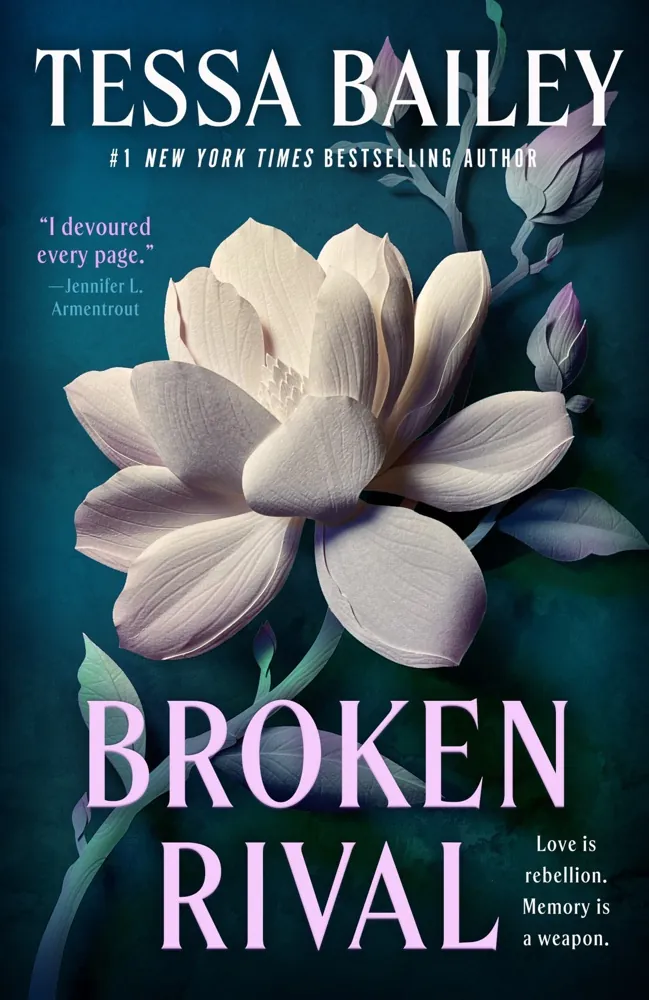

Author: Tessa BaileyPage Count: UnknownPublication Date: Expected publication 2026-10-06 APL Whiskey’s warm glow catches the edge of my notebook as I stare at the synopsis for Broken Rival — Tessa Bailey’s latest swing into sci‑fi tinged romance. A girl ripped from fifty years ahead, landing in 2026 Kansas, tangled between a golden‑boy quarterback and a militia commander sworn to erase her kind. The premise feels like a dare: take the classic love‑triangle, inject time‑travel lawbreakers, and see if the chemistry can survive the paradox. But wait — does the synopsis give us enough to sink our teeth into, or is it just a glossy teaser that hides the real meat? It tells us Magnolia’s parents invented time travel, got executed, and left her stranded. It hints that Fallon hides secrets, Ramsey prowls with hunger‑filled eyes, yet never tells us what those secrets actually are or why Ramsey’s militia exists beyond “hunting criminals like her.” That vagueness is both a promise and a pitfall — promising layered tension, risking a trope‑filled filler if the author leans on shorthand instead of substance. And yet, Bailey’s track record makes me hopeful. She’s proven she can turn a faux‑mance into something that feels lived‑in (Fix Her Up), and she’s not afraid to let desire crackle against danger (It Happened One Summer). If she channels that same grit here, we could Related InsightsEverything You Need to Know: How Philosophy Can Set You Free Book Review and Summary Circe Book Review and Summary Woodland Warrior Book Review and Summary{ "@context": "https://schema.org", "@type": "FAQPage", "mainEntity": [ { "@type": "Question", "name": "What is the main focus of Broken Rival Book Review and Summary?", "acceptedAnswer": { "@type": "Answer", "text": "Everything you need to know about Broken Rival with our detailed review." } }, { "@type": "Question", "name": "Who authored the comprehensive guide on Broken Rival Book Review and Summary?", "acceptedAnswer": { "@type": "Answer", "text": "This detailed article and its insights were carefully researched and authored by Michael Brown." } }, { "@type": "Question", "name": "Where can I find more related content about Books?", "acceptedAnswer": { "@type": "Answer", "text": "You can explore more articles, detailed reviews, and similar insights by browsing the Related Insights section at the bottom of this article or visiting our dedicated Books category page." } } ] }

-
 Lucas Martin
 - 04 Aug, 2026 19:20
Les Mots sous Verrou : Voyage au Cœur des Bibliothèques Interdites de l'URSS
Le silence n'est jamais totalement vide ; il est peuplé des cris étouffés des pages arrachées et des encres effacées. Imaginez un monde où un simple paragraphe peut transformer un citoyen respectueux en traître à la patrie, où un livre glissé sous un manteau devient une arme plus redoutable qu'un fusil. En Union Soviétique, la lecture n'était pas seulement un acte culturel, c'était un acte politique, un champ de bataille où l'État s'efforçait de sculpter l'esprit humain en supprimant tout ce qui pouvait nourrir le doute, la nostalgie ou l'aspiration à une liberté dissonante. Le Marteau et la Plume : L'Architecture de la Censure Pour comprendre pourquoi certains livres ont été bannis, il faut d'abord saisir la mécanique du contrôle soviétique. La censure n'était pas un simple filtre, mais un système omniprésent orchestré par des organes comme le Glavlit (l'Administration principale pour la protection des secrets d'État). Rien ne pouvait être imprimé sans l'aval du Parti. L'objectif était clair : instaurer le réalisme socialiste, un style artistique et littéraire qui devait glorifier la lutte des classes et le progrès du socialisme. Tout ce qui s'écartait de cette ligne — le formalisme, l'individualisme, le mysticisme ou, pire encore, la critique directe du régime — était systématiquement traqué. Les livres étaient classés non pas selon leur valeur littéraire, mais selon leur "dangerosité idéologique". Cette traque a créé une culture du secret, où les ouvrages interdits circulaient dans l'ombre, transformant chaque lecteur clandestin en un résistant.Les Géants Déchus : Les Maîtres Russes sous Surveillance L'un des paradoxes les plus tragiques de l'ère soviétique est la manière dont le régime a traité ses propres génies. Des auteurs qui avaient façonné l'âme russe se sont retrouvés bannis, leurs œuvres retirées des rayons pour ne pas "corrompre" la jeunesse prolétarienne. Mikhaïl Boulgakov est sans doute l'exemple le plus poignant. Son chef-d'œuvre, Le Maître et Marguerite, une satire féroce de la bureaucratie soviétique entrelacée d'une vision fantastique de Jérusalem et de Moscou, n'a pas pu être publié intégralement de son vivant. L'œuvre, qui se moque ouvertement de l'athéisme d'État et de l'absurdité du pouvoir, était bien trop subversive pour être tolérée dans l'espace public. Ossip Mandelstam, poète d'une sensibilité rare, a payé le prix fort pour avoir osé écrire un poème critiquant Staline. Ses textes, riches en métaphores et en références classiques, étaient perçus comme des attaques directes. Pour le Kremlin, la poésie n'était pas un art, mais un outil de propagande ; dès lors que la plume cessait d'être un haut-parleur du Parti, elle devenait un instrument de crime. L'Ombre du Goulag : La Littérature du Témoignage Il existe une catégorie de livres dont le simple titre suffisait à provoquer l'effroi des autorités : les récits de survie. Ces œuvres ne se contentaient pas de critiquer une théorie politique ; elles exposaient la réalité brutale des camps de travail forcé, les mines de Kolyma et les hivers glaciaux de la Sibérie. Alexandre Soljenitsyne a brisé le mur du silence avec L'Archipel du Goulag. Ce livre n'était pas seulement un récit historique, c'était une autopsie du système répressif soviétique. En documentant minutieusement le fonctionnement des prisons et des camps, Soljenitsyne a rendu l'invisible visible. Le régime a réagi avec une violence inouïe : le livre a été banni, et l'auteur a fini par être expulsé du pays en 1974. Le concept de Samizdat est né ici. Le Samizdat (littéralement "auto-édition") consistait à recopier à la main, à la machine à écrire ou au carbone, des exemplaires d'ouvrages interdits. Chaque copie était un risque immense, chaque passage de main en main était un pacte de confiance. On ne lisait pas Soljenitsyne par simple curiosité, mais pour survivre intellectuellement.Les Intrus Occidentaux : Quand l'Étranger devient Tabou Le rideau de fer ne barrait pas seulement le passage des personnes, il filtrait les idées. La littérature occidentale était scrutée avec une suspicion maladive. Cependant, certains auteurs étaient jugés trop dangereux car ils proposaient des modèles de société alternatifs ou critiquaient le totalitarisme sous toutes ses formes.George Orwell : 1984 et La Ferme des animaux étaient des cibles privilégiées. L'ironie est frappante : alors qu'Orwell décrivait une dystopie où la vérité était manipulée par le "Big Brother", l'URSS appliquait précisément ces méthodes. Lire Orwell, c'était posséder le miroir qui reflétait la réalité soviétique. Aldous Huxley : Le Meilleur des Mondes était également surveillé, car sa vision d'une société contrôlée par la biologie et le conditionnement heurtait la notion de "progression consciente" prônée par le marxisme-léninisme. François Mauriac et Albert Camus : Certains auteurs français, dont les réflexions sur l'existence, la foi ou l'absurde ne collaient pas avec le matérialisme dialectique, ont vu leurs œuvres restreintes ou commentées par des notes de bas de page visant à "corriger" leur pensée.La Lutte pour la Vérité : Les Listes Noires et les Bibliothèques Spéciales On imagine souvent que les livres bannis étaient brûlés, à la manière des rituels nazis. En URSS, la méthode était plus subtile et plus bureaucratique. On a créé des "fonds spéciaux" (Spetskhran). Ces sections étaient des prisons pour livres. Les ouvrages n'étaient pas détruits, car l'État voulait conserver une trace de tout ce qui était considéré comme "hérétique" pour mieux l'étudier et le combattre. Pour accéder à ces livres, un chercheur ou un étudiant devait obtenir une autorisation spéciale, signée par des responsables du Parti, prouvant que sa demande était motivée par un besoin professionnel et non par une curiosité intellectuelle. Cette stratégie permettait au régime de maintenir une illusion de culture tout en privant la masse d'accès aux idées critiques. Le livre était là, physiquement présent, mais inaccessible, tel un fantôme hantant les couloirs des bibliothèques d'État.L'Héritage des Pages Interdites : Pourquoi s'en Souvenir ? La chute de l'Union Soviétique en 1991 a libéré des millions de pages, mais elle a aussi révélé l'étendue des dommages. Pendant des décennies, des générations entières ont grandi avec une vision tronquée de leur propre culture et de l'histoire mondiale. Le bannissement des livres n'était pas seulement une mesure de sécurité pour le Parti, c'était une tentative d'effacer la mémoire collective. L'histoire des livres bannis en URSS nous enseigne que la parole écrite possède une puissance intrinsèque que même le totalitarisme le plus féroce ne peut totalement anéantir. Le fait que Le Maître et Marguerite soit aujourd'hui lu dans le monde entier, ou que les témoignages de Soljenitsyne servent de piliers pour comprendre les droits de l'homme, prouve que la vérité, bien que pouvant être emprisonnée pendant un temps, finit toujours par trouver une fissure par laquelle s'échapper. En redécouvrant ces œuvres, nous ne faisons pas seulement de la bibliophilie ou de l'histoire. Nous rendons hommage à ceux qui, dans le secret d'une chambre sombre, ont risqué leur vie pour lire une phrase, un poème, une vérité. Ils ont compris que l'accès au savoir est la première étape de toute libération. Synthèse des Œuvres et Auteurs Marqués par la Censure Afin de mieux visualiser l'ampleur de cette répression, voici un récapitulatif des figures et textes emblématiques ayant subi la fureur du Glavlit :Les Victimes Internes (Russes) : Mikhaïl Boulgakov : Satire du pouvoir et mysticisme. Ossip Mandelstam : Poésie lyrique et critique de Staline. Alexandre Soljenitsyne : Révélation du système des camps. Andrei Platonov : Critique subtile et dystopique du socialisme.Les Voix Extérieures (Occidentales) : George Orwell : Analyse des mécanismes de surveillance et de manipulation. Aldous Huxley : Réflexions sur le conditionnement humain. Philosophes existentialistes : Tout texte remettant en cause le déterminisme historique.La bibliothèque interdite de l'URSS n'est plus aujourd'hui un lieu secret, mais elle reste un monument à la fragilité de la liberté d'expression. Elle nous rappelle que lorsque les livres sont fermés, c'est l'esprit humain que l'on tente de verrouiller. #Littérature #HistoireURSS #Censure #LivresInterdits #LibertéDExpression Related InsightsThose Empty Eyes Book Review and Summary Final Girls Book Review and Summary And Then There Were None Book Review and Summary{ "@context": "https://schema.org", "@type": "FAQPage", "mainEntity": [ { "@type": "Question", "name": "What is the main focus of Les Mots sous Verrou : Voyage au Cœur des Bibliothèques Interdites de l'URSS?", "acceptedAnswer": { "@type": "Answer", "text": "Plongez dans l'histoire sombre de la censure soviétique et découvrez les œuvres littéraires qui ont défié le Kremlin." } }, { "@type": "Question", "name": "Who authored the comprehensive guide on Les Mots sous Verrou : Voyage au Cœur des Bibliothèques Interdites de l'URSS?", "acceptedAnswer": { "@type": "Answer", "text": "This detailed article and its insights were carefully researched and authored by Lucas Martin." } }, { "@type": "Question", "name": "Where can I find more related content about Books?", "acceptedAnswer": { "@type": "Answer", "text": "You can explore more articles, detailed reviews, and similar insights by browsing the Related Insights section at the bottom of this article or visiting our dedicated Books category page." } } ] }
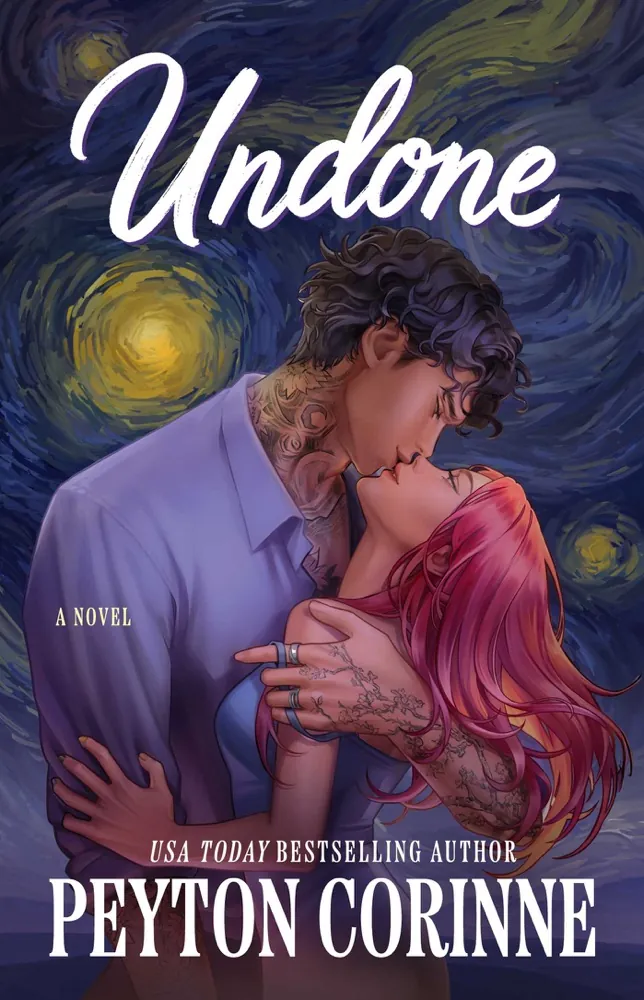

Author: Peyton CorinnePage Count: UnknownPublication Date: Expected publication 2026-10-20 APL Another hockey romance hits the docket for late 2026. Undone by Peyton Corinne lands on our radar with the standard glossy baggage of the genre—scandals, frozen turf, and enough emotional baggage to weigh down a Greyhound bus. But is there a real movie here, or just another 400-page screenplay waiting for a Netflix algorithm to churn it into background noise? Let us look at the raw material. The Setup and the Screen Potential Fascinating in theory. We have Toren Kane—marketed as the team antihero with a ruined draft pick—colliding with Lily LaBlanc, the stifled daughter of his tyrannical former coach. Picture the cinematic framing. A brooding rink rat covered in penalty minutes meets a quiet girl hiding her paintbrushes and panic attacks from a strict father. Hollywood eats this up. It has the visual contrast of harsh stadium lights against quiet, suffocating domestic dread. Yet, the synopsis plays it terribly safe. Where is the actual edge in this "danger"? The Chemistry Equation Let us talk about the voltage, because that is the only metric that matters when evaluating a second-chance dynamic. Corinne leans heavily on the childhood-best-friends-to-bitter-strangers trope. Classic. Effective. But will the tension translate, or will it drown in melodrama about Ivy League dropouts and daddy issues? Lily is "suffering beneath the weight of suffocating control," while Toren is battling his "self-destructive tendencies." Sounds exhausting. I prefer my fictional friction a bit sharper—think Taylor Jenkins Reid’s character dynamics or the punchy, high-heat banter in something by Emily Henry, minus the whimsical small-town fluff. The Verdict Time will tell if Corinne can actually deliver the raw, messy friction she is famous for, or if this latest installment gets bogged down by predictable plot beats. The synopsis leans on vague buzzwords about healing and chaos without showing us the teeth. Give me real psychological collateral, not just a bruised ego on the ice. Will this translate to a gripping cinematic adaptation? Only if the director has the guts to lean into the toxicity instead of wrapping it up in a neat little bow of domestic bliss. #BookTwitter #RomanceBooks #PeytonCorinne #BookTok #HockeyRomance Related InsightsA Darker Act Book Review and Summary The Two Wills: A Novel Book Review and Summary Neuromancer Book Review and Summary{ "@context": "https://schema.org", "@type": "FAQPage", "mainEntity": [ { "@type": "Question", "name": "What is the main focus of Undone (The Undone, #4) Book Review and Summary?", "acceptedAnswer": { "@type": "Answer", "text": "Everything you need to know about Undone (The Undone, #4) with our detailed review." } }, { "@type": "Question", "name": "Who authored the comprehensive guide on Undone (The Undone, #4) Book Review and Summary?", "acceptedAnswer": { "@type": "Answer", "text": "This detailed article and its insights were carefully researched and authored by Sarah Davis." } }, { "@type": "Question", "name": "Where can I find more related content about Books?", "acceptedAnswer": { "@type": "Answer", "text": "You can explore more articles, detailed reviews, and similar insights by browsing the Related Insights section at the bottom of this article or visiting our dedicated Books category page." } } ] }

-
 Anna Kowalska
 - 04 Aug, 2026 16:15
Beneath a Midnight Moon (Starlight Grove, #3) Book Review and Summary
Author: Catherine CowlesPage Count: UnknownPublication Date: Expected publication 2026 APL What do we have here? Another iteration of the midlife romance genre, where societal expectations clash with individual desires. Beneath a Midnight Moon by Catherine Cowles looks to be a juicy, feel-good read, but can it truly grasp the complexities of this stage in life? One thing's for sure: second-chance romances are where it's at right now. Just look at Emily Henry's People We Meet on Vacation – a wildly popular, expertly crafted rom-com that expertly wove together family dynamics, rekindled love, and a dash of humor. Or take Jen DeLuca's Well Met, which masterfully handled the messy, emotional realities of adulthood. So, what makes Beneath a Midnight Moon stand out from its contemporaries? Is it the fake engagement setup? The rockstar hero? The protagonist's "beautiful mess" of a life? Brandy Berganstein's story sounds fascinating in theory. A single woman, post-empty nest, struggling with her newfound freedom – it's an all-too-relatable scenario for so many women over 40. The plot seems to revolve around her "stubborn muffin top" and her chance encounter with her ex, Beau Barrineau. What really drives the story forward, though? Is it Beau's rockstar persona or Brandy's inner growth? Perhaps it's the exploration of midlife crises and societal expectations? But let's get real – what I want to know is how Beneath a Midnight Moon addresses the realities of aging in America. Will it touch on the economic struggles faced by women in this stage of life? Or will it gloss over the more painful aspects of growing older in today's society? It's a delicate balance, one that few authors successfully walk. Time will tell if Cowles can navigate these complexities and deliver a truly impactful story. For now, though, Beneath a Midnight Moon sounds like a sizzling summer read – perfect for those who crave a lighthearted, feel-good romance with a dash of Southern charm. Yet, I'm not convinced that it will be more than just another iteration of the same ol' tropes. Hardly a bold prediction, given the current state of the romance genre. Related InsightsThe Exchange Book Review and Summary American Vampire Book One Book Review and Summary Cold As Hell Book Review and Summary{ "@context": "https://schema.org", "@type": "FAQPage", "mainEntity": [ { "@type": "Question", "name": "What is the main focus of Beneath a Midnight Moon (Starlight Grove, #3) Book Review and Summary?", "acceptedAnswer": { "@type": "Answer", "text": "Everything you need to know about Beneath a Midnight Moon (Starlight Grove, #3) with our detailed review." } }, { "@type": "Question", "name": "Who authored the comprehensive guide on Beneath a Midnight Moon (Starlight Grove, #3) Book Review and Summary?", "acceptedAnswer": { "@type": "Answer", "text": "This detailed article and its insights were carefully researched and authored by Anna Kowalska." } }, { "@type": "Question", "name": "Where can I find more related content about Books?", "acceptedAnswer": { "@type": "Answer", "text": "You can explore more articles, detailed reviews, and similar insights by browsing the Related Insights section at the bottom of this article or visiting our dedicated Books category page." } } ] }
-
 Sofia Bianchi
 - 04 Aug, 2026 14:32
The Fires of December (Hoid's Travails, #3) Book Review and Summary
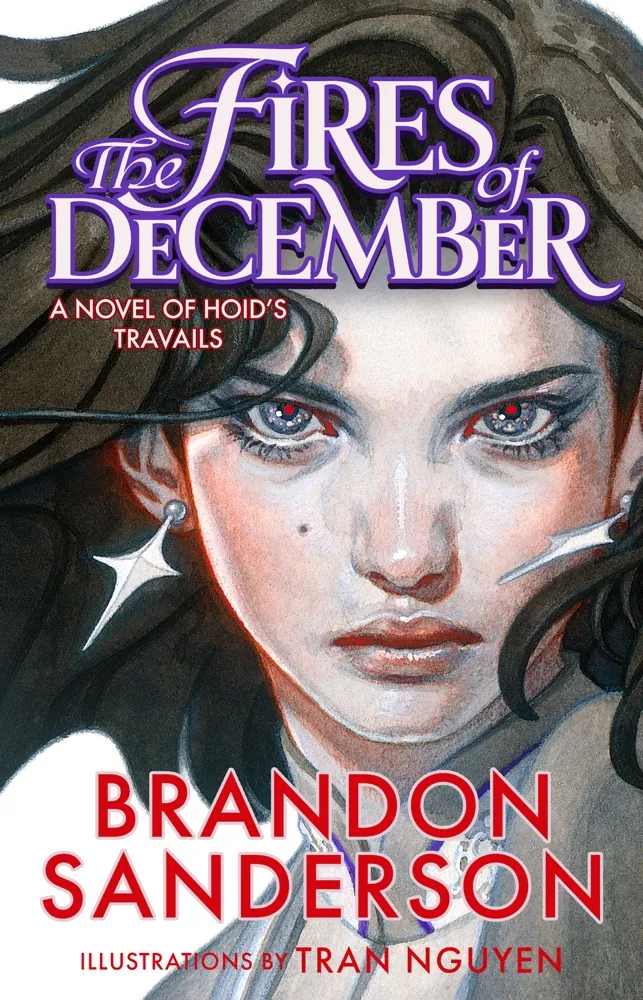
Author: Brandon SandersonPage Count: UnknownPublication Date: Expected publication 2026-10-06 APL Fascinating in theory. Brandon Sanderson wants us to swallow a world kept alive by the arterial drainage of demons, yet he immediately slathers on standard YA structural grease with characters named after calendar months. Call me old-fashioned, but if you are going to pillage ancient chthonic mythologies for worldbuilding materials—think of the primordial slain deities in the Enuma Elish or Norse Ymir lore—you ought to treat the cosmic dread with actual gravity. Instead, we get a plucky orphan setting sail with a chatty priestess and an aspiring couturier. Groundbreaking. Hardly. The Trope-Heavy Cargo Cult Let us look at the inventory. A marginalized small-town nobody possesses secret, urgent knowledge of a looming plague. Naturally, the entrenched institutional authorities scoff. Because arrogant court officials in fiction exist solely to be aggressively proven wrong by an untrained peasant with fire in her eyes. It is the exact narrative machinery powering half the paperbacks clogging the airport kiosks alongside The Hunger Games and every cookie-cutter fantasy churned out by corporate publishing houses this decade. And yet, Sanderson remains a juggernaut. Why do we tolerate this recycled scaffolding? Because readers love the comforting illusion of revolution wrapped in predictable packaging. Romance, Rogues, and Rituals Throw in a roguish count who holds the dual keys to her quest and her affections, and you have officially crossed into check-the-box territory. A rogue with a heart of gold? How utterly daring. Yet, beneath my immediate eye-roll, the folkloric foundation actually holds some teeth if examined through a lens of sacrificial ecology. A land sustained by literal demon blood implies a parasitic covenant, a dark bargain struck by ancestors that the protagonist's generation must inevitably break. If Sanderson actually leans into the anthropological weight of blood-debts—akin to Angela Carter’s dark fairy tale subversions or Susanna Clarke’s historical myth-making—The Fires of December might transcend its mundane fellowship tropes. The Verdict on the Voyage Will the king's court listen? Of course not. Will the ragtag crew secure victory against impossible odds through sheer spunk and a fetching new outfit designed by the fledgling couturier? Put money on it. My prediction is that the text will coast entirely on the charm of its Cosmere interconnectedness while playing the actual folkloric elements frustratingly safe. Will the demons ever feel terrifying, or merely act as convenient geopolitical set-dressing for a budding romance? Time will tell. Related InsightsGreat Big Beautiful Life Book Review and Summary The Guilty Party Book Review and Summary Layer Cake Book Review and Summary{ "@context": "https://schema.org", "@type": "FAQPage", "mainEntity": [ { "@type": "Question", "name": "What is the main focus of The Fires of December (Hoid's Travails, #3) Book Review and Summary?", "acceptedAnswer": { "@type": "Answer", "text": "Everything you need to know about The Fires of December (Hoid's Travails, #3) with our detailed review." } }, { "@type": "Question", "name": "Who authored the comprehensive guide on The Fires of December (Hoid's Travails, #3) Book Review and Summary?", "acceptedAnswer": { "@type": "Answer", "text": "This detailed article and its insights were carefully researched and authored by Sofia Bianchi." } }, { "@type": "Question", "name": "Where can I find more related content about Books?", "acceptedAnswer": { "@type": "Answer", "text": "You can explore more articles, detailed reviews, and similar insights by browsing the Related Insights section at the bottom of this article or visiting our dedicated Books category page." } } ] }
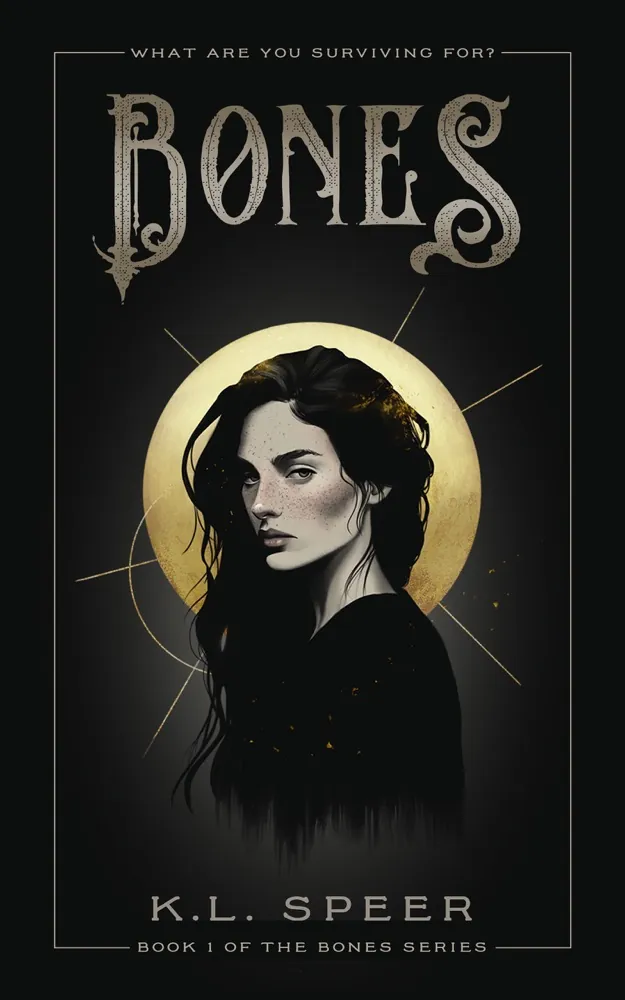

Author: K.L. SpeerPage Count: UnknownPublication Date: Expected publication 2026 APL Sipping a cold brew in a noisy Manhattan café, I felt a familiar wave of exhaustion wash over me when the press release for Bones: A Novel hit my screen. Another female healer, another traumatic past that taught her how to survive, and another metaphorical bloodstain that simply won’t wash off her hands. The literary world has abused this "broken but deadly" heroine trope so much that the words themselves are starting to bleed. Yet, there is a strange, dark detail in this first installment of The Bone Series that kept me glued to the screen: the moment a soul escapes twelve years of raider captivity, only to realize that freedom is just a different kind of cage. Fascinating in theory. Our protagonist, Bones, finally secures her freedom after years of brutal imprisonment—or so she thinks. The reality is that her miraculous healing power will forever paint a target on her back. The blurb drags us to a northwest mountain stronghold known as the Vault. This is where the author makes their true gamble. We discover that her captors aren't just a random gang, but a tight-knit crew. And at the heart of this crew stands Trey. Is this Stockholm syndrome, or a meticulously crafted enemies-to-lovers arc? Time will tell. The author has built a psychological minefield, blending Bones's severe trauma with a terrifying attraction to Trey. The concept of weaponizing her healing powers to root out a budding revolution is brilliant. But the real question remains: will this book actually plunge into the depths of revolution and psychological fragmentation? Or will all this philosophical posturing about "what are you surviving for" be sacrificed for cheap romance? A dangerous gamble. This story will either honor twelve years of trauma and deliver a chilling survival epic, or it will remain a shallow fantasy written simply to fill pages. Let's hope the author doesn't disappoint us in that mountain stronghold. Related InsightsFetal Position Book Review and Summary Record Lows Book Review and Summary Adam and Eve Book Review and Summary{ "@context": "https://schema.org", "@type": "FAQPage", "mainEntity": [ { "@type": "Question", "name": "What is the main focus of Bones: A Novel (The Bone Series) Book Review and Summary?", "acceptedAnswer": { "@type": "Answer", "text": "Everything you need to know about Bones: A Novel (The Bone Series) with our detailed review." } }, { "@type": "Question", "name": "Who authored the comprehensive guide on Bones: A Novel (The Bone Series) Book Review and Summary?", "acceptedAnswer": { "@type": "Answer", "text": "This detailed article and its insights were carefully researched and authored by Tiago Silva." } }, { "@type": "Question", "name": "Where can I find more related content about Books?", "acceptedAnswer": { "@type": "Answer", "text": "You can explore more articles, detailed reviews, and similar insights by browsing the Related Insights section at the bottom of this article or visiting our dedicated Books category page." } } ] }
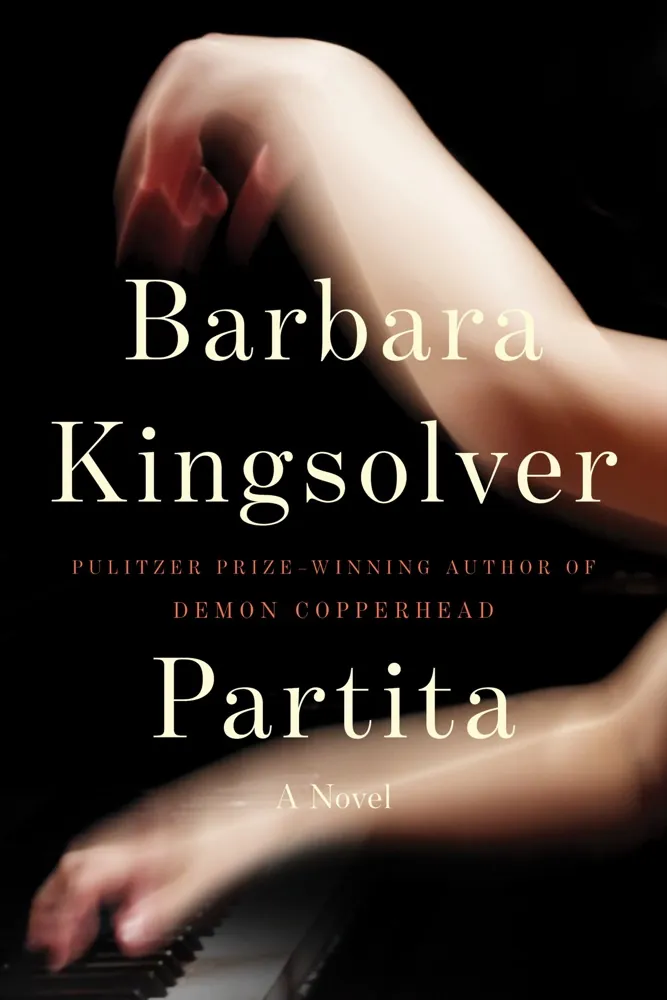
Author: Barbara KingsolverPage Count: UnknownPublication Date: Expected publication 2026-10-06 APL Listen. I am staring at this spreadsheet right now, losing my actual mind between quarterly projections and passive-aggressive emails from finance, so do not talk to me about patience. I need an escape. Give me pure, unadulterated emotional chaos, or give me death. And Barbara Kingsolver—yes, Pulitzer winner, whatever—just dropped the synopsis for Partita, her October 2026 release, and I am already sweating. The Setup Livia Cable is sitting pretty in farm country, doing her quiet married thing, when boom. An ex from her conservatory days—back when she was Livia Bohusz, piano prodigy, living on the edge—calls her out of nowhere. Do you see the potential here? Because I see a decade-spanning emotional grenade. He wants to meet. And she has to decide whether to blow up her entire life for a ghost. Absolutely unhinged behavior. I love it. The Chemistry Check The synopsis promises "self-immolating passion" and a "perilous attachment." Music to my stressed-out ears. Give me toxic chemistry over functional adult communication any day of the week, especially when I am reading on the treadmill to forget about my boss. Yet—and this is my one tiny annoyance—the synopsis is frustratingly vague on the actual details. Did this guy ghost her? Did he steal her sheet music? Did they have a screaming match in a rain-slicked alley? We are missing the juicy logistics! The Vibe Kingsolver usually writes about the environment or social justice—heavy stuff that requires an active brain. But Partita sounds entirely different. It leans hard into the classic, messy romance tropes that Colleen Hoover fans eat up on BookTok, just written by someone with actual literary clout. Think Taylor Jenkins Reid’s Daisy Jones & The Six, but with classical piano and way more emotional baggage. Will the reunion actually happen? Hard to say from three little paragraphs. Time will tell if the chemistry sizzles or fizzles out into boring literary reflections on class barriers. But if Livia doesn't at least consider ruining her life for five minutes, what are we even doing here? #Partita #BarbaraKingsolver #BookTok Related InsightsIllicit Temptations Book Review and Summary Pirata Book Review and Summary In Patagonia Book Review and Summary{ "@context": "https://schema.org", "@type": "FAQPage", "mainEntity": [ { "@type": "Question", "name": "What is the main focus of Partita Book Review and Summary?", "acceptedAnswer": { "@type": "Answer", "text": "Everything you need to know about Partita with our detailed review." } }, { "@type": "Question", "name": "Who authored the comprehensive guide on Partita Book Review and Summary?", "acceptedAnswer": { "@type": "Answer", "text": "This detailed article and its insights were carefully researched and authored by Isabella Moore." } }, { "@type": "Question", "name": "Where can I find more related content about Books?", "acceptedAnswer": { "@type": "Answer", "text": "You can explore more articles, detailed reviews, and similar insights by browsing the Related Insights section at the bottom of this article or visiting our dedicated Books category page." } } ] }
-
 William Clark
 - 04 Aug, 2026 10:21
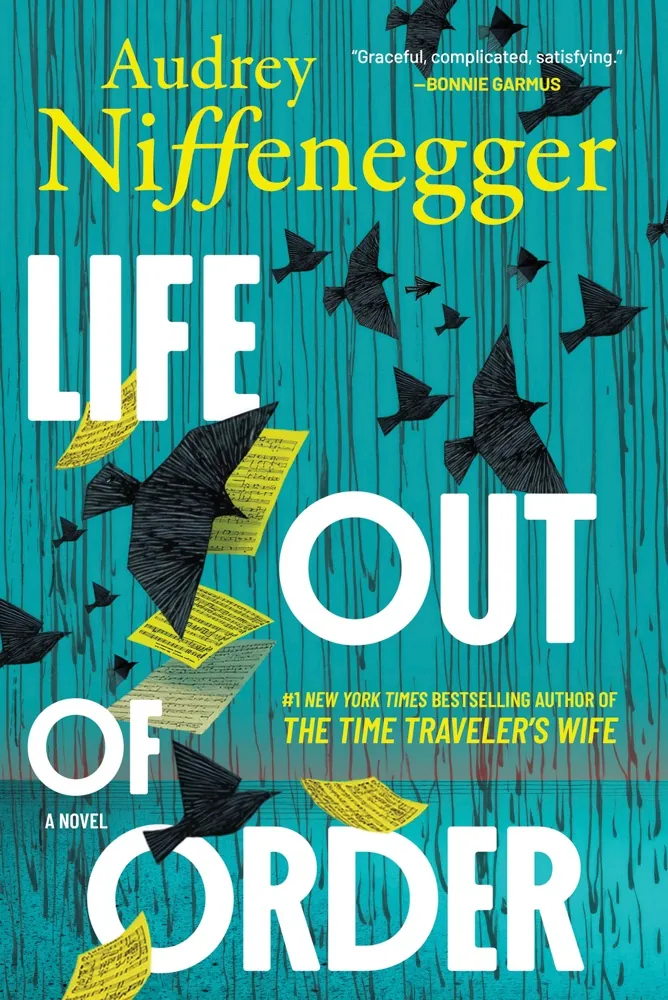
Life Out of Order (The Time Traveler's Wife, #2) Book Review and Summary
Author: Audrey NiffeneggerPage Count: UnknownPublication Date: Expected publication 2026-10-06 APL Pouring another mug of my favorite pine-needle and chamomile infusion while the autumn rain taps a gentle rhythm against the kitchen window—truly, there are few pleasures quite this grounding. But my mind is currently miles away, wandering the cobblestone streets of Audrey Niffenegger's imagination. Or rather, slipping unpredictably through the decades. And honestly? My tea is getting cold. Life Out of Order arrives this autumn as the long-awaited companion to The Time Traveler's Wife. Fascinating in theory. Yet I harbor the usual skepticisms reserved for sequels born decades after the source magic. Can lightning strike the same chronologically challenged household twice? Bonnie Garmus calls it graceful and complicated. I call it a narrative tightrope walk over a chasm of temporal paradoxes. The Ecological Metaphor of Chrono-Displacement Nature abhors a vacuum. Does chronology abhor a straight line? Alba DeTamble—daughter of our original displaced romantic—inherits the genetic quirk that turns her life into a scattered jigsaw puzzle. But what catches my botanical eye here is the setting. Riot-torn Chicago contrasted with the eerie, timeless "Yellow House" and a digital sanctuary called the Museum of Lost Souls. A digital archive for lost memories? In a world hyper-obsessed with cloud storage and endless server farms consuming staggering amounts of energy, placing forgotten artifacts in a virtual ether feels oddly modern, if slightly oxymoronic for a story rooted in tactile human yearning. Thematic Analysis: Music, Anchors, and Digital Corridors Alba finds refuge in her violin. A wise choice. Wood, horsehair, and resin offer a tangible connection to the physical earth that time-skipping simply cannot erode. Yet she relies on Zach—her safe anchor—and contends with Isadora, a mysterious stepsister guarding family secrets. Isadora sounds wonderfully unsettling. A jagged thorn on an otherwise cultivated stem. Niffenegger attempts to marry organic human resilience with digital preservation in an unstable world. Will the prose maintain the poetic weight of her debut, or will the virtual museum elements feel like an awkward technological shoehorn? Critics are already drawing comparisons to magical realism by authors like Erin Morgenstern or ghostly contemporary dramas by Kazuo Ishiguro. Personally, I suspect the pacing might wobble like a poorly pruned sapling. Time will tell. But can you ever truly belong to the present when your digital footprint and your chronologically displaced foot-steps are constantly out of sync? Related InsightsLife Impossible Book Review and Summary Funny Story Book Review and Summary Scarlet Circus Book Review and Summary{ "@context": "https://schema.org", "@type": "FAQPage", "mainEntity": [ { "@type": "Question", "name": "What is the main focus of Life Out of Order (The Time Traveler's Wife, #2) Book Review and Summary?", "acceptedAnswer": { "@type": "Answer", "text": "Everything you need to know about Life Out of Order (The Time Traveler's Wife, #2) with our detailed review." } }, { "@type": "Question", "name": "Who authored the comprehensive guide on Life Out of Order (The Time Traveler's Wife, #2) Book Review and Summary?", "acceptedAnswer": { "@type": "Answer", "text": "This detailed article and its insights were carefully researched and authored by William Clark." } }, { "@type": "Question", "name": "Where can I find more related content about Books?", "acceptedAnswer": { "@type": "Answer", "text": "You can explore more articles, detailed reviews, and similar insights by browsing the Related Insights section at the bottom of this article or visiting our dedicated Books category page." } } ] }
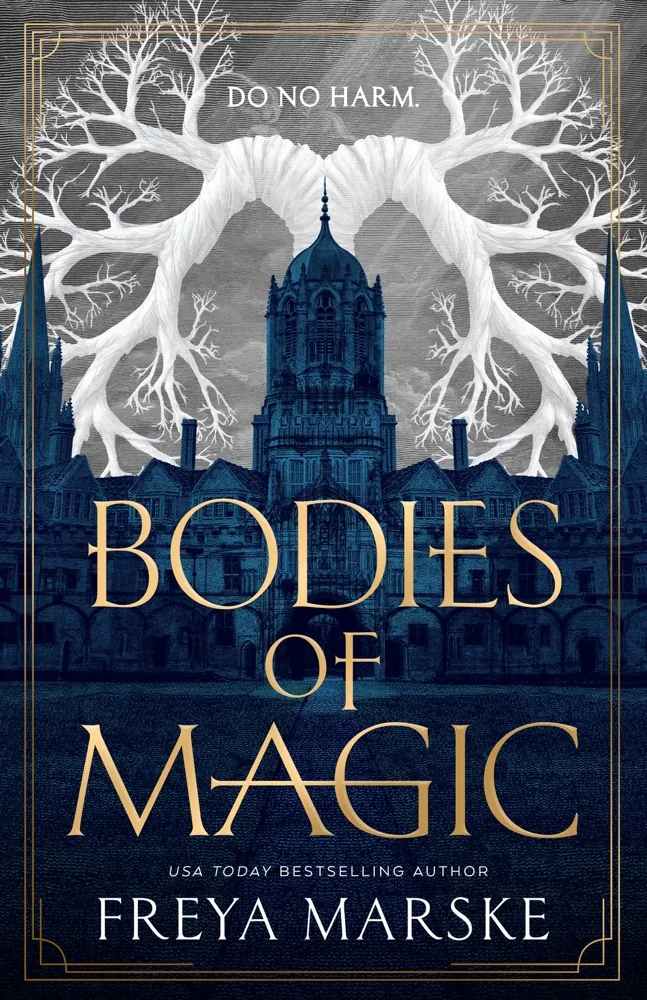

Author: Freya MarskePage Count: UnknownPublication Date: Expected publication 2026-09-15 APL Sipping on my fair-trade, shade-grown organic sencha while sorting my heirloom seed packets, I cannot help but pause over Freya Marske’s upcoming Bodies of Magic. Dark academia meets institutional pressure. But what does this actually say about our own obsession with hyper-productivity and bureaucratic violence? The Politics of the Exam Look at the setup. An elite Academie. Five years of labor. A high-stakes trial that dictates a student's entire socioeconomic trajectory. Sound familiar? It is the exact corporatized meritocracy we critique every single day in modern academia—just swap out the student loans for lethal magic and dead bodies. Marske is clearly using this magical bureaucracy to mirror our own soul-crushing institutional gatekeeping. And honestly? I am here for the critique of systemic sorting mechanisms. Ecology and the Body Yet, I find myself squinting at the synopsis with my usual environmental skepticism. The title itself—Bodies of Magic—brings to mind organic matter, physical systems, and the literal earth. But does this world have an ecology? Are these healers draining the natural world for their spells, or is there a symbiotic loop? The marketing shouts Grey’s Anatomy meets A Deadly Education, which immediately evokes Naomi Novik’s misanthropic school systems and Leigh Bardugo’s cutthroat social hierarchies. Will Marske ground her magic in organic systems, or will it remain purely transactional and anthropocentric? Five scholars. Five secrets. Five days. The structure is delightfully rigid, almost like a monoculture crop layout—all neat rows until a corpse disrupts the soil. But what about the dead girl? A brilliant scholar, naturally sacrificed on the altar of academic excellence. Typical. Meritocracies always consume their brightest green shoots for fertilizer. Time will tell if Marske actually has something biting to say about collective survival—after all, they pass together or fail together, a lovely little nod to mutual aid—or if this is just another flashy, high-mortality boarding school romp designed to sell special-edition sprayed edges to booktokers. Will the trees survive the metaphor? Related InsightsSmall Kingdoms and Other Stories Book Review and Summary In the Margins Book Review and Summary Killing Sarai Book Review and Summary{ "@context": "https://schema.org", "@type": "FAQPage", "mainEntity": [ { "@type": "Question", "name": "What is the main focus of Bodies of Magic Book Review and Summary?", "acceptedAnswer": { "@type": "Answer", "text": "Everything you need to know about Bodies of Magic with our detailed review." } }, { "@type": "Question", "name": "Who authored the comprehensive guide on Bodies of Magic Book Review and Summary?", "acceptedAnswer": { "@type": "Answer", "text": "This detailed article and its insights were carefully researched and authored by Lucia Garcia." } }, { "@type": "Question", "name": "Where can I find more related content about Books?", "acceptedAnswer": { "@type": "Answer", "text": "You can explore more articles, detailed reviews, and similar insights by browsing the Related Insights section at the bottom of this article or visiting our dedicated Books category page." } } ] }
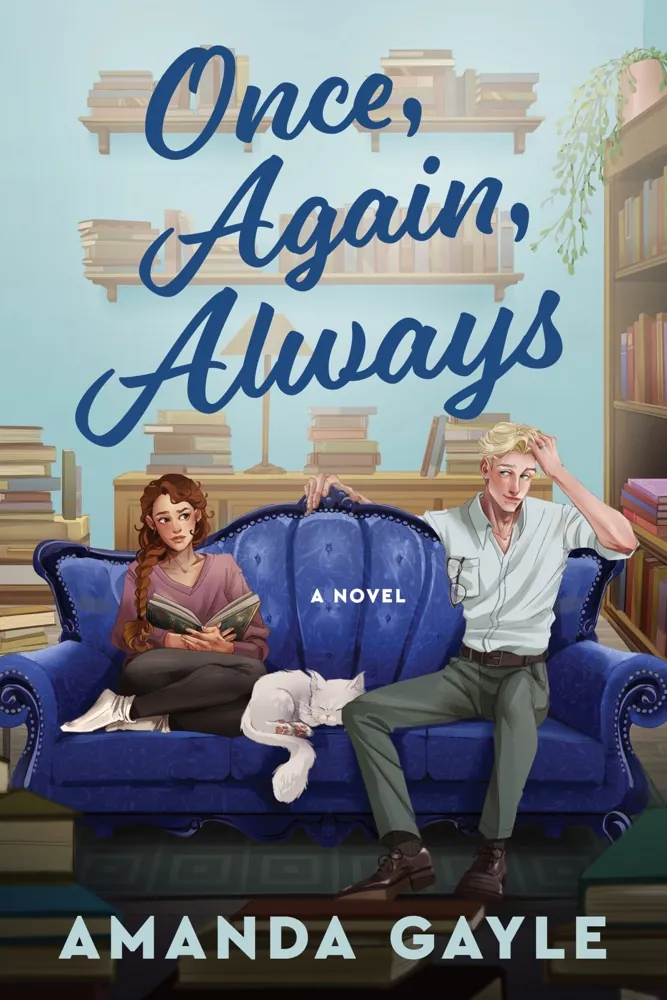
Once, Again, Always Author: Amanda GaylePage Count: UnknownPublication Date: Expected publication 2026-10-06 APL Title: Waking Up to Forever: Why Amanda Gayle’s Once, Again, Always is Set to Be 2026’s Most Addictive Romance If you think you know everything about second-chance romance, Amanda Gayle is about to rewrite the rules. Set for publication on October 6, 2026, Once, Again, Always promises to deliver the ultimate emotional rollercoaster, blending high-stakes amnesia with the delicious tension of an ultimate enemies-to-lovers dynamic. While full details on page counts remain under wraps, the official synopsis alone is already driving romance readers into a frenzy. Imagine waking up in a hospital bed with a head injury and a missing six-year chunk of your life. Now, imagine the absolute whiplash of discovering that your husband is none other than Aster Bishop—the very man who made your life a living hell back at boarding school. According to the synopsis, Molly Graham is forced to grapple with a reality she doesn't remember. Convinced by her lifelong friends to give her unexpected new life a chance, she returns home with Aster, only to find a man who is a far cry from the arrogant boy she despised. Devastatingly handsome, considerate, and sleeping faithfully on the sofa every night to keep her comfortable, this new Aster is packed with undeniable chemistry—and a wall of frustrating secrets. For readers who live for elite romance tropes, Gayle is serving an absolute feast. We are looking at a masterclass in slow-burn yearning, forced proximity, and the ultimate twist on the classic "there's only one bed" trope—except this time, the gentlemanly hero voluntarily banishes himself to the couch. Molly is left facing the ultimate question: how do you fall in love with a man a second time when you can't even remember the first? As we count down the months to October 2026, Once, Again, Always is shaping up to be an absolute must-read for anyone who loves high-angst emotional journeys, sharp banter, and the beautiful agony of found family and rediscovered love. Keep this one firmly at the top of your anticipated release radar. #OnceAgainAlways #AmandaGayle #SecondChanceRomance #RivalsToLovers #SlowBurnRomance #BookTok Related InsightsThe Mountain Book Review and Summary One for the Money Book Review and Summary The Bonfire of the Vanities Book Review and Summary{ "@context": "https://schema.org", "@type": "FAQPage", "mainEntity": [ { "@type": "Question", "name": "What is the main focus of Once, Again, Always Book Review and Summary?", "acceptedAnswer": { "@type": "Answer", "text": "Everything you need to know about Once, Again, Always with our detailed review." } }, { "@type": "Question", "name": "Who authored the comprehensive guide on Once, Again, Always Book Review and Summary?", "acceptedAnswer": { "@type": "Answer", "text": "This detailed article and its insights were carefully researched and authored by Elena Volkova." } }, { "@type": "Question", "name": "Where can I find more related content about Books?", "acceptedAnswer": { "@type": "Answer", "text": "You can explore more articles, detailed reviews, and similar insights by browsing the Related Insights section at the bottom of this article or visiting our dedicated Books category page." } } ] }
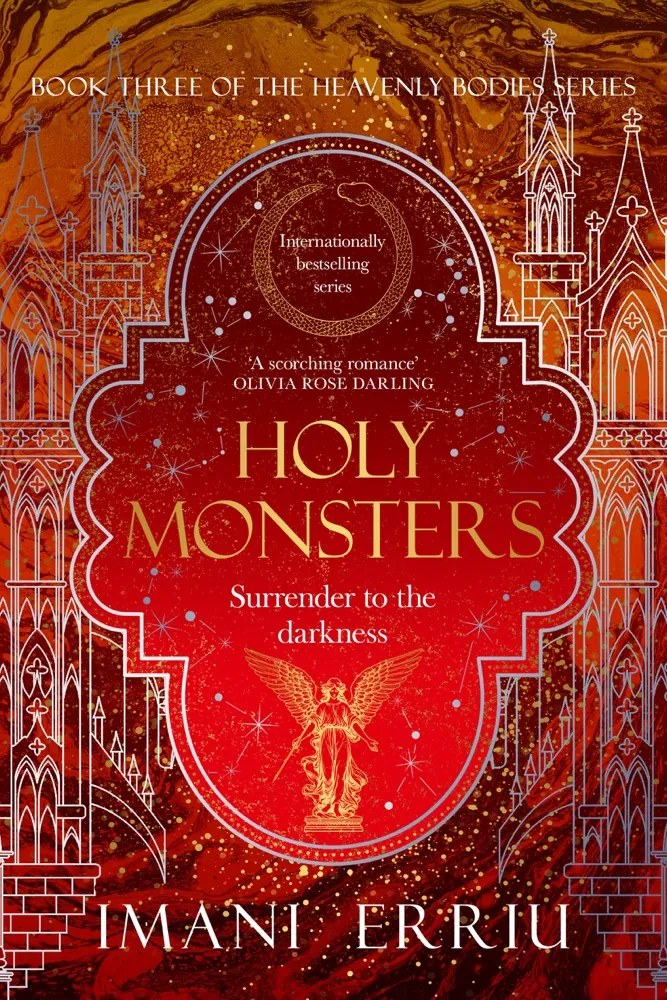

Holy Monsters (Heavenly Bodies, #3) Author: Imani ErriuPage Count: UnknownPublication Date: Expected publication 2026 APL Exclusive Preview: Holy Monsters (Heavenly Bodies, #3) by Imani Erriu The wait is almost over for fans of Imani Erriu's viral Heavenly Bodies series. The highly anticipated third installment, Holy Monsters, is expected to hit shelves in 2026, and the excitement is palpable. If you loved the first two books in the series, get ready for another epic ride filled with action, romance, and heart-stopping drama. A Glimpse into the World of Holy Monsters In this explosive third book, Elara and Lorenzo find themselves in a precarious situation. The Dark has returned, and she's hungrier than ever for hearts. With whispers of war echoing across the realms, Elara must make a difficult decision: join forces with her greatest enemy, the ruthless King of Stars, to stop the Dark from destroying the world. The unlikely alliance takes Elara and Lorenzo to the brutal ice kingdom of Perses, where violence is honor and mercy is weakness. As they navigate this treacherous landscape, they must confront their own desires and the growing danger that threatens to consume them both. With Elara's immortal magic growing stronger, the line between salvation and ruin begins to blur. A Desperate Alliance and a Forbidden Love As Elara and Lorenzo work together to stop the Dark, they must also contend with the forbidden desire that burns between them. Will their love become the price of salvation, or will it be the key to saving the world? With the fate of the realms hanging in the balance, Elara must decide how far she's willing to go to save the people she loves. Imani Erriu's Masterful Storytelling Imani Erriu has proven herself to be a masterful storyteller with the first two books in the Heavenly Bodies series. Her unique blend of action, romance, and fantasy has captivated readers worldwide, and Holy Monsters promises to be just as thrilling. With its intricate world-building, complex characters, and heart-pumping plot twists, this book is sure to leave readers on the edge of their seats. Get Ready for the Next Installment If you're a fan of the Heavenly Bodies series, you won't want to miss Holy Monsters. With its explosive plot, forbidden love, and heart-stopping drama, this book is sure to be a wild ride. Mark your calendars for the expected release in 2026, and get ready to dive back into the world of Elara and Lorenzo. #FantasyBookLovers #HeavenlyBodiesSeries #ImaniErriu #NewRelease #BookLovers #ParanormalRomance Related InsightsWitches of Questionable Intent (Books of Dubious Origin, #2) Book Review and Summary Alice Oseman Collection 6 Books Set Book Review and Summary Home Before Dark Book Review and Summary{ "@context": "https://schema.org", "@type": "FAQPage", "mainEntity": [ { "@type": "Question", "name": "What is the main focus of Holy Monsters (Heavenly Bodies, #3) Book Review and Summary?", "acceptedAnswer": { "@type": "Answer", "text": "Everything you need to know about Holy Monsters (Heavenly Bodies, #3) with our detailed review." } }, { "@type": "Question", "name": "Who authored the comprehensive guide on Holy Monsters (Heavenly Bodies, #3) Book Review and Summary?", "acceptedAnswer": { "@type": "Answer", "text": "This detailed article and its insights were carefully researched and authored by James Miller." } }, { "@type": "Question", "name": "Where can I find more related content about Books?", "acceptedAnswer": { "@type": "Answer", "text": "You can explore more articles, detailed reviews, and similar insights by browsing the Related Insights section at the bottom of this article or visiting our dedicated Books category page." } } ] }
-
 Isabella Moore
 - 03 Aug, 2026 22:14
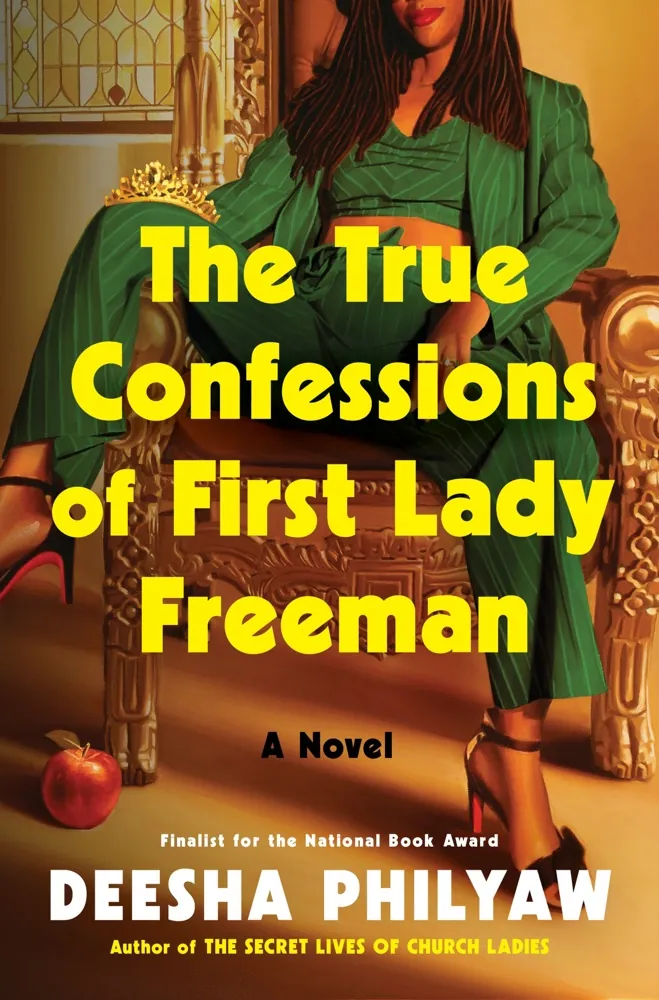
The True Confessions of First Lady Freeman Book Review and Summary
The True Confessions of First Lady Freeman Author: Deesha PhilyawPage Count: UnknownPublication Date: Expected publication 2026-09-29 APL The True Confessions of First Lady Freeman: A Juicy and Unruly Page-Turner from Acclaimed Author Deesha Philyaw Get ready for a wild ride with Deesha Philyaw's upcoming novel, The True Confessions of First Lady Freeman, expected to hit shelves on September 29, 2026. This highly anticipated release has already generated buzz among literary circles, with praise from notable authors like Rufi Thorpe, Jasmine Guillory, and Kiese Laymon. For fans of Philyaw's previous work, particularly her acclaimed collection The Secret Lives of Church Ladies, this new novel promises to deliver the same blend of humor, wit, and unflinching honesty that has come to define her writing style. If you loved her previous bestsellers, you won't want to miss this latest offering. The True Confessions of First Lady Freeman tells the story of Scharisse Freeman, the wife of a powerful megachurch pastor, who has built a lucrative business empire and lives a life of comfort and privilege. However, on the eve of her 40th birthday, Schar's carefully curated life is turned upside down when a scandal breaks, threatening to expose her deepest secrets and upend her world. With its "funny and juicy and sexy and delicious peek behind the pulpit" (Samantha Irby), this novel promises to be a compulsively readable page-turner that will keep you on the edge of your seat. Philyaw's writing is known for its unflinching honesty and its ability to tackle tough subjects with humor and wit, making this novel a must-read for fans of contemporary women's fiction. As Kiese Laymon notes, "Deesha Philyaw has already established herself as one of the greatest short story writers, but in The True Confessions of First Lady Freeman, she cements herself as the most soulfully entertaining writer of her era." With praise like this, it's clear that Philyaw's latest novel is going to be a major hit. Mark your calendars for September 29, 2026, and get ready to dive into the juicy and unruly world of The True Confessions of First Lady Freeman. #DeeshaPhilyaw #TheTrueConfessionsOfFirstLadyFreeman #WomenFiction #ContemporaryLiterature #BookLovers #NewRelease Related InsightsThe Witches of Cambridge Book Review and Summary Alpha Night Book Review and Summary City of Lost Souls Book Review and Summary{ "@context": "https://schema.org", "@type": "FAQPage", "mainEntity": [ { "@type": "Question", "name": "What is the main focus of The True Confessions of First Lady Freeman Book Review and Summary?", "acceptedAnswer": { "@type": "Answer", "text": "Everything you need to know about The True Confessions of First Lady Freeman with our detailed review." } }, { "@type": "Question", "name": "Who authored the comprehensive guide on The True Confessions of First Lady Freeman Book Review and Summary?", "acceptedAnswer": { "@type": "Answer", "text": "This detailed article and its insights were carefully researched and authored by Isabella Moore." } }, { "@type": "Question", "name": "Where can I find more related content about Books?", "acceptedAnswer": { "@type": "Answer", "text": "You can explore more articles, detailed reviews, and similar insights by browsing the Related Insights section at the bottom of this article or visiting our dedicated Books category page." } } ] }
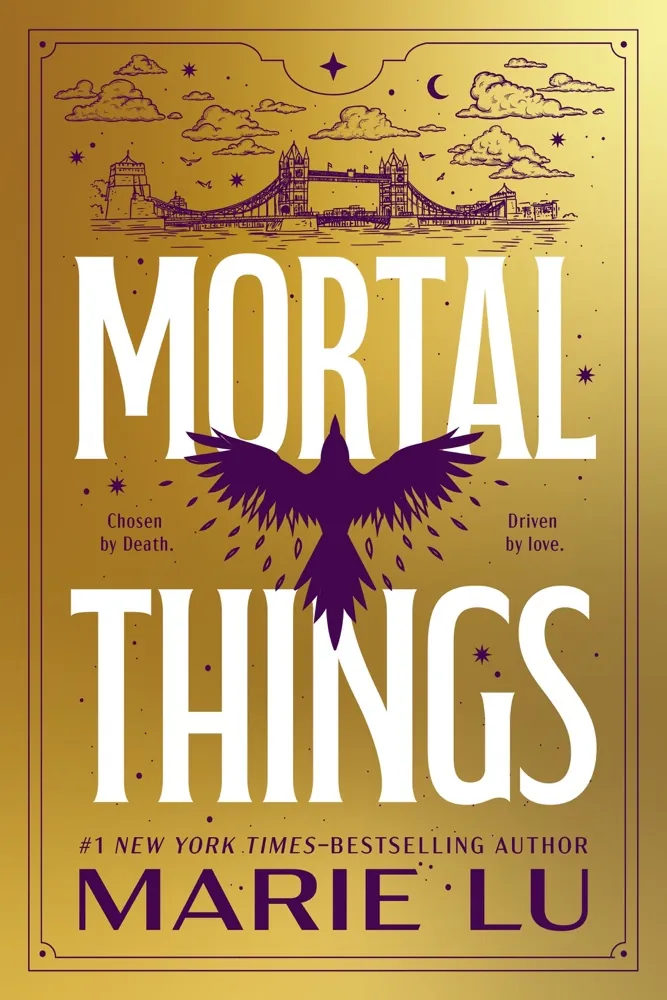
Mortal Things Author: Marie LuPage Count: UnknownPublication Date: Expected publication 2026-10-27 APL Title: Step Into the Dark Dream: Marie Lu Returns with Mortal Things Literary journalists and fantasy fans alike have a monumental date circled on their calendars: October 27, 2026. That is the day #1 New York Times-bestselling author Marie Lu—renowned for her blockbuster hits and gripping world-building—returns to the shelves with a cinematic and sweeping new fantasy titled Mortal Things. For readers who have followed Lu’s illustrious career through her phenomenal previous bestsellers, this upcoming release promises a thrilling shift into a dark, intoxicating new arena. Early buzz is already reaching a fever pitch, backed by glowing endorsements from industry heavyweights. Victoria Aveyard, #1 New York Times-bestselling author of the Red Queen series and the Realm Breaker trilogy, calls it "A dark dream of a book." Meanwhile, Rebecca Ross, #1 New York Times-bestselling author of Divine Rivals, praises it as "A riveting, magical read that is impossible to put down." Set in a world of insatiable immortals, their eternal rivalries, and the humans trapped between them, Mortal Things is being heralded as a must-read for fans of Heartless Hunter and A Darker Shade of Magic. Collectors will also want to take note: the stunning first edition features a foiled jacket, making it an instant centerpiece for bookshelves everywhere. What can readers expect when they open the pages? According to the official synopsis: Rose Lin Fairchild didn’t believe in gods, but one chose her anyway. Rose despises Raven, the god of Death. His mysterious commands. His mercurial moods. His closed heart. But most of all, she loathes that she was forced to become his Harbinger, a human mercenary tasked to fulfill their god’s every want and whim. Still, she would do it again, because being a Harbinger is the only thing keeping her best friend alive. When a murder rocks the world of the gods, Rose is suddenly thrust into the immortal realm's spotlight as Raven's heir. This is her chance to free her friend once and for all. But in order for her to ascend, she must first prove herself to the other gods—and the one person standing in her way is a fellow Harbinger. Étienne Beauchard is notorious for his sly wit and charming good looks. Rose can’t stand that he is the one assigned to test her abilities, but as their initial hostility evolves into an intense attraction, they find that the gods’ secrets go deeper than they ever expected. Something is wrong in the immortal world, something that threatens to break their bond and engulf them all in war. As Rose and Étienne fight to uncover the truth and trust each other with their hearts, they realize that everything hinges on the same question: How far would you go to save the person you love? With high-stakes romance, divine politics, and a dangerous mystery at its core, Mortal Things is shaping up to be one of the most talked-about fantasy releases of 2026. Mark your calendars for October 27 and prepare to enter the realm of the immortals. #MarieLu #MortalThings #FantasyBooks #BookTok #YA möglichst #BookLover Related InsightsOkumanın Sihirli Dünyasına Bir Yolculuk: Neden Kitaplar Hala En İyi Dostumuz? Don't Let Him In Book Review and Summary Layla Book Review and Summary{ "@context": "https://schema.org", "@type": "FAQPage", "mainEntity": [ { "@type": "Question", "name": "What is the main focus of Mortal Things Book Review and Summary?", "acceptedAnswer": { "@type": "Answer", "text": "Everything you need to know about Mortal Things with our detailed review." } }, { "@type": "Question", "name": "Who authored the comprehensive guide on Mortal Things Book Review and Summary?", "acceptedAnswer": { "@type": "Answer", "text": "This detailed article and its insights were carefully researched and authored by Tiago Silva." } }, { "@type": "Question", "name": "Where can I find more related content about Books?", "acceptedAnswer": { "@type": "Answer", "text": "You can explore more articles, detailed reviews, and similar insights by browsing the Related Insights section at the bottom of this article or visiting our dedicated Books category page." } } ] }
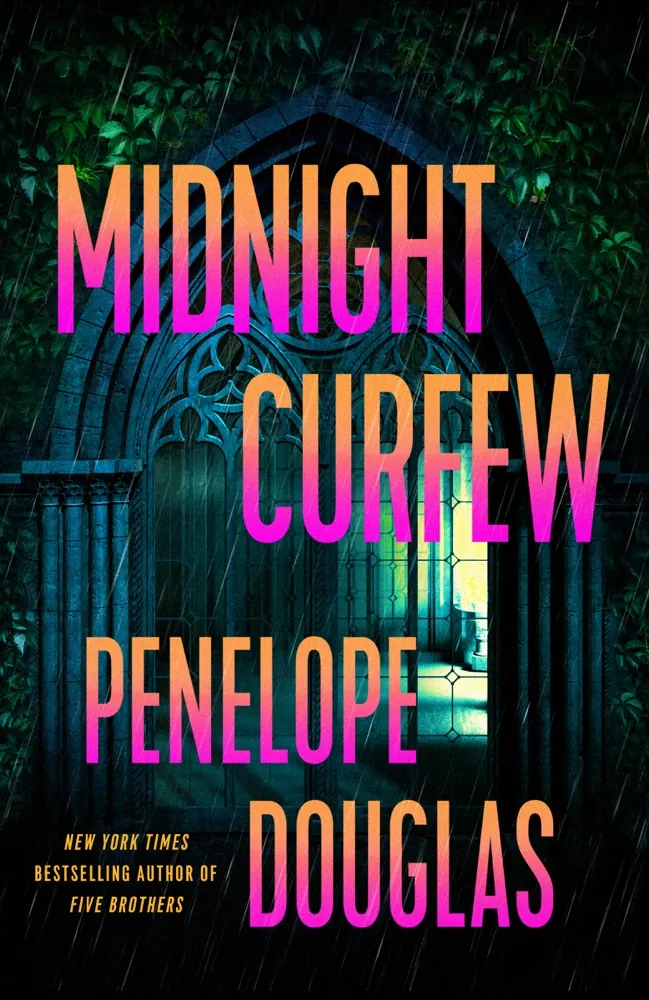

Midnight Curfew Author: Penelope DouglasPage Count: UnknownPublication Date: Expected publication 2026-09-01 APL Exclusive Release: 'Midnight Curfew' by Penelope Douglas - A Sizzling Romance of Forbidden Attraction Get ready to dive into the world of romance and rivalry with Penelope Douglas' latest release, 'Midnight Curfew', set to hit the shelves on September 1, 2026. The New York Times bestselling author is known for her captivating stories, and this one promises to be just as thrilling. In 'Midnight Curfew', Douglas weaves a tale of two families from opposing sides, their animosity towards each other fueled by a long-standing feud. Against this backdrop of tension and rivalry, two young men, Dallas Jaeger and Callum Ames, find themselves inexplicably drawn to each other. The attraction is forbidden, but the spark between them is undeniable. As the summer months bring the heat, storms, and a sense of restlessness to southern Florida, the stage is set for a dramatic confrontation between the Jaegers and the Ames family. Dallas, the middle Jaeger brother, is fiercely protective of his community and his family's reputation, while Callum, the charming and powerful Ames, is hiding a secret that could change everything. As the two men engage in a battle of wills, their desire for each other becomes increasingly difficult to ignore. But with their families' animosity towards each other, their love is doomed from the start. Or is it? If you loved Penelope Douglas' previous bestsellers, you'll be eager to dive into 'Midnight Curfew', which promises to be just as intense and passionate. With her signature style of blending romance, drama, and suspense, Douglas is sure to keep you on the edge of your seat as you follow the story of Dallas and Callum. As we count down the days until the release of 'Midnight Curfew', one thing is certain - this book is going to be a must-read for fans of romance and drama. So mark your calendars, pre-order your copy, and get ready to be swept away by the stormy world of 'Midnight Curfew'. #PenelopeDouglas #MidnightCurfew #RomanceBooks #LGBTQPlusRomance #NewRelease #BookLovers Related InsightsNanny Nanny Book Review and Summary Amongst Our Weapons Book Review and Summary Invenzione occasionale Book Review and Summary{ "@context": "https://schema.org", "@type": "FAQPage", "mainEntity": [ { "@type": "Question", "name": "What is the main focus of Midnight Curfew Book Review and Summary?", "acceptedAnswer": { "@type": "Answer", "text": "Everything you need to know about Midnight Curfew with our detailed review." } }, { "@type": "Question", "name": "Who authored the comprehensive guide on Midnight Curfew Book Review and Summary?", "acceptedAnswer": { "@type": "Answer", "text": "This detailed article and its insights were carefully researched and authored by Beatriz Costa." } }, { "@type": "Question", "name": "Where can I find more related content about Books?", "acceptedAnswer": { "@type": "Answer", "text": "You can explore more articles, detailed reviews, and similar insights by browsing the Related Insights section at the bottom of this article or visiting our dedicated Books category page." } } ] }

Kiss Slay Replay Author: Rachel HarrisonPage Count: UnknownPublication Date: Expected publication 2026-09-01 APL Exclusive Previews for the Most Highly Anticipated Releases of the Year: Kiss Slay Replay by Rachel Harrison Rachel Harrison, the mastermind behind the bestselling thrillers 'So Thirsty' and 'Play Nice', is about to unleash a new horror novel that will keep you on the edge of your seat until the very end. Titled 'Kiss Slay Replay', this gripping tale will take you on a wild and twisty ride that will leave you questioning the lines between reality and nightmare. Get Ready to Experience the Wedding of Your Worst Fears According to the original synopsis, 'Every wedding guest's worst nightmare is on repeat in this wild and twisty new horror novel... It's the picture-perfect wedding weekend, but Willa Sullivan is having a bad time. Her ex-fiancé shows up with a date, and things start to look up when Willa meets Danny, the groom's charming and single childhood best friend. But their romance is cut short when a masked killer terrorizes the reception. Willa wakes up, thinking it was just a nightmare, but as the day unfolds, she starts to question whether it was really a dream, déjà vu, or something more sinister.' If you loved Harrison's previous bestsellers, you will be thrilled to see her tackle a new genre and push the boundaries of psychological suspense. With her proven track record of delivering page-turning thrillers, 'Kiss Slay Replay' is sure to be a must-read for fans of horror, suspense, and the supernatural. A Chilling Debut or a New Chapter in Rachel Harrison's Career? While 'Kiss Slay Replay' marks a new direction for Harrison, her fans have every reason to be excited. With a proven ability to craft gripping stories and memorable characters, Harrison is sure to captivate readers with this latest release. Will 'Kiss Slay Replay' be a game-changing debut for the emerging horror author, or will it solidify Harrison's position as a force to be reckoned with in the genre? What We Know So Far:Title: Kiss Slay Replay Author: Rachel Harrison Expected Publication Date: 2026-09-01 Genre: Horror, Suspense Page Count: TBAKiss Slay Replay hits shelves on September 1st, 2026. Stay tuned for more updates, and get ready to sink your teeth into this chilling new release. #KissSlayReplay #RachelHarrison #HorrorNovel #NewRelease #September2026 #PsychologicalSuspense #Thriller Related InsightsRemain Book Review and Summary The Sex Detective Book Review and Summary Sleep Intelligence: The High-Performance Blueprint for Sharper Thinking Book Review and Summary{ "@context": "https://schema.org", "@type": "FAQPage", "mainEntity": [ { "@type": "Question", "name": "What is the main focus of Kiss Slay Replay Book Review and Summary?", "acceptedAnswer": { "@type": "Answer", "text": "Everything you need to know about Kiss Slay Replay with our detailed review." } }, { "@type": "Question", "name": "Who authored the comprehensive guide on Kiss Slay Replay Book Review and Summary?", "acceptedAnswer": { "@type": "Answer", "text": "This detailed article and its insights were carefully researched and authored by Diego Lopez." } }, { "@type": "Question", "name": "Where can I find more related content about Books?", "acceptedAnswer": { "@type": "Answer", "text": "You can explore more articles, detailed reviews, and similar insights by browsing the Related Insights section at the bottom of this article or visiting our dedicated Books category page." } } ] }